Índice
|
Nombre
|
Especificación
|
|
Apariencia
|
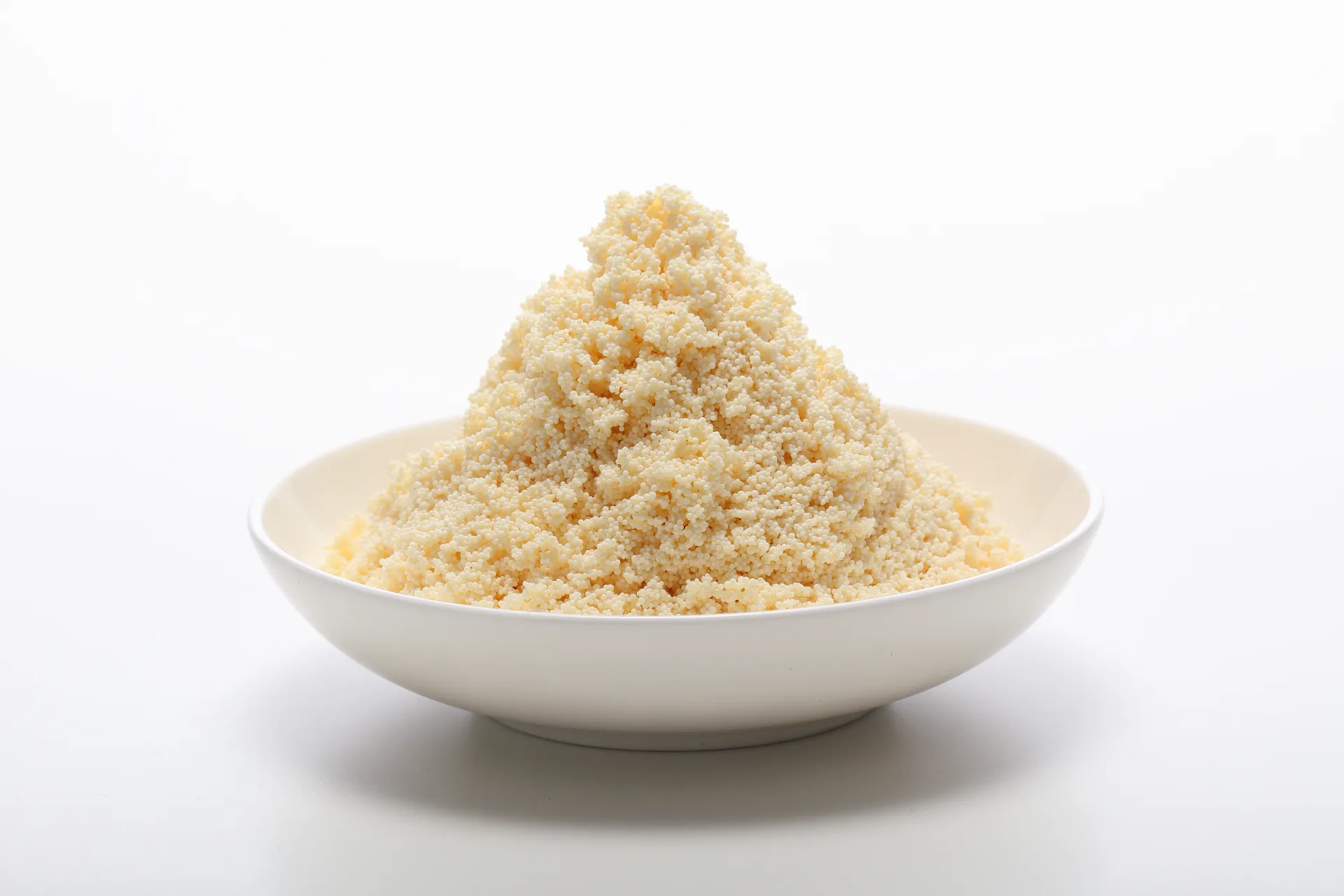
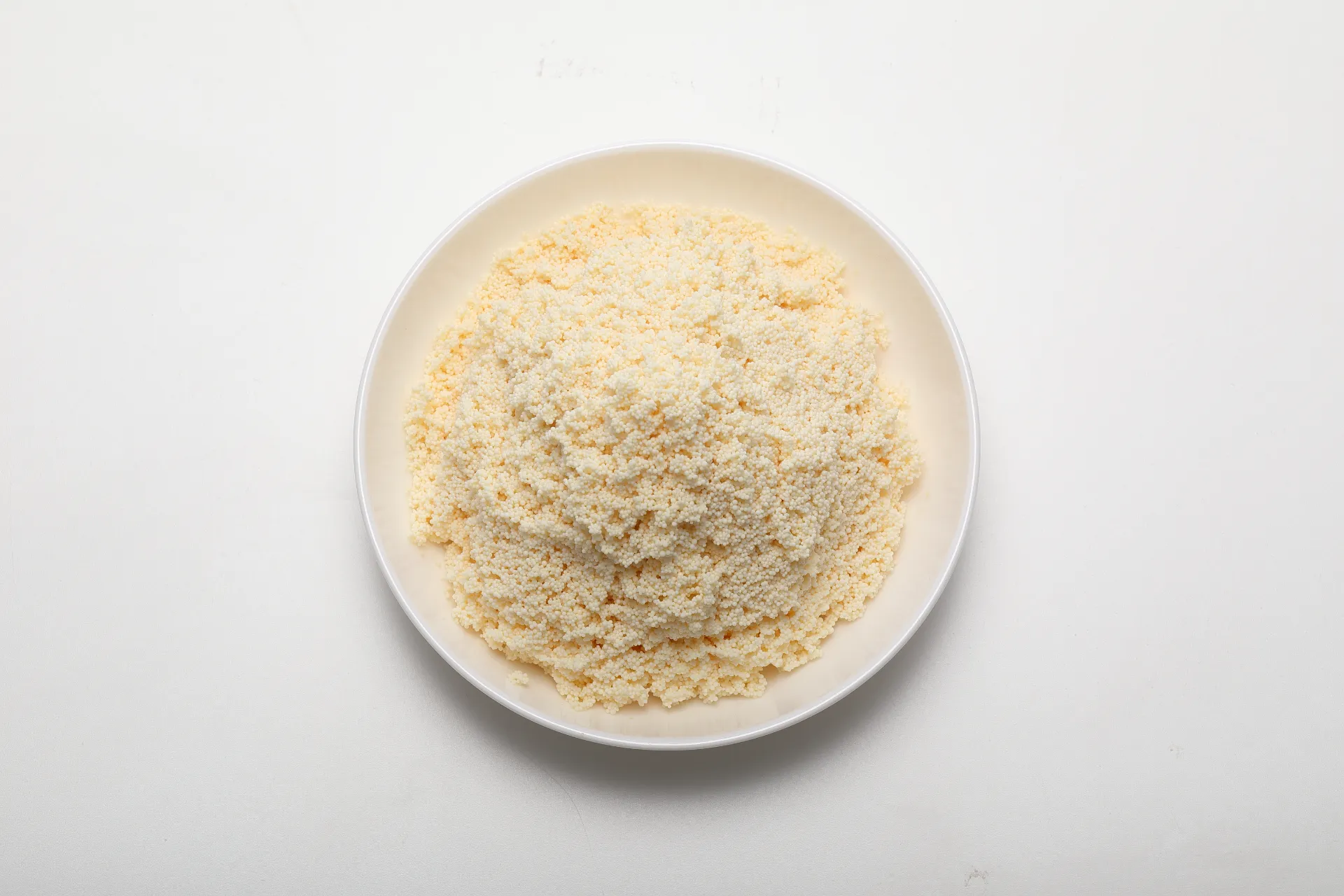
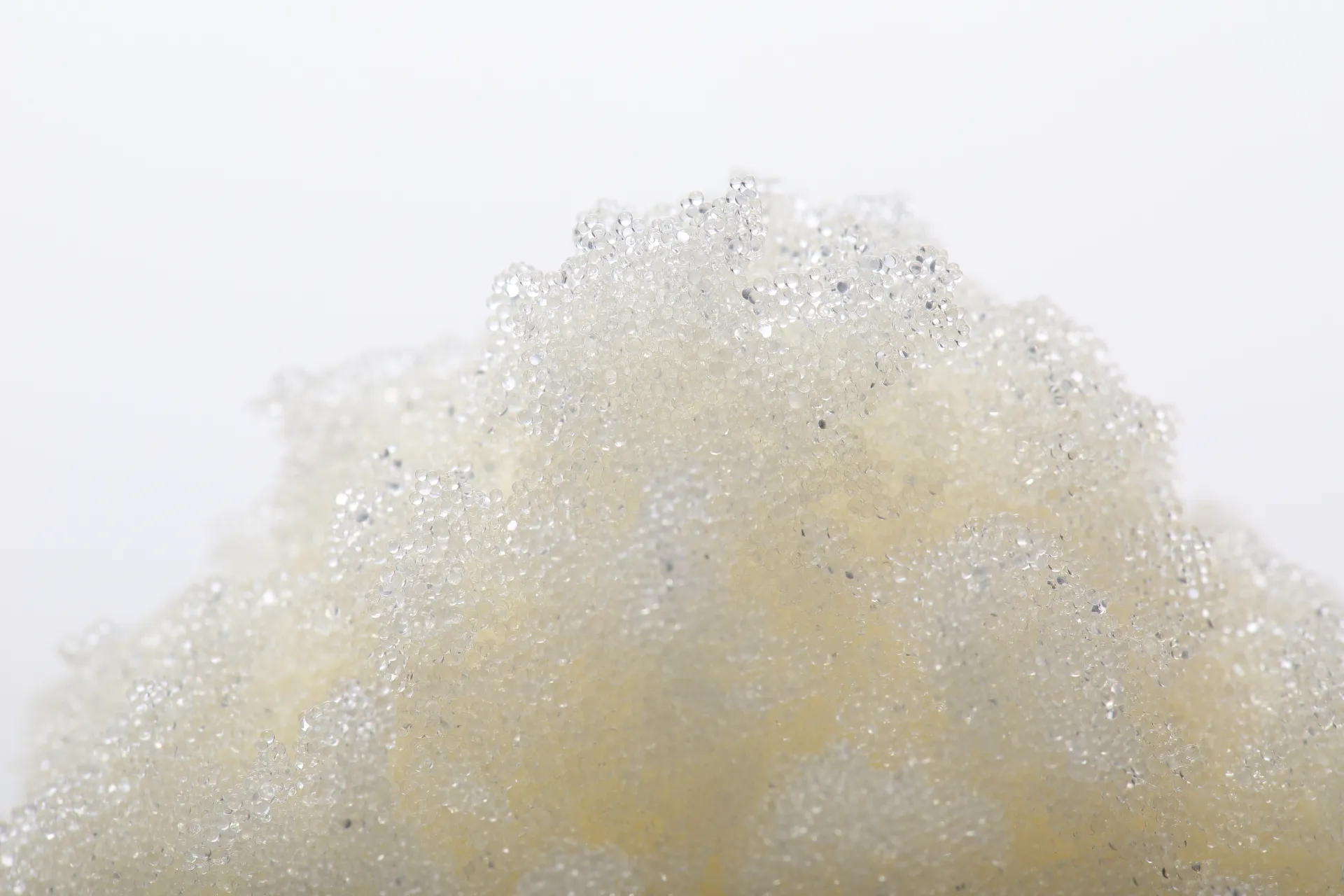
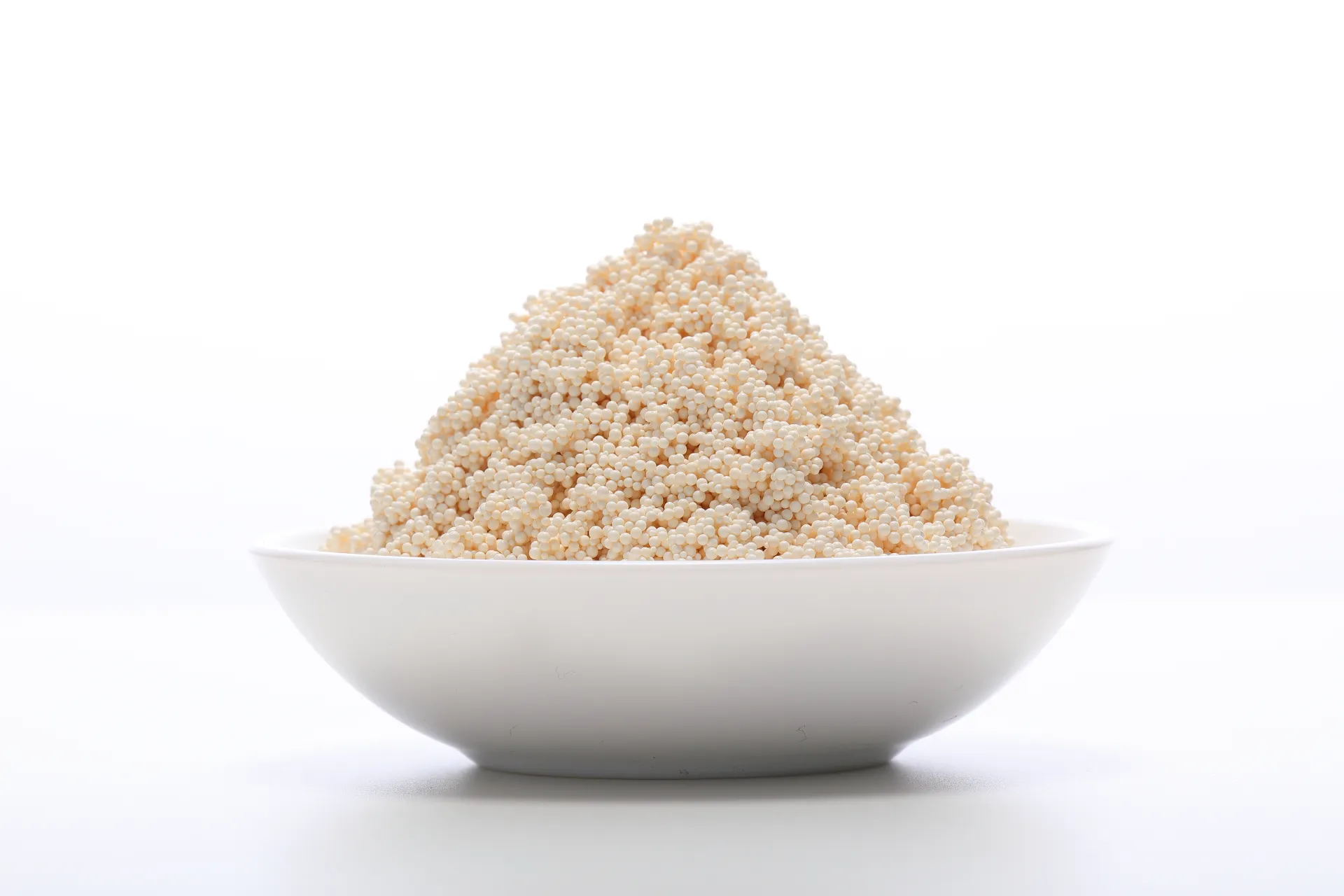
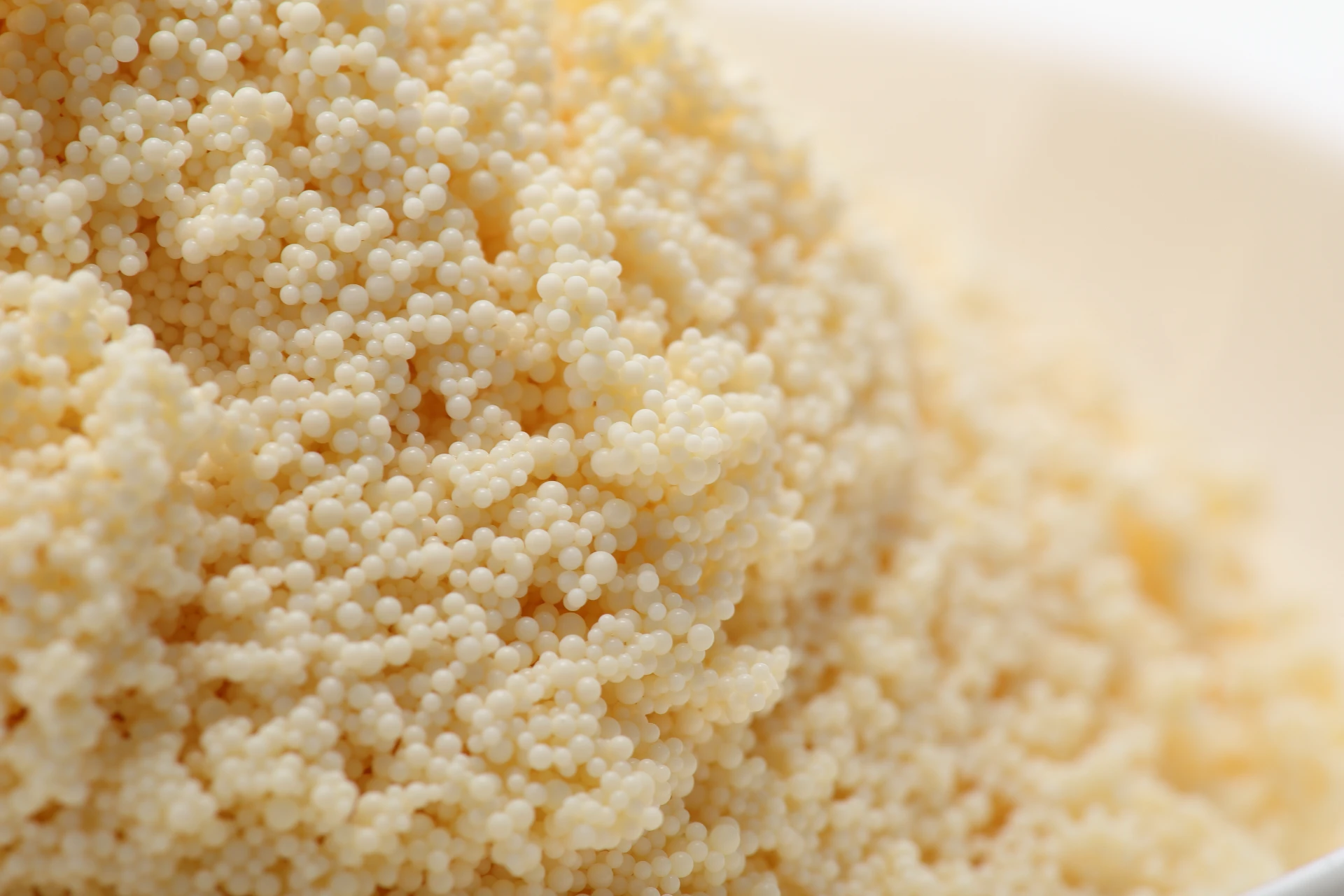
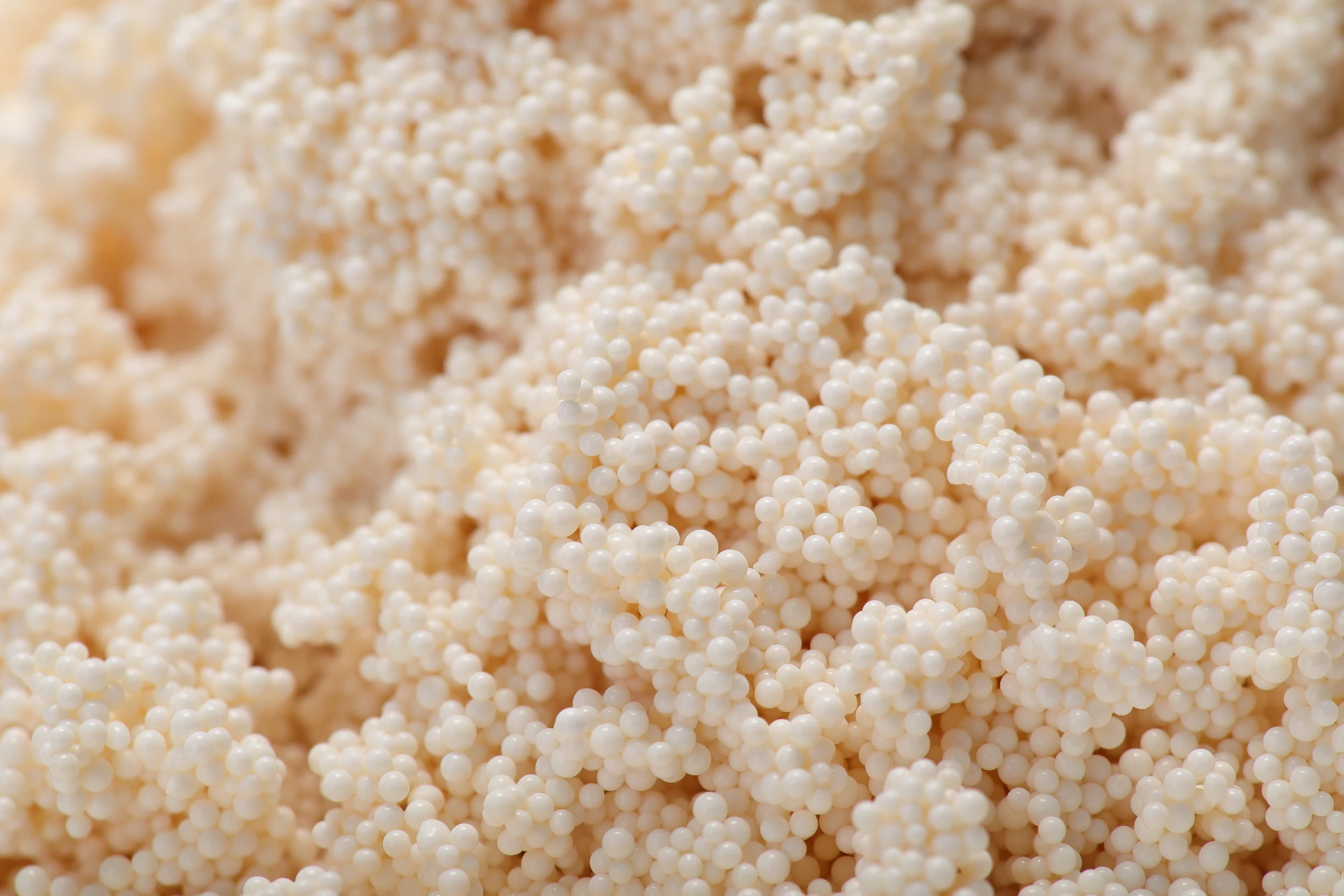
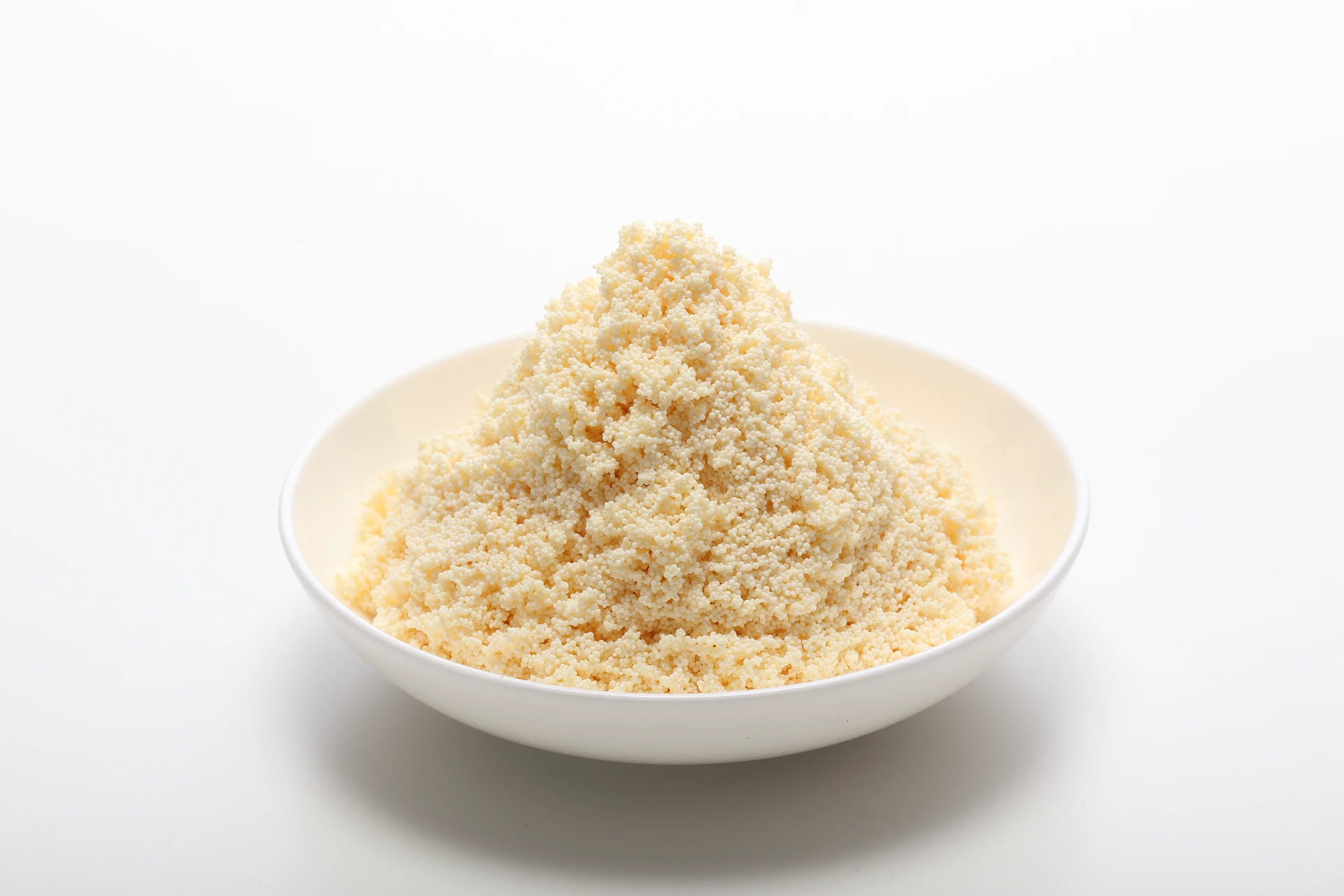
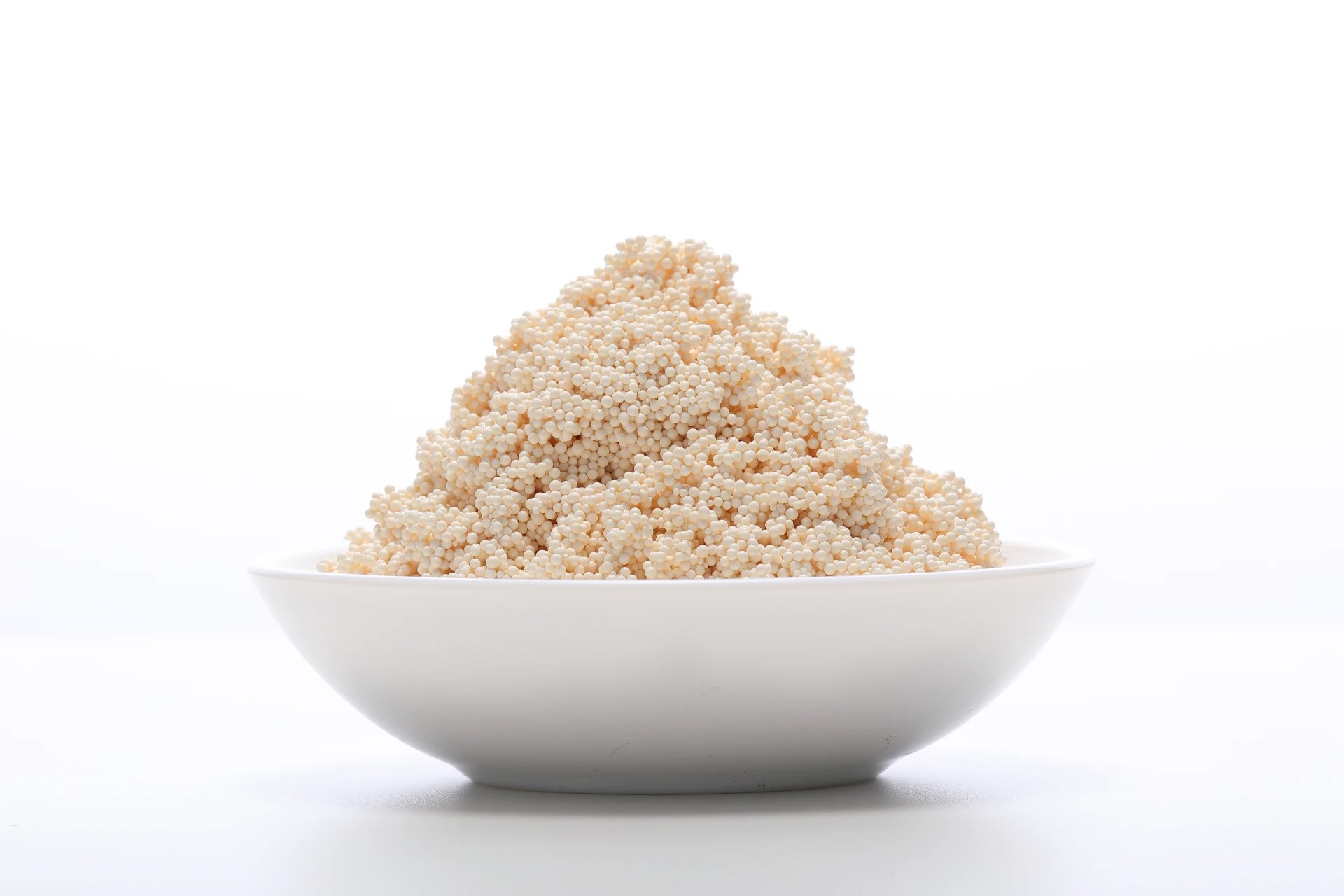
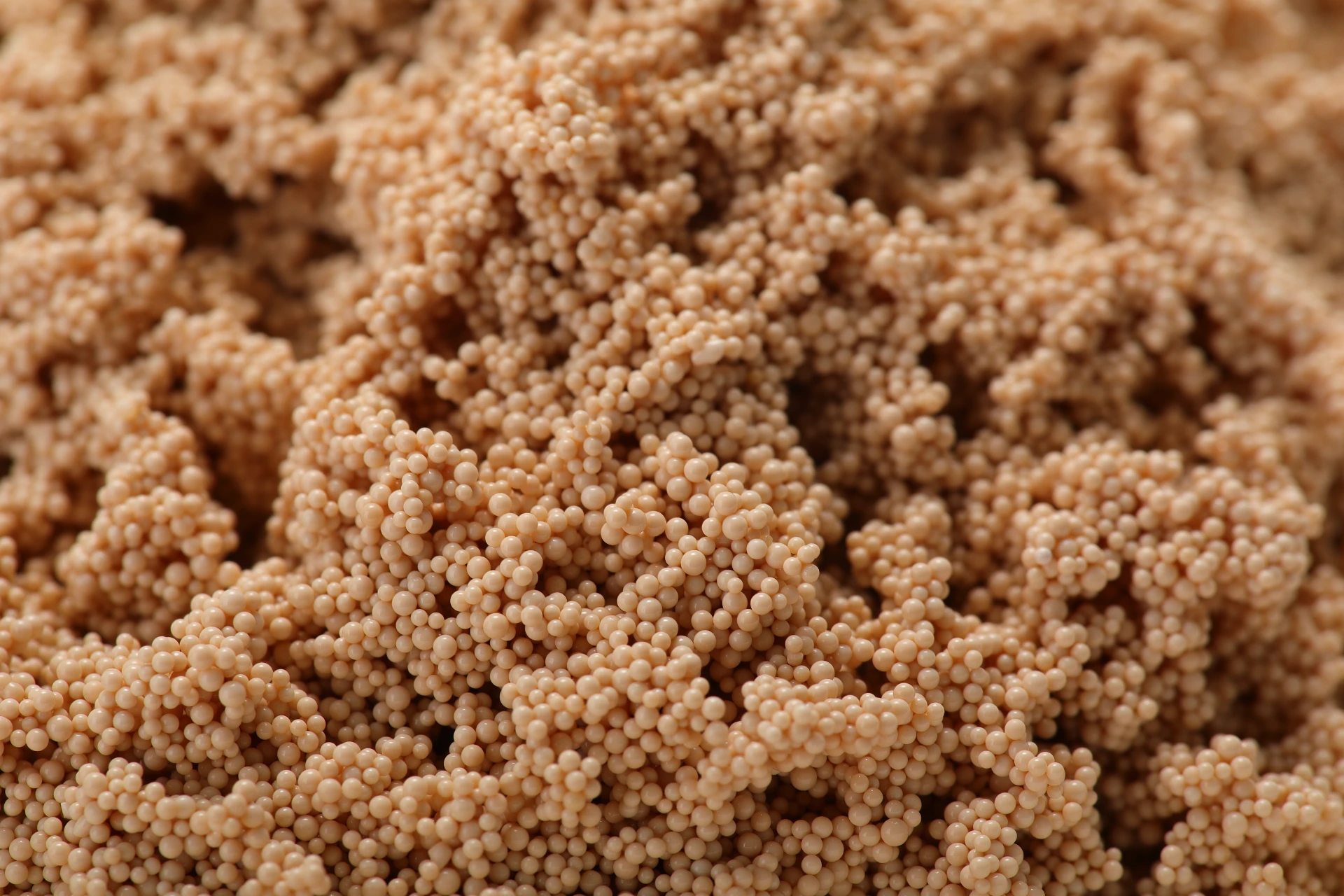
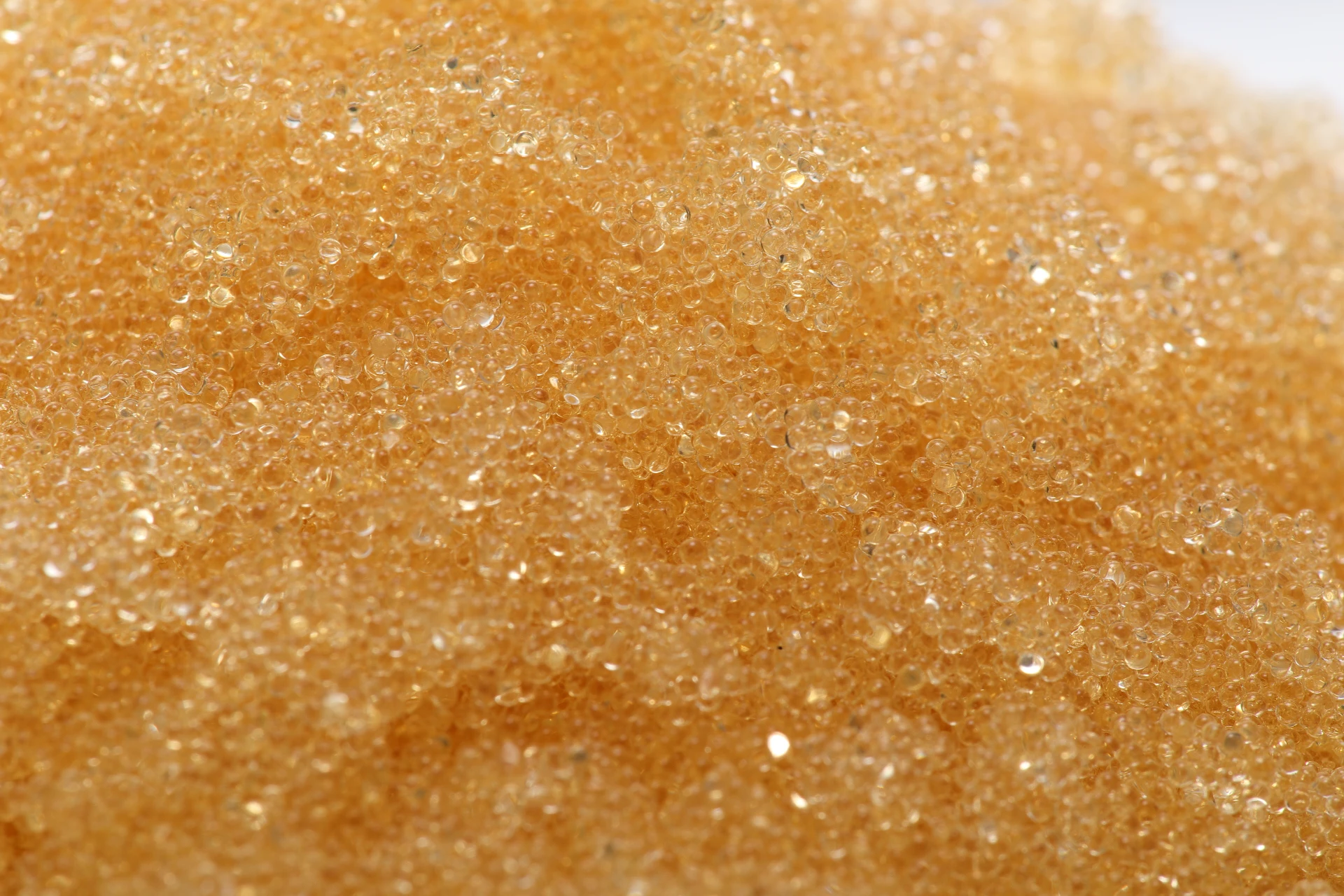
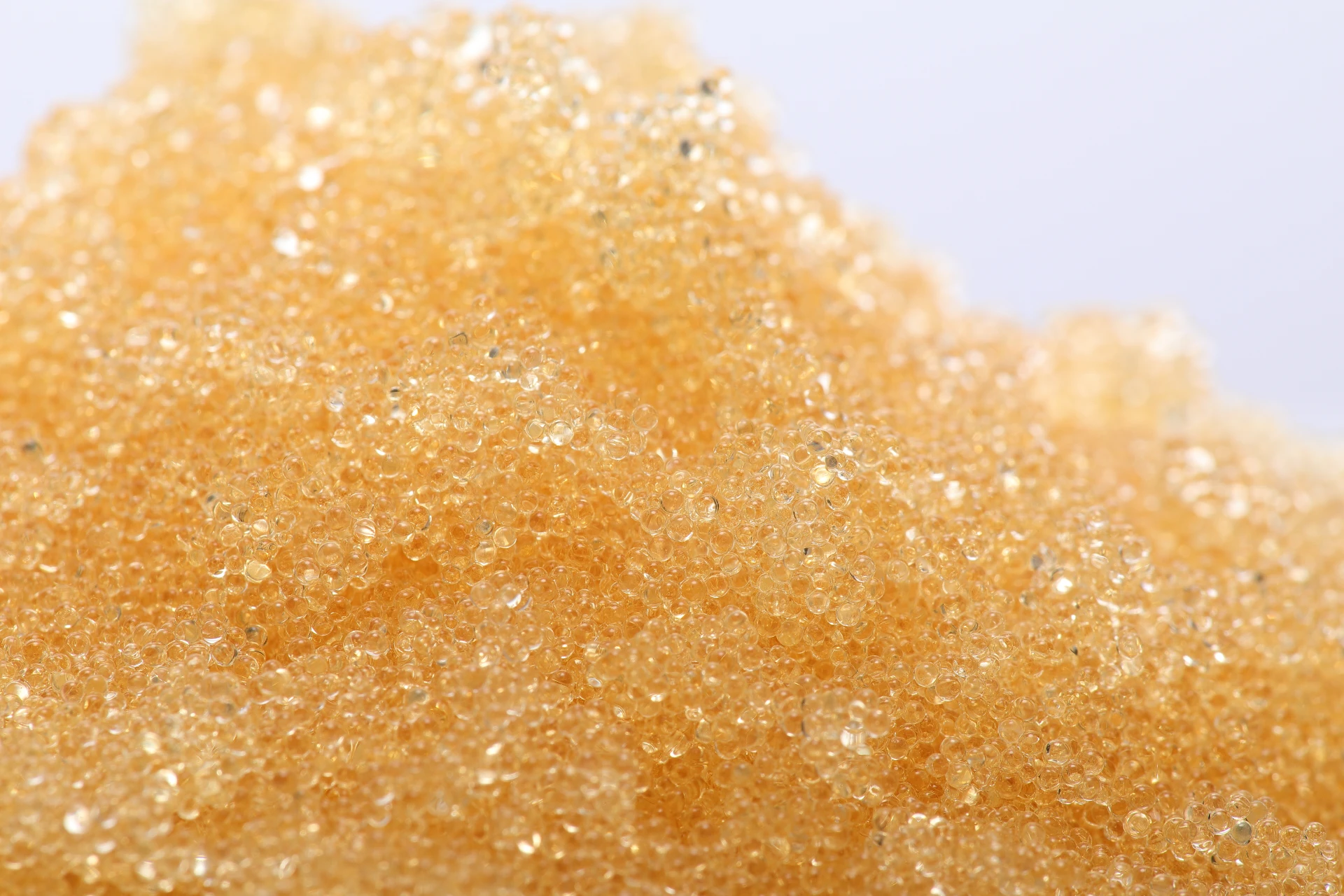
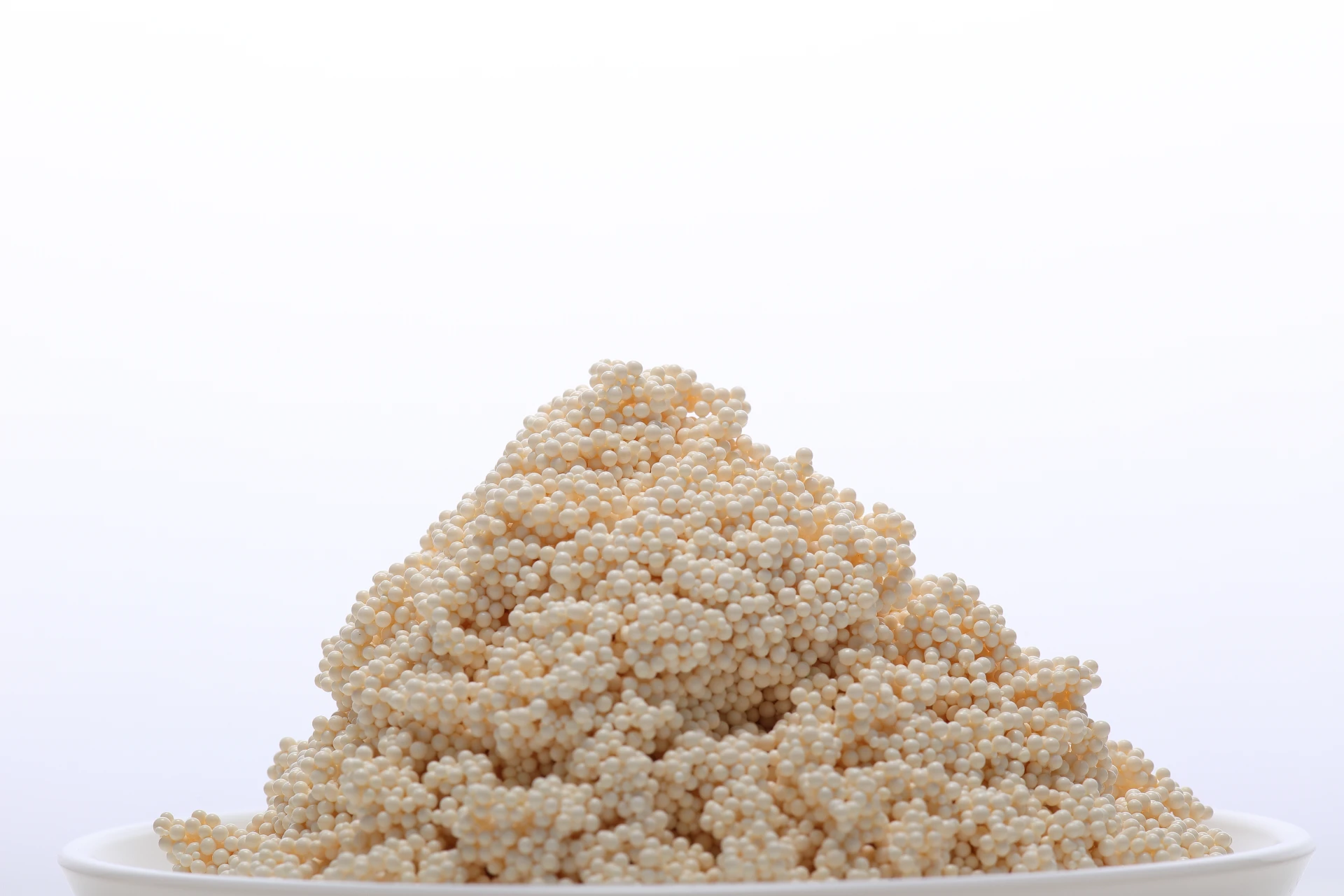
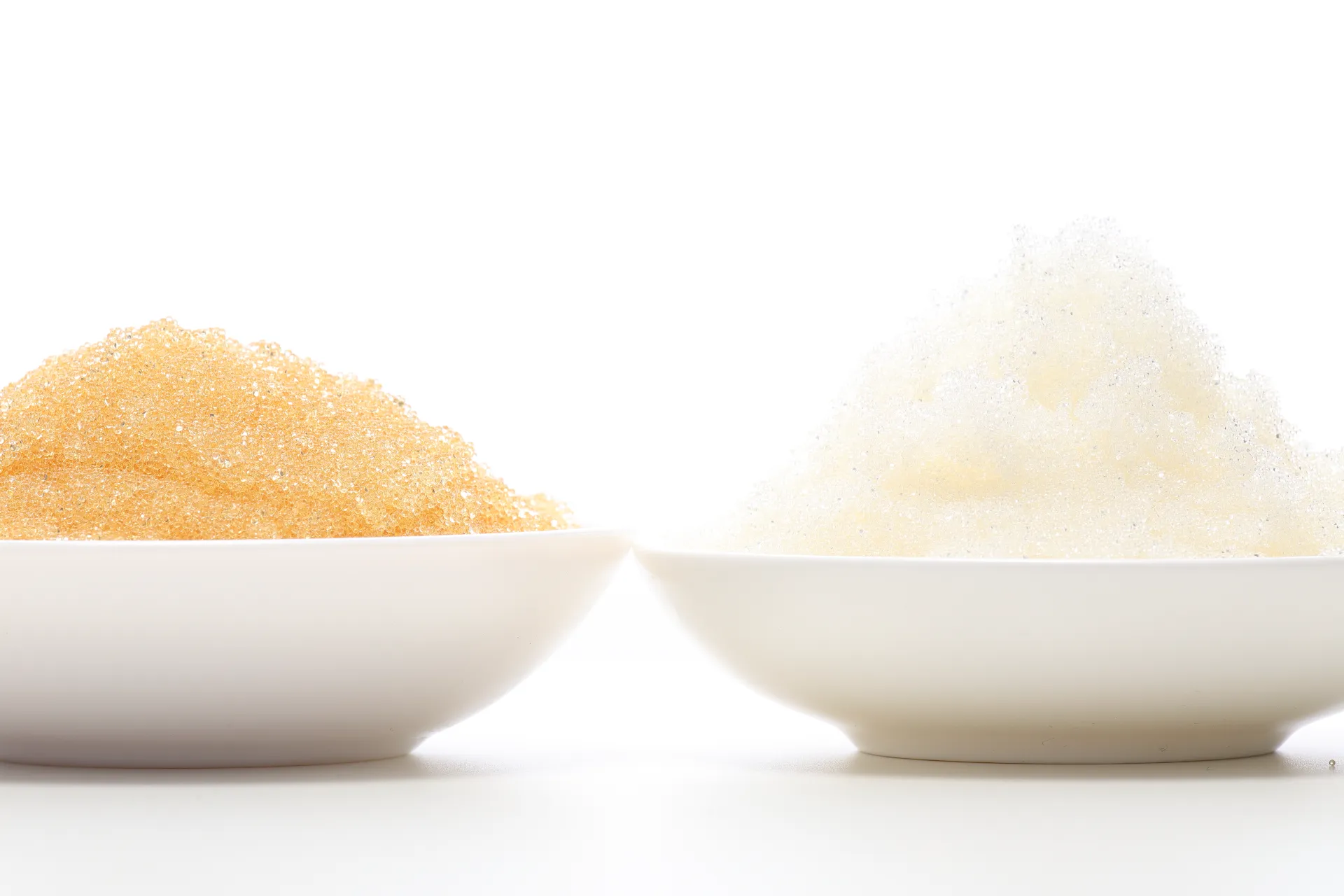
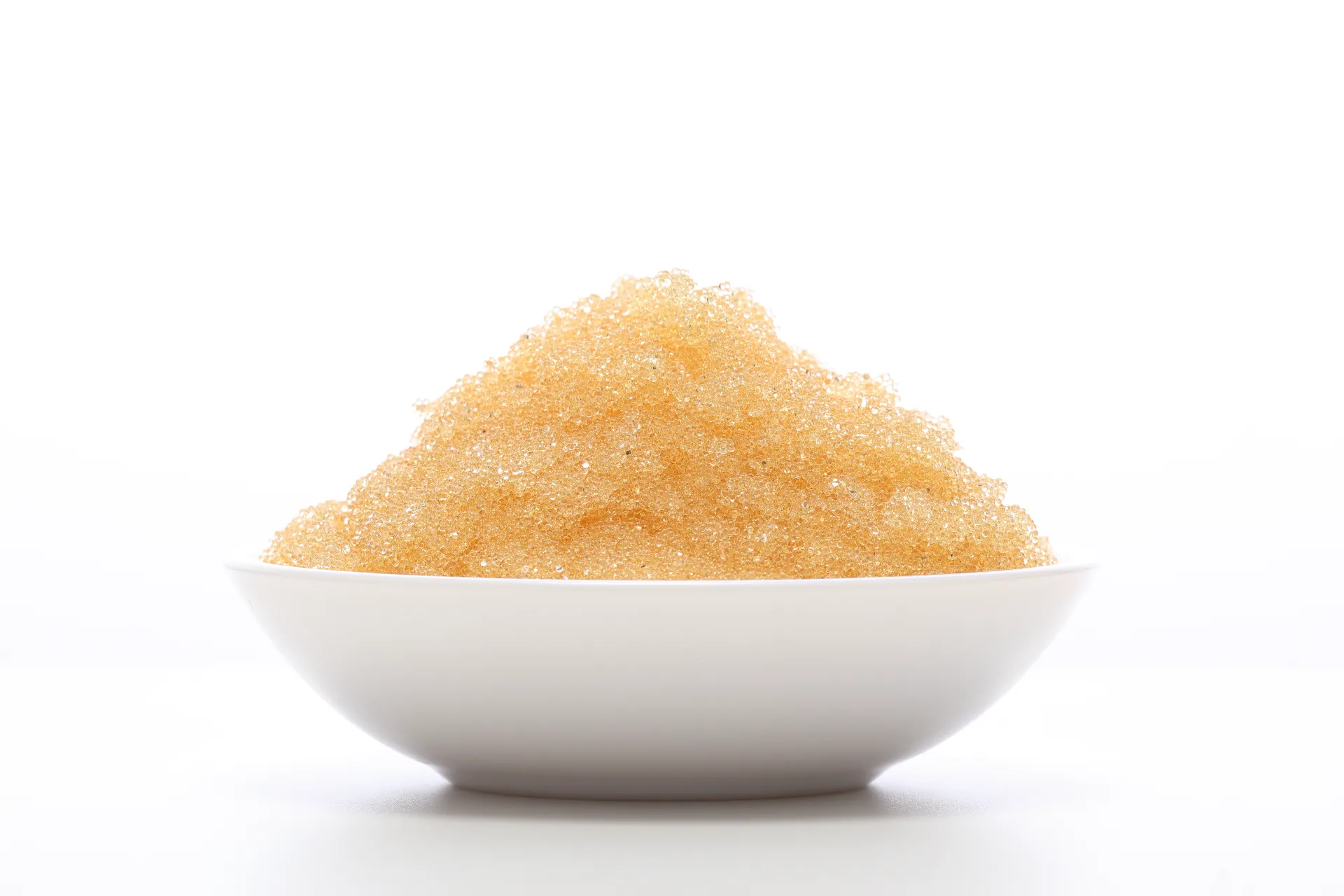
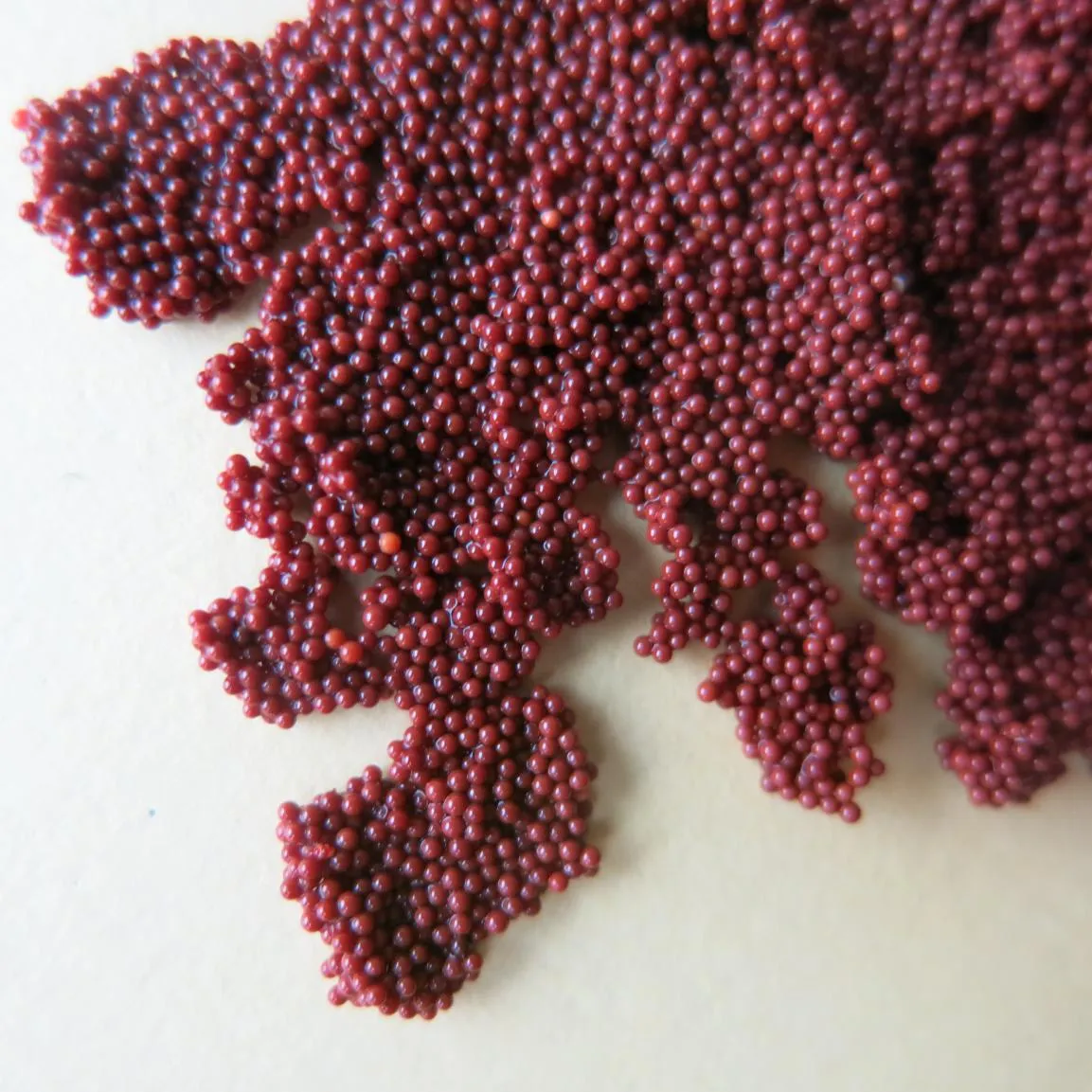
Perlas esféricas opacas de color opalescente a amarillo claro
|
|
Polímero
|
Acrílico poliacrílico
|
|
Grupo funcional
|
-COOH
|
|
Forma iónica tal como se envía
|
H+
|
|
Capacidad de intercambio de peso
|
≥10,80 mmol/g
|
|
Capacidad de intercambio de volumen
|
≥4,40 mmol/ml
|
|
Densidad real (g/ml)
|
1,14-1,20 g/ml
|
|
Densidad aparente (g/ml)
|
0,72-0,80 g/ml
|
|
Capacidad de retención de agua
|
45%-52%
|
|
Rango de tamaño de partículas
|
0,315~0,63 mm ≥95%
|
|
Coeficiente de uniformidad
|
≤1,4
|
|
Recuento total de cuentas (%)
|
≥95%
|
Condiciones de operación de referencia
|
Temperatura máxima de funcionamiento
|
110℃
|
|
Altura de llenado de resina
|
1~3 m
|
|
Velocidad de operación
|
2~10 BV/h
|
|
Velocidad de retrolavado
|
4~10 BV/h
|
|
Velocidad de regeneración (desorción)
|
1~2 BV/h
|
|
Agente regenerador
|
2BV3~5 % HCl, 2BV2~4 % NaOH
|
Solicitud
Ablandamiento de agua
Reciclaje de residuos de zinc y níquel
La separación y purificación de fármacos bioquímicos.
Precauciones
La resina debe conservarse húmeda. La temperatura óptima es superior a 0 °C. Si no se utiliza durante un periodo prolongado, debe almacenarse en un espacio cerrado o añadirse agua salada al 5 % o más. Debe utilizarse un agente anticongelante durante el transporte. No coloque objetos pesados sobre la resina, ya que podría sufrir daños.
Generalmente requiere un flujo de agua alcalina-ácida-agua para el procesamiento. El requisito estricto requiere tres ciclos antes de alcanzar el punto de ionización final.
Es necesario considerar diferentes tasas de expansión de transformación para reservar suficiente espacio para evitar el desbordamiento de resina y garantizar la altura adecuada del nivel de líquido; la relación del diámetro de la columna debe estar dentro de un rango razonable y evitar la corriente de polarización; utilice una columna húmeda o un lavado a contracorriente para eliminar las burbujas dentro de la capa de resina.
Antes de que el líquido entre en la columna de resina, se deben realizar pasos como floculación, filtración o filtración con arena para no obstruir los poros de la resina con sólidos suspendidos.
La resina dentro de la columna que no se ha utilizado durante mucho tiempo debe almacenarse fuera de la columna después de lavarla o agregar agua salada en el medio resistente a la sal mientras se mantiene el nivel del líquido no deshidratado con el retrolavado habitual para aflojar la resina en caso de aglomeración.
Resina de intercambio catiónico de ácido débil D113 SC
In modern industrial and commercial water treatment, the demand for high-performance and reliable ion exchange materials has never been greater. Resina de intercambio catiónico de ácido débil D113 SC stands out as a versatile and efficient solution for softening, decarbonization, and pre-treatment applications, delivering consistent removal of hardness ions and improved water quality across diverse industries. Its compatibility with mixed bed water softener y deionization resin mixed bed systems, along with superior selectivity and regeneration efficiency, ensures operational stability while minimizing chemical consumption and maintenance requirements.
Supporting the application of D113 SC is Hebei Lijiang Biotechnology Co., Ltd., a high-tech enterprise specializing in the research, development, production, and service of high-performance resina de intercambio catiónico, resina de intercambio aniónico, resina de adsorción, y resina quelante products. With international certifications including ISO9001, SGS, and WQA, and food-grade compliance aligned with FDA standards, Lijiang guarantees consistent quality, safety, and reliability. By combining advanced resin technology with comprehensive technical support, the company enables manufacturers worldwide to achieve optimized water treatment, enhanced operational efficiency, and sustainable production practices.
Improving Water Softening Efficiency with Weak Acid Cation Exchange Resin D113 SC
In today’s industrial landscape, efficient water treatment is essential for maintaining equipment longevity, ensuring product quality, and achieving sustainable operations. One material that has become increasingly vital in this process is the Resina de intercambio catiónico de ácido débil D113 SC. Known for its excellent softening capabilities and high selectivity for calcium and magnesium ions, this resin plays a crucial role in reducing hardness, alkalinity, and scaling in industrial water systems. When integrated into mixed bed water softener o deionization resin mixed bed systems, D113 SC enhances operational efficiency, reduces chemical consumption during regeneration, and extends the lifespan of downstream equipment.
Supporting the widespread adoption of D113 SC is Hebei Lijiang Biotechnology Co., Ltd., a modern high-tech manufacturer specializing in high-performance resina de intercambio iónico products. Lijiang integrates research and development, production, sales, and technical service into a seamless operational framework, providing clients with complete solutions for industrial, food-grade, pharmaceutical, and nuclear-grade applications. The company’s commitment to quality is reflected in its ISO9001, SGS, and WQA certifications, as well as FDA compliance for food-grade resins. Through its stringent quality control protocols, Lijiang ensures that every batch of resina de intercambio catiónico, resina de intercambio aniónico, resina de adsorción, o resina quelante meets or exceeds international standards.
Key Advantages of D113 SC Weak Acid Cation Resin in High-Performance Ion Exchange Systems
The D113 SC resin is distinguished by several critical technical advantages. Its weak-acid functional groups provide efficient removal of hardness ions while minimizing acid consumption during regeneration, thereby reducing operational costs and environmental impact. Additionally, the resin exhibits excellent mechanical strength, low swelling properties, and consistent hydraulic performance, making it suitable for both high-capacity industrial systems and precise laboratory applications.
When deployed in mixed bed water softener o deionization resin mixed bed setups, D113 SC works synergistically with complementary resina de intercambio aniónico y resina quelante components to deliver ultra-pure water. Its compatibility with high-quality materials, including alternatives similar to purolite mixed bed resin, allows system designers to optimize performance according to specific operational requirements. These characteristics make D113 SC an ideal choice for power plants, chemical manufacturing, electronics, pharmaceutical production, and food and beverage industries, where water quality directly impacts both process efficiency and product integrity.
Moreover, D113 SC demonstrates remarkable stability across a broad range of pH values and temperatures, which ensures reliable performance in both continuous and intermittent operation scenarios. Its resistance to mechanical wear reduces resin attrition, preventing bed compaction and channeling, and providing longer operational life. By maintaining high exchange capacity and predictable regeneration cycles, D113 SC contributes to energy-efficient and cost-effective water treatment solutions.
Industrial and Food-Grade Applications of Weak Acid Cation Exchange Resin D113 SC
The versatility of D113 SC is reflected in its diverse industrial and commercial applications. In power generation, it serves as a key component for boiler feedwater softening and decarbonization, preventing scale formation and protecting critical equipment such as turbines and heat exchangers. Chemical and petrochemical industries rely on its stable ion-exchange performance to purify process water, recover valuable ions, and reduce operational downtime.
In the food and beverage sector, D113 SC’s compliance with FDA standards and its high purity make it suitable for applications such as sugar deashing, beverage water treatment, and ingredient processing. The resin’s reliability ensures consistent quality while supporting hygienic and safe production practices. Similarly, in pharmaceutical manufacturing and electronics, D113 SC enables the production of ultra-pure water required for sensitive processes, minimizing the risk of contamination and ensuring product consistency.
Hebei Lijiang Biotechnology Co., Ltd. not only provides the resin but also delivers comprehensive technical support to maximize its performance. Services include system design consultation, installation guidance, process optimization, and long-term operational advice. By integrating D113 SC with complementary resina de adsorción, resina de intercambio aniónico, y resina quelante components, Lijiang helps clients achieve optimal system efficiency, extended service life, and reduced maintenance costs.
Furthermore, D113 SC’s environmentally friendly characteristics, including reduced chemical usage and lower wastewater generation, support global sustainability initiatives. As industries worldwide move toward greener and more efficient production models, high-performance resina de intercambio iónico products like D113 SC are becoming essential for modern water treatment systems.
Conclusion
El Resina de intercambio catiónico de ácido débil D113 SC represents a reliable and efficient solution for industrial and commercial water treatment applications. Its high selectivity, mechanical strength, and compatibility with mixed bed water softener y deionization resin mixed bed systems make it ideal for a wide range of industries, from power generation and chemical processing to food, pharmaceutical, and electronics production. By choosing D113 SC, manufacturers can achieve higher operational efficiency, reduced chemical consumption, and consistent water quality.
Supported by Hebei Lijiang Biotechnology Co., Ltd., D113 SC is part of a broader portfolio of high-performance resina de intercambio catiónico, resina de intercambio aniónico, resina de adsorción, y resina quelante solutions designed to meet diverse industrial needs. Through rigorous quality control, international certifications, and comprehensive technical services, Lijiang empowers global clients to implement safe, reliable, and environmentally sustainable water treatment systems. For industries seeking dependable water conditioning solutions, D113 SC, combined with Lijiang’s expertise, delivers both superior performance and long-term value.