Index
|
Pangalan
|
Pagtutukoy
|
|
Hitsura
|
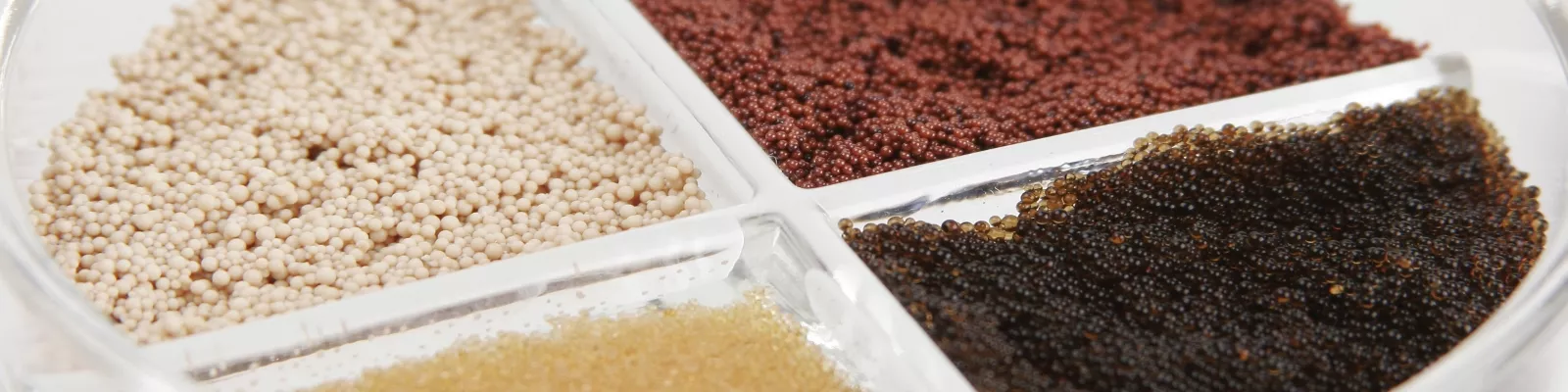
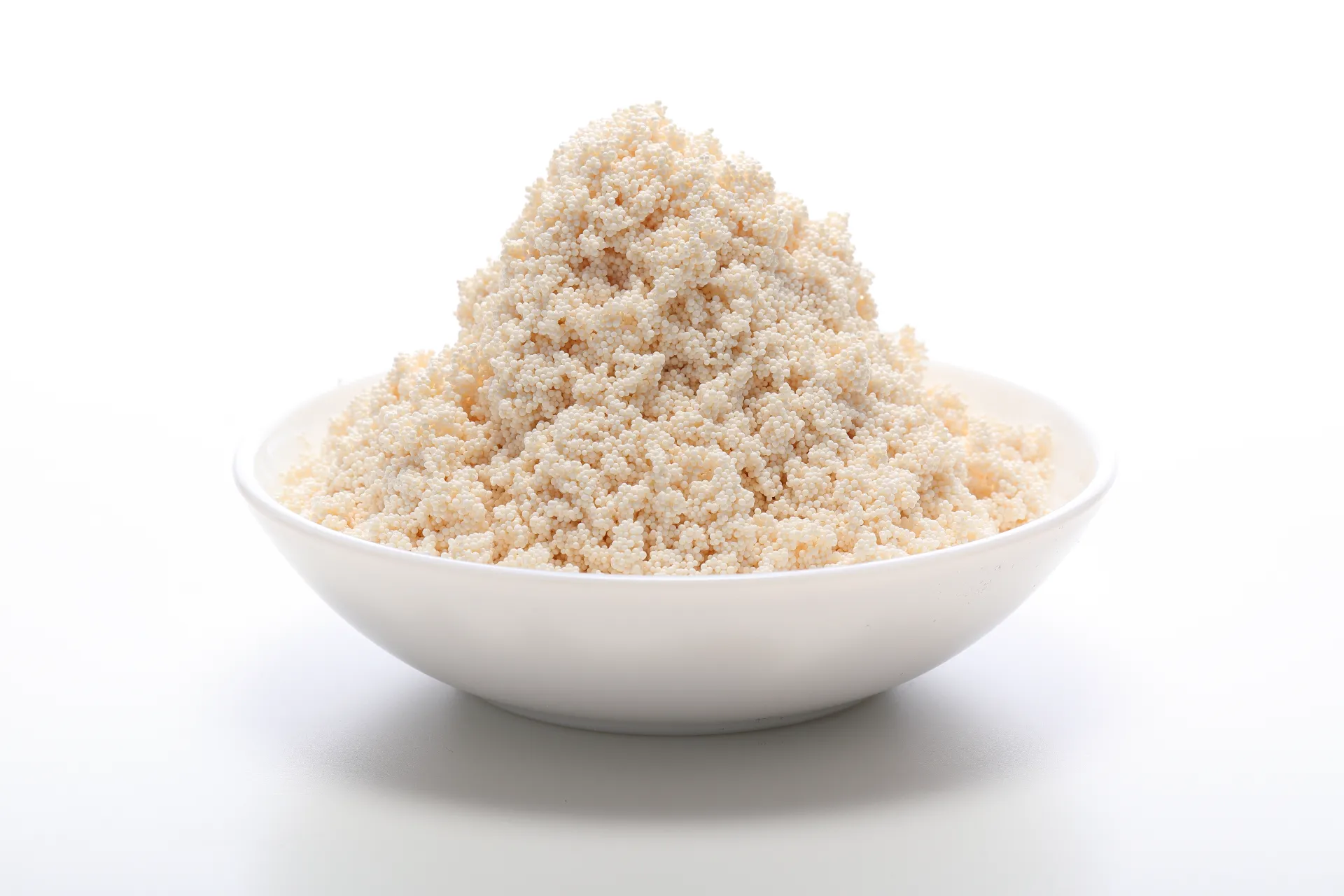
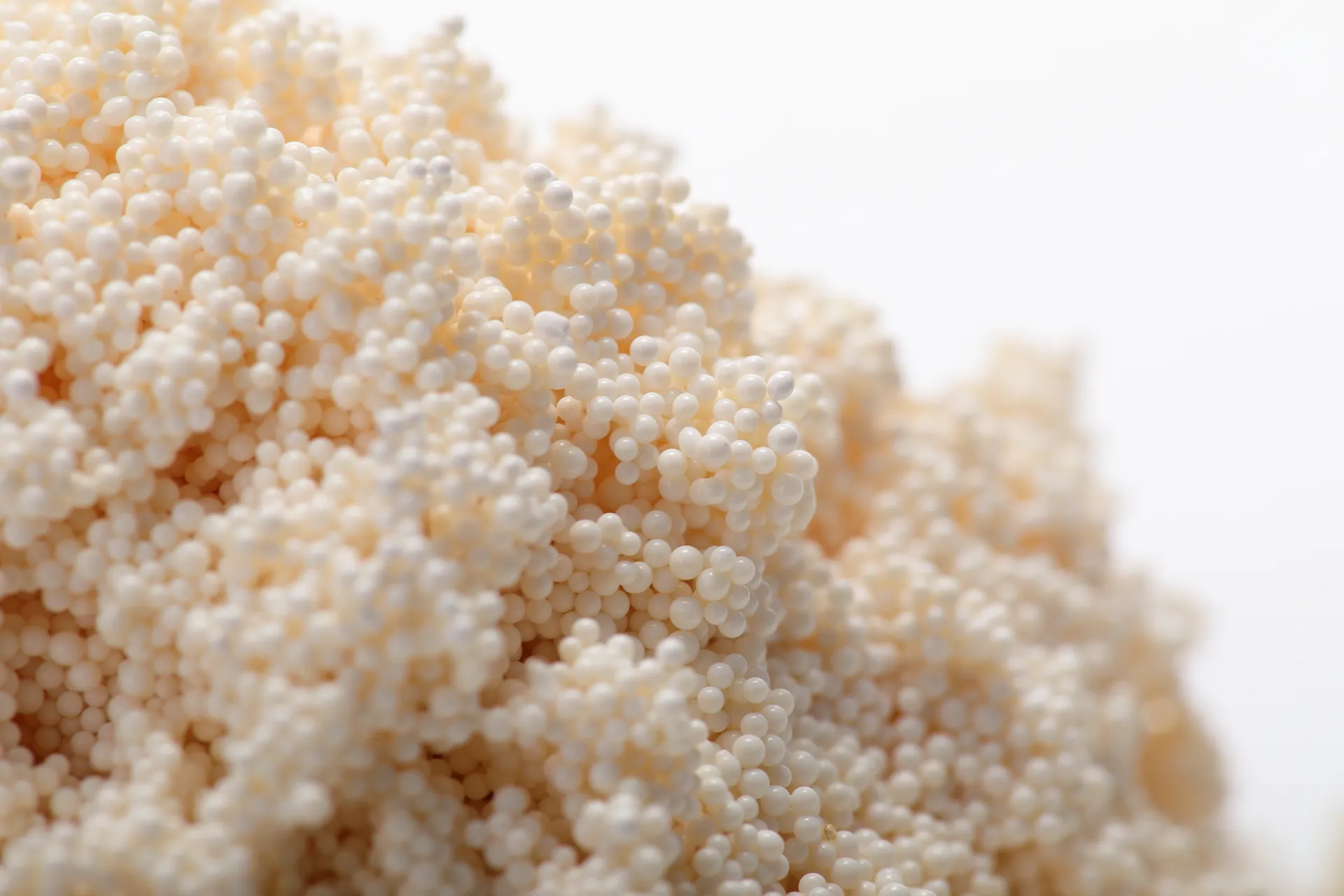
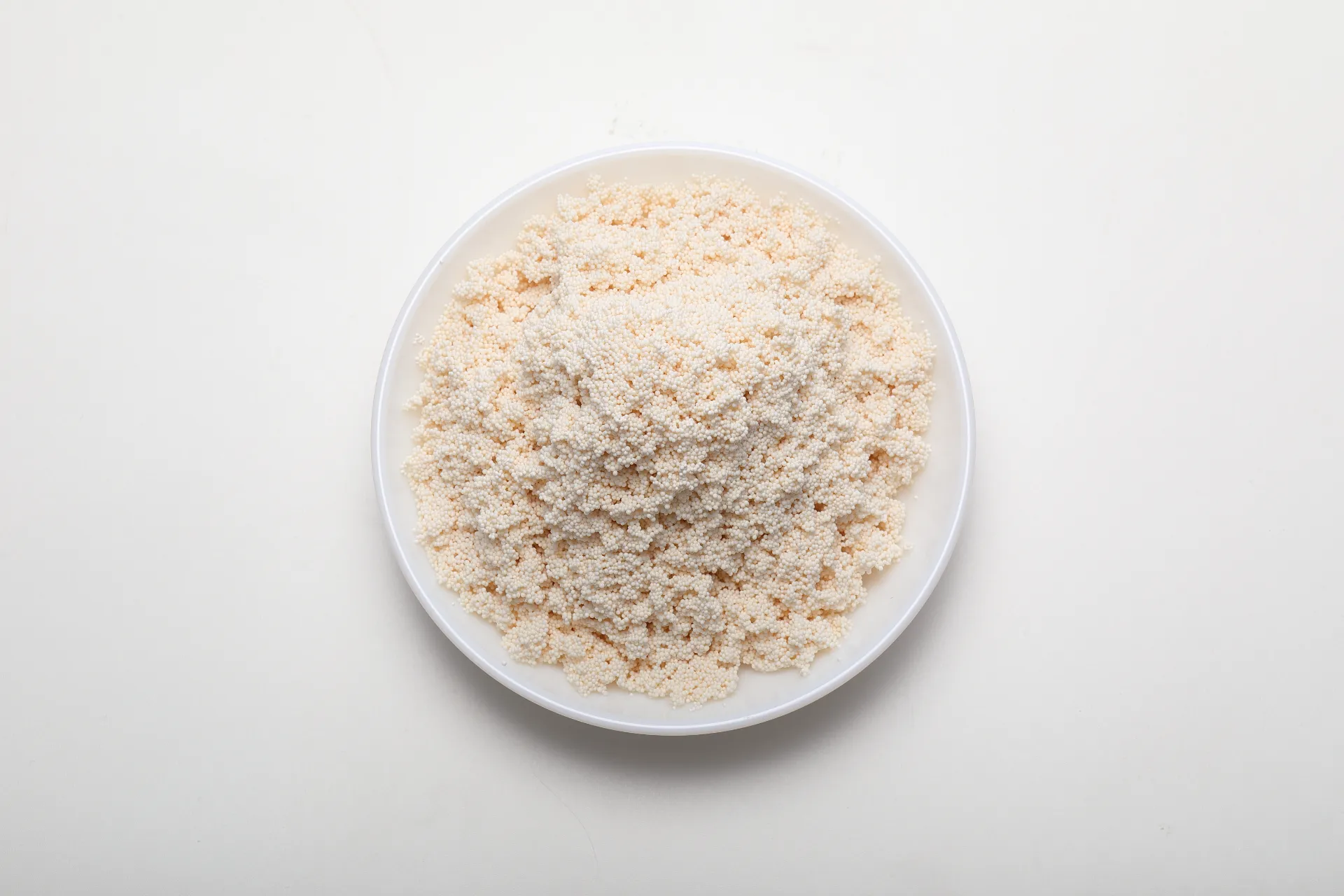
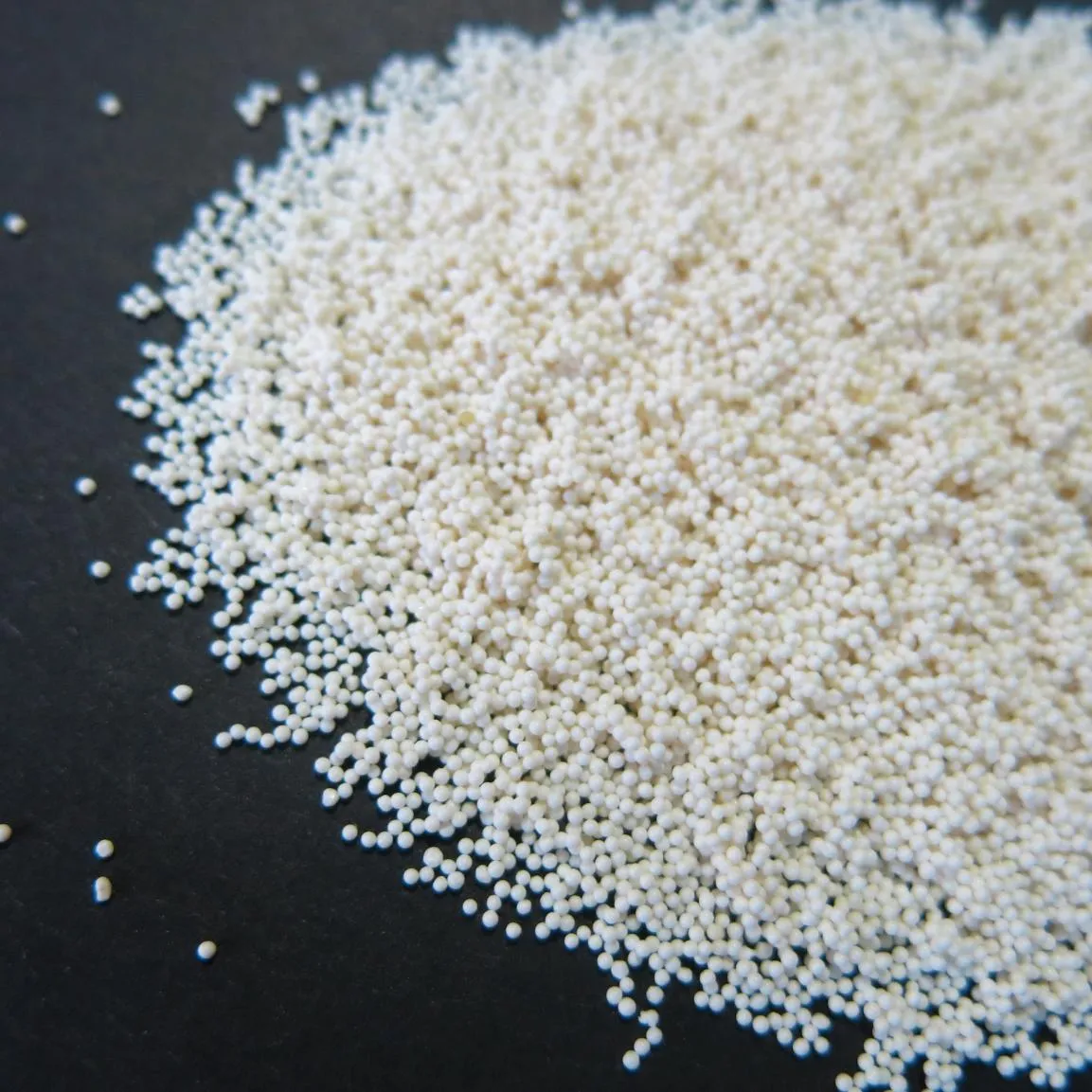
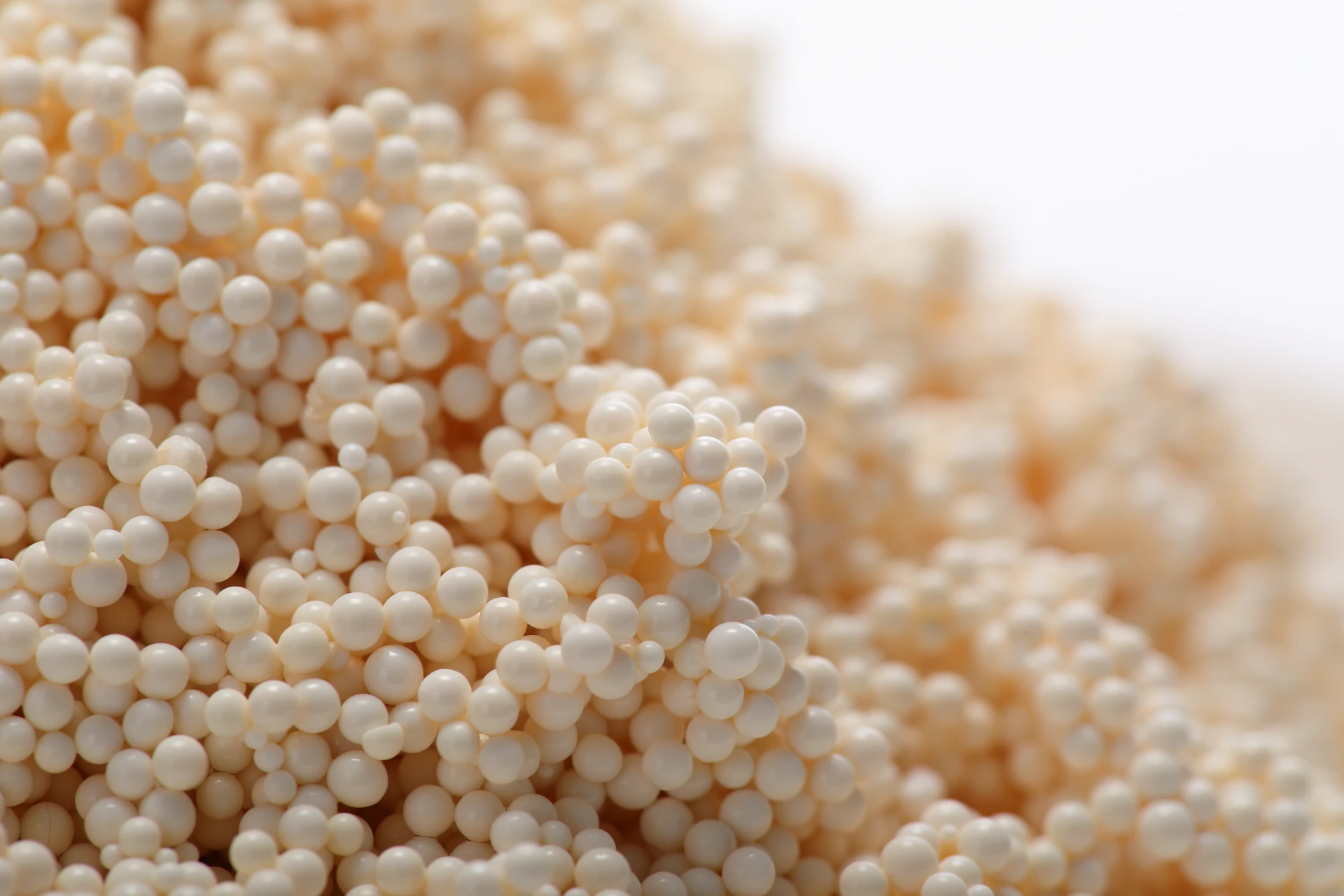
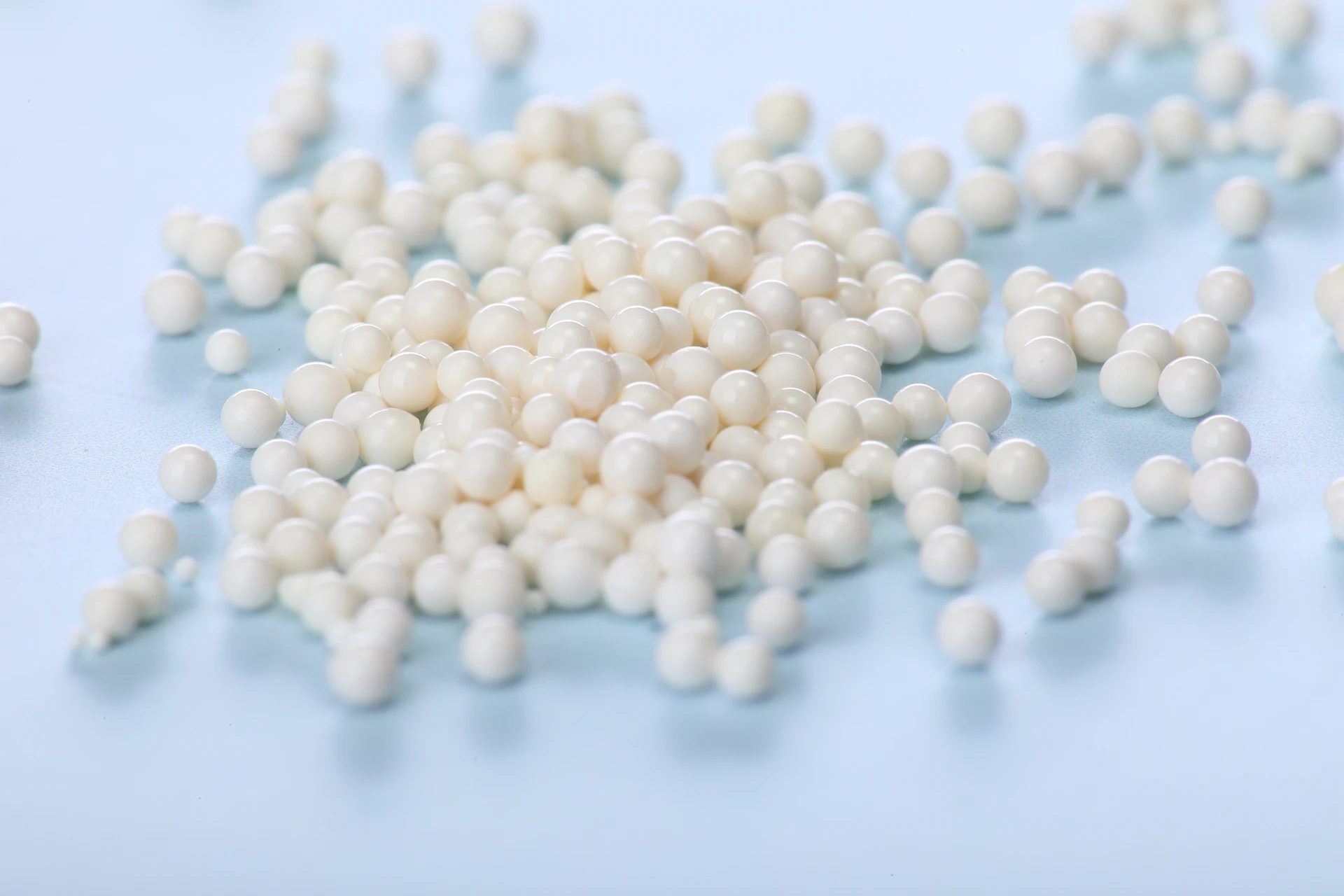
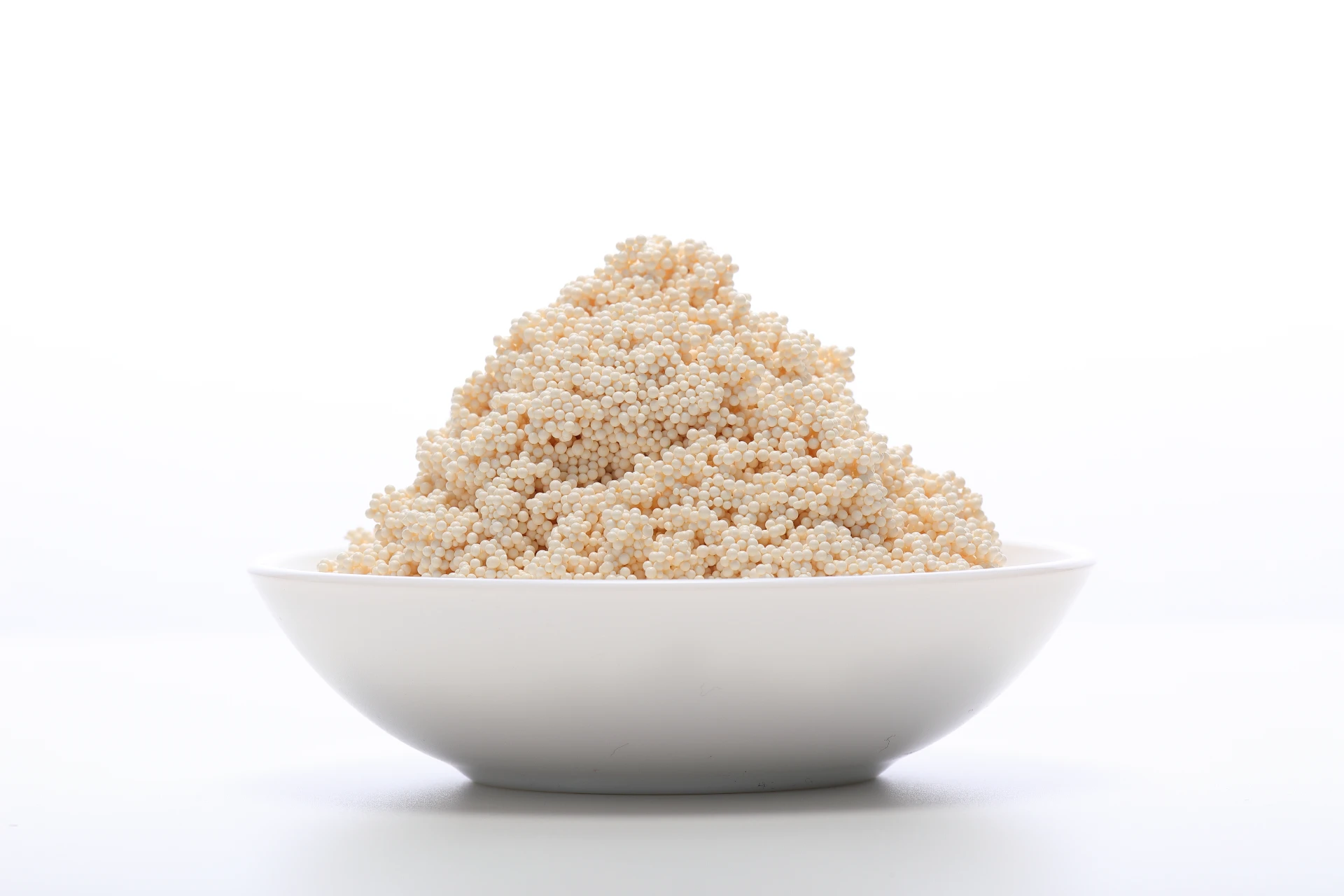
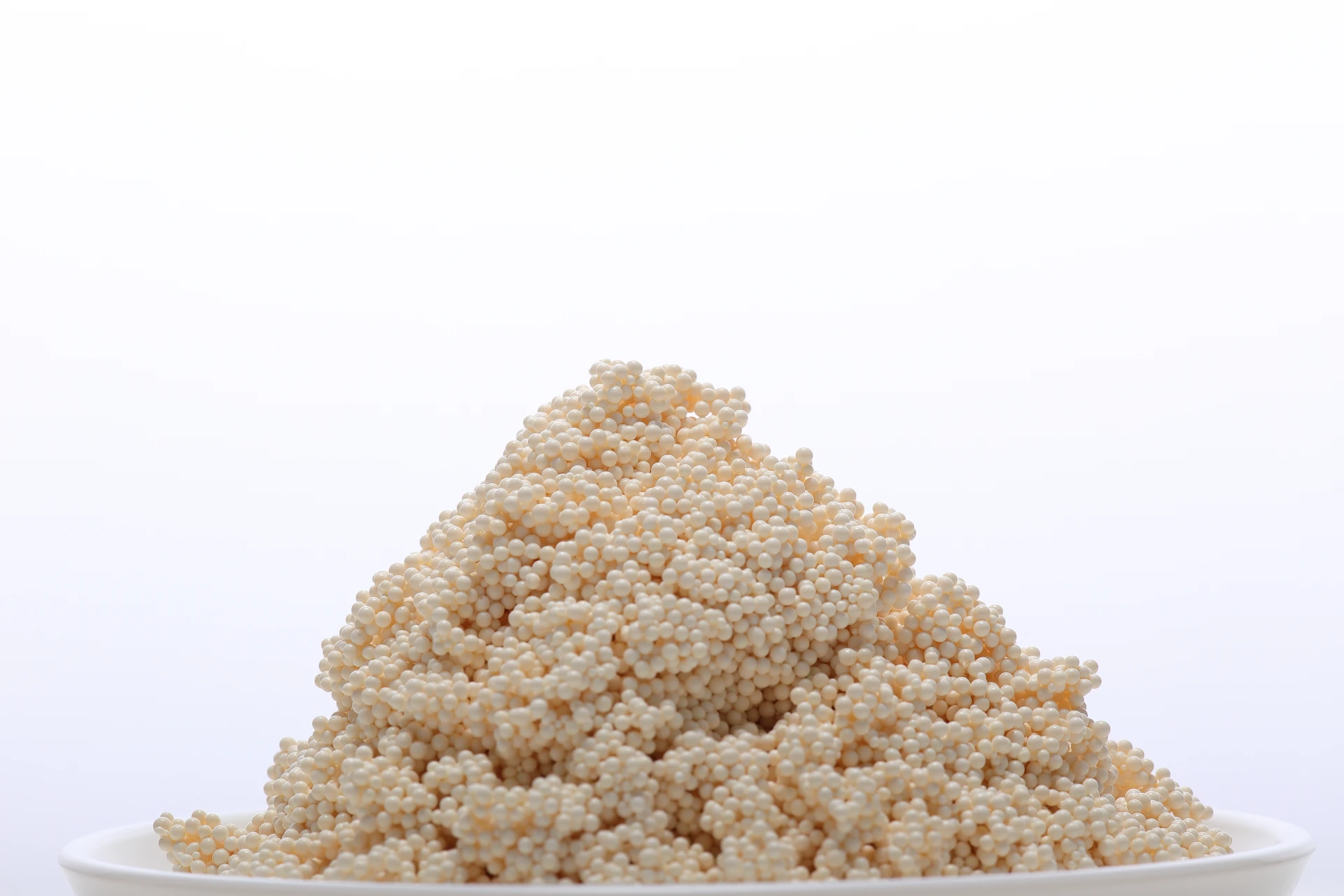
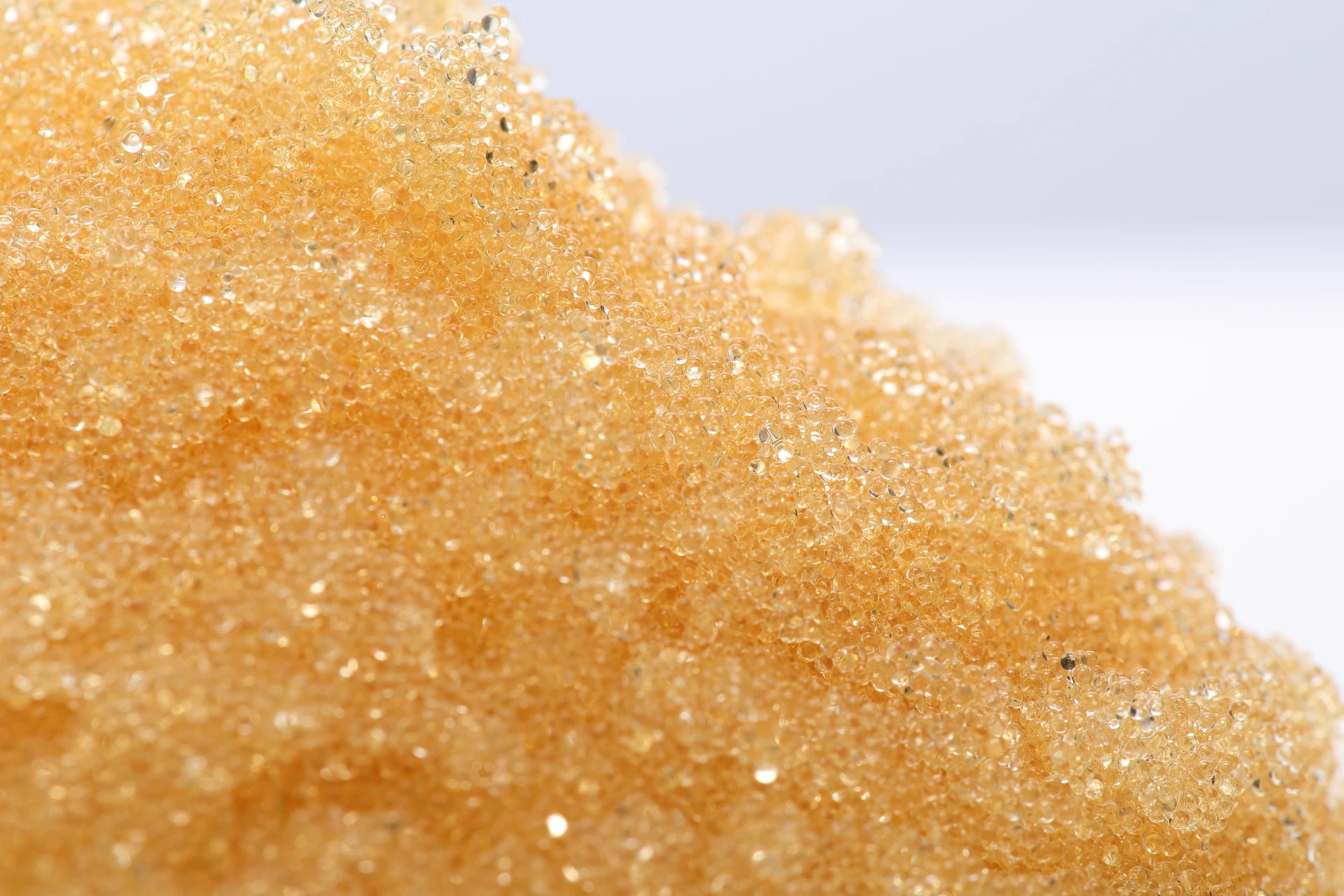
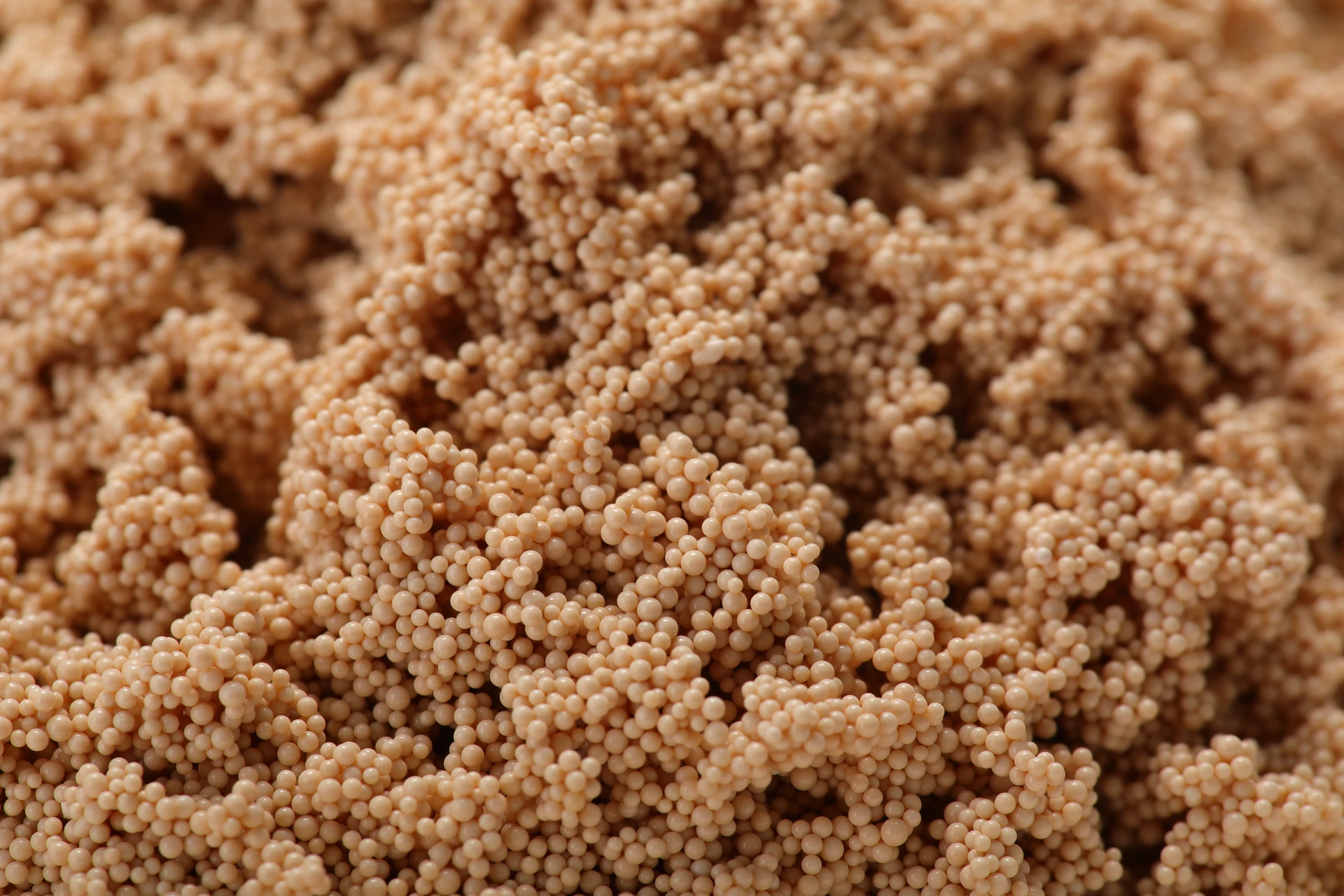
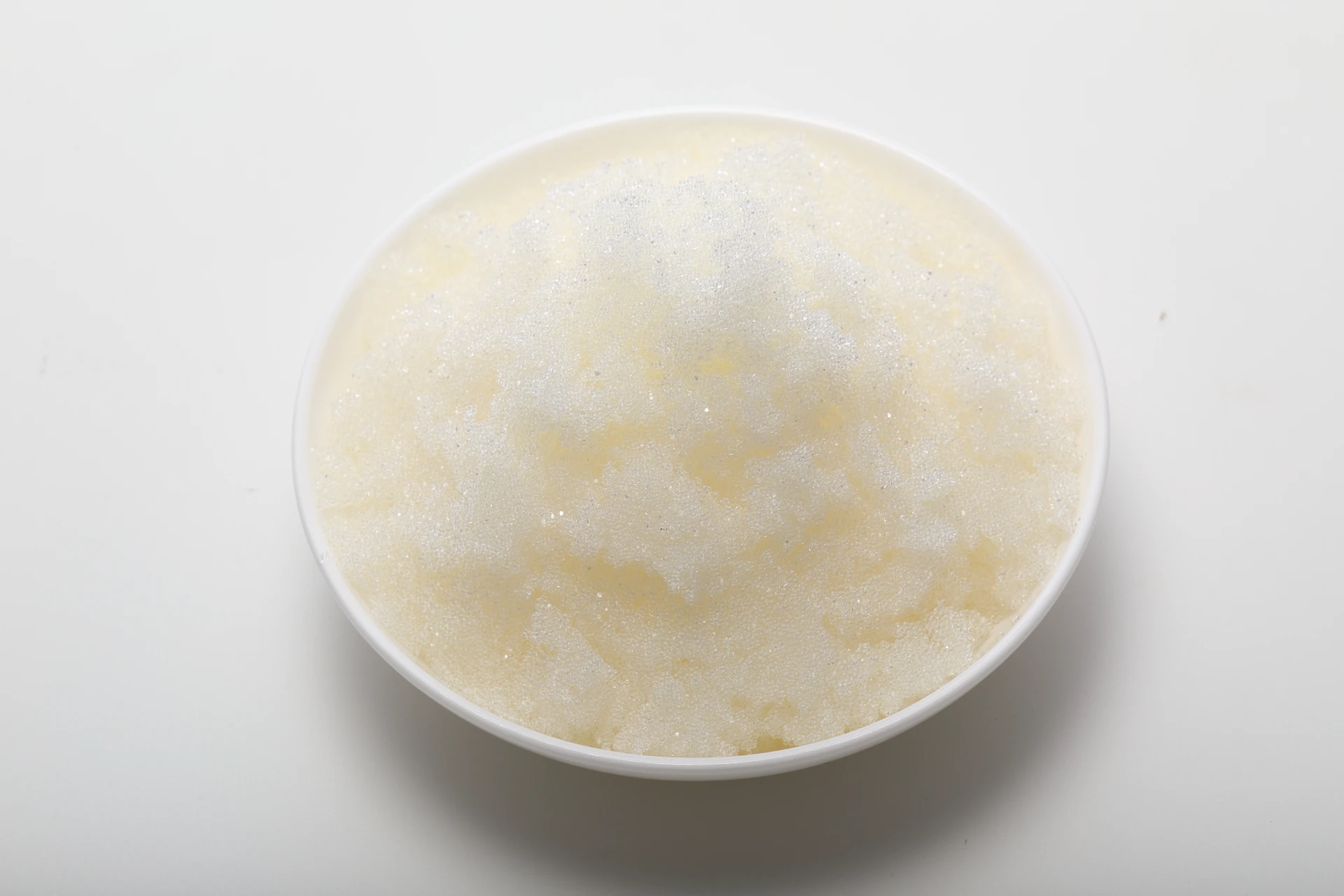
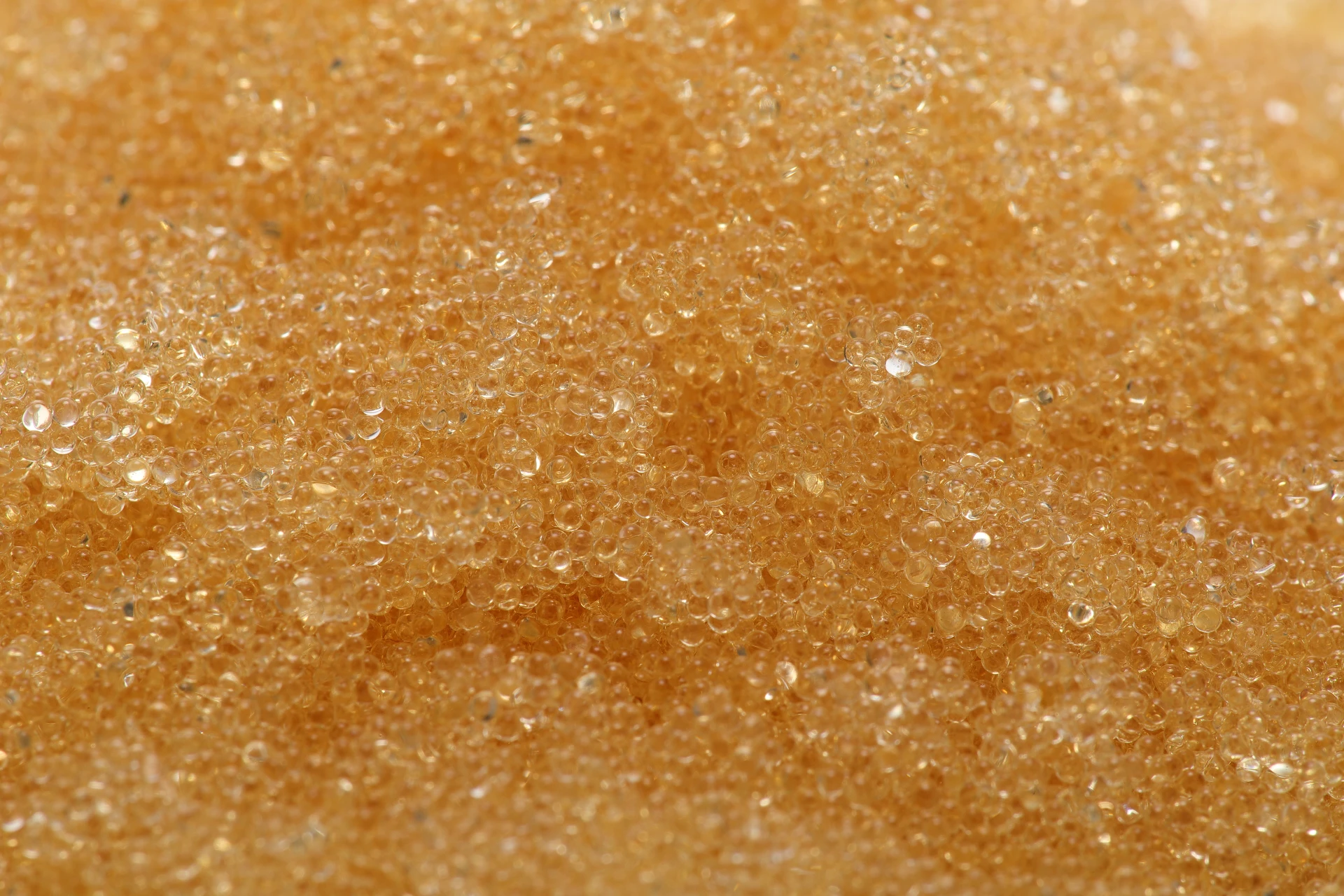
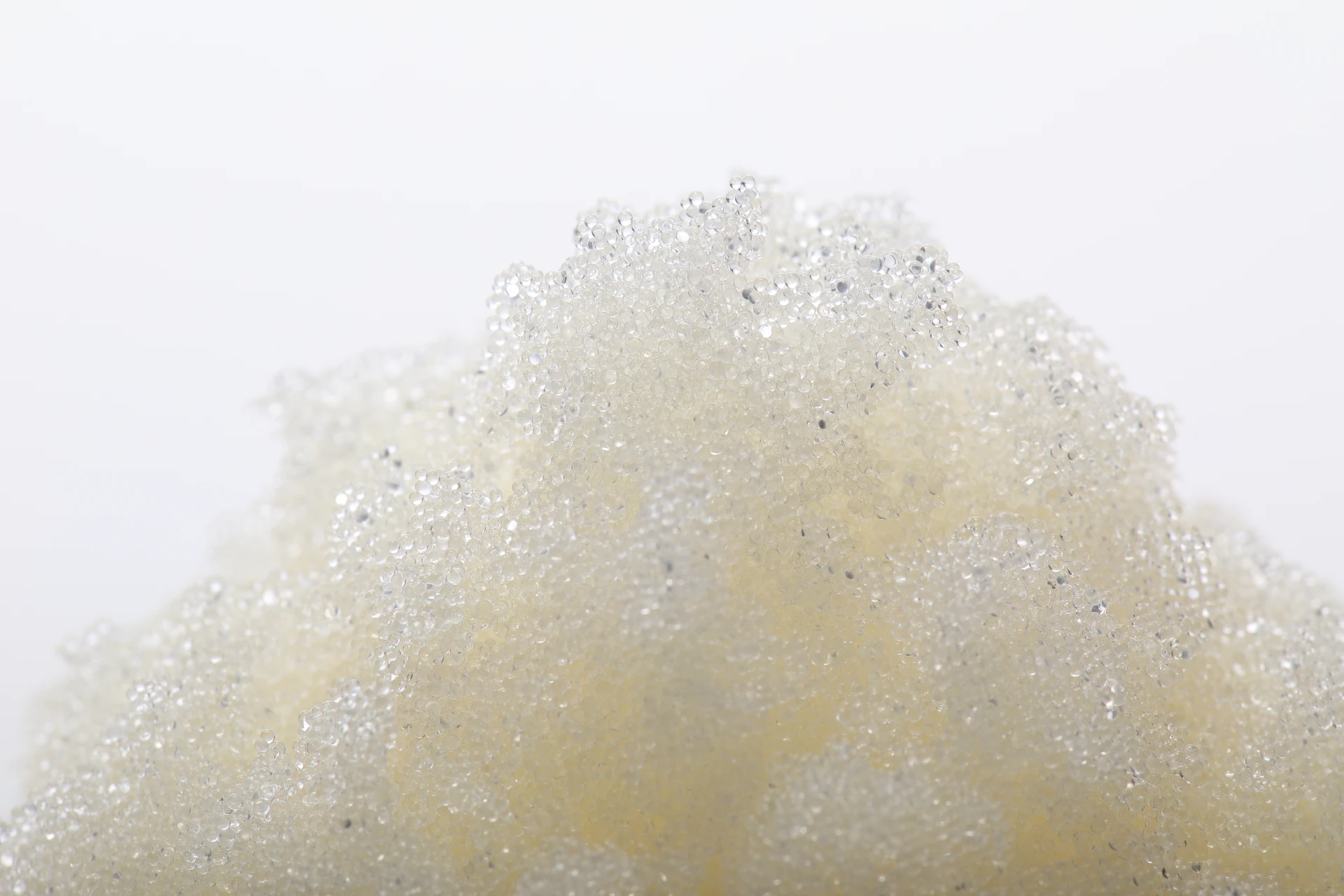
Opalescent o mapusyaw na kulay abo opaque spherical beads
|
|
Ionic na anyo
|
Cl-
|
|
Kapasidad ng Pagpapalit ng Timbang
|
≥3.7mmol/g
|
|
Kapasidad ng Pagpapalitan ng Dami
|
≥1.2mmol/ml
|
|
Tunay na Densidad (g/ml)
|
1.06~1.10g/ml
|
|
Bulk Density (g/ml)
|
0.65-0.73g/ml
|
|
Kapasidad sa Pagpapanatili ng Tubig
|
50-60 %
|
|
Saklaw ng Laki ng Particle
|
0.7~1.6 mm≥95
|
|
Koepisyent ng Pagkakatulad
|
≤1.60
|
|
Buong Bead Count(%)
|
≥95%
|
Mga pag-iingat
Ang resin ay dapat na wet state preservation. Ang pinakamainam na temperatura ay higit sa 0 ℃. Dapat ilagay ang resin sa isang saradong espasyo o idagdag sa tubig na may asin na 5% o higit pa kung hindi ginagamit sa mahabang panahon. Dapat ay anti-freeze sa panahon ng transportasyon. Huwag maglagay ng mabibigat na bagay sa resin kung sakaling mabangga.
Karaniwang nangangailangan ng alkali-water-acid-water flow path para sa pagproseso. Ang mahigpit na kinakailangan ay nangangailangan ng tatlong sirkulasyon bago makarating sa huling ion kenel.
Kailangang isaalang-alang ang iba't ibang rate ng pagpapalawak ng pagbabagong-anyo upang magtabi ng sapat na espasyo upang maiwasan ang pag-apaw ng dagta at matiyak ang naaangkop na taas ng antas ng likido; Ang ratio ng diameter ng column ay dapat nasa loob ng isang makatwirang hanay at maiwasan ang bias na kasalukuyang; Gumamit ng basang naka-pack na column o back-flushing para hugasan ang mga bula sa loob ng resin layer.
Bago pumasok ang likido sa column ng resin, dapat gawin ang mga hakbang bilang flocculation, filtration, o sand-filtration para hindi ito ma-jam ang resin pore na may suspended solids .
Ang resin sa loob ng column na matagal nang hindi ginagamit ay dapat na nakaimbak sa labas ng column pagkatapos hugasan, o magdagdag ng tubig na asin sa salt resistant medium habang pinapanatili ang antas ng likido na hindi nade-dehydrate sa karaniwang backwashing upang lumuwag ang resin kung sakaling magkaroon ng aglomeration.
Advanced Water Purification and Industrial Ion Exchange Solutions with D201 U
In modern industrial and laboratory operations, maintaining high-quality water is critical for equipment longevity, product integrity, and environmental compliance. Macroporous Strong Base Anion Exchange Resin D201 U provides an efficient and reliable solution for removing anions, controlling pH, and producing ultra-pure water. Its macroporous structure ensures rapid ion diffusion and high exchange capacity, enabling superior performance in both continuous industrial systems and precise laboratory applications.
Beyond water purification, D201 U plays an increasingly important role in hydrometallurgy, where controlled aqueous processes extract valuable metals from ores and secondary resources. Various types of leaching in hydrometallurgy, including heap leaching, tank leaching, and in-situ leaching, produce metal-rich solutions that require selective separation and purification. In this context, D201 U’s high-performance anion exchange resin capabilities allow for efficient metal recovery, complementing processes in bio hydrometallurgy and hybrid hydrometallurgy and pyrometallurgy systems.
Supported by Hebei Lijiang Biotechnology Co., Ltd., a high-tech enterprise specializing in special resins and comprehensive technical solutions, D201 U ensures reliable performance, consistent quality, and sustainable operation. With international certifications such as ISO9001, SGS, and WQA, Lijiang empowers industries worldwide to implement efficient, environmentally responsible, and high-performing water treatment and metal recovery solutions.
Enhancing Water Purification with Macroporous Strong Base Anion Exchange Resin D201 U
Efficient water purification is a cornerstone of modern industrial and laboratory operations, ensuring high-quality output, equipment longevity, and compliance with stringent environmental regulations. Macroporous Strong Base Anion Exchange Resin D201 U has emerged as a highly effective solution for removing anions, controlling pH, and producing ultra-pure water. Its macroporous structure allows for superior ion-exchange kinetics, enabling high capacity and efficient regeneration even under demanding operating conditions. The resin’s robust chemical and mechanical stability ensures reliable performance in continuous industrial processes, laboratory experiments, and specialized water treatment applications.
Supporting this critical purification process is Hebei Lijiang Biotechnology Co., Ltd., a modern high-tech enterprise specializing in the research, development, production, and service of high-performance special resins. Lijiang’s products are widely used in water treatment, hydrometallurgical systems, and industrial separation processes. By integrating advanced materials with engineering expertise, the company ensures that its anion exchange resin solutions contribute to sustainable and efficient water purification. With ISO9001, SGS, and WQA certifications, Lijiang guarantees consistent quality, making its resins ideal for both industrial and laboratory-scale applications.
Key Performance Features of D201 U Strong Base Anion Resin for Industrial Applications
The D201 U resin offers several notable performance advantages. Its macroporous architecture provides large surface areas and facilitates rapid ion diffusion, which is essential for high-throughput industrial water treatment. This design also enhances resistance to fouling and degradation, enabling long operational life even under harsh chemical conditions. High exchange capacity, consistent regeneration efficiency, and predictable performance make it suitable for critical processes that demand precise anion removal, including deionization, desalination, and wastewater polishing.
Beyond water purification, D201 U plays a significant role in hydrometallurgy, particularly in systems designed for metal recovery from aqueous solutions. In such contexts, hydrometallurgical processes involve controlled chemical reactions that dissolve target metals from ores using aqueous solutions. Various types of leaching in hydrometallurgy, including heap leaching, tank leaching, and in-situ leaching, generate solutions rich in metal ions that require selective separation and purification. Here, high-performance anion exchange resin such as D201 U provides efficient metal ion capture and purification, complementing the broader hydrometallurgical workflow and enhancing overall recovery rates.
In advanced applications, bio hydrometallurgy utilizes microorganisms to facilitate metal dissolution. This technique can be combined with D201 U-based resin systems to improve the selectivity and efficiency of metal recovery. The integration of biochemical leaching with robust ion exchange materials highlights the growing synergy between biotechnology and materials engineering in modern industrial processes.
Industrial and Laboratory Applications of Macroporous Strong Base Anion Exchange Resin D201 U
D201 U resin is versatile across multiple industries, offering both industrial-scale water treatment and laboratory-scale precision applications. In power generation and chemical manufacturing, it removes anions such as chloride, nitrate, and sulfate from feedwater, preventing corrosion and scaling in boilers, heat exchangers, and turbines. In electronics and pharmaceutical manufacturing, D201 U ensures production of ultra-pure water, critical for sensitive processes and contamination-free products. Its stability and macroporous design make it particularly effective for continuous operation and repeated regeneration cycles, providing reliable and cost-efficient performance.
The resin’s utility extends to hydrometallurgical applications, where it facilitates the purification of metal-rich solutions obtained from leaching operations. In these processes, hydrometallurgy and pyrometallurgy are often combined, with hydrometallurgical techniques applied to low-grade or complex ores and pyrometallurgy reserved for high-grade ores. D201 U contributes to this hybrid approach by selectively binding metal ions, removing impurities, and ensuring the quality of recovered metals. Its role is critical in achieving operational efficiency, minimizing chemical usage, and producing consistent, high-purity outputs.
Hebei Lijiang Biotechnology Co., Ltd. enhances the practical deployment of D201 U by offering technical support in system design, process optimization, and operational guidance. By providing integrated solutions combining special resin technologies with hydrometallurgical expertise, Lijiang helps clients maximize metal recovery, improve water quality, and reduce environmental impact. Whether in industrial deionization, laboratory purification, or advanced bio-assisted hydrometallurgy, D201 U demonstrates exceptional performance, reliability, and adaptability.
Conclusion
Macroporous Strong Base Anion Exchange Resin D201 U represents a cornerstone solution for water purification and metal recovery in industrial and laboratory contexts. Its high capacity, macroporous structure, and chemical resilience ensure reliable anion removal, efficient regeneration, and long-term operational stability. In the context of hydrometallurgy, including bio hydrometallurgy, D201 U provides essential purification capabilities that enhance the efficiency of metal leaching and recovery. By complementing pyrometallurgical processes, it allows industries to integrate environmentally responsible and energy-efficient practices into comprehensive metallurgical workflows.
Hebei Lijiang Biotechnology Co., Ltd. supports these applications with high-performance special resins, expert technical guidance, and globally certified products. Through D201 U and other advanced materials, Lijiang enables industries to achieve sustainable water purification, precise ion separation, and optimized metal recovery. The combination of innovative resin technology and applied expertise ensures that clients worldwide can implement efficient, reliable, and environmentally conscious solutions across industrial and laboratory applications.