Mục lục
|
Tên
|
Đặc điểm kỹ thuật
|
|
Vẻ bề ngoài
|
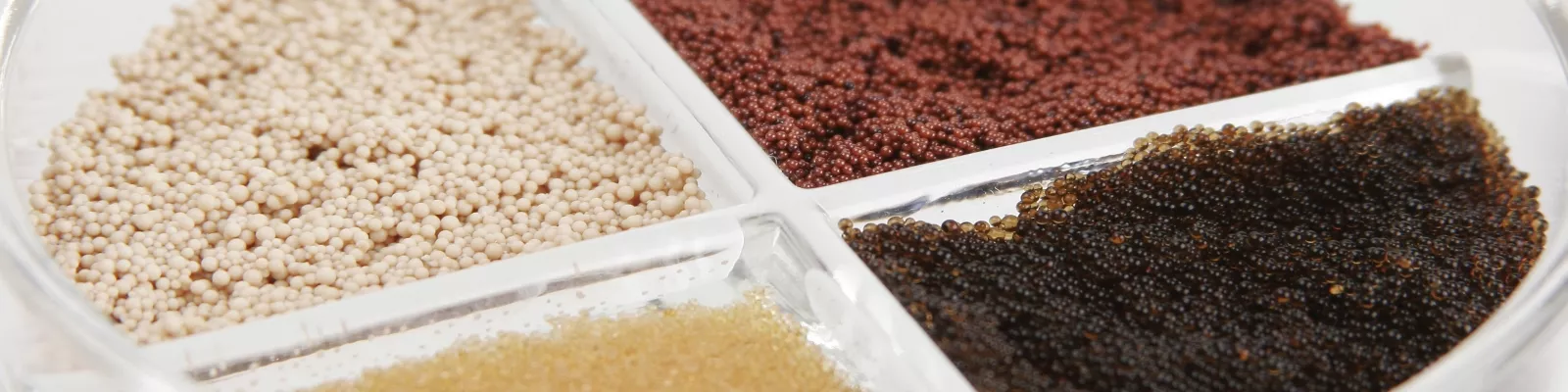
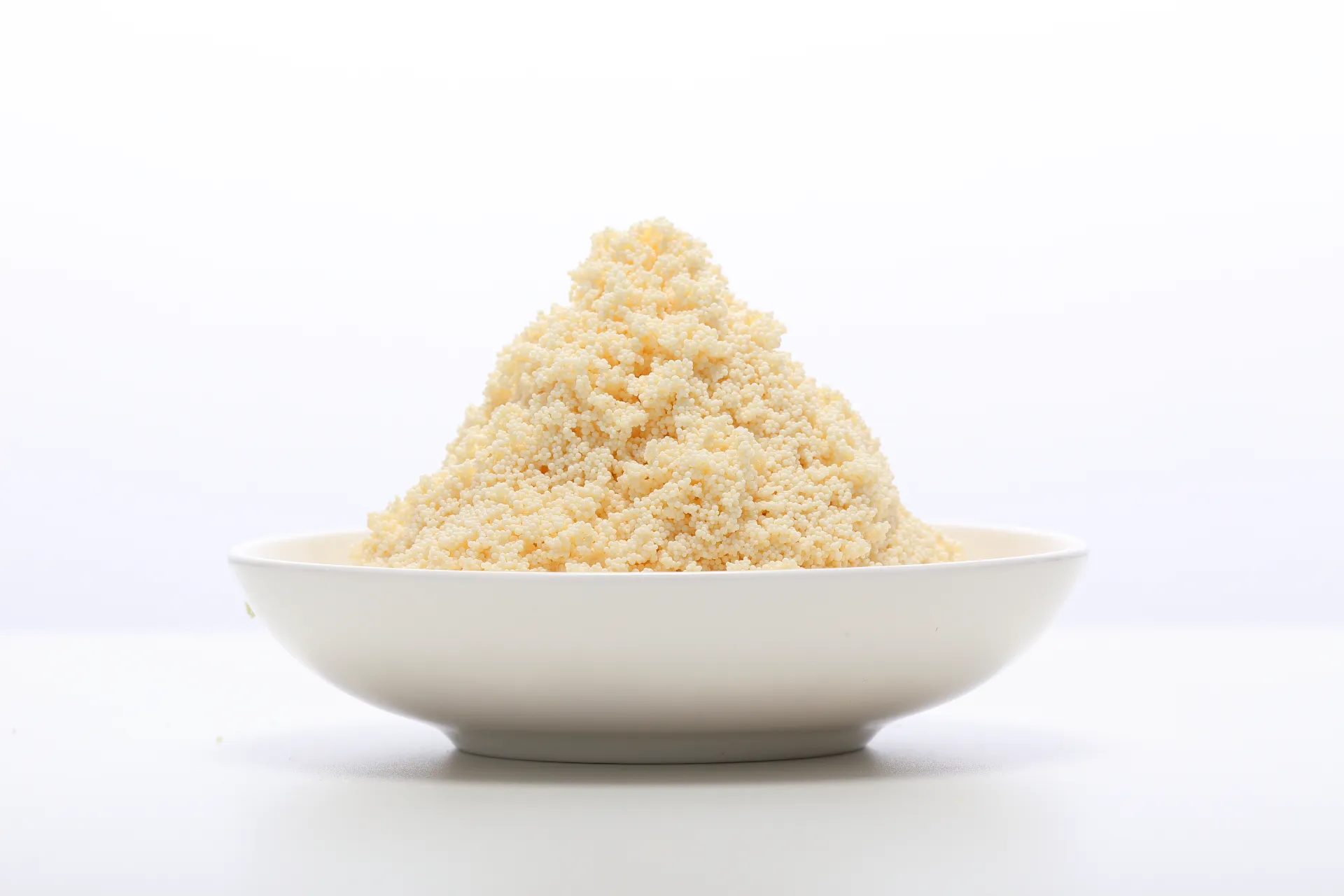
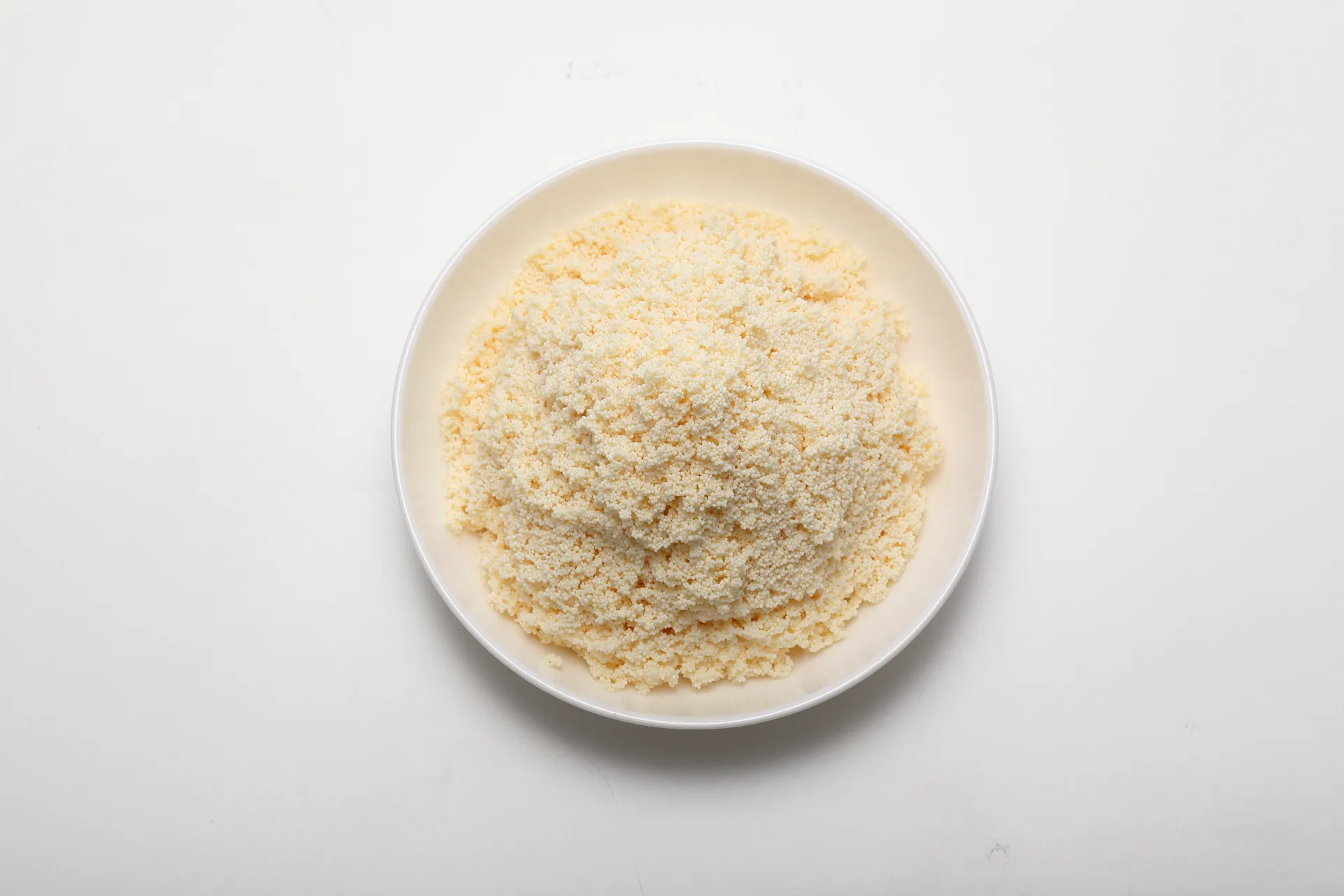
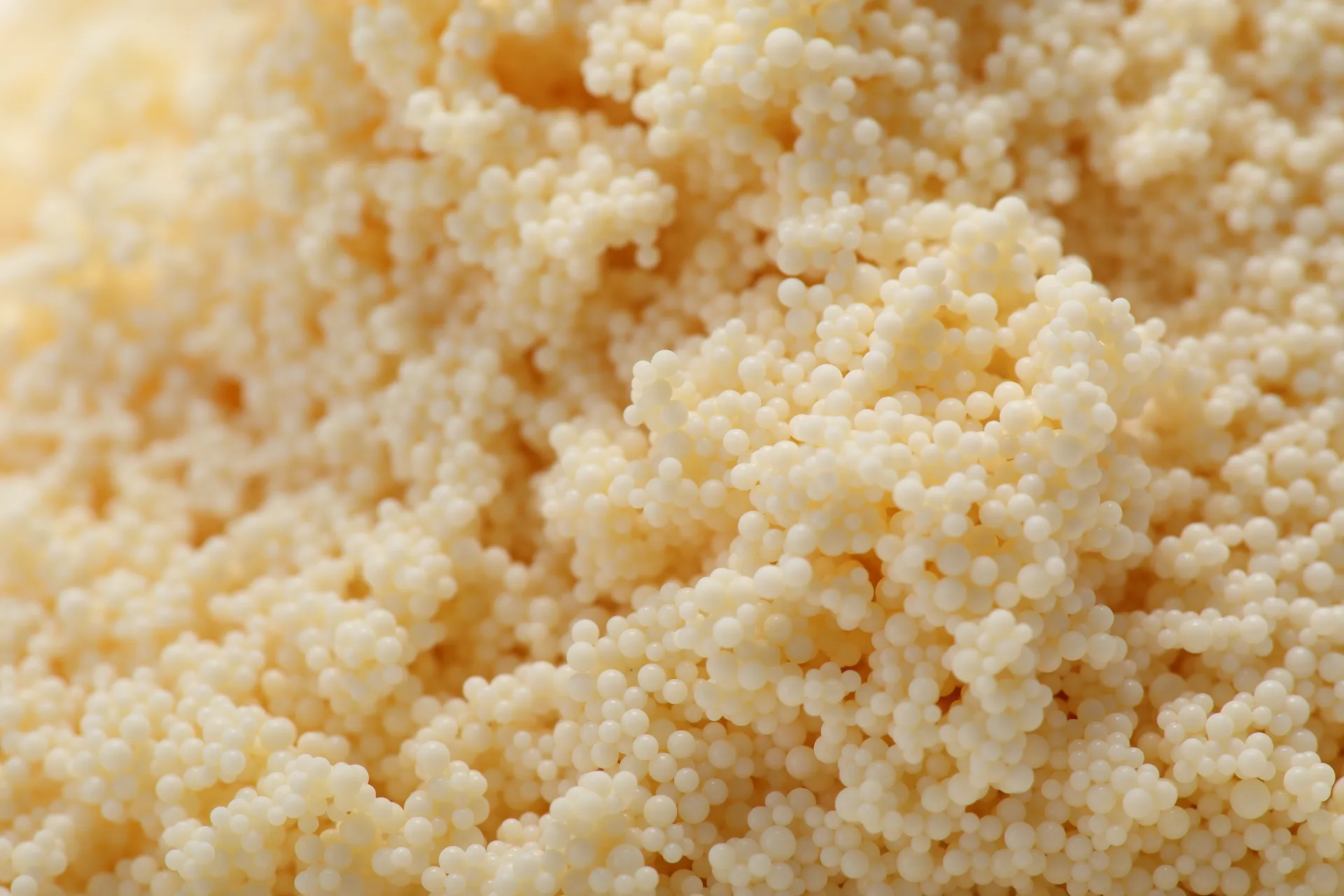
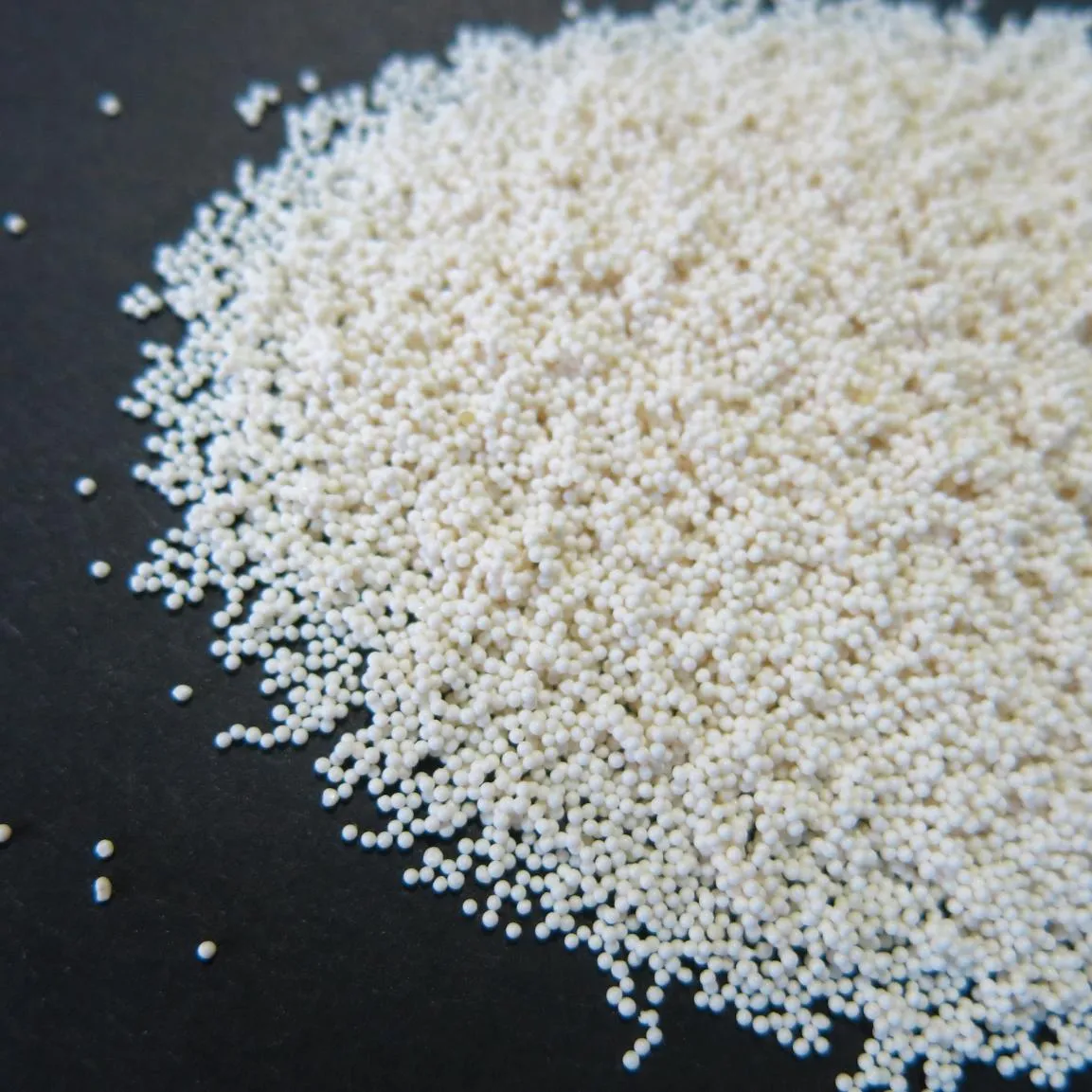
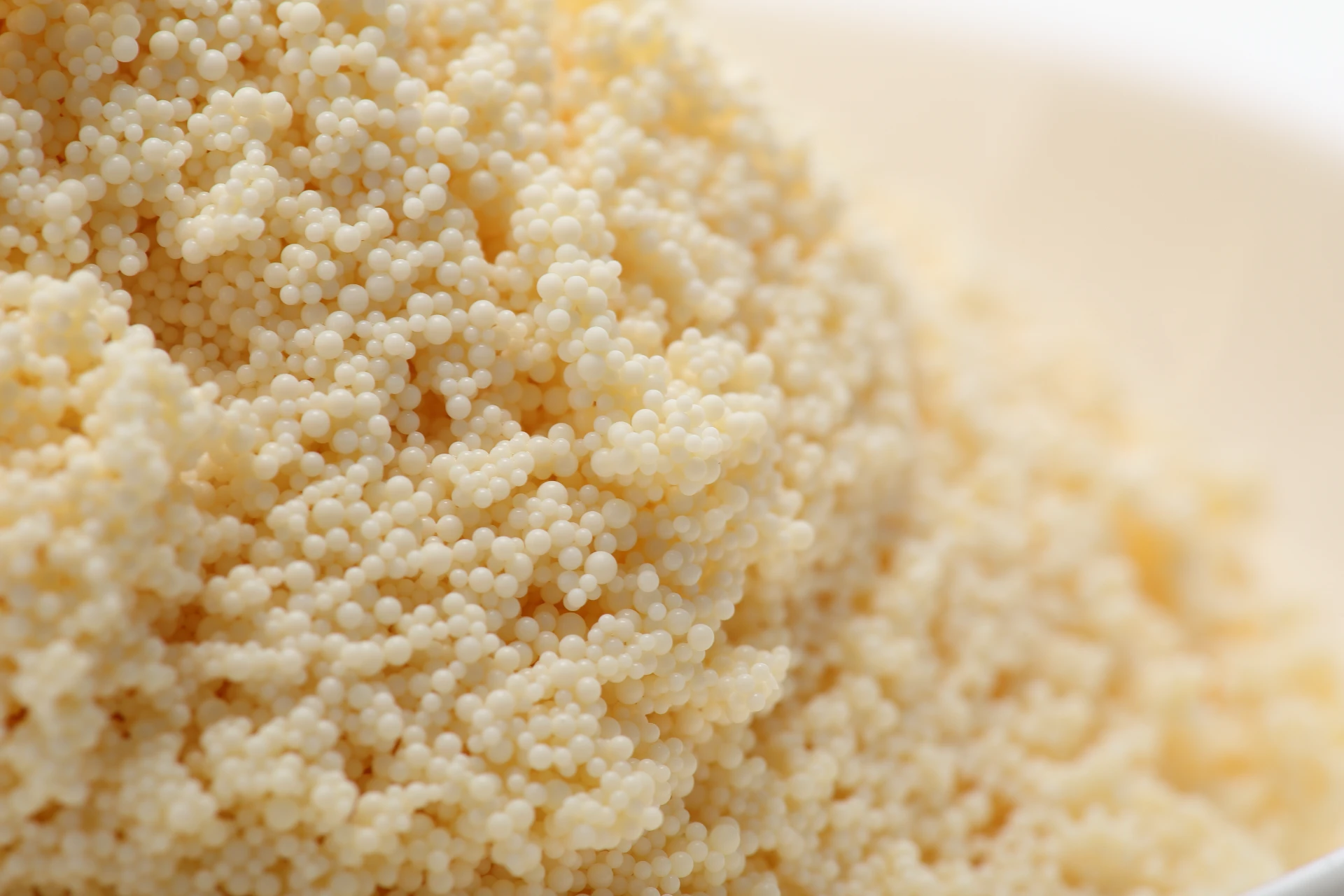
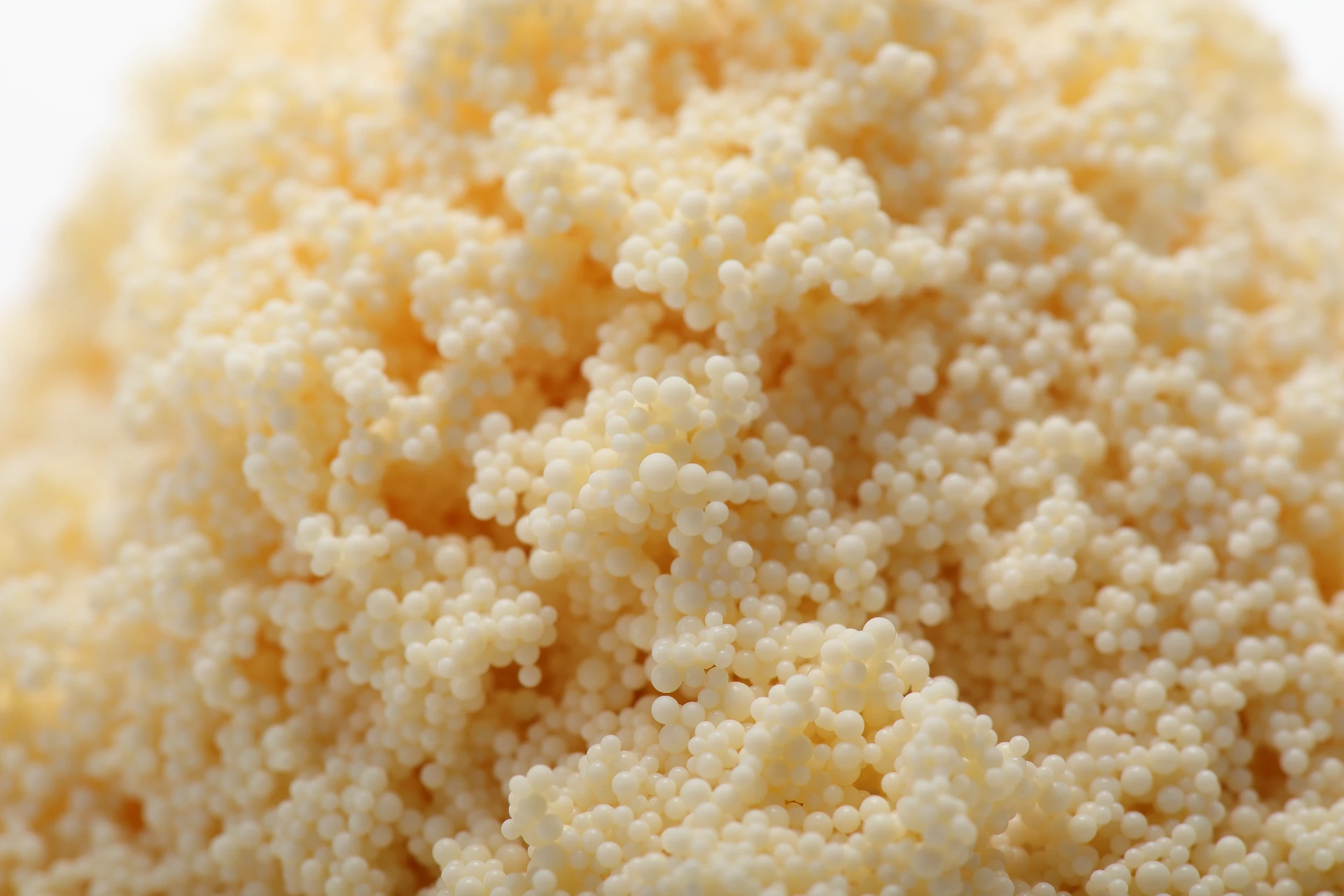
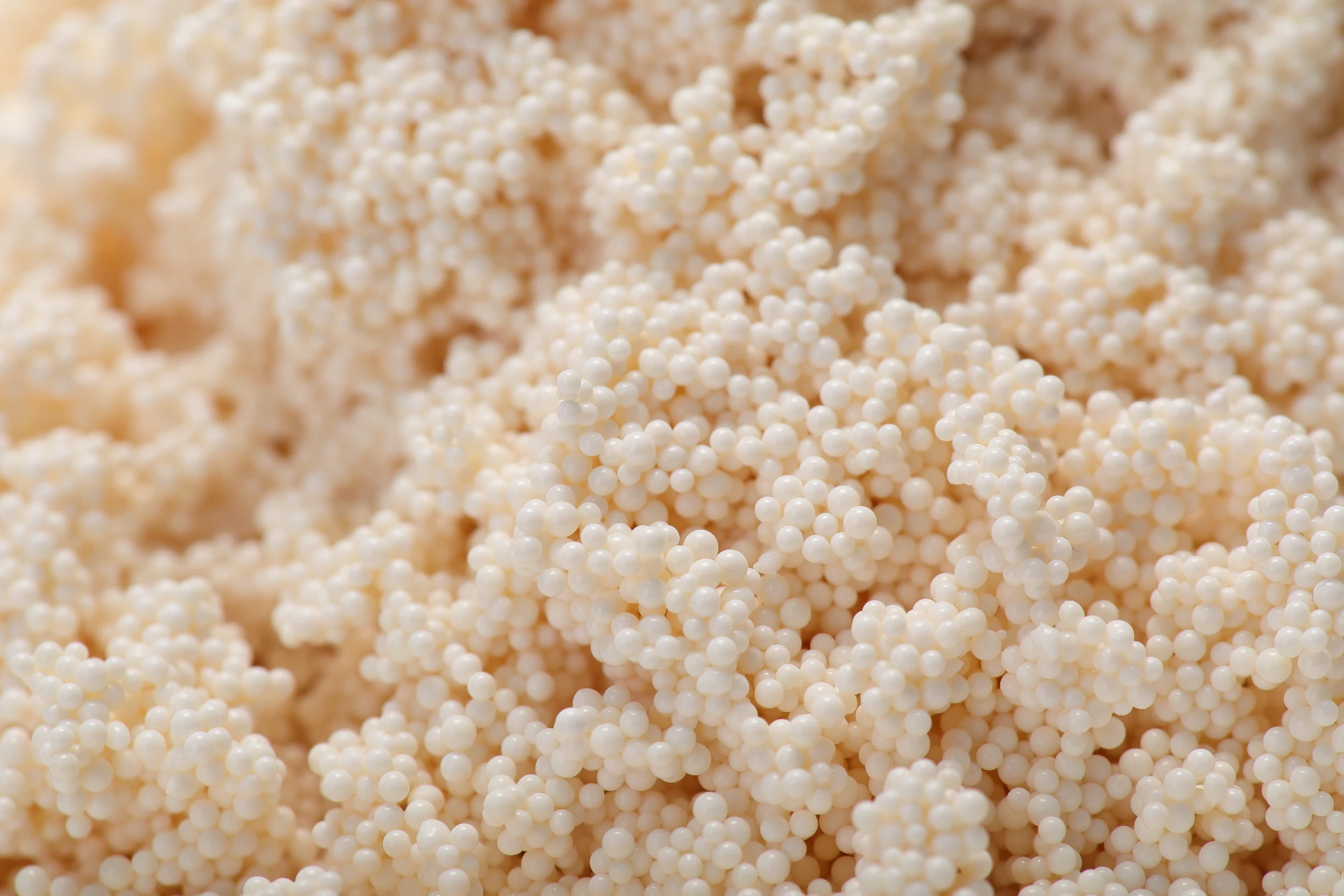
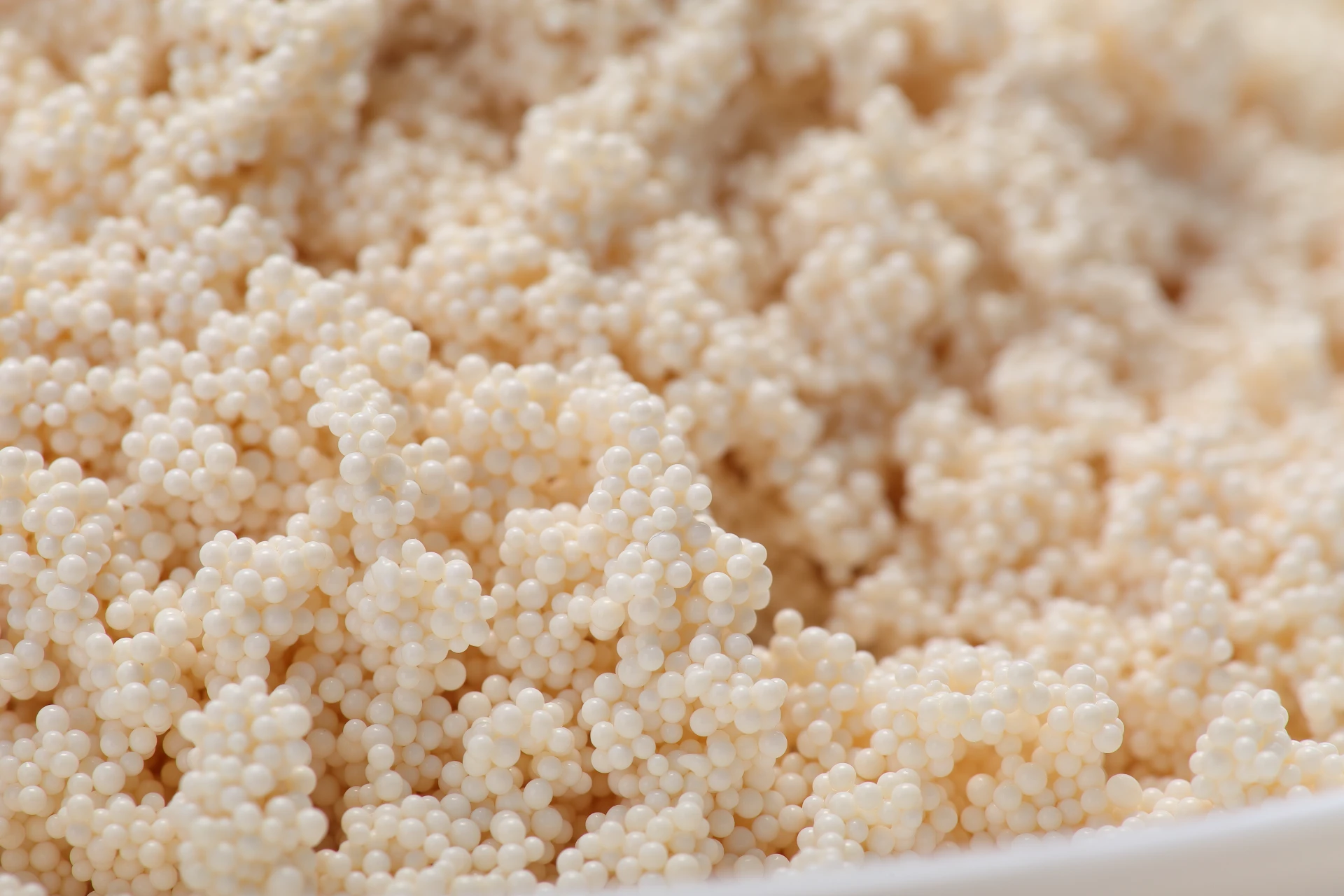
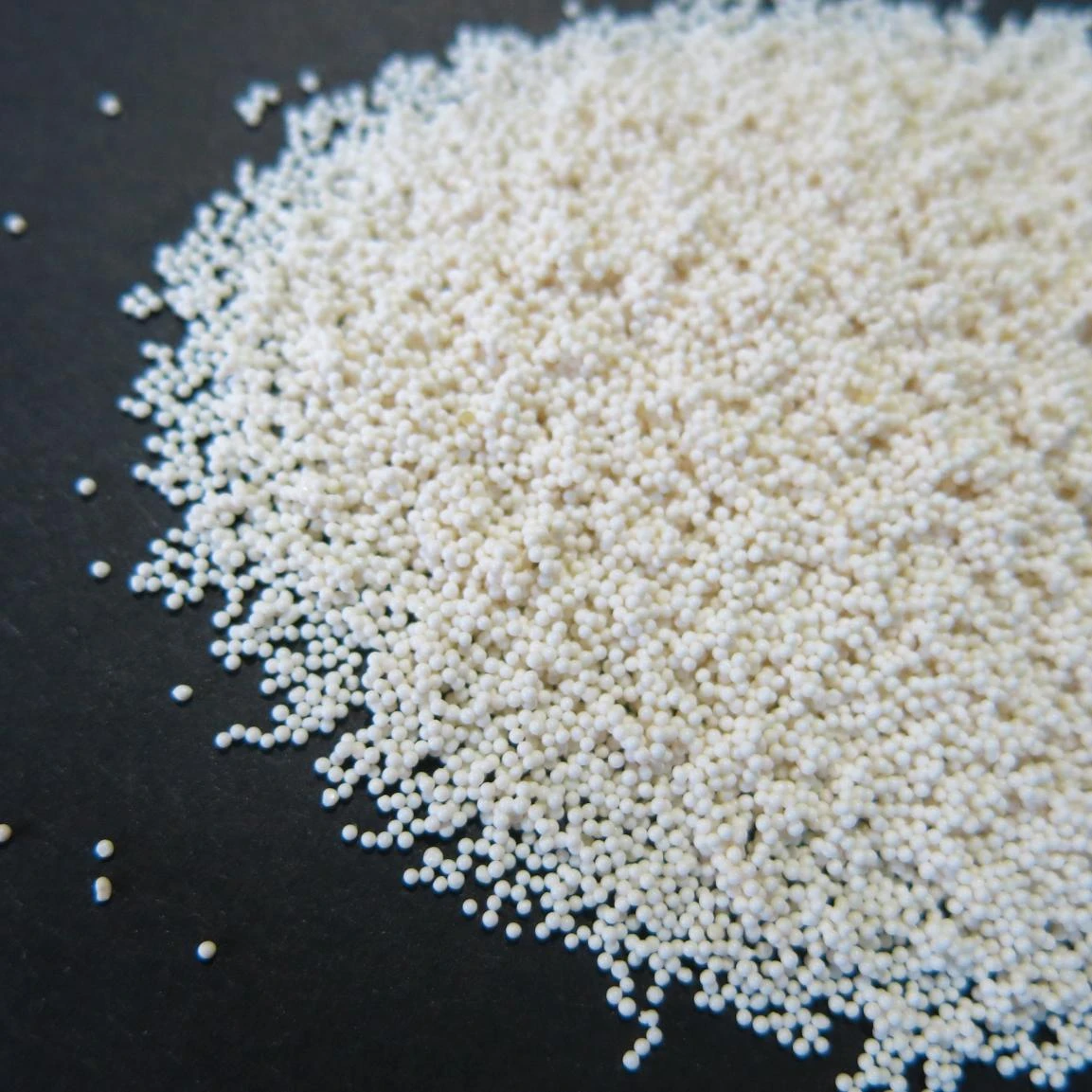
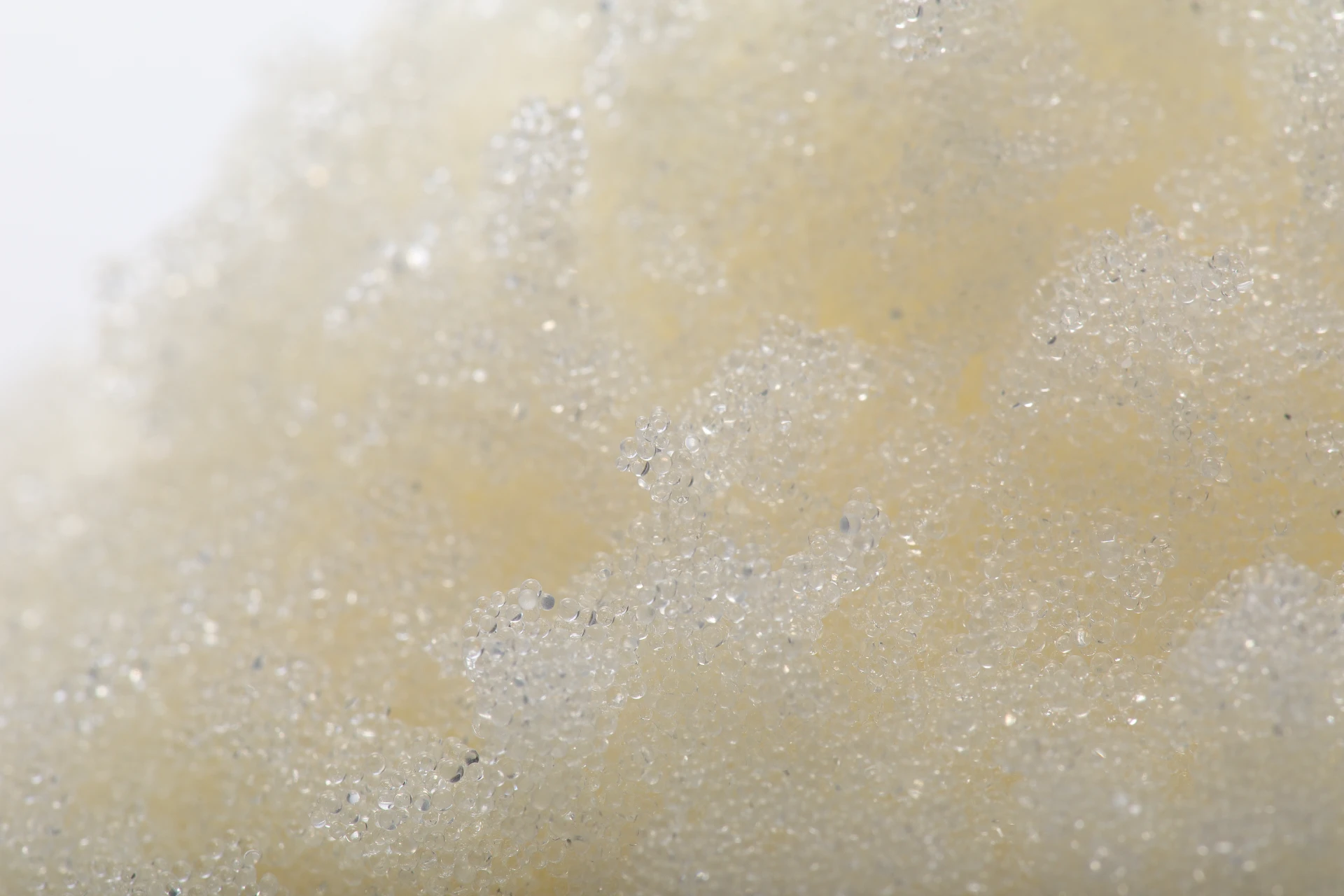
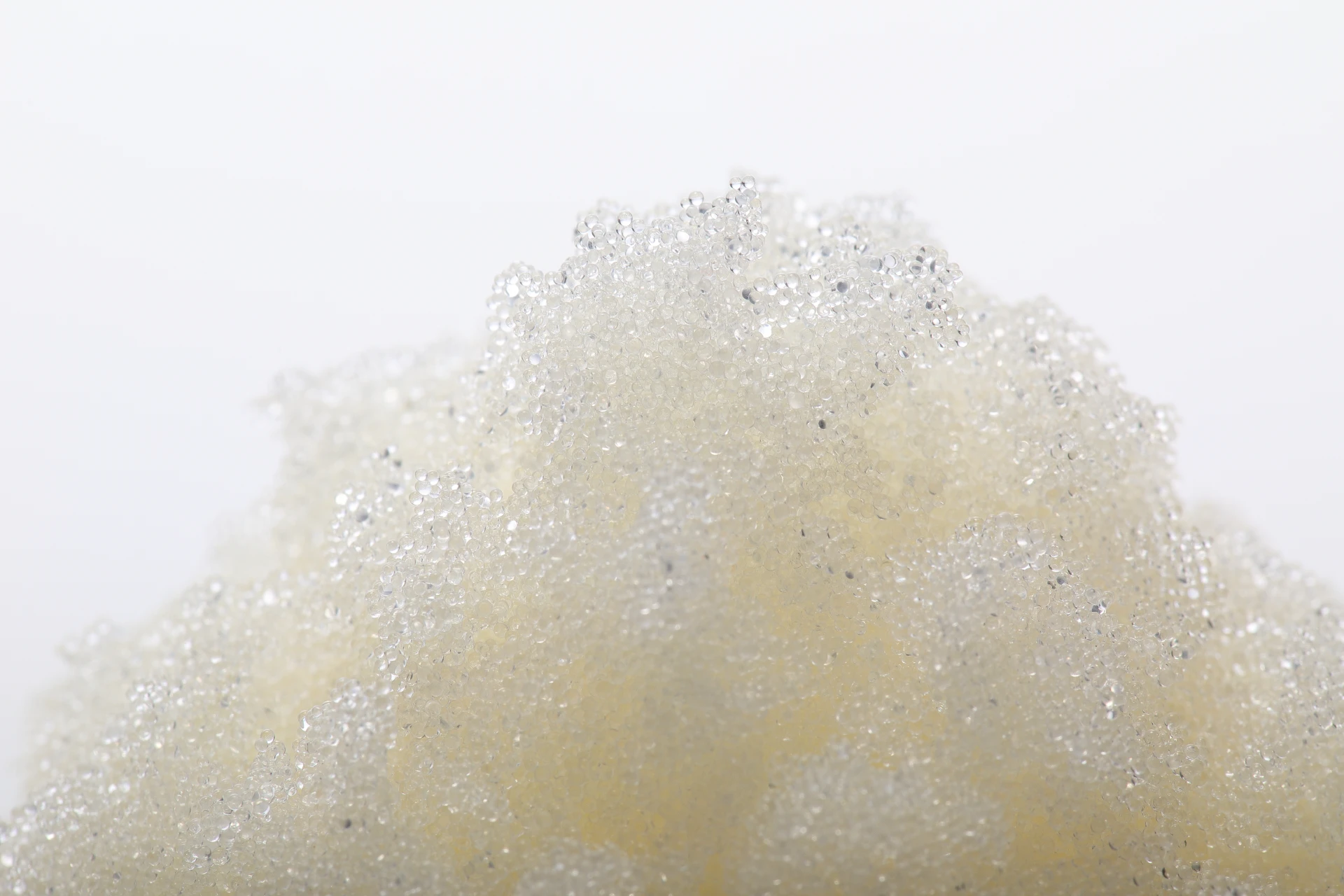
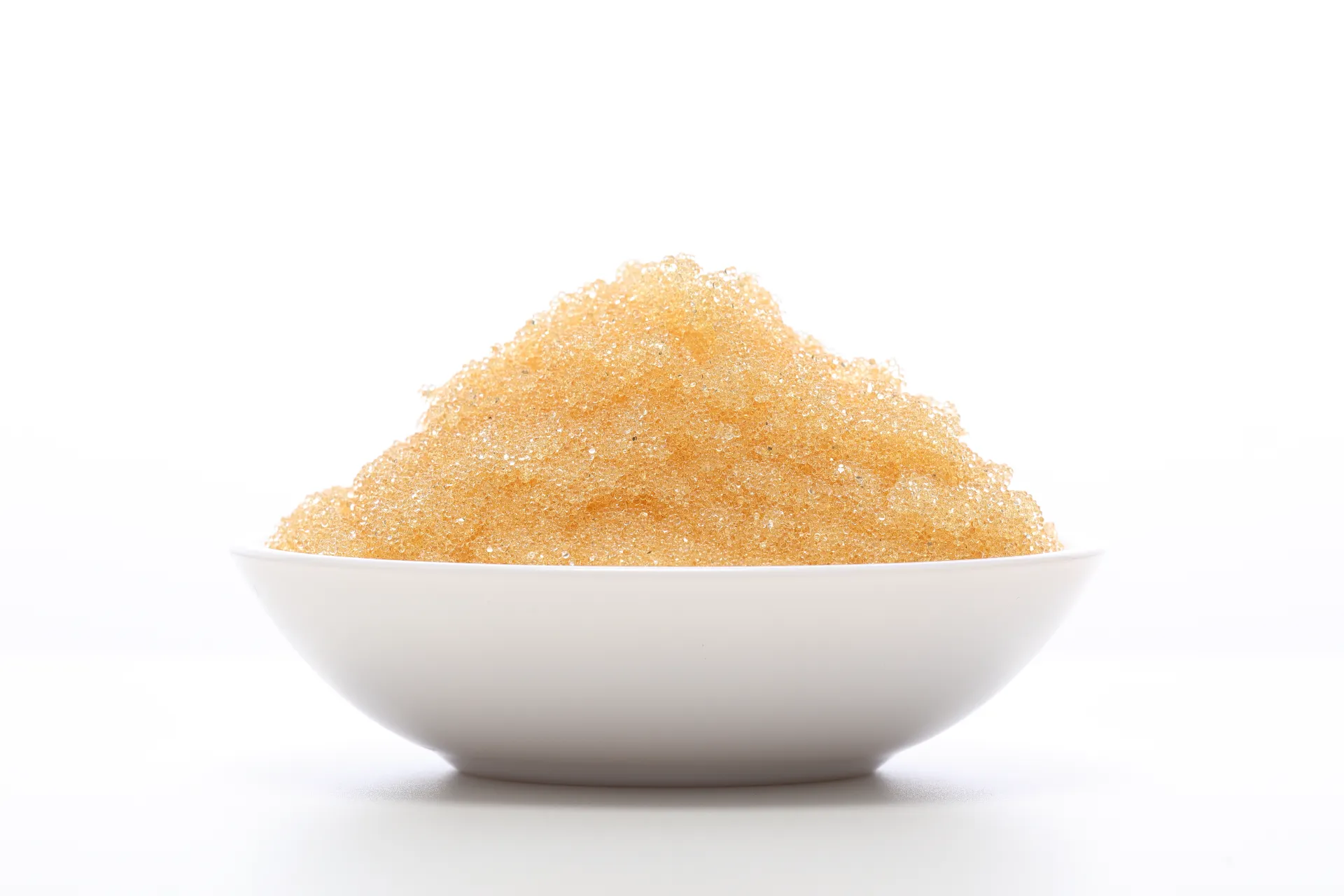
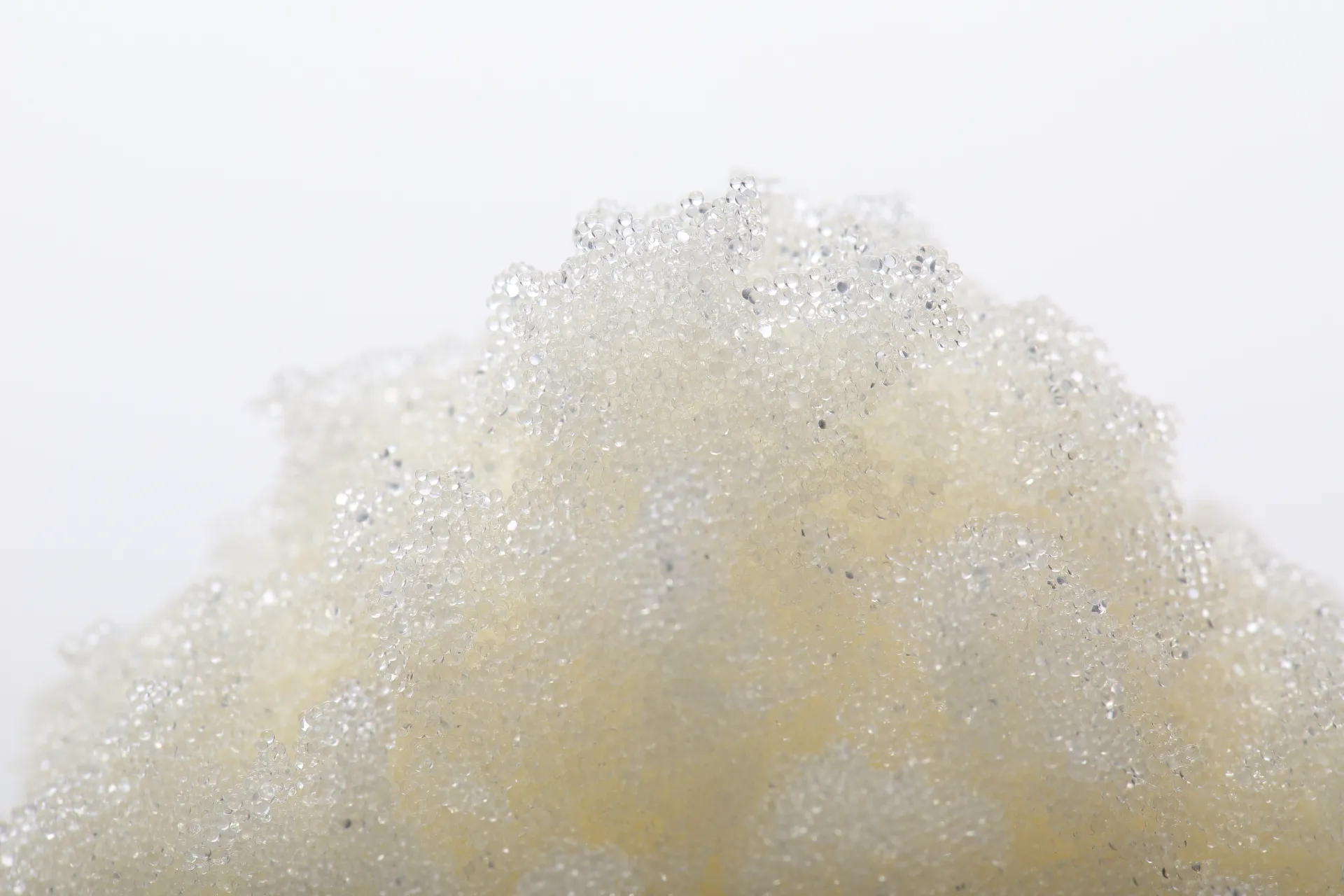
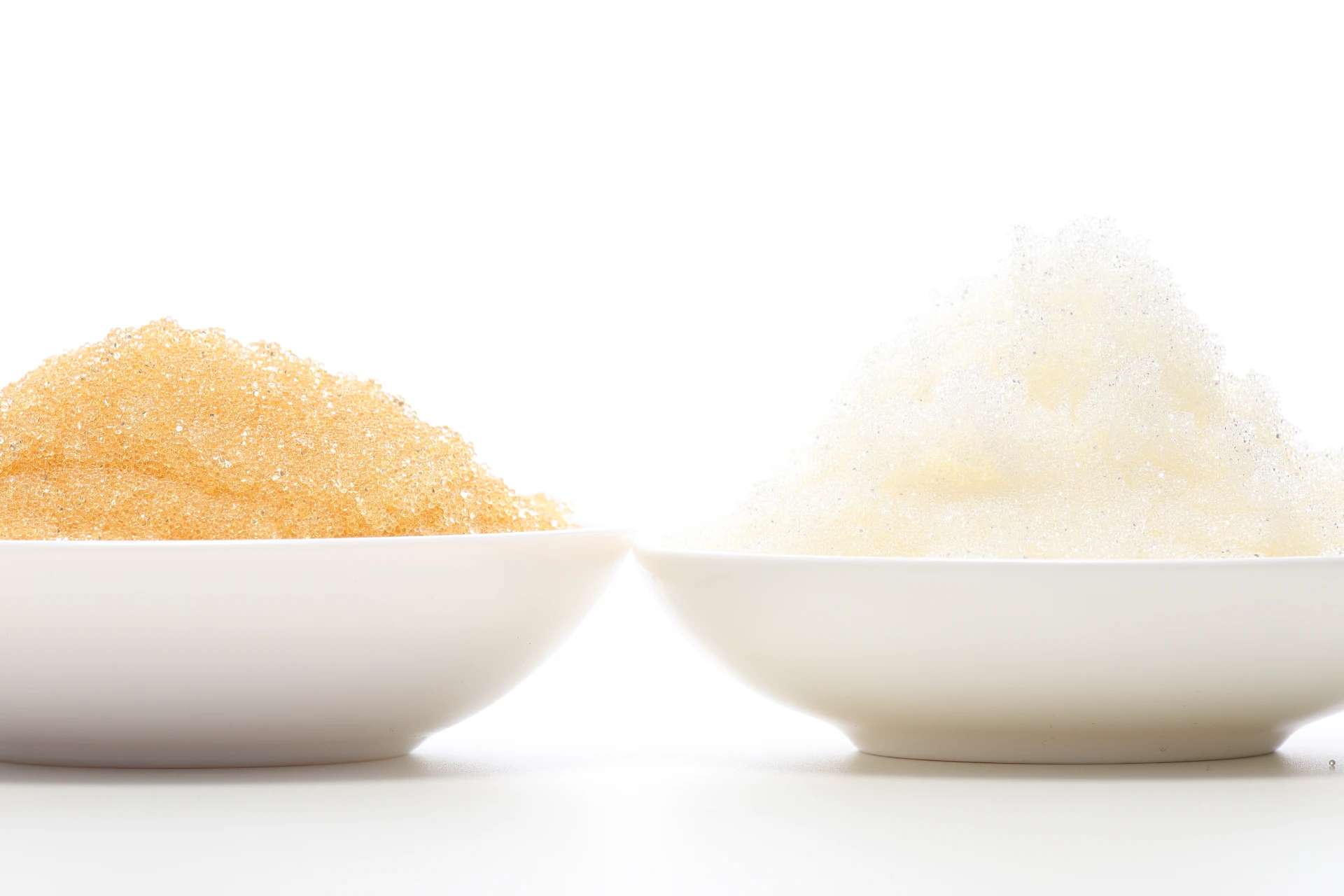
Hạt hình cầu đục màu trắng đục đến vàng nhạt
|
|
Polyme
|
Acrylic polyacrylic
|
|
Nhóm chức năng
|
-COOH
|
|
Dạng ion khi vận chuyển
|
H+
|
|
Khả năng trao đổi trọng lượng
|
≥10,80mmol/g
|
|
Khả năng trao đổi khối lượng
|
≥4,40mmol/ml
|
|
Mật độ thực tế (g/ml)
|
1,14~1,20g/ml
|
|
Mật độ khối (g/ml)
|
0.72-0.80g/ml
|
|
Khả năng giữ nước
|
45%-52%
|
|
Phạm vi kích thước hạt
|
0,315~1,25mm≥95%
|
|
Hệ số đồng nhất
|
≤1,6
|
|
Số lượng hạt nguyên vẹn (%)
|
≥95%
|
Điều kiện hoạt động tham chiếu
|
Nhiệt độ hoạt động tối đa
|
100℃
|
|
Chiều cao đổ nhựa
|
1~3 phút
|
|
Tốc độ hoạt động
|
2~10BV/giờ
|
|
Tốc độ rửa ngược
|
4~10BV/giờ
|
|
Tốc độ tái sinh (giải hấp)
|
1~2BV/giờ
|
|
Chất tái sinh
|
2BV3~5%HCl, 2BV2~4%NaOH
|
Ứng dụng
Làm mềm nước
Tái chế chất thải kẽm, niken
Tách và tinh chế thuốc sinh hóa
Các biện pháp phòng ngừa
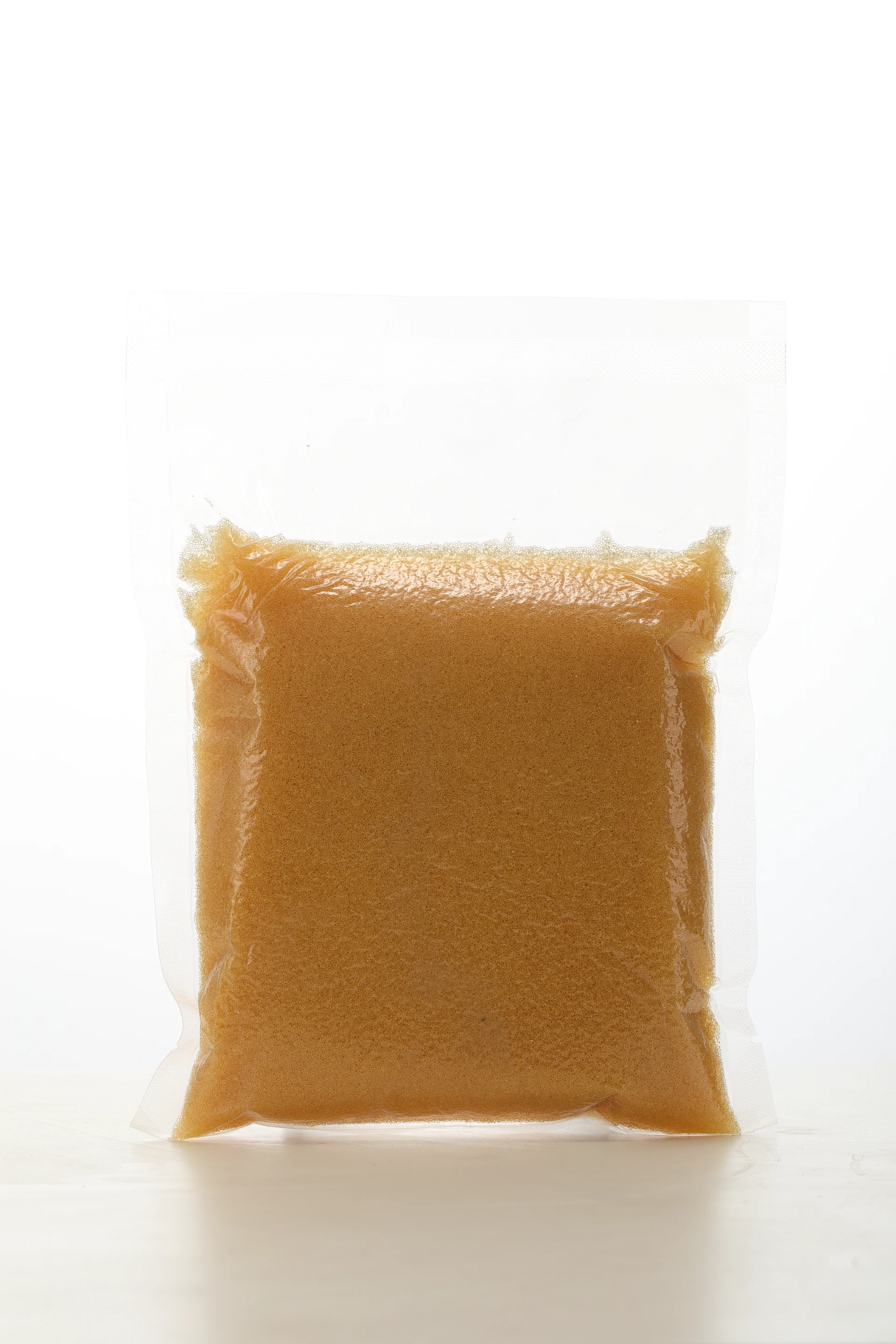
Nhựa phải được bảo quản ở trạng thái ướt. Nhiệt độ tốt nhất là trên 0℃. Nhựa phải được để trong không gian kín hoặc thêm nước muối 5% trở lên nếu không sử dụng trong thời gian dài. Nên chống đông trong quá trình vận chuyển. Không đặt vật nặng lên nhựa để tránh bị va đập.
Nói chung cần có đường dẫn dòng kiềm-nước-axit-nước để xử lý. Yêu cầu nghiêm ngặt cần có ba vòng tuần hoàn trước khi đến kênh ion cuối cùng.
Cần xem xét tỷ lệ giãn nở biến đổi khác nhau để dành đủ không gian ngăn nhựa tràn và đảm bảo chiều cao mực chất lỏng thích hợp; Tỷ lệ đường kính cột phải nằm trong phạm vi hợp lý và tránh dòng điện phân cực; Sử dụng cột nhồi ướt hoặc rửa ngược để rửa sạch bọt khí bên trong lớp nhựa.
Trước khi chất lỏng đi vào cột nhựa, cần thực hiện các bước như keo tụ, lọc hoặc lọc cát để chất rắn lơ lửng không làm kẹt lỗ nhựa.
Nhựa bên trong cột không sử dụng trong thời gian dài nên được lưu trữ bên ngoài cột sau khi rửa hoặc thêm nước muối vào môi trường chịu muối trong khi vẫn giữ mức chất lỏng không bị mất nước bằng cách rửa ngược thông thường để làm lỏng nhựa trong trường hợp nhựa bị kết tụ.
Nhựa trao đổi cation axit yếu D113
In modern industrial and food-grade water treatment, maintaining high-quality water is essential for operational efficiency, equipment longevity, and product integrity. Nhựa trao đổi cation axit yếu D113 has emerged as a versatile and high-performance solution for softening, decarbonization, and pre-treatment processes. Its superior ability to selectively remove calcium and magnesium ions ensures reduced hardness and alkalinity, helping industries prevent scale formation, enhance process stability, and extend the life of critical equipment.
When integrated into mixed bed di resin hoặc deionization resin systems, D113 delivers consistent water quality, efficient regeneration, and reliable operation under diverse industrial conditions. Its stable ion-exchange performance and compatibility with other special resin types make it ideal for power generation, chemical processing, food and beverage production, pharmaceuticals, and electronics manufacturing.
Supporting the adoption of D113 is Hebei Lijiang Biotechnology Co., Ltd., a high-tech manufacturer specializing in the research, development, and production of advanced special resin products. With international certifications including ISO9001, SGS, and WQA, and food-grade compliance aligned with FDA standards, Lijiang ensures that every batch of resin meets stringent quality and safety requirements. By combining innovative resin technology with expert technical support, the company empowers industries worldwide to implement efficient, sustainable, and high-performing water treatment solutions.
Enhancing Water Softening and Decarbonization with Weak Acid Cation Exchange Resin D113
Efficient water treatment has become a critical factor in modern industrial operations, where equipment longevity, process stability, and product quality are tightly linked to water quality. Among the most effective solutions for water softening and decarbonization is the Nhựa trao đổi cation axit yếu D113. This special resin exhibits exceptional selectivity for hardness ions, enabling reliable removal of calcium and magnesium while reducing alkalinity in industrial water systems. Its application extends across a wide range of industries, including power generation, chemical processing, food and beverage production, and pharmaceuticals, where consistent water quality is vital for operational efficiency.
When integrated into mixed bed di resin hoặc deionization resin systems, D113 offers enhanced operational efficiency and stability. By pairing with complementary strong base or strong acid resins, it delivers high-purity water for critical processes, reduces chemical consumption during regeneration, and extends the service life of downstream equipment. This synergy ensures that industrial water treatment systems operate reliably, even under variable feedwater conditions or high-load demands.
Supporting the deployment of D113 is Hebei Lijiang Biotechnology Co., Ltd., a modern high-tech enterprise specializing in the development and production of high-performance special resin products. Lijiang integrates research and development, production, sales, and technical service to provide comprehensive solutions for industrial, food-grade, pharmaceutical, and nuclear-grade applications. With ISO9001, SGS, and WQA certifications, and FDA-compliant food-grade products, Lijiang guarantees that every batch of nhựa trao đổi cation and related deionization resin meets international standards for quality, safety, and performance.
Key Performance Benefits of D113 Weak Acid Cation Resin in Industrial Ion Exchange Systems
The D113 resin is engineered for optimal performance in water softening and decarbonization. Its weak-acid functional groups allow for efficient ion exchange while minimizing acid usage during regeneration, contributing to cost savings and environmental sustainability. Additionally, the resin demonstrates excellent mechanical strength, low swelling, and consistent hydraulic performance, ensuring long-term reliability in continuous or batch operations.
In advanced purification setups, D113 is often integrated into mixed bed di resin systems, where it operates in conjunction with high-quality strong acid and strong base resins to produce ultra-pure water. Its stable ion-exchange capacity, coupled with compatibility with other special resin types, ensures seamless operation in sensitive applications such as boiler feedwater, pharmaceutical water, and electronics manufacturing.
D113 also performs exceptionally well across a broad range of pH levels and temperatures. Its resistance to mechanical degradation reduces the risk of channeling, bed compaction, or resin loss, resulting in longer operational life and reduced maintenance requirements. The resin’s predictable regeneration cycles and high exchange efficiency enable operators to achieve consistent water quality while lowering chemical consumption and wastewater generation.
Applications of Weak Acid Cation Exchange Resin D113 Across Industrial and Food-Grade Processes
The versatility of D113 allows it to be employed across multiple sectors. In power generation, it effectively softens feedwater and decarbonizes boiler water, preventing scale formation and protecting critical equipment like turbines and heat exchangers. In chemical and petrochemical plants, it ensures reliable ion removal and consistent water quality, supporting efficient process operation and reducing equipment fouling.
In the food and beverage industry, D113’s compliance with FDA standards ensures safe application for ingredient water treatment, sugar deashing, and beverage purification. The resin’s reliability guarantees product consistency while meeting stringent hygiene requirements. In pharmaceutical and electronics manufacturing, D113 plays a crucial role in deionization resin systems, producing ultra-pure water necessary for sensitive processes and contamination-sensitive applications.
Hebei Lijiang Biotechnology Co., Ltd. enhances the value of D113 by offering extensive technical support, including system design, installation guidance, process optimization, and long-term operational consultation. By integrating D113 with complementary special resin Và mixed bed di resin components, Lijiang ensures that clients achieve optimal system efficiency, extended service life, and reduced operational costs. This combination of high-performance materials and expert technical guidance allows industries to implement reliable, sustainable, and high-efficiency water treatment solutions.
Furthermore, D113 supports environmental sustainability initiatives. Its efficient regeneration reduces chemical consumption, minimizes wastewater generation, and aligns with global trends toward greener and more sustainable industrial operations. As water treatment requirements become increasingly stringent worldwide, high-performance special resin products like D113 are becoming essential for modern industrial and food-grade water systems.
Conclusion
Các Nhựa trao đổi cation axit yếu D113 represents a high-performance solution for industrial and food-grade water treatment, offering superior softening, decarbonization, and consistent water quality. Its integration into mixed bed di resin Và deionization resin systems ensures operational efficiency, chemical savings, and extended service life. Supported by Hebei Lijiang Biotechnology Co., Ltd., D113 benefits from the company’s comprehensive expertise, international certifications, and commitment to delivering high-quality special resin solutions. For industries seeking reliable, efficient, and sustainable water treatment systems, D113 provides both outstanding material performance and the technical partnership necessary to achieve long-term success.