Phone:
+86 0319 2296164


Email:
info@lijiresin.cn
Selecting the right water filter resin beads is crucial for achieving optimal water purification. These beads play a vital role in removing contaminants and ensuring water quality across a variety of applications, from industrial processes to household drinking water systems. This article provides an in-depth look at water filter resin beads, exploring their types, applications, benefits, and how to choose the right ones for your specific needs. Understanding the nuances of these materials will empower you to make informed decisions and maintain effective water filtration.
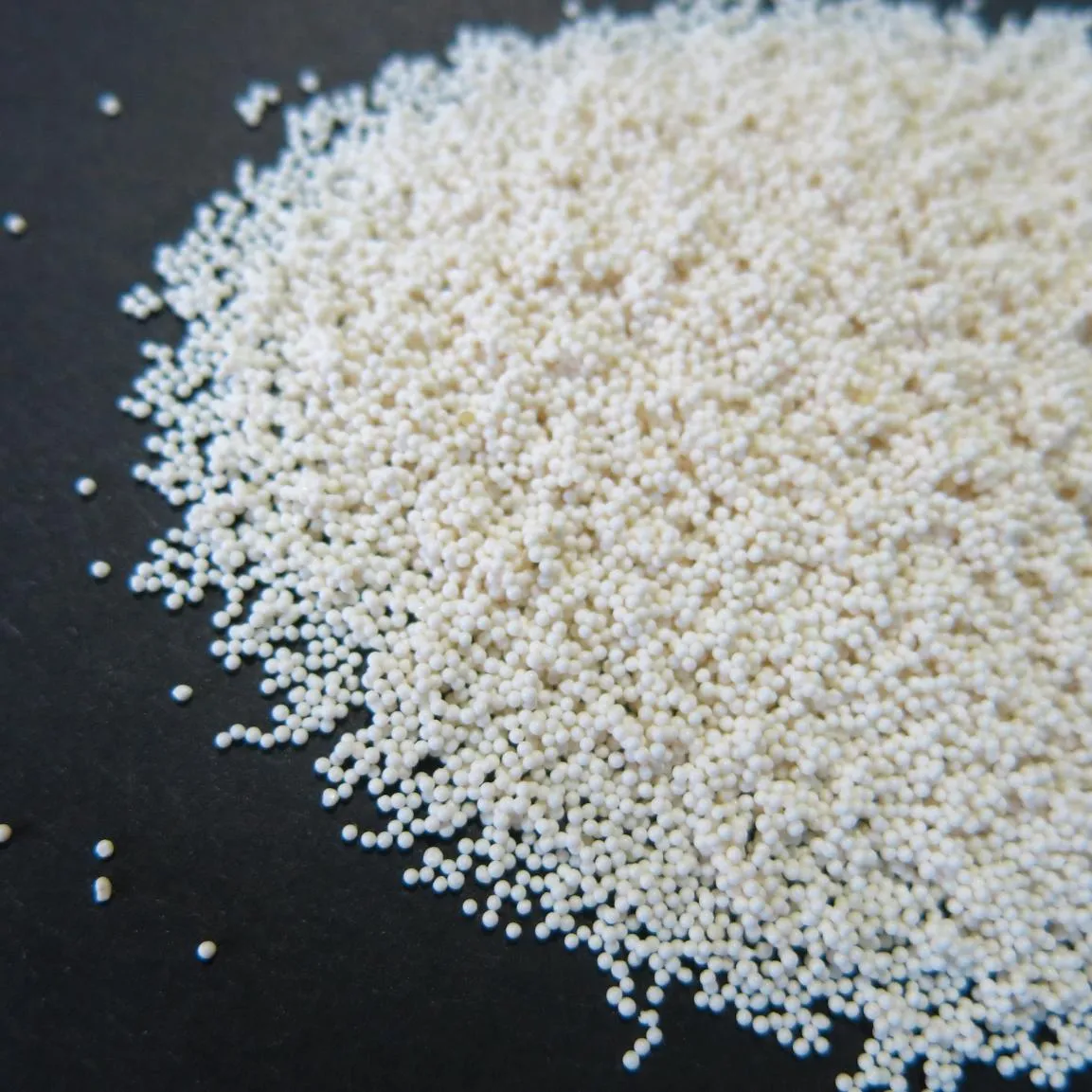
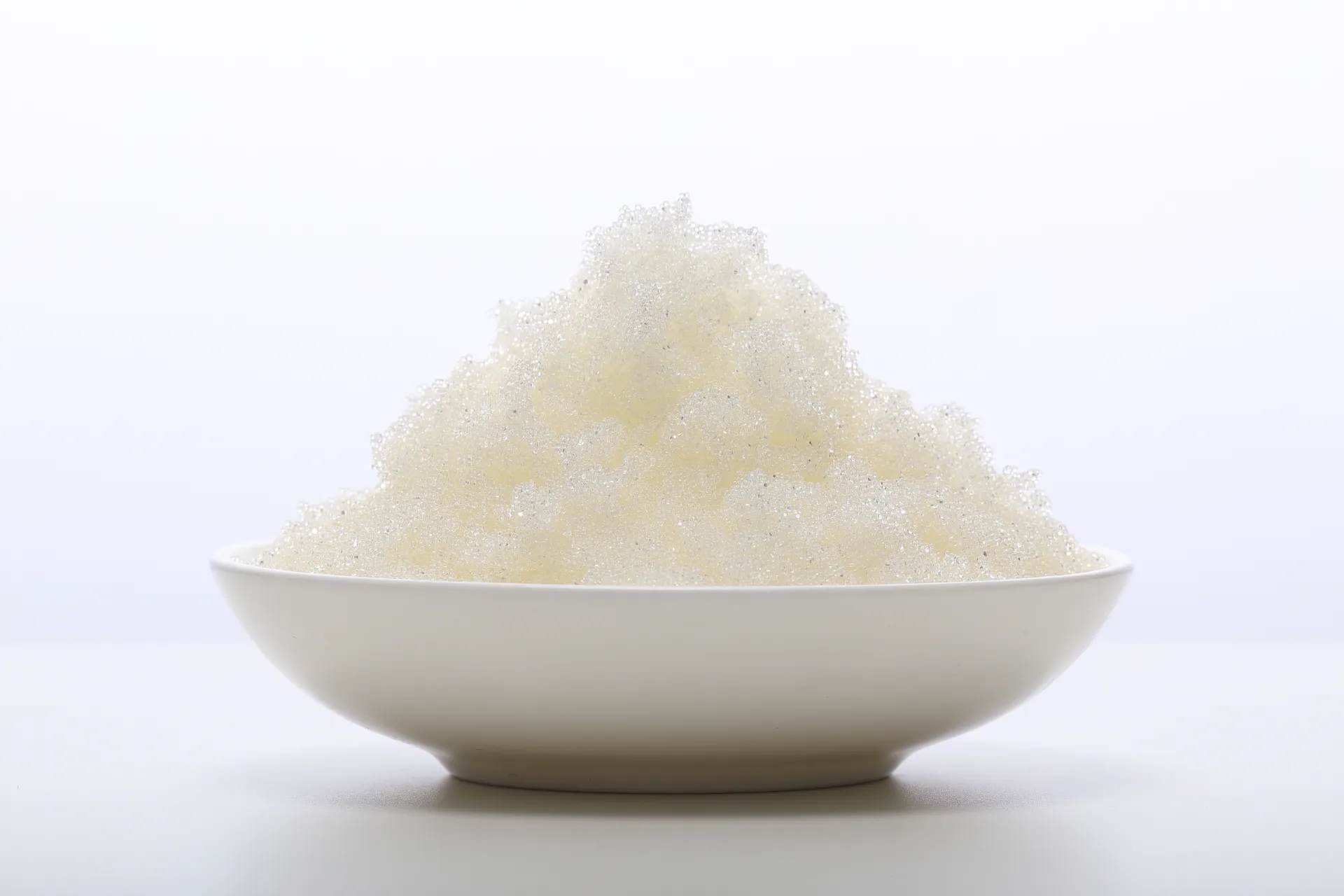
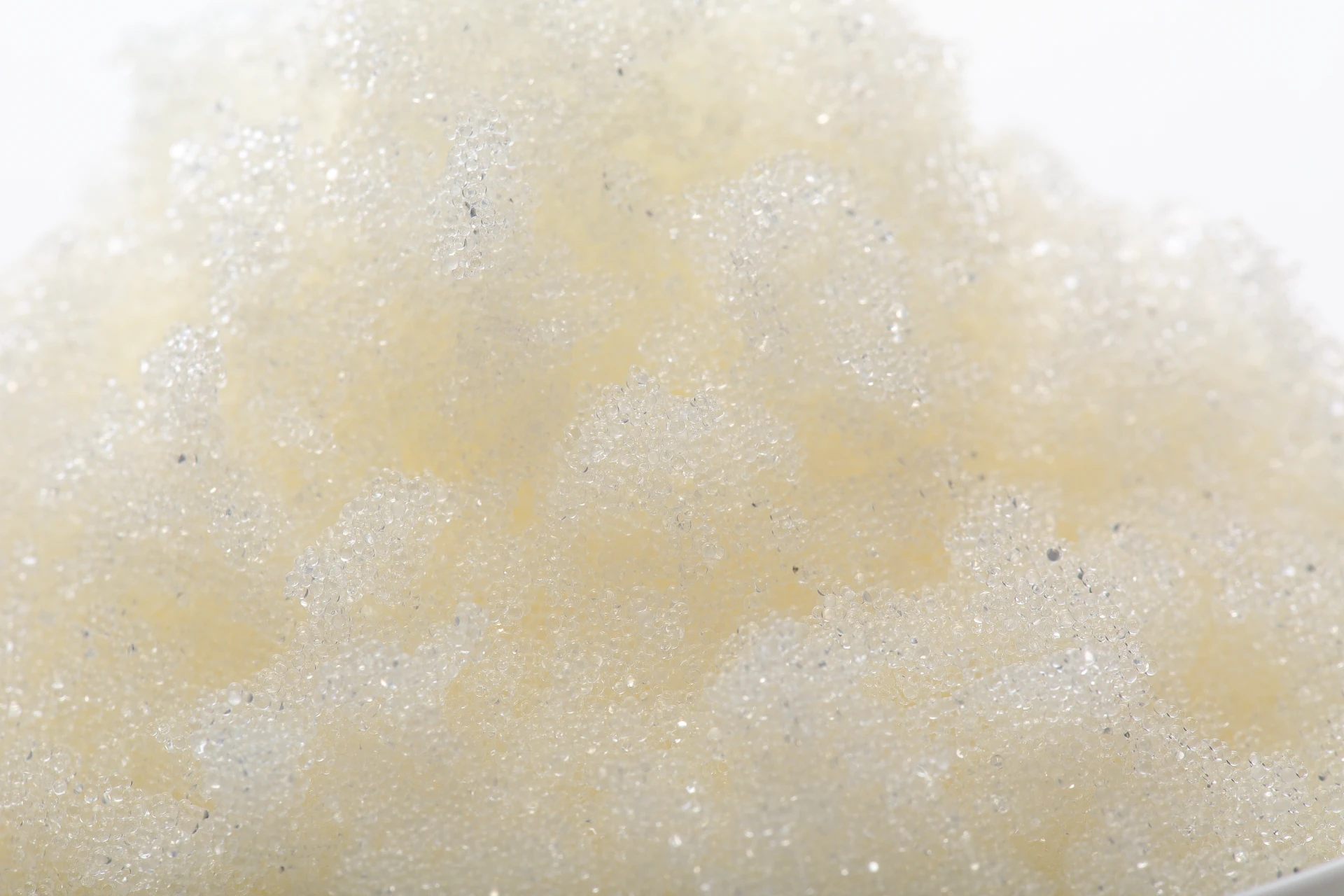
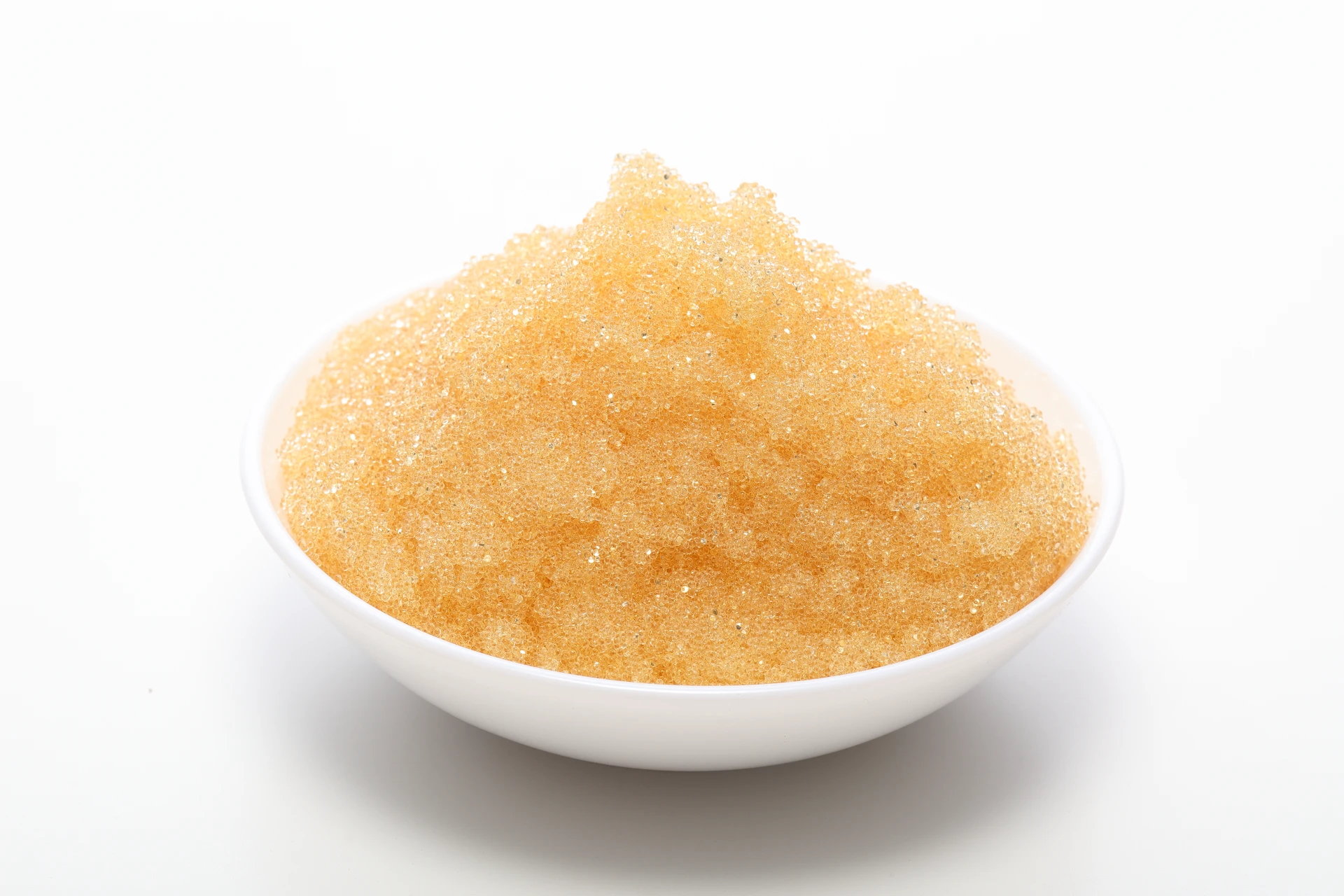
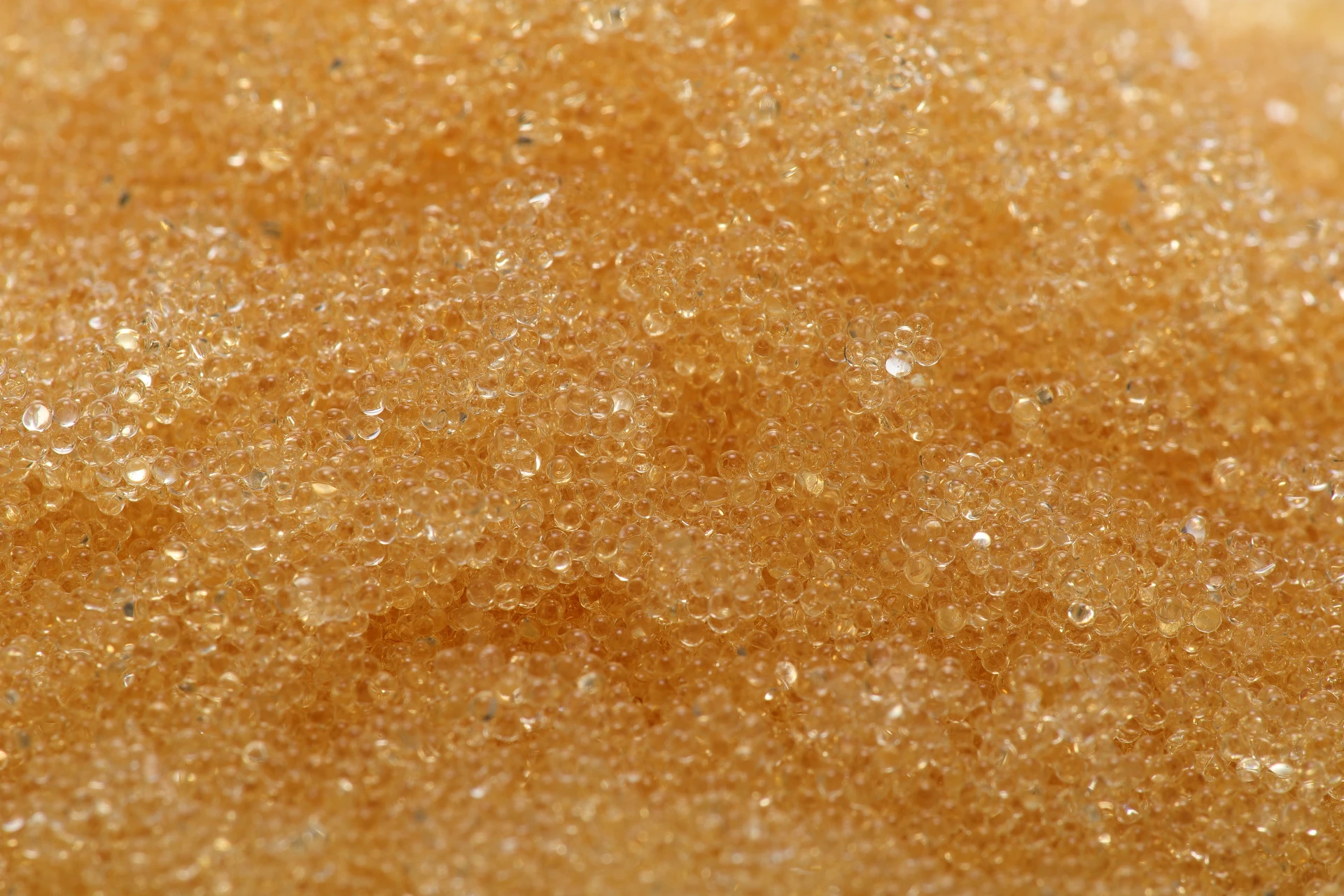
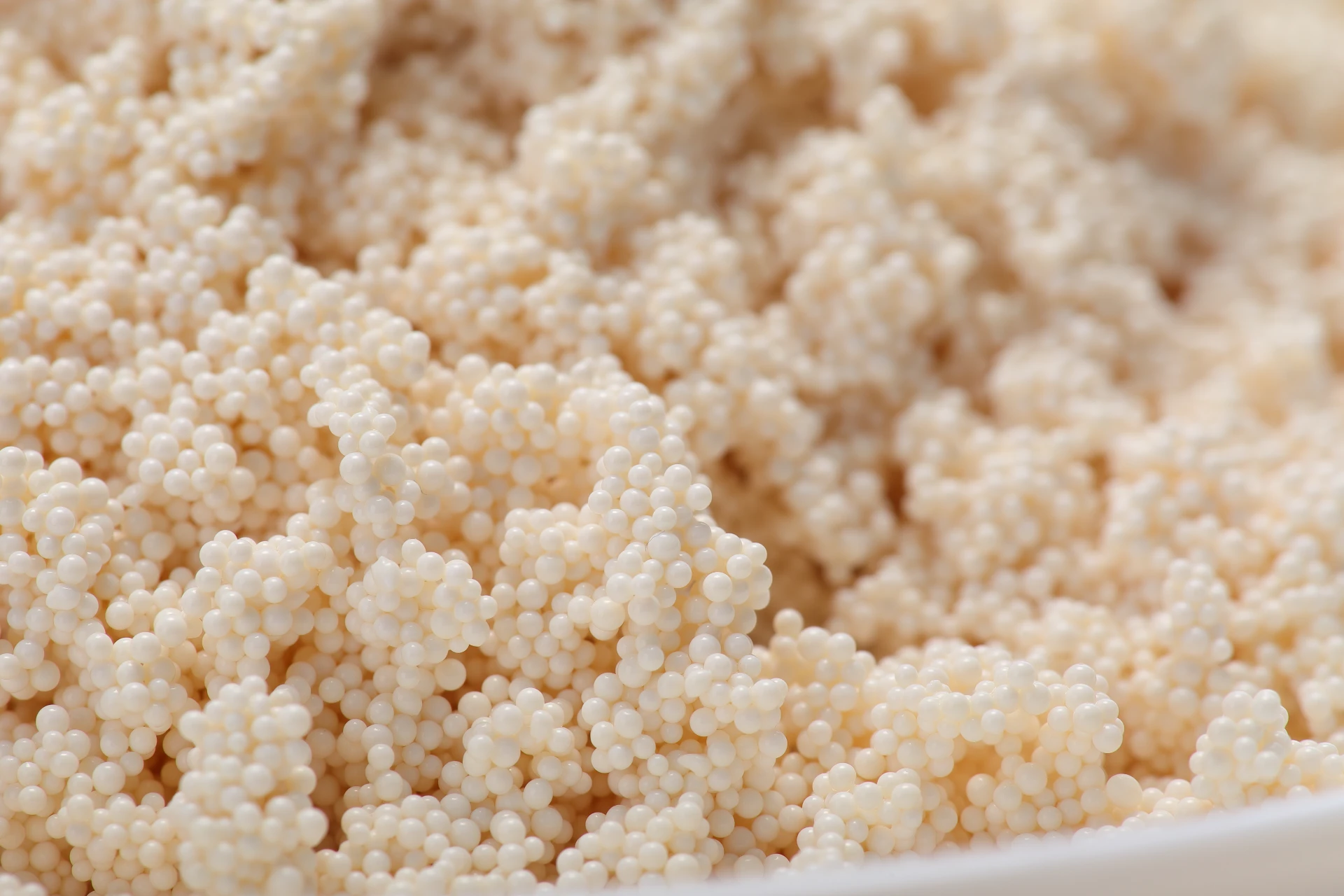
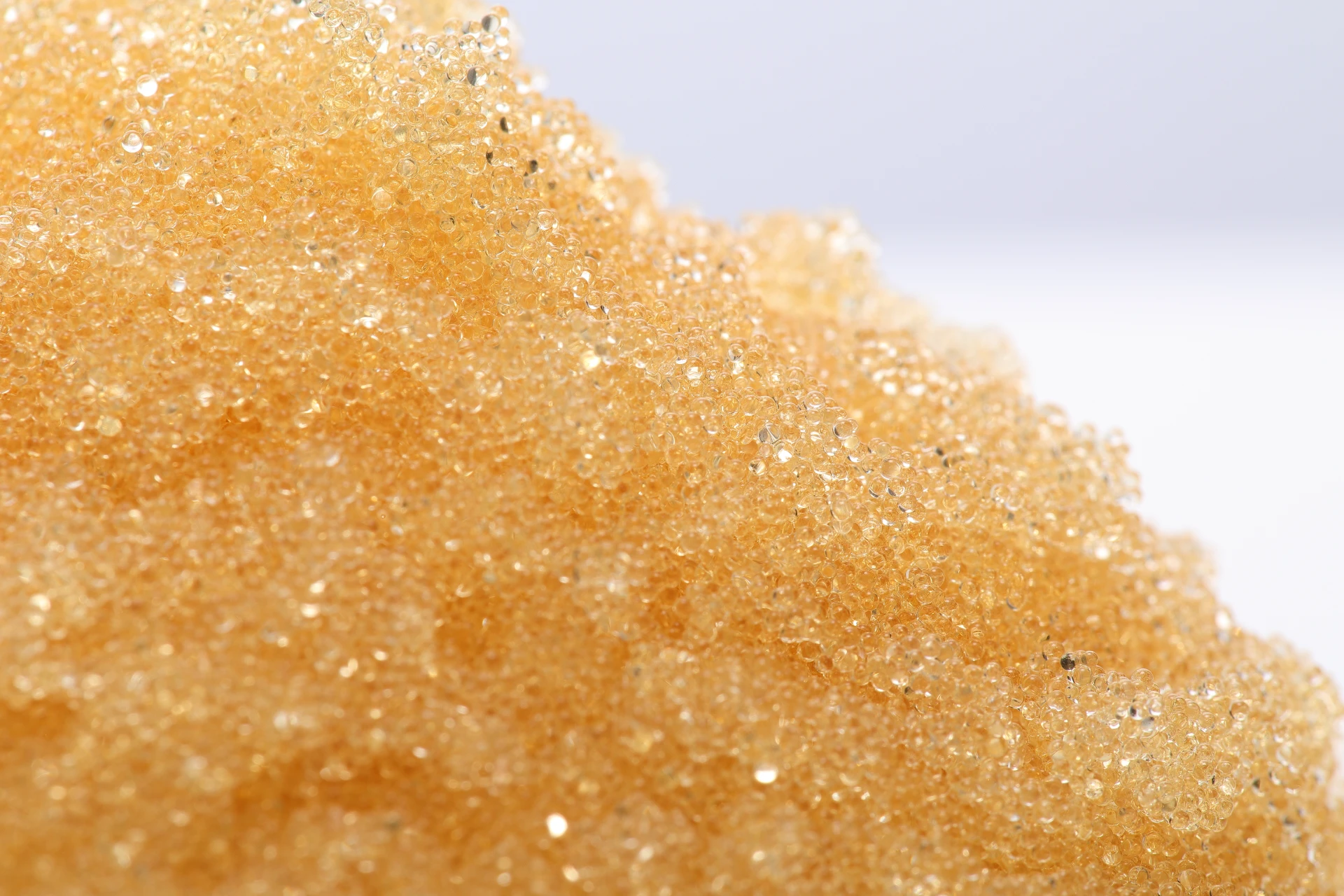
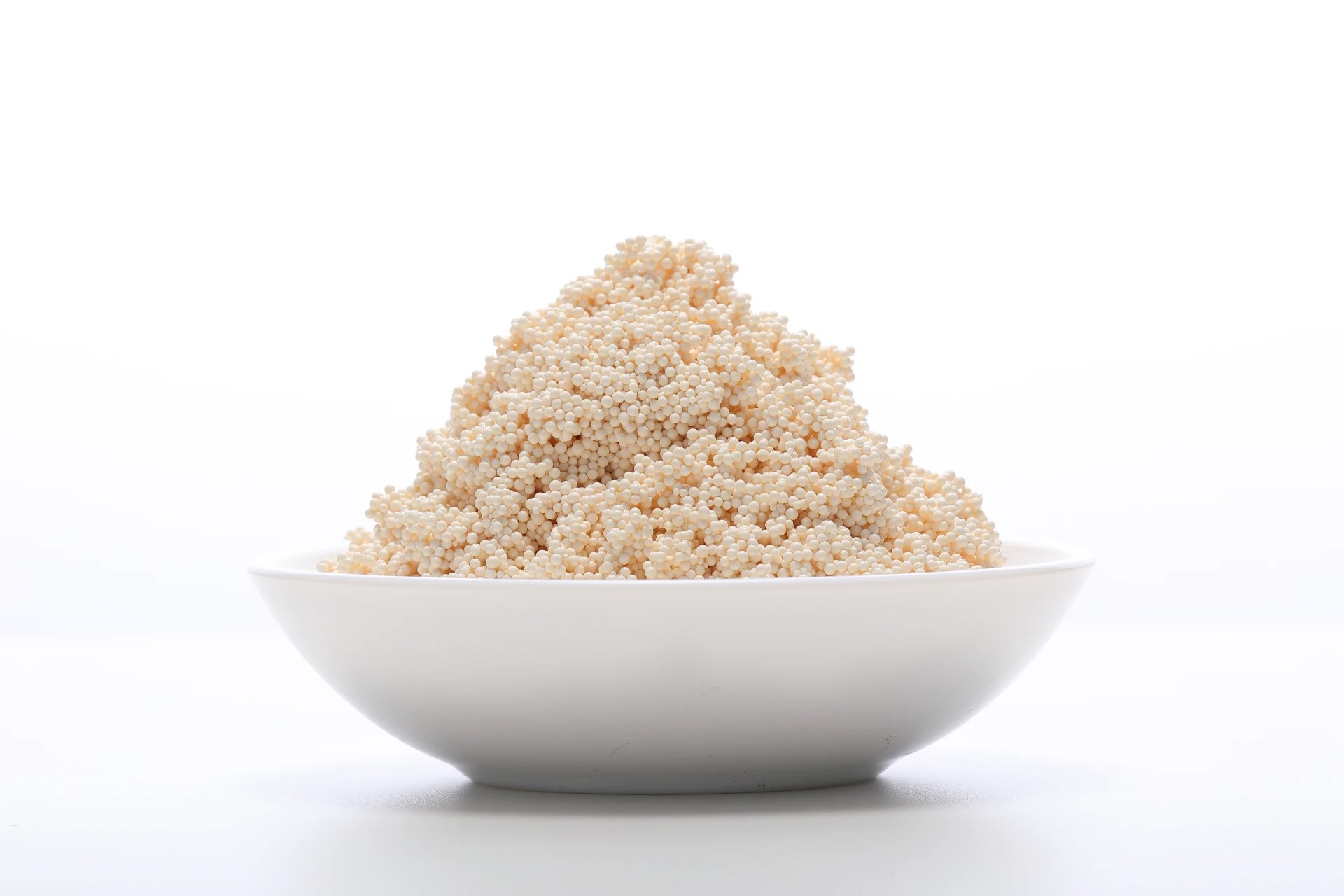
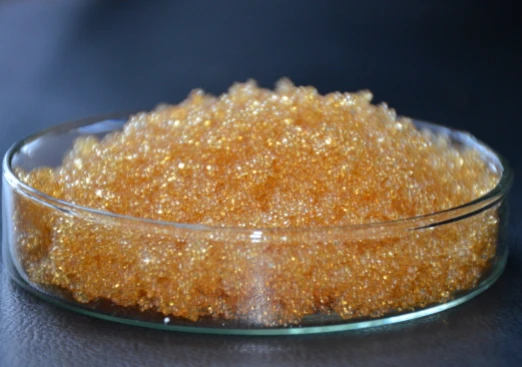
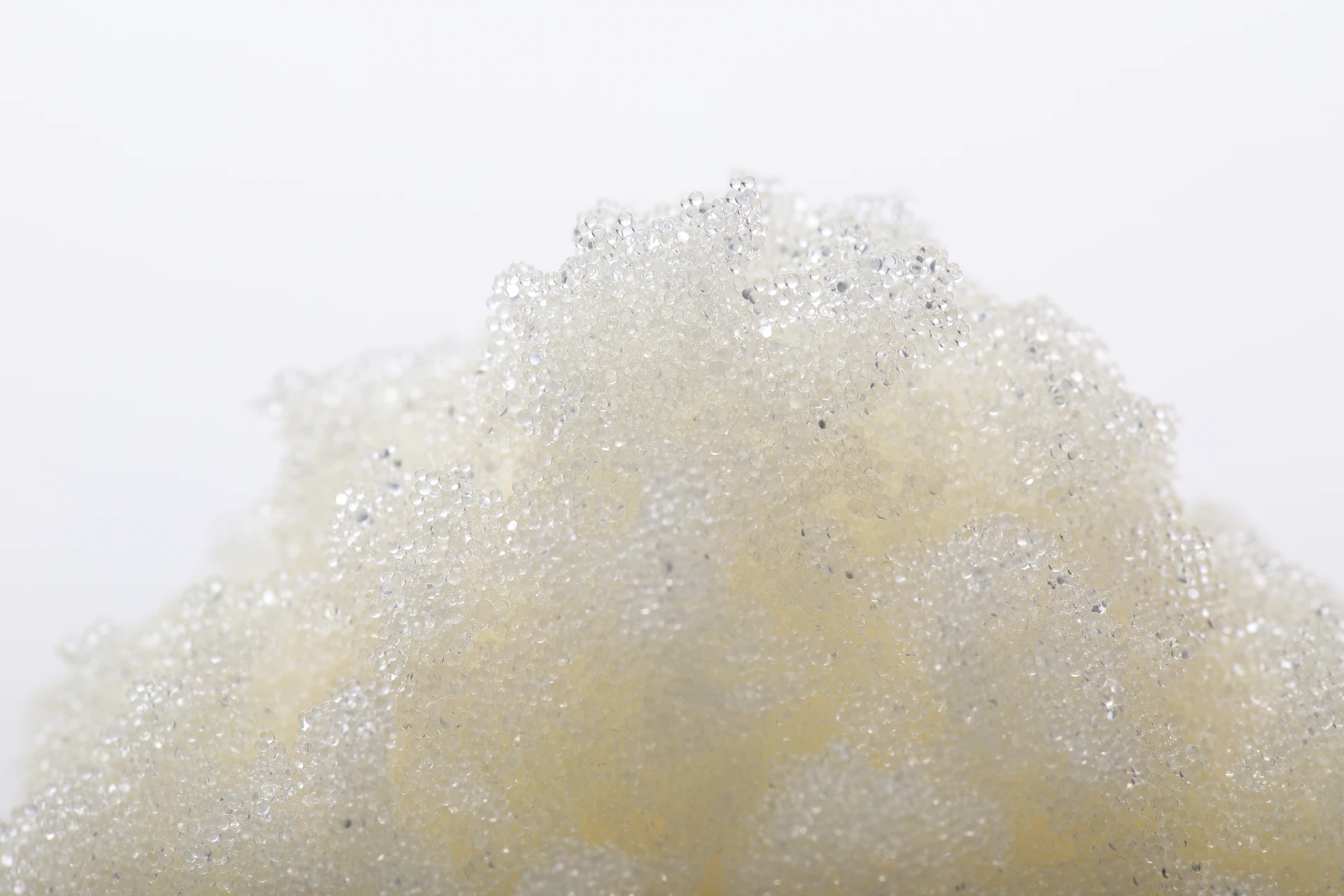
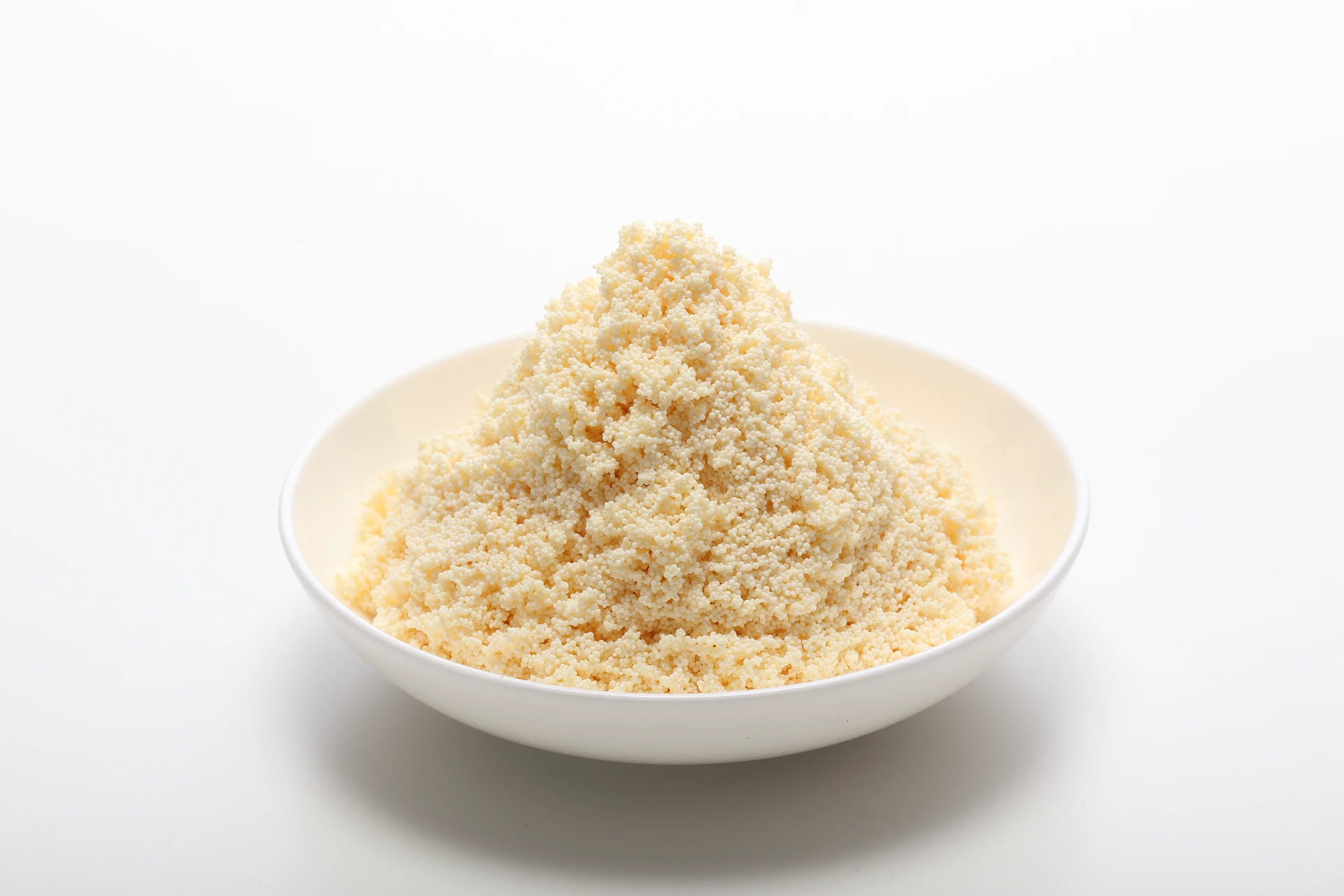
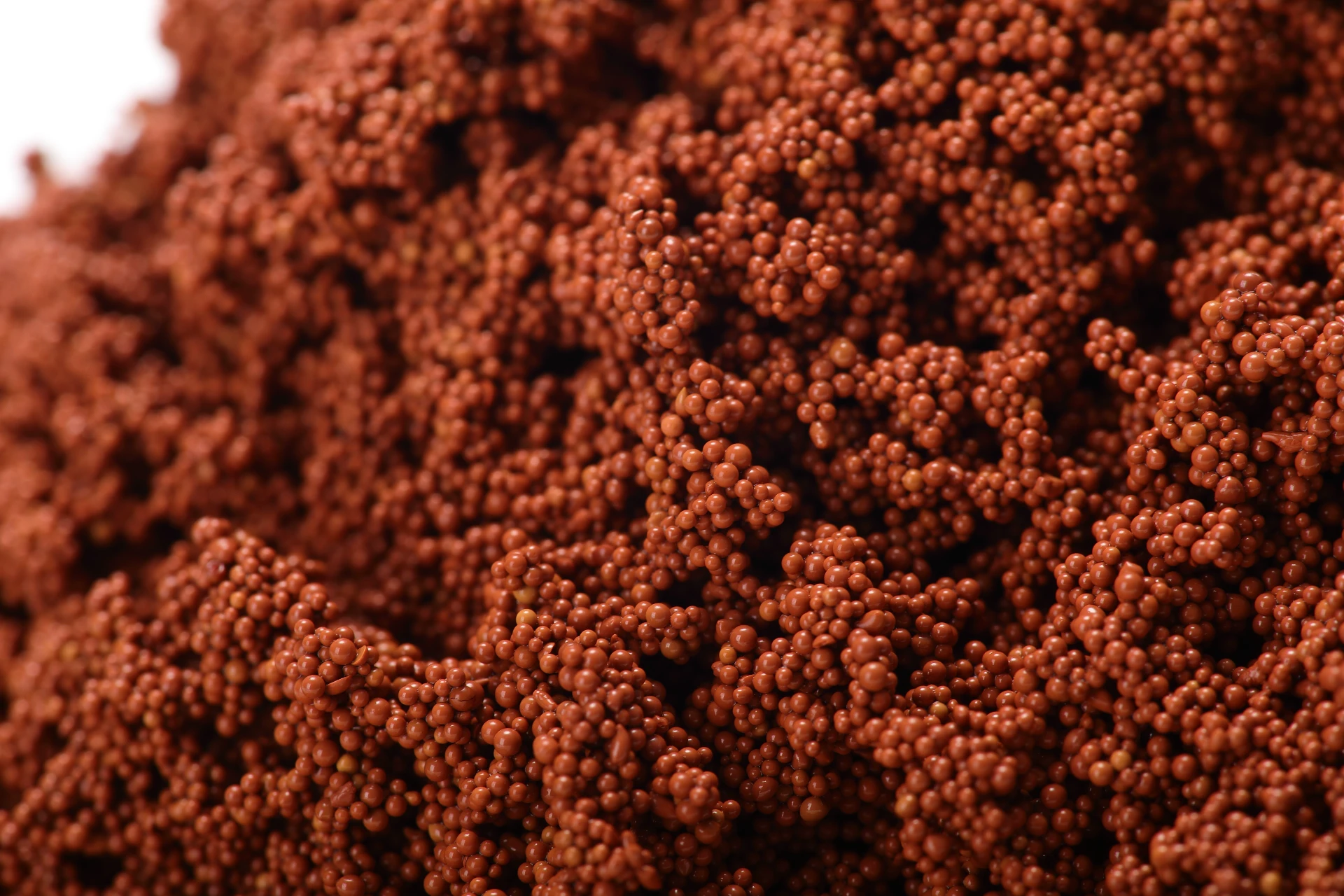
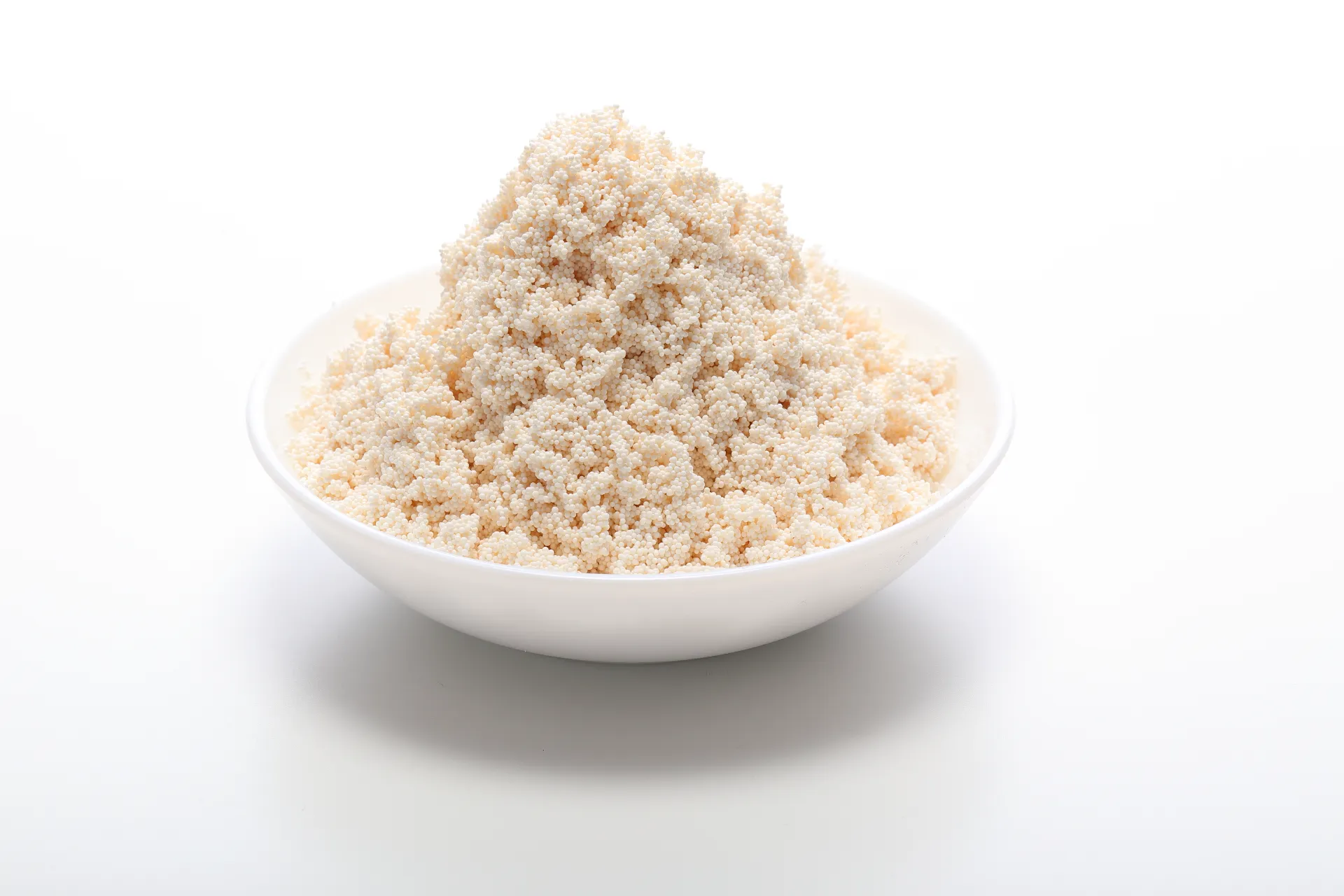
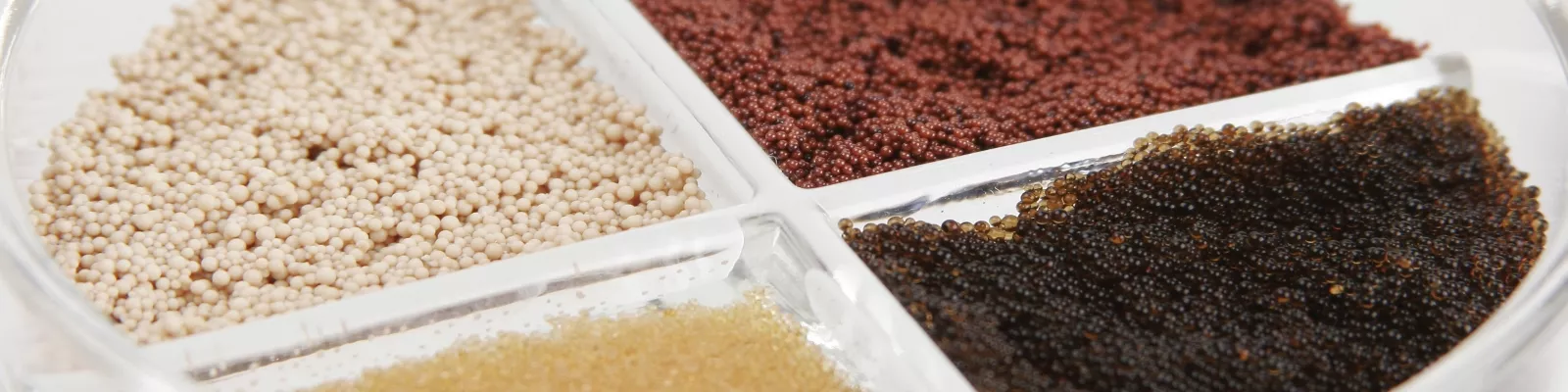
Water filter resin beads are small, porous synthetic materials designed to selectively remove impurities from water. These beads typically consist of a polymer matrix with functional groups that attract and bind specific contaminants. The most common types include ion exchange resins, activated carbon, and chelating resins. Ion exchange resins remove dissolved ions like calcium and magnesium (water softening), while activated carbon adsorbs organic compounds and chlorine. Chelating resins target specific metal ions. The Lijiresin offers a wide array of these beads, tailored for diverse water treatment challenges.
Key Highlights: Water filter resin beads are selectively designed to remove impurities, utilizing various materials like ion exchange resins, activated carbon, and chelating resins.
There are several types of water filter resin beads, each with unique properties and applications. Ion exchange resins are categorized as either cation or anion exchangers, depending on the type of ions they target. Strong acid cation resins remove positively charged ions like calcium and magnesium, while strong base anion resins remove negatively charged ions like chloride and sulfate. Activated carbon resins are effective at removing organic contaminants, chlorine, and odors. Chelating resins specifically target heavy metal ions. The choice of resin depends on the specific contaminants present in the water.
Resin Bead Types:
• Ion Exchange Resins (Cation & Anion)
• Activated Carbon Resins
• Chelating Resins
• Mixed Bed Resins
The applications for water filter resin beads are widespread. In residential settings, they are used in water softeners to remove hardness minerals, in whole-house filters to improve water quality, and in point-of-use filters for drinking water. Industrially, they are essential in boiler water treatment to prevent scale formation, in wastewater treatment to remove pollutants, and in food and beverage processing to purify water for production. The versatility of Lijiresin’s beads ensures they can be implemented effectively across a spectrum of industries.
Selecting the appropriate resin beads requires careful consideration of several factors. First, identify the specific contaminants you need to remove. A water analysis is highly recommended. Next, consider the water's pH, temperature, and flow rate. These factors can affect resin performance. Finally, choose a reputable supplier like Lijiresin, who can provide high-quality beads and technical support.
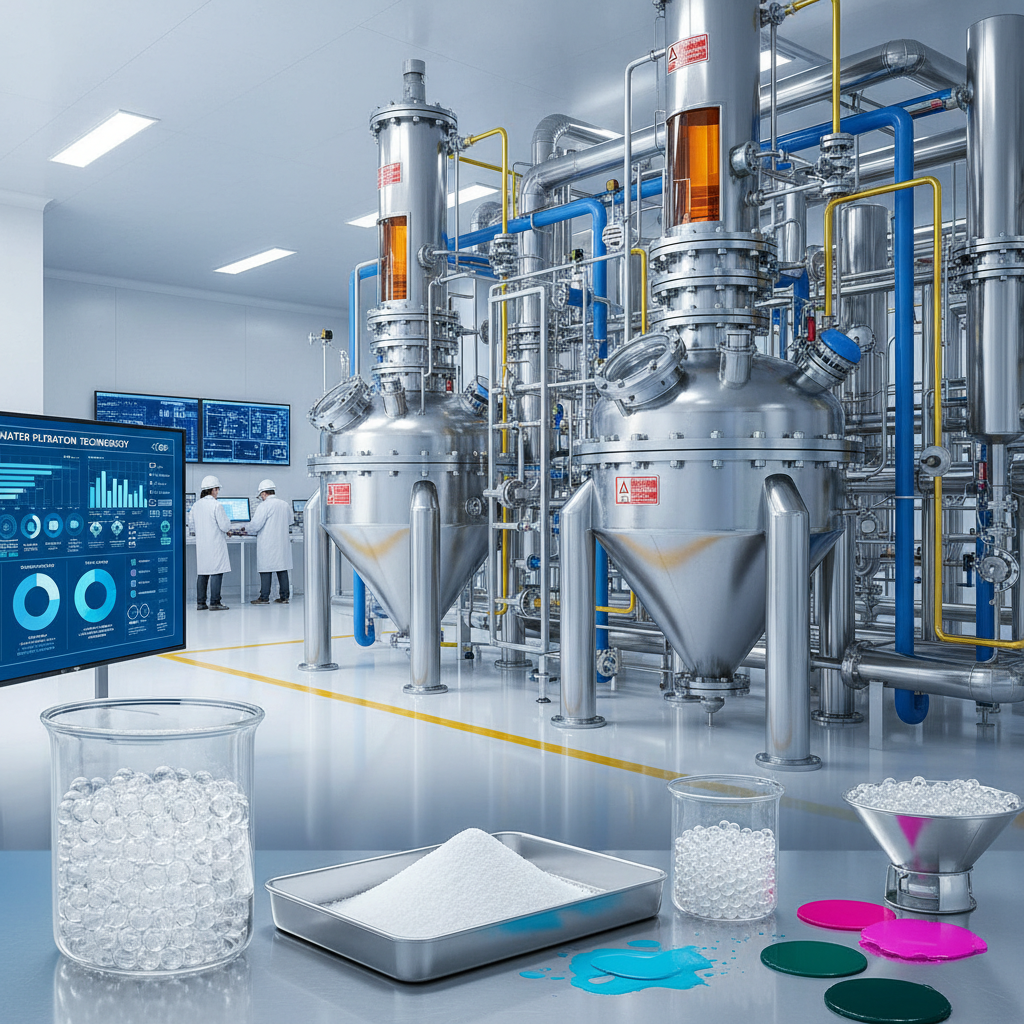
Investing in high-quality water filter resin beads offers numerous benefits. Improved water quality leads to better health and safety, particularly in drinking water applications. Reduced scaling in industrial systems translates to increased efficiency and lower maintenance costs. Environmentally, effective water purification reduces the discharge of pollutants into the environment. The consistent quality and performance of Lijiresin’s products guarantee lasting benefits.
Choosing the right water filter resin beads is an investment in water quality, efficiency, and environmental responsibility. By understanding the different types, applications, and benefits, you can select the optimal solution for your specific needs. Prioritize quality and partner with a reliable supplier to ensure long-term performance and satisfaction.
The lifespan of water filter resin beads varies depending on factors like water quality, flow rate, and the type of resin. Generally, ion exchange resins last 2-10 years, activated carbon resins 6-12 months, and chelating resins 1-5 years. Regular testing and monitoring of water quality are crucial to determine when replacement is necessary. Signs of depletion include reduced water quality and increased breakthrough of contaminants.
The frequency of regeneration depends on the hardness of the water and the resin’s capacity. Typically, ion exchange resins are regenerated when they reach their exhaustion point, indicated by a decrease in water softening or demineralization efficiency. Automated regeneration systems can be programmed to regenerate based on volume of water treated or time intervals. Proper regeneration ensures optimal resin performance and extends its lifespan.
Yes, chlorine can degrade certain types of resin beads, particularly activated carbon. Chlorine oxidizes the carbon surface, reducing its adsorption capacity. To protect the resin, it's recommended to use a pre-filter to remove chlorine before it reaches the resin bed. Some resins are specifically designed to be chlorine-resistant.
Lijiresin is a leading supplier of high-quality water filter resin beads. We offer a wide range of products, competitive pricing, and expert technical support to help you find the perfect solution for your water filtration needs.