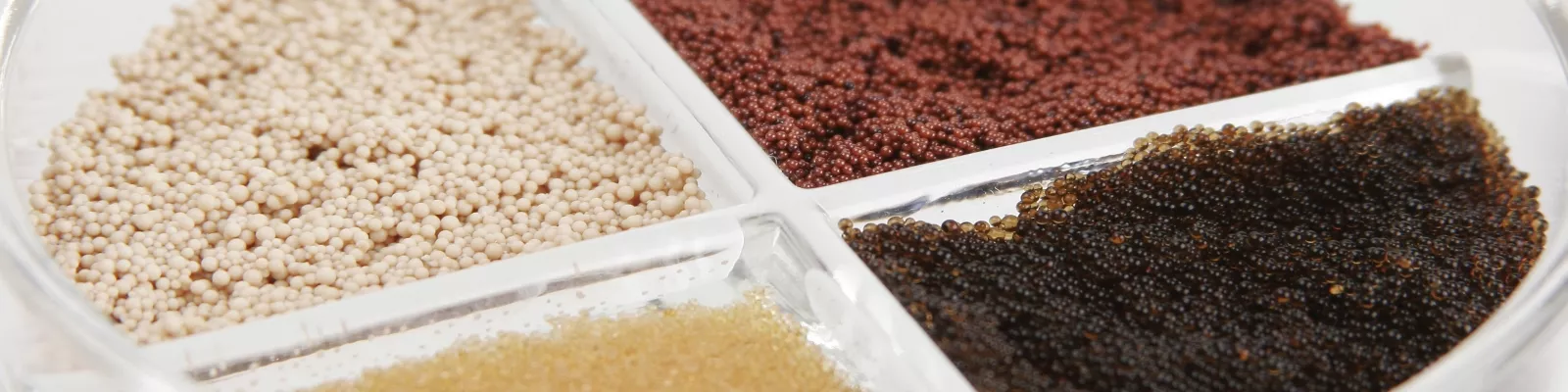
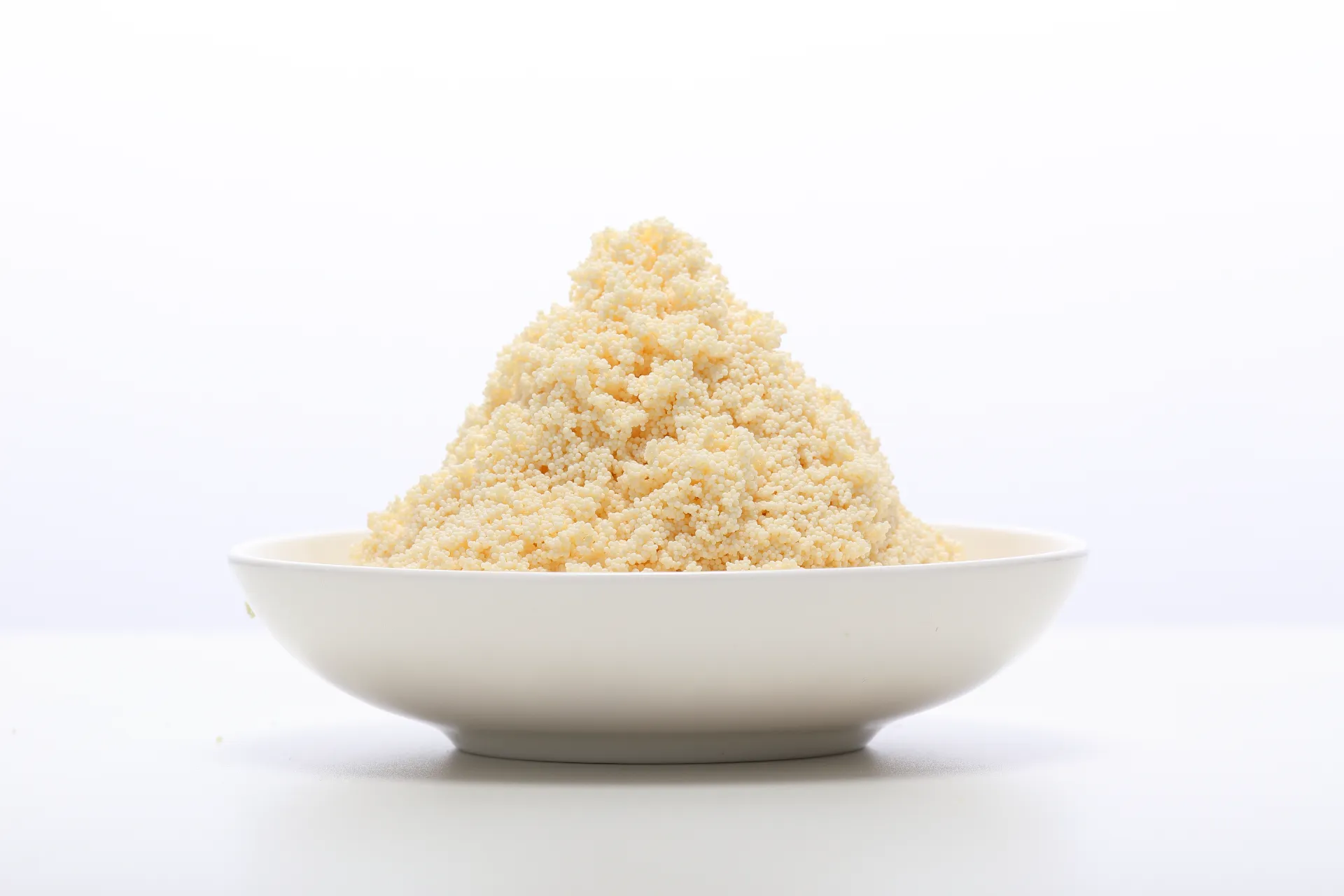
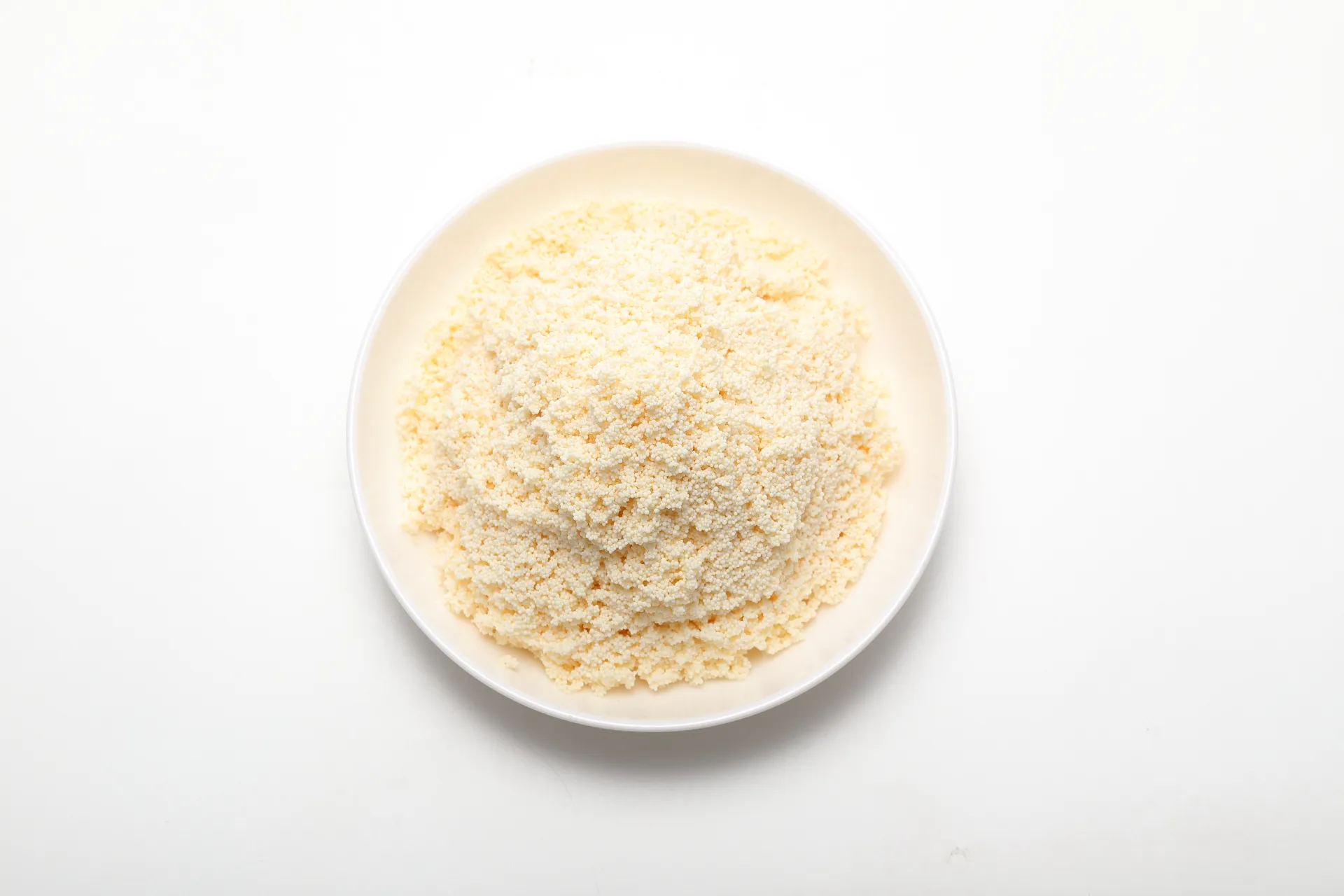
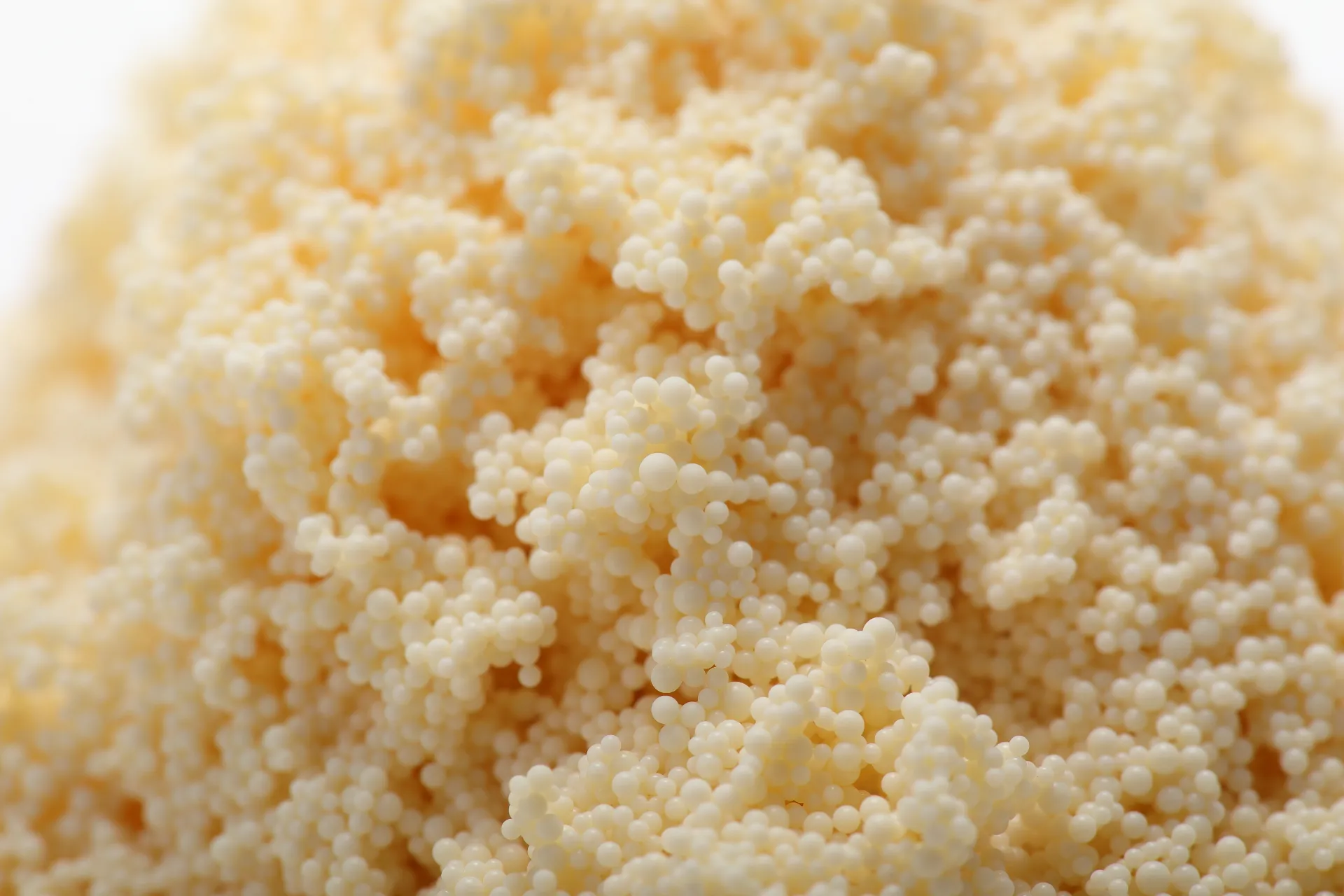
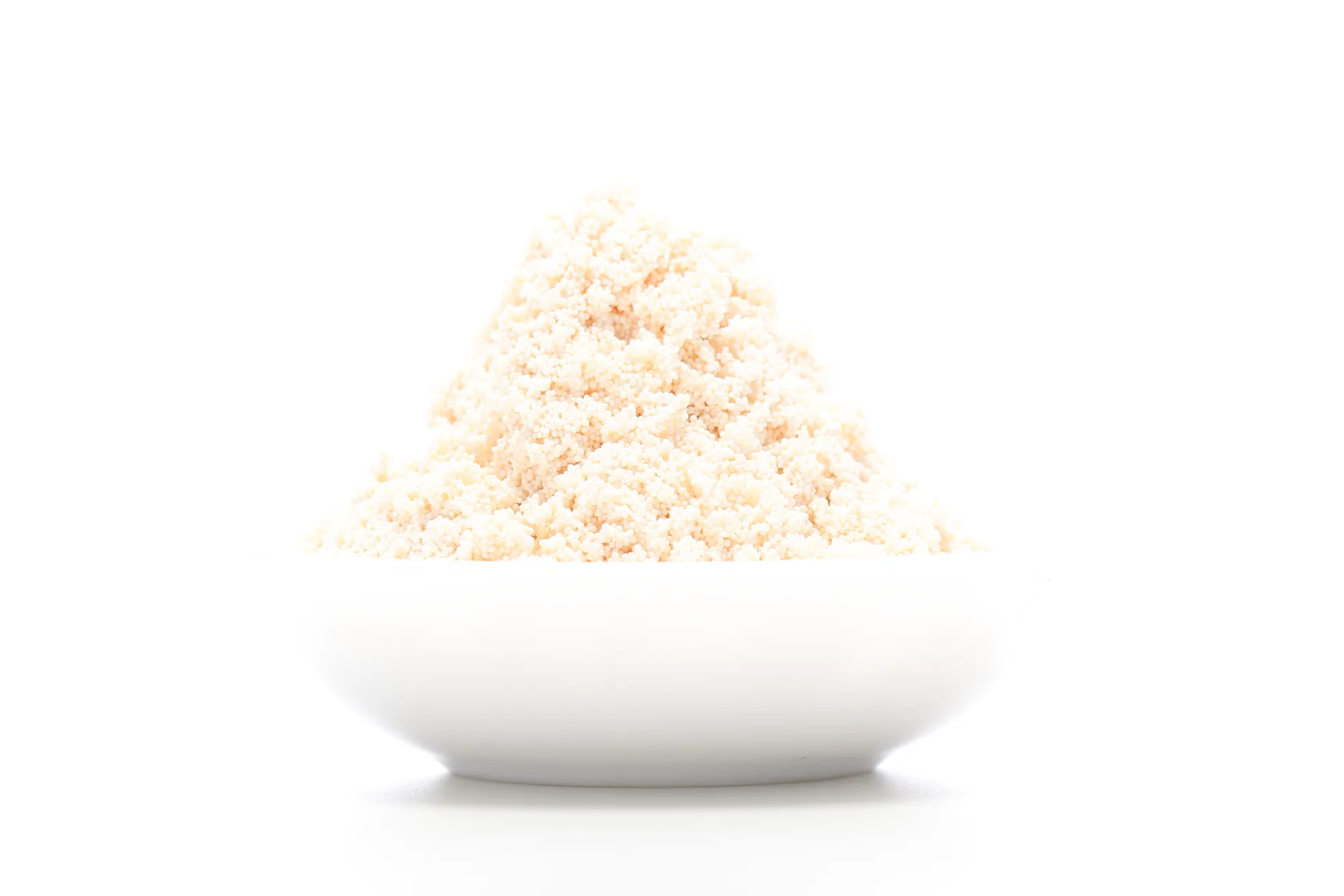
Resina quelante de estireno macroporosa CH520
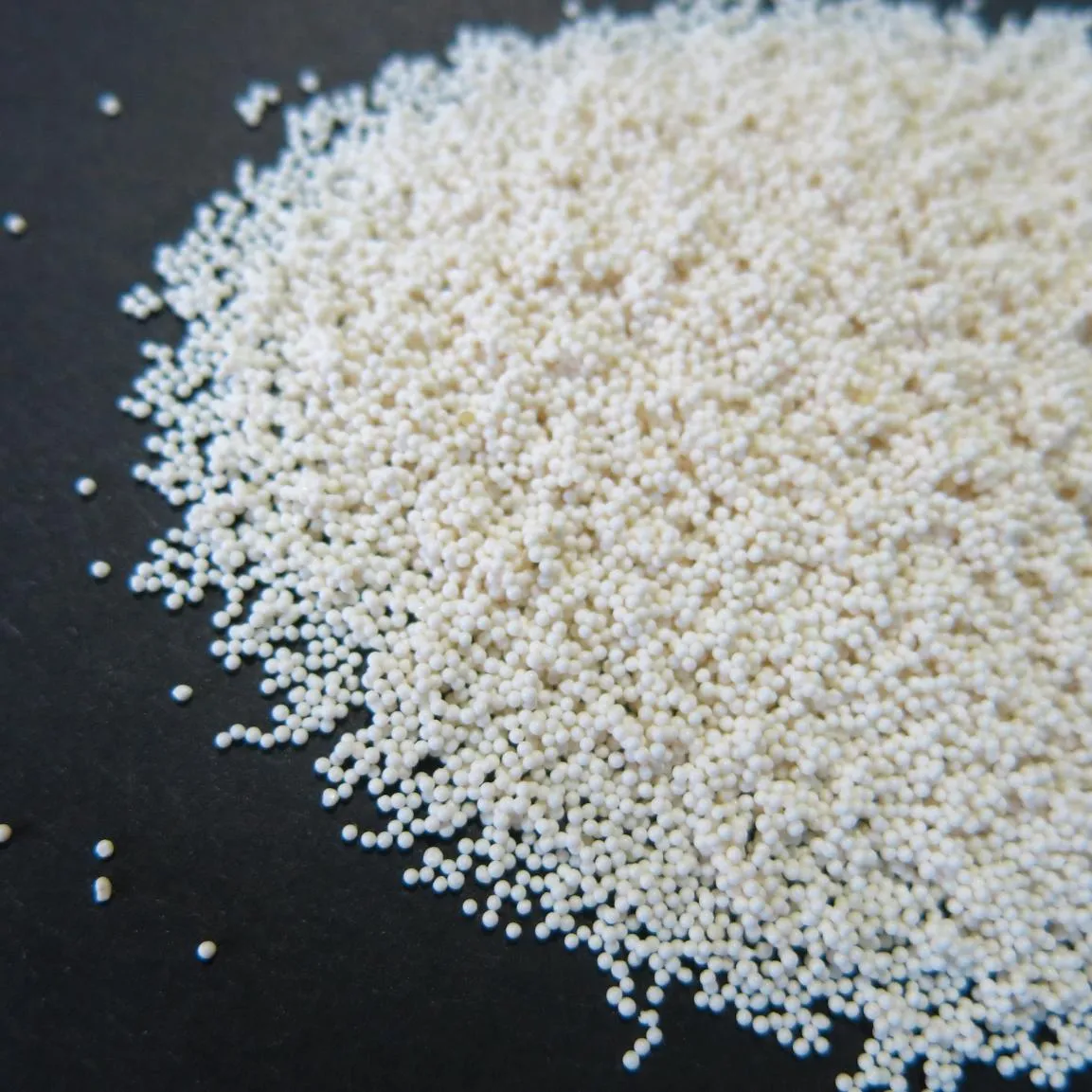
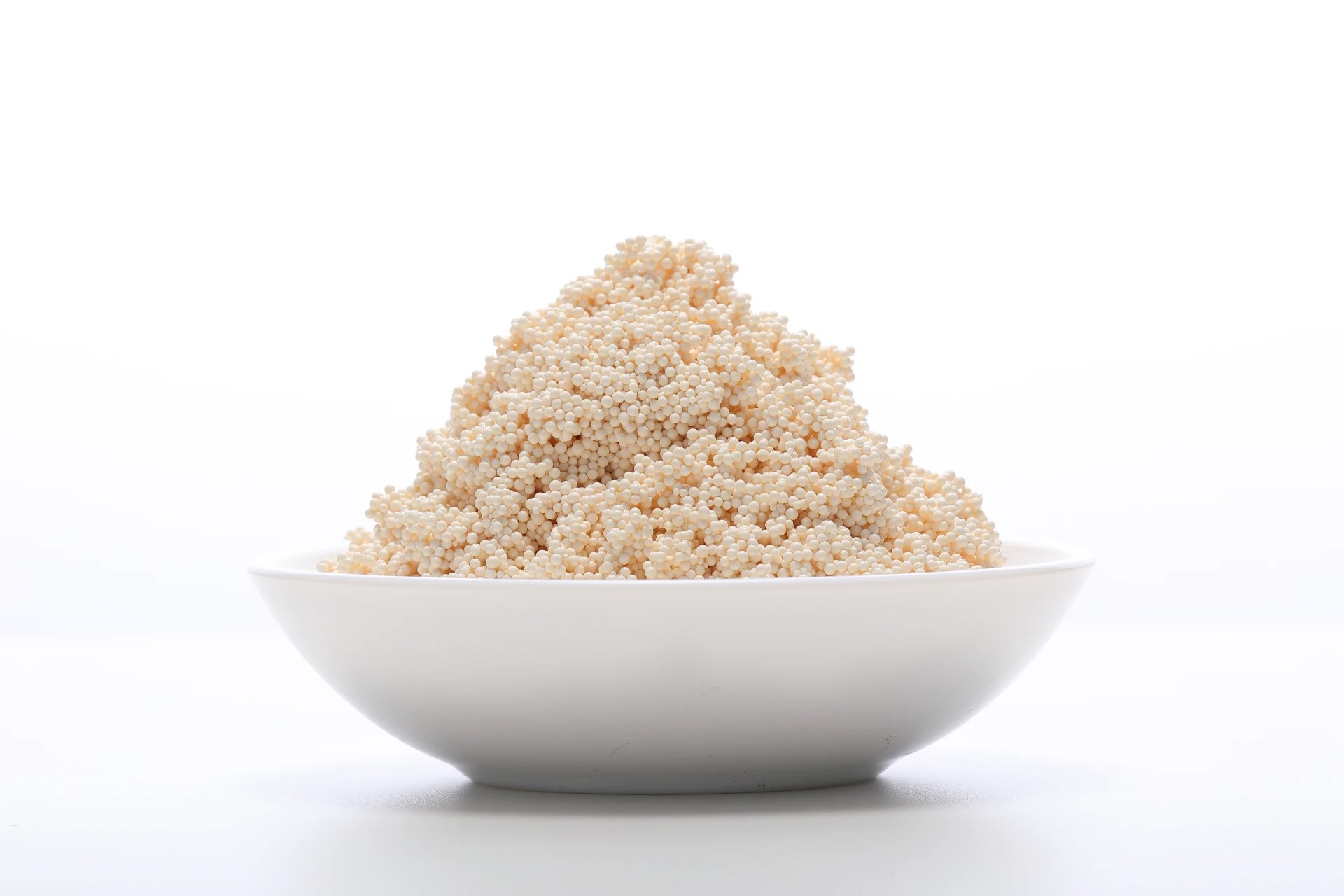
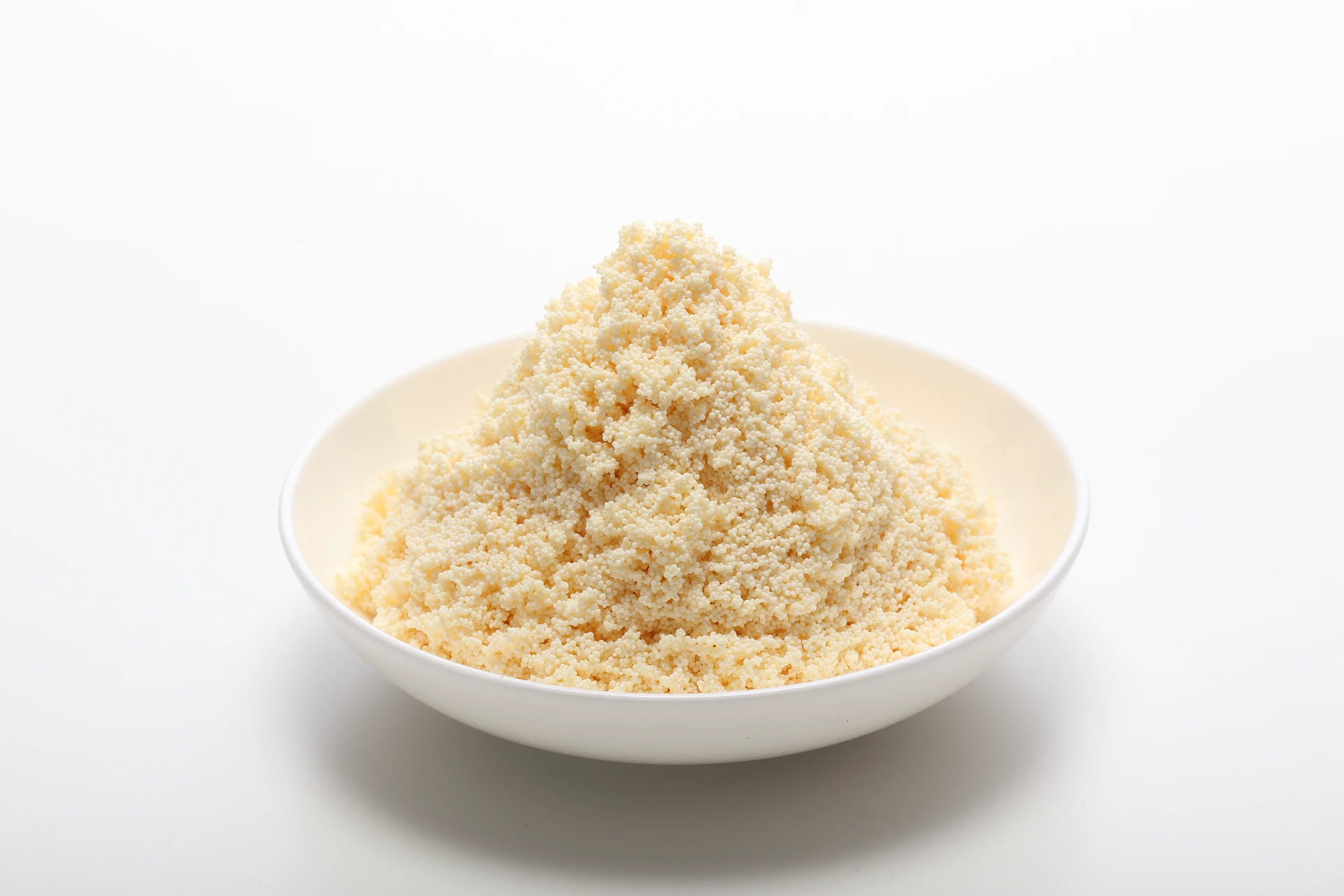
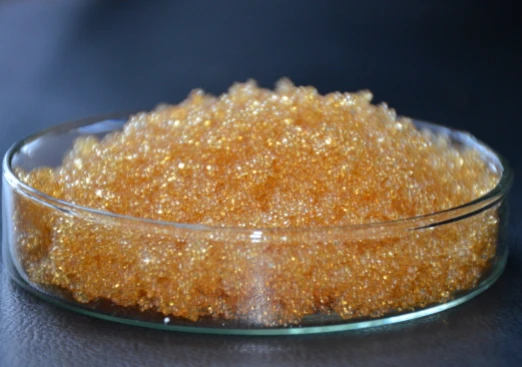
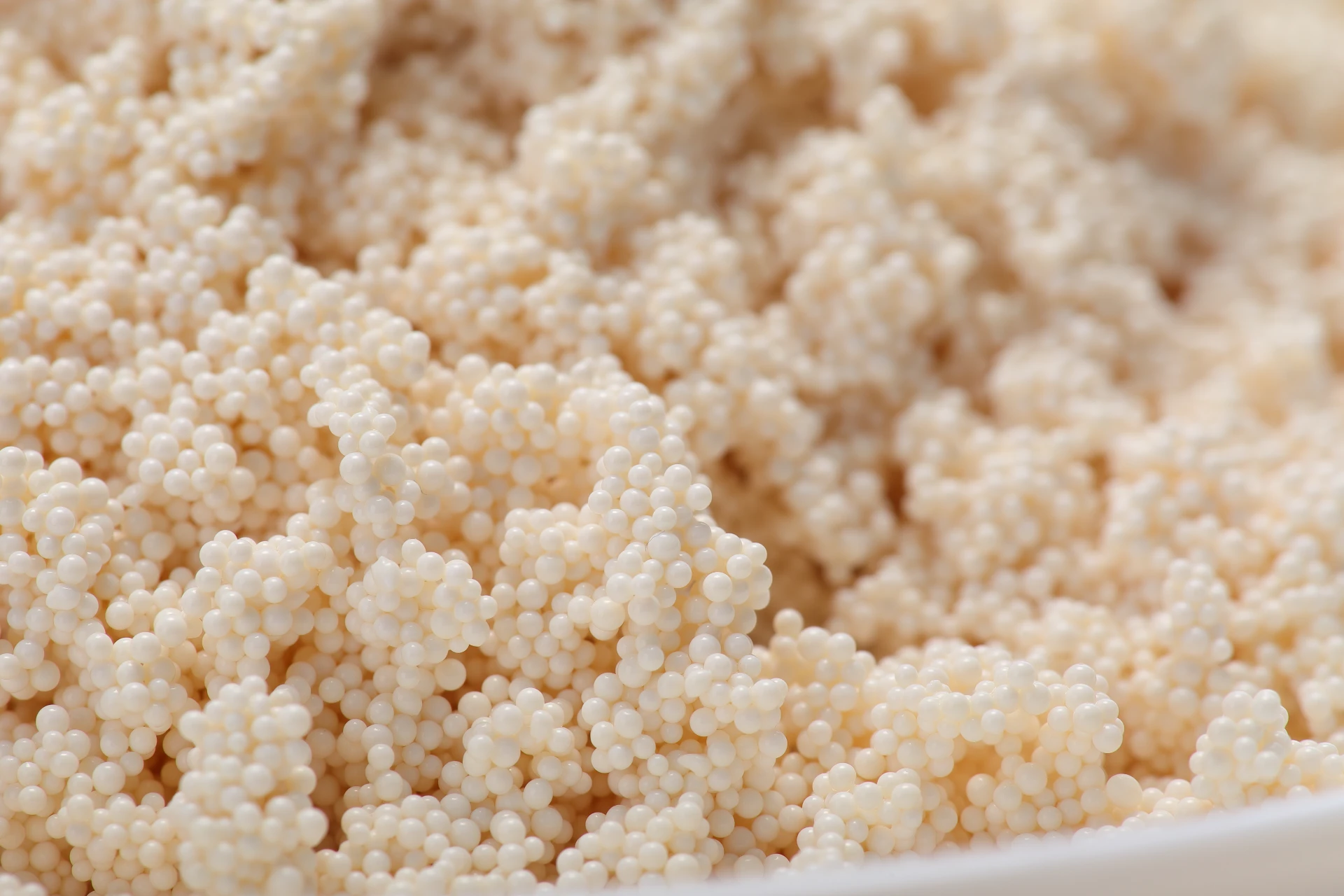
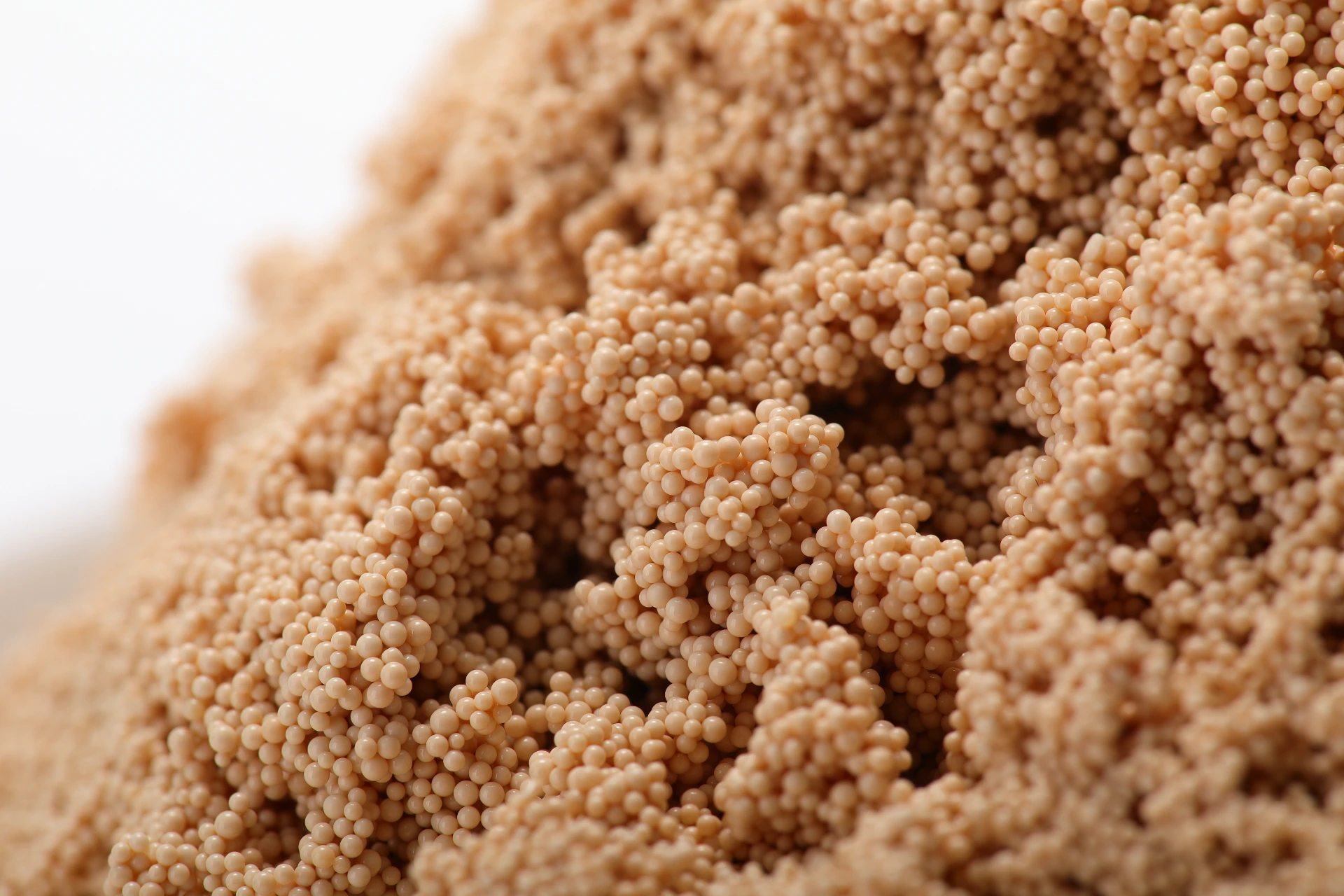
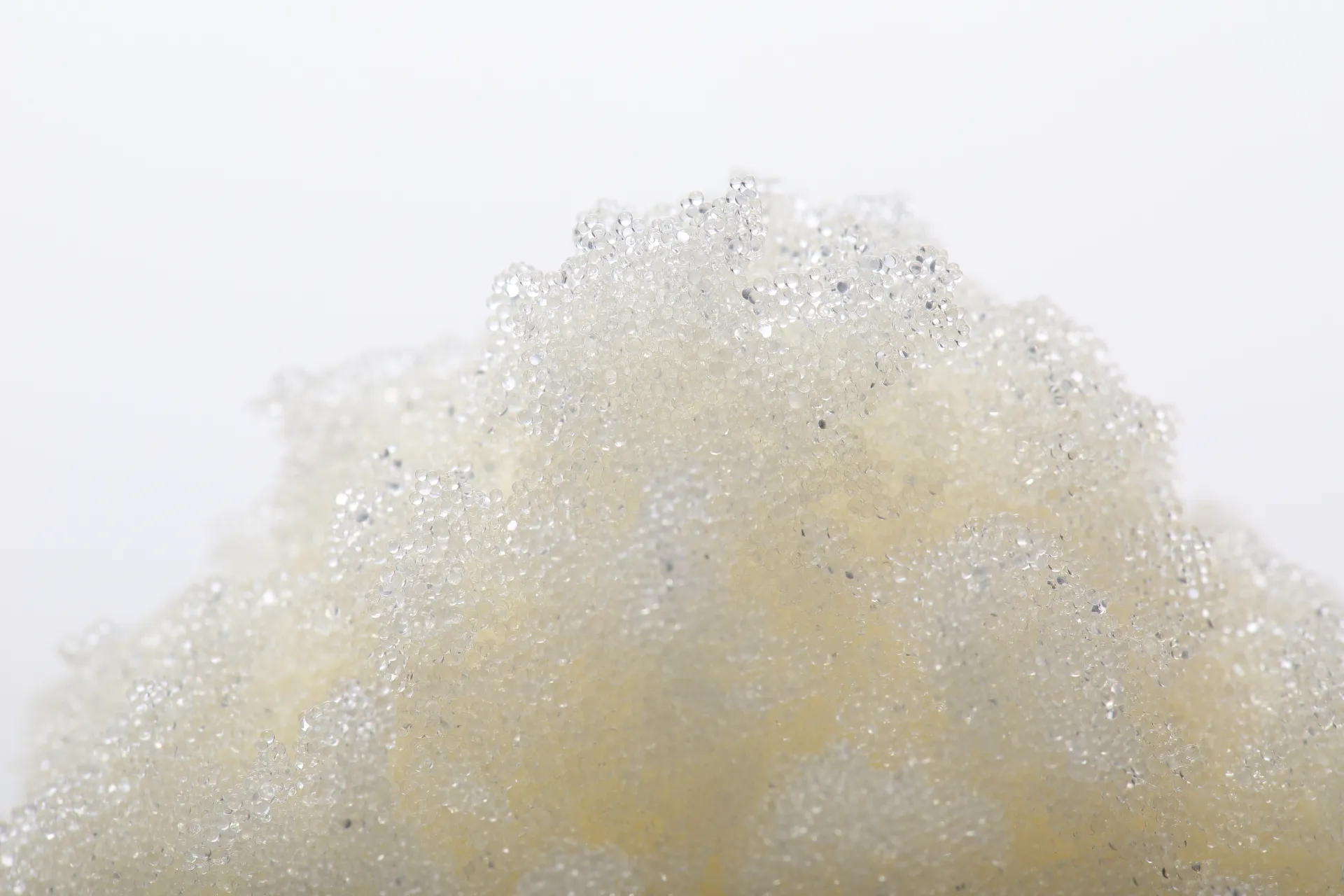
La resina quelante de estireno macroporosa CH520 es un árbol de intercambio catiónico con un grupo funcional fosforamidita. Esta resina es básicamente quelante para todos los iones metálicos divalentes, especialmente para metales alcalinotérreos con selectividad especial. CH520 es una resina ideal adecuada para el ablandamiento de agua salada. Puede usarse para eliminar cationes metálicos divalentes de aguas residuales industriales y otras aguas industriales. CH520 se utiliza principalmente para refinar salmuera secundaria en el proceso de fabricación de sosa cáustica por el método de membrana iónica. Puede reducir los iones de calcio y magnesio en salmuera secundaria a 20 ppb, y el intercambio de resina Tanto la capacidad como la resistencia mecánica son mejores que las resinas ácidas de aminolina similares en el extranjero. Además, D418 también puede usarse para la recuperación de metales pesados en aguas residuales de galvanoplastia.
Índice
|
Nombre
|
Especificación
|
|
Apariencia
|
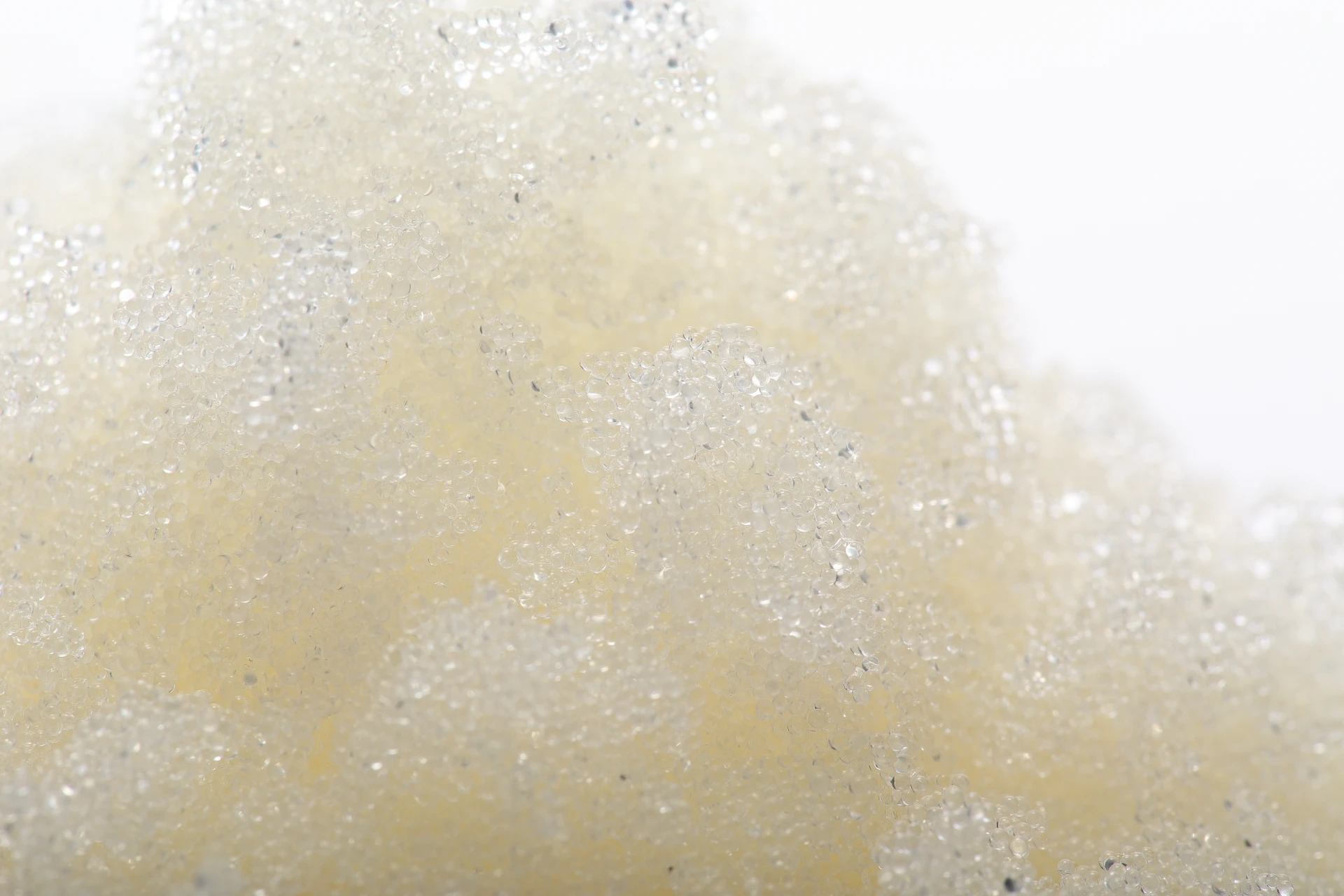
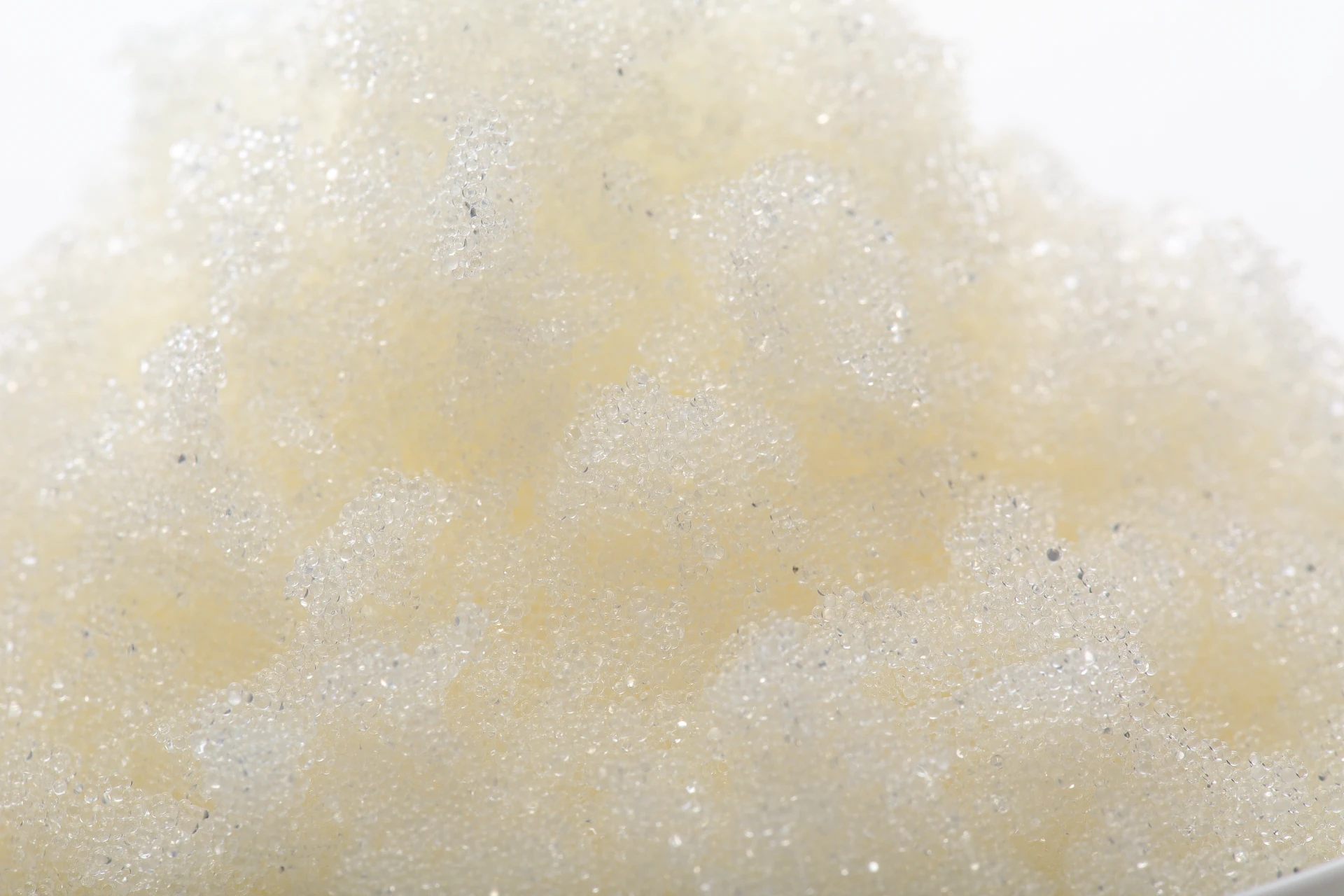
Perlas esféricas opacas de color amarillo pálido
|
|
Forma iónica
|
Eso+
|
|
Capacidad de intercambio de peso
|
≥4,5 mmol/g
|
|
Capacidad de intercambio de volumen
|
≥1,9 mmol/ml
|
|
Densidad real (g/ml)
|
1,10~1,18 g/ml
|
|
Densidad aparente (g/ml)
|
0,70~0,80 g/ml
|
|
Capacidad de retención de agua
|
55%~65%
|
|
Rango de tamaño de partículas
|
0,315~1,25 mm ≥95
|
|
Coeficiente de uniformidad
|
≤1,6
|
|
Recuento total de cuentas (%)
|
≥95%
|
Precauciones
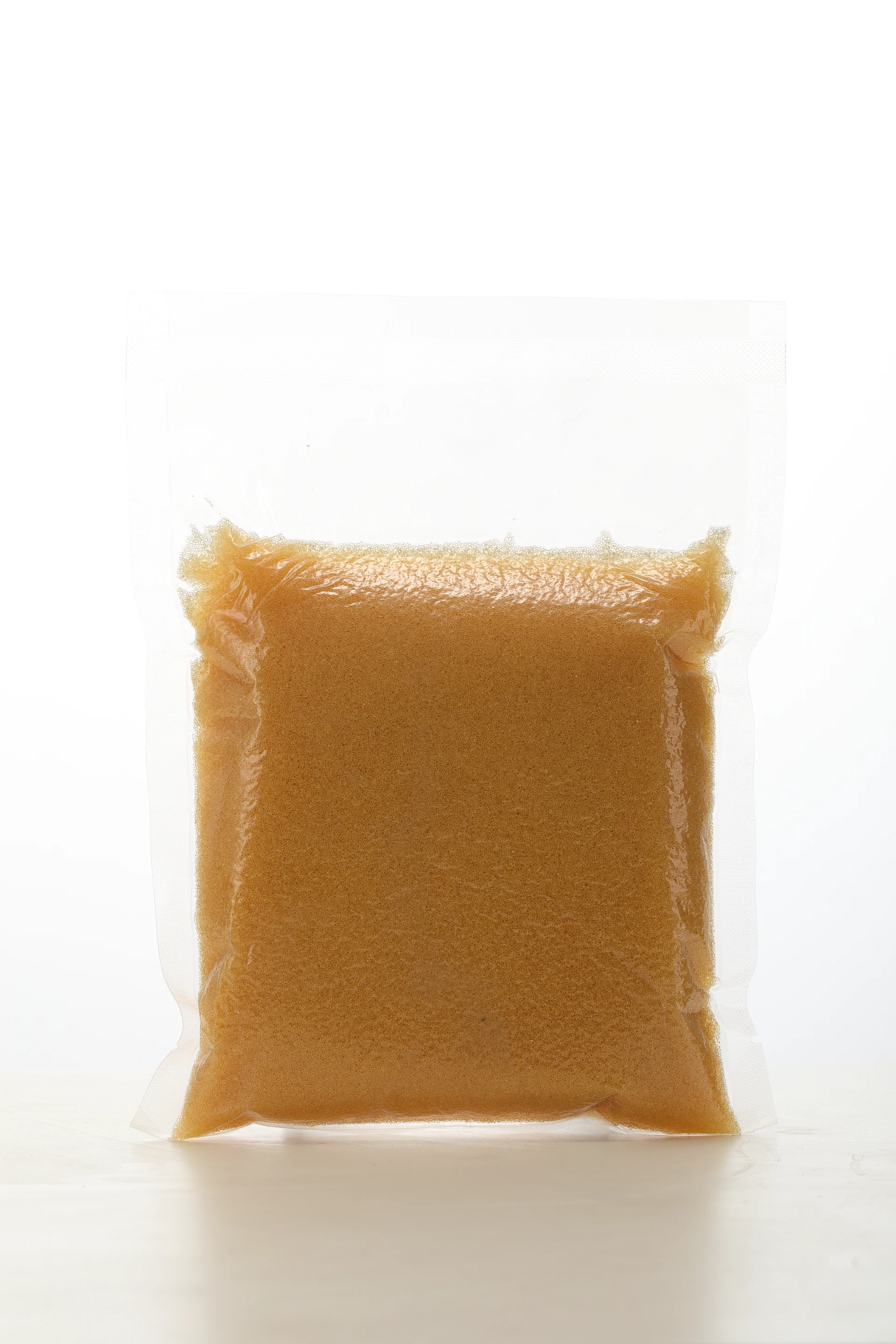
La resina debe conservarse húmeda. La temperatura óptima es superior a 0 °C. Si no se utiliza durante un periodo prolongado, debe almacenarse en un espacio cerrado o añadirse agua salada al 5 % o más. Debe utilizarse un agente anticongelante durante el transporte. No coloque objetos pesados sobre la resina, ya que podría sufrir daños.
Generalmente requiere un flujo de agua alcalina-ácida-agua para el procesamiento. El requisito estricto requiere tres ciclos antes de alcanzar el punto de ionización final.
Es necesario considerar diferentes tasas de expansión de transformación para reservar suficiente espacio para evitar el desbordamiento de resina y garantizar la altura adecuada del nivel de líquido; la relación del diámetro de la columna debe estar dentro de un rango razonable y evitar la corriente de polarización; utilice una columna húmeda o un lavado a contracorriente para eliminar las burbujas dentro de la capa de resina.
Antes de que el líquido entre en la columna de resina, se deben realizar pasos como floculación, filtración o filtración con arena para no obstruir los poros de la resina con sólidos suspendidos.
La resina dentro de la columna que no se ha utilizado durante mucho tiempo debe almacenarse fuera de la columna después de lavarla o agregar agua salada en el medio resistente a la sal mientras se mantiene el nivel del líquido no deshidratado con el retrolavado habitual para aflojar la resina en caso de aglomeración.
High-Efficiency Metal Recovery and Industrial Purification with CH520 and D403 Chelating Resins
Hebei Lijiang Biotechnology Co., Ltd.’s Macroporous Styrene Chelating Resins CH520 and D403 offer exceptional chemical stability, selective ion-binding capacity, and robust operational reliability, making them ideal for metal recovery, water treatment, and industrial purification applications. These resins work effectively with Amberlite IRA 410 y Amberlite XAD, and can be incorporated into systems using strong base anion exchange resin o weak base anion exchange resin, providing flexible, high-performance solutions for multi-stage separation and polishing processes. Certified under ISO9001, SGS, WQA, and FDA standards for food-grade use, CH520 and D403 ensure consistent performance, long service life, and reduced operational costs. Their superior durability, selectivity, and efficiency make them the preferred choice for modern metallurgical, chemical, and water treatment industries seeking reliable, sustainable, and high-purity purification solutions.
1. Comparative Applications of Macroporous Styrene Chelating Resins CH520 and D403 in Metal Recovery
Hebei Lijiang Biotechnology Co., Ltd. is a leading manufacturer specializing in high-performance ion exchange resins, including the Macroporous Styrene Chelating Resins CH520 y D403, which are widely used in metal recovery and purification processes across various industries. Both resins feature a highly cross-linked polystyrene matrix with macroporous structures and strong chelating functional groups, enabling highly selective binding of heavy and precious metal ions such as copper, nickel, cobalt, and rare earth elements. CH520 and D403 are often used in conjunction with Amberlite IRA 410 o Amberlite XAD resins to enhance overall recovery efficiency, improve selectivity, and reduce chemical waste. In industrial water treatment and chemical purification, these resins also serve as effective alternatives to traditional strong base anion exchange resin o weak base anion exchange resin in specific applications, offering higher selectivity and adsorption capacity for target ions. CH520 is designed with exceptional mechanical strength and thermal stability, making it ideal for high-throughput industrial operations that require repeated regeneration cycles and extended operational life. D403, on the other hand, excels in fine purification and polishing applications due to its highly selective chelating properties, ensuring that trace metal contaminants are effectively removed. Hebei Lijiang Biotechnology integrates research, development, production, and service to ensure that all CH520 and D403 resin products meet ISO9001, SGS, WQA certifications, and FDA standards for food-grade applications, guaranteeing consistent performance, safety, and compliance. By incorporating CH520 and D403 into metal recovery workflows, industries can achieve higher recovery rates, reduced operational costs, improved process efficiency, and sustainable operational performance. Their robustness, selectivity, and adaptability make these resins indispensable in modern metallurgical, chemical, and water treatment systems, providing both high performance and cost-effective solutions for complex industrial processes.
2. Optimizing Industrial Separation Processes with CH520 and D403 Chelating Resins
El Macroporous Styrene Chelating Resins CH520 and D403 from Hebei Lijiang Biotechnology Co., Ltd. are engineered to optimize industrial separation, purification, and metal recovery processes, offering exceptional adsorption efficiency, selectivity, and chemical stability. Their macroporous polystyrene structure provides high surface area and accessibility for target ions, facilitating rapid ion diffusion and efficient chelation of heavy metals, precious metals, and trace elements. When used in conjunction with Amberlite IRA 410 o Amberlite XAD, CH520 and D403 enhance multi-stage separation systems, providing improved ion selectivity, higher adsorption capacity, and efficient recovery of valuable metals. These resins are also compatible with both strong base anion exchange resin y weak base anion exchange resin systems, enabling flexible configurations in water treatment, chromatography, and industrial purification applications. CH520 is particularly suitable for high-throughput industrial operations due to its excellent mechanical strength and thermal stability, ensuring long-term reliability even under harsh conditions. D403 provides high precision in polishing and fine purification applications, effectively removing trace contaminants and ensuring ultra-pure water or chemical solutions. Hebei Lijiang Biotechnology integrates advanced research, manufacturing, and quality control processes to ensure that all CH520 and D403 products meet ISO9001, SGS, WQA certifications, and FDA standards for food-grade applications. By using these resins in industrial separation workflows, operators can achieve enhanced efficiency, lower chemical consumption, improved product quality, and sustainable operational performance. Their versatility, durability, and high adsorption performance make CH520 and D403 critical components in modern metallurgical, chemical, pharmaceutical, and water treatment operations, ensuring reliable and consistent purification outcomes across a wide range of applications.
3. Chemical Stability and Selectivity Performance of Macroporous Styrene Chelating Resins CH520 and D403
El Macroporous Styrene Chelating Resins CH520 and D403, manufactured by Hebei Lijiang Biotechnology Co., Ltd., are renowned for their chemical stability, mechanical strength, and selective ion-binding capabilities, providing reliable solutions for complex industrial purification, water treatment, and metal recovery processes. The macroporous structure of these resins offers a large surface area and improved accessibility for target ions, accelerating adsorption kinetics and increasing recovery efficiency for metals such as copper, nickel, cobalt, and rare earth elements. CH520 and D403 complement the performance of Amberlite IRA 410 y Amberlite XAD in multi-stage separation systems, providing synergistic improvements in selectivity, adsorption capacity, and operational stability. In chromatographic applications, both resins function effectively as high-performance strong base anion exchange resin o weak base anion exchange resin substitutes, allowing precise ion removal, polishing, and ultra-pure recovery in complex processes. CH520 is designed for durability and repeated regeneration cycles in industrial-scale operations, while D403 excels in selective chelation and polishing tasks to ensure high-purity results. Hebei Lijiang Biotechnology ensures all CH520 and D403 resins meet ISO9001, SGS, WQA certifications, and FDA standards for food-grade applications, guaranteeing performance, safety, and compliance. By incorporating these resins into industrial workflows, operators achieve high-efficiency separation, optimized metal recovery, reduced downtime, minimized chemical usage, and sustainable operational performance. Their combination of chemical stability, selectivity, and long-term durability positions CH520 and D403 as essential resins for modern metallurgical, chemical, pharmaceutical, and water purification systems, providing cost-effective, reliable, and high-performance purification solutions.