Index
|
Name
|
Spezifikation
|
|
Aussehen
|
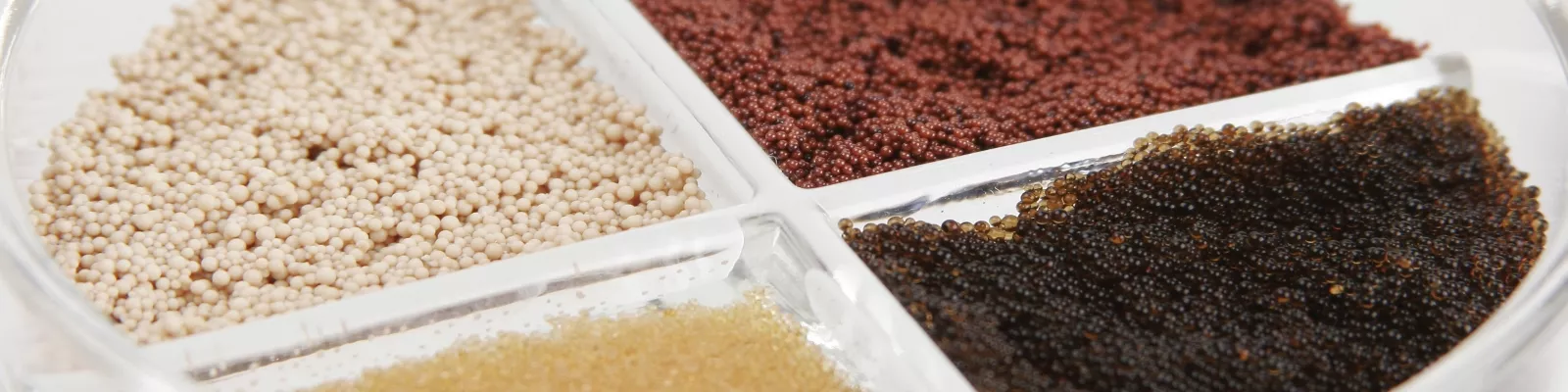
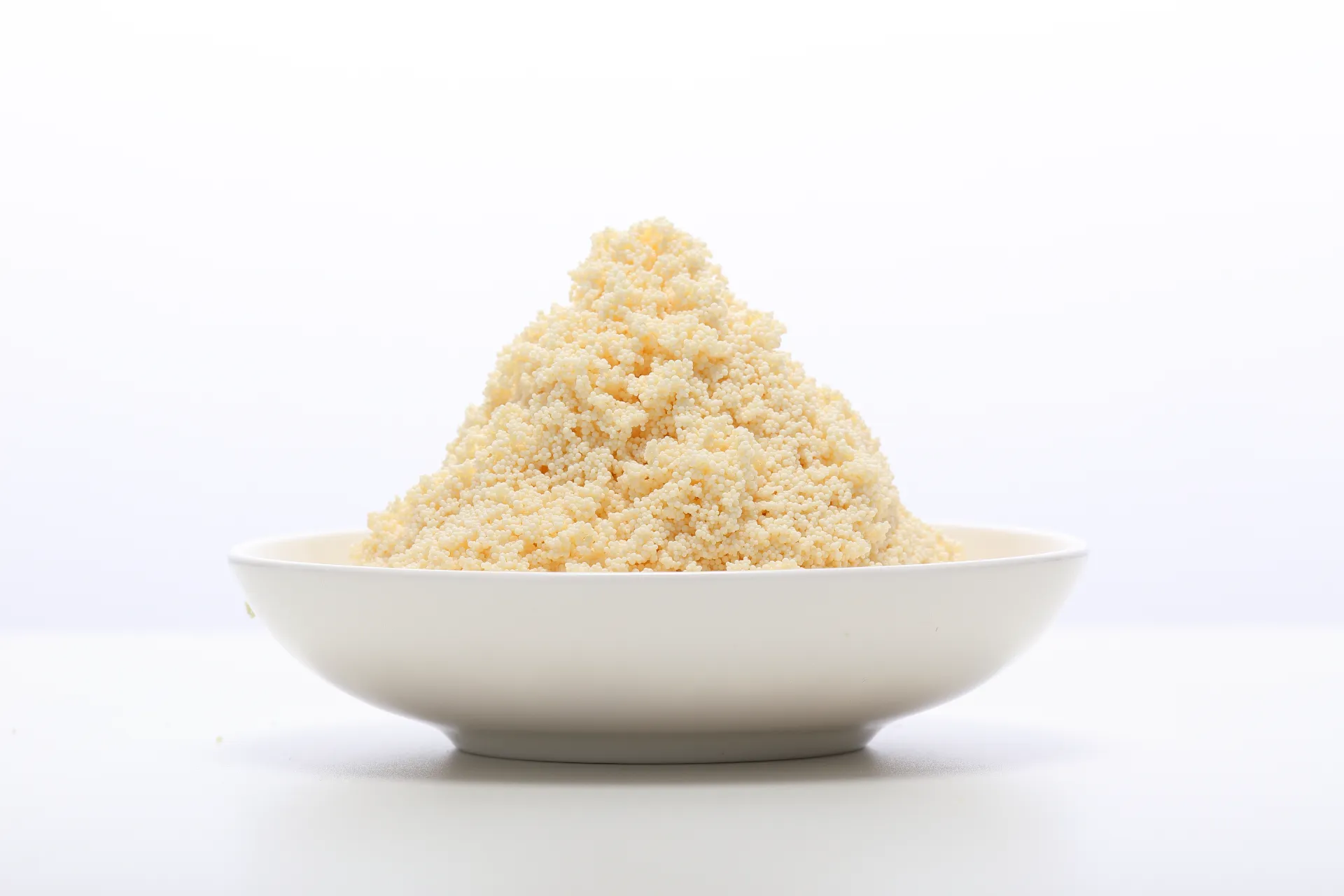
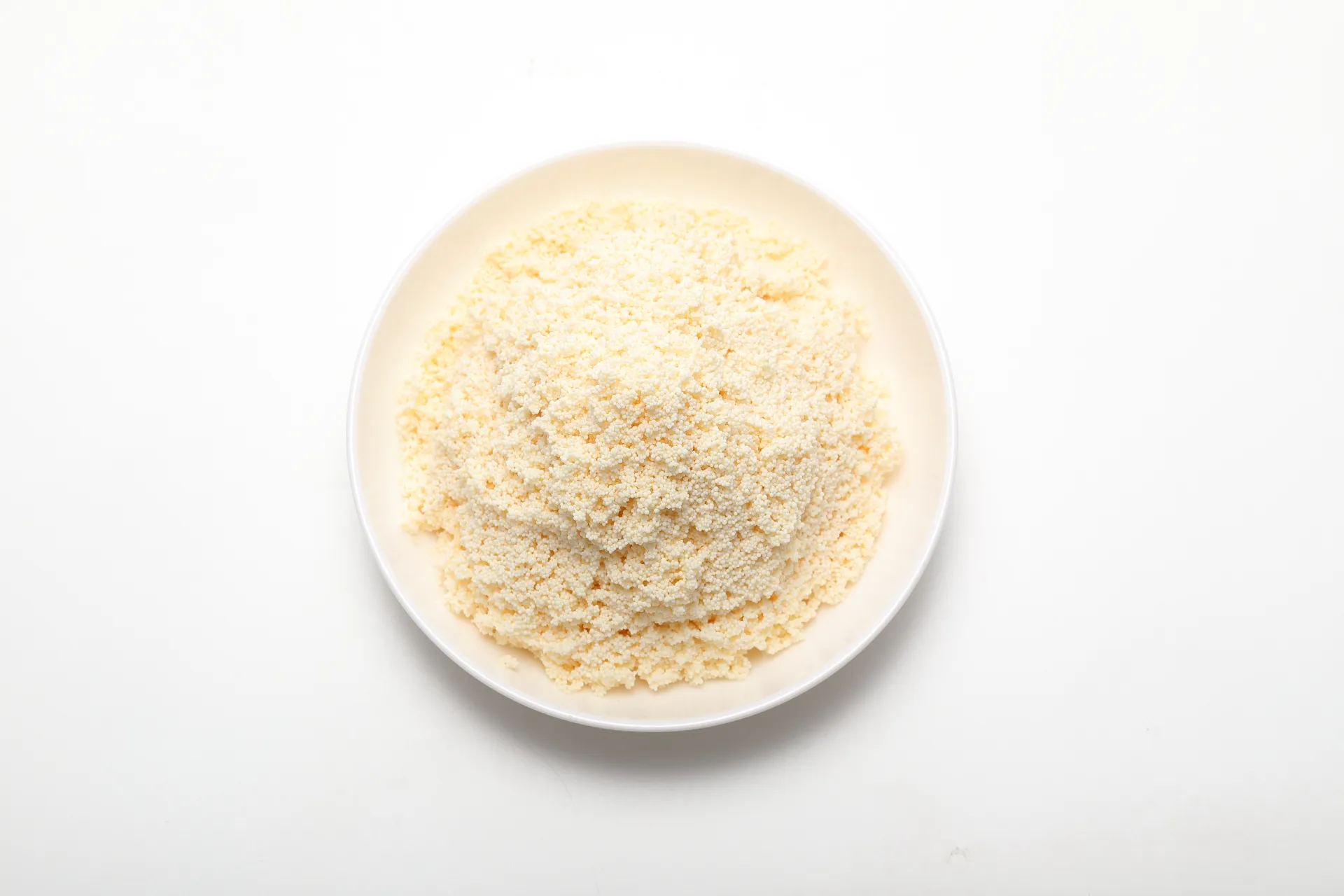
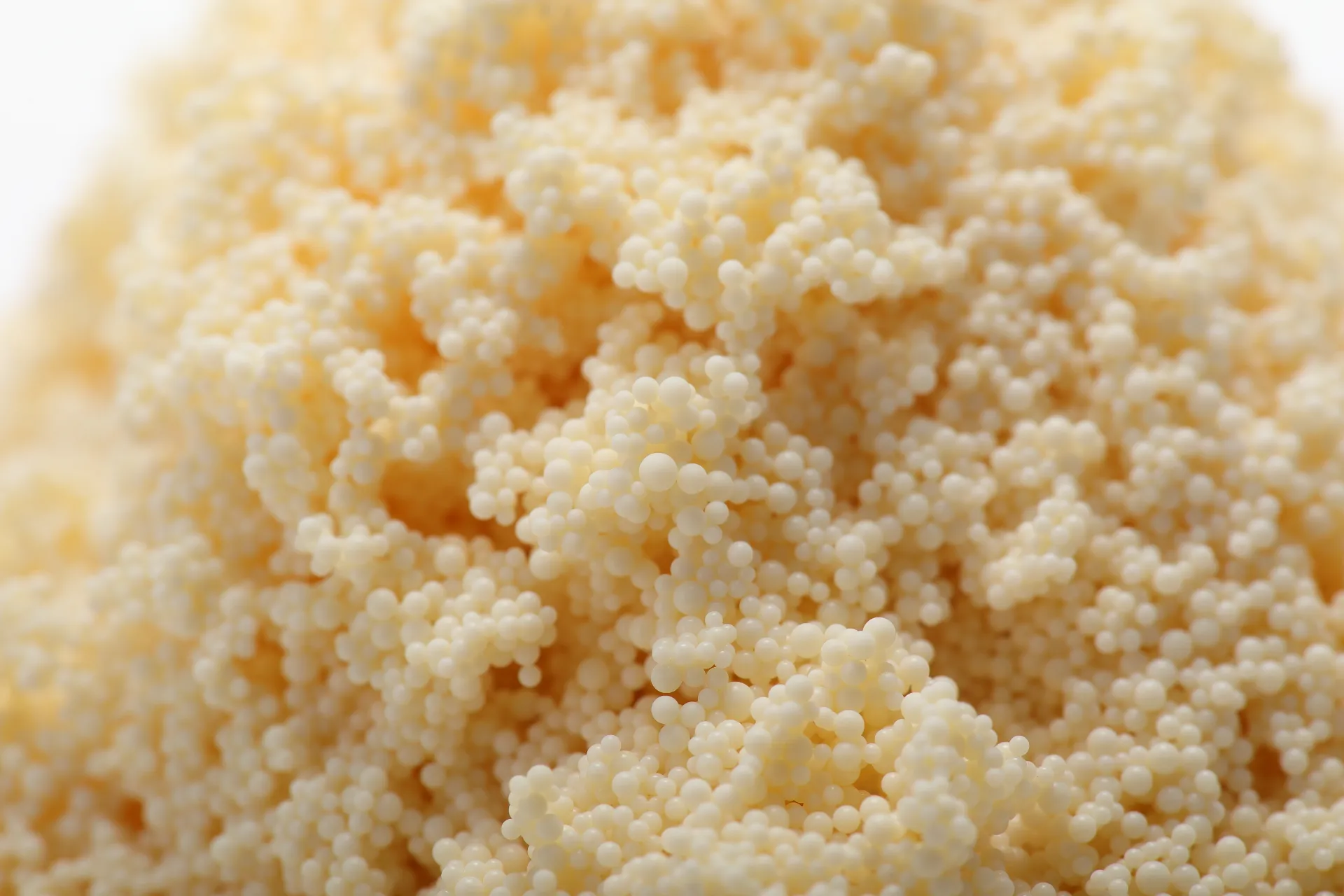
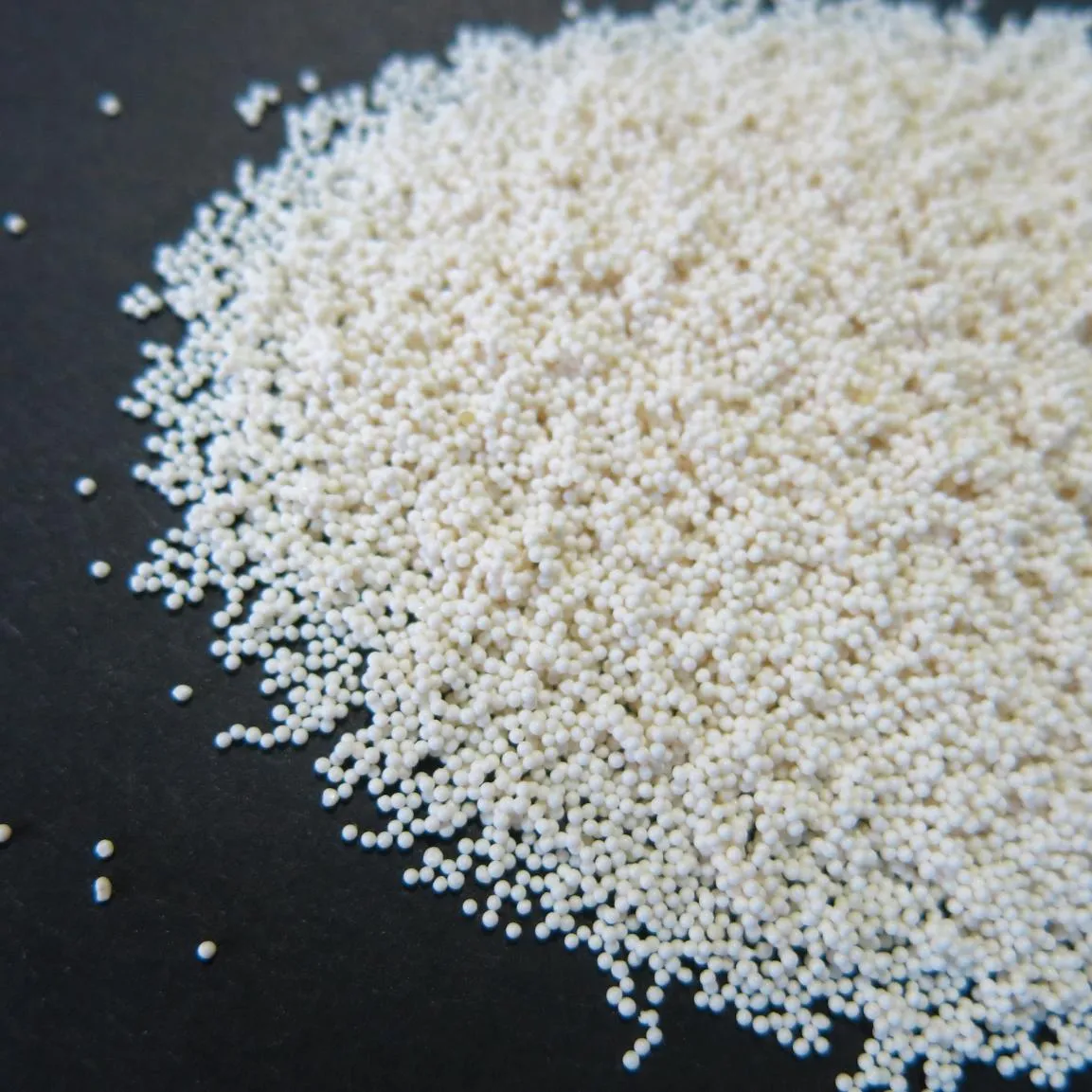
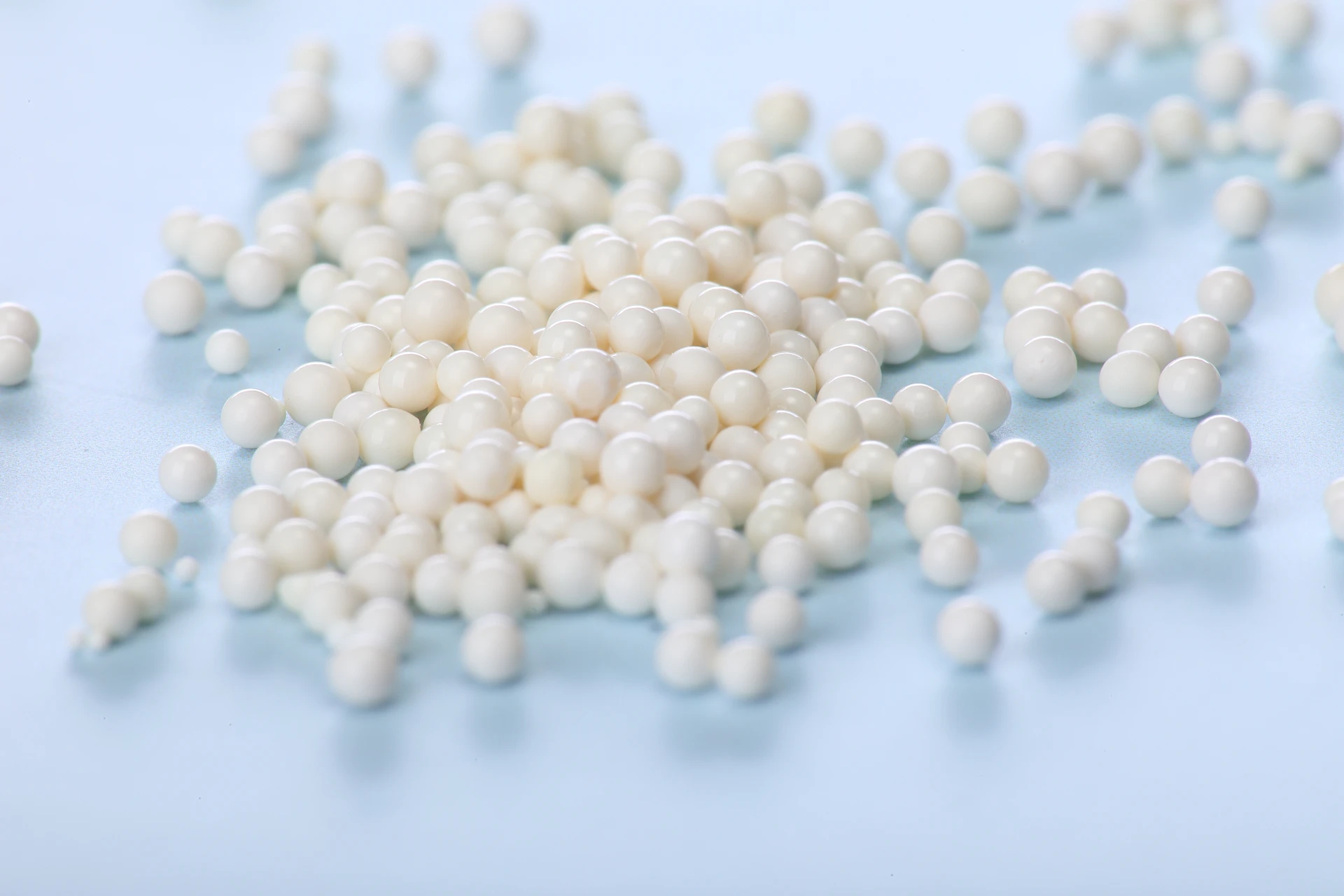
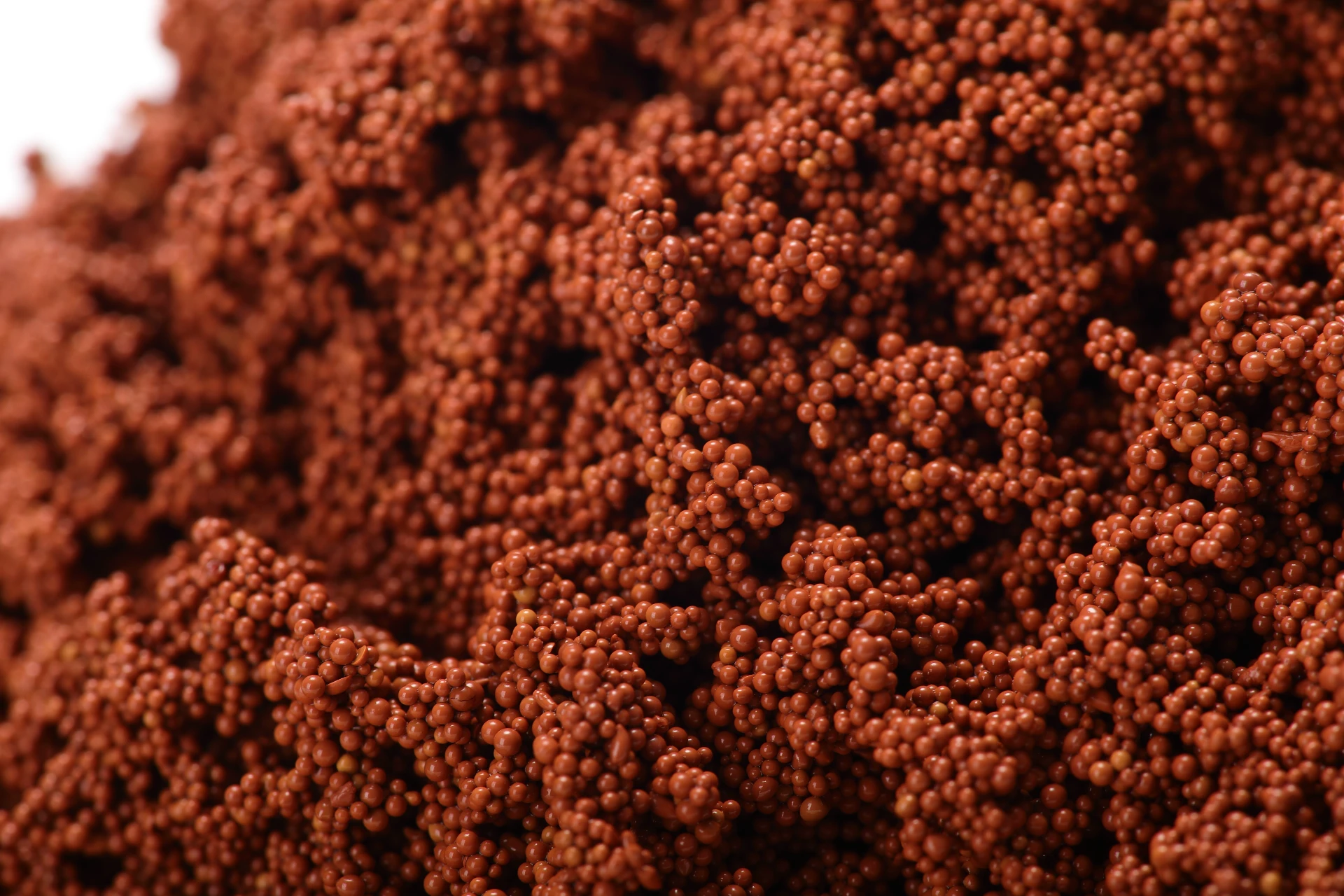
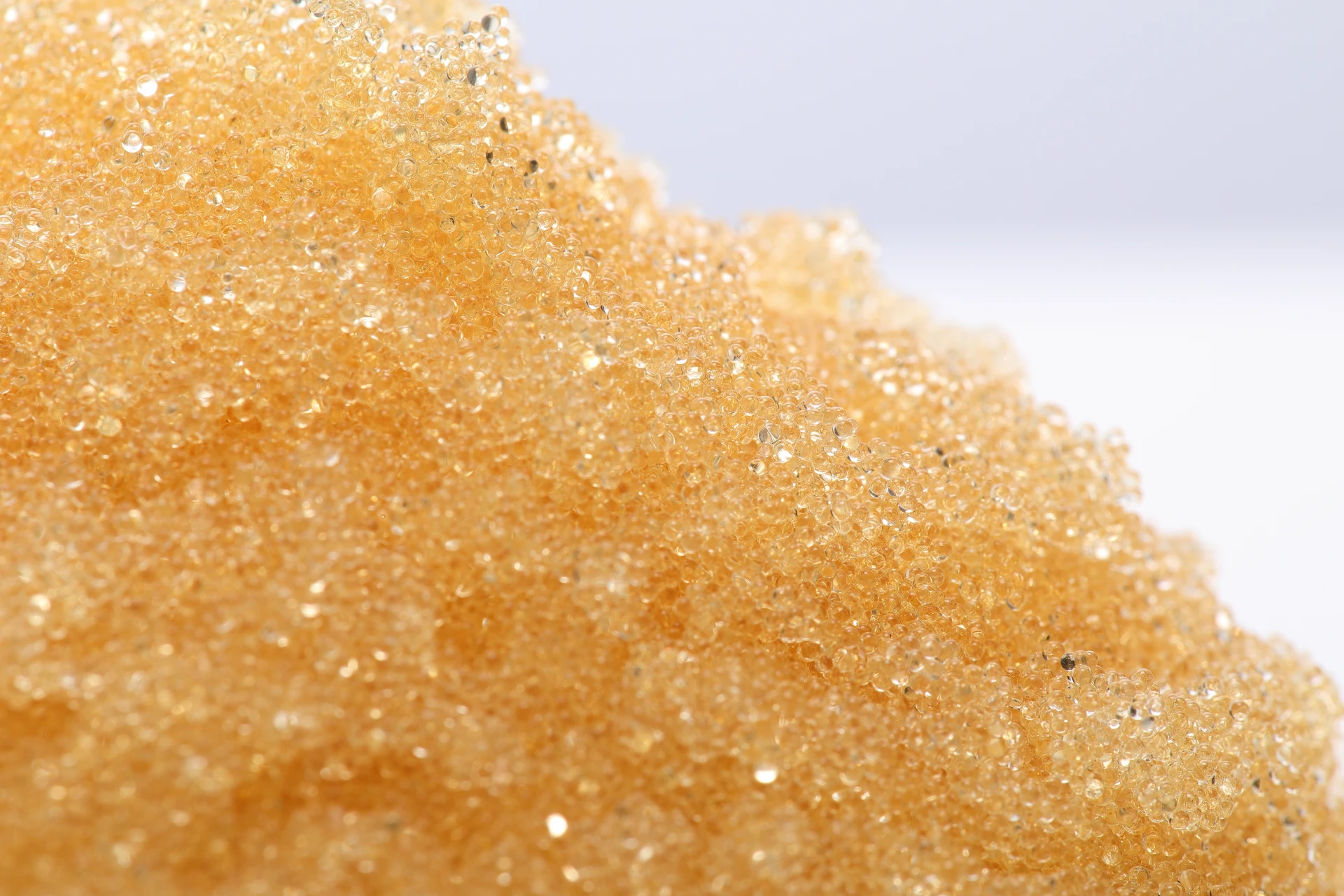
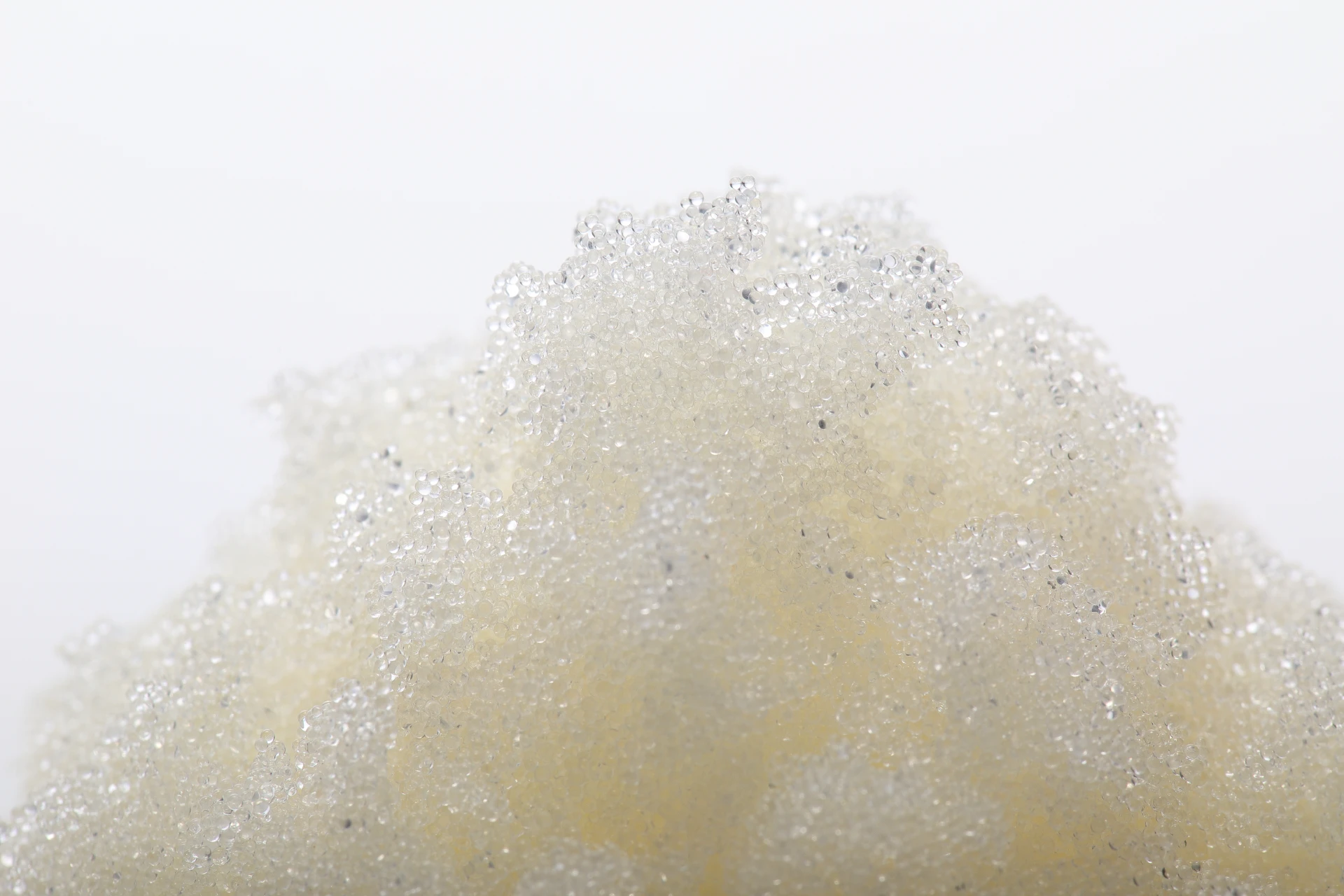
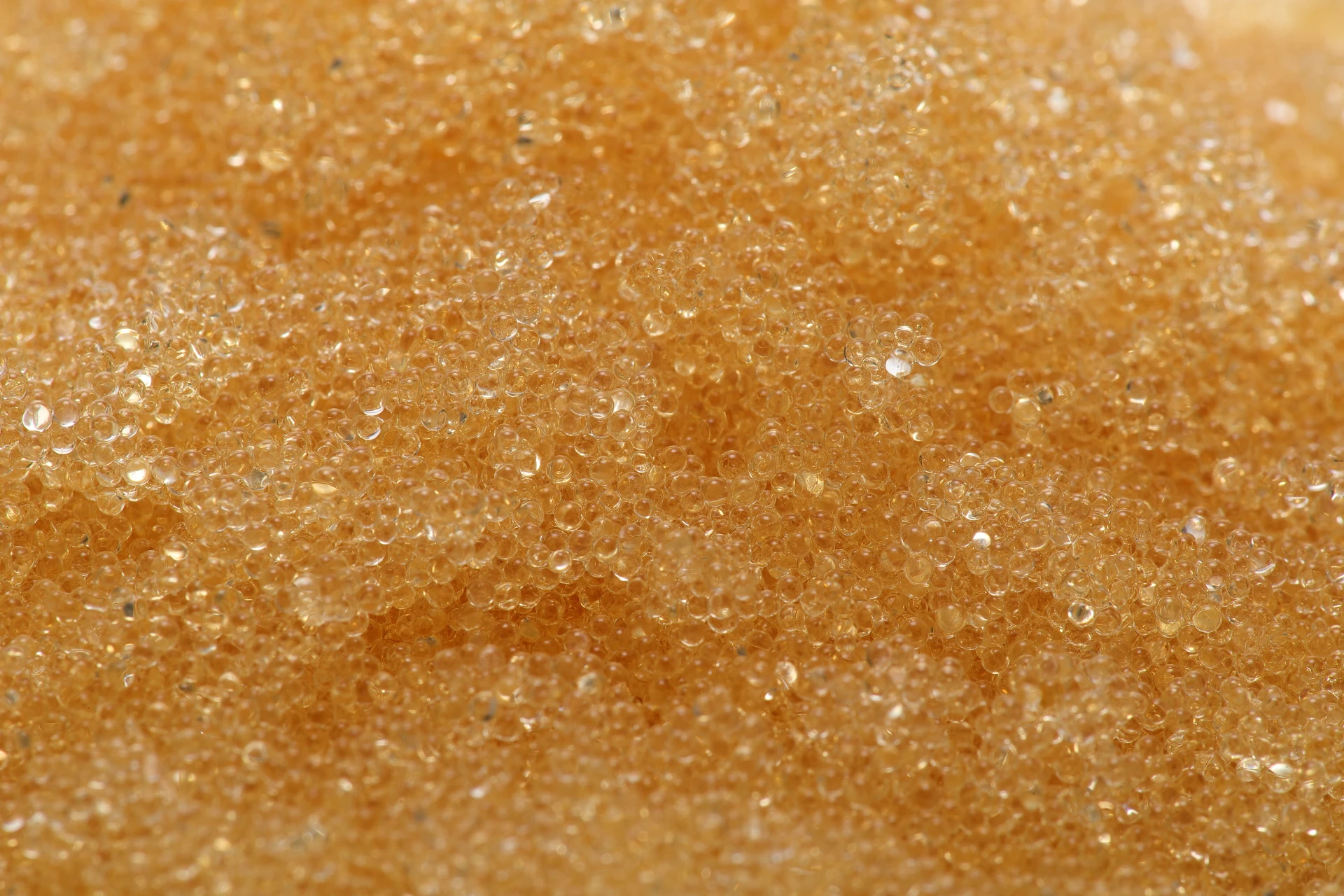
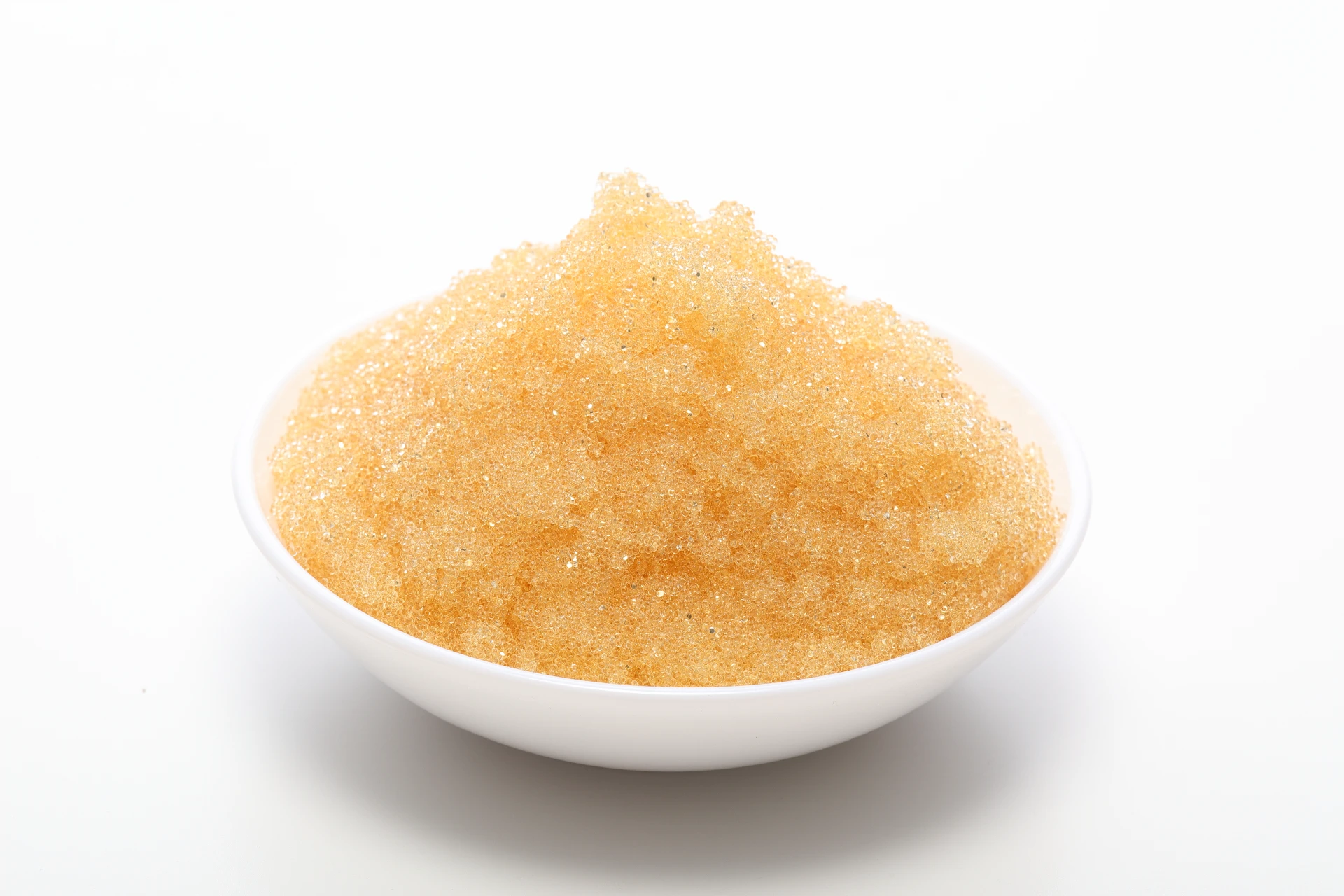
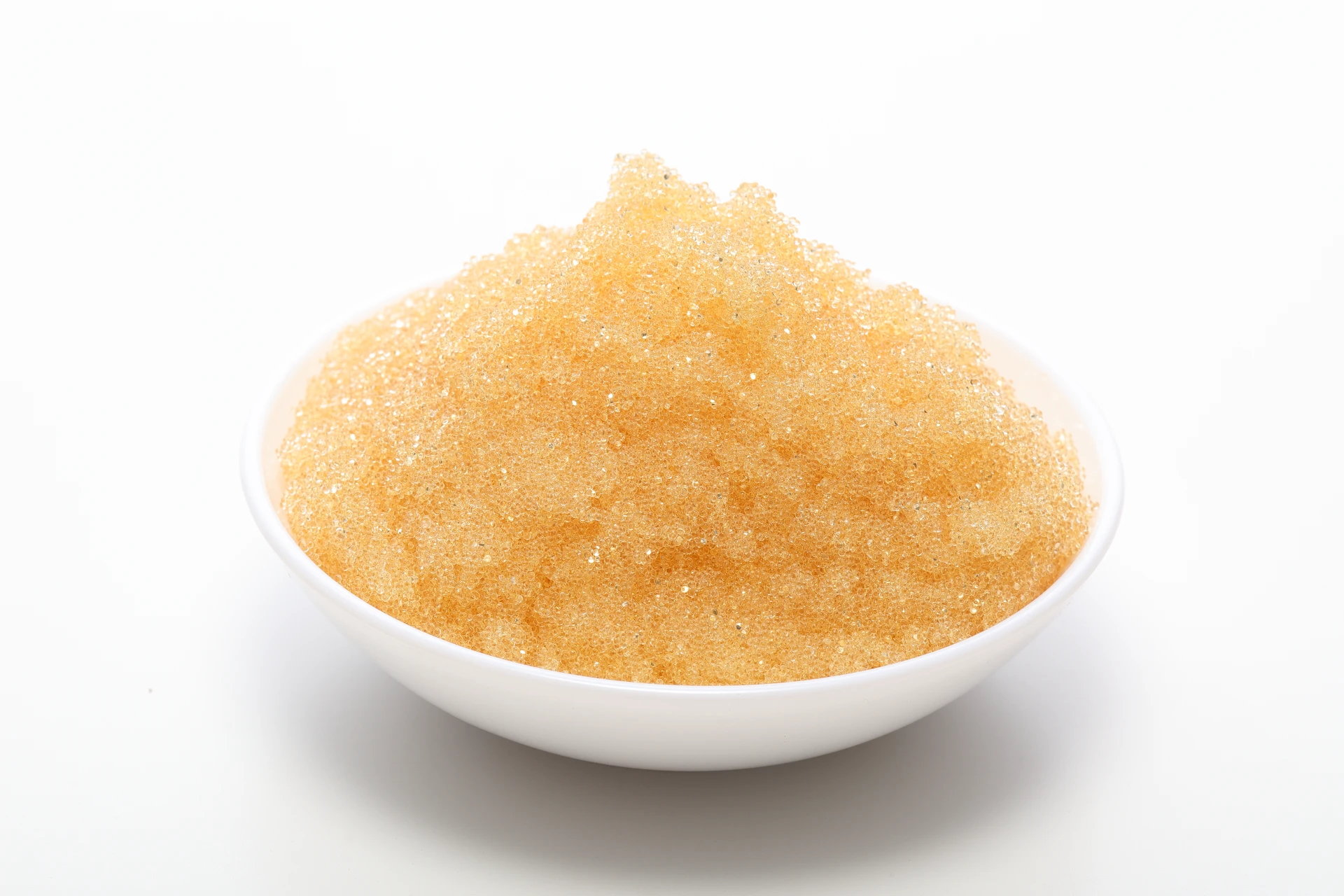
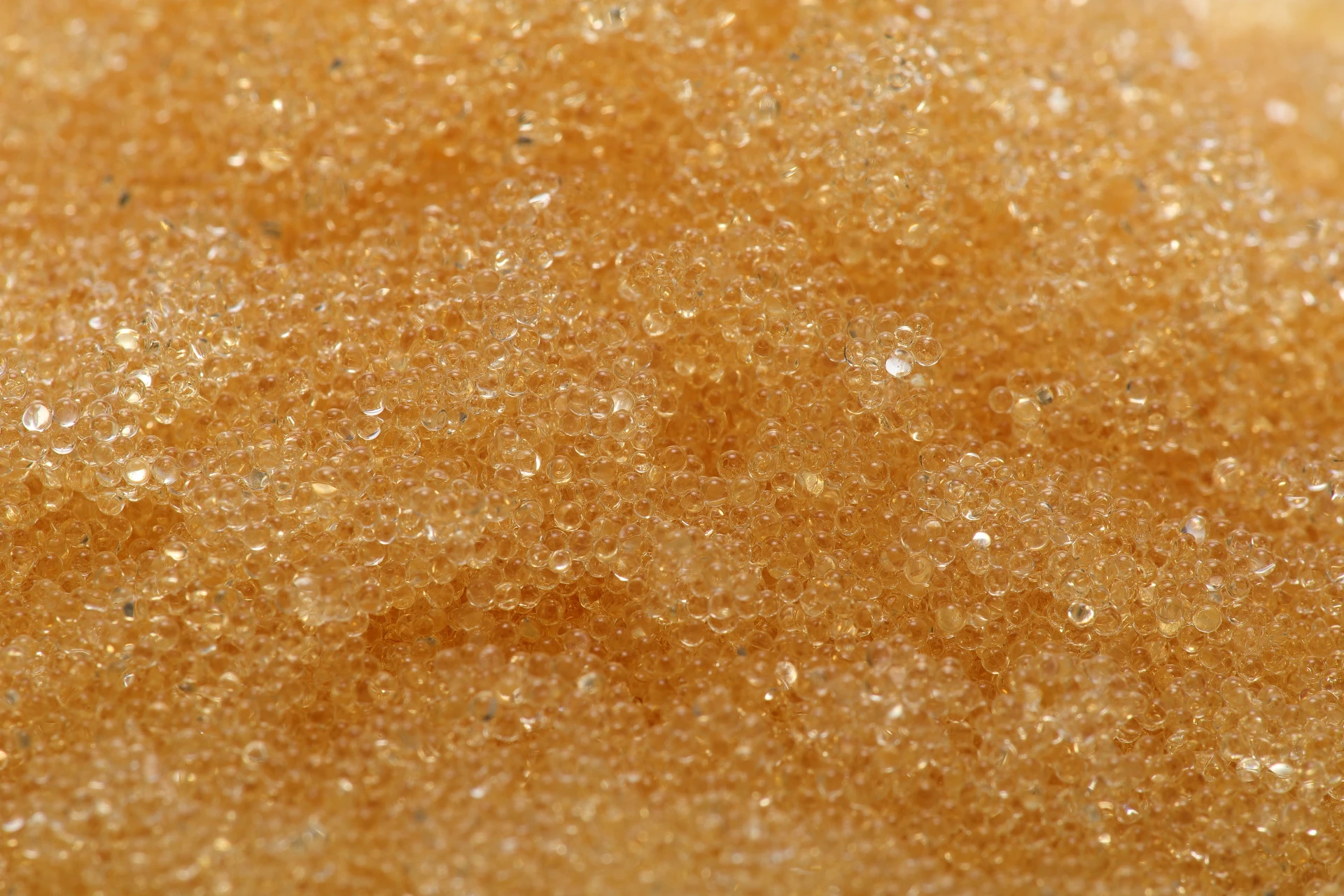
Hellgelbe, undurchsichtige Kugelperlen
|
|
Ionische Form
|
Das+
|
|
Gewichtsaustauschkapazität
|
≥4,5 mmol/g
|
|
Volumenaustauschkapazität
|
≥1,9 mmol/ml
|
|
Tatsächliche Dichte (g/ml)
|
1,10~1,18 g/ml
|
|
Schüttdichte (g/ml)
|
0,70~0,80 g/ml
|
|
Wasserrückhaltekapazität
|
55%~65%
|
|
Partikelgrößenbereich
|
0,315~1,25 mm≥95
|
|
Gleichmäßigkeitskoeffizient
|
≤1,6
|
|
Gesamtperlenanzahl (%)
|
≥95 %
|
Vorsichtsmaßnahmen
Harz sollte feucht konserviert werden. Die beste Temperatur liegt über 0 °C. Bei längerer Nichtbenutzung sollte das Harz in einem geschlossenen Raum aufbewahrt oder mit mindestens 5 % Salzwasser versetzt werden. Während des Transports sollte es mit Frostschutzmitteln behandelt werden. Stellen Sie keine schweren Gegenstände auf das Harz, da es sonst zerbrechen könnte.
Im Allgemeinen ist für die Verarbeitung ein Fließweg zwischen Alkali, Wasser, Säure und Wasser erforderlich. Strenge Anforderungen erfordern drei Zirkulationen, bevor der endgültige Ionenbehälter erreicht wird.
Es müssen unterschiedliche Transformationsausdehnungsraten berücksichtigt werden, um genügend Platz freizuhalten, damit kein Harz überläuft und die entsprechende Flüssigkeitshöhe sichergestellt wird. Das Säulendurchmesserverhältnis sollte in einem angemessenen Bereich liegen und ein Vorstrom vermieden werden. Verwenden Sie eine nass gepackte Säule oder eine Rückspülung, um Blasen in der Harzschicht wegzuspülen.
Bevor die Flüssigkeit in die Harzsäule gelangt, sollten Schritte wie Flockung, Filtration oder Sandfiltration durchgeführt werden, damit die Harzporen nicht durch Schwebstoffe verstopft werden.
Harz in der Säule, das lange Zeit nicht verwendet wurde, sollte nach dem Waschen außerhalb der Säule gelagert werden. Alternativ kann Salzwasser in das salzbeständige Medium gegeben werden. Dabei muss darauf geachtet werden, dass der Flüssigkeitsstand nicht durch normales Rückspülen dehydriert, um das Harz im Falle einer Agglomeration zu lösen.
High-Efficiency Metal Recovery and Industrial Purification with CH520 and D403 Chelating Resins
Hebei Lijiang Biotechnology Co., Ltd.’s Macroporous Styrene Chelating Resins CH520 and D403 offer exceptional chemical stability, selective ion-binding capacity, and robust operational reliability, making them ideal for metal recovery, water treatment, and industrial purification applications. These resins work effectively with Amberlite IRA 410 Und Amberlite XAD, and can be incorporated into systems using strong base anion exchange resin oder weak base anion exchange resin, providing flexible, high-performance solutions for multi-stage separation and polishing processes. Certified under ISO9001, SGS, WQA, and FDA standards for food-grade use, CH520 and D403 ensure consistent performance, long service life, and reduced operational costs. Their superior durability, selectivity, and efficiency make them the preferred choice for modern metallurgical, chemical, and water treatment industries seeking reliable, sustainable, and high-purity purification solutions.
1. Comparative Applications of Macroporous Styrene Chelating Resins CH520 and D403 in Metal Recovery
Hebei Lijiang Biotechnology Co., Ltd. is a leading manufacturer specializing in high-performance ion exchange resins, including the Macroporous Styrene Chelating Resins CH520 Und D403, which are widely used in metal recovery and purification processes across various industries. Both resins feature a highly cross-linked polystyrene matrix with macroporous structures and strong chelating functional groups, enabling highly selective binding of heavy and precious metal ions such as copper, nickel, cobalt, and rare earth elements. CH520 and D403 are often used in conjunction with Amberlite IRA 410 oder Amberlite XAD resins to enhance overall recovery efficiency, improve selectivity, and reduce chemical waste. In industrial water treatment and chemical purification, these resins also serve as effective alternatives to traditional strong base anion exchange resin oder weak base anion exchange resin in specific applications, offering higher selectivity and adsorption capacity for target ions. CH520 is designed with exceptional mechanical strength and thermal stability, making it ideal for high-throughput industrial operations that require repeated regeneration cycles and extended operational life. D403, on the other hand, excels in fine purification and polishing applications due to its highly selective chelating properties, ensuring that trace metal contaminants are effectively removed. Hebei Lijiang Biotechnology integrates research, development, production, and service to ensure that all CH520 and D403 resin products meet ISO9001, SGS, WQA certifications, and FDA standards for food-grade applications, guaranteeing consistent performance, safety, and compliance. By incorporating CH520 and D403 into metal recovery workflows, industries can achieve higher recovery rates, reduced operational costs, improved process efficiency, and sustainable operational performance. Their robustness, selectivity, and adaptability make these resins indispensable in modern metallurgical, chemical, and water treatment systems, providing both high performance and cost-effective solutions for complex industrial processes.
2. Optimizing Industrial Separation Processes with CH520 and D403 Chelating Resins
Der Macroporous Styrene Chelating Resins CH520 and D403 from Hebei Lijiang Biotechnology Co., Ltd. are engineered to optimize industrial separation, purification, and metal recovery processes, offering exceptional adsorption efficiency, selectivity, and chemical stability. Their macroporous polystyrene structure provides high surface area and accessibility for target ions, facilitating rapid ion diffusion and efficient chelation of heavy metals, precious metals, and trace elements. When used in conjunction with Amberlite IRA 410 oder Amberlite XAD, CH520 and D403 enhance multi-stage separation systems, providing improved ion selectivity, higher adsorption capacity, and efficient recovery of valuable metals. These resins are also compatible with both strong base anion exchange resin Und weak base anion exchange resin systems, enabling flexible configurations in water treatment, chromatography, and industrial purification applications. CH520 is particularly suitable for high-throughput industrial operations due to its excellent mechanical strength and thermal stability, ensuring long-term reliability even under harsh conditions. D403 provides high precision in polishing and fine purification applications, effectively removing trace contaminants and ensuring ultra-pure water or chemical solutions. Hebei Lijiang Biotechnology integrates advanced research, manufacturing, and quality control processes to ensure that all CH520 and D403 products meet ISO9001, SGS, WQA certifications, and FDA standards for food-grade applications. By using these resins in industrial separation workflows, operators can achieve enhanced efficiency, lower chemical consumption, improved product quality, and sustainable operational performance. Their versatility, durability, and high adsorption performance make CH520 and D403 critical components in modern metallurgical, chemical, pharmaceutical, and water treatment operations, ensuring reliable and consistent purification outcomes across a wide range of applications.
3. Chemical Stability and Selectivity Performance of Macroporous Styrene Chelating Resins CH520 and D403
Der Macroporous Styrene Chelating Resins CH520 and D403, manufactured by Hebei Lijiang Biotechnology Co., Ltd., are renowned for their chemical stability, mechanical strength, and selective ion-binding capabilities, providing reliable solutions for complex industrial purification, water treatment, and metal recovery processes. The macroporous structure of these resins offers a large surface area and improved accessibility for target ions, accelerating adsorption kinetics and increasing recovery efficiency for metals such as copper, nickel, cobalt, and rare earth elements. CH520 and D403 complement the performance of Amberlite IRA 410 Und Amberlite XAD in multi-stage separation systems, providing synergistic improvements in selectivity, adsorption capacity, and operational stability. In chromatographic applications, both resins function effectively as high-performance strong base anion exchange resin oder weak base anion exchange resin substitutes, allowing precise ion removal, polishing, and ultra-pure recovery in complex processes. CH520 is designed for durability and repeated regeneration cycles in industrial-scale operations, while D403 excels in selective chelation and polishing tasks to ensure high-purity results. Hebei Lijiang Biotechnology ensures all CH520 and D403 resins meet ISO9001, SGS, WQA certifications, and FDA standards for food-grade applications, guaranteeing performance, safety, and compliance. By incorporating these resins into industrial workflows, operators achieve high-efficiency separation, optimized metal recovery, reduced downtime, minimized chemical usage, and sustainable operational performance. Their combination of chemical stability, selectivity, and long-term durability positions CH520 and D403 as essential resins for modern metallurgical, chemical, pharmaceutical, and water purification systems, providing cost-effective, reliable, and high-performance purification solutions.