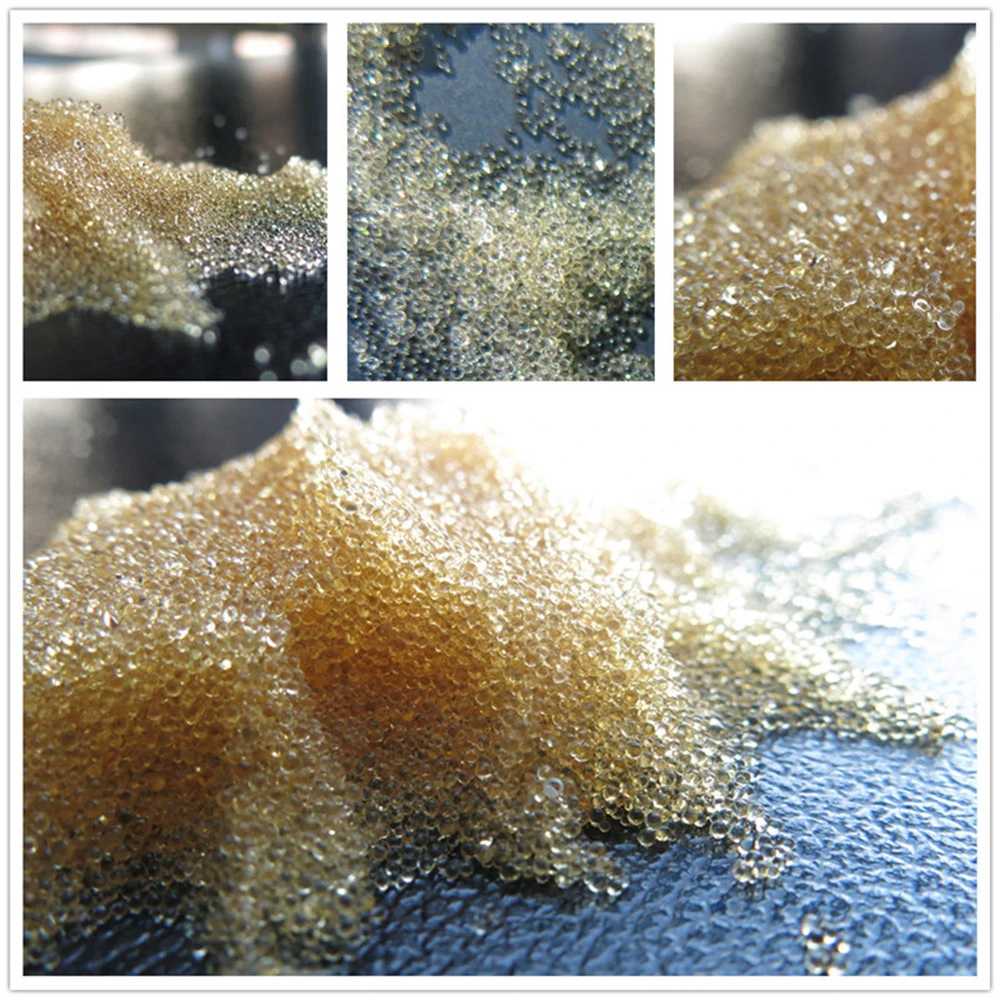
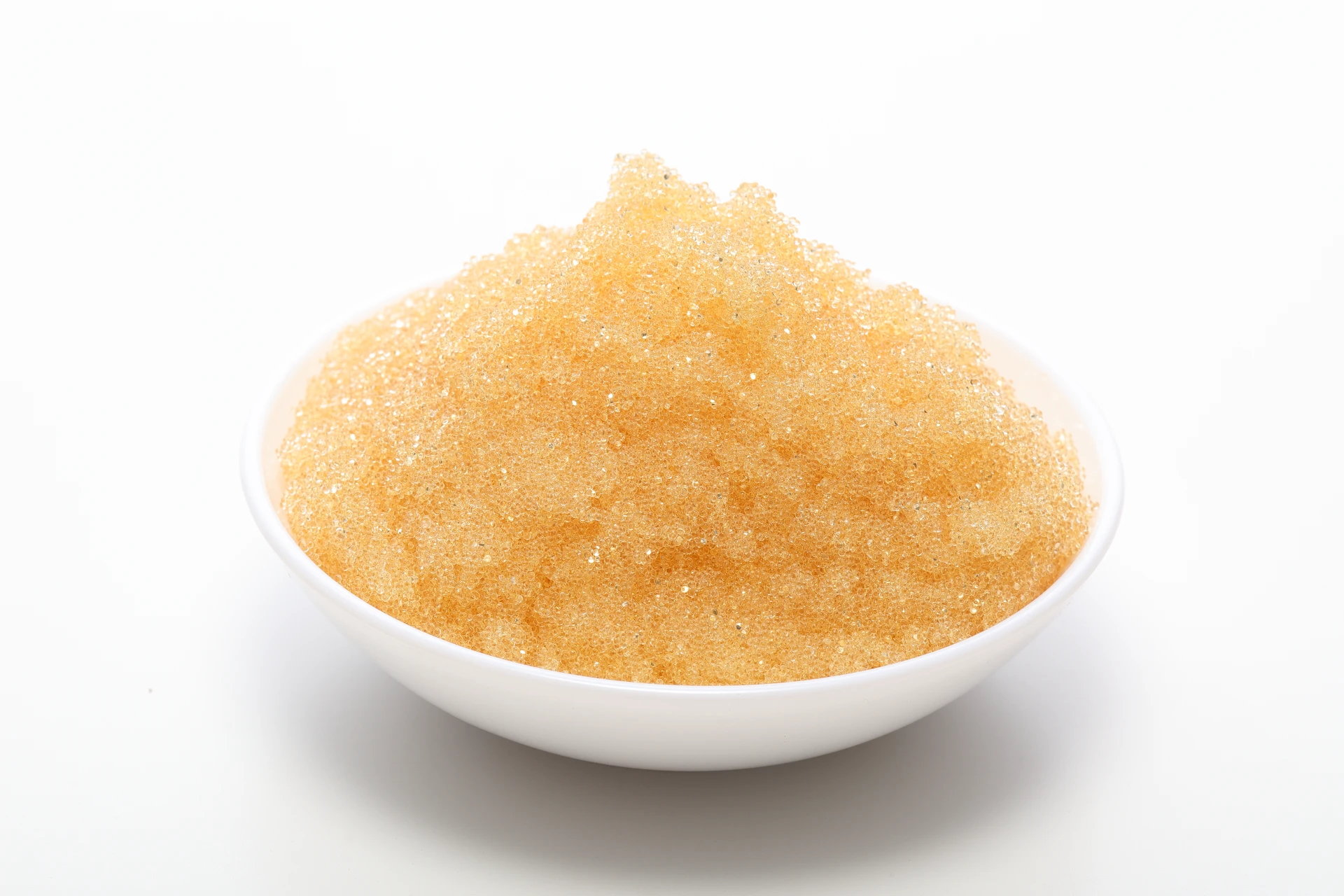
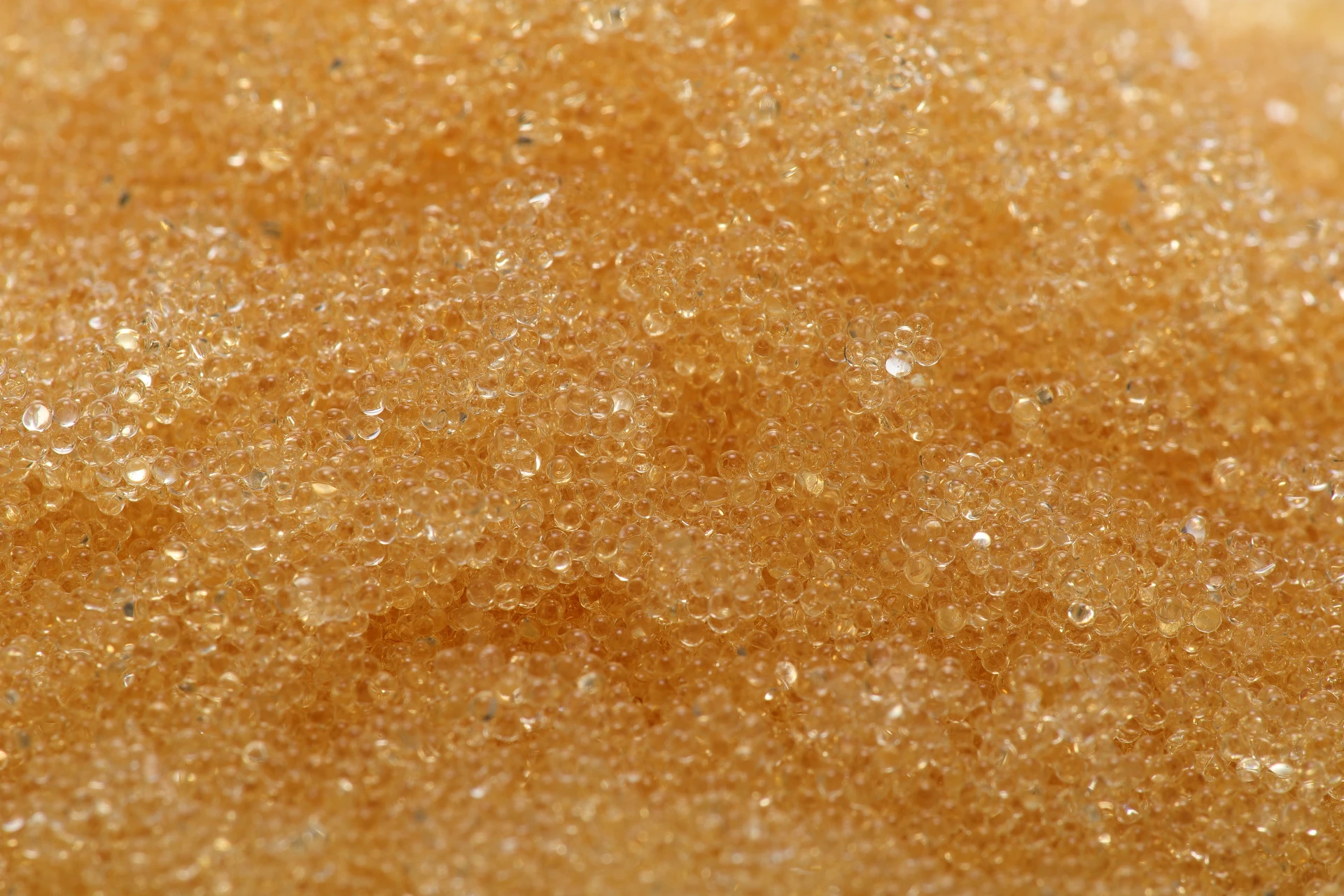
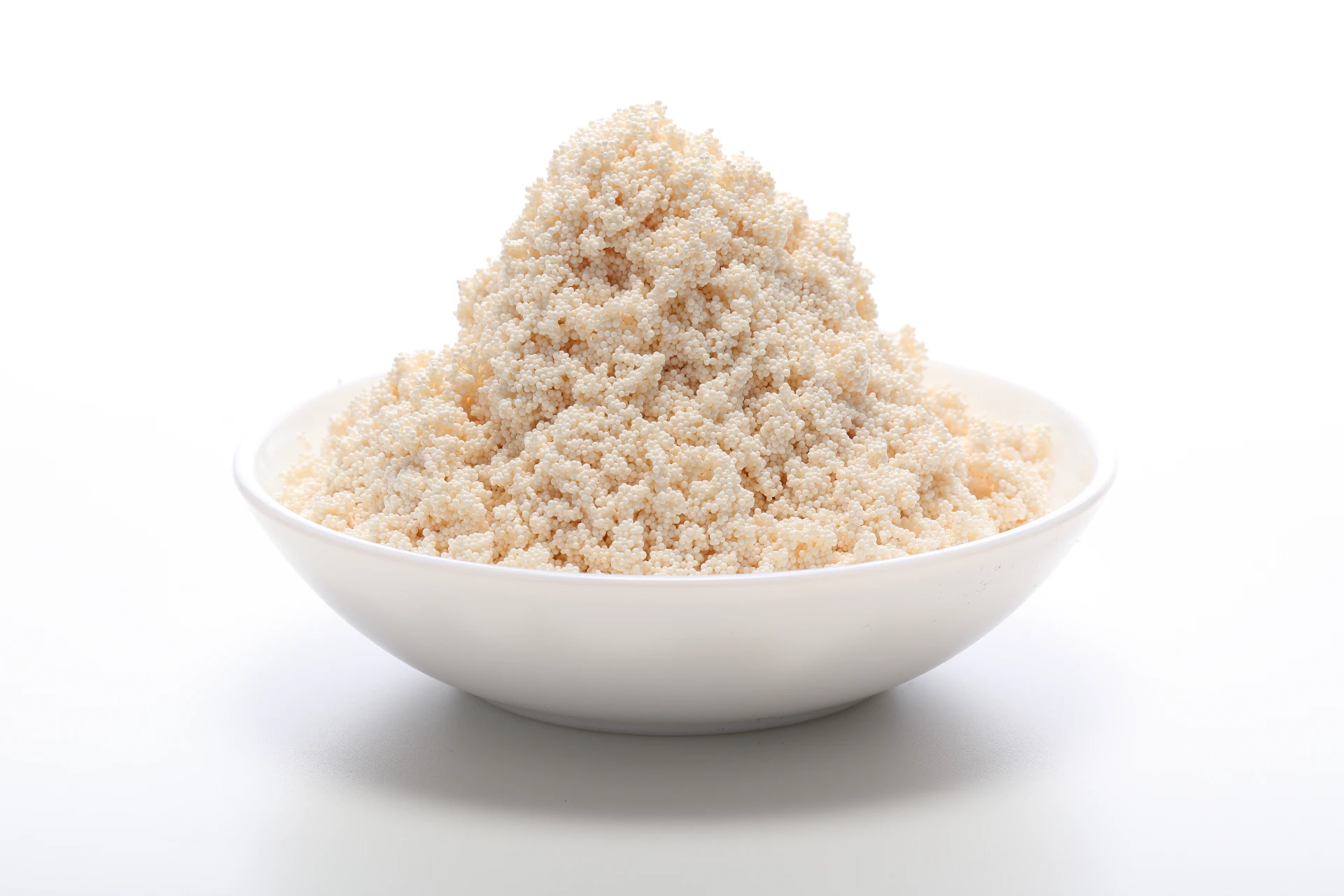
Indice
|
Nom
|
Spécification
|
|
Nom de l'index
|
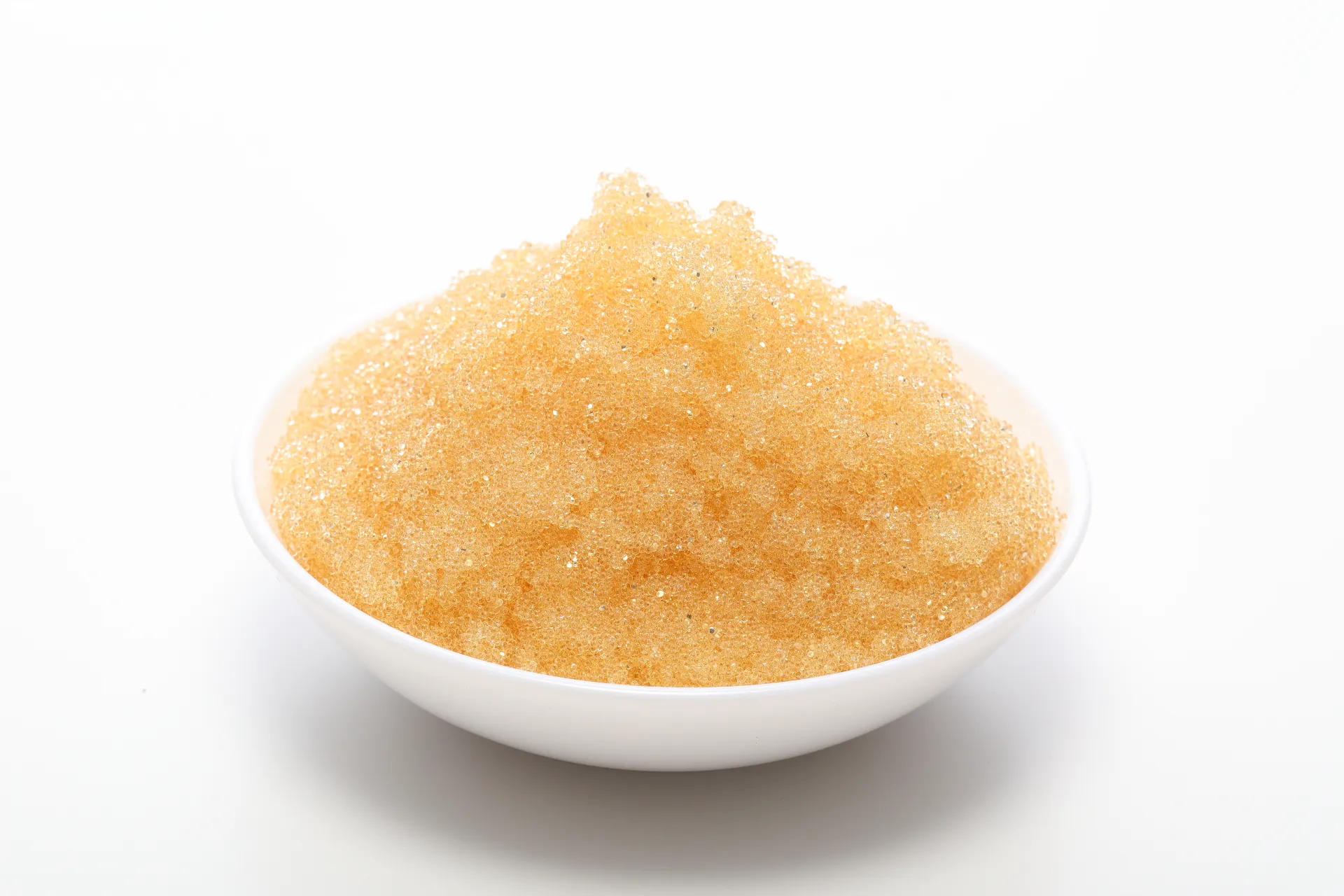
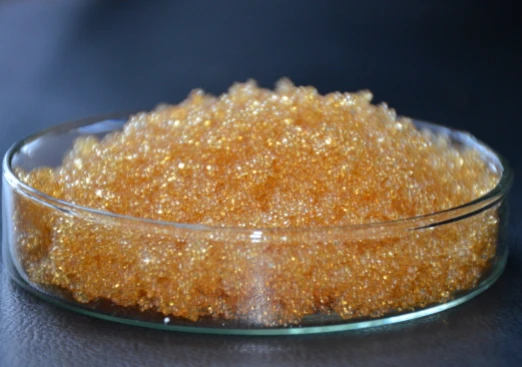
Résine cationique
|
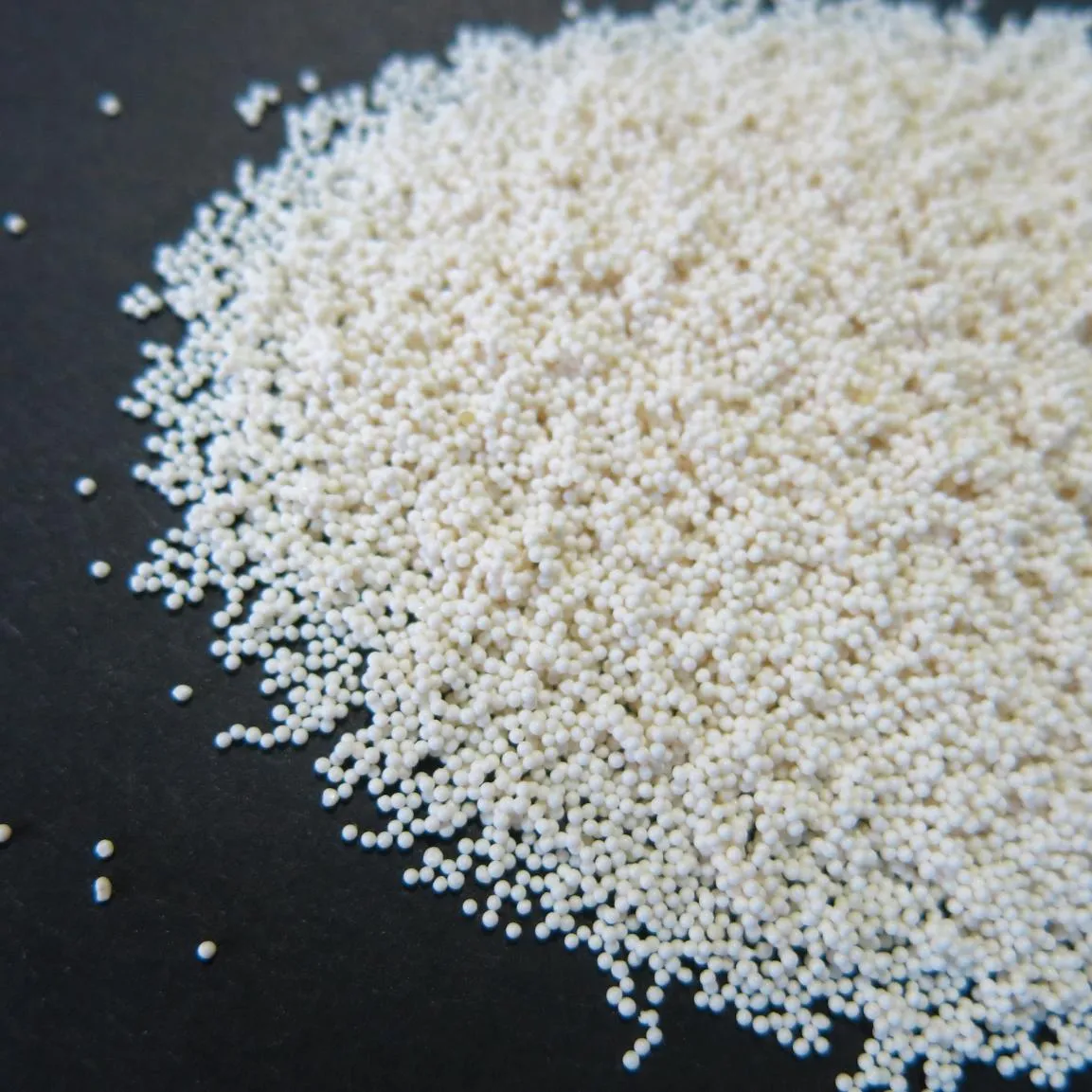
Résine anionique
|
|
Polymère
|
Copolymère de styrène-DVB, type gel
|
|
Groupe fonctionnel
|
-SO3
|
-N(CH3)3
|
|
Taux de conversion
|
≥ 99 % H+
|
≥ 90 % OH-
|
|
Rapport résine cationique/résine anionique V/V
|
1
|
1.5
|
|
Capacité d'échange de volume
|
≥ 1,75 mmol/ml
|
≥ 1,1 mmol/ml
|
|
Densité réelle (g/ml)
|
1,17~1,22 g/ml
|
1,06-1,09 g/ml
|
|
Masse volumique apparente (g/ml)
|
0,73~0,83 g/ml
|
0,66~0,71 g/ml
|
|
Capacité de rétention d'eau
|
51%~56%
|
53%~58%
|
|
Gamme de tailles de particules
|
0,315~1,25 mm ≥95 %
|
0,315~1,25 mm ≥95 %
|
|
Nombre total de billes (%)
|
≥ 95 %
|
≥ 95 %
|
|
Coefficient d'uniformité
|
≤1,6
|
≤1,6
|
Précautions
La résine doit être conservée à l'état humide. La température idéale est supérieure à 0 °C. En cas de non-utilisation prolongée, il est conseillé de la conserver dans un endroit fermé ou d'ajouter de l'eau salée à 5 % ou plus. Un antigel est recommandé pendant le transport. Ne pas poser d'objets lourds sur la résine afin de ne pas la heurter.
Le traitement nécessite généralement un circuit d'écoulement alcalin-eau-acide-eau. Trois cycles sont nécessaires avant d'atteindre le canal d'ions final.
Il faut tenir compte des différents taux d'expansion de transformation pour réserver suffisamment d'espace pour éviter le débordement de résine et garantir la hauteur de niveau de liquide appropriée ; le rapport de diamètre de la colonne doit être dans une plage raisonnable et éviter le courant de polarisation ; utiliser une colonne remplie d'eau ou un rinçage à contre-courant pour éliminer les bulles à l'intérieur de la couche de résine.
Avant que le liquide ne pénètre dans la colonne de résine, des étapes telles que la floculation, la filtration ou la filtration sur sable doivent être effectuées afin d'éviter que les pores de la résine ne soient obstrués par des solides en suspension.
La résine à l'intérieur de la colonne qui n'a pas été utilisée depuis longtemps doit être stockée à l'extérieur de la colonne après lavage, ou ajout d'eau salée dans le milieu résistant au sel tout en gardant le niveau de liquide non déshydraté avec un lavage à contre-courant habituel pour détacher la résine en cas d'agglomération.
Reliable Ultra-Pure Water Solutions with Mixed Bed Resin MX900
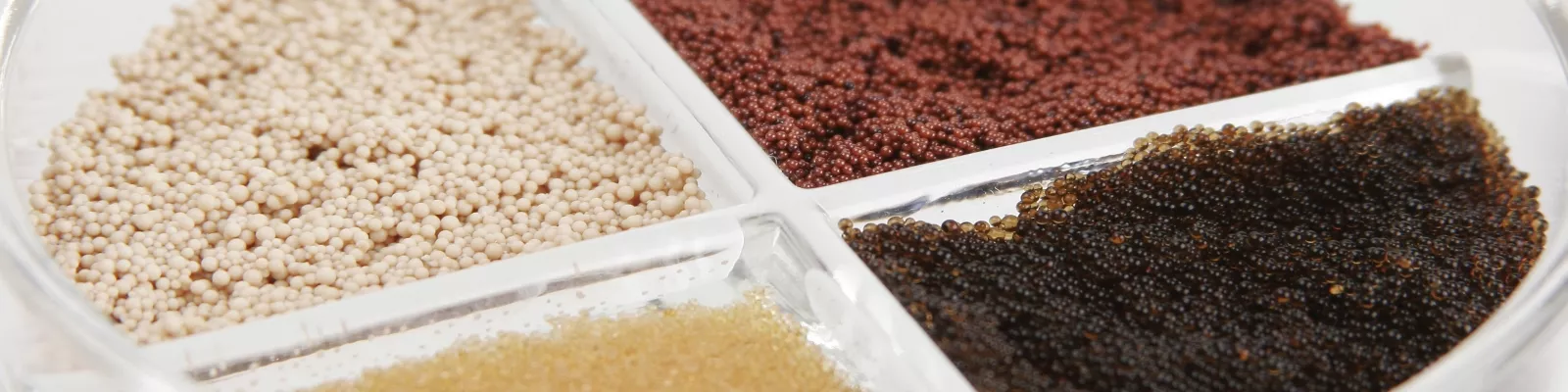
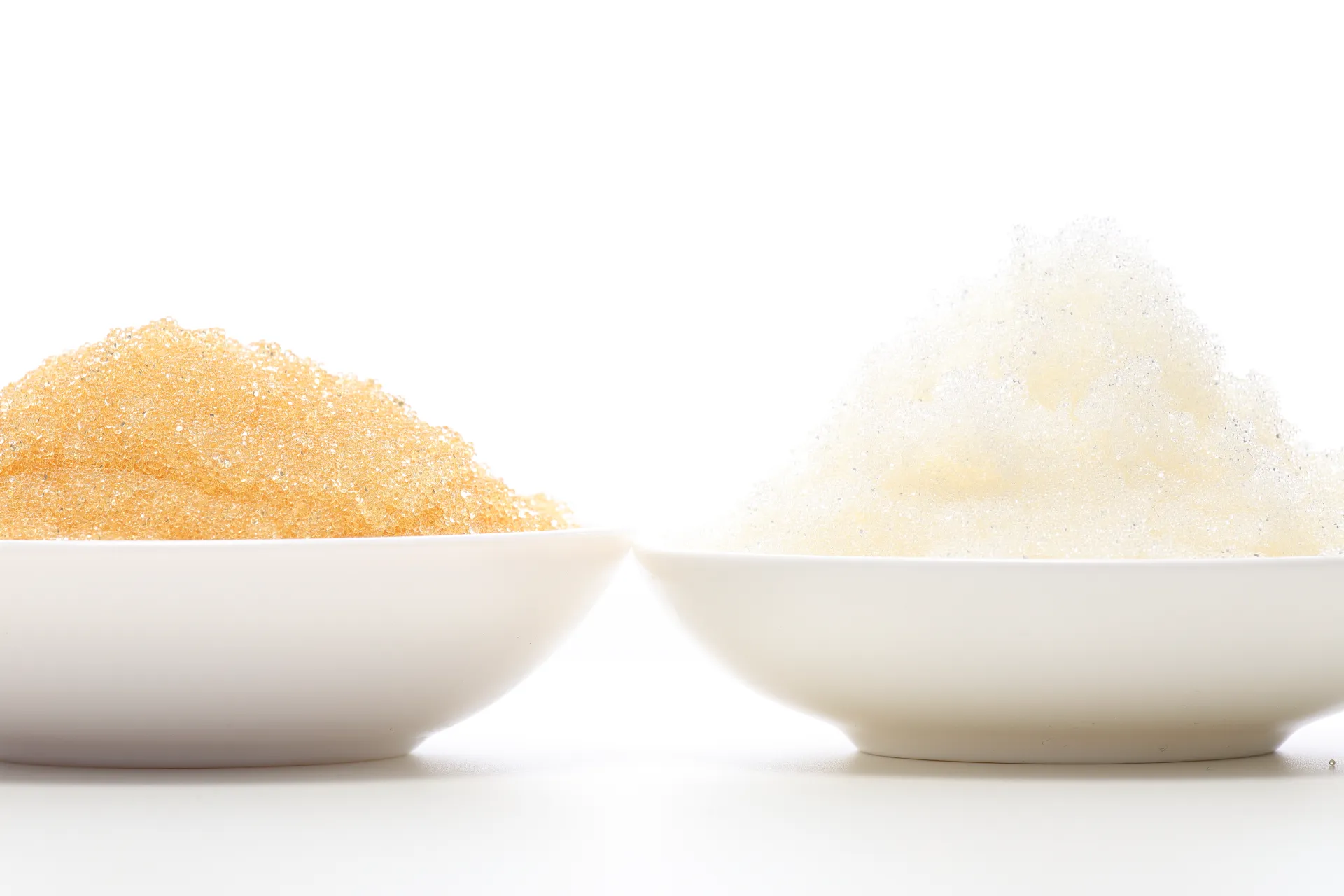
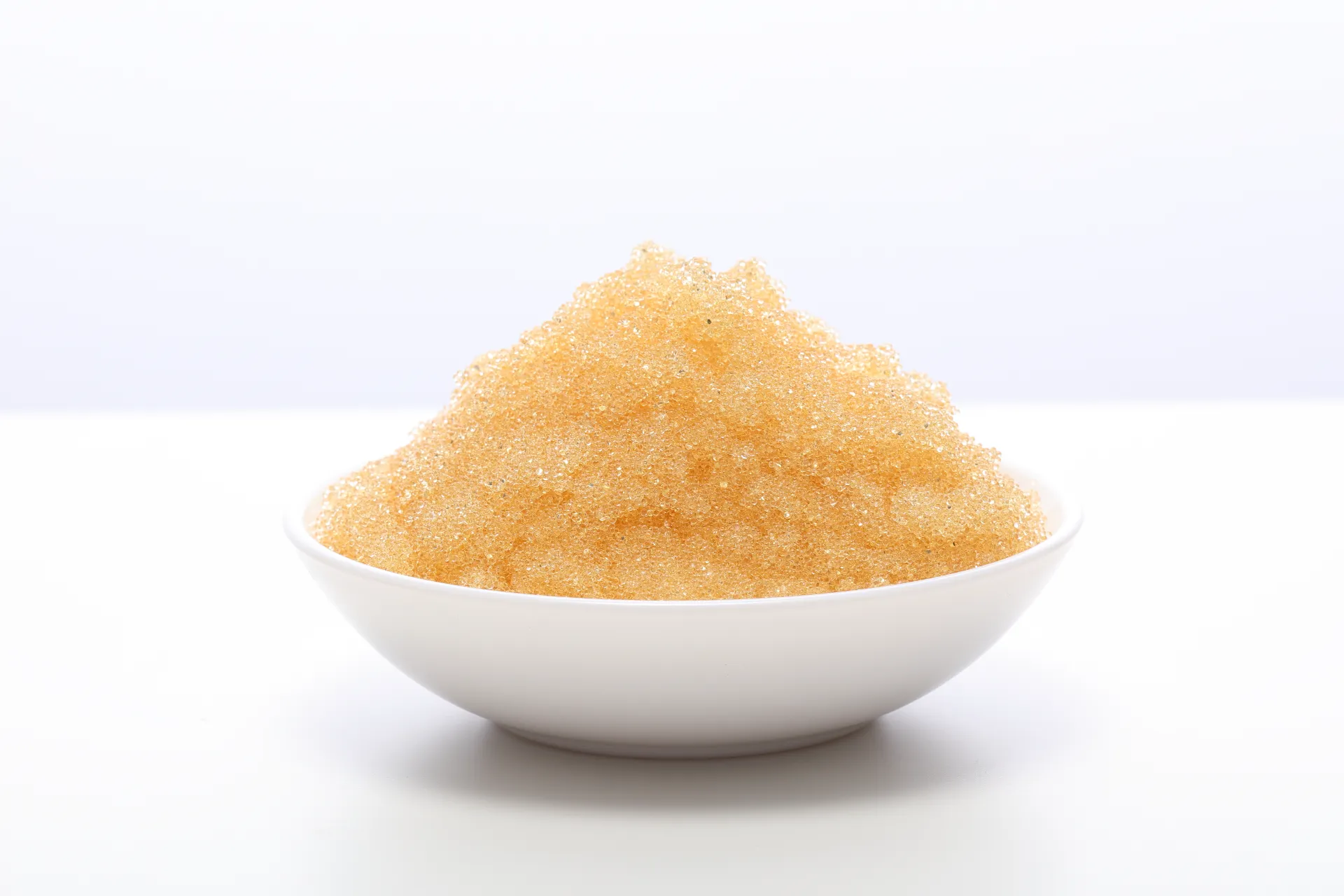
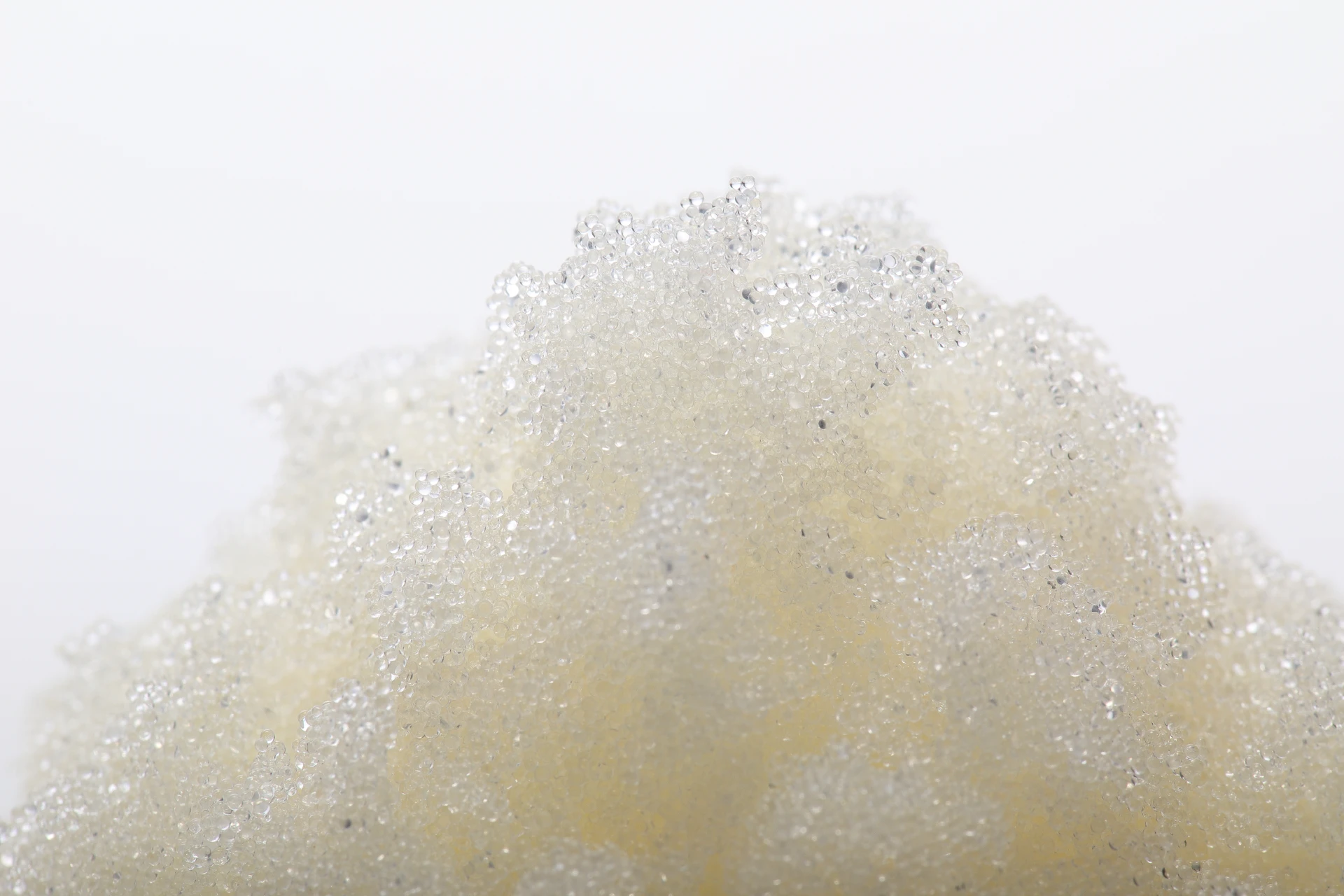
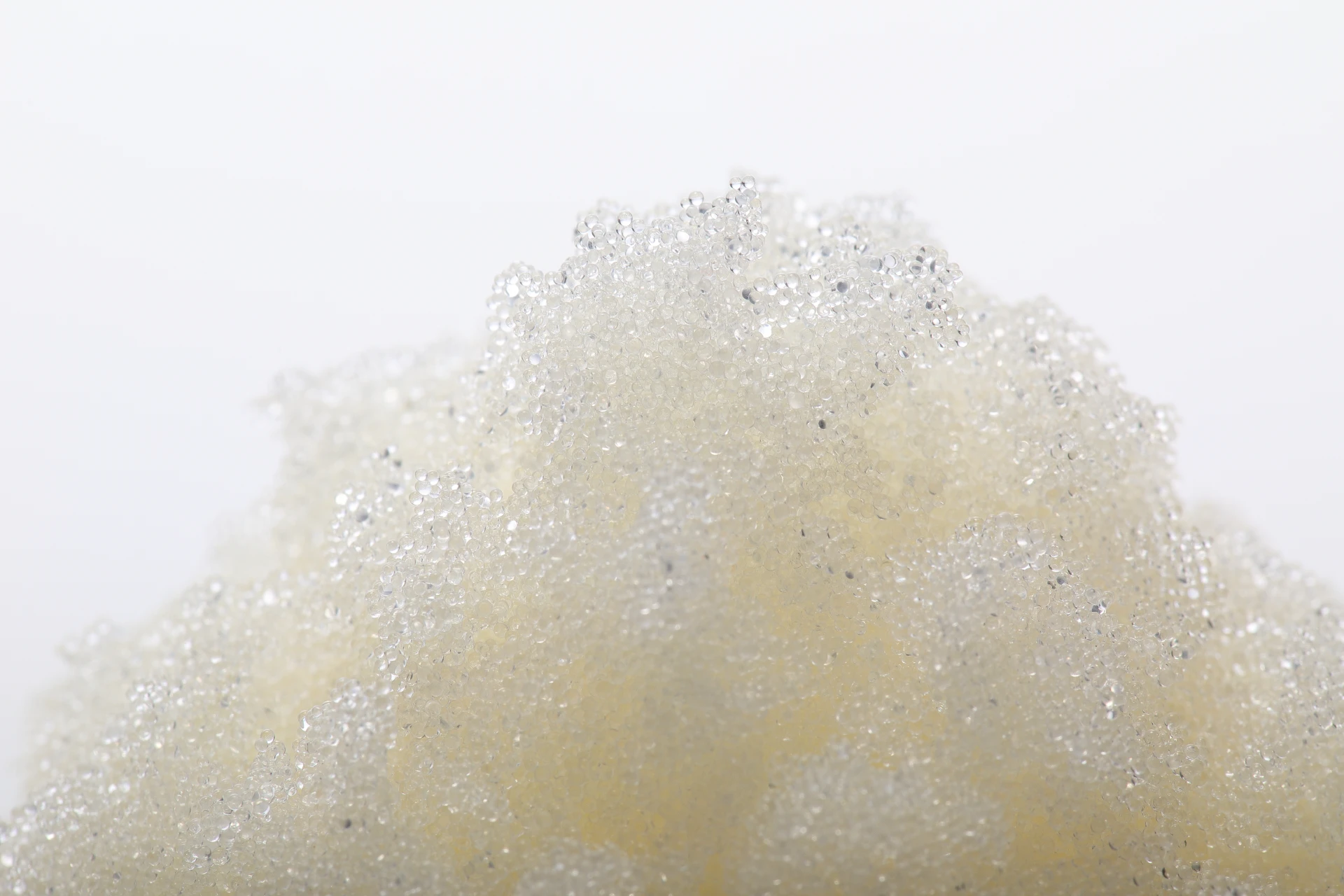
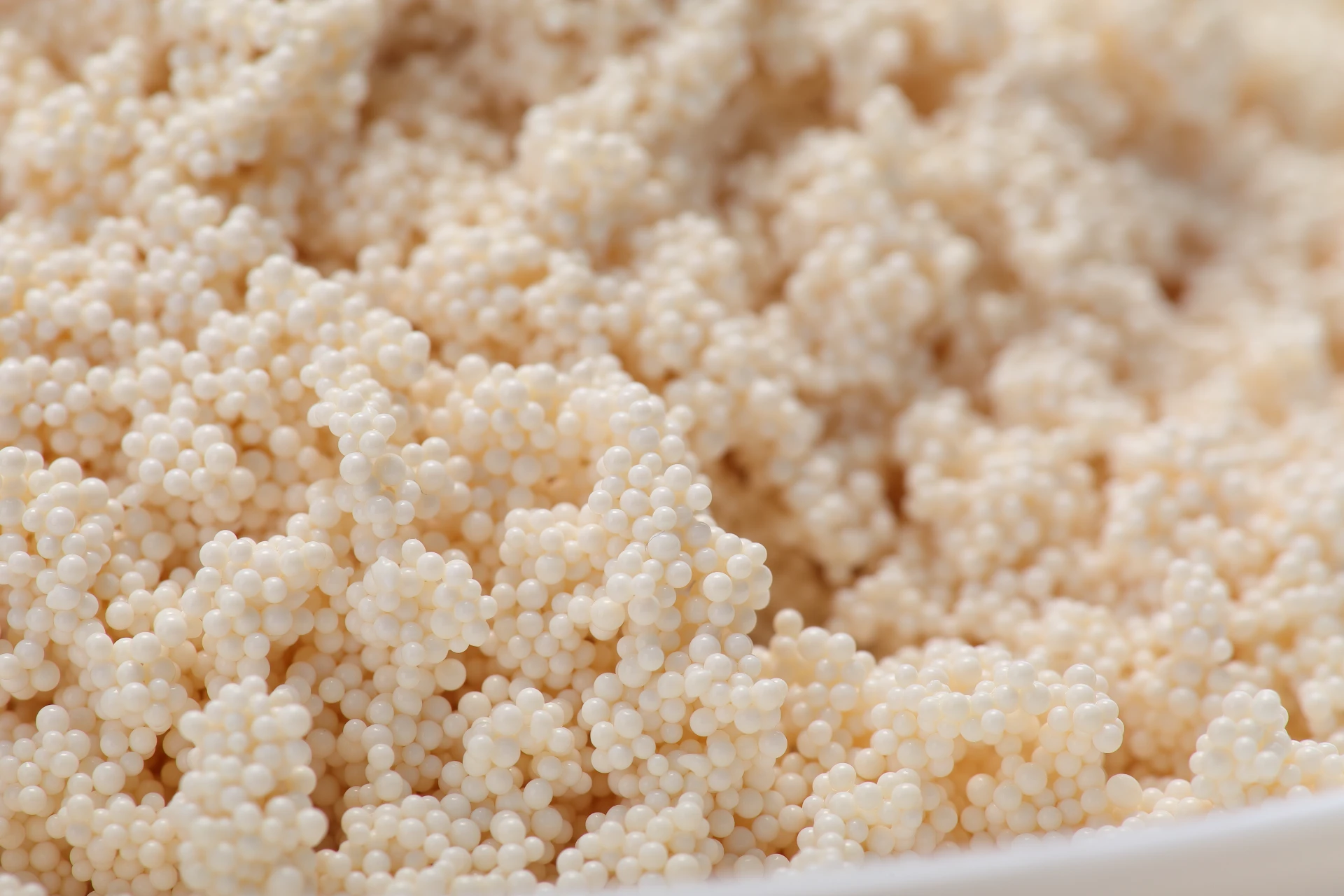
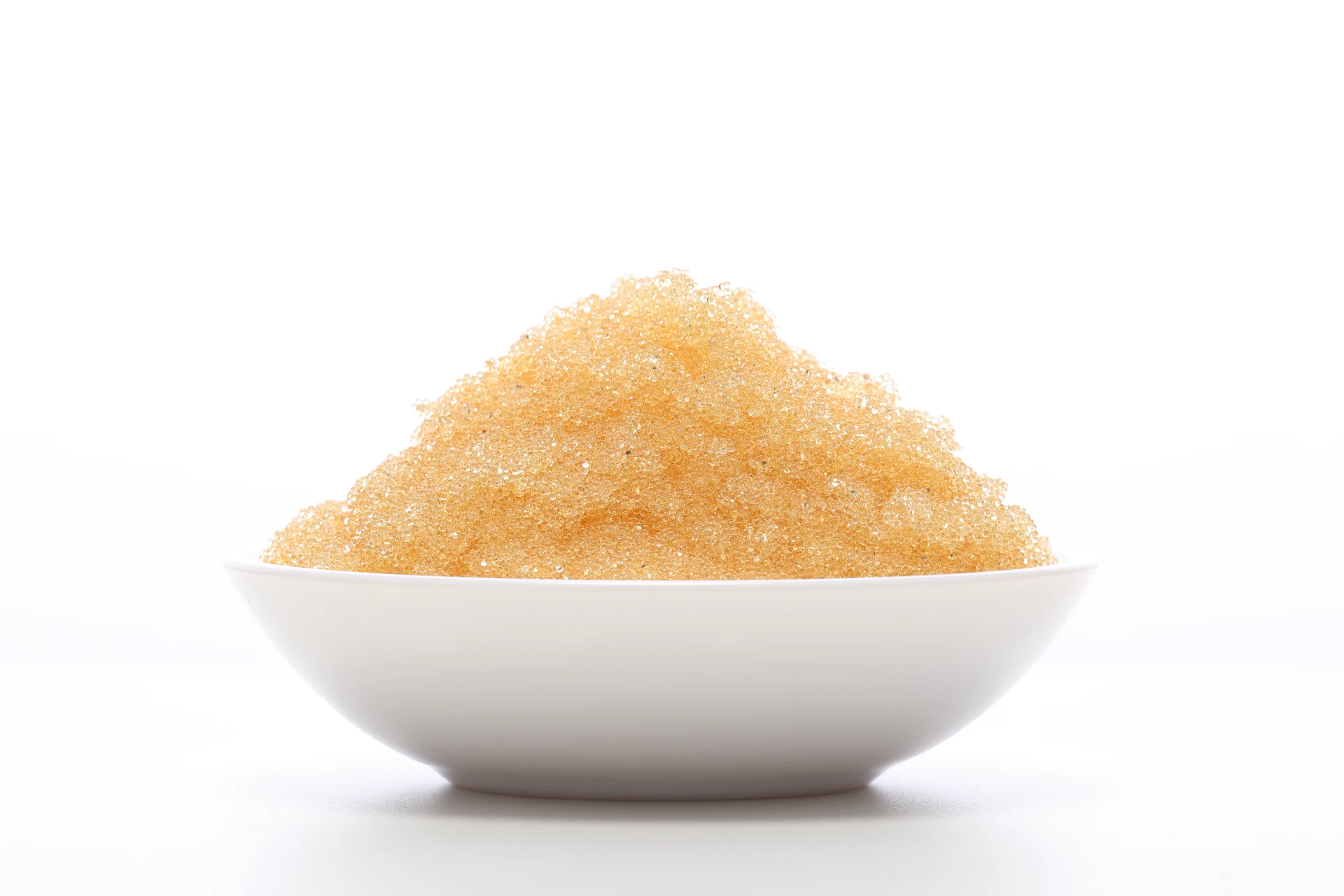
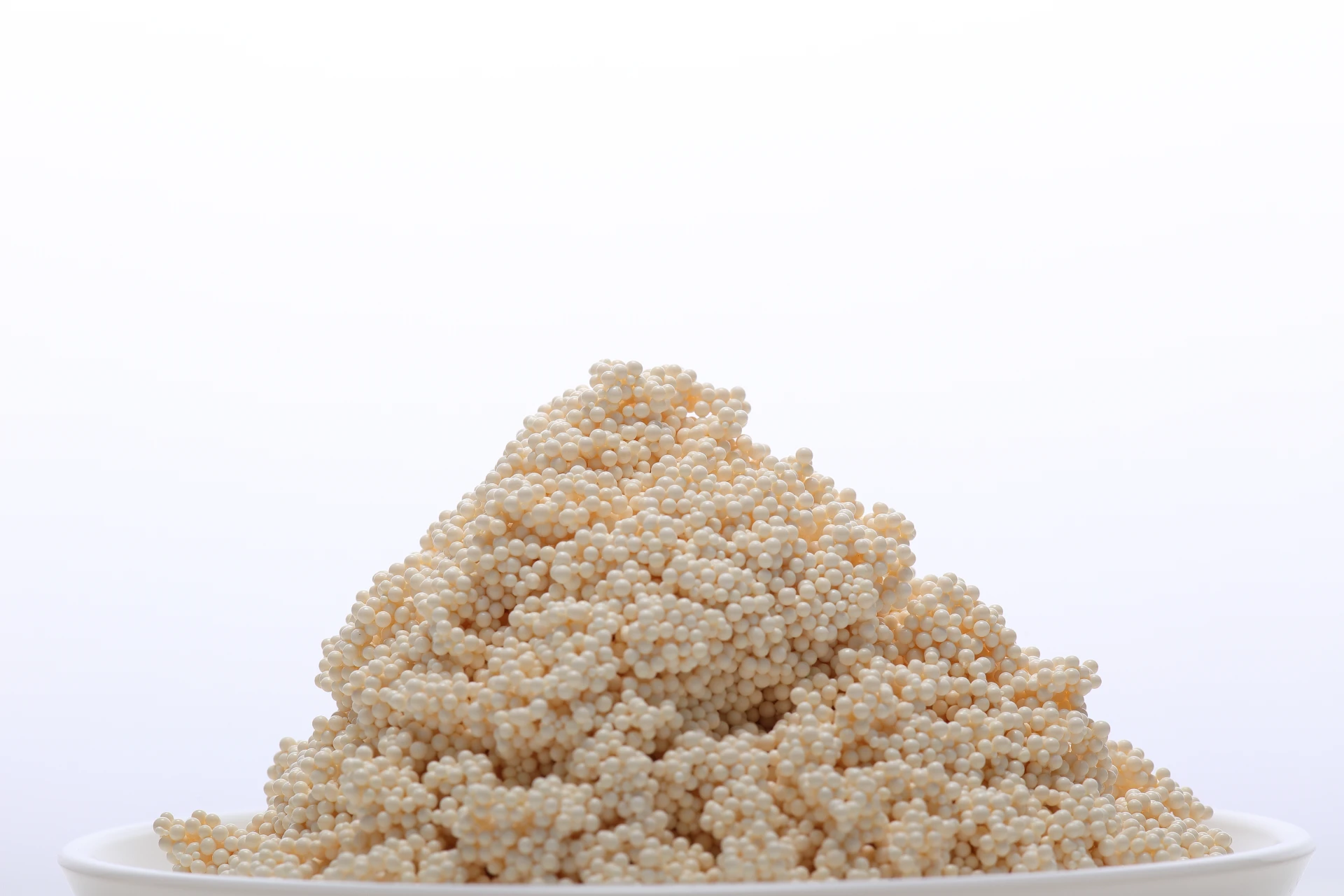
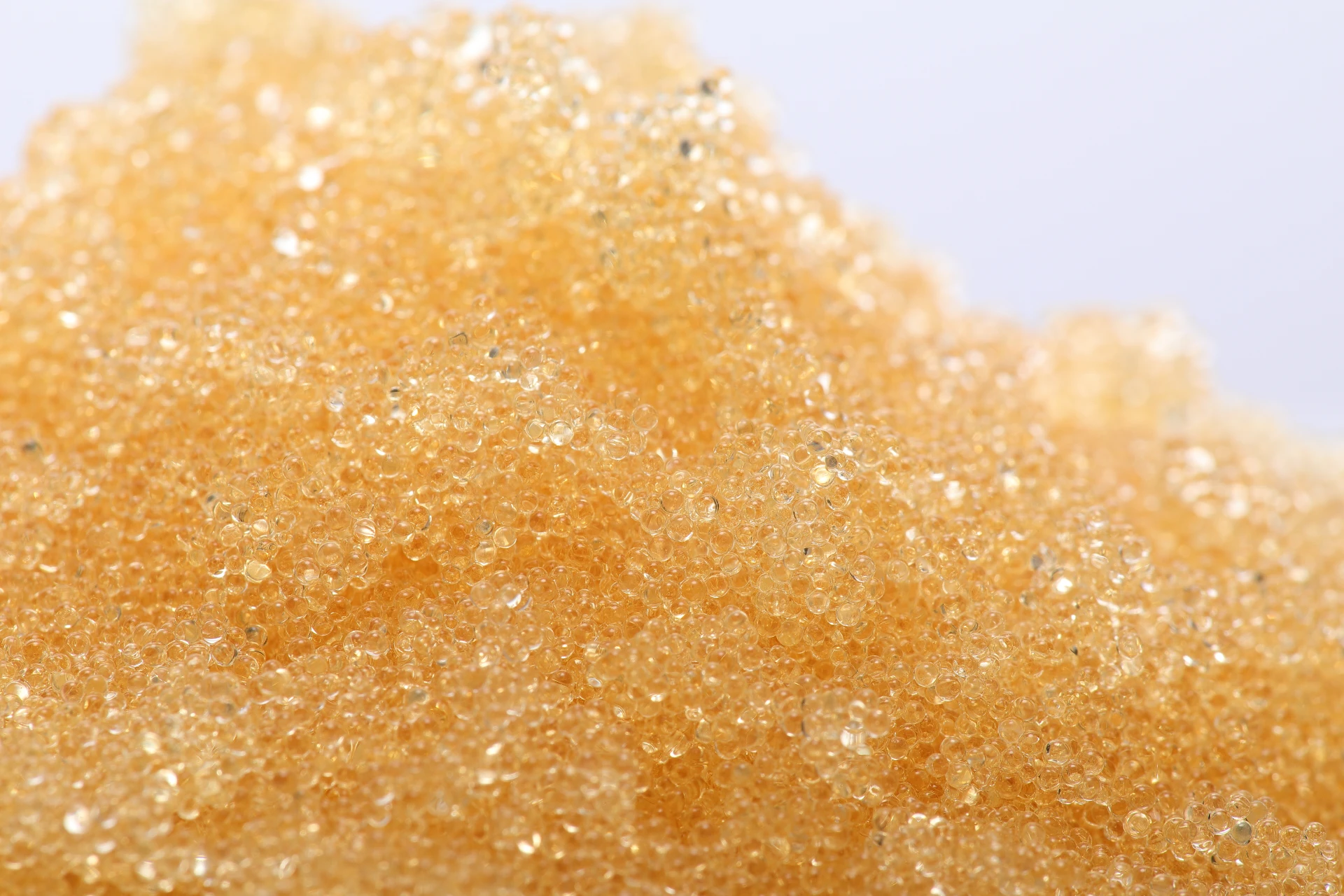
In modern industrial and laboratory operations, achieving ultra-pure water is essential for ensuring product quality, process efficiency, and compliance with stringent regulatory standards. Résine à lit mixte MX900 provides a high-performance solution by combining strong acid cation and strong base anion resins within a single bed, enabling precise removal of residual ions. This integrated design allows the resin to deliver water with extremely low conductivity and minimal total dissolved solids, making it ideal for applications ranging from semiconductor manufacturing and pharmaceutical production to power generation and analytical laboratories.
Supported by Hebei Lijiang Biotechnology Co., Ltd., a leading high-tech enterprise specializing in advanced mixed bed ion exchange process materials, MX900 is deployed in both industrial and laboratory water treatment systems. Lijiang’s expertise ensures that each resin batch meets rigorous international quality standards, providing reliable performance, efficient regeneration, and long-term operational stability. By utilizing MX900 and following a proper mixed bed ion exchange regeneration process, industries can maintain consistent ultra-pure water quality, reduce operational costs, and implement environmentally responsible water treatment practices, establishing a foundation for sustainable, high-performance production.
Achieving Ultra-Pure Water with Mixed Bed Resin MX900
In modern industrial and laboratory settings, the production of ultra-pure water is essential for process efficiency, equipment longevity, and compliance with stringent quality standards. Résine à lit mixte MX900 offers a reliable and high-performance solution for achieving this goal by combining strong acid cation and strong base anion resins in a single, uniform bed. This design ensures thorough removal of residual ions, resulting in water with extremely low conductivity and minimal total dissolved solids—an essential requirement for industries such as electronics manufacturing, pharmaceuticals, and power generation.
Hebei Lijiang Biotechnology Co., Ltd., un leading high-tech enterprise, supports the deployment of MX900 through the production of high-quality mixed bed resins and comprehensive technical services. Specializing in research, development, production, sales, and service of advanced ion exchange materials, Lijiang ensures that all products meet rigorous international standards, including ISO9001, SGS, and WQA certifications. By providing reliable mixed bed ion exchange process solutions, the company enables industries to maintain consistent water quality, optimize operational efficiency, and reduce chemical and energy consumption during water treatment.
Key Performance Features of Mixed Bed Resin MX900 for Industrial Applications
MX900 is engineered for superior efficiency and durability in industrial water treatment systems. Its macroporous structure and uniform bead size ensure rapid ion diffusion, high exchange capacity, and excellent resistance to channeling and fouling. This guarantees predictable performance in continuous operation, while its mechanical and chemical stability minimizes bead attrition and prolongs resin life.
A critical advantage of MX900 is its integration within the mixed bed ion exchange process, which combines cation and anion exchange in a single vessel. This approach reduces the number of polishing stages required, simplifying system design and decreasing footprint. Furthermore, the mixed bed ion exchange regeneration process ensures that the resin can be efficiently regenerated with minimal chemical usage, restoring full ion exchange capacity while maintaining high water purity. Adhering to standardized mixed bed regeneration procedure guidelines is essential for consistent performance, reducing operational variability and extending the service life of the resin.
MX900 also provides flexibility in industrial operations by allowing compatibility with other high-performance resins, enabling customized water treatment solutions for specific process requirements. Whether applied in high-pressure boiler feedwater, cooling tower makeup water, or ultrapure water production for sensitive chemical synthesis, MX900 maintains optimal water quality and system reliability.
Industrial and Laboratory Applications of Mixed Bed Resin MX900
MX900’s versatility makes it suitable for a wide range of industrial and laboratory applications. In electronics and semiconductor manufacturing, the resin produces water with ultra-low conductivity to prevent contamination during precision processes. In pharmaceutical and biotechnology industries, it ensures compliance with stringent water quality standards, supporting both product safety and regulatory requirements. In analytical laboratories, MX900 enables accurate testing and experimentation by eliminating interfering ions from the water supply.
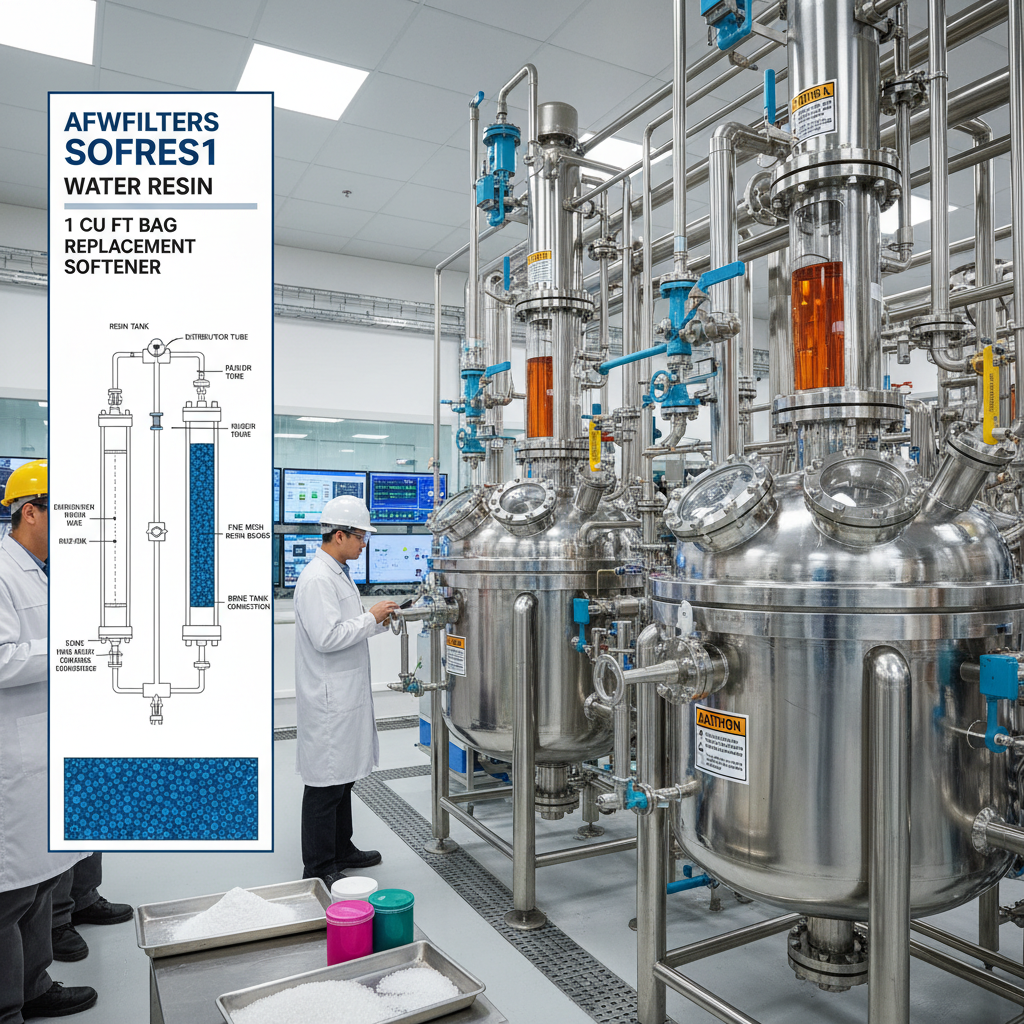
In large-scale industrial systems, MX900 is often employed as part of a complete mixed bed process for water purification. The process typically involves pre-treatment with cation and anion resins, followed by polishing in the mixed bed to remove trace ions. When combined with Lijiang’s expertise and high-quality resin materials, including macroporous and gel-type cation and anion resins, the system achieves exceptional deionization efficiency and long-term operational stability.
Le mixed bed regeneration procedure is a key factor in maintaining MX900’s performance. Proper regeneration involves backwashing, sequential acid and caustic treatments, and rinsing to restore the cation and anion exchange capacity. By following a standardized mixed bed ion exchange regeneration process, operators can minimize downtime, reduce chemical consumption, and ensure consistent water quality for continuous industrial production.
Hebei Lijiang Biotechnology Co., Ltd. provides technical guidance and support for these procedures, helping clients optimize system design, resin handling, and regeneration cycles. This expertise ensures that MX900-based systems deliver reliable and sustainable performance across diverse industrial and laboratory applications.
Conclusion
Résine à lit mixte MX900 is a high-performance solution for producing ultra-pure water in industrial and laboratory environments. Its robust design, combined with strong acid cation and strong base anion resins, ensures precise ion removal, predictable regeneration, and long-term operational reliability. Integrated within a comprehensive mixed bed process, MX900 enables efficient deionization and water purification, meeting the strictest quality standards while reducing chemical and energy consumption.
Hebei Lijiang Biotechnology Co., Ltd. underpins the successful implementation of MX900 by providing certified high-quality resins, technical support, and guidance on the mixed bed ion exchange process et mixed bed regeneration procedure. By leveraging these solutions, industries worldwide can achieve sustainable, efficient, and reliable water treatment, ensuring operational excellence and consistent high-purity water for critical applications. From industrial-scale deionization systems to laboratory-grade ultrapure water production, MX900 and Lijiang’s expertise form the foundation of modern, high-performance water purification.