Phone:
+86 0319 2296164


Email:
info@lijiresin.cn
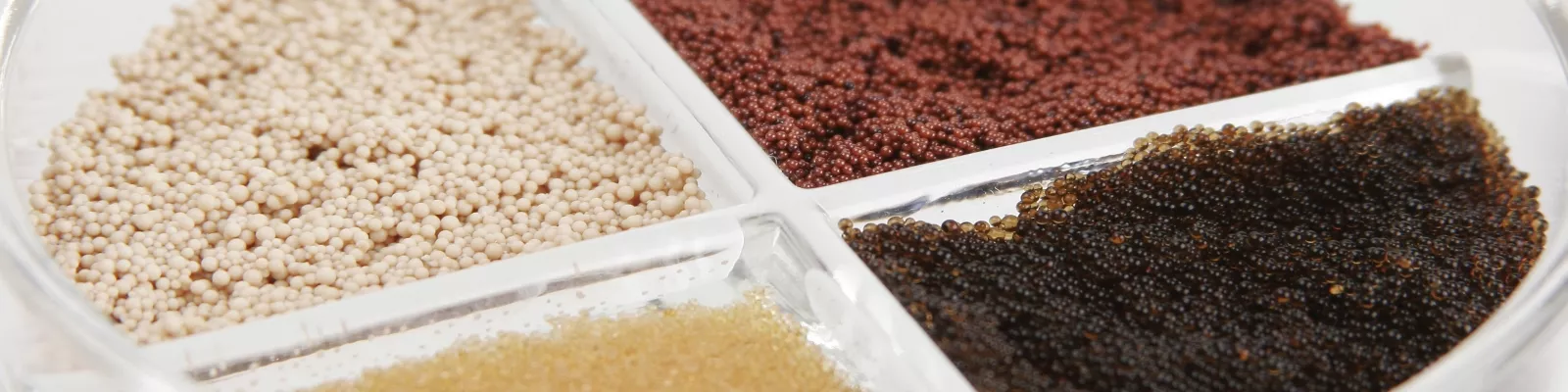
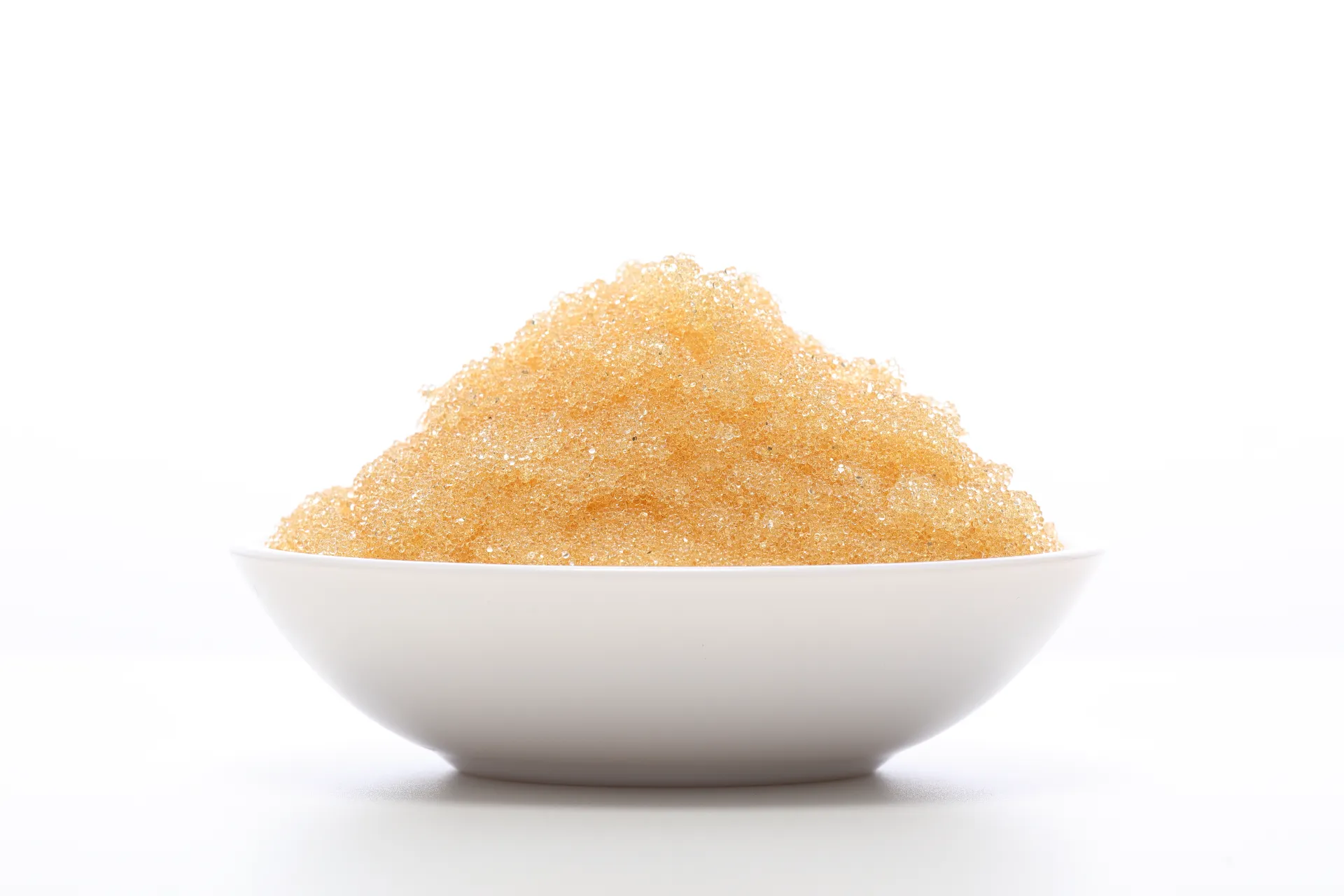
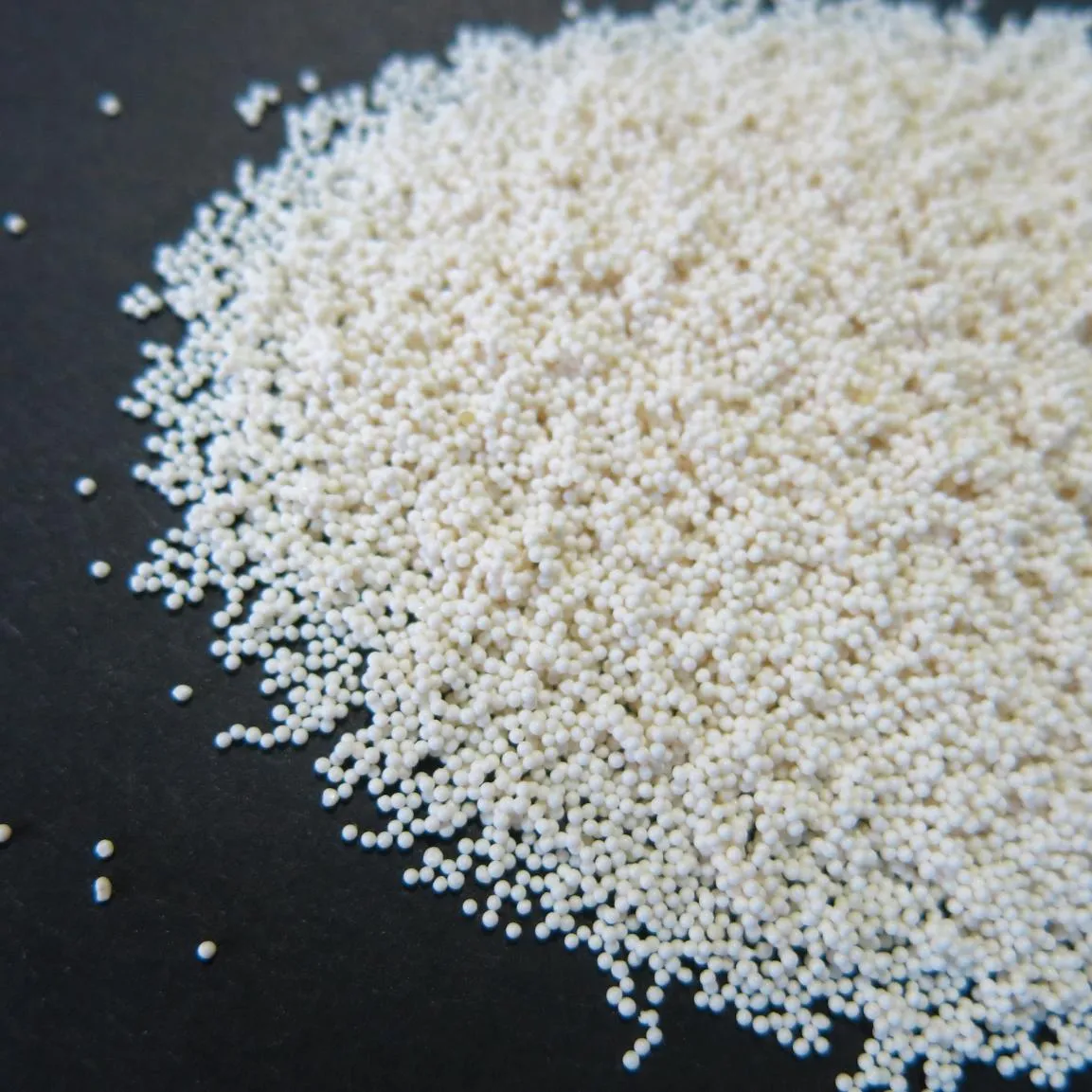
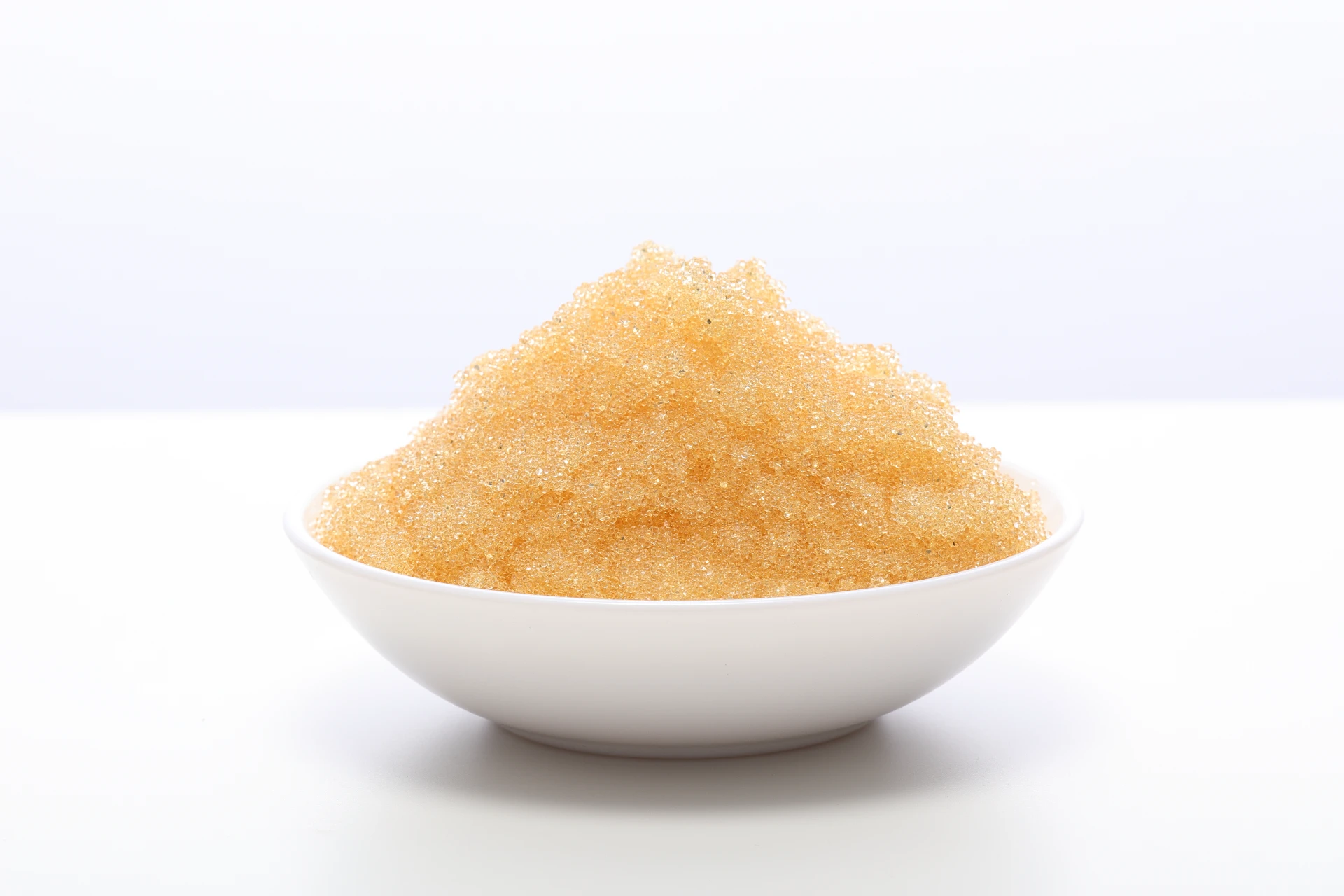
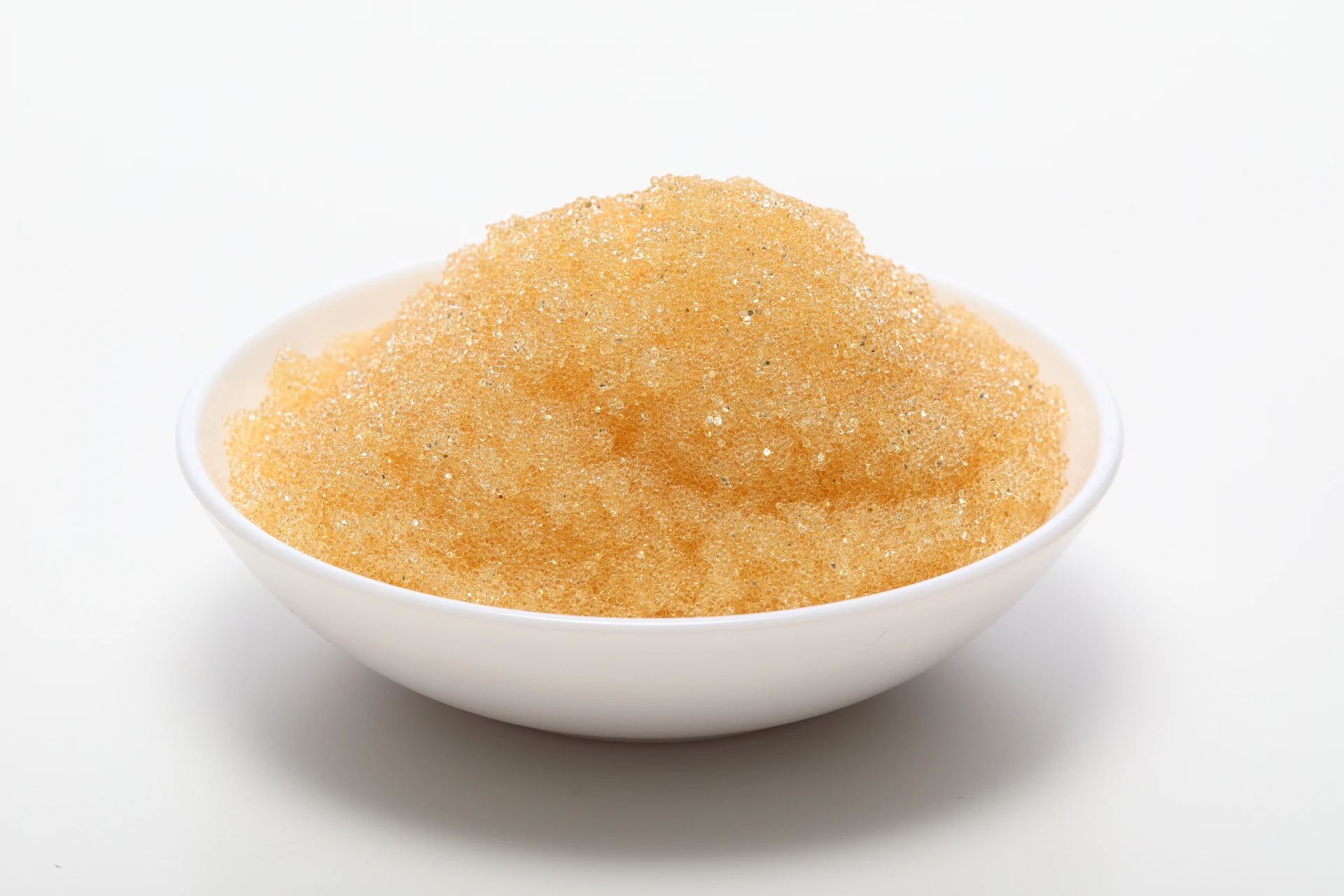
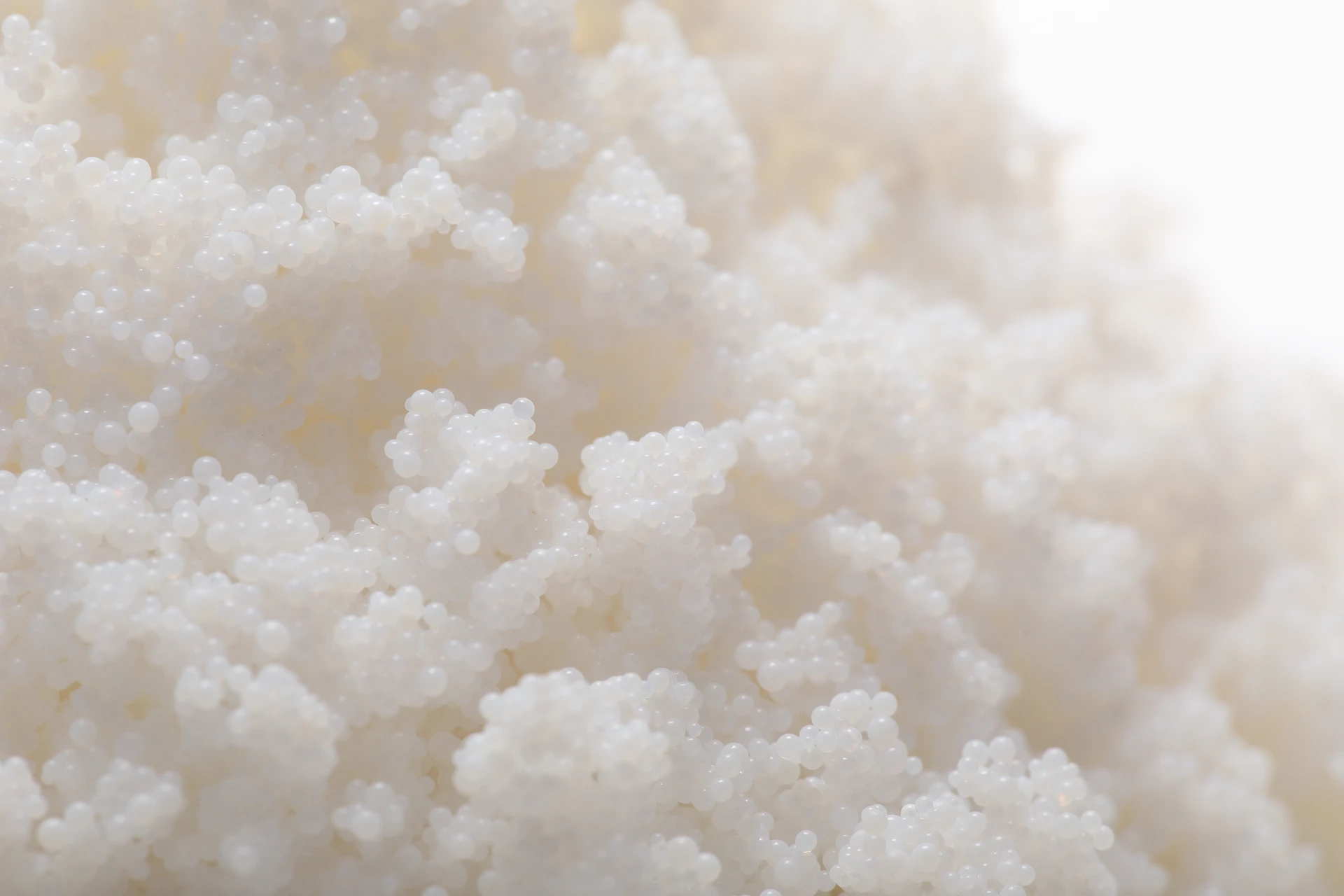
If you’re evaluating an acid cation resin for water treatment, you’ve probably noticed the market is noisy. To be honest, procurement teams keep asking for dependable capacity, fast lead times, and data that maps to real standards—not just glossy claims. That’s why the Strong Acid Cation Exchange Resin 001×7.5 from LiJi Resin (polystyrene–DVB, gel type, sulfonated; essentially a solid “sulfuric acid” functionality) has been getting a lot of attention in industrial demin and softening trains.
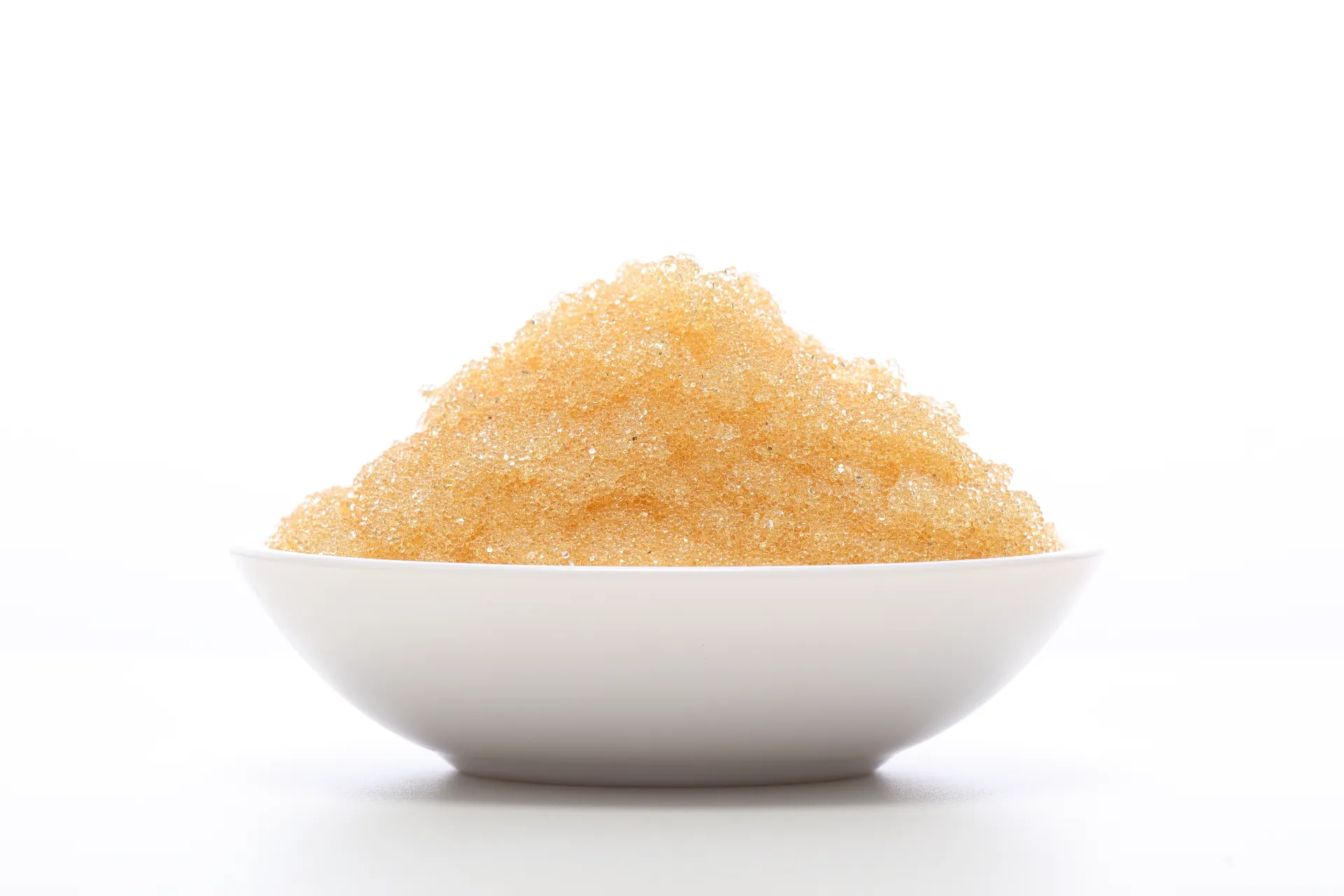
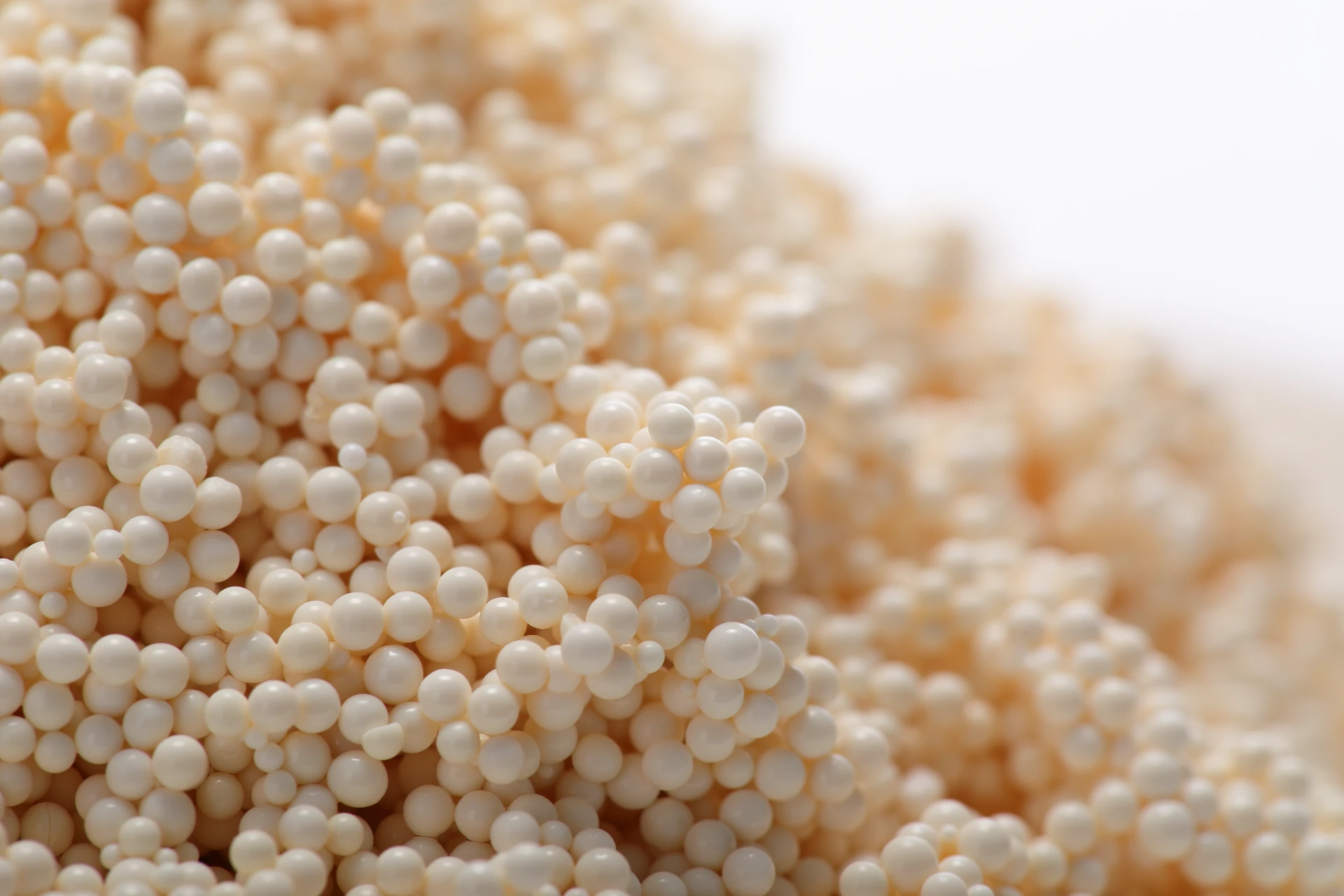
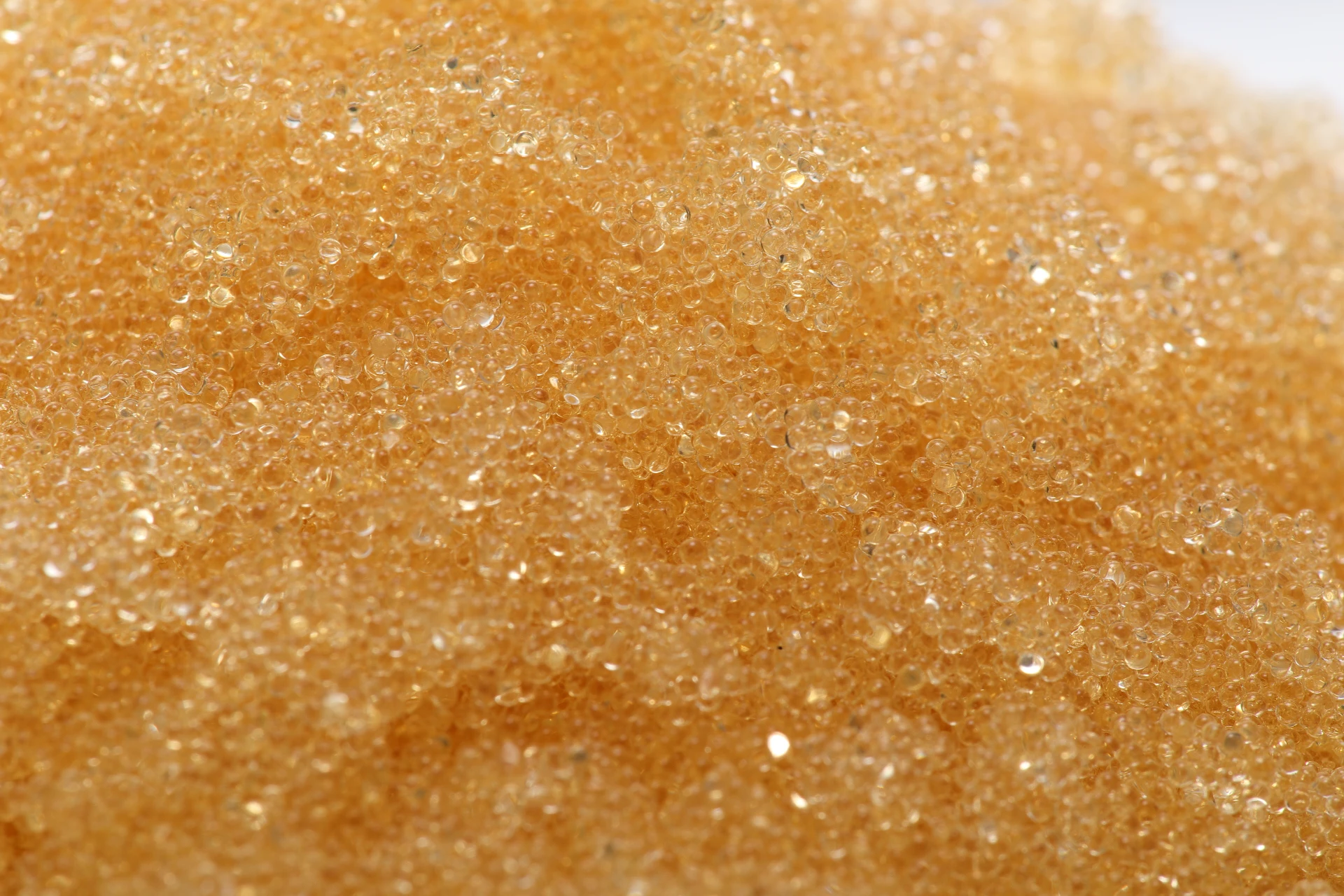
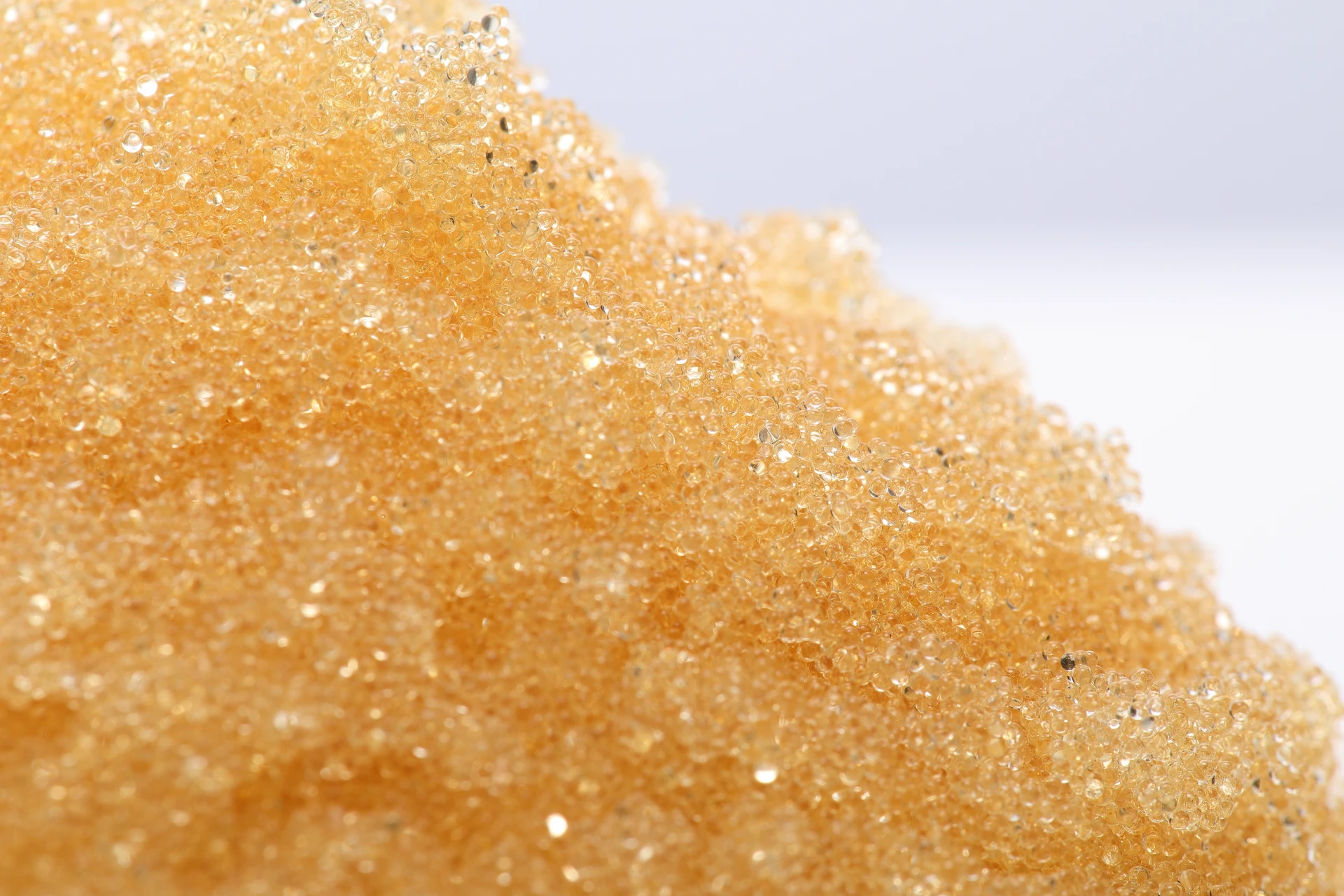
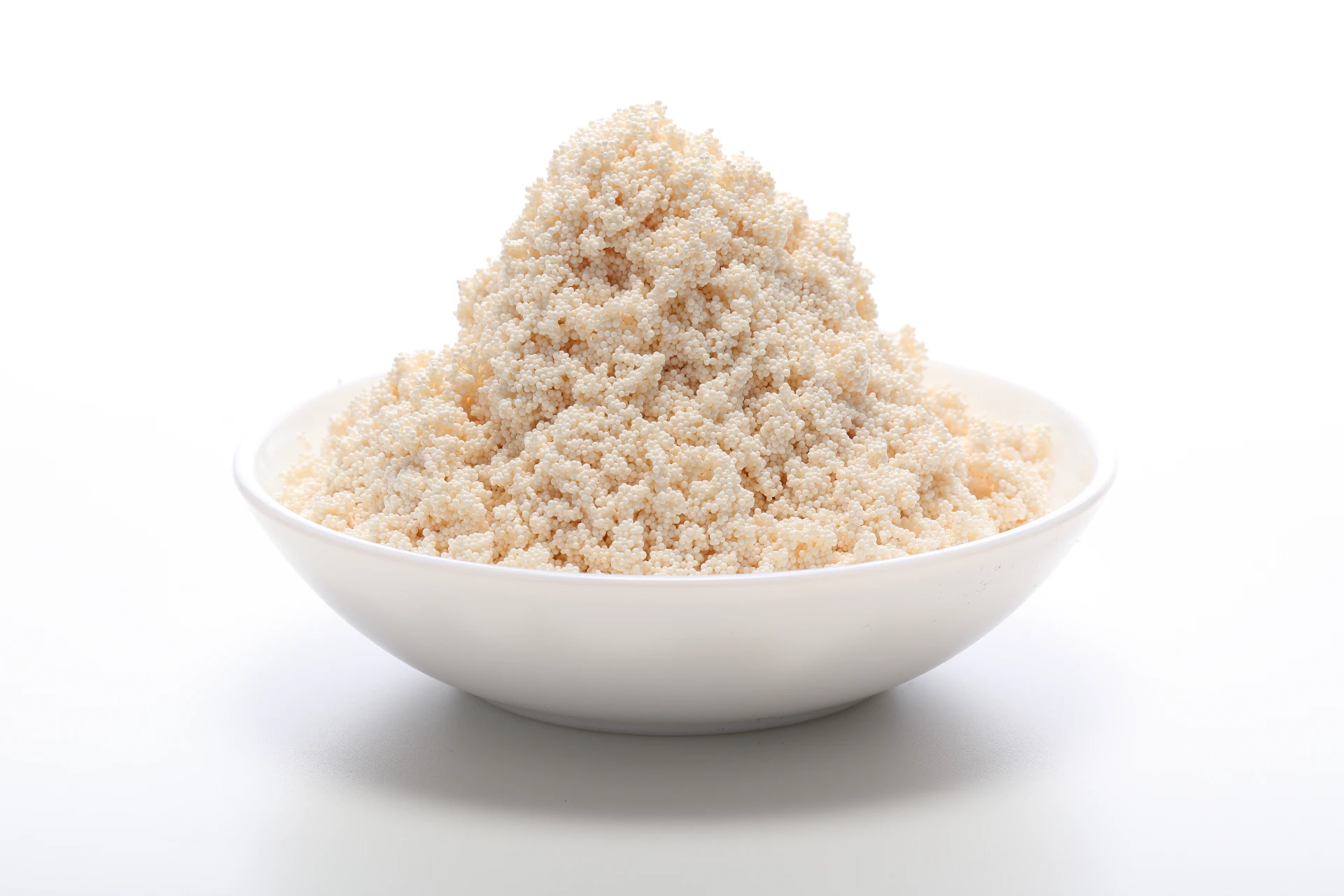
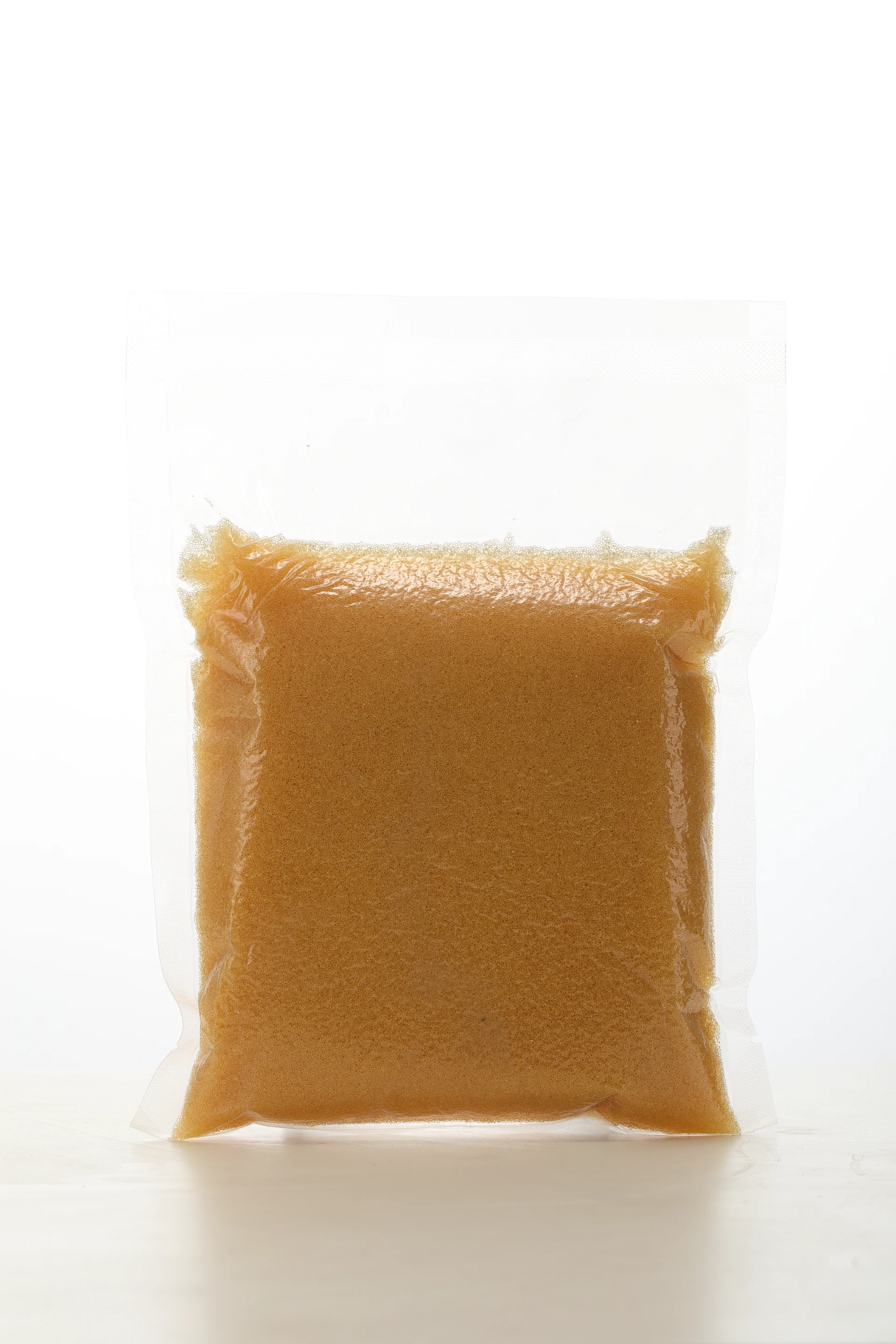
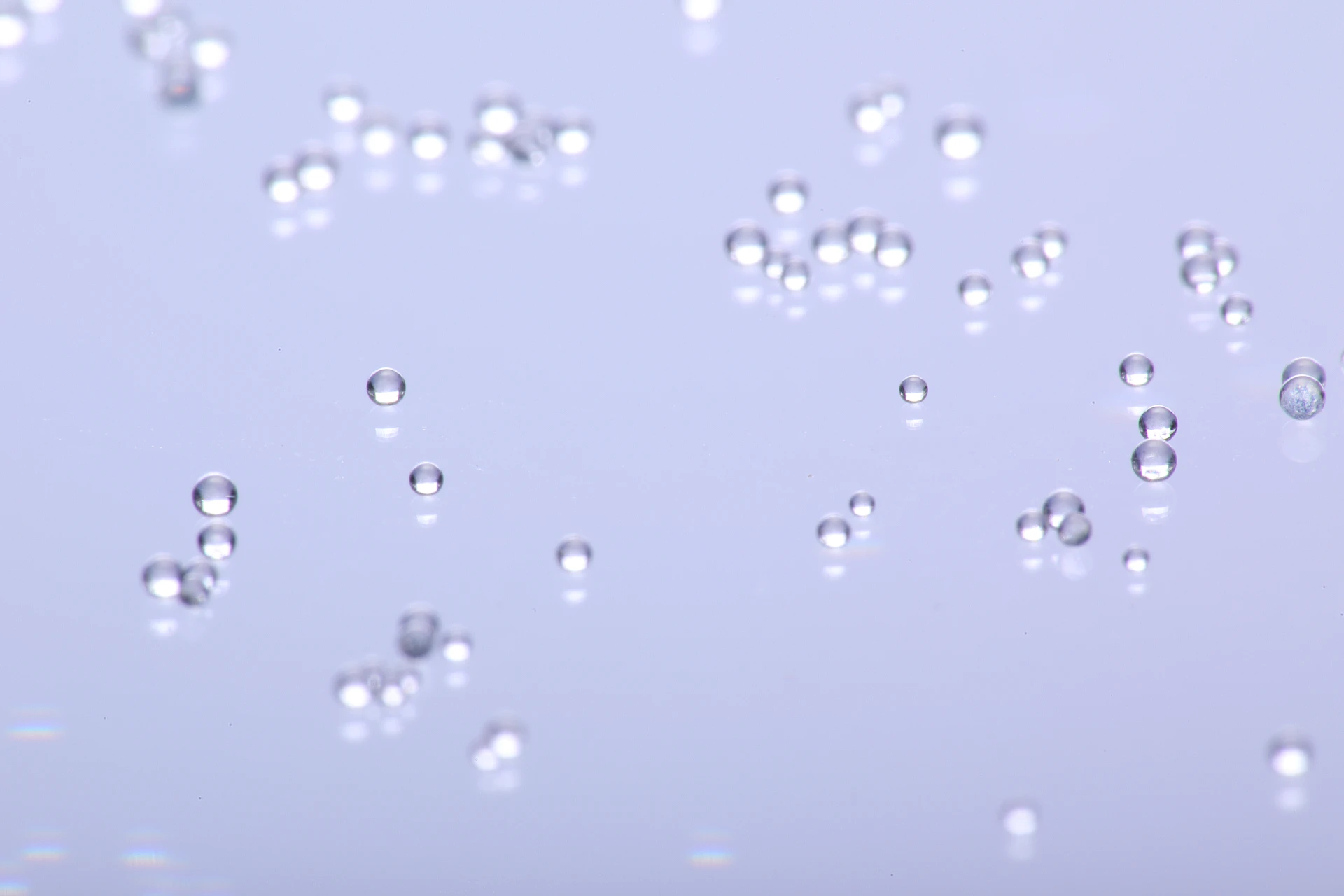
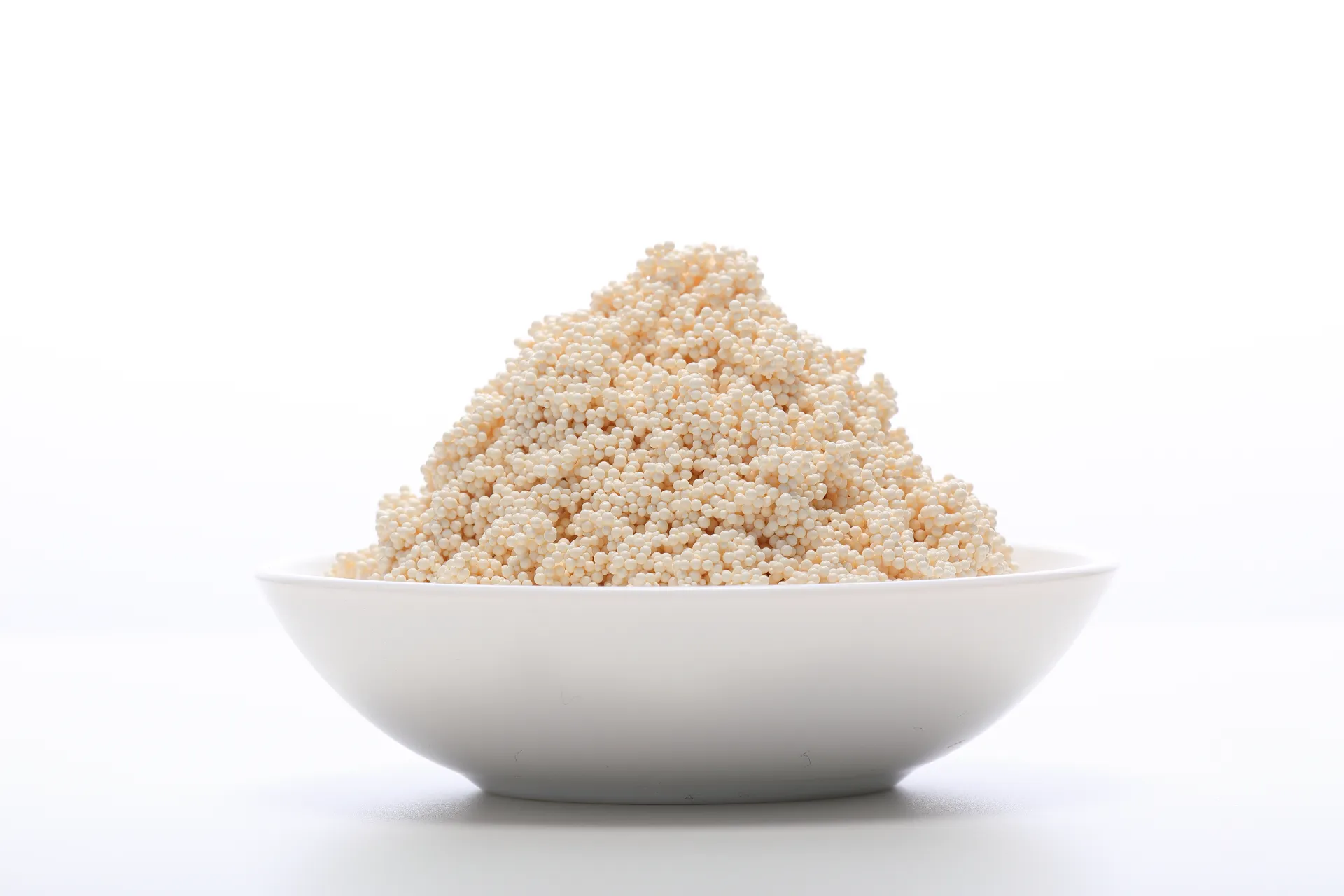
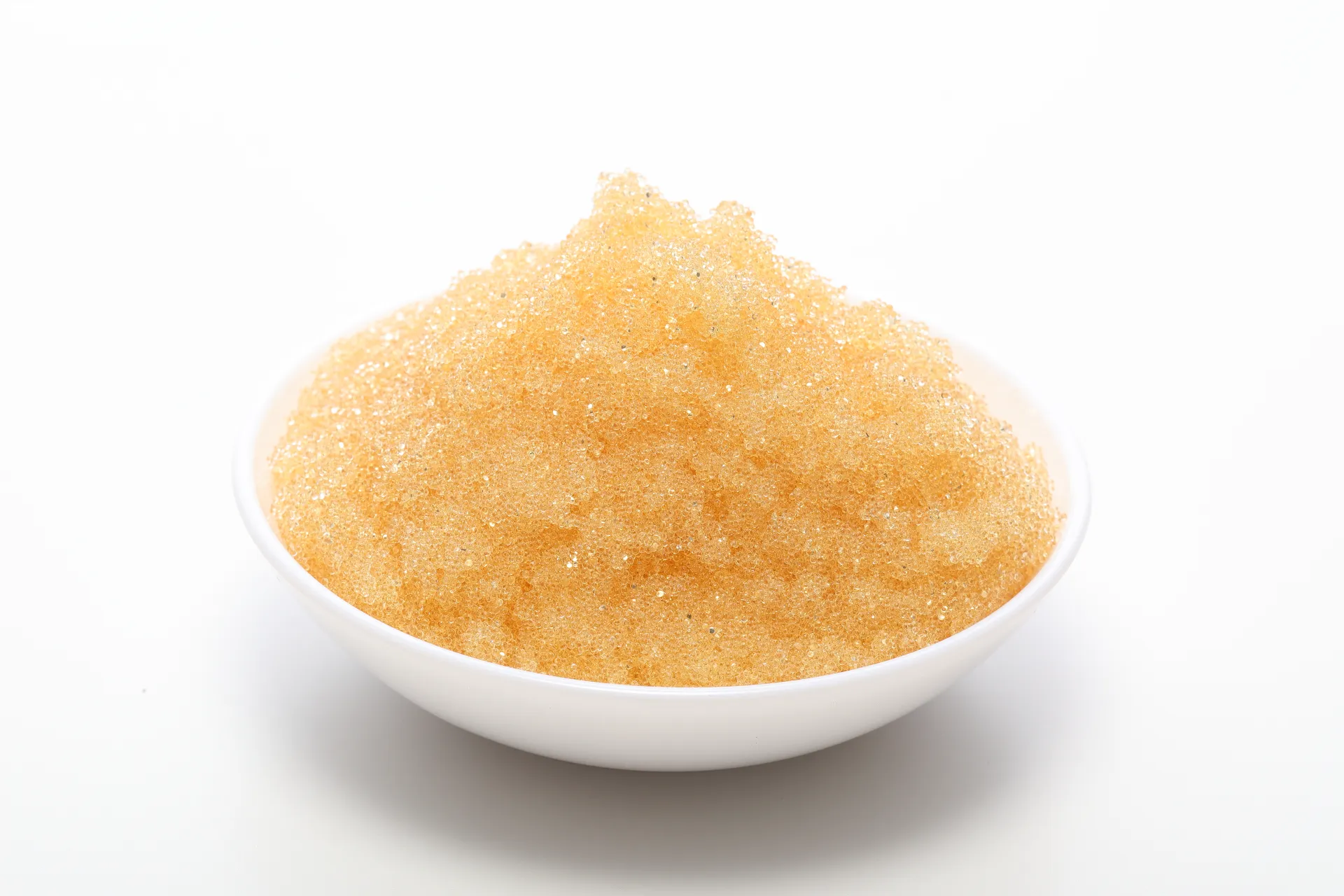
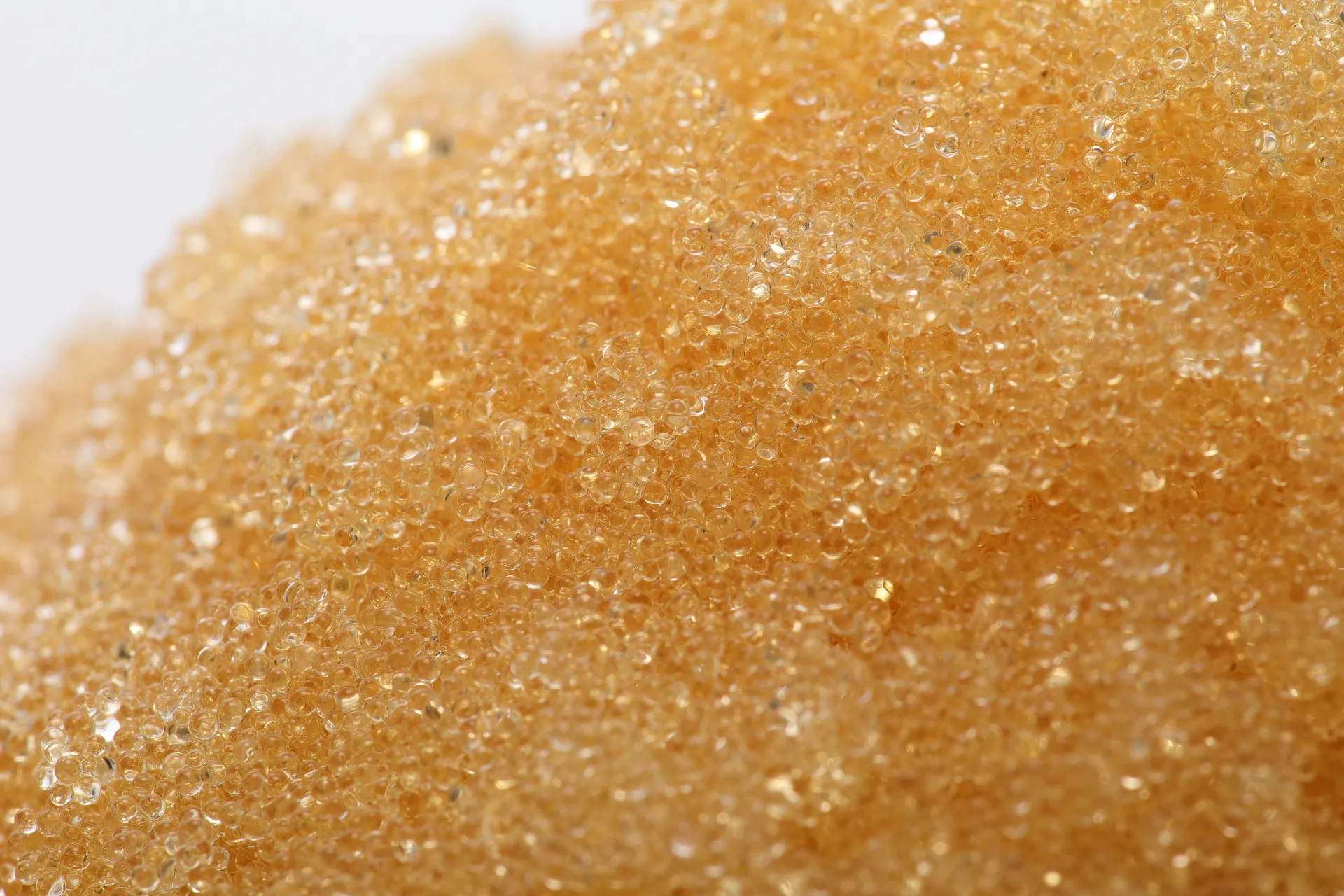
Model 001×7.5 is a gel-type strong acid cation resin based on a polystyrene matrix with ~7.5% DVB crosslinking and sulfonic acid (–SO3H) groups. It’s a workhorse for boiler feed, food & beverage polishers, and mixed-bed deionization. The origin is NO.2 East Jianshe Road, High-Tech Industrial Development South Zone, Wei County, Xingtai, Hebei, China. Many customers say it’s “boringly reliable”—which, frankly, is exactly what you want in a cation bed.
Plants are consolidating SKUs, moving to resins that balance capacity with lower pressure drop and easier regeneration. There’s also a push for NSF/ANSI 61 compliance where potable contact is in scope and for test reporting aligned to ASTM/GB standards. Surprisingly, price deltas across vendors are narrowing; delivery time and QC traceability now decide winners.
| Parameter | Typical value (≈) | Test/Standard |
|---|---|---|
| Matrix / Type | Polystyrene–DVB, gel, 7.5% crosslink | Product design |
| Functional group | Sulfonic acid (–SO3H) | ASTM D2187 |
| Total capacity | ≈1.9–2.1 eq/L (Na+ form) | ASTM D2187 |
| Moisture retention | ≈43–48% | ASTM D2187 |
| Particle size (mm) | 0.6–1.2; UC ≤1.6 | Sieve, ASTM E11 |
| Operating pH | 0–14 | Vendor guideline |
| Max temp | ≈120°C (Na+), ≈100°C (H+) | Vendor/ASTM practice |
| Shipping weight | ≈800–850 g/L | ASTM D2187 |
Materials: styrene, DVB, sulfonation with sulfuric acid; Methods: suspension polymerization → bead sorting → sulfonation → conversion (Na+ or H+) → rinsing → QC. Testing covers capacity, moisture, fines, osmotic shock, Fe content, and rinse conductivity. Typical service life: 3–5 years in softening; 2–4 years in demin (depends on fouling, oxidants, and regeneration discipline). Certifications often requested: ISO 9001 quality management; NSF/ANSI 61 for drinking-water contact where applicable.
| Vendor | Capacity (≈ eq/L) | Lead time | Certs | Notes |
|---|---|---|---|---|
| LiJi 001×7.5 | 1.9–2.1 | ≈2–4 weeks | ISO 9001; NSF/ANSI 61 (on request) | Solid price/performance; custom bead sizes. |
| International Brand X | 1.9–2.0 | ≈4–8 weeks | Global potable approvals | Premium pricing; broad distributor network. |
| Regional Supplier Y | 1.8–2.0 | ≈1–3 weeks | ISO 9001 | Competitive lead time; limited test reports. |
Options include tighter UC (≈1.2–1.4), narrow cut (0.6–0.8 mm) for lower ΔP, pre-converted H+ or Na+ shipping form, and tailored rinsing conductivity. For chloride-sensitive lines, HCl regeneration guidance is supplied; for sulfate-limited wastewater permits, NaCl/Na+ cycling may be preferred. It seems small tweaks in bead size pay off in mixed beds.
Power plant, 40 m³/h demin: swapping to this acid cation cut regenerant acid by ≈8% thanks to better kinetics, per operations log. Beverage plant, 20 m³/h softener: 10 months stable hardness leakage
Citations: [1] NSF/ANSI 61 Drinking Water System Components. [2] ASTM D2187 Standard Test Methods for Ion-Exchange Resins. [3] GB/T 5750 Standard Examination Methods for Drinking Water. [4] ISO 9001:2015 Quality Management Systems.