Phone:
+86 0319 2296164


Email:
info@lijiresin.cn
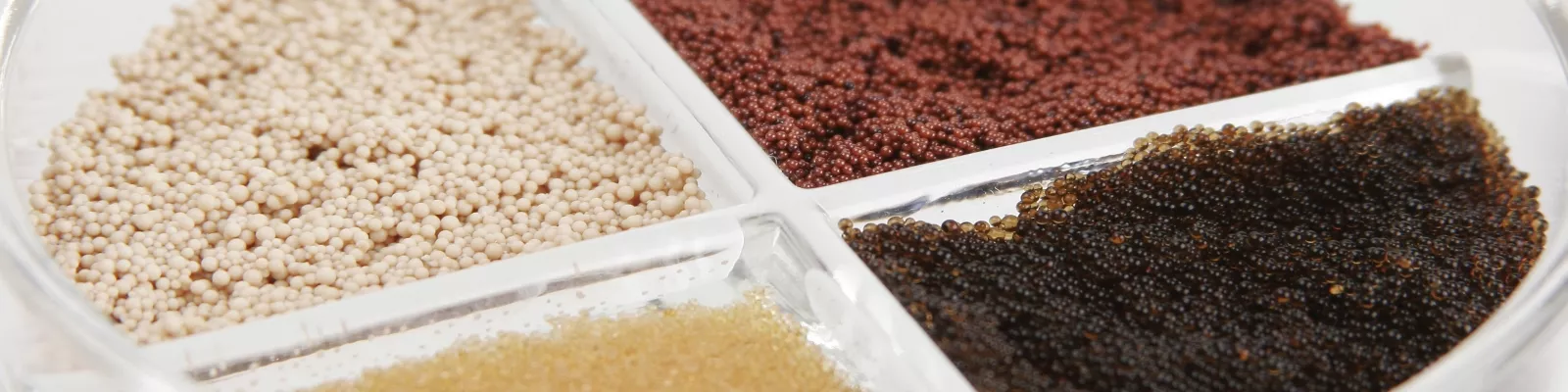
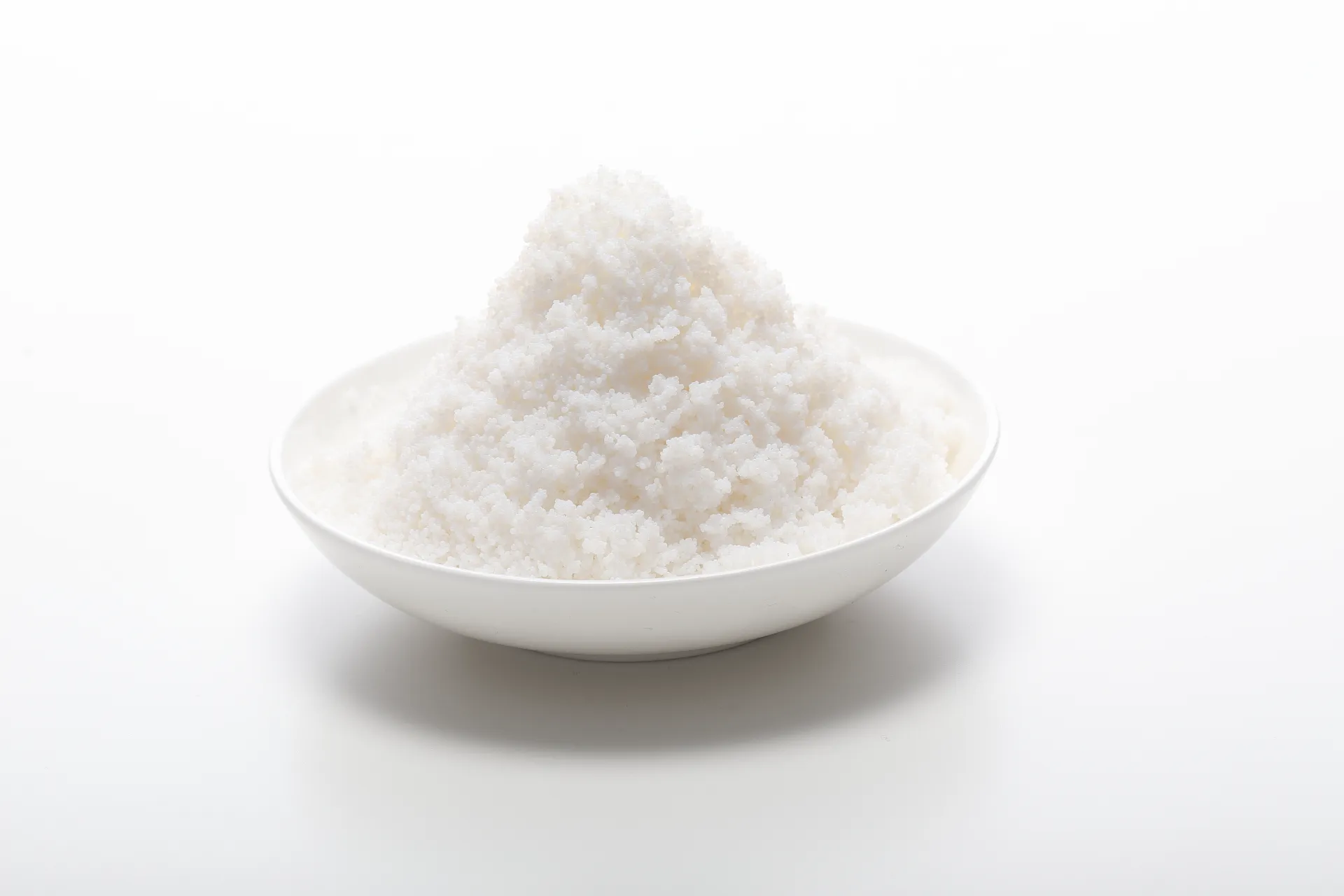
In the realm of industrial and municipal water treatment, the efficacy of contaminant removal is paramount. Central to many advanced purification processes is the judicious selection and application of specialized resins. Among these, water purification resin stands as a critical component, offering unparalleled capabilities for the removal of organic pollutants, heavy metals, and other undesirable substances. This comprehensive guide delves into the intricate world of adsorption resins, focusing on their manufacturing, technical specifications, diverse applications, and inherent advantages for B2B stakeholders.
Specifically, we will explore the nuances of macroporous adsorption resins, such as the high-performance AD-101 model, which epitomizes cutting-edge technology in this sector. These resins are engineered to provide robust, long-lasting solutions for complex water quality challenges across a myriad of industries.
The production of high-performance water purification resin is a sophisticated chemical engineering endeavor, demanding precision at every stage to ensure optimal adsorptive capacity and longevity. The process for macroporous adsorption resins, like the AD-101, typically involves several key phases:
This meticulous manufacturing process ensures that the resultant resins offer superior attributes such as long service life (typically 3-5 years or more depending on application), high mechanical stability, and excellent resistance to fouling and chemical degradation. Target industries benefiting from such advanced resins include petrochemical, metallurgy, pharmaceuticals, food & beverage, and municipal water supply & drainage, where advantages like energy saving through reduced regeneration frequency and superior corrosion resistance contribute significantly to operational efficiency.
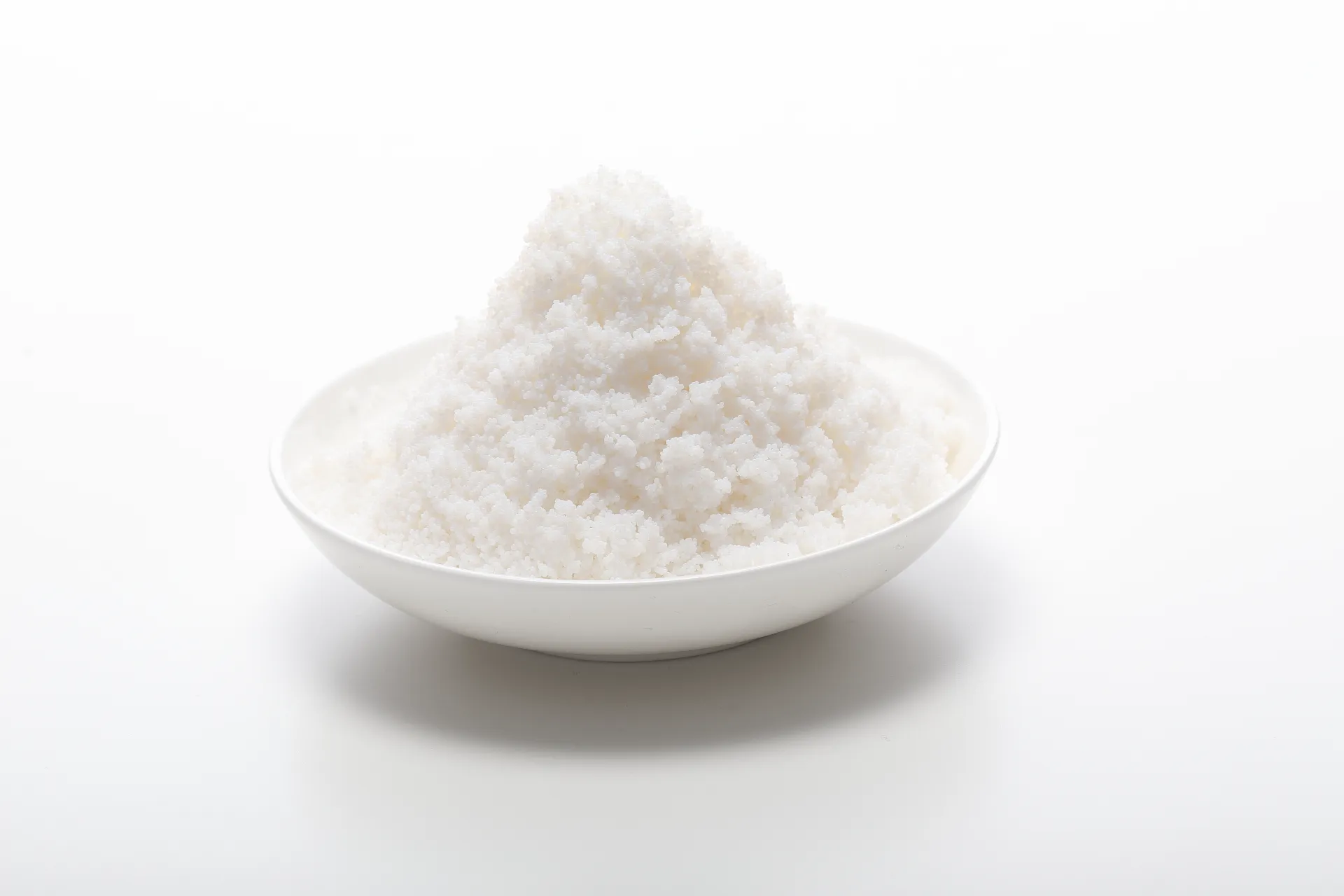
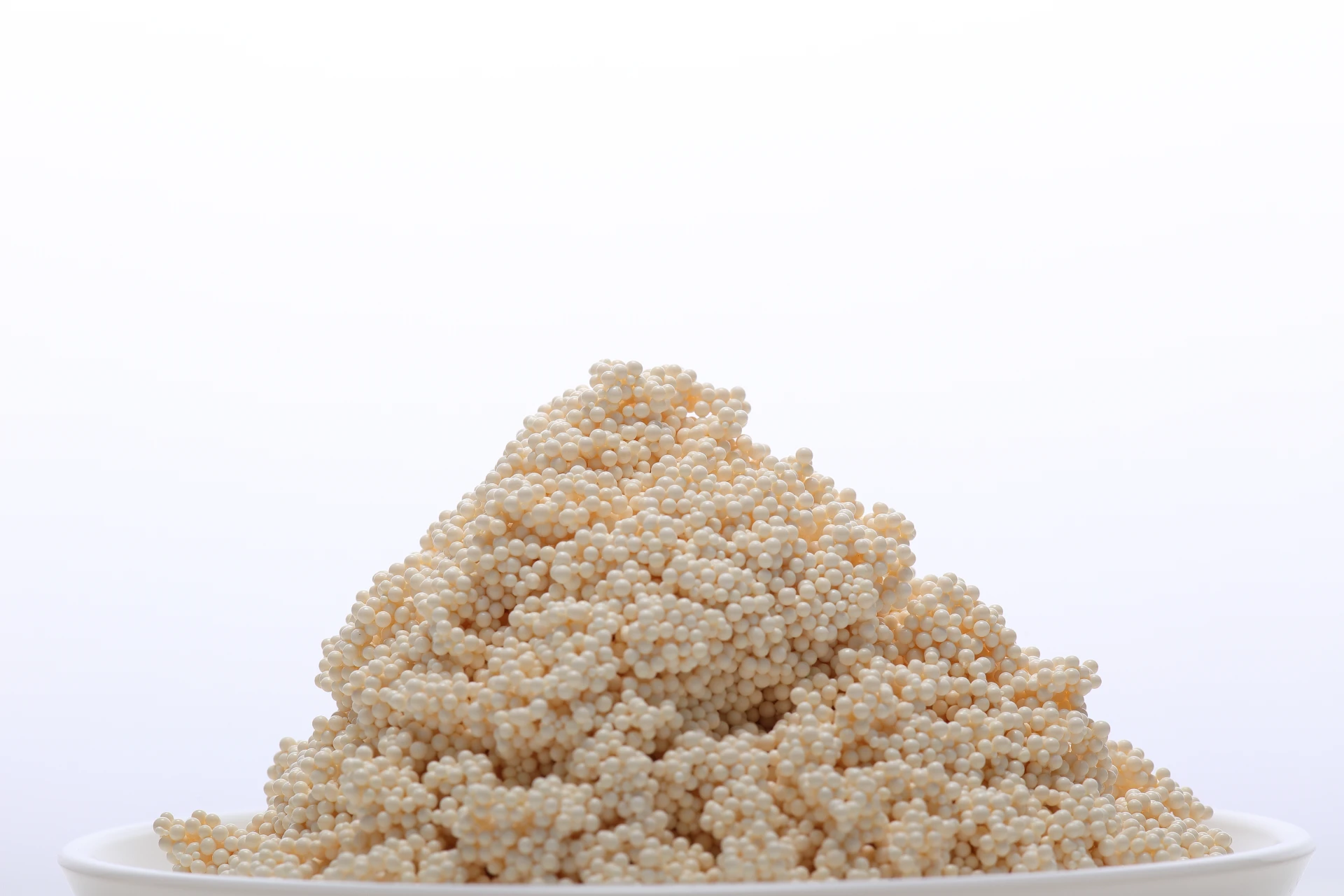
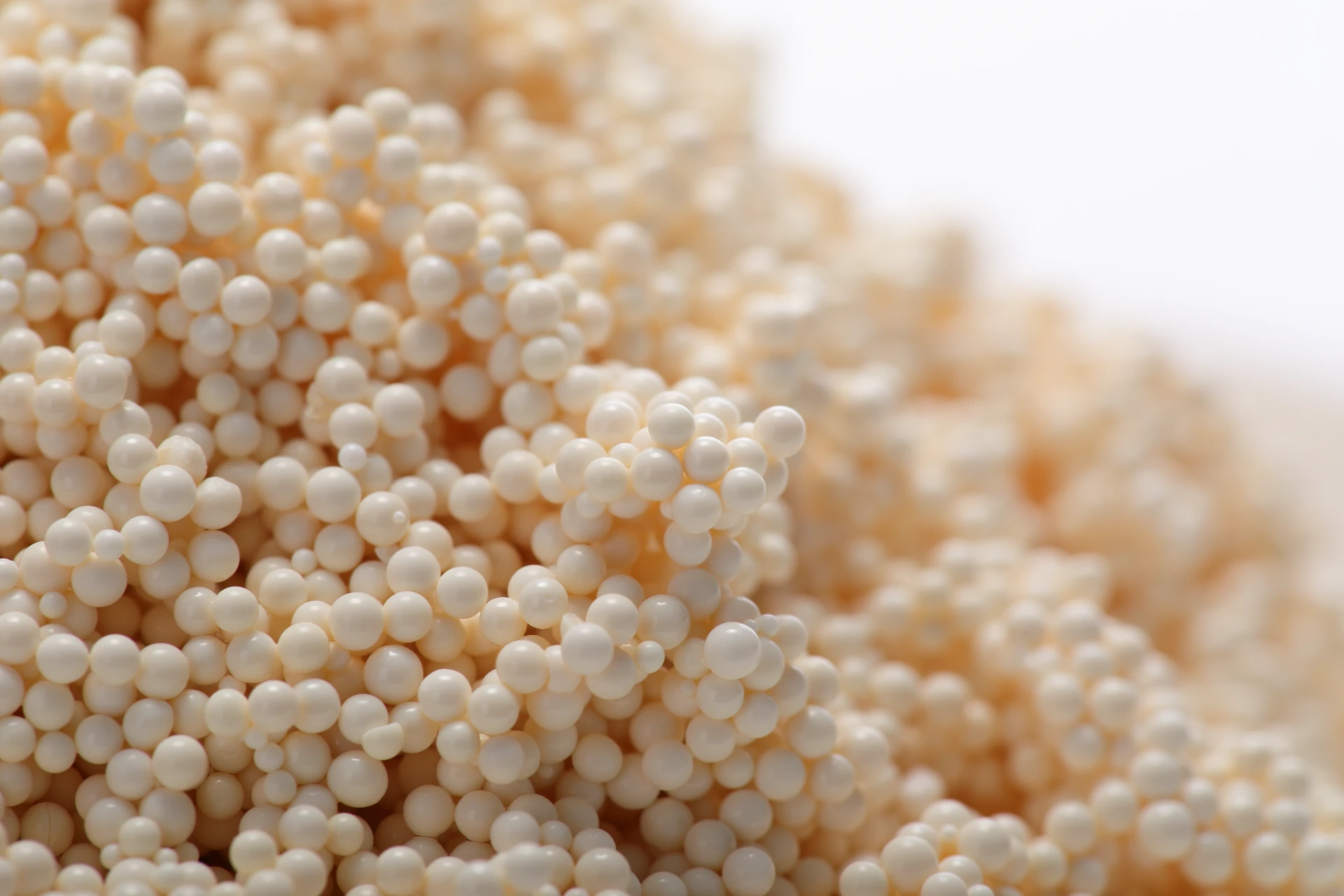
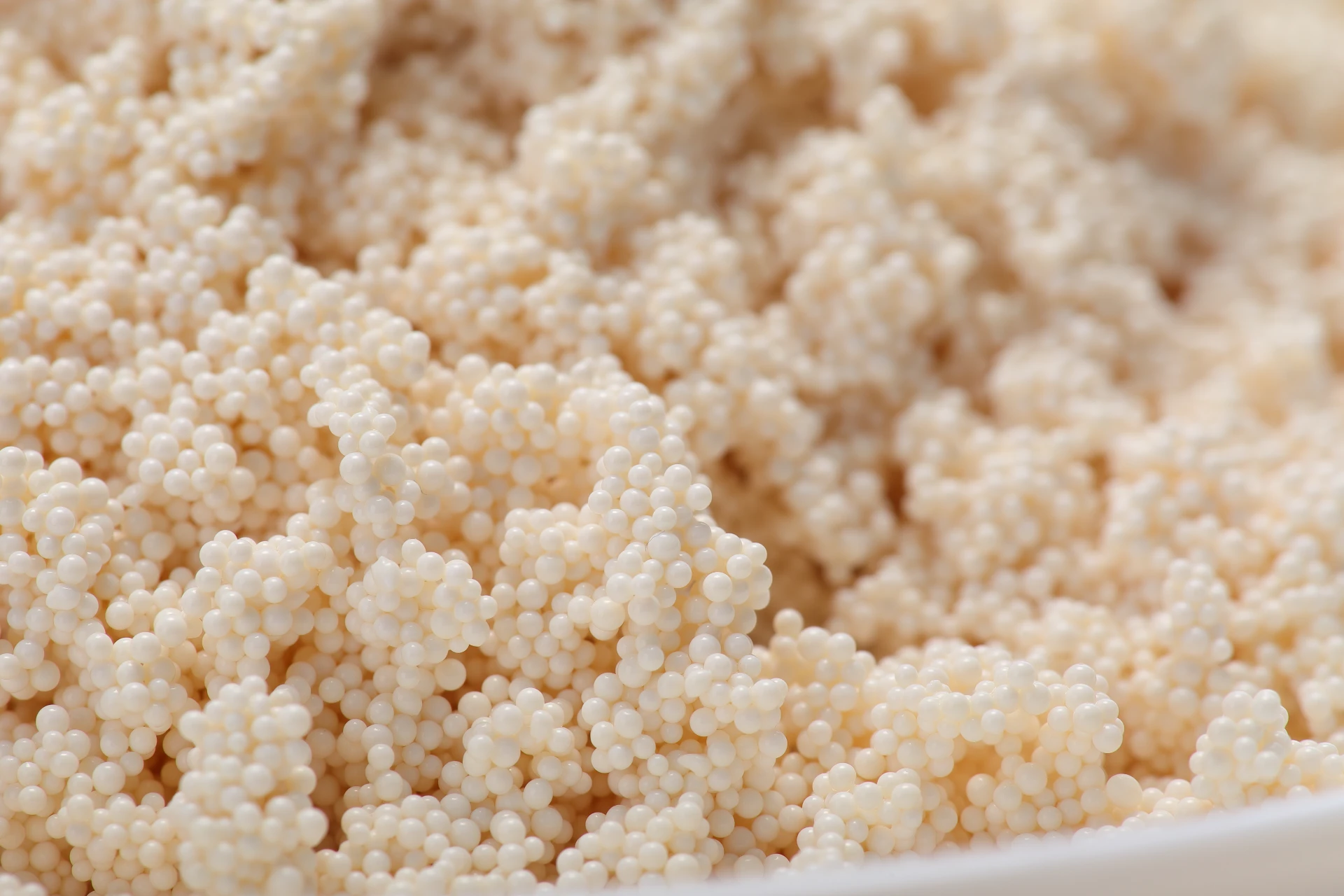
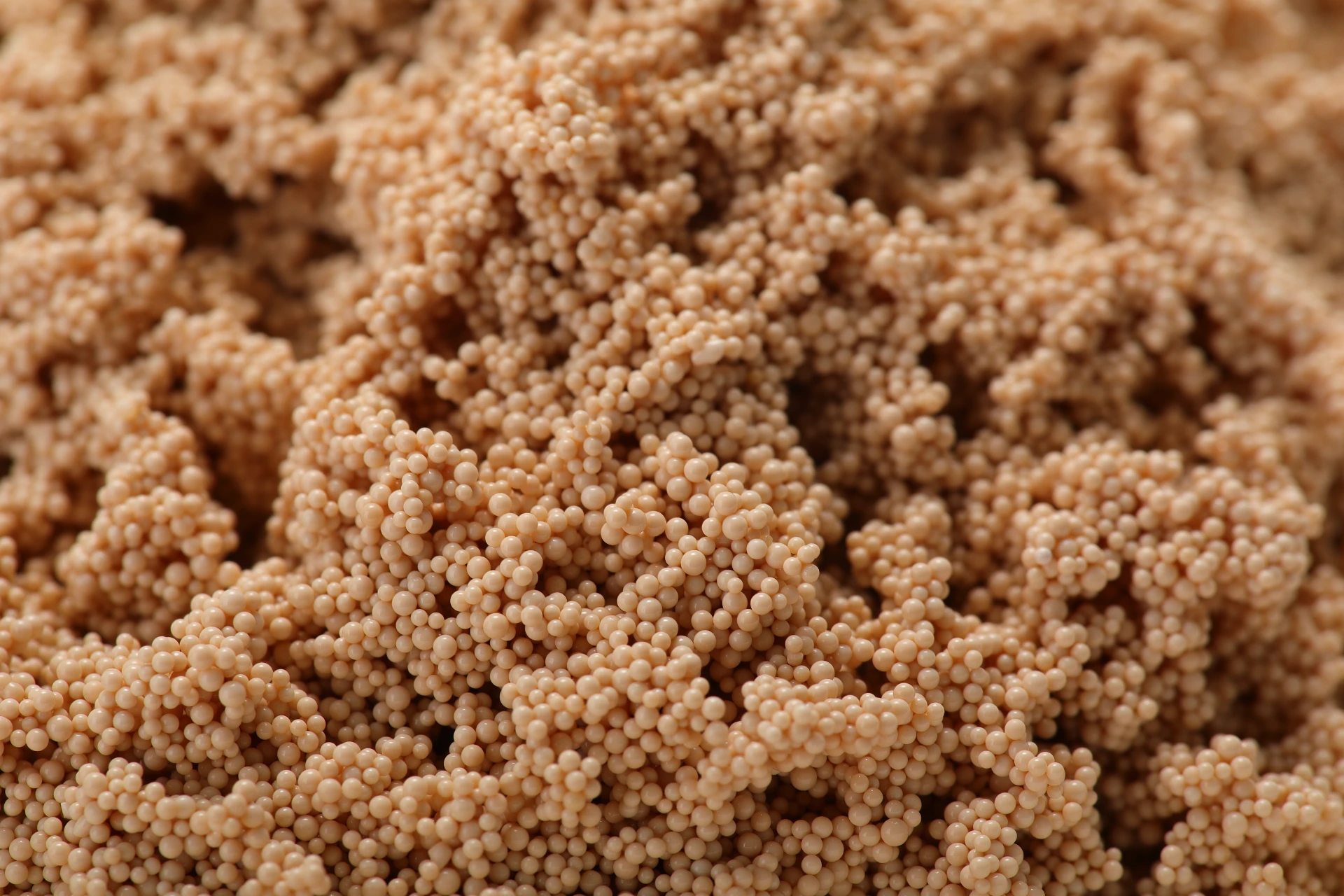
Figure 1: Illustration of Macroporous Resin Structure designed for effective adsorption.
The performance of any water purification resin hinges on its inherent physical and chemical properties. The Macroporous Adsorption Resin AD-101, a nonionic polymer based on styrene-DVB, is specifically engineered for robust adsorption applications. Its design prioritizes a high surface area and controlled pore structure, making it exceptionally effective for removing organic matter from aqueous and non-aqueous solutions.
| Parameter | Specification for AD-101 |
|---|---|
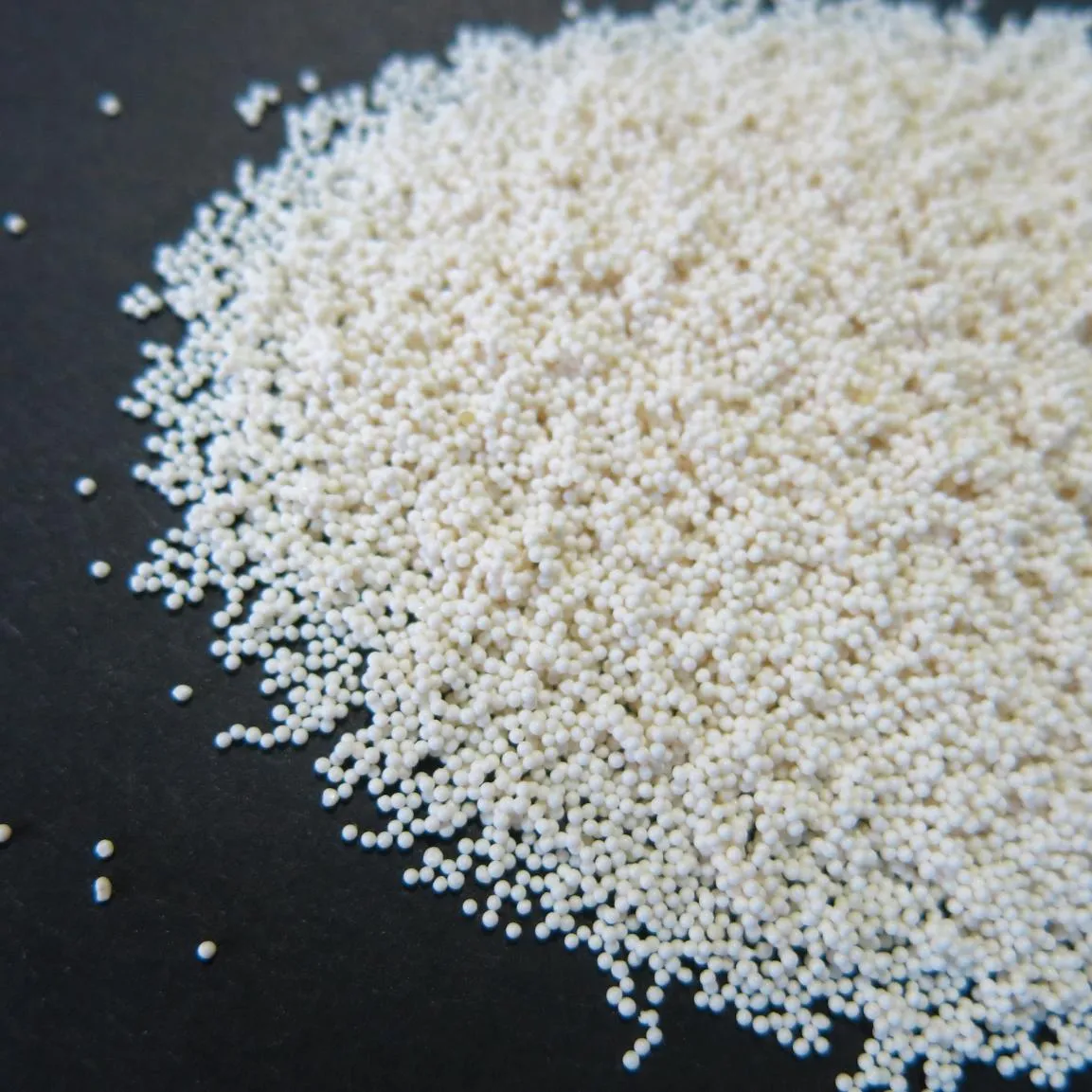
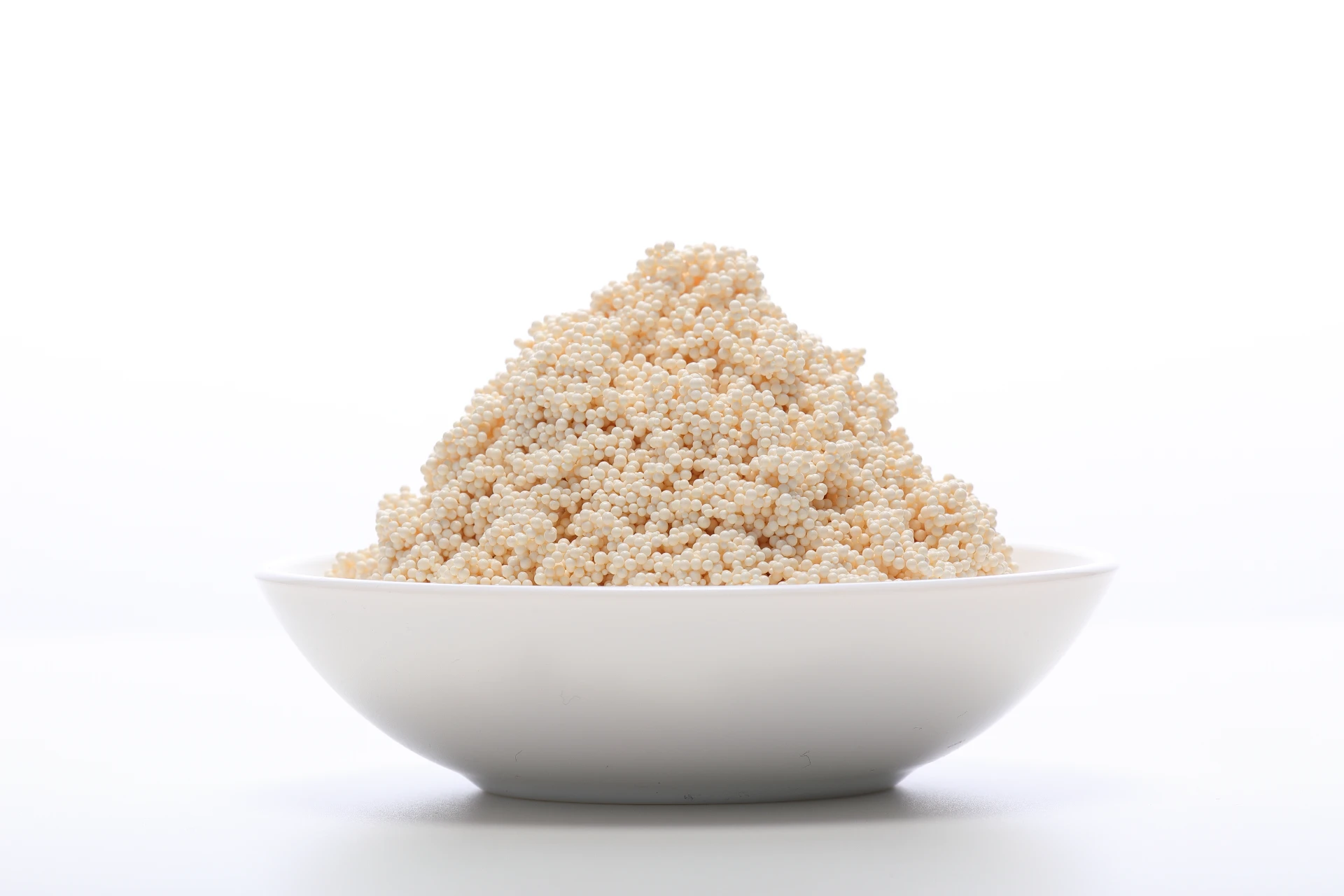
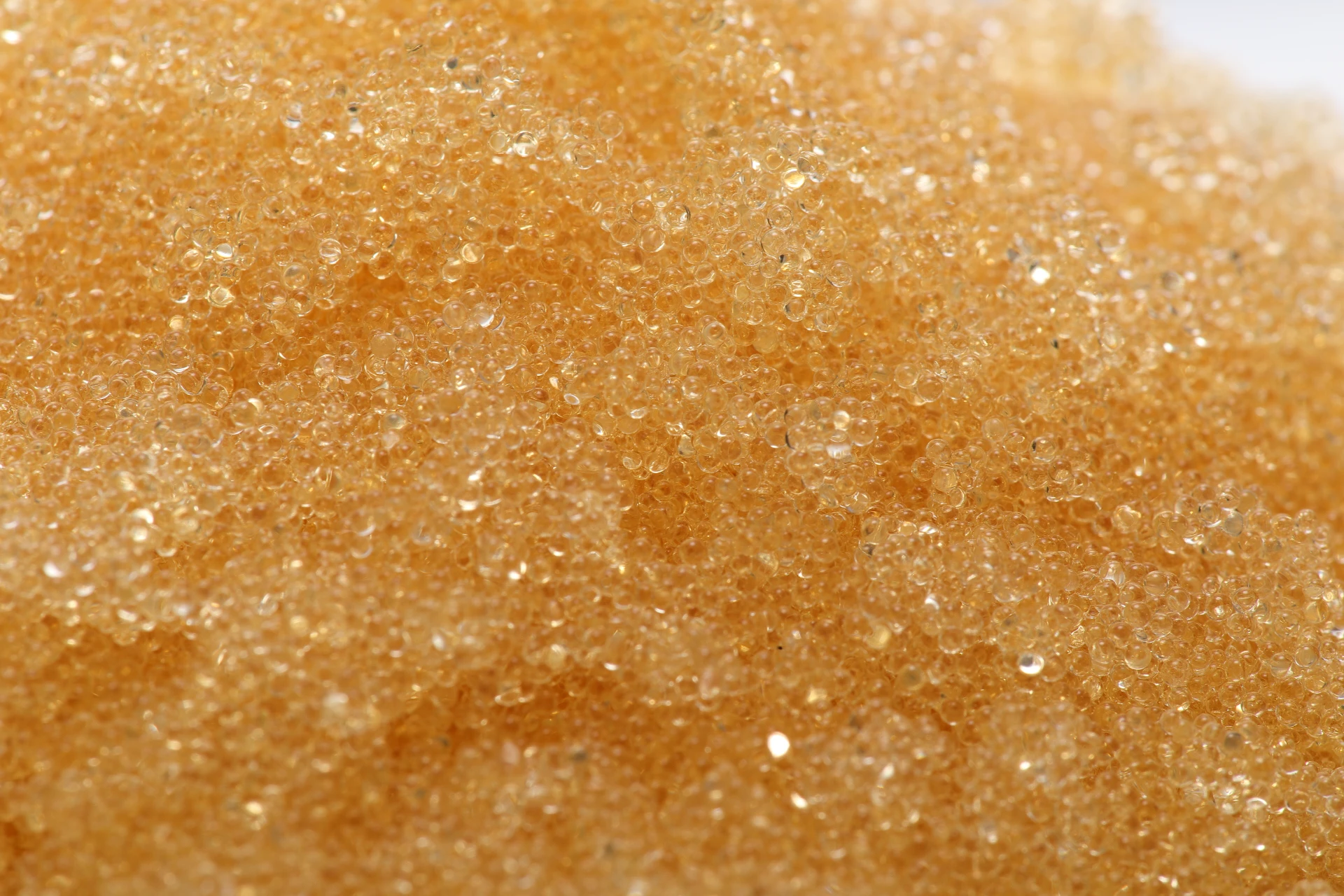
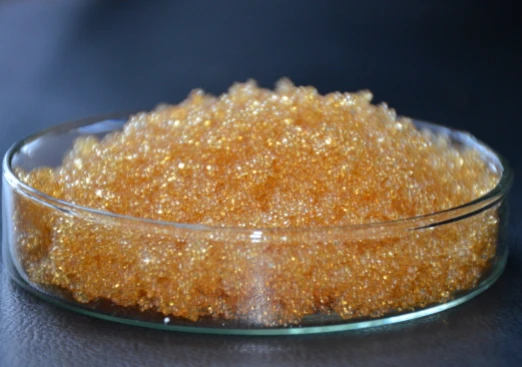
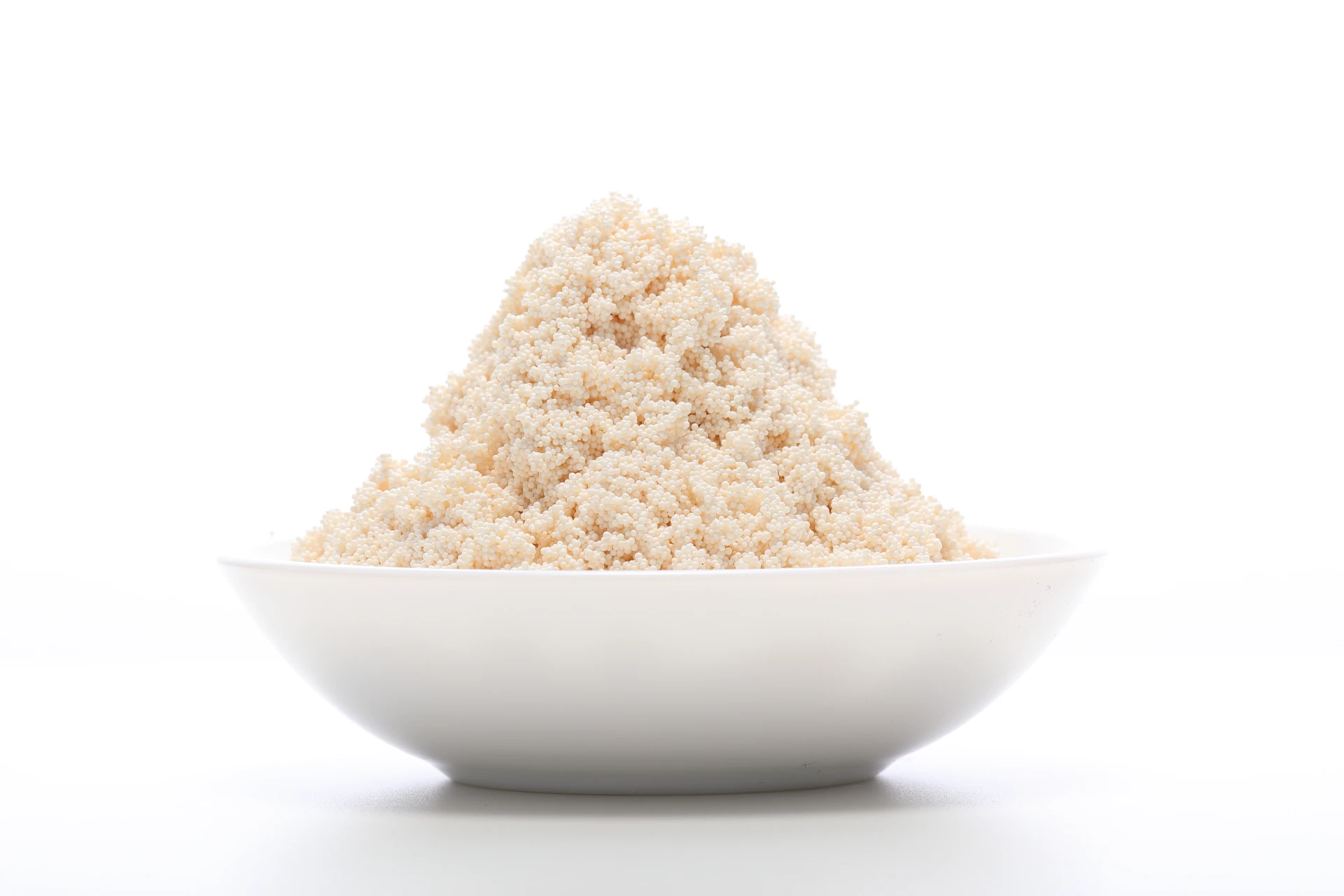
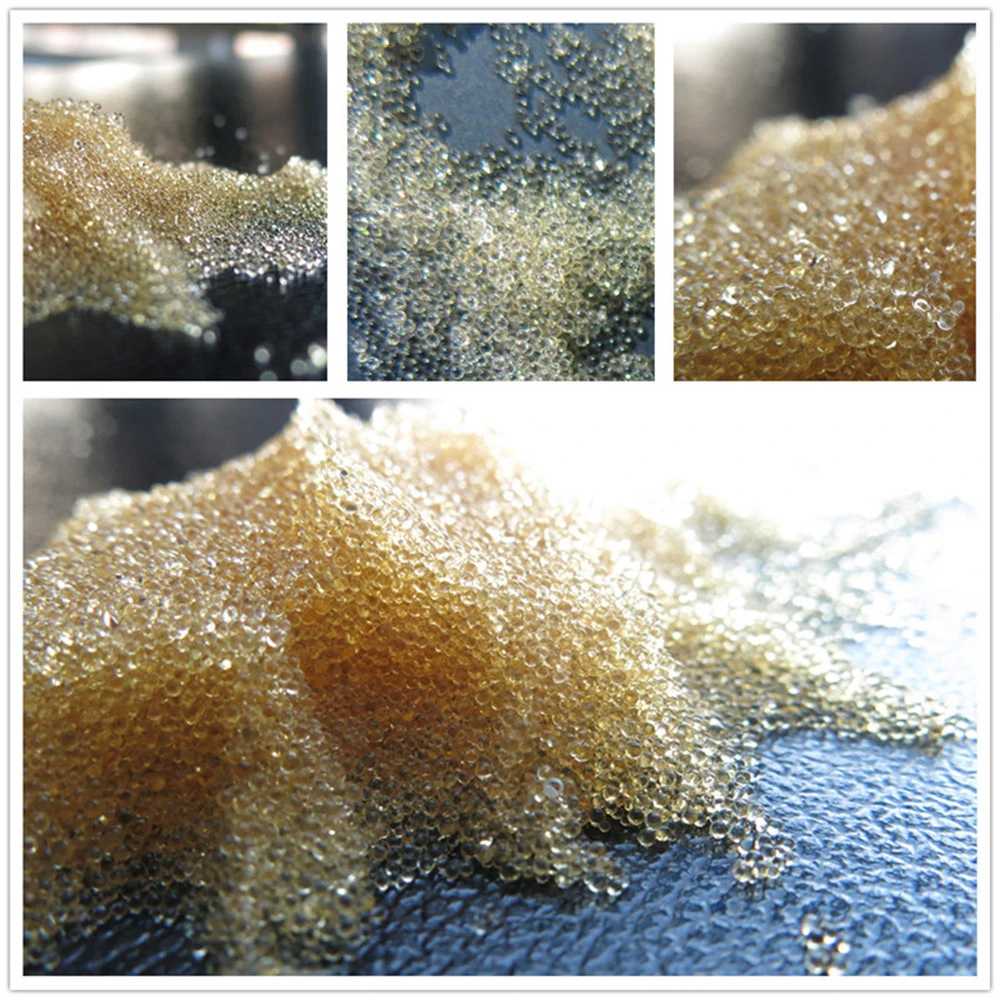
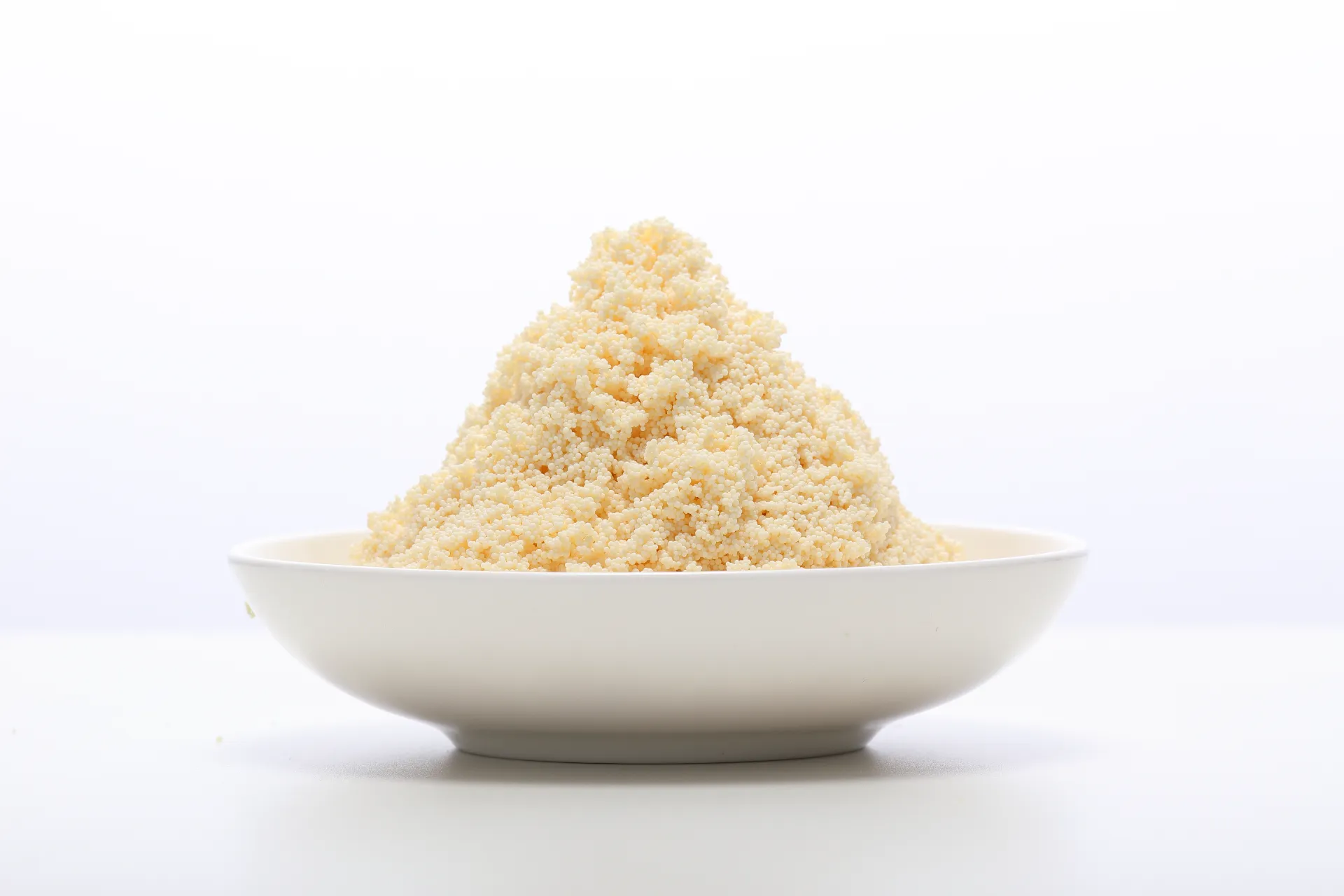
| Appearance | White/Off-white spherical particles |
| Matrix Structure | Styrene-DVB Copolymer |
| Type | Macroporous Adsorption Resin |
| Functional Group | Nonionic |
| Ionic Form | Nonionic |
| pH Range | 0-14 |
| Max. Operating Temperature | 150°C (302°F) |
| Reversible Swelling (Na+ → H+) | ≤1.0% |
| Density (g/ml) | 0.95-1.05 |
| Total Pore Volume (ml/g) | 0.7-0.9 |
| Surface Area (m²/g) | ≥500 |
| Average Pore Size (nm) | 20-25 |
| Particle Size Range (mm) | 0.3-1.2 |
| Uniformity Coefficient | ≤1.6 |
The high surface area and controlled average pore size of AD-101 are critical for its effectiveness in adsorbing a wide range of organic compounds, from humic acids to synthetic dyes and pharmaceuticals. Its nonionic nature ensures stability across the full pH range and minimizes interference from ionic species, making it highly versatile.
The landscape of water treatment is continuously evolving, driven by stricter environmental regulations, increasing industrial demands, and the emergence of new contaminants of concern. These trends significantly influence the development and application of water purification resin technologies. Key trends include:
The demand for robust and adaptable adsorption resin solutions is projected to grow substantially. Market analyses indicate a Compound Annual Growth Rate (CAGR) of over 6% for the global ion exchange and adsorption resin market, highlighting the continuous innovation and critical role these materials play in meeting global water quality challenges.
Macroporous adsorption resins, exemplified by AD-101, offer distinct technical advantages over other conventional adsorbents and resin types, making them ideal for demanding industrial applications.
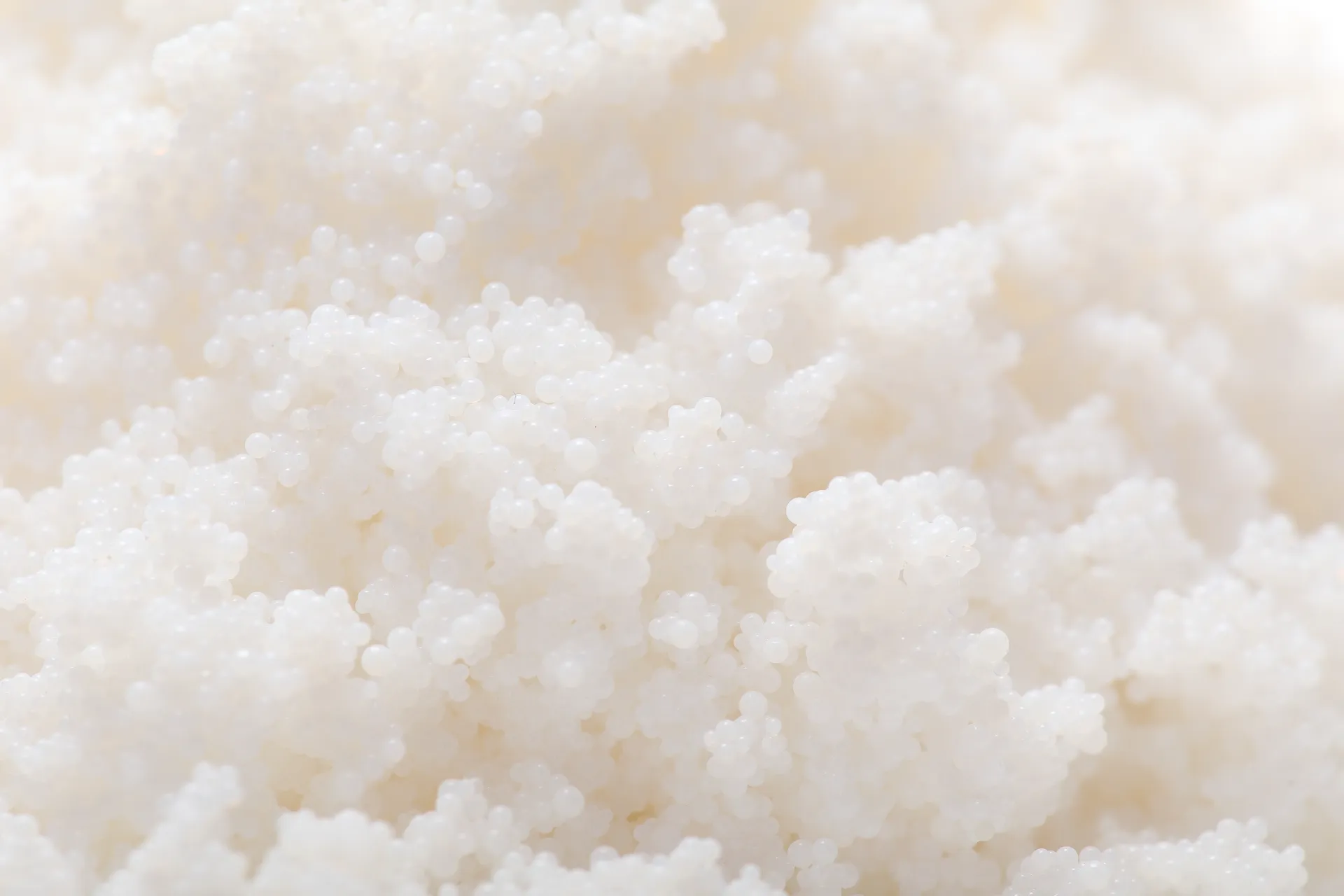
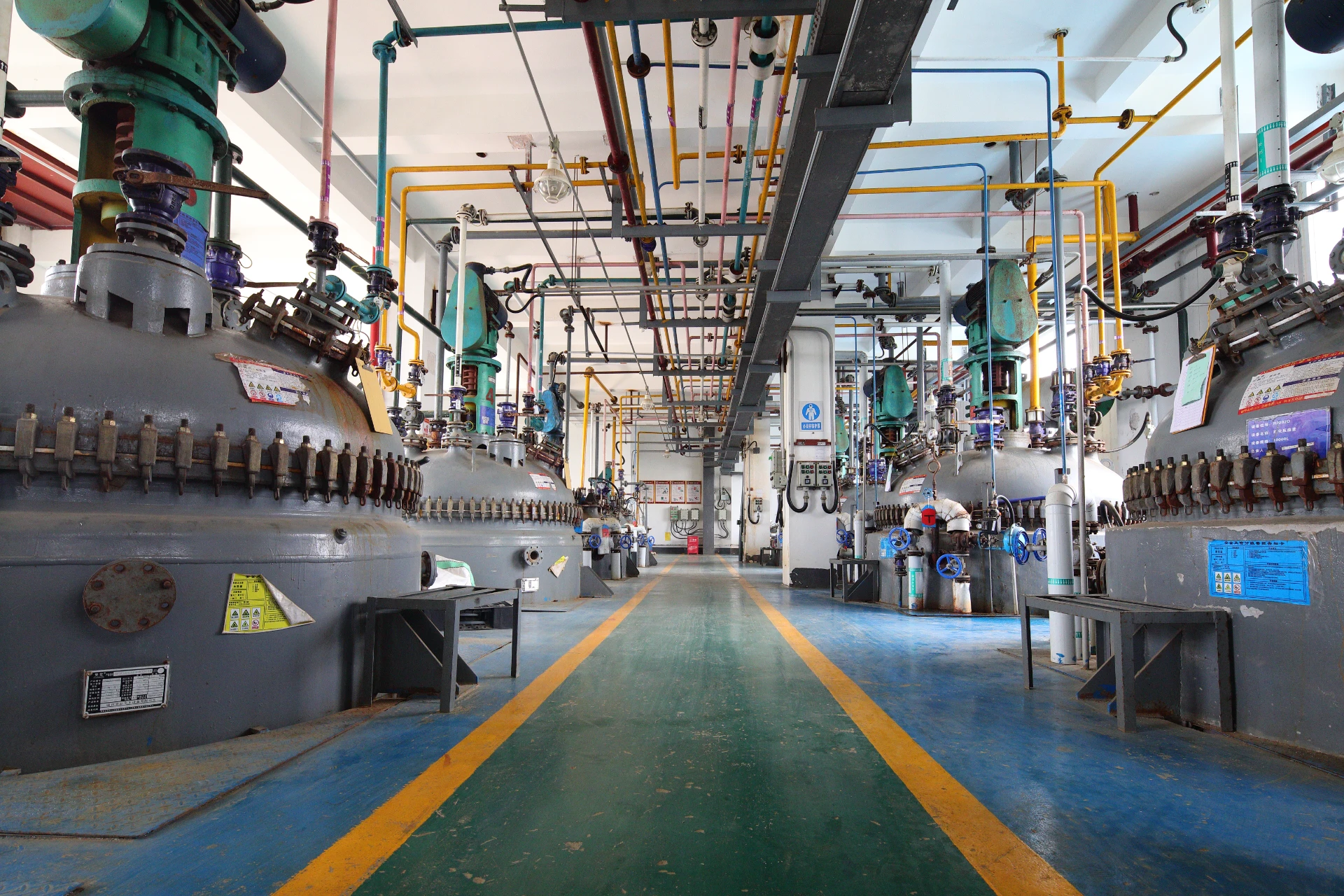
Figure 2: Industrial application of adsorption resins in a water treatment facility.
The robust performance and versatility of macroporous adsorption resin make it indispensable across various industrial applications.
When selecting a supplier for adsorption resin, B2B decision-makers evaluate not only product specifications but also vendor reliability, customization capabilities, and after-sales support.
| Feature/Criteria | Liji Resin (e.g., AD-101) | Generic Competitor |
|---|---|---|
| Product Quality & Consistency | High purity, precise pore structure, ISO 9001 certified manufacturing. | Variable quality, potentially less consistent batch-to-batch. |
| Technical Support & Expertise | Dedicated technical team, application engineers, pilot testing support. | Basic support, limited in-depth application knowledge. |
| Customization Options | Tailored pore size, surface chemistry, particle distribution for specific applications. | Standard off-the-shelf products, minimal customization. |
| Certifications & Compliance | Adherence to international standards (e.g., ISO), potential food-grade or pharmaceutical compliance. | May lack comprehensive certifications, limited compliance data. |
| Longevity & Performance Guarantees | Proven track record, clear service life expectations, performance warranties. | Shorter implied service life, limited performance assurances. |
Recognizing that "one size fits all" rarely applies in complex industrial water treatment, leading manufacturers offer bespoke resin solutions. This involves a collaborative process to:
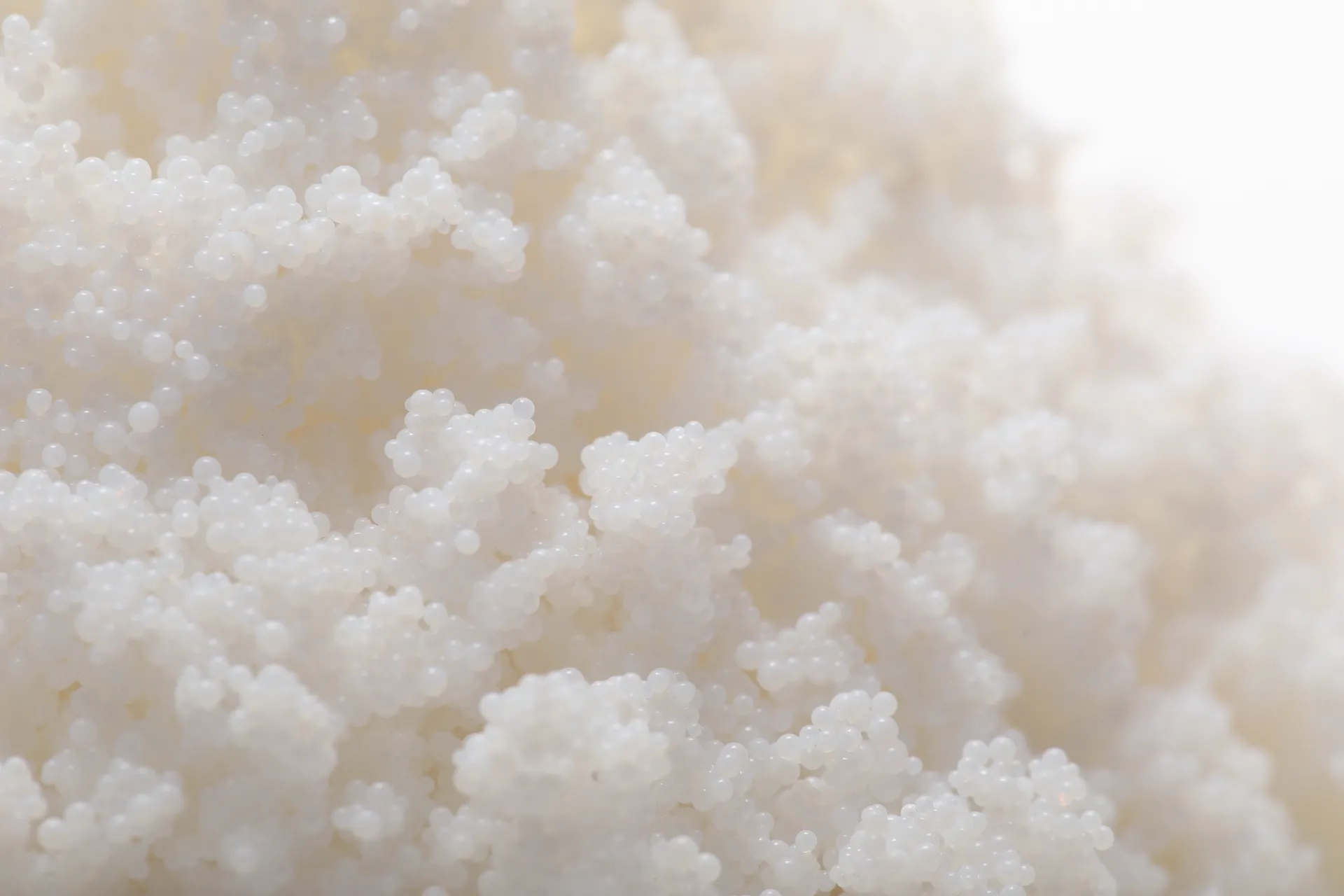
Figure 3: Quality control testing of resin beads for precise specifications.
Real-world applications underscore the effectiveness and reliability of advanced adsorption resin technology.
A major petrochemical plant faced challenges in meeting stringent discharge limits for phenol in its wastewater. Traditional biological treatment struggled with fluctuating phenol concentrations and occasional shock loads. Implementation of a macroporous adsorption resin system (utilizing a resin similar to AD-101) as a tertiary treatment step resulted in a consistent 98% reduction in phenol concentration, bringing effluent quality well within regulatory compliance. The resin demonstrated high adsorption capacity and was successfully regenerated using a simple caustic wash, ensuring economic viability and continuous operation. Customer feedback highlighted the system's robustness and reduced operational complexity compared to previous methods.
A pharmaceutical manufacturer required the removal of undesirable color bodies from a critical intermediate product to meet strict purity specifications. Activated carbon was proving insufficient and generated significant solid waste. A specialized nonionic macroporous adsorption resin was deployed, achieving greater than 95% decolorization efficiency. The resin offered superior selectivity, minimizing loss of the active ingredient, and its regenerability extended its service life, contributing to significant cost savings in comparison to single-use adsorbents.
For B2B partners, confidence in a supplier's product and service is built on proven expertise, experience, authoritativeness, and trustworthiness.
Our manufacturing facilities and processes adhere strictly to international quality management systems, including ISO 9001:2015. Products are consistently tested against industry standards to ensure compliance with performance metrics and safety regulations. Specific resins are available with additional certifications suitable for food contact (e.g., FDA compliance) or pharmaceutical applications, meeting the rigorous demands of these sectors.
Each batch of macroporous adsorption resin undergoes comprehensive quality assurance testing. This includes particle size analysis, density measurements, total pore volume and surface area determination (e.g., via BET method), and dynamic adsorption capacity tests relevant to specific applications. Our in-house laboratories are equipped with advanced analytical instrumentation to ensure every product meets or exceeds published specifications.
We stand behind the quality of our products with a comprehensive warranty against manufacturing defects and for specified performance parameters under normal operating conditions. Our dedicated after-sales support team provides technical assistance, troubleshooting, and optimization services to ensure long-term operational success. This includes guidance on initial resin loading, startup, regeneration protocols, and problem-solving throughout the resin's service life.
Standard products typically have a lead time of 2-4 weeks, depending on order volume and current inventory. For customized solutions, lead times are determined after initial project scope definition and may range from 6-12 weeks for development, pilot testing, and production. We maintain robust supply chain logistics to ensure timely and reliable delivery globally, minimizing disruption to our clients' operations.
A1: Macroporous resins possess a rigid, permanent pore structure with pore sizes significantly larger than those of gel-type resins. This provides a greater internal surface area for adsorption and superior resistance to osmotic shock and organic fouling. Gel-type resins have a dense, non-porous structure that relies on swelling to create temporary adsorption sites, making them less robust for certain applications, especially those involving large organic molecules or high osmotic stress.
A2: Regeneration methods vary depending on the specific resin and adsorbed contaminant. Common methods include washing with an appropriate solvent (e.g., methanol, ethanol, acetone) to desorb organics, hot water or steam for thermal desorption, or dilute acid/caustic solutions for certain types of contaminants. The goal is to release the adsorbed substances, restoring the resin's adsorptive capacity.
A3: The service life of an adsorption resin is highly dependent on the specific application, feedwater quality, operating conditions, and regeneration frequency/efficiency. However, high-quality macroporous resins such as AD-101 are designed for durability and can typically operate effectively for 3 to 5 years, and in some well-maintained systems, even longer. Proper pre-treatment and regeneration protocols are crucial for maximizing resin longevity.
A4: While nonionic adsorption resins like AD-101 are primarily designed for organic adsorption, certain modified macroporous resins with specific functional groups (e.g., chelating resins) are highly effective at selectively binding heavy metal ions. For general heavy metal removal, specialized ion-exchange resins or chelating resins would typically be recommended, often used in conjunction with adsorption resins for comprehensive treatment.
The deployment of advanced water purification resin technologies represents a critical strategy for industries facing complex water treatment challenges. Macroporous adsorption resins, with their engineered pore structures and robust chemical stability, offer superior performance for the removal of diverse organic contaminants, contributing significantly to environmental compliance, product quality, and operational efficiency. As regulatory standards tighten and the complexity of water matrices increases, the demand for specialized, high-performance adsorption solutions will only continue to grow. Partnering with a knowledgeable and reputable supplier ensures access to not only cutting-edge products like Macroporous Adsorption Resin AD-101 but also the essential technical support and customization capabilities needed for sustainable and effective water management.