Phone:
+86 0319 2296164


Email:
info@lijiresin.cn
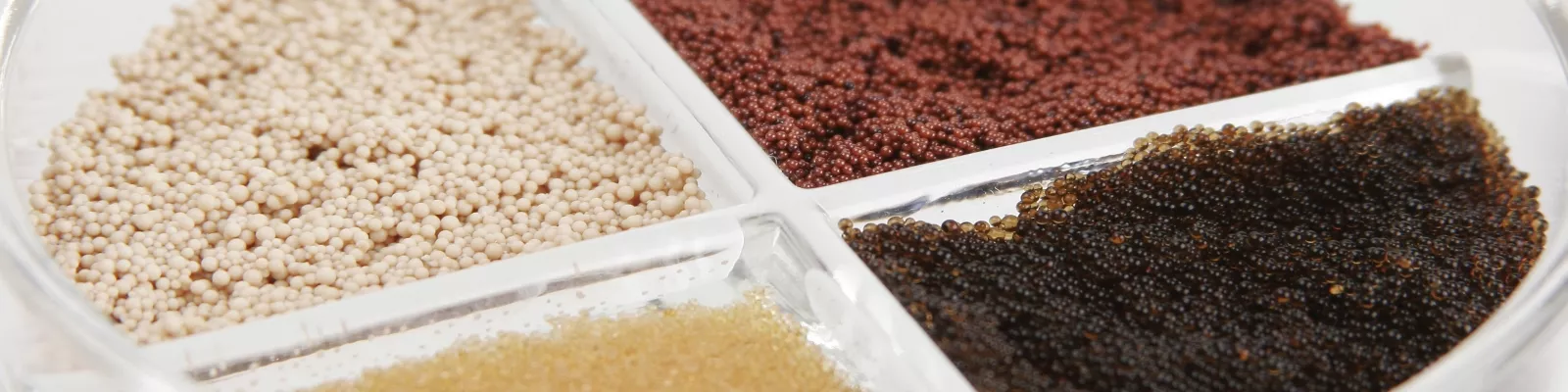
At first glance, the term cation softener might sound like a piece of industrial jargon, but it actually plays a surprisingly crucial role in water treatment worldwide. In simple terms, a cation softener helps remove positively charged ions—like calcium and magnesium—that cause “hard” water. Hard water leads to scale buildup in pipes and machines, making maintenance a nightmare and reducing efficiency across countless sectors.
Understanding cation softeners is essential, not just for big industries, but also for municipalities and even humanitarian efforts, especially where clean, manageable water is scarce. The technology helps improve water quality, saves energy, and extends equipment life—a trio of benefits that resonate at macro and micro scales alike.
Mini takeaway: cation softeners aren’t just tech solutions; they’re catalysts for cleaner water, lower costs, and longer-lasting infrastructure.
Water hardness affects roughly 85% of the world’s water supplies according to Wikipedia, and resolving this is vital in many industries and communities. The World Bank notes the accelerating water stress in over 80 countries, especially in Asia, Africa, and parts of Latin America, where water treatment infrastructure is limited but demand is high.
Industrially, hard water reduces boiler efficiency by as much as 12–15%, leading to wasted energy and increased carbon footprints. For manufacturers and municipalities alike, this drives a tangible incentive to adopt cation softener systems at scale.
At the same time, UN Environment Programme (UNEP) highlights that water contamination and scaling often add to the maintenance burden in post-disaster zones or fragile economies. That’s where versatile, efficient cation softeners come in—reducing complexity with low-energy solutions and improving water accessibility.
Mini takeaway: worldwide, cation softeners are quietly boosting sustainability, especially in resource-limited settings.
So, what exactly is a cation softener? Simply put, it’s a water treatment unit that exchanges hard mineral cations—mostly calcium (Ca²⁺) and magnesium (Mg²⁺)—with softer ions like sodium (Na⁺) or potassium (K⁺). This ion exchange not only prevents the buildup of deposits inside equipment but also improves water’s usability for cleaning, heating, and manufacturing.
From a humanitarian point of view, cation softeners can be a game-changer. Imagine relief camps where water quality fluctuates daily—softened water manages scaling and contamination with fewer chemicals, reducing risks and operational costs.
Mini takeaway: a cation softener is both simple in function and broad in impact, bridging industrial needs with everyday water challenges.
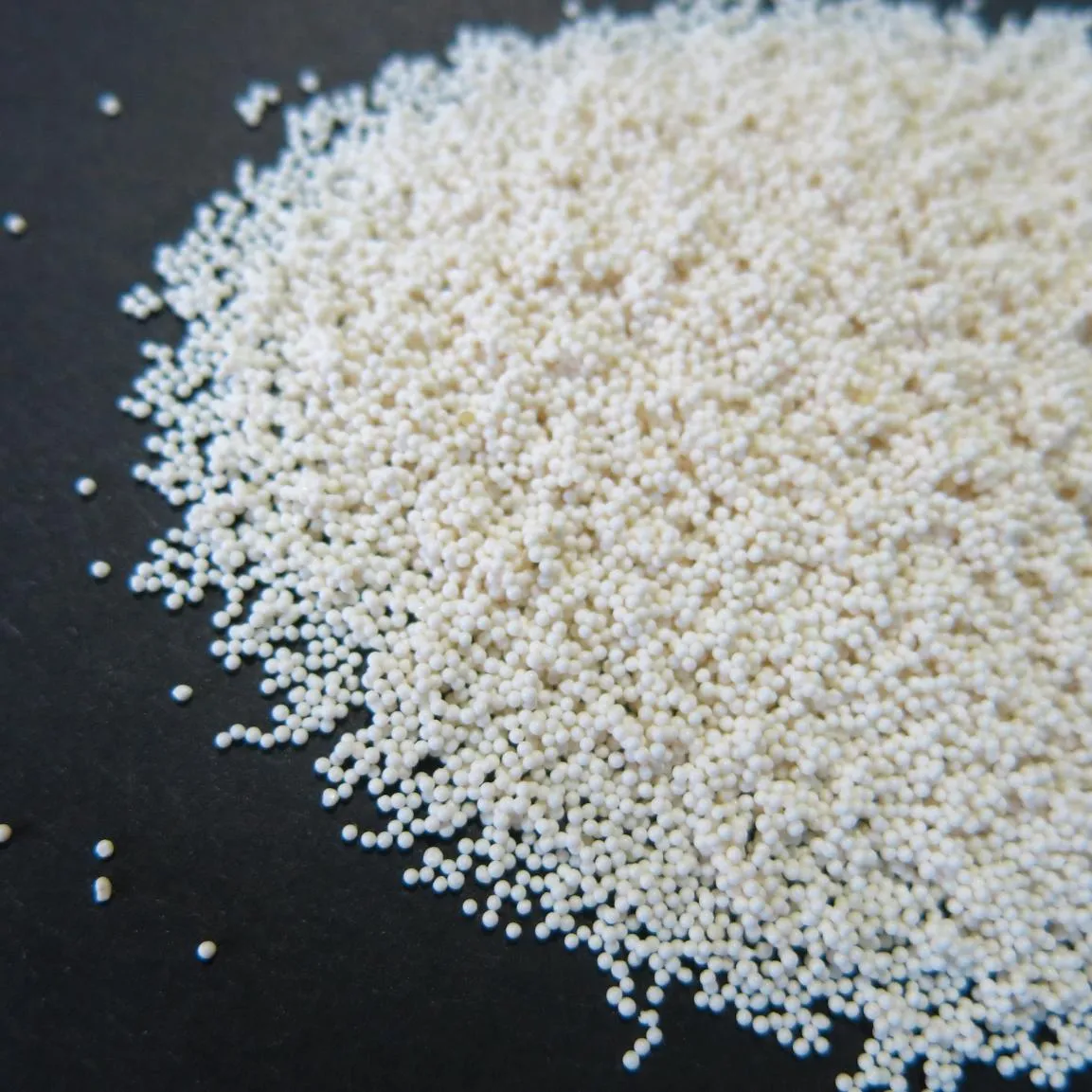
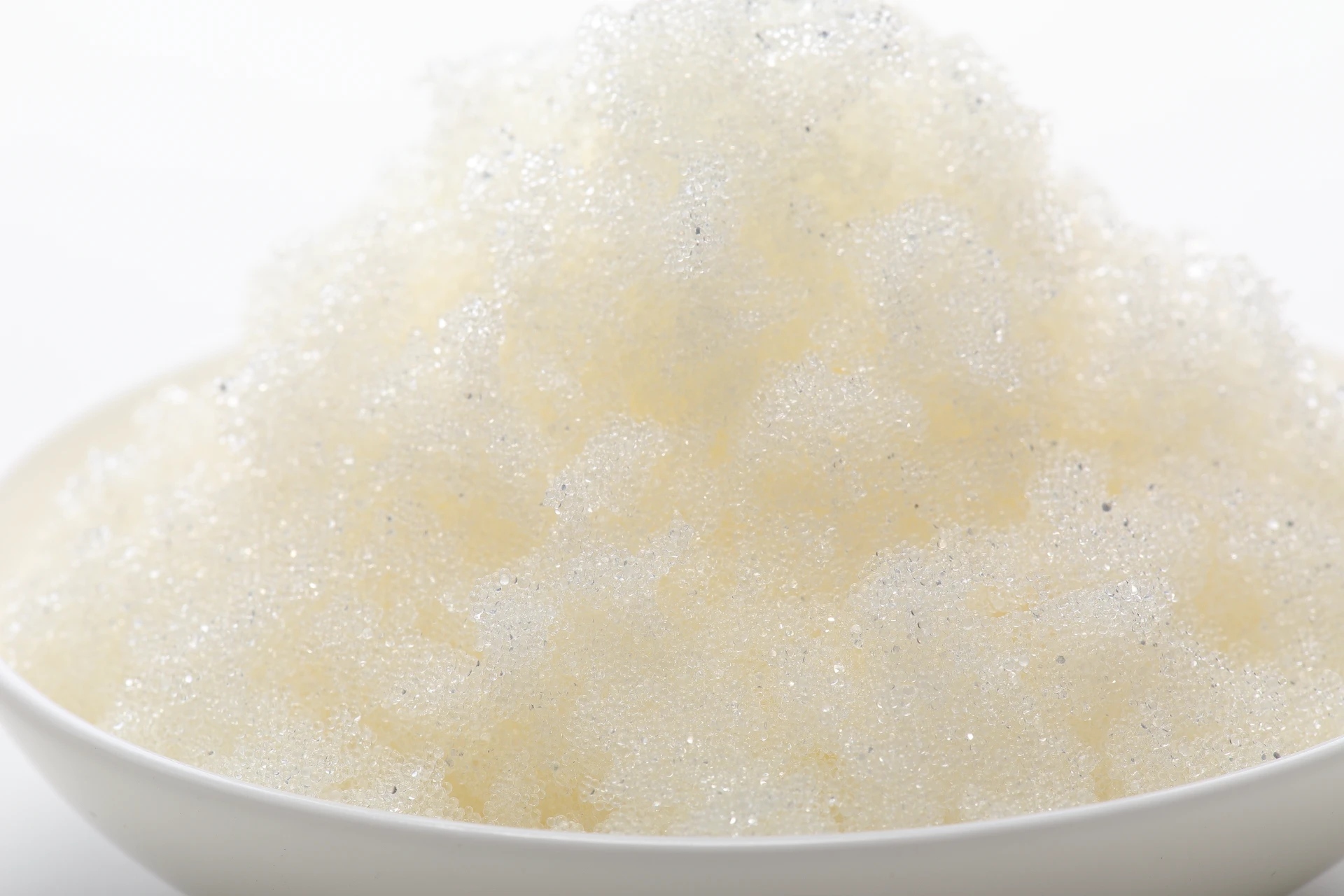
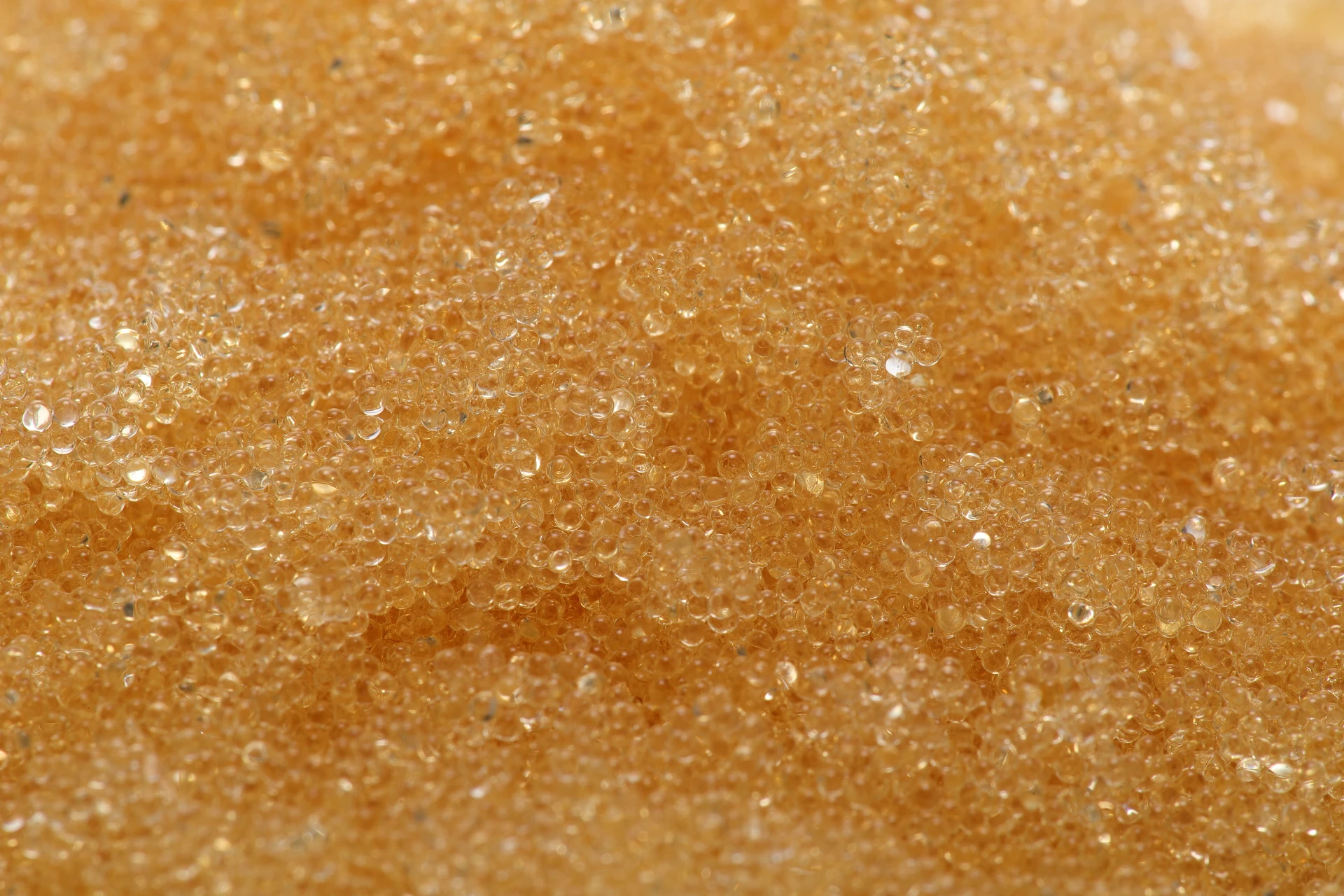
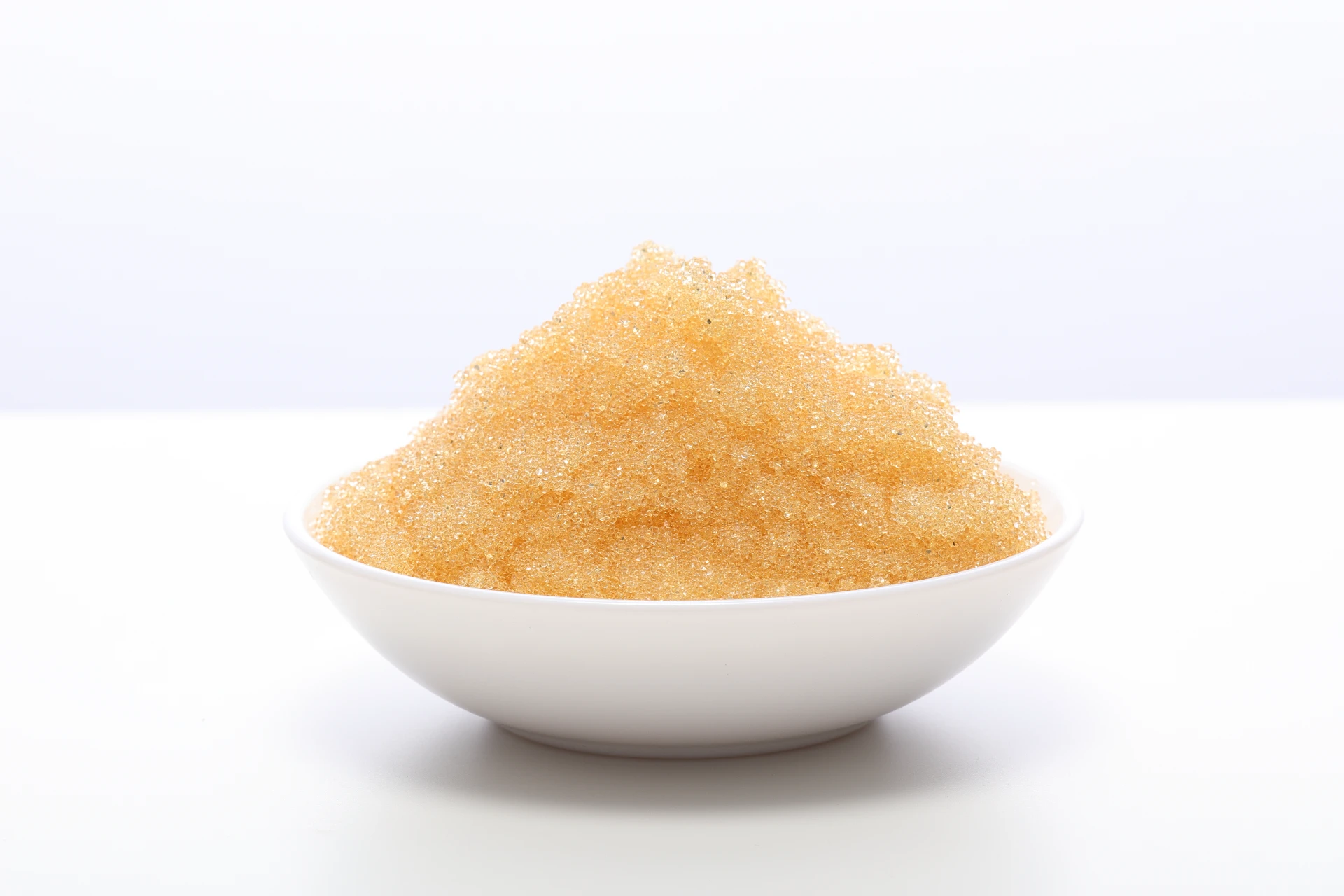
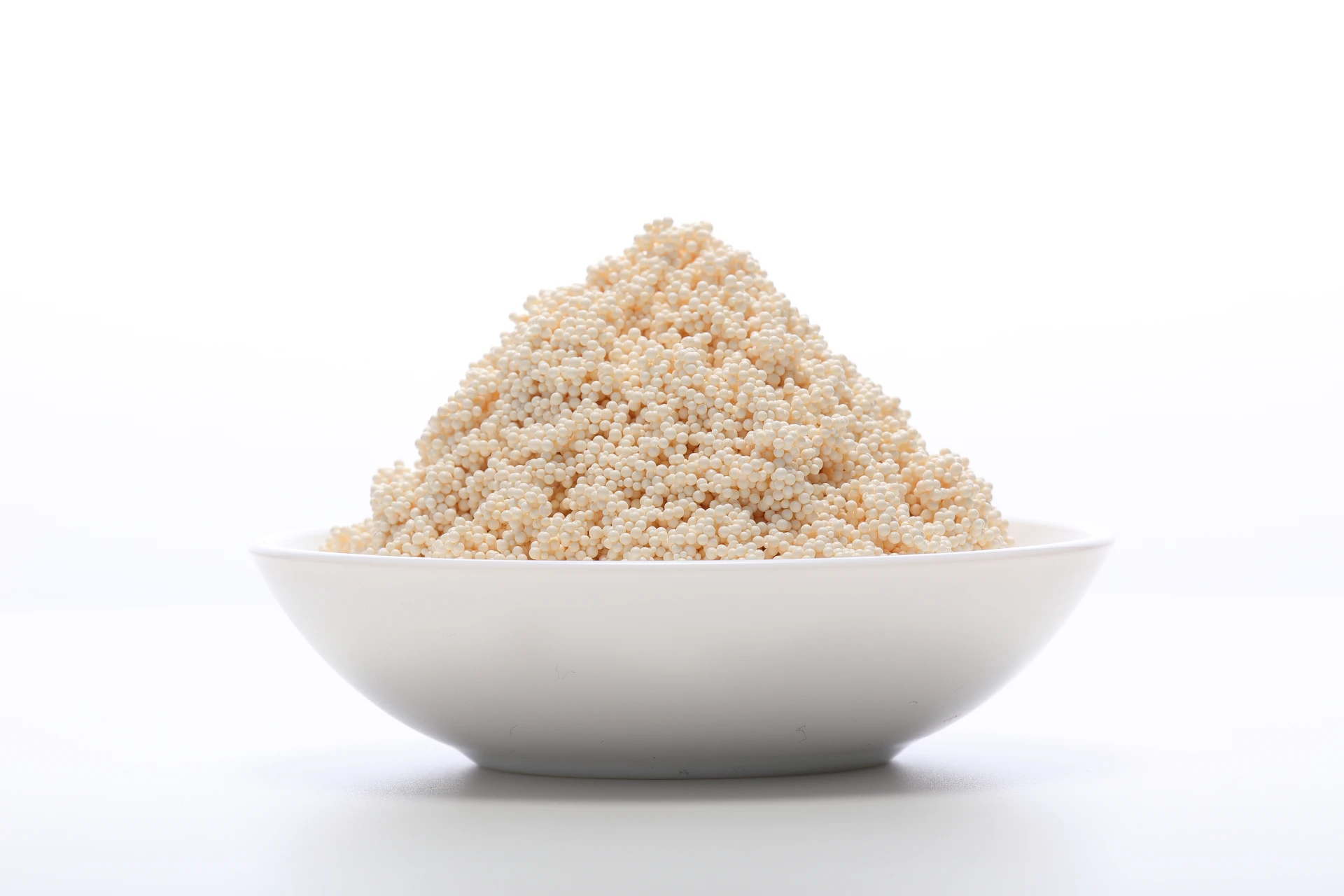
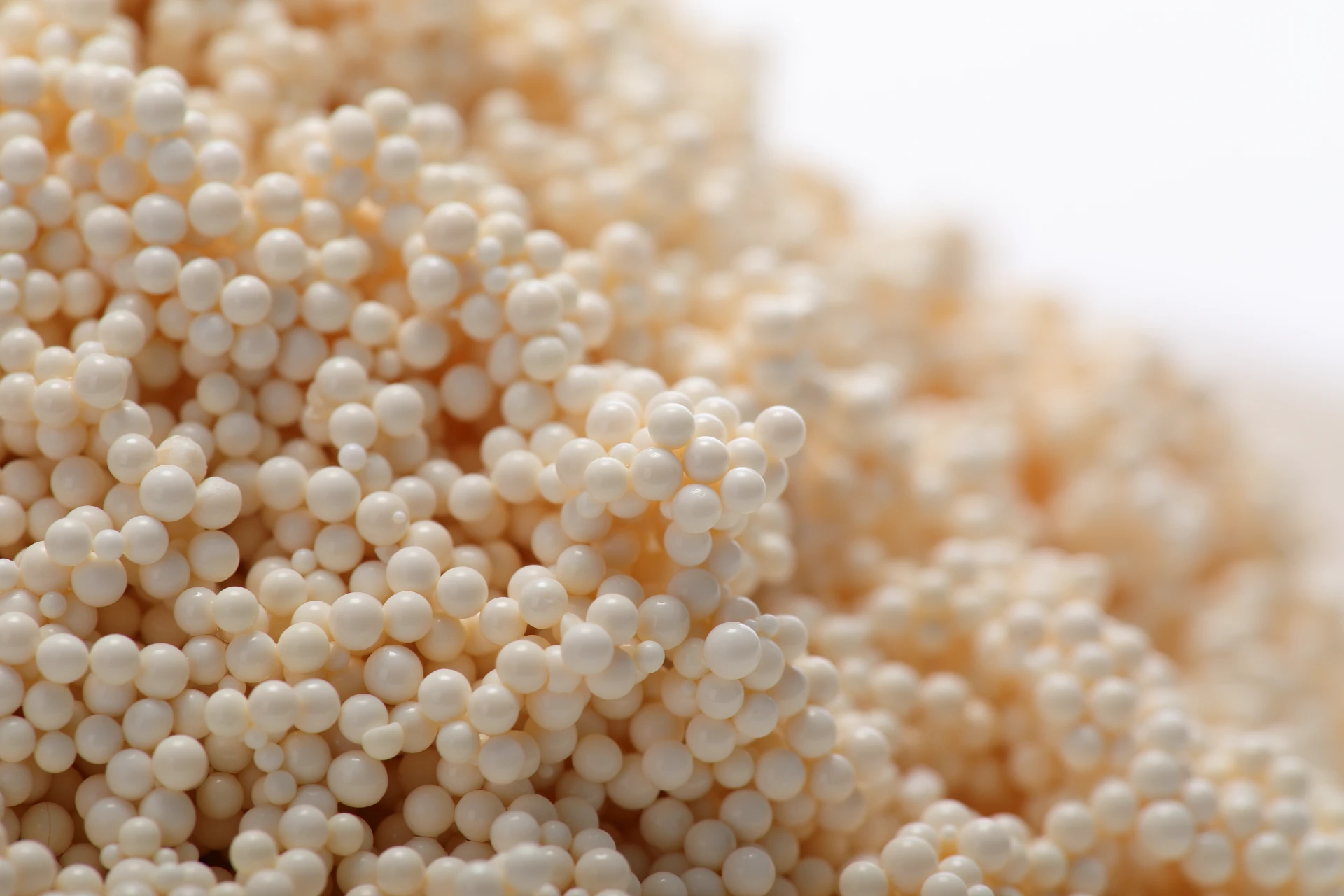
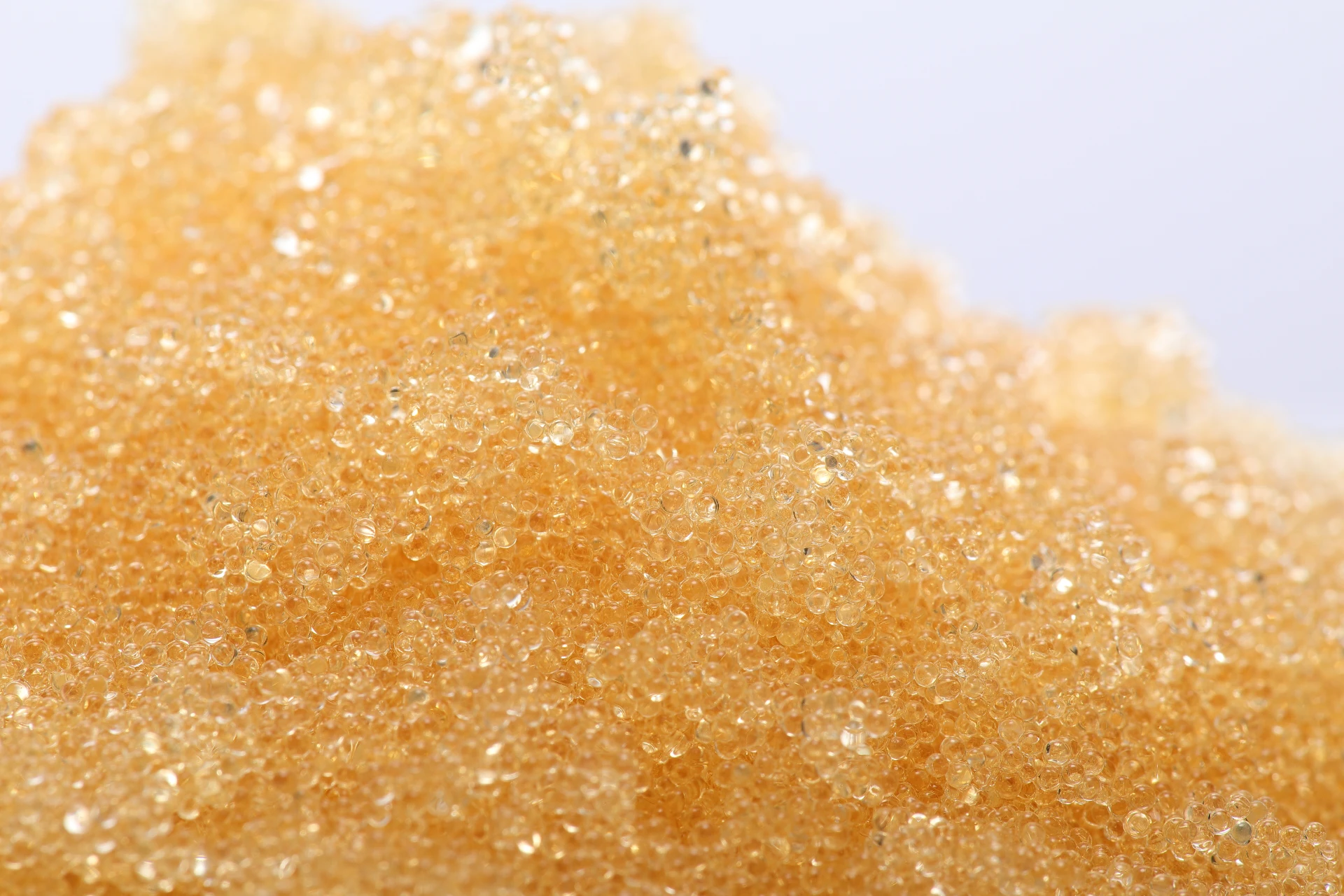
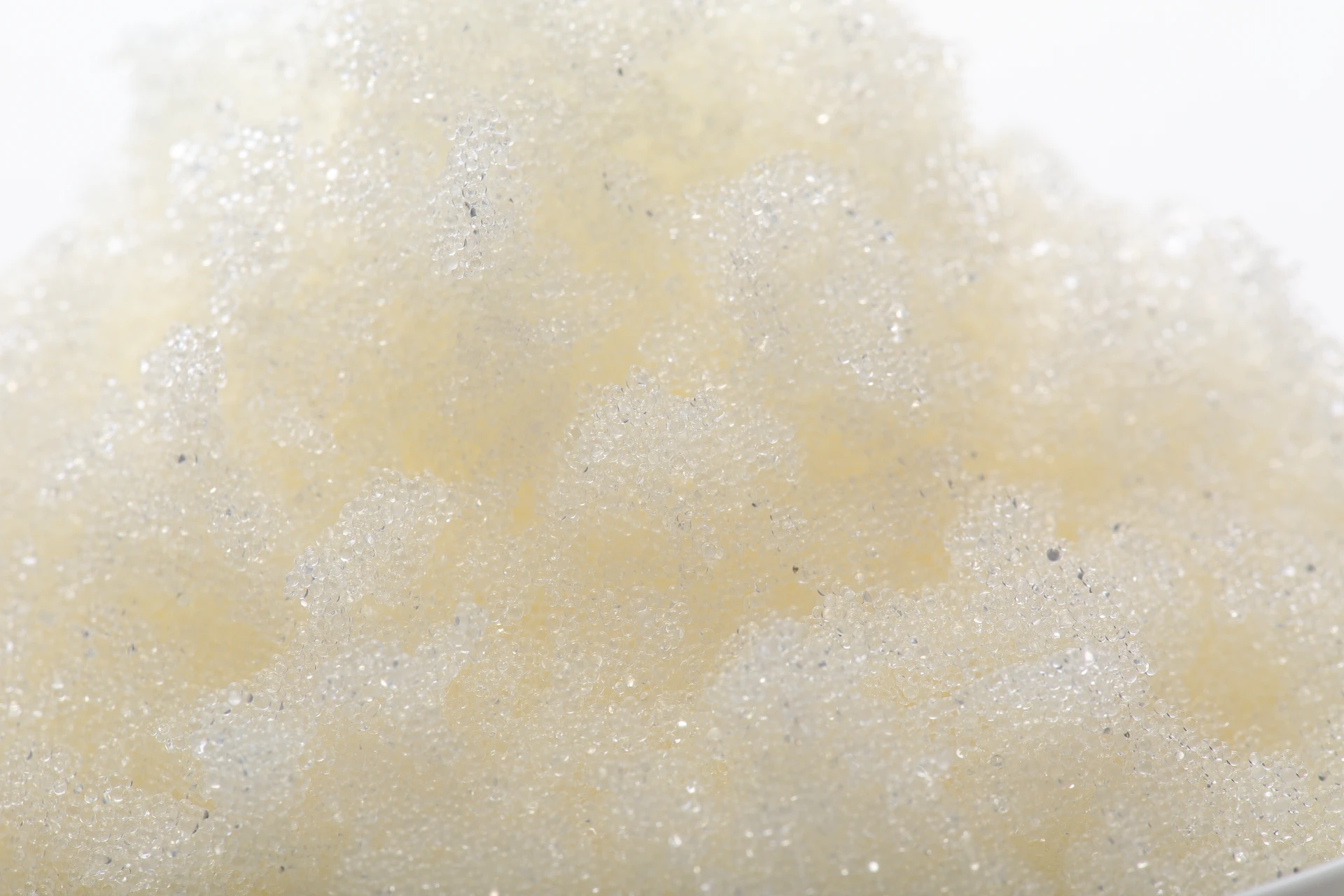
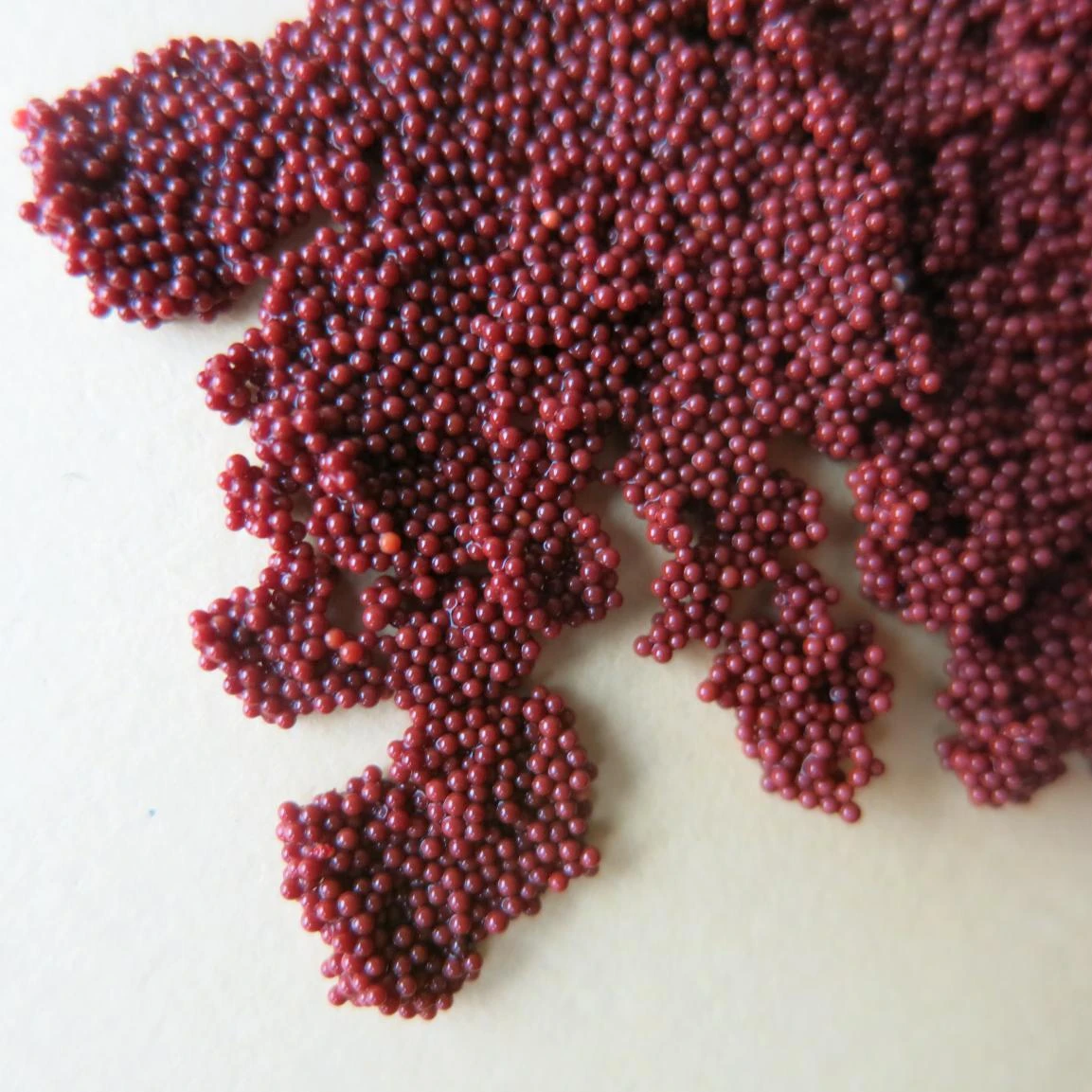
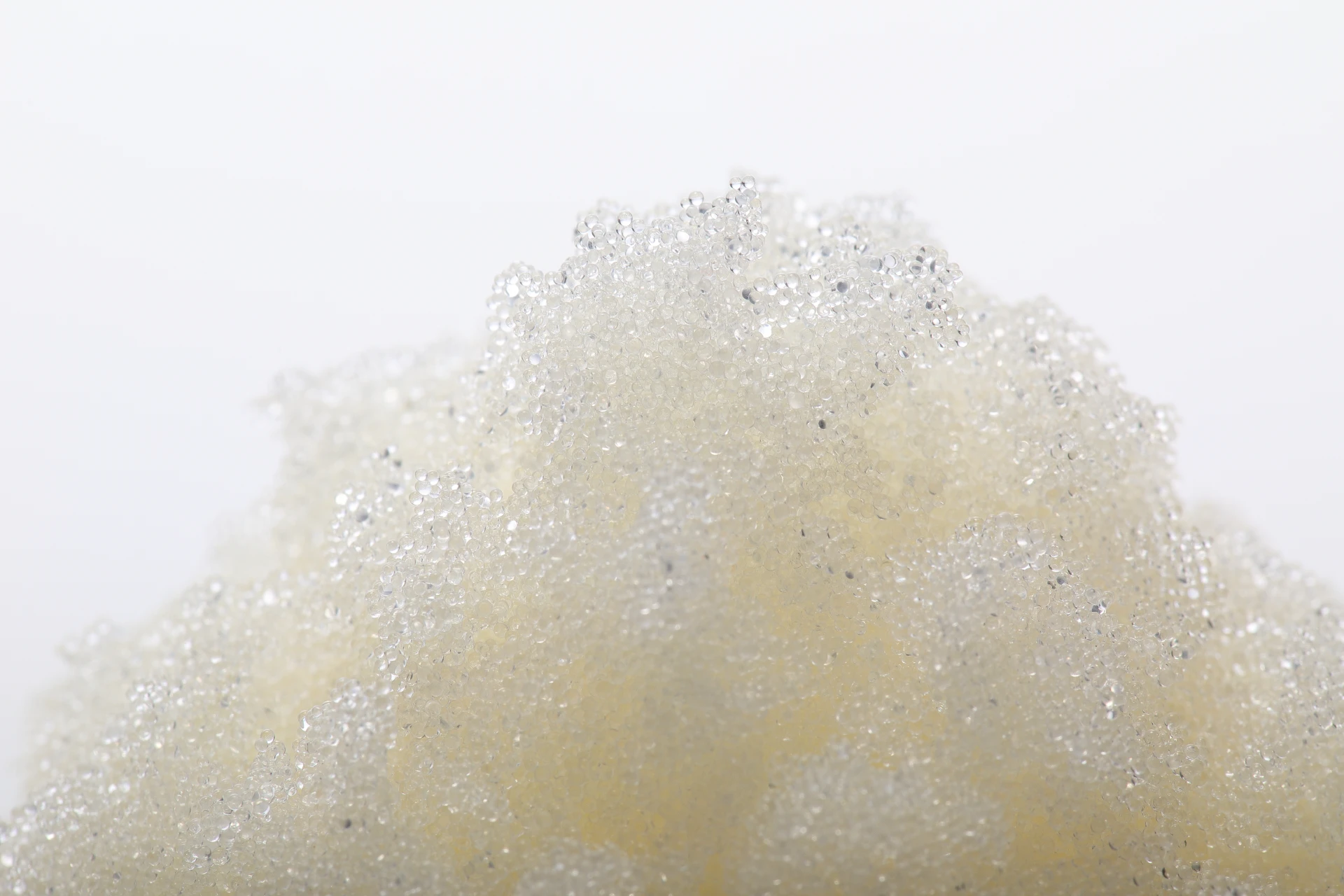
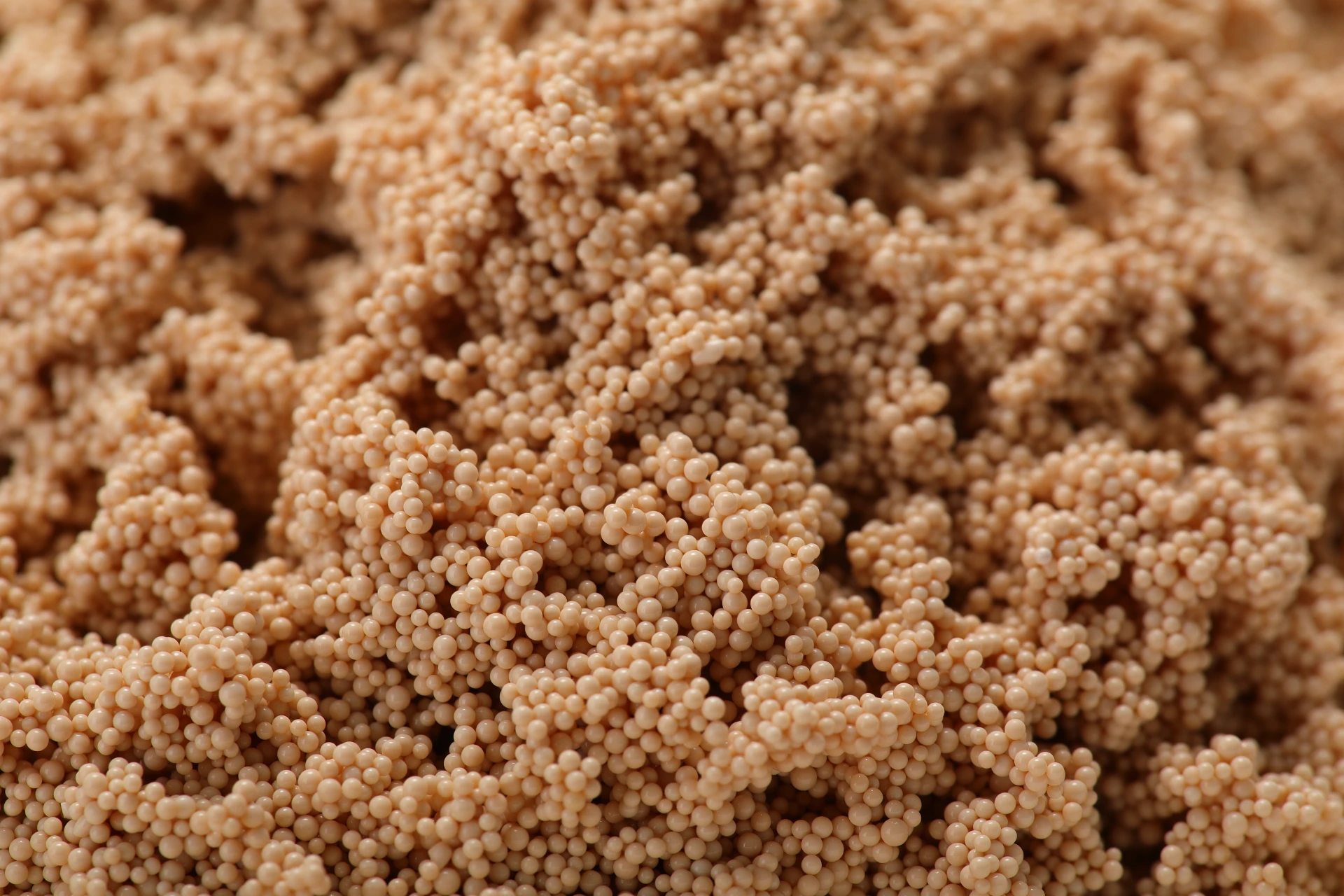
Many engineers swear by the importance of high-grade resin for lasting performance. The ion-exchange media is the “heart” of a cation softener; its durability dictates how often the system needs regeneration or replacement. In harsh industrial settings, resilience to fouling agents is a must.
From small residential units to massive municipal plants, cation softener designs range widely. Scalability means the ability to handle variable flow rates and changing water profiles without losing effectiveness.
Softener systems require periodic regeneration using salt or brine. Efficient regeneration cycles not only reduce operational costs but also minimize environmental impacts such as brine discharge, a concern for eco-conscious consumers.
Cost of ownership includes purchase price, salt consumption, energy use, and servicing. Smart designs nowadays employ automation and remote monitoring to cut unexpected downtime and expenses.
Modern cation softeners are moving toward green materials and reduced chemical inputs. Some innovations include solar-powered regeneration and alternative resins to lower salt usage.
Mini takeaway: focusing on resin quality, scalable design, efficient regeneration, and environmental responsibility gives you a well-rounded solution.
It’s fascinating how widespread cation softeners are without most folks noticing. In industrial zones in China and India, massive water-softening plants protect equipment from mineral scaling, improving productivity. Meanwhile, in North America and Europe, facilities use cation softeners to comply with stringent water quality standards and prolong asset life.
Humanitarian groups deploying temporary shelters or clean water stations in disaster zones find these softeners invaluable. In places like post-earthquake Nepal or flooded regions in Southeast Asia, softened water systems help keep water usable and equipment functional when infrastructure is compromised.
Mini takeaway: whether powering factories or aiding relief efforts, cation softeners quietly keep water systems reliable.
It’s rare to find solutions that balance logic and emotion so well—technical reliability linking with the human need for safety and dignity.
Keep an eye on automation and IoT integration. Some units can already self-diagnose resin status, schedule regeneration, and report salt levels remotely. Green energy-driven regeneration powered by solar or wind is no longer science fiction, particularly in off-grid areas.
Material science brings new resin types that reduce salt dependency and improve ion selectivity. Policy-wise, governments in water-stressed regions are boosting regulations to encourage water softening and reuse, setting the stage for wider adoption.
Mini takeaway: the future of cation softeners looks smarter, greener, and more connected.
Of course, nothing is perfect. Salt usage and brine discharge remain concerns that some communities find tough to manage. Additionally, upfront costs and maintenance knowledge gaps can deter adoption in remote or financially limited contexts.
Innovative solution providers increasingly offer tailored systems—like low-salt variants, modular units, and hands-on training. Remote monitoring also helps catch issues early, cutting downtime and repair costs drastically.
Mini takeaway: collaboration and tech advances are addressing the traditional hurdles around cation softener use.
| Feature | Specification | Units |
|---|---|---|
| Salt Tank Capacity | 150 | kg |
| Water Flow Rate | 2.5–5.0 | m³/hr |
| Resin Volume | 30 | L |
| Regeneration Salt Dosage | 4.5 | kg/cycle |
| Operating Pressure | 2–6 | bar |
| Vendor | Resin Quality | Automation Level | Eco Features | Price Range |
|---|---|---|---|---|
| AquaFlow Tech | Premium | High (IoT-enabled) | Solar regeneration option | $$$ |
| SoftWater Solutions | Standard | Medium | Low salt consumption resin | $$ |
| EcoPur Systems | High | Basic | Biodegradable resins | $ |
The frequency depends on water hardness and flow rate but typically ranges from once a day to once a week. Smart systems can adjust automatically based on real-time data, optimizing salt use and efficiency.
Yes, many modern units are designed with low power consumption and even solar regeneration options, making them ideal for off-grid applications such as remote camps, islands, or disaster relief areas.
Salt-free options exist but typically work differently—often by conditioning rather than ion exchange. Low-salt variants reduce environmental impact but may have limited capacity, so choice depends on specific water quality and usage needs.
By preventing scale buildup, softened water protects equipment such as boilers and cooling towers, improving energy efficiency, reducing downtime, and extending machinery lifespan.
Routine maintenance requires monitoring salt levels and resin health, which is straightforward with automated or remote monitoring features. Training helps users handle regeneration cycles and troubleshooting confidently.
In a world increasingly aware of water scarcity and sustainability, cation softeners quietly but powerfully enhance water quality and system reliability. Whether you’re running a heavy industrial plant, managing a municipal facility, or setting up a relief camp, these systems pay for themselves through cost savings, environmental benefits, and peace of mind.
Curious to know more or ready to upgrade your water system? Visit our site for cutting-edge, efficient cation softener solutions tailored to your unique needs.