Phone:
+86 0319 2296164


Email:
info@lijiresin.cn
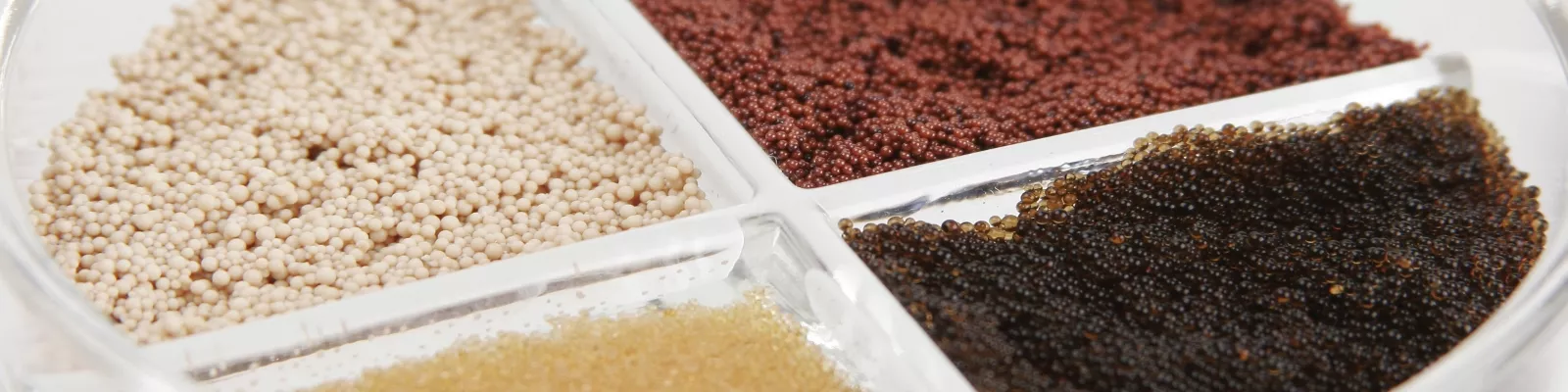
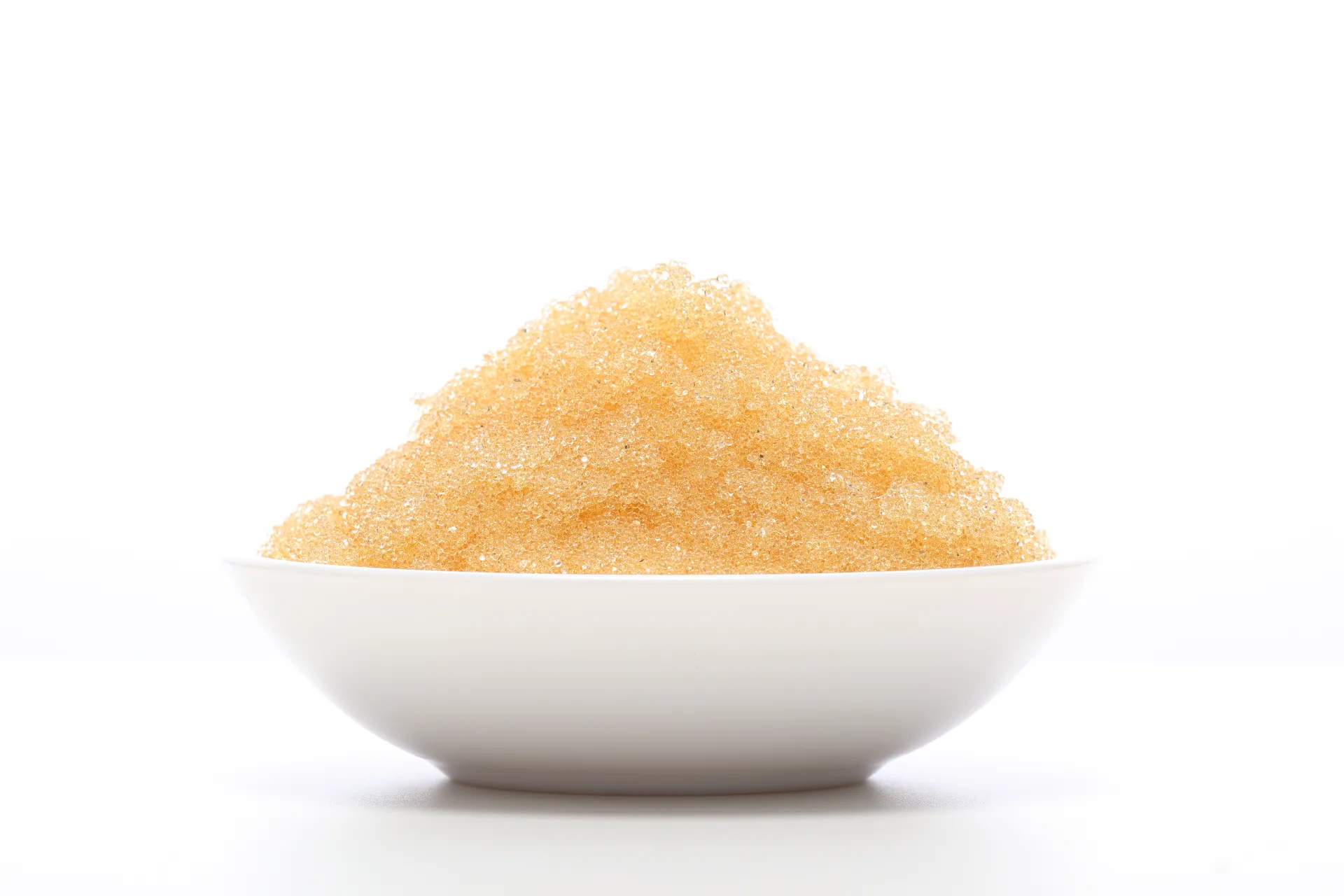
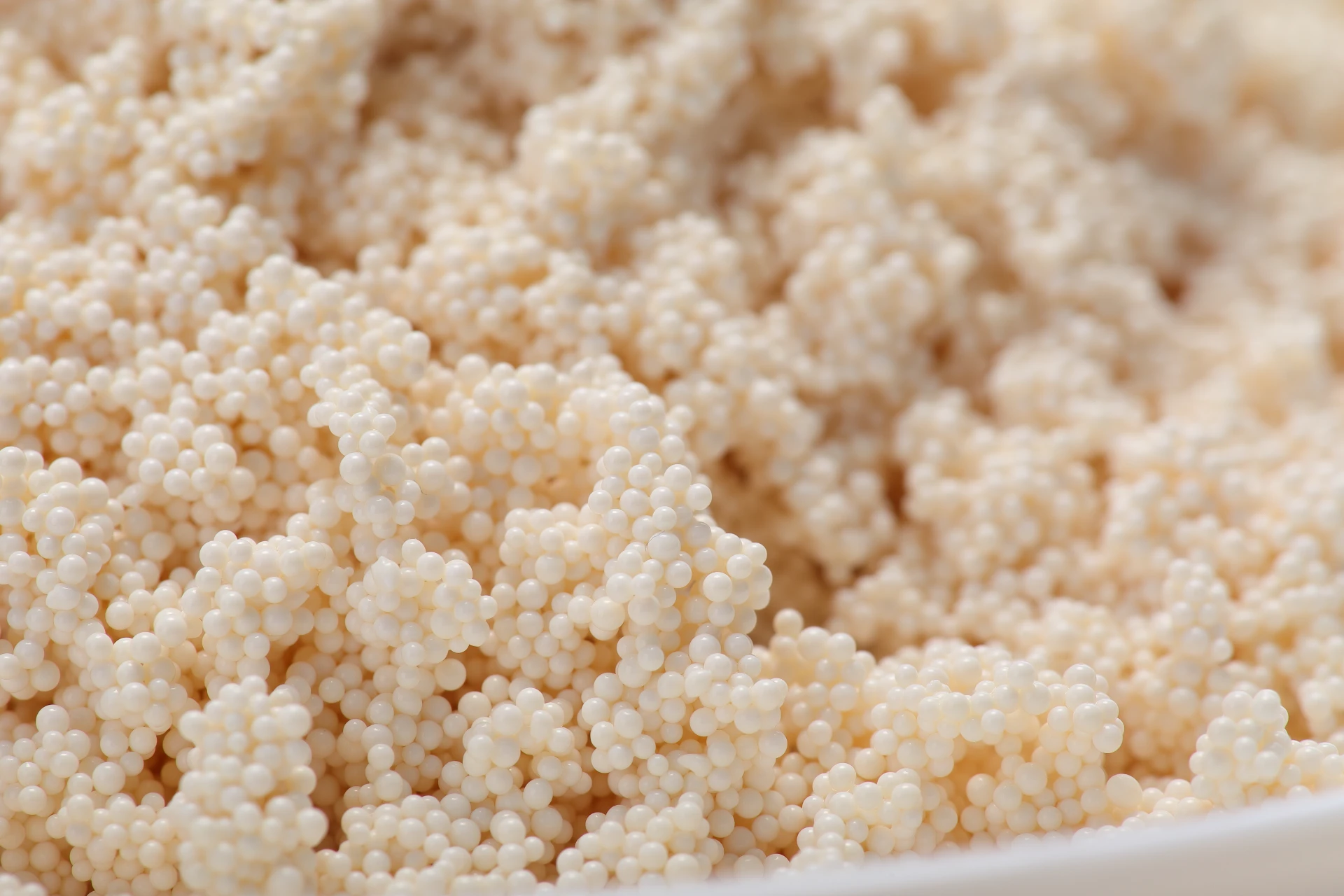
Having worked around industrial waters systems and resin kiosks for over a decade, I can say this: acid cation exchange resin isn’t just another chemical component. It's something of a linchpin in a lot of operations — from boiler feedwater conditioning to specialty chemical processing. What’s odd is how quietly it does its job, out of sight but never out of mind when quality or uptime is concerned.
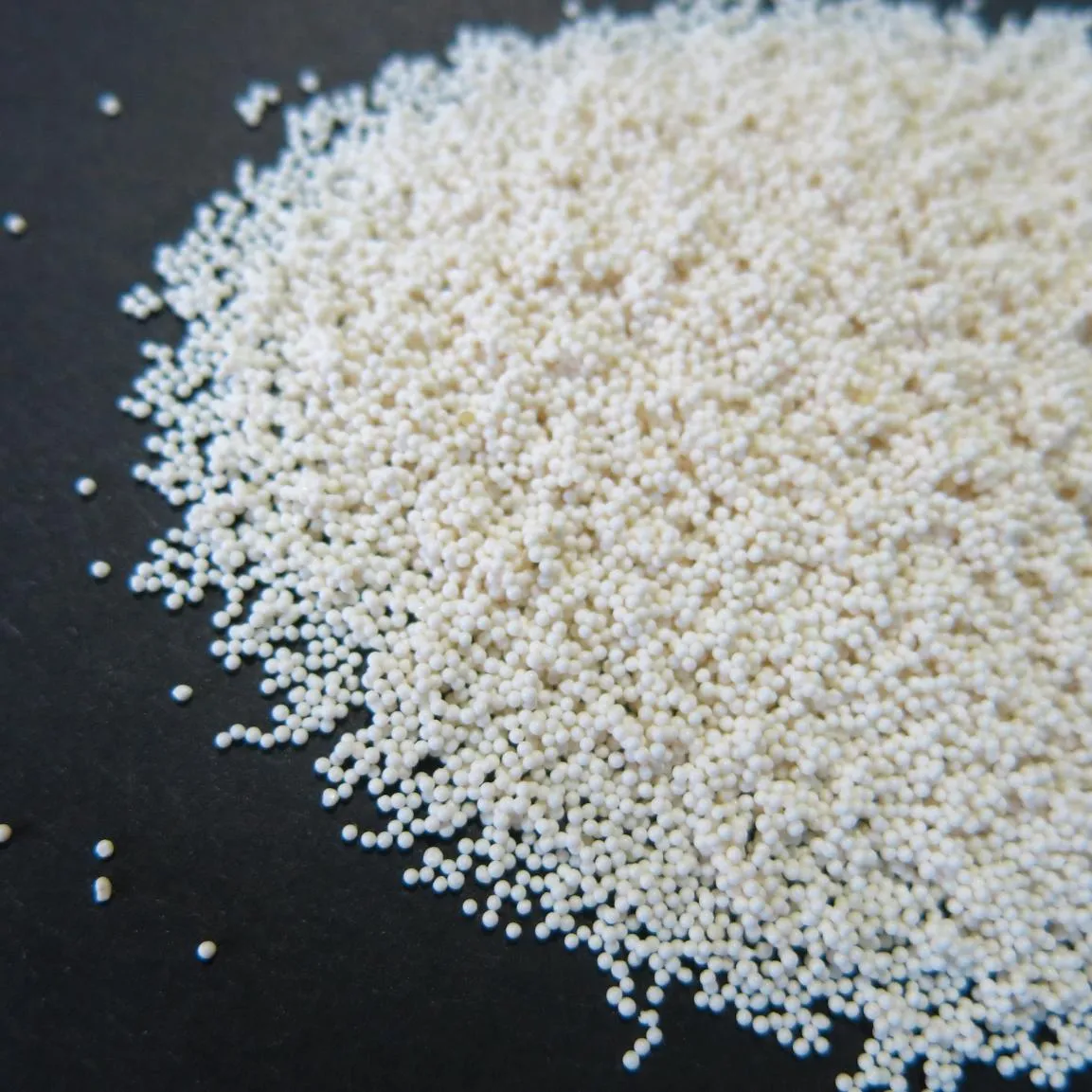
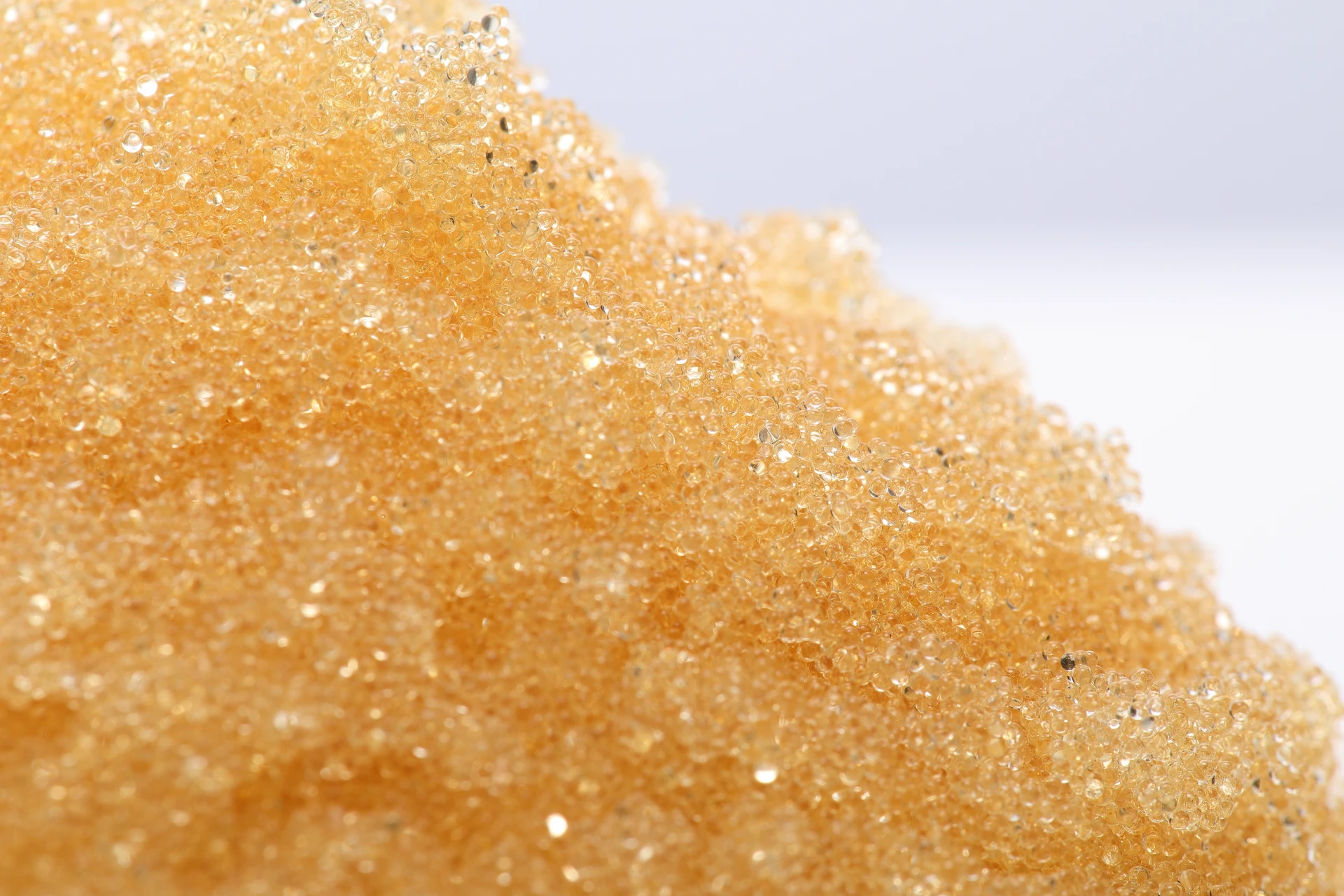
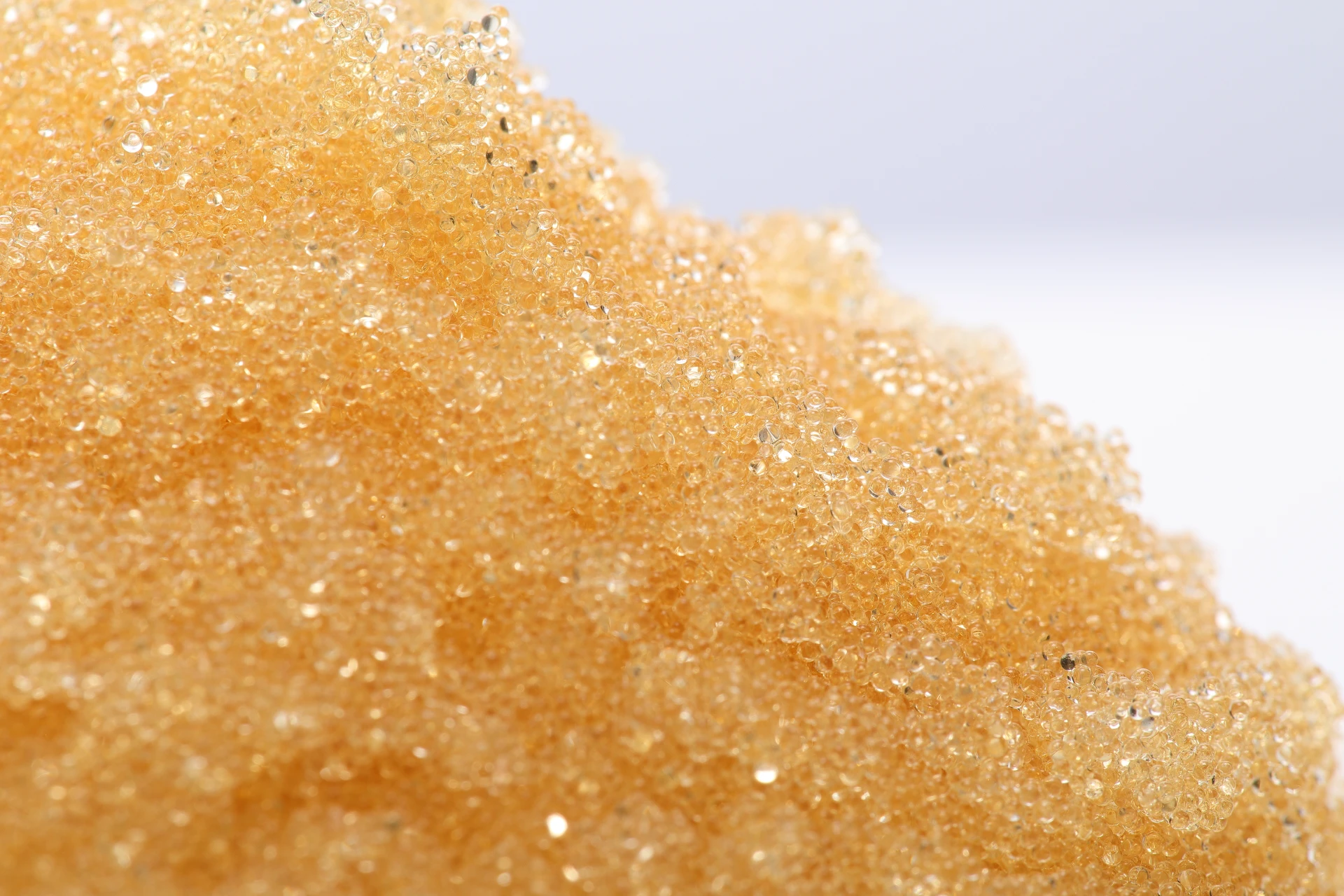
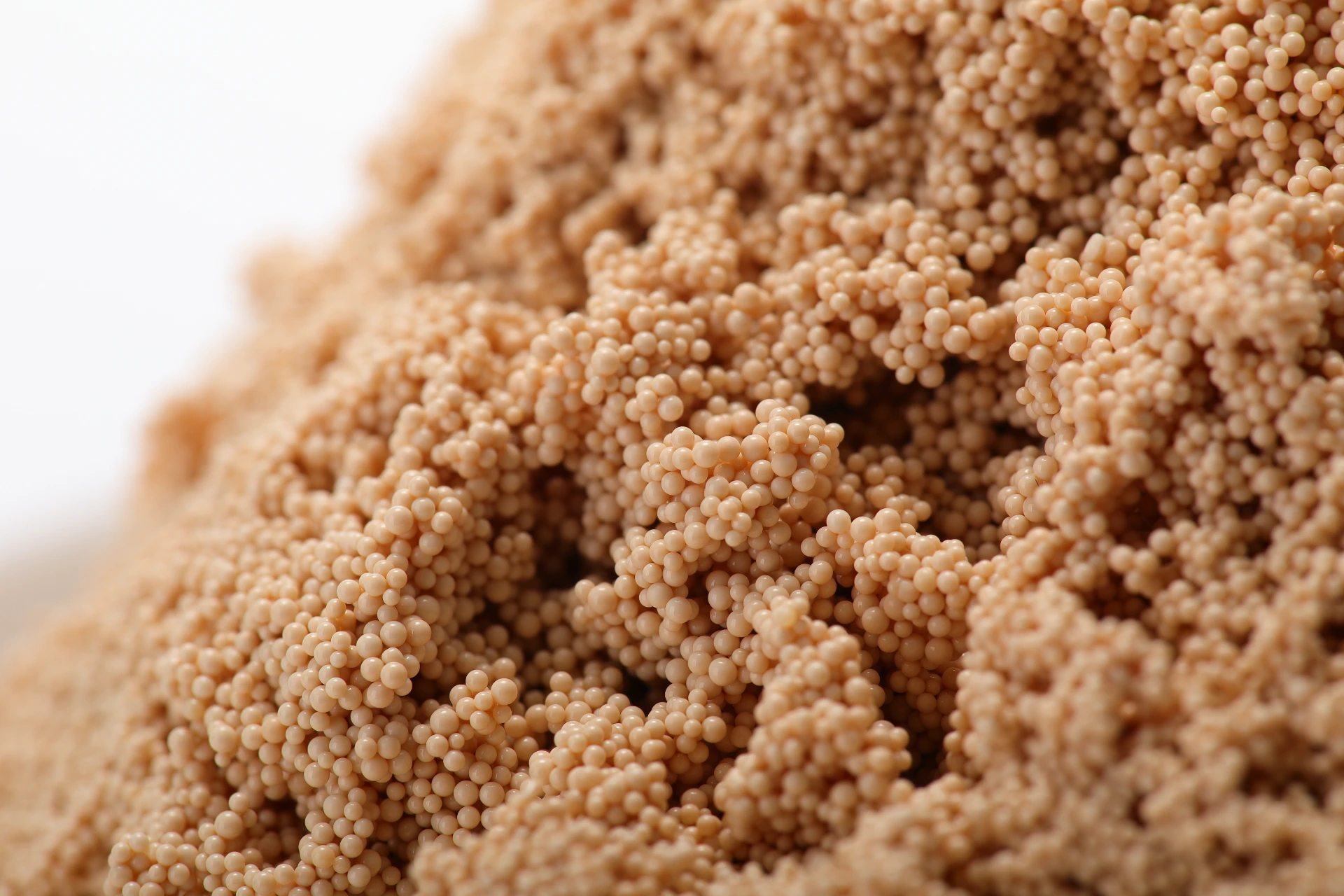
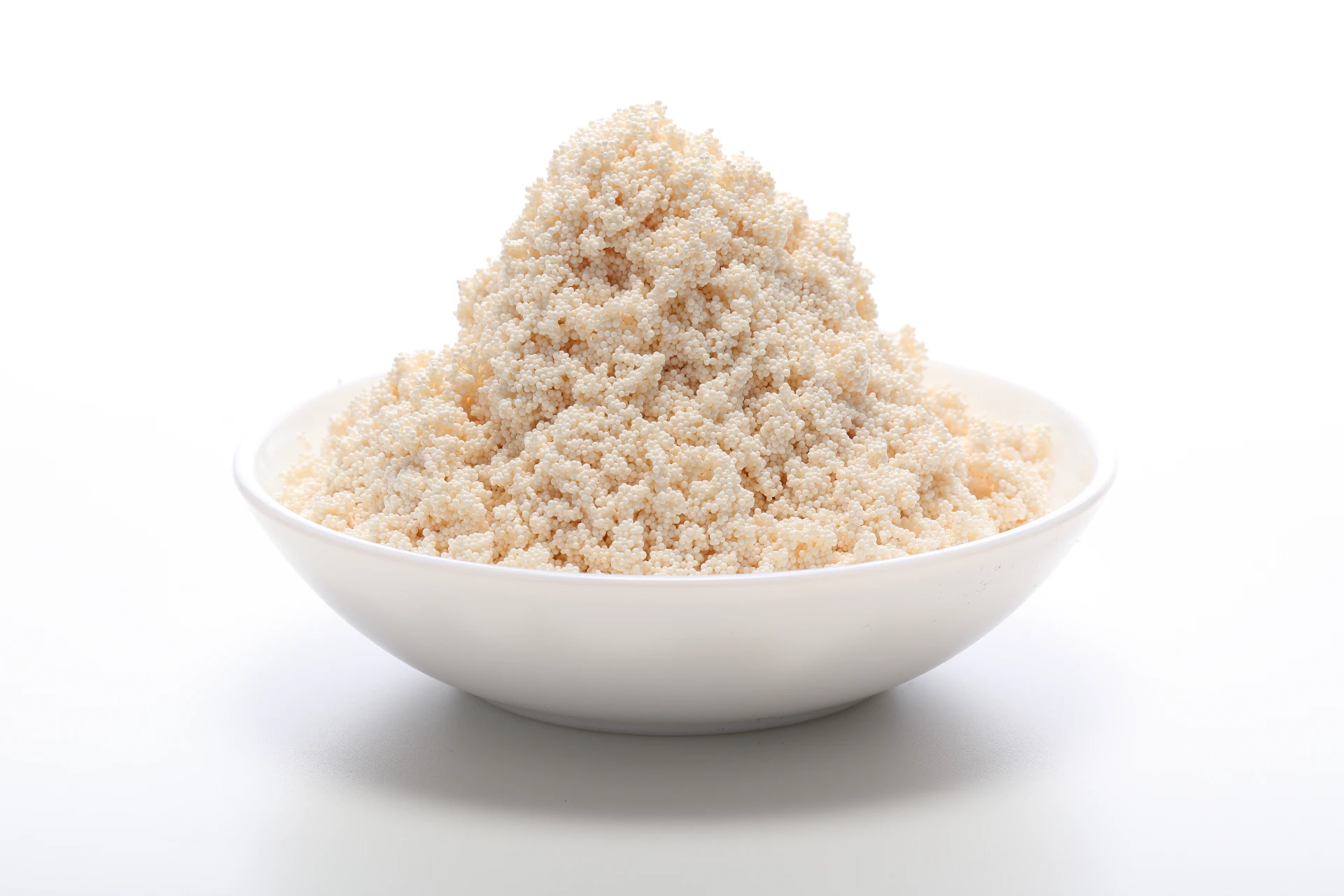
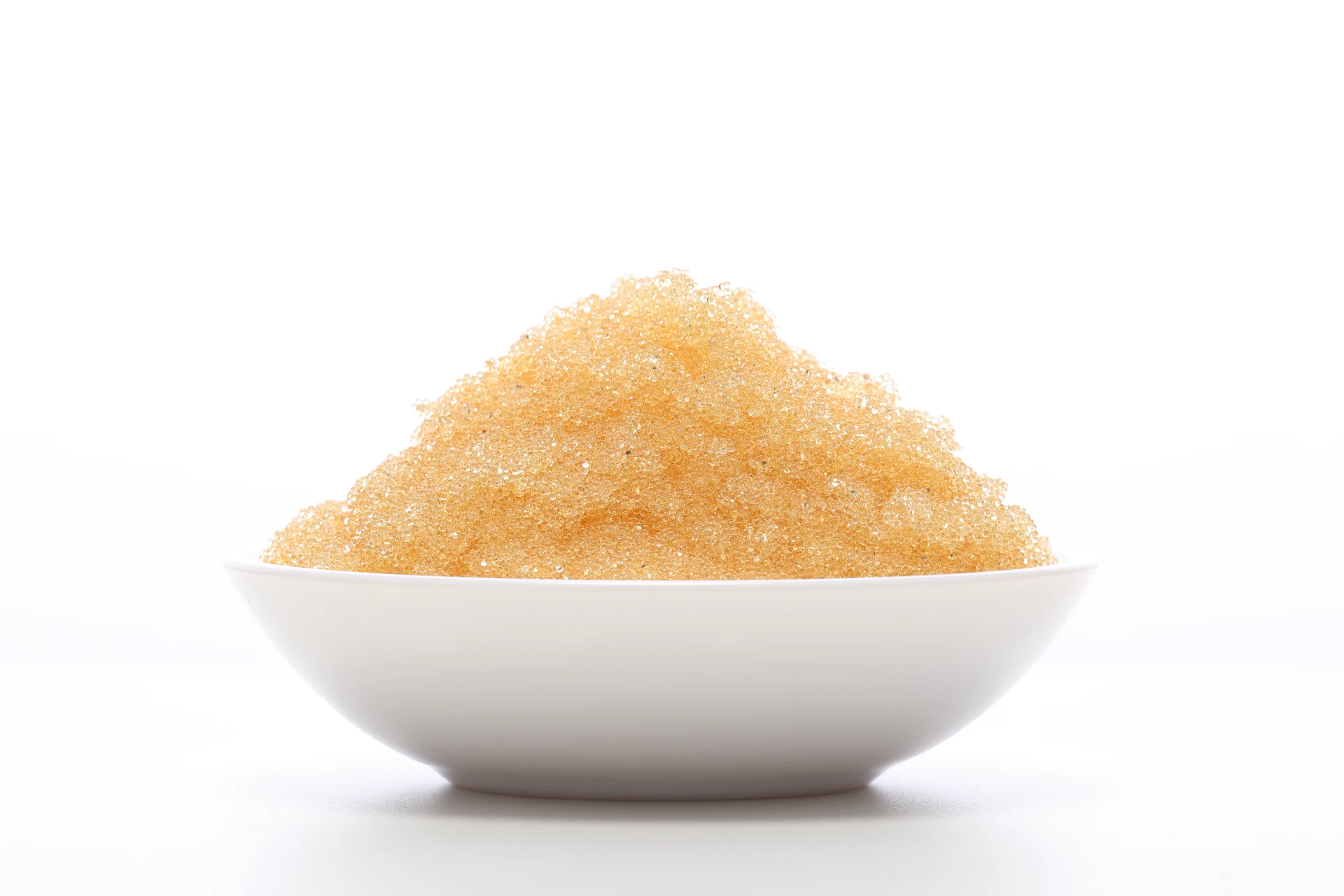
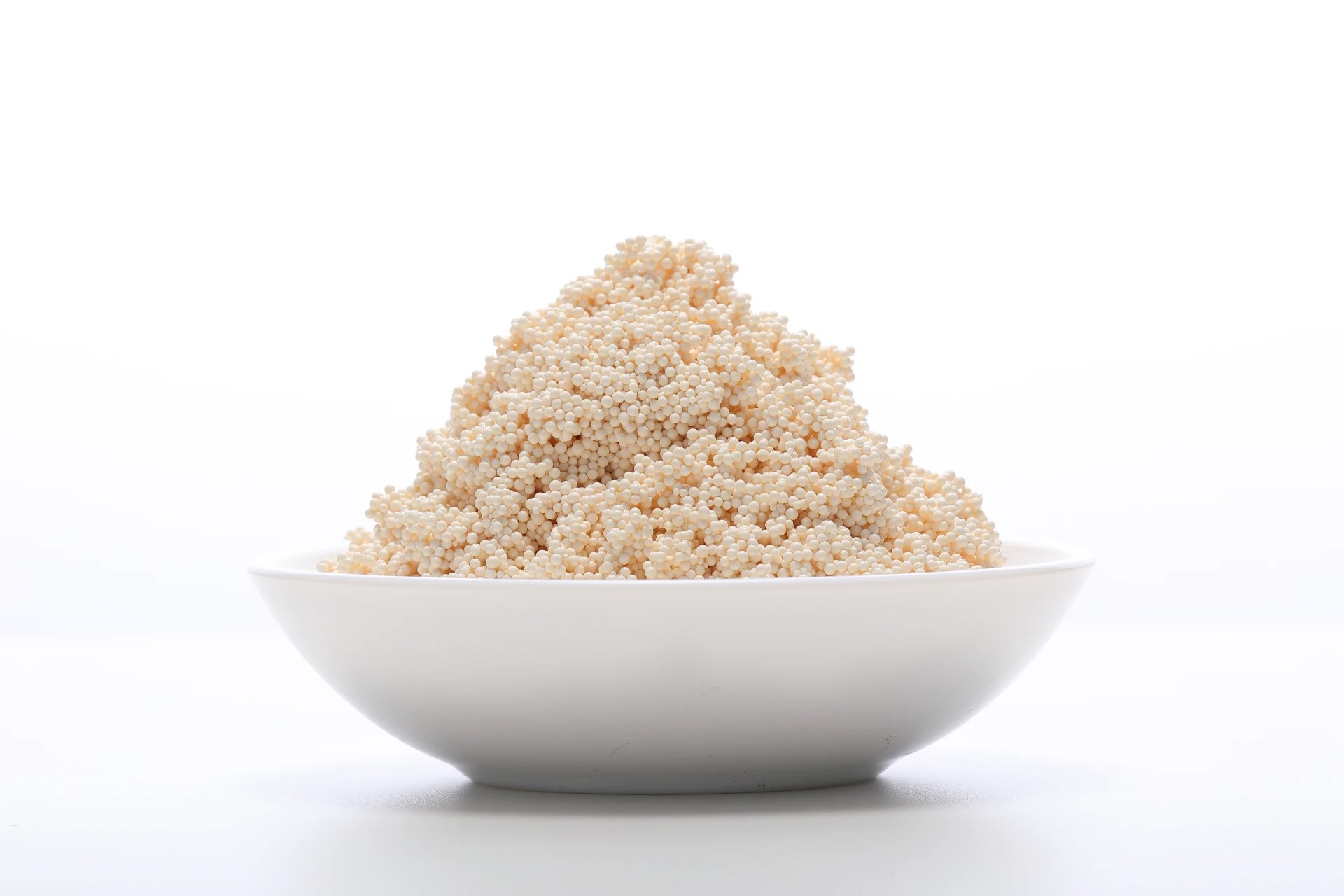
You see, this resin is engineered to swap out hard cations like calcium and magnesium in water, helping avoid scale and corrosion. Down the years, resin formulations have subtly evolved — but the core principle is resilient. Many engineers swear by the tried-and-true phenolic or styrene-divinylbenzene beads that deliver reliable ion selectivity and durability.
| Specification | Typical Range | Notes |
|---|---|---|
| Resin Type | Strong Acid Cation (SAC) | Usually gel-type or macroporous |
| Functional Groups | -SO3H (sulfonic acid) | High ion exchange capacity |
| Exchange Capacity | 1.7 - 2.4 eq/L (approx.) | Varies by bead size & crosslinking |
| Particle Size | 0.3 - 1.2 mm | Impacts flow and pressure drop |
| Operating Temp | Up to 120°C (continuous) | Higher temps shorten resin life |
| pH Range | 0 - 14 (varies) | Acid form stable in low pH |
Picking a resin supplier can feel like hopping on a conveyor belt spinning too fast. You want reliability, quality, and some decent customer service thrown in — not just acronyms and fancy specs. From what I’ve gleaned visiting multiple plants and chatting with operators, here’s how a few key providers stack up:
| Vendor | Product Quality | Pricing | Lead Time | Technical Support |
|---|---|---|---|---|
| Liji Resin | High consistency | Competitive | 1-2 weeks | Responsive & knowledgeable |
| Vendor B | Good, some batch variance | Affordable | 3-4 weeks | Standard |
| Vendor C | Premium quality | Higher price | 2 weeks | Excellent |
I once oversaw a retrofit where switching to a higher capacity acid cation exchange resin slashed boiler downtime significantly. The operators were skeptical at first — change always makes waves around here. Oddly enough, the resin’s robustness helped us extend service intervals by nearly 30%. It’s the kind of win you don’t announce loudly but quietly celebrate over a cold one with the crew.
In practical terms, always put resin into the context of your specific water chemistry, temperature, and system dynamics. Testing? Absolutely essential. But I’ve noticed that resins from vendors like Liji Resin tend to require less finetuning once installed — their batch-to-batch consistency pays off.
To sum up, acid cation exchange resin remains a solid pillar in water treatment and industrial chemical handling. It’s not glamorous, but when it’s right, the system hums effortlessly. And frankly, every seasoned operator appreciates that kind of 'invisible' excellence.