Phone:
+86 0319 2296164


Email:
info@lijiresin.cn
Clean and safe water is crucial for various applications, from drinking water to industrial processes. Carbon resin water filters are a popular choice for achieving this, offering effective purification and contaminant removal. This article delves into the benefits, applications, types, and factors to consider when choosing a carbon resin water filter. We'll explore how these filters work and why they are a preferred solution for a wide range of water filtration needs.
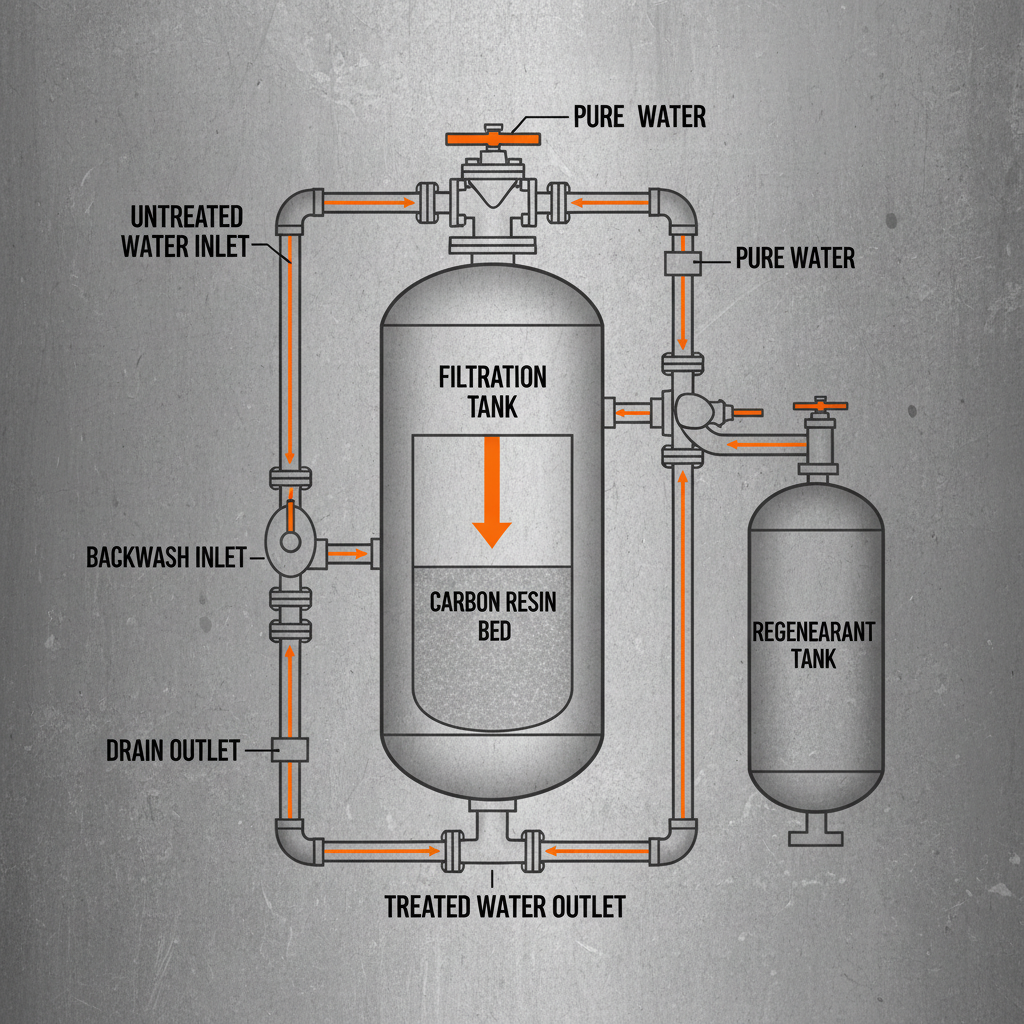
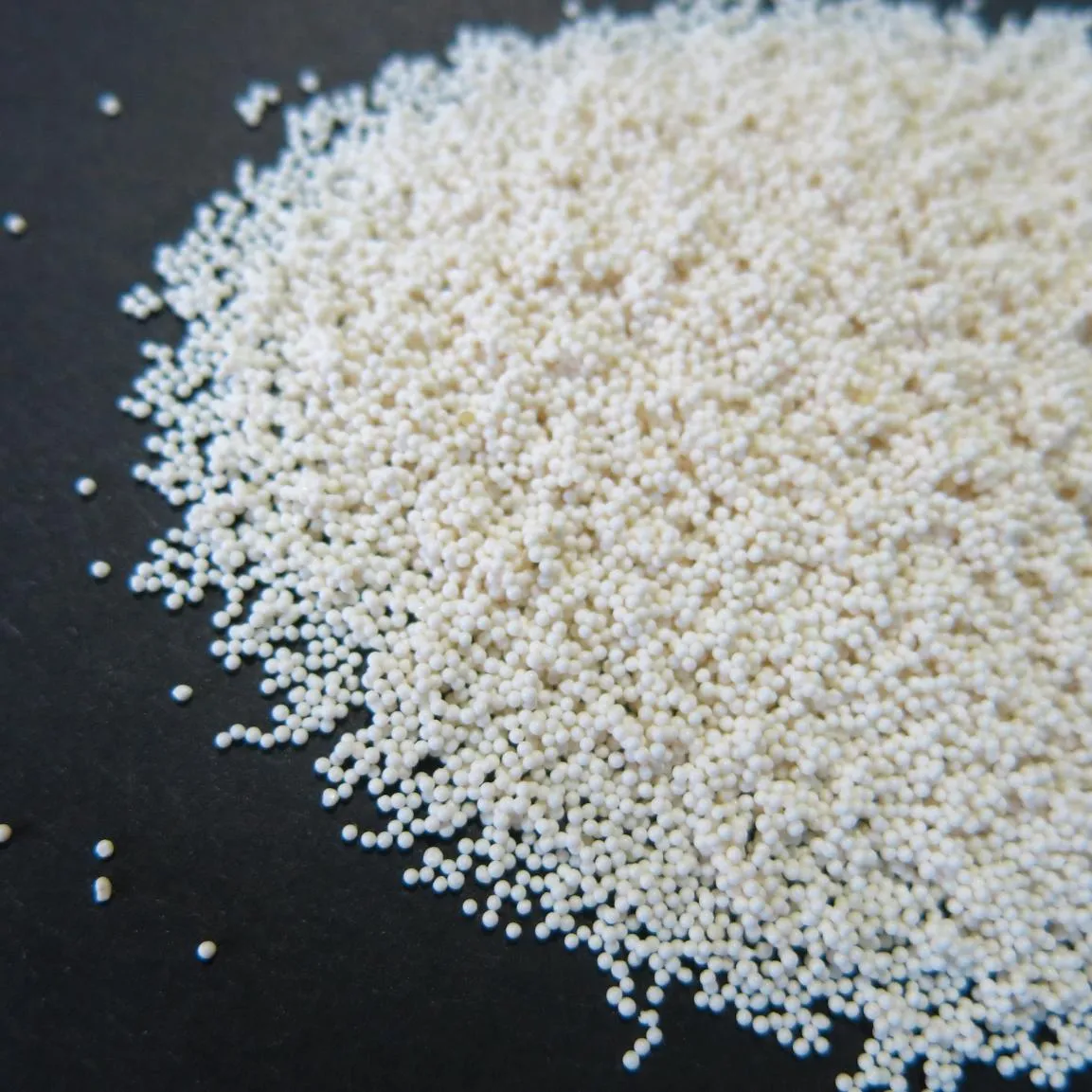
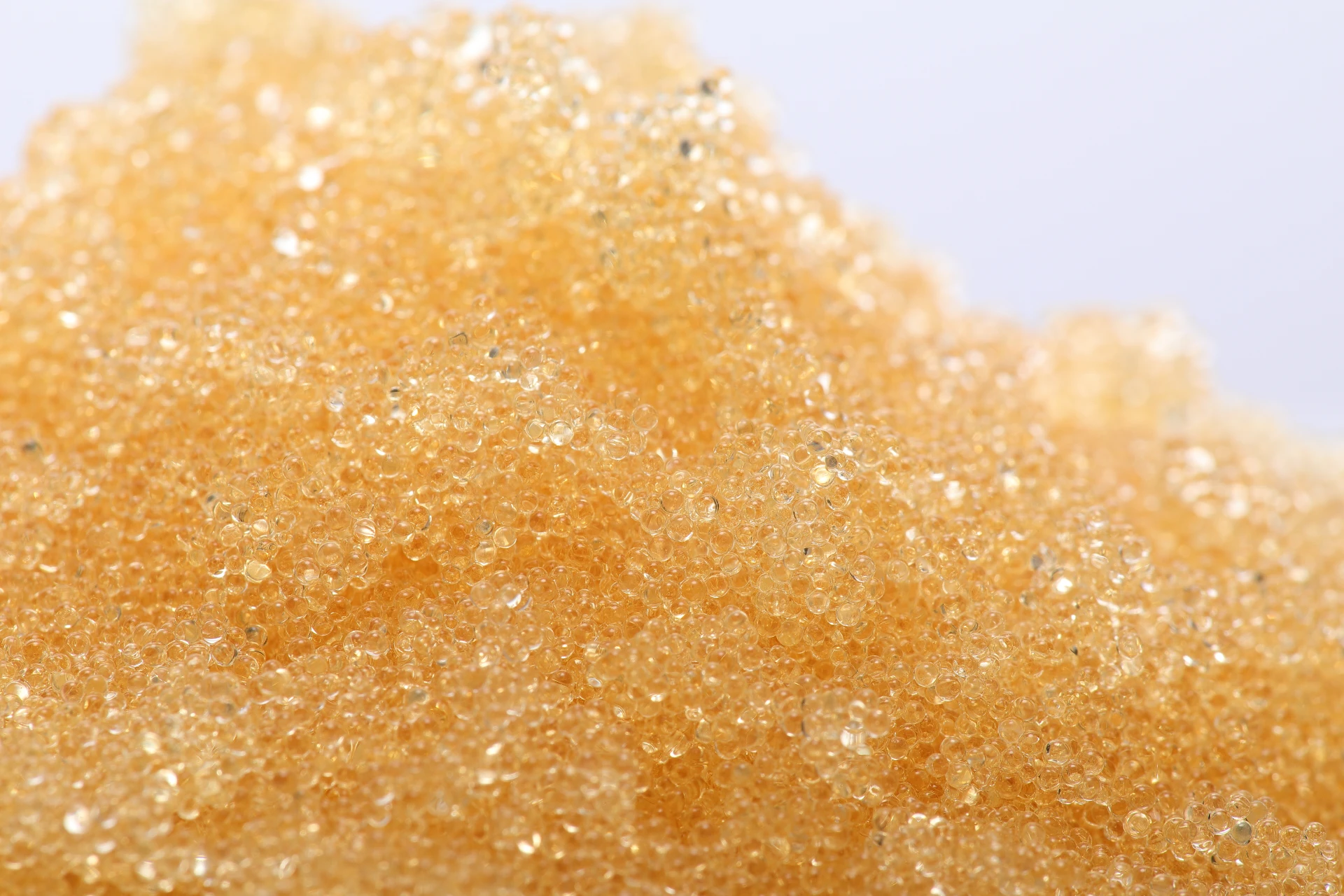
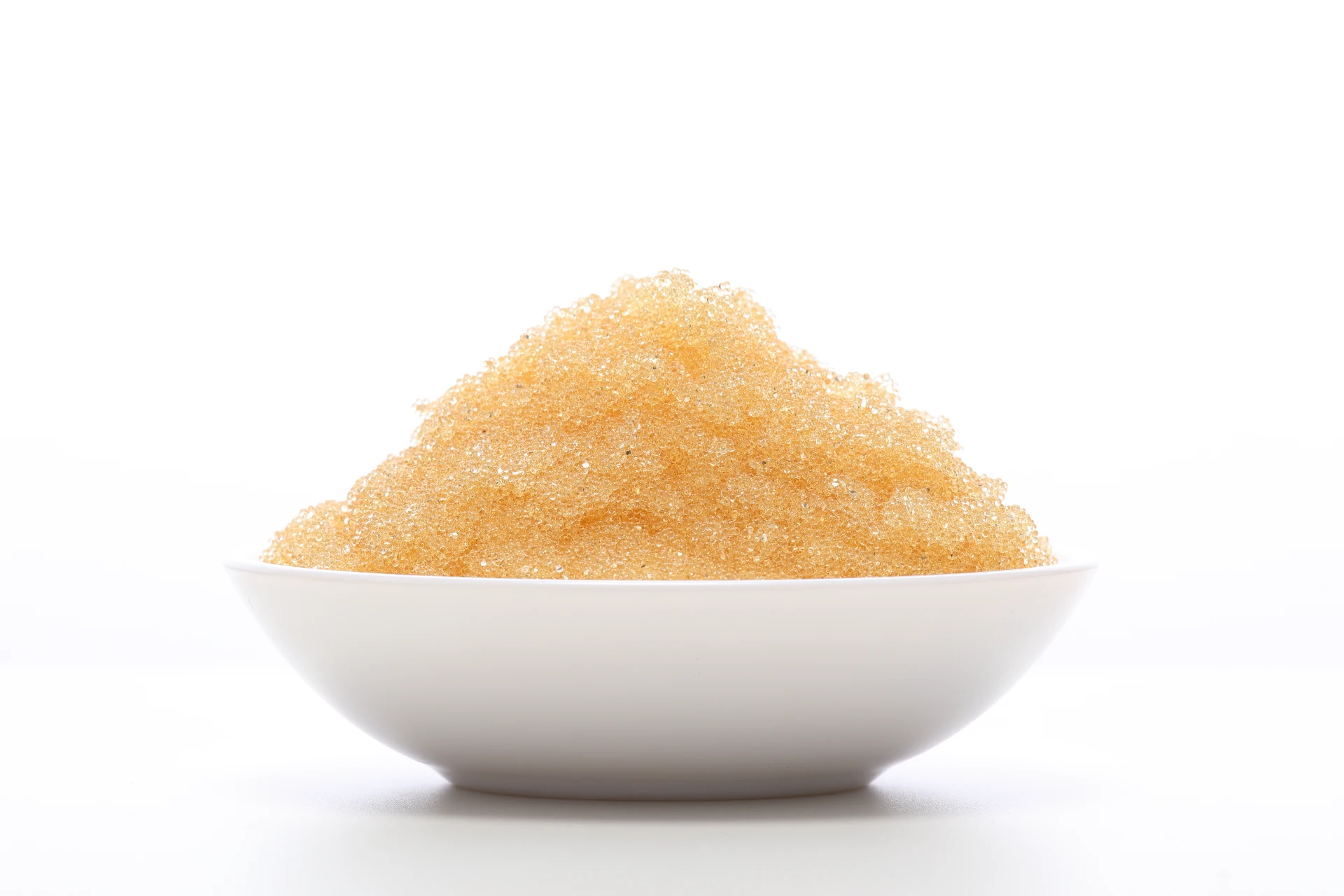
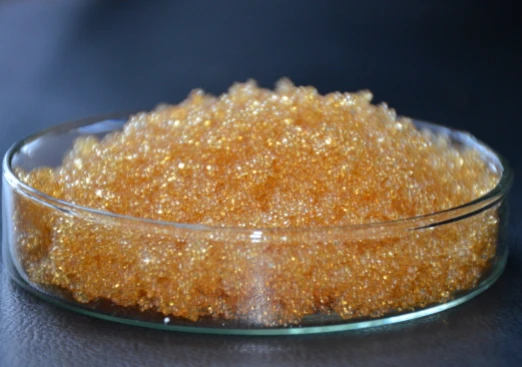
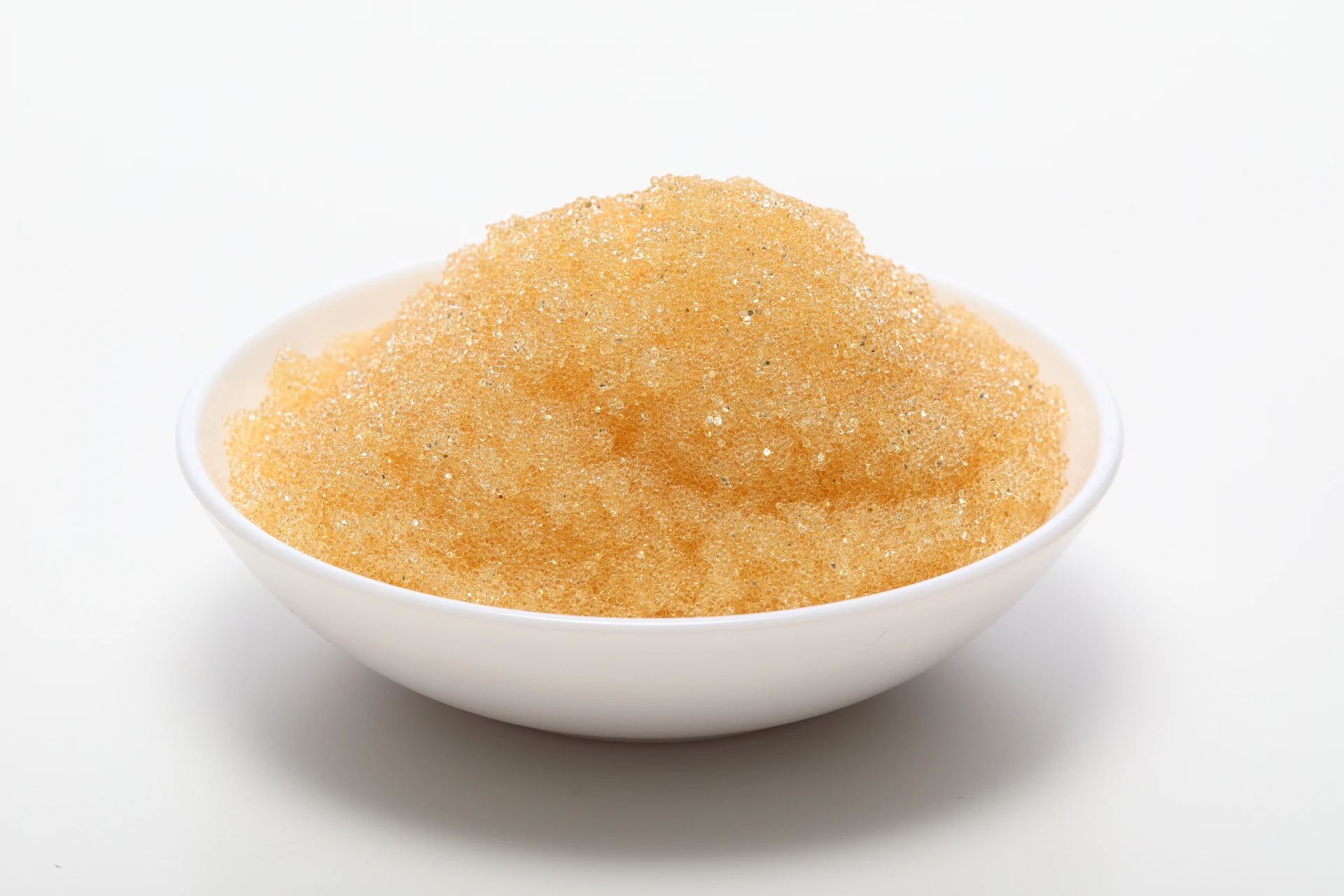
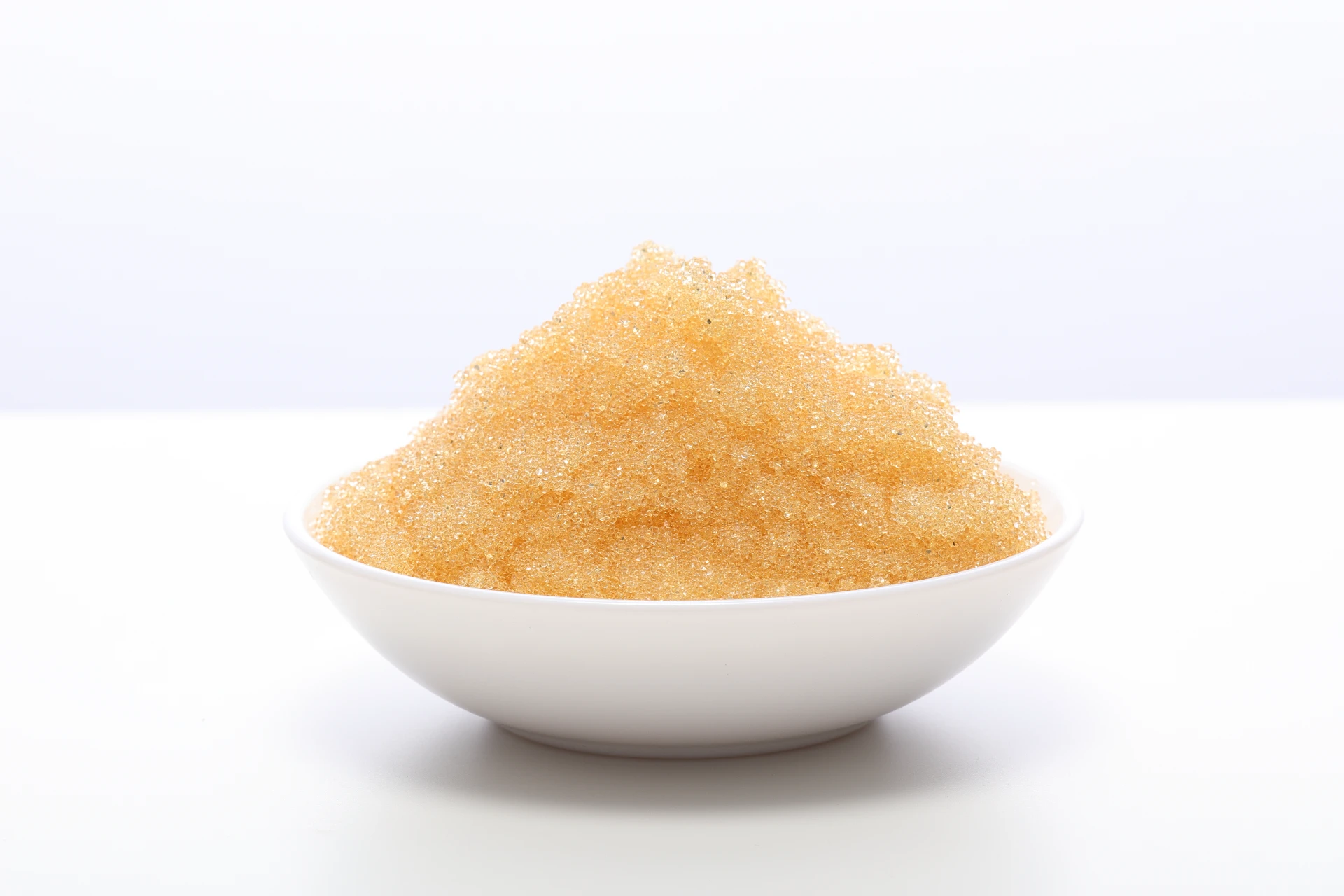
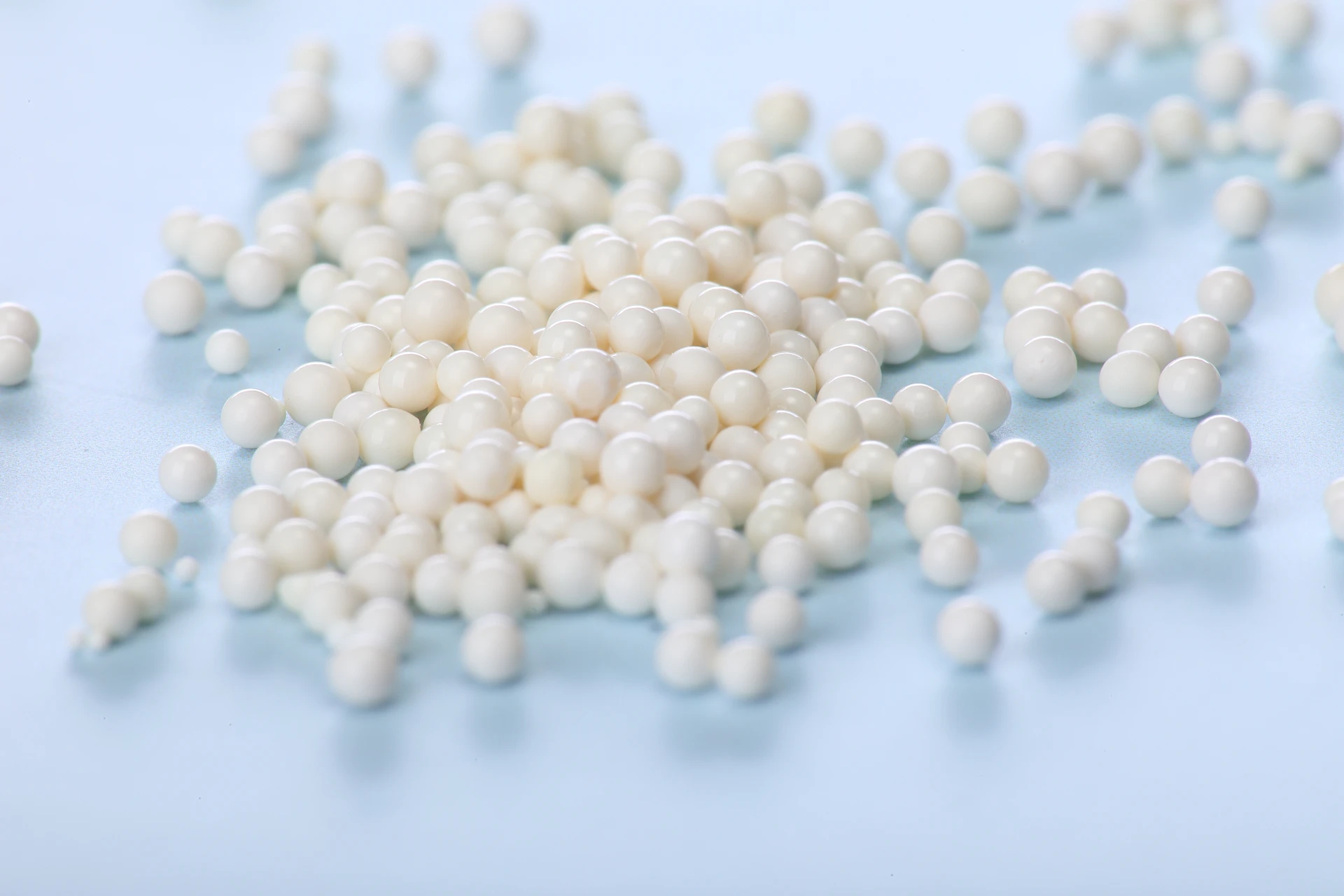
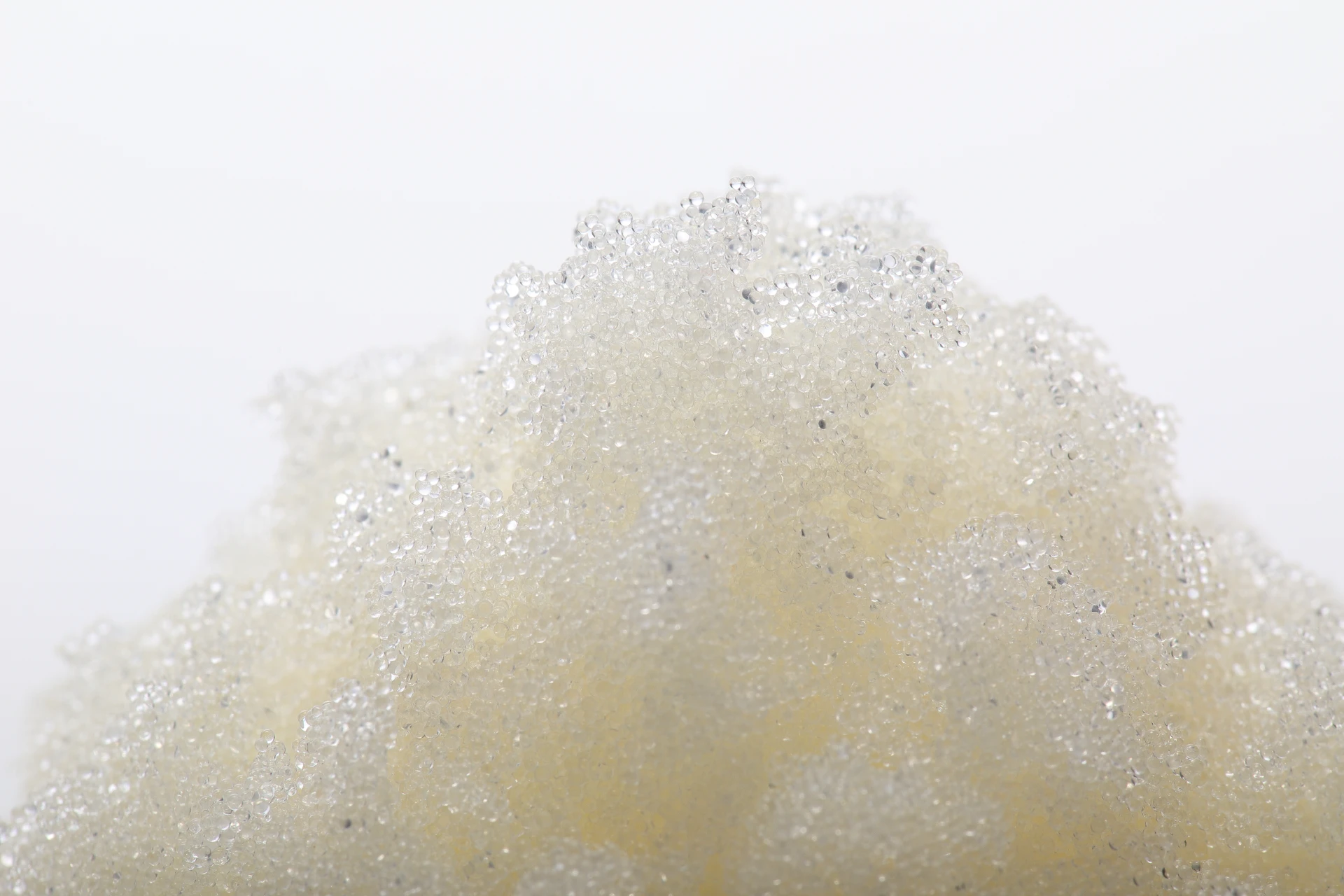
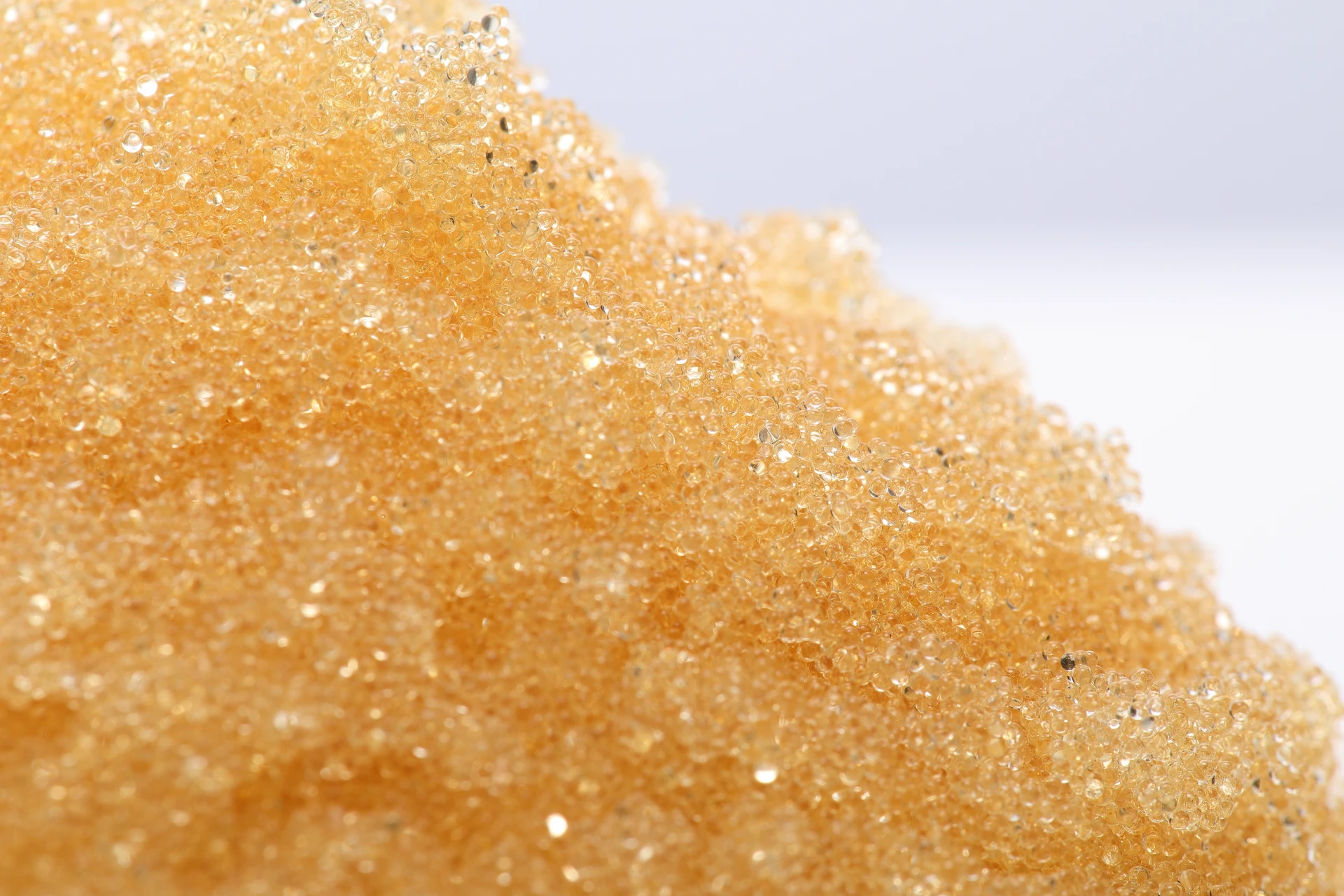
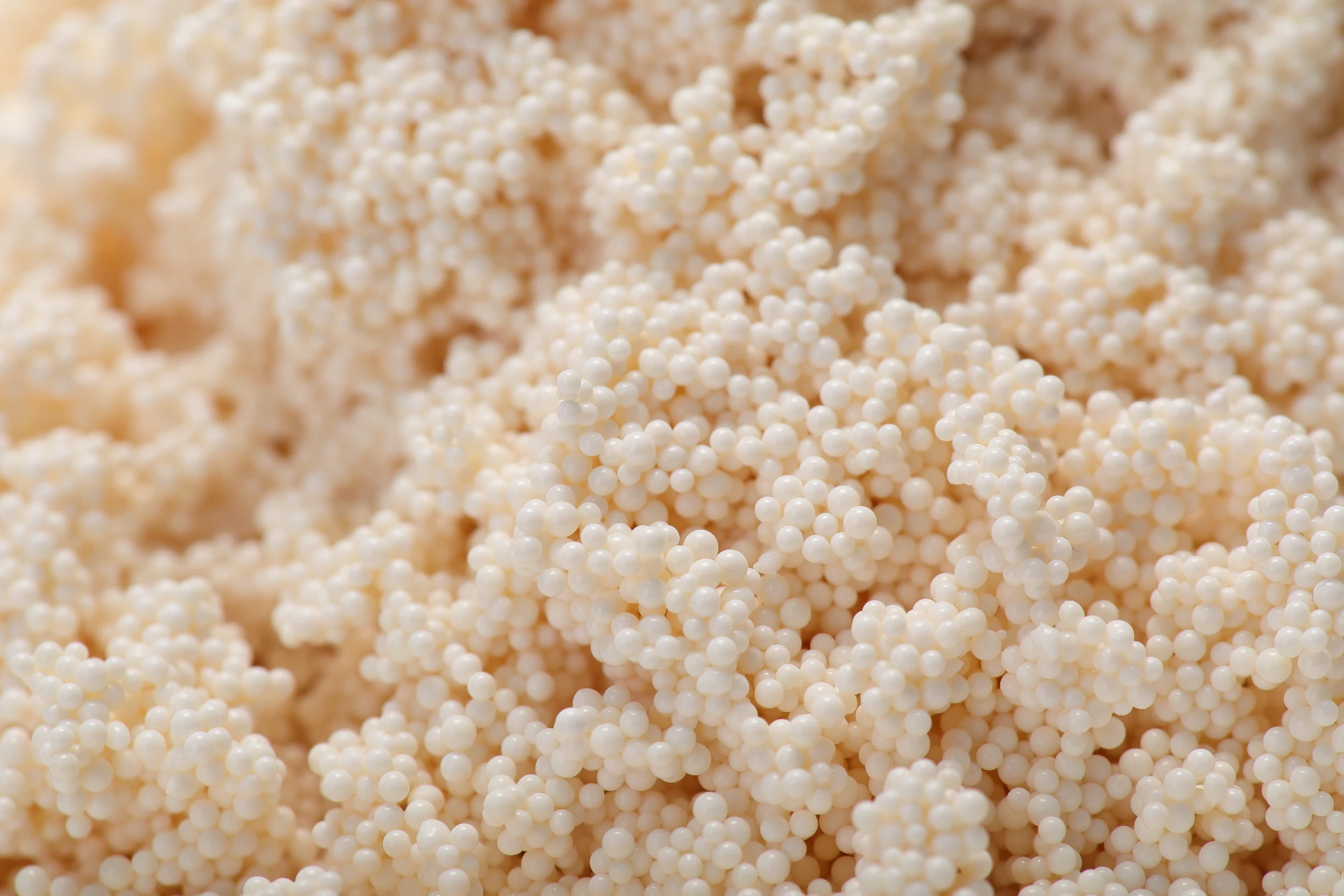
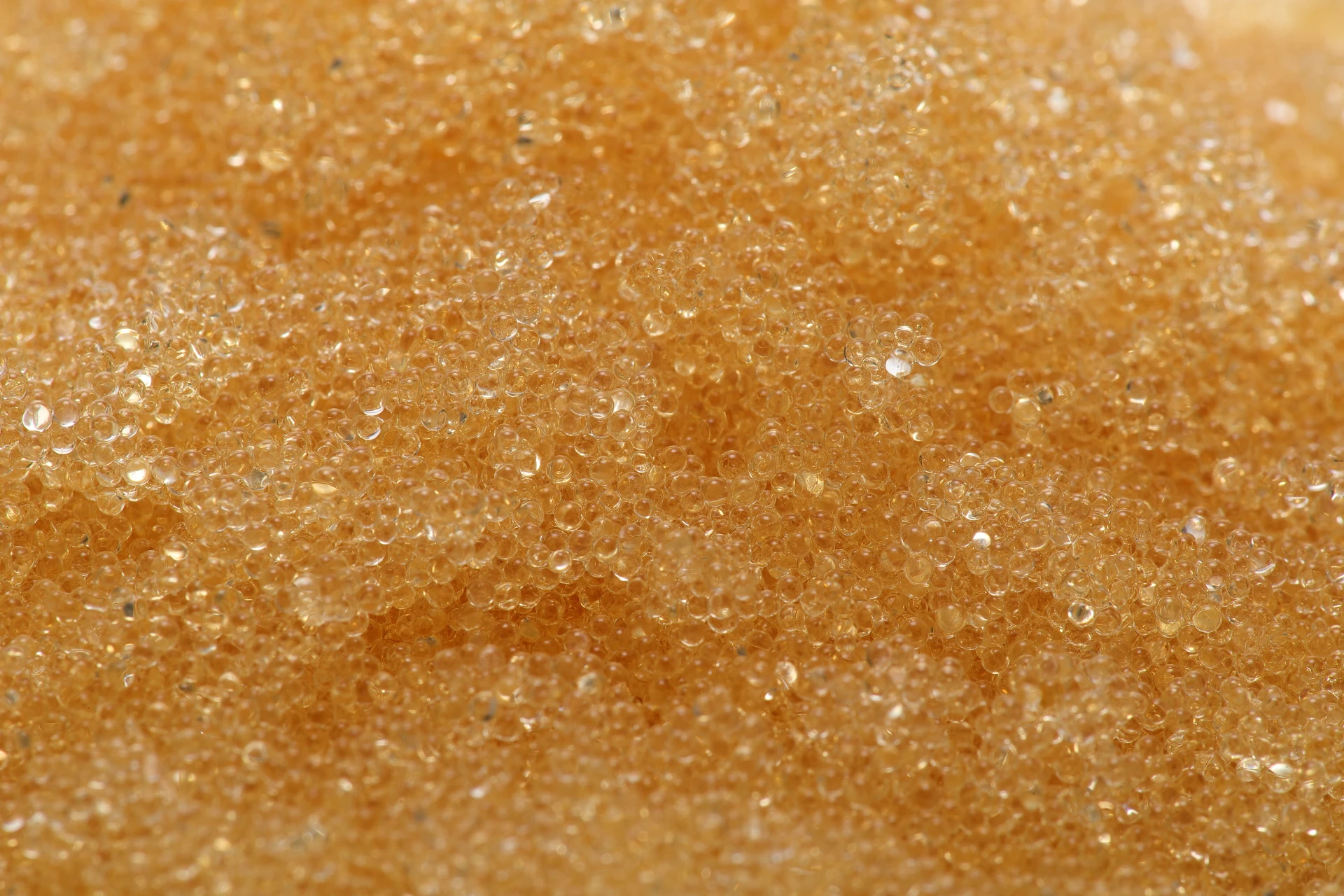
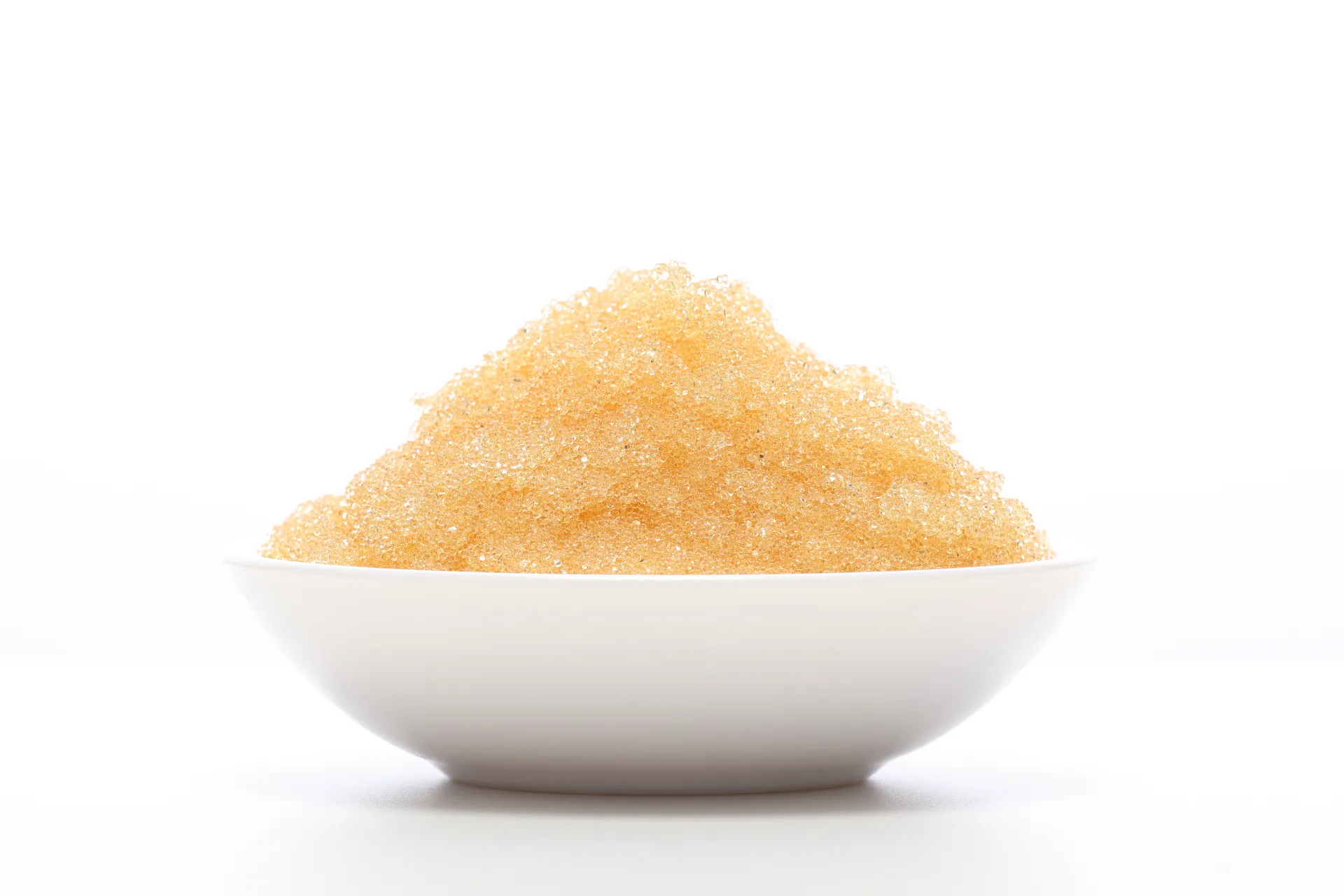
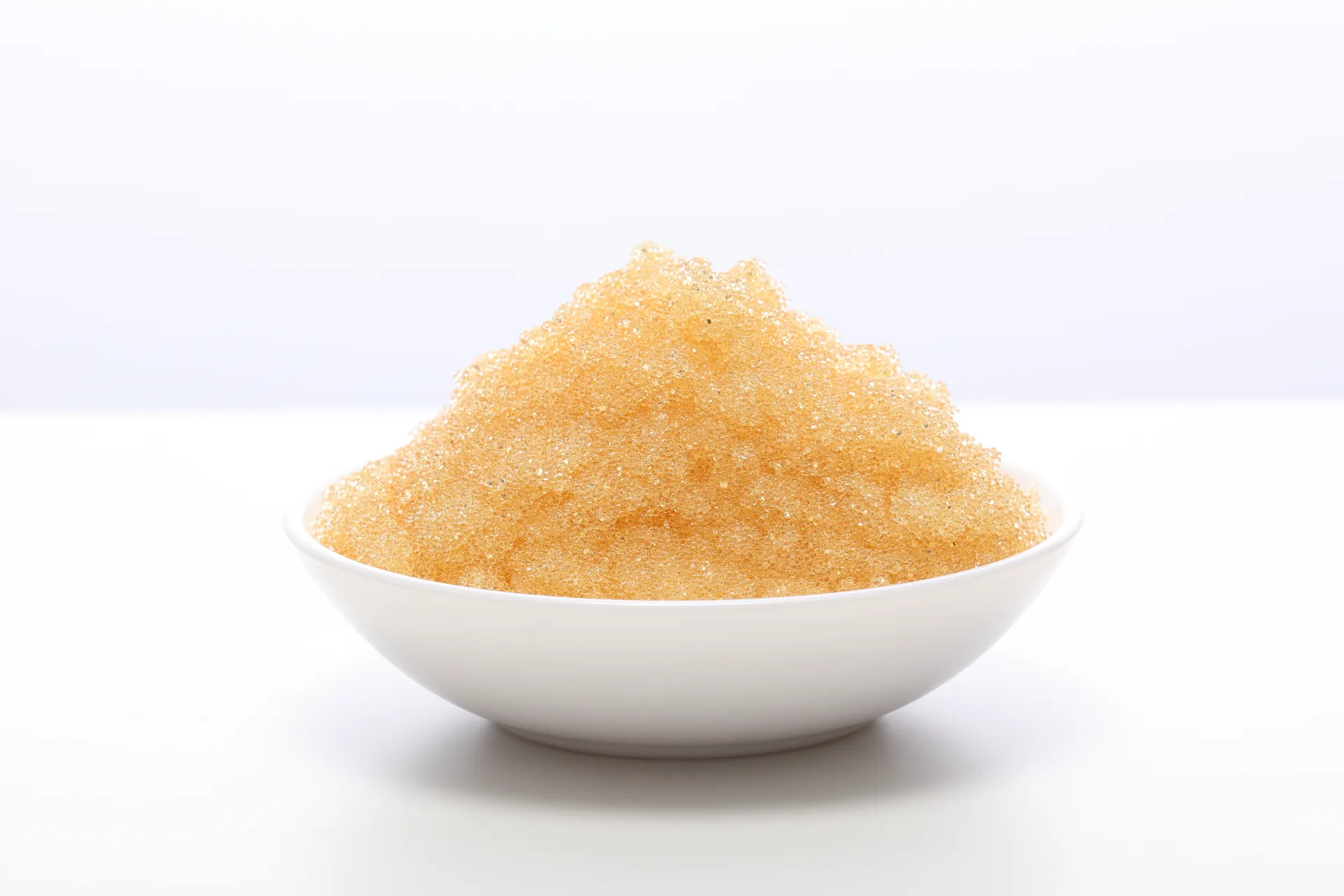
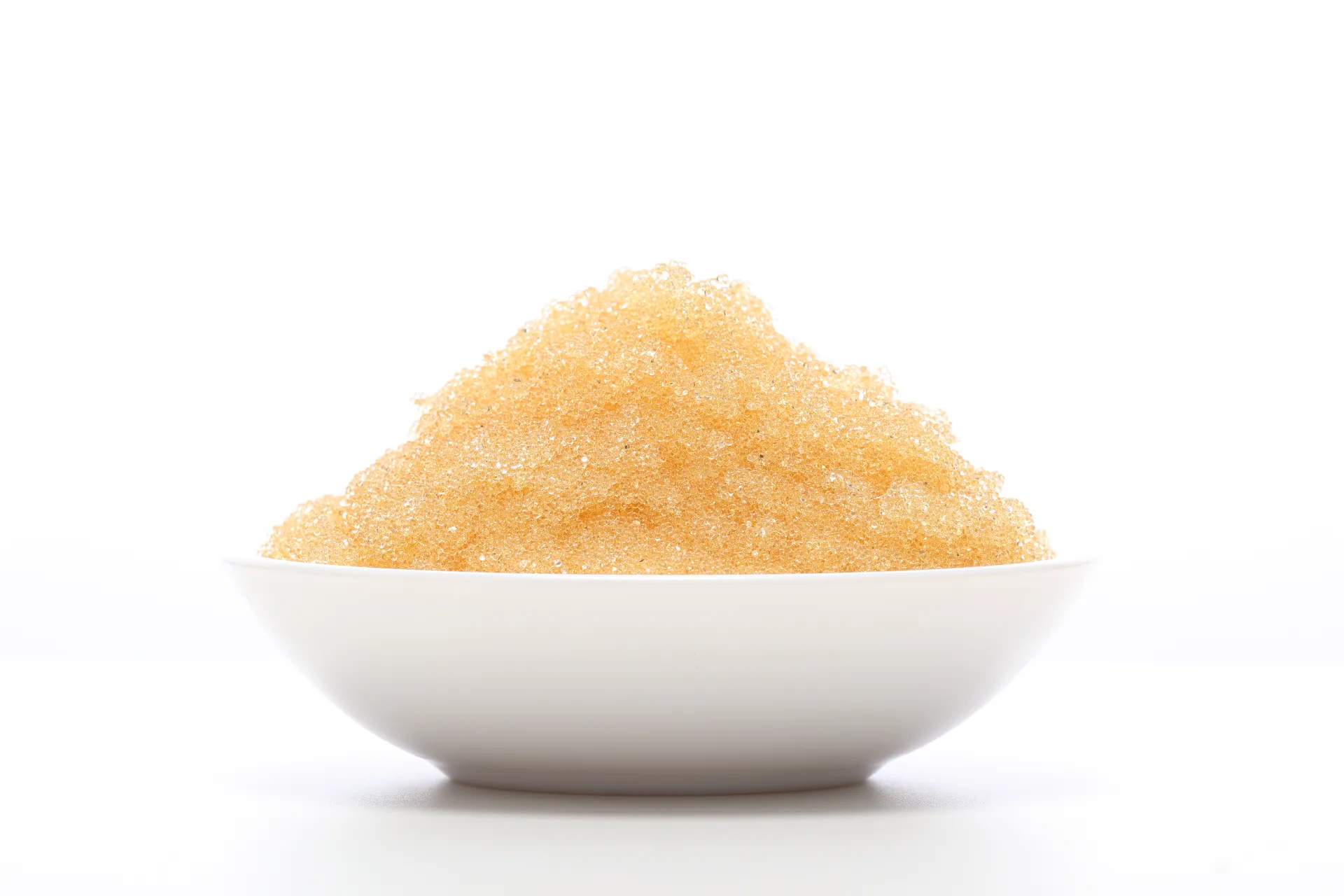
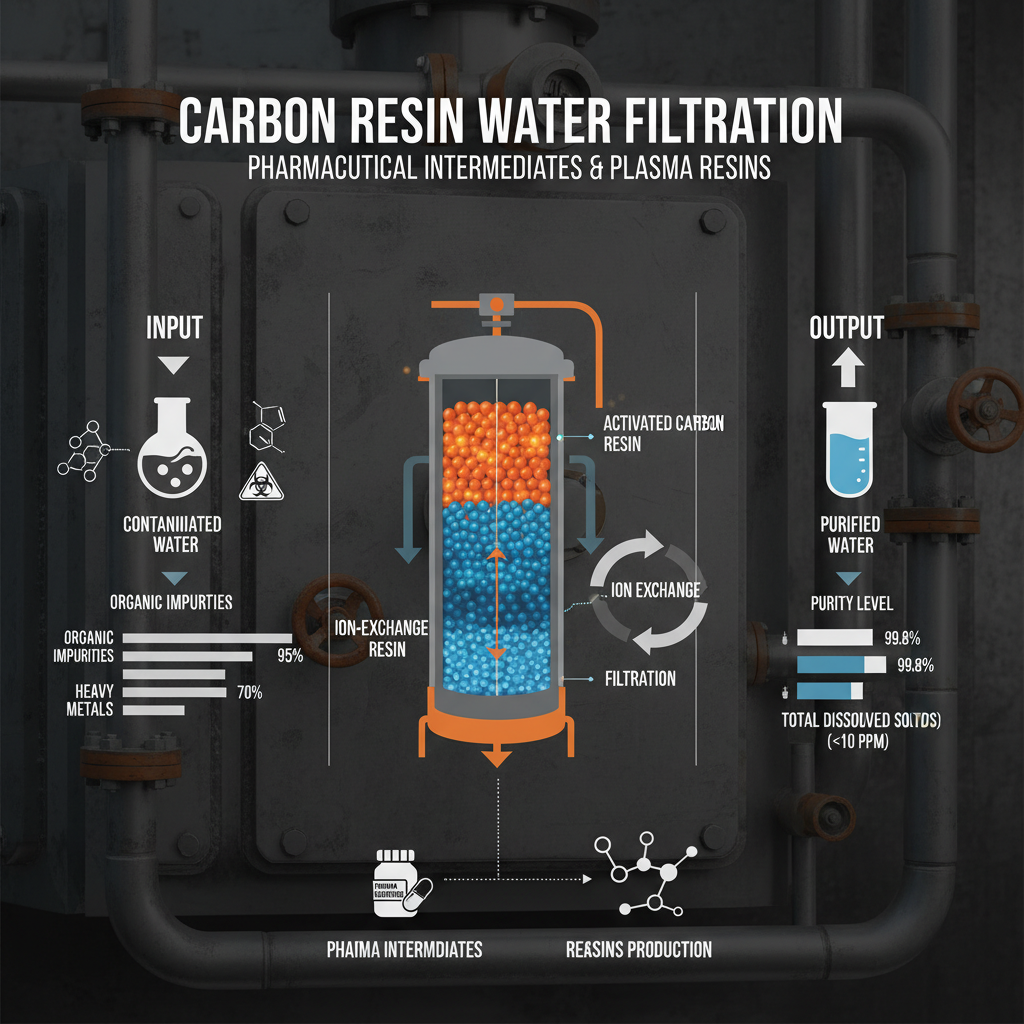
Carbon resin water filters utilize activated carbon, a form of carbon processed to have a large surface area. This large surface area allows the carbon to adsorb contaminants from the water. Adsorption is the process where contaminants adhere to the surface of the carbon. These filters effectively remove chlorine, sediment, volatile organic compounds (VOCs), taste, and odor from water. The resin component often enhances the filtration process, providing additional functionalities like ion exchange. Lijiresin offers a wide range of carbon resin filters designed for various applications.
Key Highlights: Activated carbon's large surface area enables effective contaminant adsorption, while the resin component can provide additional filtration benefits like ion exchange.
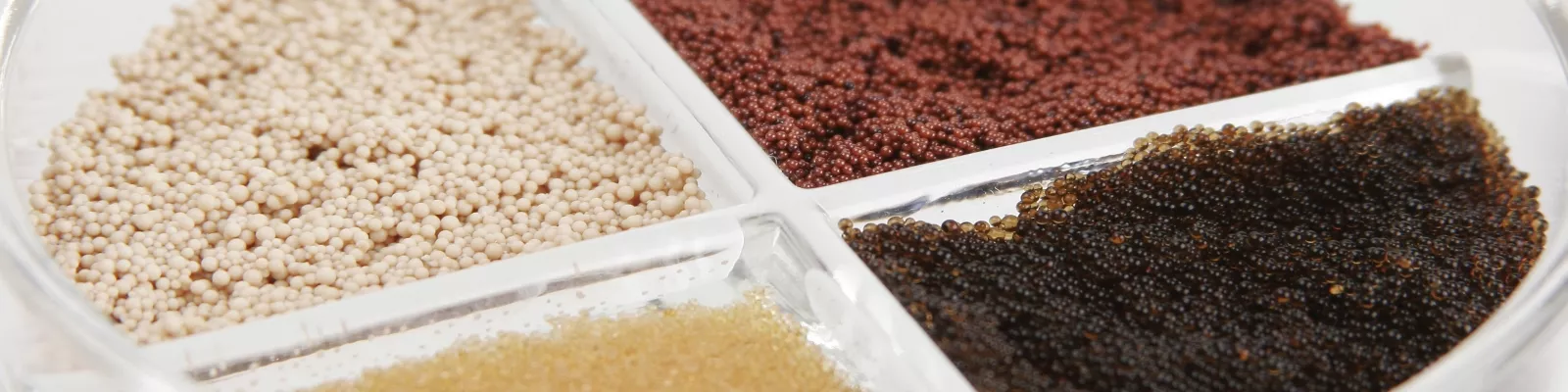
There are several types of carbon resin water filters, each suited for different needs. Granular Activated Carbon (GAC) filters are commonly used for whole-house filtration and remove sediment, chlorine, and VOCs. Carbon block filters, offering higher density, provide superior contaminant removal and are often used for point-of-use applications like drinking water filters. Catalytic carbon filters are designed to remove chloramines and hydrogen sulfide. Resin filters can also be combined with other filtration media, such as sand or gravel, to enhance performance. Choosing the right type depends on the specific contaminants you need to remove and the volume of water you need to filter.
Carbon Resin Filter Types:
• Granular Activated Carbon (GAC)
• Carbon Block
• Catalytic Carbon
• Combined Media Filters
Carbon resin water filters are incredibly versatile and find applications in diverse settings. Residential use includes point-of-use filters for drinking water, refrigerator filters, and whole-house filtration systems. Commercial and industrial applications encompass water treatment for manufacturing processes, wastewater treatment, and food and beverage production. They're also crucial in aquariums to maintain water quality. Furthermore, they are utilized in removing odors and contaminants from industrial air streams. Lijiresin’s filters are tailored to meet specific application demands.
Selecting the appropriate carbon resin water filter requires careful consideration of several factors. The type of contaminants present in your water source is paramount. Water testing is highly recommended. Flow rate, or the amount of water that can be filtered per minute, is also crucial. Filter size and capacity determine how often the filter needs replacing. Consider the operating pressure and temperature requirements of the filter. Finally, certification from reputable organizations like NSF International ensures the filter meets established safety and performance standards.
Proper maintenance is key to maximizing the effectiveness and lifespan of your carbon resin water filter. Regularly backwashing the filter (for some types) helps remove accumulated sediment and prevent clogging. Follow the manufacturer's instructions for backwashing frequency. Monitor the water flow rate; a decrease in flow indicates the filter is becoming clogged and needs replacement. Typically, carbon resin filters need to be replaced every 6-12 months, depending on water quality and usage. Replacing the filter on schedule ensures continued clean and safe water. Lijiresin provides guidance on filter replacement schedules.
Investing in a quality carbon resin water filter is a crucial step towards ensuring clean, safe, and great-tasting water. From residential to industrial applications, these filters offer a versatile and effective solution for removing a wide range of contaminants. By understanding the different types, applications, and maintenance requirements, you can select the perfect filter to meet your specific needs and enjoy the benefits of purified water.
The replacement frequency depends on your water quality and filter usage. Generally, a carbon resin filter should be replaced every 6-12 months. However, if you notice a decrease in water flow rate or a return of unpleasant taste or odor, it’s a sign that the filter needs replacing. Regularly monitoring your water quality can also help determine the optimal replacement schedule. Factors like sediment load and contaminant levels can accelerate filter depletion.
While carbon resin filters can remove some lead, their effectiveness varies depending on the type of carbon and the lead concentration. Carbon block filters generally perform better at lead removal than GAC filters. For high lead levels, it's recommended to use a filter specifically certified for lead reduction. Combining a carbon resin filter with other filtration technologies, like reverse osmosis, can provide even more comprehensive lead removal.
Yes, carbon resin filters are generally safe for drinking water, especially those certified by organizations like NSF International. Certification ensures the filter meets strict standards for safety and performance. However, it's essential to choose a filter that is specifically designed for drinking water applications and to replace it regularly to prevent the buildup of contaminants. Always follow the manufacturer’s instructions for installation and maintenance.
Granular Activated Carbon (GAC) filters use loose carbon granules, offering a large surface area for adsorption. Carbon block filters, on the other hand, are made of compressed carbon powder, resulting in a denser filter with smaller pores. This density allows carbon block filters to remove smaller particles and contaminants more effectively than GAC filters. Carbon block filters are generally preferred for point-of-use applications where higher filtration efficiency is required.