Phone:
+86 0319 2296164


Email:
info@lijiresin.cn
mixed bed di systems have become increasingly crucial in a world demanding ultra-pure water for diverse applications, ranging from pharmaceutical manufacturing to semiconductor fabrication and power generation. The need for consistently high water quality is driven by stricter environmental regulations and the increasing complexity of industrial processes. These systems offer a reliable and cost-effective solution for achieving the necessary purity levels, making them vital across numerous sectors globally. Understanding the principles and functionalities of mixed bed di is therefore paramount for engineers, chemists, and environmental professionals alike.
The global market for water purification systems, including mixed bed di units, is experiencing substantial growth. Reports from organizations like the UN and the World Bank highlight the escalating global water crisis and the subsequent demand for effective water treatment technologies. ISO standards increasingly emphasize water quality benchmarks, further fueling the adoption of mixed bed di. This growth is particularly prominent in developing nations where access to clean water is limited and industrialization is rapidly increasing.
The core challenge addressed by mixed bed di is the removal of ionic contaminants from water. Traditional methods often struggle to achieve the extremely low parts-per-billion (ppb) or even parts-per-trillion (ppt) levels required for critical applications. Mixed bed di offers a practical and scalable solution to this issue, making it an indispensable technology for modern industries and essential services.
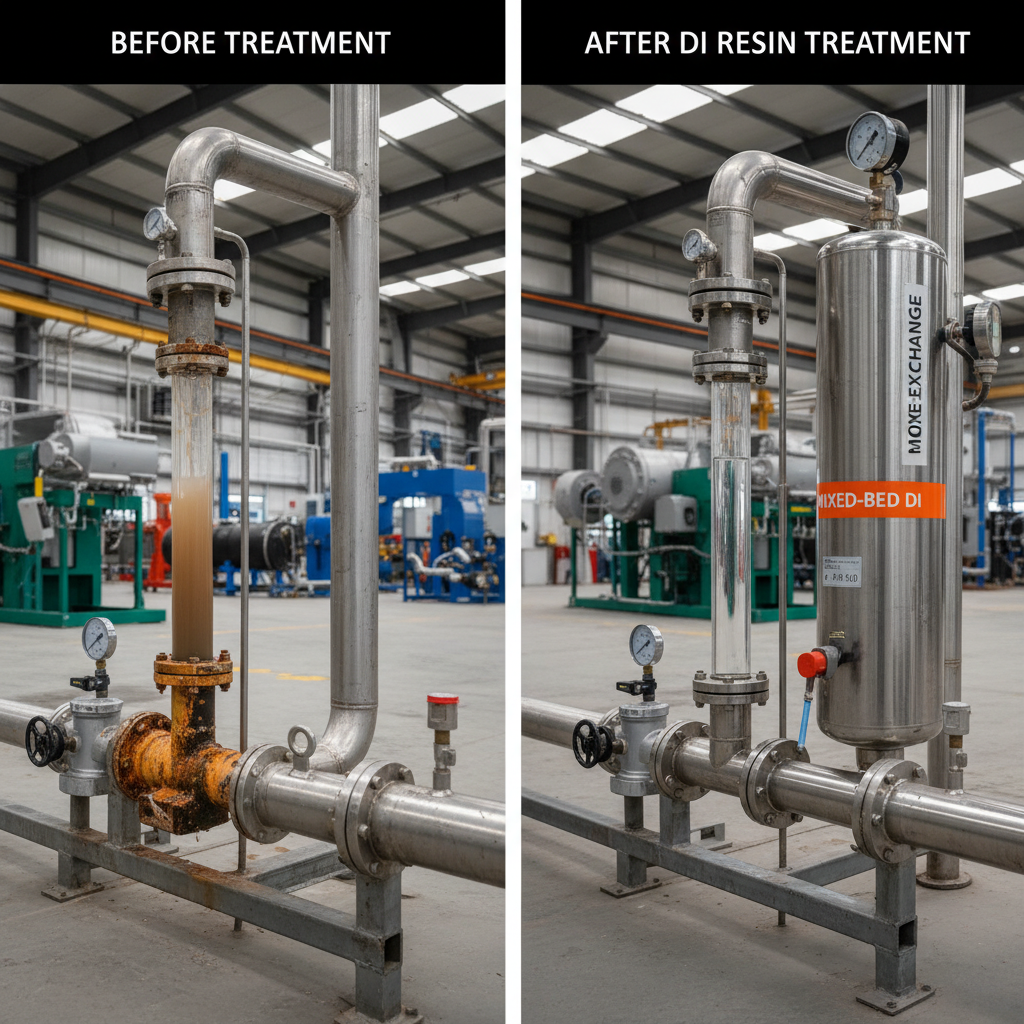
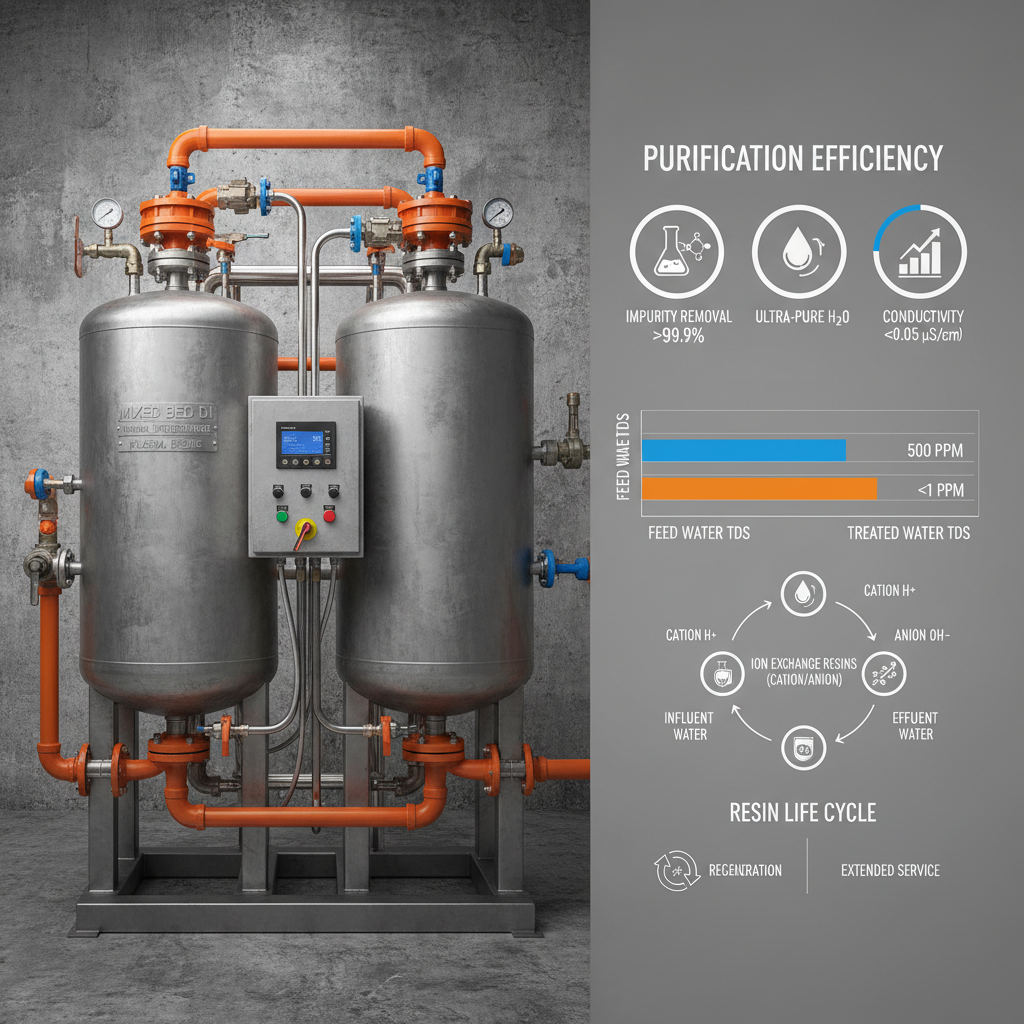
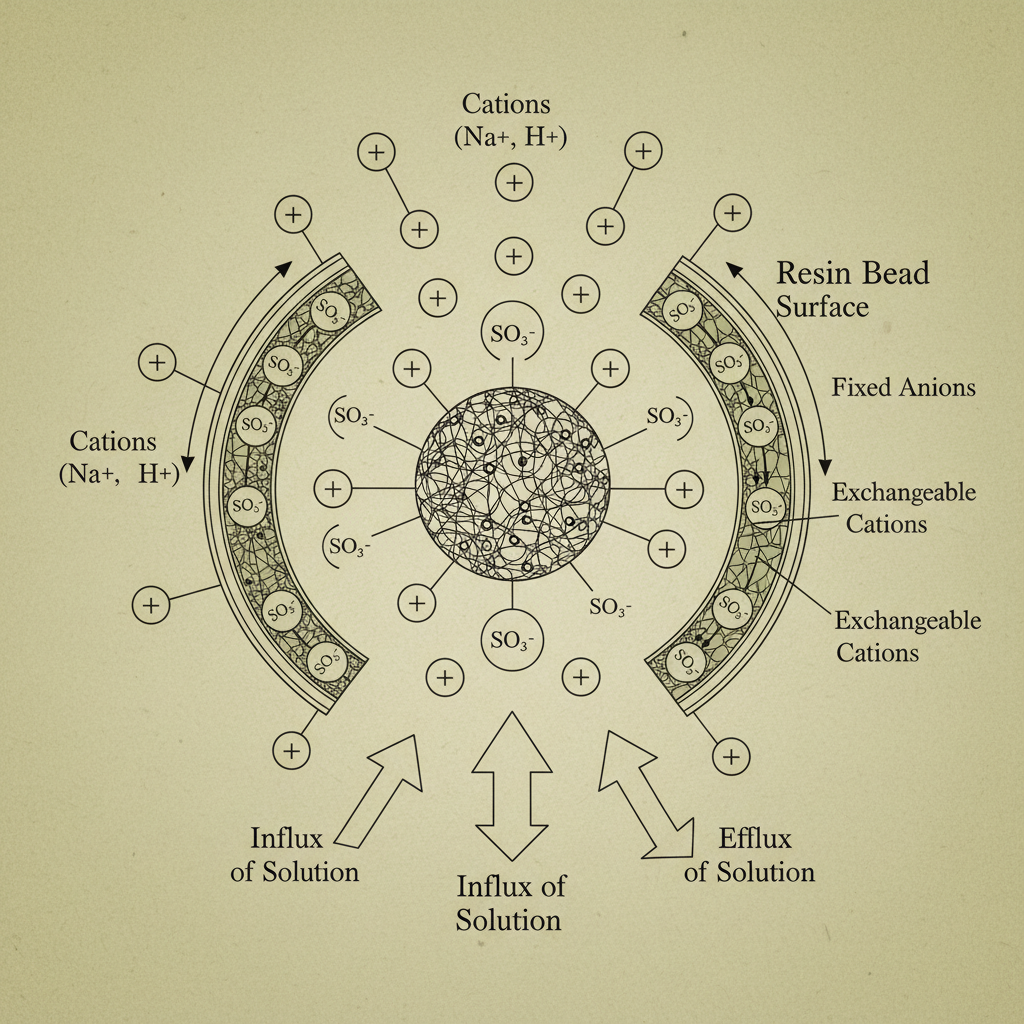
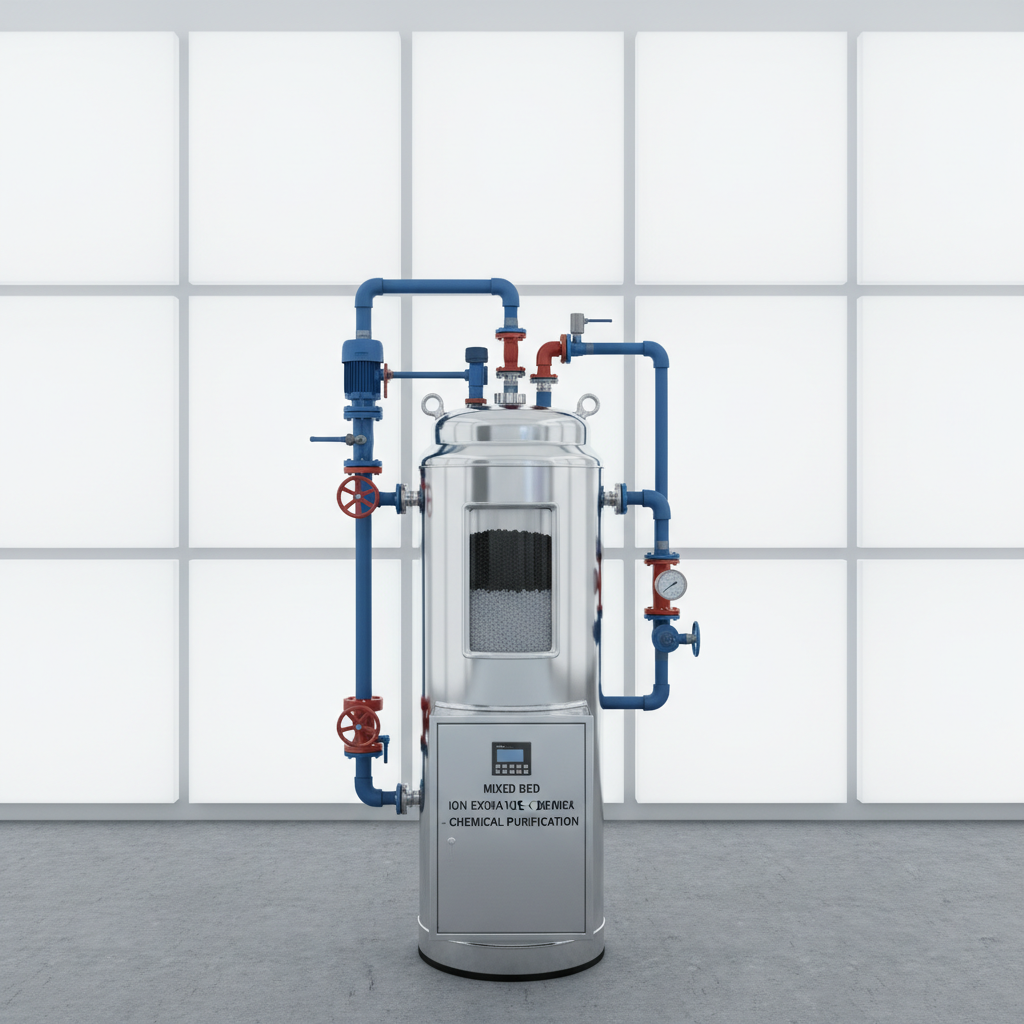
Mixed bed di represents a final polishing step in water treatment processes, ensuring the highest levels of purity. It is particularly effective in removing residual ions after other treatment methods, such as reverse osmosis, have been employed. The process involves passing water through a vessel containing a mixture of strong acid and strong base ion exchange resins.
The significance of mixed bed di extends beyond industrial applications. It plays a crucial role in laboratory research, healthcare, and even in the production of potable water in regions with limited access to clean sources. Its ability to consistently deliver ultra-pure water makes it a cornerstone of many critical processes globally.
Mixed bed di excels in achieving exceptionally high water purity levels, often exceeding those attainable with single-bed ion exchange or reverse osmosis alone. Its ability to simultaneously remove both cations and anions in a single pass results in water with extremely low conductivity and TDS. This makes it ideal for applications requiring ultra-pure water, like pharmaceutical production and semiconductor manufacturing.
The lifespan of the resin in a mixed bed di system depends on several factors, including the initial water quality, the system's operating pressure, and the frequency of regeneration. Typically, resins require replacement every 2-5 years. Regular monitoring of water quality and resin performance can help determine the optimal replacement schedule, maximizing efficiency and minimizing costs.
Regeneration of a mixed bed di system involves using strong acid (typically hydrochloric acid or sulfuric acid) for cation resin regeneration and strong base (typically sodium hydroxide) for anion resin regeneration. These chemicals restore the resins' ion exchange capacity by replacing the captured ions with hydrogen and hydroxyl ions, respectively. Careful handling and disposal of these chemicals are crucial for safety and environmental compliance.
While the initial investment in a mixed bed di system can be significant, it often proves cost-effective in the long run, particularly for applications requiring consistently high water purity. Reduced downtime, improved product quality, and minimized waste contribute to substantial cost savings. Efficient regeneration practices and proper maintenance further enhance the system’s economic benefits.
The size of the mixed bed di system – specifically the volume of resin – directly impacts its capacity and ability to handle varying water demands. Larger systems offer greater capacity and can process larger volumes of water between regeneration cycles. Selecting the appropriate size is crucial to ensure consistent water quality and avoid frequent regeneration, optimizing performance and minimizing operational costs.
Pre-treatment is essential to protect the mixed bed di resin from fouling and damage. Common pre-treatment steps include filtration to remove suspended solids, activated carbon filtration to remove organic contaminants, and softening to reduce water hardness. Proper pre-treatment extends the resin’s lifespan and ensures optimal system performance.
Mixed bed di technology stands as a cornerstone of modern water purification, delivering unparalleled levels of water purity essential for diverse industries and applications. Its ability to remove virtually all ionic contaminants, coupled with its scalability and relative cost-effectiveness, makes it an indispensable tool for maintaining process efficiency, improving product quality, and safeguarding public health. As water scarcity and quality concerns escalate globally, mixed bed di will continue to play a vital role in ensuring access to clean and reliable water resources.
Looking forward, advancements in resin technology, automation, and digital integration promise to further enhance the performance and sustainability of mixed bed di systems. Investing in research and development, promoting best practices in operation and maintenance, and embracing innovative solutions will be crucial for maximizing the long-term benefits of this critical technology. Visit our website at www.lijiresin.com to learn more.