Phone:
+86 0319 2296164


Email:
info@lijiresin.cn
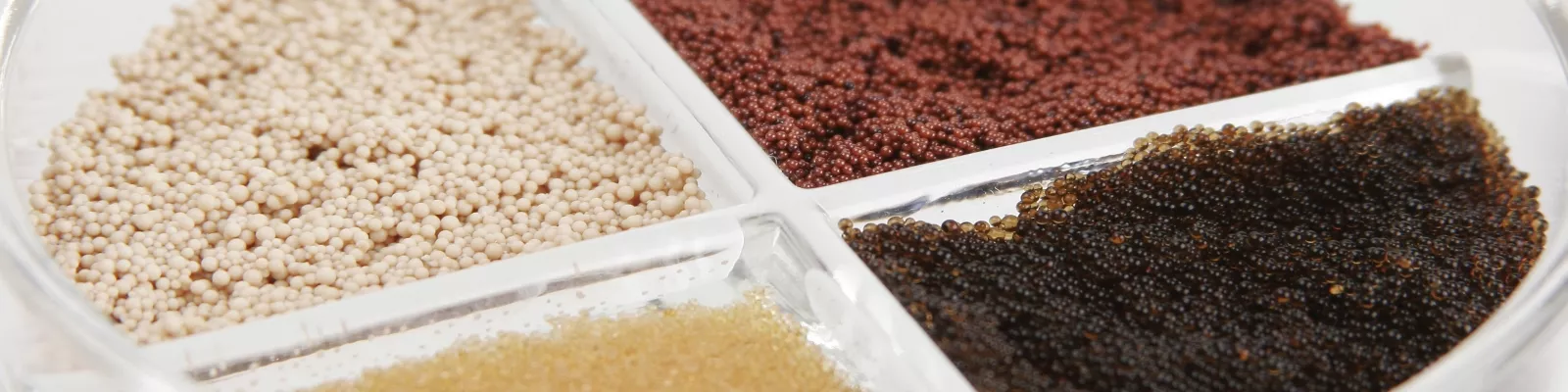
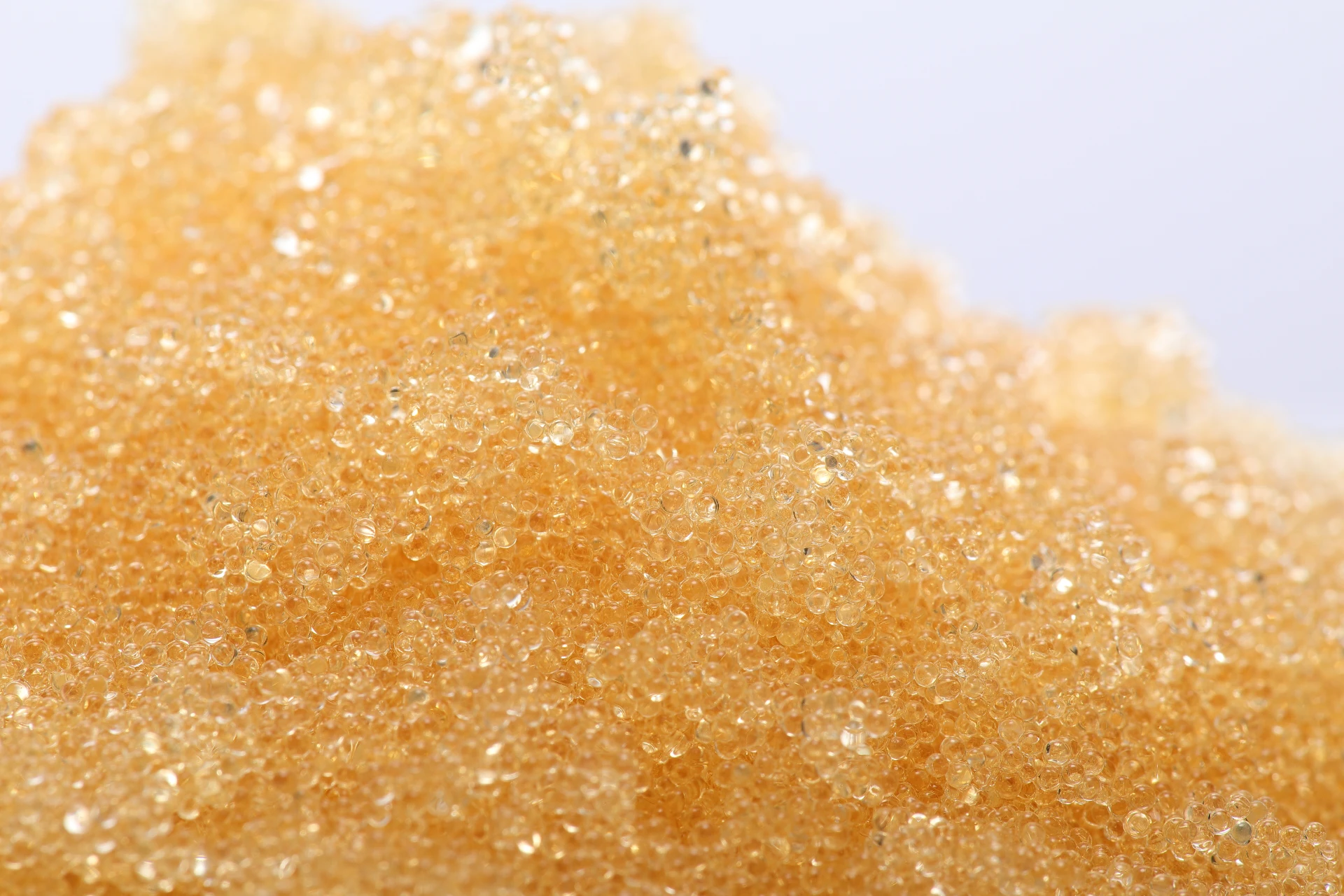
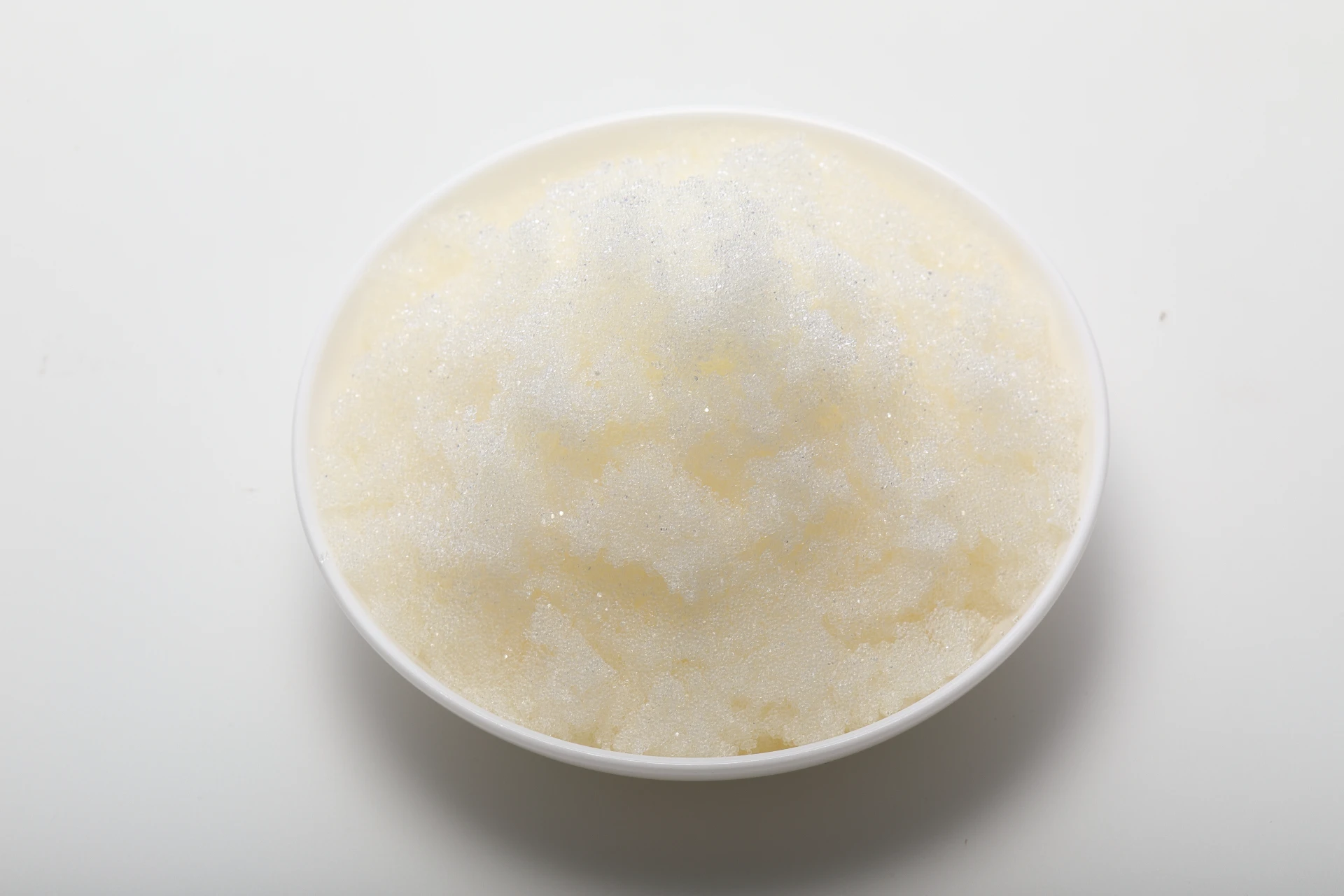
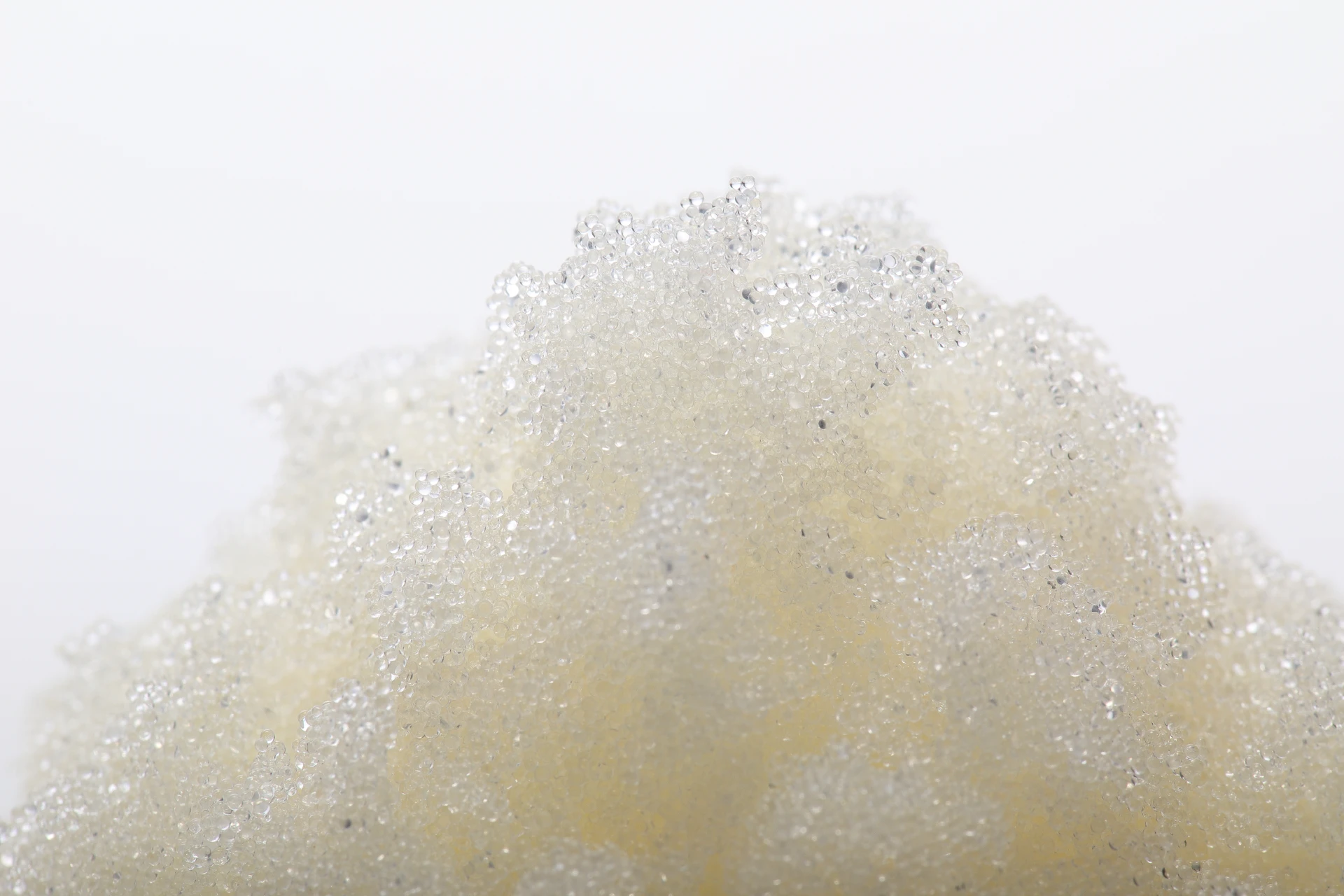
Water softener resin is a crucial component of any water softening system, responsible for removing hardness minerals like calcium and magnesium. Over time, this resin becomes saturated and needs to be regenerated. However, even with regular regeneration, resin eventually degrades and requires changing water softener resin. This article provides a comprehensive guide to understanding resin lifespan, recognizing when it needs replacing, and selecting the right replacement resin. We’ll cover the factors affecting resin performance, regeneration processes, and key considerations for choosing high-quality resin.
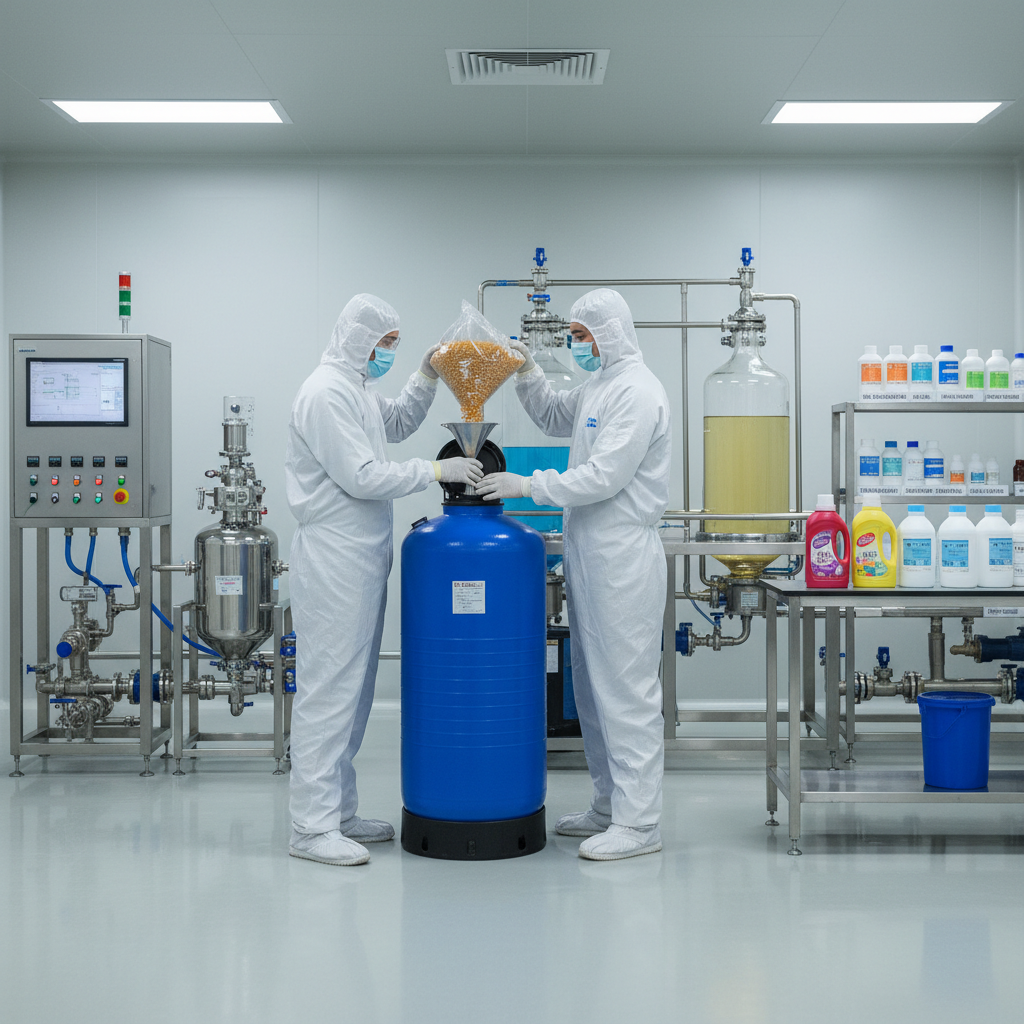
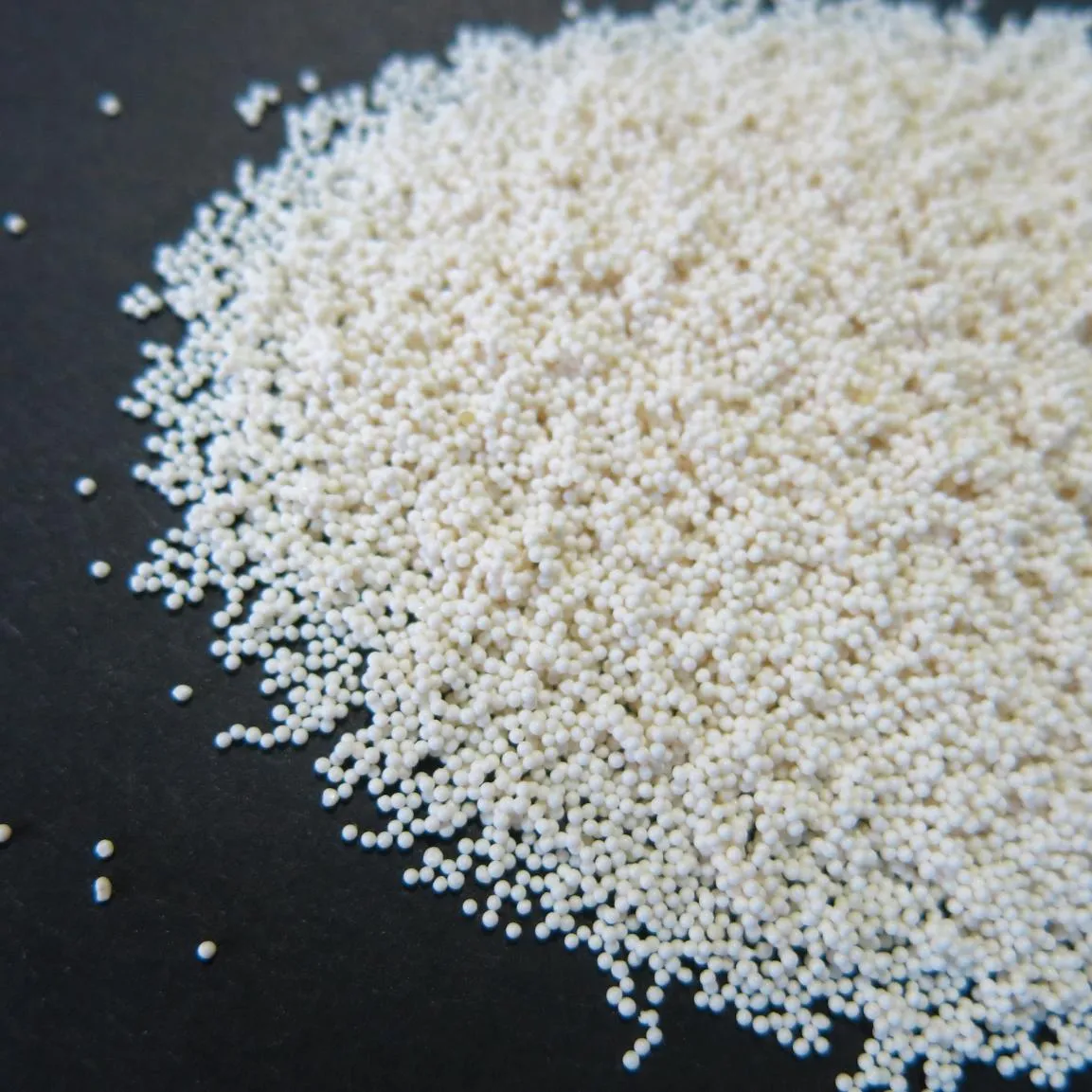
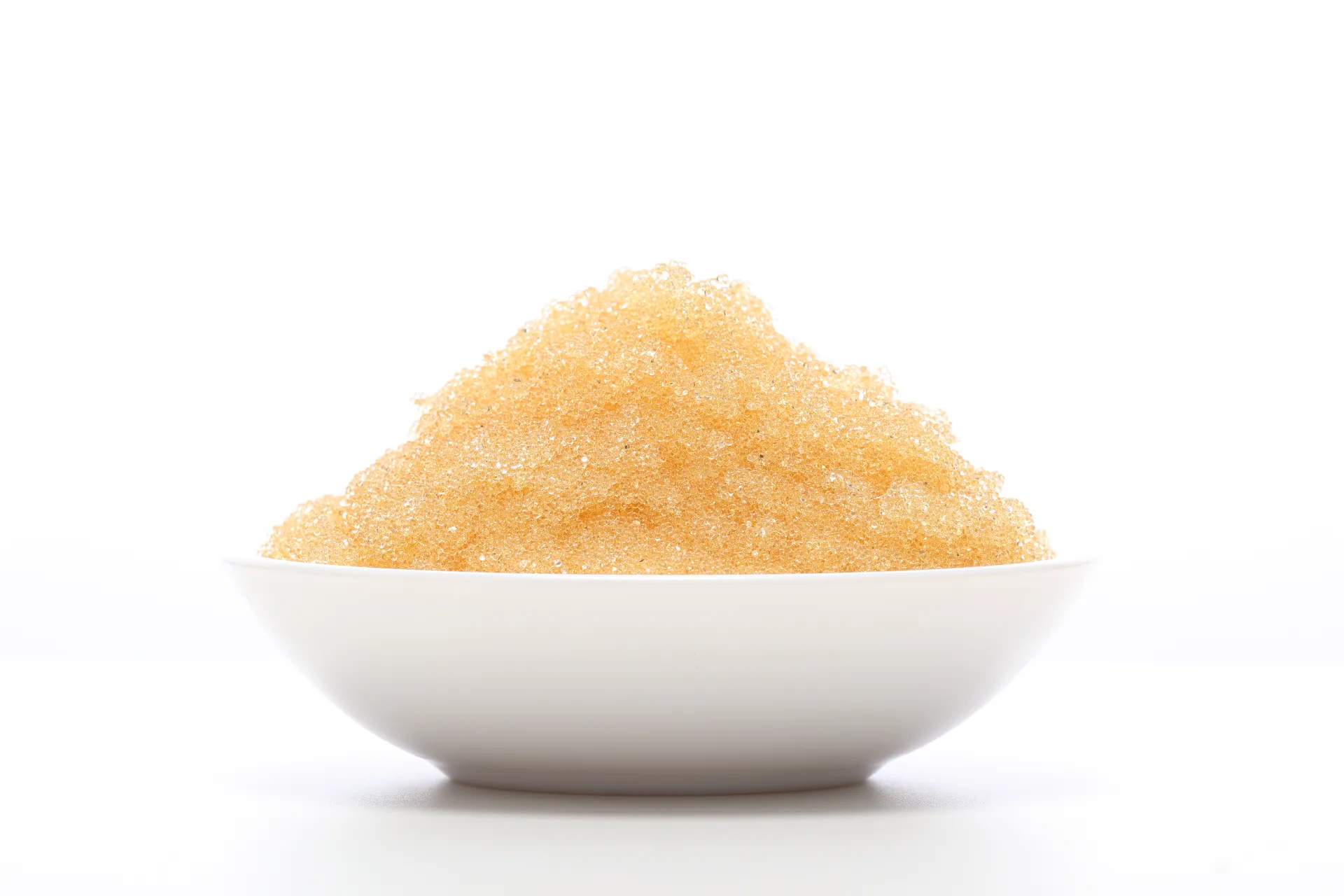
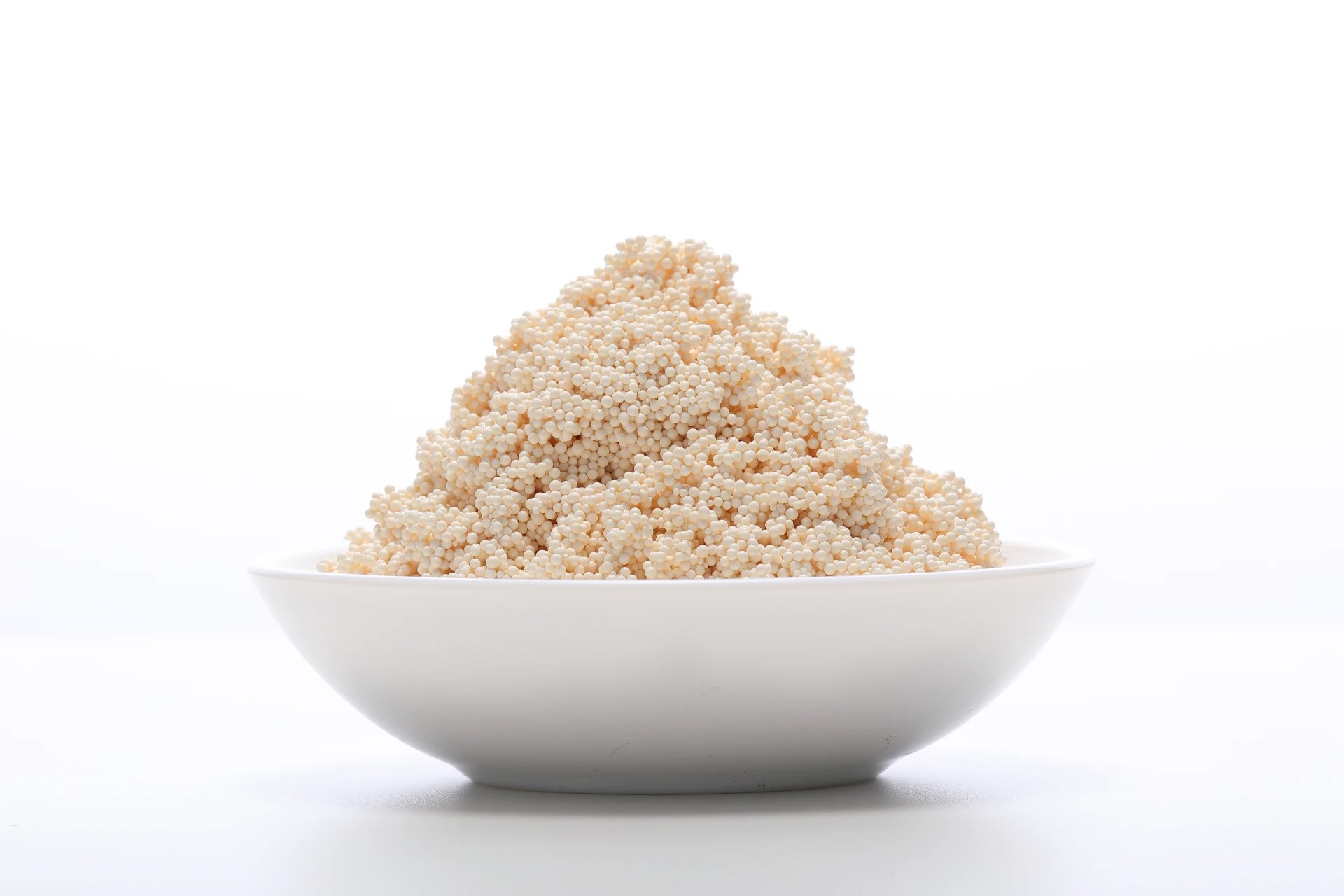
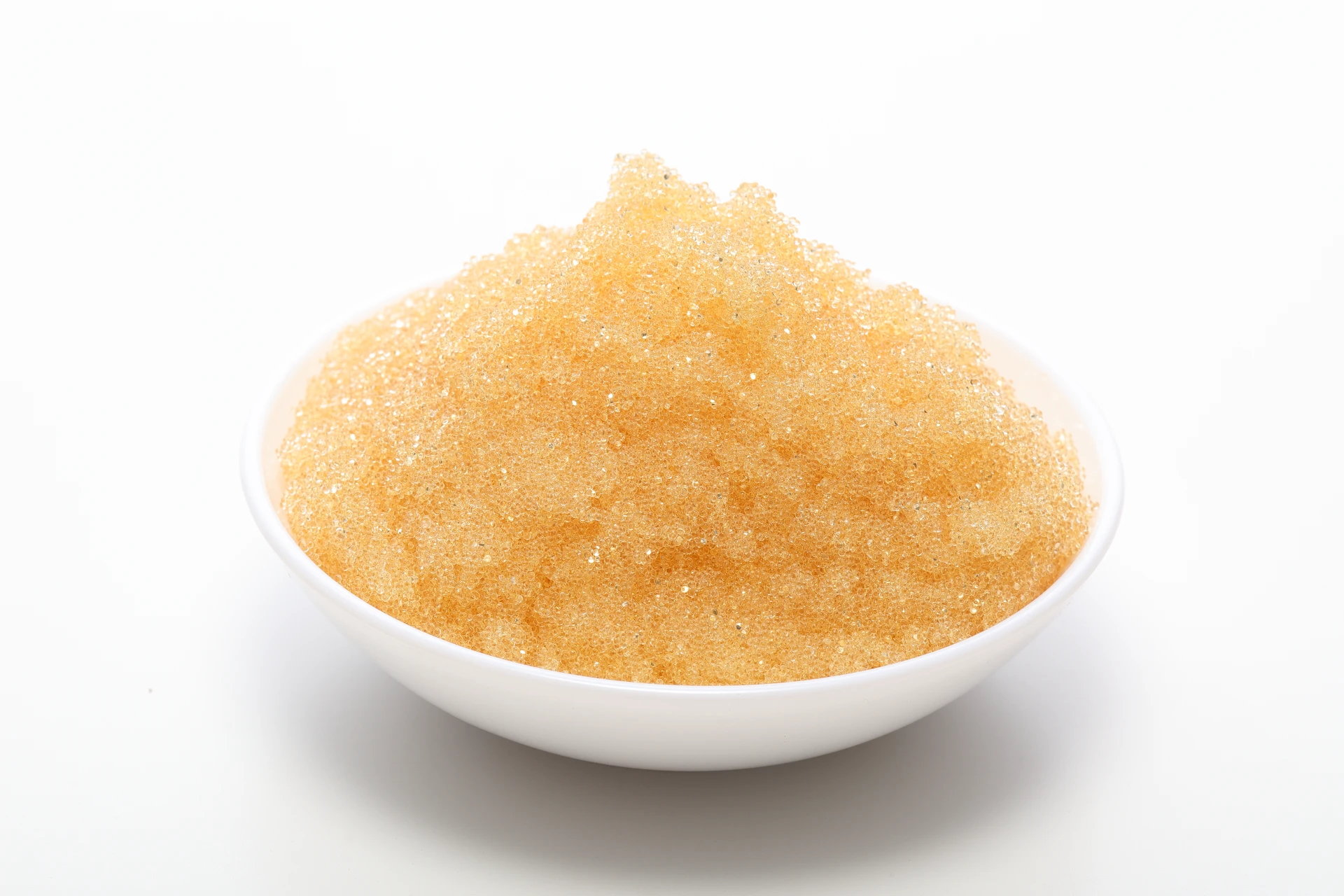
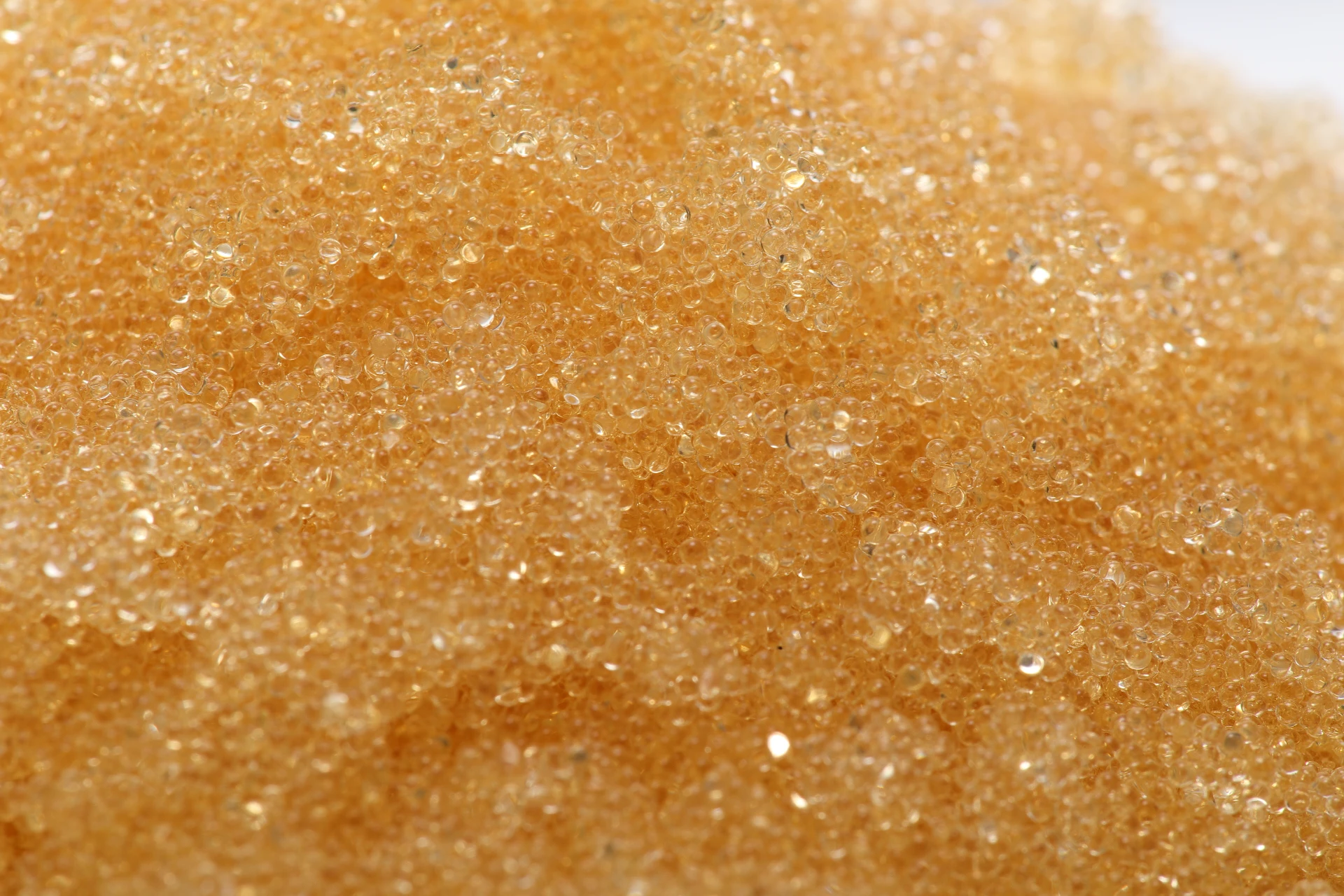
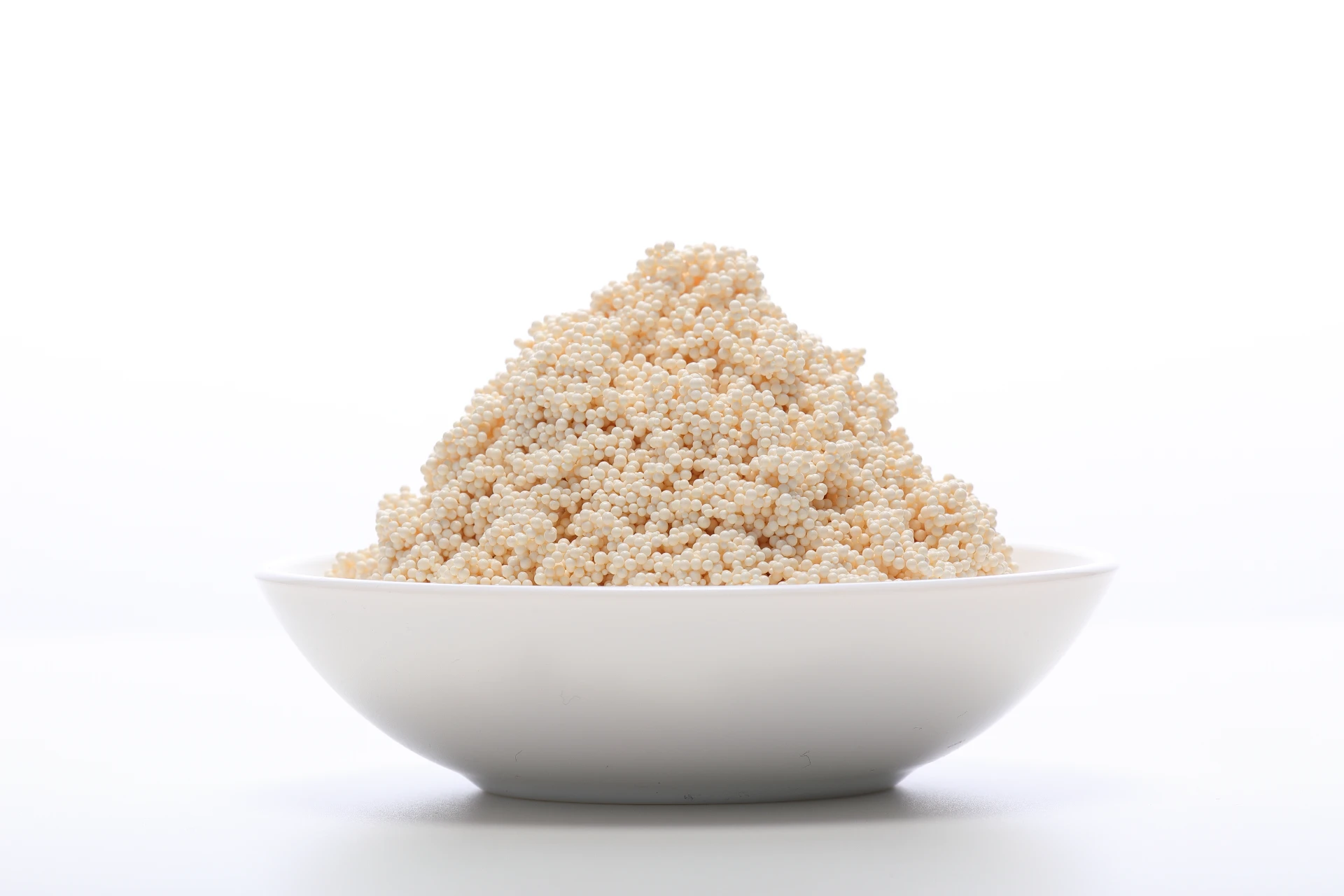
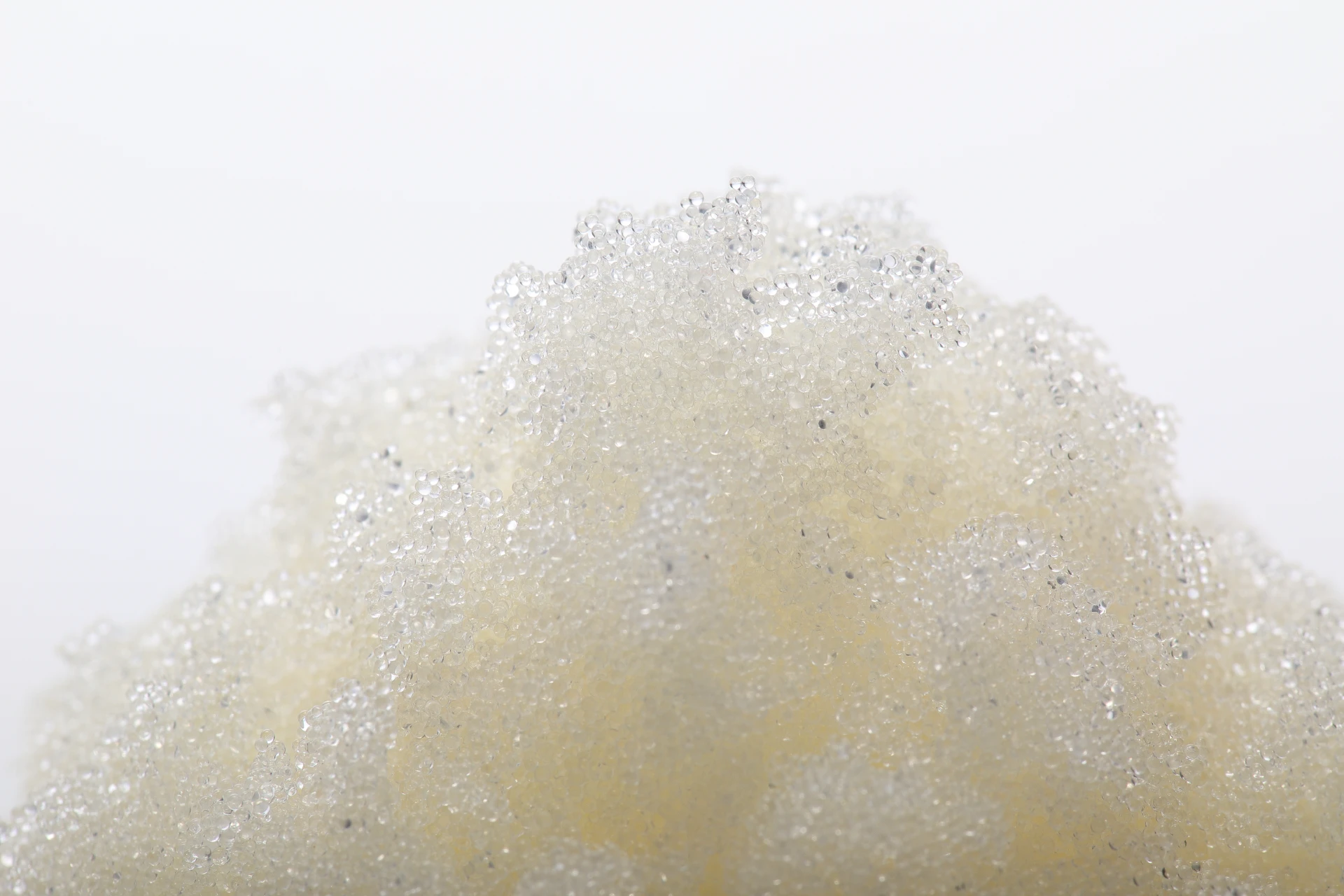
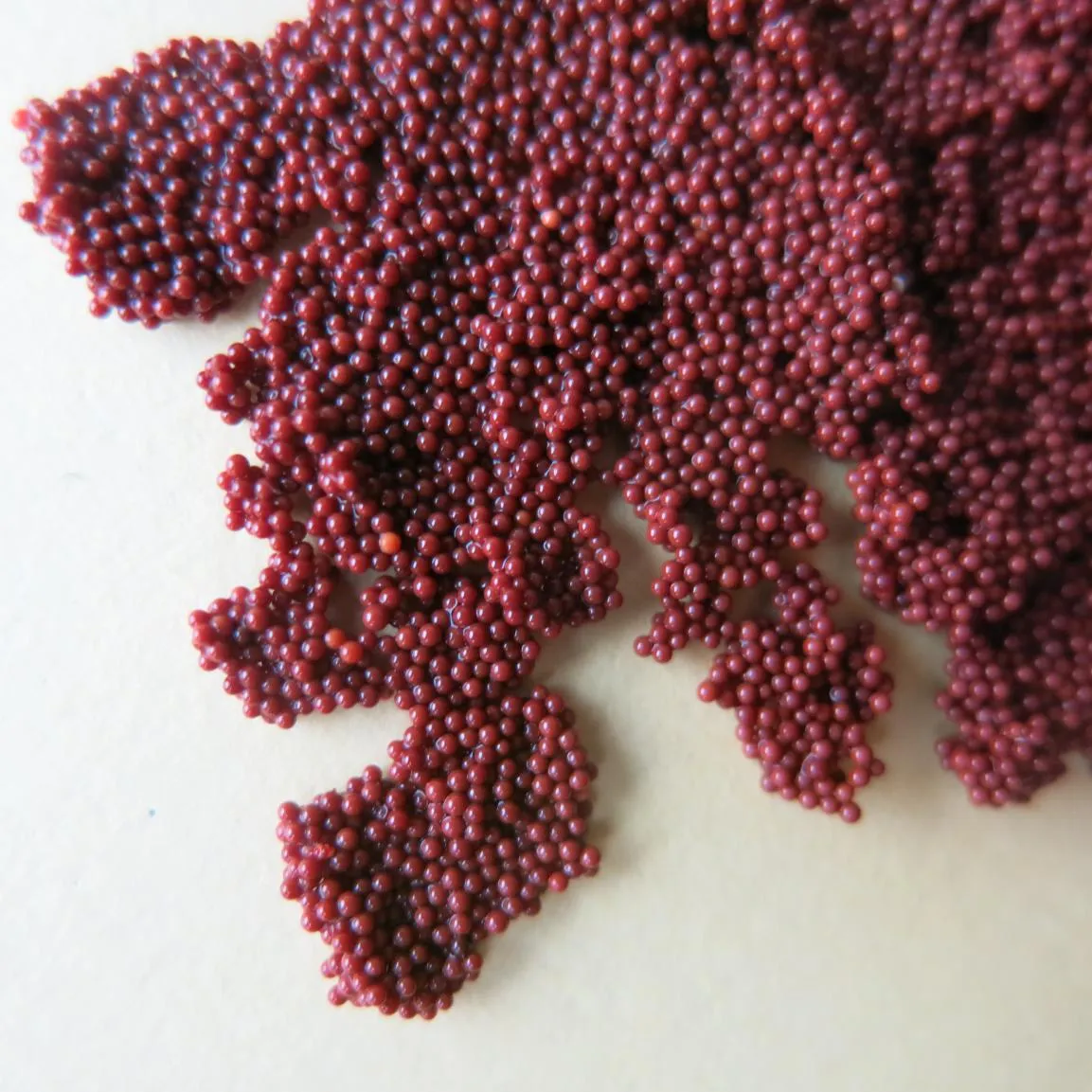
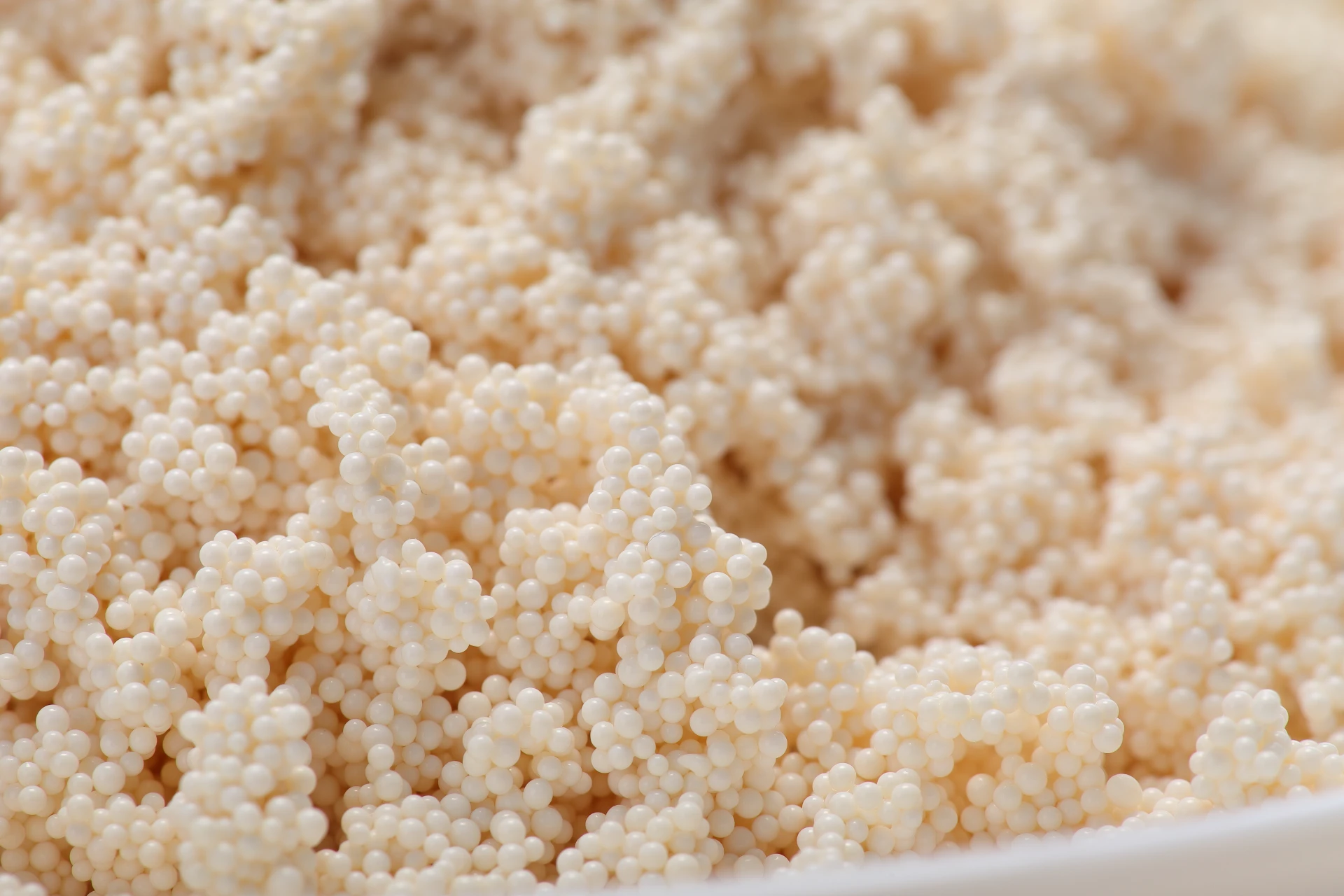
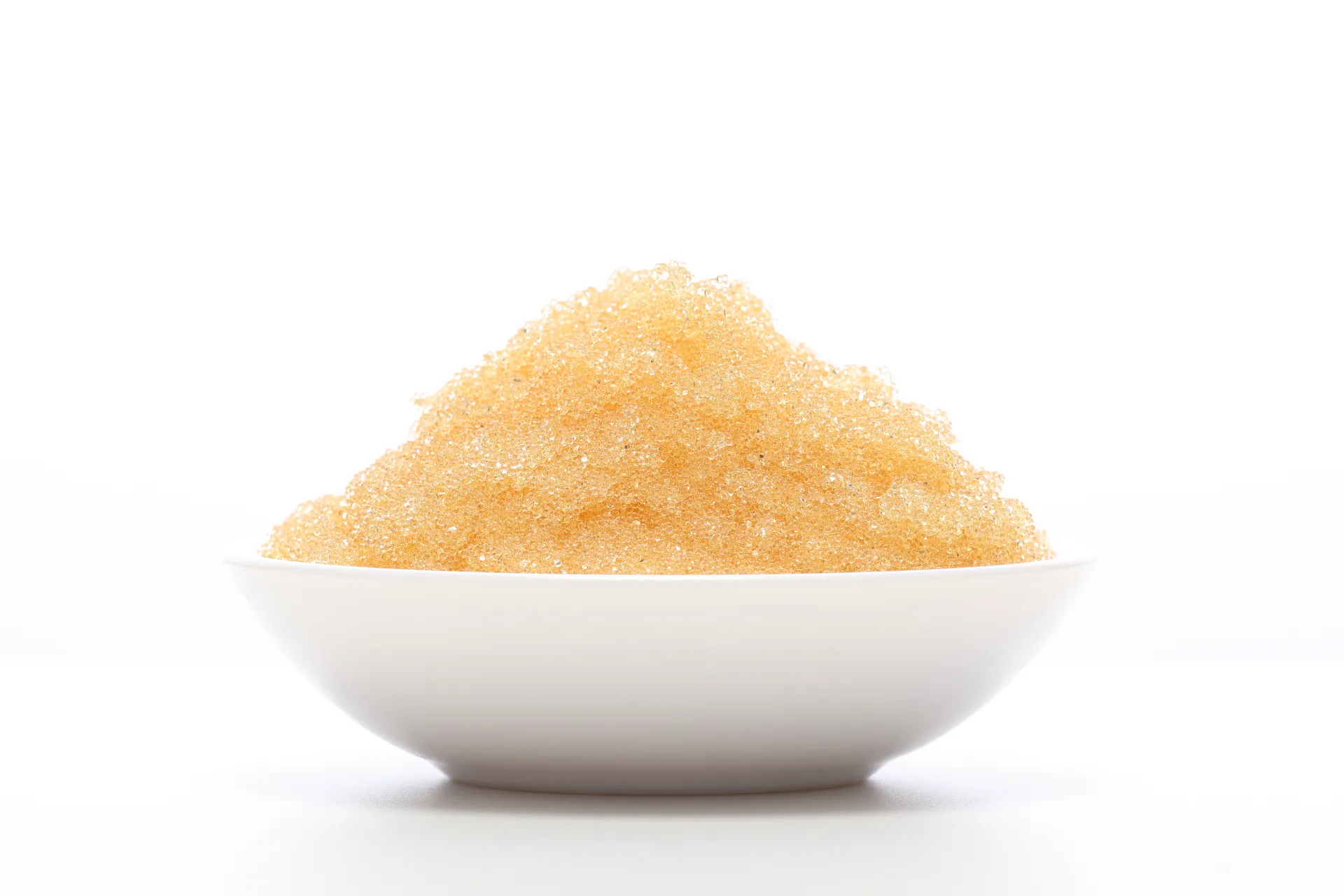
Water softener resin, typically made of polystyrene beads, is functionalized with ionic groups. These groups attract and bind to calcium and magnesium ions, replacing them with sodium ions. This process, known as ion exchange, effectively removes the hardness minerals from the water. The resin’s capacity is measured in grains, representing the amount of hardness it can remove before needing regeneration. Regular regeneration, using a brine solution (saltwater), reverses the process, flushing out the accumulated hardness minerals and replenishing the sodium ions. The efficiency of this process dictates the longevity of the resin.
Key Highlights: Water softener resin utilizes ion exchange to remove hardness minerals, relying on a continuous cycle of binding and releasing ions. Regular regeneration is vital for maintaining resin effectiveness.
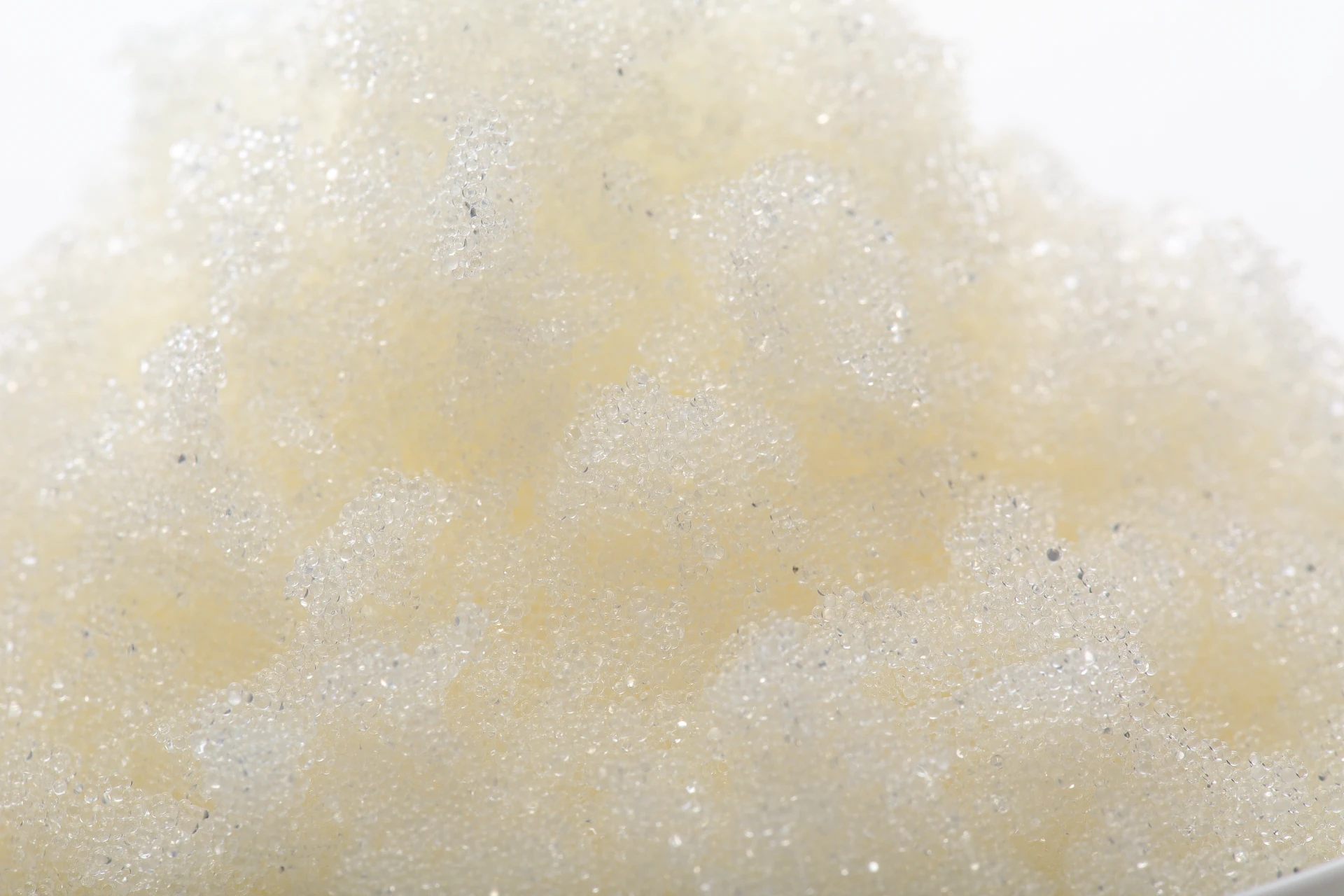
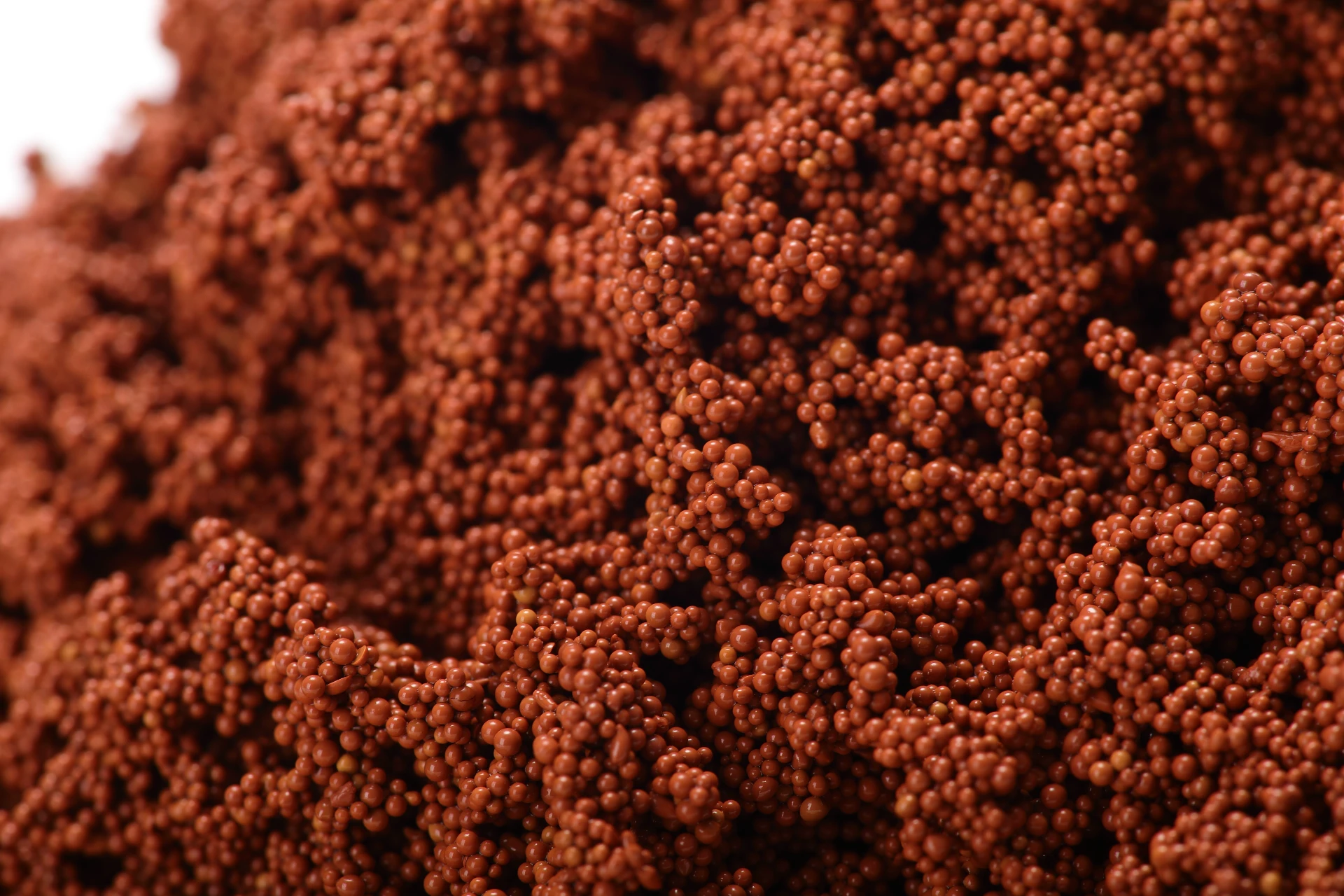
Several indicators suggest it’s time for changing water softener resin. Increased salt usage during regeneration without a corresponding improvement in water softness is a primary sign. You might also notice a decrease in water flow, even after regeneration. Furthermore, consistently hard water despite proper regeneration cycles points towards resin exhaustion. A visual inspection can reveal resin beads that are discolored, cracked, or have become compacted. Finally, an overall decrease in the system's efficiency is a strong indicator.
Signs of Resin Degradation:
• Increased salt consumption
• Decreased water flow
• Hard water despite regeneration
• Discolored or damaged resin beads
The lifespan of water softener resin isn't fixed; several factors play a crucial role. Water quality is paramount – high levels of iron, manganese, or chlorine can accelerate resin degradation. The frequency and effectiveness of regeneration also contribute. Insufficient regeneration allows iron and other contaminants to foul the resin, reducing its capacity. Water temperature can also impact performance, with higher temperatures generally leading to faster degradation. Finally, the quality of the resin itself significantly influences its longevity. Investing in high-quality resin from a reputable supplier like Liji Resin is crucial.
Selecting the appropriate replacement resin is essential for optimal performance. Resin is categorized by its bead size, crosslinking percentage, and functional group. Higher crosslinking generally leads to increased resistance to oxidation but can also reduce capacity. Different functional groups (sodium, potassium, chloride) are available depending on your specific needs. Here’s a comparison of common resin types:
Optimizing your regeneration cycle is critical for prolonging resin life. Ensure your brine tank is adequately filled with high-quality salt. Adjust the regeneration frequency based on your water hardness and water usage. Consider using a resin cleaner periodically to remove iron and other contaminants. Avoid using harsh chemicals that can damage the resin. Following these best practices will maximize the efficiency of your water softener and extend the life of your water softener resin.
Investing in high-quality resin and proactively managing its performance through proper regeneration and maintenance is key to long-term savings and efficient water softening. When it's time for changing water softener resin, choose a reputable supplier like Liji Resin to ensure you receive a product that delivers optimal performance and longevity.
The ideal regeneration frequency depends on your water hardness, water usage, and resin capacity. A general guideline is to regenerate when the resin capacity is exhausted, typically indicated by a drop in water softness. Many water softeners have automatic regeneration settings based on water usage or a timer. However, manually adjusting the regeneration cycle based on your specific needs can optimize efficiency and extend resin life. Monitoring your water hardness regularly is crucial for determining the appropriate frequency.
The best type of salt for regeneration is high-purity salt pellets, specifically designed for water softeners. Avoid using rock salt, which contains impurities that can foul the resin. Solar salt is another option, offering a good balance of purity and cost. Potassium chloride can also be used as an alternative, particularly for individuals on sodium-restricted diets, but it's generally more expensive and less effective than sodium chloride.
Yes, you can clean your water softener resin with a resin cleaner. These cleaners are designed to remove iron, manganese, and other contaminants that can foul the resin and reduce its efficiency. Follow the manufacturer’s instructions carefully when using a resin cleaner. Regular cleaning can significantly extend the life of your resin and improve its performance. Liji Resin offers high-quality resin cleaners specifically designed for our products.
You can purchase high-quality water softener resin directly from Liji Resin. We offer a wide range of resin types to suit various applications and water conditions. Our resins are manufactured to the highest standards, ensuring optimal performance and longevity. We also provide expert advice and support to help you choose the right resin for your needs.