Phone:
+86 0319 2296164


Email:
info@lijiresin.cn
Mixed bed deionizing (DI) resin bulk plays a critical role in achieving ultra-pure water quality across diverse industries. Its ability to remove virtually all ionic contaminants makes it essential for applications ranging from pharmaceutical manufacturing and power generation to electronics and laboratory research. Understanding the principles, applications, and advancements in mixed bed DI resin bulk is paramount for ensuring process efficiency, product quality, and environmental sustainability. This knowledge is especially crucial as water scarcity and stricter environmental regulations drive the demand for efficient water purification technologies.
The global demand for high-purity water is consistently increasing, fueled by technological advancements and expanding industrial sectors. According to the United Nations, water stress already affects every continent, and by 2050, approximately 5.7 billion people will live in areas where water stress is expected to increase. Mixed bed DI resin bulk offers a reliable and scalable solution to address this challenge. ISO standards further underscore the importance of water purity in various manufacturing processes, demanding consistent performance from purification systems, which relies heavily on the quality and management of DI resin.
The increasing stringency of regulations governing water discharge and reuse further necessitates the adoption of efficient and cost-effective water purification methods. Mixed bed DI resin bulk provides a significant advantage in meeting these regulations, allowing industries to minimize their environmental footprint and operate sustainably. As technology evolves, so does the need for ever-purified water, making DI resin a consistently relevant and critical component in numerous processes.
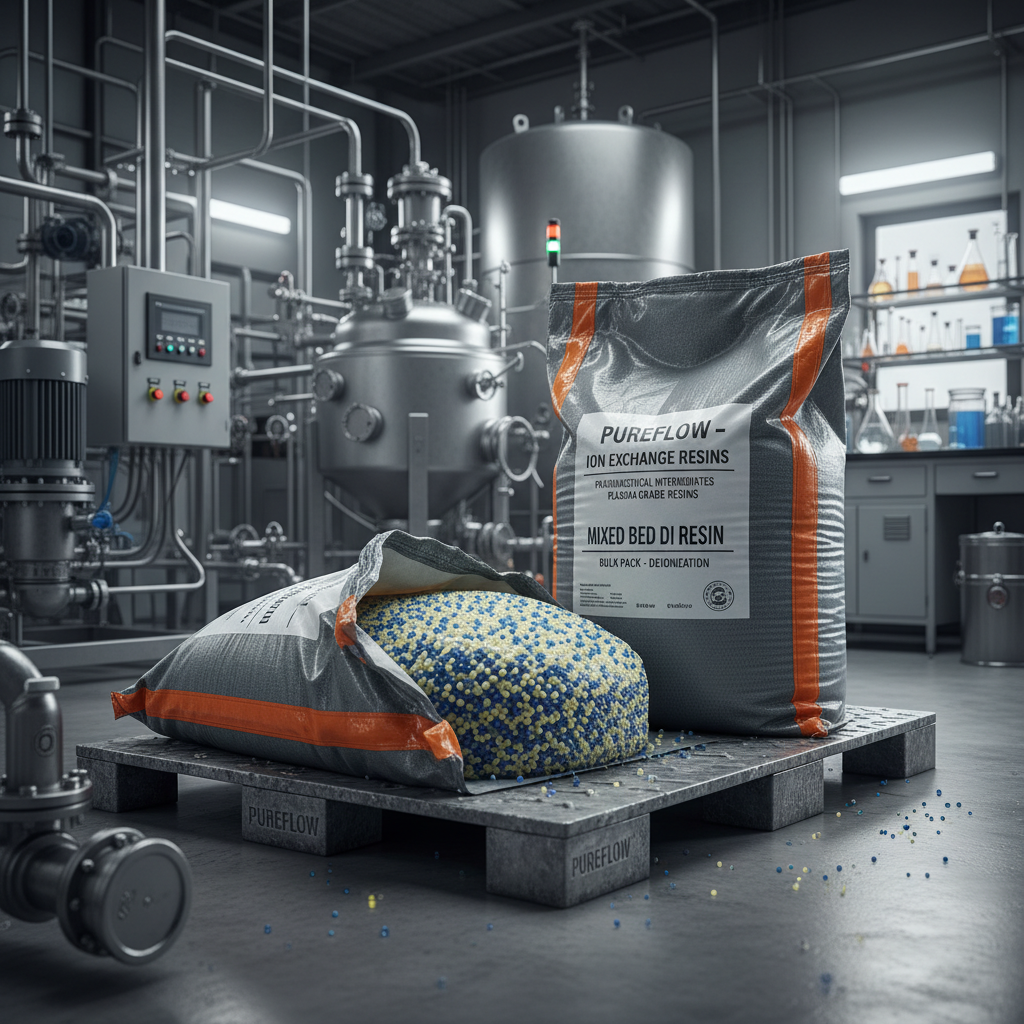
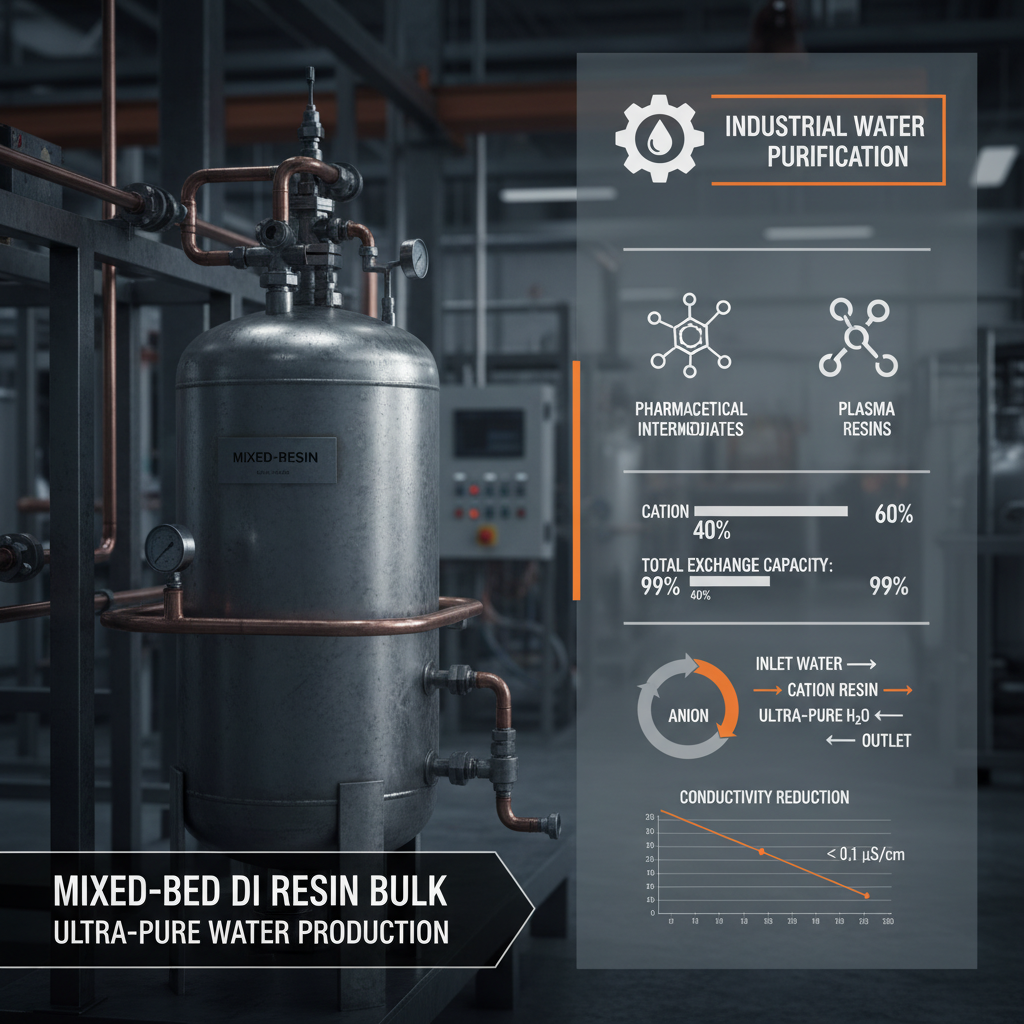
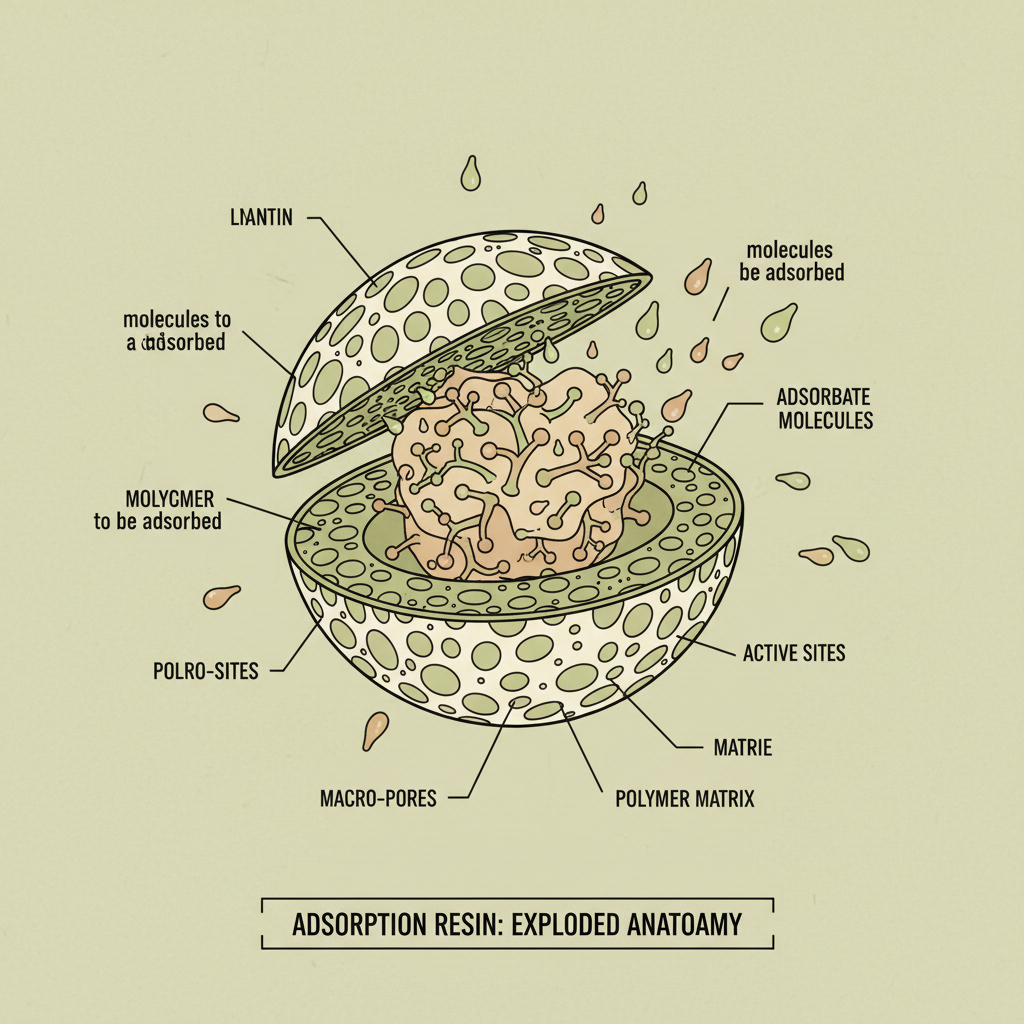
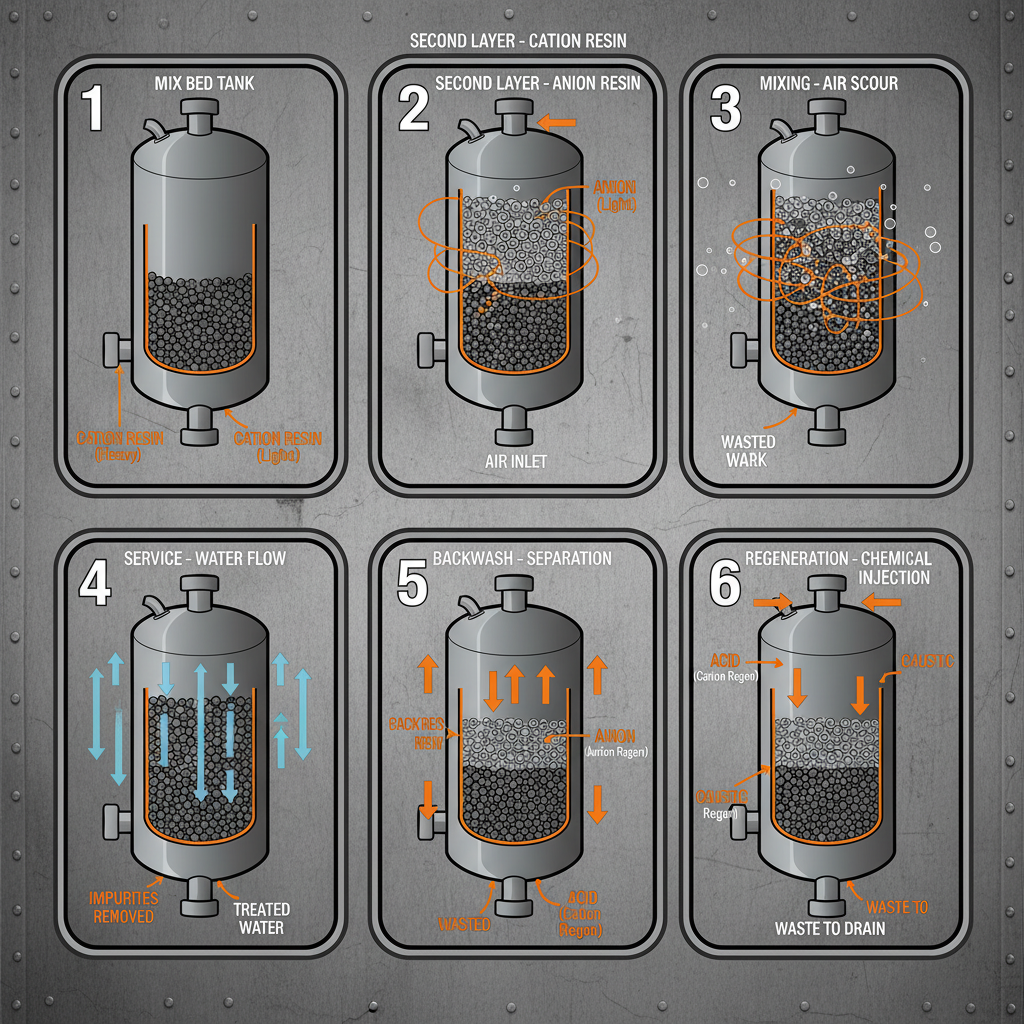
Mixed bed deionizing resin bulk consists of a blend of strong acid cation exchange resins and strong base anion exchange resins, meticulously combined to provide exceptionally pure water. This combination effectively removes almost all ionic impurities, resulting in water with conductivity levels in the microSiemens range or even lower. The 'bulk' aspect refers to its availability in large quantities for industrial and commercial application.
The significance of mixed bed DI resin bulk lies in its ability to consistently deliver high-quality water for critical applications where even trace amounts of contaminants can be detrimental. This makes it an indispensable component in sectors like pharmaceuticals, where product purity is paramount, and microelectronics, where ionic contaminants can cause device failure.
Mixed bed DI resin bulk stands out due to its ability to achieve exceptionally high water purity levels, effectively removing nearly all ionic contaminants. This surpasses many other methods, such as reverse osmosis, in terms of final product water quality. It’s also relatively simple to operate and maintain, offering a cost-effective solution for industries requiring consistent, ultra-pure water. Additionally, it doesn't require adding chemicals, making it environmentally friendly.
The regeneration or replacement frequency depends on several factors, including the feedwater quality, the resin's capacity, and the desired level of purity. Regular monitoring of the effluent conductivity is crucial. Typically, regeneration is performed when the conductivity increases above a predetermined threshold. Resin replacement is necessary when the resin's capacity is significantly reduced, even after regeneration, usually after 5-7 years of operation.
Fouling occurs when organic matter, colloids, or particulate matter accumulate on the resin beads, reducing their effective exchange capacity. Prevention includes implementing effective pre-filtration to remove suspended solids, using anti-foulants to prevent organic matter adhesion, and regularly backwashing the resin bed to remove accumulated contaminants. Careful feedwater analysis is also crucial to identifying potential fouling agents.
Mixed bed DI resin bulk itself is relatively environmentally friendly, as it doesn't typically require the addition of harmful chemicals during operation. However, the disposal of spent resin is a concern. Currently, options include landfilling, incineration, or regeneration by specialized companies. Research is ongoing to develop sustainable recycling and repurposing methods for spent resin, aiming for a more circular economy approach.
Key considerations include the supplier's reputation, product quality certifications (e.g., ISO 9001), resin specifications, technical support capabilities, and pricing. It's crucial to choose a supplier who can provide consistent, high-quality resin and offer expert guidance on system operation and maintenance. Ensure the resin meets the specific requirements of your application.
Absolutely. Mixed bed DI resin bulk is often used as a polishing step after other water treatment processes like reverse osmosis, ultrafiltration, or media filtration. This combination allows for maximizing water purity by removing any remaining ionic contaminants after these pre-treatment stages. This approach provides a multi-barrier system for ensuring exceptional water quality.
Mixed bed DI resin bulk remains a cornerstone of high-purity water production, offering a reliable and effective solution across diverse industries. Its ability to consistently deliver ultra-pure water, coupled with advancements in resin technology and monitoring systems, ensures its continued relevance in meeting the growing demand for high-quality water. Understanding its characteristics, applications, and challenges is crucial for optimizing system performance and maximizing long-term value.
Looking ahead, continued innovation in resin materials, smart monitoring, and sustainable disposal methods will further enhance the benefits of mixed bed DI resin bulk. By embracing these advancements, industries can ensure efficient, cost-effective, and environmentally responsible water purification practices. Visit our website at mixed bed di resin bulk to learn more and explore our range of high-quality resin products.