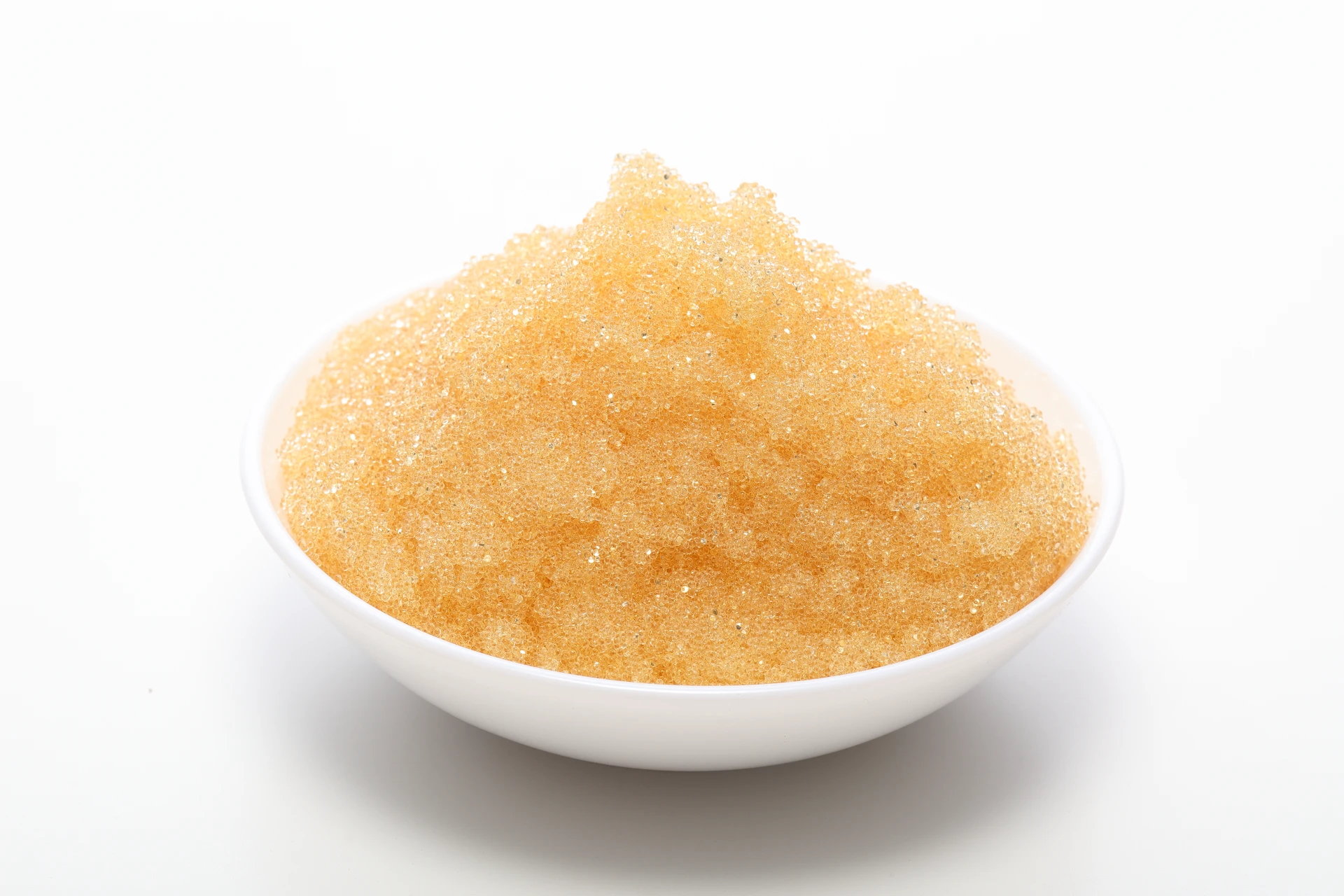
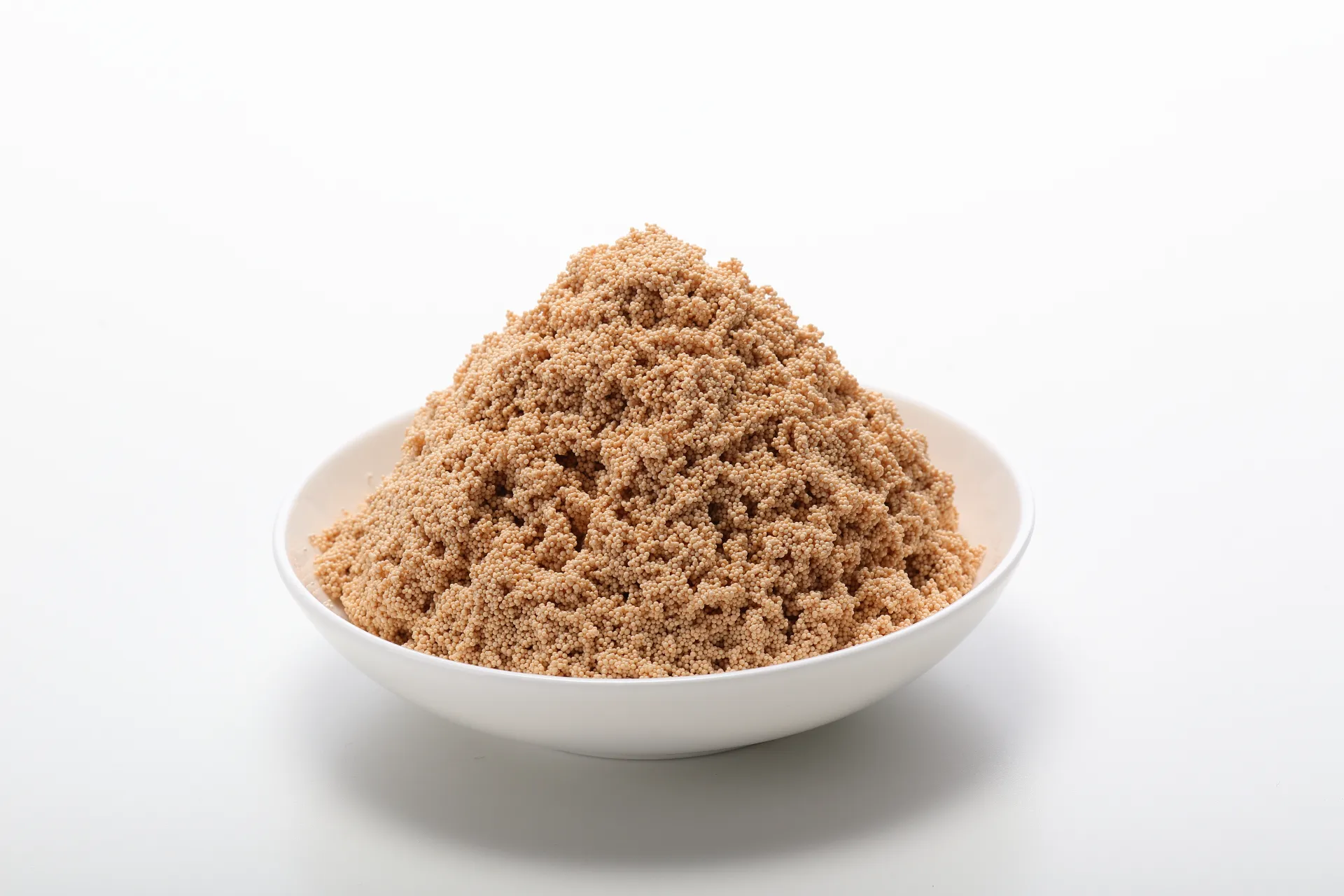
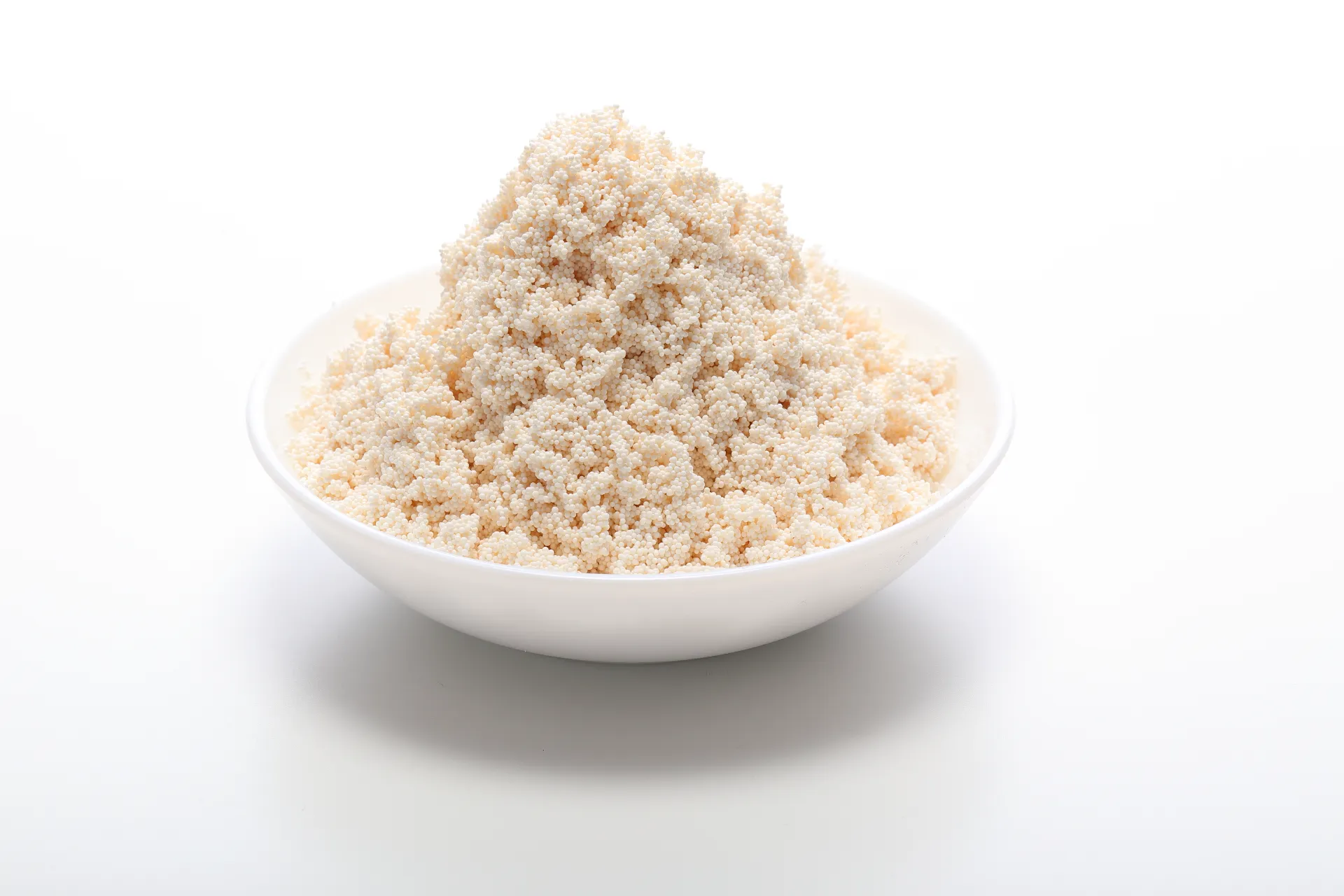
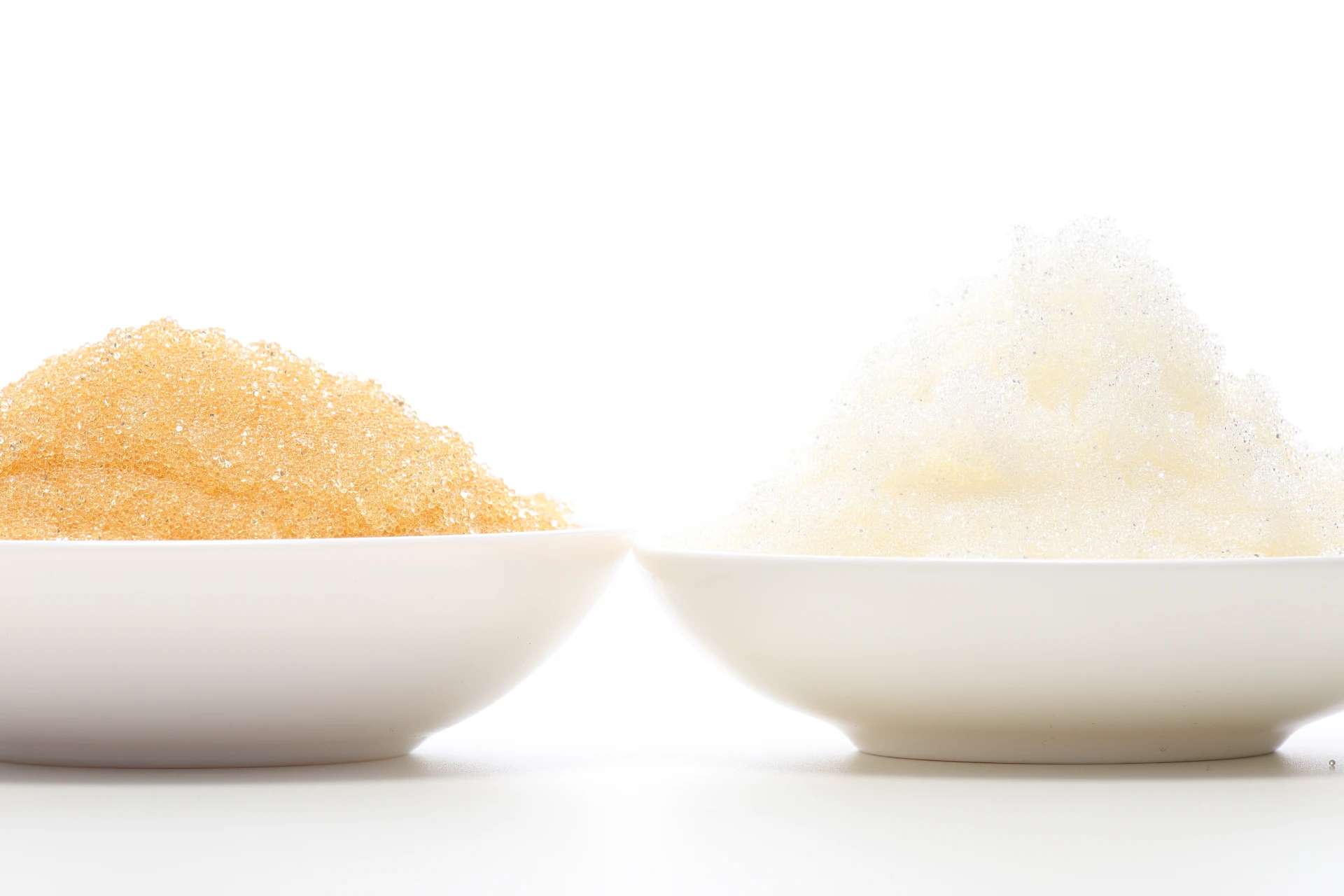
Résine chélatante de styrène macroporeuse D403
Le D403 est une résine échangeuse d'ions chélatante possédant un groupe acide imine diacétique [-N-(CH2COOH)2] sur le cycle benzénique d'une sphère de copolymère styrène-divinylbenzène à larges pores. Sa sélectivité ionique est similaire à celle de l'EDTA. Elle est supérieure à celle des résines échangeuses de cations fortement ou faiblement acides. En présence covalente d'ions monovalents et d'ions métalliques divalents dans la solution, elle adsorbe sélectivement uniquement les ions divalents. Ce produit est adapté au déca2+ dans l'eau salée diélectrique. Dans le cas de la saumure, la saumure raffinée au Mg2+ est également utilisée pour le traitement des eaux usées et la récupération des métaux précieux.
Indice
|
Nom
|
Spécification
|
|
Apparence
|
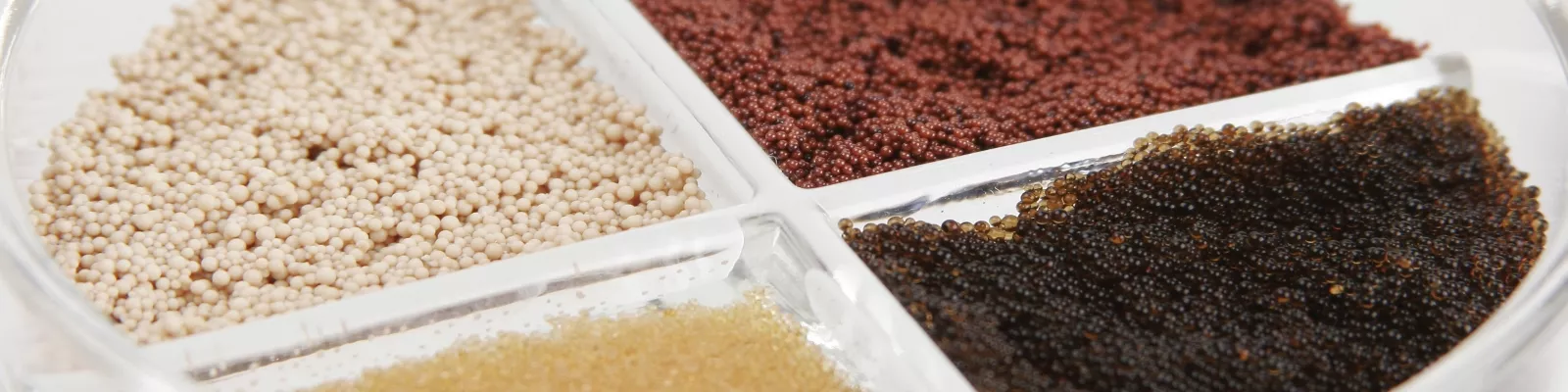
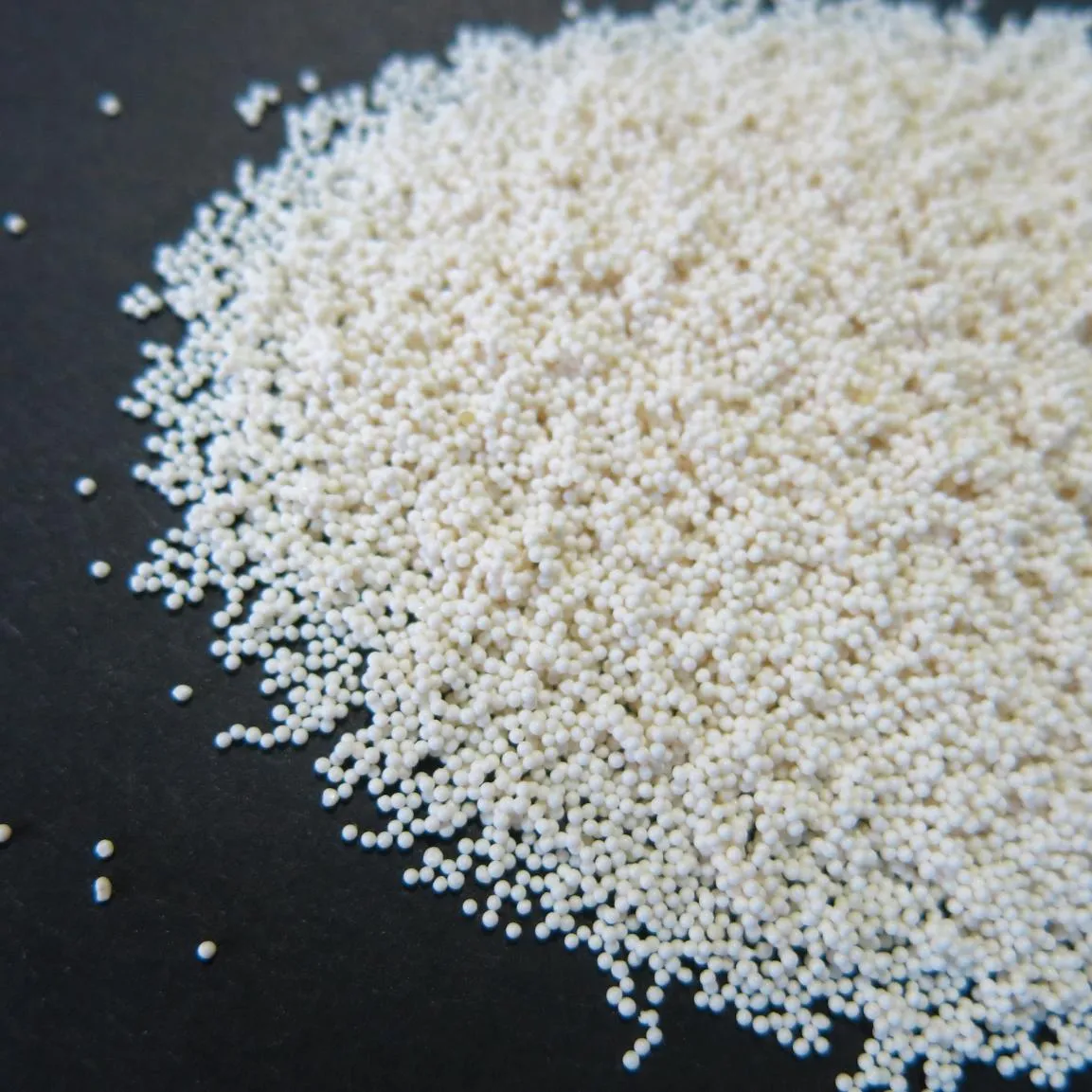
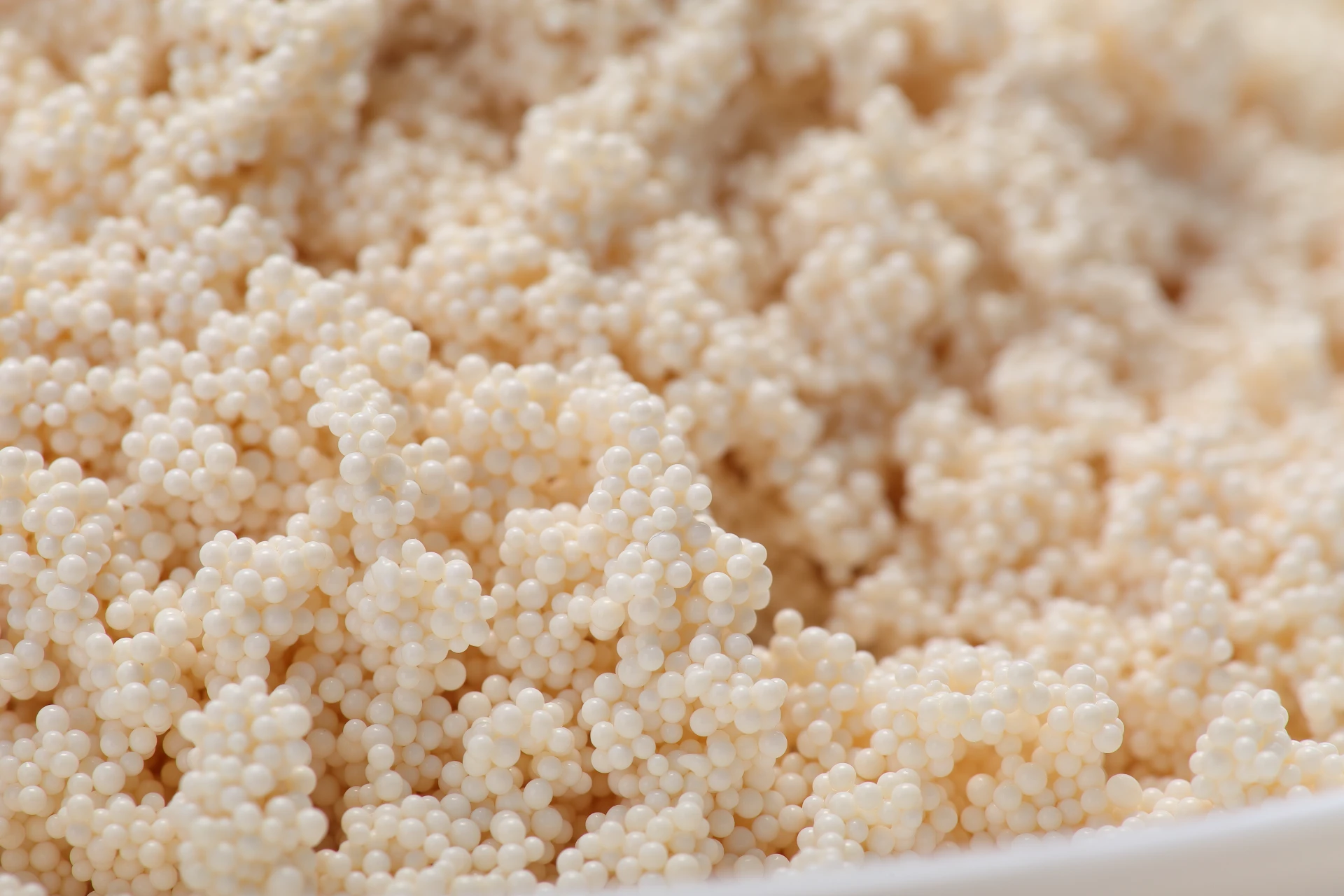
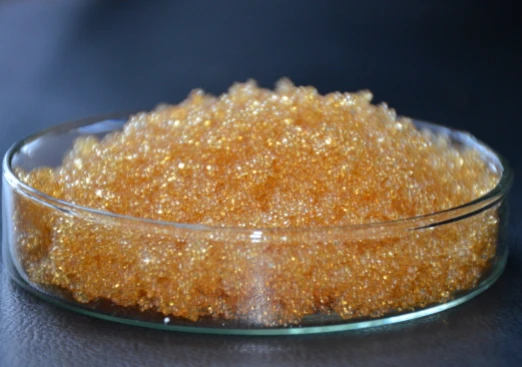
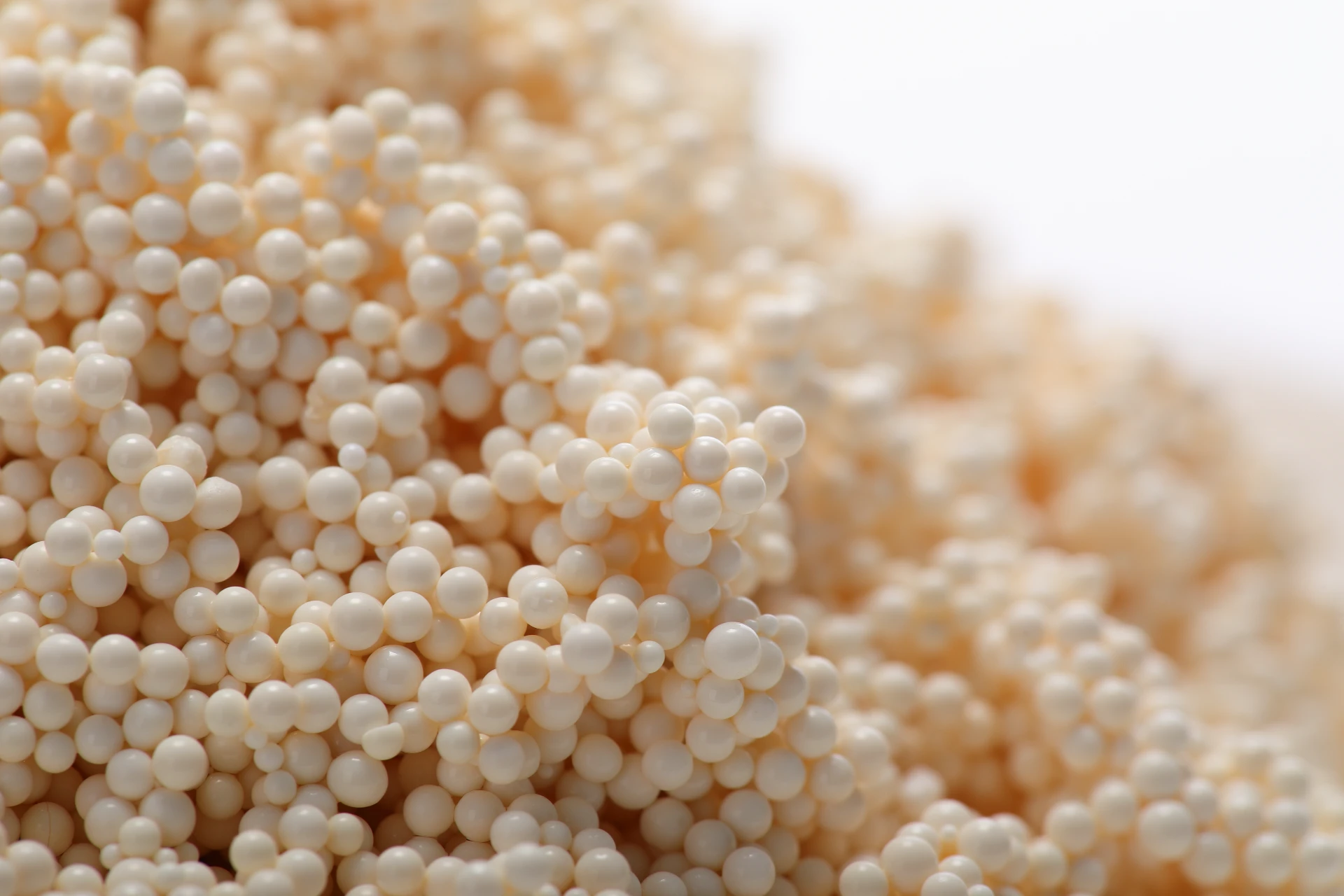
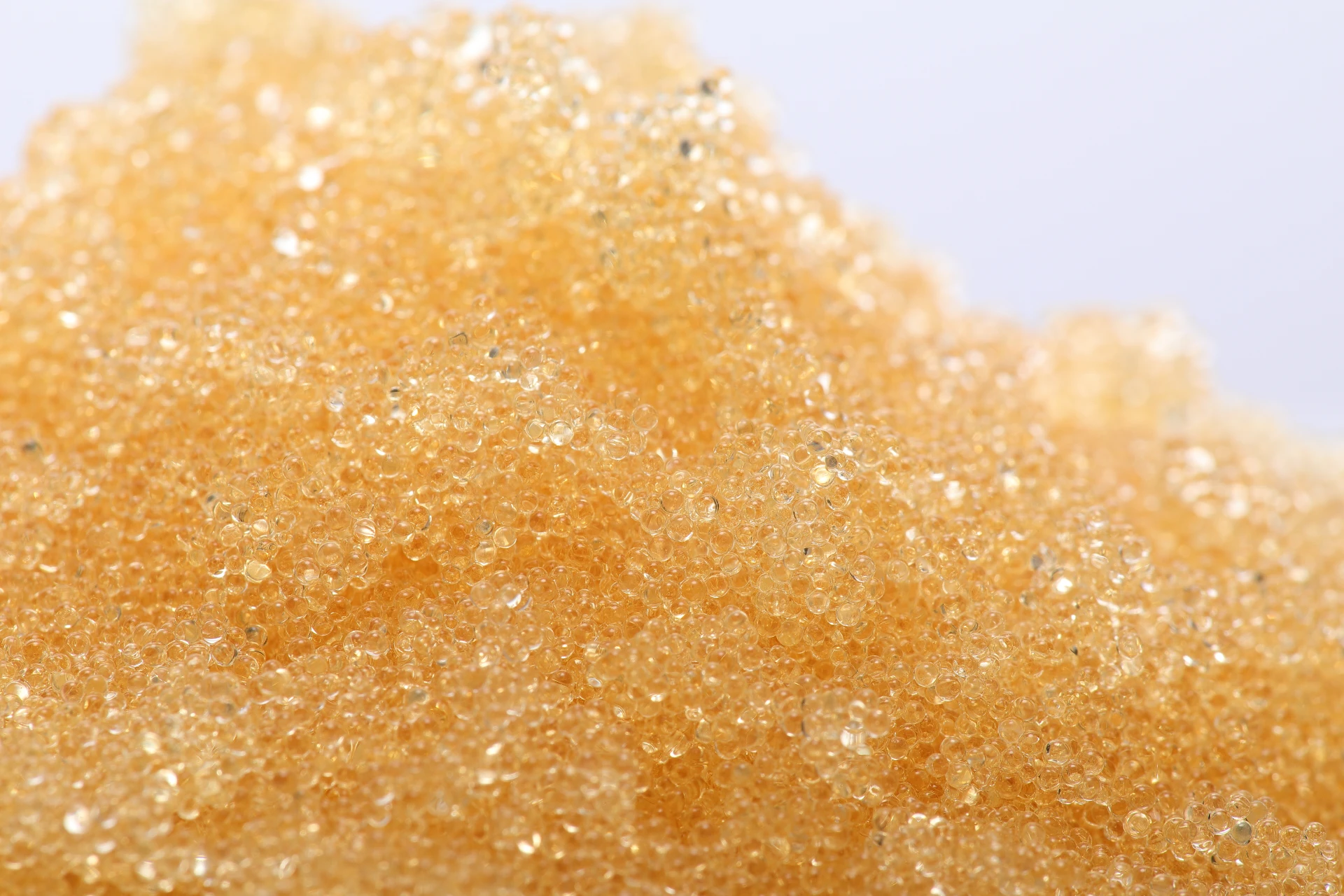
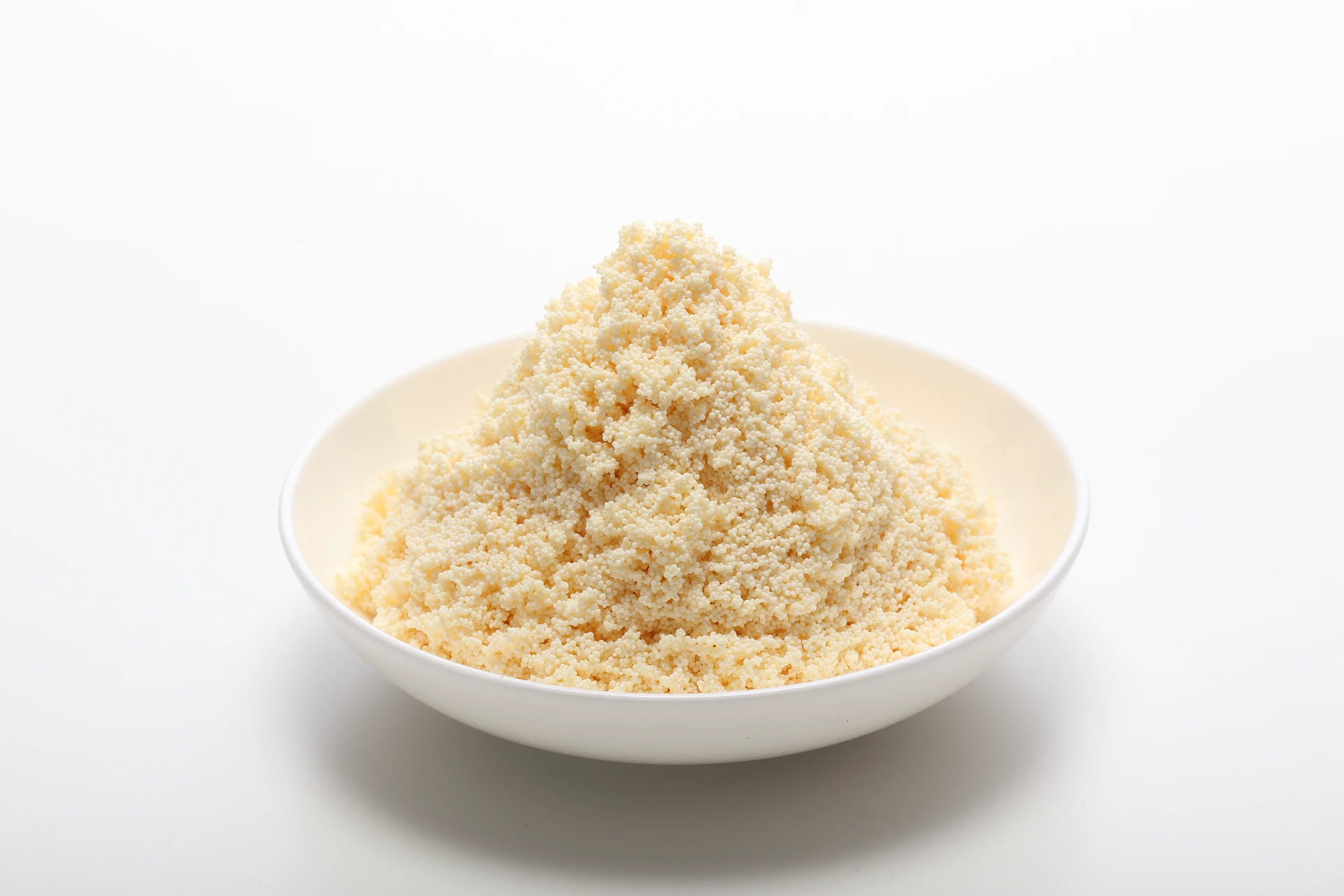
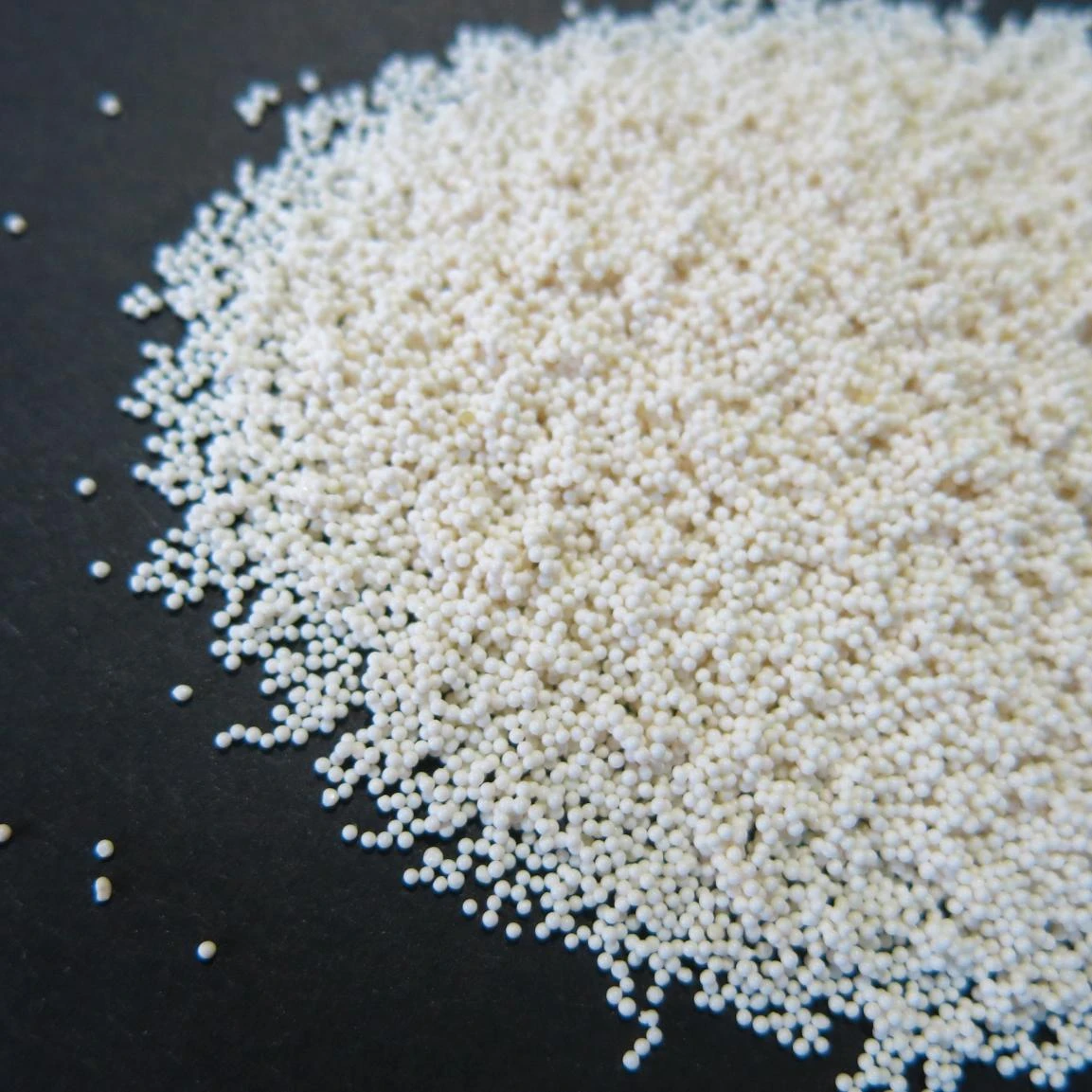
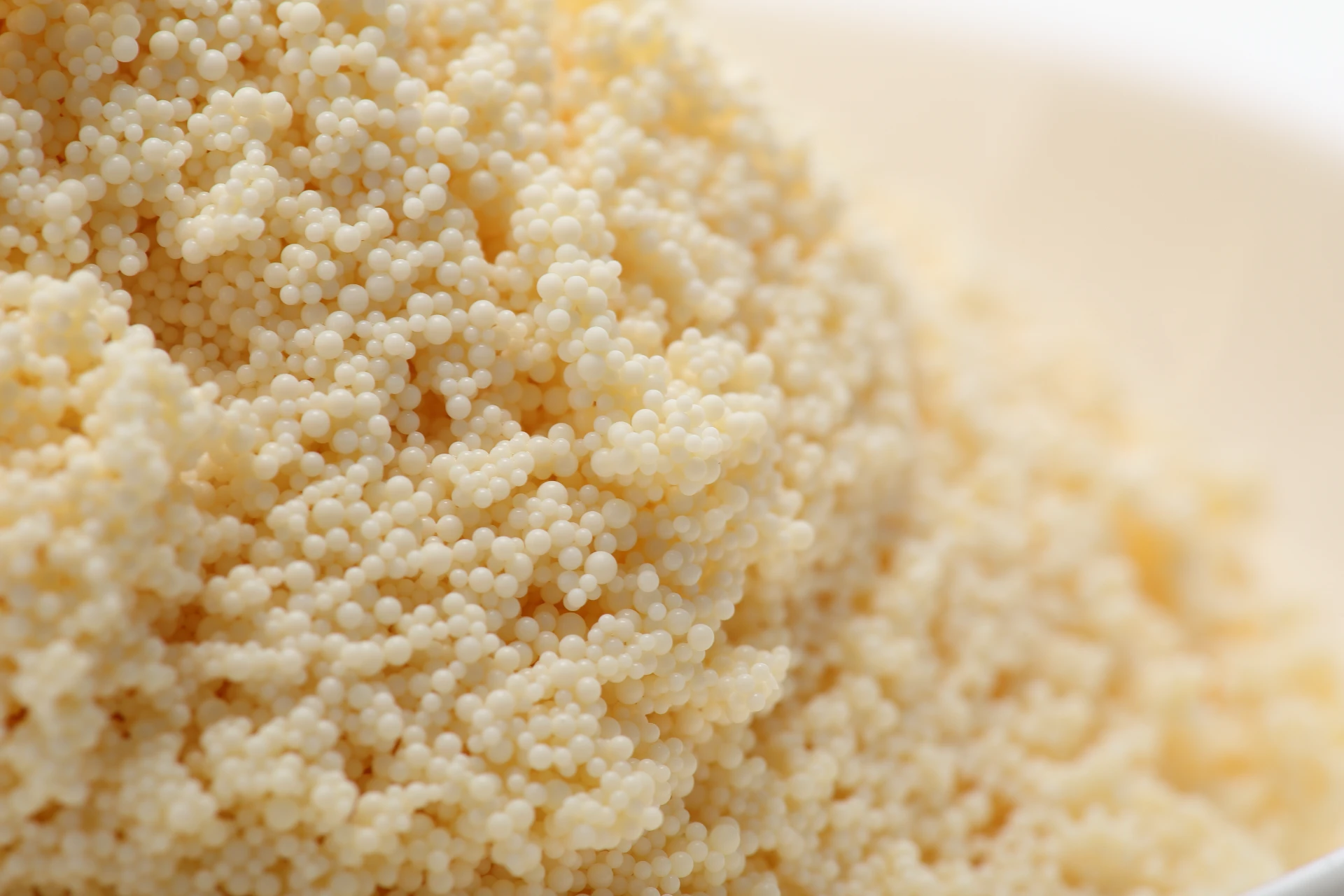
Perles sphériques opaques jaune pâle
|
|
Forme ionique
|
NA+
|
|
Capacité d'échange du cuivre chélaté
|
≥ 0,6 mmol/ml
|
|
Densité réelle (g/ml)
|
1,10~1,20 g/ml
|
|
Masse volumique apparente (g/ml)
|
0,70~0,80 g/ml
|
|
Capacité de rétention d'eau
|
55%~65%
|
|
Gamme de tailles de particules
|
0,315~1,25 mm≥95
|
|
Coefficient d'uniformité
|
≤1,6
|
|
Nombre total de billes (%)
|
≥ 95 %
|
Précautions
La résine doit être conservée à l'état humide. La température idéale est supérieure à 0 °C. En cas de non-utilisation prolongée, il est conseillé de la conserver dans un endroit fermé ou d'ajouter de l'eau salée à 5 % ou plus. Un antigel est recommandé pendant le transport. Ne pas poser d'objets lourds sur la résine afin de ne pas la heurter.
Le traitement nécessite généralement un circuit d'écoulement alcalin-eau-acide-eau. Trois cycles sont nécessaires avant d'atteindre le canal d'ions final.
Il faut tenir compte des différents taux d'expansion de transformation pour réserver suffisamment d'espace pour éviter le débordement de résine et garantir la hauteur de niveau de liquide appropriée ; le rapport de diamètre de la colonne doit être dans une plage raisonnable et éviter le courant de polarisation ; utiliser une colonne remplie d'eau ou un rinçage à contre-courant pour éliminer les bulles à l'intérieur de la couche de résine.
Avant que le liquide ne pénètre dans la colonne de résine, des étapes telles que la floculation, la filtration ou la filtration sur sable doivent être effectuées afin d'éviter que les pores de la résine ne soient obstrués par des solides en suspension.
La résine à l'intérieur de la colonne qui n'a pas été utilisée depuis longtemps doit être stockée à l'extérieur de la colonne après lavage, ou ajout d'eau salée dans le milieu résistant au sel tout en gardant le niveau de liquide non déshydraté avec un lavage à contre-courant habituel pour détacher la résine en cas d'agglomération.
High-Performance Metal Recovery with Macroporous Styrene Chelating Resin D403
Hebei Lijiang Biotechnology Co., Ltd.’s Résine chélatante de styrène macroporeuse D403 delivers outstanding chemical stability, selective ion-binding capacity, and long-term operational reliability, making it an ideal solution for advanced metal recovery and purification processes. As a highly effective anion exchange chromatography resin, D403 works seamlessly with Amberlite IRA 900 et Amberlite XAD 2, and can be deployed in weak anion exchange column configurations to achieve precise separation and high-purity metal recovery. Certified to ISO9001, SGS, WQA, and FDA standards for food-grade applications, D403 ensures consistent performance, extended service life, and reduced operational costs. Its exceptional durability, high selectivity, and efficient adsorption kinetics make it a preferred choice for industrial, pharmaceutical, and metallurgical applications requiring reliable and sustainable purification solutions.
1. Applications and Advantages of Macroporous Styrene Chelating Resin D403 in Metal Recovery
Hebei Lijiang Biotechnology Co., Ltd. is a leading manufacturer specializing in high-performance ion exchange resins, including the Résine chélatante de styrène macroporeuse D403, which has been widely recognized for its exceptional performance in metal recovery and purification processes. The D403 resin features a highly cross-linked polystyrene matrix with a macroporous structure and strong chelating functional groups, allowing it to selectively capture heavy and precious metal ions from complex solutions. This capability makes it an indispensable material in industries such as hydrometallurgy, chemical processing, and electronics manufacturing, where precise and efficient recovery of metals like copper, nickel, cobalt, and rare earth elements is critical. D403 resin can be used in combination with Amberlite IRA 900 ou Amberlite XAD 2 resins in multi-stage systems, enhancing the overall recovery rate and ensuring the purity of recovered metals. In water treatment and chemical purification applications, D403 functions effectively as an anion exchange chromatography resin, providing excellent selectivity for target ions and improving the quality of the treated solution. Additionally, it is compatible with weak anion exchange column setups, allowing operators to implement flexible separation schemes tailored to their specific process requirements. Hebei Lijiang Biotechnology integrates research, development, production, and service to produce D403 resin that complies with ISO9001, SGS, WQA certifications, and FDA standards for food-grade applications. By employing D403 resin, industries can achieve higher metal recovery rates, reduced waste, improved operational efficiency, and long-term stability. Its robust chemical and mechanical properties make it resistant to degradation in harsh operating environments, extending the resin’s service life and minimizing downtime. Overall, D403 resin represents a versatile and reliable solution for modern metal recovery and purification processes, bridging the gap between high performance, cost efficiency, and sustainable industrial operations.
2. Enhancing Industrial Separation Processes with D403 Chelating Resin
Le Résine chélatante de styrène macroporeuse D403 produced by Hebei Lijiang Biotechnology Co., Ltd. is specifically engineered to improve the efficiency, selectivity, and reliability of industrial separation and purification systems. Its macroporous structure provides a high surface area, which accelerates ion diffusion and enhances adsorption kinetics, while the chelating functional groups ensure selective binding of heavy and precious metal ions. D403 resin is highly compatible with Amberlite IRA 900 ou Amberlite XAD 2, forming integrated purification systems that deliver superior ion selectivity, high adsorption capacity, and efficient recovery of valuable metals. In chromatographic applications, D403 serves as a high-performance anion exchange chromatography resin, enabling precise separation of target ions while reducing contamination and improving product purity. It is also suitable for use in weak anion exchange column configurations, offering flexibility for multi-stage separation, polishing, or recycling processes in both industrial and laboratory settings. Hebei Lijiang Biotechnology, a modern high-tech enterprise, ensures that D403 resin products meet rigorous quality standards, including ISO9001, SGS, WQA certifications, and FDA compliance for food-grade resins, guaranteeing both performance and safety. The resin’s excellent chemical and thermal stability allows it to operate reliably under extreme conditions, making it ideal for applications in the chemical, metallurgical, pharmaceutical, and nuclear industries. By incorporating D403 into industrial separation workflows, operators can significantly increase process efficiency, reduce chemical consumption, lower operational costs, and maintain high product quality. Its ability to work synergistically with other resins and chromatography systems, along with long-term durability, positions D403 as a key material for achieving consistent, sustainable, and cost-effective separation outcomes in modern industrial operations.
3. Chemical Stability and Selectivity Performance of Macroporous Styrene Chelating Resin D403
Le Résine chélatante de styrène macroporeuse D403 from Hebei Lijiang Biotechnology Co., Ltd. is recognized for its exceptional chemical stability, mechanical strength, and selective ion-binding capabilities, making it a versatile solution for complex industrial purification and metal recovery applications. Its macroporous design provides a large surface area and excellent accessibility for target ions, improving adsorption efficiency and enhancing recovery rates for metals such as copper, nickel, cobalt, and rare earth elements. D403 resin works effectively with Amberlite IRA 900 ou Amberlite XAD 2 in multi-stage separation processes, complementing these resins to optimize selectivity and adsorption capacity. In chromatographic operations, it functions as a reliable anion exchange chromatography resin, providing high resolution and reproducible separation performance, while its compatibility with weak anion exchange column configurations ensures flexibility in complex purification schemes. The resin maintains its structural integrity and high ion exchange capacity even under harsh chemical, thermal, and mechanical conditions, ensuring long-term operational reliability. Hebei Lijiang Biotechnology guarantees that all D403 resin products meet ISO9001, SGS, WQA certifications, and FDA compliance for food-grade applications, reflecting the company’s commitment to quality and safety. By using D403 resin, industries benefit from consistent, high-efficiency metal recovery, reduced downtime, lower chemical consumption, and improved overall process sustainability. Its unique combination of chemical stability, selectivity, and durability makes it an essential tool for modern metallurgical, chemical, and high-purity water purification processes. D403 resin enables operators to achieve optimized separation, high product purity, and cost-effective operations, positioning it as a high-performance and reliable solution in advanced industrial and laboratory applications.