Phone:
+86 0319 2296164


Email:
info@lijiresin.cn
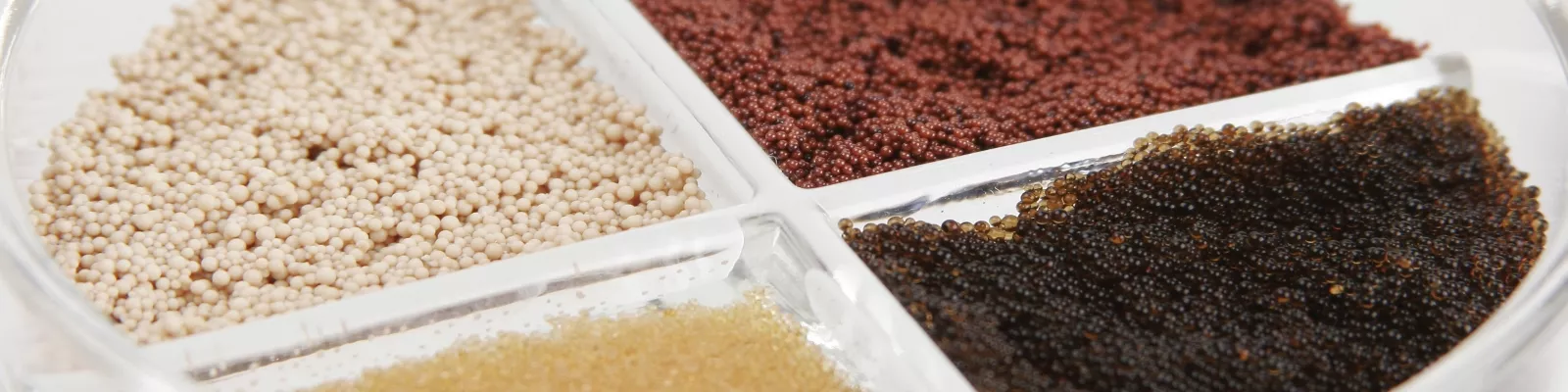
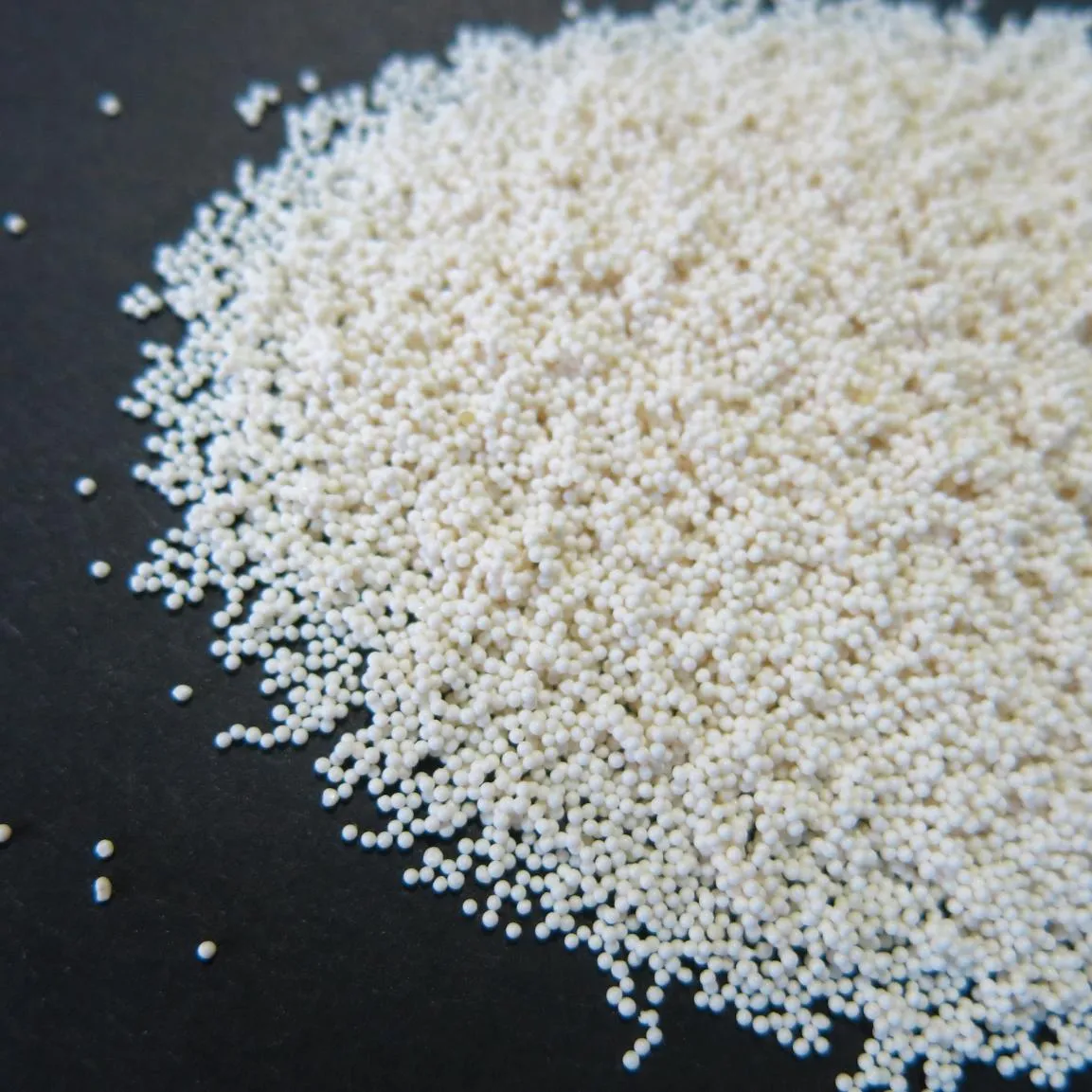
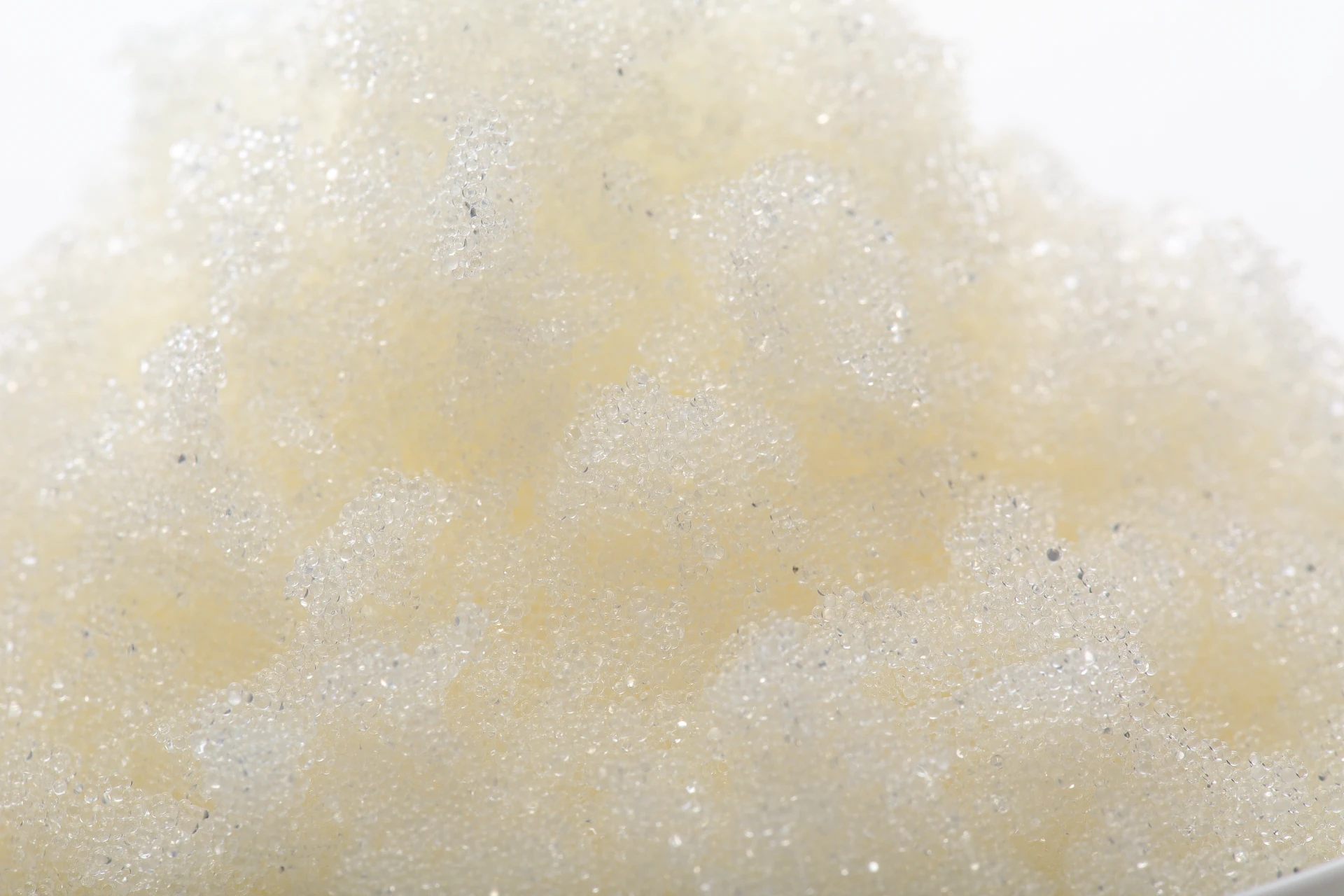
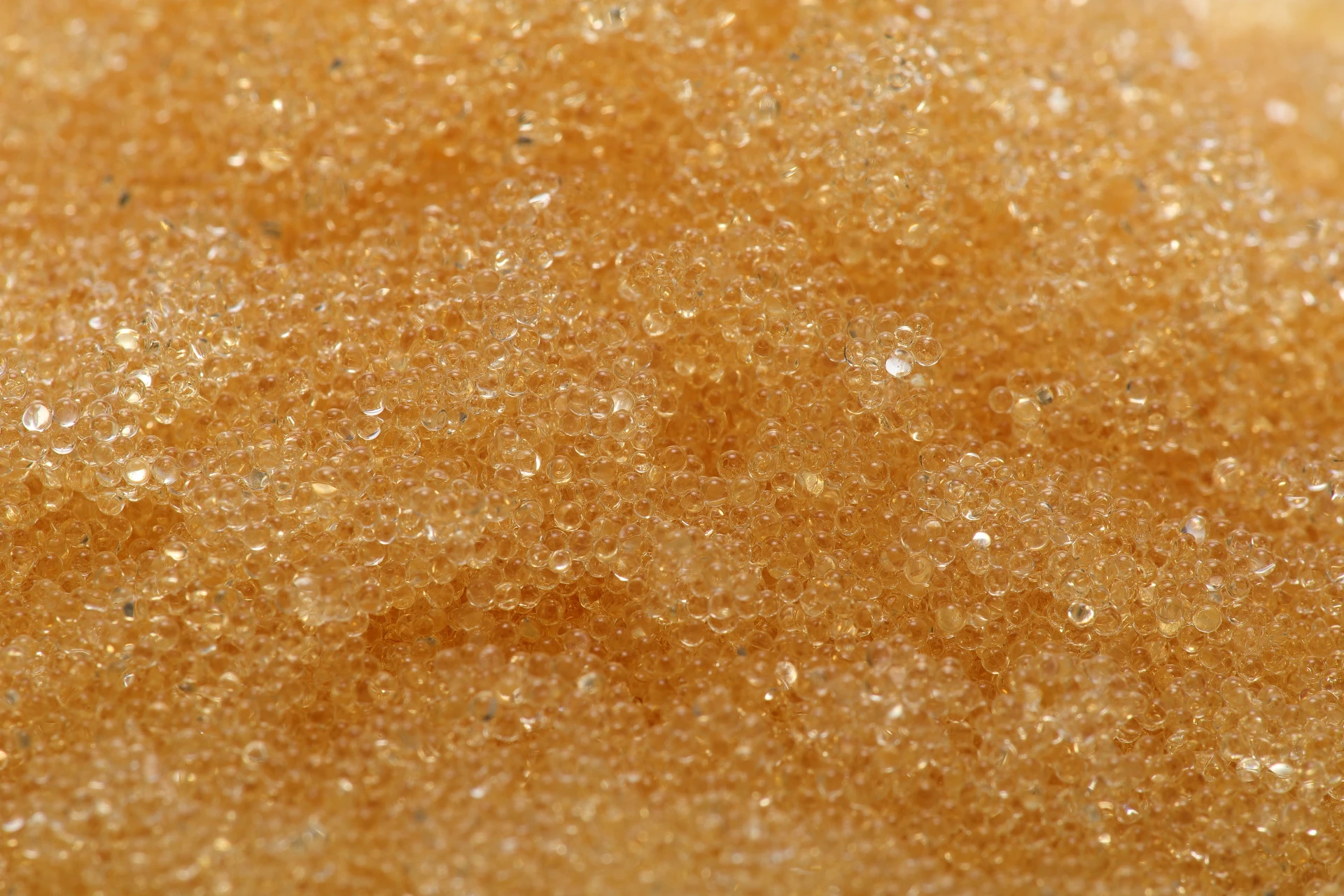
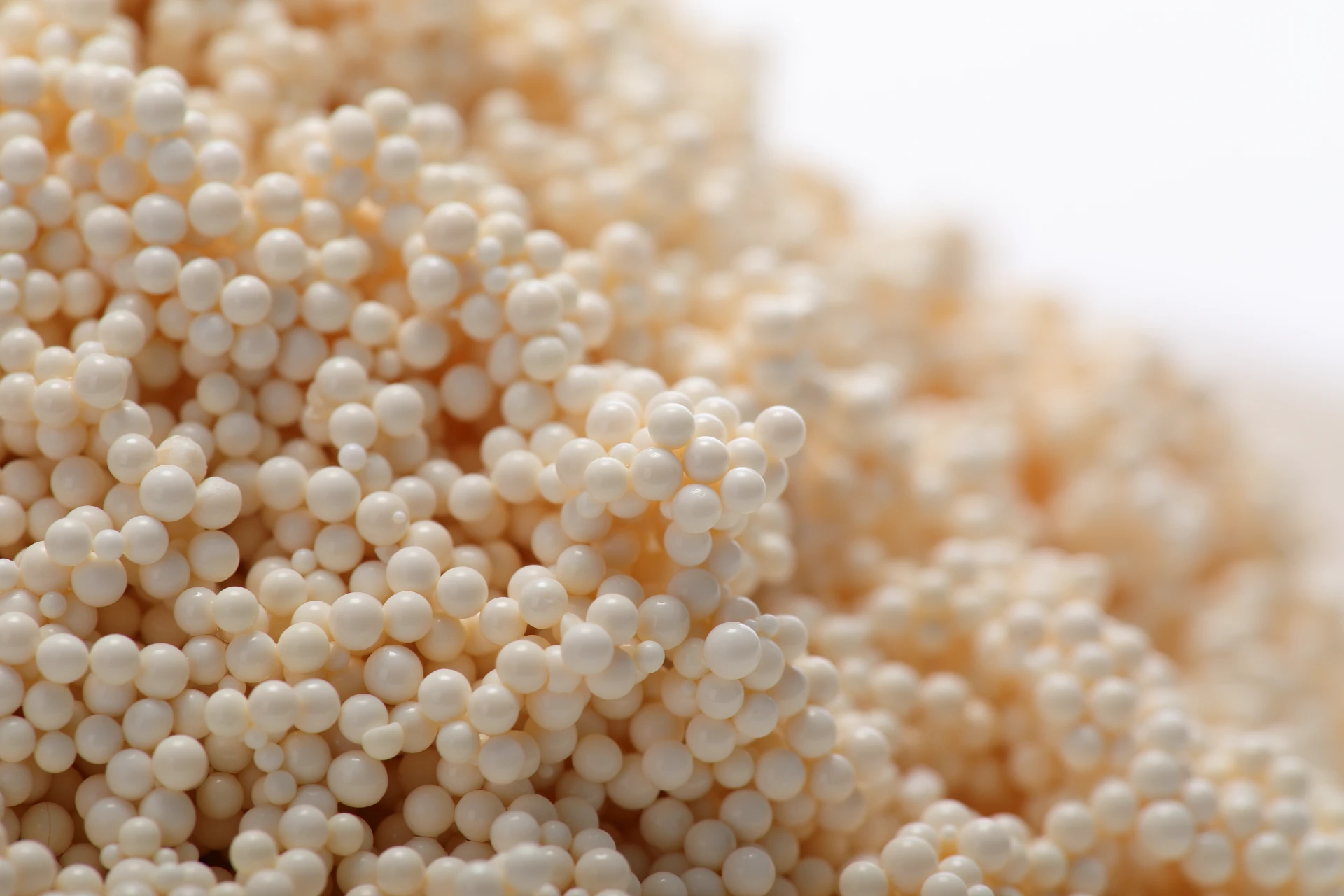
The Macroporous Adsorption Resin AB-8 is a high-performance adsorbent material designed for the separation and purification of water-soluble and weakly polar substances. Developed by Hebei Lijiang Biotechnology Co., Ltd., this resin is a styrene-based weakly polar copolymer with exceptional physical and chemical stability, making it a versatile solution across various industries. This article provides an in-depth analysis of its technical specifications, key features, applications, and the company's expertise in material science.
The AB-8 resin is characterized by its unique structural and physicochemical properties, which are detailed in the table below:
| Parameter | Specification |
|---|---|
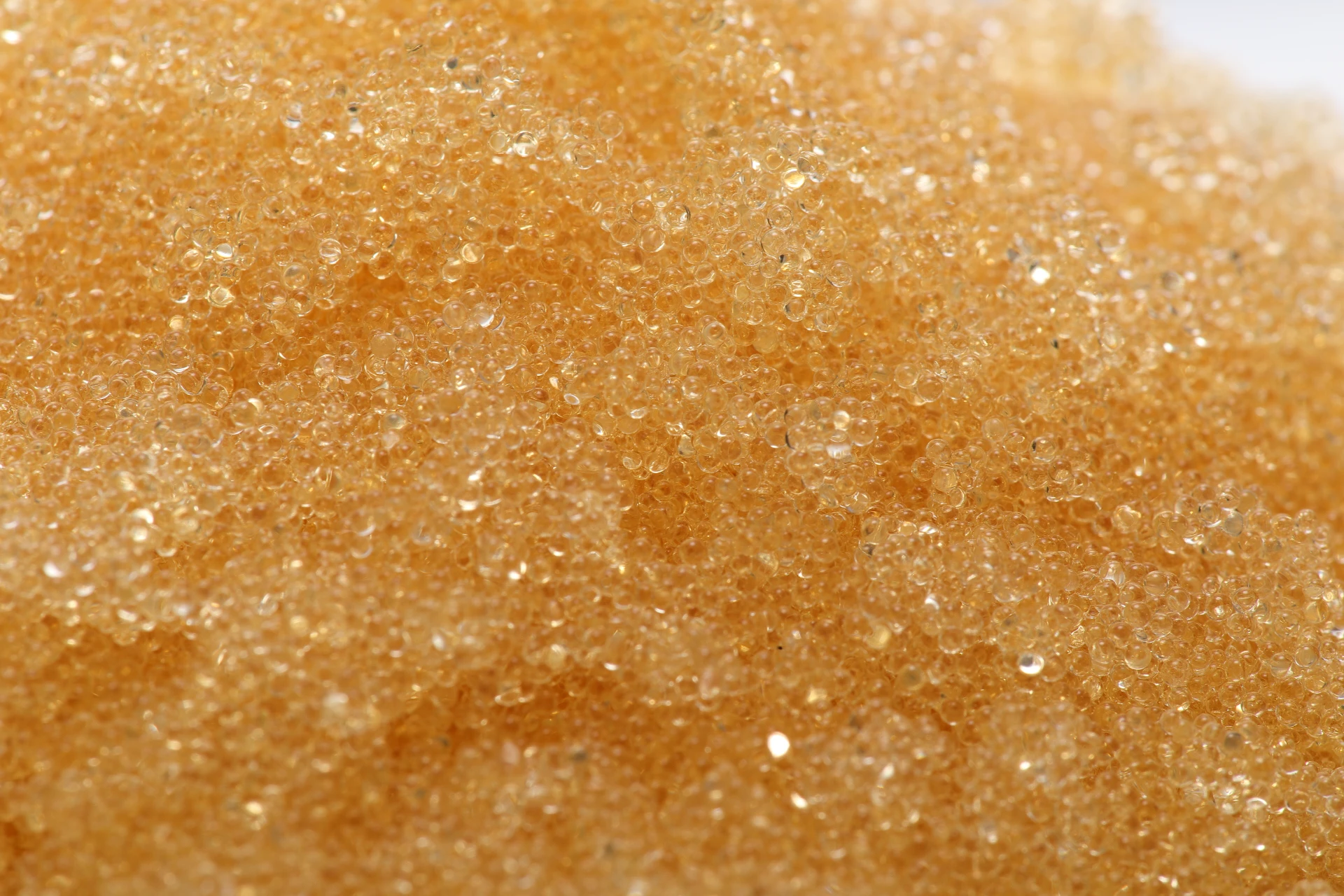
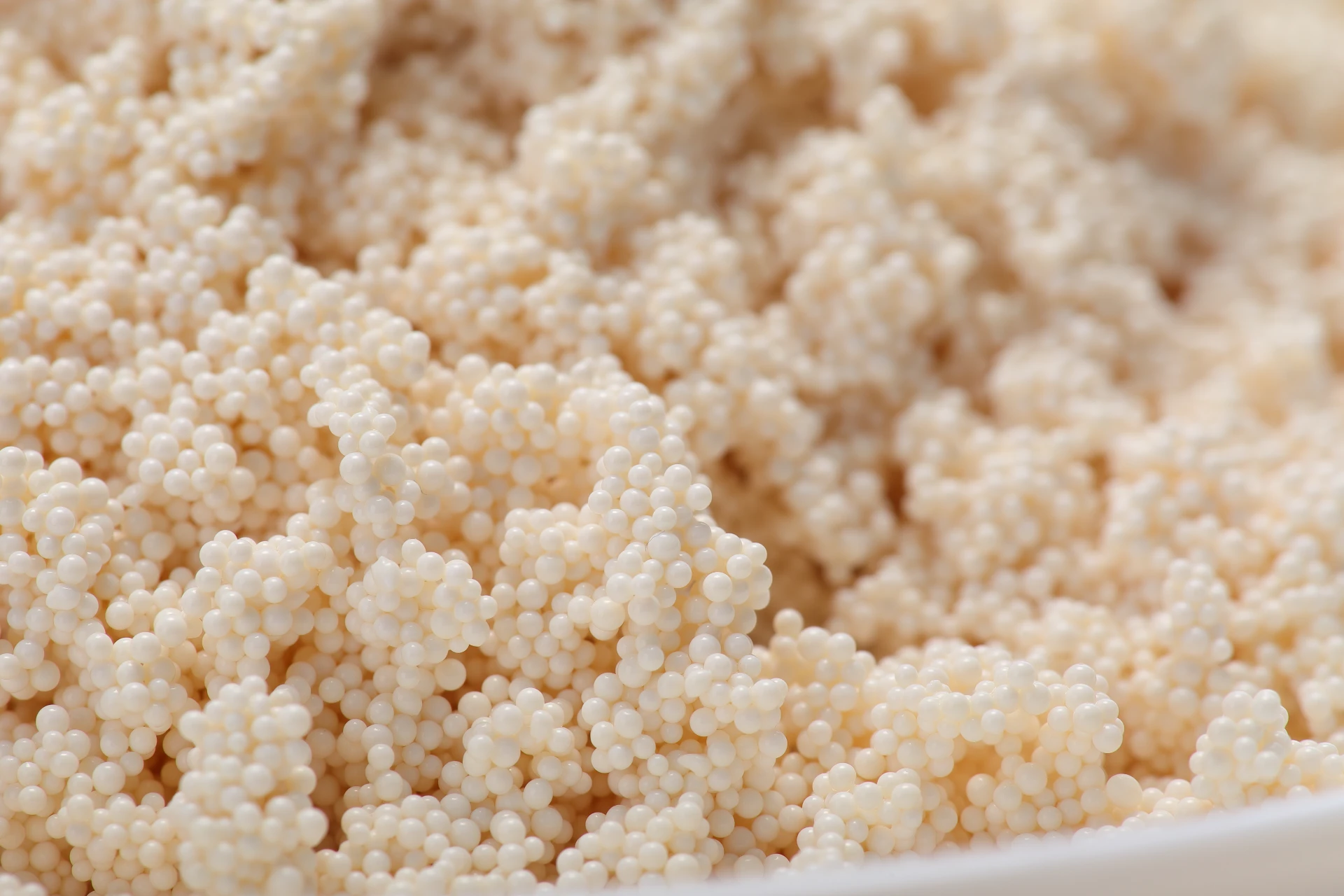
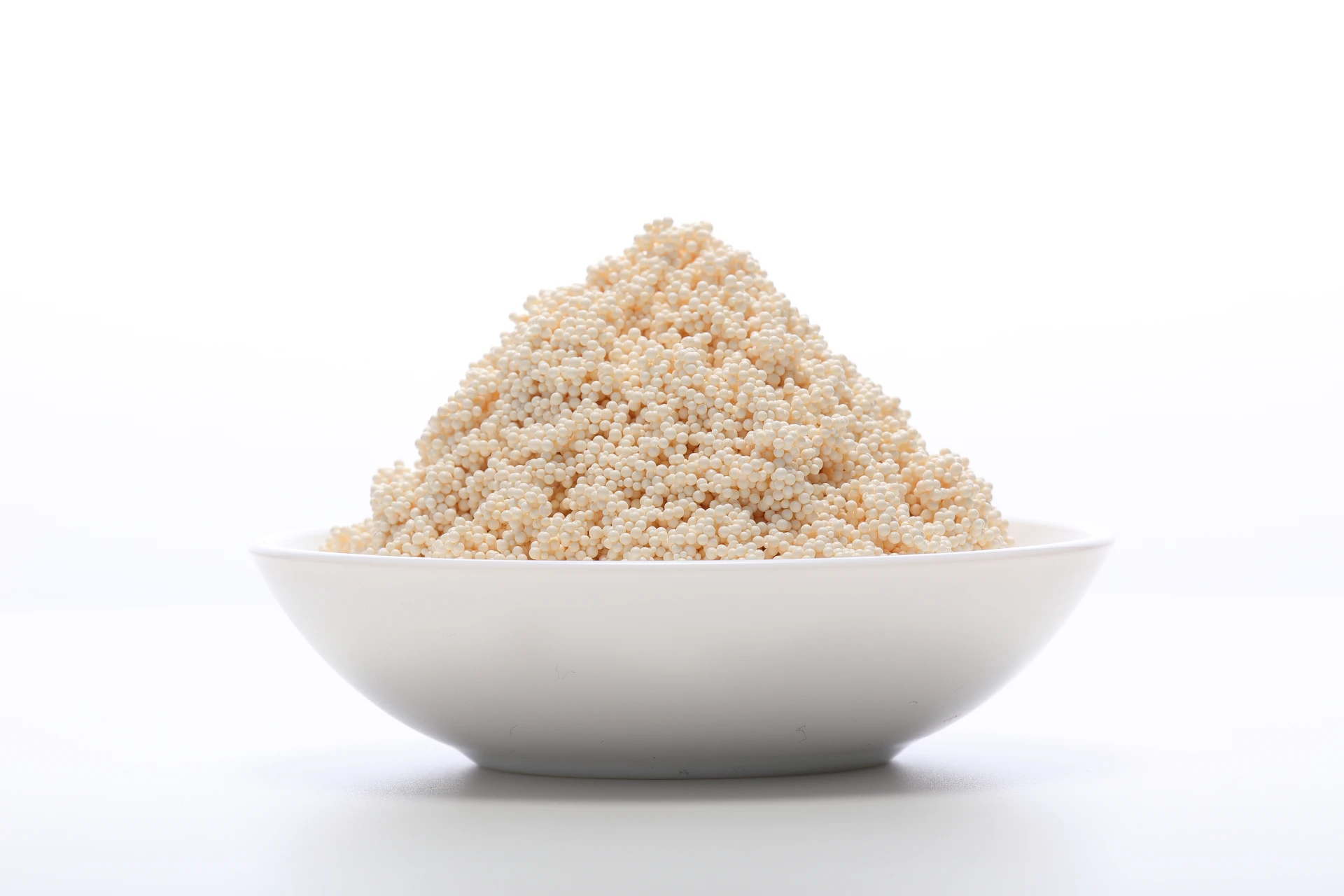
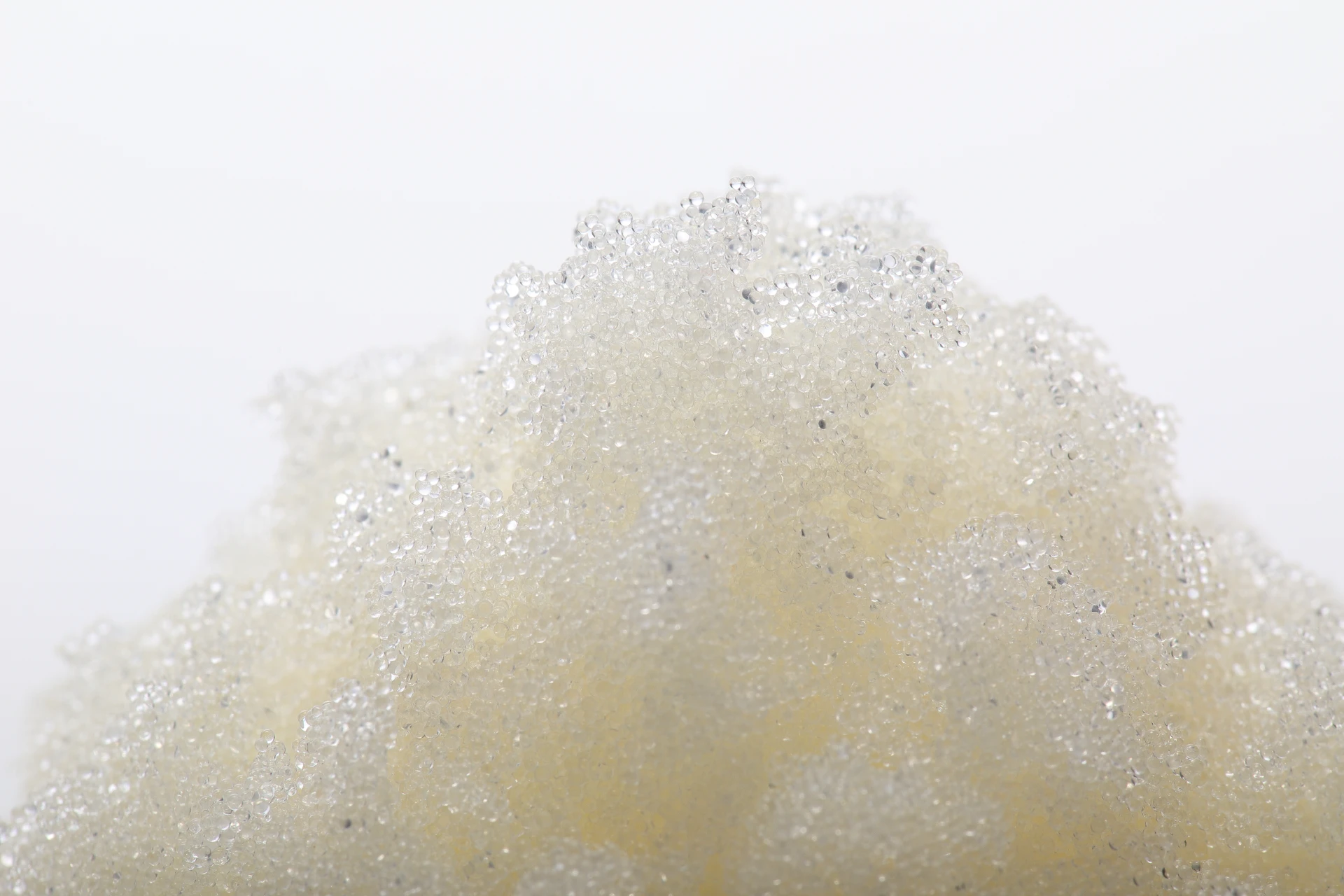
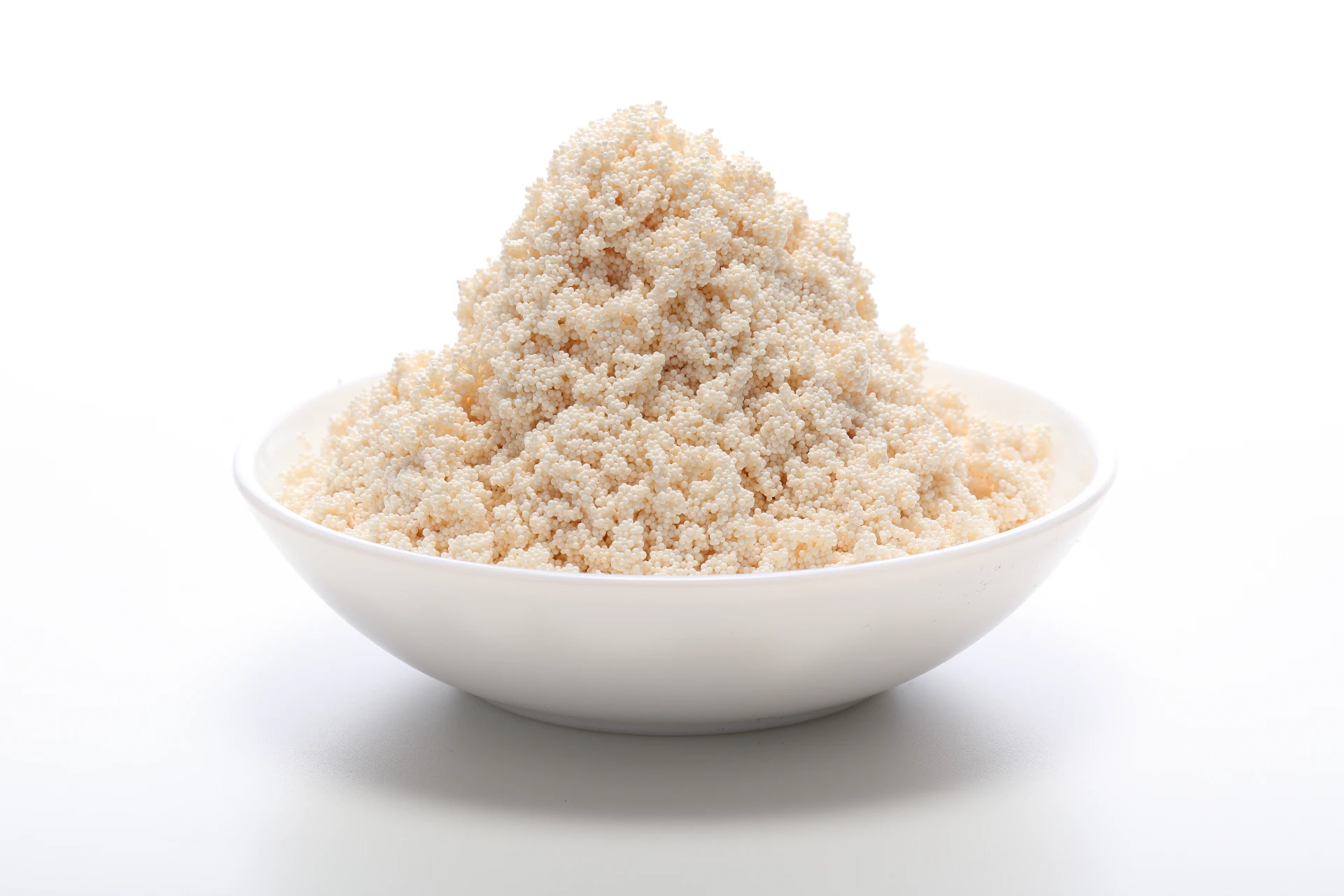
| Appearance | Milky white opaque spherical beads |
| Resin Structure | Polystyrene-divinylbenzene (PSD) |
| Polarity | Weakly polar |
| Moisture Content | 65%–75% |
| Particle Size Range | 60–16 mesh (0.3–1.25 mm, ≥90%) |
| Average Pore Size | 13–14 nm |
| Pore Volume | 0.73–0.77 ml/g |
| Porosity | 42%–46% |
| Real Density | 1.05–1.09 g/ml |
| Bulk Density | 0.65–0.70 g/ml |
| Specific Surface Area | ≥480 m²/g |
| Adsorption Capacity | ≥45 mg/g |
These specifications highlight the resin's ability to effectively adsorb a wide range of organic compounds while maintaining structural integrity under varying conditions.
The AB-8 resin offers several advantages that make it a preferred choice in industrial applications:
The AB-8 resin is widely used in the following sectors:
Hebei Lijiang Biotechnology Co., Ltd. is a leading manufacturer of advanced adsorption materials, specializing in the development and production of macroporous resins. With a focus on innovation and quality, the company has established itself as a reliable partner for industries requiring high-performance separation solutions. Their expertise in polymer chemistry and material science ensures that products like AB-8 meet stringent industry standards.
Proper preparation and regeneration are critical for maintaining the resin's efficiency:
Before use, the resin must be pretreated to remove inert solvents. This involves soaking in ethanol, followed by thorough washing with water to eliminate residual ethanol. The process ensures the resin is ready for adsorption applications.
When the resin's adsorption capacity declines, enhanced regeneration is required. This involves treating the resin with hydrochloric acid and sodium hydroxide solutions, followed by rinsing with water until neutral pH is achieved. This process restores the resin's performance and extends its lifespan.
To preserve the resin's properties, it should be stored at temperatures between 5°C and 40°C. Avoid freezing or high-temperature exposure to prevent degradation. If the resin dries out, it can be rehydrated using ethanol before rinsing with water. Regular maintenance and proper storage ensure optimal performance.
The development and application of adsorption resins like AB-8 align with advancements in material science. According to the National Institute of Standards and Technology (NIST), "Polymeric adsorbents play a critical role in modern separation technologies, enabling precise control over molecular interactions and improving process efficiency." This underscores the importance of materials like AB-8 in industrial and environmental applications.
The Macroporous Adsorption Resin AB-8 is a testament to the advancements in polymer-based separation technologies. Its robust technical specifications, ease of regeneration, and wide-ranging applications make it an indispensable tool for industries seeking efficient and sustainable solutions. By leveraging the expertise of Hebei Lijiang Biotechnology Co., Ltd., users can benefit from a product that meets the highest standards of quality and performance.
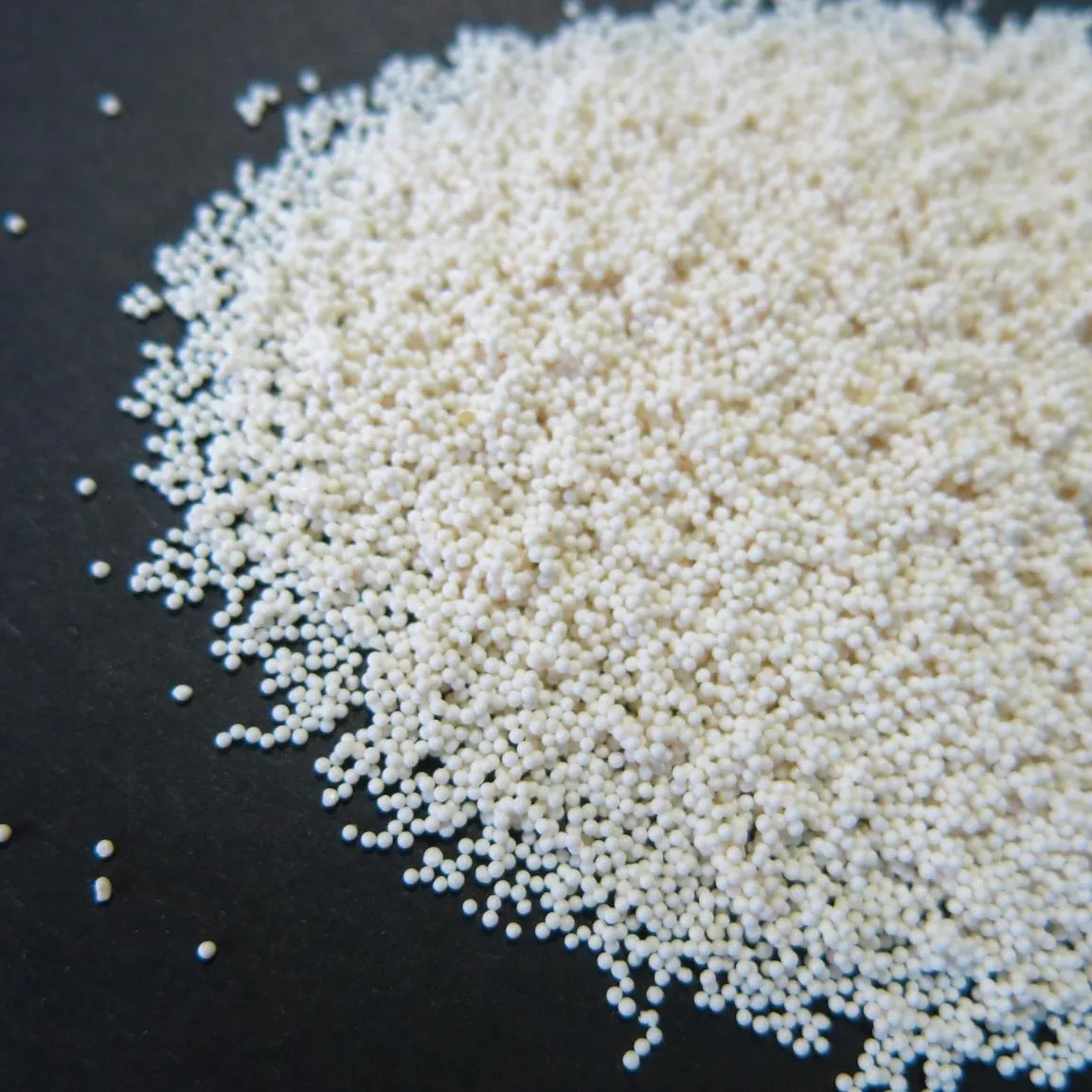
Read More About Water Purification Resin
NIST. (2025). Advances in Polymeric Adsorbents for Industrial Applications. Retrieved from https://www.nist.gov.