Phone:
+86 0319 2296164


Email:
info@lijiresin.cn
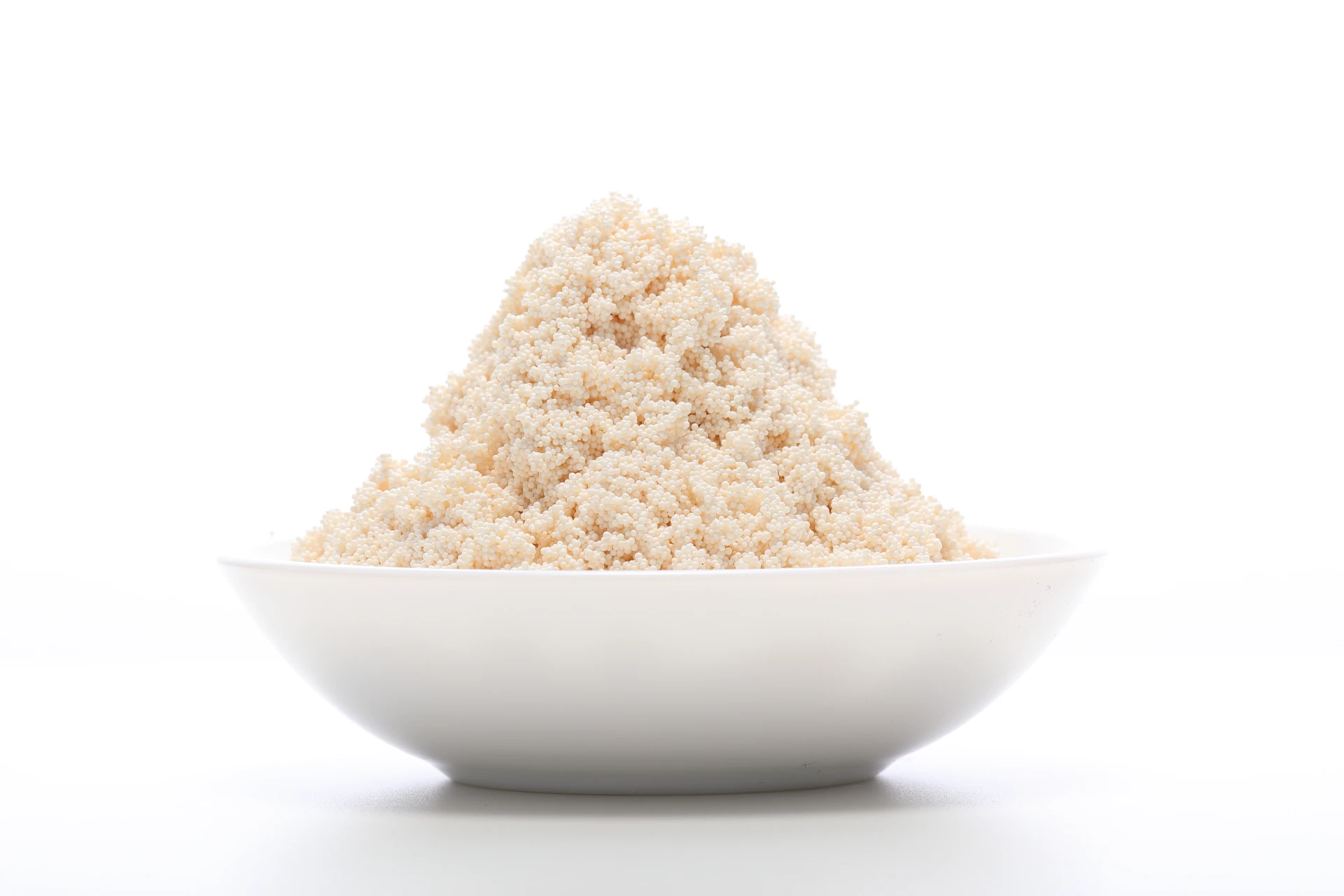
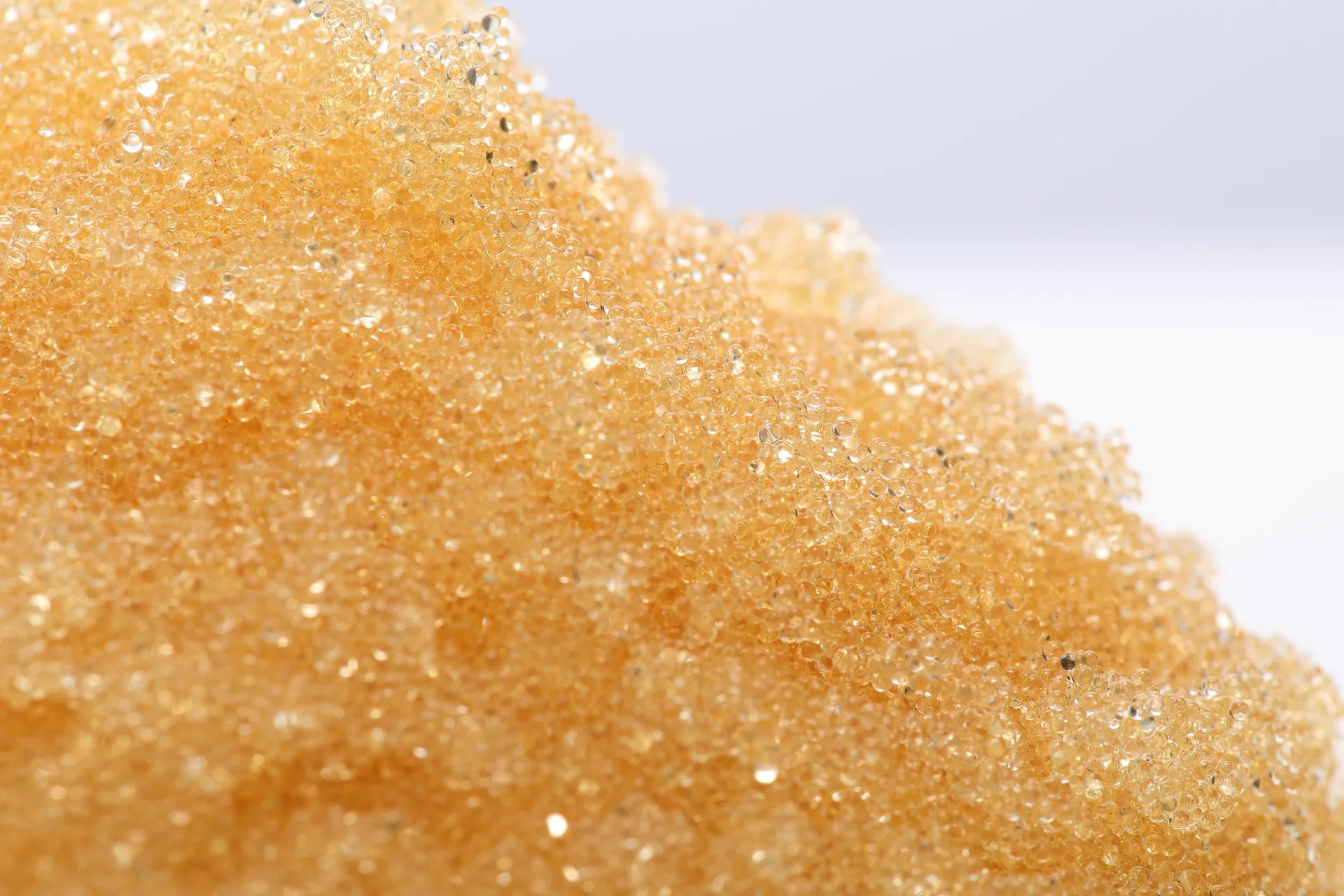
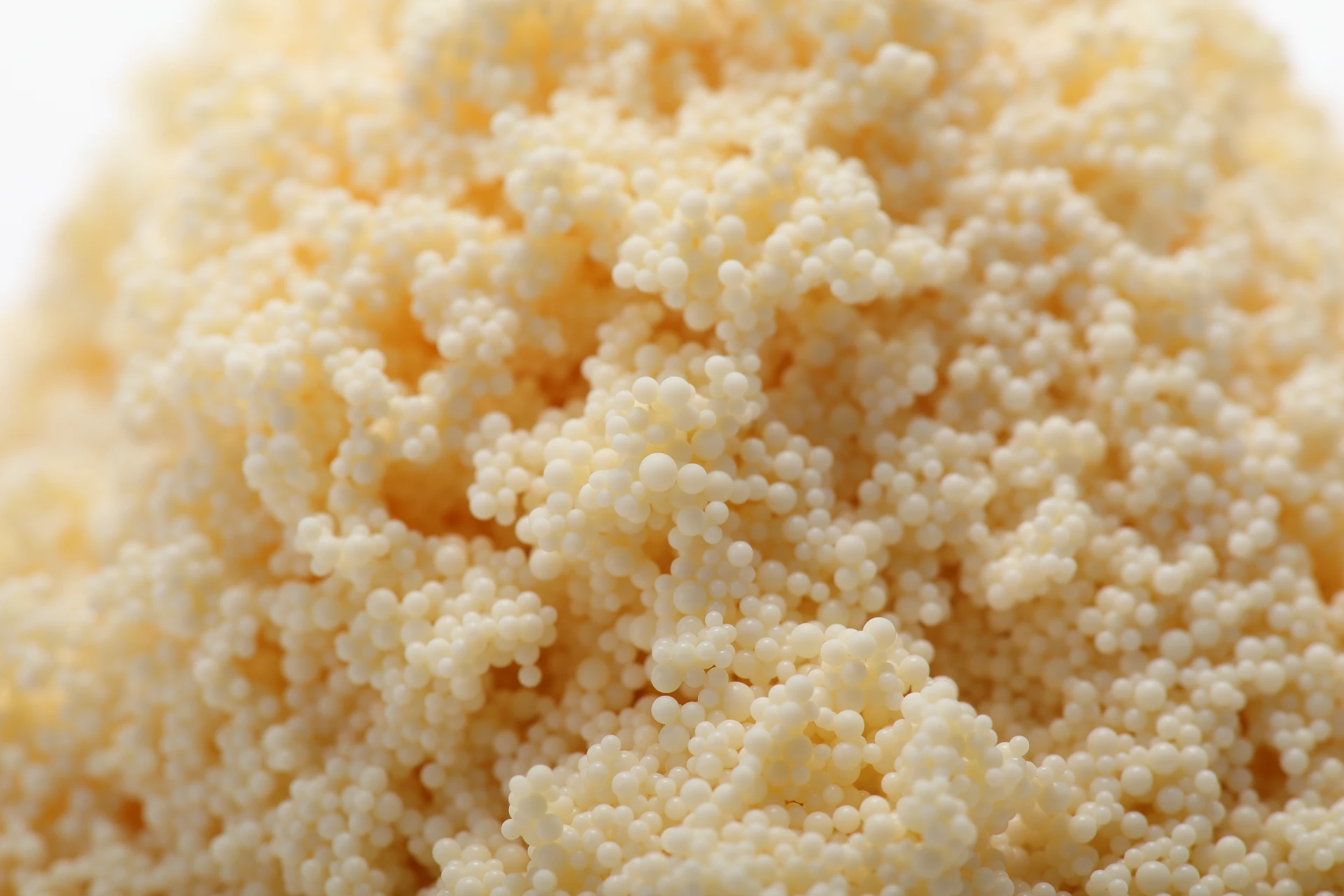
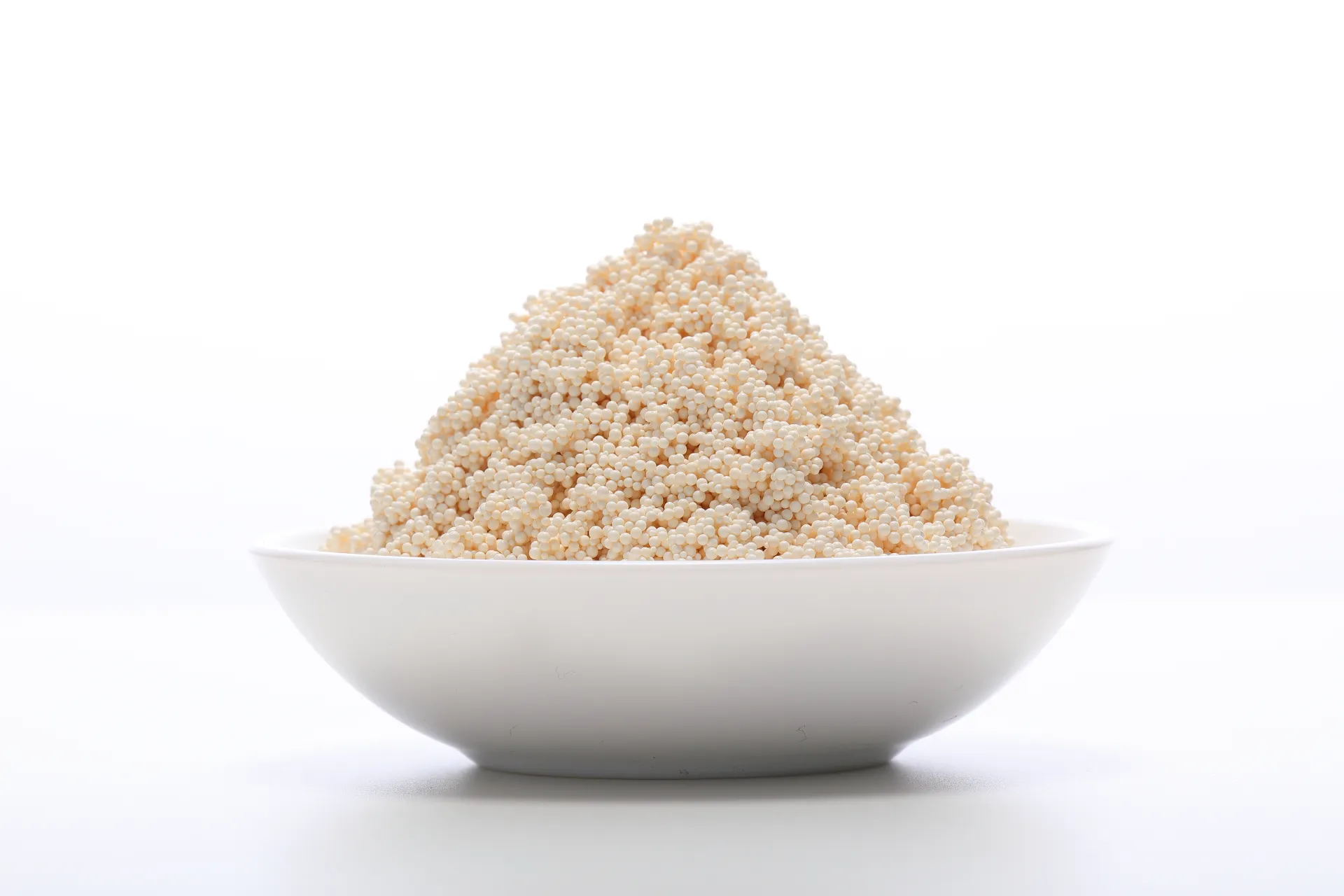
Having been in the industrial equipment sector for well over a decade, I’ve seen quite a few ion exchange resins come and go. But the Purolite PFA400 still stands out—not just because it’s reliable, but because it’s incredibly versatile. Oddly enough, in a market that always seems flooded with “next big things,” this resin keeps proving its worth over and over.
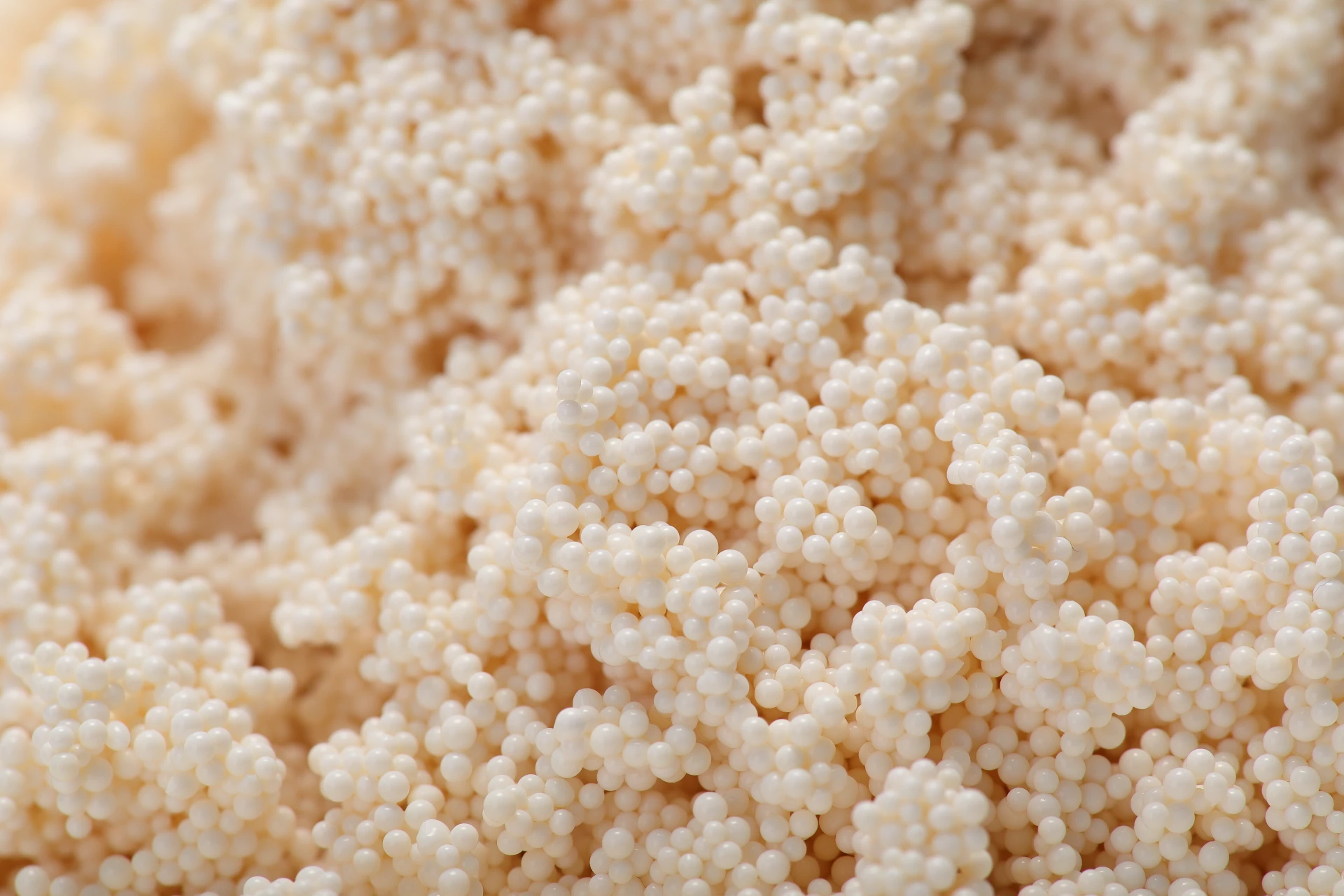
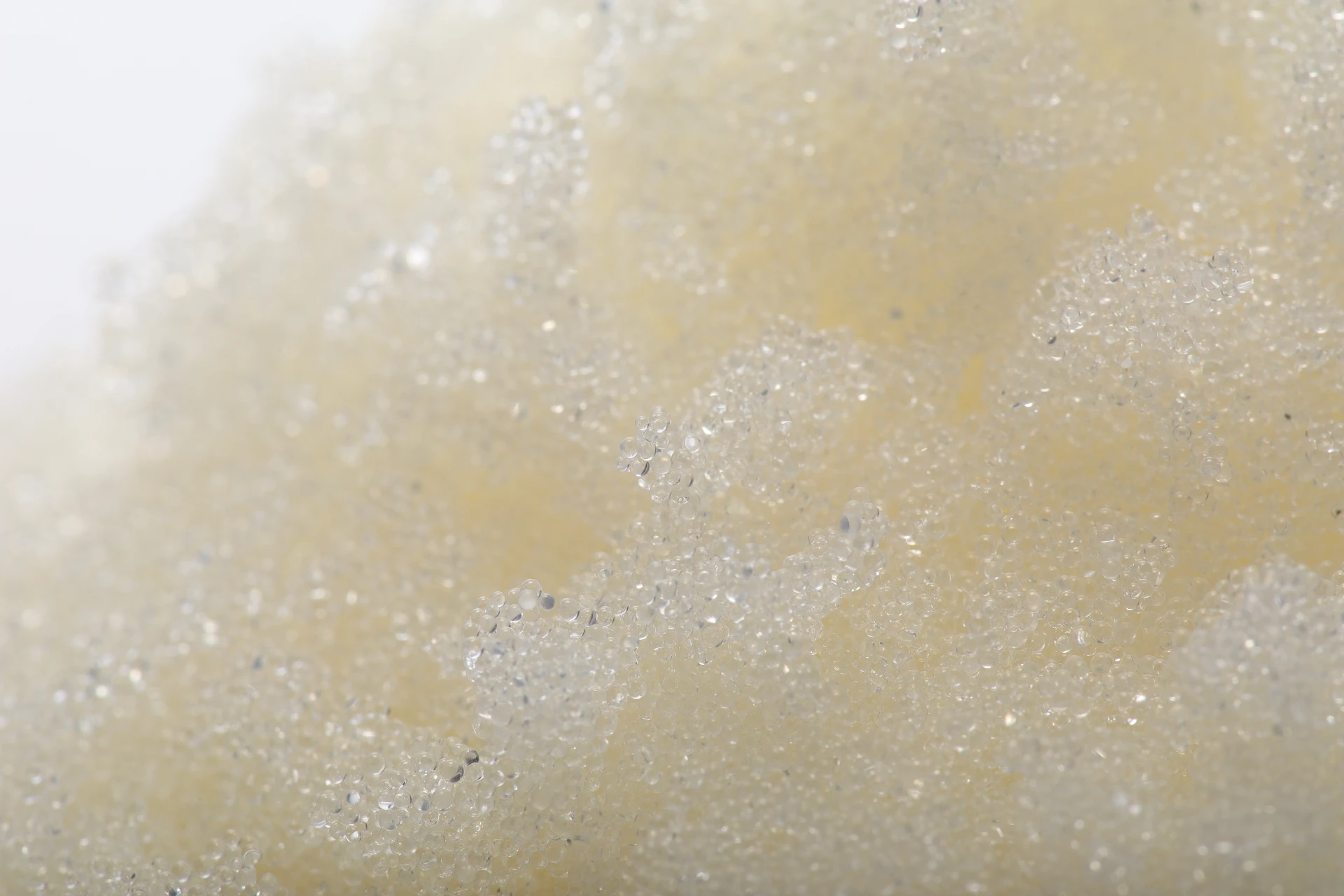
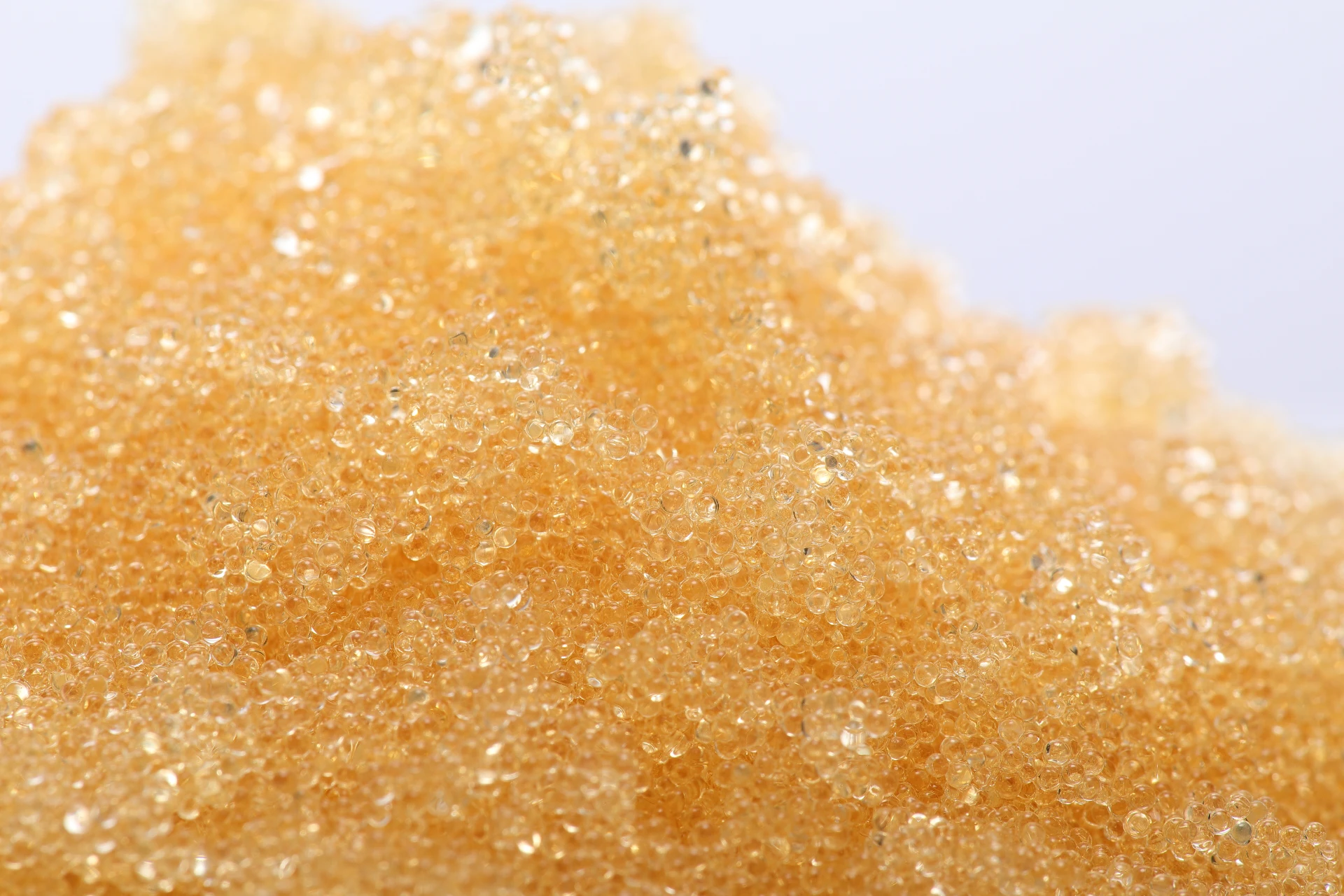
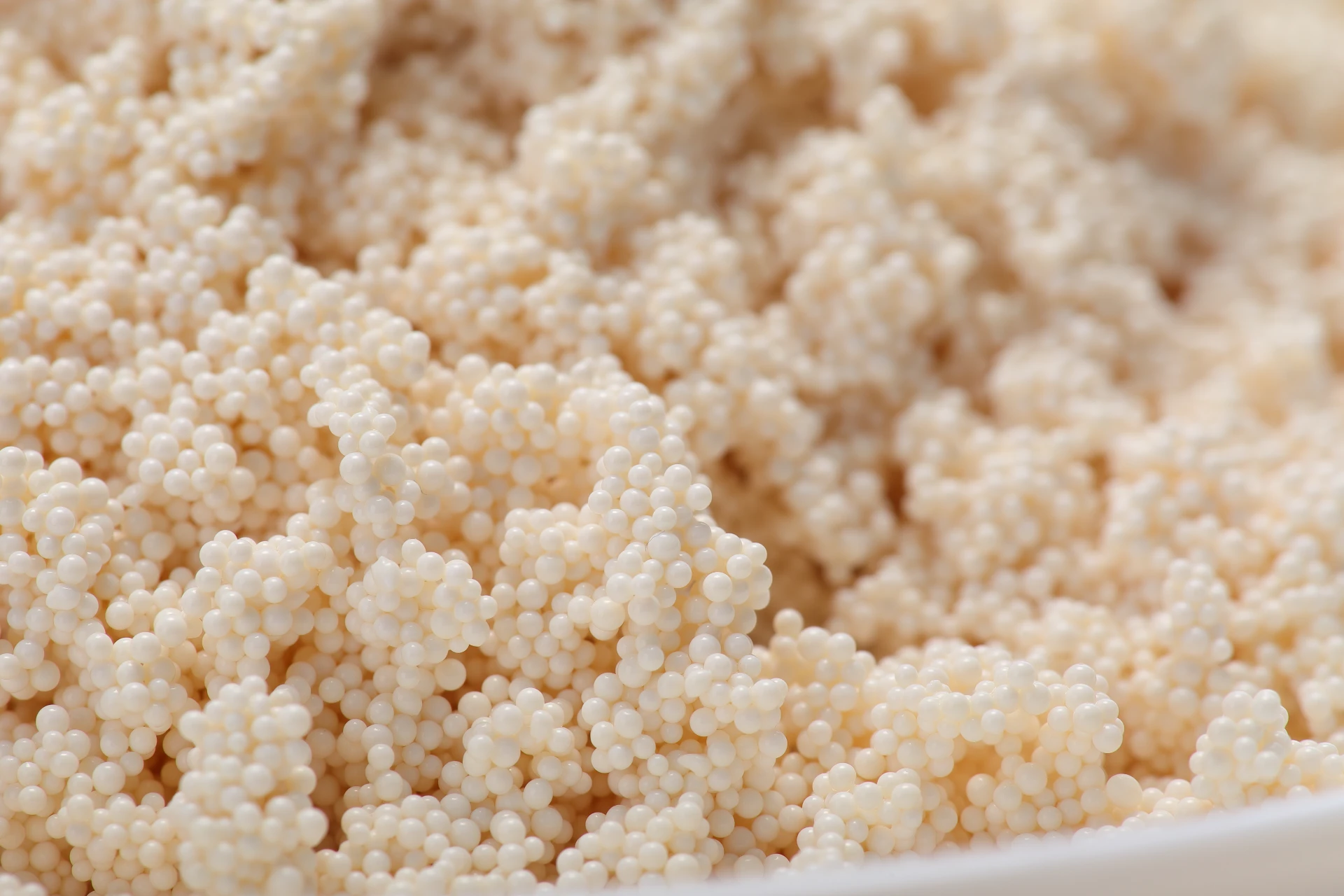
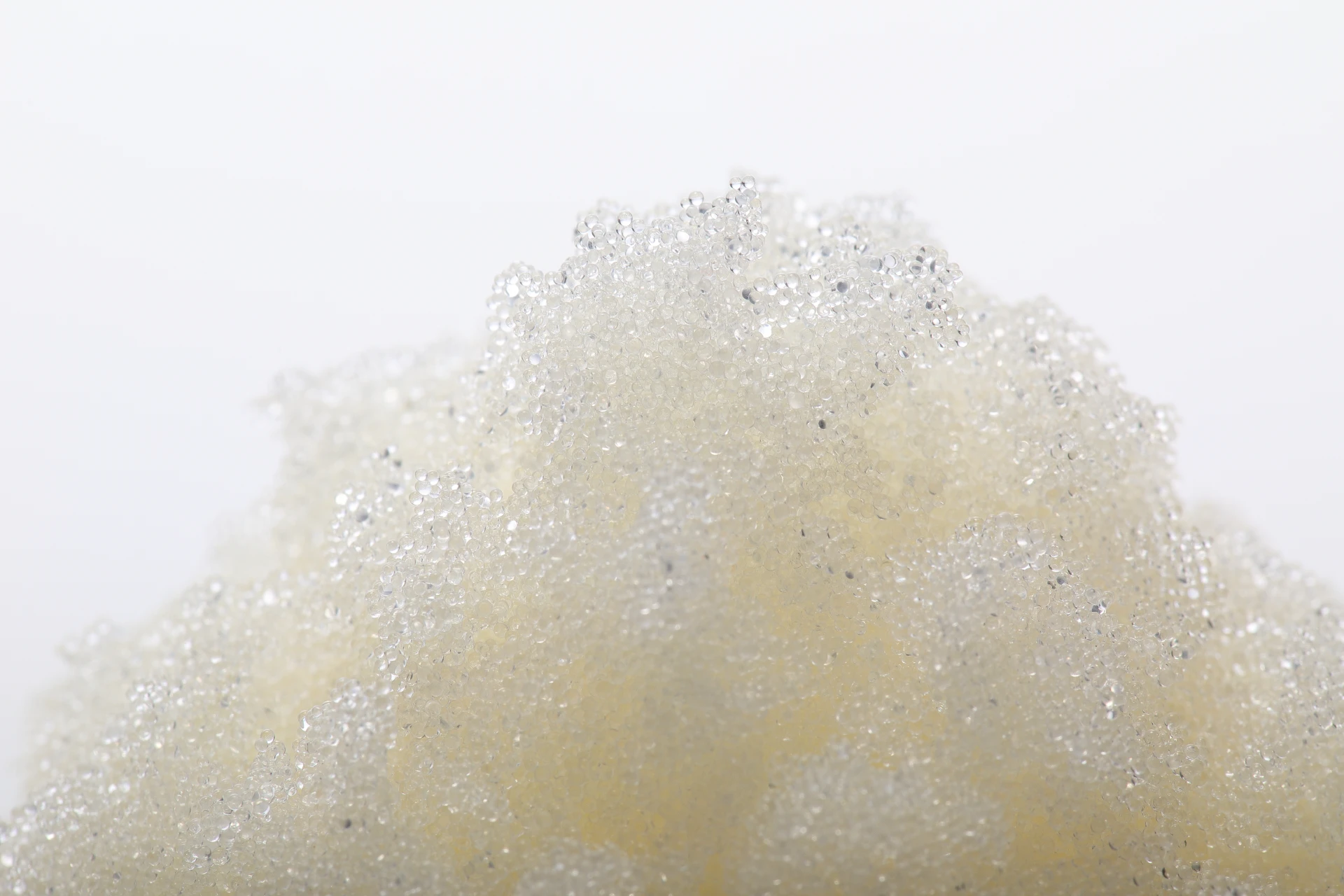
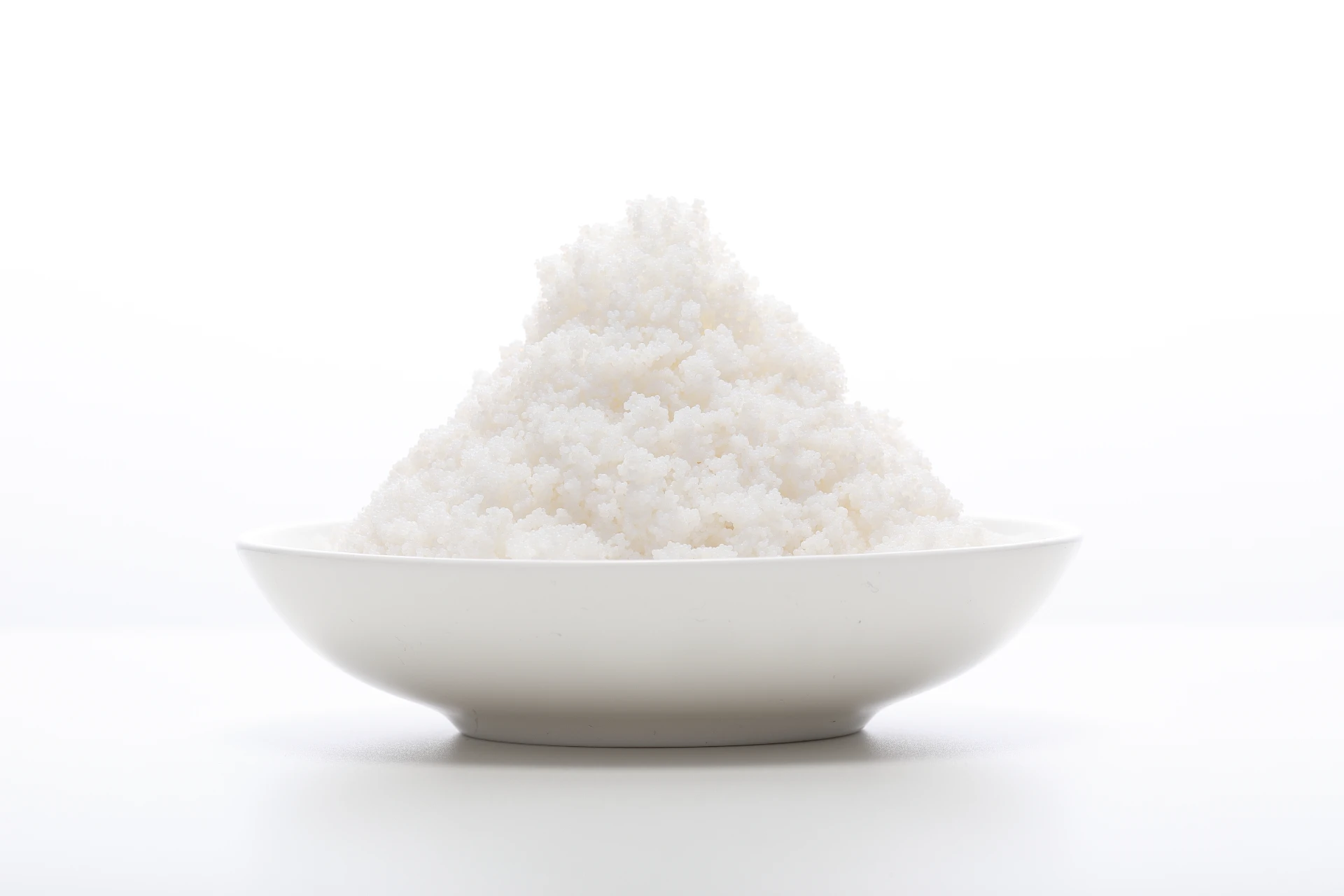
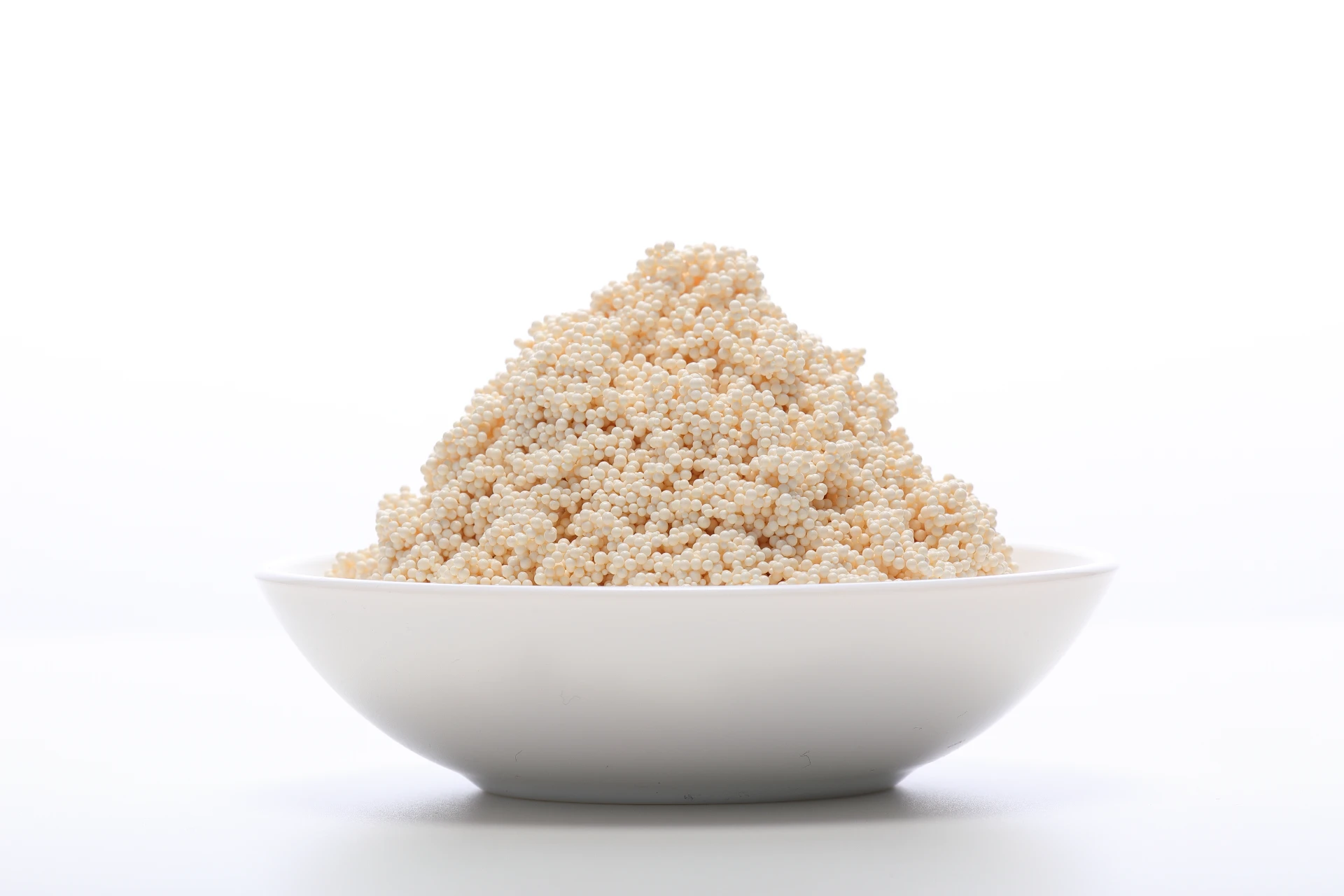
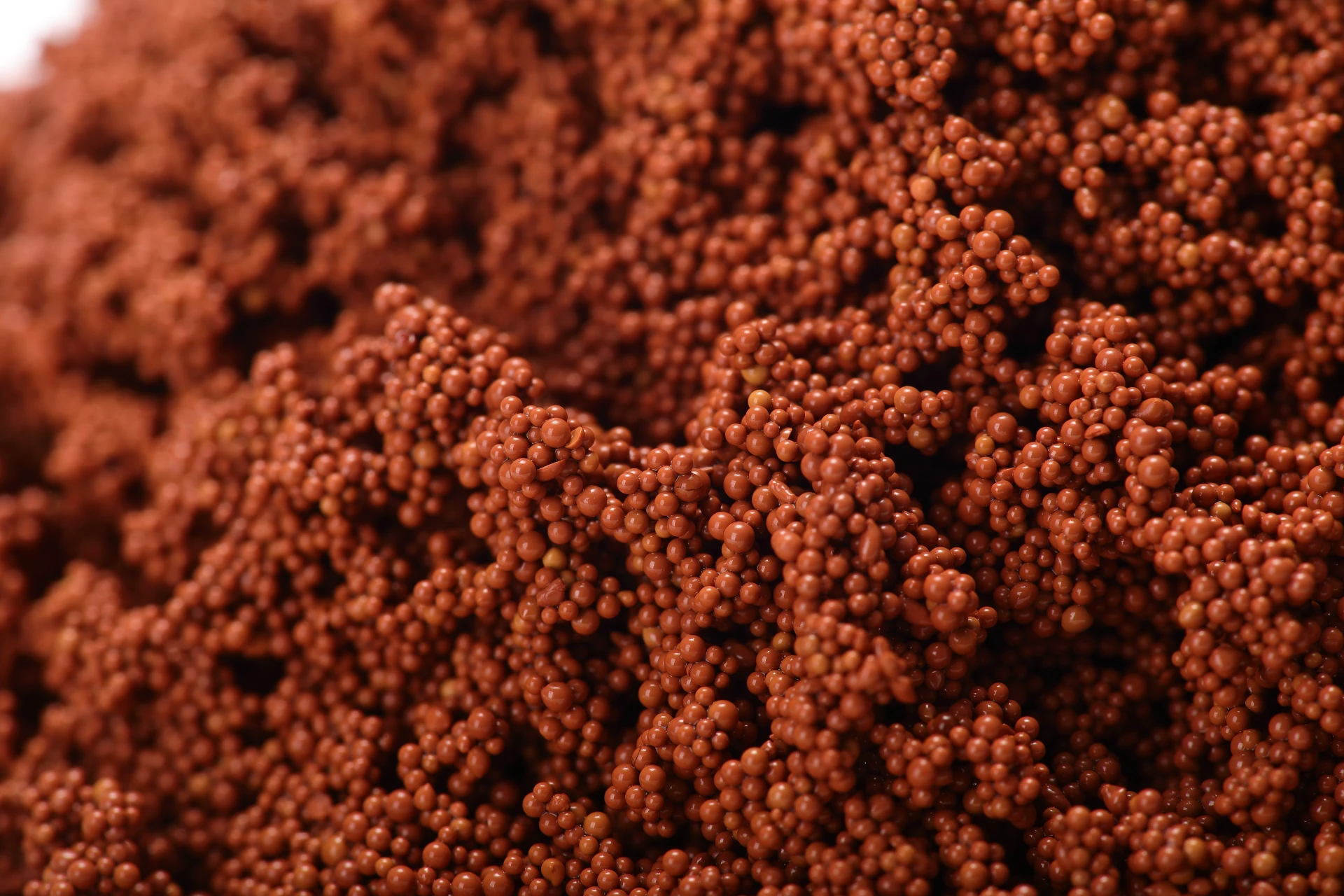
In real terms, PFA400 is a gel-type, strong acid cation resin, primarily used in water softening and demineralization. What I’ve always appreciated is its consistent performance, especially when dealing with hard water or process water streams with fluctuating compositions. Many engineers say it's the sort of “set it and forget it” resin, which in our world, means fewer shutdowns and headaches.
| Specification | Details |
|---|---|
| Resin Type | Strong acid cation - gel |
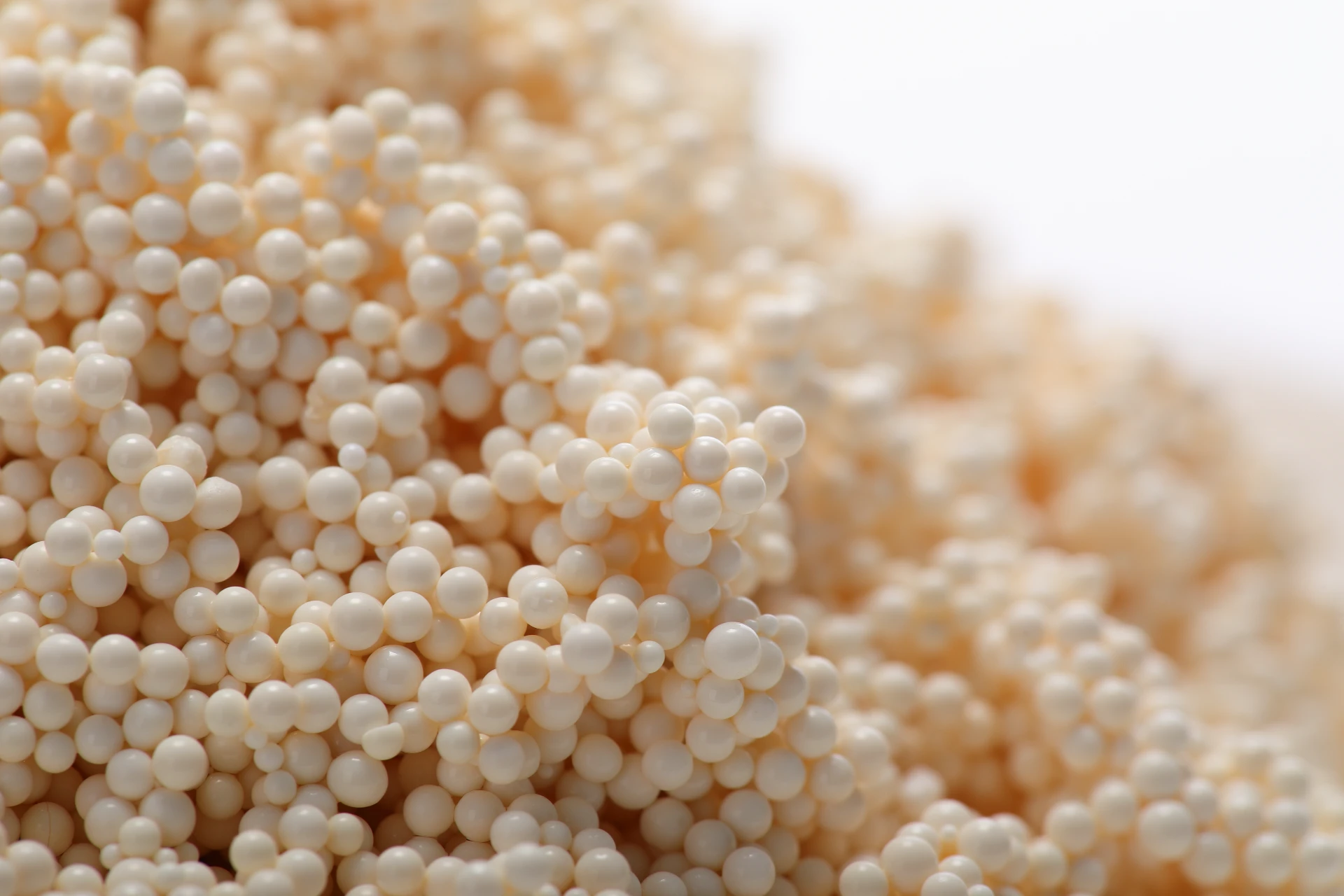
| Bead Size | 0.35 - 1.25 mm |
| Moisture Content | 48 - 54% |
| Swelling (Na→H) | 5 - 10% |
| Operating pH Range | 0 - 14 |
| Temperature Limit | Up to 120°C (continuous) |
| Total Exchange Capacity (Na→H) | 1.9 eq/L (min.) |
One of the things I noticed early on about the PFA400 is its durability. It handles high temperature cycles well, which is a big deal because many industrial systems don’t exactly run at room temp. Plus, its resistance to osmotic shock helps prevent bead degradation—a subtle feature, but one that means the resin lasts longer in real-world conditions.
| Feature | Purolite PFA400 | Competitor A | Competitor B |
|---|---|---|---|
| Total Exchange Capacity | 1.9 eq/L | 1.7 eq/L | 1.8 eq/L |
| Thermal Stability | Up to 120°C | Up to 100°C | Up to 110°C |
| Swelling Behavior | Low (5-10%) | Moderate (7-12%) | Moderate (6-11%) |
| pH Operating Range | 0 - 14 | 1 - 13 | 1 - 13 |
| Price (per kg) | $$$ (mid-range) | $$ (low) | $$$$ (high) |
Frankly, the price-performance ratio of PFA400 is quite attractive. It’s not the cheapest, but the enhanced longevity and efficiency often save money in the long run. I recall a project where a water treatment plant switched to PFA400 after constant resin failures from cheaper brands. Within months, downtime dropped markedly, and their maintenance budget shrank. That kind of field-proven result is hard to ignore.
Customization is another area where Purolite shines. While PFA400 is a standard product, Purolite offers tailored services that allow you to tweak resin bead size or moisture content to better suit specific system demands. I think this flexibility is often overlooked but can make all the difference if your process water chemistry is particularly aggressive or unusual.
As for environmental impact, PFA400 and resins like it tend to be pretty stable chemically, but obviously, waste disposal and regeneration chemicals should be handled responsibly. It’s something we industrial folks need to keep in mind—balancing performance with sustainable practices.
So, if you’re in the market for a solid, dependable ion exchange resin, Purolite PFA400 is well worth considering. It feels like that dependable colleague who quietly gets the job done every time.
—John M., Industrial Equipment Specialist with 15+ years experience
References: