索引
|
名前
|
仕様
|
|
外観
|
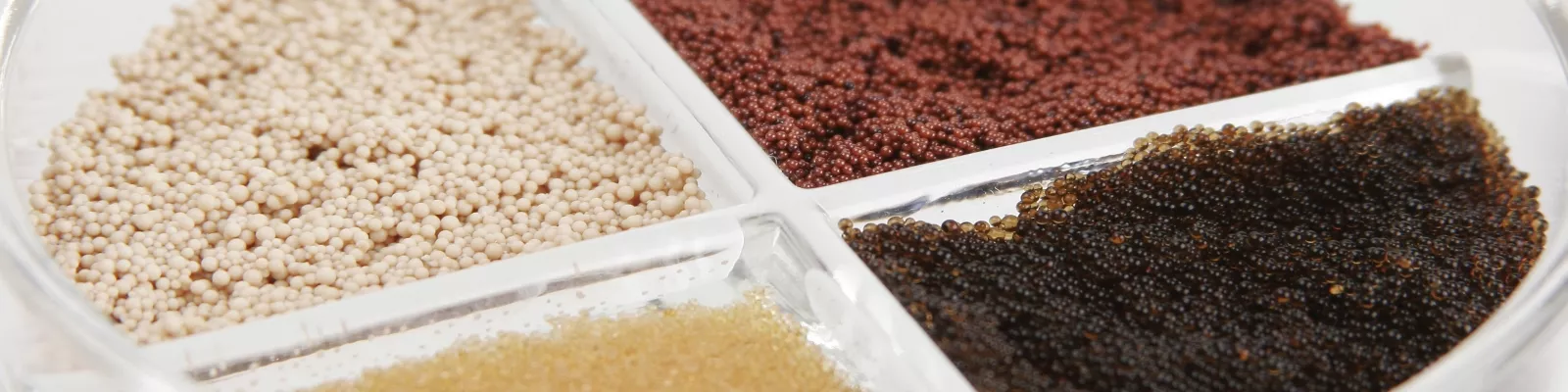
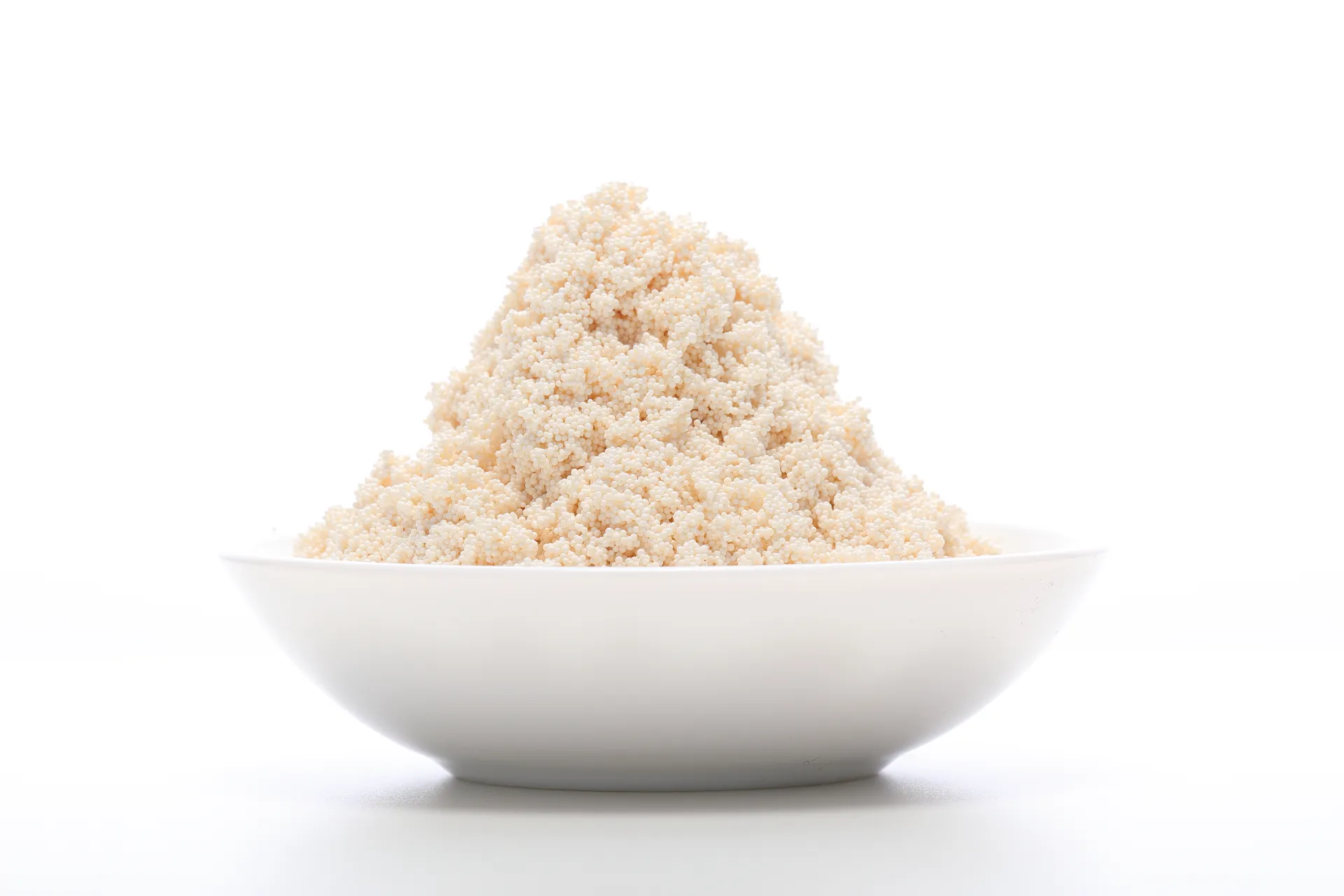
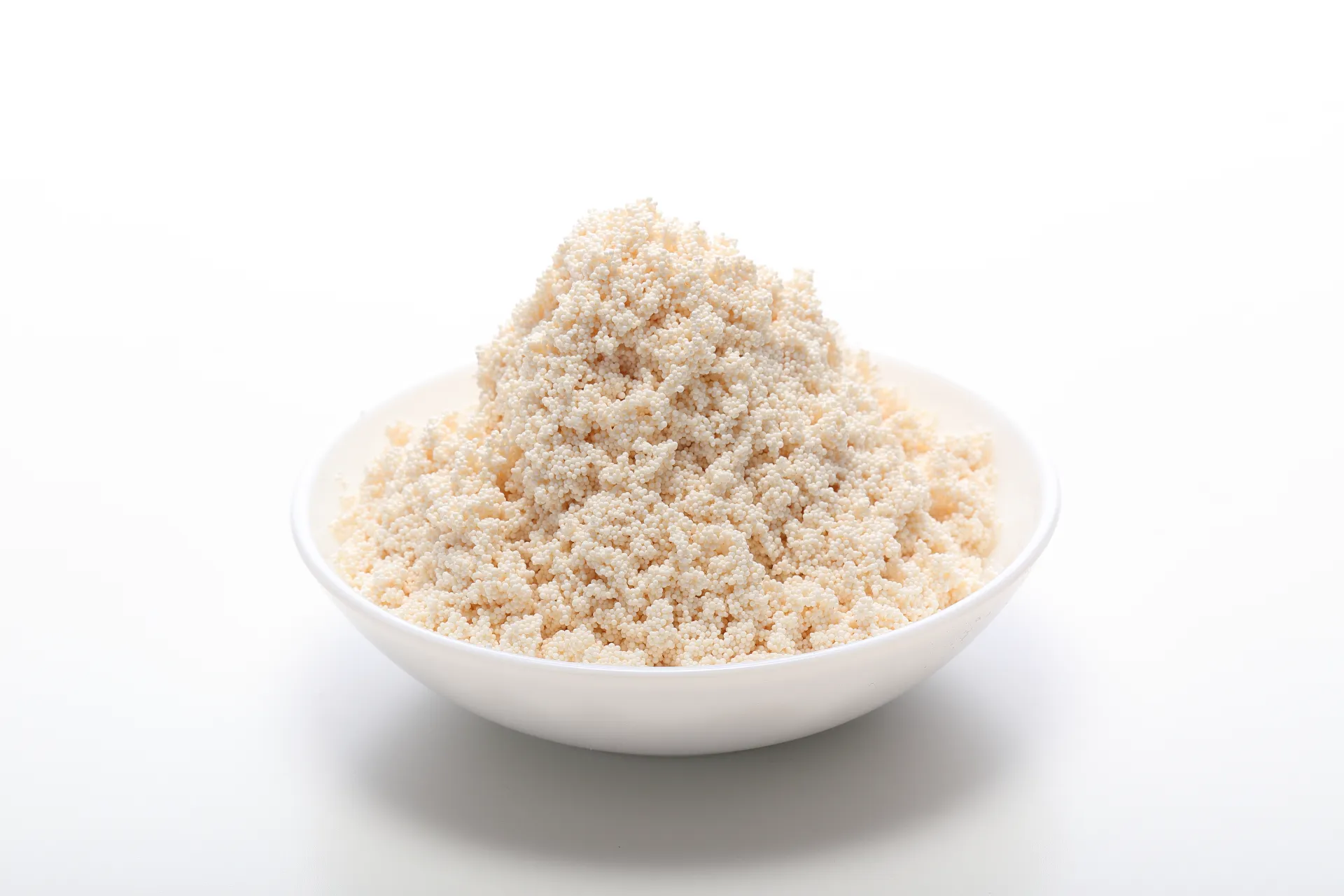
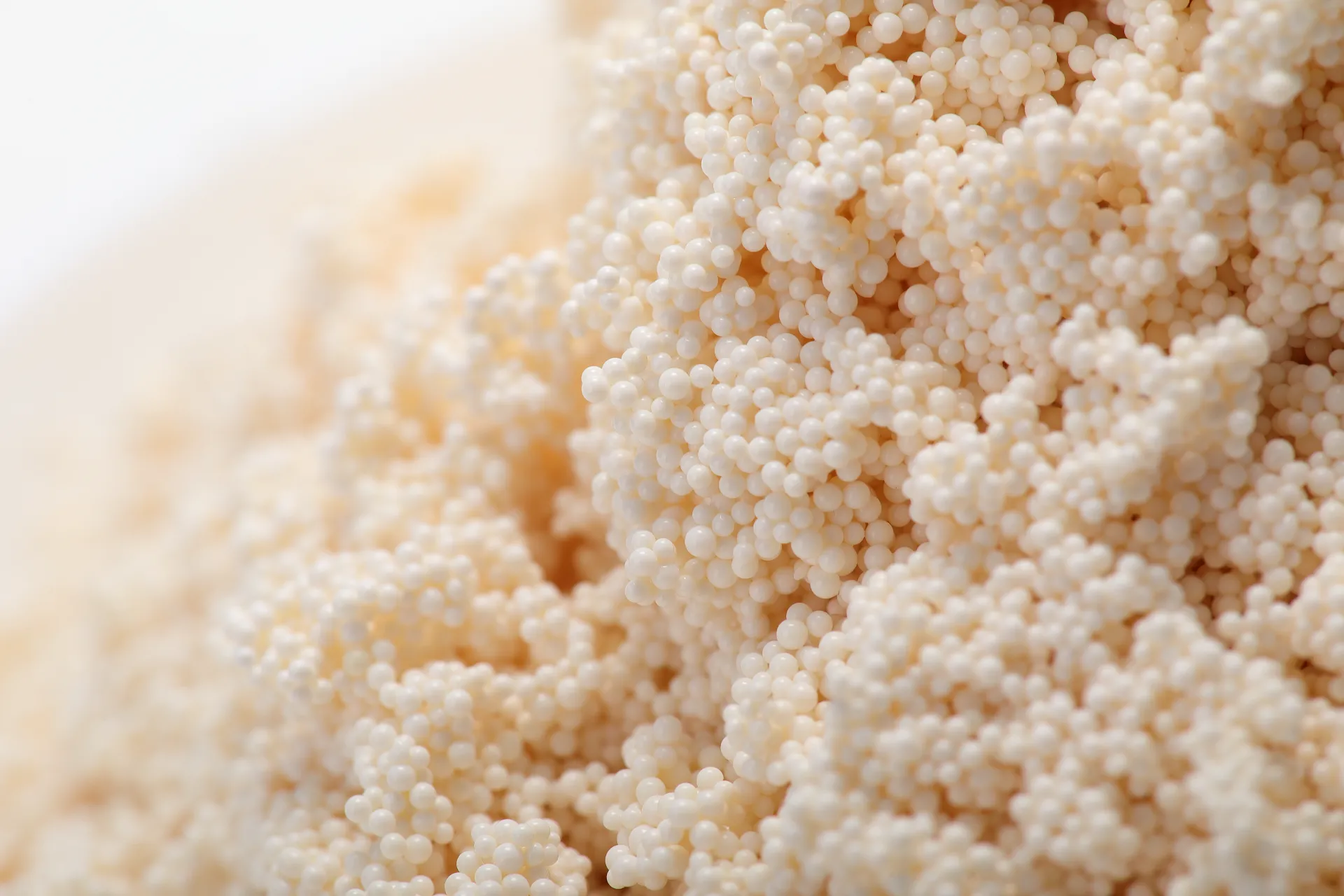
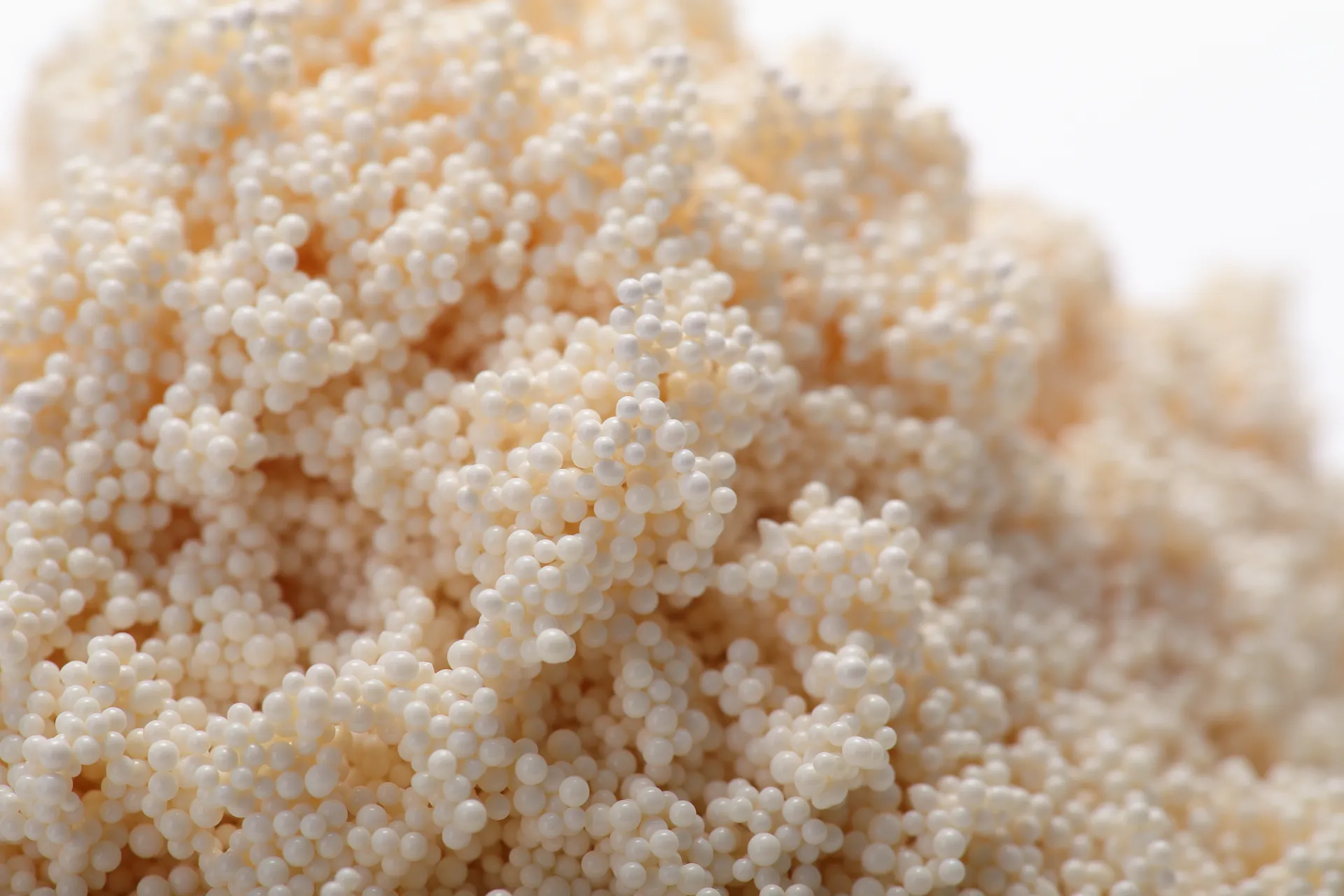
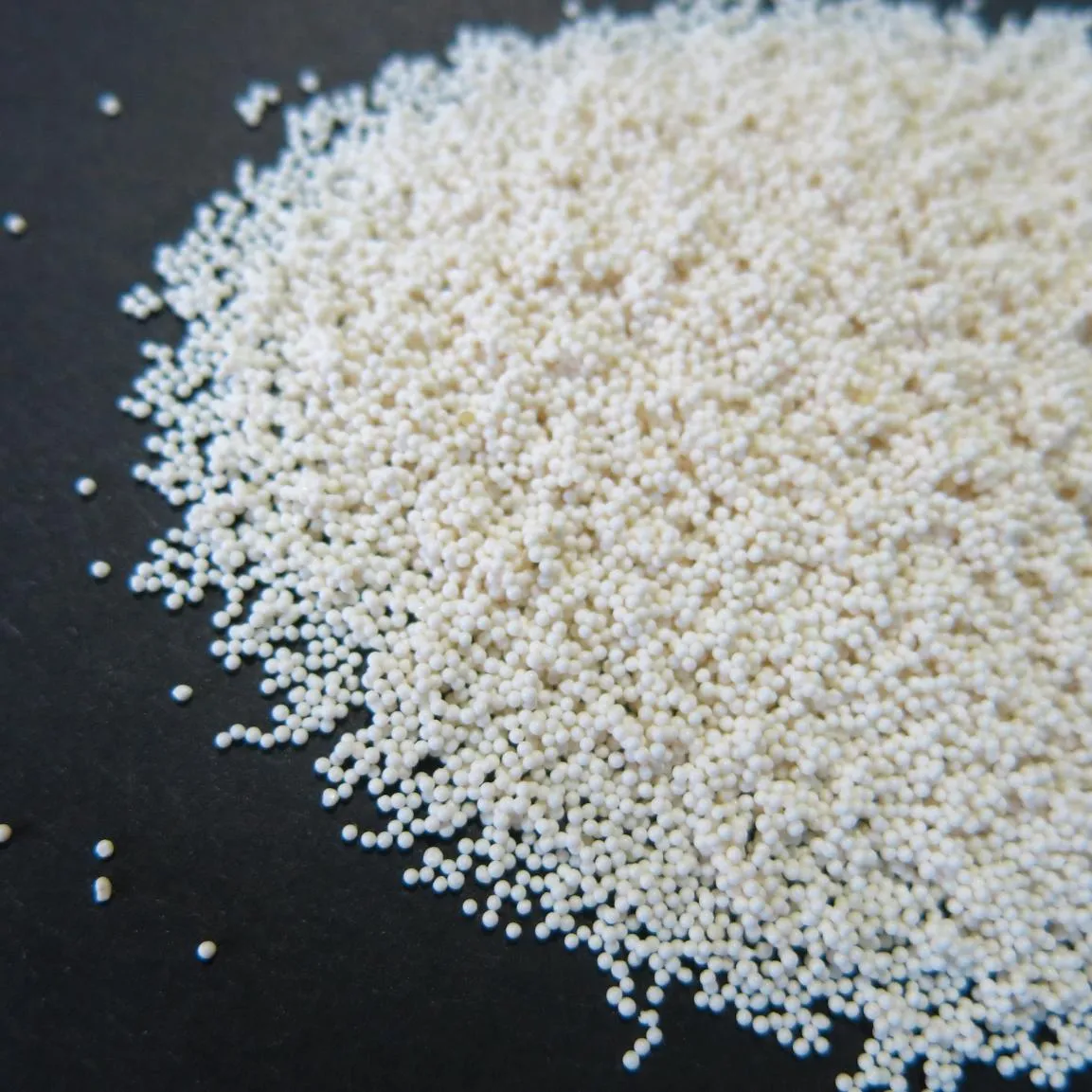
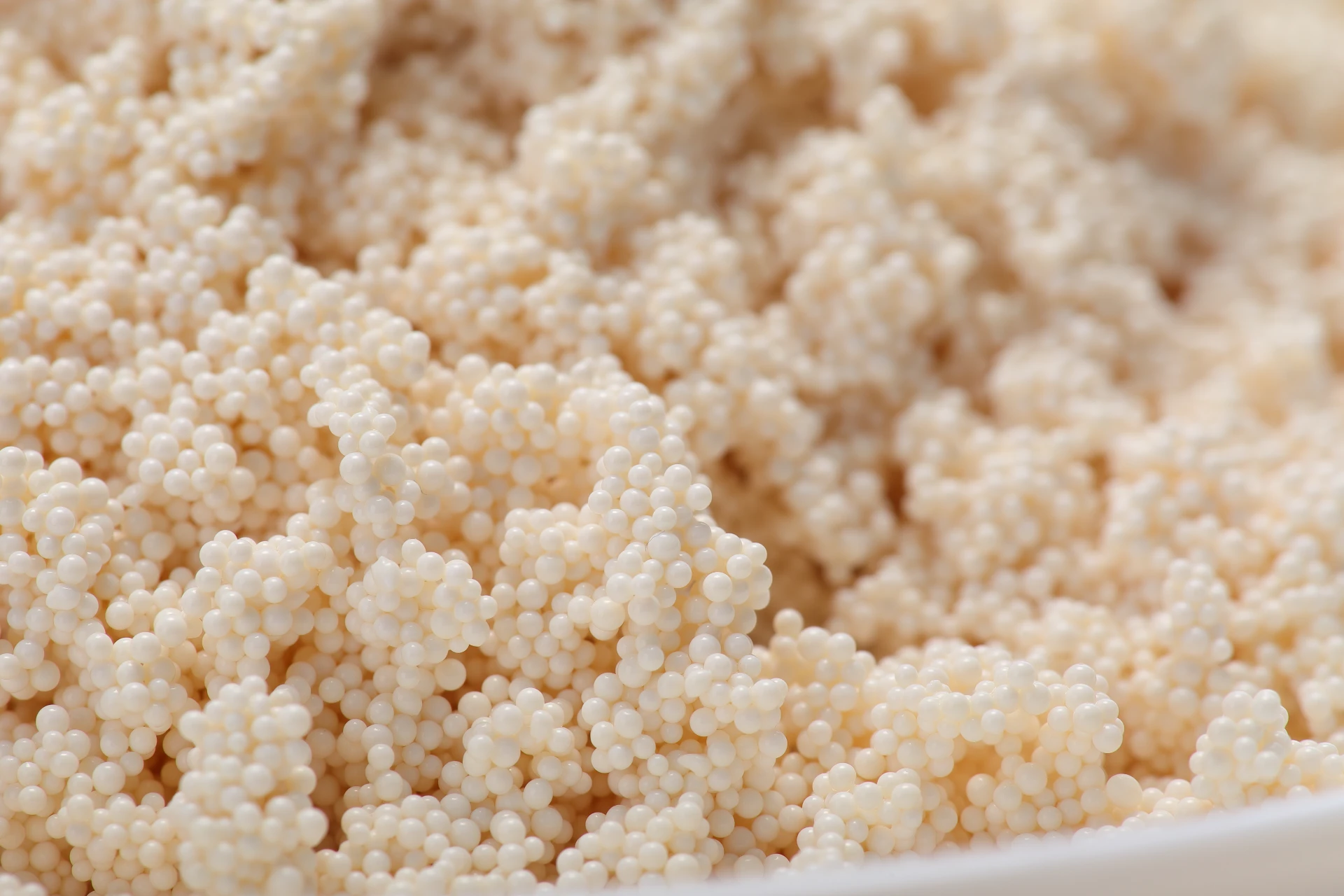
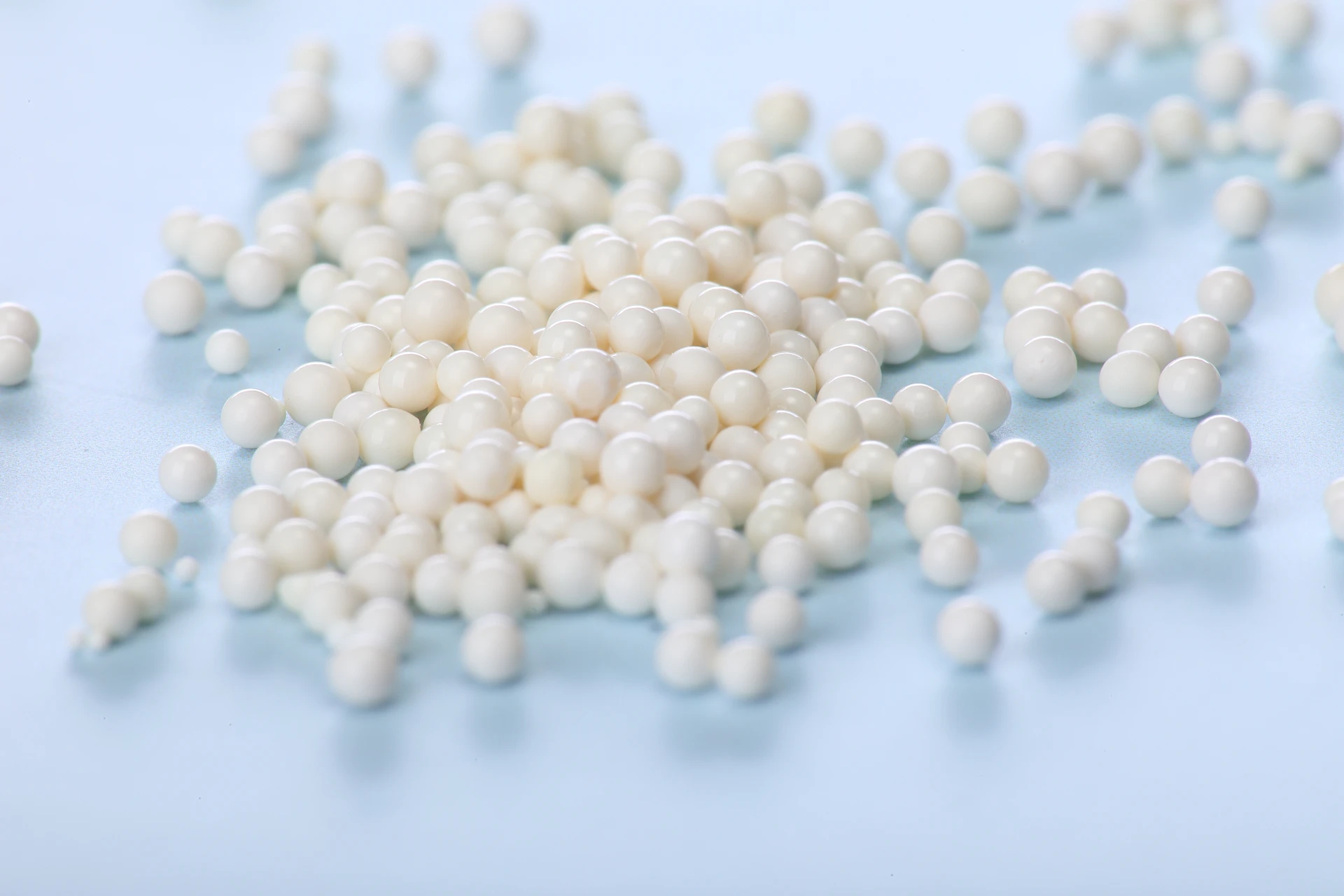
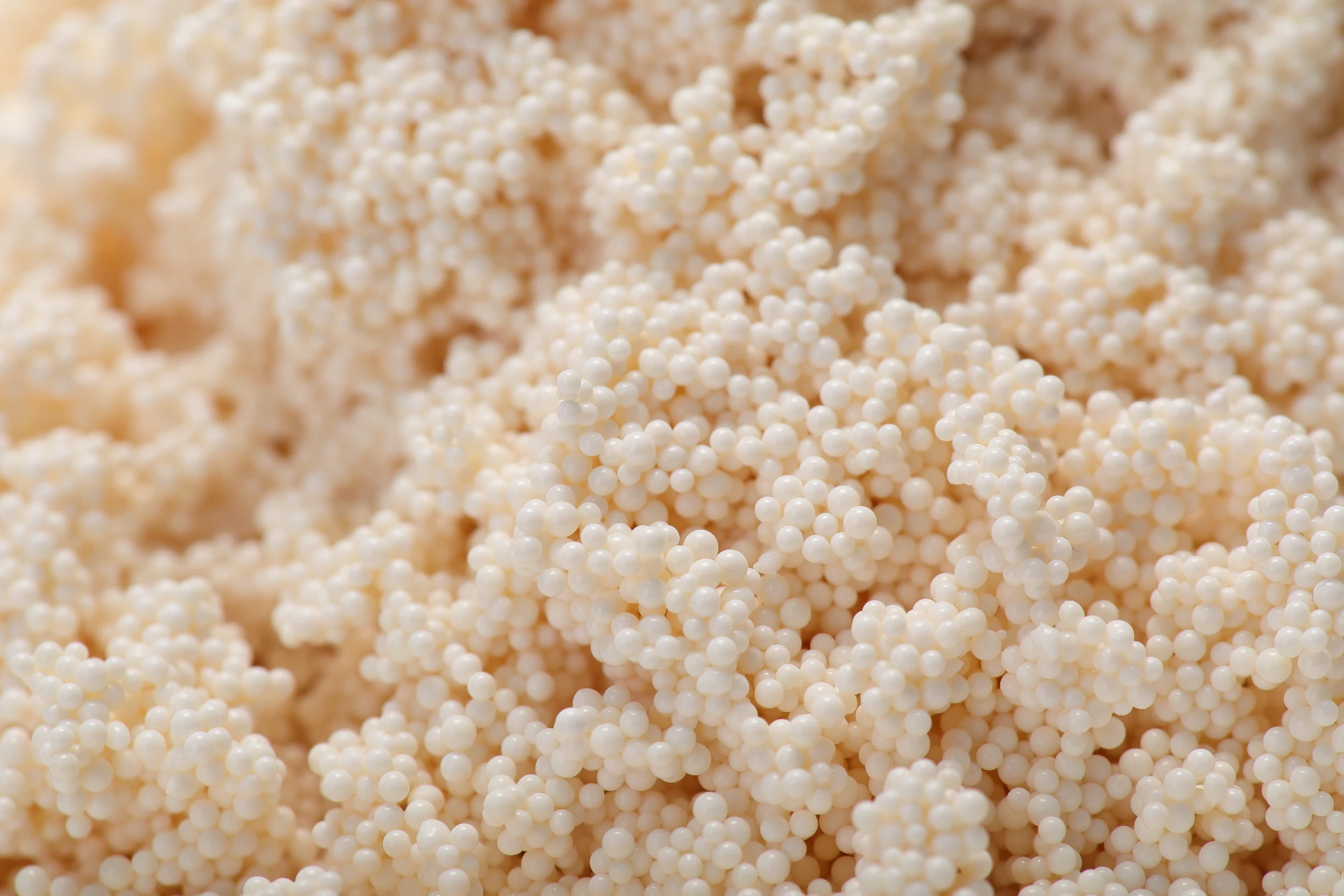
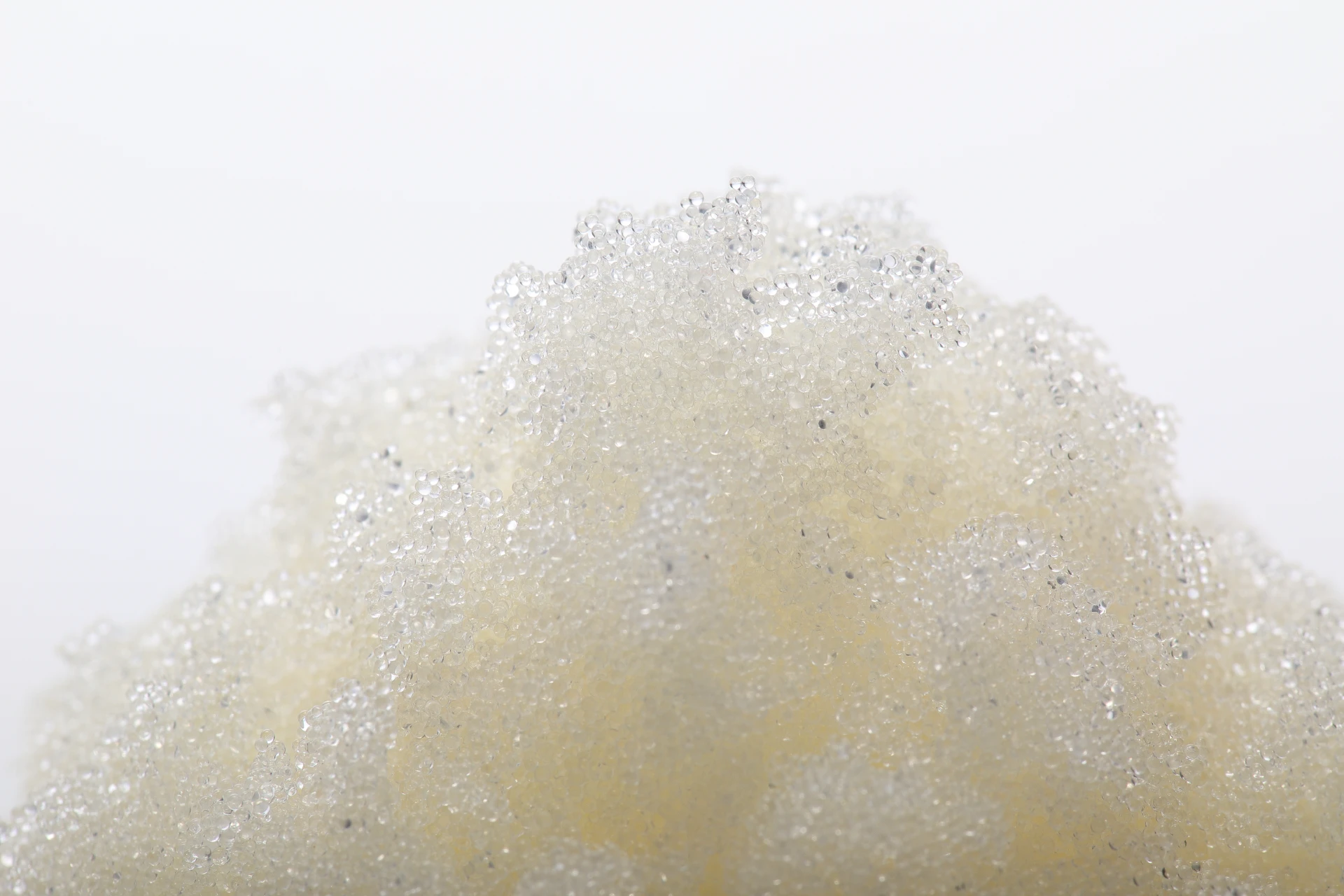
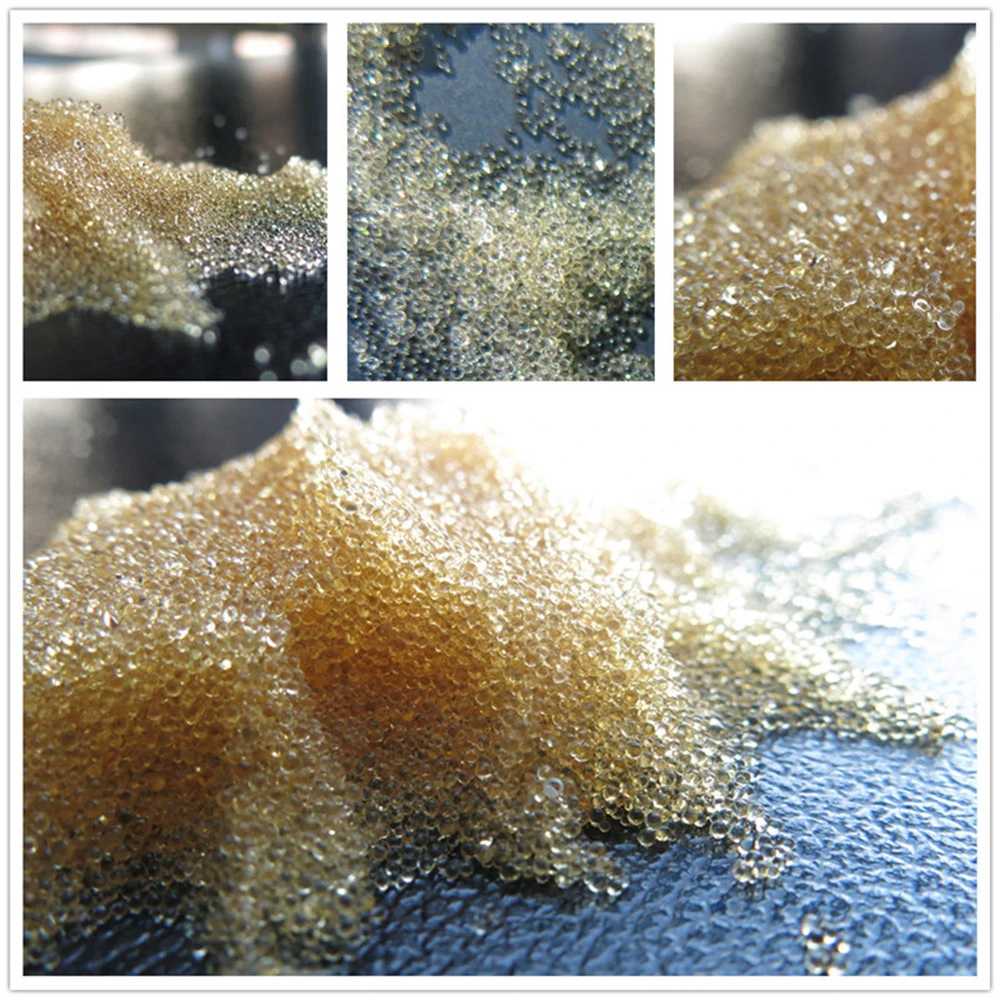
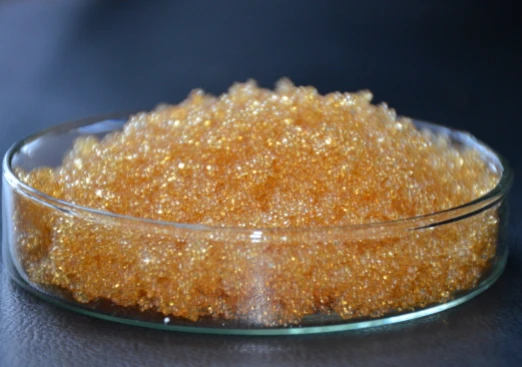
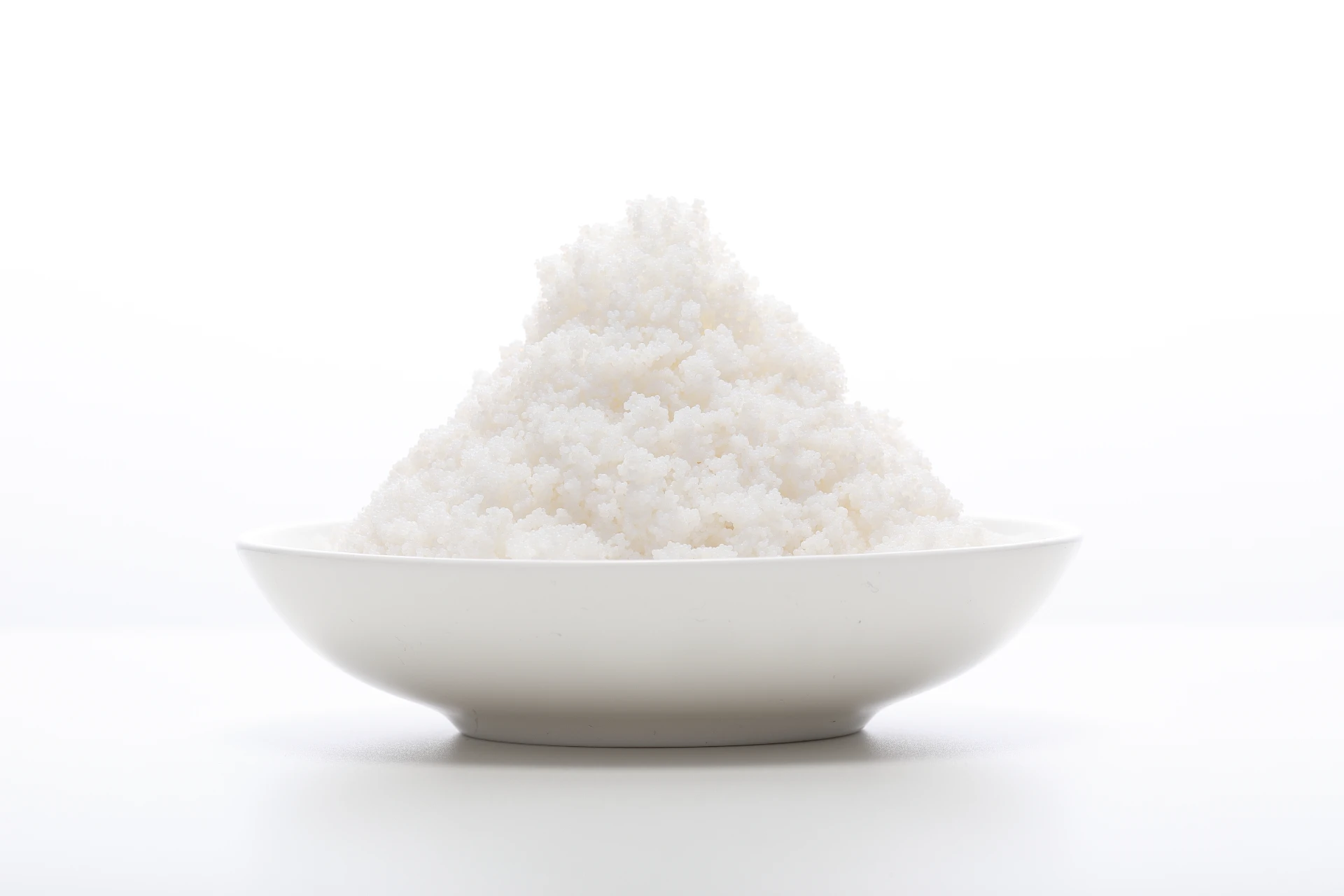
淡白から淡黄色の透明な球状ビーズ
|
|
ポリマー構造
|
ジビニルベンゼンで架橋したゲルポリスチレン
|
|
官能基
|
-N(CH3)3
|
|
出荷時のイオンフォーム
|
塩素-
|
|
重量交換容量
|
≥3.5mmol/g
|
|
ボリューム交換容量
|
≥1.35mmol/ml
|
|
実密度(g/ml)
|
1.07~1.10g/ml
|
|
嵩密度(g/ml)
|
0.67~0.73g/ml
|
|
保水能力
|
42%~50%
|
|
粒子サイズ範囲
|
0.45~0.8 mm≥95
|
|
均一係数
|
≤1.6
|
|
全ビーズ数(%)
|
≥95%
|
参考動作条件
|
最大動作温度
|
100℃
|
|
樹脂充填高さ
|
1~3m
|
|
動作速度
|
2~10BV/時
|
|
逆洗速度
|
4~10BV/時
|
|
再生(脱着)速度
|
1~2BV/時
|
|
再生剤
|
2BV3〜5%HCI、2BV2〜4%NaOH
|
応用
ウルムニウム抽出
予防
樹脂は湿った状態で保存してください。最適な温度は0℃以上です。長期間使用しない場合は、密閉空間に保管するか、5%以上の塩水に浸してください。輸送中は凍結防止対策を講じてください。樹脂が破損する恐れがあるため、上に重い物を置かないでください。
一般的に、処理にはアルカリ水、酸水、水の流路が必要です。厳しい要件では、最終イオン交換槽に到達する前に3回の循環が必要です。
樹脂のオーバーフローを防ぎ、適切な液面の高さを確保するために、さまざまな変形膨張率を考慮して十分なスペースを確保する必要があります。カラム径比は妥当な範囲内に抑え、バイアス電流を避けてください。ウェットパックカラムまたはバックフラッシュを使用して、樹脂層内の気泡を洗い流してください。
液体が樹脂カラムに入る前に、樹脂の細孔が浮遊物質で詰まらないように、凝集、濾過、砂濾過などの手順を実行する必要があります。
長期間使用されていないカラム内の樹脂は、洗浄後、または通常の逆洗で液面が脱水しないようにしながら耐塩媒体に塩水を加えて凝集している場合は樹脂を緩めた後、カラムの外で保管する必要があります。
Comprehensive Technical Overview of Strong and Weak Base Anion Exchange Resins
This overview highlights the key applications, oxidative stability, and performance differences of strong and weak base anion exchange resins, showcasing Hebei Lijiang Biotechnology Co., Ltd.’s advanced capabilities in high-grade resin manufacturing.
Typical Applications for Strong Base Anion Exchange Resins
Strong base anion exchange resins play a critical role in industrial purification, high-purity water production, food processing, and pharmaceutical separation. Hebei Lijiang Biotechnology Co., Ltd.、a high-tech manufacturer specializing in advanced ion exchange materials, provides industrial-grade, food-grade, pharmaceutical-grade, and nuclear-grade resins engineered for demanding global applications. With ISO9001, SGS, WQA, and FDA-compliant certifications, the company ensures stable performance, safety, and long-term reliability across different industries.
Strong base anion exchangers, including models comparable to amberlite IRA 400, are widely used for removing sulfate, chloride, nitrate, silica, and natural organic matter from water systems. In power plants, electronics manufacturing, and chemical processing, strong anion exchange resin is a core component in deionization, mixed-bed polishing, and ultra-pure water treatment lines. These resins offer high ion-exchange capacity, excellent mechanical strength, and full pH-range functionality.
In food and beverage processing, strong base resins efficiently decolorize sugar solutions, remove acidic impurities, refine gelatin, and enhance product stability. Their FDA-compliant safety makes them suitable for applications requiring strict hygiene control. In biotechnology and pharmaceutical production, anion exchange chromatography resin is essential for purifying proteins, nucleotides, enzymes, and antibiotics. Its strong affinity for negatively charged molecules allows high-resolution separation in downstream processing.
Additionally, strong base anion exchangers are widely applied in hydrometallurgy for recovering valuable metals and refining chemical solutions. Their ability to withstand variable pH and oxidative environments ensures consistent operation. These materials also play a significant role in wastewater treatment, particularly in nitrate removal, organic scavenging, and color reduction.
With advanced R&D capabilities and strict quality control, Hebei Lijiang Biotechnology Co., Ltd. delivers strong base anion resins designed for efficiency, safety, and stable performance, serving industries that require high-purity output and reliable process control.
Oxidative Stability of Strong Base Anion Exchange Resins
Oxidative stability is a key performance factor determining the lifespan and reliability of strong base anion exchange materials. Hebei Lijiang Biotechnology Co., Ltd. manufactures high-performance strong base resins, including products equivalent to amberlite IRA 400, designed to resist degradation from chlorine, chloramine, peroxide, and ozone. As a certified ISO9001, SGS, WQA, and FDA-compliant enterprise, the company ensures that each resin features excellent durability and structural integrity under harsh operating conditions.
Strong base anion exchangers contain quaternary ammonium functional groups that maintain their ion-exchange capability across the full pH range. However, exposure to oxidants can cause functional group loss or polymer backbone damage. Hebei Lijiang improves oxidative resistance by optimizing crosslinking density, enhancing polymer purity, and strengthening the polystyrene-DVB matrix. These engineering advancements significantly slow oxidation-induced capacity decline.
In water treatment systems, especially those receiving municipal feedwater with chlorine residuals, strong base resins must tolerate continuous oxidant exposure. High-grade strong anion exchange resin from Hebei Lijiang maintains stable exchange capacity and mechanical strength even after extended operational cycles. This performance makes them suitable for power plant condensate polishing, electronics-grade deionization, and high-purity chemical production.
Pharmaceutical and biotechnology processes also require resins resilient to oxidative sanitization. Anion exchange chromatography resin used in protein purification often undergoes hydrogen peroxide or ozone disinfection. Hebei Lijiang’s resins retain structural stability during repeated CIP/SIP procedures, ensuring consistent binding performance and long-term column reliability.
Additionally, oxidative stability is important in industrial wastewater treatment, where high-redox environments can accelerate degradation. The company’s resin technology improves long-term safety, reduces replacement frequency, and ensures lower operating costs.
Through advanced material design and strict quality standards, Hebei Lijiang Biotechnology Co., Ltd. provides oxidation-resistant strong base anion resins tailored for demanding water treatment, pharmaceutical, food-grade, and nuclear-grade environments.
Difference Between Weak Base and Strong Base Anion Exchange Resins
Weak base and strong base anion exchange resins differ significantly in functional groups, operating ranges, and purification capabilities. Hebei Lijiang Biotechnology Co., Ltd., a leading manufacturer certified by ISO9001, SGS, WQA, and compliant with FDA food-grade requirements, produces both resin types for global industrial, food, pharmaceutical, and nuclear applications.
Strong base anion exchange resin contains quaternary ammonium groups and functions across the entire pH range. These materials can remove both strong acid anions (Cl⁻, SO₄²⁻, NO₃⁻) and weak acid anions (silica, CO₂-derived species). Products comparable to amberlite IRA 400 are widely used in deionization, mixed-bed polishing, high-purity water production, and pharmaceutical separation using anion exchange chromatography resin.
In contrast, weak base anion exchange resins contain primary, secondary, or tertiary amine groups. They are effective only in neutral or alkaline conditions and primarily remove strong mineral acids. They cannot remove weakly dissociated acids, making them suitable as the first stage in dealkalization or pretreatment before SBA units. Their lower chemical consumption and good fouling resistance make them economical for large-scale applications. When used in purification systems, they are commonly assembled in a weak anion exchange column for acid reduction.
Functionally, SBA resins offer higher selectivity, broader pH operation, and superior oxidative resistance. WBA resins offer higher working capacity for strong acids and lower regeneration cost.
In water treatment, a typical process pairs WBA for acid removal followed by SBA for high-purity polishing. In pharmaceutical and biotechnology fields, SBA chromatography is preferred for protein and nucleic acid purification, while WBA is applied to organic acid refinement.
By providing both strong and weak base anion exchange technologies, Hebei Lijiang Biotechnology Co., Ltd. delivers complete, efficient, and application-oriented separation solutions for global users.