Index
|
Name
|
Spezifikation
|
|
Aussehen
|
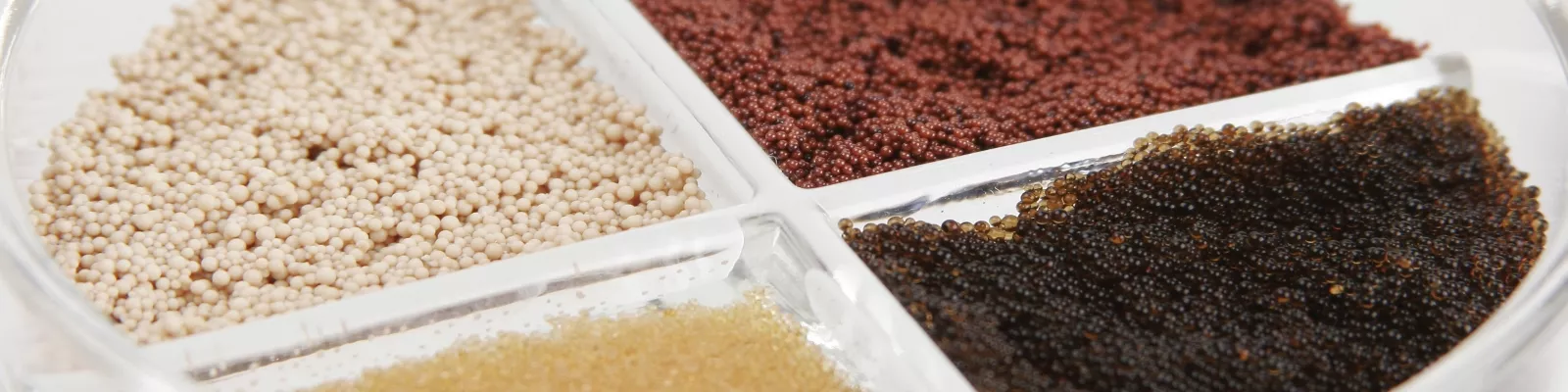
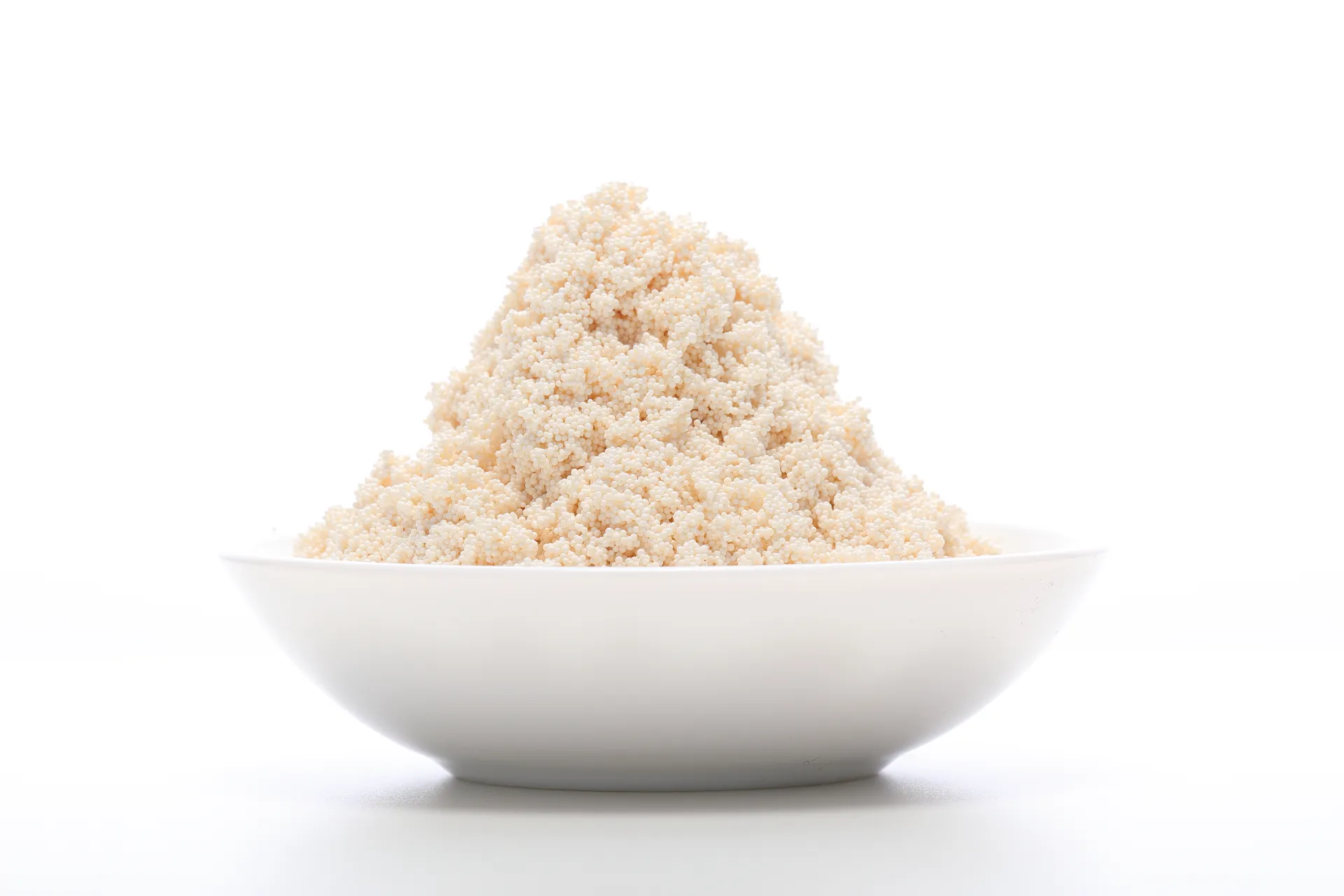
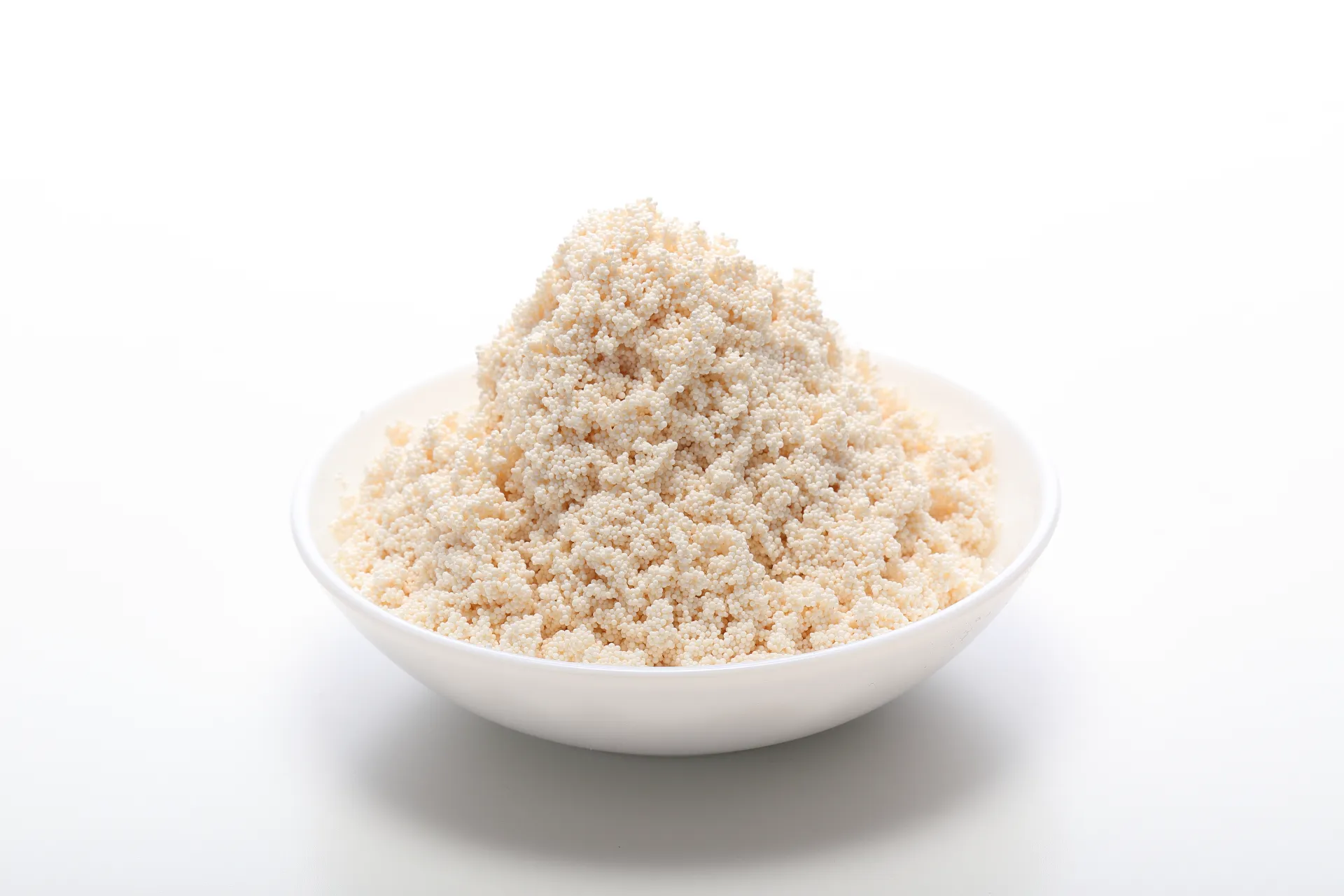
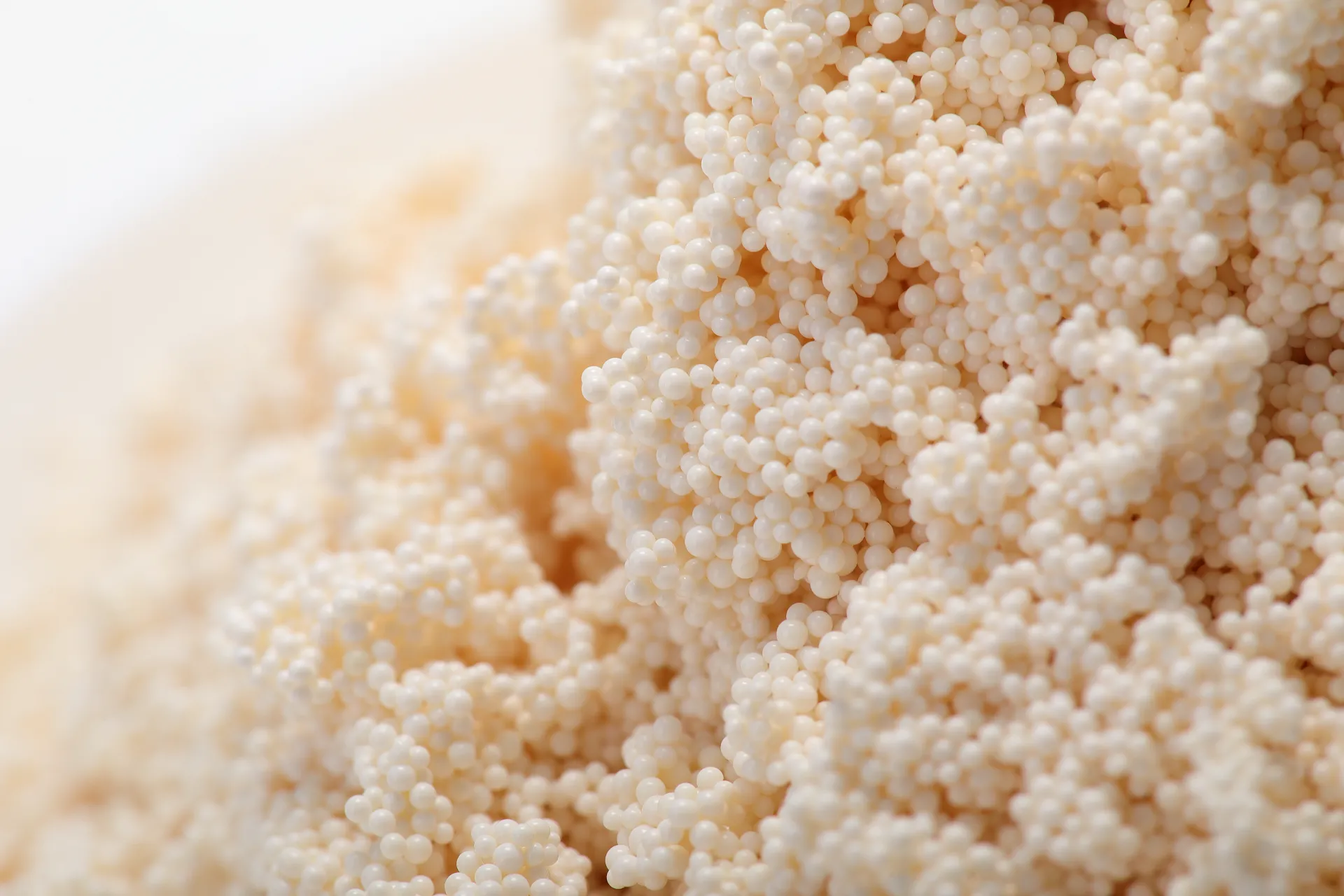
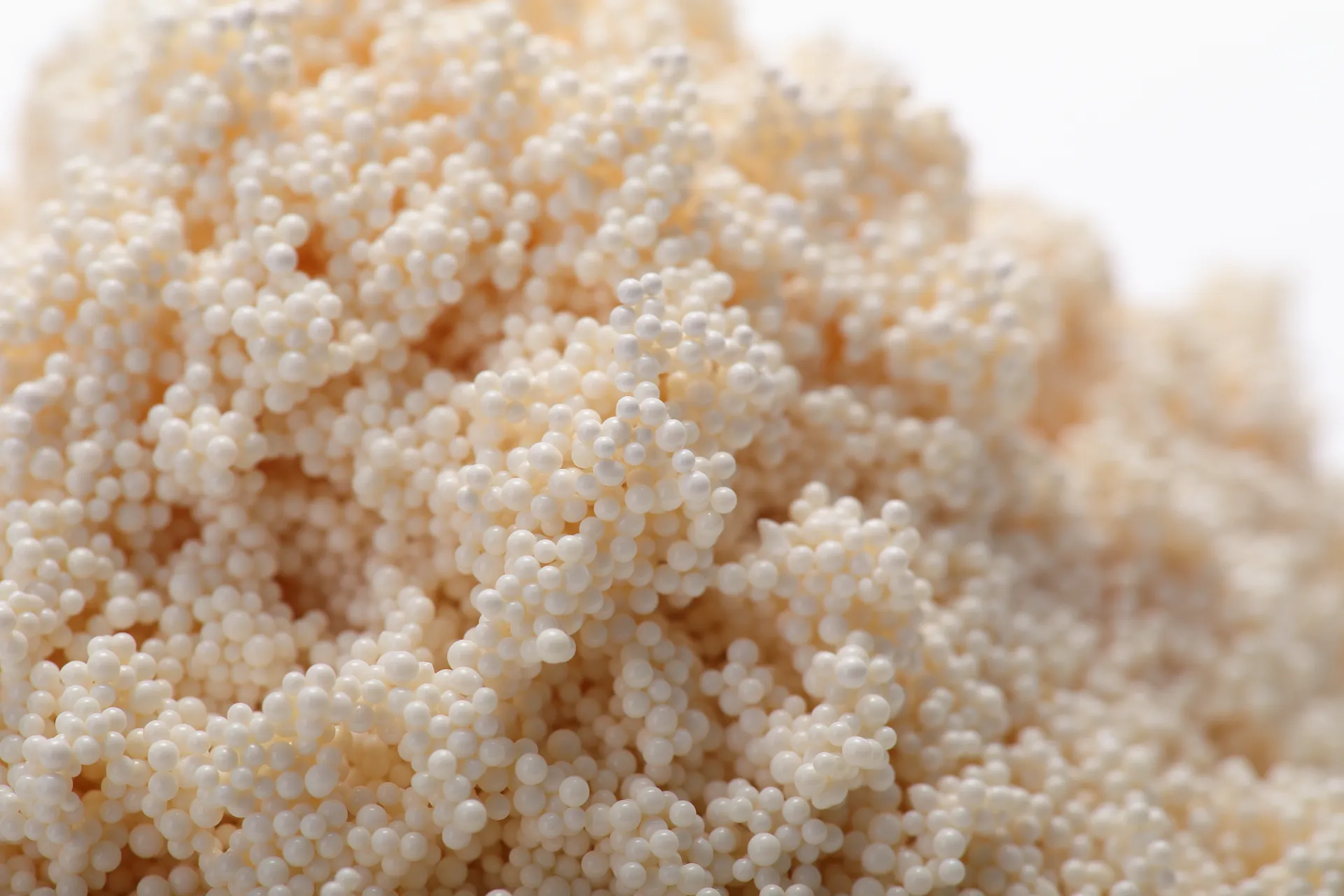
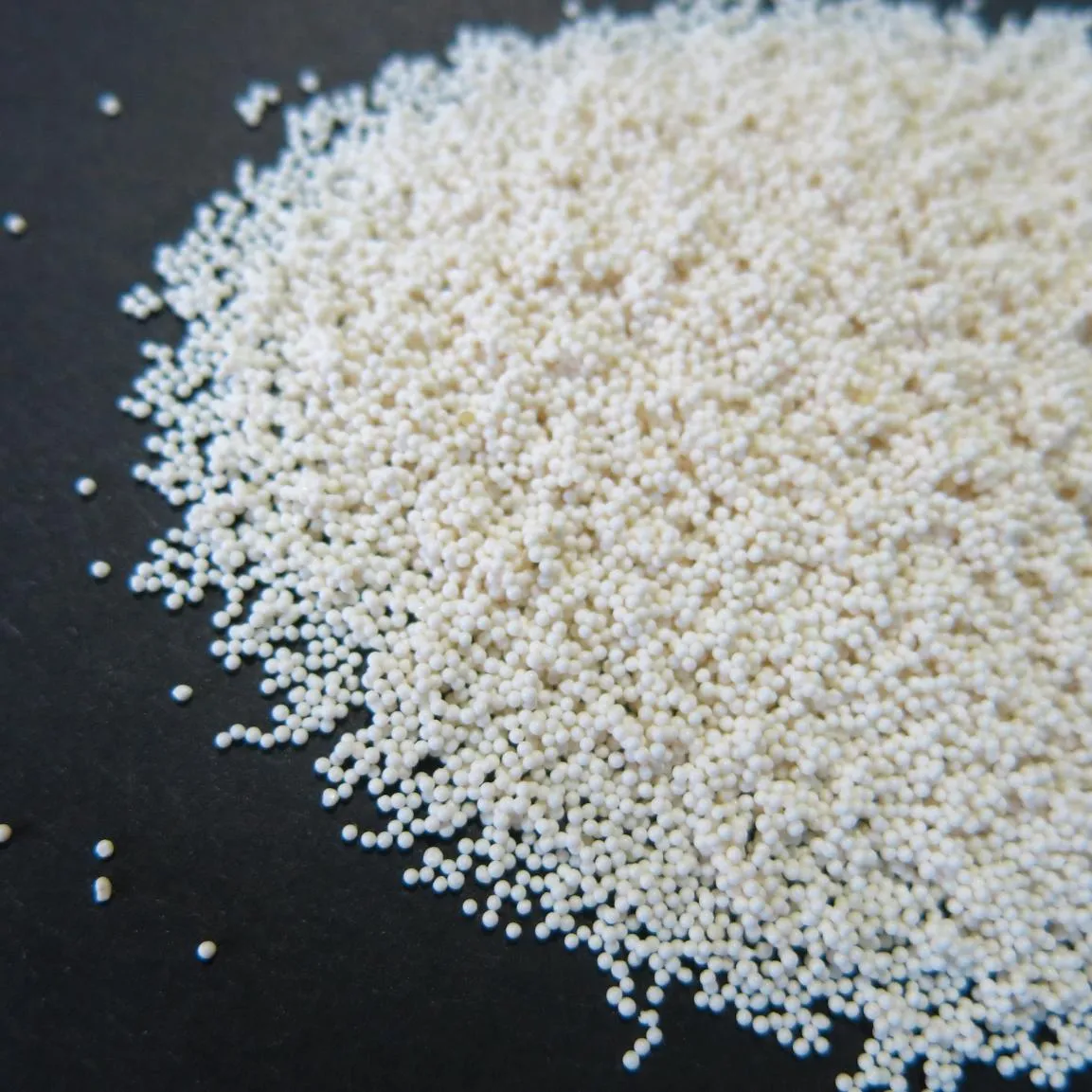
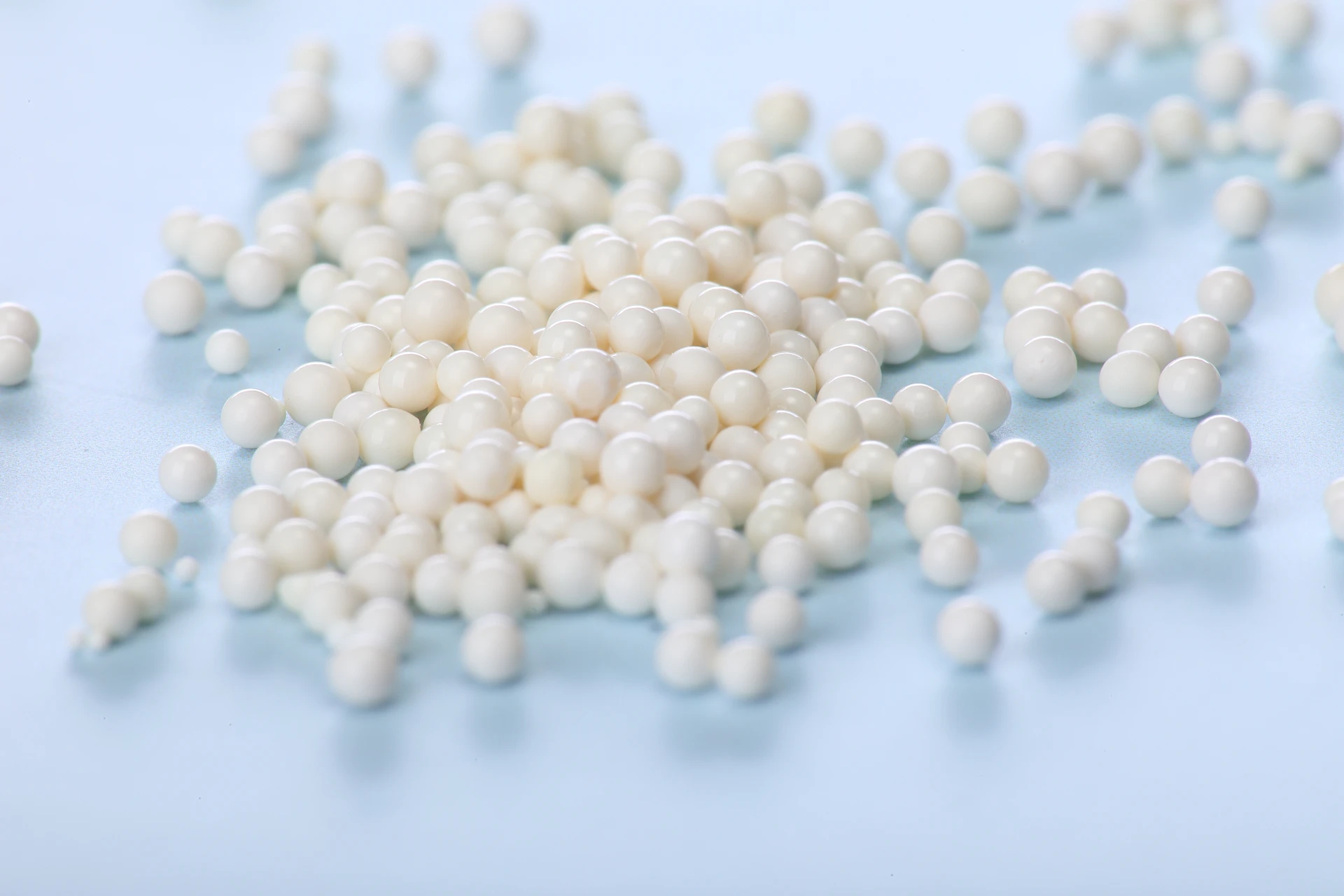
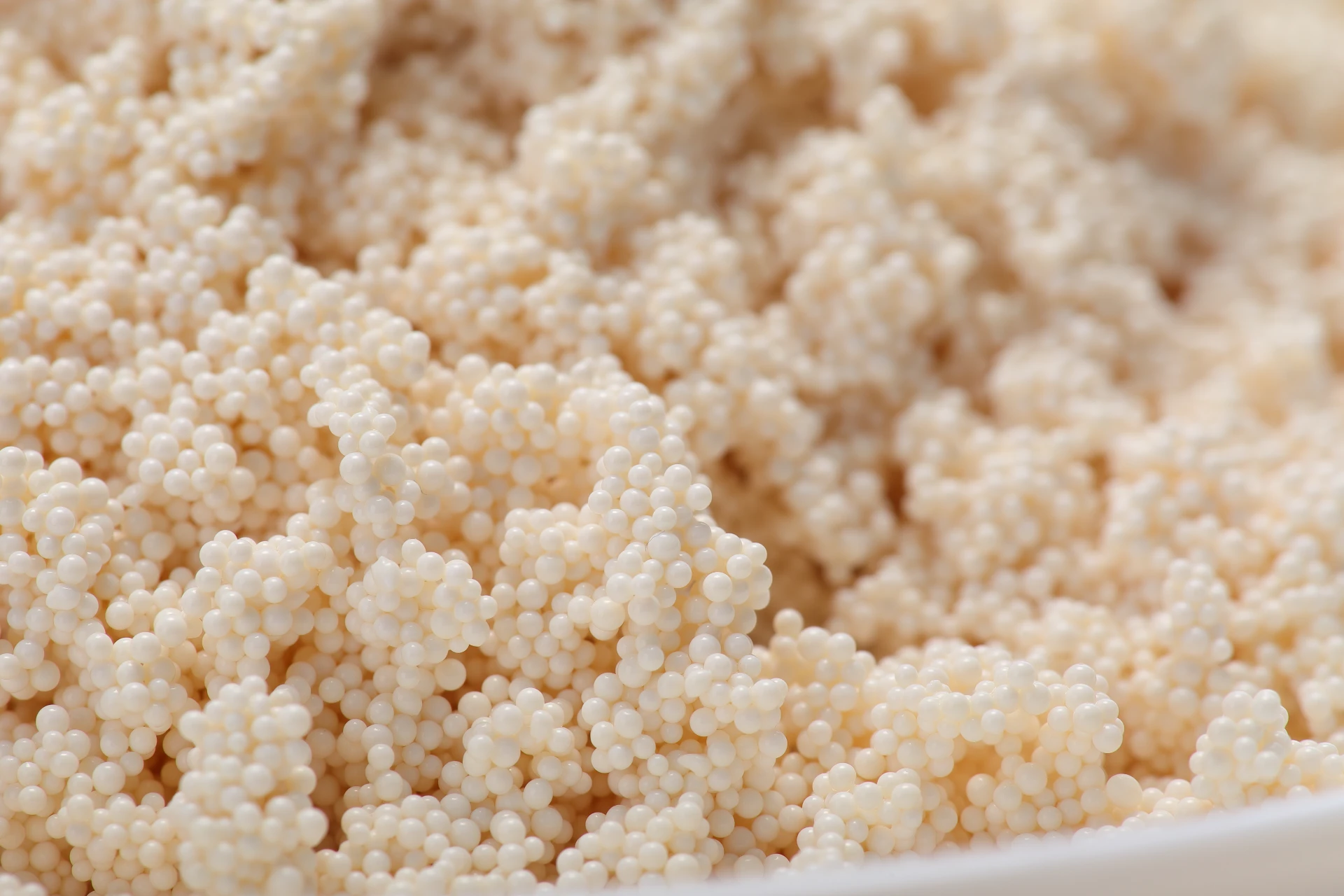
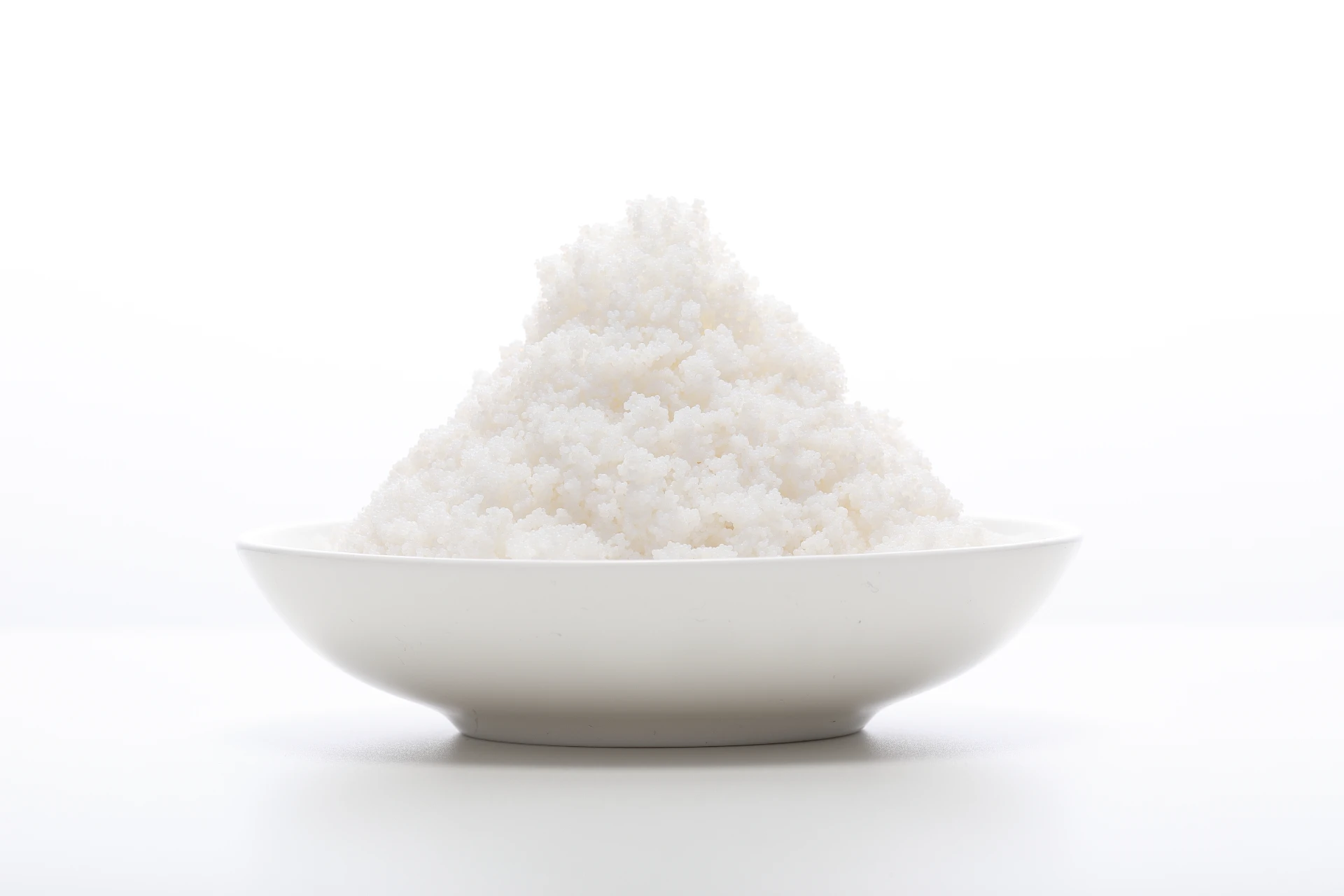
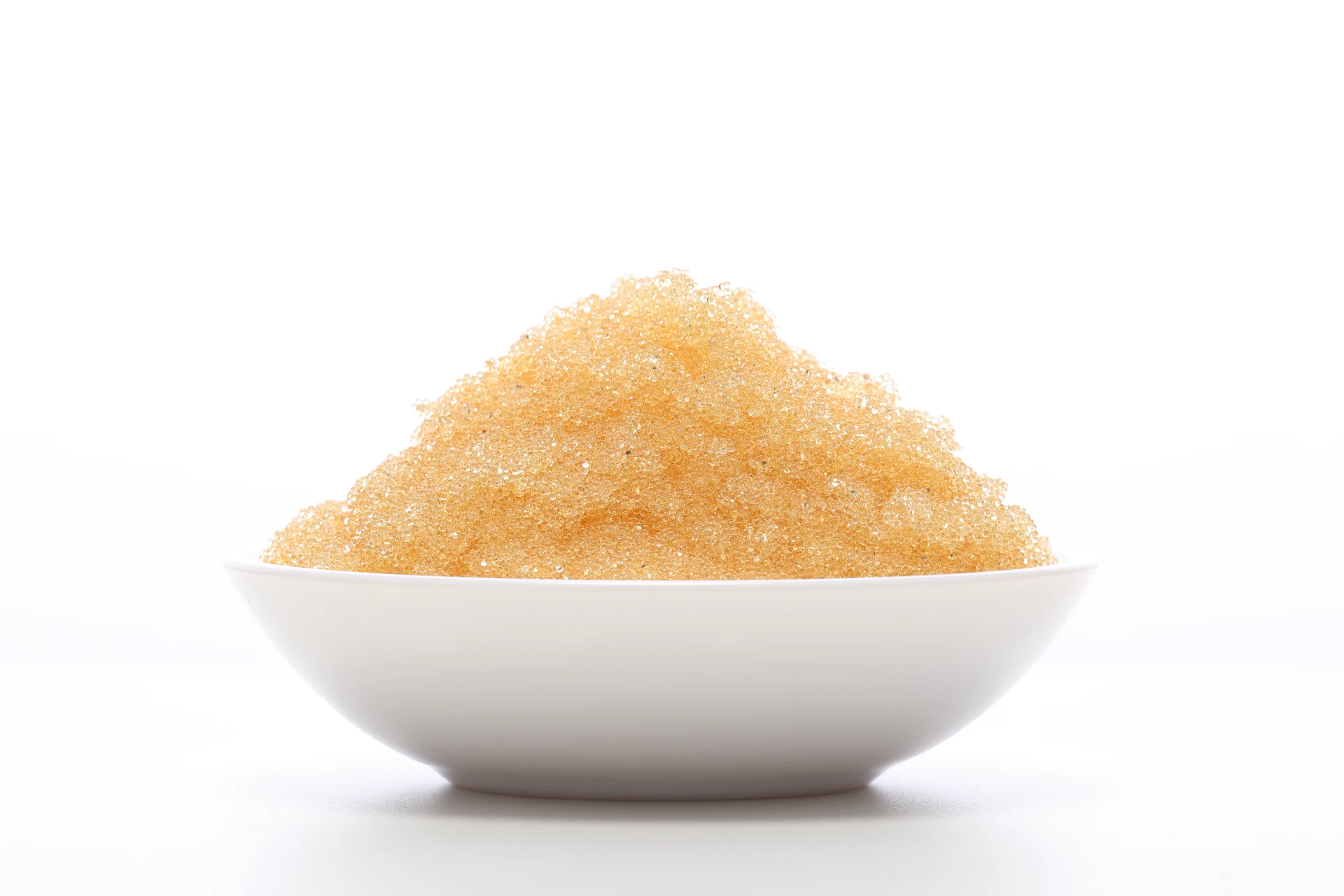
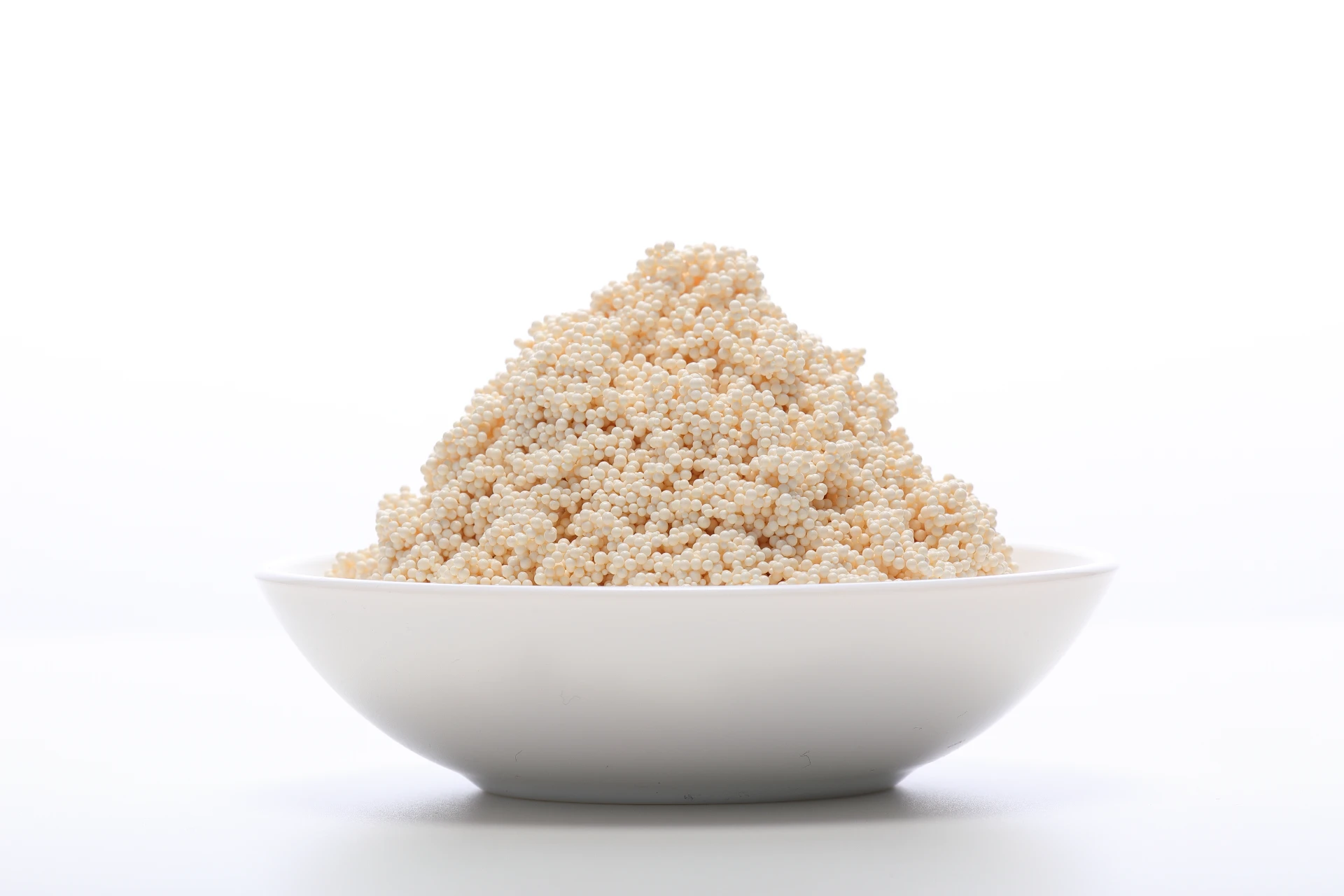
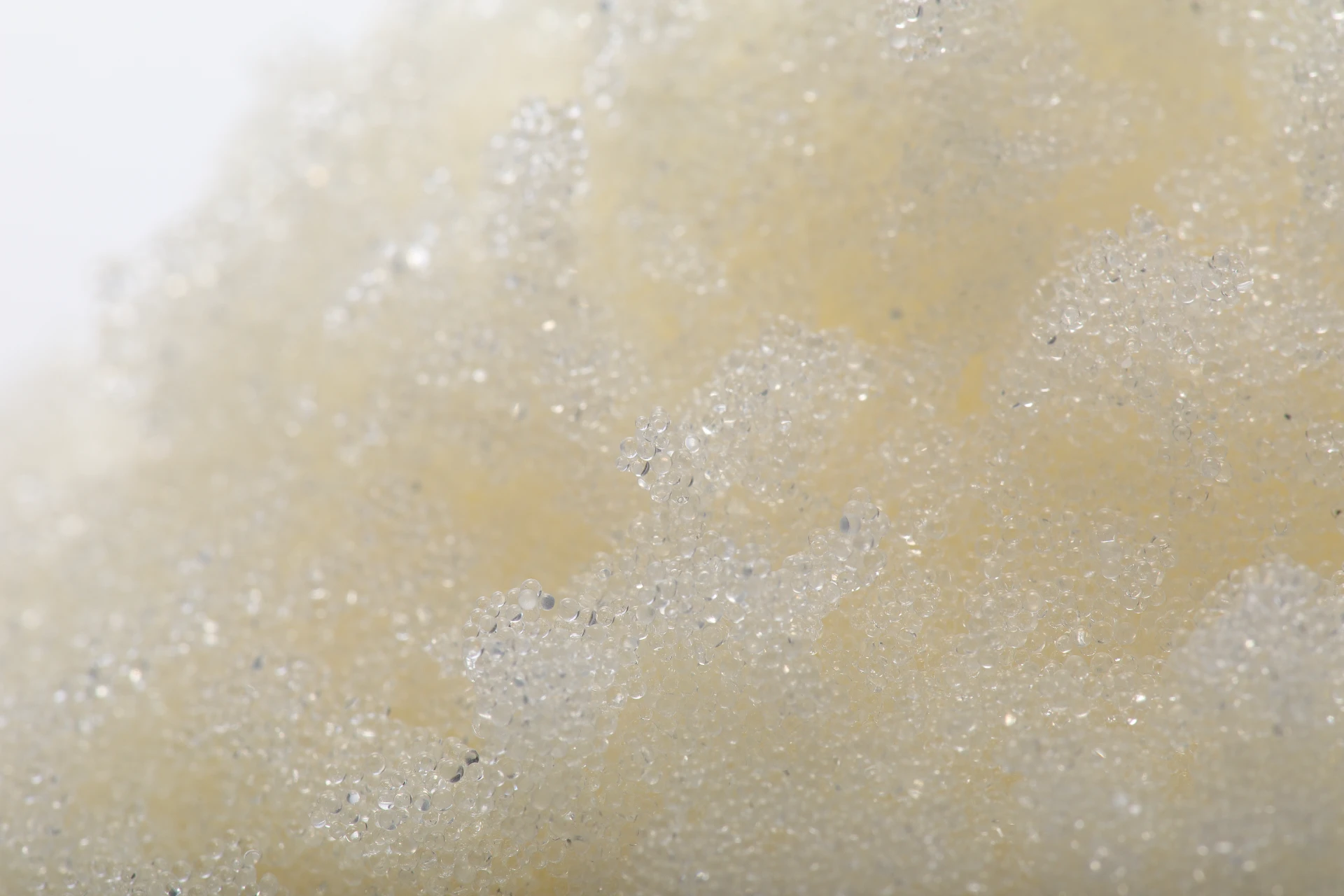
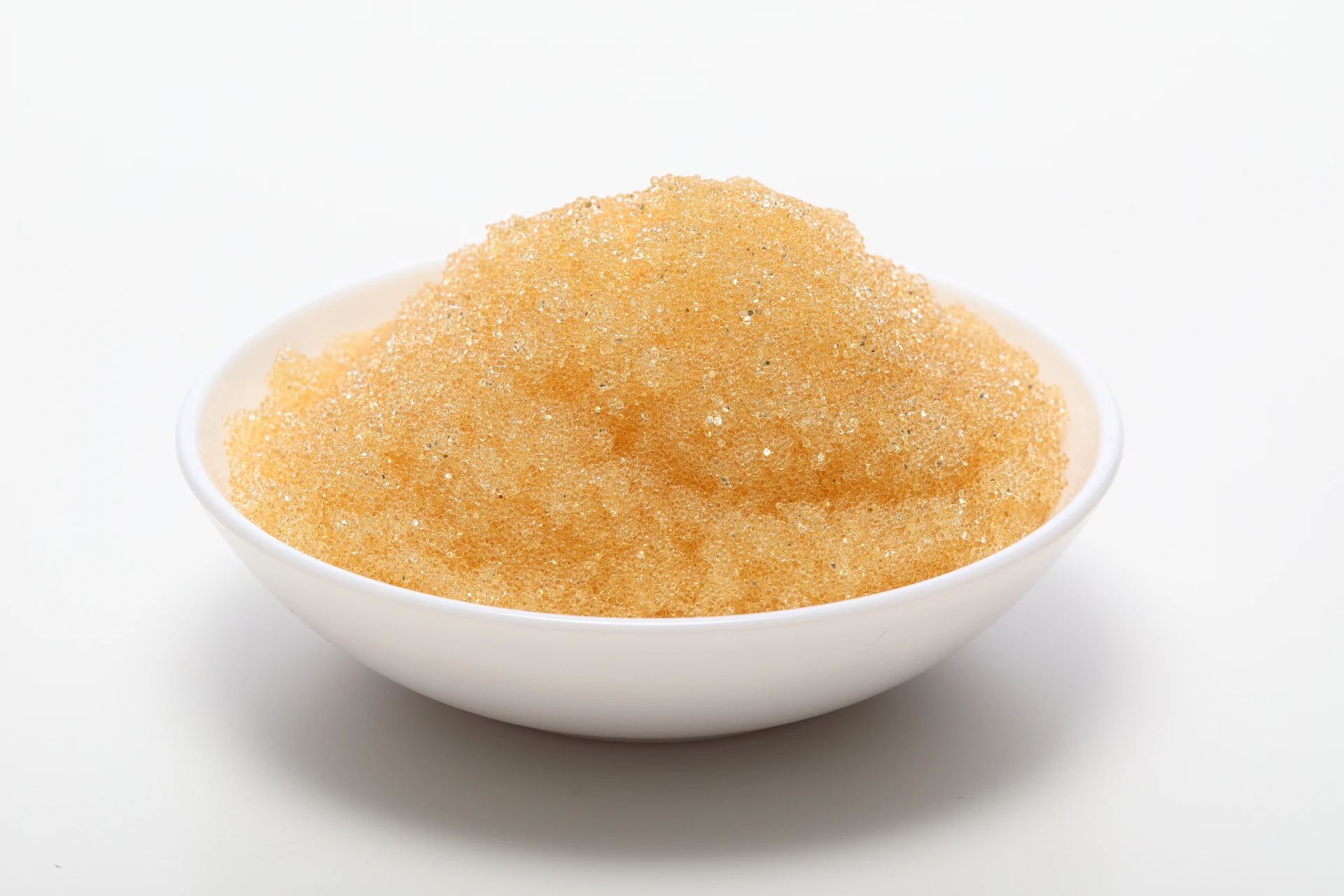
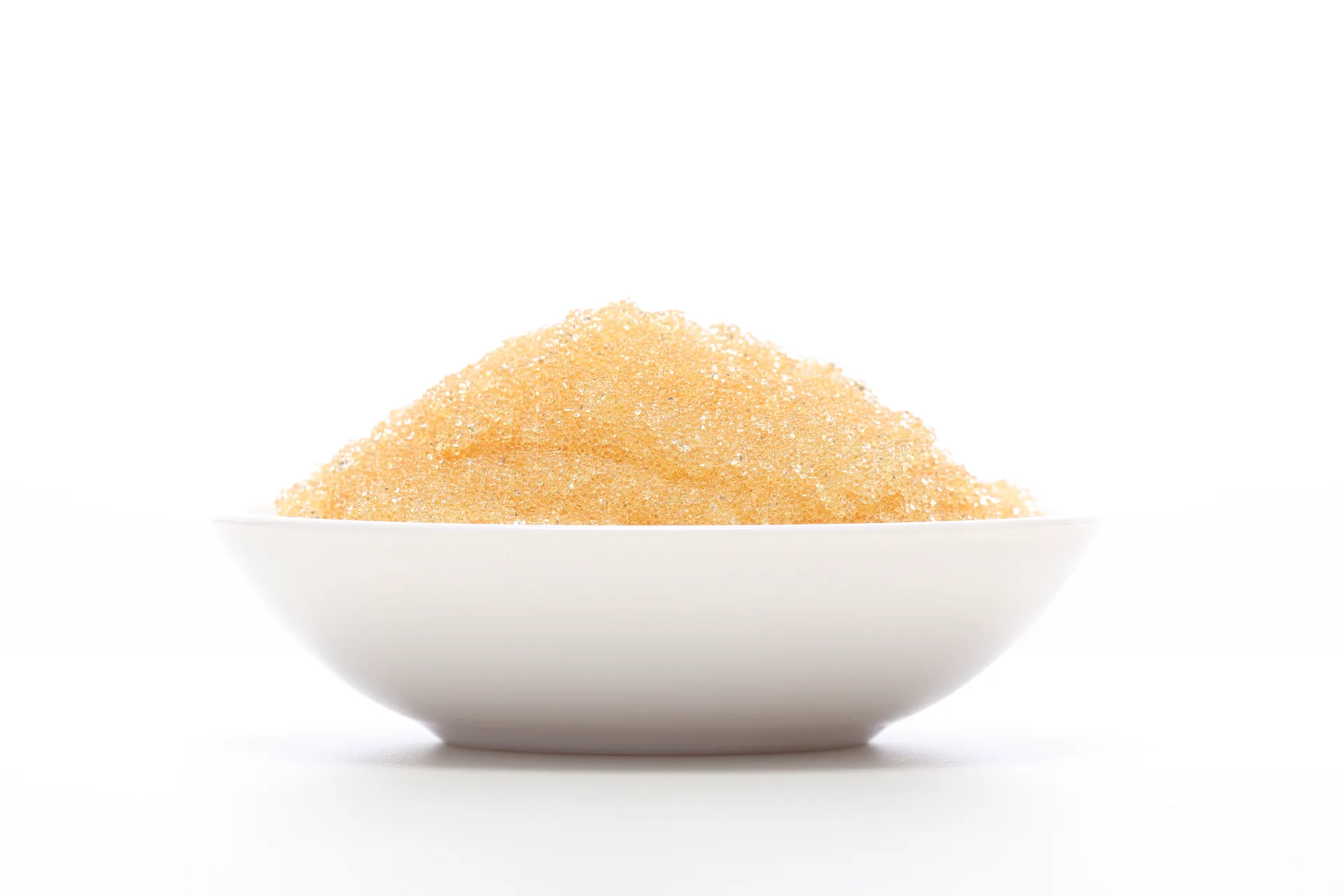
Hellweiße bis hellgelbe, klare, kugelförmige Perlen
|
|
Polymerstruktur
|
Mit Divinylbenzol vernetztes Polystyrolgel
|
|
Funktionelle Gruppe
|
-N(CH3)3
|
|
Ionische Form wie geliefert
|
Cl-
|
|
Gewichtsaustauschkapazität
|
≥3,5 mmol/g
|
|
Volumenaustauschkapazität
|
≥1,35 mmol/ml
|
|
Tatsächliche Dichte (g/ml)
|
1,07~1,10 g/ml
|
|
Schüttdichte (g/ml)
|
0,67~0,73 g/ml
|
|
Wasserrückhaltekapazität
|
42%~50%
|
|
Partikelgrößenbereich
|
0,45~0,8 mm≥95
|
|
Gleichmäßigkeitskoeffizient
|
≤1,6
|
|
Gesamtperlenanzahl (%)
|
≥95 %
|
Referenzbetriebsbedingungen
|
Maximale Betriebstemperatur
|
100℃
|
|
Harzfüllhöhe
|
1 bis 3 m
|
|
Betriebsgeschwindigkeit
|
2 bis 10 BV/h
|
|
Rückspülgeschwindigkeit
|
4 bis 10 BV/h
|
|
Regenerationsgeschwindigkeit (Desorptionsgeschwindigkeit)
|
1 bis 2 BV/h
|
|
Regenerationsmittel
|
2BV3~5% HCI, 2BV2~4% NaOH
|
Anwendung
Wolframextraktion
Vorsichtsmaßnahmen
Harz sollte feucht konserviert werden. Die beste Temperatur liegt über 0 °C. Bei längerer Nichtbenutzung sollte das Harz in einem geschlossenen Raum aufbewahrt oder mit mindestens 5 % Salzwasser versetzt werden. Während des Transports sollte es mit Frostschutzmitteln behandelt werden. Stellen Sie keine schweren Gegenstände auf das Harz, da es sonst zerbrechen könnte.
Im Allgemeinen ist für die Verarbeitung ein Fließweg zwischen Alkali, Wasser, Säure und Wasser erforderlich. Strenge Anforderungen erfordern drei Zirkulationen, bevor der endgültige Ionenbehälter erreicht wird.
Es müssen unterschiedliche Transformationsausdehnungsraten berücksichtigt werden, um genügend Platz freizuhalten, damit kein Harz überläuft und die entsprechende Flüssigkeitshöhe sichergestellt wird. Das Säulendurchmesserverhältnis sollte in einem angemessenen Bereich liegen und ein Vorstrom vermieden werden. Verwenden Sie eine nass gepackte Säule oder eine Rückspülung, um Blasen in der Harzschicht wegzuspülen.
Bevor die Flüssigkeit in die Harzsäule gelangt, sollten Schritte wie Flockung, Filtration oder Sandfiltration durchgeführt werden, damit die Harzporen nicht durch Schwebstoffe verstopft werden.
Harz in der Säule, das lange Zeit nicht verwendet wurde, sollte nach dem Waschen außerhalb der Säule gelagert werden. Alternativ kann Salzwasser in das salzbeständige Medium gegeben werden. Dabei muss darauf geachtet werden, dass der Flüssigkeitsstand nicht durch normales Rückspülen dehydriert, um das Harz im Falle einer Agglomeration zu lösen.
Comprehensive Technical Overview of Strong and Weak Base Anion Exchange Resins
This overview highlights the key applications, oxidative stability, and performance differences of strong and weak base anion exchange resins, showcasing Hebei Lijiang Biotechnology Co., Ltd.’s advanced capabilities in high-grade resin manufacturing.
Typical Applications for Strong Base Anion Exchange Resins
Strong base anion exchange resins play a critical role in industrial purification, high-purity water production, food processing, and pharmaceutical separation. Hebei Lijiang Biotechnology Co., Ltd., A high-tech manufacturer specializing in advanced ion exchange materials, provides industrial-grade, food-grade, pharmaceutical-grade, and nuclear-grade resins engineered for demanding global applications. With ISO9001, SGS, WQA, and FDA-compliant certifications, the company ensures stable performance, safety, and long-term reliability across different industries.
Strong base anion exchangers, including models comparable to amberlite IRA 400, are widely used for removing sulfate, chloride, nitrate, silica, and natural organic matter from water systems. In power plants, electronics manufacturing, and chemical processing, strong anion exchange resin is a core component in deionization, mixed-bed polishing, and ultra-pure water treatment lines. These resins offer high ion-exchange capacity, excellent mechanical strength, and full pH-range functionality.
In food and beverage processing, strong base resins efficiently decolorize sugar solutions, remove acidic impurities, refine gelatin, and enhance product stability. Their FDA-compliant safety makes them suitable for applications requiring strict hygiene control. In biotechnology and pharmaceutical production, anion exchange chromatography resin is essential for purifying proteins, nucleotides, enzymes, and antibiotics. Its strong affinity for negatively charged molecules allows high-resolution separation in downstream processing.
Additionally, strong base anion exchangers are widely applied in hydrometallurgy for recovering valuable metals and refining chemical solutions. Their ability to withstand variable pH and oxidative environments ensures consistent operation. These materials also play a significant role in wastewater treatment, particularly in nitrate removal, organic scavenging, and color reduction.
With advanced R&D capabilities and strict quality control, Hebei Lijiang Biotechnology Co., Ltd. delivers strong base anion resins designed for efficiency, safety, and stable performance, serving industries that require high-purity output and reliable process control.
Oxidative Stability of Strong Base Anion Exchange Resins
Oxidative stability is a key performance factor determining the lifespan and reliability of strong base anion exchange materials. Hebei Lijiang Biotechnology Co., Ltd. manufactures high-performance strong base resins, including products equivalent to amberlite IRA 400, designed to resist degradation from chlorine, chloramine, peroxide, and ozone. As a certified ISO9001, SGS, WQA, and FDA-compliant enterprise, the company ensures that each resin features excellent durability and structural integrity under harsh operating conditions.
Strong base anion exchangers contain quaternary ammonium functional groups that maintain their ion-exchange capability across the full pH range. However, exposure to oxidants can cause functional group loss or polymer backbone damage. Hebei Lijiang improves oxidative resistance by optimizing crosslinking density, enhancing polymer purity, and strengthening the polystyrene-DVB matrix. These engineering advancements significantly slow oxidation-induced capacity decline.
In water treatment systems, especially those receiving municipal feedwater with chlorine residuals, strong base resins must tolerate continuous oxidant exposure. High-grade strong anion exchange resin from Hebei Lijiang maintains stable exchange capacity and mechanical strength even after extended operational cycles. This performance makes them suitable for power plant condensate polishing, electronics-grade deionization, and high-purity chemical production.
Pharmaceutical and biotechnology processes also require resins resilient to oxidative sanitization. Anion exchange chromatography resin used in protein purification often undergoes hydrogen peroxide or ozone disinfection. Hebei Lijiang’s resins retain structural stability during repeated CIP/SIP procedures, ensuring consistent binding performance and long-term column reliability.
Additionally, oxidative stability is important in industrial wastewater treatment, where high-redox environments can accelerate degradation. The company’s resin technology improves long-term safety, reduces replacement frequency, and ensures lower operating costs.
Through advanced material design and strict quality standards, Hebei Lijiang Biotechnology Co., Ltd. provides oxidation-resistant strong base anion resins tailored for demanding water treatment, pharmaceutical, food-grade, and nuclear-grade environments.
Difference Between Weak Base and Strong Base Anion Exchange Resins
Weak base and strong base anion exchange resins differ significantly in functional groups, operating ranges, and purification capabilities. Hebei Lijiang Biotechnology Co., Ltd., a leading manufacturer certified by ISO9001, SGS, WQA, and compliant with FDA food-grade requirements, produces both resin types for global industrial, food, pharmaceutical, and nuclear applications.
Strong base anion exchange resin contains quaternary ammonium groups and functions across the entire pH range. These materials can remove both strong acid anions (Cl⁻, SO₄²⁻, NO₃⁻) and weak acid anions (silica, CO₂-derived species). Products comparable to amberlite IRA 400 are widely used in deionization, mixed-bed polishing, high-purity water production, and pharmaceutical separation using anion exchange chromatography resin.
In contrast, weak base anion exchange resins contain primary, secondary, or tertiary amine groups. They are effective only in neutral or alkaline conditions and primarily remove strong mineral acids. They cannot remove weakly dissociated acids, making them suitable as the first stage in dealkalization or pretreatment before SBA units. Their lower chemical consumption and good fouling resistance make them economical for large-scale applications. When used in purification systems, they are commonly assembled in a weak anion exchange column for acid reduction.
Functionally, SBA resins offer higher selectivity, broader pH operation, and superior oxidative resistance. WBA resins offer higher working capacity for strong acids and lower regeneration cost.
In water treatment, a typical process pairs WBA for acid removal followed by SBA for high-purity polishing. In pharmaceutical and biotechnology fields, SBA chromatography is preferred for protein and nucleic acid purification, while WBA is applied to organic acid refinement.
By providing both strong and weak base anion exchange technologies, Hebei Lijiang Biotechnology Co., Ltd. delivers complete, efficient, and application-oriented separation solutions for global users.