Phone:
+86 0319 2296164


Email:
info@lijiresin.cn
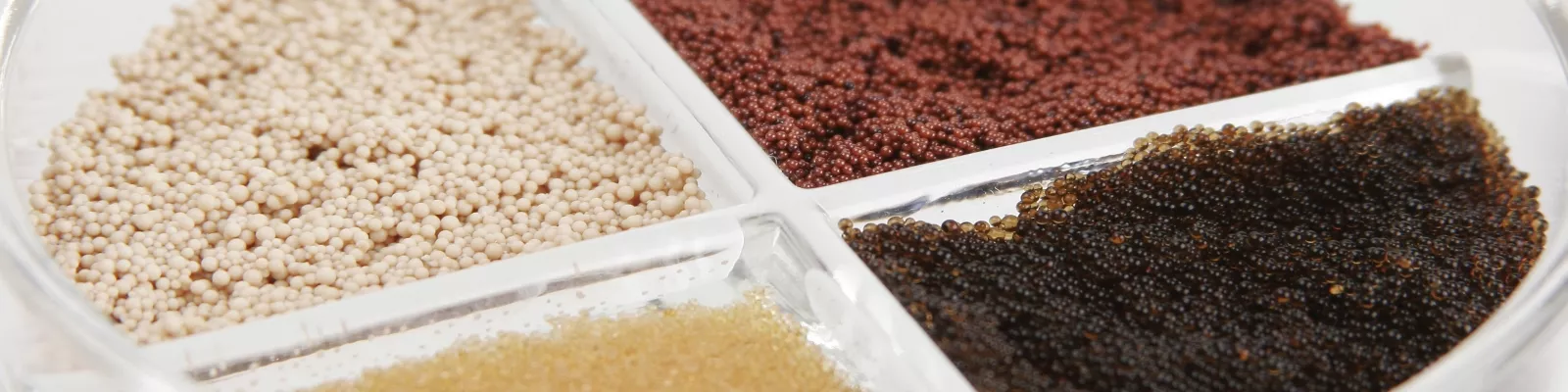
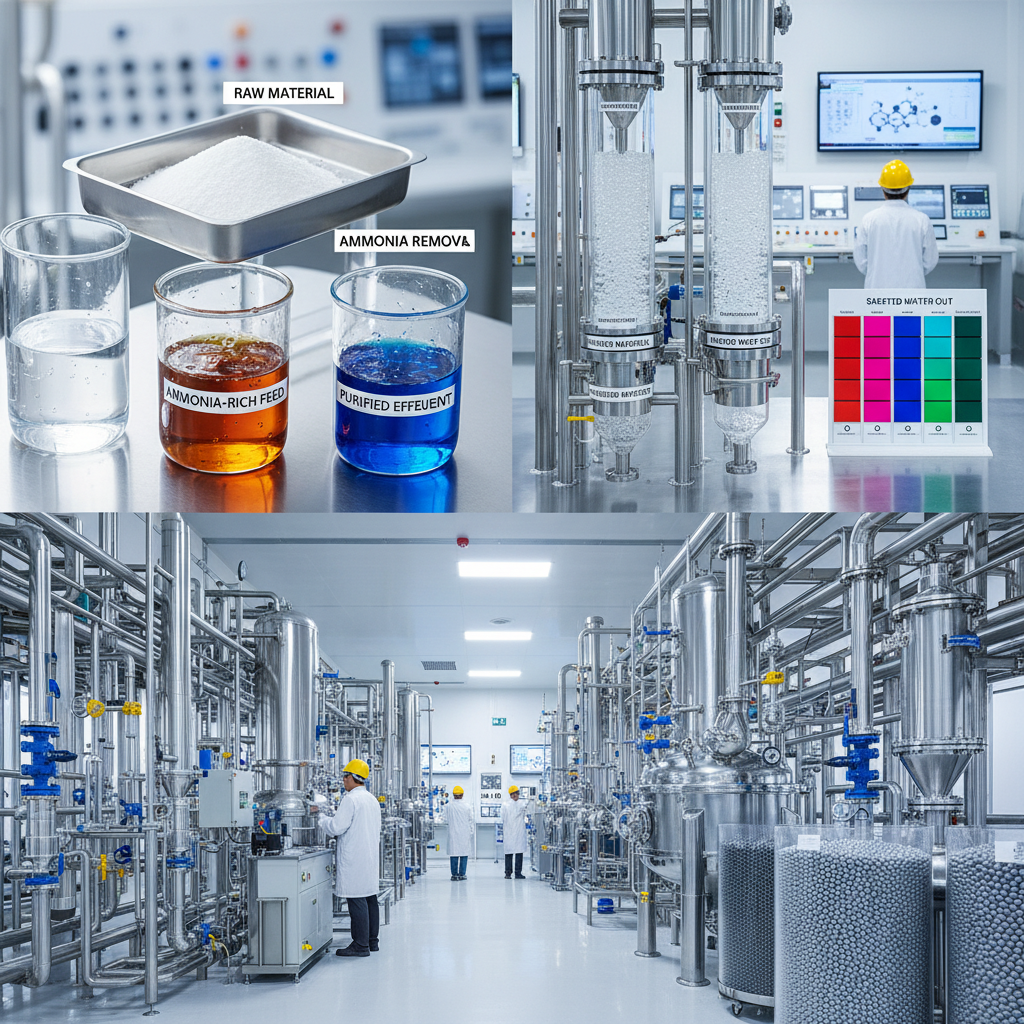
Ammonia is a common contaminant in water sources, posing risks to both environmental and human health. Effectively removing ammonia is crucial in numerous applications, including wastewater treatment, aquaculture, and drinking water purification. Ion exchange resin is a widely employed technology for ammonia removal, offering a reliable and efficient solution. This article provides a detailed overview of ammonia removal using ion exchange resin, covering the principles, resin types, factors influencing performance, and applications. Understanding these aspects is essential for optimizing ammonia removal processes and ensuring water quality.
Ion exchange is a reversible chemical process where ions are exchanged between a solid (the ion exchange resin) and a liquid (the water containing ammonia). Specifically for ammonia removal, the resin typically contains negatively charged functional groups. These groups attract and bind to the positively charged ammonium ions (NH₄⁺) present in the water. This process effectively replaces the ammonium ions with other, less harmful ions like sodium or hydrogen, already present on the resin. The resin's selectivity for ammonium ions is a key factor in its efficiency, and resins are designed to maximize this selectivity. The process is driven by chemical equilibrium, and regeneration of the resin is required when it becomes saturated with ammonium ions.
Key Highlights: Ion exchange is a reversible process. The process replaces ammonium ions with other, less harmful ions. Resin regeneration is necessary when the resin is saturated.
Several types of ion exchange resins are used for ammonia removal, each with its own advantages and disadvantages. The most common include:
The choice of resin depends on factors such as the ammonia concentration, pH, presence of other ions, and the desired level of removal. Liji Resin offers a comprehensive range of resins tailored to specific ammonia removal needs.
The efficiency of ammonia removal using ion exchange resin is influenced by several factors:
Optimizing these parameters is crucial for maximizing the performance of the ion exchange system. Careful monitoring and adjustments are often necessary to maintain desired ammonia removal levels.
Optimizing Ion Exchange Performance:
• Maintain optimal pH levels for enhanced ammonium ion formation.
• Control flow rate to ensure adequate contact time.
• Regularly monitor and regenerate the resin to maintain capacity.
• Consider pre-treatment to remove competing ions.
Here’s a comparison of some commonly used ion exchange resins for ammonia removal:
Ion exchange is used in a wide range of applications where ammonia removal is critical:
These applications highlight the versatility and effectiveness of ion exchange resin as a solution for ammonia removal challenges.
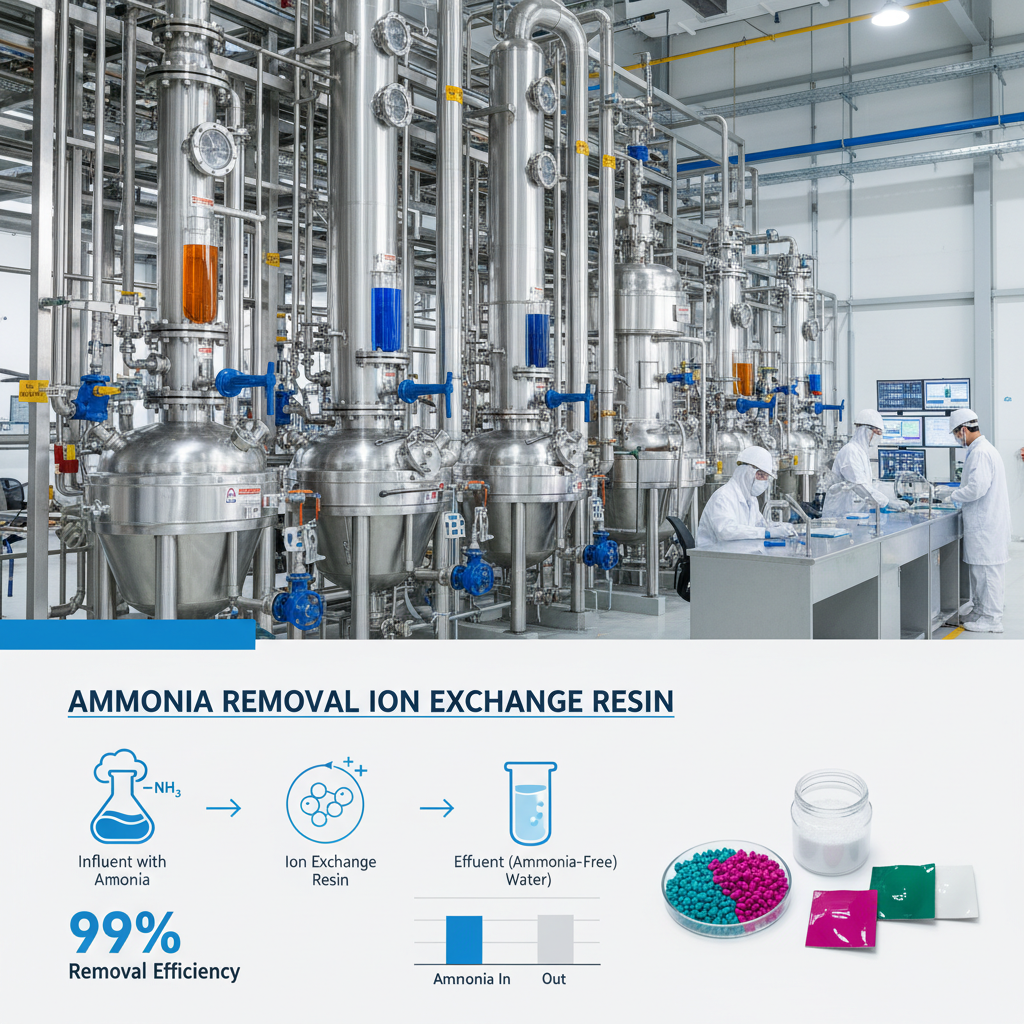
Ammonia removal using ion exchange resin is a proven and effective technology for ensuring water quality. Selecting the right resin type and optimizing operating parameters are essential for achieving desired results. Liji Resin provides a wide range of high-quality ion exchange resins and expert technical support to help you address your specific ammonia removal challenges. By carefully considering your application requirements and partnering with a reliable supplier, you can implement a successful and sustainable ammonia removal solution.
The frequency of regeneration depends on the ammonia concentration in the influent water, the resin's capacity, and the desired effluent quality. Regular monitoring of the effluent ammonia levels is crucial. Typically, regeneration is performed when the effluent ammonia concentration exceeds the target limit. Regeneration involves reversing the ion exchange process using a concentrated solution of a regenerant, such as sodium chloride or ammonium hydroxide, to displace the ammonium ions from the resin. The frequency can range from daily to weekly or even less frequent, depending on the specific application and operating conditions.
The cost of operation includes the cost of the resin, regenerant chemicals, water used for regeneration, and energy for pumping. The resin cost is a significant upfront investment, but the resin can last for several years with proper maintenance. The cost of regenerant chemicals is ongoing, but can be minimized by optimizing the regeneration process. Water usage during regeneration should also be considered. The overall cost varies depending on the scale of the system, the ammonia concentration, and the frequency of regeneration. A thorough cost-benefit analysis should be performed before implementing an ion exchange system.
Yes, many ion exchange resins can remove a variety of contaminants depending on their functional groups and selectivity. Cation exchange resins, like those used for ammonia removal, can also remove other positively charged ions such as heavy metals and hardness ions (calcium and magnesium). Anion exchange resins can remove negatively charged ions such as nitrates and sulfates. Selecting the appropriate resin or using a combination of resins allows for the simultaneous removal of multiple contaminants, providing a comprehensive water treatment solution.
The regeneration process generates a concentrated wastewater stream containing the displaced ammonium ions and the regenerant chemical. Proper disposal of this wastewater is crucial to avoid environmental contamination. Depending on local regulations, the wastewater may require further treatment before discharge, such as biological nitrification/denitrification to convert ammonium to nitrogen gas. Minimizing the amount of regenerant used and exploring alternative, environmentally friendly regenerants can also reduce the environmental impact. Responsible waste management practices are essential for sustainable operation of an ion exchange system.