Phone:
+86 0319 2296164


Email:
info@lijiresin.cn
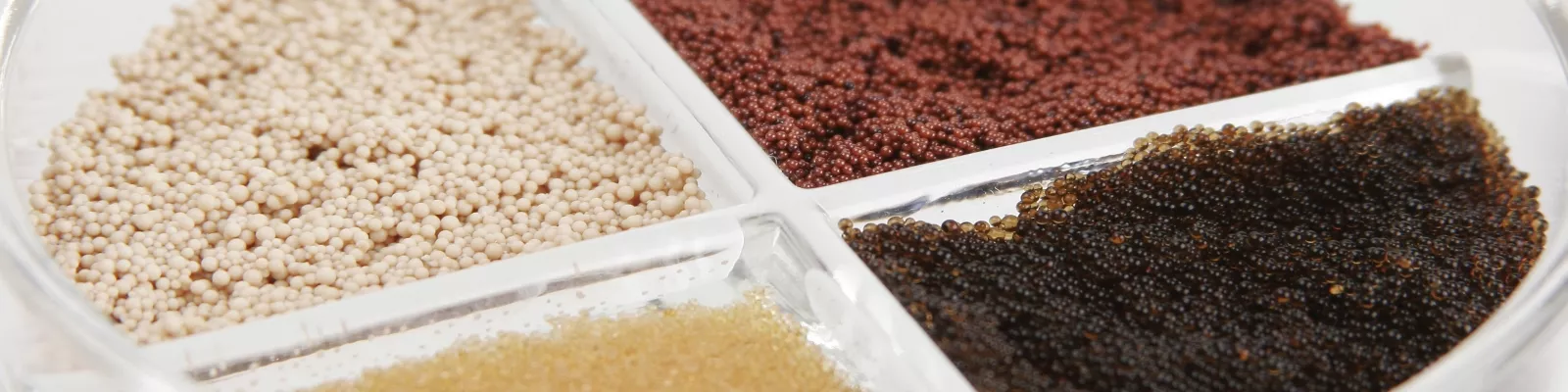
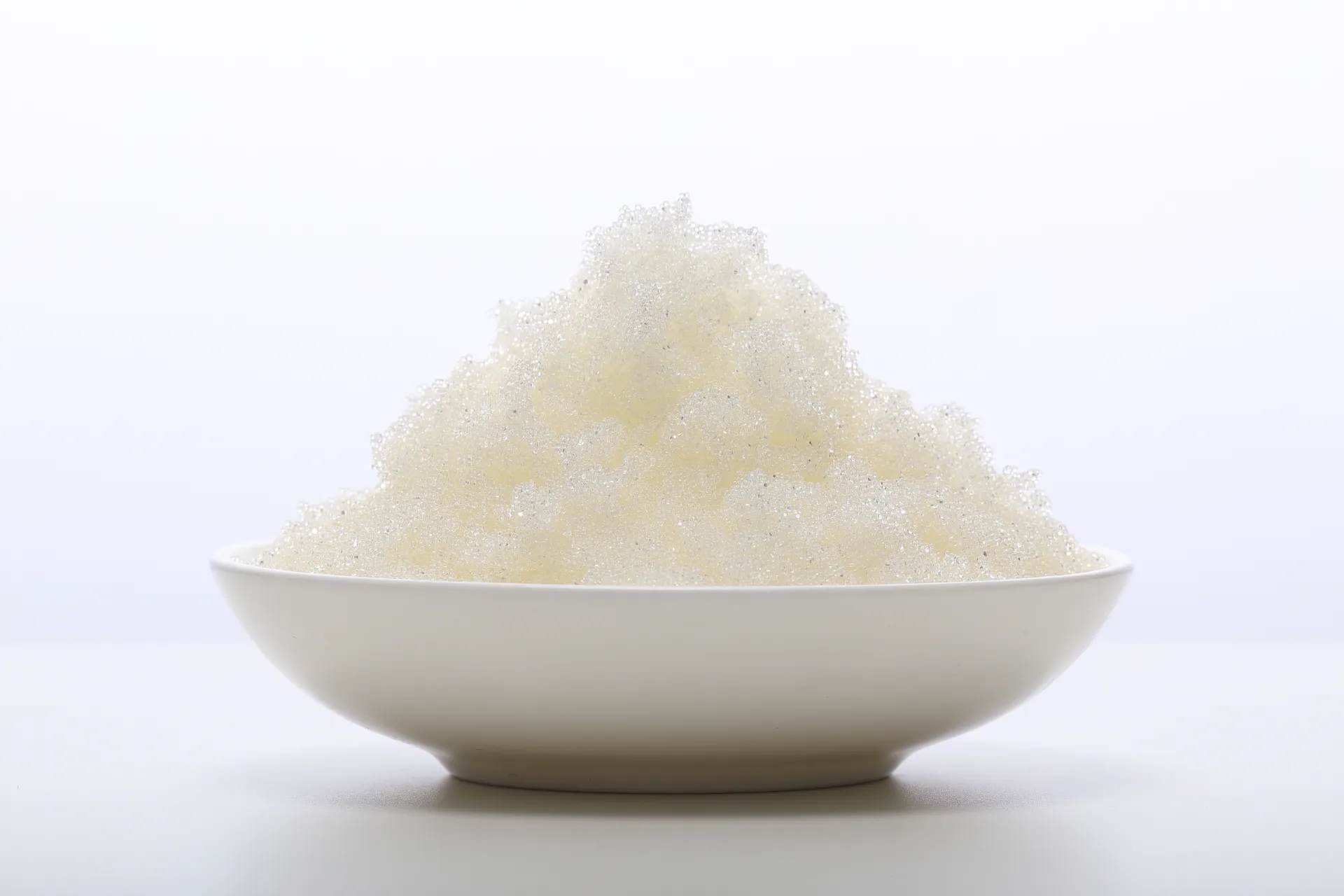
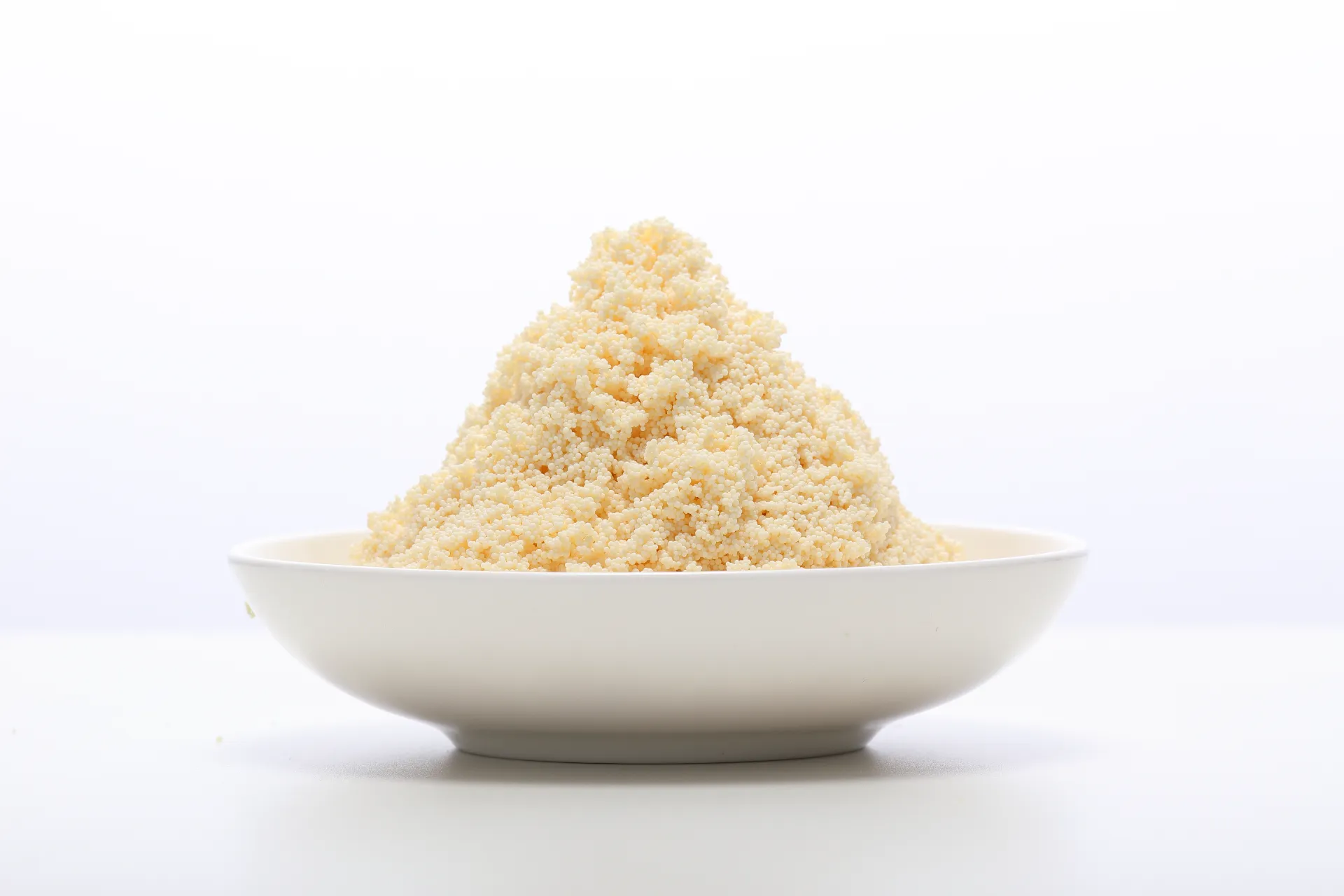
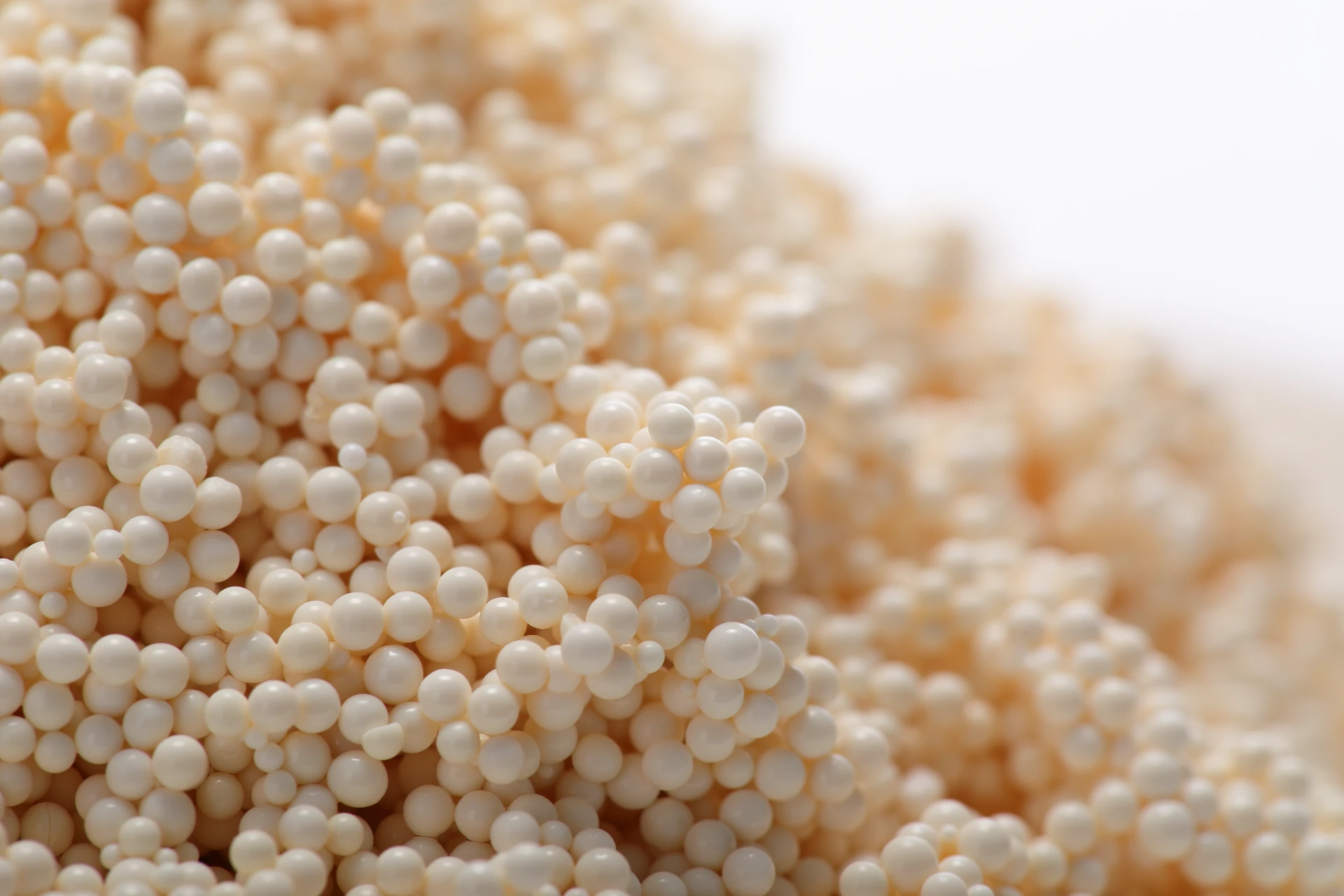
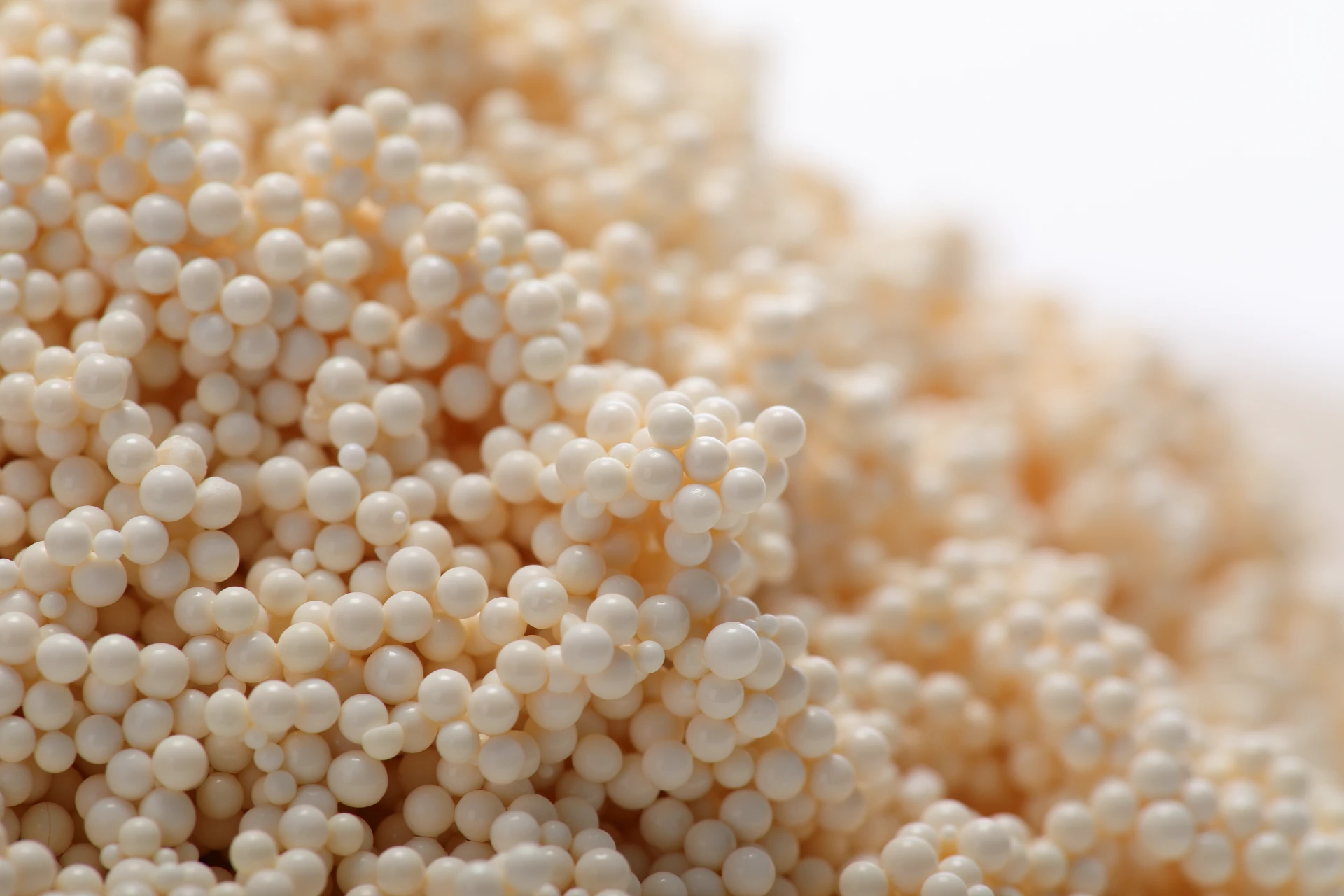
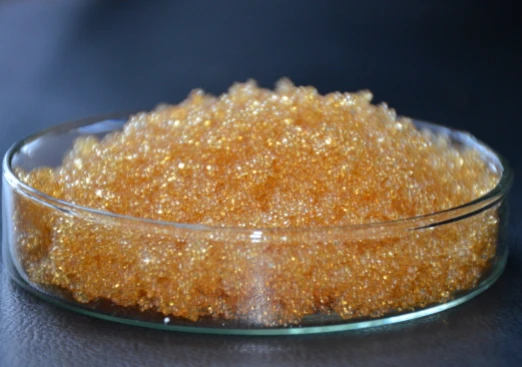
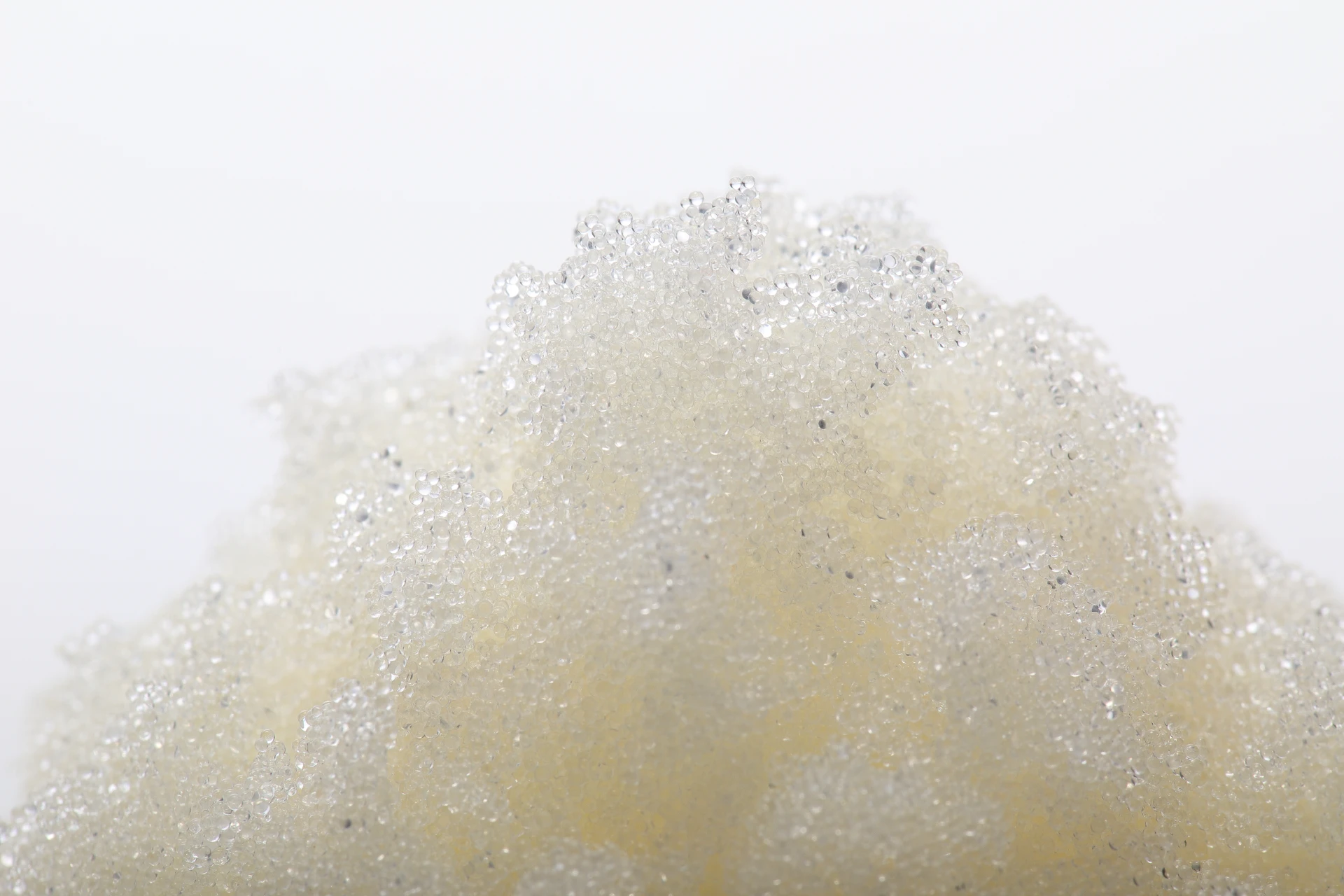
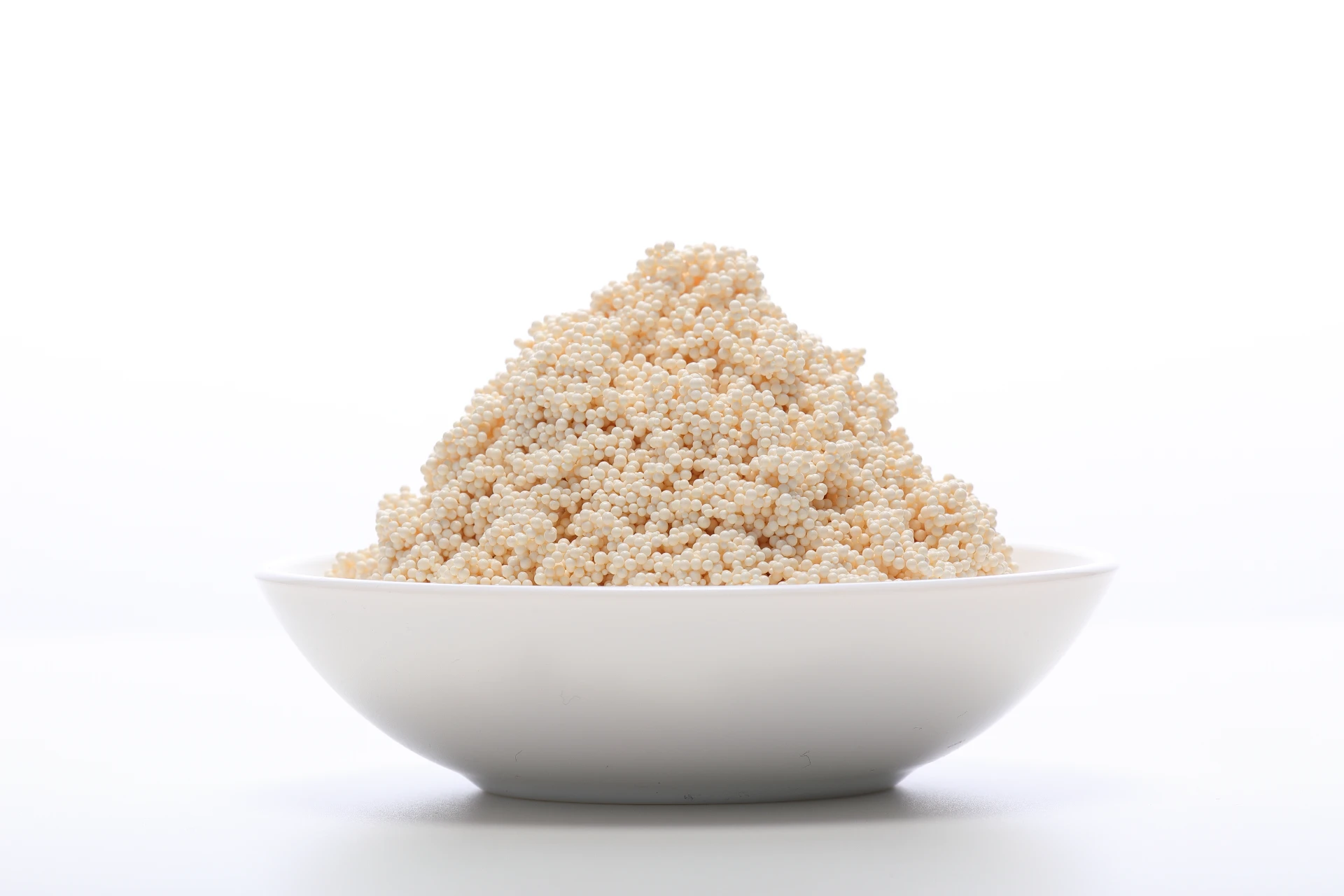
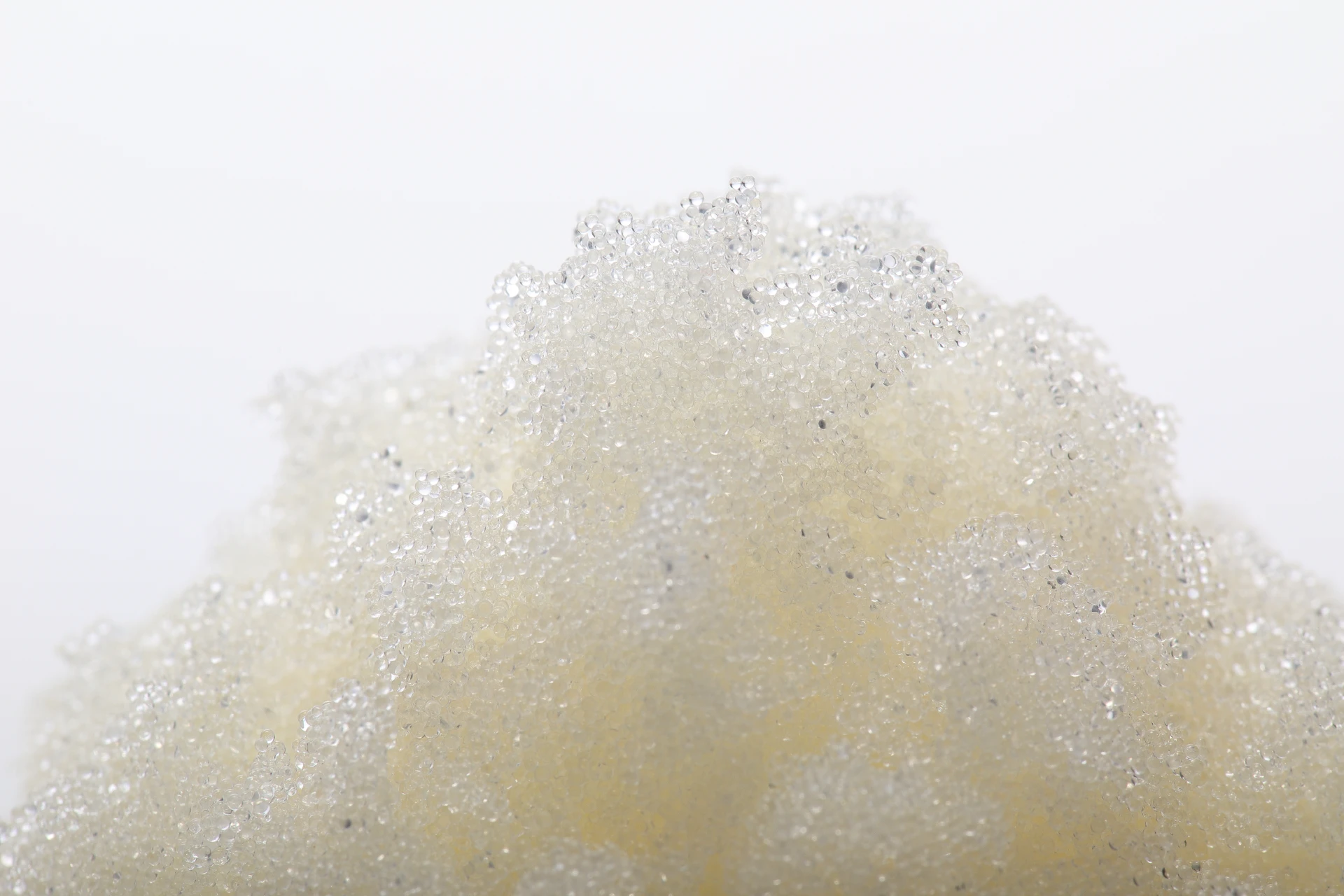
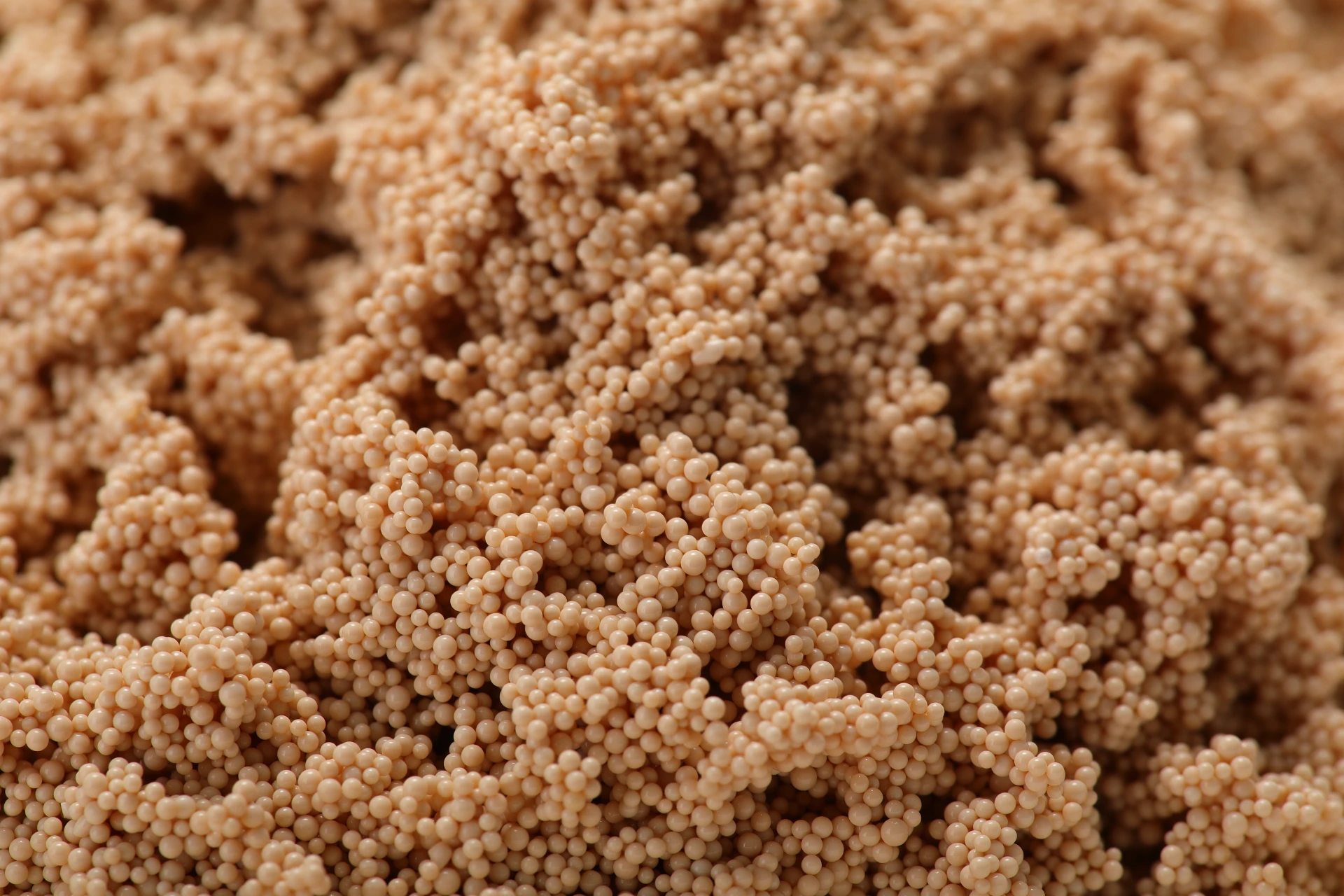
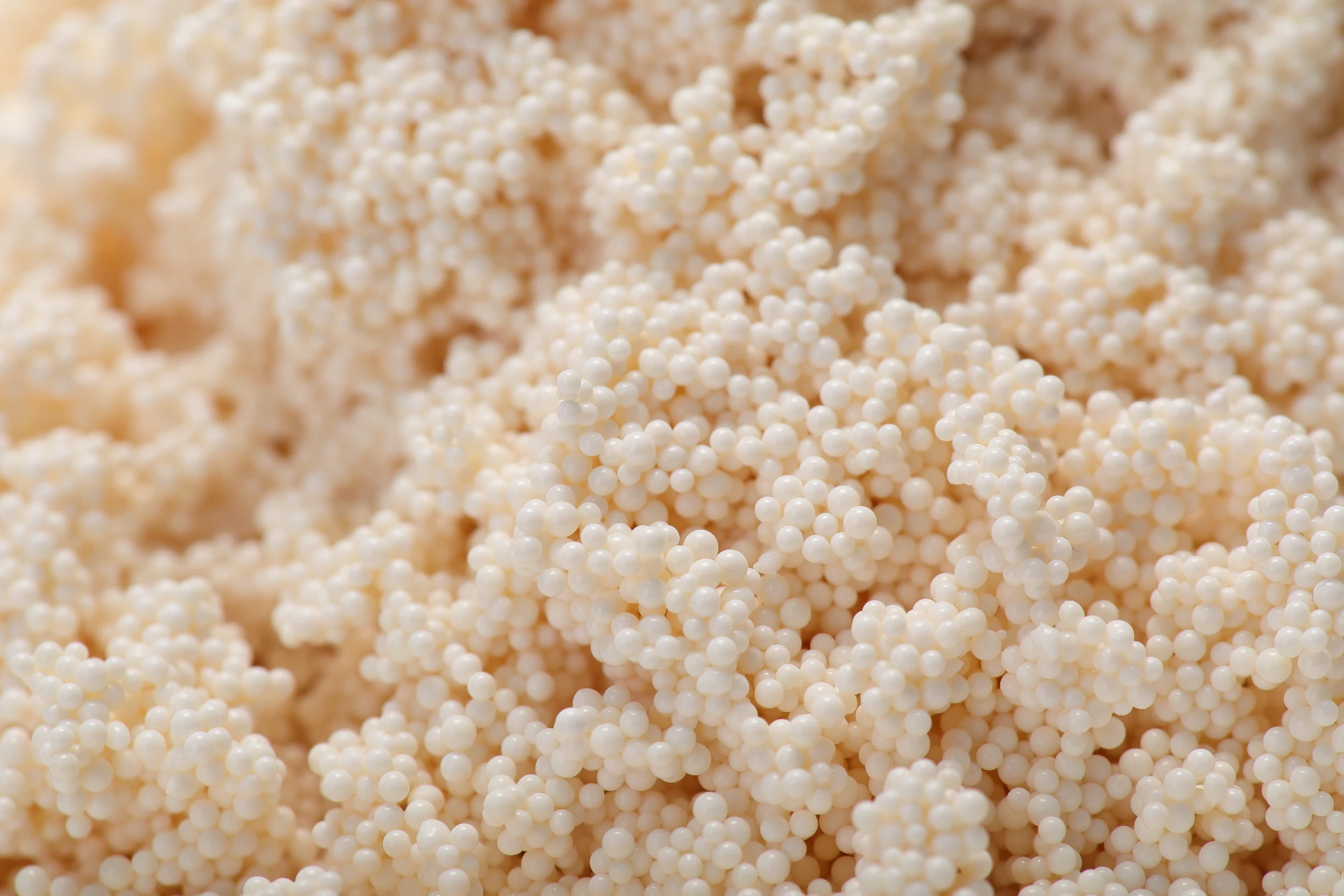
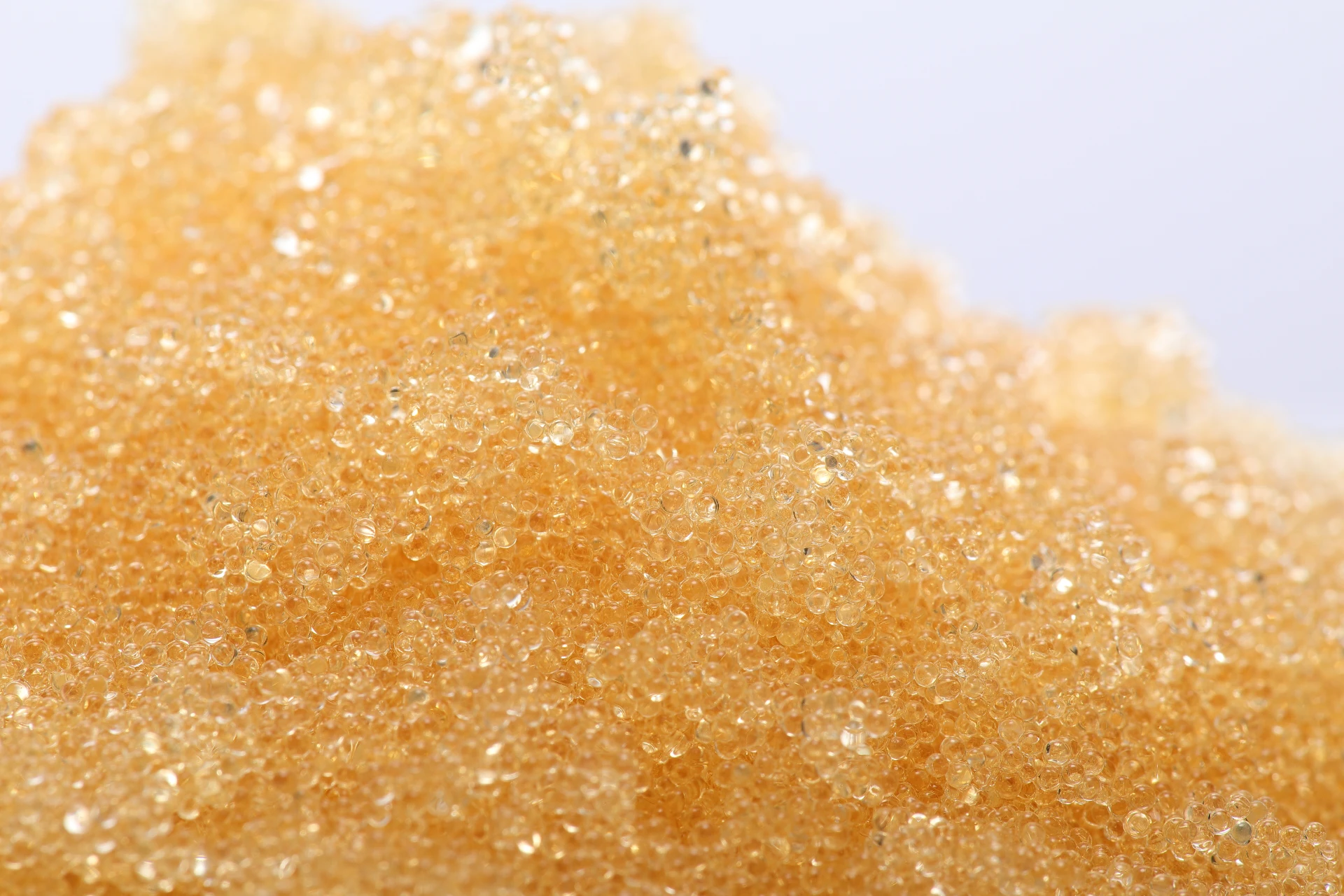
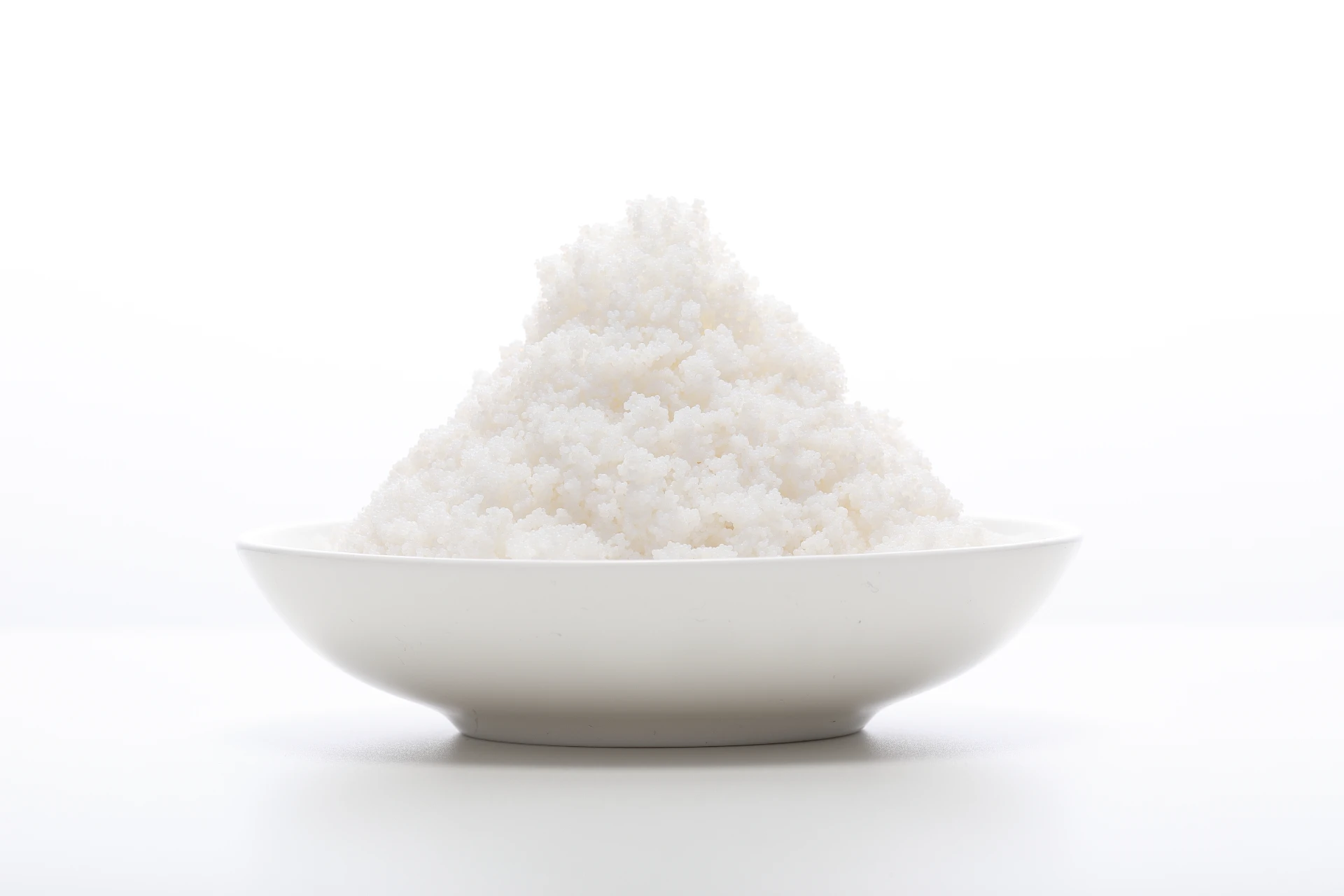
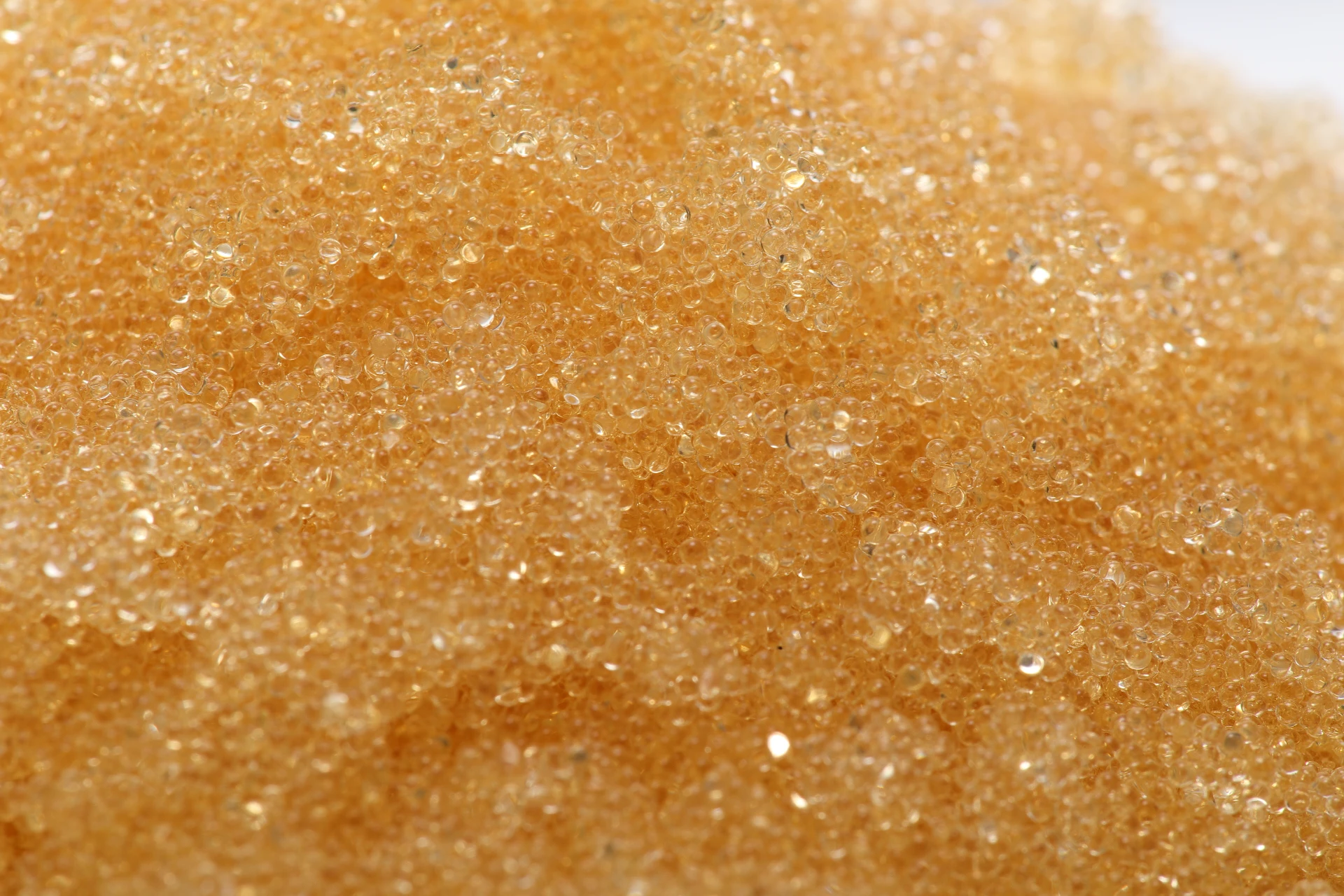
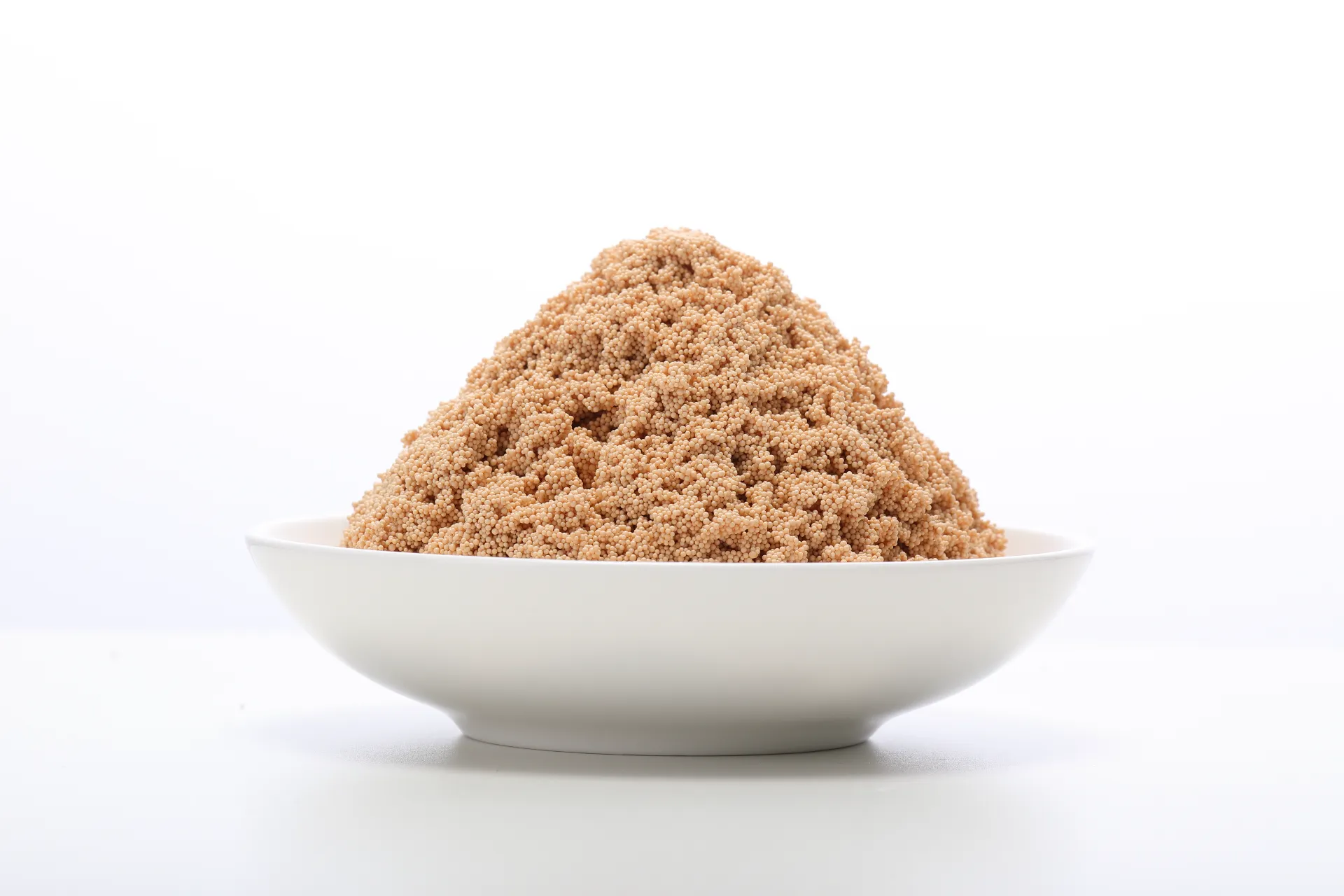
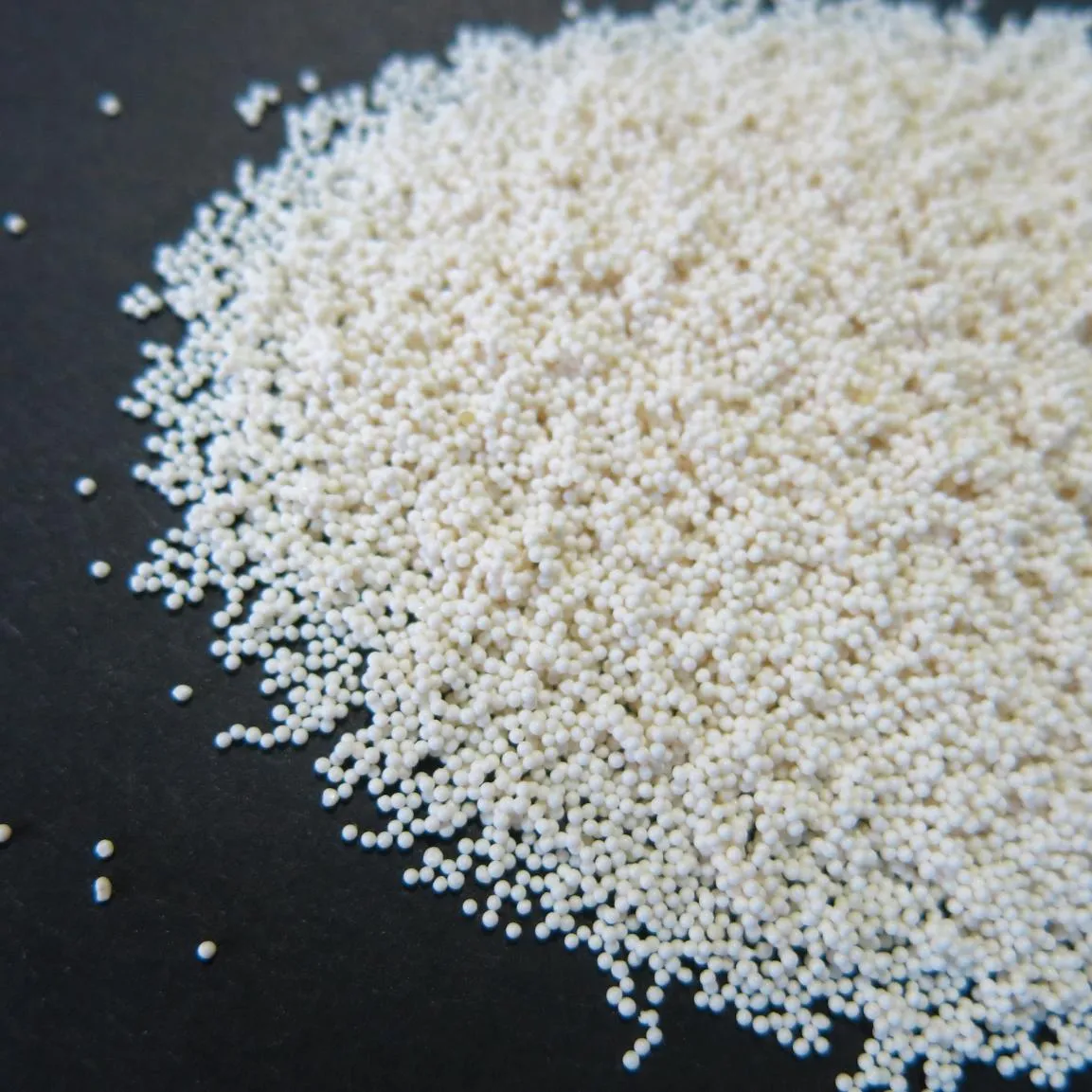
If you work in demin plants, ultrapure water, or nitrate polishing, you’ve probably heard the term Strong Base Anion. Here’s a hands-on look at Liji’s 201X7 FC—polystyrene gel matrix with quaternary ammonium groups (-N(CH3)3)—that, to be honest, behaves like a “solid alkali” workhorse in mixed-bed lines.
Made in Xingtai, Hebei (NO.2 East Jianshe Road, High-Tech Industrial Development South Zone, Wei County), this resin ships consistent and rugged. In fact, it fits right into deionization and condensate polishing where operators don’t have time for drama—just predictable kinetics and decent mechanical strength.
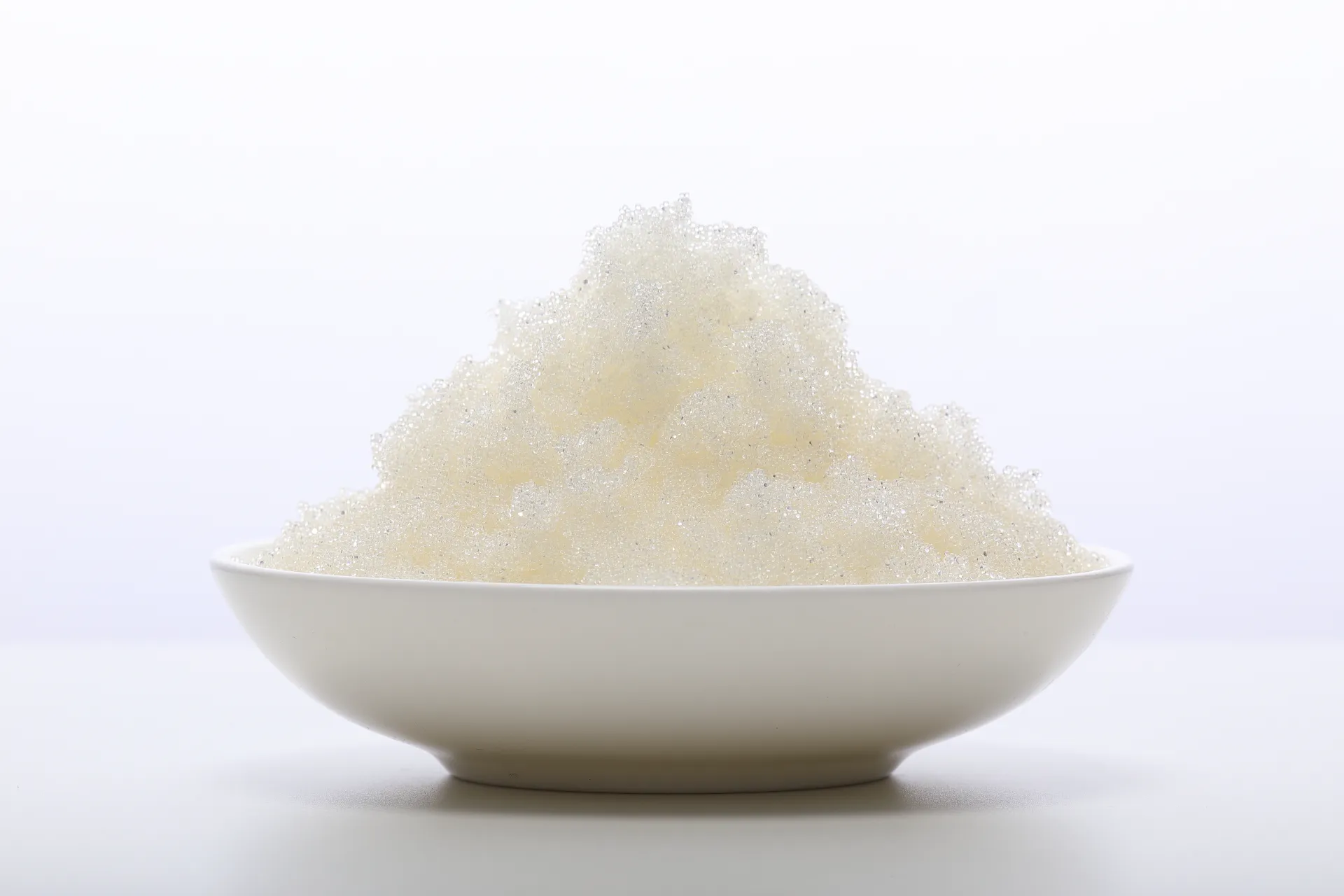
201X7 FC is a Type I Strong Base Anion exchange resin on a polystyrene–DVB gel matrix. The quaternary ammonium functional group delivers high total exchange capacity and good silica and CO2 uptake—especially handy in final polishing. Many customers say it’s forgiving across a wide pH window, which I’d agree with, within reason.
| Spec | Typical 201X7 FC | Notes (≈ real-world) |
|---|---|---|
| Matrix / Type | PS-DVB gel, Type I quaternary ammonium | -N(CH3)3 functionality |
| Ionic Form (as shipped) | Cl− | Regenerate to OH− as needed |
| Total Capacity | ≈1.3 eq/L (Cl− form) | Service capacity depends on leakage targets |
| Moisture Content | 45–55% | Temperature can nudge this |
| Particle Size | 16–50 mesh (≈0.3–1.2 mm) | UC ≤1.6 typical |
| Max Operating Temp | ≈60 °C (OH− form) | Check silica targets above 40 °C |
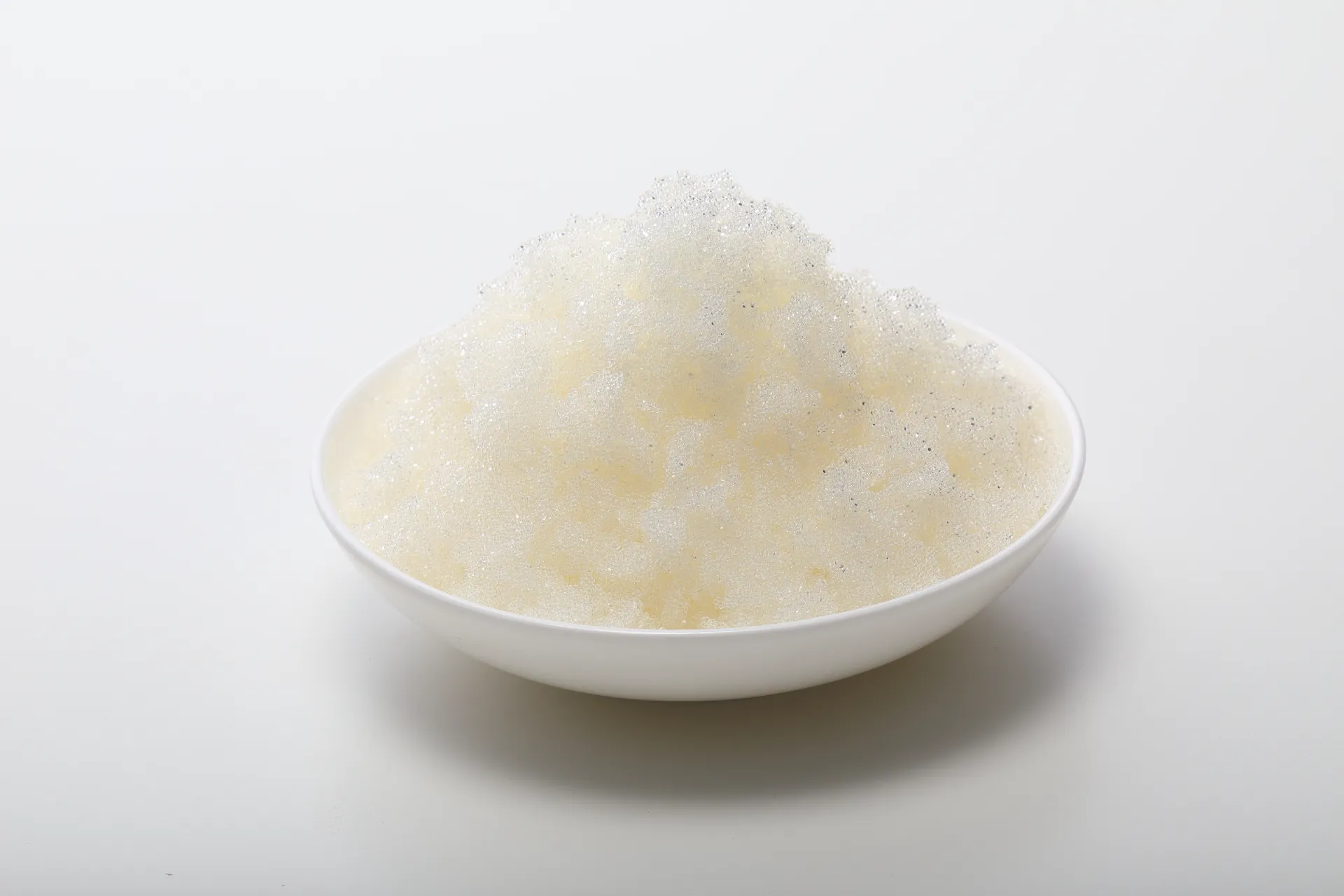
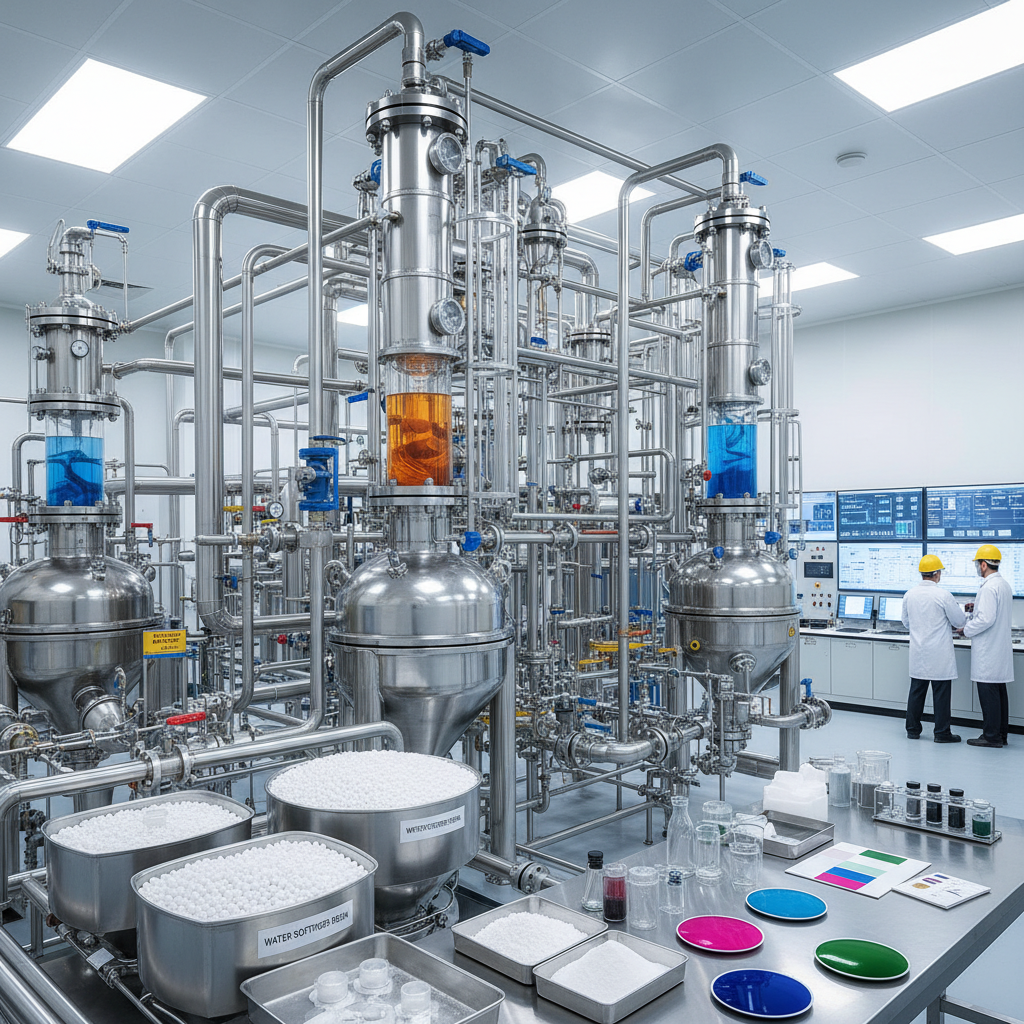
Use Strong Base Anion resin for silica “chasing,” nitrate/sulfate removal, and mixed-bed polishing after RO. Advantages: high capacity per liter, rugged beads, and—surprisingly for a gel—steady pressure drop. I guess the key is keeping oxidants low and doing timely caustic regenerations.
| Vendor | Capacity (≈eq/L) | Certs | Lead Time | Notes |
|---|---|---|---|---|
| Liji 201X7 FC | ≈1.3 | ISO 9001; NSF/ANSI 61 (on request) | ≈2–4 weeks | Good mechanical strength |
| Generic Type I | 1.1–1.3 | Varies | 3–6 weeks | Price-driven |
| Type II Alternative | ≈1.0–1.2 | Varies | 3–5 weeks | Lower silica affinity |
Customization includes wet density targeting for bed expansion, mesh-size tuning for pressure drop, and pre-conversion to OH−. Recent QA lots showed chloride leakage ≤0.1 mg/L at 10 BV/h after regeneration with 4% NaOH (real-world use may vary). One municipal buyer reported 85–90% nitrate removal stability over six months; a fab utility team said silica stayed
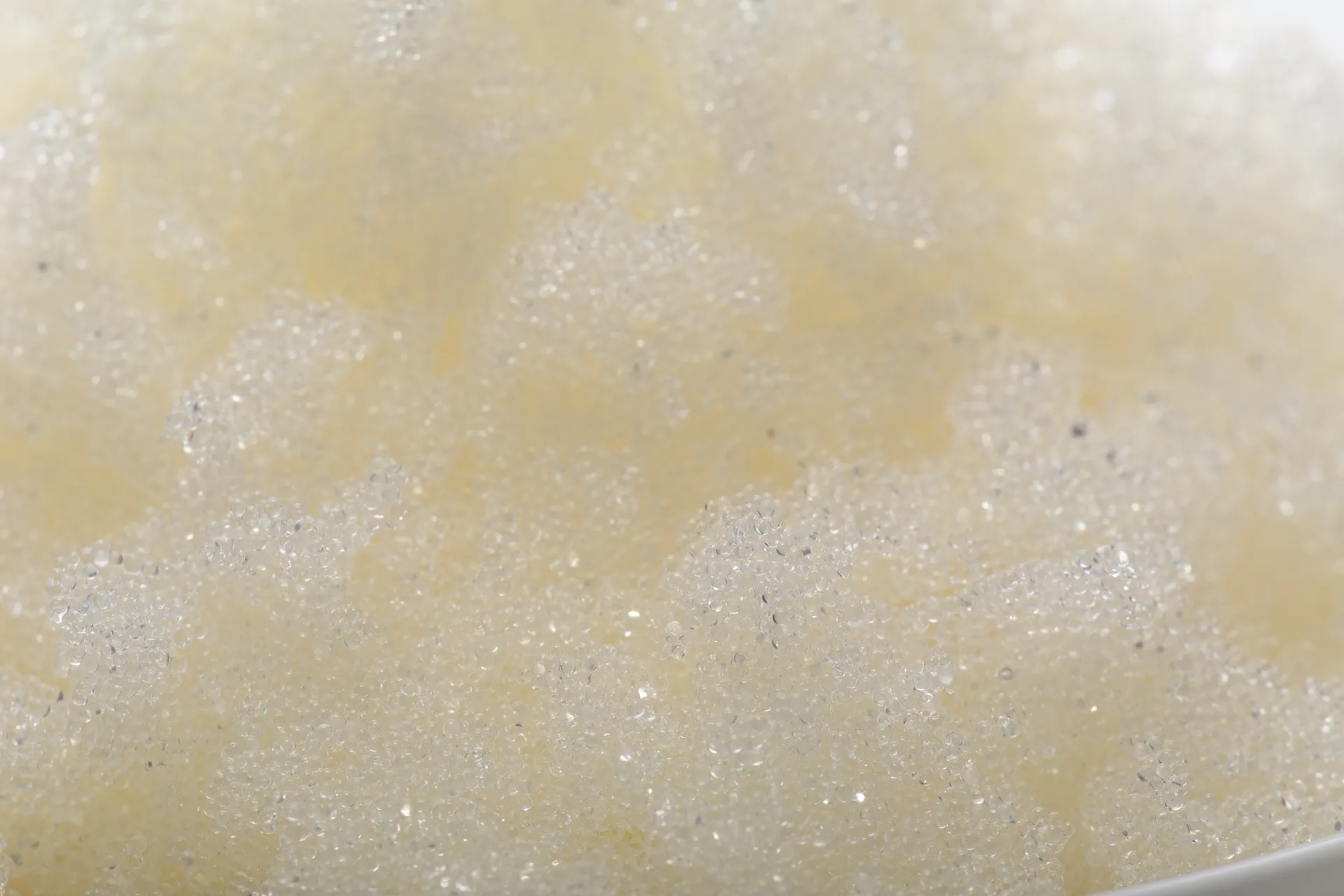
Compliance pointers: For potable water applications, verify NSF/ANSI 61 certification; maintain oxidant control; and validate with site-specific pilot data before scale-up.