Phone:
+86 0319 2296164


Email:
info@lijiresin.cn
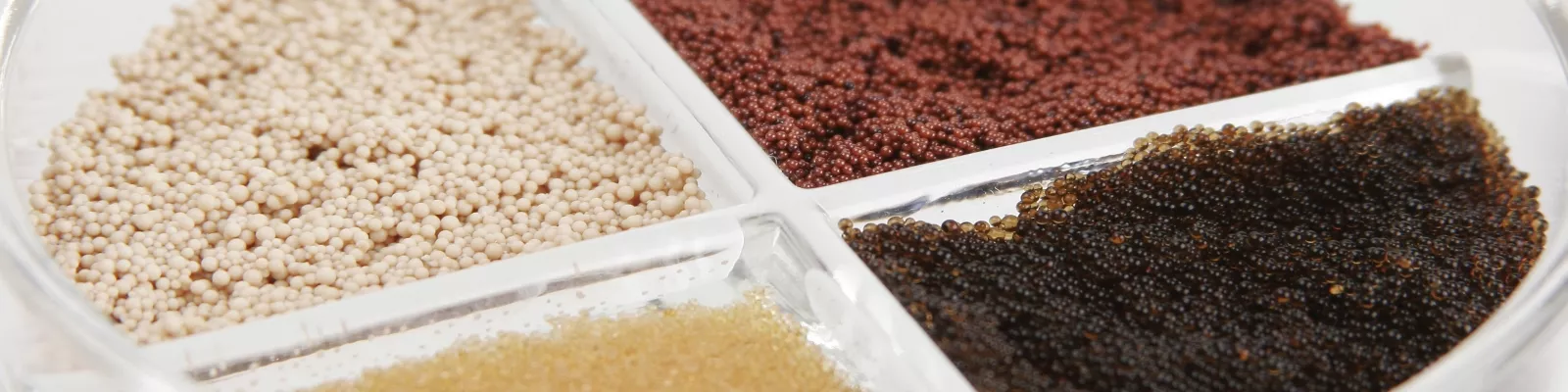
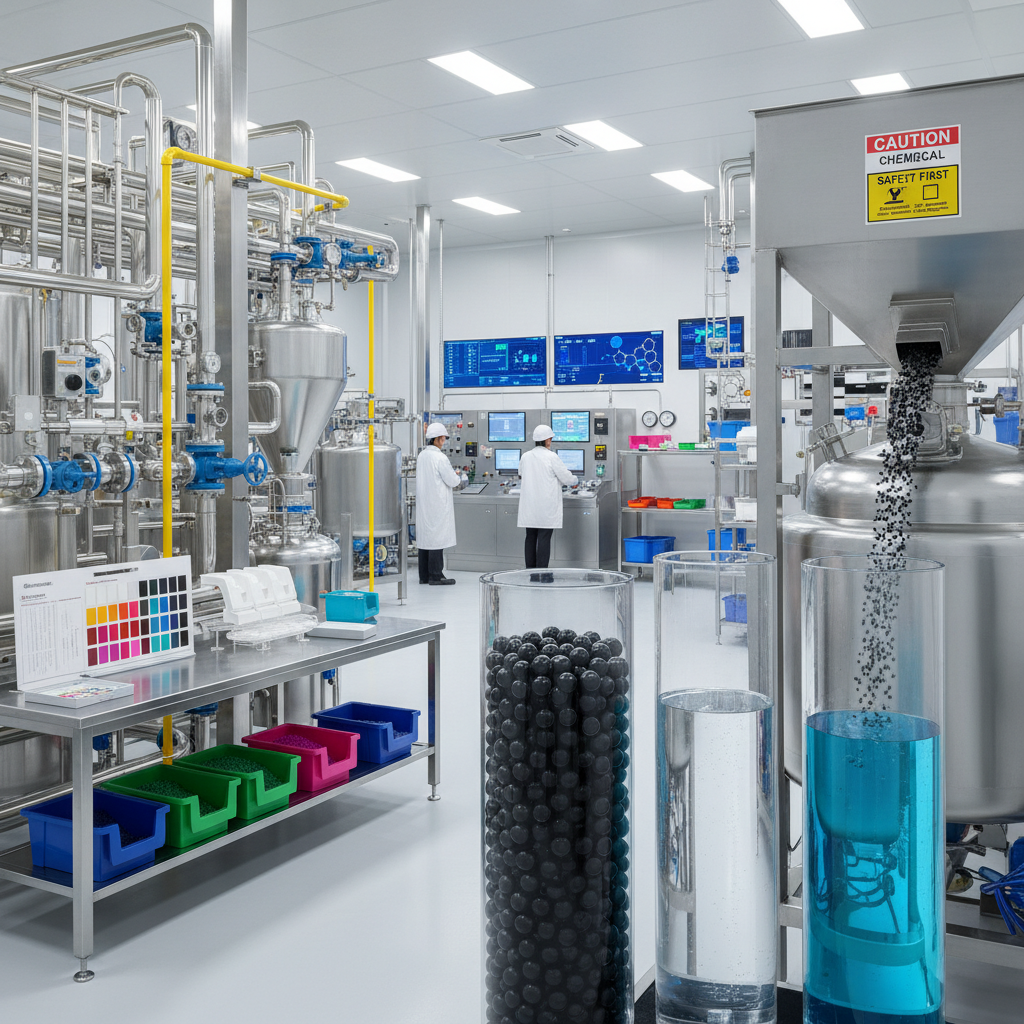
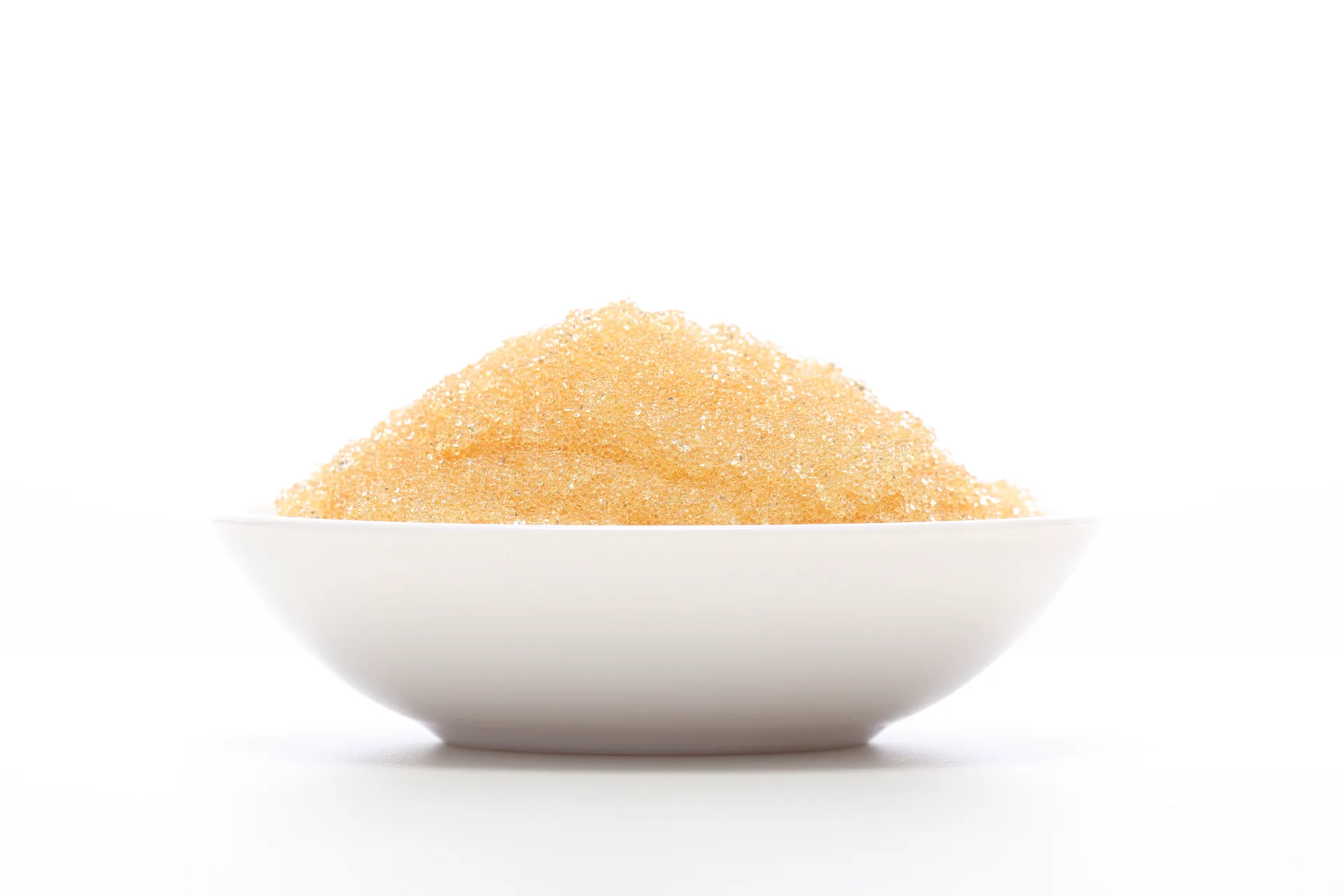
Hard water can cause a multitude of issues, from scale buildup in pipes and appliances to reduced effectiveness of soaps and detergents. A black water softener resin is a crucial component in removing these hardness minerals – calcium and magnesium – providing you with soft, usable water. This article will delve into the intricacies of black resin, its benefits, applications, and what to look for when choosing the right one for your needs. We'll explore how this technology can improve your water quality and protect your valuable assets.
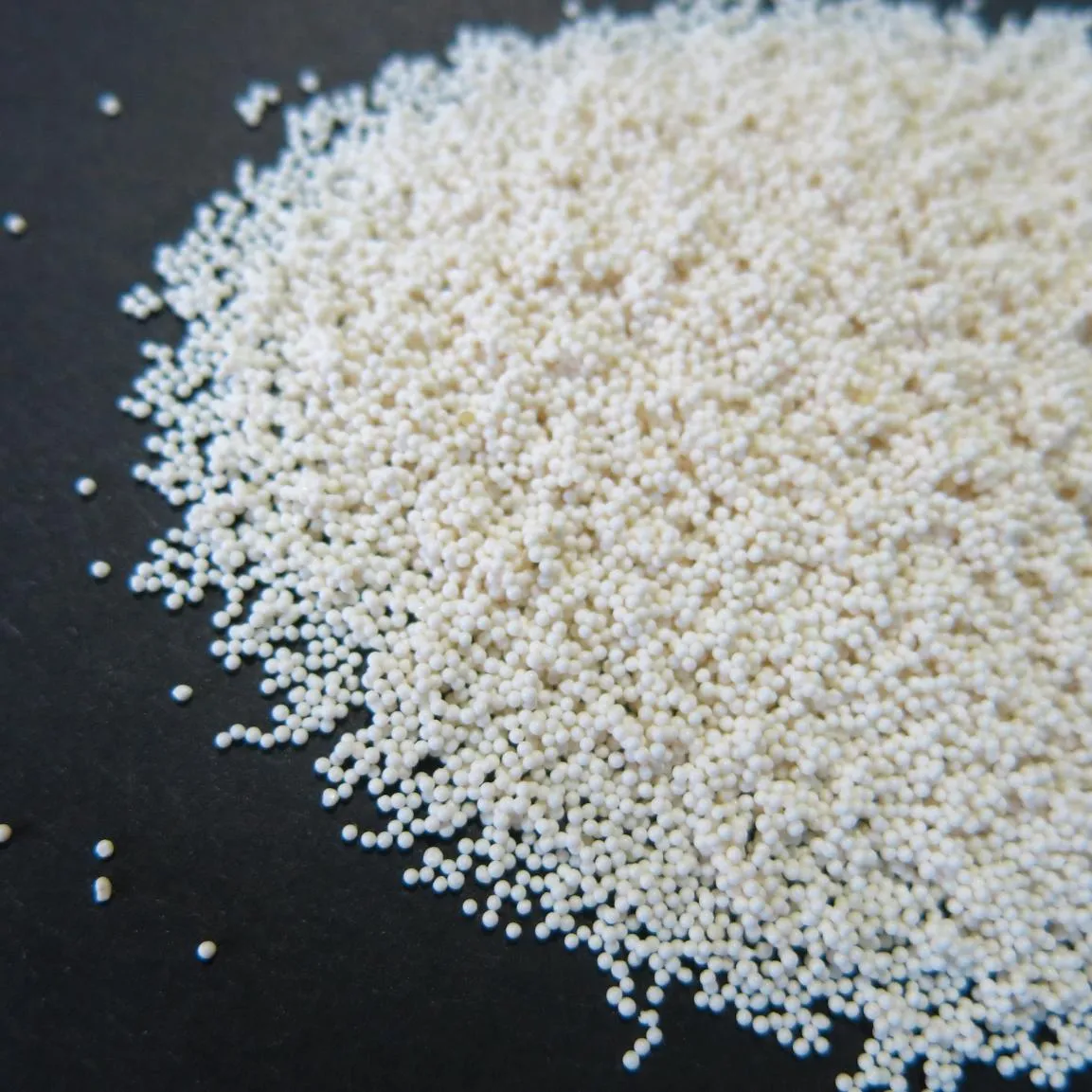
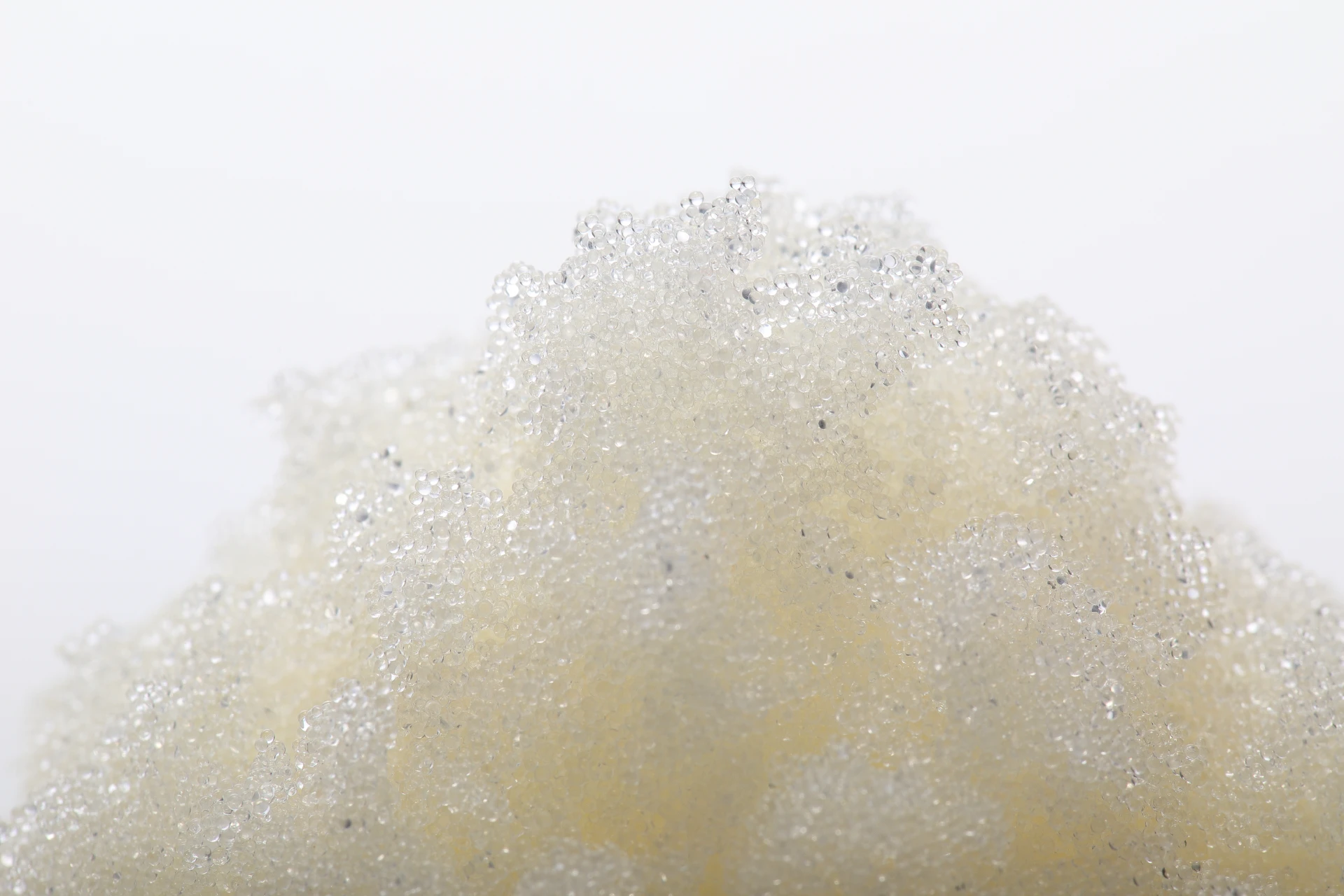
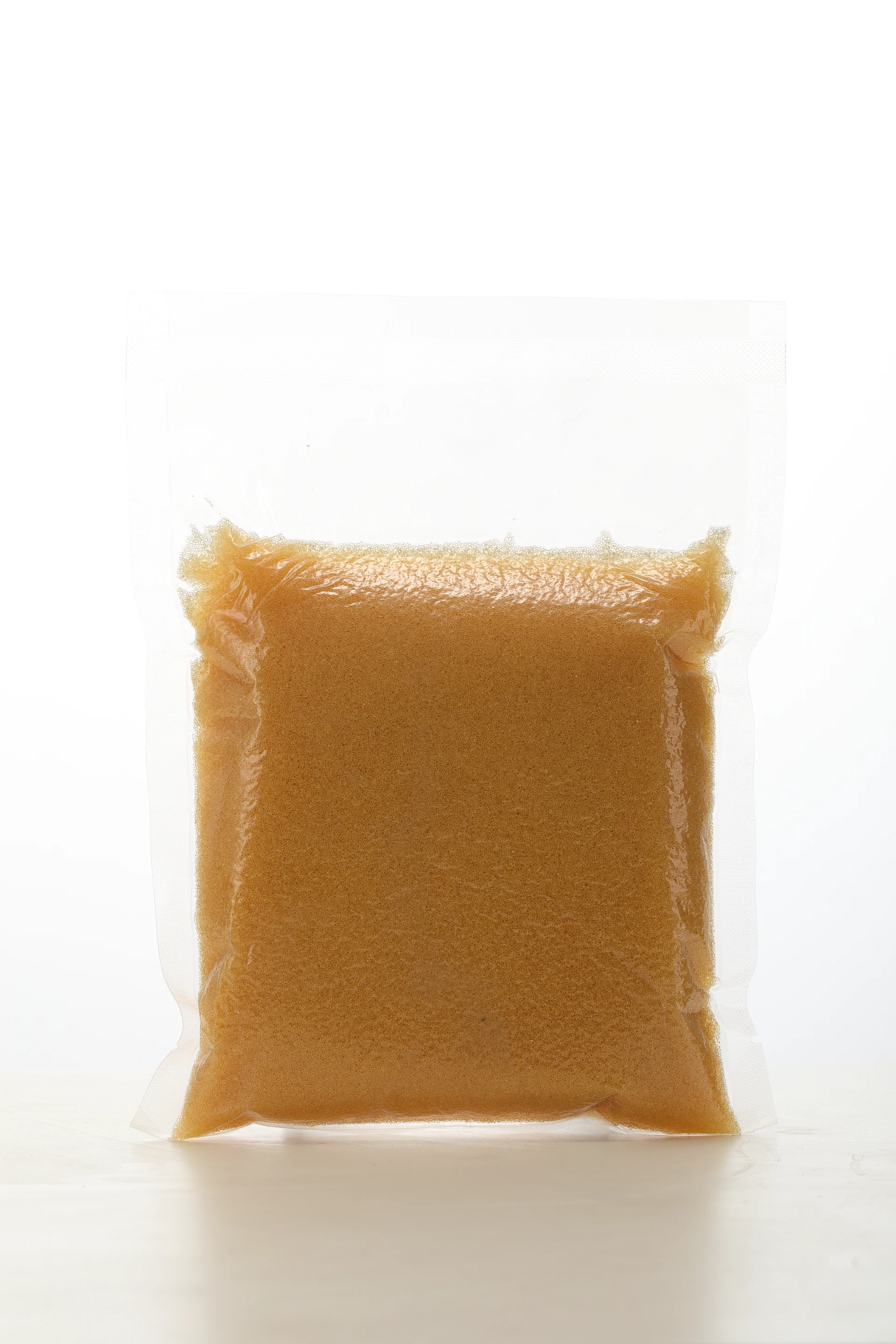
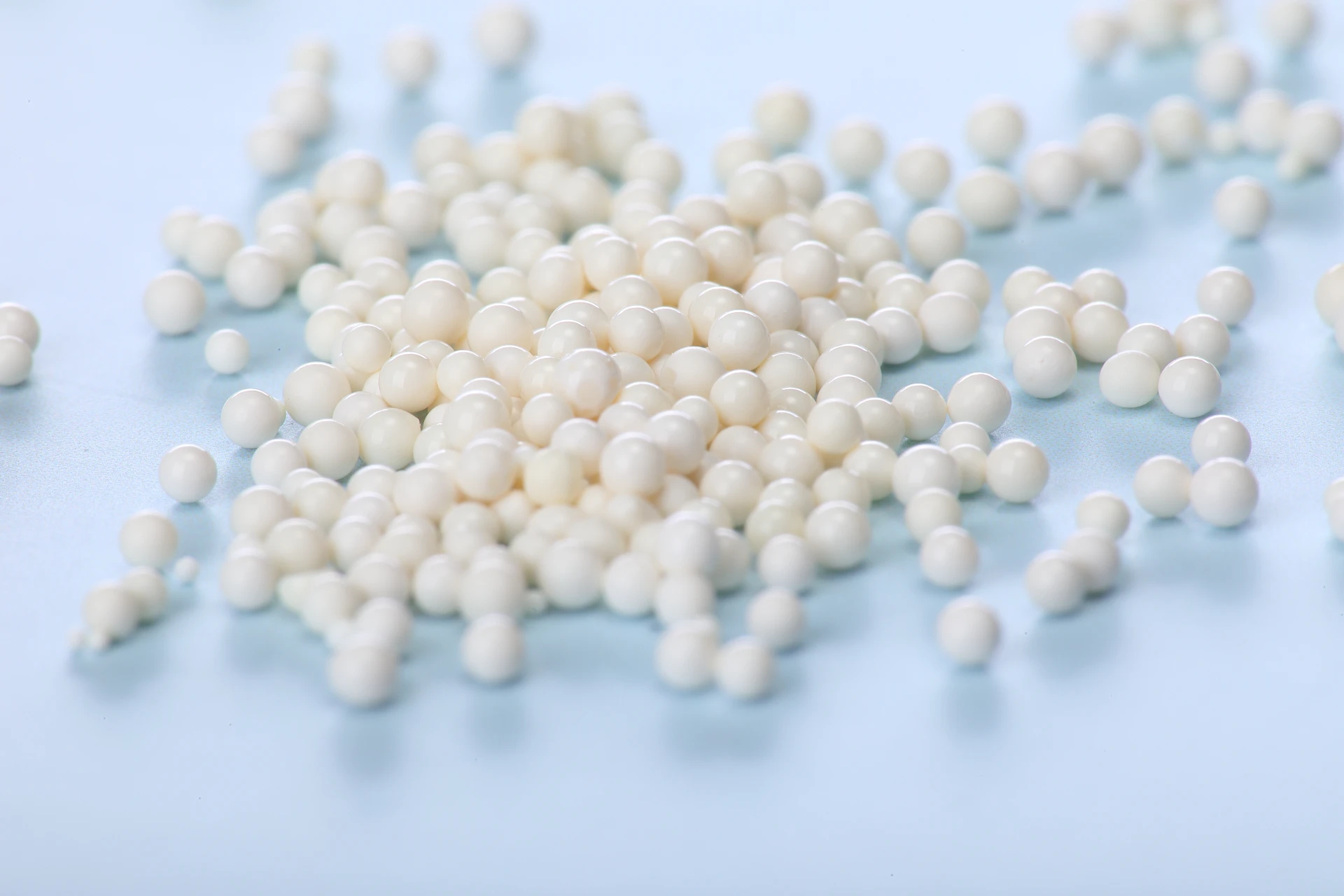
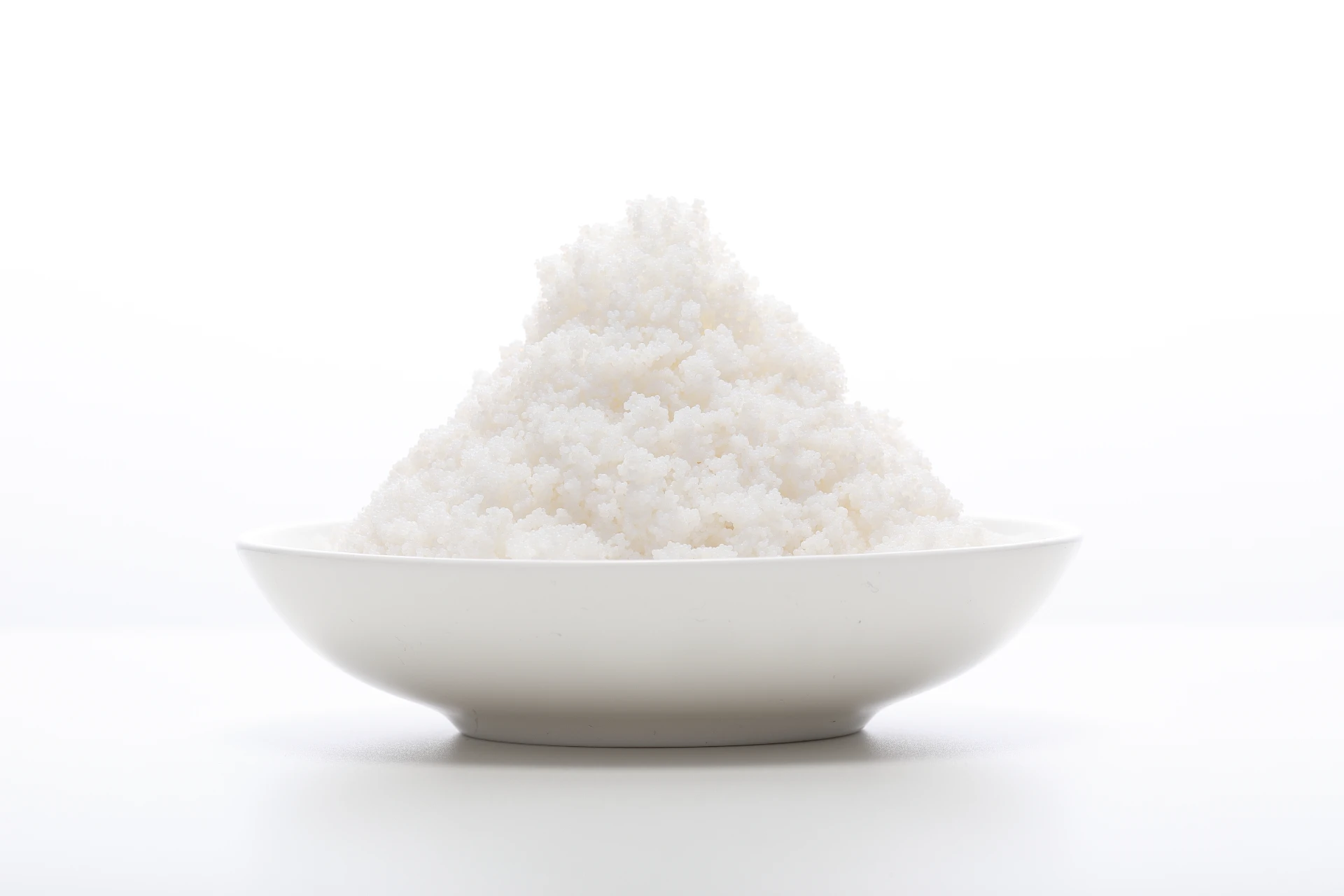
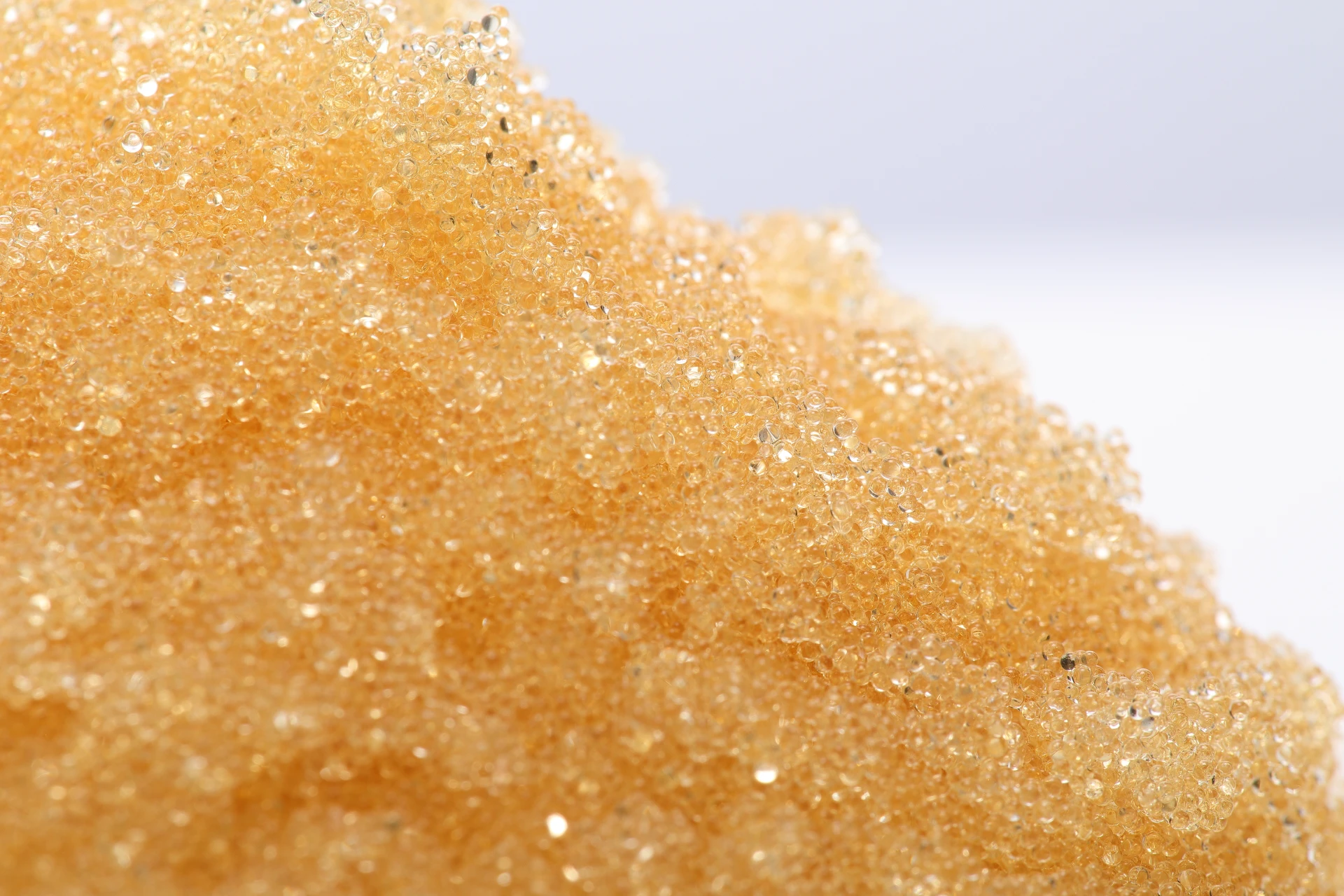
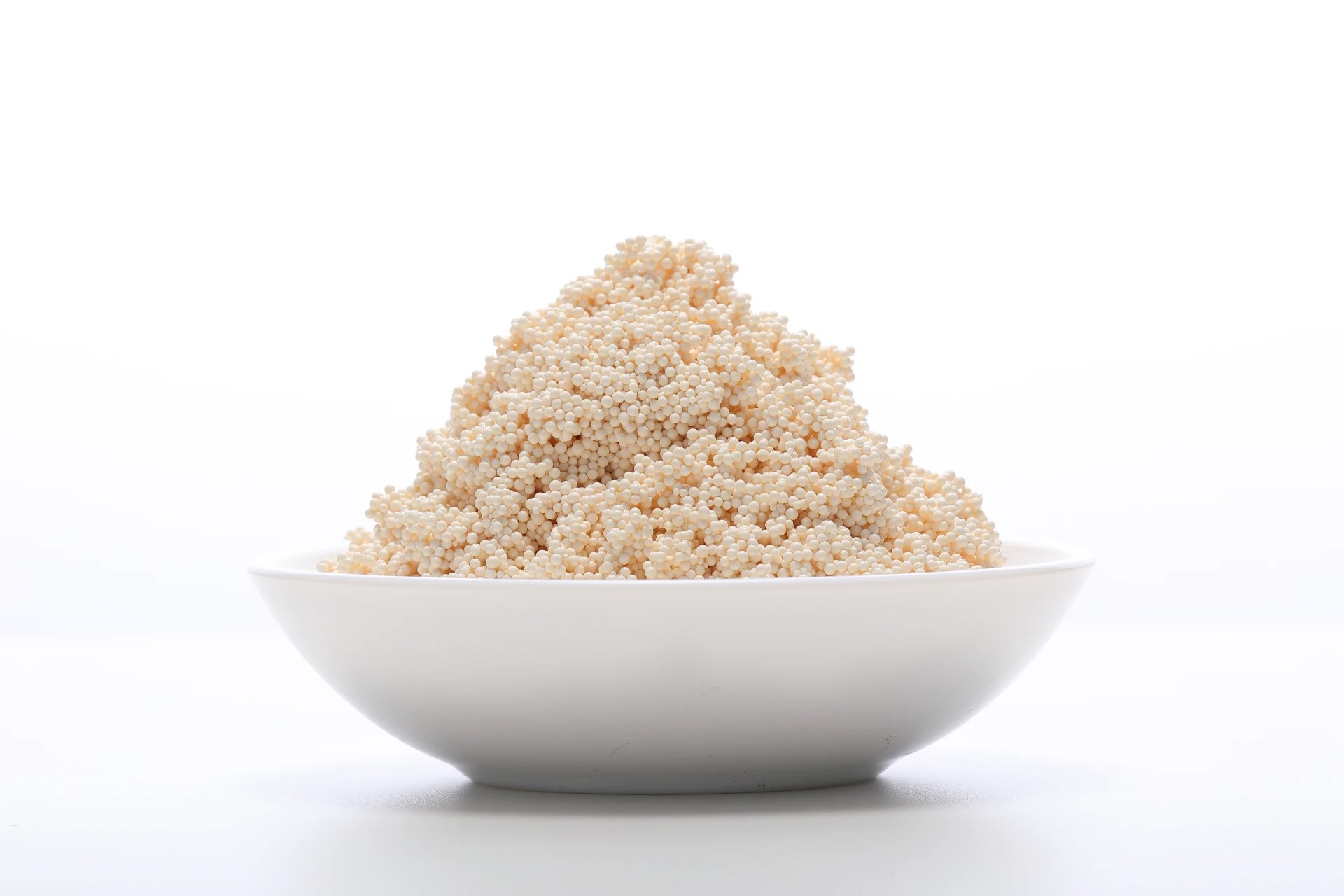
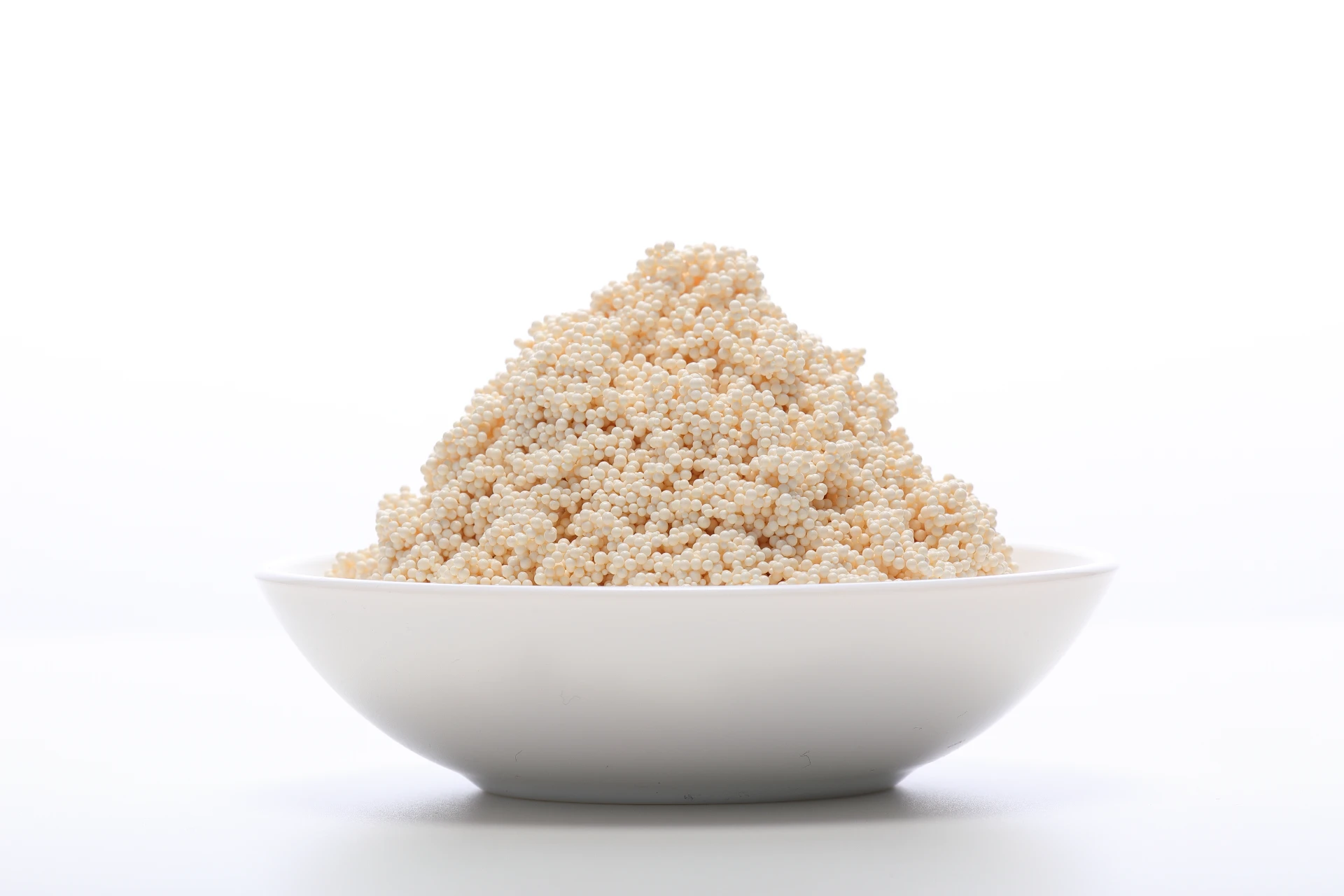
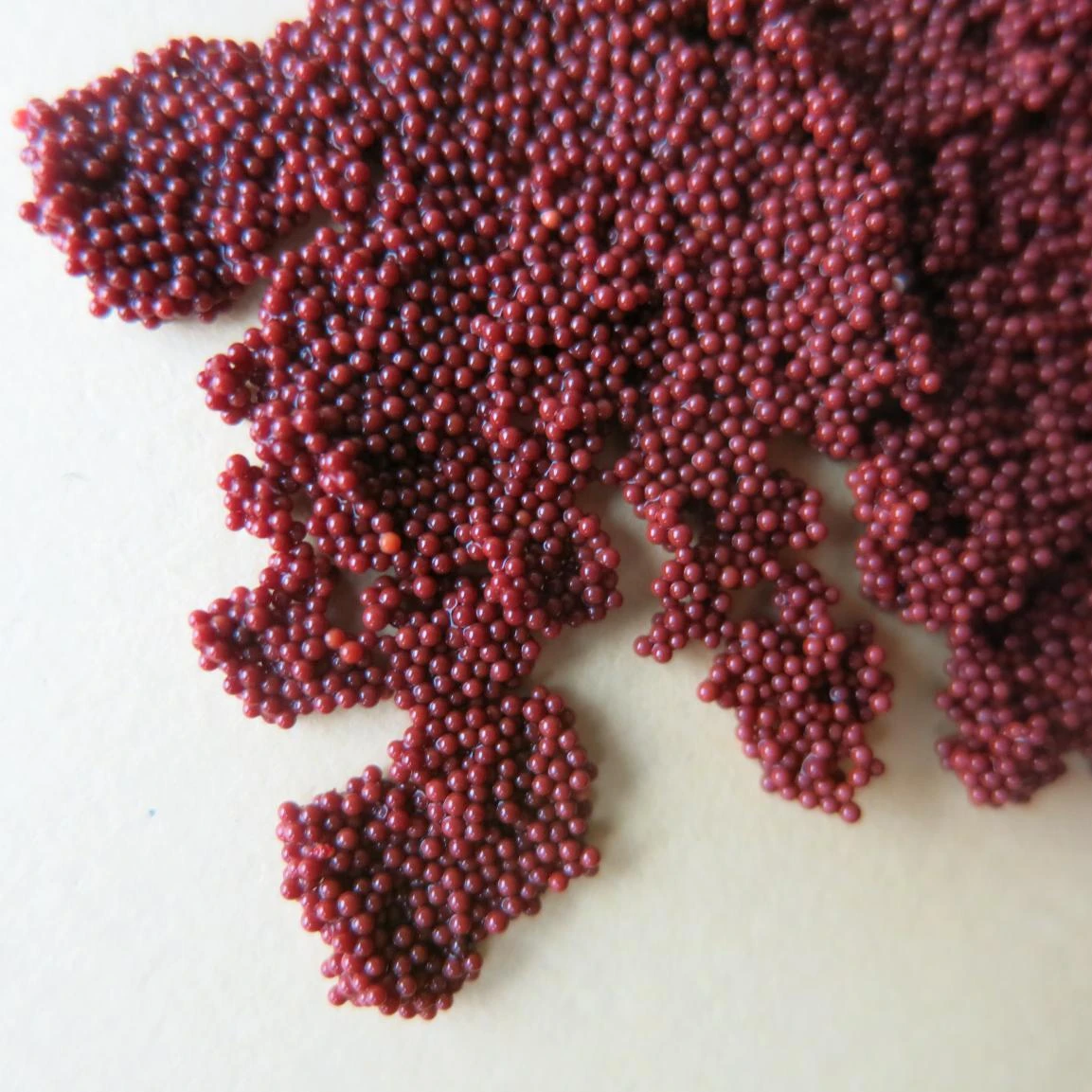
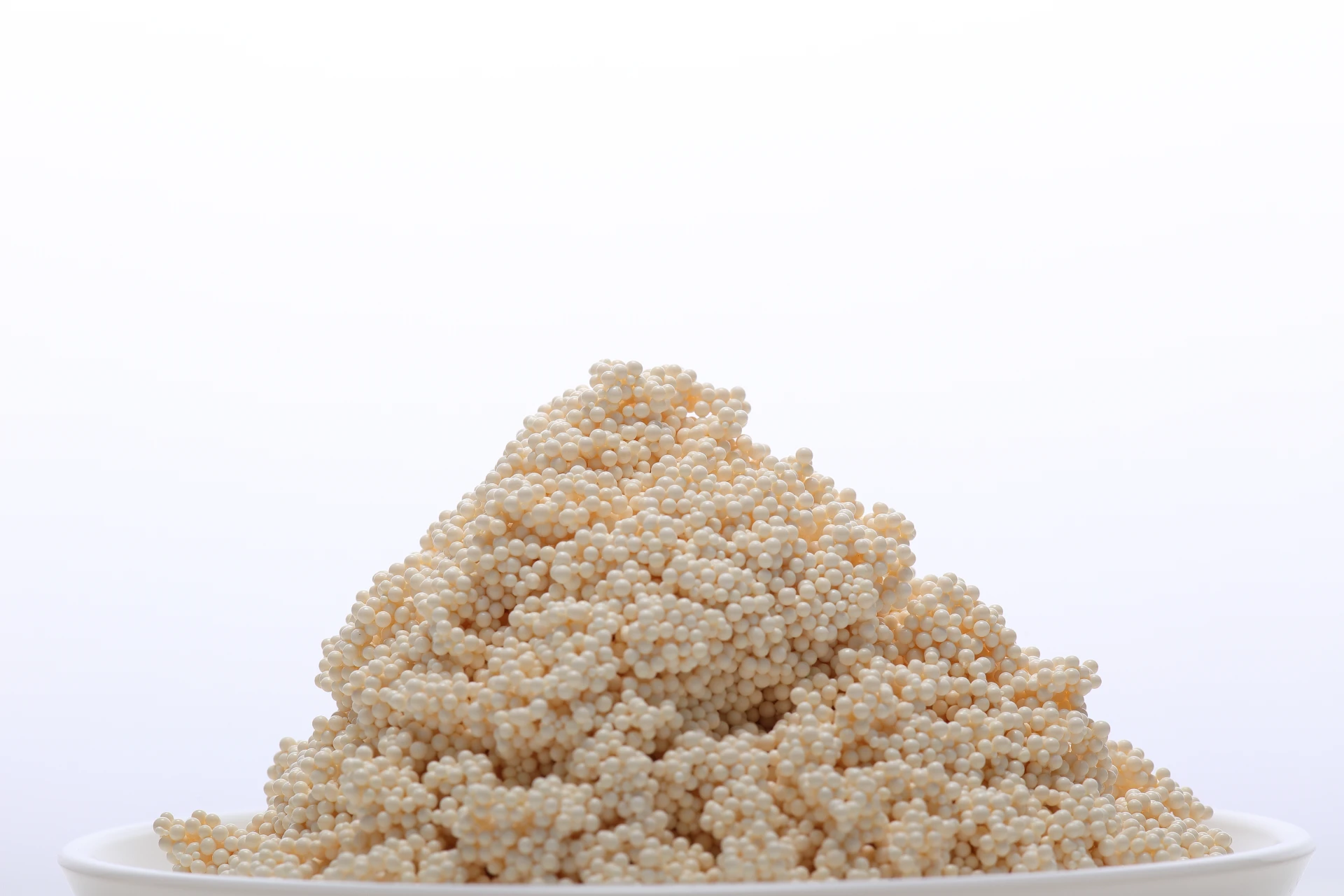
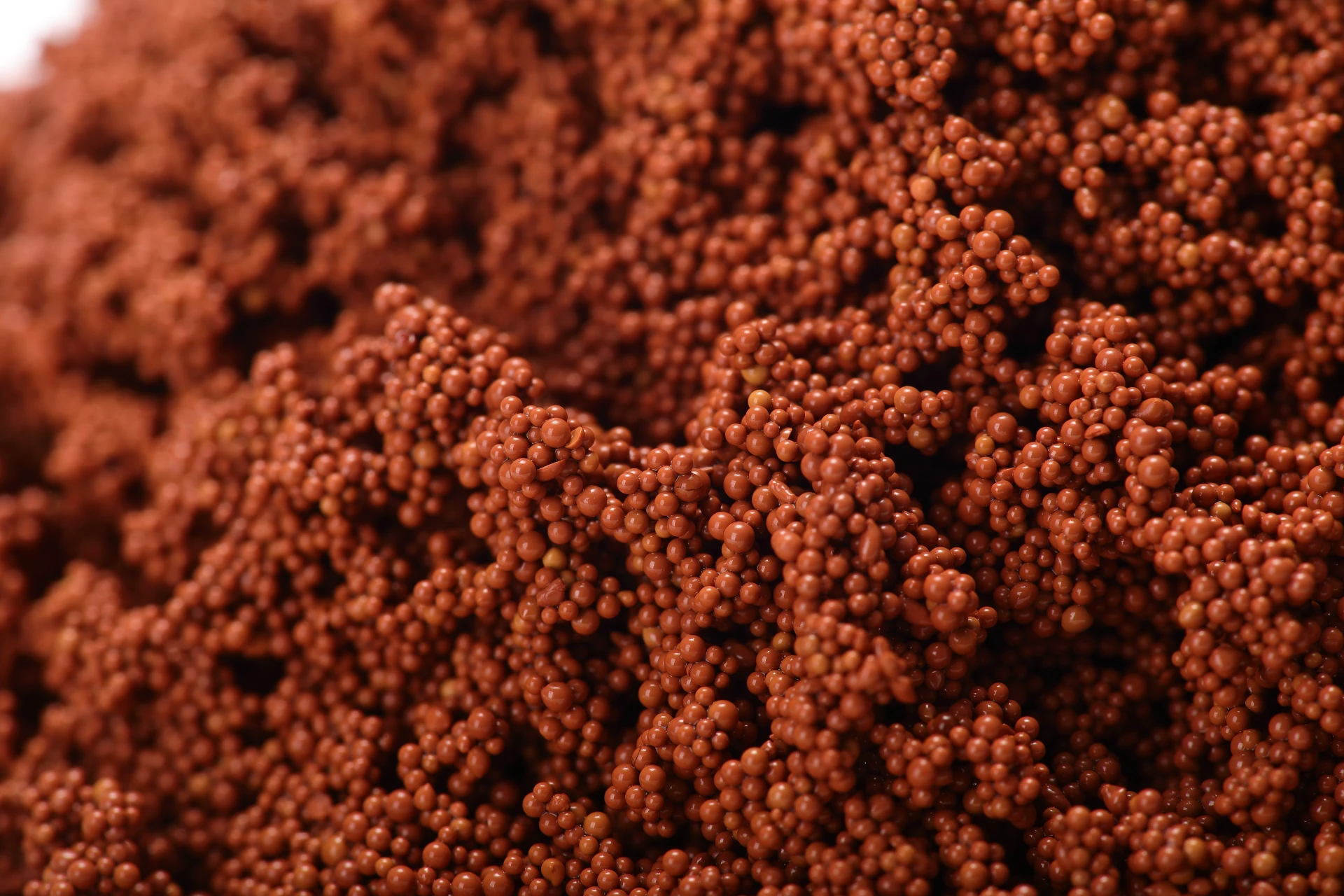
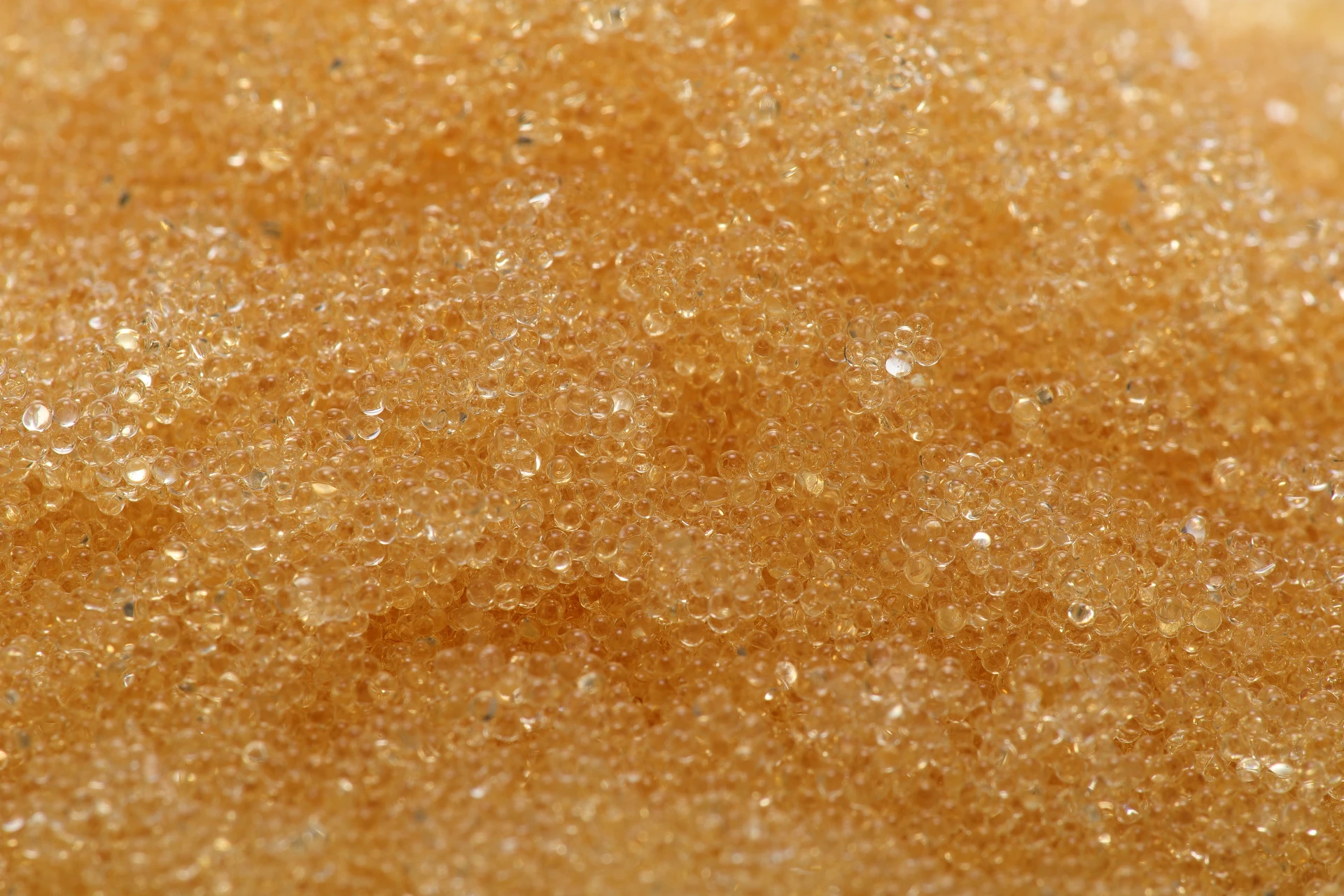
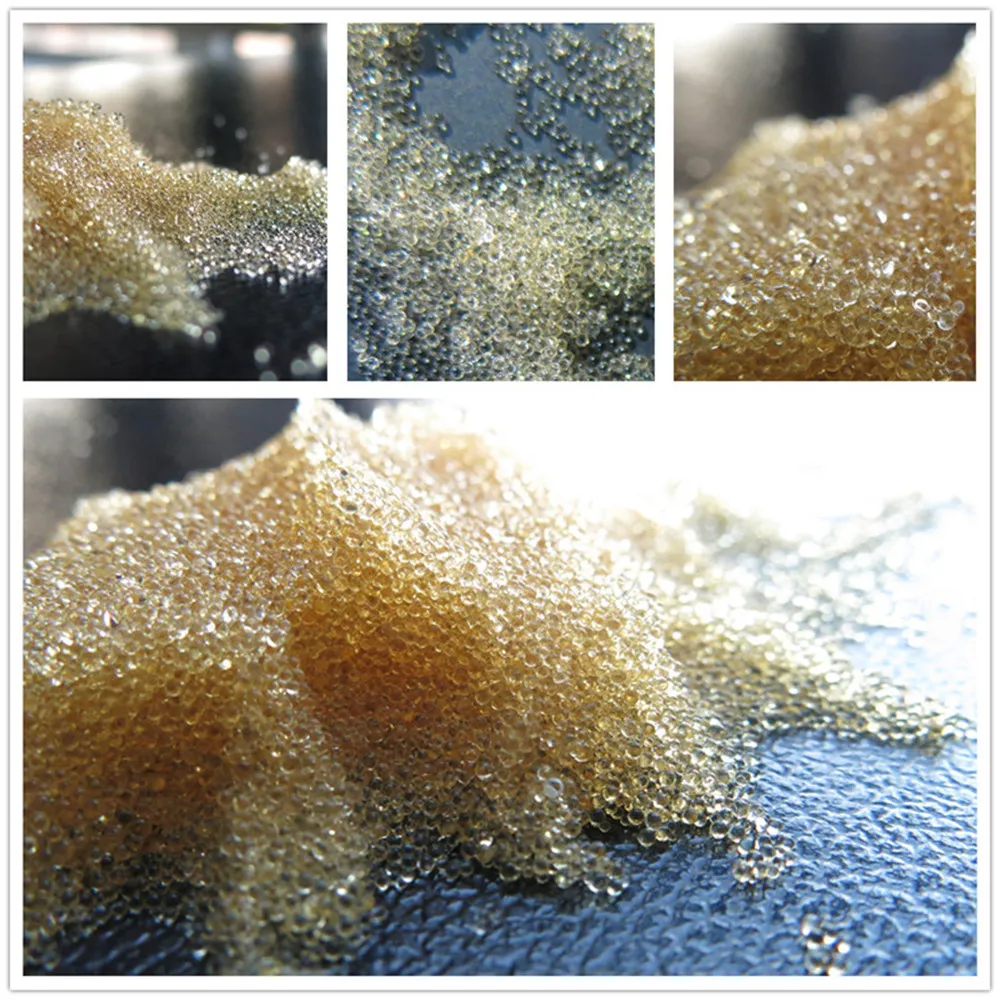
Black water softener resin isn’t a different type of resin, but rather a resin that contains iron removal media. It’s typically a polystyrene-based bead, chemically engineered to attract and hold onto calcium and magnesium ions. The 'black' color comes from the inclusion of specialized media designed to simultaneously remove iron, manganese, and hydrogen sulfide from the water, which cause staining and unpleasant odors. This makes it a versatile solution for homes and businesses with iron-rich water sources. The ion exchange process is reversible, allowing the resin to be regenerated with a brine solution (saltwater), restoring its softening capacity.
Key Highlights: Black resin combines water softening with iron removal, providing a comprehensive water treatment solution. It’s a cost-effective way to improve water quality and protect plumbing and appliances.
Using black water softener resin offers numerous benefits. Firstly, it provides consistently soft water, which is gentler on skin and hair, and improves the efficiency of soaps and detergents. Secondly, and uniquely, it eliminates iron and manganese, preventing staining of fixtures, laundry, and dishes. It also reduces scale buildup in pipes, water heaters, and appliances, extending their lifespan and reducing energy consumption. Furthermore, removing hydrogen sulfide eliminates unpleasant odors, resulting in more palatable drinking water. Investing in this resin is an investment in the longevity of your home’s water systems and your overall quality of life.
Key Advantages:
• Softens water and removes hardness minerals (calcium & magnesium).
• Eliminates iron, manganese, and hydrogen sulfide.
• Prevents scale buildup and protects appliances.
• Improves soap efficiency and water palatability.
While standard water softener resin effectively addresses water hardness, it doesn’t tackle iron, manganese, or hydrogen sulfide. This means that if your water source contains these contaminants, you’ll need a separate filtration system. Black water softener resin consolidates these functions into a single unit, simplifying your water treatment process and potentially saving you money. It’s an ideal solution for well water or areas with naturally high iron content.
Selecting the appropriate black water softener resin requires careful consideration of your water chemistry and specific needs. The iron content, pH level, and flow rate are all important factors. Lijiresin offers a variety of resins formulated for different conditions. Consider the size of your household or business to determine the necessary resin capacity. It’s also crucial to ensure compatibility with your existing water softener system. Proper sizing and installation are essential for optimal performance.
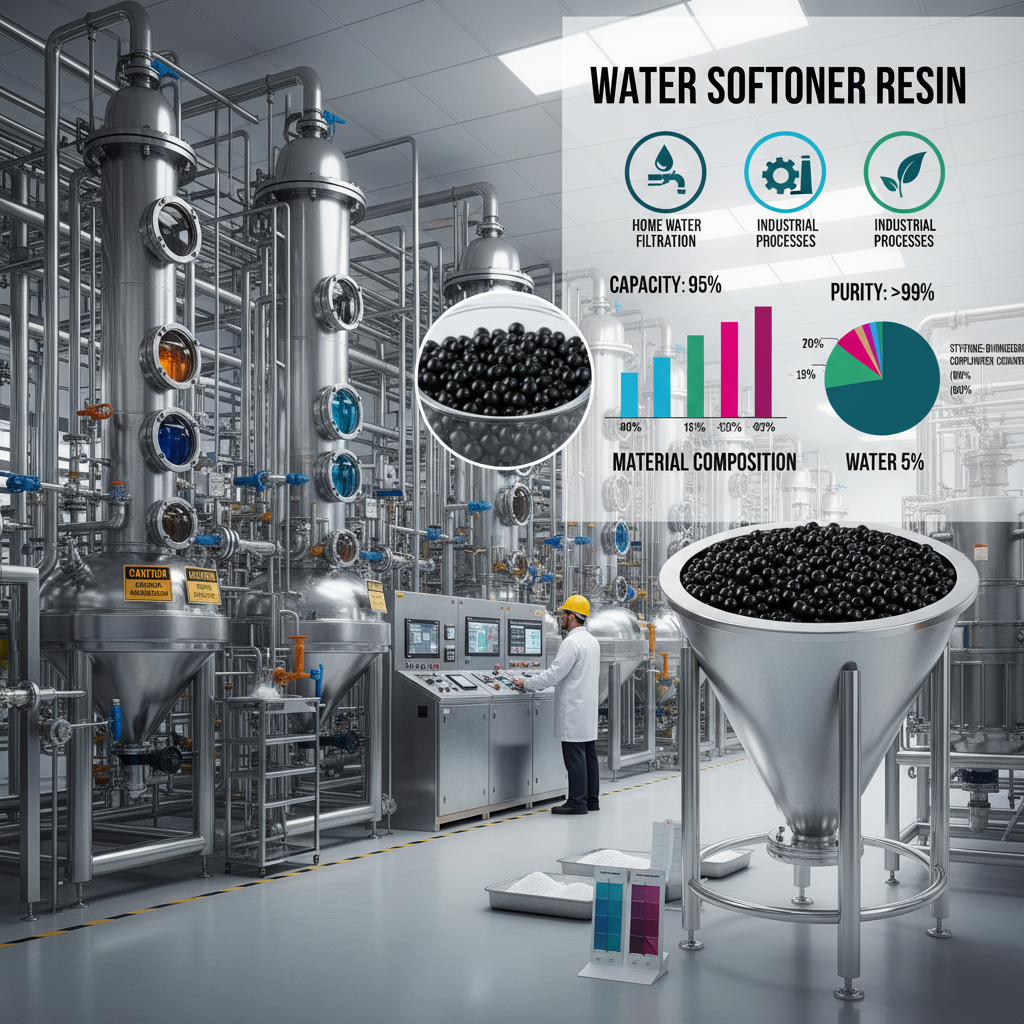
Here’s a general overview of the typical specifications for our black water softener resin. Keep in mind that specific values can vary slightly depending on the grade and application.
Choosing a black water softener resin from Lijiresin is a smart investment for anyone seeking comprehensive water treatment. It's a cost-effective and efficient solution for removing hardness, iron, manganese, and hydrogen sulfide, ensuring clean, great-tasting water and protecting your plumbing and appliances. Contact us today for expert advice and to find the perfect resin for your specific needs.
The frequency of regeneration depends on your water hardness, iron content, and water usage. Typically, regeneration is required when the resin becomes saturated with hardness minerals and iron. Most systems are set to regenerate automatically based on water usage or a timed schedule. Monitor your water quality and adjust the regeneration settings accordingly. Using a high-quality brine and maintaining a proper brine tank level are essential for effective regeneration. You can check with Lijiresin for suggested regeneration frequencies based on your water analysis.
With proper care and maintenance, black water softener resin can last 7-10 years, or even longer. Factors affecting lifespan include water quality, regeneration frequency, and the presence of oxidizing agents. Avoid exposing the resin to high temperatures or harsh chemicals. Regular cleaning of the brine tank and ensuring proper water flow through the resin bed can also extend its lifespan.
It's recommended to use high-purity salt specifically designed for water softeners. Avoid using rock salt, which contains impurities that can damage the resin and reduce its efficiency. Evaporated salt pellets are the preferred choice, as they dissolve readily and leave minimal residue. Potassium chloride is an alternative to sodium chloride, especially for individuals on a sodium-restricted diet.