Phone:
+86 0319 2296164


Email:
info@lijiresin.cn
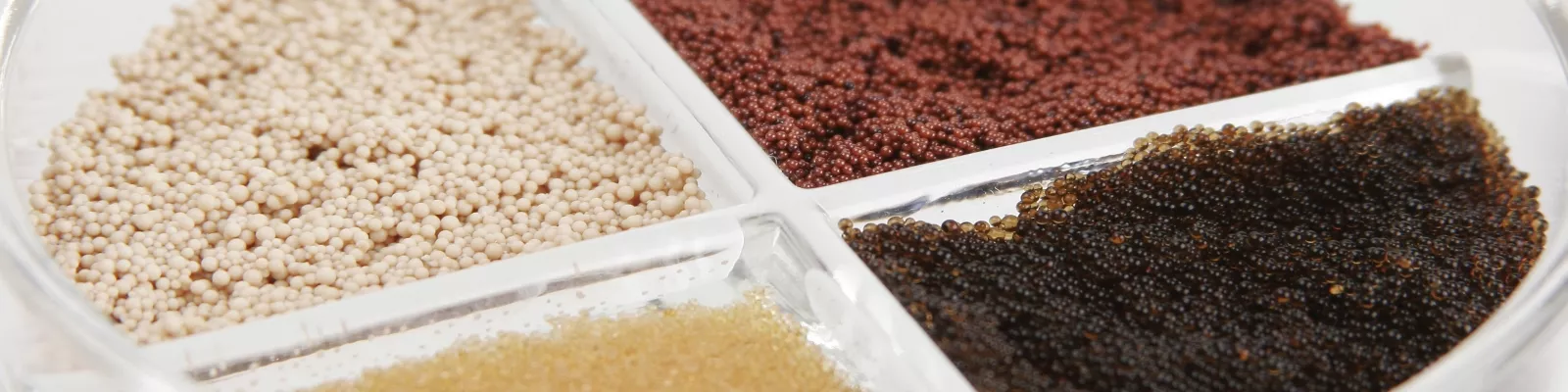
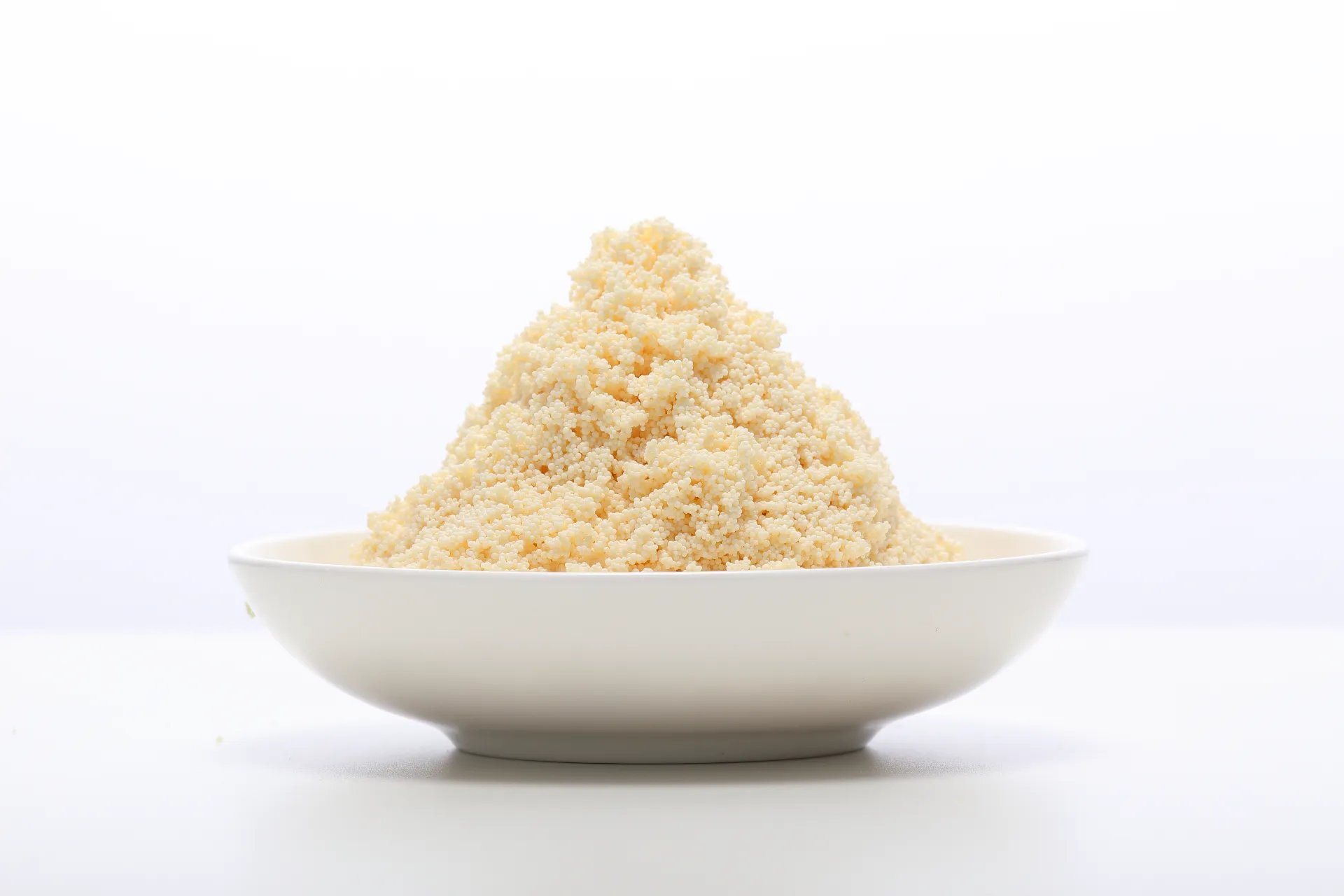
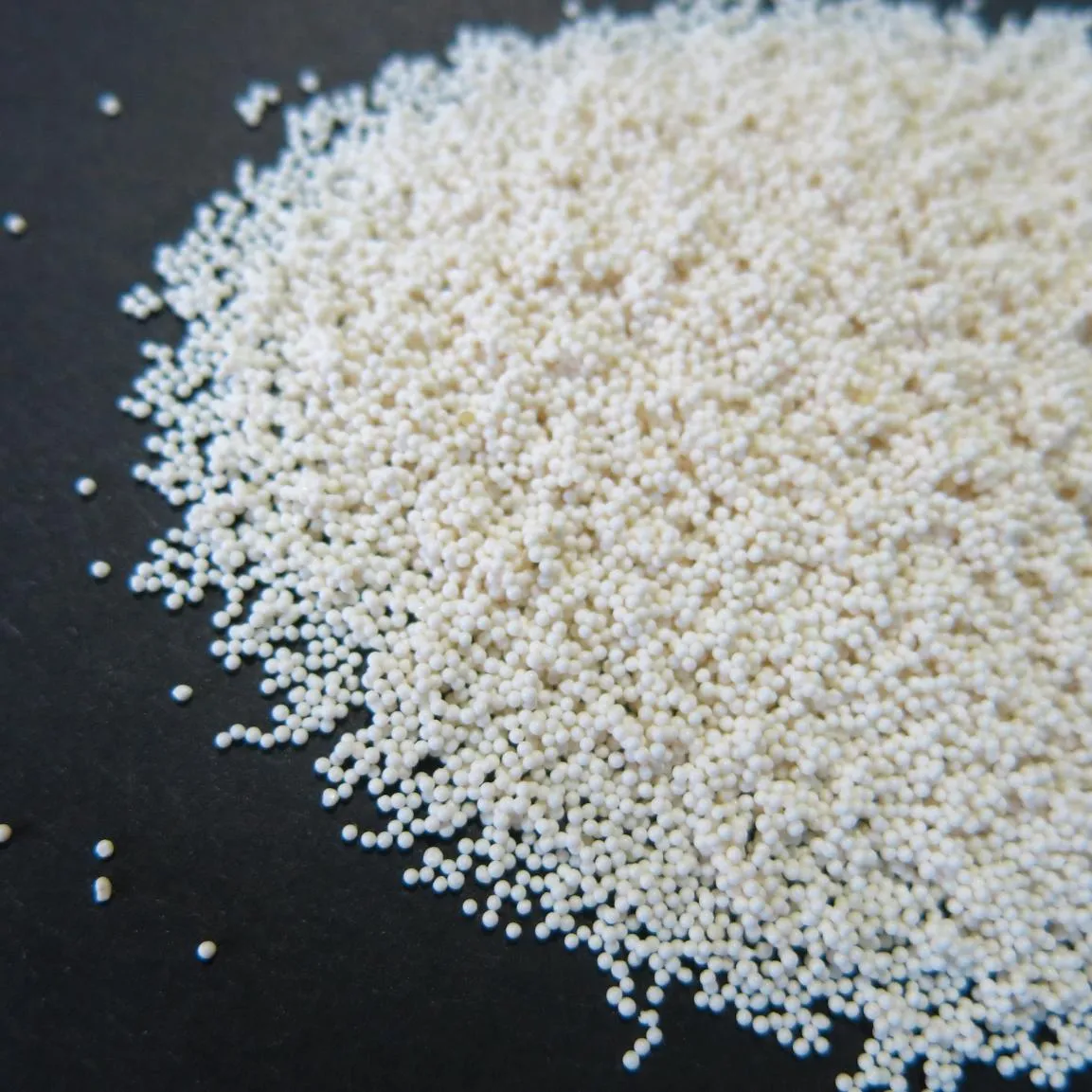
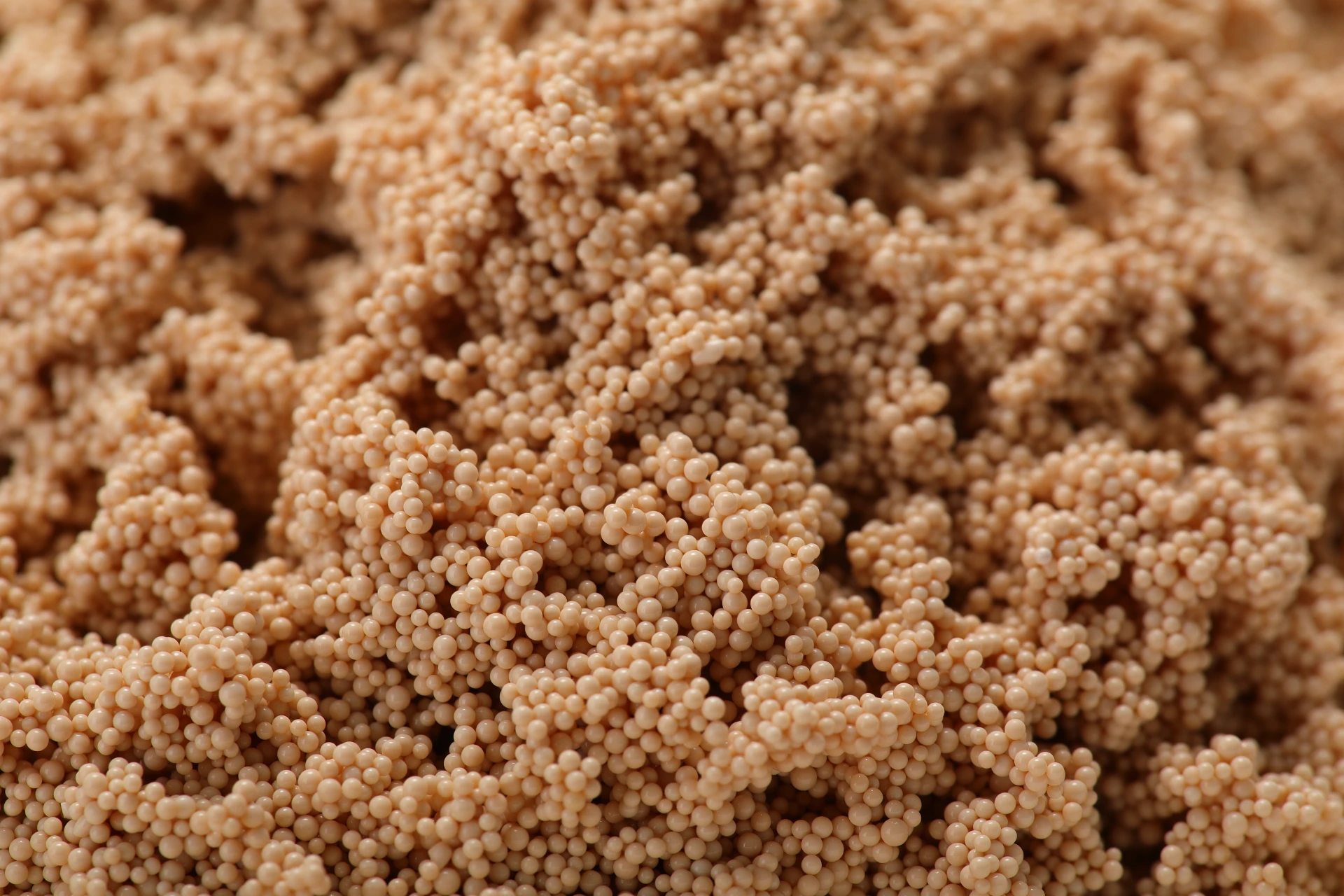
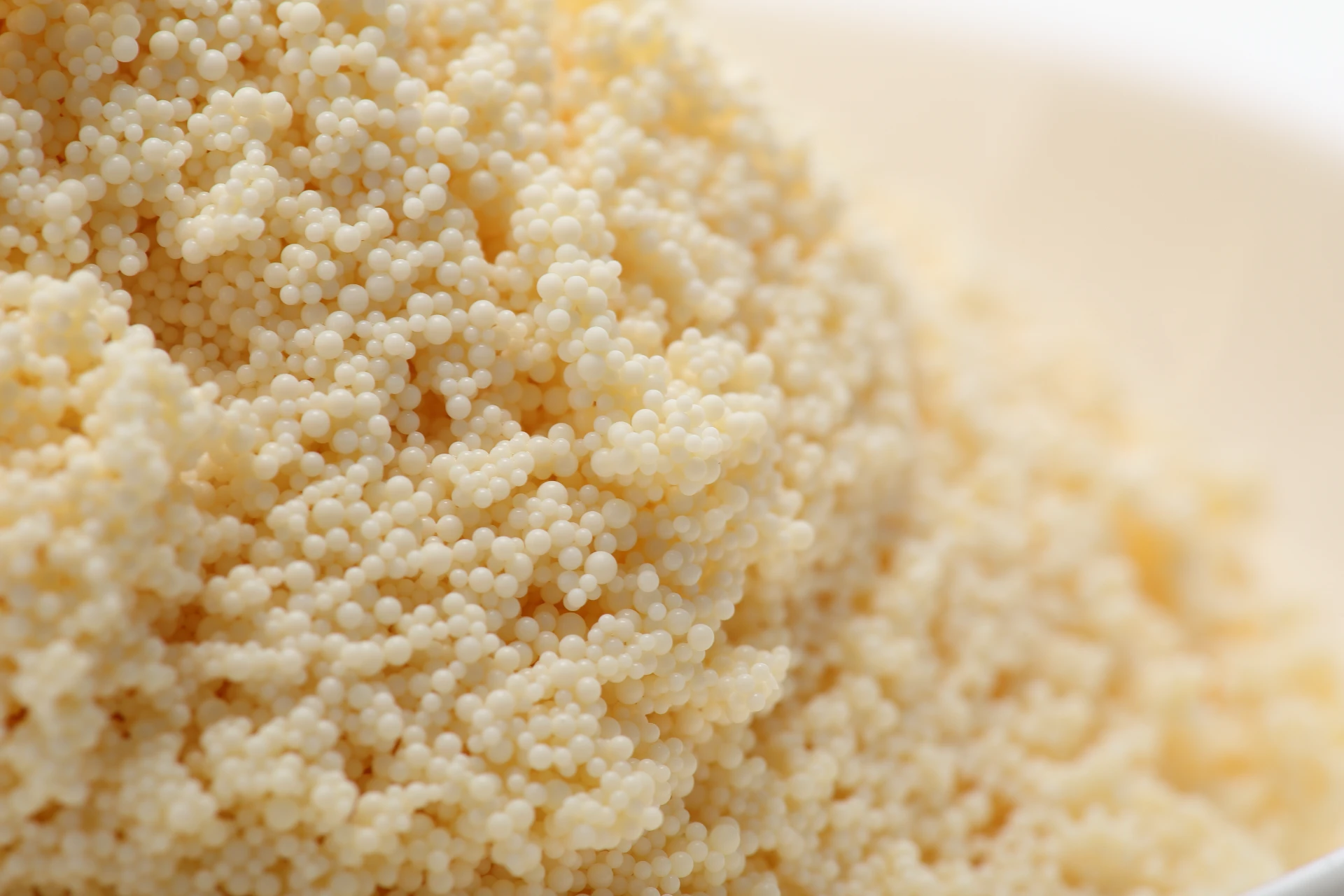
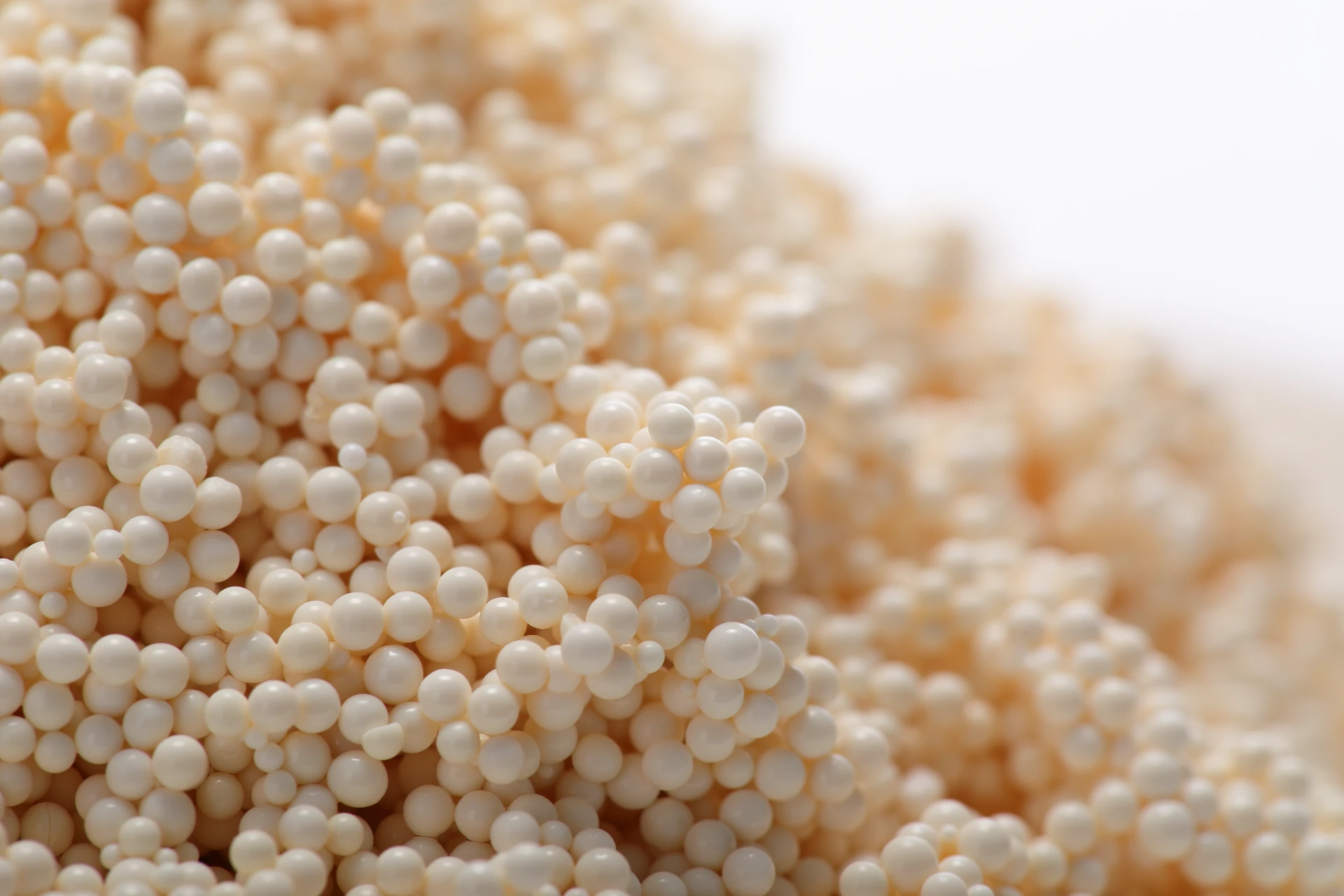
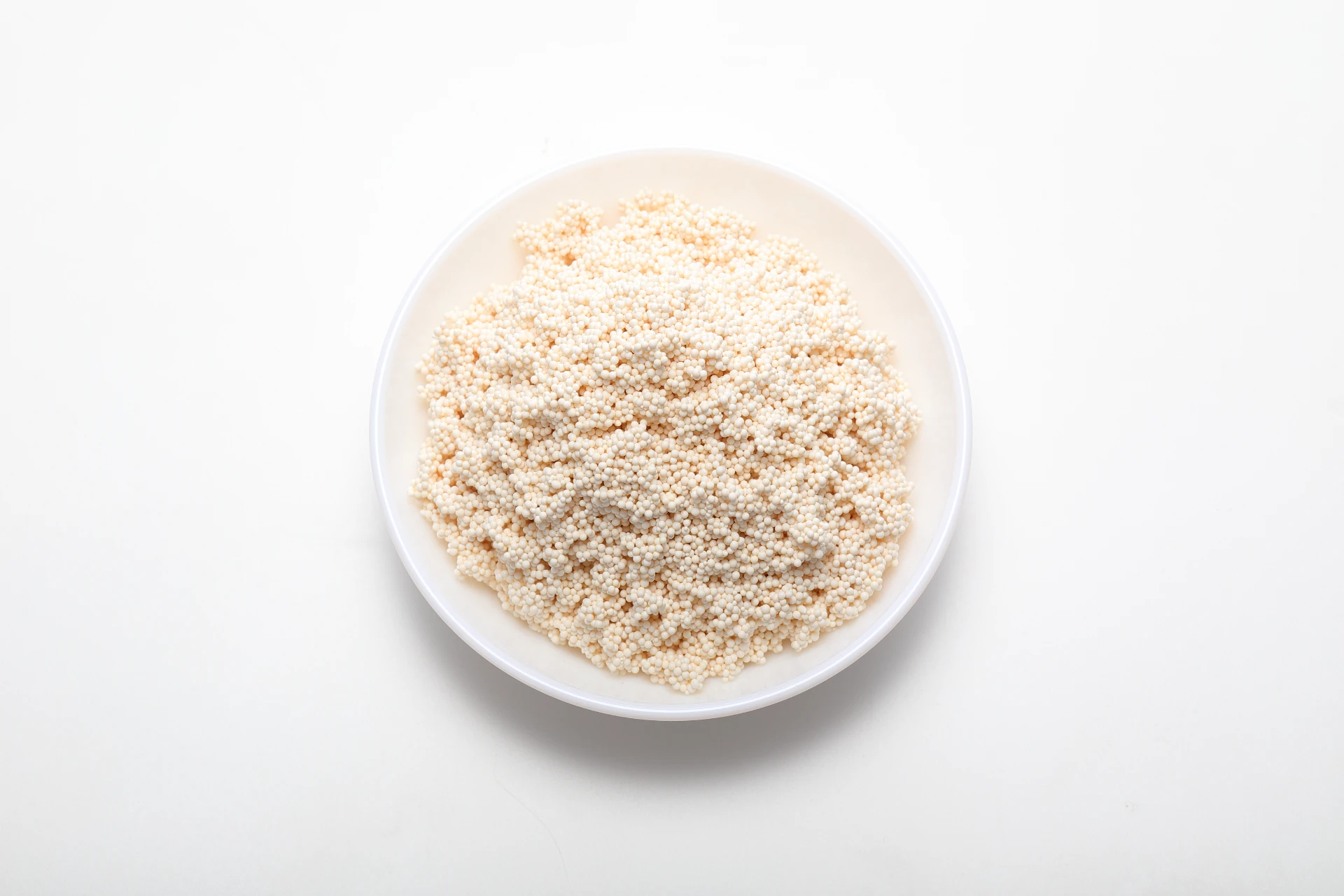
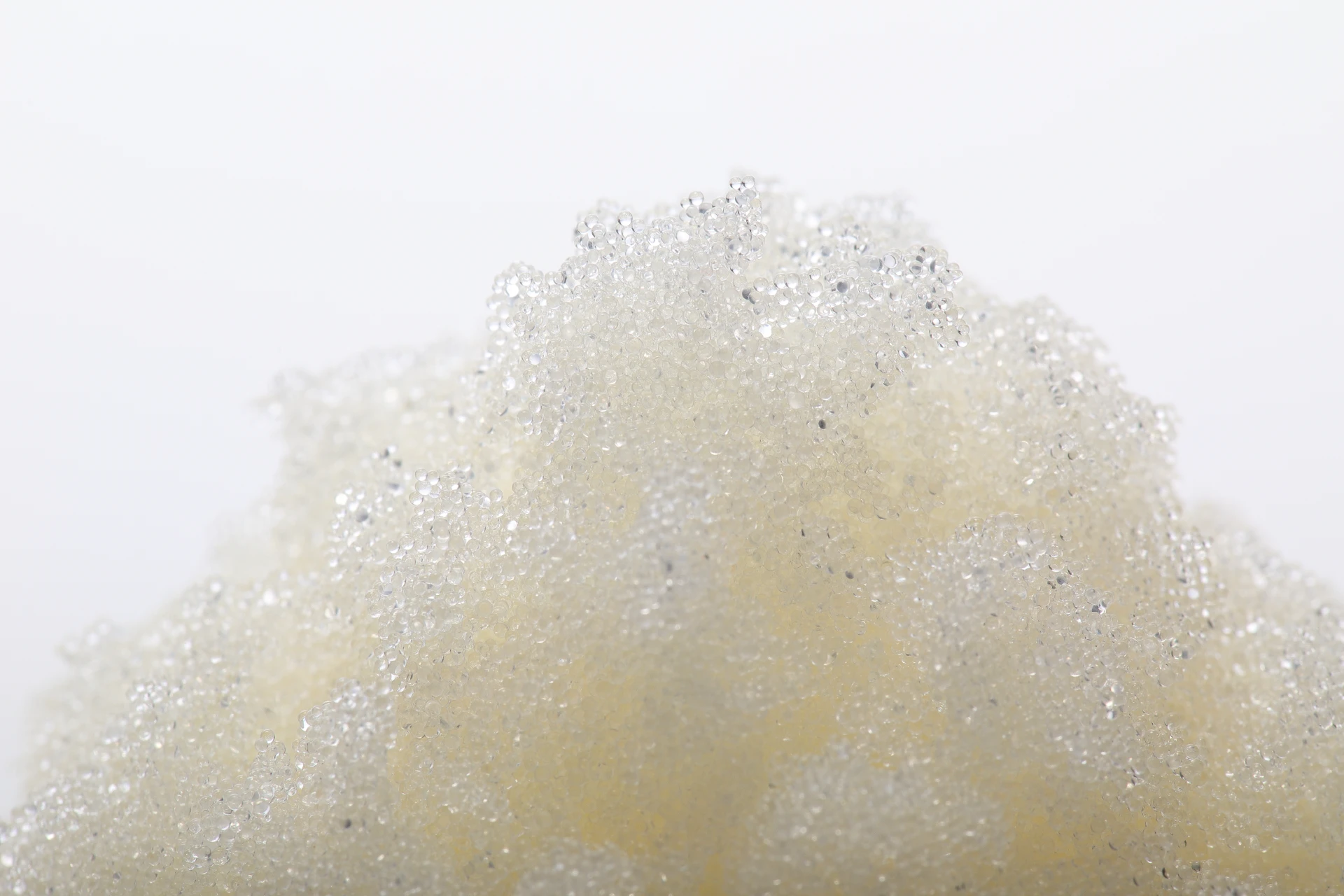
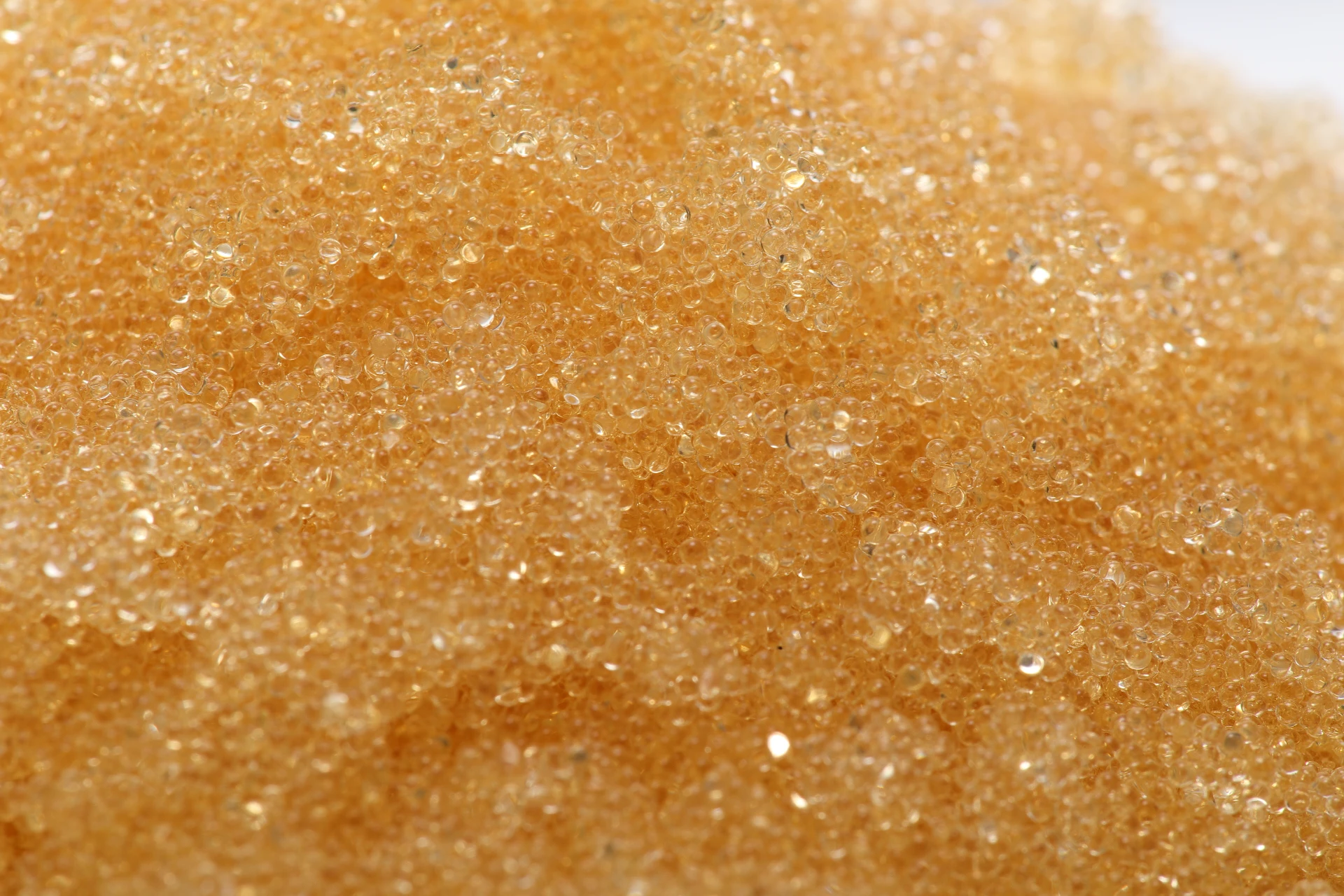
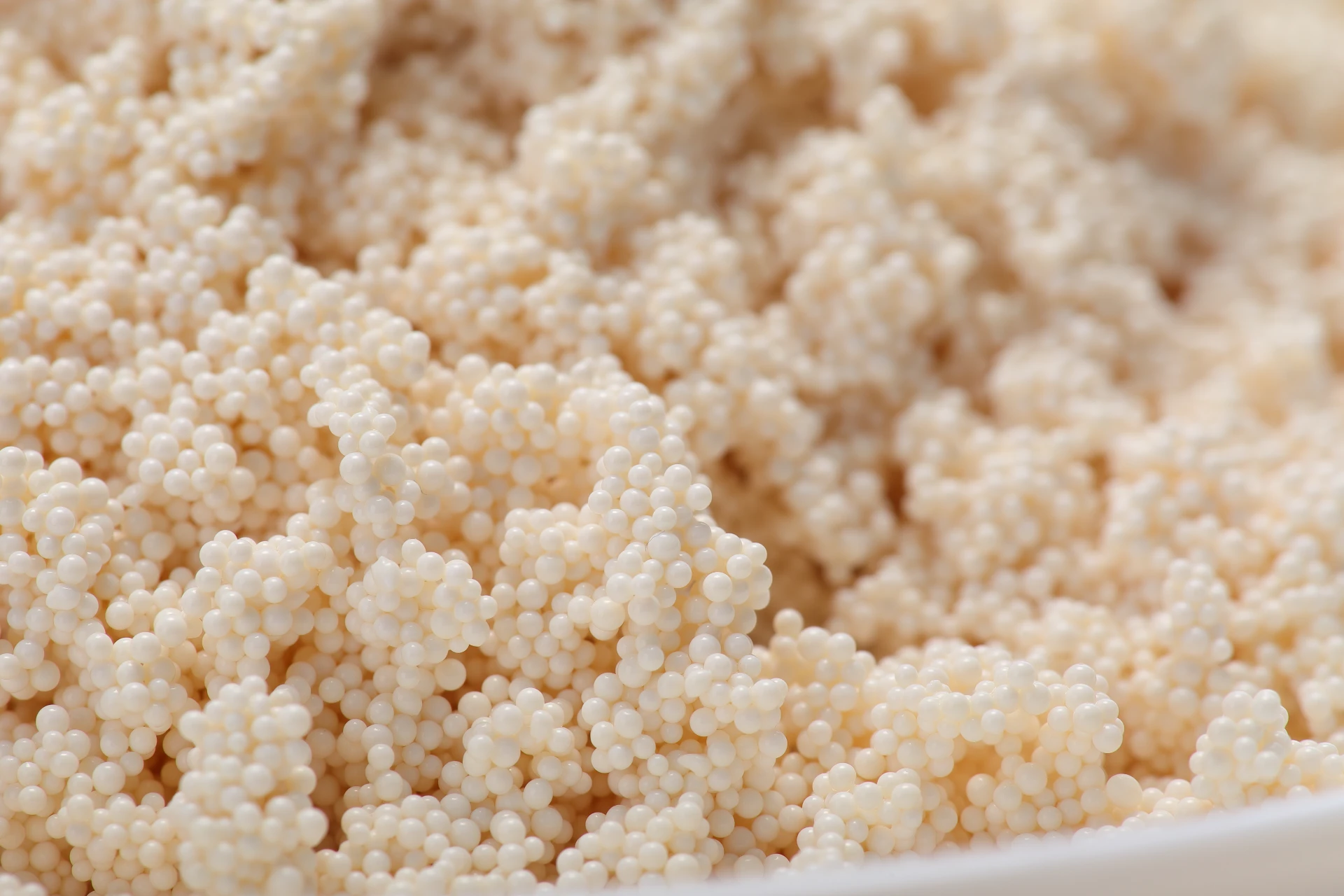
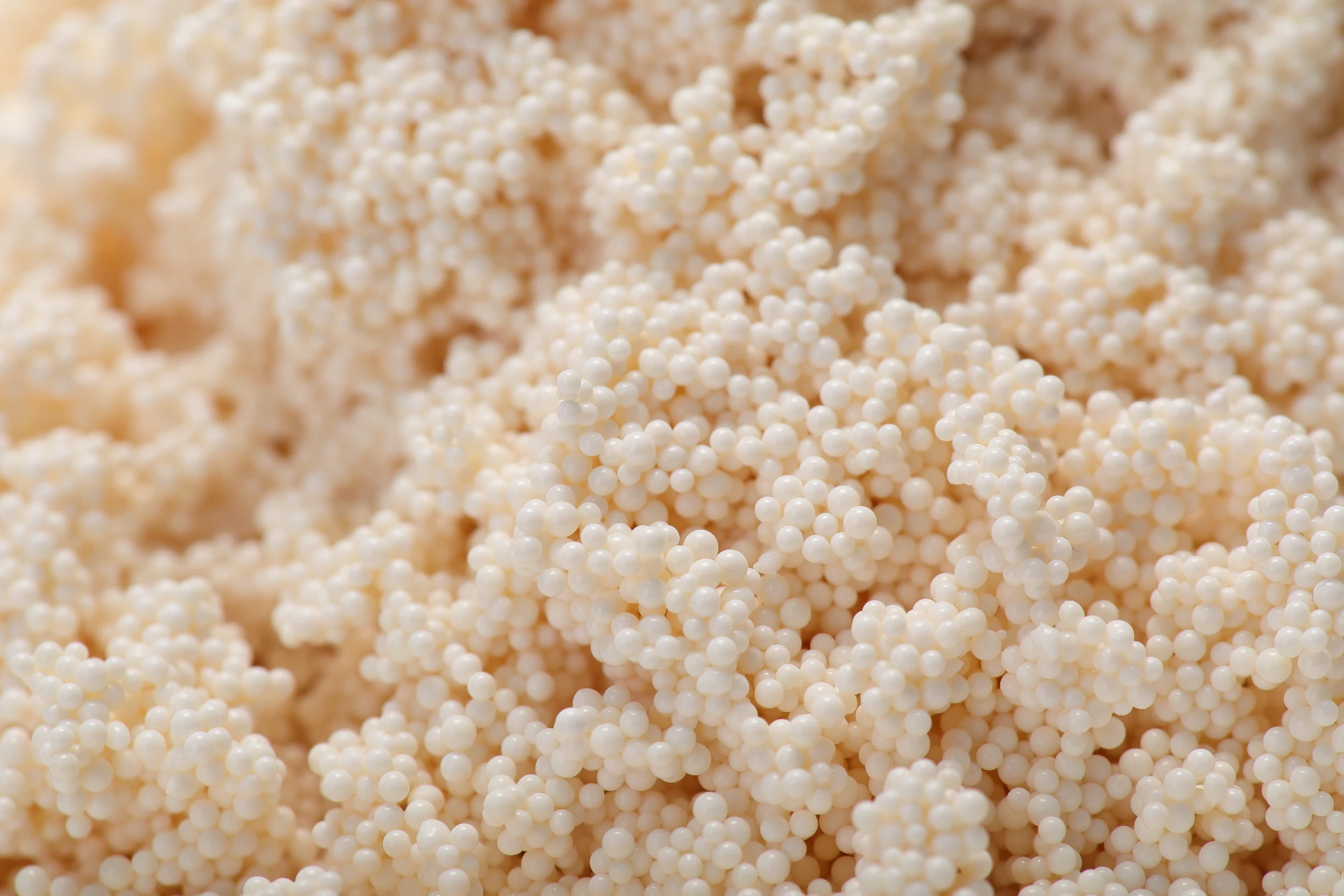
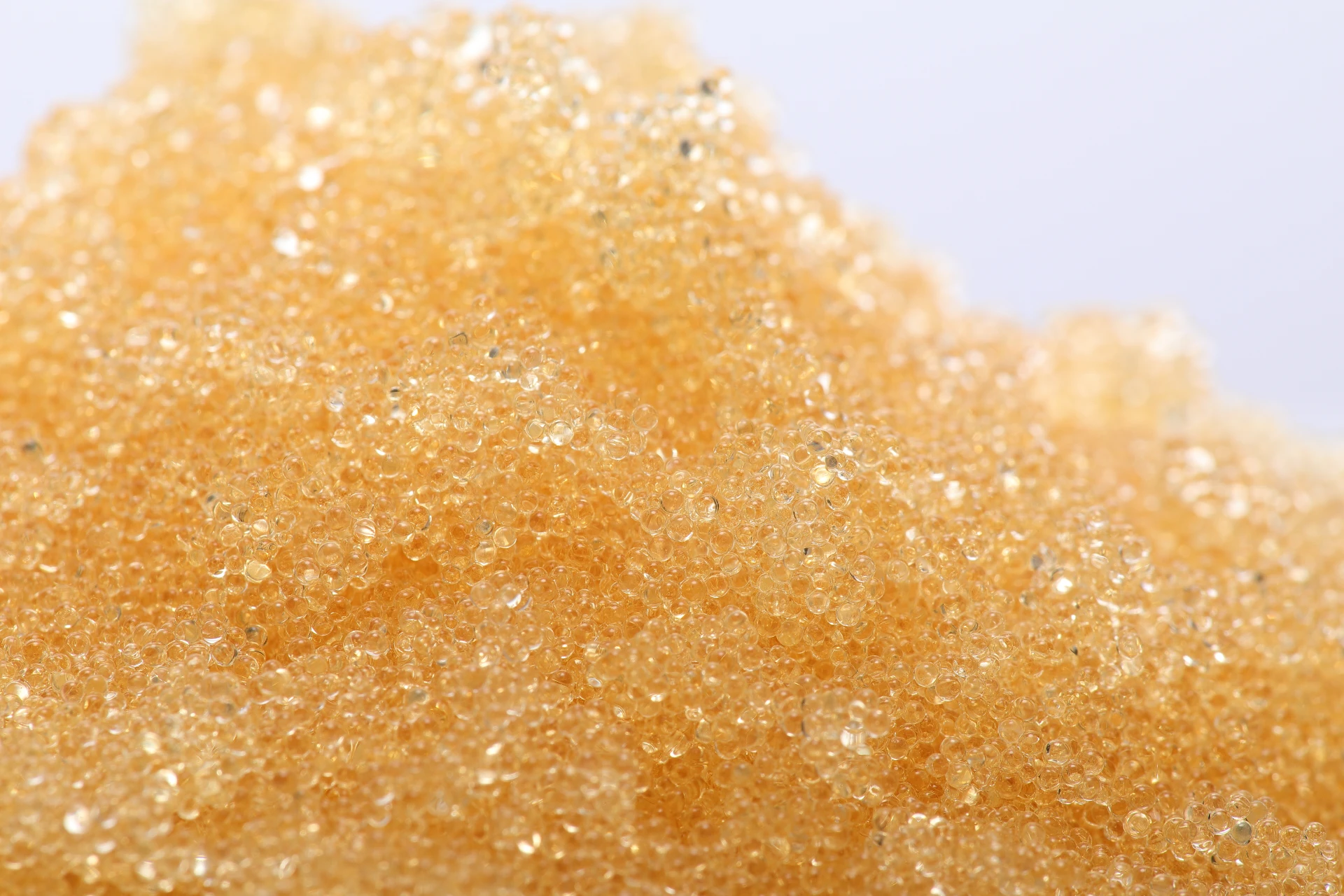
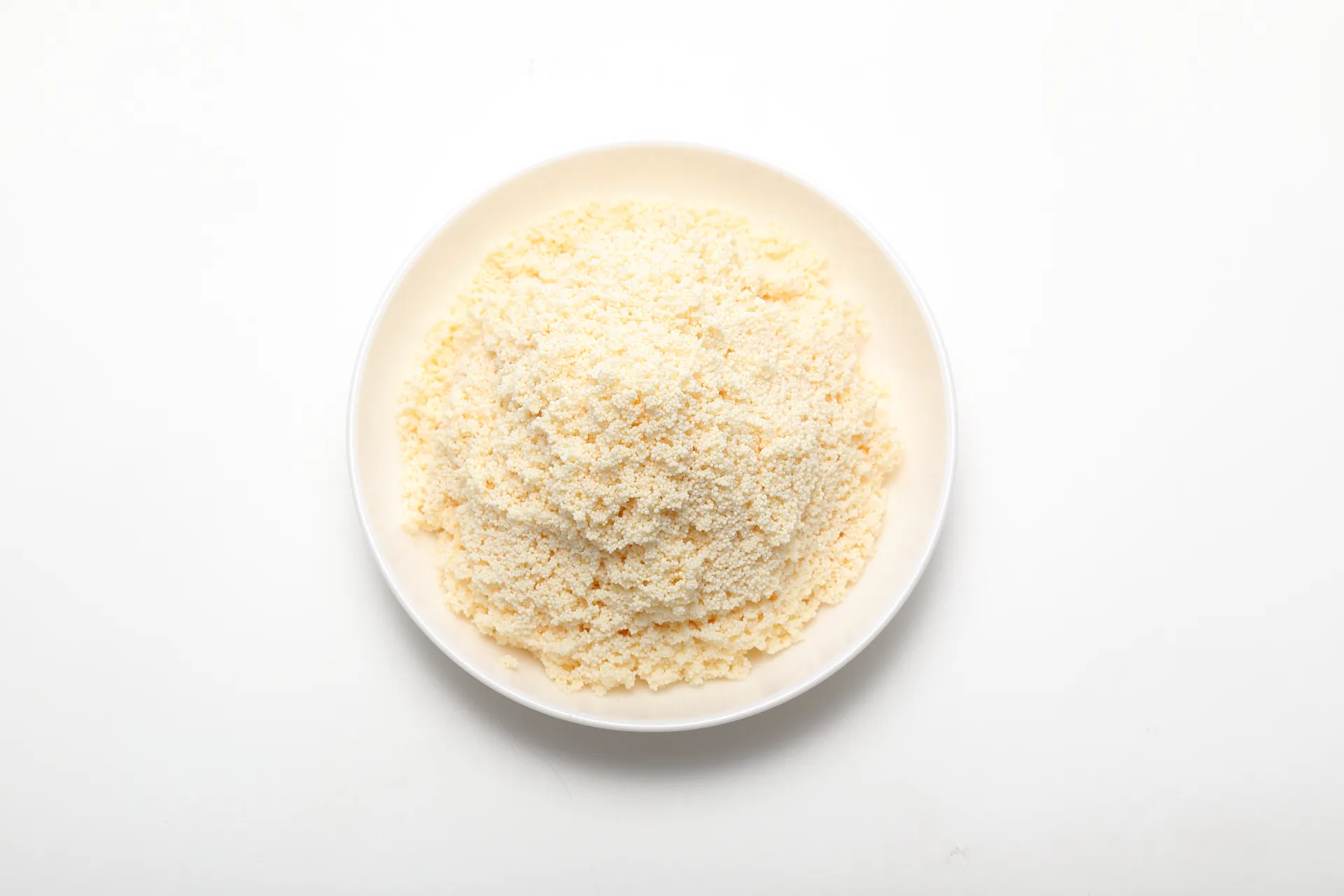
If you’re evaluating weak acid cation exchange resin for dealkalization or metal recovery, you’re not alone. Plants I visit—from beverage to boiler houses—are quietly swapping in acrylic WAC resins for better fouling resistance and more forgiving regeneration. One model that pops up a lot is D113 FC, made in Hebei Province, China (NO.2 East Jianshe Road, High-Tech Industrial Development South Zone, Wei County, Xingtai). It’s a carboxylic resin on a porous acrylic matrix, and yes, it’s built for bicarbonate/carbonate removal and selective metals work.
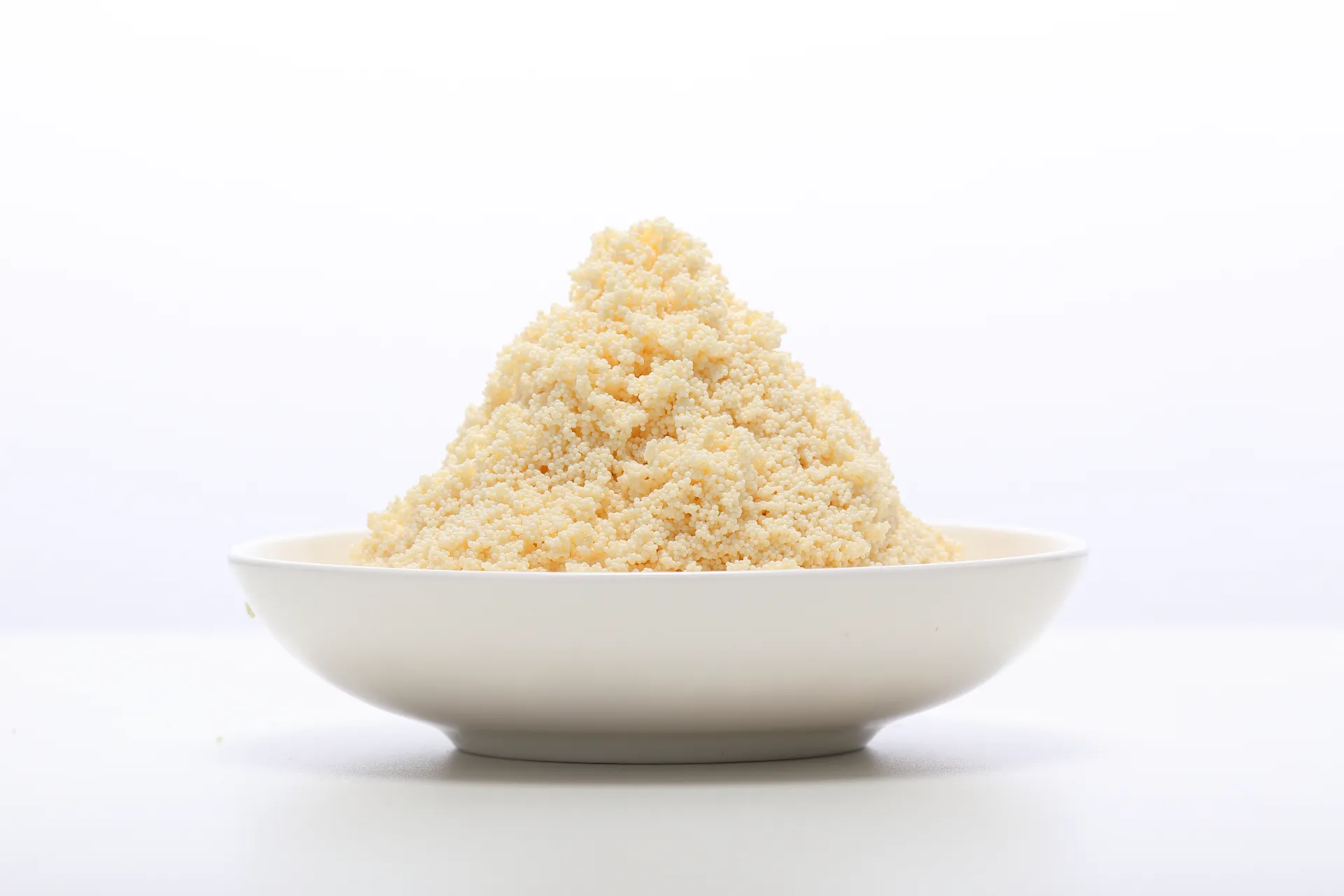
Honestly, the trend is toward lower acid consumption, simpler automations, and resins that forgive the occasional upset. Acrylic matrices help with organic fouling; plants aim for shorter EBCTs without losing removal efficiency. Sustainability is not fluff—acid reuse loops and smarter rinse profiles are now standard conversations. Surprisingly, many customers say the pressure drops on modern weak acid cation exchange resin beds are steadier than they expected, even at higher service velocities.
| Parameter | Typical value (≈, real-world use may vary) |
|---|---|
| Matrix / Functional group | Macroporous acrylic copolymer / Carboxylic (-COOH) |
| Ionic form (as shipped) | H+ |
| Total exchange capacity | ≈4.0–4.6 eq/L (wet, H+) |
| Moisture retention | 50–60% |
| Particle size / UC | 0.315–1.25 mm / UC ≤1.6 |
| Shipping weight | ≈730 g/L |
| Operating pH / Max temp | 0–14 (best 4–10) / up to 120°C |
| Regenerants | HCl 4–6% or H2SO4 1–4% |
| Service life | ≈3–5 years (feed quality dependent) |
| Origin | Xingtai, Hebei, China |
- Industrial water: boiler-feed dealkalization, RO pretreatment decarbonation
- Metals: zinc/nickel waste recovery (selective uptake in mild pH windows)
- Biochemical separation: gentle carboxylic chemistry helps with purification steps
Advantages people cite: lower acid use than SAC dealkalizers, broader pH tolerance, and better organic fouling resistance. With weak acid cation exchange resin, you also get friendlier regenerations and fewer chloride corrosion headaches when optimized.
| Vendor / Model | Matrix | Capacity (eq/L) | Notes |
|---|---|---|---|
| D113 FC (Liji Resin) | Acrylic, macroporous | ≈4.0–4.6 | Good organics tolerance; China-based lead times can be short. |
| Amberlite IRC series | Acrylic | ≈4.0–4.5 | Broad distributor network; premium pricing in some regions. |
| Purolite C104/C106 | Acrylic | ≈4.1–4.6 | Strong tech support; good spec documentation. |
| Lewatit S 8xxx | Acrylic | ≈4.0–4.5 | Consistent QC; Europe-focused availability. |
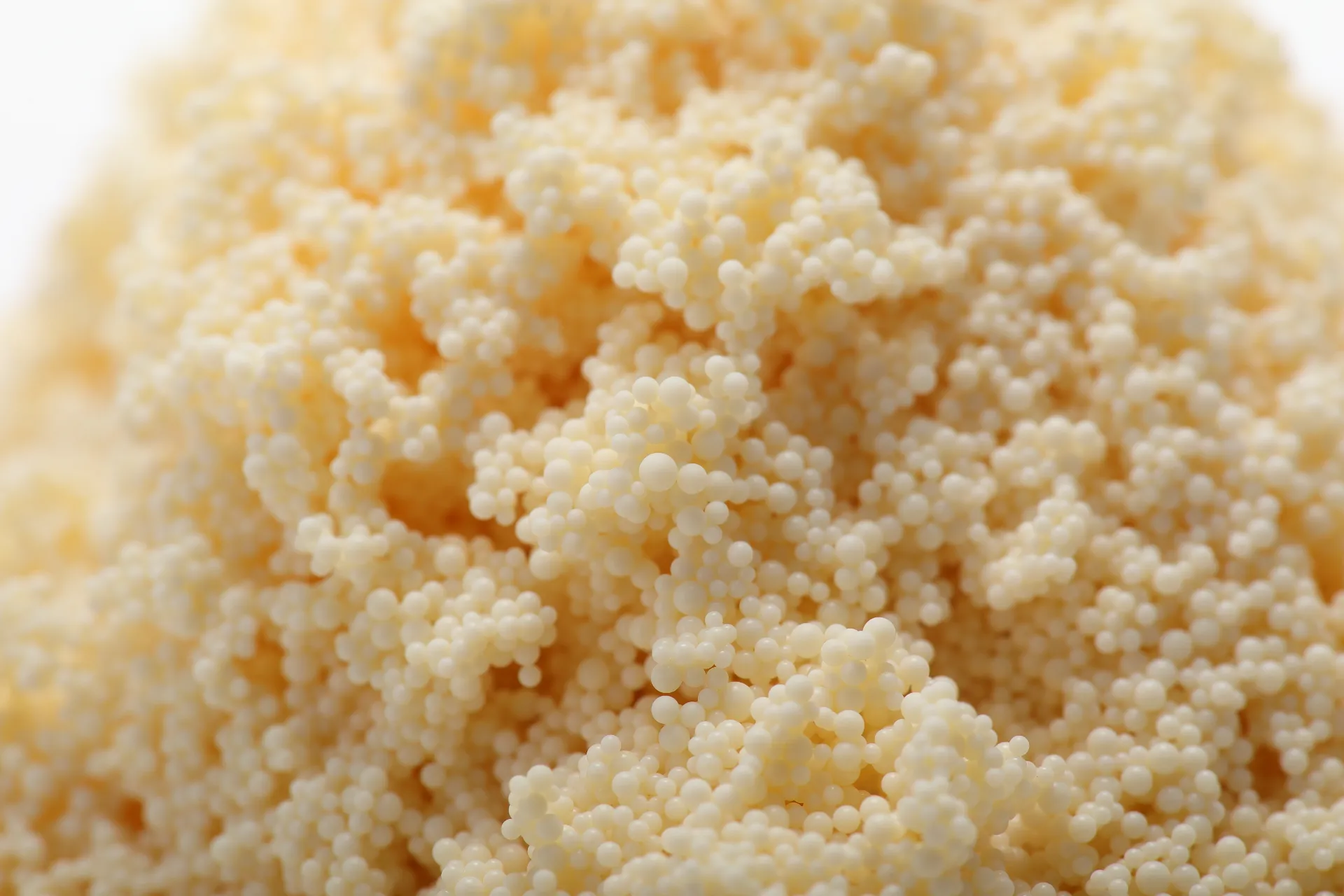
Custom options I’ve seen requested: tighter particle cuts for low pressure drop, reinforced bead strength for high-cycling softeners, and preconditioning in H+ form. Testing to ASTM D2187 is standard, with lot COAs reporting capacity, moisture, and bead integrity. For compliance, ask for ISO 9001:2015 QA evidence; NSF/ANSI 61 suitability is project-specific—verify per application. Some buyers also ask for REACH/RoHS statements.
- Beverage plant (RO pretreat): weak acid cation exchange resin cut alkalinity by ≈95% at 3 min EBCT; acid use dropped ~18% vs. legacy setup.
- Plating shop: zinc recovery improved, with clearer filtrate and less sludge; operators liked the “gentler” HCl regeneration profile.
Citations: