Phone:
+86 0319 2296164


Email:
info@lijiresin.cn
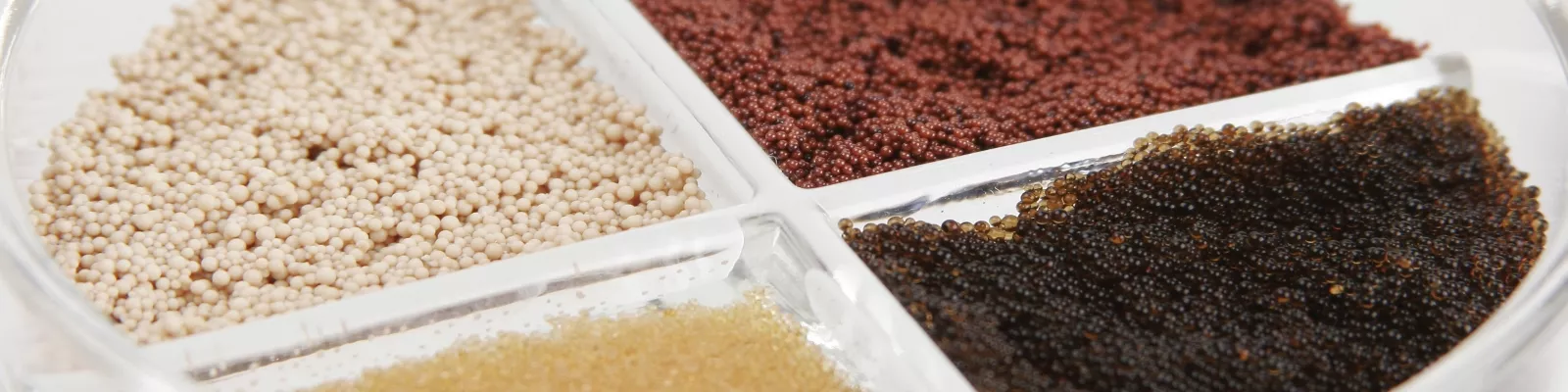
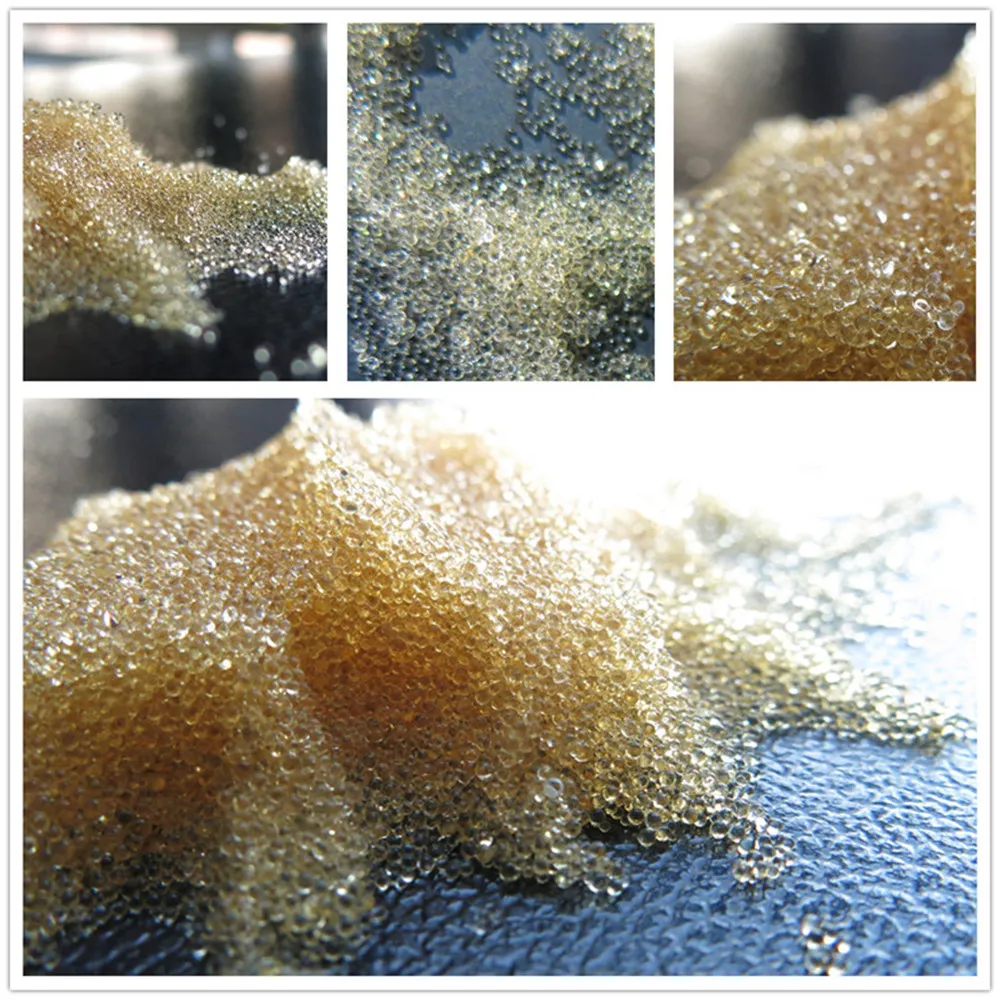
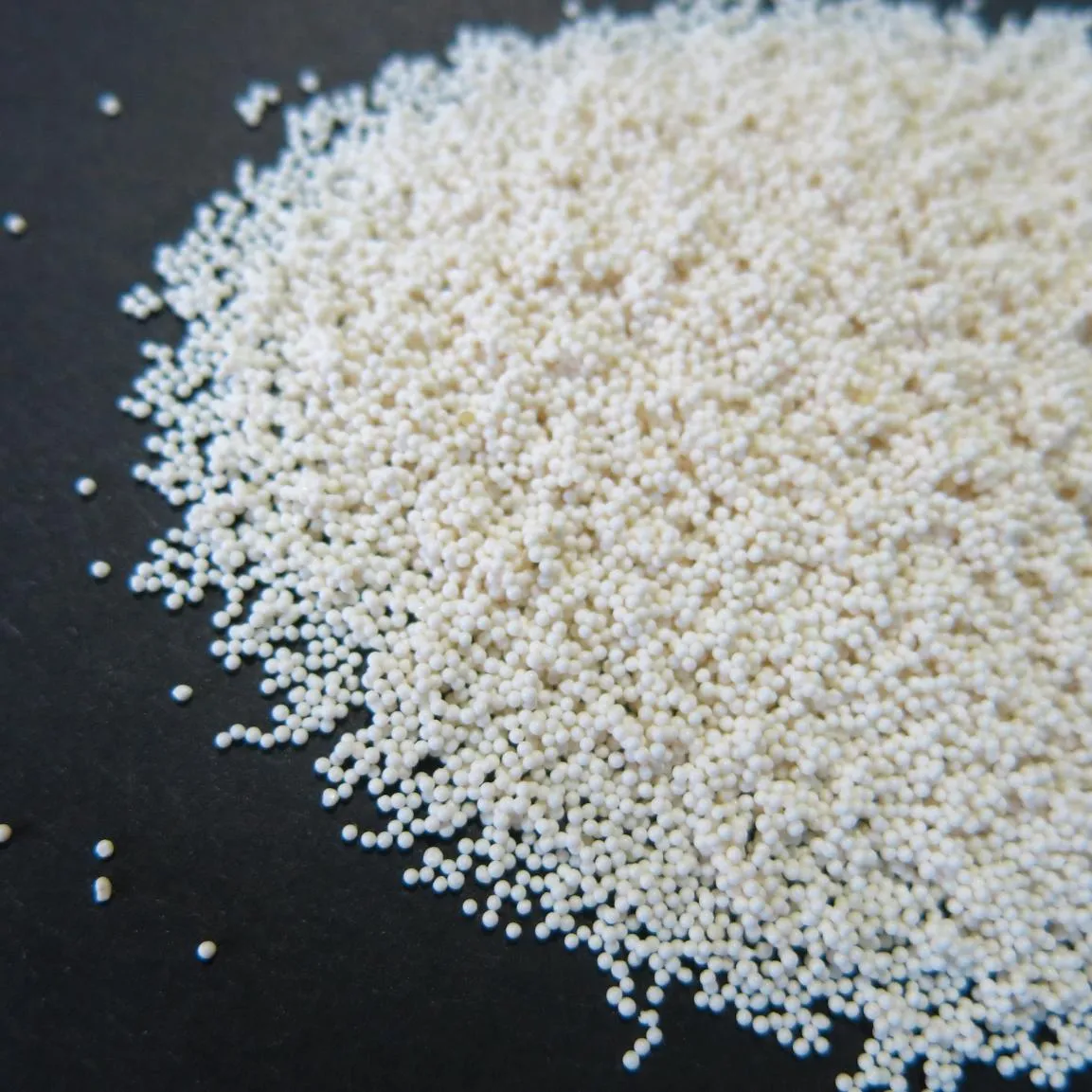
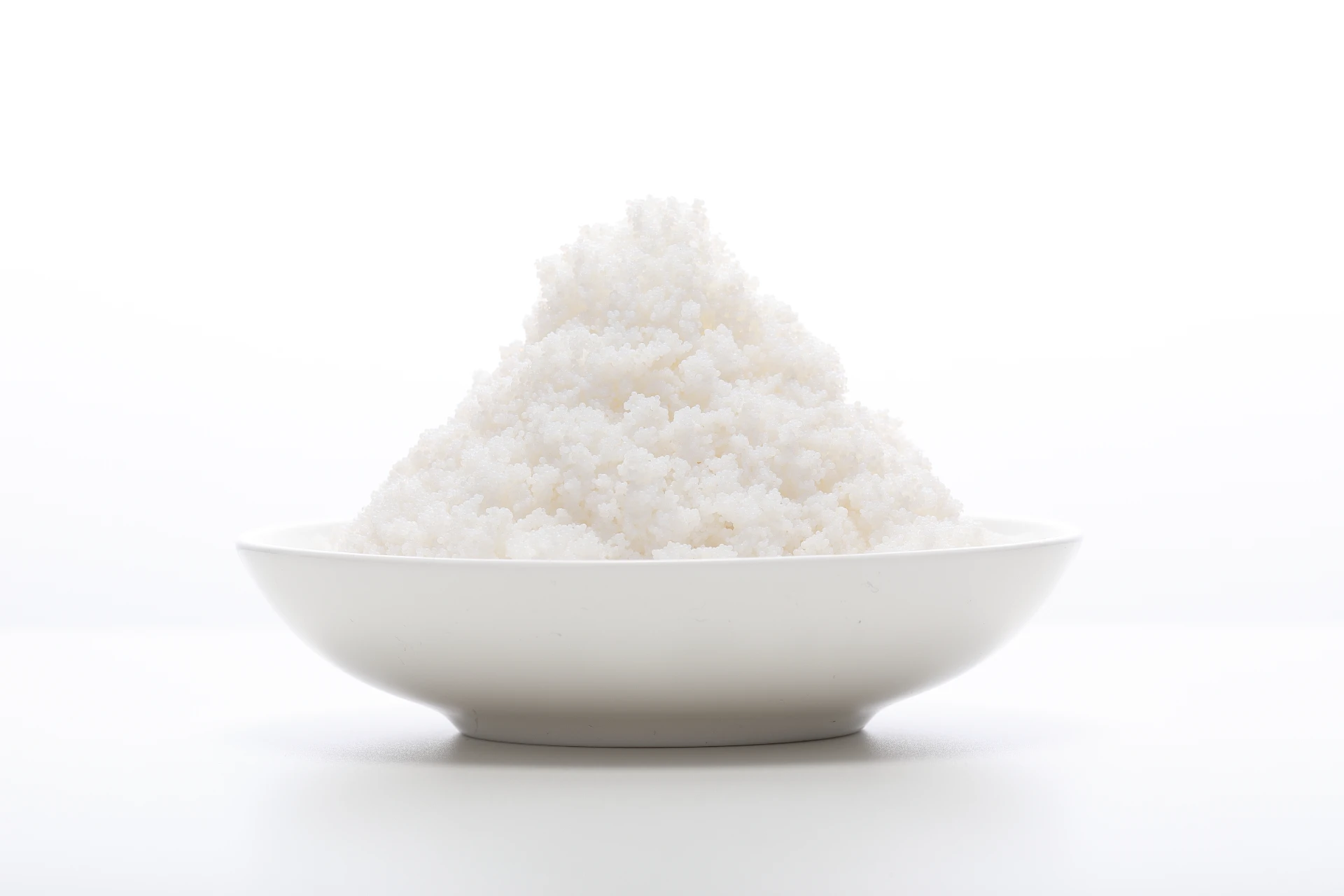
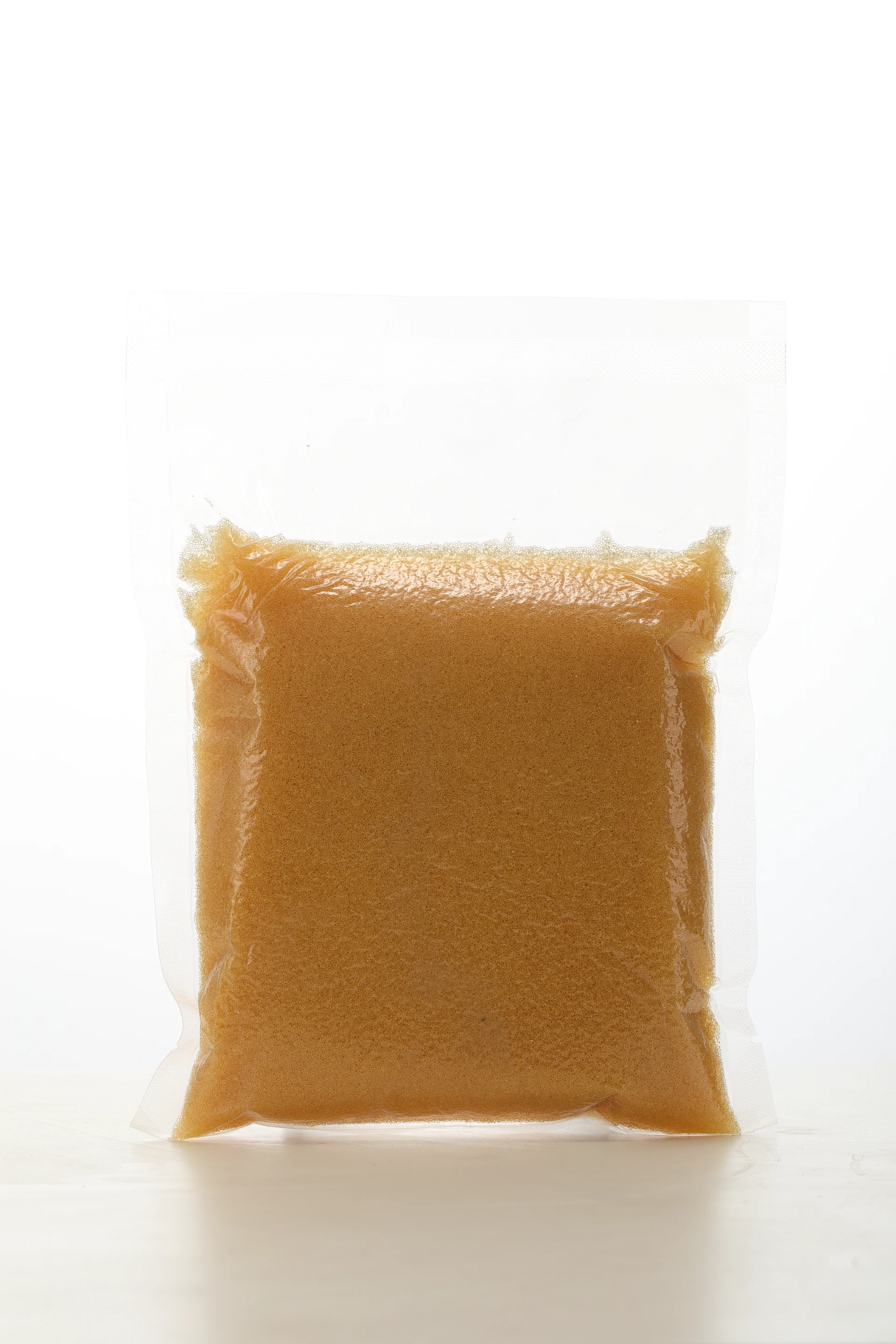
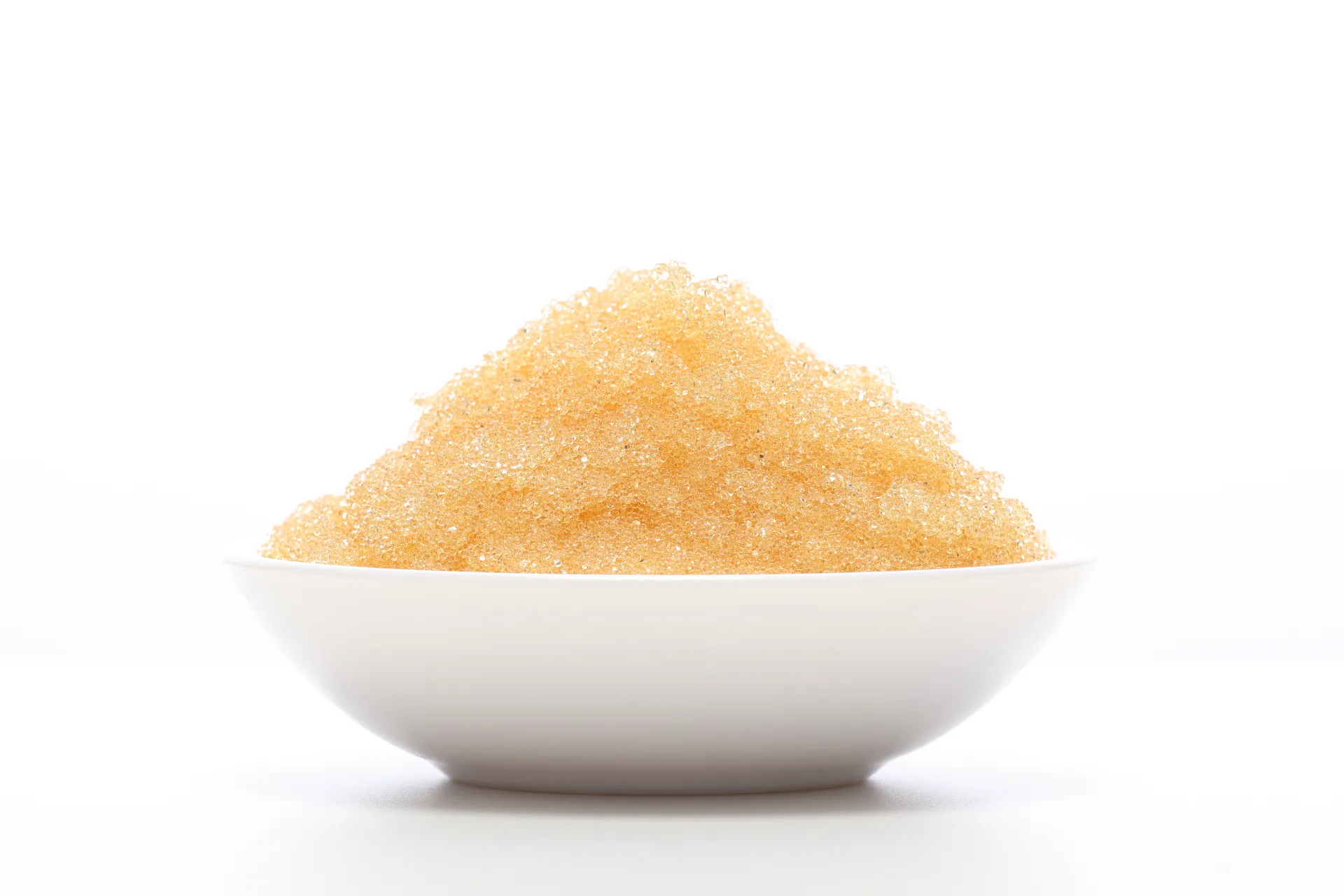
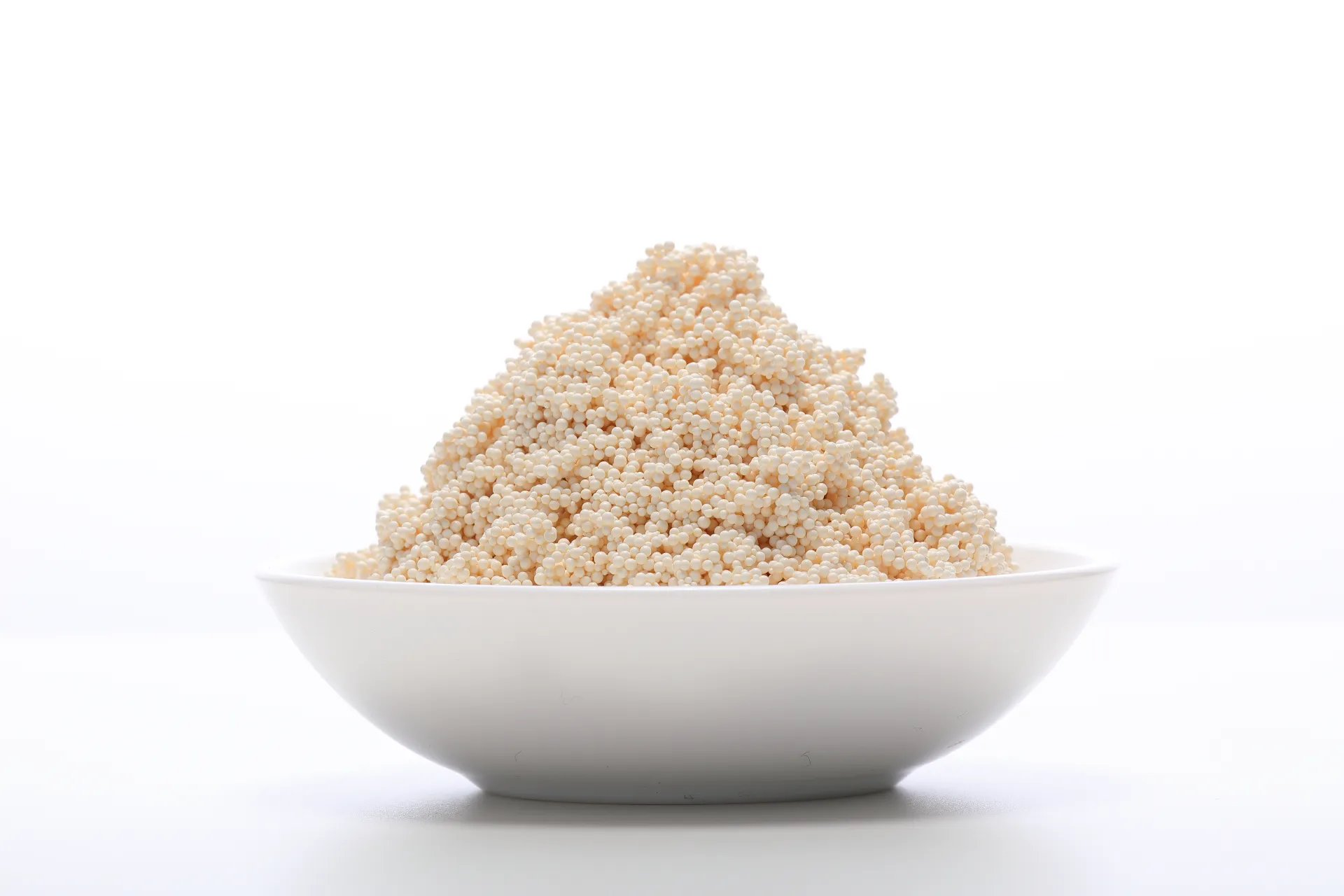
Acid Cation is a key solution in the chemical industry, specifically within Specialty Chemicals and ion exchange resin. This article explores how Hebei Lijiang Biotechnology Co.,Ltd. supports professionals with durable, high-performance products, and explains why this product is an ideal choice for businesses in these sectors.
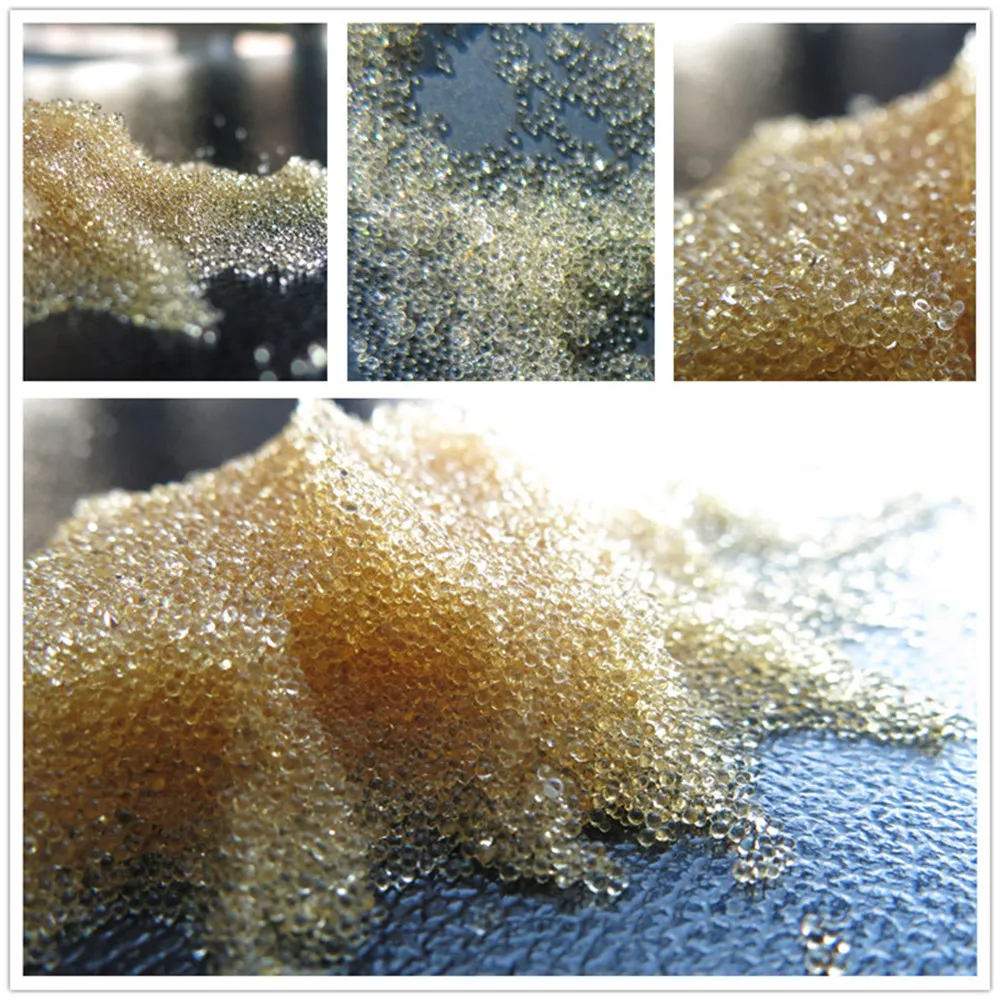
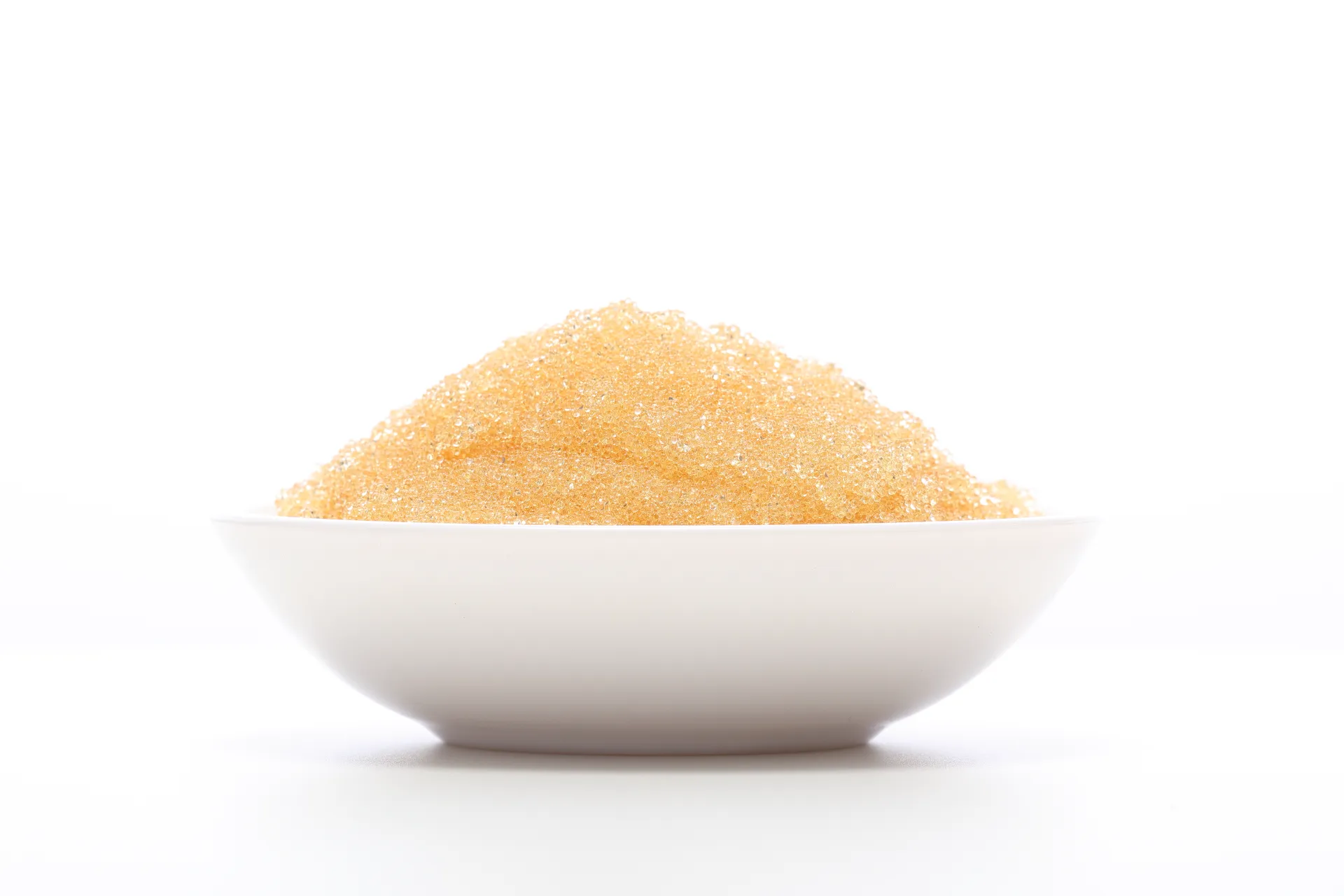
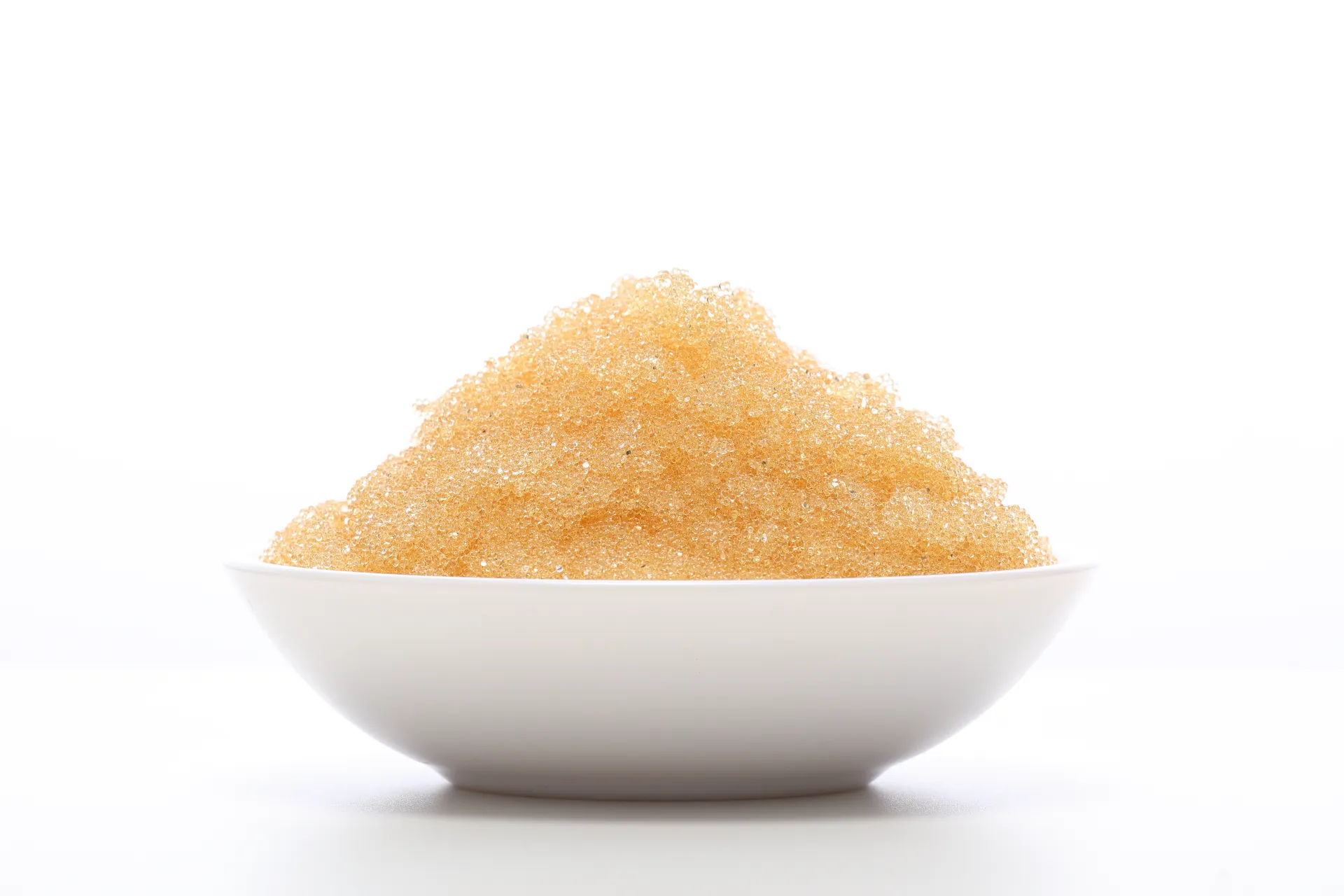
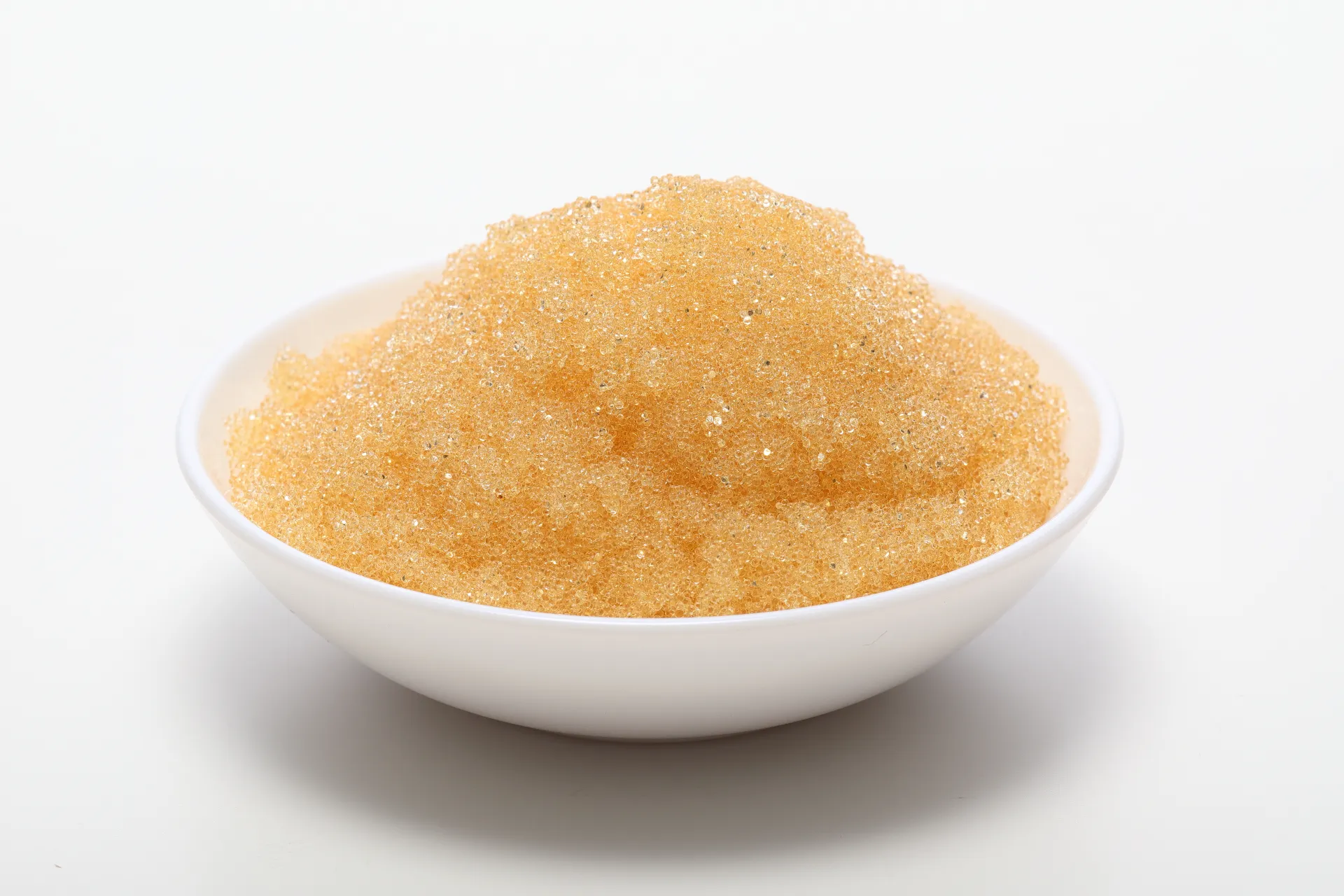
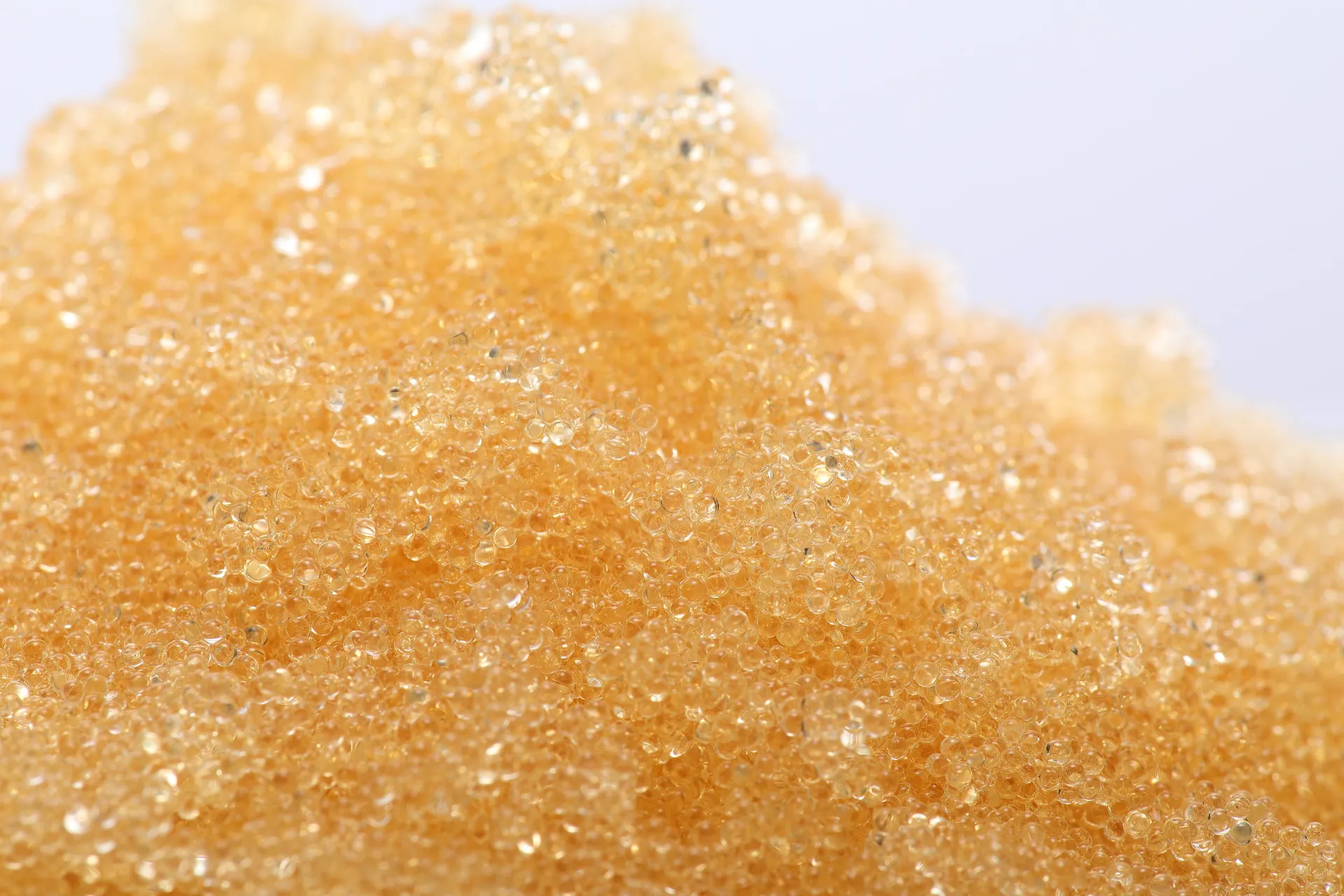
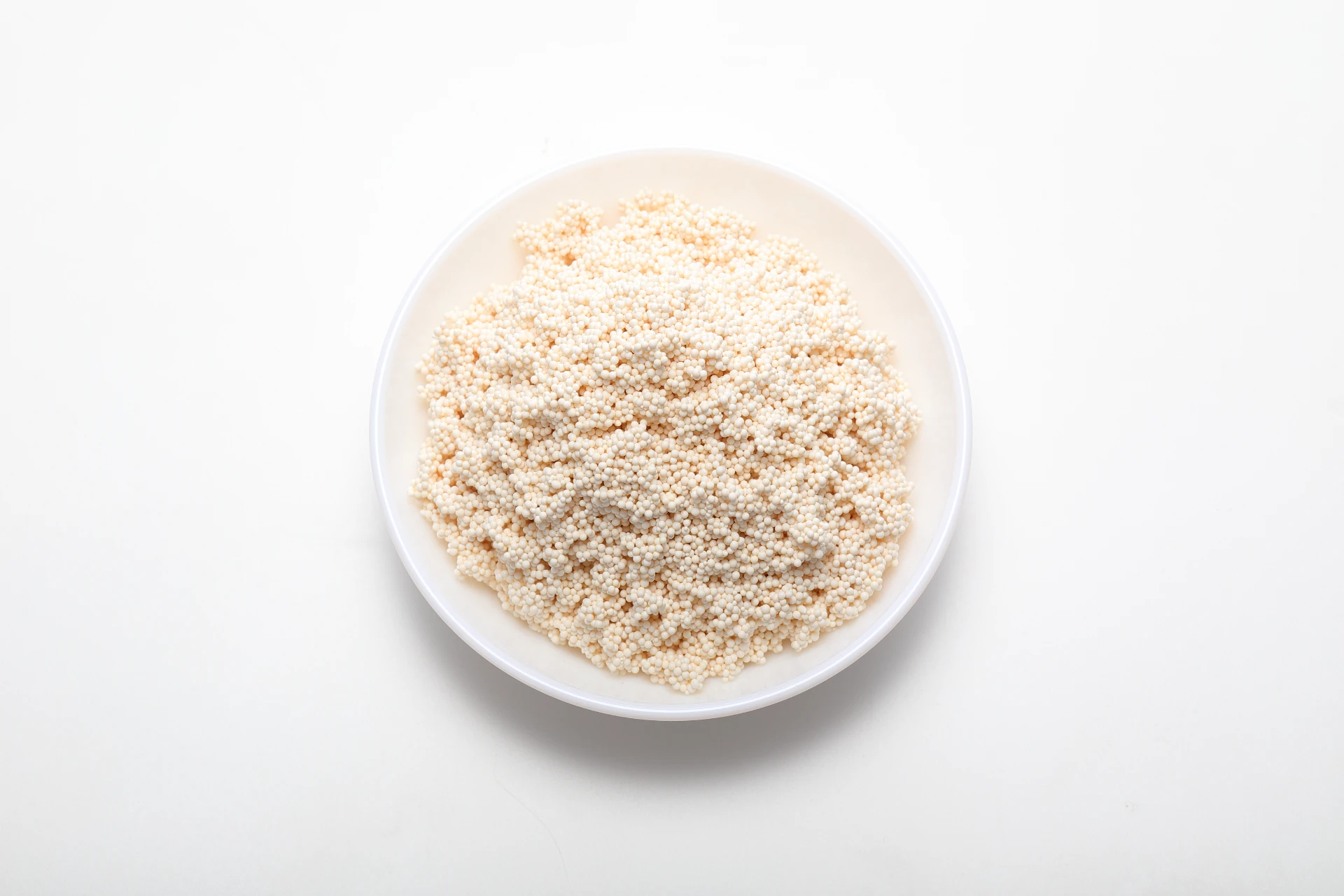
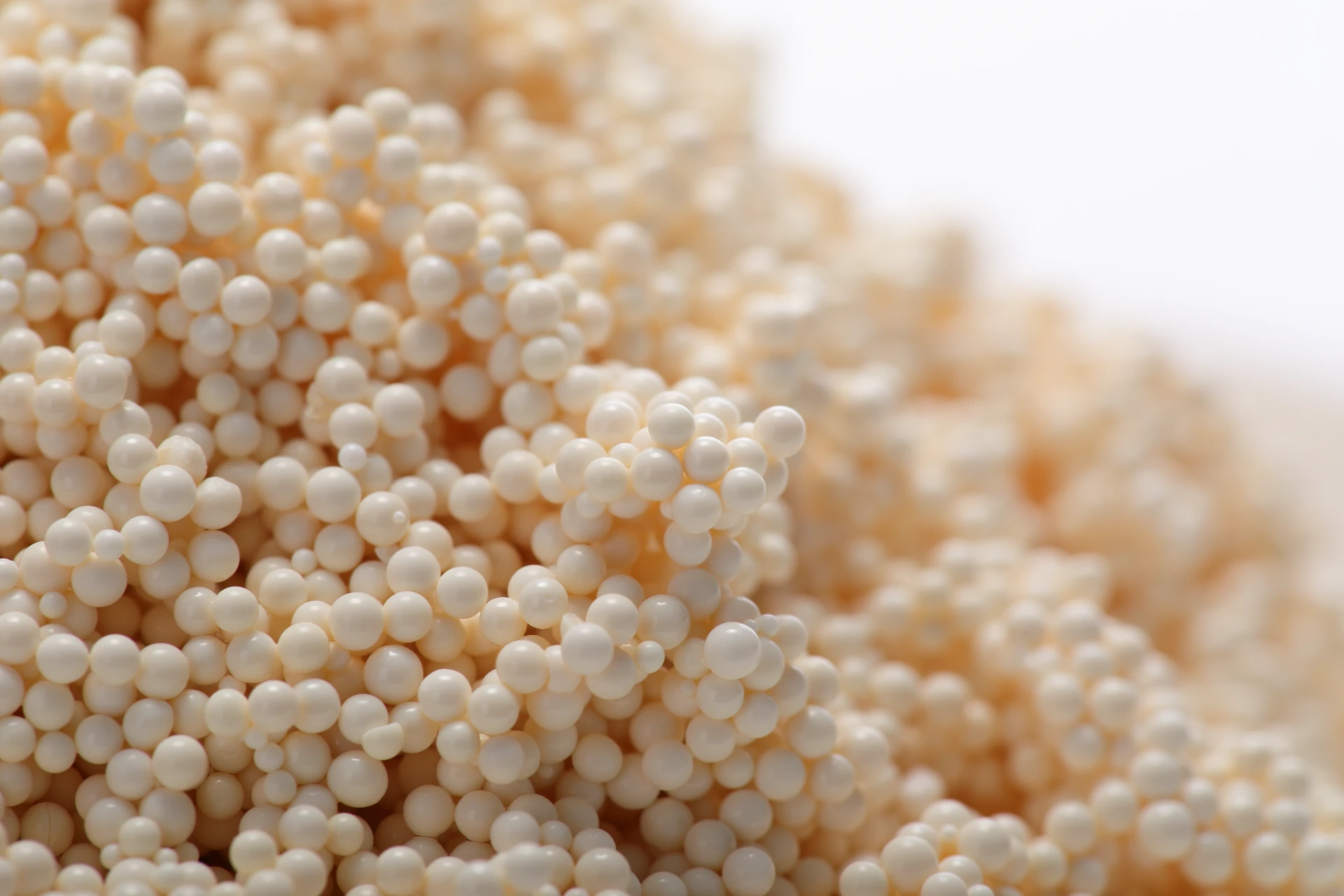
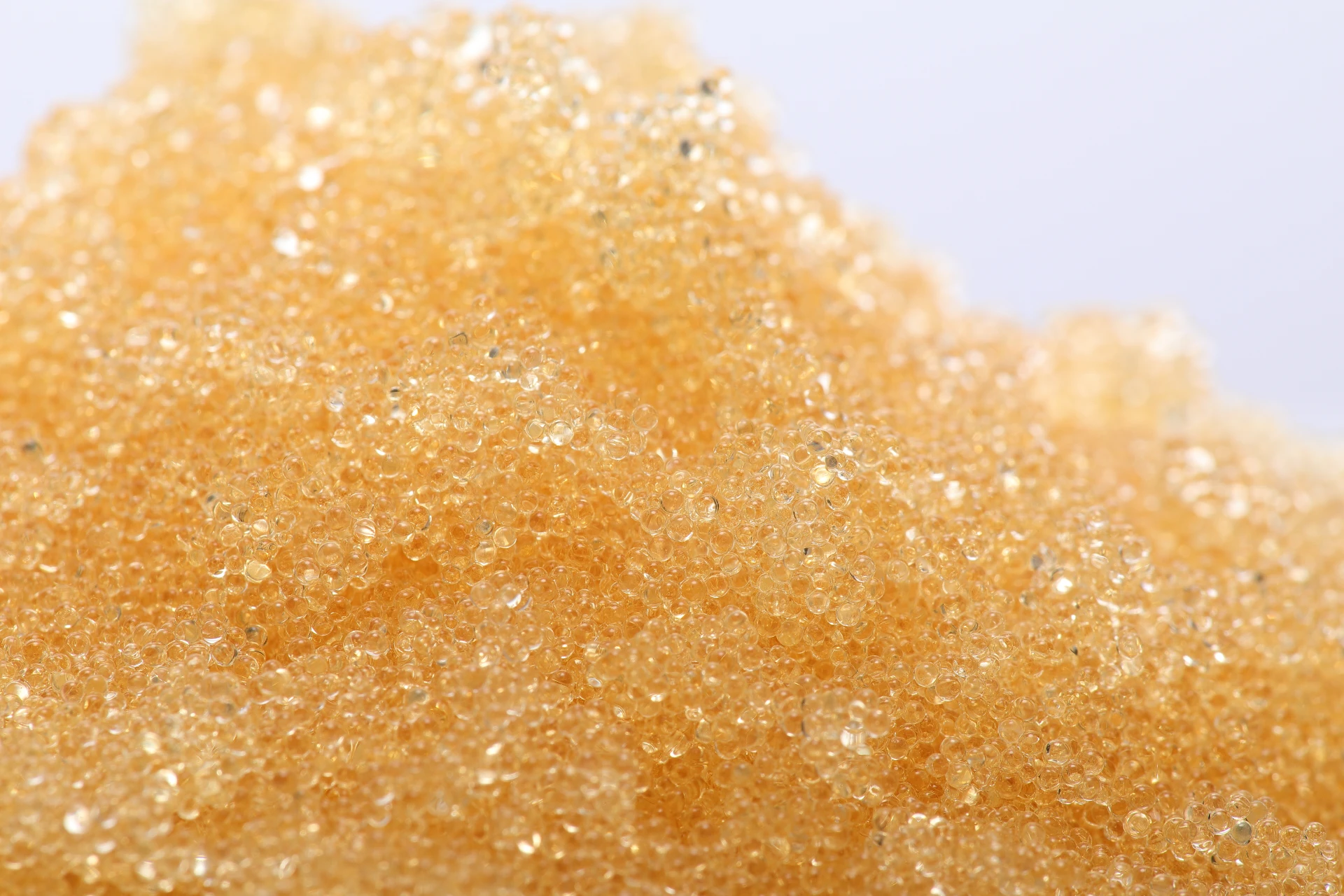
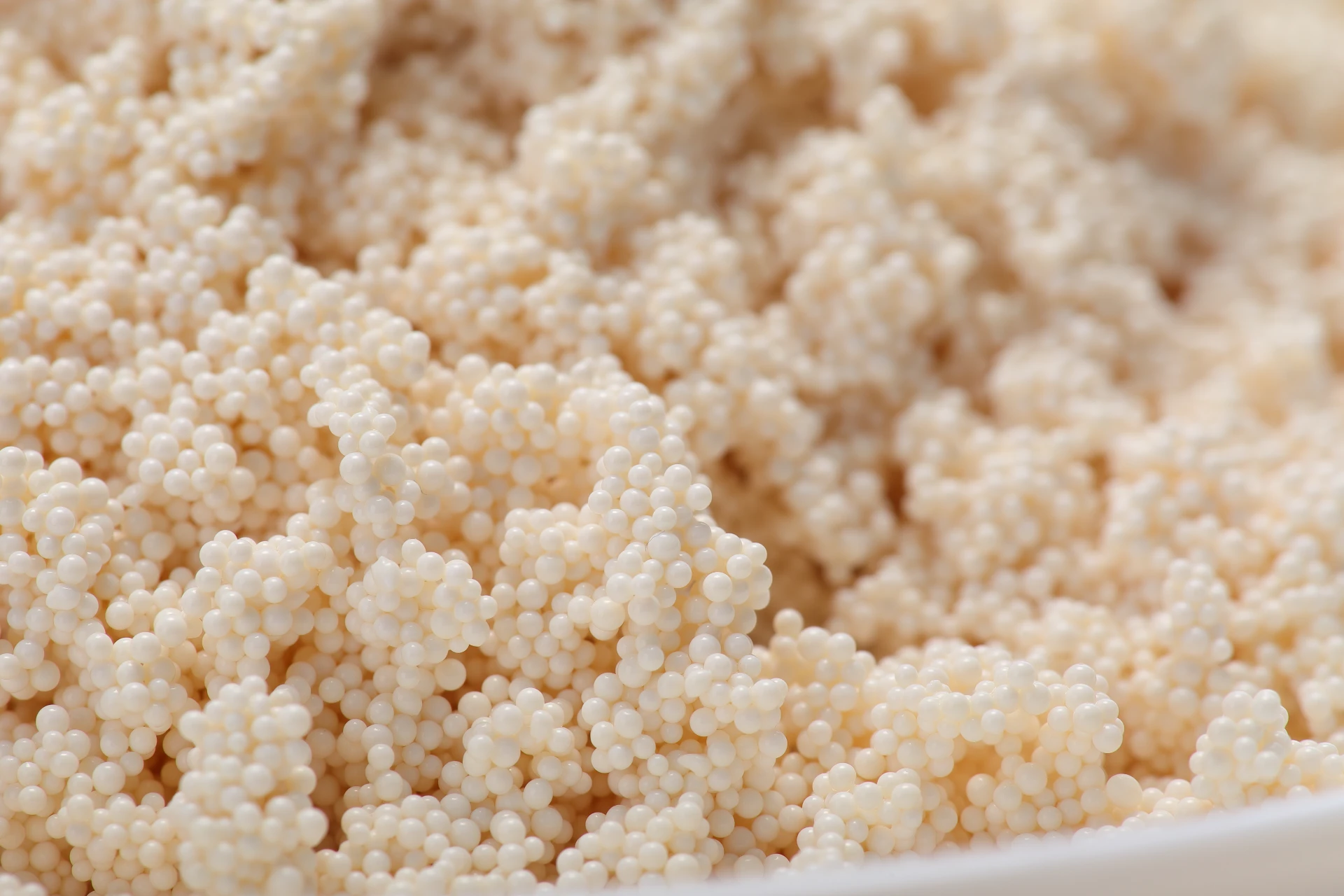
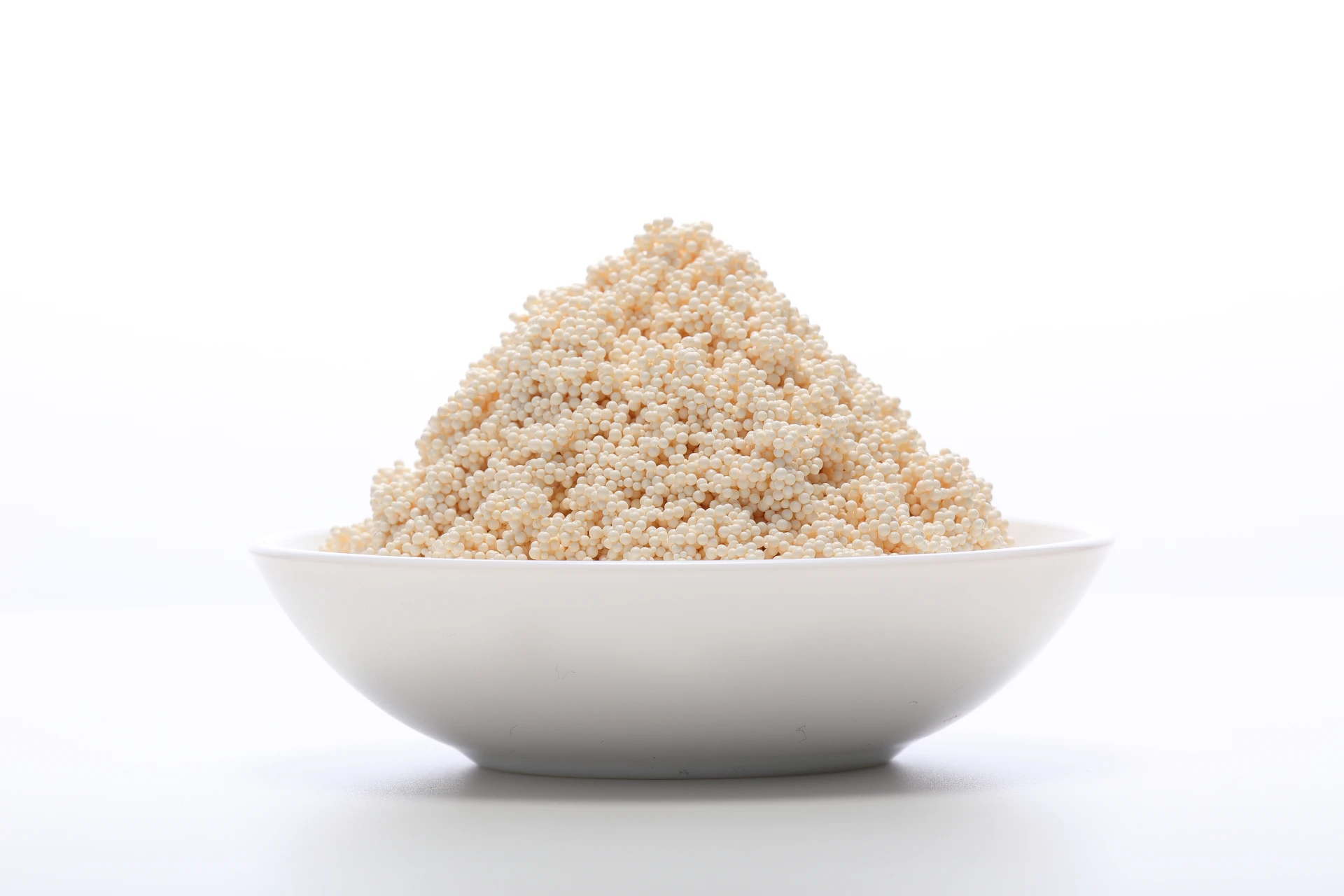
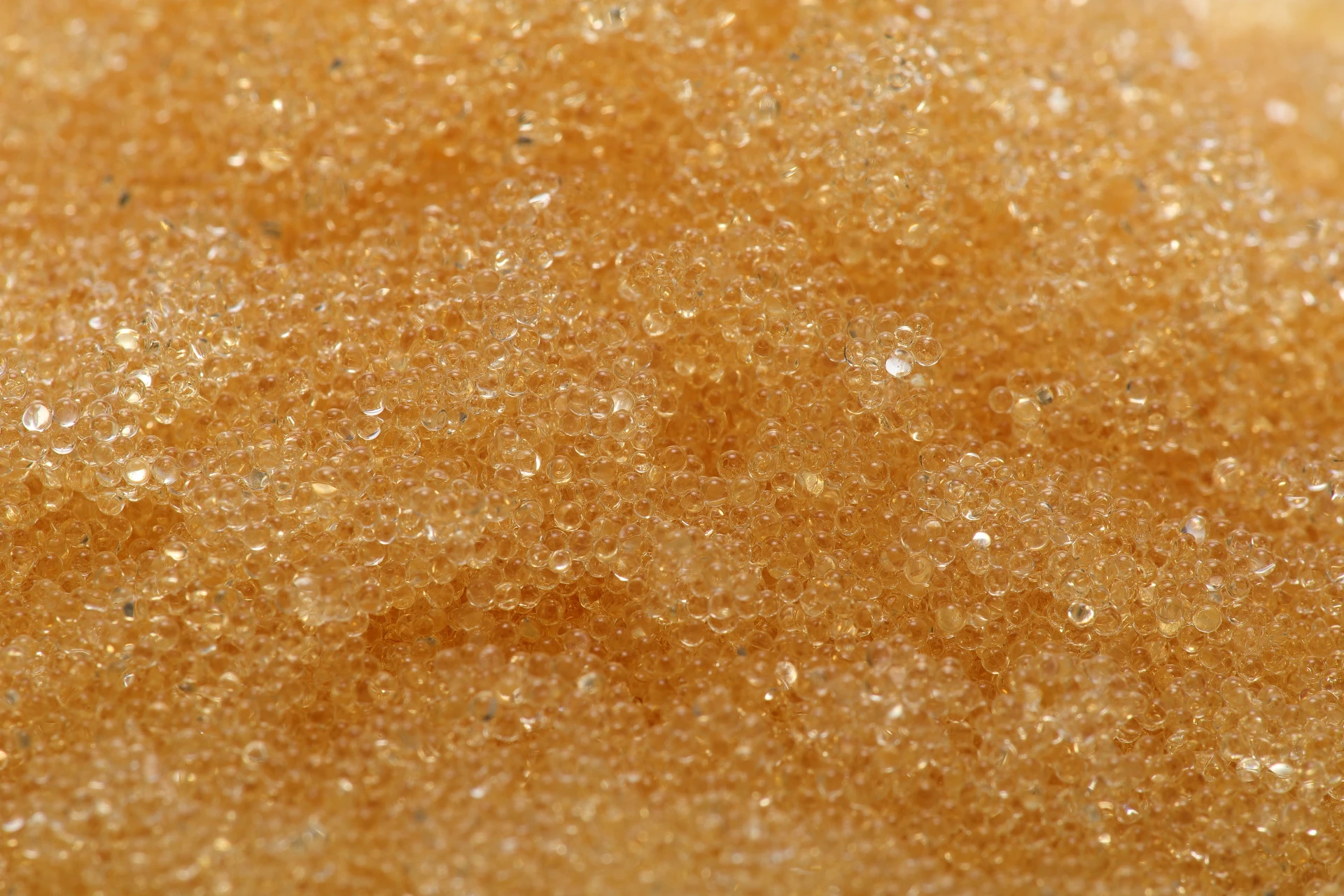
In ion exchange technology, Acid Cation resins are engineered polymers that exchange hydrogen ions (H+) with positively charged species (Ca2+, Mg2+, Na+, and other metal cations) in process streams. Two primary classes are used in the chemical industry: strong acid cation (SAC) and weak acid cation (WAC). Strong acid cation resins, typically based on sulfonated styrene–divinylbenzene (S-DVB) matrices, function efficiently across the full pH range (0–14) and are the workhorse for softening, decationization, and demineralization. Weak acid cation resins, built on acrylic matrices with carboxylic groups, are ideal for selective hardness and alkalinity removal with lower acid consumption in moderately acidic to neutral pH ranges.
From base-load utilities to fine chemical plants, Acid Cation technology underpins reliable water and process treatment. Strong acid cation resins are deployed in water softening (exchanging Ca2+/Mg2+), primary decationization before anion units, condensate polishing in power generation, and mixed-bed demineralization to achieve sub-μS/cm conductivity. In process industries, they remove heavy metals from brines and process streams, polish acids, and support catalyst recovery. Complementary weak acid cation resins deliver selective removal of hardness and alkalinity with lower regenerant consumption—ideal for two-bed demin systems aiming to cut acid usage without compromising throughput.
Total cost of ownership for Acid Cation systems hinges on operating capacity, regenerant efficiency, bed hydraulics, and resin longevity. High-capacity strong acid cation resins can reduce regenerant acid use per cubic meter of treated water, while robust bead integrity lowers attrition and fines carryover—cutting unplanned downtime and vessel cleaning. Low pressure drop through a well-classified bed translates to energy savings at the pump and stable service flow rates. When paired strategically with weak acid cation resins in two-bed trains, many operators realize significant reductions in acid consumption and waste neutralization costs.
Sustainability pressures—tightening discharge limits, water scarcity, and decarbonization—are reshaping ion exchange adoption. Acid Cation solutions enable closed-loop water reuse, lower blowdown rates in boilers, and reduced chemicals-per-m³ via higher-capacity, faster-regenerating resins. Strong acid cation and weak acid cation trains help minimize waste generation by matching resin functionality to ionic load profiles, improving regenerant utilization and rinsing efficiency. Regulatory momentum around water stewardship and resource efficiency is driving investment in advanced demineralization and polishing across power, chlor-alkali, and fine chemicals.
Acid Cation technology—spanning strong acid cation and weak acid cation resins—remains foundational to efficient, reliable ion exchange in the chemical industry. For B2B decision makers, Hebei Lijiang Biotechnology Co.,Ltd. delivers consistent quality, high performance, and application expertise that drive measurable value in softening, demineralization, condensate polishing, and process purification. Partner with a supplier that understands both your water chemistry and your operational KPIs.