Phone:
+86 0319 2296164


Email:
info@lijiresin.cn
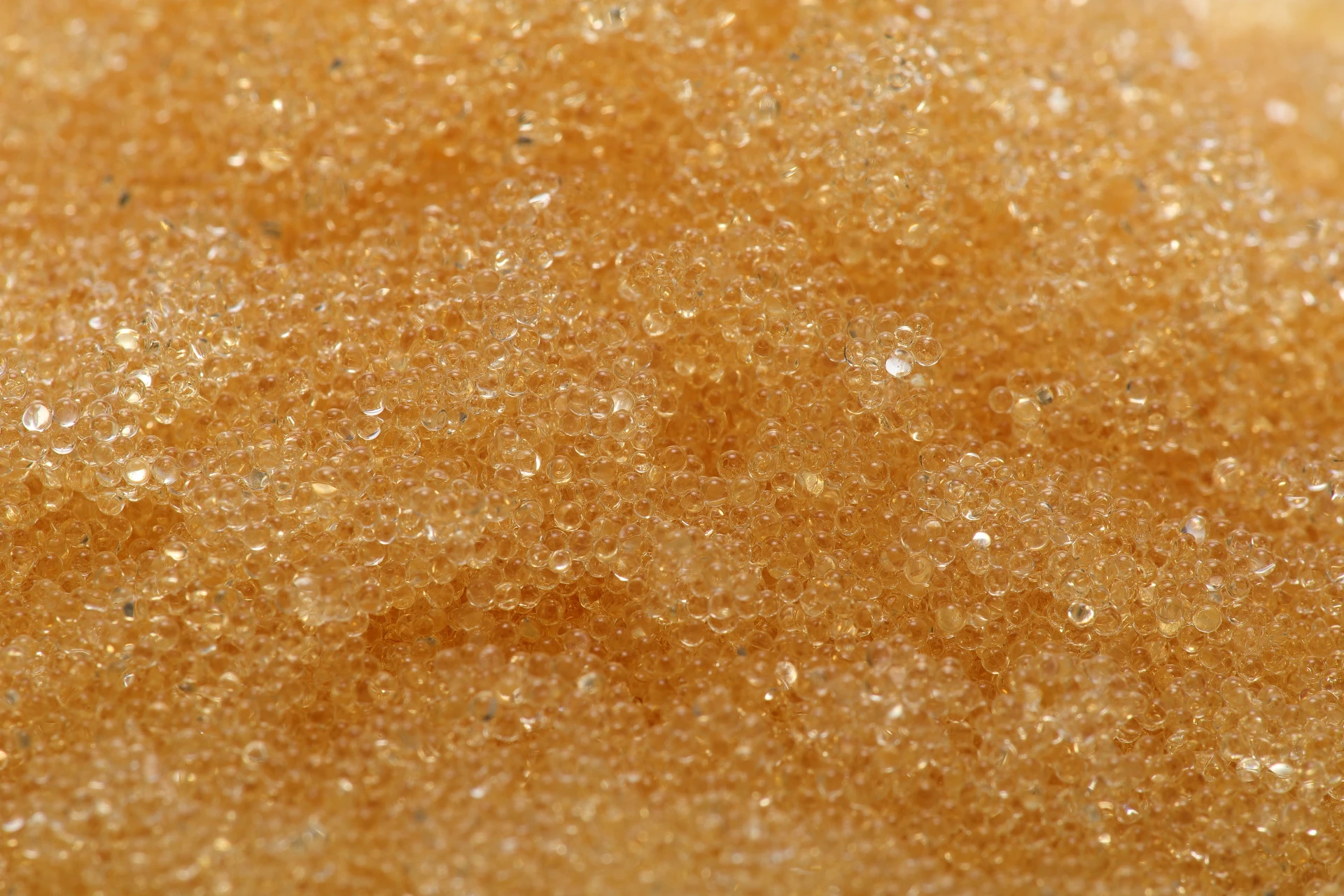
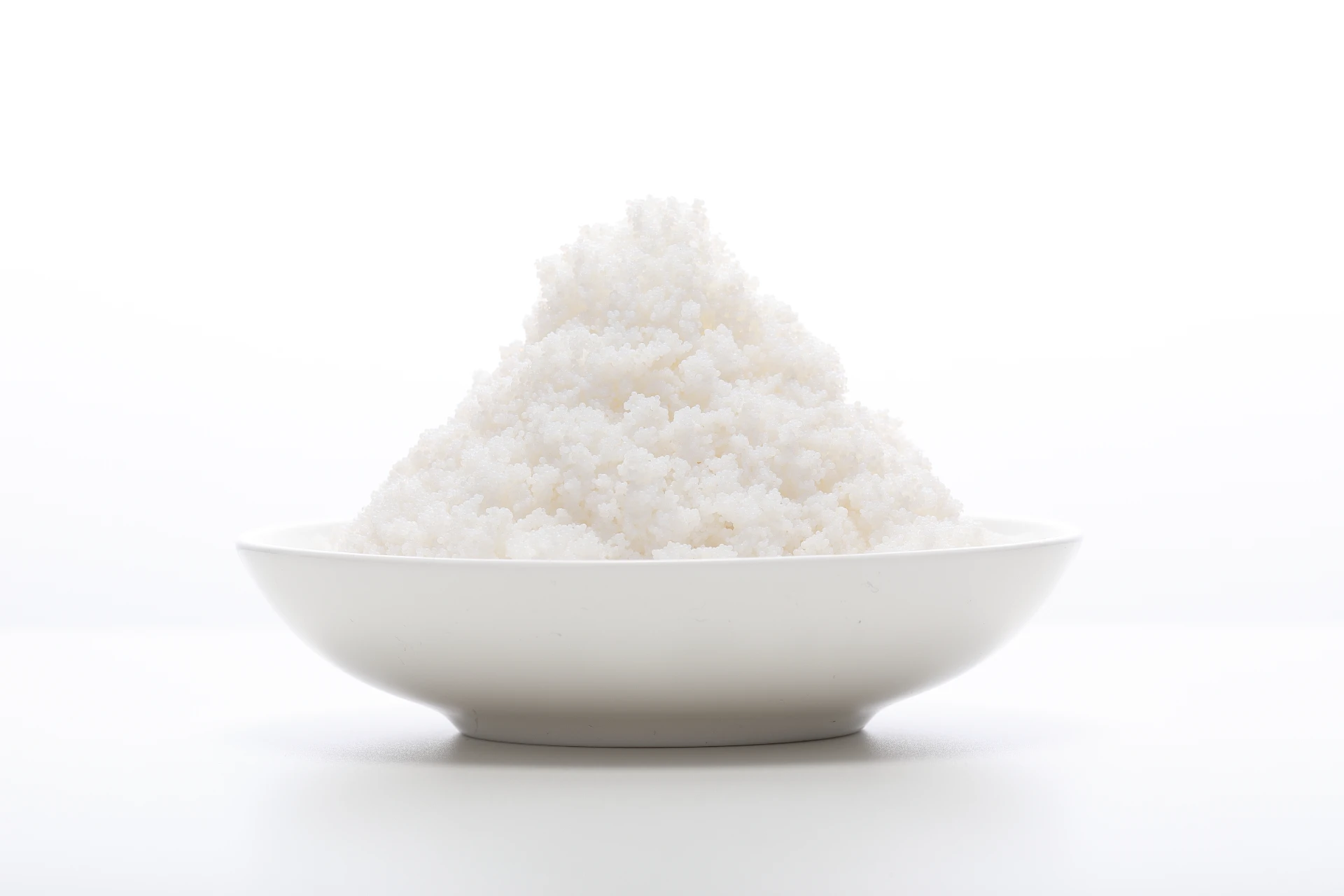
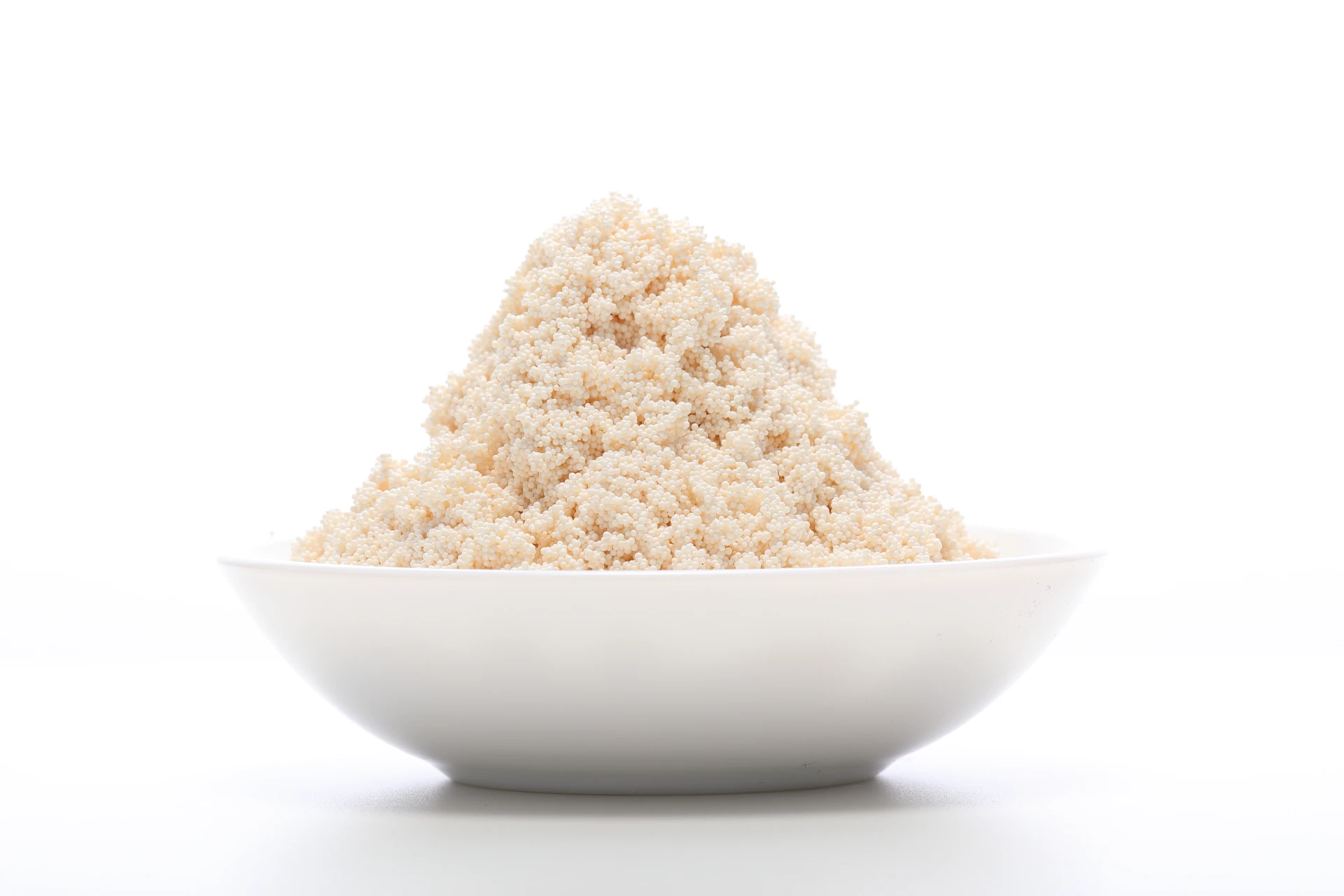
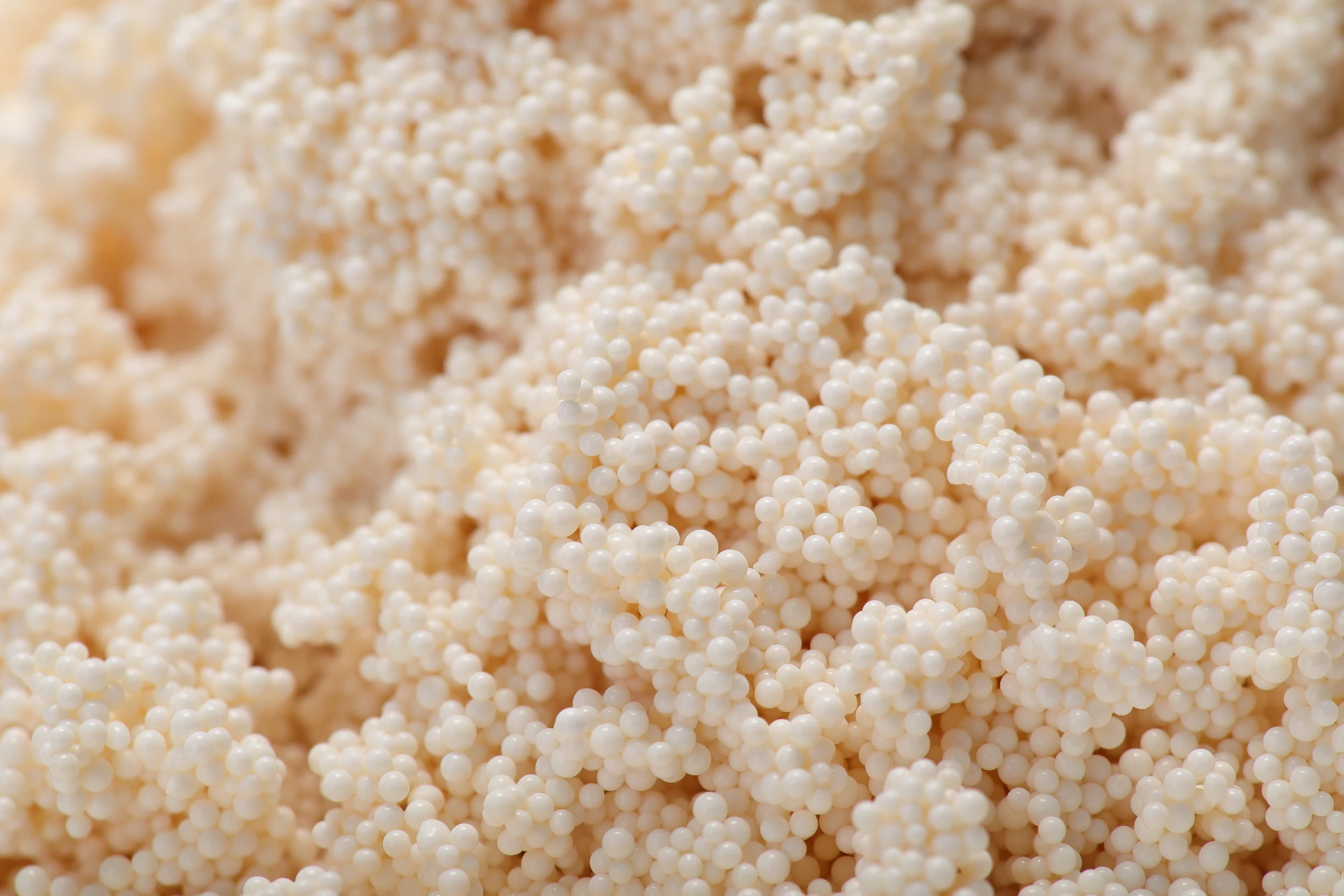
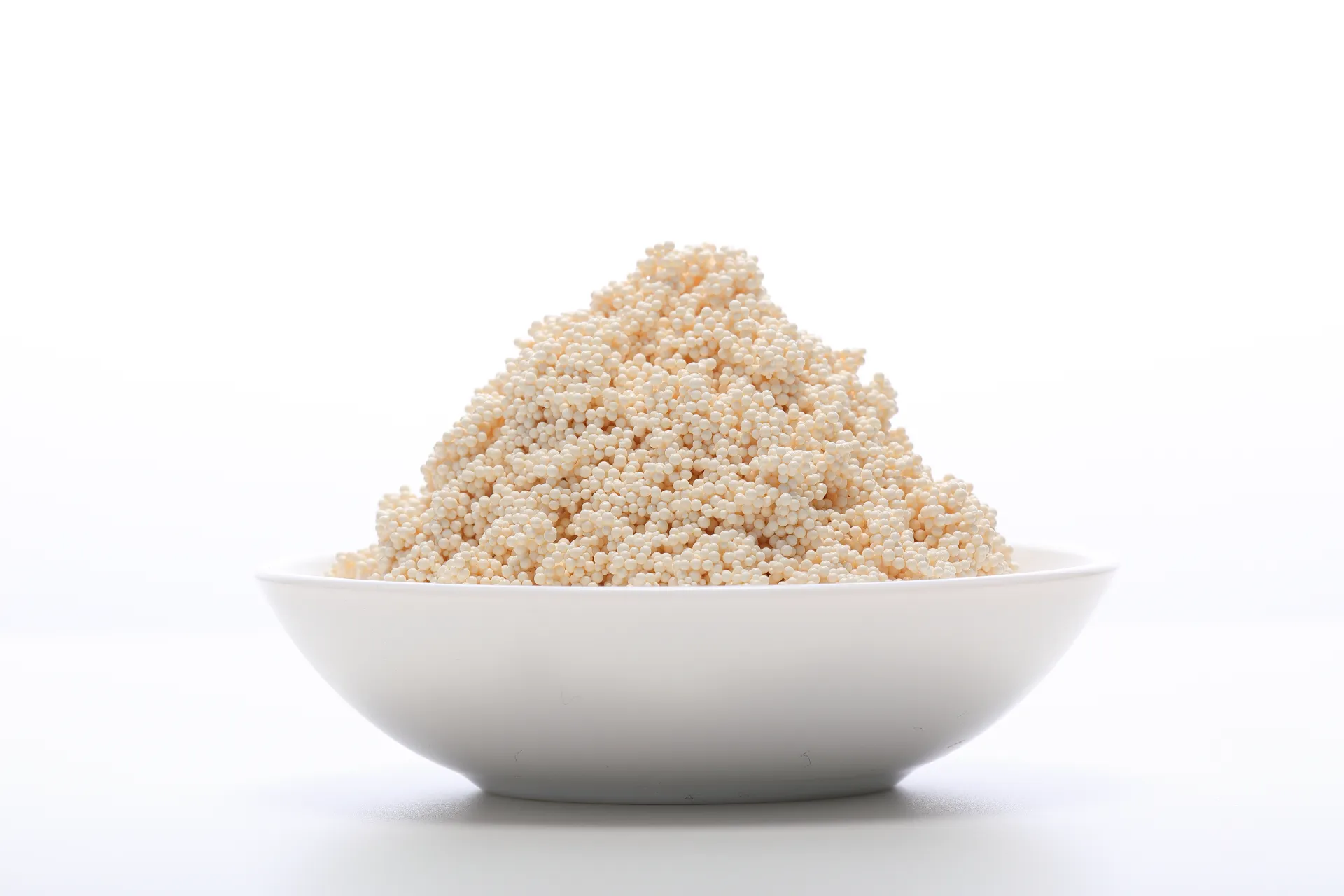
Having spent nearly a decade in the industrial equipment sector—often knee-deep in water treatment and biochemical process lines—I’ve come across a solid share of ion exchange resins. Now, Fractogel DEAE is one that’s stood out for a mix of reasons. Not just because it’s reliable, but because it has this subtle balance of performance and adaptability that engineers, myself included, tend to appreciate.
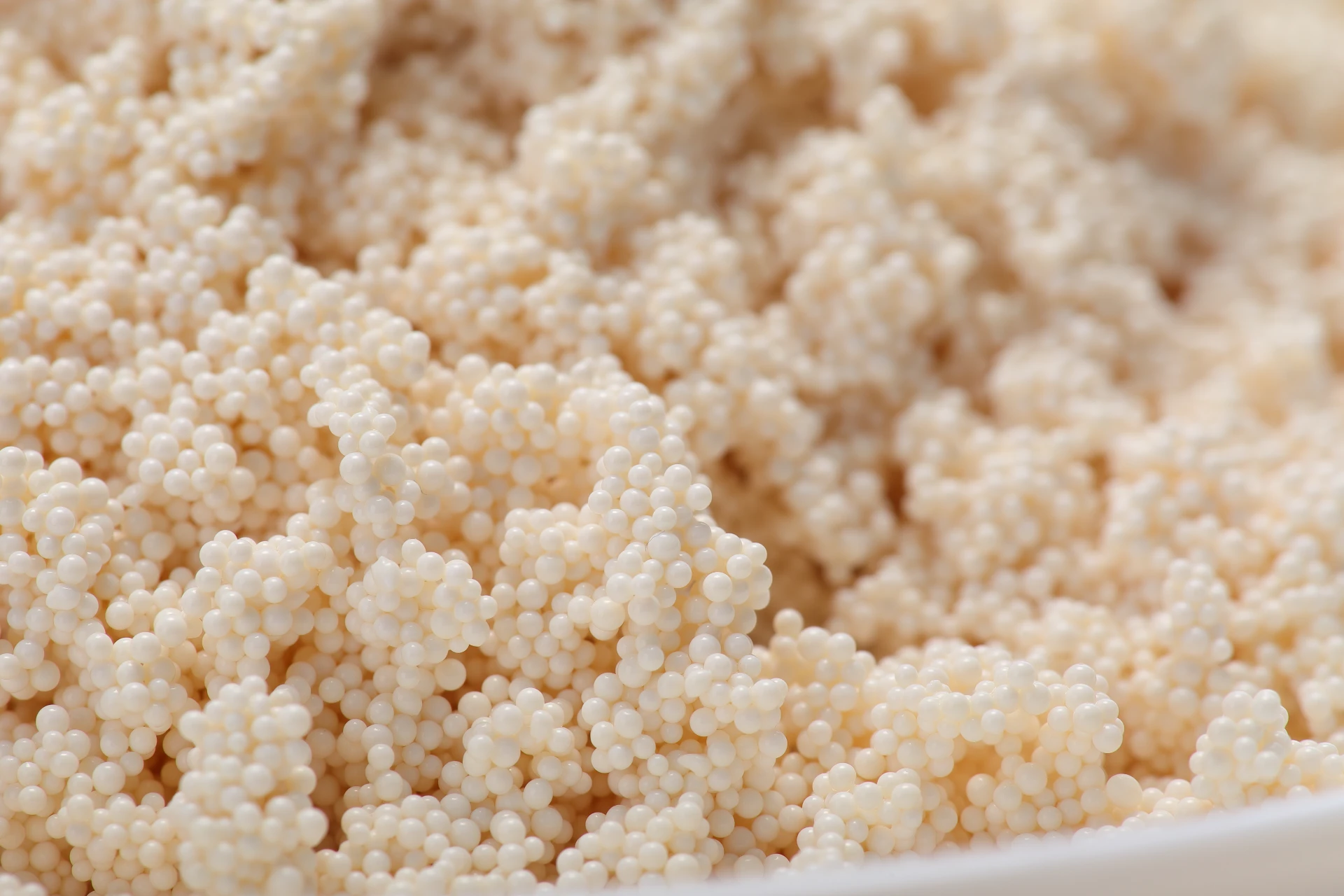
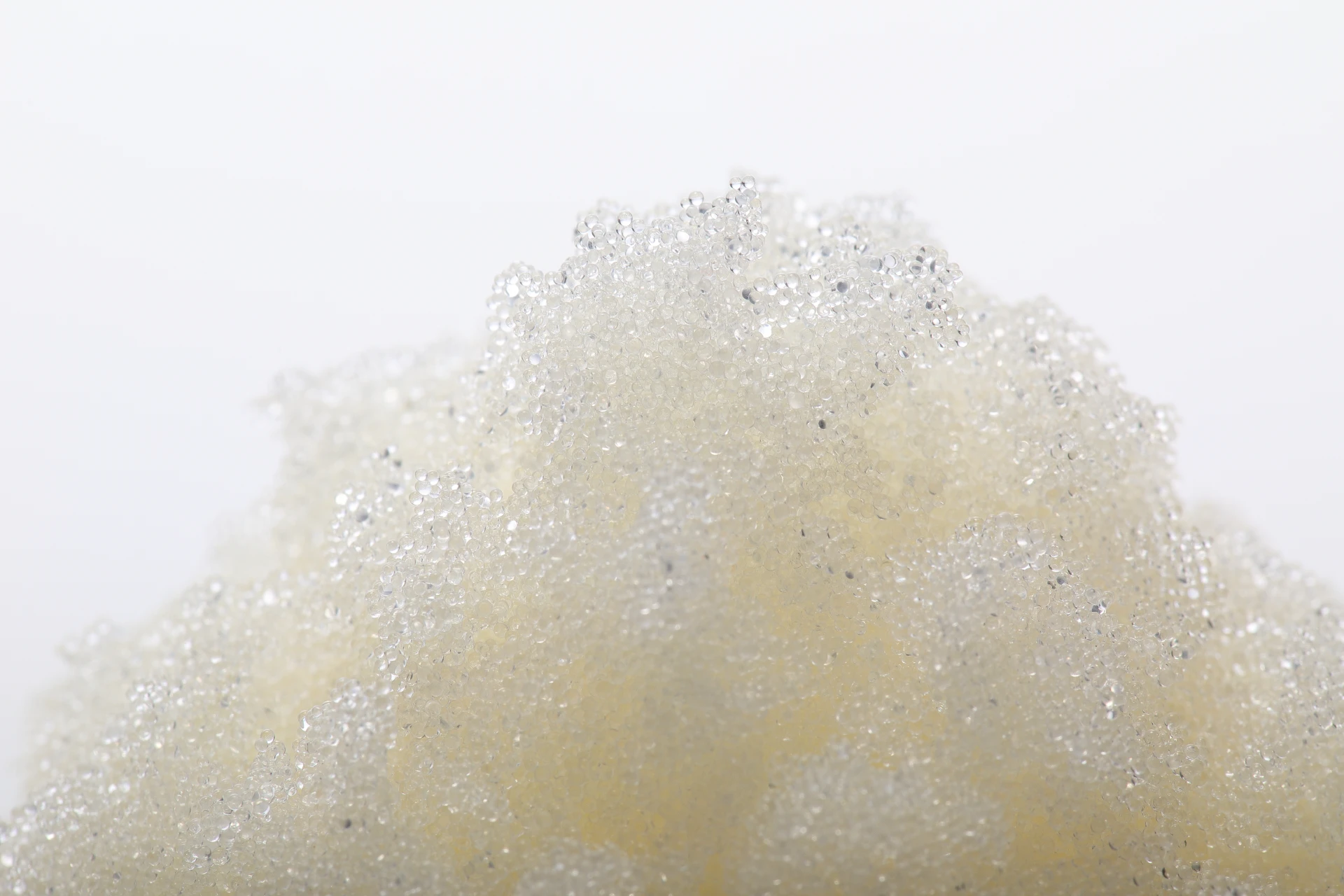
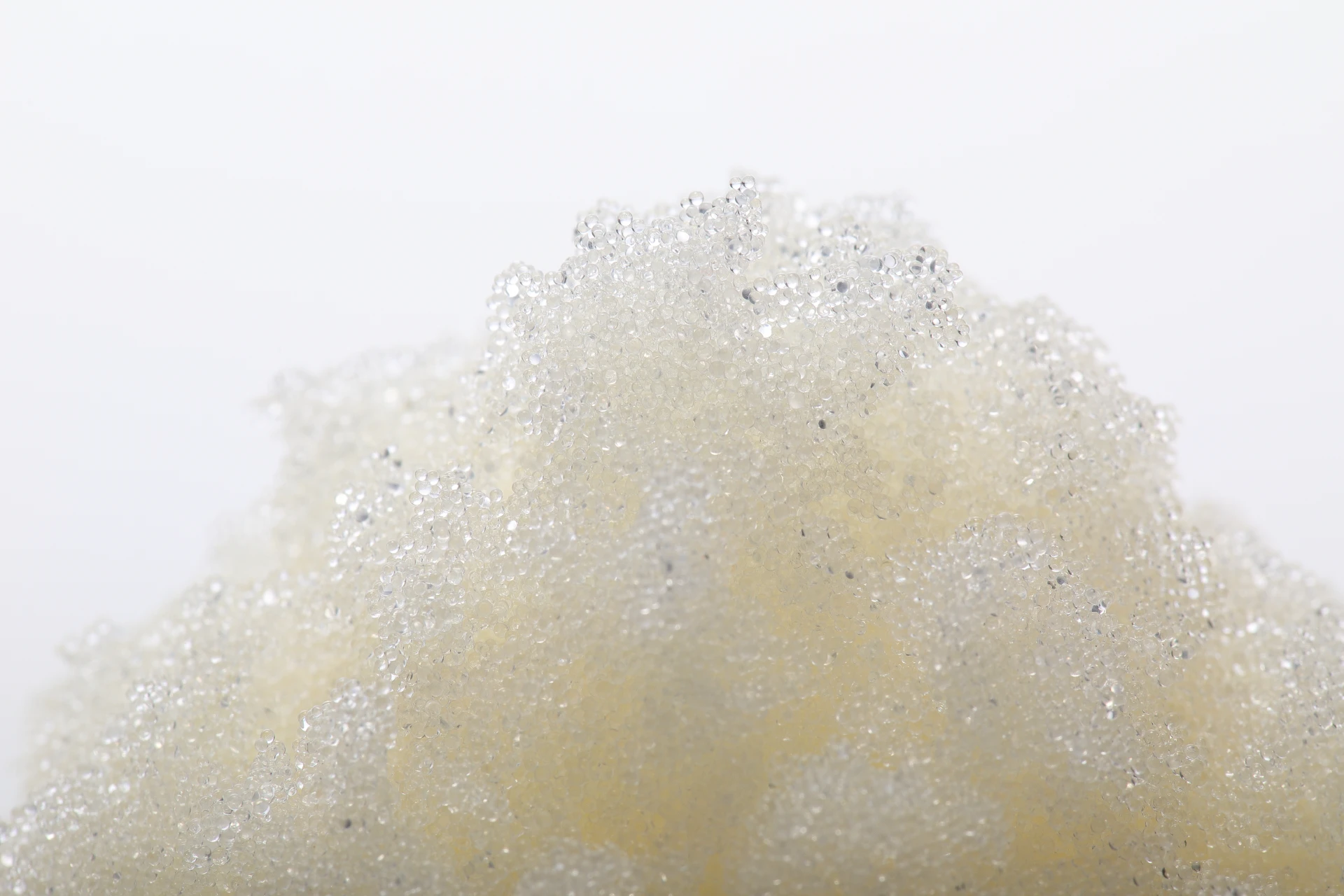
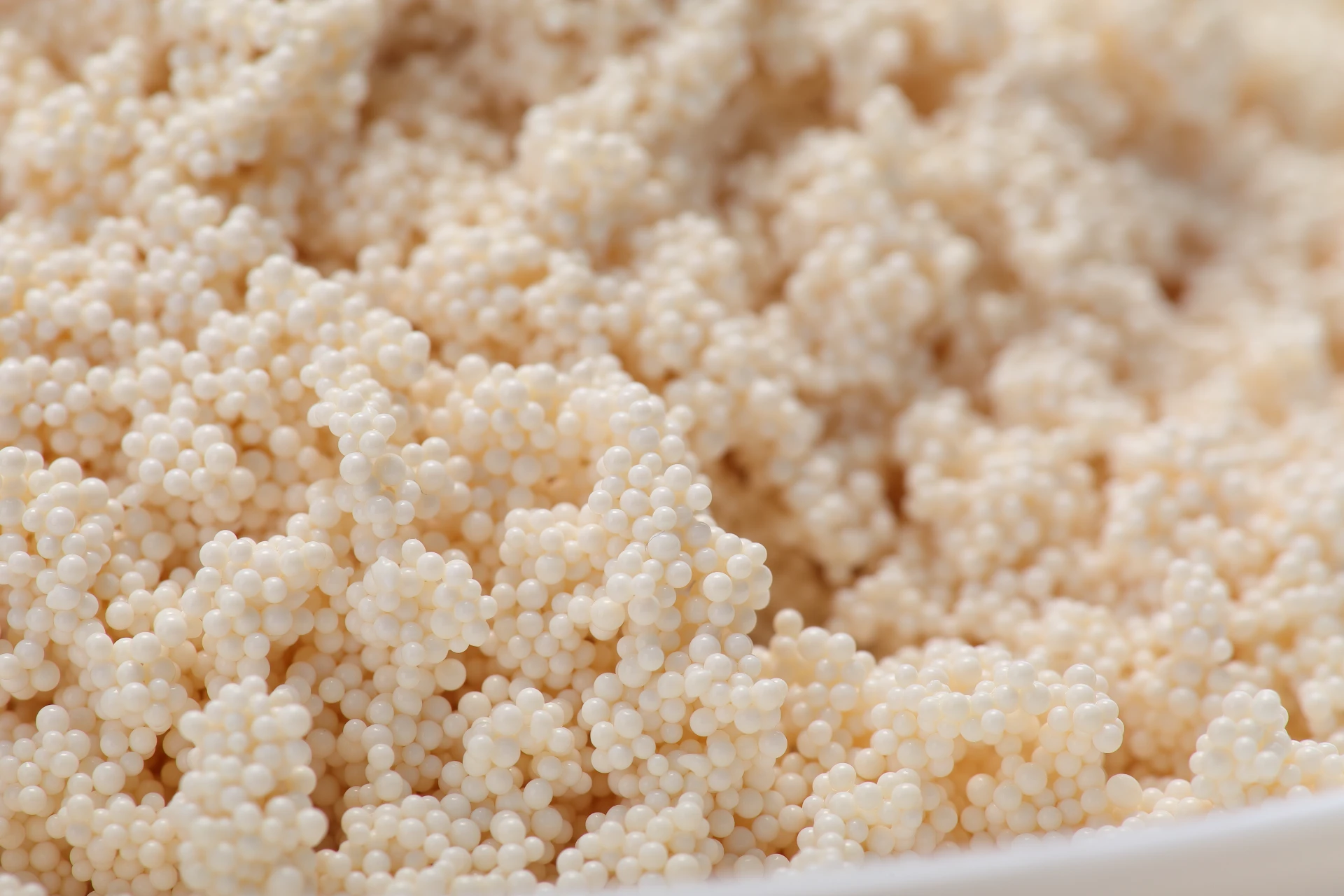
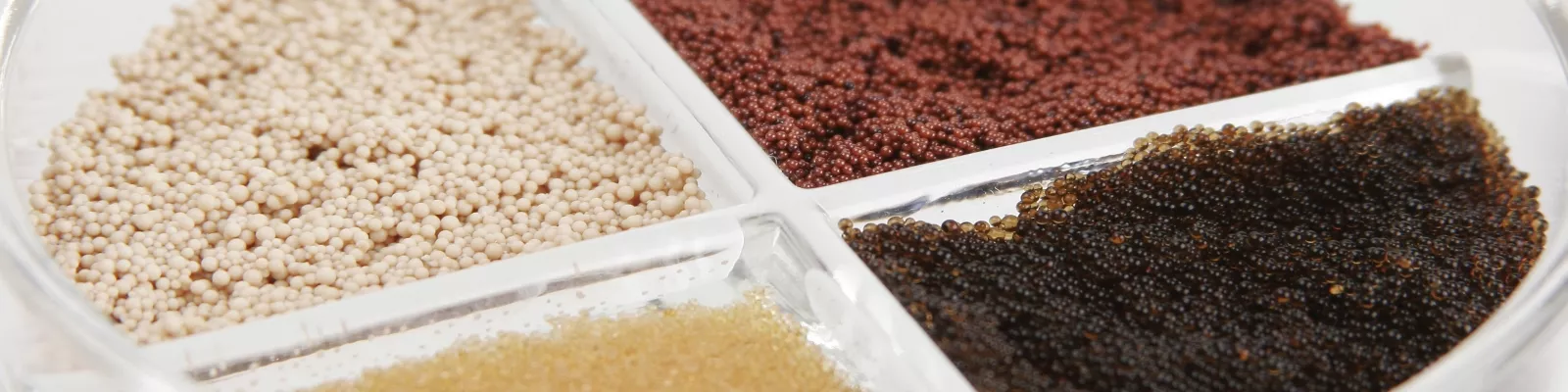
Let’s face it: The ion exchange resin market can feel like alphabet soup. DEAE stands for diethylaminoethyl, and it’s a weak anion exchanger, commonly used in protein purification, wastewater treatment, and other biochemical separations. But what’s interesting about Fractogel DEAE isn’t just its chemistry; it’s how it’s designed and performs under real-world conditions.
I remember early on, during a rather tricky wastewater treatment project, our team switched to Fractogel DEAE after battling resin degradation with another supplier’s product. Frankly, its bead stability and porosity struck me as noticeably better. You can tell from the specs (more on that shortly), but in practice, it keeps its integrity longer when pushing through tough cycles.
| Specification | Details |
|---|---|
| Resin Type | Gel-type Polymeric Ion Exchanger |
| Functional Group | Diethylaminoethyl (DEAE) |
| Particle Size | 90 - 165 μm |
| Moisture Content | 40 - 50% |
| Operating pH Range | 3 - 10 |
| Max Operating Temperature | 60°C |
| Crosslinking | 10% DVB (divinylbenzene) |
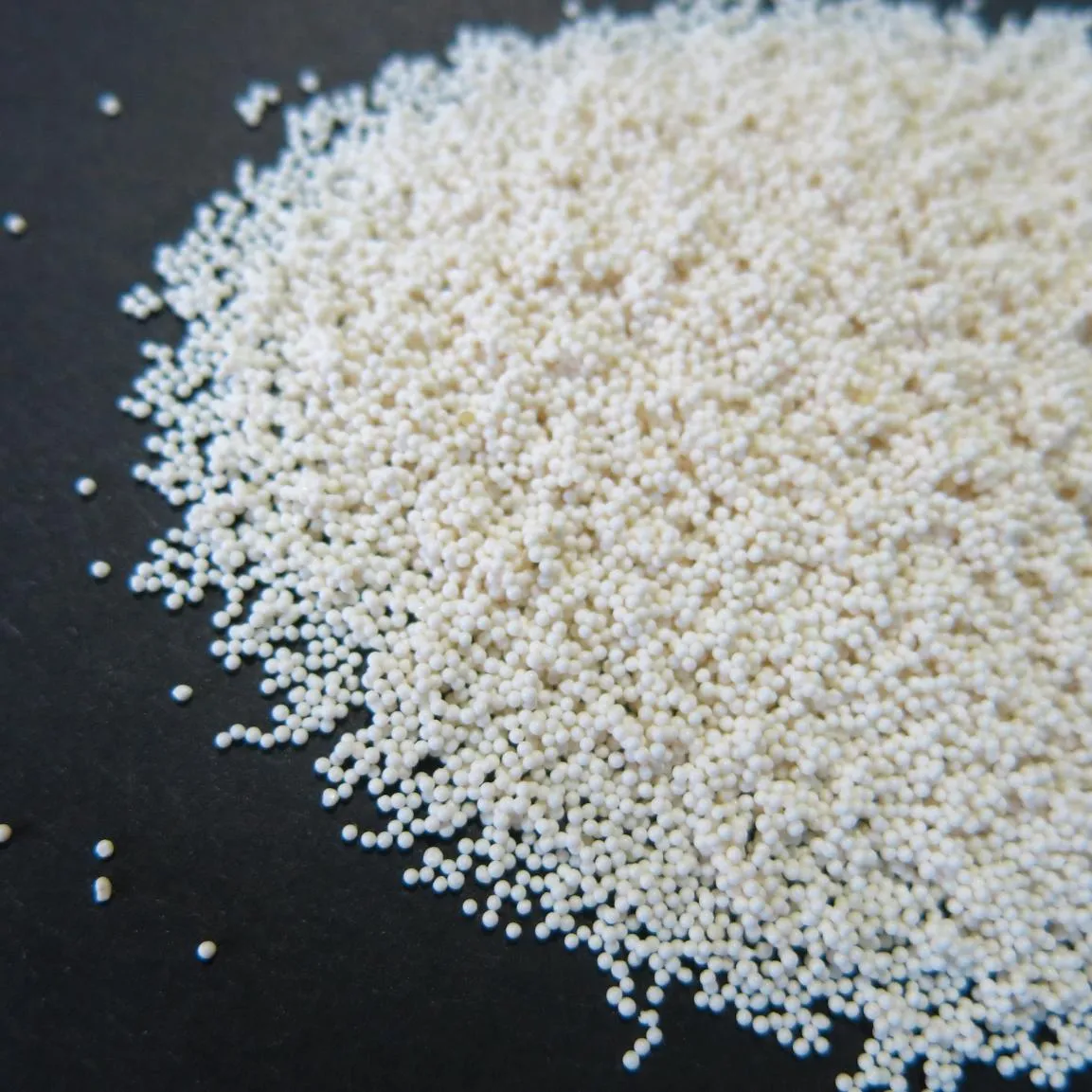
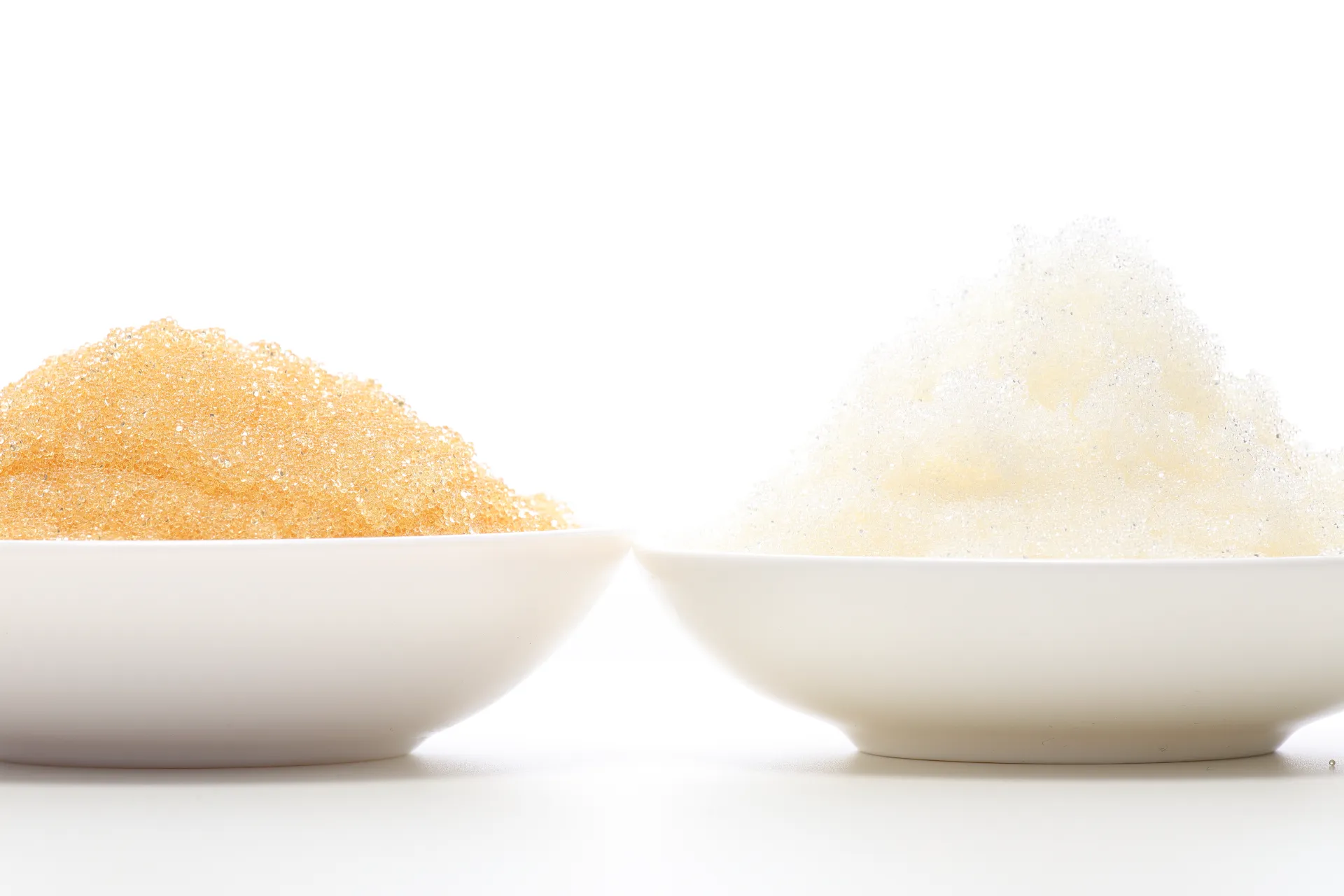
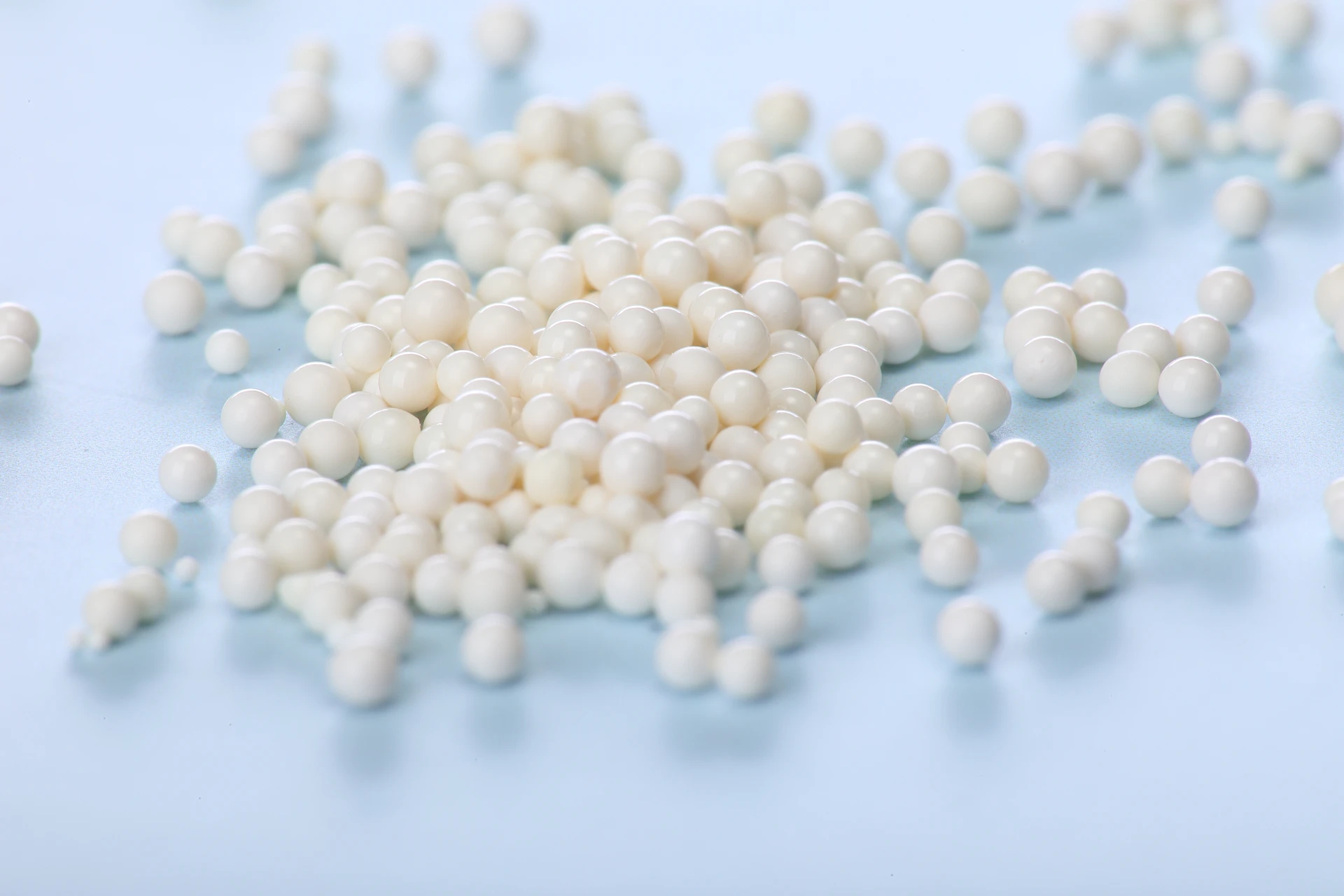
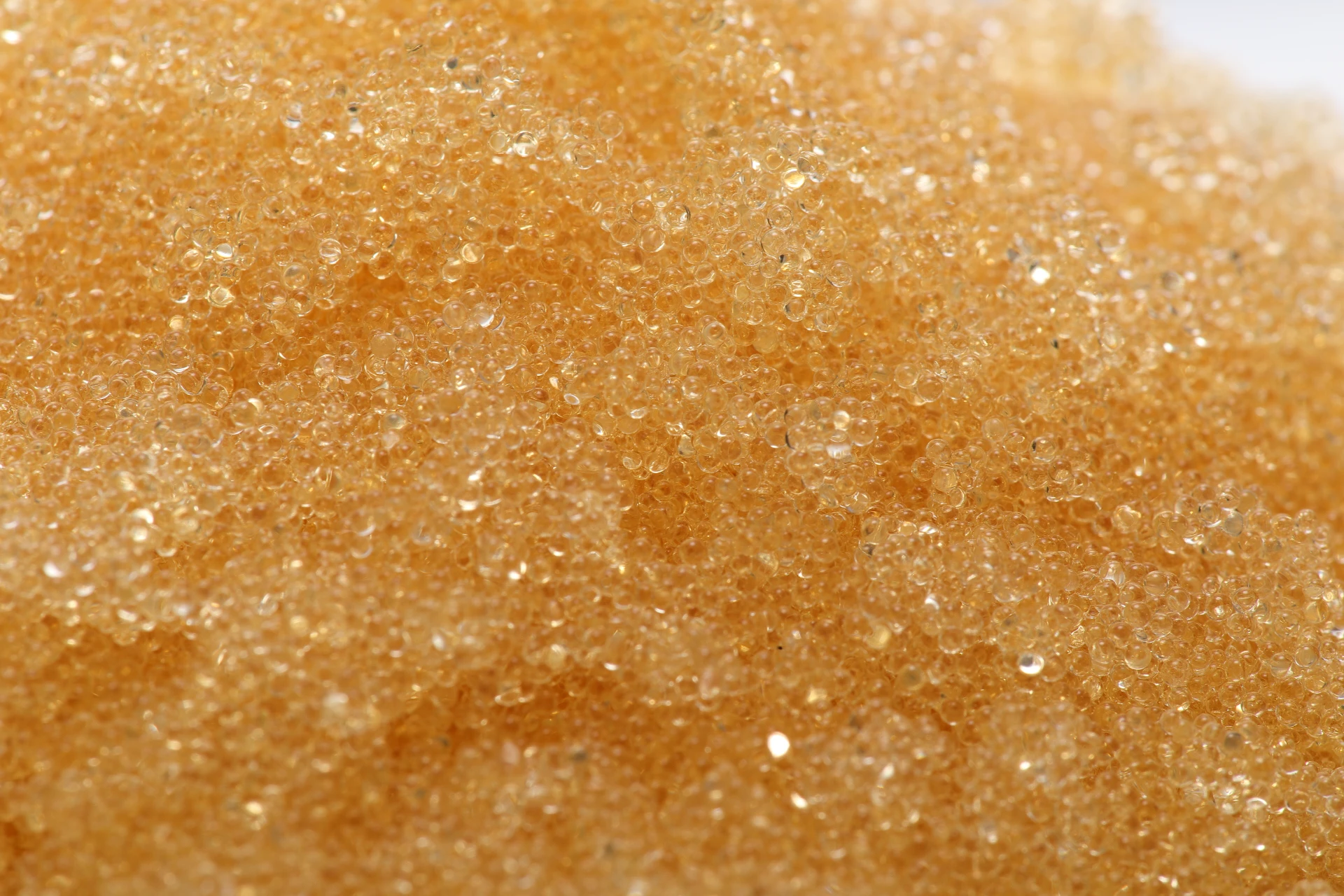
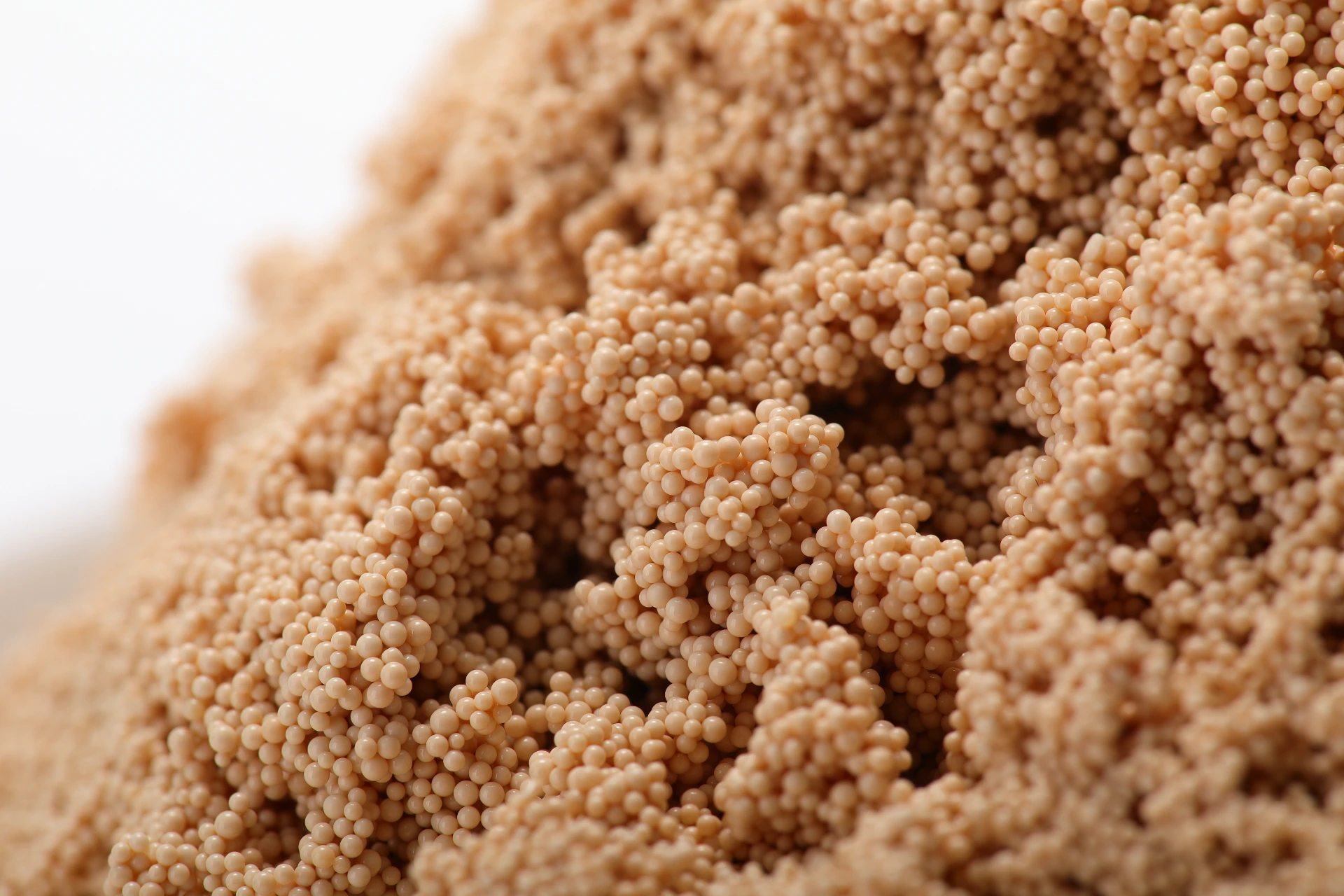
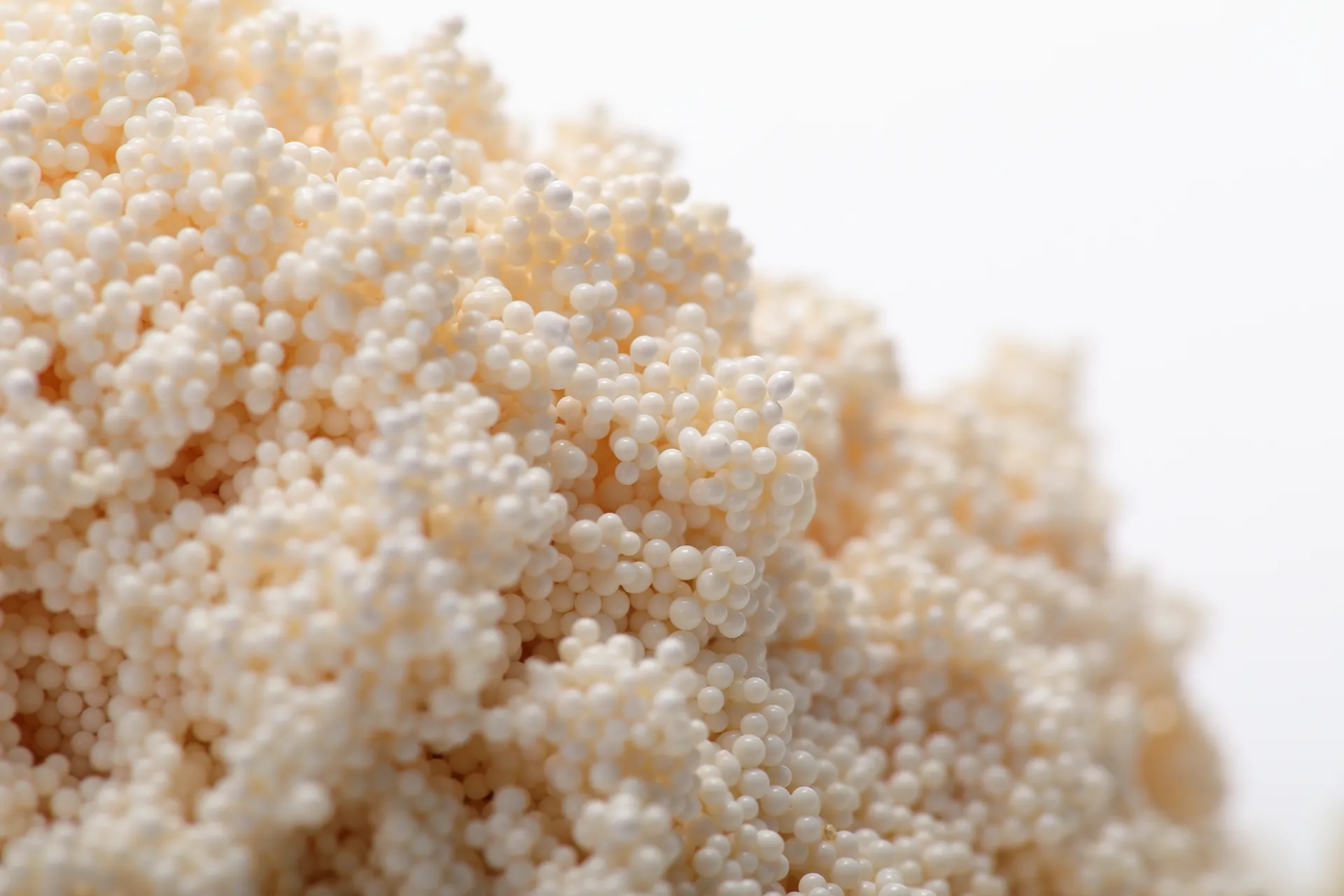
What makes this resin particularly useful is the gel-type polymer matrix, crosslinked with about 10% DVB. This ensures good mechanical stability — essential in industrial settings where shear forces and flow rates can be unpredictable. The working pH range, typically 3 to 10, covers a lot of ground for most biological and chemical separations, which means versatility without compromise.
Oddly enough, many engineers I’ve collaborated with appreciate the easier cleaning and regeneration steps with Fractogel DEAE, compared to some porous or macroporous alternatives. It’s that subtle difference in the polymer bead’s internal architecture that often goes unseen until you’re knee-deep in a multi-cycle operation.
| Feature | Fractogel DEAE | Vendor A | Vendor B |
|---|---|---|---|
| Particle Size (μm) | 90 - 165 | 75 - 150 | 100 - 200 |
| Operating pH Range | 3 - 10 | 2 - 11 | 3.5 - 9 |
| Max Temperature (°C) | 60 | 50 | 65 |
| Crosslinking Level | 10% DVB | 8% DVB | 12% DVB |
| Regeneration Ease | Good | Moderate | Fair |
| Typical Applications | Bioprocessing, Wastewater | Water Treatment, Pharmaceuticals | Food & Beverage, Chemicals |
When we talk about practical usage, one customer anecdote sticks with me. A mid-sized biotech company needed tighter control over protein capture without sacrificing throughput. After trialing various resins, Fractogel DEAE offered a cleaner profile and longer binding capacity per batch. They told me it “felt different” in process control terms — more stable flow, less downtime — which frankly is music to any process engineer’s ears.
Of course, no product is perfect. I’ve noticed that careful regeneration protocols must be observed to maintain bead longevity. High pH swings or aggressive cleaning agents could degrade resin faster than expected. But that caveat is pretty typical across the board with these gel-type anion exchangers.
In terms of customization, suppliers like Fractogel DEAE vendors often work directly with customers to tweak crosslinking or particle size specs, depending on process needs. That flexibility can really pay off in specialized workflows, such as pharmaceutical-grade protein separations or environmental sample cleanup.
Bottom line? In real terms, if you’re looking for a dependable DEAE resin that blends durability with broad application compatibility, Fractogel DEAE deserves a serious look. I’d say it’s an under-the-radar staple for engineers who value both performance and process longevity.
This little walk through Fractogel DEAE hopefully gives you a grounded view — there’s plenty of technical detail to explore, but sometimes the practical, on-the-floor experiences say the most.
1. Industry experience insights collected over several pilot plant trials.
2. Product specs sourced from leading resin manufacturers’ technical sheets.
3. Customer feedback anonymized for confidentiality.