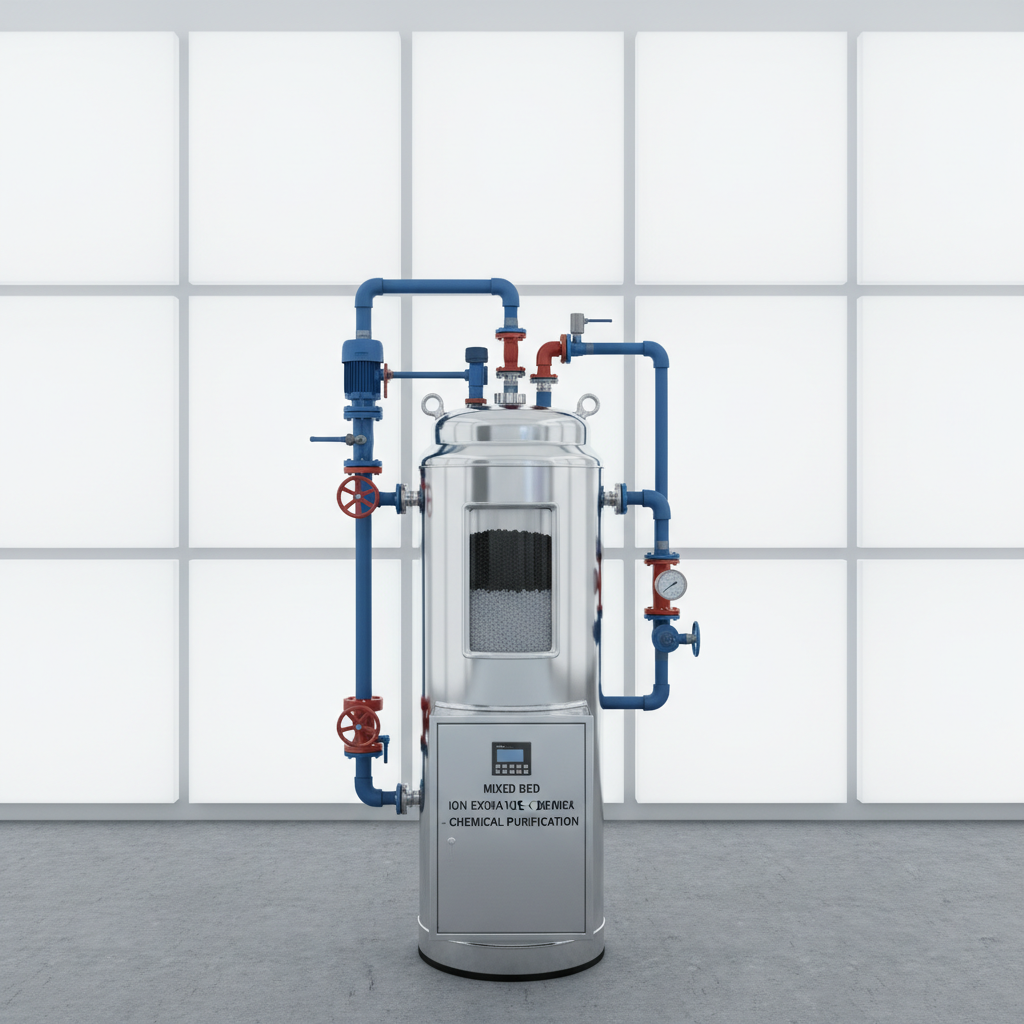
The demand for ultra-pure water is constantly increasing across diverse industries, from pharmaceuticals and biotechnology to microelectronics and power generation. Achieving this level of purity often requires advanced water treatment technologies, and the mixed bed deionizer stands as a crucial solution. These systems effectively remove ions, resulting in water with exceptionally low conductivity, vital for processes sensitive to even trace contaminants. Understanding the principles, applications, and advancements in mixed bed deionization is therefore paramount for professionals and organizations relying on high-quality water.
Globally, water scarcity and increasing environmental regulations are driving the need for efficient and sustainable water purification methods. The mixed bed deionizer plays a critical role in water reuse and recycling initiatives, reducing freshwater consumption and minimizing environmental impact. According to the United Nations, billions of people lack access to safely managed drinking water, and technologies like mixed bed deionization are key to addressing this challenge, particularly in areas where advanced water treatment is essential for public health and industrial operations.
The escalating demands of semiconductor manufacturing, coupled with stringent quality standards in the life sciences, further propel the adoption of mixed bed deionizers. These systems aren’t merely about achieving purity; they represent a commitment to process reliability, product quality, and regulatory compliance in a world where the margin for error is shrinking.
Introduction to mixed bed deionizer
A mixed bed deionizer system provides a highly effective and reliable method for producing ultra-pure water. It's a critical component in industries where even trace amounts of ionic contamination can compromise product quality or process efficiency. This is achieved through a combination of strong acid and strong base ion exchange resins.
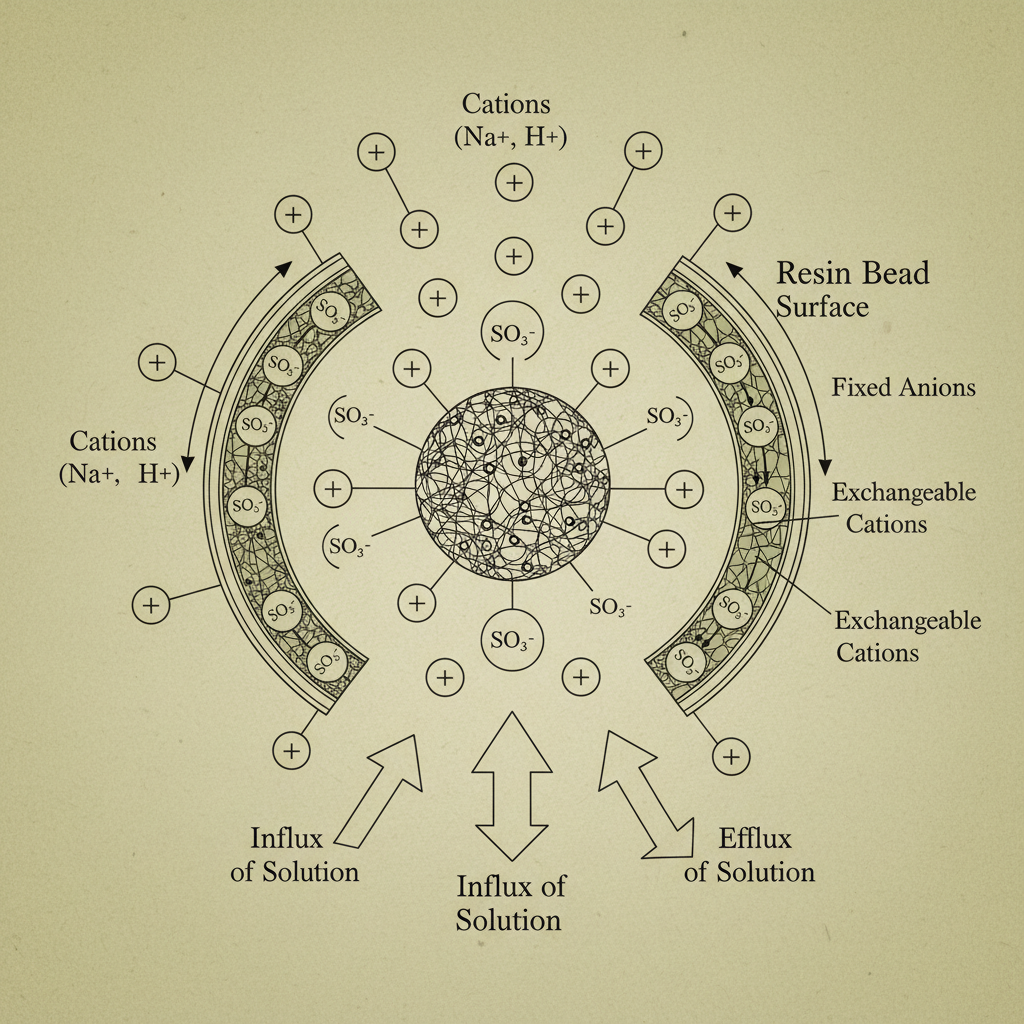
The core principle involves the exchange of undesirable ions (like sodium, chloride, sulfate) with hydrogen (H+) and hydroxide (OH-) ions, which then combine to form pure water. The “mixed bed” configuration ensures a thorough and consistent polishing of the water, offering superior performance compared to single-column deionizers.
Defining Mixed Bed Deionization
Mixed bed deionization is a water treatment process that removes dissolved ions using a combination of strong acid and strong base ion exchange resins in a single vessel. Unlike other deionization methods, this configuration maximizes ion removal efficiency, leading to water with exceptionally low electrical conductivity. The resins are thoroughly mixed to provide continuous ion exchange throughout the entire water flow.
This process is fundamental to modern industrial applications requiring ultra-pure water. From semiconductor fabrication, where microscopic contaminants can render entire batches unusable, to pharmaceutical production adhering to stringent regulatory standards, the mixed bed deionizer delivers a consistently high level of water quality.
Ultimately, the significance of mixed bed deionization extends beyond simply providing clean water. It enables innovations and improvements in countless industries by ensuring the reliability and integrity of their processes.
Core Components of a Mixed Bed System
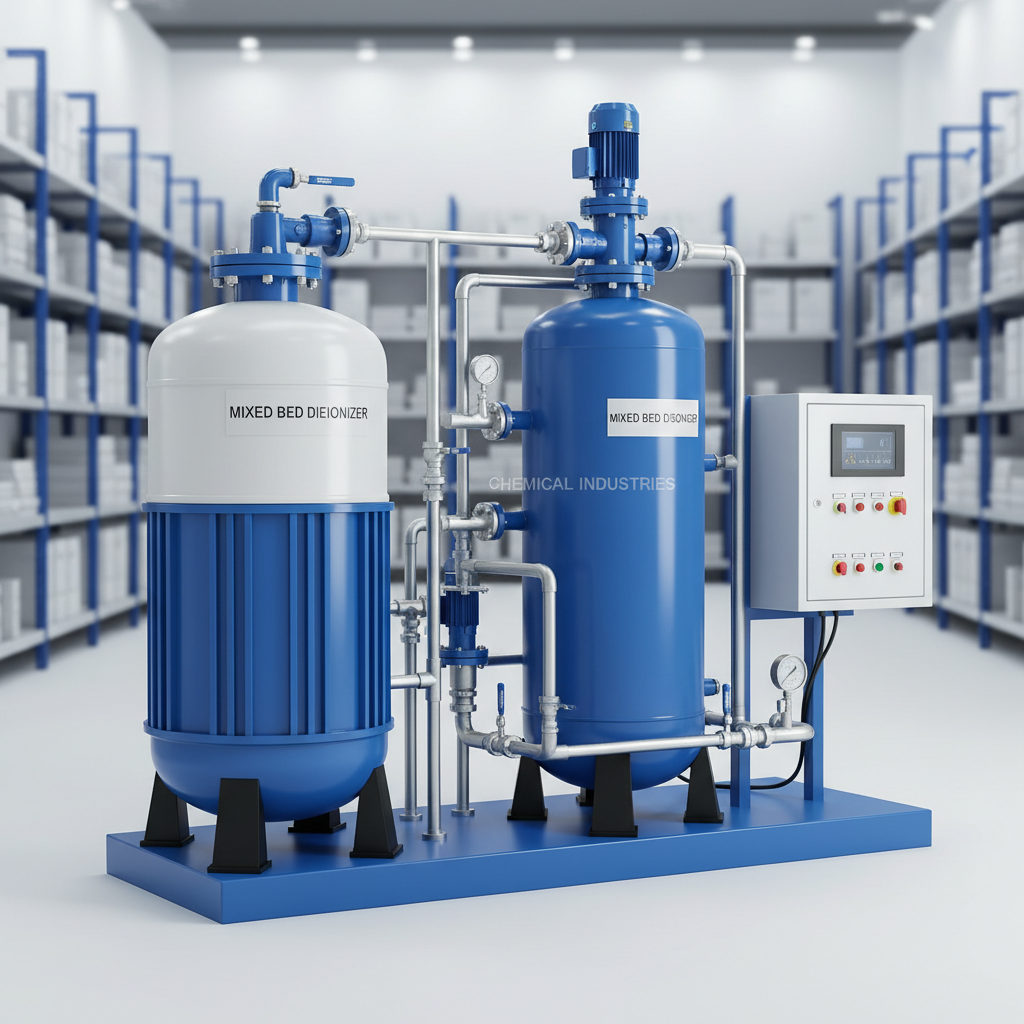
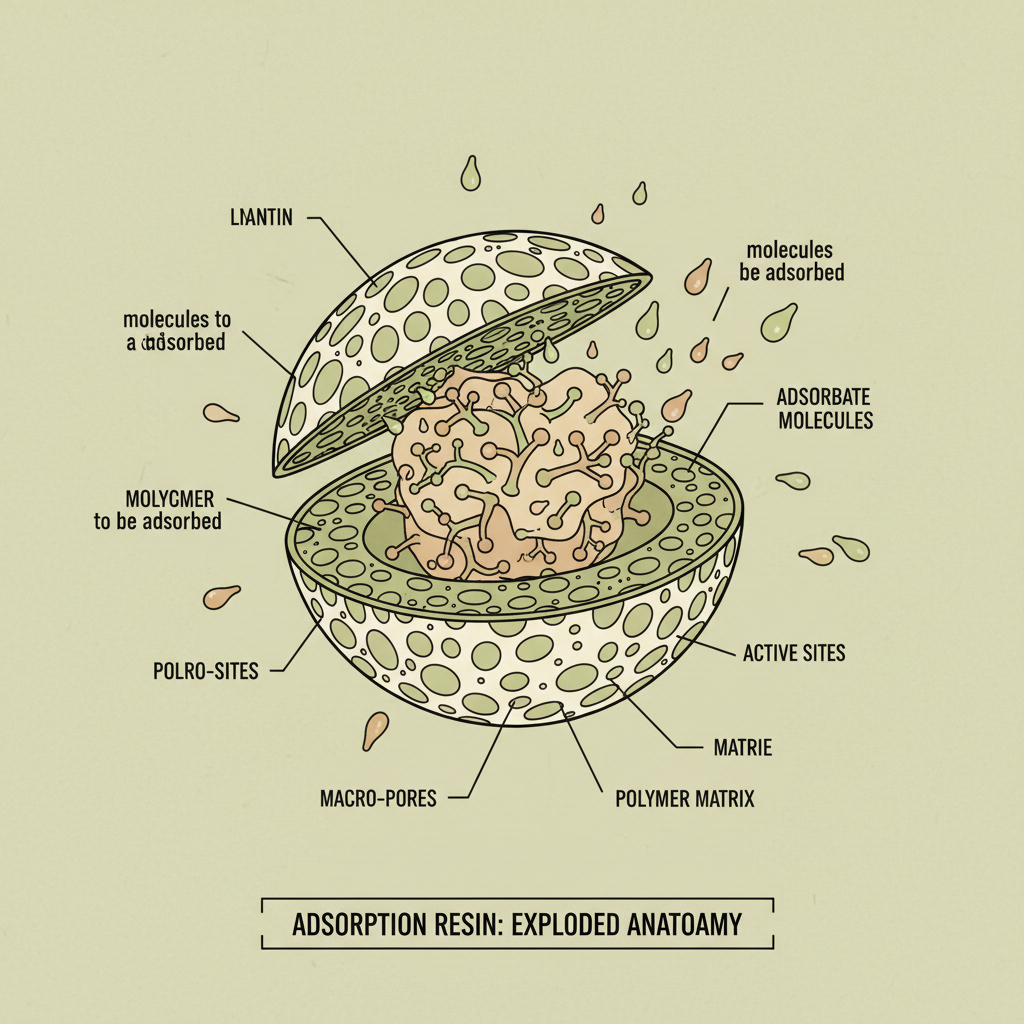
The effectiveness of a mixed bed deionizer hinges on several key components working in harmony. First and foremost are the strong acid cation (SAC) and strong base anion (SBA) exchange resins. SAC resins exchange positively charged ions (cations) with hydrogen ions, while SBA resins exchange negatively charged ions (anions) with hydroxide ions.
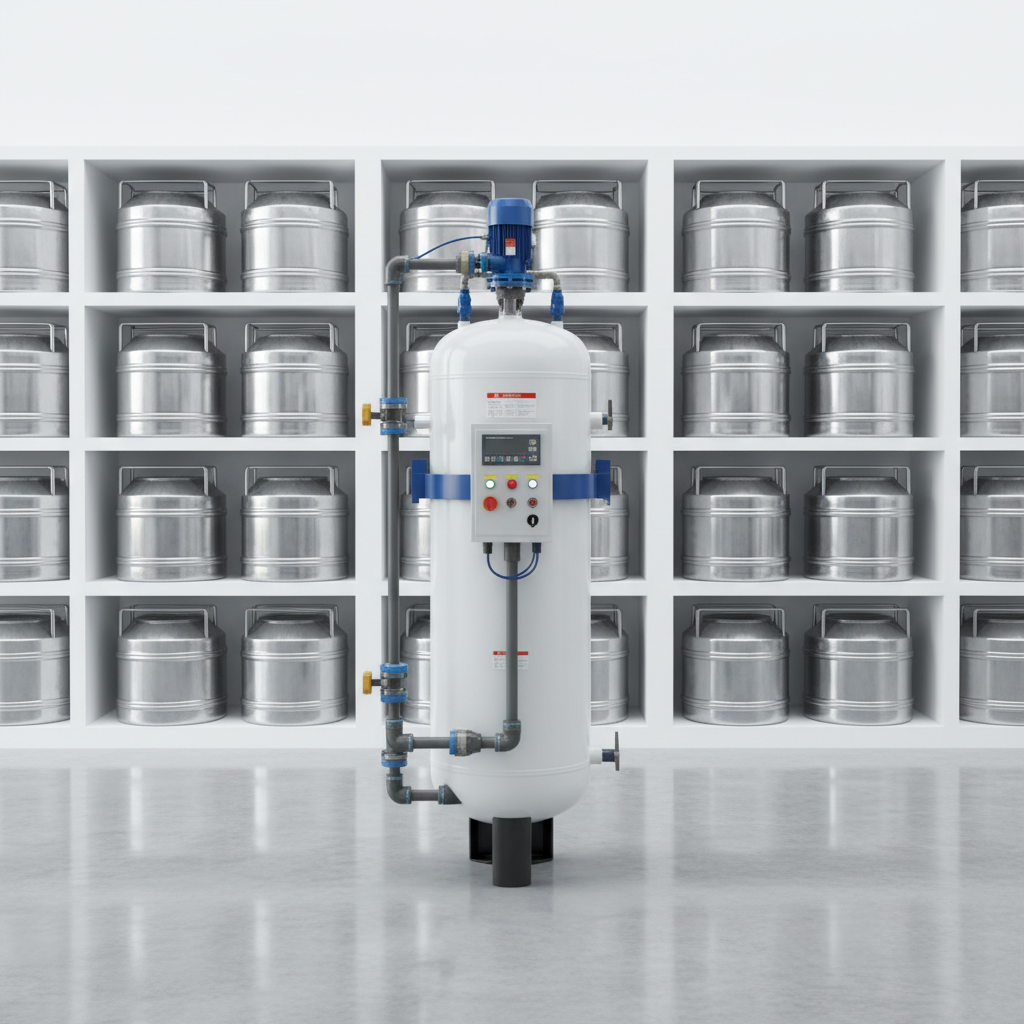
The physical mixing of these resins within the vessel is another critical aspect. This is achieved through mechanical agitation or recirculation, ensuring that water encounters both resin types uniformly. Furthermore, a robust vessel design, often constructed from corrosion-resistant materials like stainless steel or polyethylene, is essential for longevity and reliable operation.
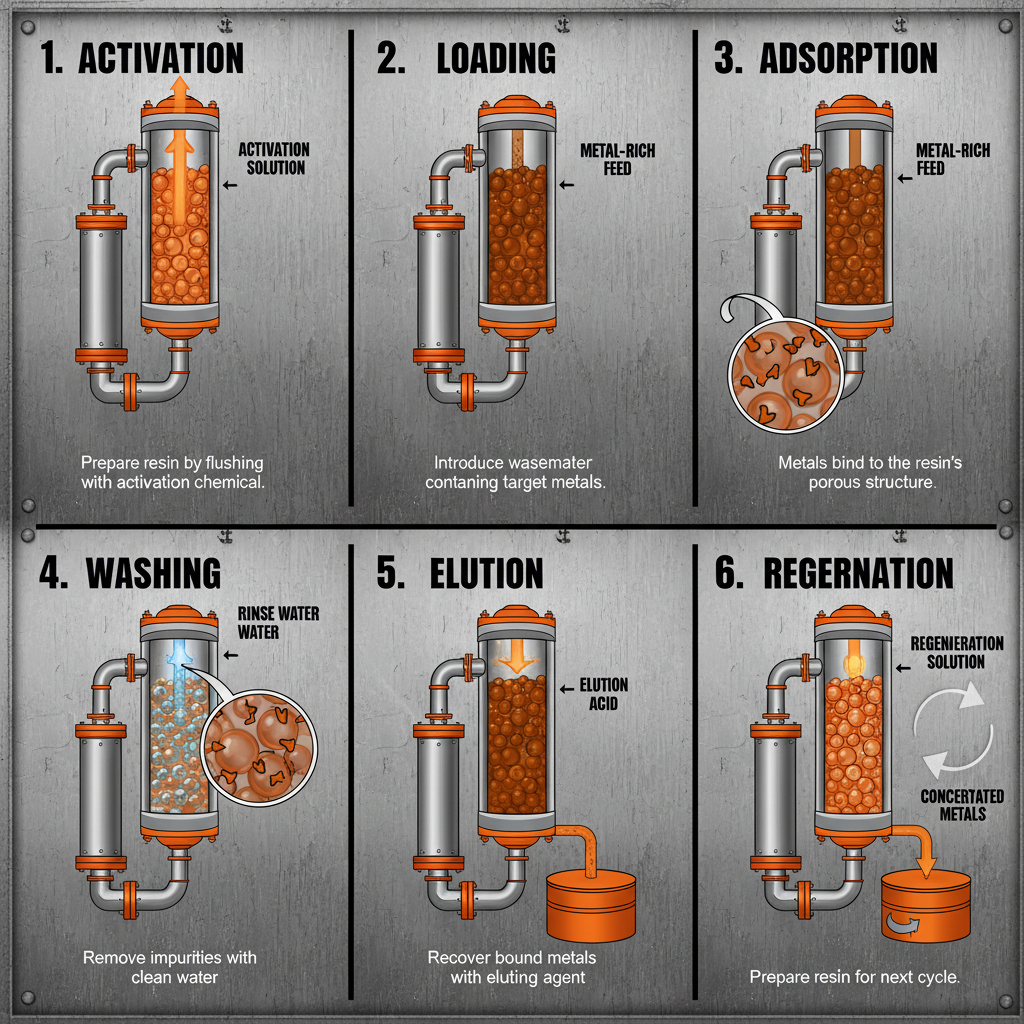
Finally, effective regeneration chemicals (typically acids and bases) are vital for restoring the resin's ion exchange capacity. Regular regeneration ensures that the system maintains optimal performance and consistently delivers ultra-pure water. Careful control of the regeneration process is key to maximizing resin life and minimizing chemical consumption.
Key Performance Indicators for mixed bed deionizer
Evaluating the performance of a mixed bed deionizer requires monitoring specific key performance indicators (KPIs). The most crucial is product water resistivity, measured in megohms-centimeters (MΩ·cm). Higher resistivity indicates lower ionic contamination and higher purity.
Another important KPI is total dissolved solids (TDS), measured in parts per billion (ppb). TDS directly correlates to the concentration of ions remaining in the water. Additionally, monitoring flow rate, pressure drop, and resin exhaustion levels provides valuable insights into system health and optimization opportunities.
Mixed Bed Deionizer Performance Metrics
Global Applications of Mixed Bed Deionization
The applications of mixed bed deionization are widespread and critical across numerous industries globally. In the pharmaceutical sector, it's indispensable for producing water for injection (WFI) and purified water used in drug manufacturing, ensuring patient safety and compliance with strict regulatory guidelines. Similarly, in the microelectronics industry, ultra-pure water is vital for cleaning silicon wafers and preventing defects during chip fabrication.
Power generation plants, particularly those utilizing steam turbines, rely on mixed bed deionizers to create high-purity boiler feedwater, preventing scale buildup and corrosion. Furthermore, in laboratory settings and research facilities worldwide, these systems provide the consistently high-quality water needed for accurate analytical results and reliable experiments.
In remote industrial zones and areas with limited access to high-quality water sources, mixed bed deionizers offer a self-contained and efficient solution for on-site water purification, reducing reliance on external water supplies and ensuring operational continuity.
Advantages and Long-Term Value
The advantages of employing a mixed bed deionizer extend far beyond simply achieving water purity. Cost-effectively, these systems often offer a lower total cost of ownership compared to alternative purification technologies, particularly when considering long-term operational expenses and reduced maintenance requirements. The reliability of mixed bed deionization ensures consistent water quality, minimizing production downtime and maximizing process efficiency.
From a sustainability perspective, the technology contributes to water conservation by enabling water reuse and reducing the demand for freshwater resources. The provision of ultra-pure water enhances product quality and process safety, fostering trust and confidence among consumers and stakeholders. This translates to a stronger brand reputation and a competitive edge in the marketplace.
Future Trends in Mixed Bed Deionization
The future of mixed bed deionization is poised for significant advancements driven by emerging technologies and sustainability concerns. One key trend is the development of more selective and durable ion exchange resins, offering improved performance and extended lifespan. Integration with real-time monitoring and control systems, utilizing IoT sensors and data analytics, is also gaining traction, enabling proactive maintenance and optimized system operation.
The incorporation of renewable energy sources to power regeneration processes, coupled with closed-loop chemical recovery systems, will further enhance the environmental sustainability of these systems. Furthermore, research into novel materials and configurations, such as membrane-assisted deionization, holds the promise of even greater efficiency and reduced operational costs.
These innovations align with the broader industry shift towards circular economy principles and the growing demand for sustainable water management solutions.
Challenges and Solutions
Despite its effectiveness, the use of mixed bed deionizers presents certain challenges. Resin fouling, caused by the accumulation of organic matter or inorganic precipitates, can reduce ion exchange capacity and shorten resin life. Careful pretreatment of the feedwater is crucial to minimize fouling and protect the resins.
Another challenge is the generation of waste regenerant solutions, which require proper disposal or treatment to avoid environmental contamination. Implementing efficient regeneration protocols and exploring alternative regeneration chemicals can help mitigate this issue. Also, the complex interplay between flow rate, resin mixing, and water quality demands careful optimization and regular monitoring.
Solutions often involve advanced monitoring systems, automated control algorithms, and specialized cleaning-in-place (CIP) procedures. Additionally, ongoing research into resin regeneration technologies and waste minimization strategies is vital for addressing these challenges and ensuring the long-term sustainability of mixed bed deionization.
Frequently Asked Questions About Mixed Bed Deionizers
| Application Scope |
Maintenance Frequency |
Cost Considerations |
Resin Replacement |
| What industries commonly utilize mixed bed deionizers? |
How often does a mixed bed deionizer require maintenance? |
What are the main cost factors associated with operating a mixed bed deionizer? |
How frequently should the ion exchange resins be replaced in a mixed bed deionizer? |
| Mixed bed deionizers are widely used in pharmaceuticals, microelectronics, power generation, laboratories, and food & beverage industries. Any process requiring ultra-pure water benefits from this technology. |
Maintenance typically includes routine monitoring of resistivity, flow rate, and pressure drop. Resin regeneration is performed when capacity is exhausted, usually every few weeks to months depending on water usage and quality. |
Costs include initial purchase price, resin regeneration chemicals, electricity for pumps and controls, and labor for maintenance. Long-term costs can be minimized through efficient operation and preventative maintenance. |
Resin replacement depends on usage and water quality, but generally, resins last 5-10 years with proper care and regeneration. Signs of degradation include decreased capacity and increased pressure drop. |
| What is the difference between a single-column and a mixed bed deionizer? |
How does feedwater quality affect the performance of a mixed bed deionizer? |
Can a mixed bed deionizer remove all types of contaminants from water? |
What are the environmental considerations related to mixed bed deionizer operation? |
| A single-column deionizer uses only one type of resin, while a mixed bed system combines strong acid and strong base resins for superior polishing. Mixed bed systems achieve much higher purity levels. |
Feedwater quality significantly impacts performance. Pretreatment to remove organic matter, turbidity, and chlorine is essential to prevent resin fouling and ensure optimal ion exchange capacity. |
While excellent at removing ionic contaminants, mixed bed deionizers do not effectively remove non-ionic contaminants like bacteria, viruses, or organic molecules. These may require additional treatment steps. |
Responsible disposal or treatment of spent regenerant solutions is crucial to minimize environmental impact. Optimizing regeneration efficiency and exploring chemical recovery options can also reduce environmental footprint. |
| What is the role of resin regeneration in a mixed bed deionizer system? |
How can I monitor the performance of my mixed bed deionizer system? |
Are there automated control systems available for mixed bed deionizers? |
What are the benefits of using high-quality ion exchange resins? |
| Resin regeneration restores the ion exchange capacity of the resins by reversing the ion exchange process, replenishing the hydrogen and hydroxide ions. This is essential for maintaining consistent water purity. |
Regular monitoring of product water resistivity, TDS, flow rate, and pressure drop provides valuable insights into system performance and allows for proactive maintenance. |
Yes, automated control systems can optimize regeneration cycles, monitor water quality, and provide alerts for potential issues, improving efficiency and reducing operational costs. |
High-quality resins offer superior ion exchange capacity, longer lifespan, and greater resistance to fouling, resulting in improved performance and reduced operating costs. |
Conclusion
In summary, the mixed bed deionizer remains an indispensable technology for achieving ultra-pure water across diverse industries. Its ability to consistently remove ionic contaminants, coupled with its relatively low operating costs and increasing sustainability through innovative advancements, solidifies its position as a cornerstone of modern water purification. Understanding its core principles, applications, and future trends is crucial for professionals seeking to optimize water quality and ensure process reliability.
Looking ahead, continued research and development in resin technology, automated control systems, and environmentally responsible regeneration practices will further enhance the efficiency and sustainability of mixed bed deionization. By embracing these advancements, we can unlock even greater potential for water conservation, improved product quality, and a more sustainable future. Visit our website at www.lijiresin.com to learn more about how mixed bed deionizers can benefit your operations.