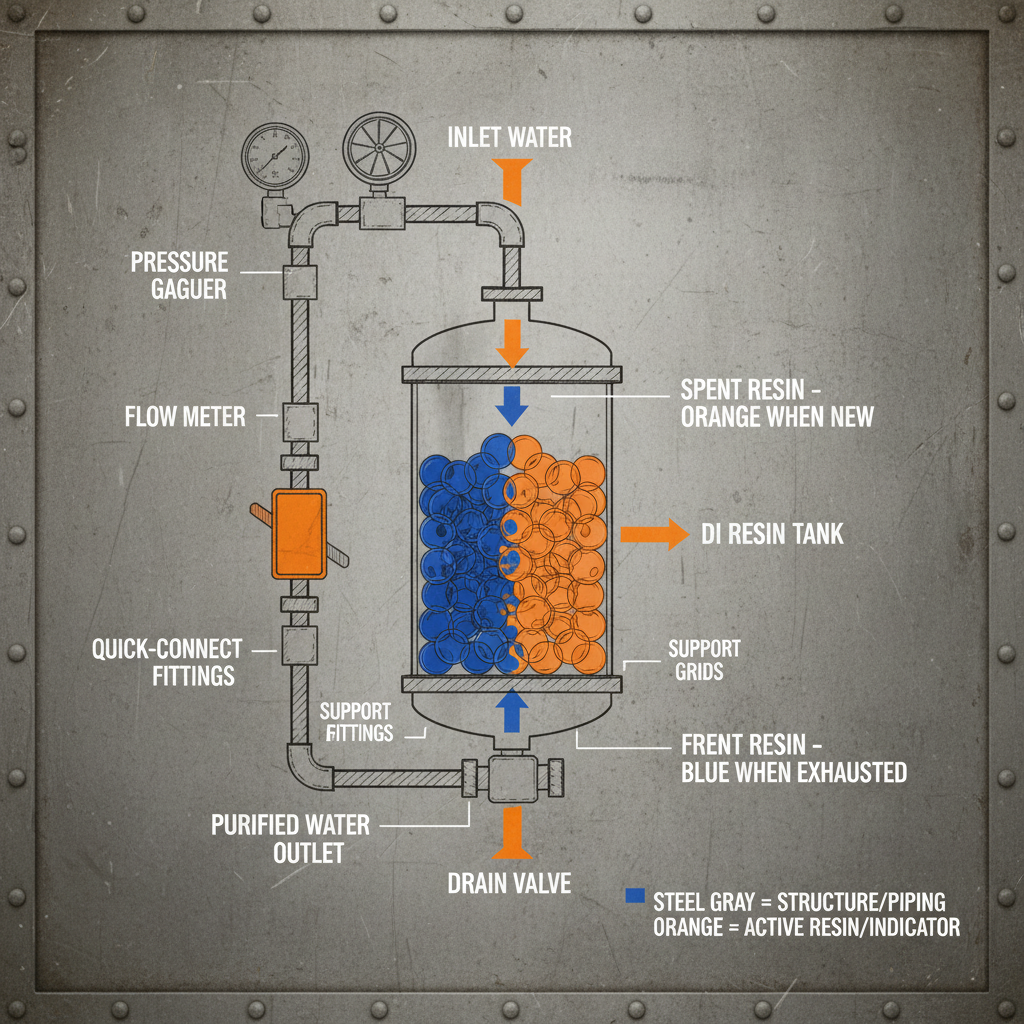
d101 macroporous resin is a synthetic polymer renowned for its unique porous structure, making it a crucial component in various separation, purification, and catalysis processes. Its increasing global demand reflects a growing need for efficient and sustainable solutions across diverse industries, from pharmaceutical production to environmental remediation. Understanding its properties and applications is vital for innovation and advancement in these fields.
The global market for macroporous resins is experiencing substantial growth, driven by stringent quality control standards and rising environmental concerns. Reports from organizations like the UN and the World Bank highlight the increasing need for water purification technologies and sustainable chemical processes, areas where d101 macroporous resin excels. This demand creates opportunities for manufacturers and researchers alike, fueling ongoing development and refinement of the resin’s capabilities.
At its core, d101 macroporous resin addresses the challenge of selective separation. Traditional methods often fall short in efficiency and sustainability. This resin provides a cost-effective and environmentally friendly alternative for purifying substances, removing contaminants, and isolating valuable compounds, making it an indispensable tool in modern industrial practices and humanitarian efforts.
Introduction to d101 Macroporous Resin
d101 macroporous resin stands out due to its exceptional ability to selectively adsorb molecules, making it a preferred choice in a wide array of applications. Its structural integrity and tailored pore size distribution contribute to its high performance and longevity. The resin’s versatility allows for customized solutions across industries.
The production of d101 macroporous resin involves carefully controlled polymerization processes, ensuring consistent quality and performance. d101 macroporous resin manufacturers utilize advanced techniques to modify the resin's properties, catering to specific application requirements, such as adjusting pore size and surface chemistry.
Defining d101 Macroporous Resin
d101 macroporous resin is a cross-linked polymer material characterized by a highly porous structure, typically ranging from 20 to 100 micrometers. This structure is created through the polymerization of monomers, followed by the introduction of a porogen – a substance that creates voids within the polymer matrix.
Its connection to modern industry is paramount. It is used to remove unwanted compounds from pharmaceutical products, purify natural extracts, treat industrial wastewater, and even recover valuable metals from mining operations. It's a key enabler of cleaner, more efficient processes.
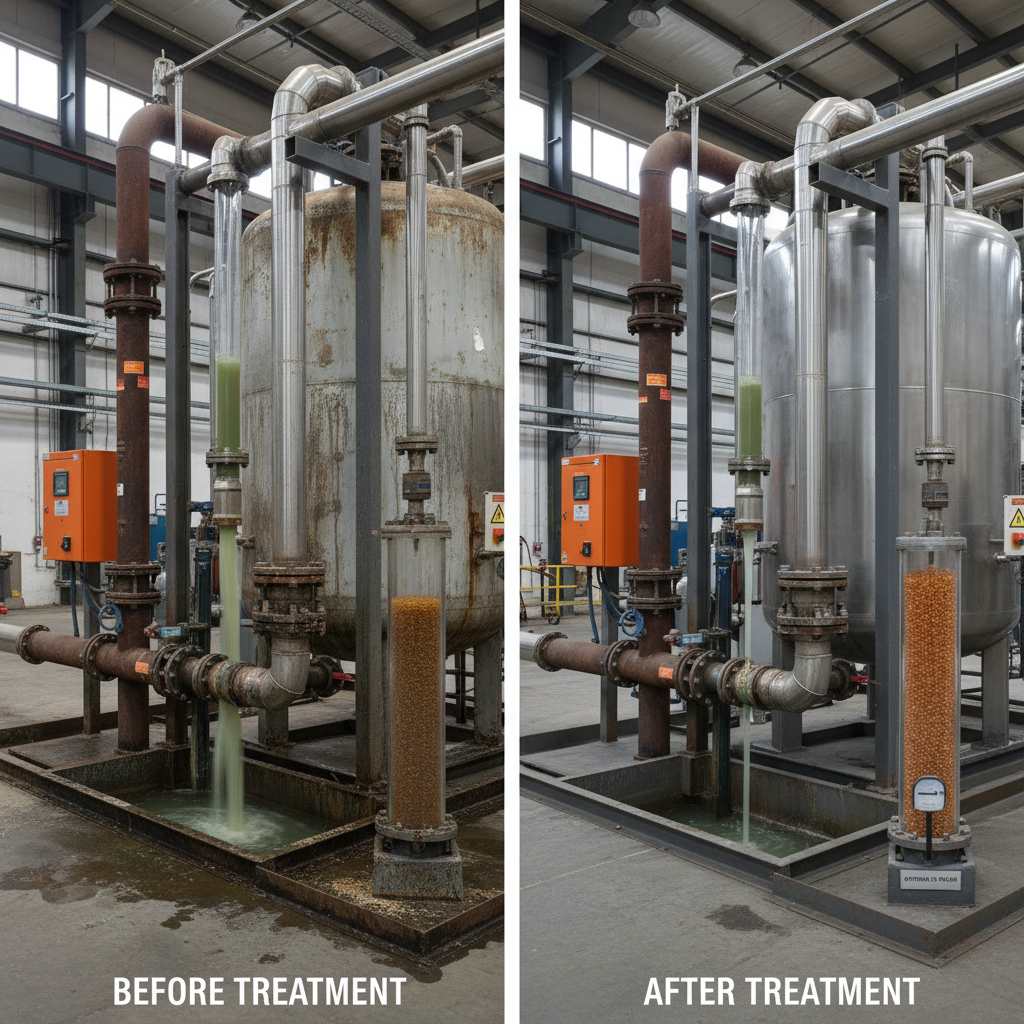
In humanitarian efforts, d101 macroporous resin plays a critical role in providing access to clean water. Its ability to selectively remove contaminants makes it ideal for point-of-use water filters and large-scale water treatment facilities, contributing to improved public health in underserved communities.
Key Characteristics of d101 Macroporous Resin
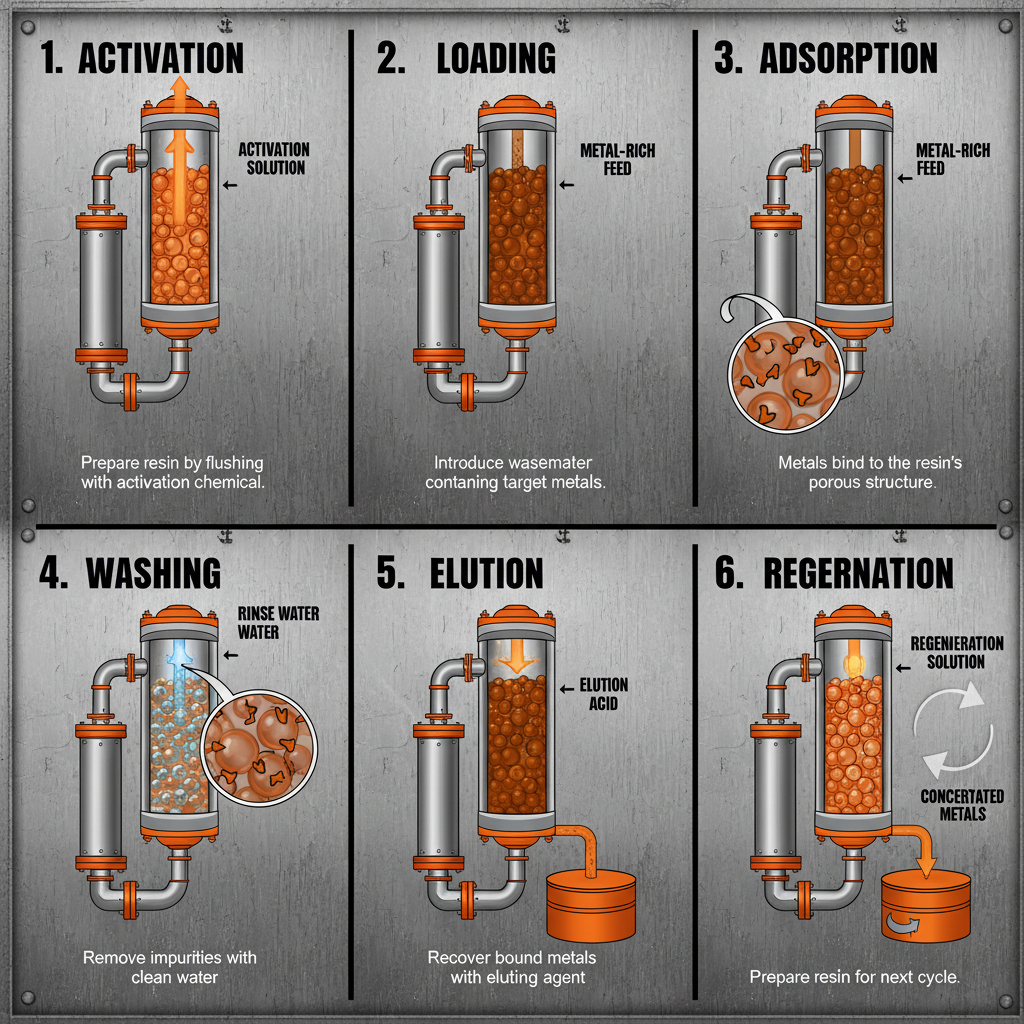
One key characteristic of d101 macroporous resin is its high surface area, which facilitates efficient adsorption. This large surface area, coupled with the tailored pore size, allows for the selective capture of target molecules.
Another critical factor is its chemical stability. The resin must withstand harsh chemical environments without degrading, ensuring long-term performance and reliability in various applications. Different polymer matrices provide different levels of stability to suit specific needs.
Furthermore, d101 macroporous resin exhibits excellent mechanical strength, preventing breakage and minimizing particle loss during operation. This physical robustness is vital for maintaining process efficiency and preventing contamination.
Performance Metrics of d101 Macroporous Resin
The performance of d101 macroporous resin is typically evaluated based on several key metrics, including adsorption capacity, selectivity, and mechanical strength. Adsorption capacity refers to the amount of a substance the resin can absorb per unit volume.
Selectivity determines the resin's ability to preferentially adsorb specific compounds over others. This is often achieved through surface modifications that enhance affinity for target molecules. Rigorous testing and quality control ensure consistent performance across batches.
Performance Comparison of d101 Macroporous Resin Methods
Global Applications of d101 Macroporous Resin
d101 macroporous resin finds widespread application in the pharmaceutical industry for purifying APIs (Active Pharmaceutical Ingredients) and removing impurities from drug formulations. This ensures drug safety and efficacy.
In the food and beverage industry, it’s utilized for decolorizing sugars, removing unwanted flavors, and purifying fruit juices. The increasing demand for high-quality, natural food products drives the adoption of this technology.
Advantages and Long-Term Value
The use of d101 macroporous resin offers significant cost savings compared to traditional separation techniques, primarily due to its high efficiency and reusability. Reduced solvent consumption and lower energy requirements further contribute to economic benefits.
From a sustainability perspective, d101 macroporous resin promotes greener processes by minimizing waste generation and reducing the reliance on hazardous chemicals. Its long lifespan and potential for regeneration contribute to a circular economy approach.
Beyond economic and environmental benefits, it offers enhanced product quality and consistency, fostering greater trust and reliability among consumers and end-users. This is particularly critical in highly regulated industries like pharmaceuticals.
Future Trends and Innovations in d101 Macroporous Resin
Ongoing research focuses on developing d101 macroporous resin with enhanced selectivity and adsorption capacity through innovative surface modification techniques. Nanomaterials and bio-based polymers are being explored to create more sustainable and efficient resins.
The integration of automation and digital control systems in resin-based separation processes promises to optimize performance, reduce operational costs, and improve process monitoring. Smart resins with sensing capabilities are also under development.
Furthermore, aligning d101 macroporous resin development with green chemistry principles and circular economy initiatives will be crucial for ensuring its long-term viability and contribution to a more sustainable future.
Summary of d101 Macroporous Resin Innovation Challenges
| Challenge Area |
Current Limitations |
Potential Solutions |
Impact on d101 Macroporous Resin |
| Selectivity Enhancement |
Difficulty in targeting specific molecules with high precision. |
Molecular imprinting, surface functionalization with specific ligands. |
Increased purification efficiency, reduced waste. |
| Bio-Compatibility |
Limited use in biomedical applications due to potential toxicity. |
Development of resins from bio-based and biodegradable materials. |
Expansion of applications into drug delivery and tissue engineering. |
| Mechanical Stability |
Resin degradation under harsh process conditions. |
Cross-linking with stronger polymers, optimizing pore structure. |
Extended resin lifespan, reduced particle loss. |
| Regeneration Efficiency |
Incomplete removal of adsorbed compounds during regeneration. |
Optimization of regeneration protocols, use of more effective solvents. |
Reduced solvent consumption, lower operating costs. |
| Scalability |
Challenges in scaling up production while maintaining quality. |
Continuous manufacturing processes, automated quality control. |
Increased production capacity, lower costs. |
| Cost-Effectiveness |
High manufacturing costs for specialized resins. |
Utilizing cheaper monomers and porogens, optimizing synthesis routes. |
Wider adoption of d101 macroporous resin in various applications. |
FAQS
d101 macroporous resin offers several advantages over traditional methods, including higher selectivity, lower energy consumption, and reduced solvent usage. Its porous structure allows for efficient adsorption and separation of target molecules, leading to higher purity and yield. Furthermore, its reusability significantly lowers overall costs compared to disposable separation techniques.
Selecting the right d101 macroporous resin requires careful consideration of several factors, including the size and polarity of the target molecule, the pH and temperature of the process stream, and the desired selectivity. Consulting with a resin specialist and conducting small-scale testing are crucial steps in optimizing resin performance for your specific needs.
The lifespan of d101 macroporous resin varies depending on the application and operating conditions. However, with proper maintenance and regeneration, it can typically last for several years. Regular cleaning, optimized regeneration protocols, and avoiding exposure to harsh chemicals can significantly extend its lifespan.
d101 macroporous resin can be considered environmentally friendly due to its reusability and ability to reduce solvent consumption. However, responsible disposal is still essential. Newer generations of resins are being developed using bio-based materials, further enhancing their sustainability profile.
The pore size of d101 macroporous resin is a critical parameter influencing its performance. Larger pore sizes facilitate the adsorption of larger molecules, while smaller pore sizes are more effective for smaller molecules. Selecting the appropriate pore size is essential for maximizing selectivity and adsorption capacity.
Common regeneration methods for d101 macroporous resin include solvent washing, acid/base treatment, and thermal desorption. The choice of regeneration method depends on the nature of the adsorbed compounds. Optimizing the regeneration protocol is crucial for restoring the resin's adsorption capacity and extending its lifespan.
Conclusion
In conclusion, d101 macroporous resin represents a versatile and essential material for a wide range of separation, purification, and catalysis applications. Its unique porous structure, coupled with its chemical stability and mechanical strength, makes it an ideal choice for tackling complex challenges across diverse industries. Its ability to drive cost savings, enhance sustainability, and improve product quality solidifies its position as a cornerstone of modern industrial processes.
Looking ahead, continued innovation in materials science and process optimization will further enhance the capabilities of d101 macroporous resin. By embracing sustainable practices and integrating digital technologies, we can unlock its full potential and contribute to a more efficient, environmentally responsible, and technologically advanced future. Visit our website for more information: www.lijiresin.com