0%

Table of Contents

Mixed bed deionization (DI) resin, particularly a 1 cubic foot volume, is a cornerstone of water purification across numerous industries. Its ability to consistently remove ionic impurities makes it critical for applications ranging from pharmaceutical manufacturing and power generation to electronics production and laboratory research. Understanding the nuances of this resin – its composition, performance characteristics, and optimal usage – is essential for maintaining product quality, operational efficiency, and environmental responsibility. The increasing demand for ultra-pure water globally drives the continued relevance and refinement of mixed bed DI resin technologies.

The widespread adoption of mixed bed di resin 1 cubic foot stems from its cost-effectiveness and reliability compared to alternative purification methods. Industries face ever-stricter regulations regarding water quality, making DI resin a vital component in achieving compliance. Moreover, the technology is adaptable, capable of being tailored to specific purity requirements. The current emphasis on sustainability also favors DI resin, as it can often be regenerated and reused, minimizing waste compared to single-use purification processes.

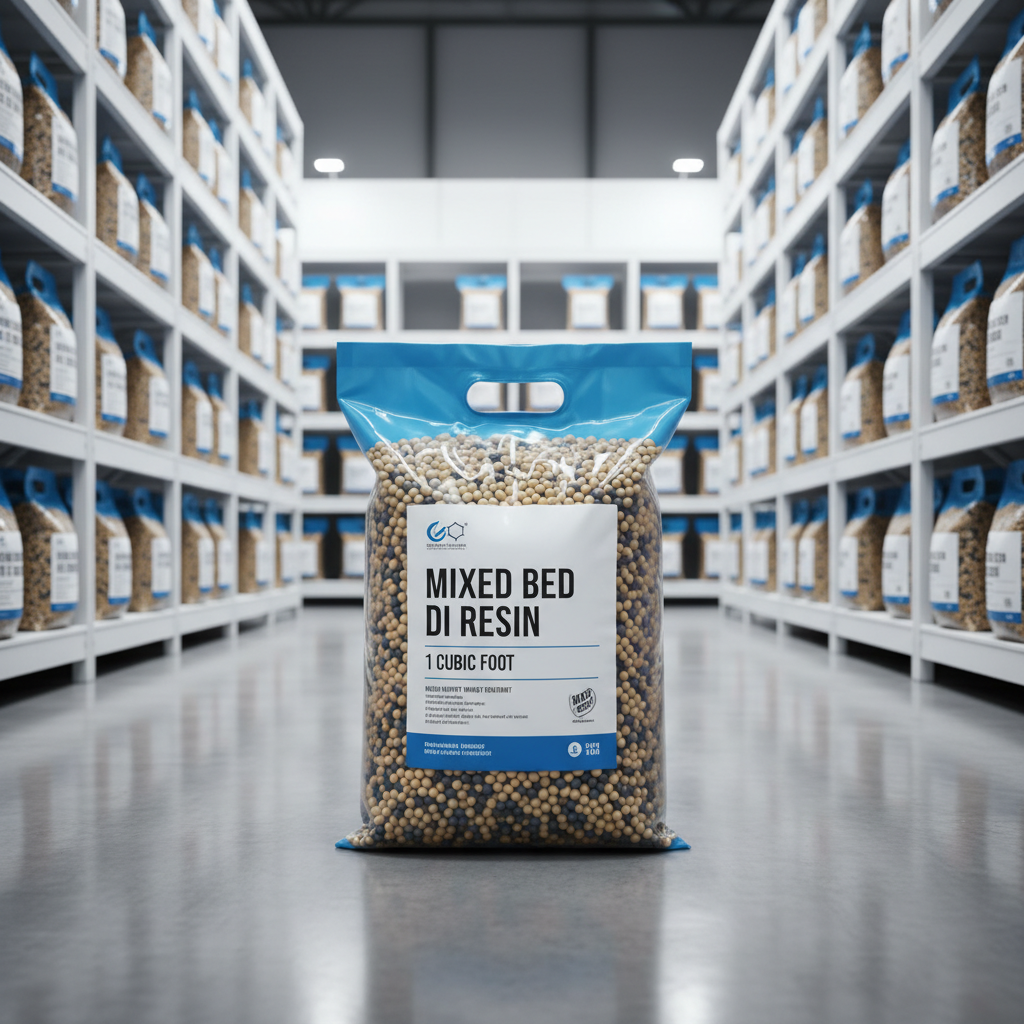
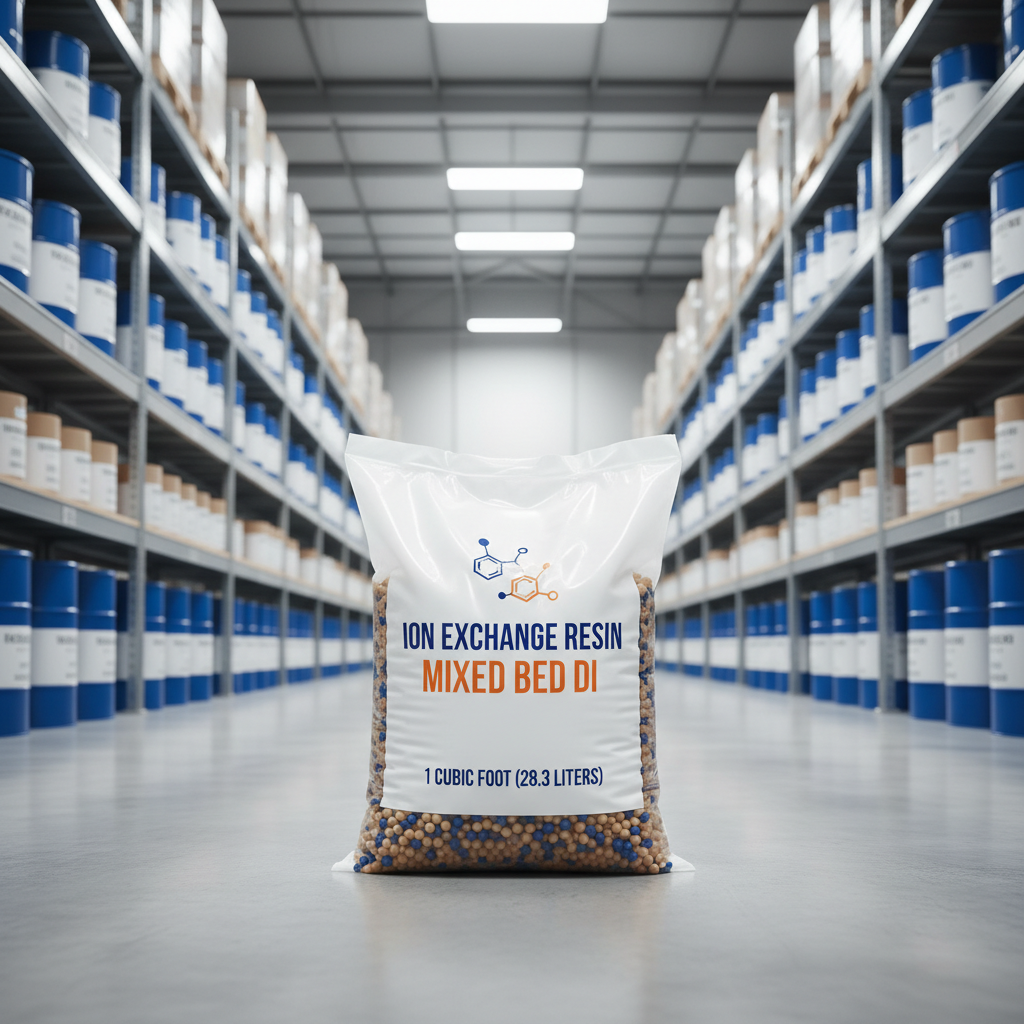
A 1 cubic foot volume of mixed bed DI resin is a common and manageable size for many applications, offering a balance between capacity and ease of handling. It represents a standardized unit, facilitating procurement and system design. This resin type combines both cation and anion exchange resins within a single vessel, leading to exceptionally high purity levels. Its widespread availability and well-established operational protocols contribute to its continued popularity across a broad spectrum of industries.
Optimizing Water Purification with Mixed Bed DI Resin 1 Cubic Foot Systems

Introduction to Mixed Bed DI Resin

Optimizing Water Purification with Mixed Bed DI Resin 1 Cubic Foot Systems

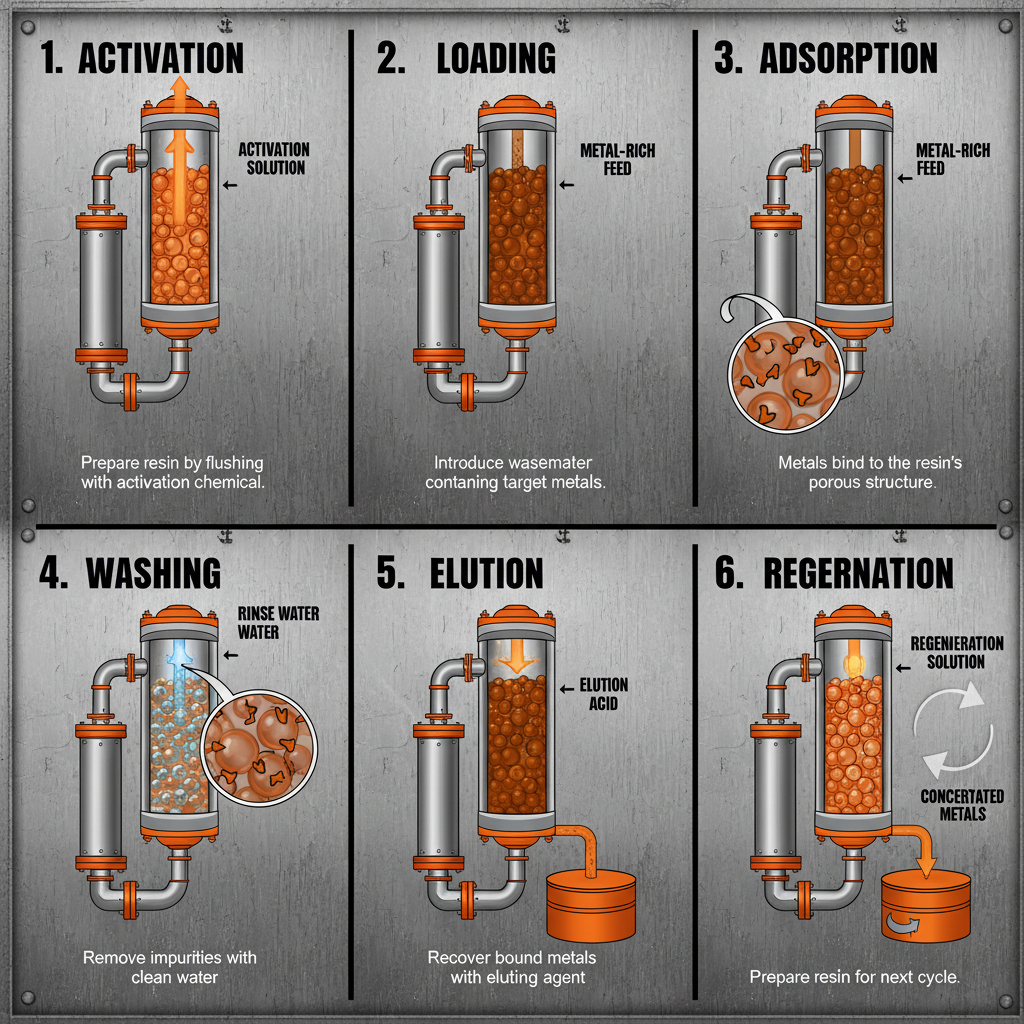
Mixed bed di resin 1 cubic foot provides a highly efficient method for removing nearly all ionic contaminants from water. It’s widely used as a polishing step after other purification processes, such as reverse osmosis, to achieve exceptionally high purity levels. The resin’s functionality relies on ion exchange, where undesirable ions are replaced with less harmful hydrogen (H+) and hydroxide (OH-) ions.

This technology is critical for maintaining the integrity of sensitive processes and products. From semiconductors that demand near-absolute purity to pharmaceuticals requiring stringent quality control, mixed bed DI resin helps ensure the reliability and performance of various applications.

The Composition and Functionality of Mixed Bed DI Resin

A 1 cubic foot mixed bed DI resin vessel isn’t simply one type of resin; it’s a carefully blended combination of strong acid cation exchange resins and strong base anion exchange resins. These resins are physically mixed together, maximizing the contact between water and the ion exchange sites. The cation resins remove positively charged ions (like calcium, magnesium, and sodium), while the anion resins remove negatively charged ions (like chloride, sulfate, and nitrate).

The effectiveness of this process depends on the resin’s capacity – its ability to hold onto exchanged ions – and its selectivity – its preference for certain ions over others. Resin manufacturers carefully control these characteristics during production to tailor the resin for specific applications. Understanding the resin’s chemical and physical properties is vital for optimizing its performance and longevity.

The regeneration process involves passing acidic and alkaline solutions through the resin bed to restore the H+ and OH- ions, respectively, effectively “recharging” the resin for continued use. Proper regeneration is essential to maintain the resin’s capacity and prevent fouling.

Key Factors Influencing Resin Performance

Several factors significantly impact the performance of mixed bed di resin 1 cubic foot. Water temperature, flow rate, and influent water quality all play critical roles. Higher temperatures generally increase the rate of ion exchange but can also accelerate resin degradation. Flow rate must be optimized to ensure sufficient contact time between the water and the resin, without creating excessive pressure drop.

The concentration and type of ionic contaminants present in the influent water also dramatically influence resin capacity and lifespan. High concentrations of specific ions can lead to premature exhaustion, while the presence of organic compounds or silica can cause fouling, reducing the resin’s effectiveness. Pre-treatment steps, such as filtration and carbon adsorption, are often employed to mitigate these issues.

Resin age and regeneration frequency also affect performance. Over time, resins can lose capacity due to attrition (physical breakdown) and chemical degradation. Regular and proper regeneration is essential to maintain optimal performance and prolong the resin's lifespan, but over-regeneration can also contribute to degradation.

Applications of a 1 Cubic Foot Mixed Bed DI Resin

A 1 cubic foot mixed bed DI resin is widely used in a variety of industrial and laboratory settings. In pharmaceutical manufacturing, it's crucial for producing Water for Injection (WFI) and Purified Water, meeting stringent regulatory standards. Semiconductor fabrication relies heavily on ultrapure water generated using mixed bed DI resin to prevent contamination and ensure chip quality.

Power generation plants utilize DI resin to purify boiler feedwater, preventing scale buildup and corrosion. Laboratories employ it for producing high-purity water for analytical instruments, experiments, and reagent preparation. Smaller-scale applications include dental offices and analytical testing facilities.

mixed bed di resin 1 cubic foot Application Suitability


Advantages and Economic Considerations

Compared to other water purification methods, mixed bed di resin 1 cubic foot offers a compelling combination of cost-effectiveness, reliability, and simplicity. The initial investment in a DI system is often lower than that of reverse osmosis or distillation systems, and the operating costs are generally manageable.

Furthermore, the resin can often be regenerated on-site, reducing the need for frequent replacement and minimizing waste disposal costs. The long-term operational benefits, coupled with the high purity levels achieved, make it an economically attractive solution for numerous industries.

Future Trends in DI Resin Technology

Ongoing research focuses on developing more selective and durable resins, capable of handling higher ionic loads and resisting fouling. Advances in polymer chemistry are leading to resins with improved mechanical strength and chemical stability. The integration of sensors and automation is also gaining traction, allowing for real-time monitoring of resin performance and optimized regeneration cycles.

Sustainability is driving the development of resins made from renewable resources and the exploration of more efficient regeneration techniques to minimize chemical usage and waste generation. The increasing demand for ultrapure water in emerging technologies, such as fuel cells and battery manufacturing, will further stimulate innovation in DI resin technology.

Furthermore, hybrid systems combining DI resin with other purification technologies, such as membrane filtration, are becoming increasingly common, offering synergistic benefits and optimized performance.

Common Challenges and Practical Solutions

Despite its advantages, mixed bed di resin 1 cubic foot faces several challenges. Fouling due to organic matter and silica remains a persistent issue, reducing resin capacity and requiring frequent cleaning or replacement. Maintaining optimal pH levels during regeneration is also crucial to prevent resin degradation.

Effective pre-treatment, including filtration and carbon adsorption, can significantly mitigate fouling. Careful control of regeneration chemistry and monitoring of effluent water quality are essential for ensuring optimal performance. Regular resin testing and analysis can identify potential issues early on, allowing for proactive maintenance and preventing costly downtime.

The development of fouling-resistant resins and advanced regeneration protocols continues to address these challenges, enhancing the longevity and efficiency of DI systems.

Summary of Common Challenges and Solutions for Mixed Bed DI Resin

Challenge Impact on Performance Solution Prevention Strategy
Fouling by Organics Reduced resin capacity, shortened lifespan Carbon adsorption, regular cleaning Pre-filtration with activated carbon
Silica Contamination Channeling and resin bed compaction Silica removal filters, specialized resins Implement silica-specific pre-treatment
Improper Regeneration Decreased capacity, resin degradation pH control, optimized chemical dosage Automated regeneration systems
Resin Attrition Loss of functional groups, reduced capacity Gentle backwashing, controlled flow rates Utilize high-quality resin materials
Bacterial Growth Biofouling, reduced resin effectiveness Sanitization, disinfection UV sterilization of feed water
Channeling Uneven flow distribution, reduced contact time Proper resin packing, backwashing Maintain uniform resin bed density

FAQS

What is the typical lifespan of a 1 cubic foot mixed bed DI resin?

The lifespan of a 1 cubic foot mixed bed DI resin varies significantly based on influent water quality and usage rate. Under ideal conditions, with consistent pre-treatment and proper regeneration, a resin can last for several years. However, heavy fouling or inadequate regeneration can shorten its lifespan to a few months. Regular monitoring of effluent water quality and periodic resin analysis are key to determining when replacement is necessary. Resin degradation due to attrition or chemical attack will also contribute to reduced lifespan.

How often should I regenerate my mixed bed DI resin?

The regeneration frequency for mixed bed di resin 1 cubic foot depends on the load of contaminants it's processing. Monitoring the effluent water conductivity is the best indicator. When the conductivity starts to rise above the desired purity level, it's time to regenerate. A common starting point is to regenerate when the resistivity falls below 1 megohm-cm. Automated systems can be programmed to regenerate based on volume processed or time intervals, but constant monitoring is recommended.

What type of pre-treatment is recommended for mixed bed DI resin?

Pre-treatment is crucial for maximizing the lifespan and efficiency of mixed bed DI resin. Common pre-treatment steps include particulate filtration (to remove suspended solids), activated carbon adsorption (to remove organic compounds), and water softening (to remove calcium and magnesium). For specific contaminants, such as silica, specialized filtration media may be necessary. The optimal pre-treatment scheme will depend on the characteristics of the source water.

How do I know when it's time to replace the resin completely?

Even with proper regeneration and pre-treatment, a 1 cubic foot mixed bed DI resin will eventually degrade. Signs that indicate it's time for replacement include consistently poor effluent water quality despite regeneration, a significant reduction in resin capacity, noticeable physical degradation of the resin beads, or channeling within the resin bed. Resin analysis can confirm the extent of degradation and provide a definitive assessment.

Is there a more environmentally friendly alternative to traditional resin regeneration chemicals?

While traditional regeneration chemicals (acids and bases) are effective, they can have environmental impacts. Some manufacturers are developing alternative regeneration chemicals with lower environmental footprints. Furthermore, optimizing regeneration cycles to minimize chemical usage and implementing effective wastewater treatment strategies can reduce environmental impact. Research into bio-based resins and regenerative processes is also ongoing.

What safety precautions should I take when handling mixed bed DI resin and regeneration chemicals?

Both the resin itself and the regeneration chemicals pose potential safety hazards. Always wear appropriate personal protective equipment (PPE), including gloves, safety glasses, and a lab coat. Regeneration chemicals are corrosive and should be handled with extreme care, following all manufacturer's safety guidelines. Ensure adequate ventilation and avoid contact with skin and eyes. Properly dispose of waste chemicals according to local regulations.

Conclusion

In conclusion, mixed bed di resin 1 cubic foot remains an indispensable component of high-purity water systems across diverse industries. Its ability to reliably remove ionic contaminants, coupled with its cost-effectiveness and adaptability, ensures its continued relevance in a world demanding ever-increasing water quality standards. Understanding the principles of resin operation, proper pre-treatment, and effective regeneration are crucial for maximizing performance and longevity.

Looking ahead, ongoing innovations in resin materials, regeneration techniques, and system automation promise to further enhance the efficiency and sustainability of DI technology. By embracing these advancements and adopting best practices, industries can confidently rely on mixed bed DI resin to meet their critical water purification needs and contribute to a more sustainable future. Visit our website at www.lijiresin.com to explore our range of high-quality mixed bed DI resins and solutions.
Michael Davis

Michael Davis

Michael Davis is a Research Scientist at Hebei Lijiang Biotechnology’s R&D Center, focusing on the development of new ion exchange resins for specialized applications. Michael works closely with Professor Shi Zuoqing and the core research team, leveraging cutting-edge technology to improve resin performance and explore new material coatings. He possesses
Previous Advanced Mixed Bed Deionizer Systems for Ultra Pure Water Production
Next The Crucial Role of Special Resin in Modern Prefabrication and Construction