Phone:
+86 0319 2296164


Email:
info@lijiresin.cn
Water might be the world’s most essential resource, and yet its purity is not a given — fresh, clean water remains a global challenge. Enter cation resin media, a technology quietly working behind the scenes to transform water quality, industrial processes, and even humanitarian efforts. Understanding how this ingenious material works and why it matters globally is more than just a technical curiosity. It’s a window into sustainability, clean energy, and public health at scale.
Globally, according to the UN (United Nations Water Report, 2023), over two billion people still rely on unsafe drinking water sources. Beyond drinking water, industries from power plants to food production depend on purified water to maintain efficiency and safety standards. Cation resin media, essentially a specialized ion exchange material, is pivotal in removing unwanted minerals — like calcium and magnesium — which cause water hardness and can disrupt operations or damage systems.
Curiously, the World Bank reports a steep rise in municipal water treatment needs in emerging economies, where infrastructure often struggles to keep up with urbanization. That’s a challenge that cation resin media can help solve, providing scalable solutions for both urban utilities and isolated communities.
Mini takeaway: Cation resin media is not just some industrial chemical; it’s a global linchpin in improving water quality, reducing health risks, and supporting economic growth.
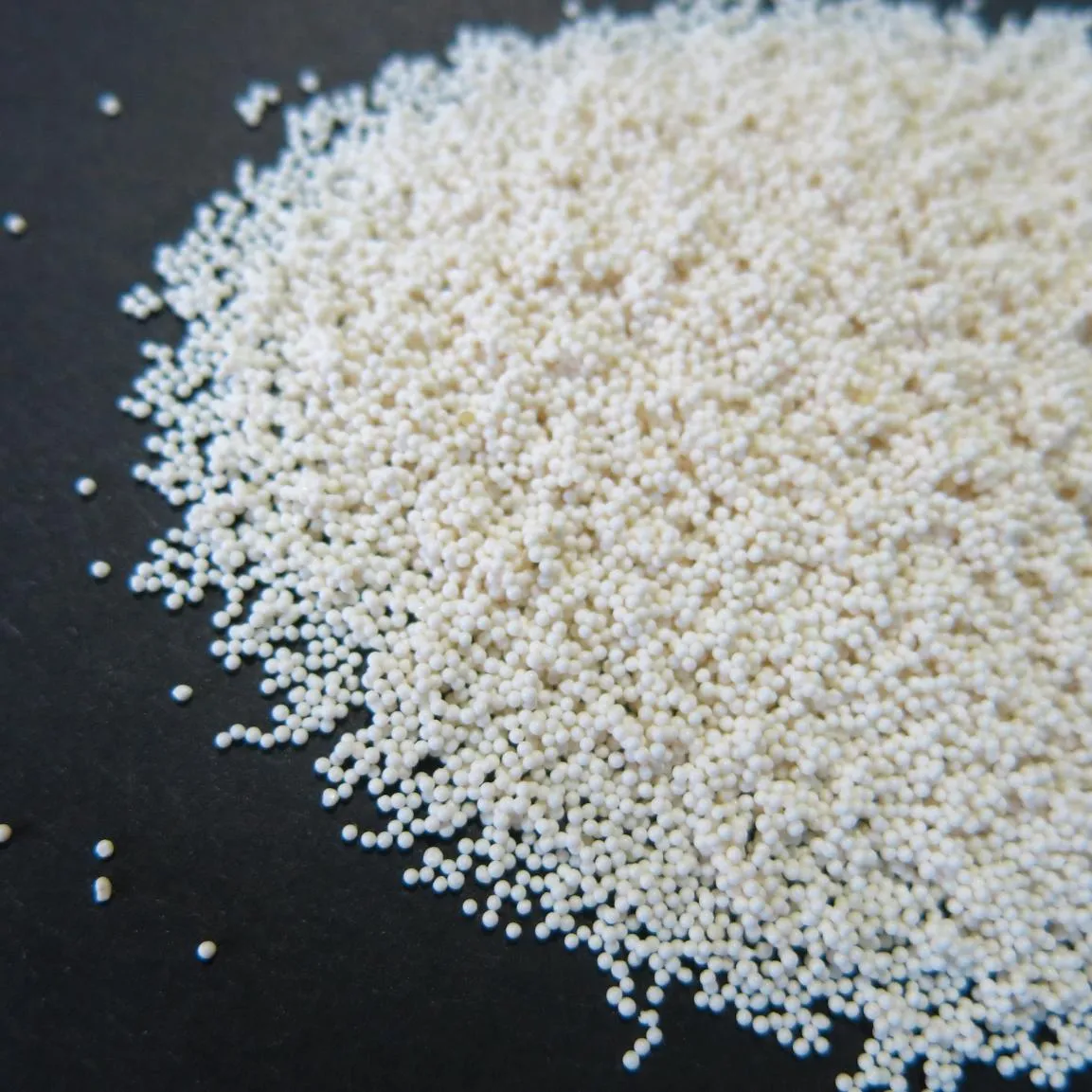
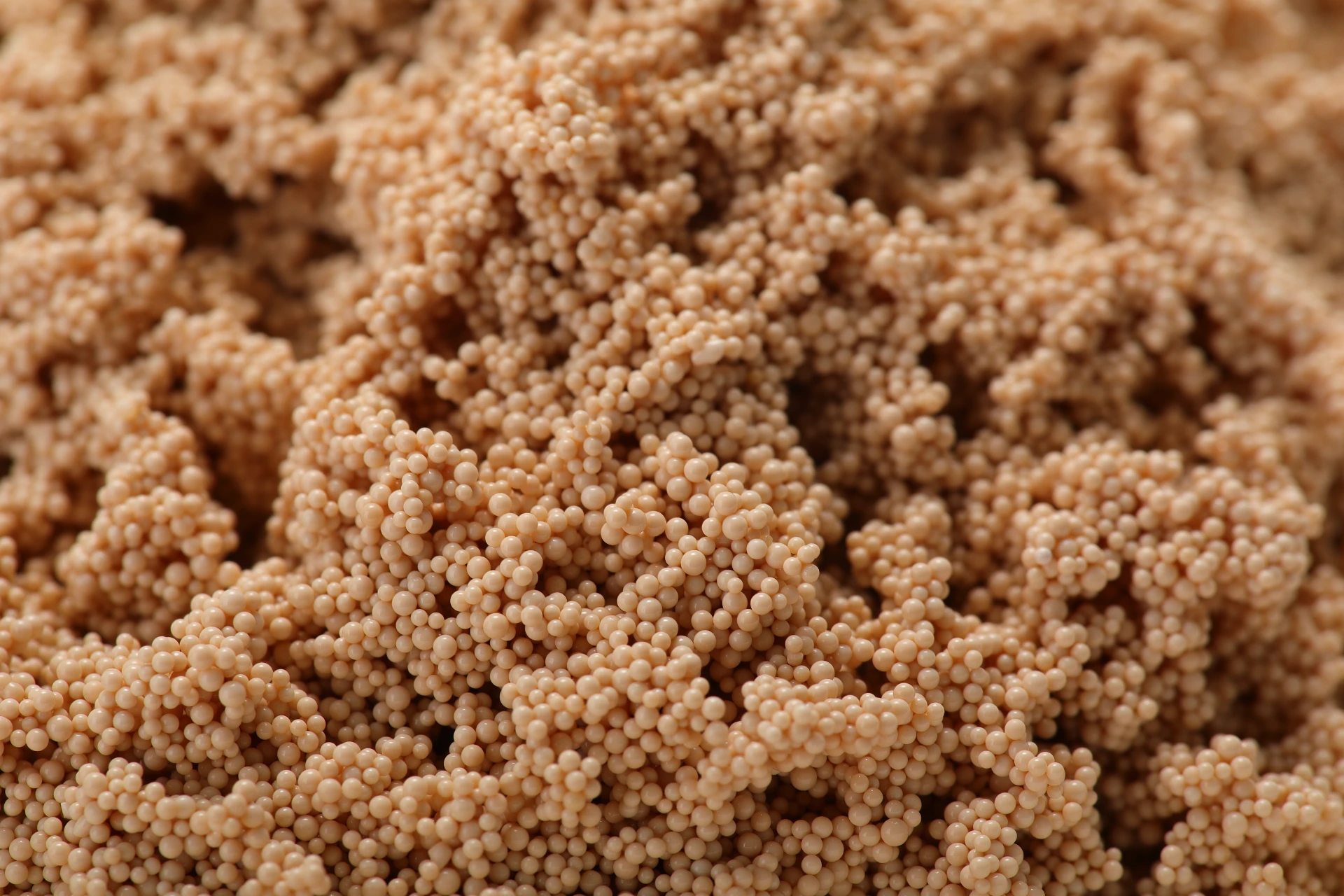
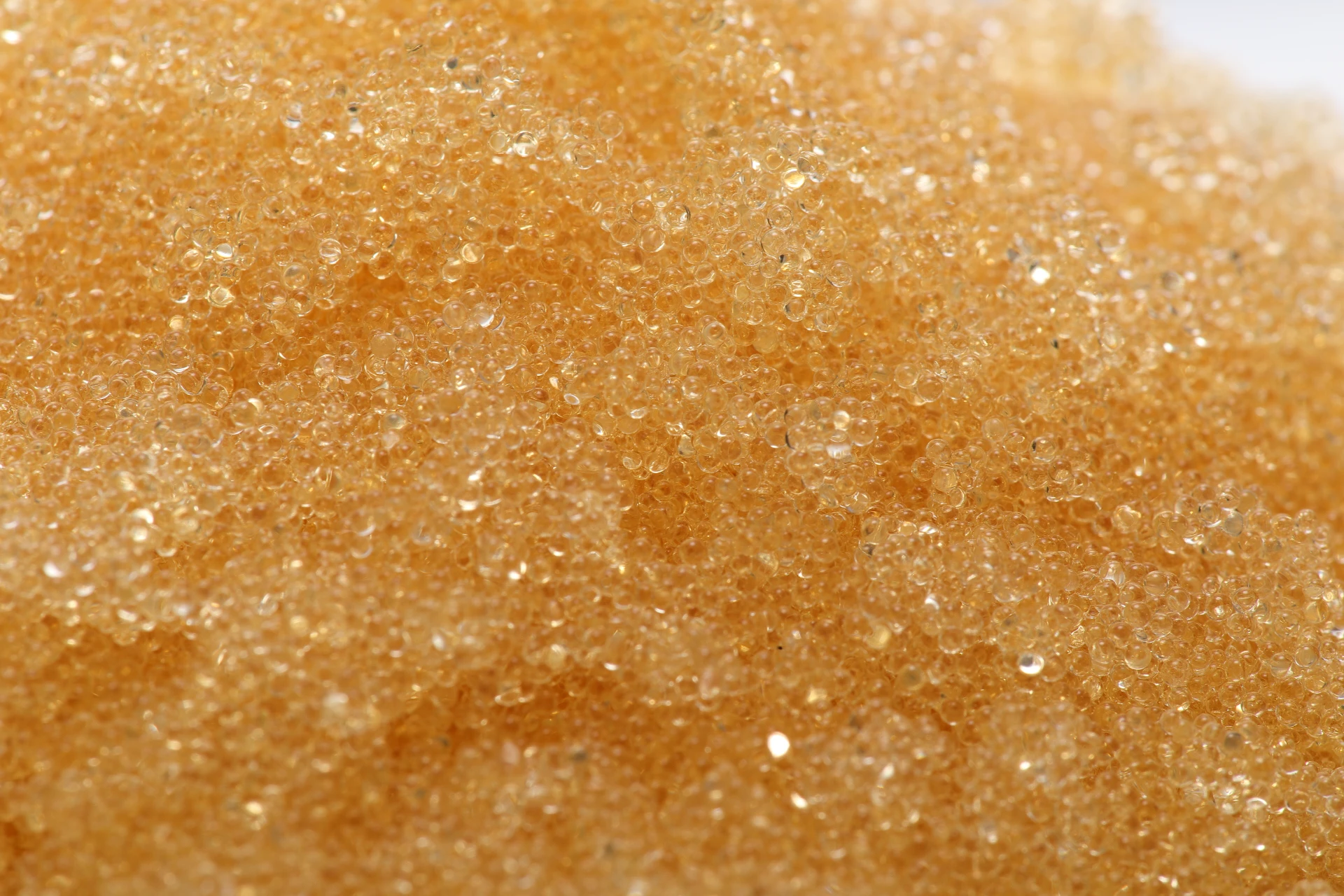
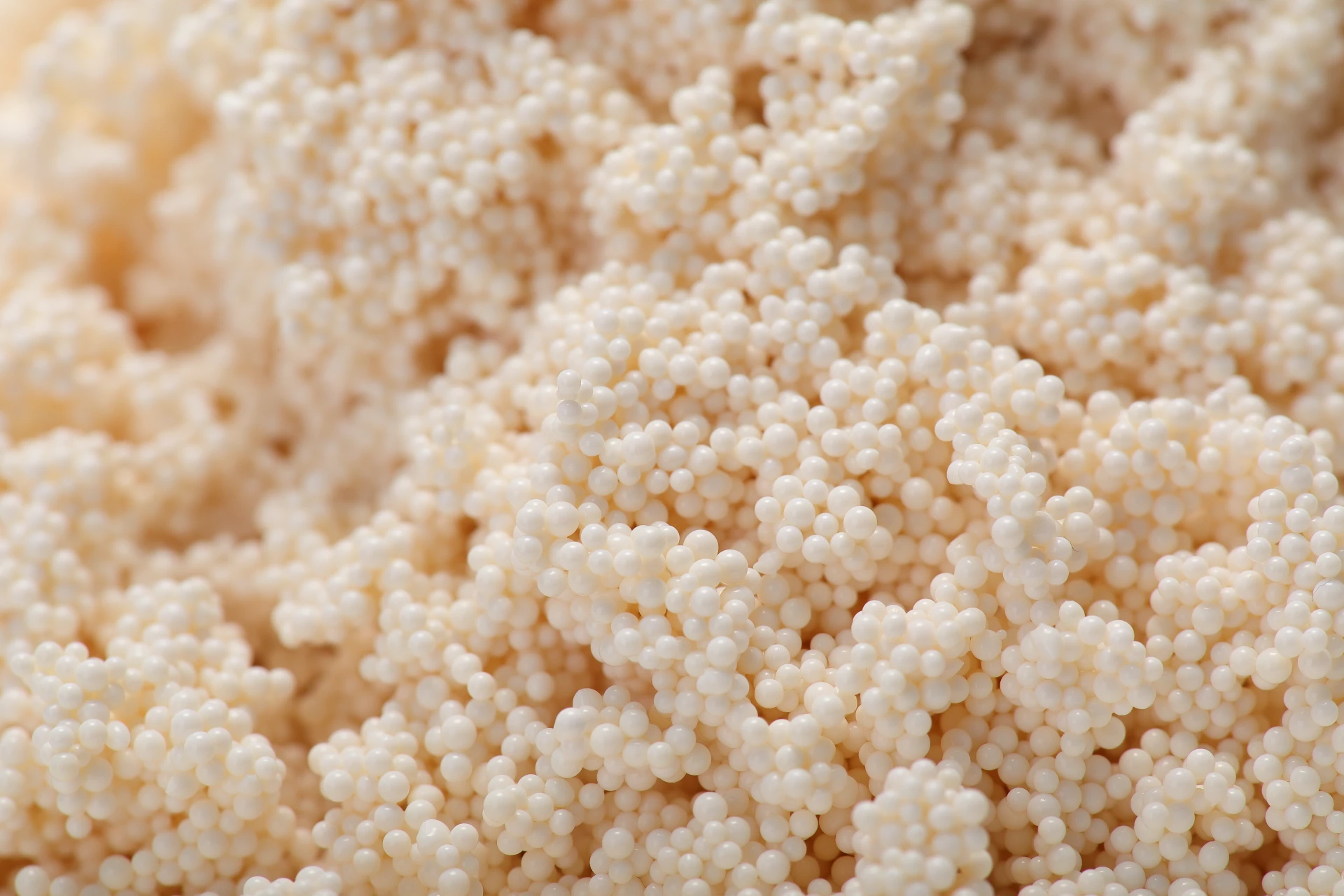
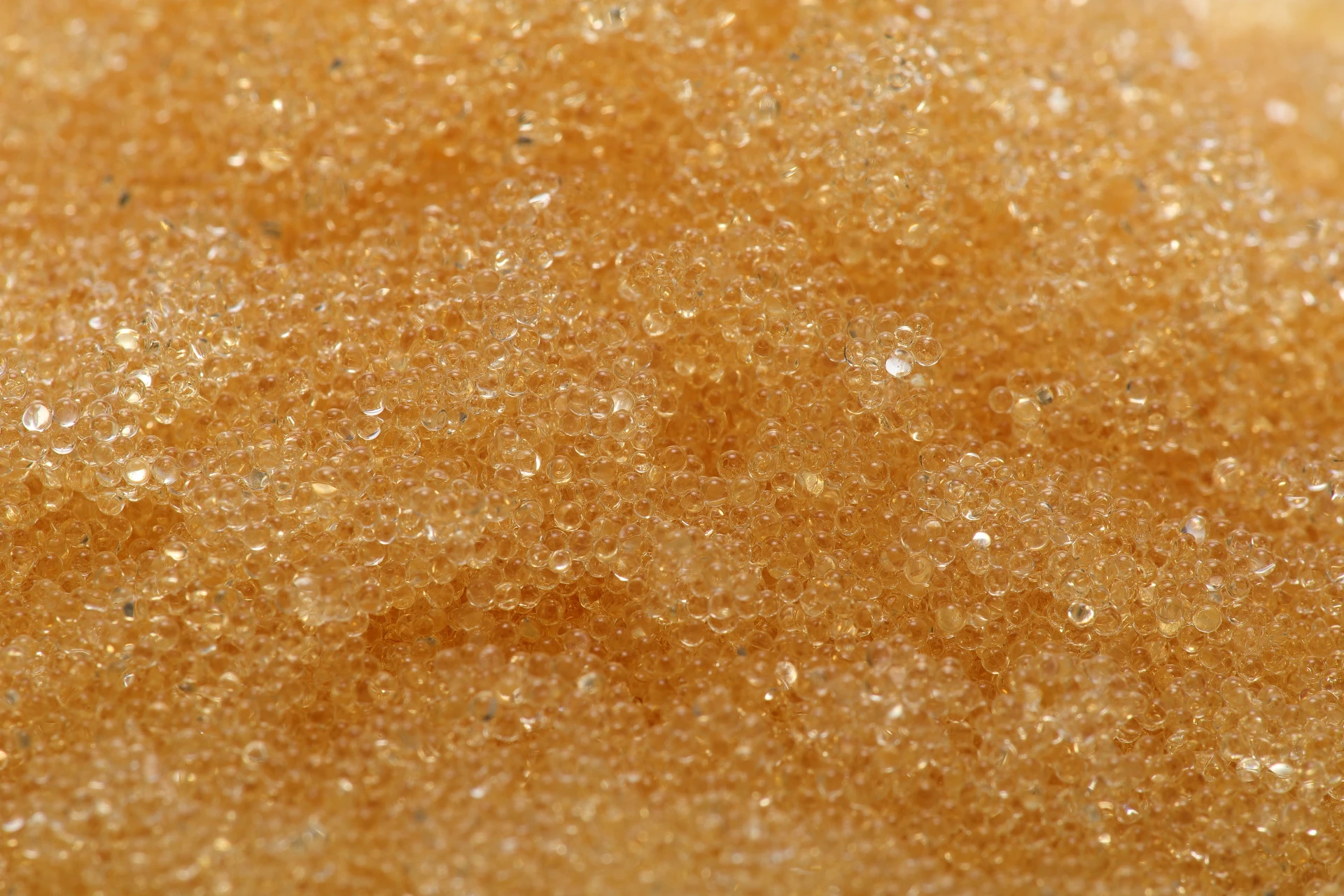
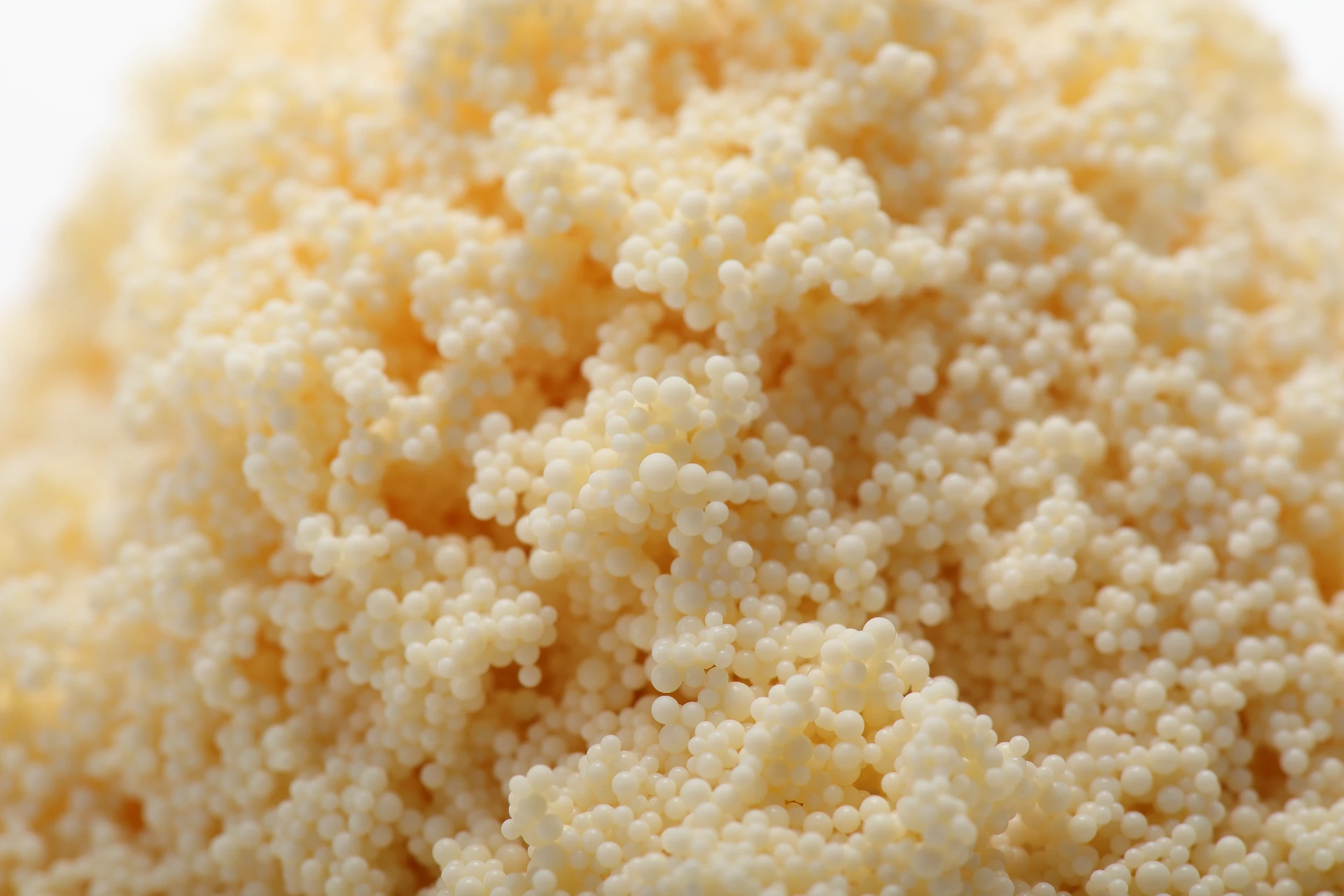
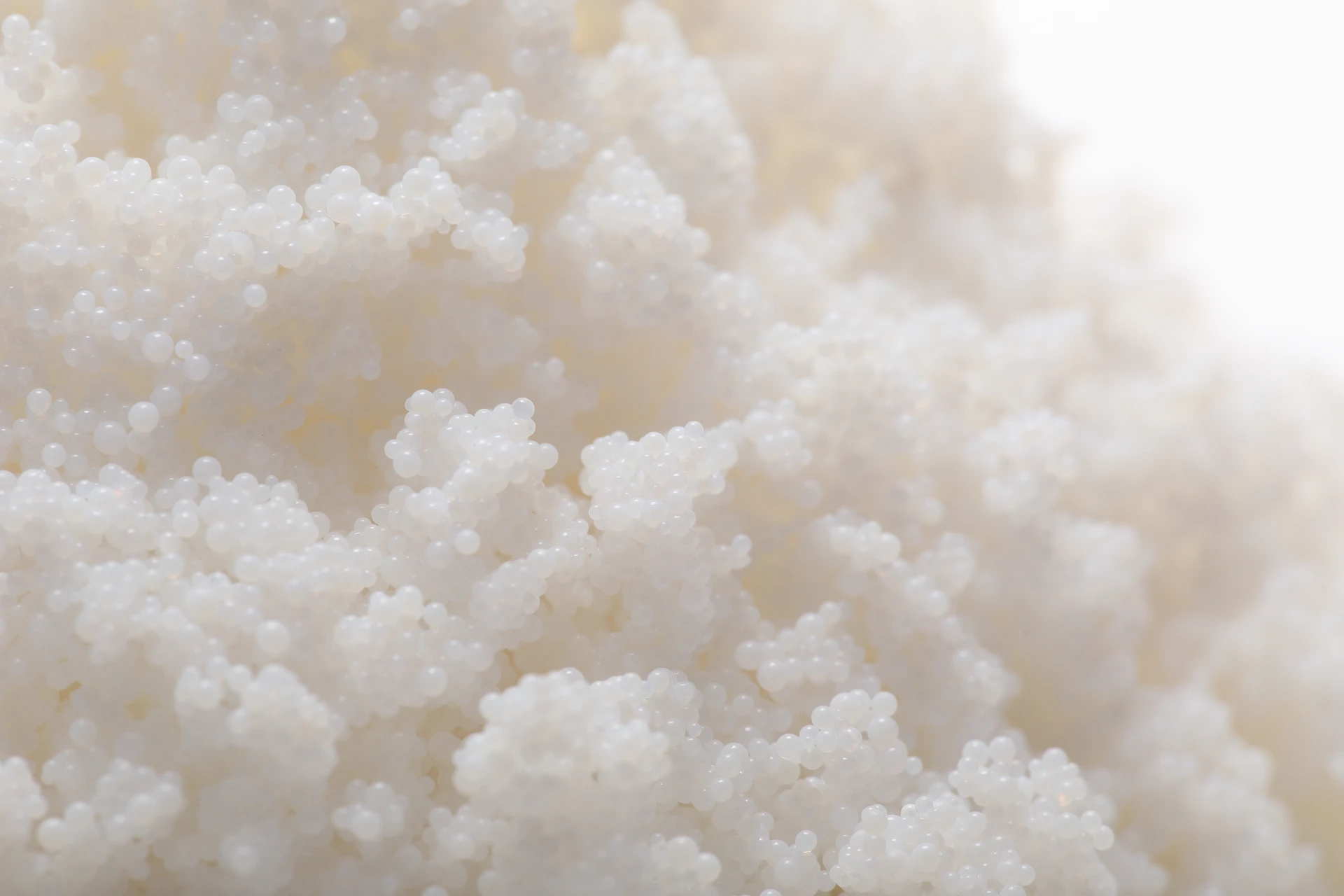
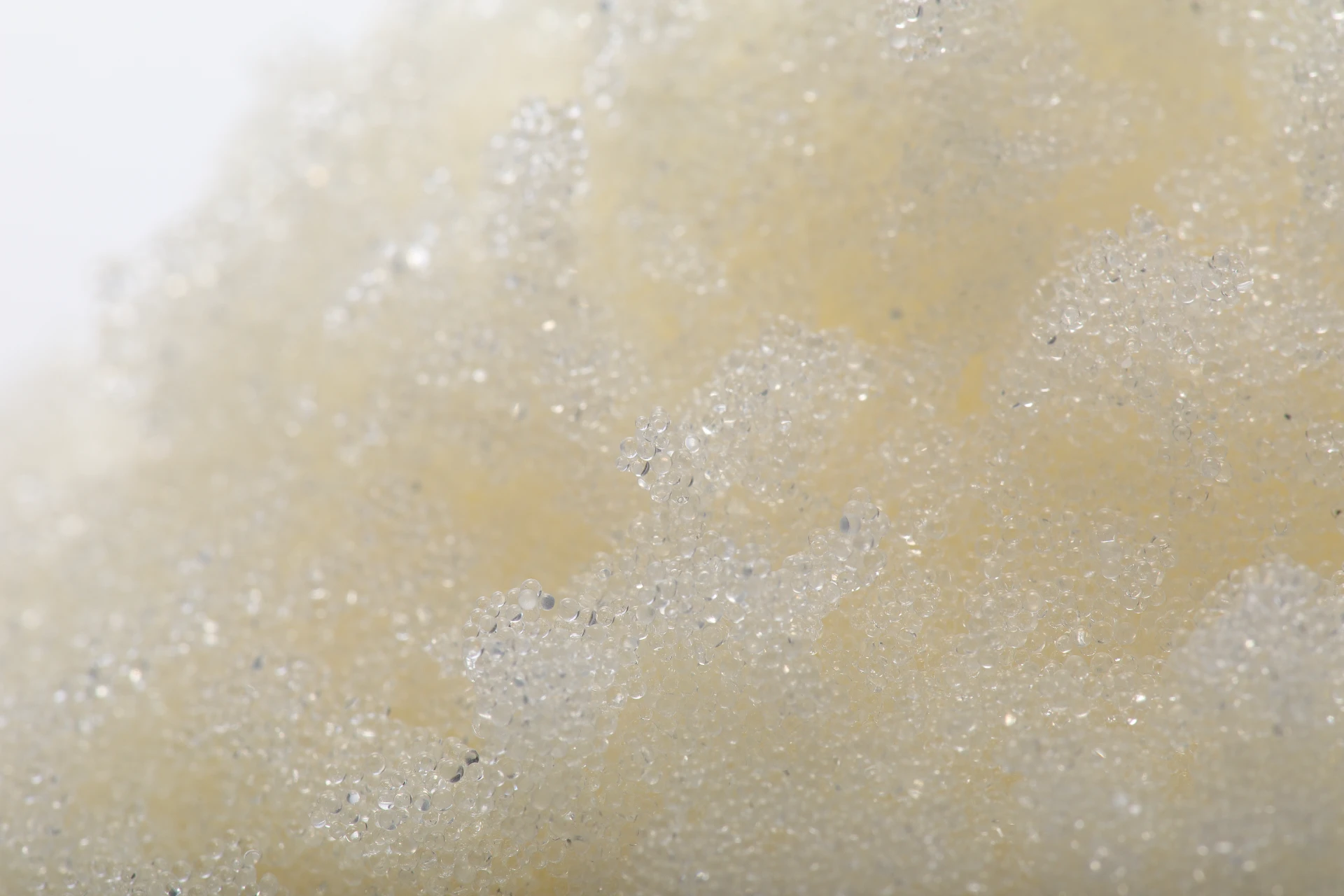
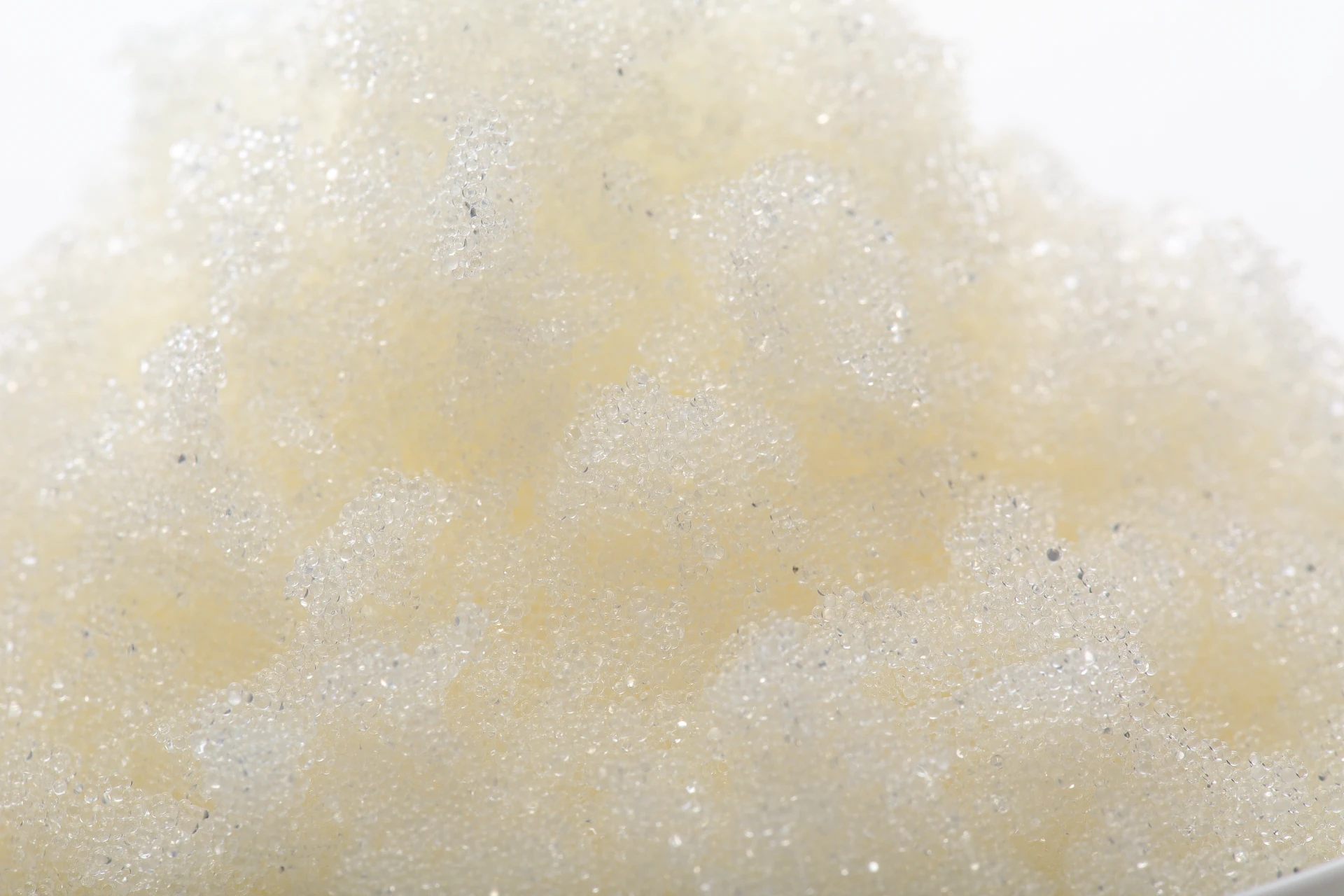
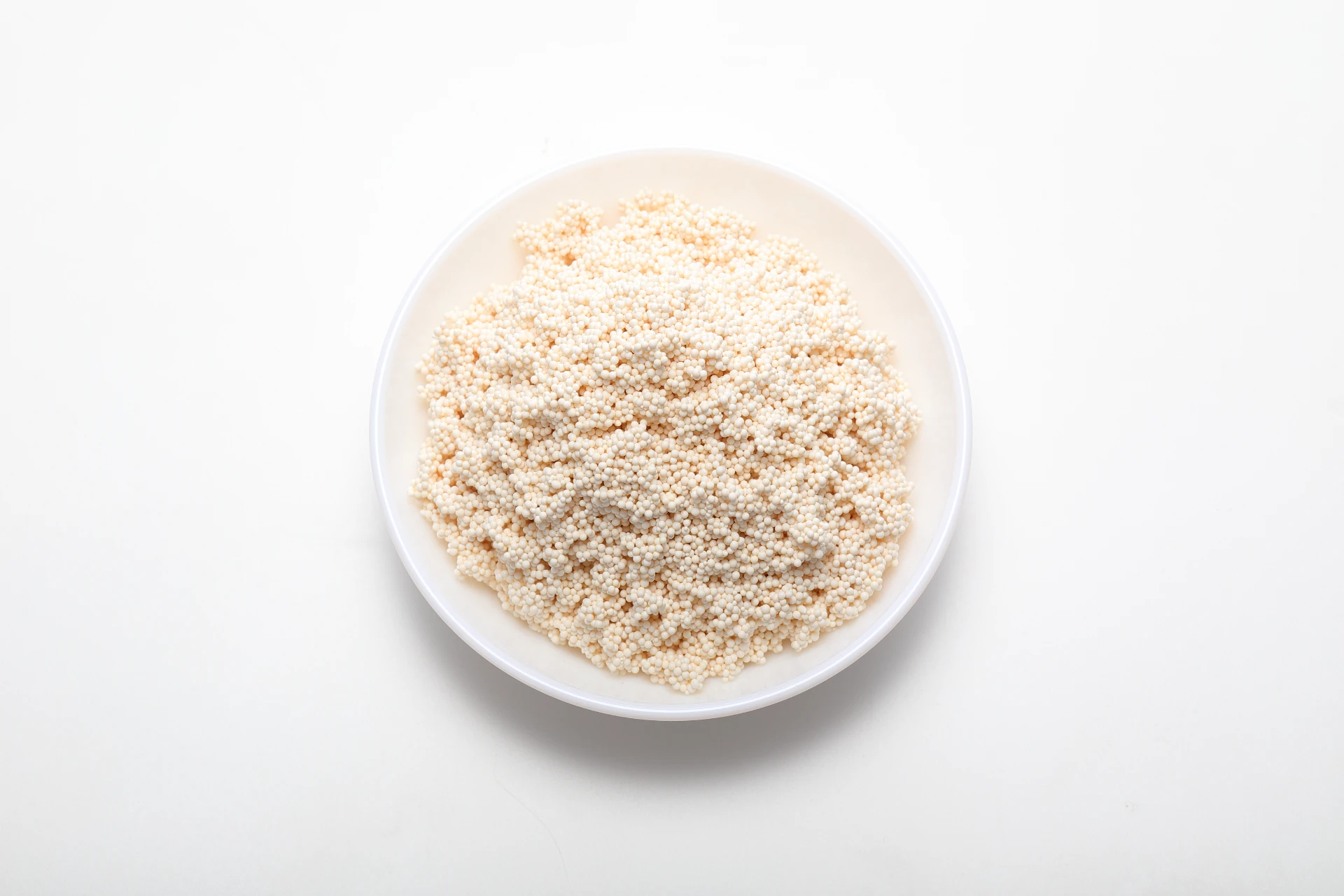
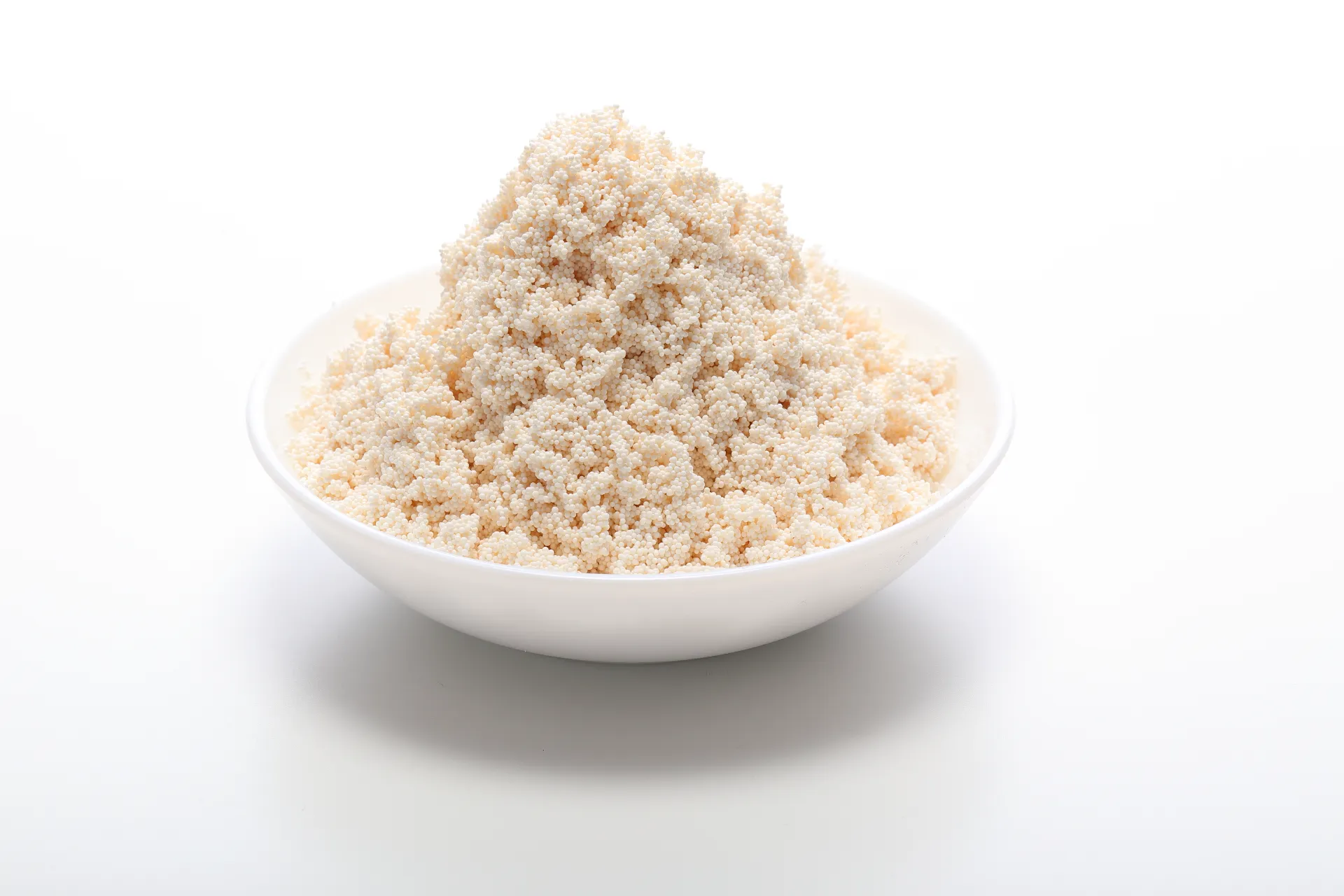
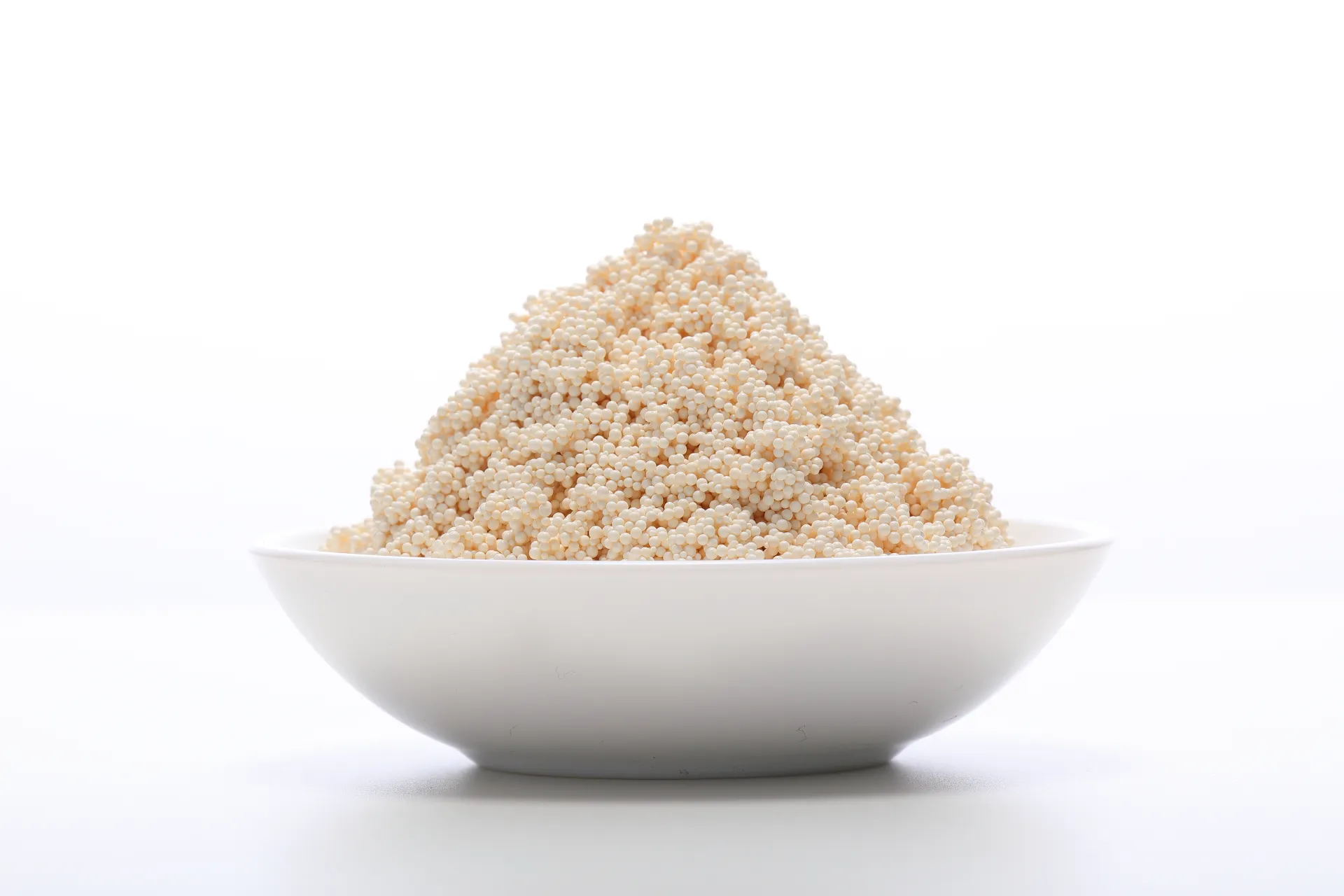
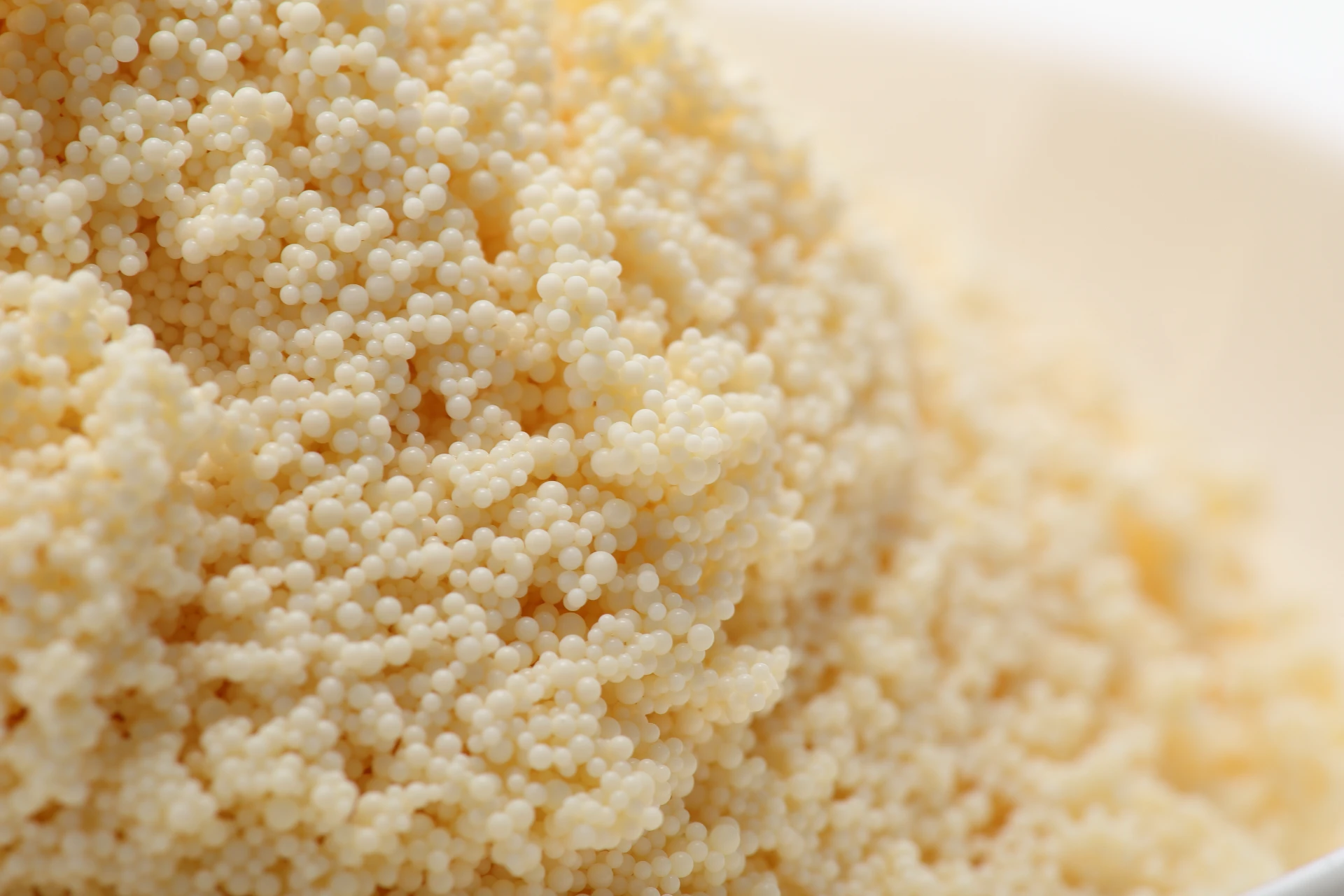
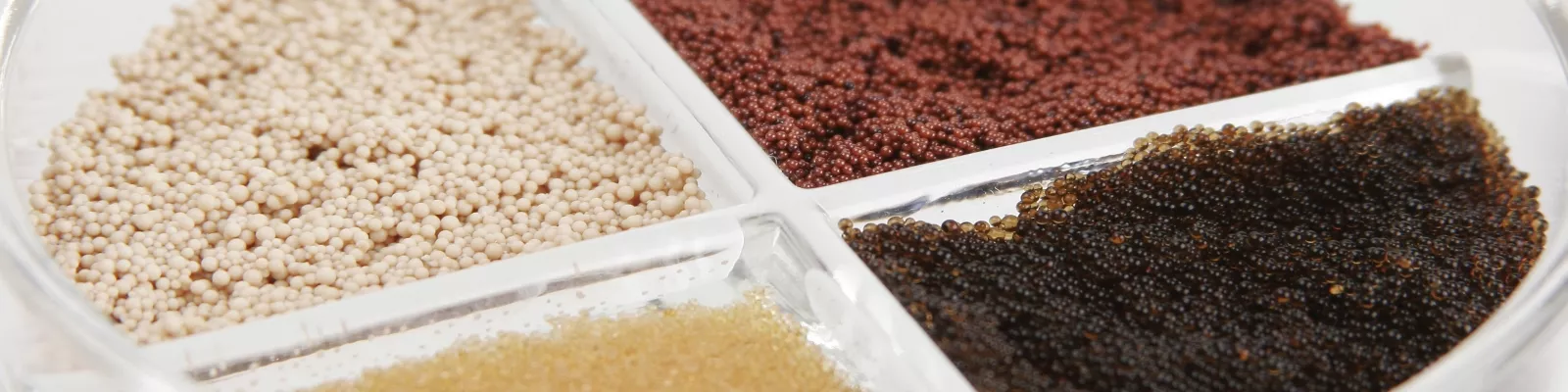
Simply put, cation resin media is a type of ion exchange resin designed to selectively remove positively charged ions (cations) from solutions — most commonly calcium (Ca²⁺), magnesium (Mg²⁺), iron (Fe²⁺), and other hardness-causing elements in water. The resin beads, typically made of a polymer matrix, are packed into filters or water treatment beds. When water passes through, these beads attract and hold onto the cations, replacing them with more benign ions such as sodium or hydrogen, resulting in softened or purified water.
This technology has evolved alongside the industrial age, yet it remains fundamentally simple and extremely reliable — making it useful from municipal water plants to small-scale humanitarian water kits.
Good cation resin media is engineered to withstand harsh chemical environments and long-term exposure without degrading. It doesn’t just get used once, then tossed — rather, it can be regenerated repeatedly using salt solutions, extending its lifespan. For industries, that translates to fewer replacements and lower downtime.
Unlike generic filtration materials, cation resins are highly selective. They target specific positively charged ions, maximizing removal efficiency. This precision means less energy consumption and fewer chemicals during treatment, fitting perfectly with modern sustainability goals.
Whether treating household water units, large municipal plants, or industrial waste streams, cation resins come in many configurations and sizes. Their modular nature allows for custom system design — from portable filters used in disaster zones to giant process towers in manufacturing hubs.
Though the upfront price can seem steep, cation resins pay for themselves through reduced maintenance, chemical needs, and extended equipment life. For communities with tight budgets, economies of scale and local regeneration options often make these media the preferred choice.
Mini takeaway: The success of cation resin media stems from lasting durability, smart selectivity, flexible application, and overall economic sense.
To put it plainly: wherever water quality or process purity is critical, you’ll find cation resin media in action. In North America and Europe, large utility plants rely on them for softened water that prevents pipe scaling. In Asia and Africa, these resins serve remote communities, providing cleaner drinking water where municipal systems lag behind.
One particularly inspiring use case is in disaster relief. After flooding or earthquakes, water sources become contaminated with metals and sediments. Emergency water treatment units equipped with cation resin media help quickly restore safe drinking water—restoring dignity and health rapidly.
Industrial sectors like pharmaceuticals and electronics count on the resin’s precise ion removal to meet stringent quality standards, while agriculture increasingly depends on such treated water to prevent soil degradation.
| Specification | Typical Range | Units |
|---|---|---|
| Bead Size | 0.5 – 1.2 | mm |
| Total Exchange Capacity | 1.8 – 2.2 | eq/L |
| Moisture Content | 45 – 55 | % |
| Operating Temp Range | 5 – 120 | °C |
| pH Working Range | 0 – 14 |
| Vendor | Resin Type | Max Temperature | Typical Applications | Price Range |
|---|---|---|---|---|
| Liji Resin | Strong Acid Cation | 120°C | Water Softening, Wastewater Treatment | $$ |
| IonPure Solutions | Weak Acid Cation | 90°C | Industrial Softening | $ |
| PureTech Resins | Mixed Bed Cation | 100°C | Pharmaceutical Industry | $$$ |
One of the most compelling advantages is the environmental angle. By virtually eliminating hardness ions, cation resin media extends the lifespan of pipes and appliances, which otherwise corrode and need more frequent replacement — so less waste over time. For industry, scale prevention cuts energy use in boilers and cooling towers, improving efficiency and lowering greenhouse emissions. It feels good knowing such a small bead can make a real climate difference.
Moreover, there’s a human impact: especially in developing regions, safer water reduces disease outbreaks, boosting public health and economic productivity. The stable, regenerable nature of these resins also makes them trustworthy – they won’t fail unexpectedly mid-cycle, which is critical for hospitals or water utilities.
Experts I’ve chatted with point toward “green” ion exchange resins that use biodegradable polymers, reducing microplastic concerns downstream. Also, digital monitoring and automation are creeping into resin bed regeneration — imagine "smart" filters that optimize regeneration cycles based on real-time water chemistry.
Hybrid resins combining cation and anion exchange capabilities in one bead promise streamlined treatment systems. And there’s momentum to develop resins tailored for removal of contaminants beyond hardness, like heavy metals or pharmaceuticals.
Of course, no material is perfect. Current limitations include fouling of resin beads due to organic matter, and the need for large salt volumes during regeneration, which can have environmental impacts. However, innovations in pre-treatment methods, resin surface modifications, and low-salt regeneration techniques are helping to overcome these issues.
Practically, deploying cation resin systems in remote or under-resourced locations faces logistical challenges. Yet companies like Liji Resin innovate compact, easy-to-operate setups that require minimal technical support — a thoughtful response to real-world conditions.
A1: Regeneration frequency varies with water hardness and flow but typically occurs once every several days to a few weeks. Automated systems monitor resin saturation and trigger regeneration cycles accordingly to maintain consistent water softness.
A2: Yes, strong acid cation resins effectively remove iron, manganese, and some heavy metals by exchanging these ions with sodium. For lead, specialized resins or combined treatment trains are sometimes employed for enhanced removal.
A3: Absolutely. Cation resins used in potable water treatment meet strict regulatory standards (such as NSF/ANSI 61). Proper regeneration and handling ensure no harmful substances leach into water.
A4: Small-scale modular units are available that use cation resin media and require minimal technical expertise. They can be installed with basic plumbing and maintained on-site, making them ideal for rural or underserved areas.
A5: The brine solution, rich in removed ions, must be handled carefully. Many systems incorporate waste management strategies like dilution or biological treatment to minimize environmental impact.
In short, cation resin media quietly but powerfully supports safe, efficient water treatment worldwide. From reducing costly pipeline repairs to delivering safe drinking water in crisis zones, its impact ripples across society. If you’re curious or involved in water treatment, industrial processes, or humanitarian aid, diving deeper into cation resin technology is well worth the effort.
For those ready to explore practical solutions and trusted suppliers in this space, I invite you to visit our website for more details and expert guidance.
References:
1. United Nations Water Report 2023, unwater.org
2. World Bank Data on Urban Infrastructure, worldbank.org
3. ISO Standards on Water Treatment, iso.org