Phone:
+86 0319 2296164


Email:
info@lijiresin.cn
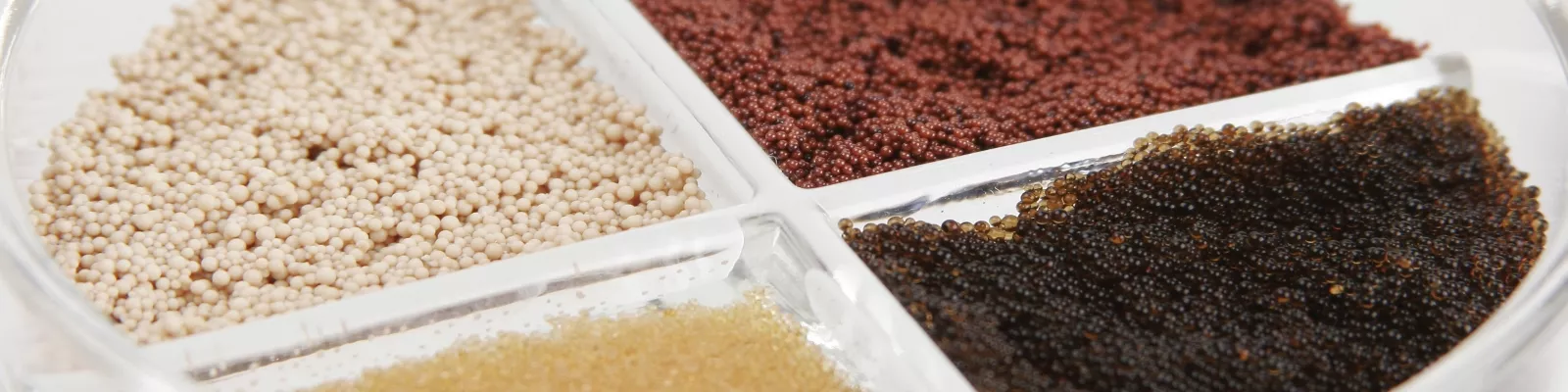
When you think of water purification or industrial chemical processes, the term cation resin column probably doesn’t pop up during your morning coffee. Yet, these unassuming devices play a crucial role worldwide—from ensuring safe drinking water to refining complex chemicals in manufacturing plants. Understanding this technology isn’t just a niche engineer’s hobby; it carries global environmental and economic implications as governments and industries increasingly seek sustainability and efficiency. So, why does the cation resin column matter? Simply put, it’s about treating water and chemical streams more effectively and cost-efficiently, with ripple effects on health, environment, and industry.
According to the United Nations, over two billion people worldwide lack access to safely managed drinking water services. That's a staggering figure that demands technology-driven solutions. Here, ion-exchange technologies such as the cation resin column come in as silent heroes. The World Bank estimates that water scarcity and purification needs could cause trillions in economic losses globally by 2050 if left unaddressed. It feels like, although invisible to most end users, these columns form the backbone of many remediation and purification projects.
Industrial pollution, mineral scaling in power plants, and nutrient imbalances for agriculture are problems that demand the sort of targeted ion removal that cation resin columns specialize in. The challenge? Scaling these solutions across varied geographies—from industrial hubs in Asia to rural communities in Africa—requires innovation and adaptability.
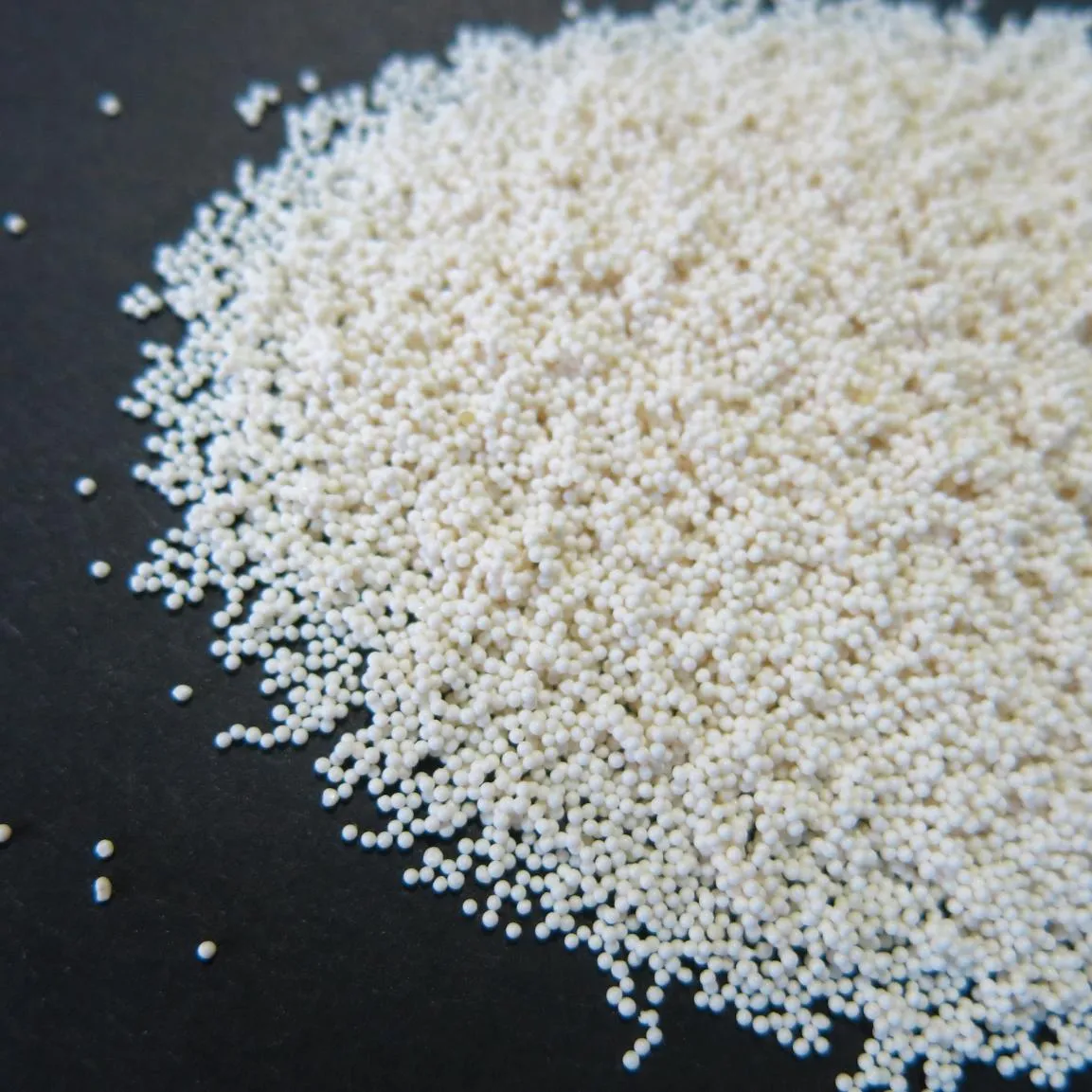
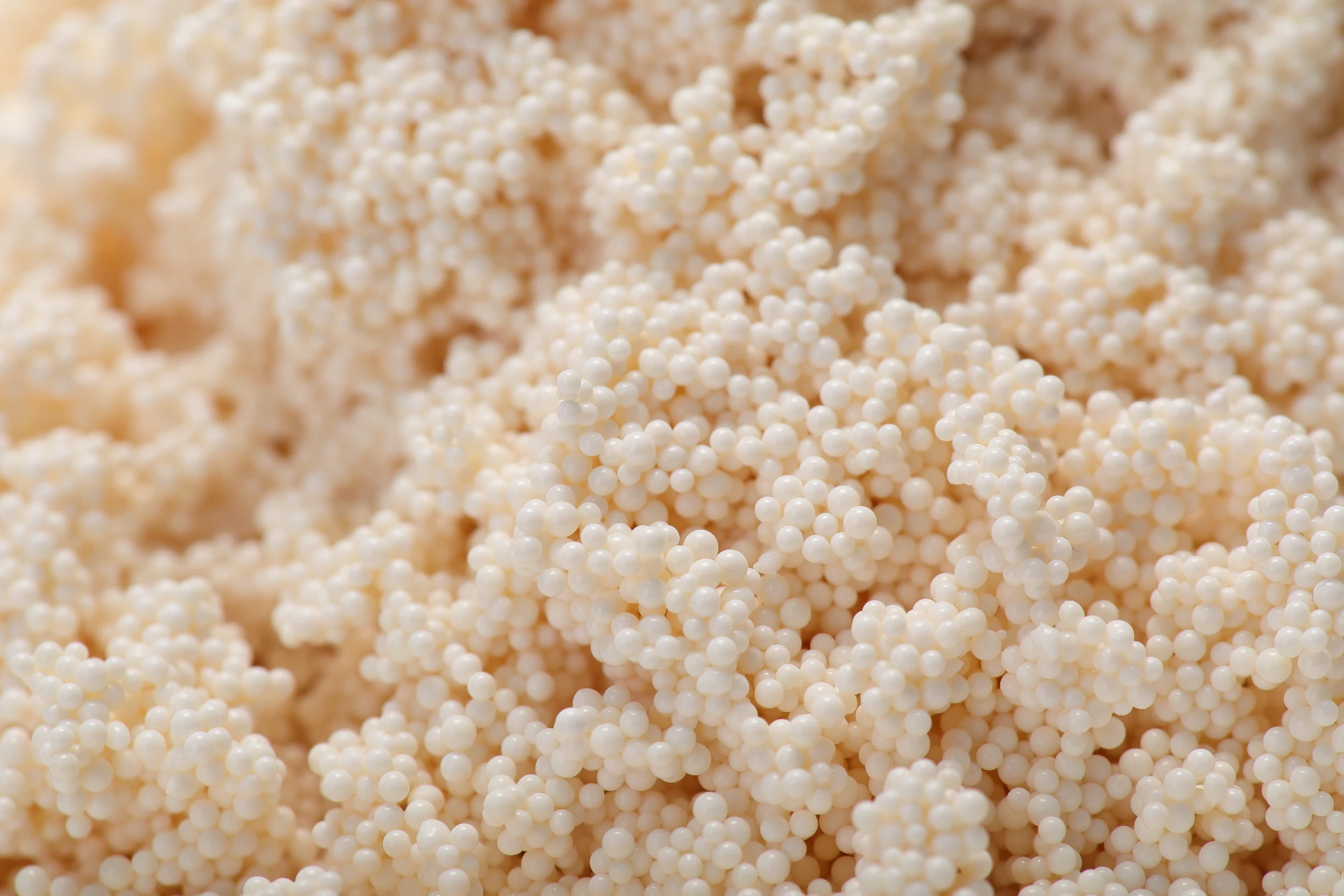
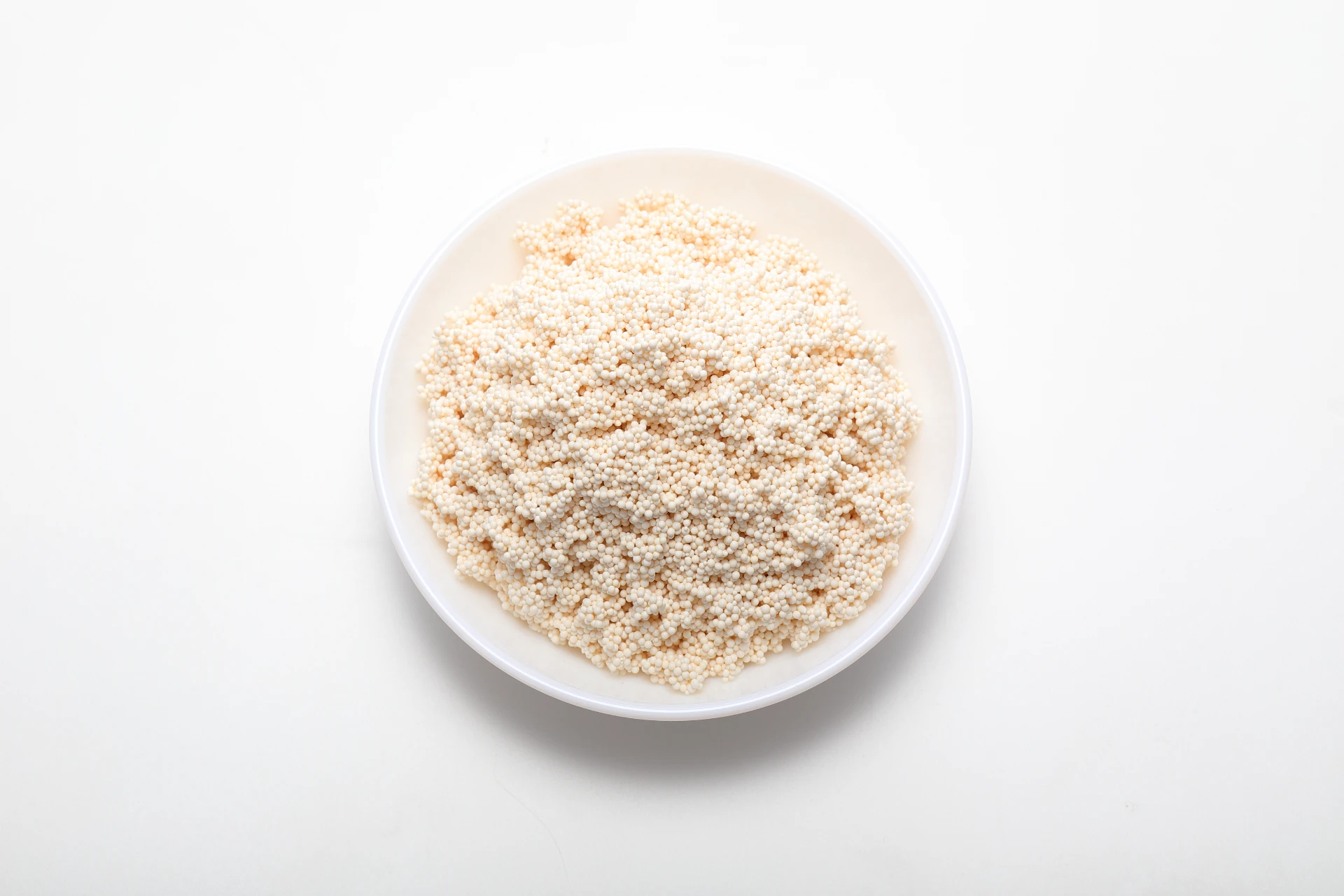
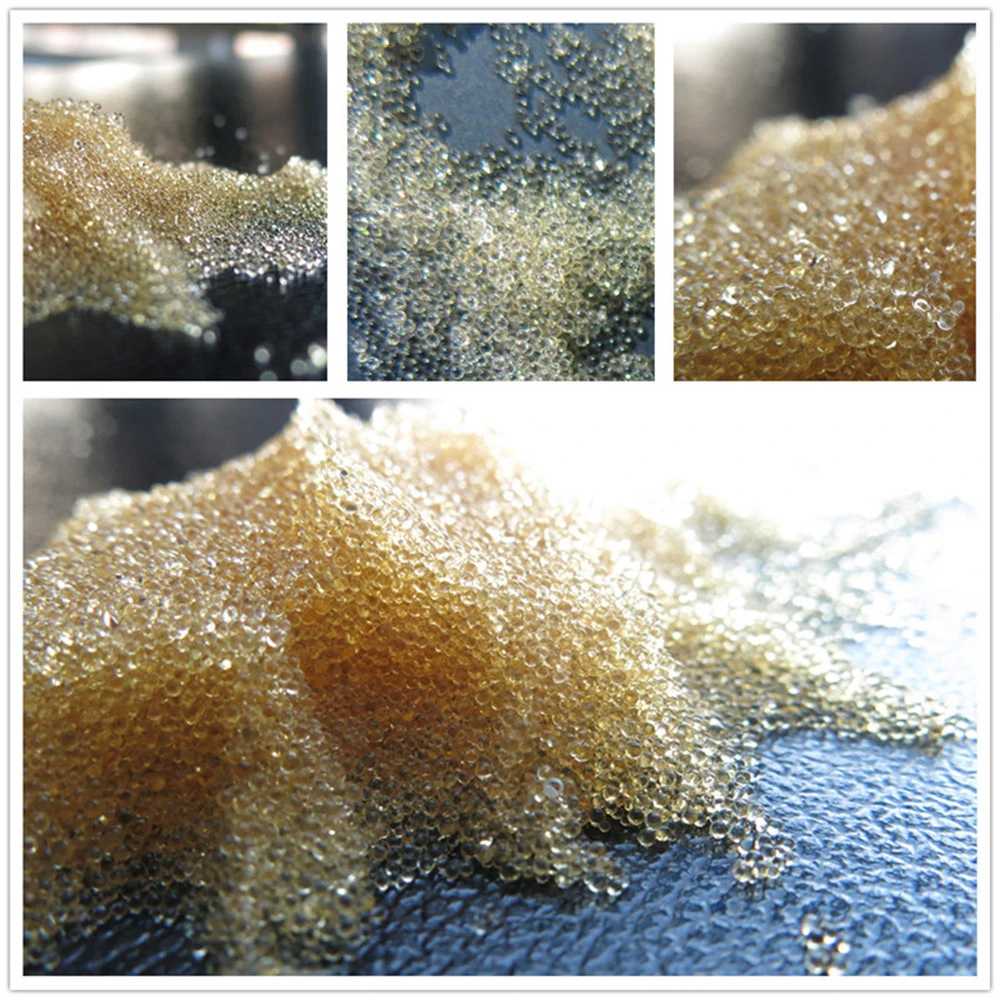
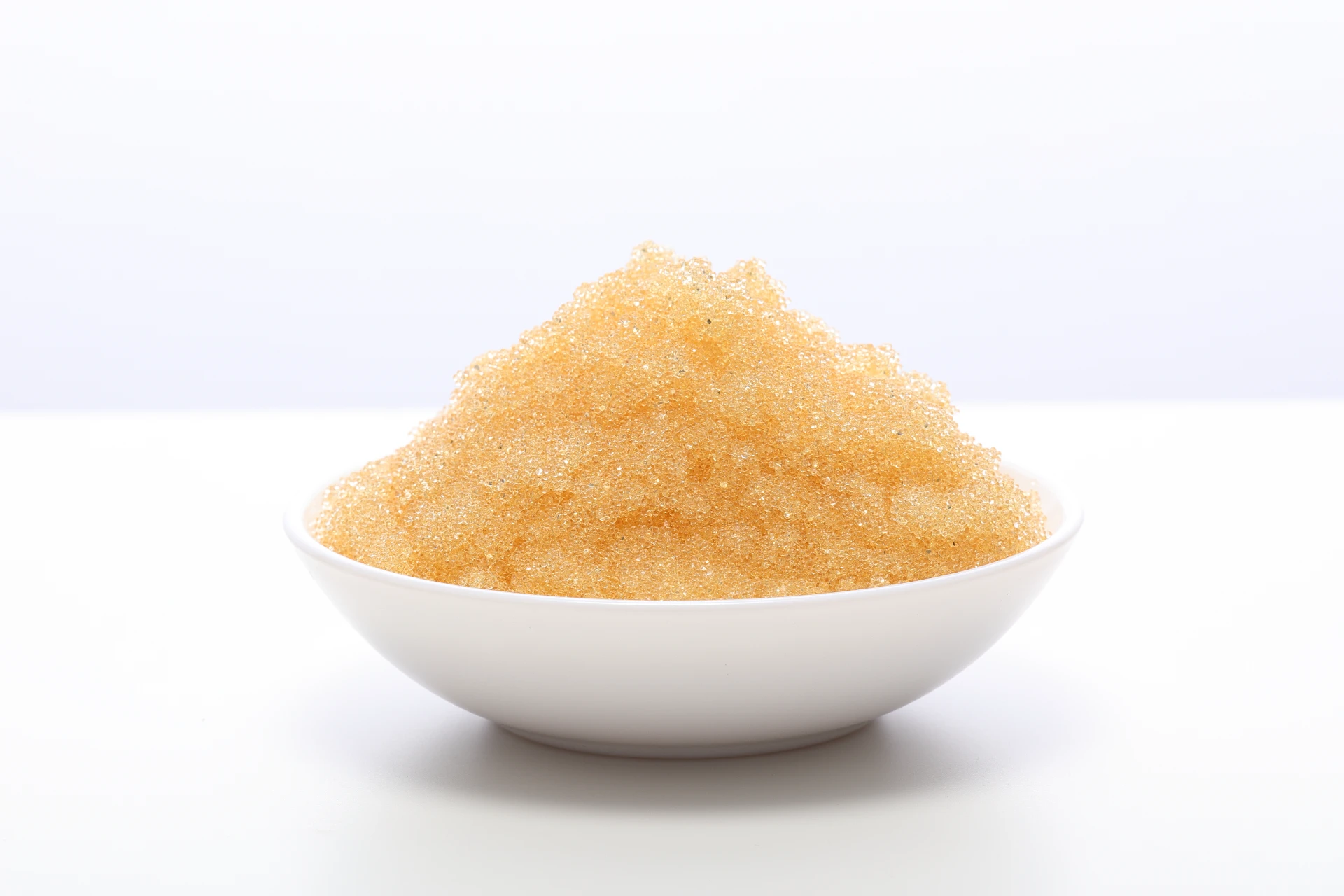
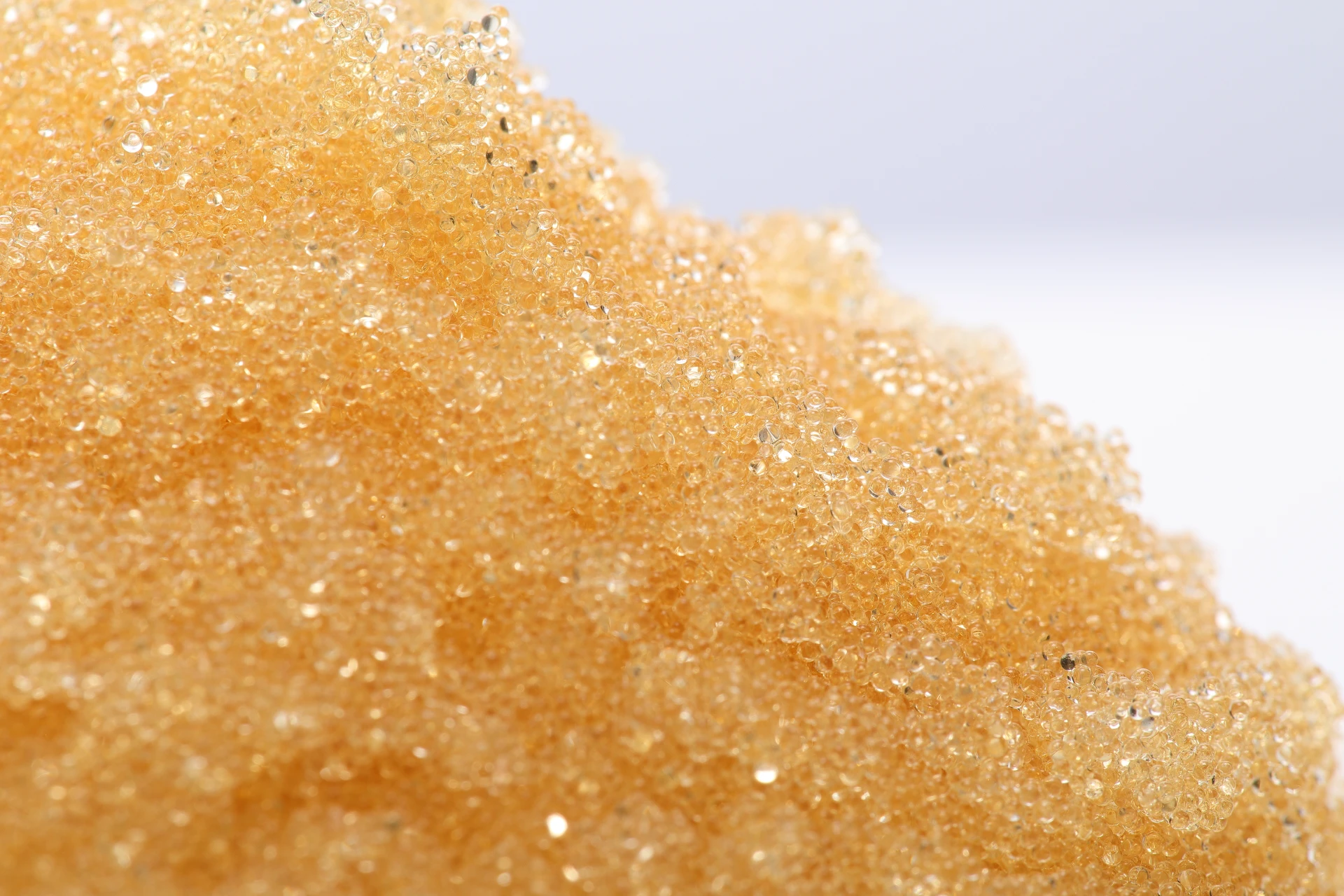
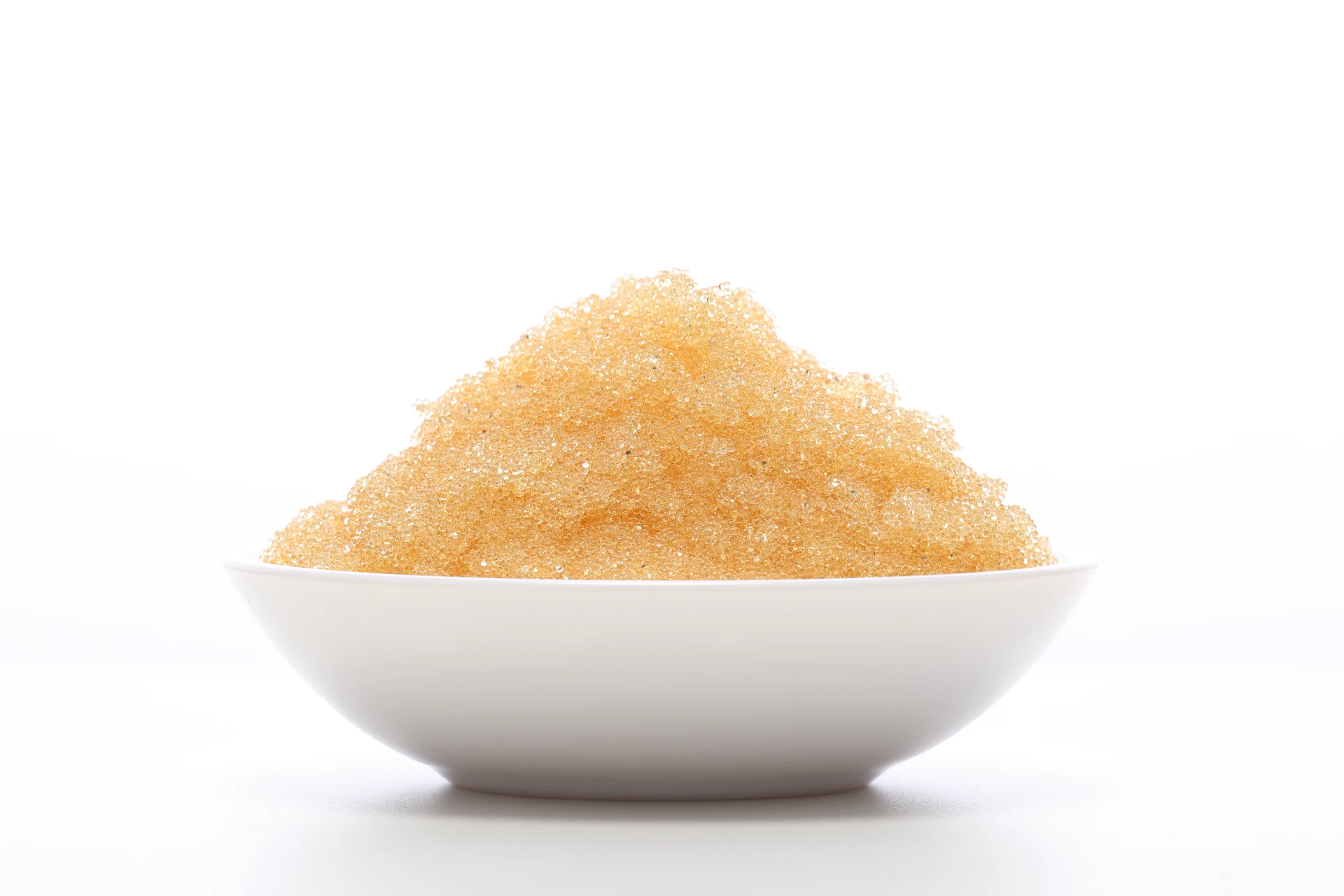
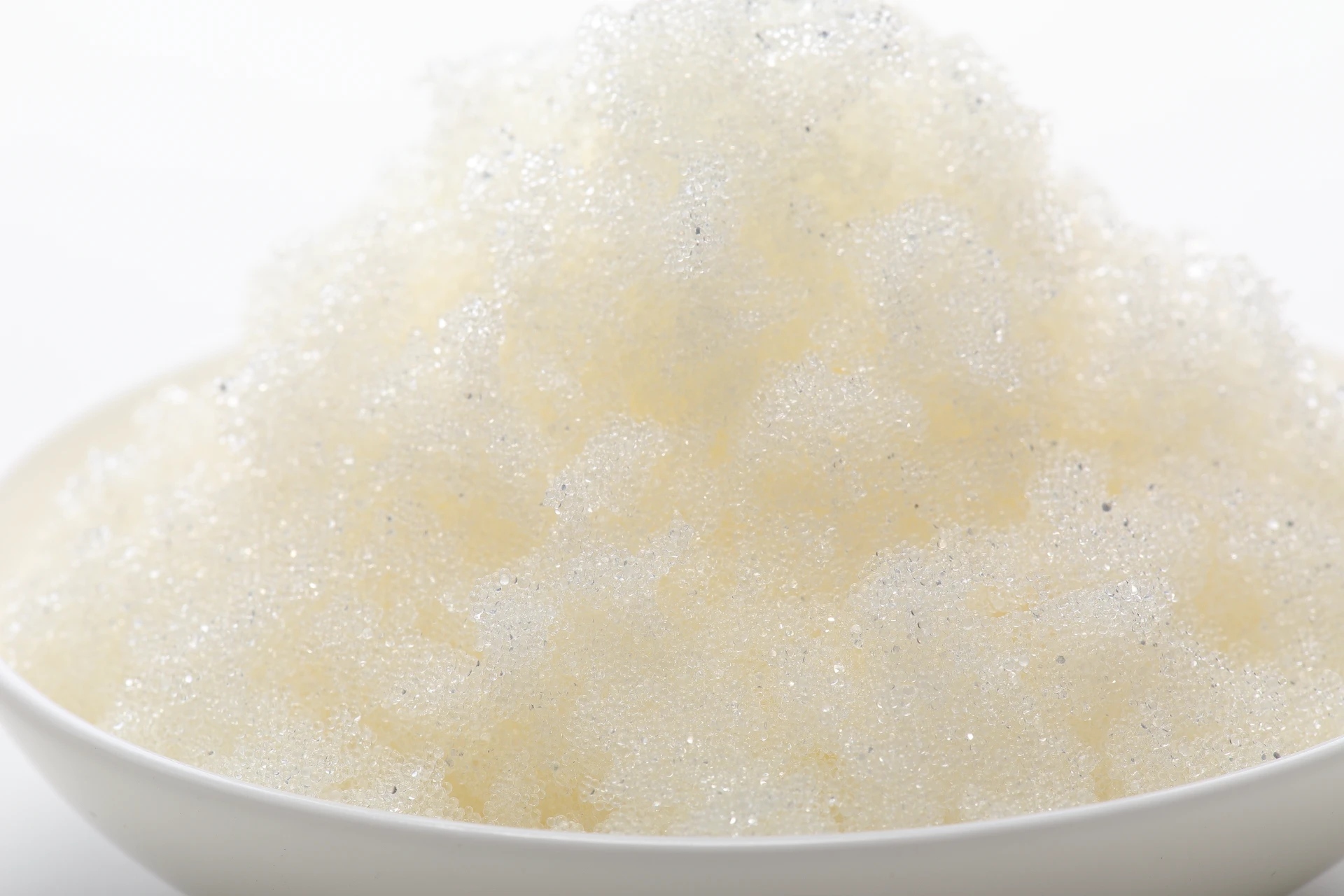
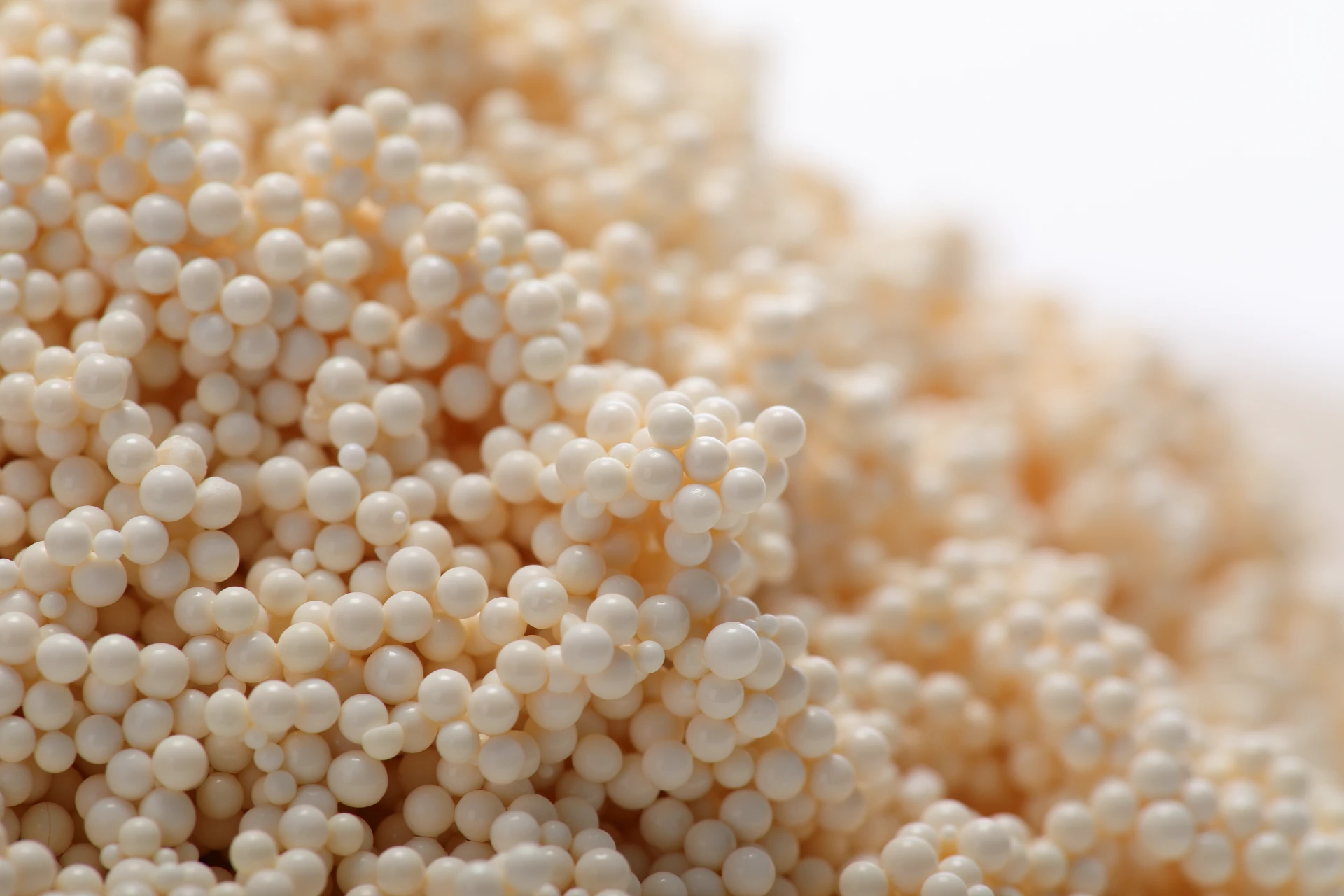
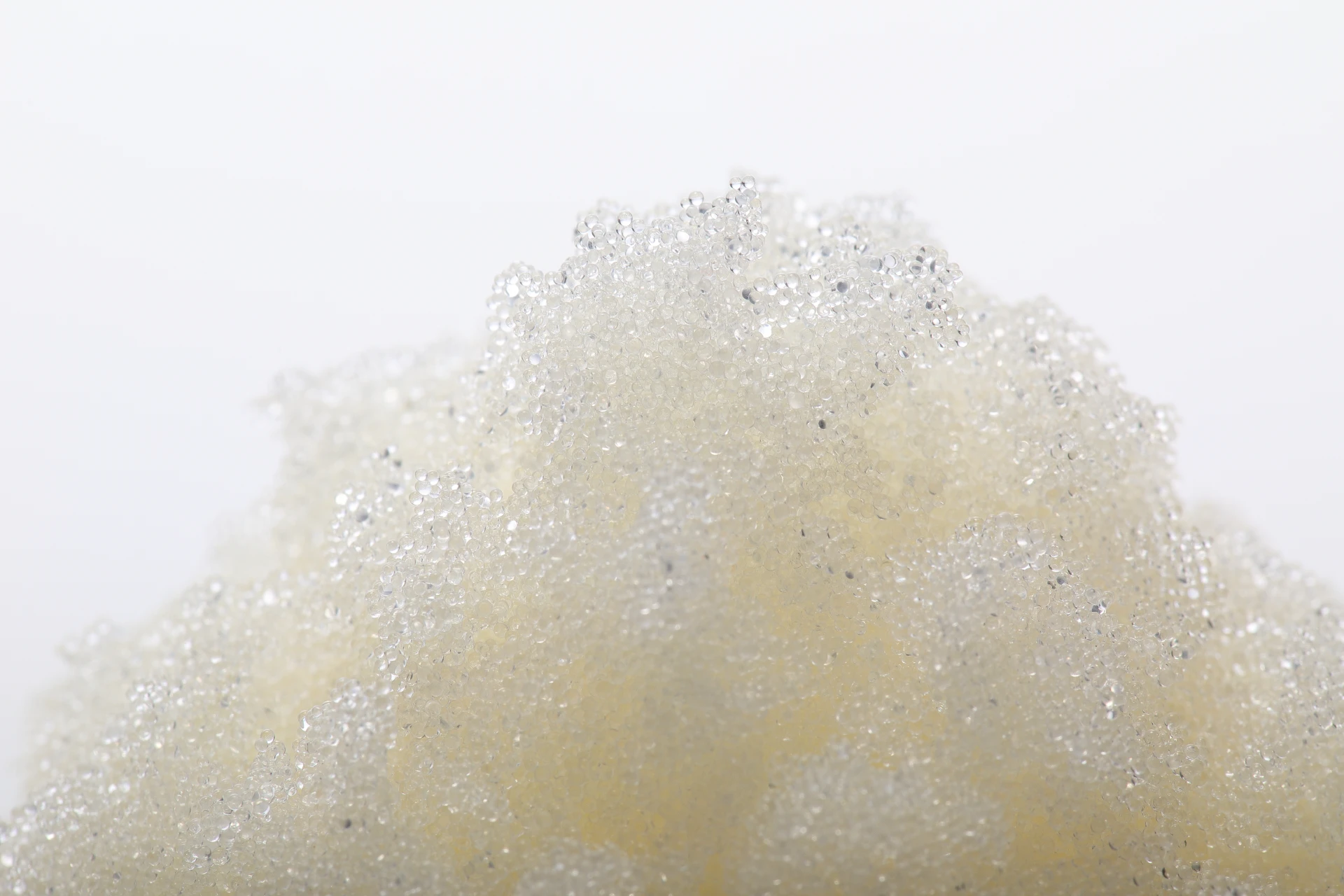
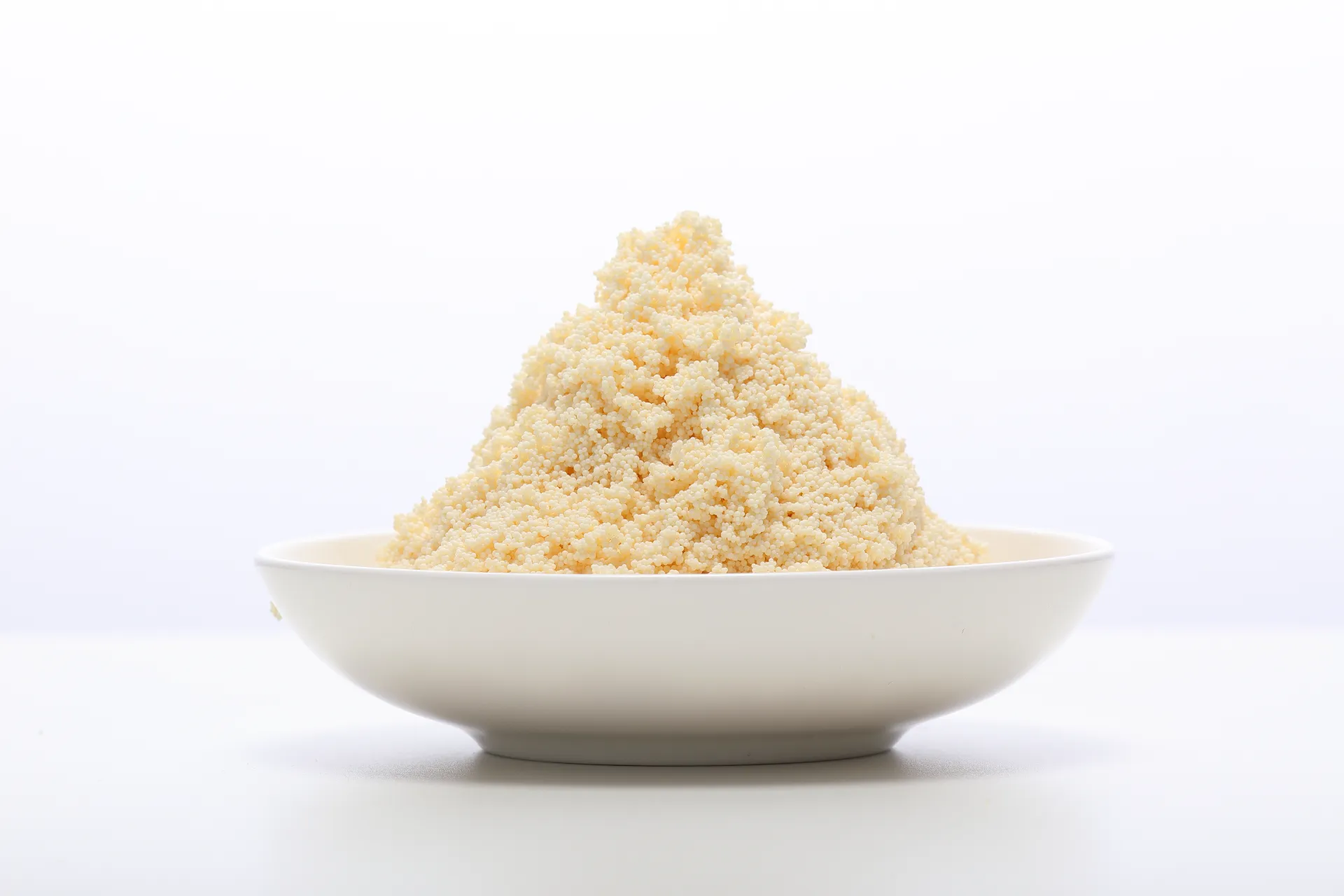
At its heart, a cation resin column is a vessel filled with tiny resin beads, crafted to specifically attract and exchange positively charged ions (cations) in liquids passing through them. Simply put, these columns act like selective sponges that remove unwanted ions such as calcium, magnesium, and heavy metals from water or process streams. This process is essential for hardness removal or softening of water, making it suitable for drinking, industrial use, or discharge.
In industries, cation resin columns purify process waters and chemicals to exacting standards, ensuring product quality and environmental compliance. For humanitarian uses, they provide clean water where traditional filtration falls short, addressing a basic human right in a scientific yet accessible way.
Not all ion exchange resins are created equal. High-quality, strongly acidic cation resins, typically sulfonated polystyrene beads, determine efficiency and service life. Many engineers say you can’t skimp on resin if you want reliable performance.
The dimensions and shape of the column matter for flow rate, pressure drop, and regeneration efficiency. A taller column may offer better ion exchange capacity but takes up more space and costs more upfront.
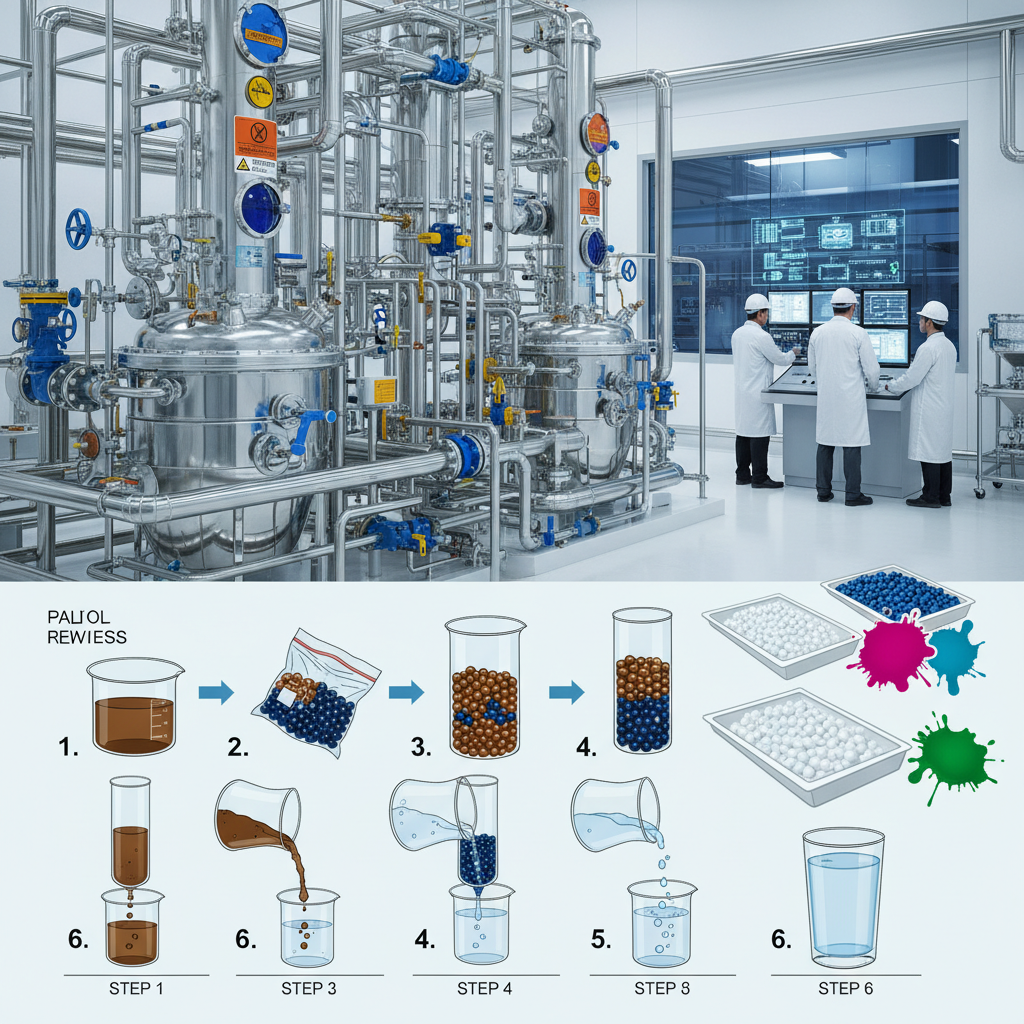
These columns are regenerated with acids (usually hydrochloric or sulfuric), restoring their ion-exchange capability. Optimizing regeneration cycles can drastically reduce chemical and water use, impacting operating costs and environmental footprint.
Materials like fiberglass-reinforced plastics or stainless steel ensure resistance to corrosion and pressure. The best materials guarantee longevity, which is critical to lowering operational interruptions.
From small-scale water softeners to massive industrial reactors, you can size cation resin columns accordingly. Many plants prefer modular setups so they can expand or maintain segments without shutting down the entire operation.
Mini Takeaway: The performance of a cation resin column rests as much on the quality of resin and design details as on how well regeneration and maintenance are handled. It’s a combination of science, engineering, and a bit of art.
The versatility of cation resin columns means they’re deployed across continents and industries:
Oddly enough, you might find these columns hidden inside the machinery ensuring your bottled water meets strict guidelines or in a rural clinic’s water purification system.
In real terms, investing in cation resin columns brings multiple benefits:
Trust in technology that quietly keeps water and processes safe is a big deal. For communities, it’s peace of mind; for businesses, it’s years of smooth operation.
The future is undeniably green and smart. Material scientists are exploring biodegradable resins and more selective ion-exchange materials. Digital sensors integrated into columns provide real-time performance data, enabling predictive maintenance and automated regeneration cycles.
Plus, growing emphasis on circular economy means reuse of regeneration chemicals and recovery of metals are gaining traction. With energy grids shifting towards renewables, automated water treatment plants powered by solar and wind are no longer sci-fi but emerging reality.
Cation resin columns come with hurdles. Fouling by organics, resin bead degradation, or suboptimal regeneration can reduce effectiveness. Maintenance in remote locations often strains budgets and logistics.
Solutions? Advances in resin coatings inhibit fouling. Mobile regeneration units bring chemical recharging to off-grid sites. Training local technicians through digital platforms is bridging knowledge gaps.
| Specification | Typical Value |
|---|---|
| Resin Type | Strong Acid Cation, Sulfonated Styrene |
| Column Diameter | 100 mm - 2000 mm |
| Operating Pressure | 150 - 600 kPa |
| Flow Rate | 0.5 - 5 m³/hr per m² cross-section |
| Regeneration Chemical | HCl or H2SO4 (0.5 - 2 mol/L) |
| Typical Resin Life | 3 - 5 years (with proper care) |
| Company | Resin Quality | Customization Options | After-sales Service | Global Reach |
|---|---|---|---|---|
| Liji Resin Co. | Premium, Uniform Beads | Full Range, Custom Sizes | 24/7 Support & Training | Asia, Europe, Americas |
| Global Ion Solutions | High-Grade, Standardized | Limited Sizes | Business Hours Only | Europe, Middle East |
| EcoIon Technologies | Eco-friendly Resins | Custom & Modular | Technical Consultancy | Global with Focus on Emerging Markets |
Typically, regeneration depends on the application and water quality but generally occurs after 5,000 to 10,000 bed volumes of treated water. Frequent monitoring of water hardness or ion concentration helps determine the ideal regeneration interval to maintain efficiency.
Yes. Cation resin columns are quite effective in removing positively charged heavy metals such as lead, copper, and cadmium, improving water safety. However, they are usually part of a multi-stage treatment system and require proper regeneration and maintenance.
Resin lifespan depends on operating conditions, water chemistry, regeneration frequency, and how well the column is maintained. Harsh contaminants like iron or organics can shorten resin life if pretreatment is absent.
Not particularly. The ion-exchange process mainly requires pumping energy and occasional regeneration chemicals. Compared to other water treatment technologies, they offer a low-energy footprint, especially when optimized.
Assess the feed water characteristics, flow rate, pressure requirements, and the ions you need to remove. Consulting vendors or engineers with experience in your industry is key. You might also want to check out solutions like the cation resin column options by trusted suppliers.
It might be odd to say this about what is, essentially, a plastic bead-packed tube, but cation resin columns are quietly changing the world. They help keep water safe, industries efficient, and communities healthy. From the farthest rural site to the largest factory, adopting and innovating with these technologies offers a durable path forward—environmentally, economically, and socially.
For those curious to explore or upgrade their water treatment solutions, a good starting point is to visit the website of a trusted supplier. So, if you want to dive deeper into the mechanics and specs, check out the cation resin column product range and technical details. Investing in knowledge here doesn’t just pay off—it protects something we all desperately need: clean water.
References