Phone:
+86 0319 2296164


Email:
info@lijiresin.cn
At first glance, “ion exchange resin in” might sound like just another technical term tossed around by engineers. But really, this little material is quietly revolutionizing how the world accesses clean water and processes countless industrial fluids. From massive municipal water plants to small-scale labs, ion exchange resins play a pivotal role in removing unwanted ions and purifying liquids. With increasing concerns about water scarcity, contamination, and sustainable manufacturing, grasping the essentials of ion exchange resin in is more relevant than ever.
Mini takeaway: Ion exchange resins are key to global clean water efforts, industrial efficiency, and environmental protection.
According to the United Nations, over 2 billion people still lack access to safe drinking water—an astonishing figure that underscores the need for efficient purification technologies. Ion exchange resin in is a cornerstone of water softening, desalination, and contaminant removal processes worldwide. The global ion exchange resin market is projected to surpass USD 2.5 billion by 2027, driven largely by stringent environmental regulations and industrial growth, says the International Organization for Standardization (ISO).
Here’s the rub: industrial effluents, agricultural runoff, and aging municipal infrastructure compound the challenge of water quality. Technologies relying on ion exchange resins offer scalable, cost-effective, and energy-efficient solutions to these pressing environmental issues. Without them, meeting the UN’s Sustainable Development Goals (SDGs) related to clean water and sanitation would be significantly harder.
Mini takeaway: Ion exchange resin in addresses global water challenges by enabling cleaner, safer water at scale.
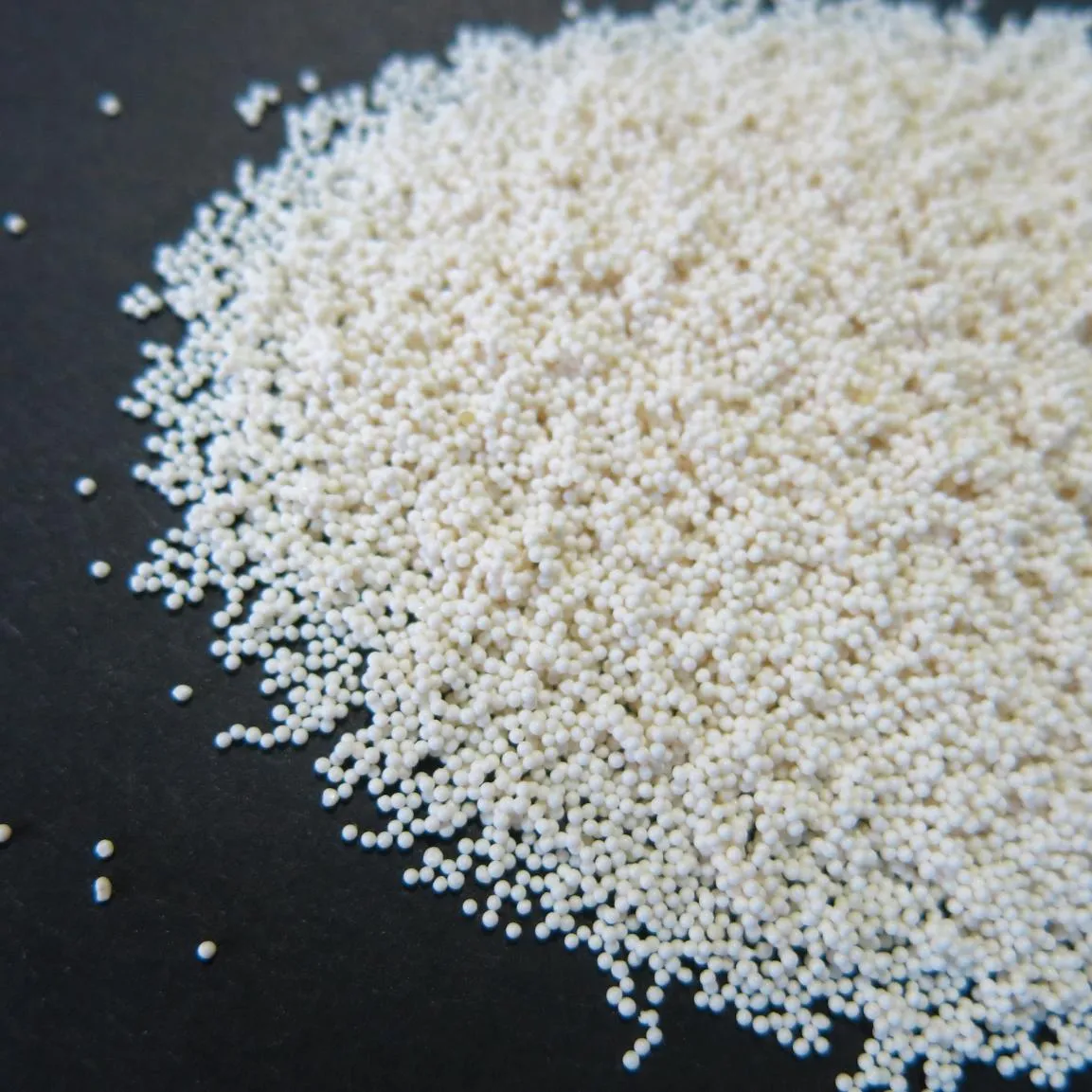
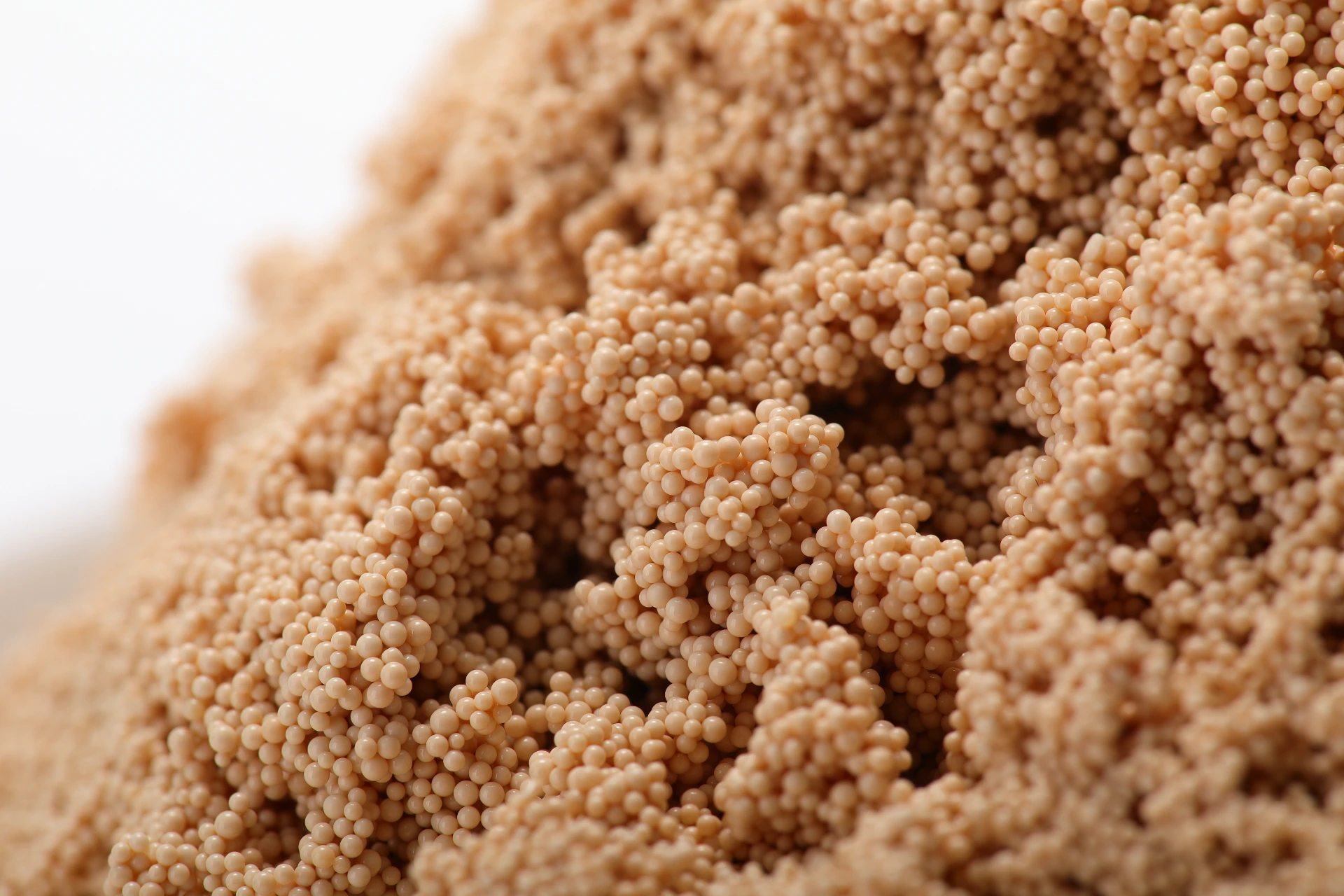
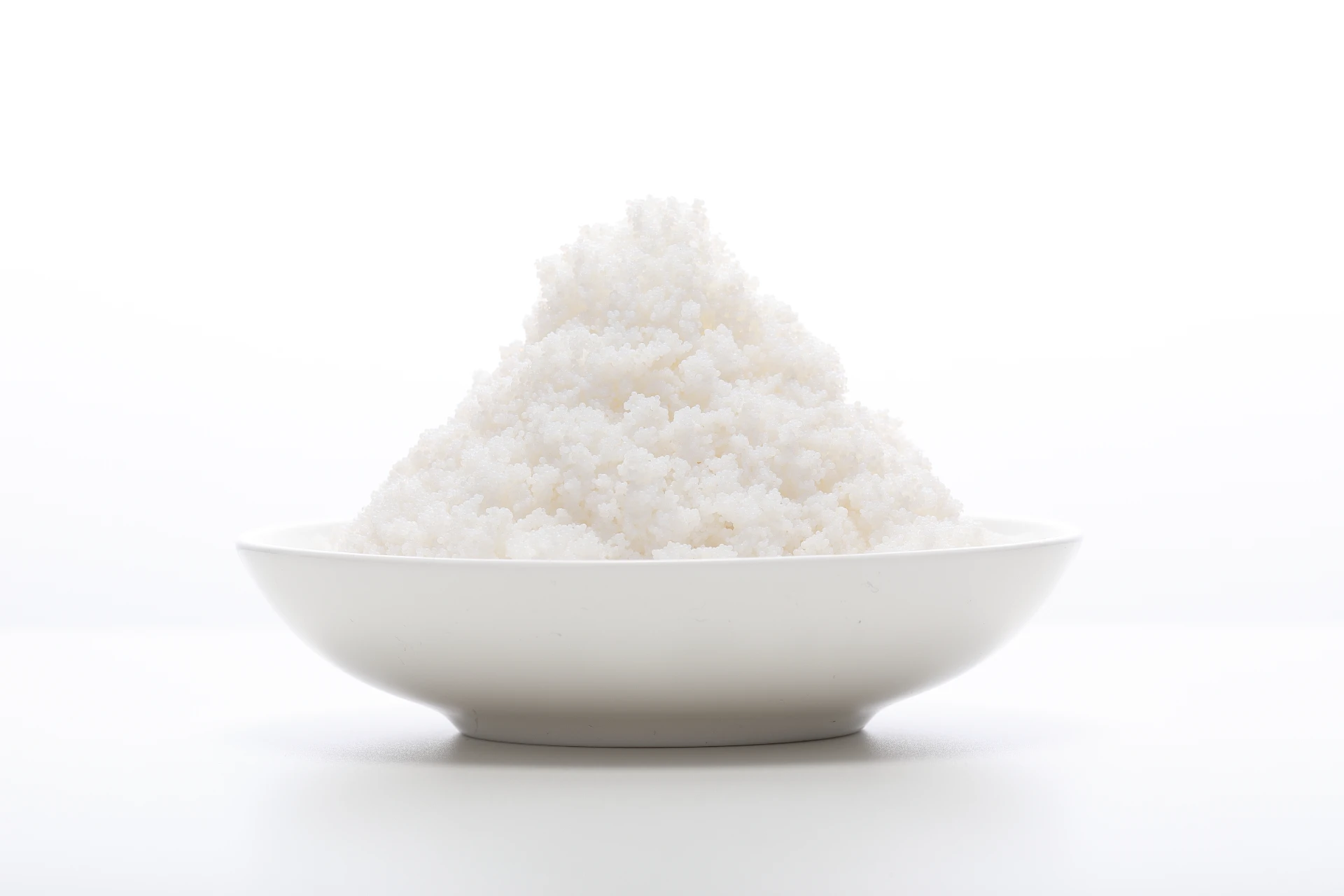
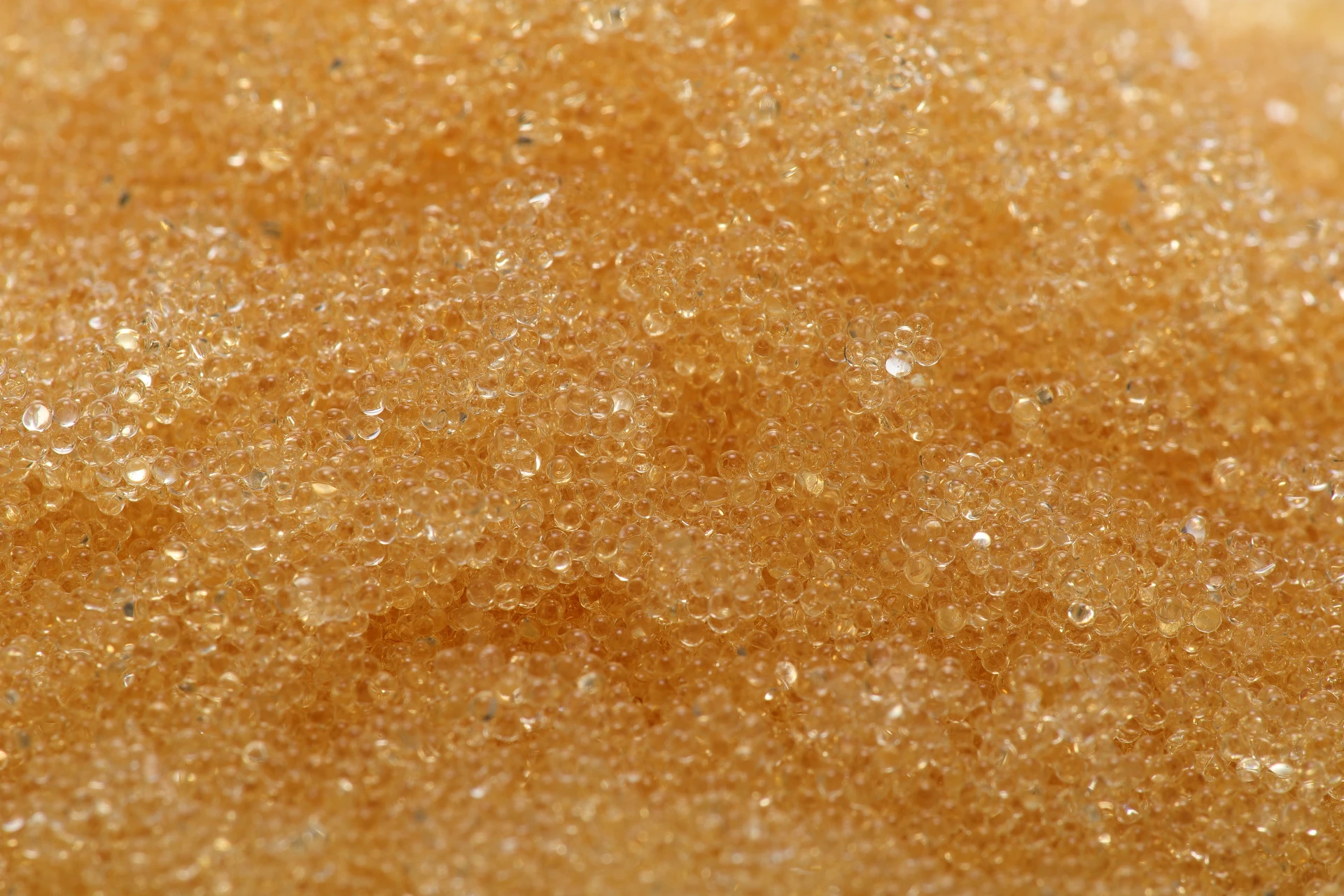
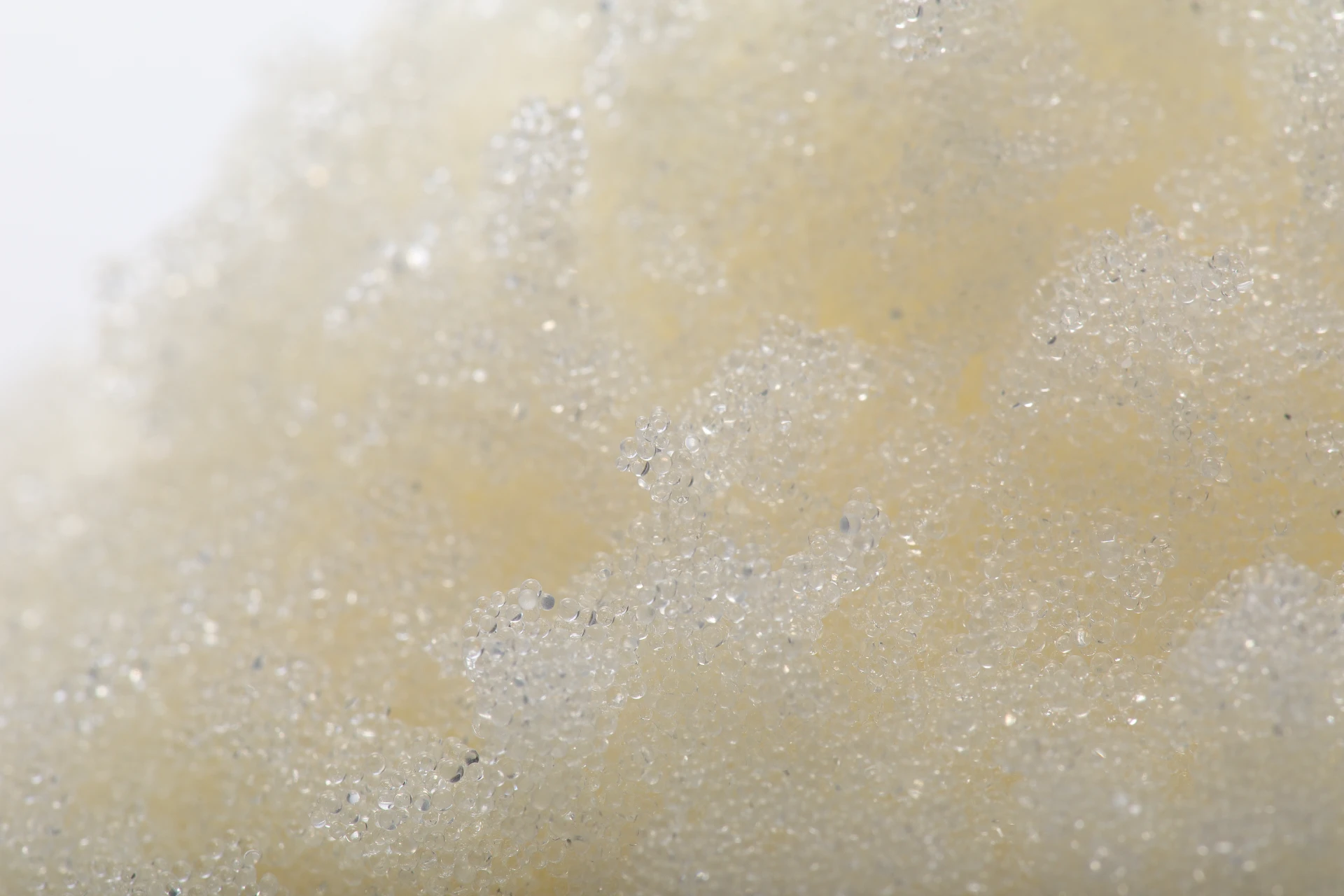
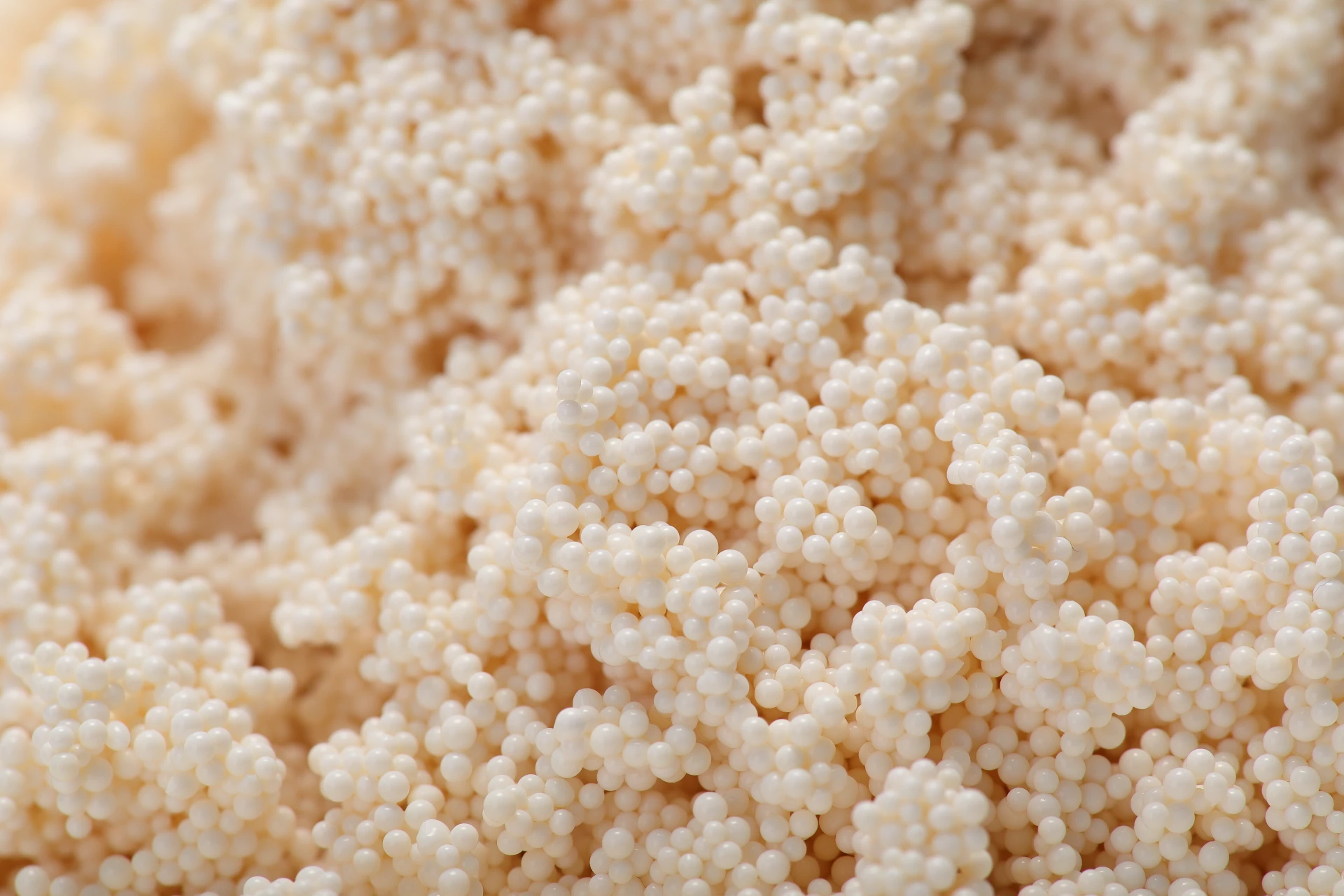
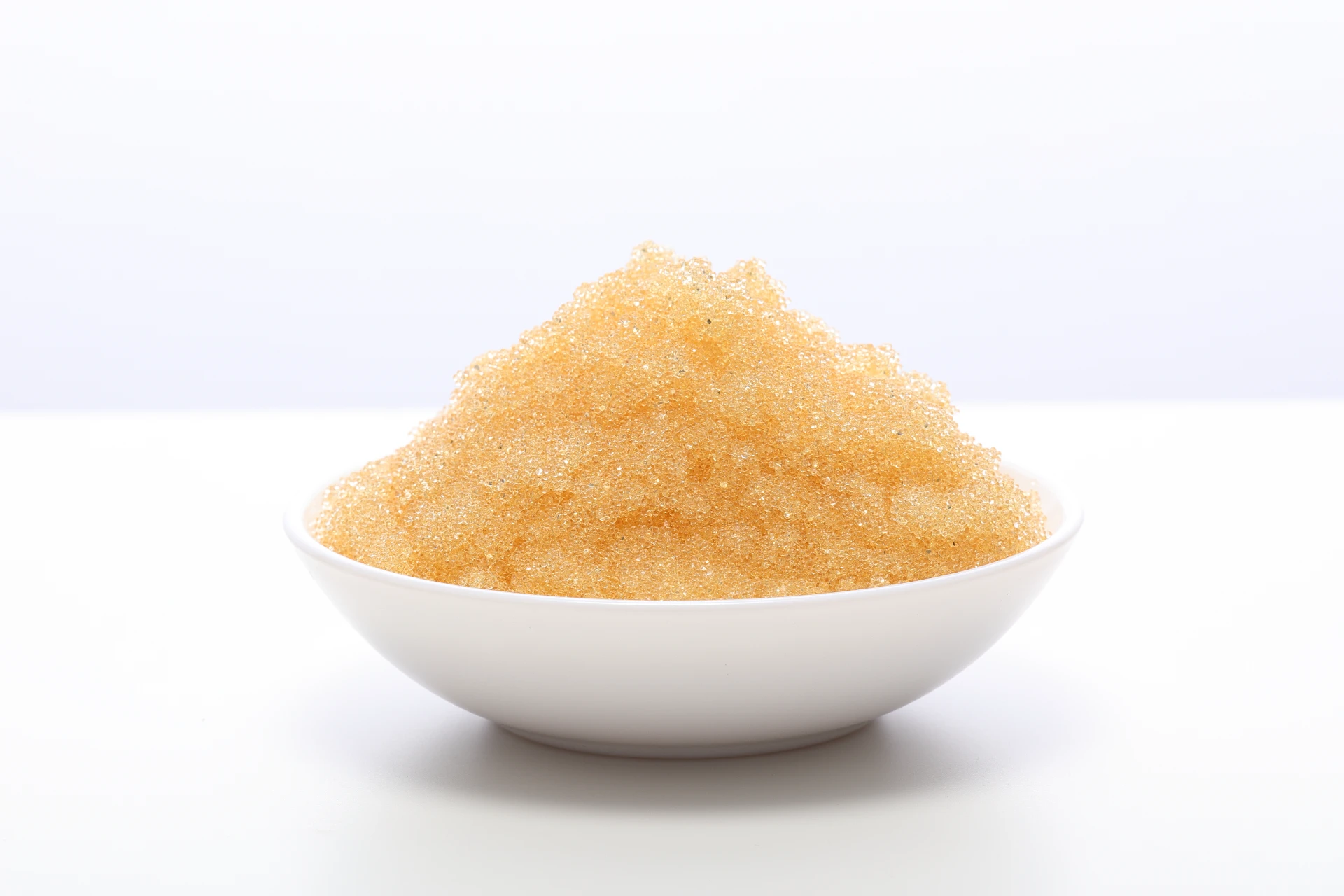
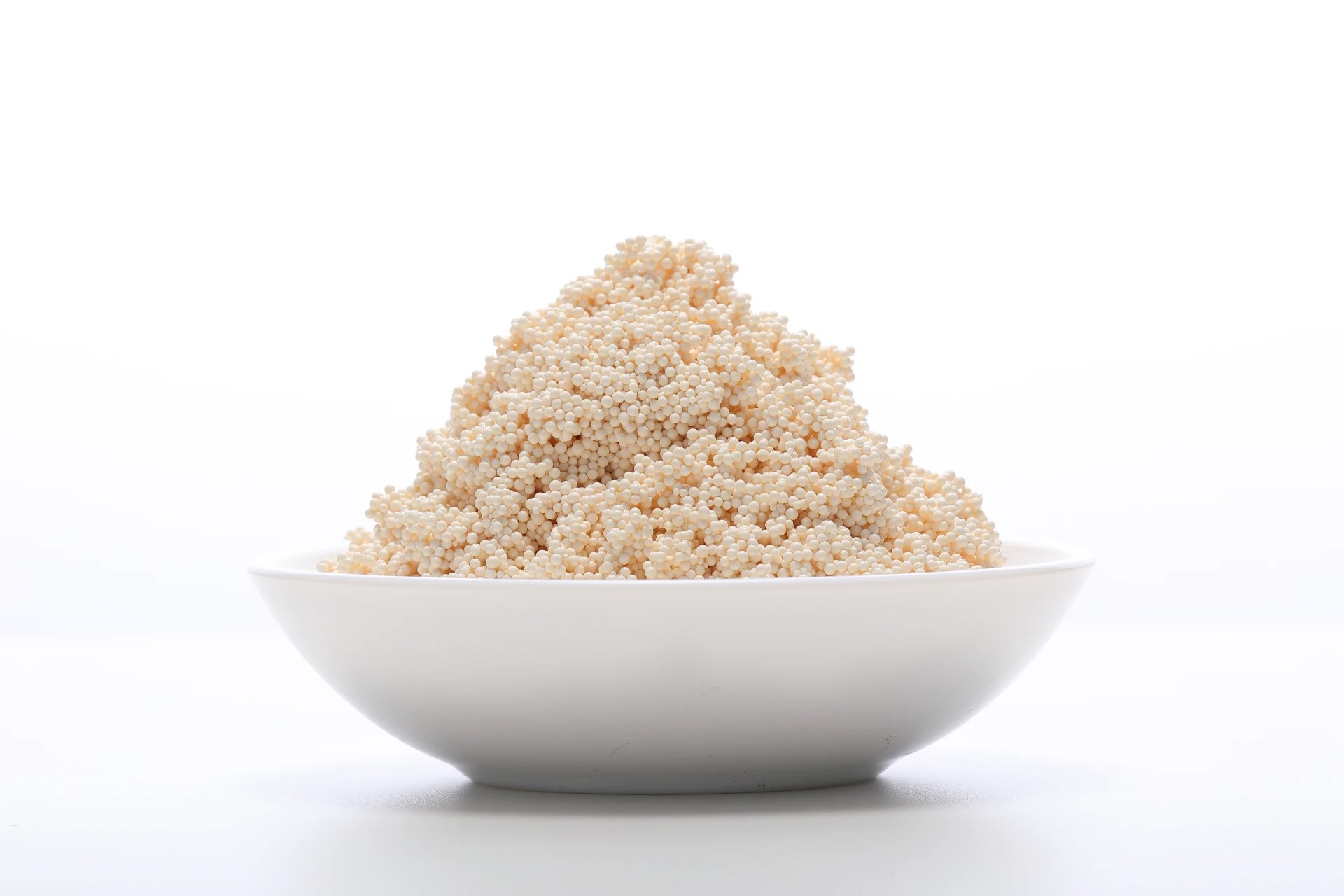
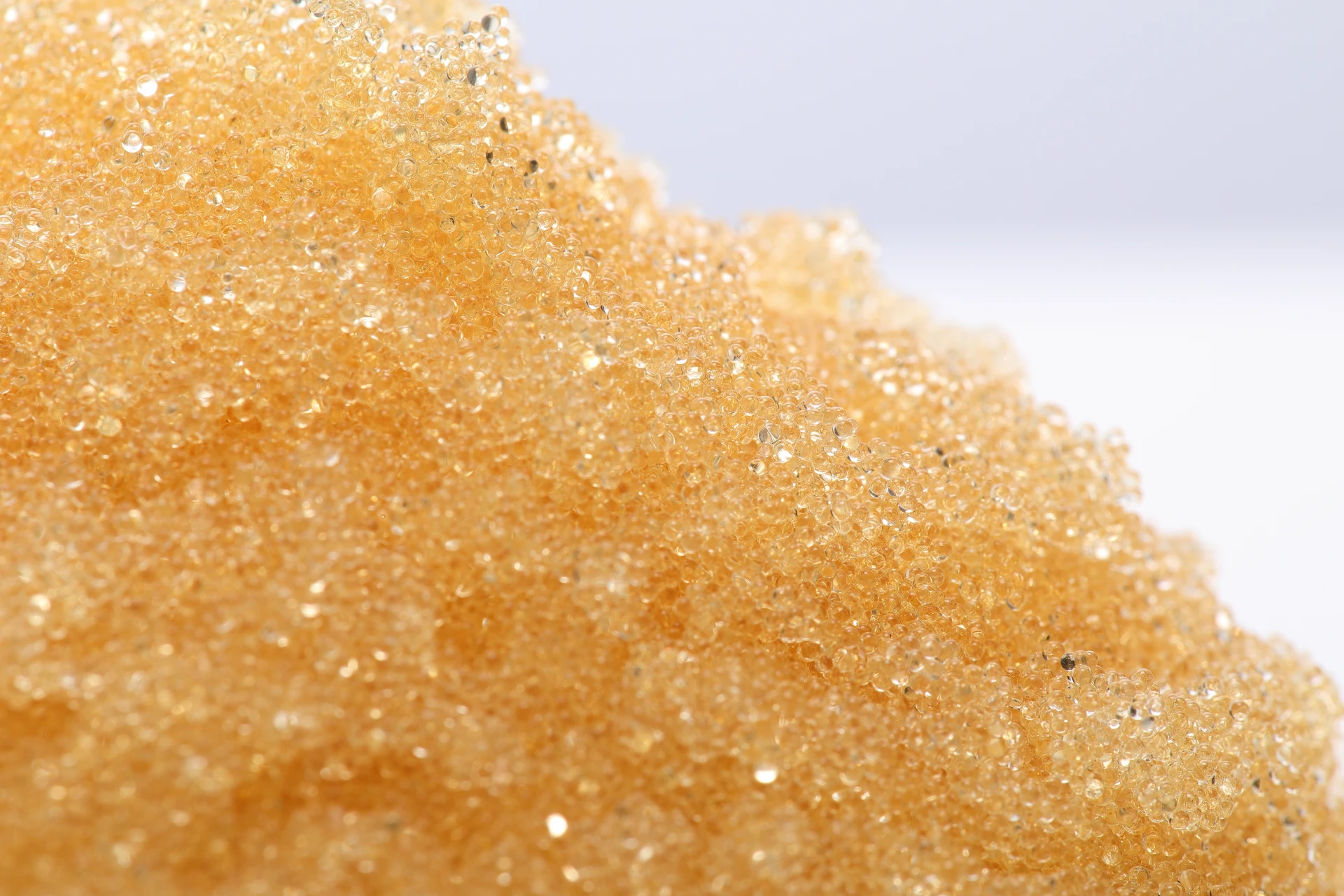
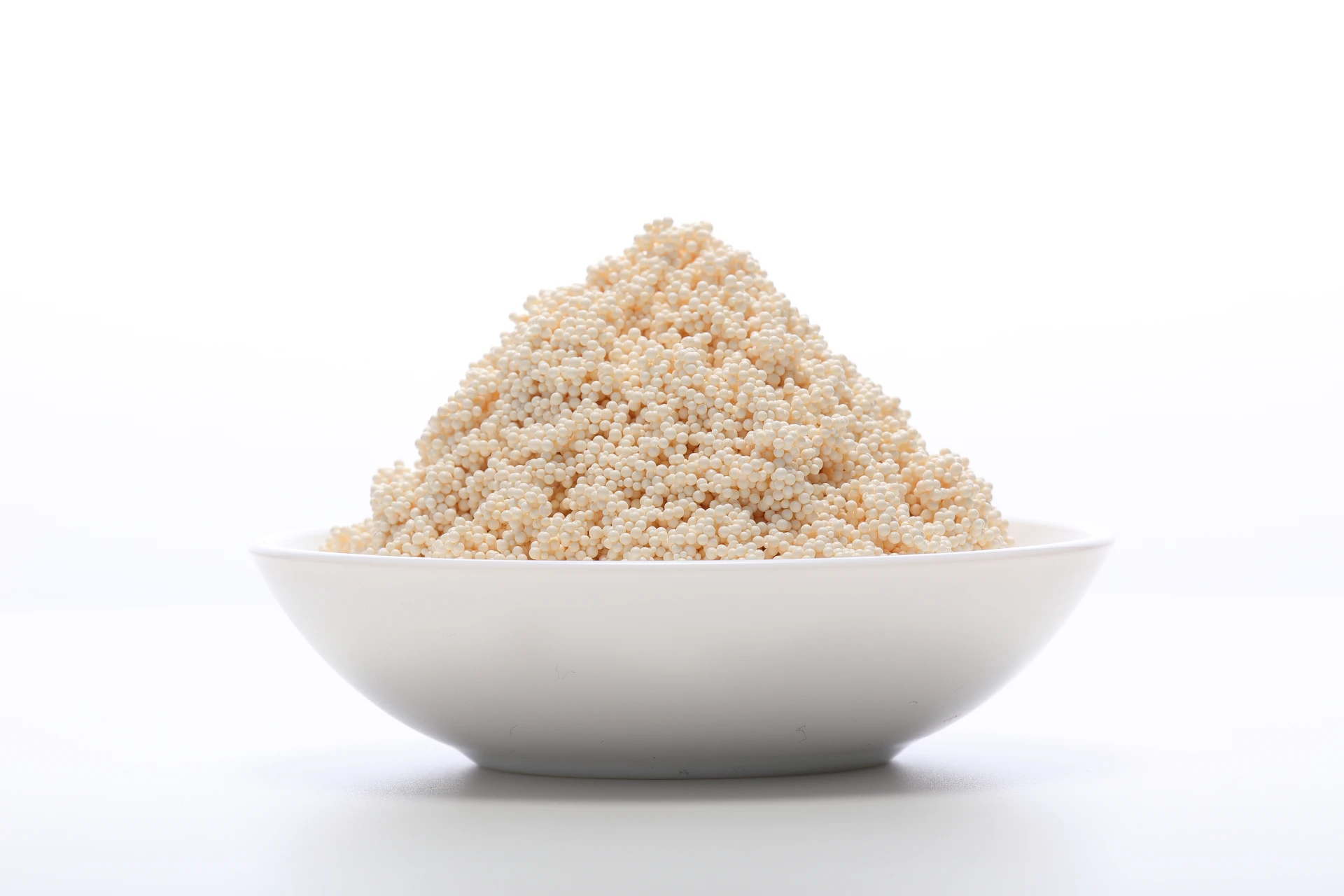
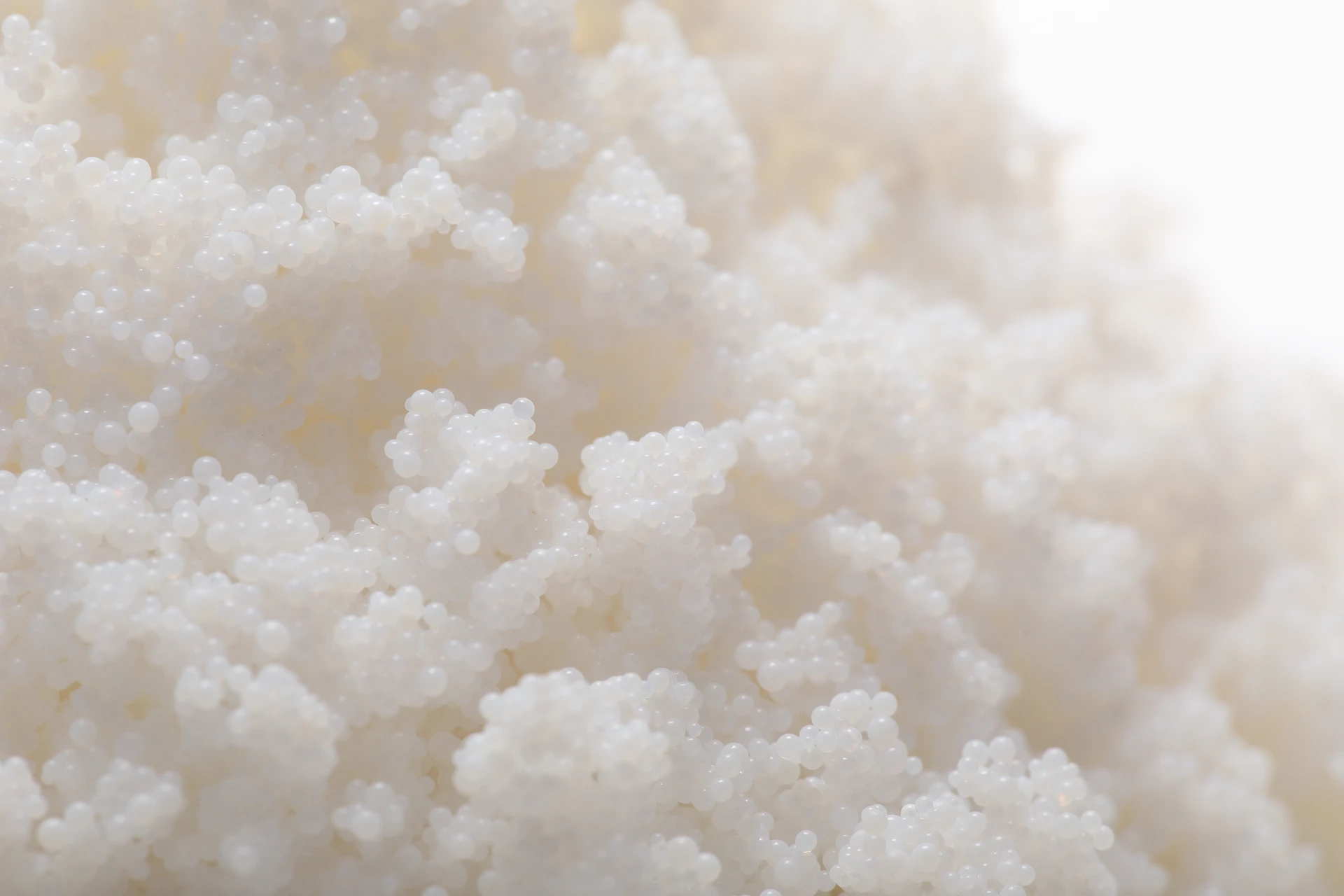
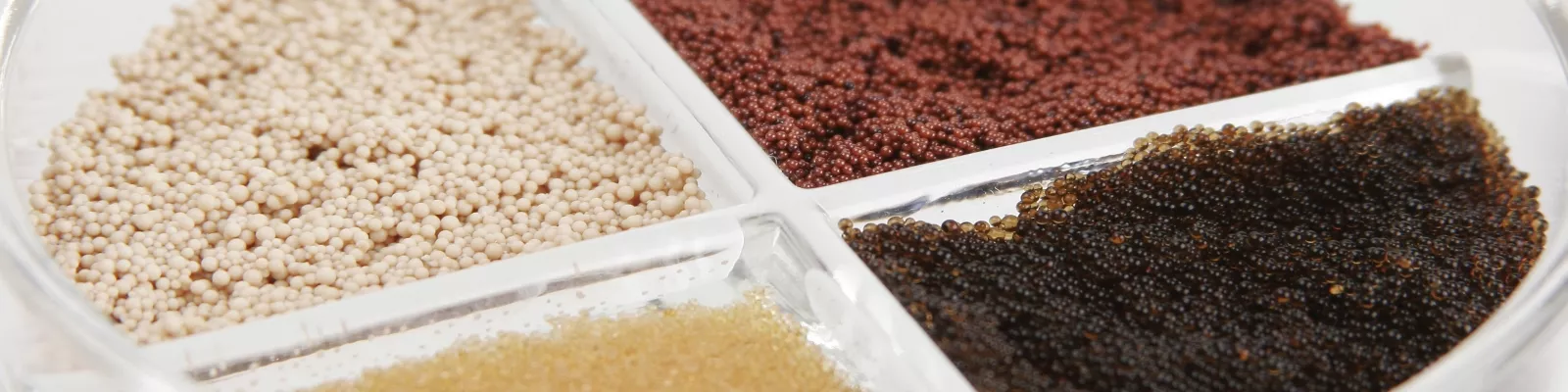
Simply put, ion exchange resin in refers to tiny, porous beads — usually made from organic polymers — that can swap unwanted ions (charged particles) in water or other fluids for more desirable ones. Picture a molecular “swap meet” where harmful calcium or heavy metal ions are exchanged for harmless sodium or hydrogen ions.
This resin is a key player in industries ranging from pharmaceutical manufacturing to power plants, not to mention humanitarian efforts aiming at rapid water purification during disasters. Without it, countless processes would either grind to a halt or rely on less efficient, more expensive treatments.
One of the best things about ion exchange resins is their robustness. They can endure repeated regeneration cycles—where resins are chemically refreshed—making them economically sustainable for long-term use.
Not all ions are created equal! High selectivity means resins can target specific contaminants, reducing processing time and waste. For industries like pharmaceuticals, this precision is non-negotiable.
Whether it’s a small lab-scale setup or a 100,000-gallon municipal plant, ion exchange resin in systems can scale to fit the need, making them versatile.
With reduced chemical usage and energy demand, ion exchange resin processes often beat out alternative purification approaches on total cost over lifecycle, despite upfront investment.
Modern resins are increasingly biodegradable or recyclable, and their usage helps reduce hazardous waste streams—a big win for sustainability.
Mini takeaway: These core factors explain why ion exchange resins continue to dominate water and chemical treatment globally.
In practical terms, the applications stretch far and wide:
Mini takeaway: Ion exchange resins serve industries and communities, from densely populated metropolises to remote emergency zones, demonstrating unmatched versatility.
Let’s be candid. Beyond the technical merits, ion exchange resin in delivers a suite of tangible advantages:
Mini takeaway: Choosing ion exchange resin in solutions often means investing in a smarter, socially responsible future.
While traditional resins remain king, the landscape is evolving. Here’s a sneak peek at what’s around the corner:
Mini takeaway: Ion exchange resin in is poised for a tech-driven makeover, blending sustainability with digitization.
Despite the many strengths, some hurdles remain:
Frankly, tackling these is a work-in-progress, but experts and companies like those linked below are making real headway.
| Q1: How long does ion exchange resin typically last in industrial applications? |
| Generally, with proper regeneration and maintenance, resins last 5 to 10 years. However, lifespan depends on feedwater quality, operational conditions, and resin type. |
| Q2: Can ion exchange resins remove heavy metals like lead and arsenic effectively? |
| Yes. Specialized resins can selectively capture toxic metals such as lead, arsenic, and mercury, making them valuable for water safety and environmental cleanup. |
| Q3: Are ion exchange resin systems energy-intensive? |
| No, compared to thermal or distillation methods, ion exchange resin in processes require significantly less energy, contributing to sustainability. |
| Q4: How do I choose the right ion exchange resin for my application? |
| Consider the water composition, targeted ions, flow rate, and regeneration methods. Consulting with suppliers or specialists is recommended. |
| Q5: Is it possible to recycle or dispose of spent ion exchange resins safely? |
| While traditional disposal requires careful handling, emerging chemical recycling and regeneration technologies are paving the way for eco-friendly reuse and disposal. |
| Specification | Typical Range | Notes |
|---|---|---|
| Bead Size | 0.3 – 1.2 mm | Affects flow rate and exchange kinetics |
| Operating Temperature | Up to 120°C | Depends on polymer type |
| Exchange Capacity | 1.5 – 5.0 meq/mL | Higher means better contaminant removal |
| pH Stability | 1 – 14 | Allows use in acidic or alkaline waters |
| Regeneration Chemicals | NaCl, HCl, NaOH | Depends on resin type |
| Vendor | Product Range | Customization | Global Reach | Sustainability Focus |
|---|---|---|---|---|
| Liji Resin Co. | Wide (standard & specialty resins) | High – custom formulations | Asia, North America, Europe | Yes, biodegradable resins |
| Ionex Solutions | Niche heavy metal removal | Moderate | Europe, Africa | Focused on recycling programs |
| ResinTech | Broad industrial & lab resin portfolio | Custom & off-the-shelf | Global (100+ countries) | Developing green tech |
So what’s the bottom line? Ion exchange resin in is not just some niche laboratory material—it’s an unsung hero of clean water, efficient manufacturing, and environmental care worldwide. By understanding how this technology works and where it fits, businesses, governments, and NGOs can make smarter, more sustainable decisions that benefit people and planet.
If you’re curious to explore tailored solutions, or want to see how the latest resin tech can fit your needs, the team at Liji Resin offers depth in both standard and custom resins, backed by expert knowledge and global delivery. Sometimes, the smallest beads make the biggest impact.
Stay inquisitive and safe out there!