Phone:
+86 0319 2296164


Email:
info@lijiresin.cn
Ion exchange resin 225 NA might sound like just another technical term tossed around in chemical supply catalogs, but it’s actually a cornerstone material powering critical industries worldwide. From purifying drinking water to aiding pharmaceutical manufacturing, its role is both vast and vital. Grasping what ion exchange resin 225 NA does and why it’s preferred can unlock a deeper appreciation for how modern water treatment and chemical separation work.
Globally, clean water scarcity, industrial waste, and efficient chemical processes are growing challenges. The right ion exchange resins help tackle these head-on, improving safety and sustainability. So, diving into this topic isn’t just for chemists or engineers—it’s about understanding tools shaping our environment and health.
To paint the bigger picture: the UN estimates that roughly 2 billion people live in countries experiencing high water stress. Meanwhile, industries across Asia, Europe, and the Americas increasingly rely on chemical processes needing reliable ion exchange methods to meet environmental standards.
Ion exchange resin 225 NA is a workhorse here, addressing contamination in water treatment plants, removing unwanted ions in pharmaceutical synthesis, and even in food processing. The problem it addresses—impurities and contaminants—may sound mundane but is an ongoing global headache. Without effective resins, you'd face increased health risks and higher production costs.
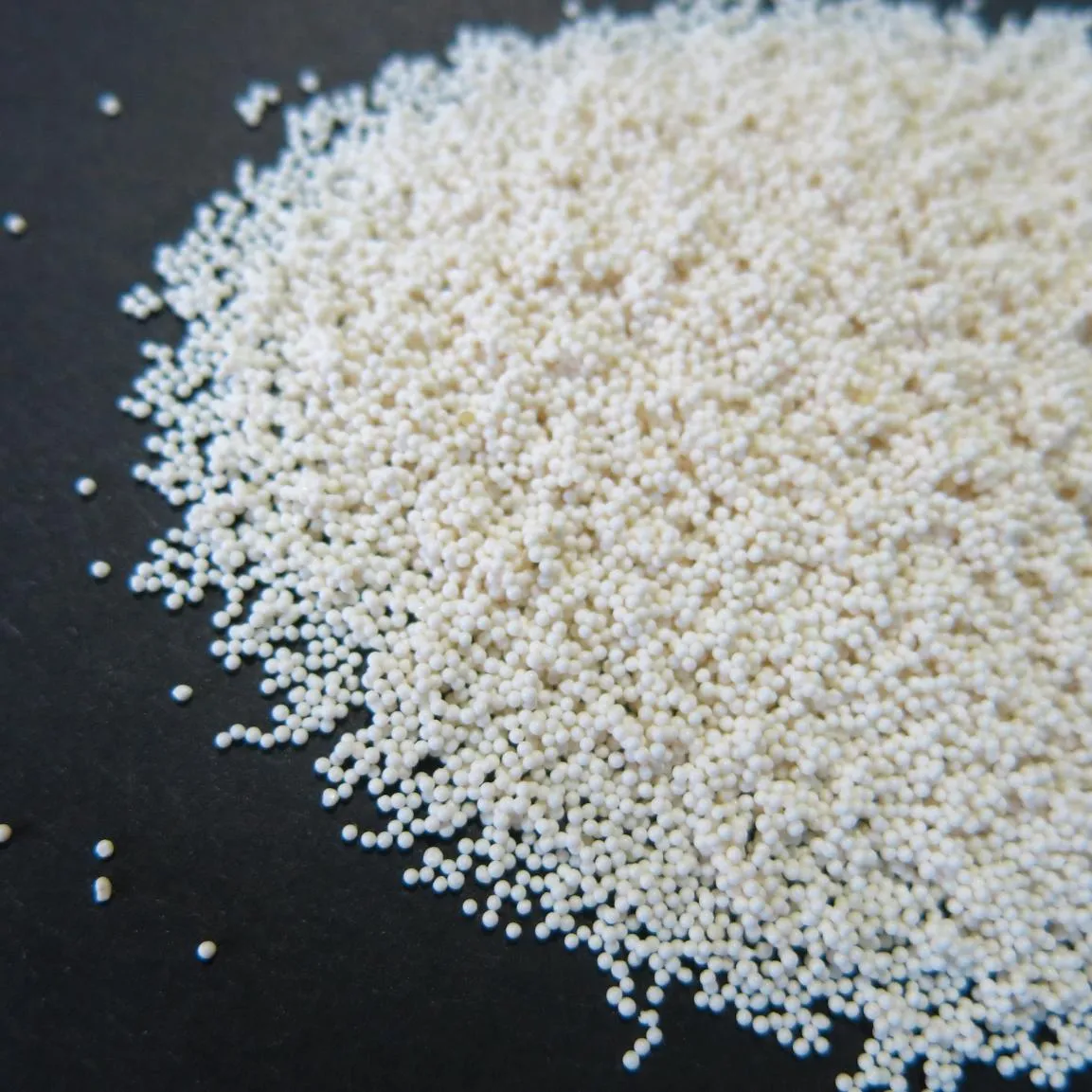
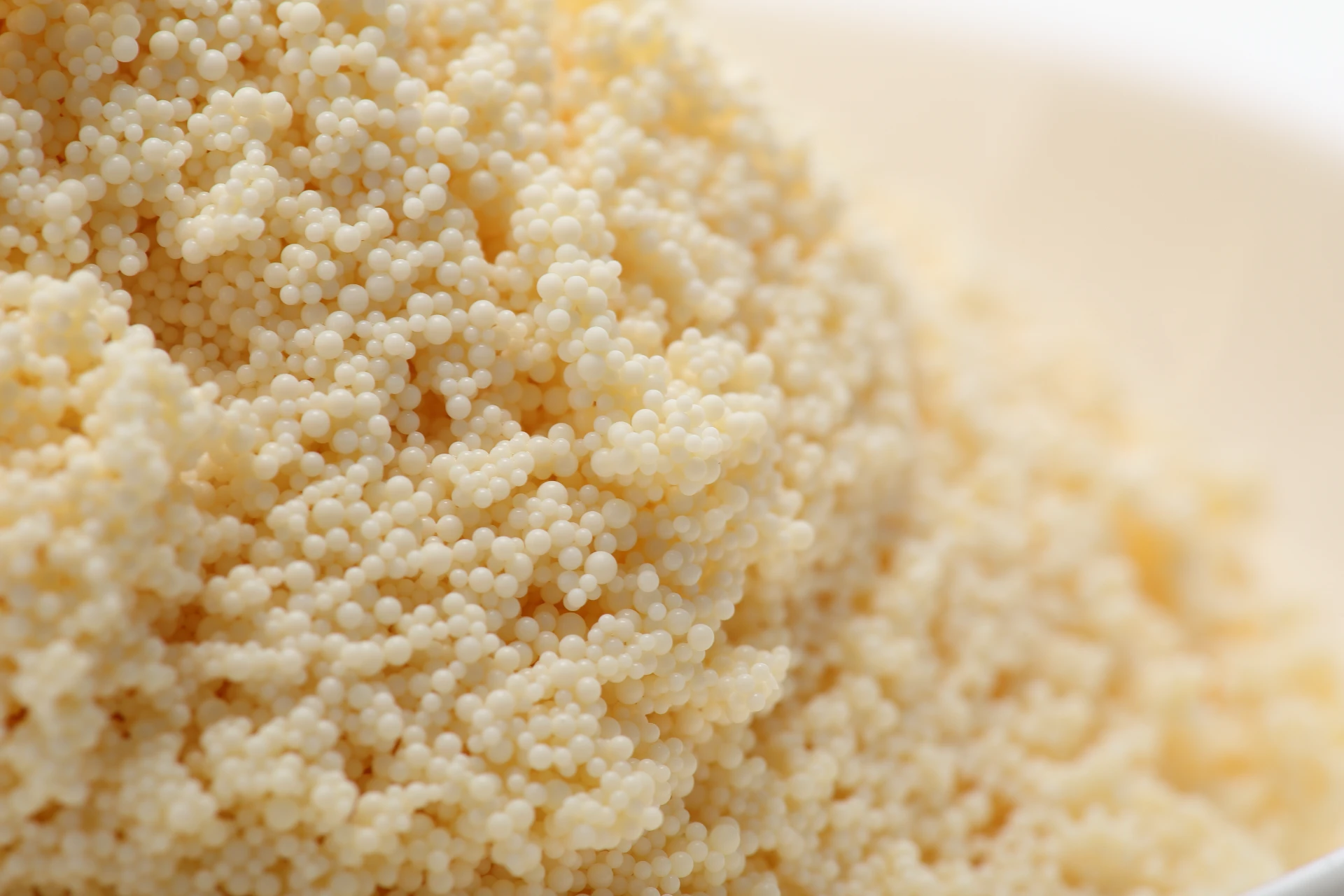
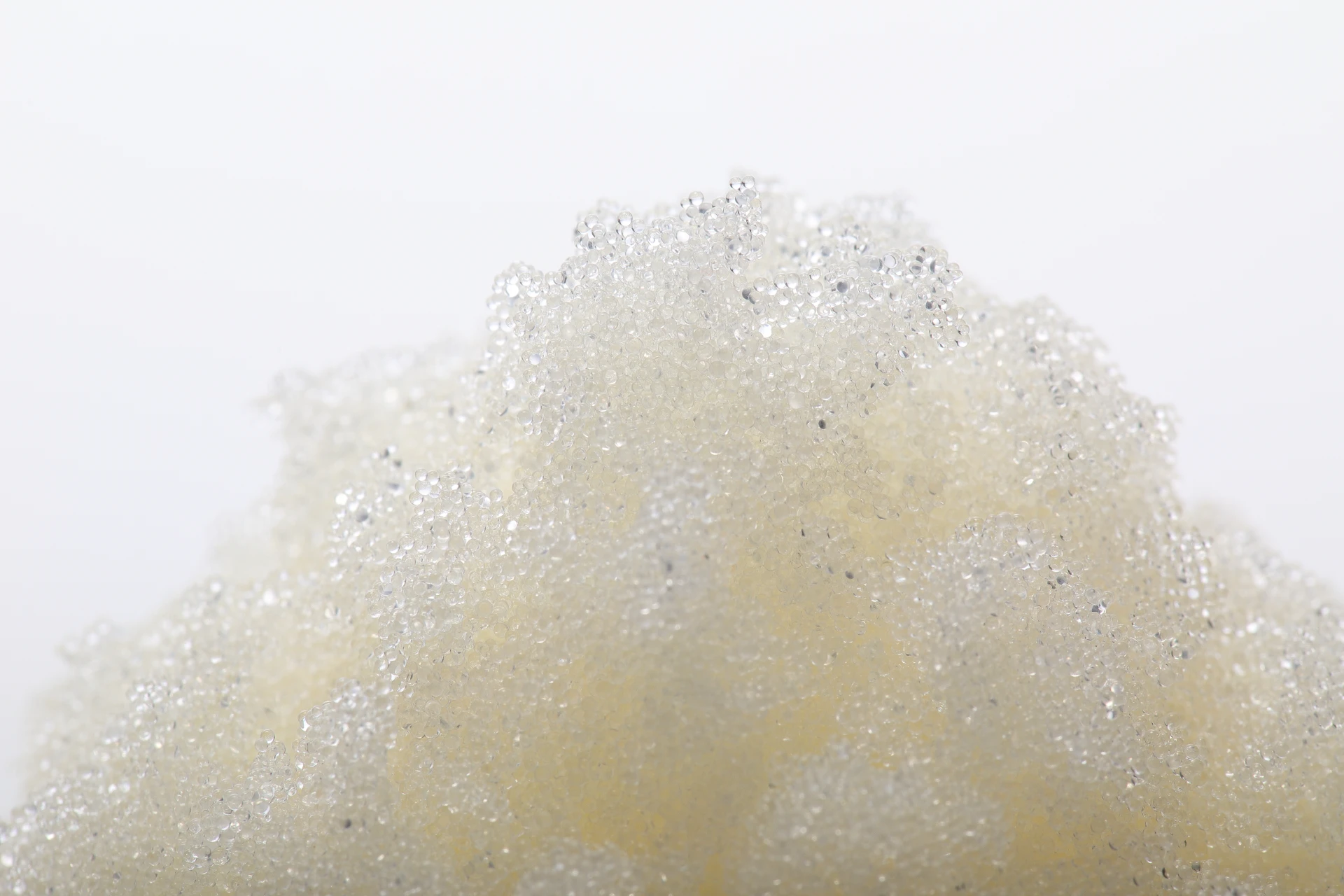
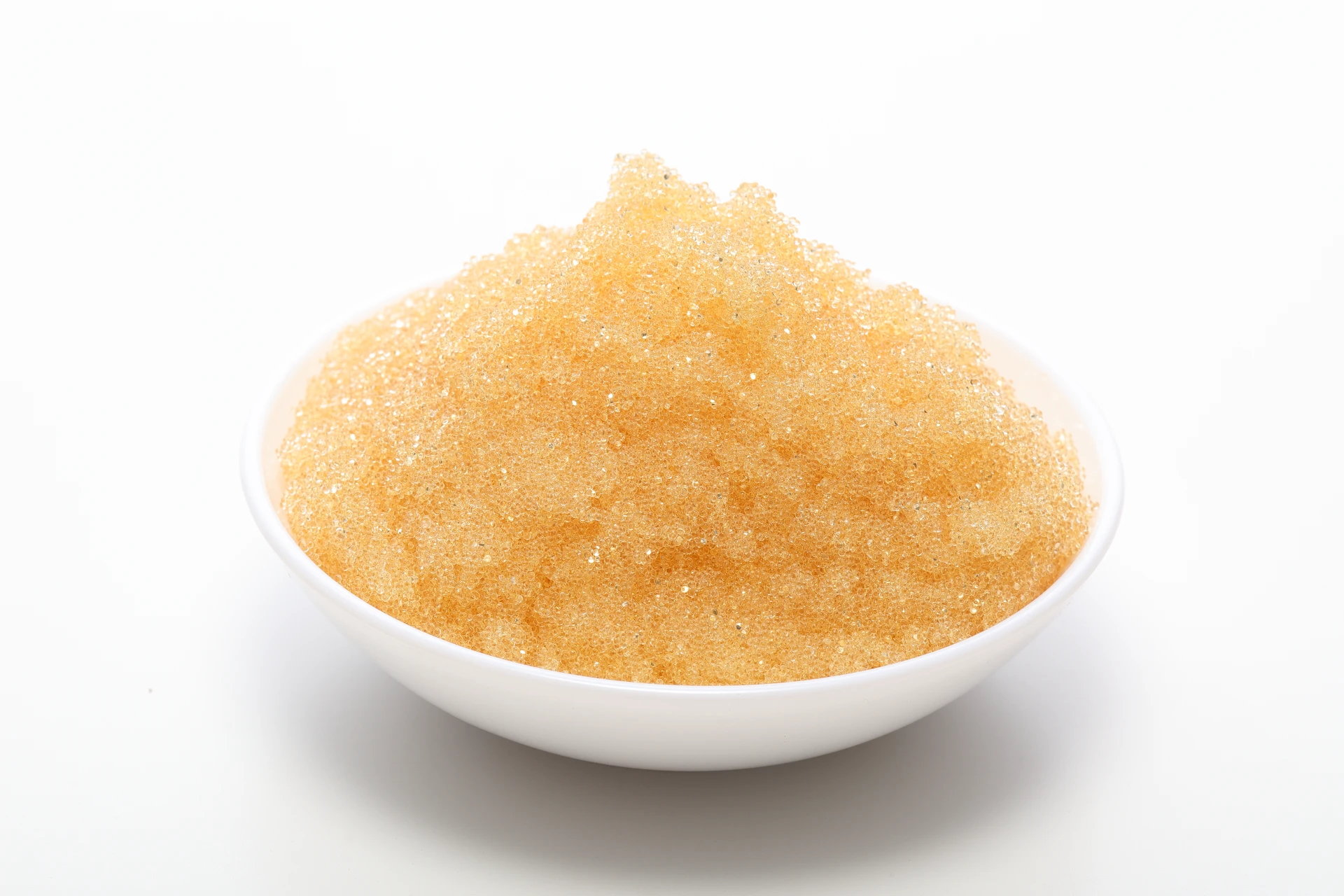
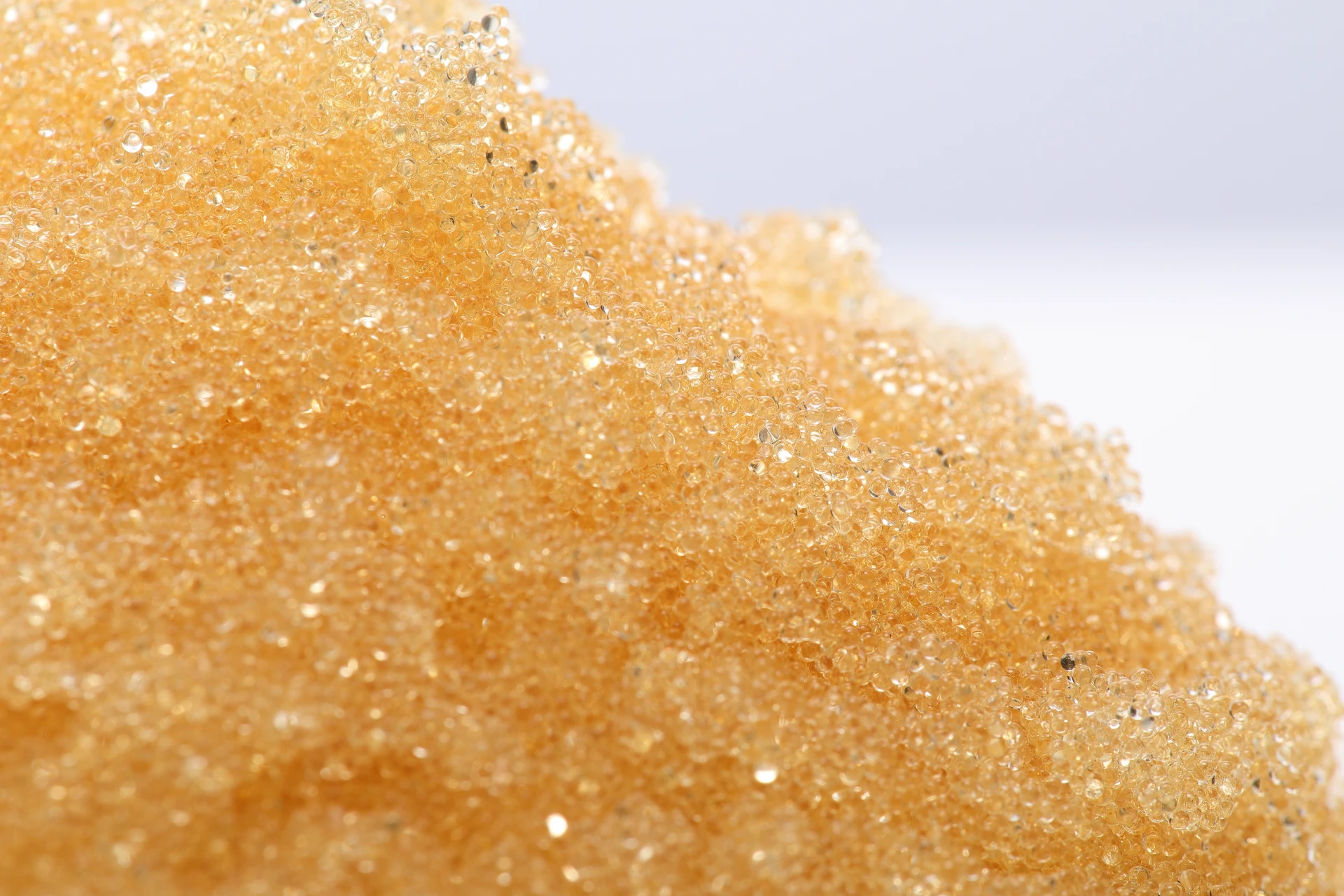
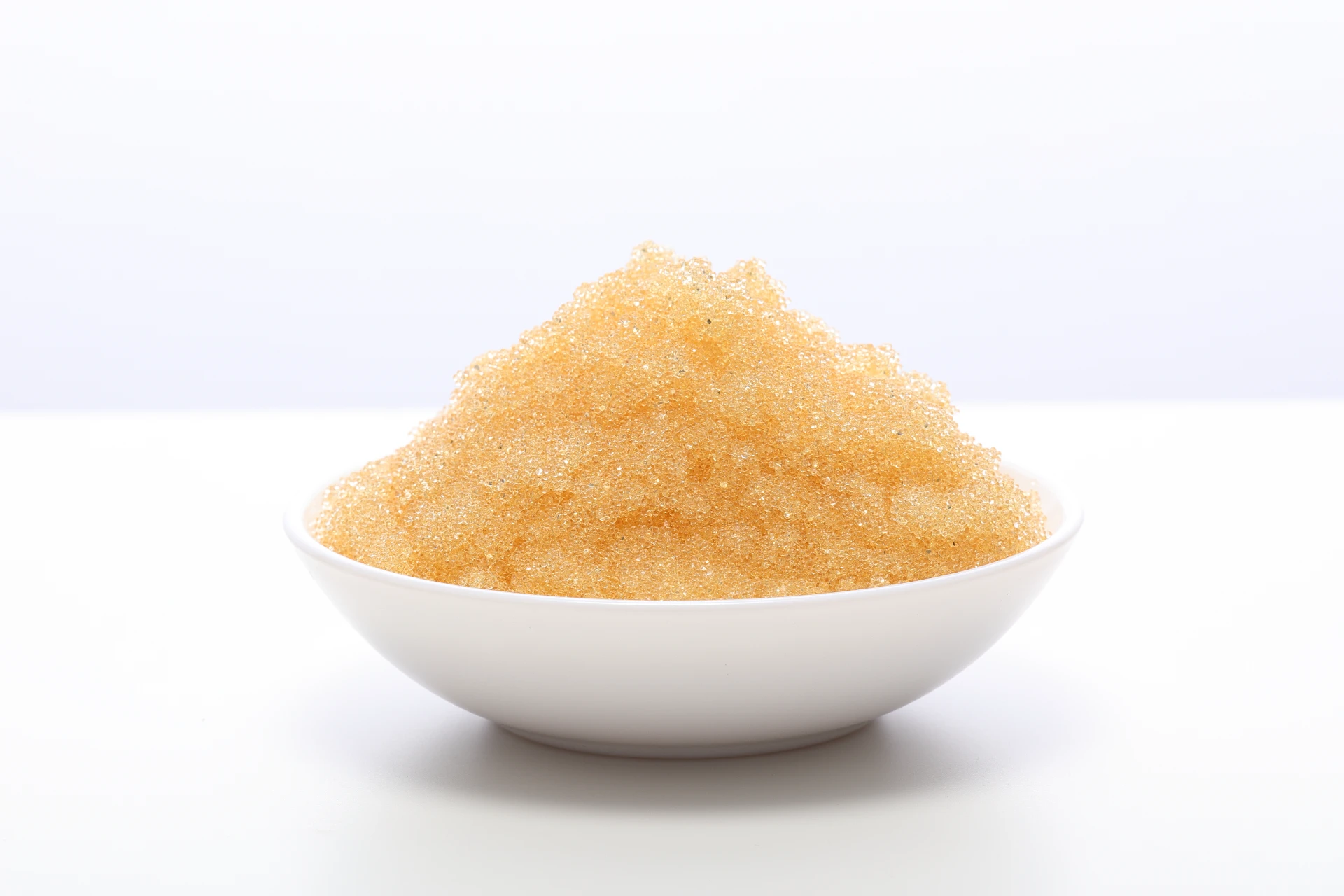
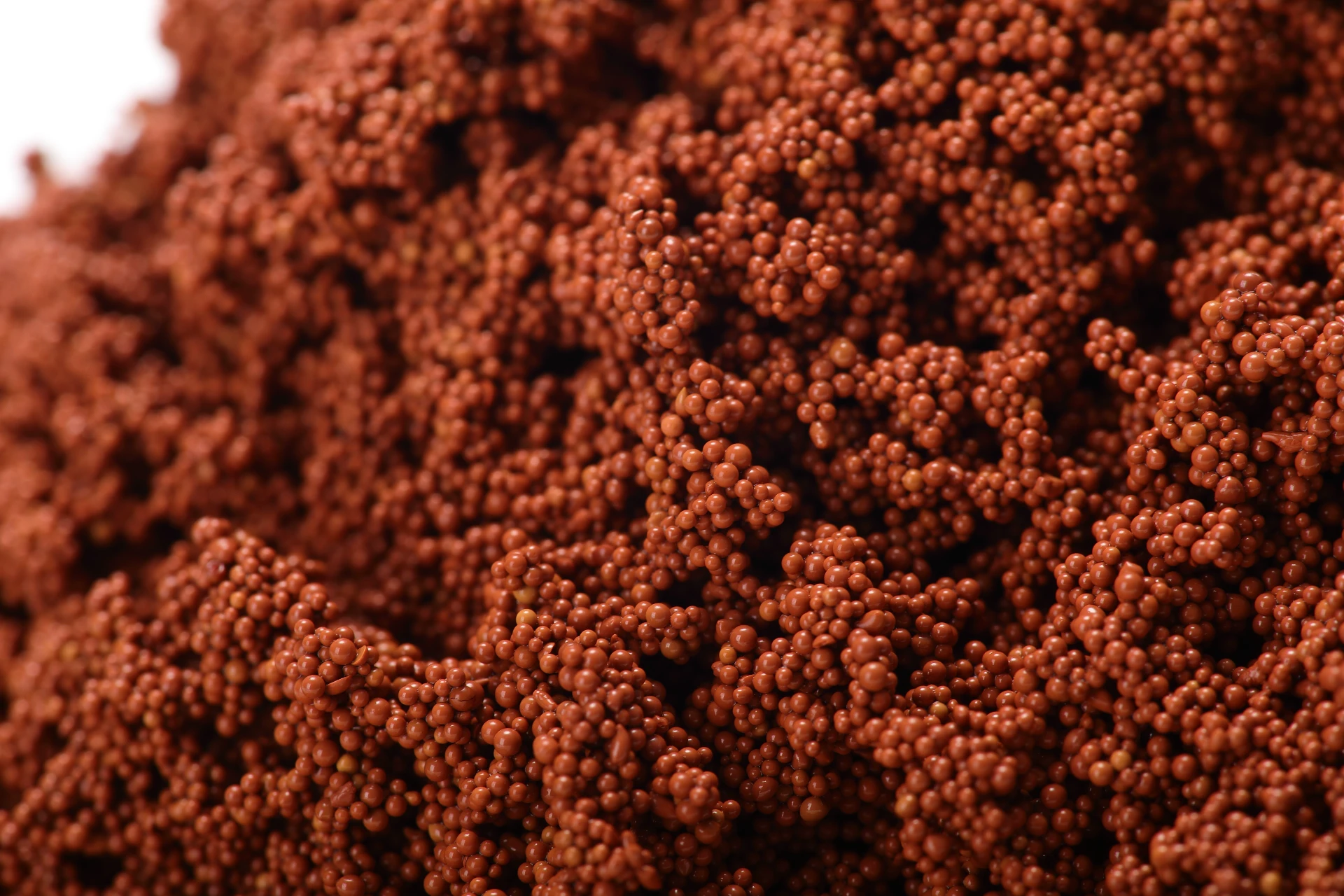
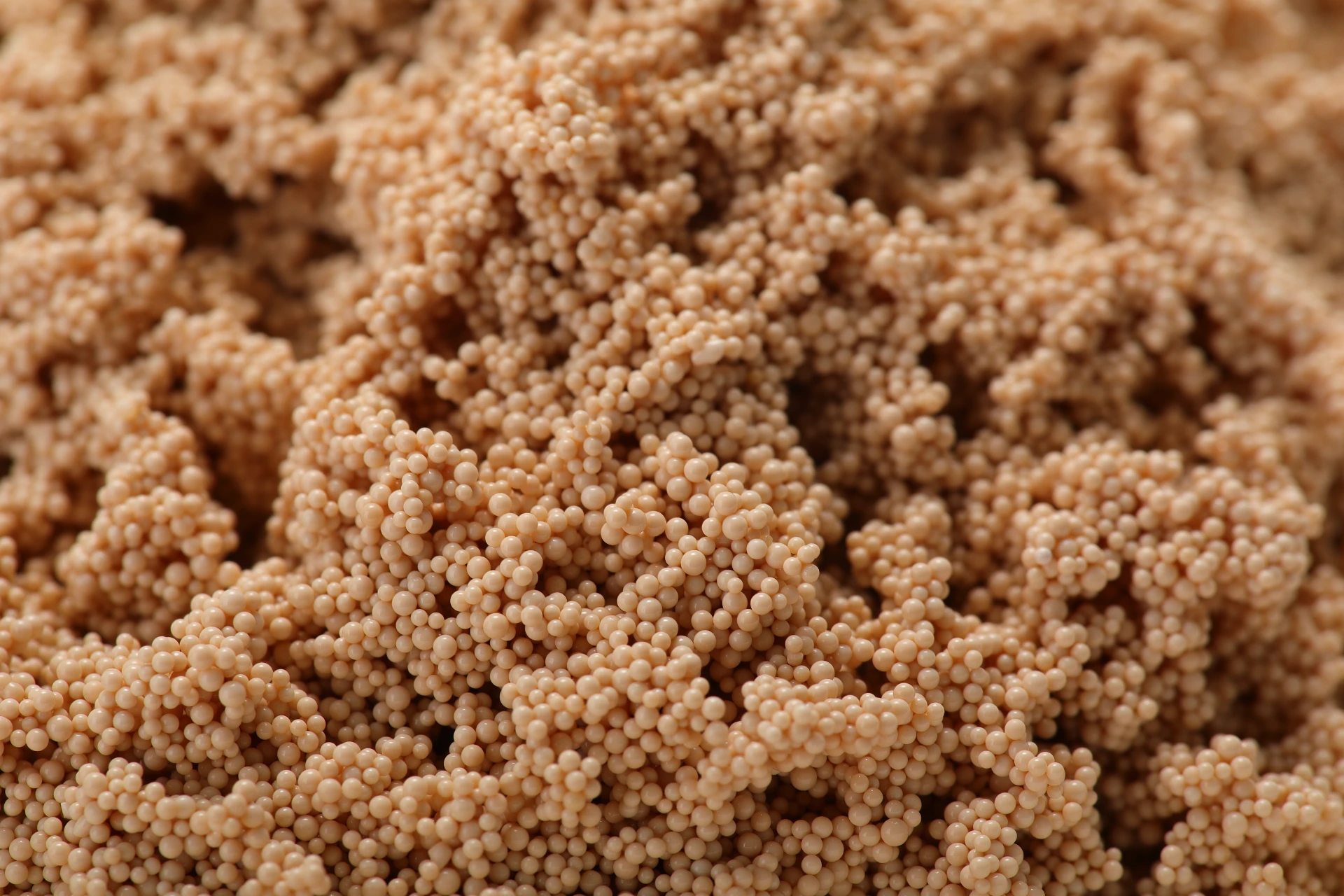
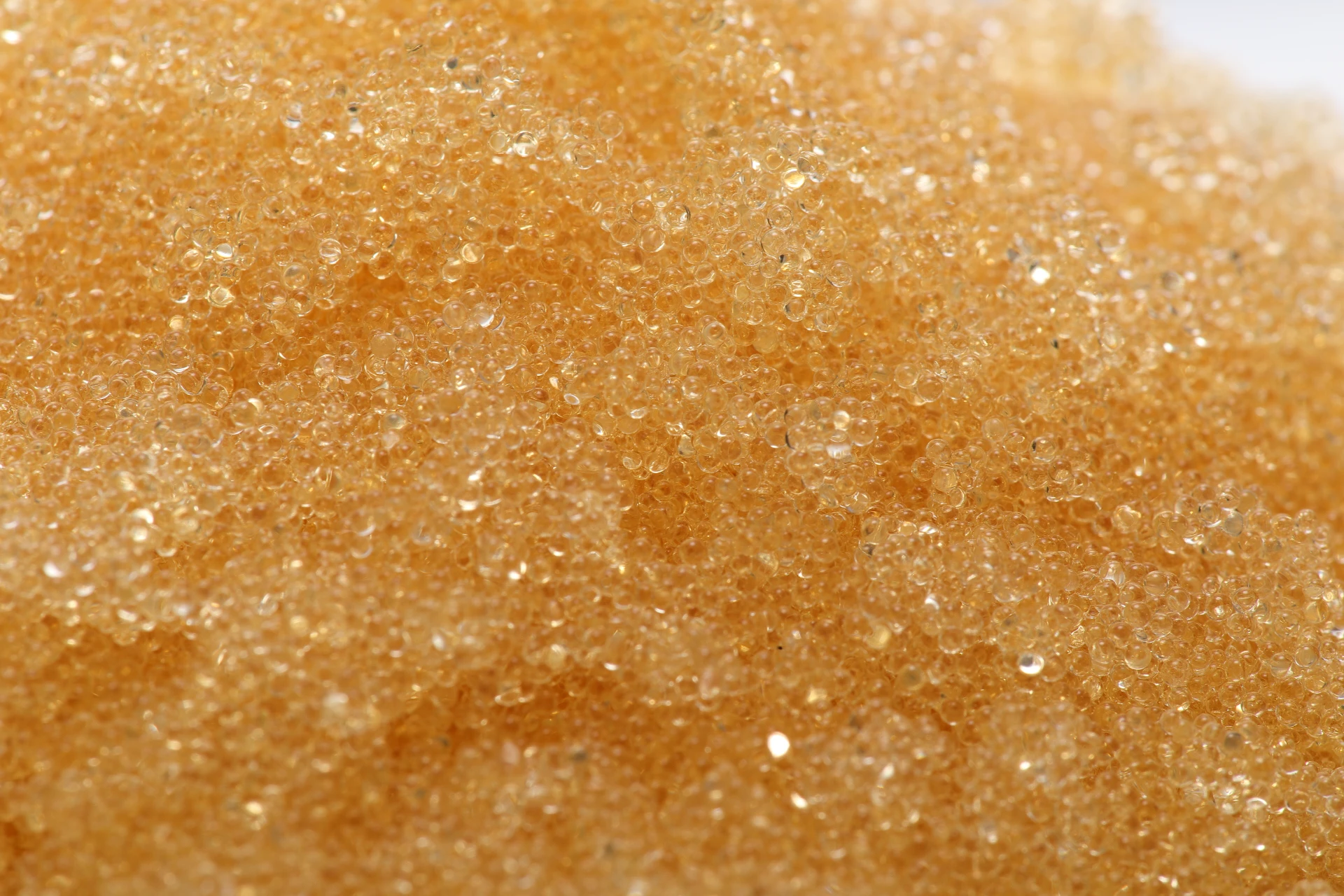
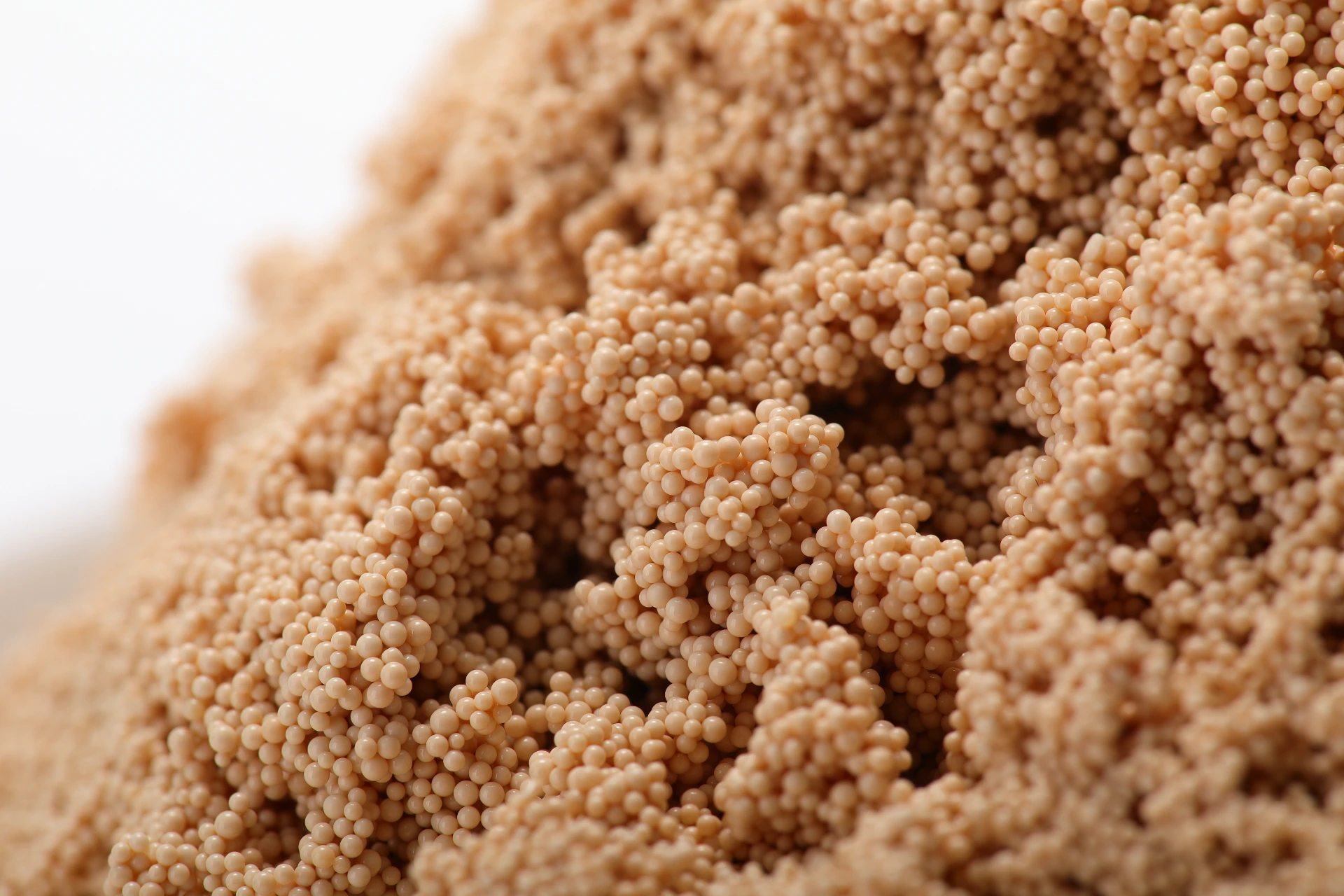
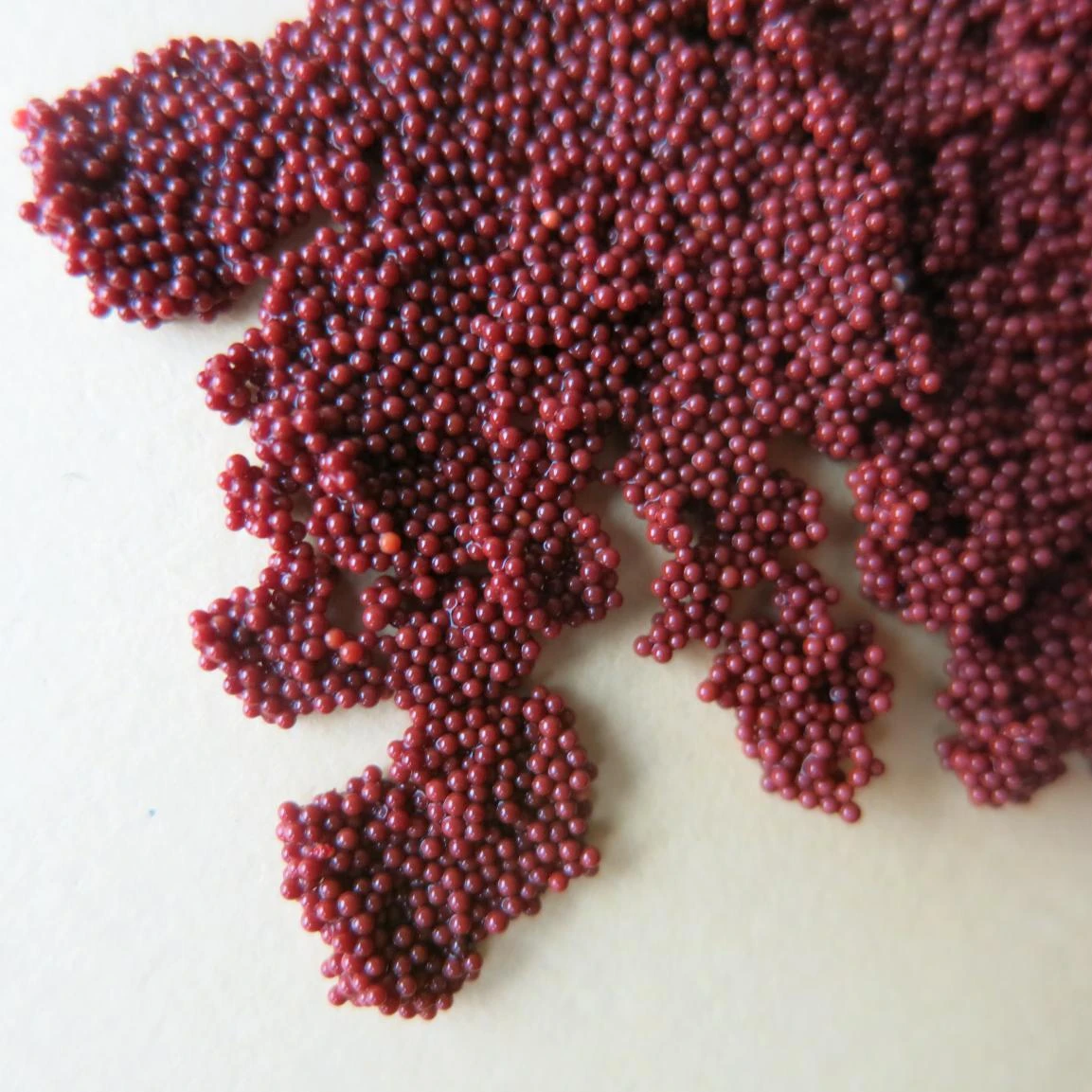
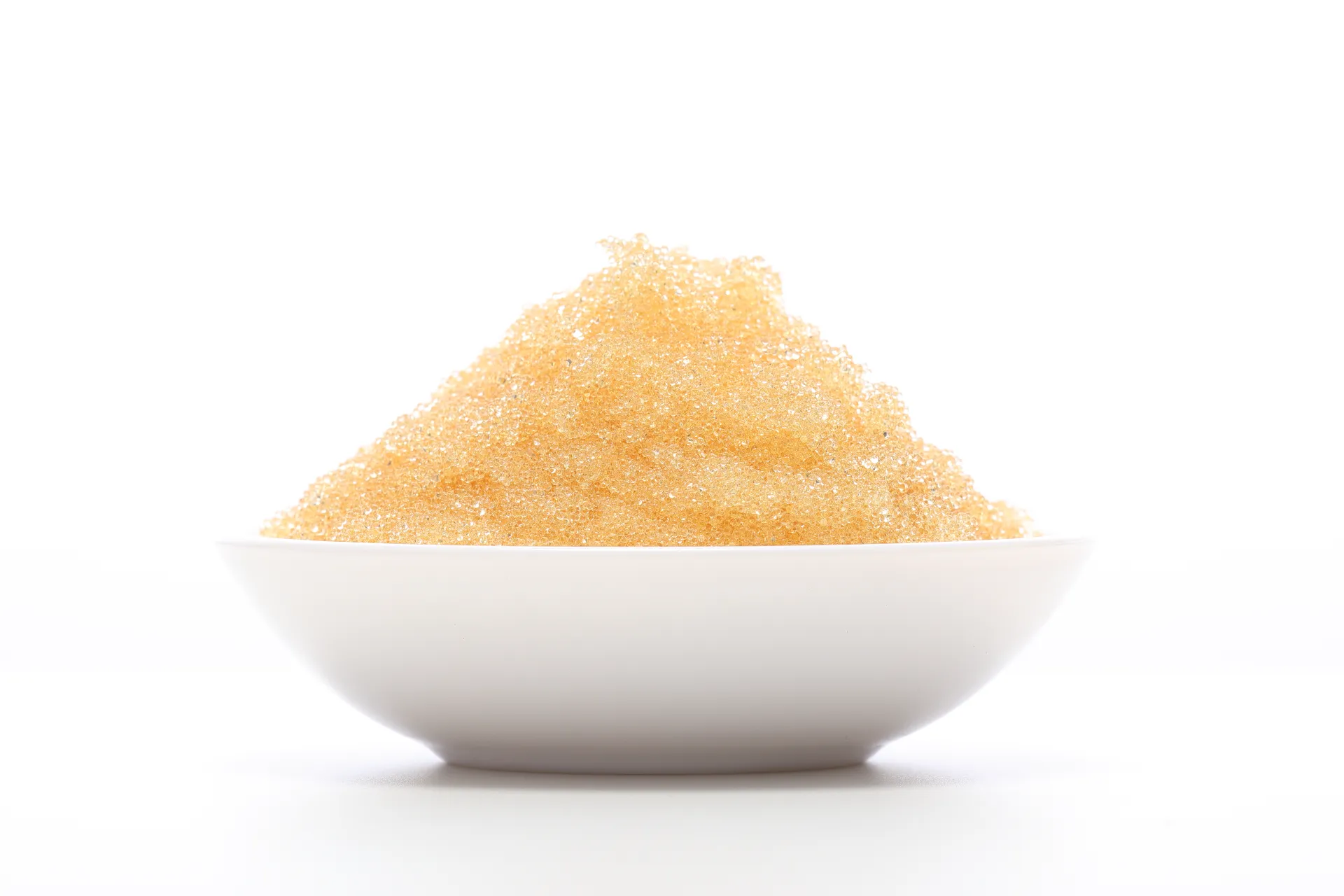
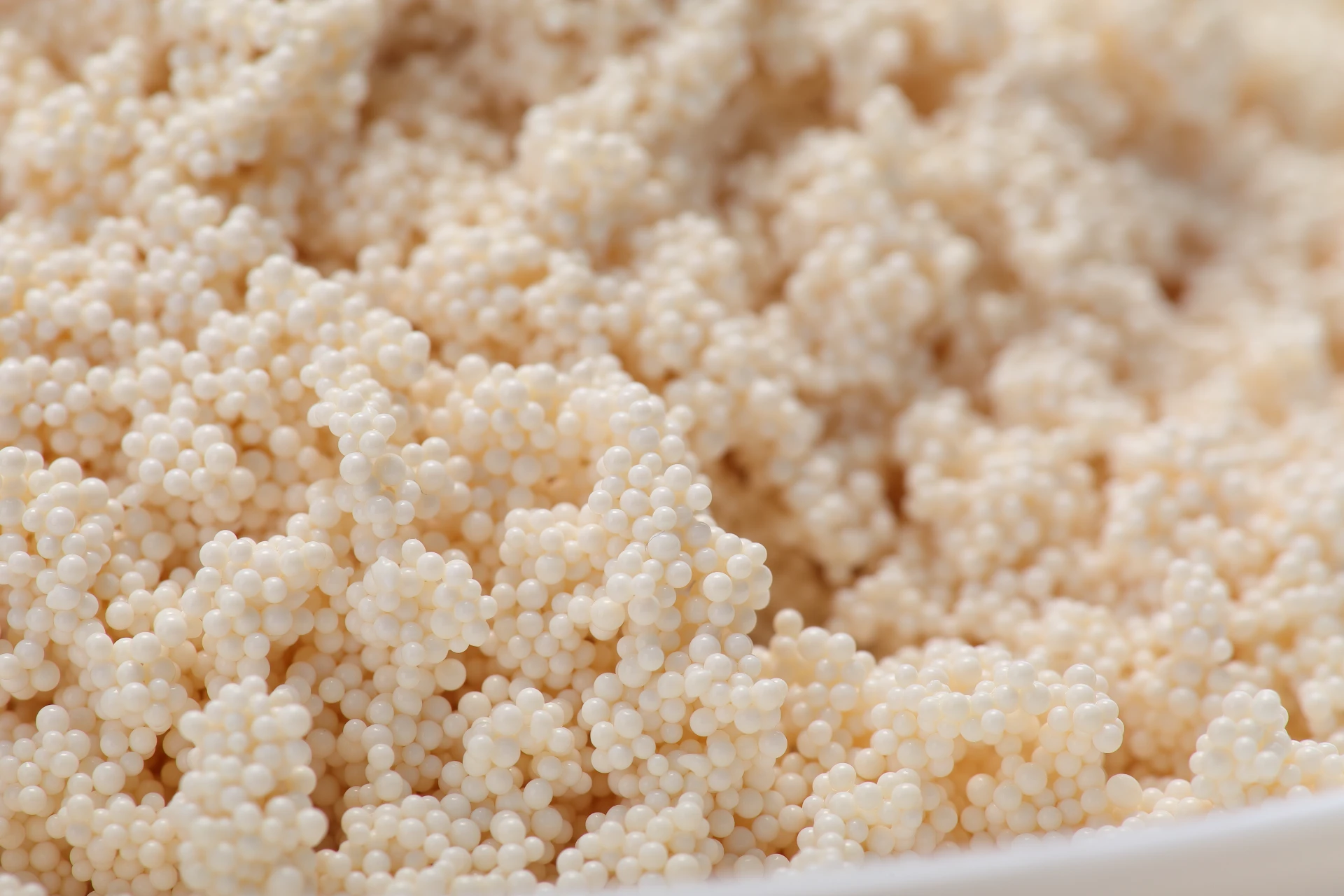
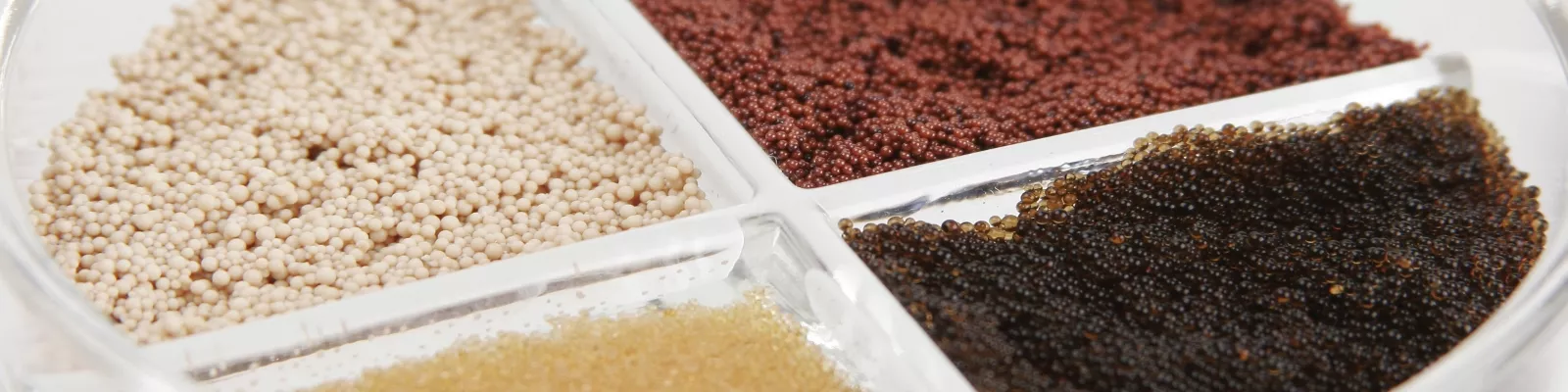
At its core, ion exchange resin 225 NA is a synthetic polymer bead designed to swap certain ions out of liquids passing through it. Imagine it like a highly selective sponge that grabs things you don’t want (like calcium or heavy metals) and releases harmless ions (usually sodium ions in this type). This particular resin is famous for its high exchange capacity, durability, and fast kinetics, making it favored in industries where speed and efficiency matter.
It’s not just a chemical toy; it underpins water softening, ultrapure water production, and even in extracting precious metals. Its role extends to humanitarian needs, too — ensuring clean drinking water in disaster-hit areas where infrastructure is damaged.
Many engineers I’ve spoken with emphasize that 225 NA’s ability to withstand harsh chemical environments and repeated regeneration cycles without degrading is crucial. This means fewer interruptions and longer service life.
This resin’s dense functional groups allow it to swap more ions per volume than some older resins. Practically, it means smaller equipment or faster flow rates while maintaining performance.
Often overlooked, 225 NA tolerates higher temperatures than many alternatives, opening doors for industrial applications that involve heat without compromising effectiveness.
The resin beads resist crushing or abrasion during operation—a common failure point in ion exchange systems—ensuring consistency and reliability over time.
After “doing their job,” these beads can be regenerated with sodium chloride solutions, letting them restart the cycle with minimal waste.
Mini takeaway: Ion exchange resin 225 NA is a robust, efficient medium tailor-made for demanding, repeat-use industrial and humanitarian water treatment operations.Where does this resin actually shine? In water treatment plants across Europe and the US, 225 NA is used to soften hard water — removing calcium and magnesium ions which cause scale buildup. In India and parts of Africa, NGOs harness this resin during disaster relief work to provide safe drinking water rapidly using mobile purification units.
The pharmaceutical industry relies on it to produce ultrapure water essential for drug manufacturing. Food processing plants use it for demineralization to improve taste and shelf-life. Even gold recovery processes use ion exchange resins to separate precious metals effectively.
| Specification | Details |
|---|---|
| Resin Type | Strong Base Anion Exchange Resin (Type II) |
| Moisture Content | 50% (approx.) |
| Particle Size | 0.3 - 1.2 mm |
| Cross-linkage | 8% DVB (divinylbenzene) |
| Capacity (eq/L) | 1.2 - 1.3 |
| Operating Temperature | Up to 100°C |
Choosing the right supplier can be tricky — here's a straightforward comparison of some leading providers of ion exchange resin 225 NA to help decision-makers:
| Vendor | Purity (%) | Longest Warranty | Typical Delivery Time | Price Range (per ton) |
|---|---|---|---|---|
| LijiResin Corp | >99.8% | 18 months | 2–3 weeks | $2,500 - $3,000 |
| GlobalIon Solutions | >99.5% | 12 months | 3–4 weeks | $2,600 - $3,200 |
| PureChem Resins | >99.7% | 15 months | 4–5 weeks | $2,700 - $3,100 |
The benefits aren’t just about functioning well — they go deeper.
As a side note, many plant operators often remark how this resin "runs like a charm" — there’s a comforting predictability in its performance.
Technology isn’t standing still. New research is exploring hybrid resins that combine ion exchange with adsorption techniques to capture heavy metals more selectively. Meanwhile, automation in resin monitoring—sensors embedded directly in treatment vessels—is making process optimization smarter and more adaptive. Digital twins of water treatment systems simulate behavior including resin life cycle, helping operators make data-driven decisions.
On the sustainability front, bio-based resins derived from renewable sources are also gaining interest. It may seem like a niche, but over time these could question the dominance of traditional synthetic resins like 225 NA.
Of course, nothing is perfect. Some users report limits related to resin fouling from organic matter or scaling ions in harder water. Pretreatment steps like filtration and periodic cleaning are often necessary. Also, disposal and regeneration brine management require environmental care.
Innovations like ultrasonic cleaning of resin beds and advanced pretreatment processes help mitigate these issues, extending resin lifecycle and performance.
A1: It depends largely on your target ions, flow rates, and temperature. 225 NA is suited for high-capacity anion exchange tasks like demineralization or water softening. Check compatibility with operating conditions and consult supplier datasheets for best results.
A2: With proper pretreatment and regular regeneration, 225 NA can last 5 to 7 years. Factors like water quality, regeneration frequency, and mechanical stress influence longevity.
A3: Regeneration usually happens onsite using sodium chloride brine solutions in fixed bed systems. However, the process requires handling corrosive materials and waste brine, so safety protocols and proper disposal are essential.
A4: It’s a synthetic product, so the material itself isn’t biodegradable. That said, its efficiency in reducing harmful chemicals in wastewater aligns with environmental goals. Responsible regeneration and disposal practices are key to minimizing impact.
A5: Delivery times vary by supplier and order size but expect roughly 2-5 weeks. Some suppliers prioritize expedited shipping for urgent humanitarian projects.
After all that, one clear conclusion stands out: ion exchange resin 225 NA is quietly pivotal across sectors that impact health, environment, and industry. Its blend of performance, durability, and cost efficiency makes it an indispensable partner in water purification and chemical processes worldwide.
I’d recommend anyone in process engineering, environment management, or industrial procurement to explore ion exchange resin 225 na options carefully—they’re more than just beads in a tank; they’re at the heart of safer, cleaner operations.