Phone:
+86 0319 2296164


Email:
info@lijiresin.cn
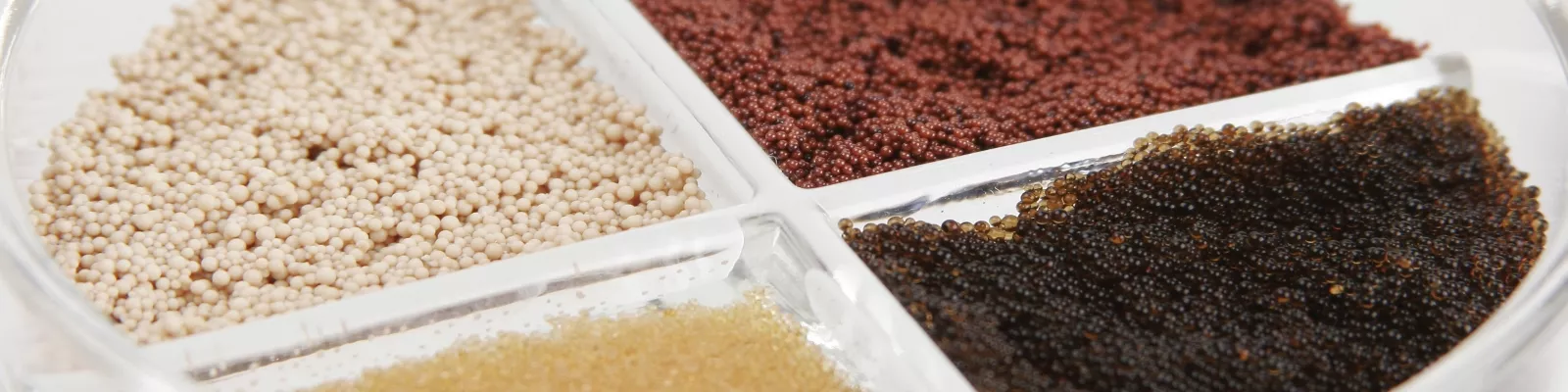
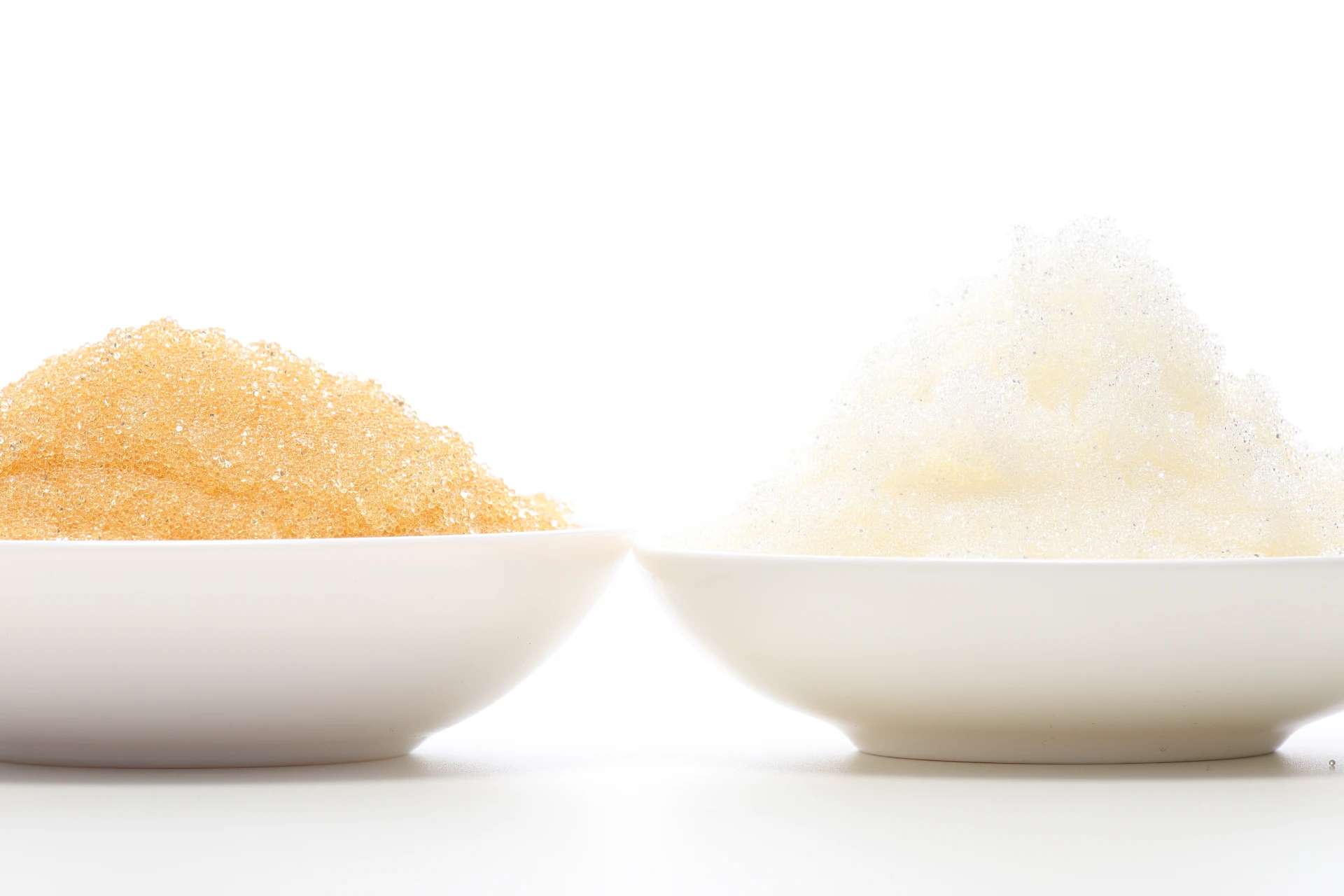
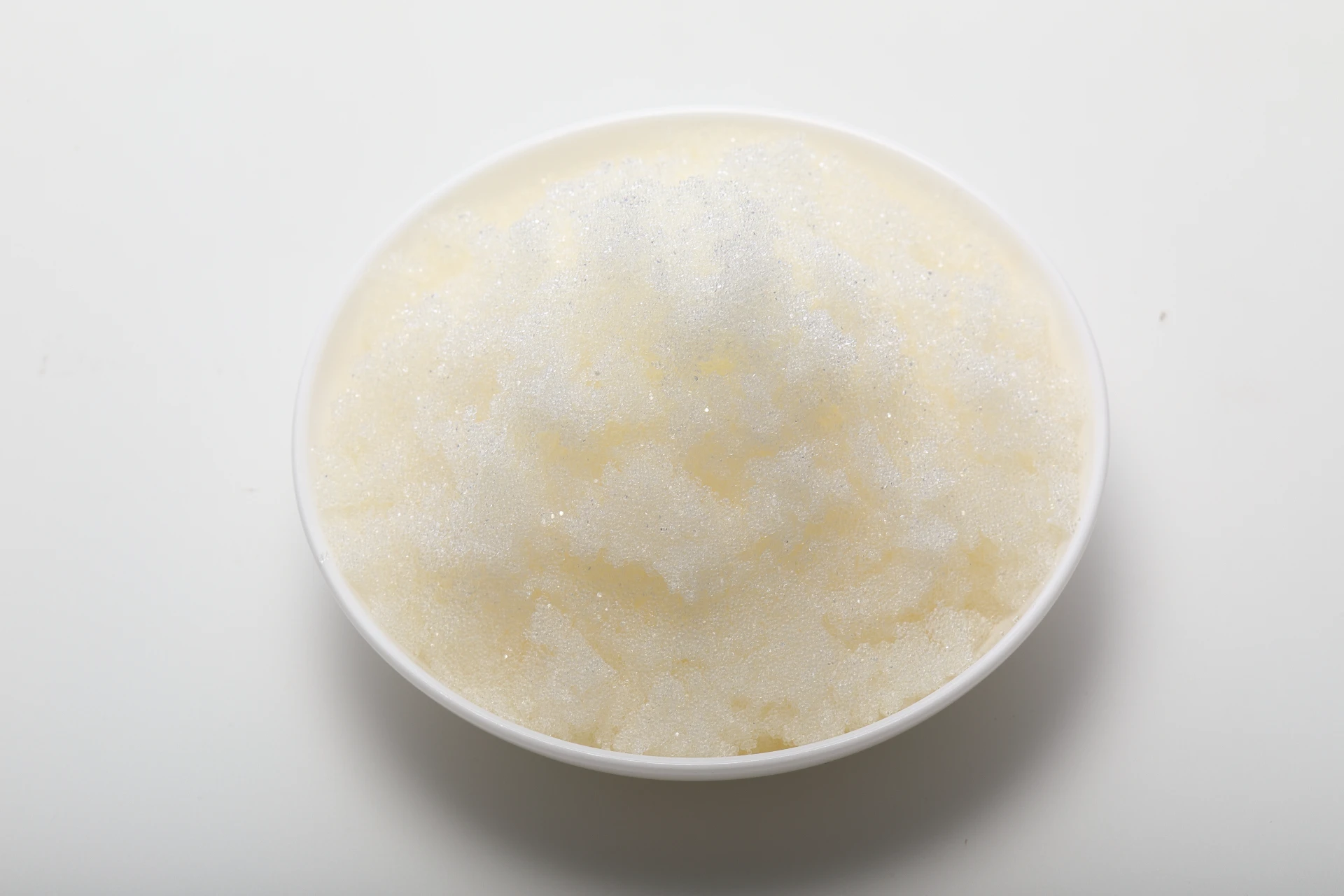
At its core, weak acid cation exchange resin is a specialized material designed to exchange cations (positively charged ions) through a resin matrix with weak acid functional groups. You might wonder why it’s worth spending time on this topic — well, this resin plays a pivotal role in water purification, chemical manufacturing, and environmental remediation worldwide. With fresh water scarcity predicted by the UN to affect 40% of the global population by 2025, technologies that optimize water quality and treatment methods are nothing short of crucial.
Beyond pure environmental concerns, understanding weak acid cation exchange resin unlocks insights into more sustainable industrial practices, cost efficiency in water treatment plants, and even humanitarian efforts where clean water access is limited. It’s one of those quietly powerful innovations tucked behind many everyday conveniences. So, here we go — diving into what this resin is, why industries adore it, and how it’s shaping a future where clean resources might just be a little easier to secure.
Why is the weak acid cation exchange resin so relevant on a global scale? As industries scale up in Asia-Pacific, Africa, and Latin America, access to efficient water treatment technologies has become a bottleneck, especially in developing regions. According to the UN Water Scarcity Report, over 2 billion people live in countries experiencing high water stress — and weak acid cation exchange resins help mitigate issues like water hardness, heavy metal contamination, and industrial effluent toxicity.
On the industrial front, ISO standards regarding water quality and chemical purity are tightening. Manufacturers in electronics, pharmaceuticals, and food processing increasingly rely on customized resin solutions to meet these demands. However, the challenge remains balancing performance, longevity, and cost — especially when introducing resins into large-scale settings.
It’s not just industry, either. In humanitarian crises, the ability to purify water rapidly and reliably makes a tangible difference, highlighting the resin’s significance beyond labs and plants.
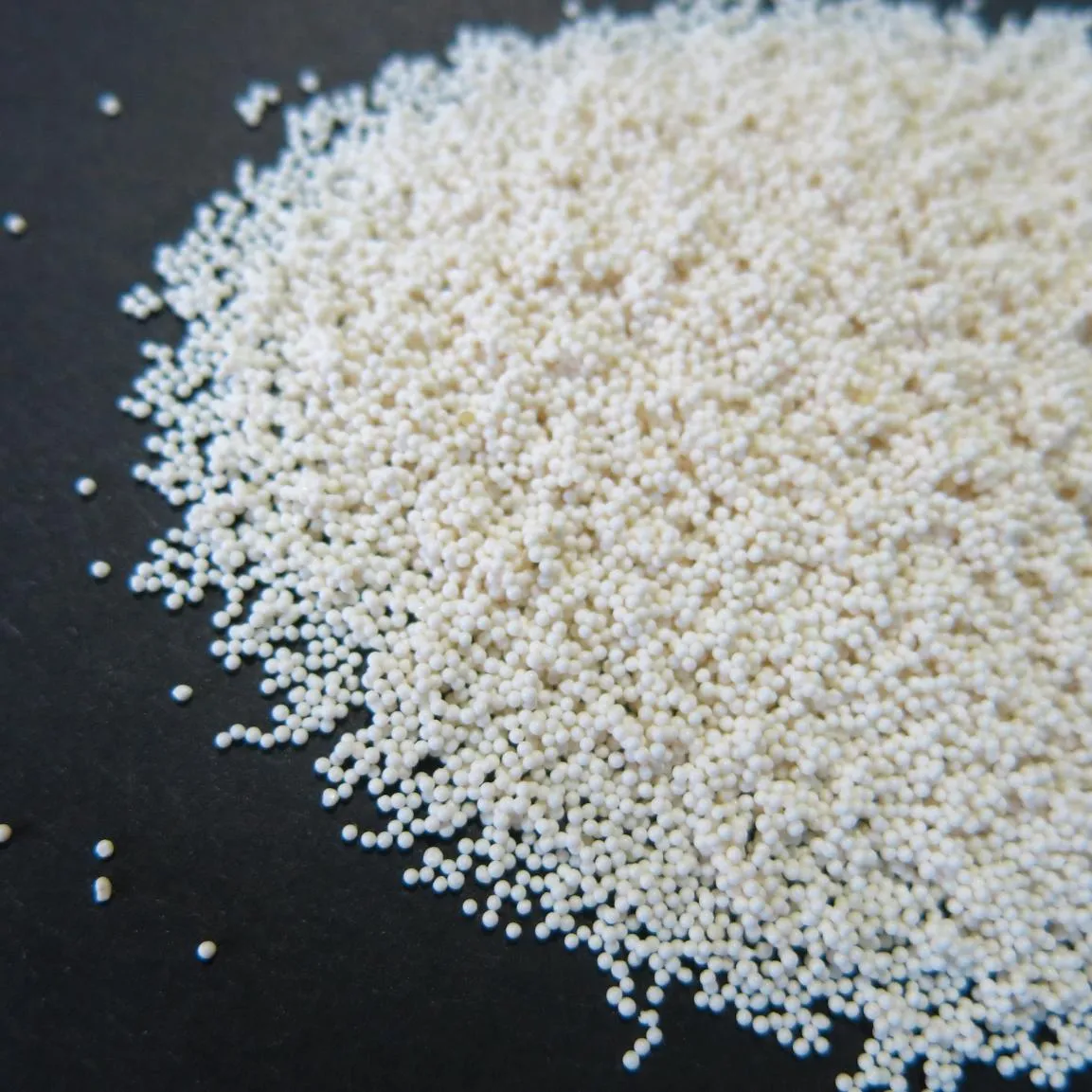
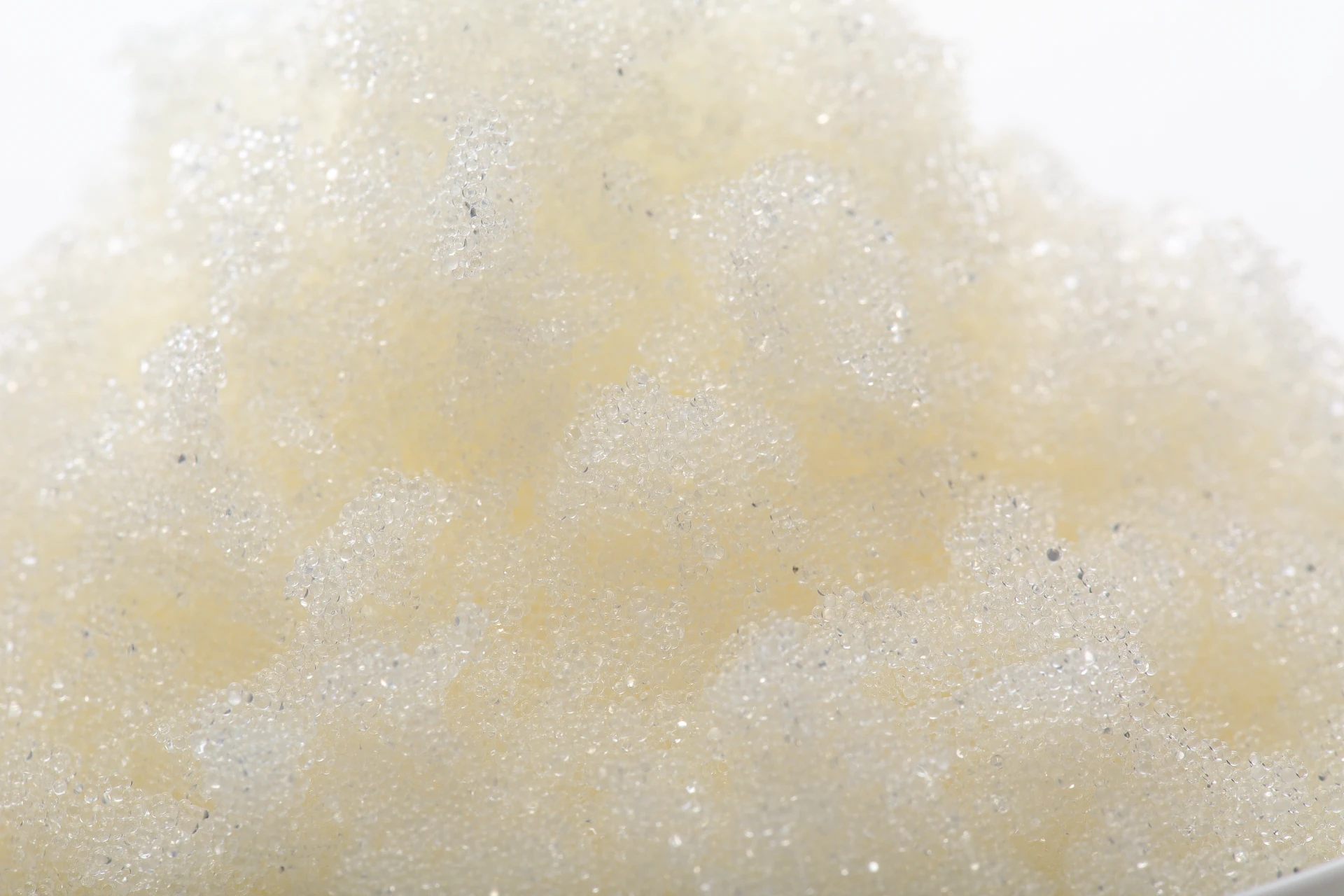
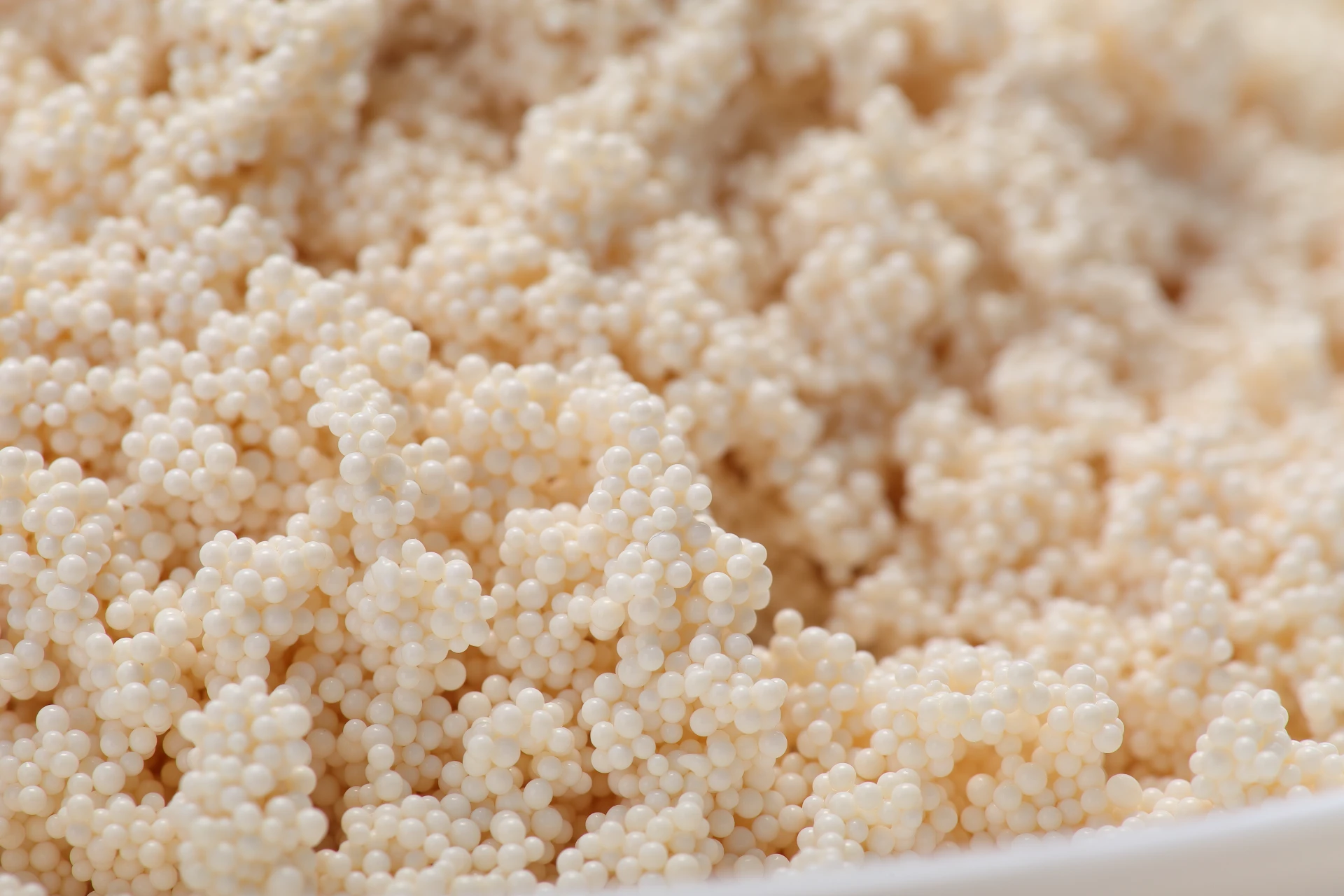
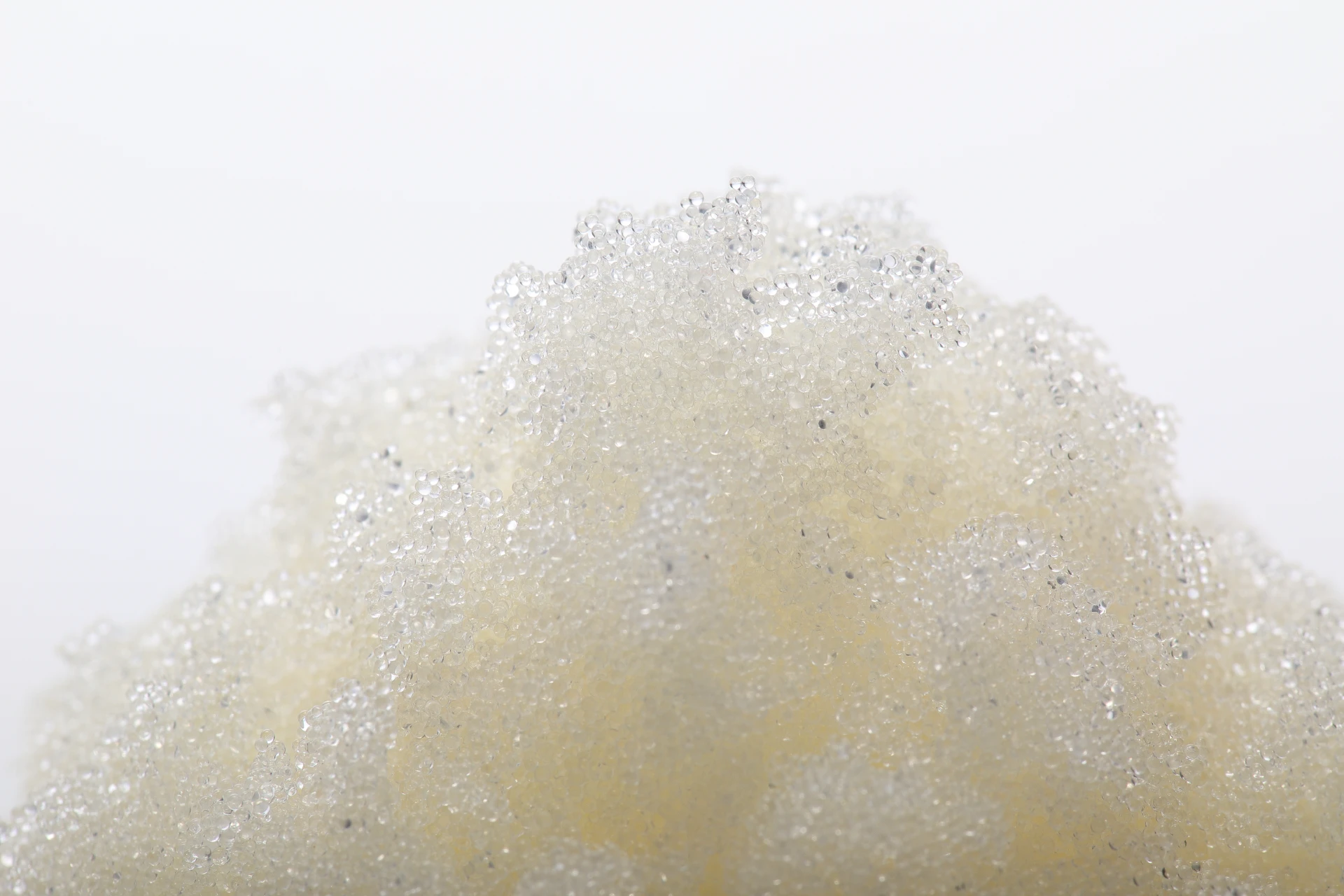
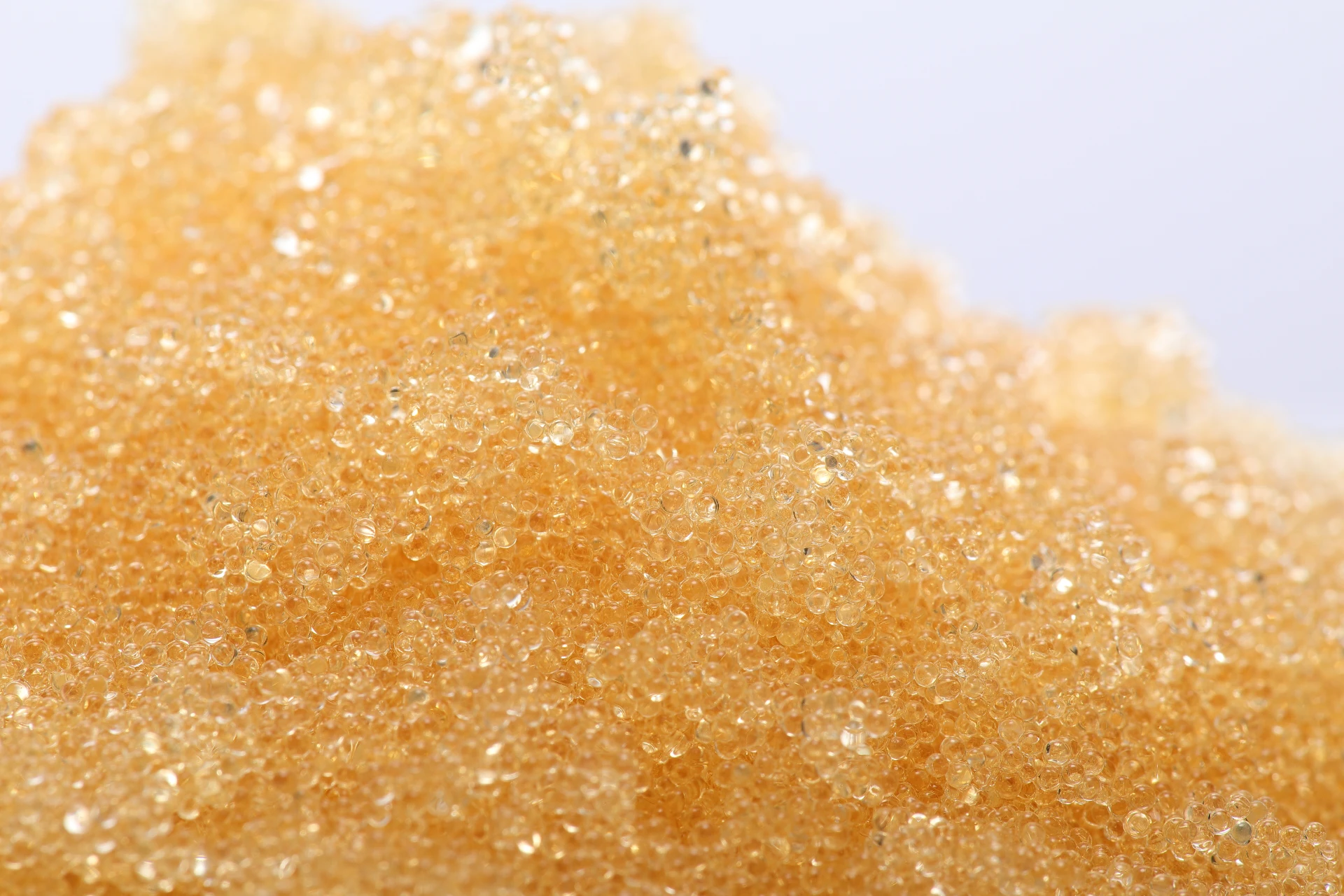
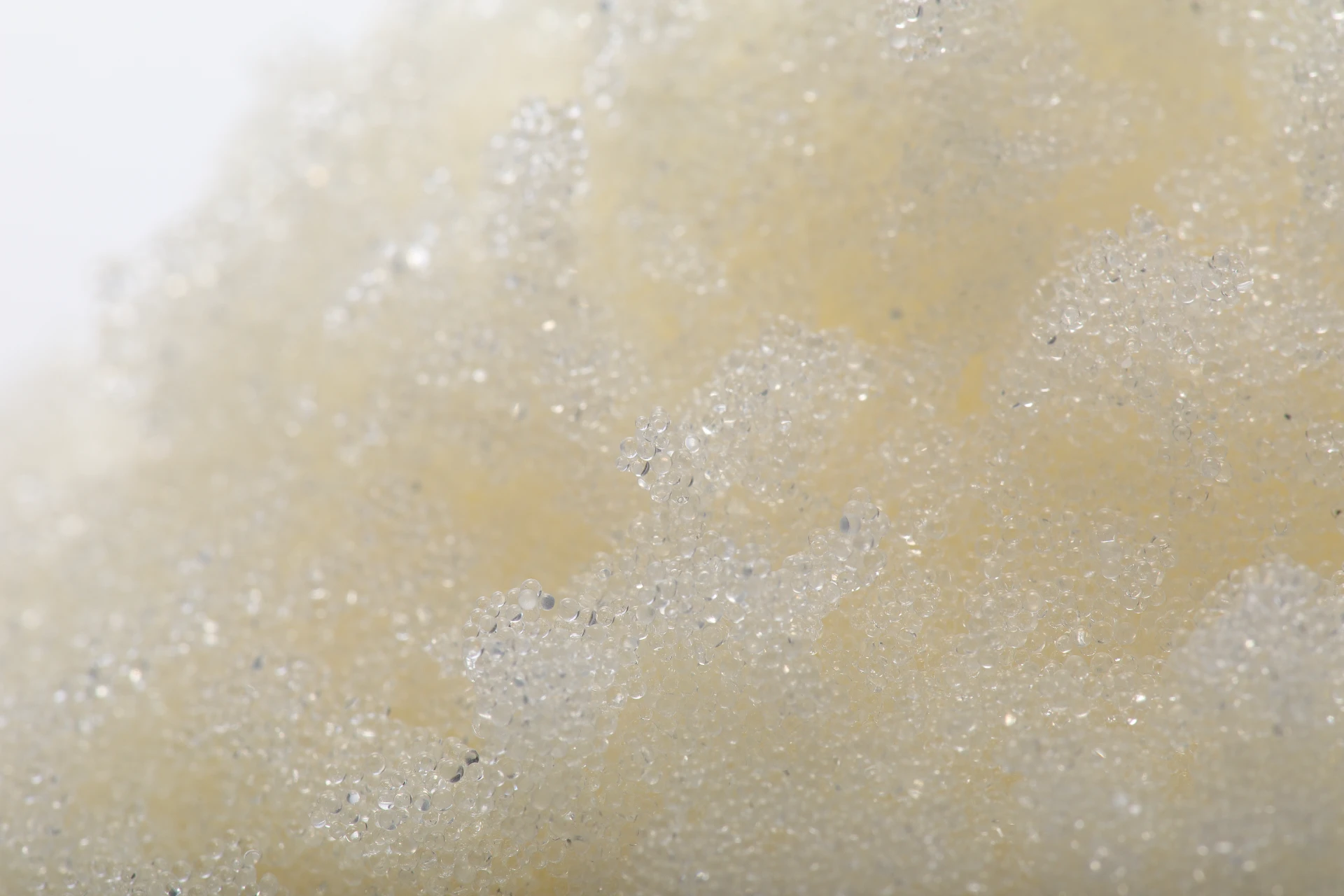
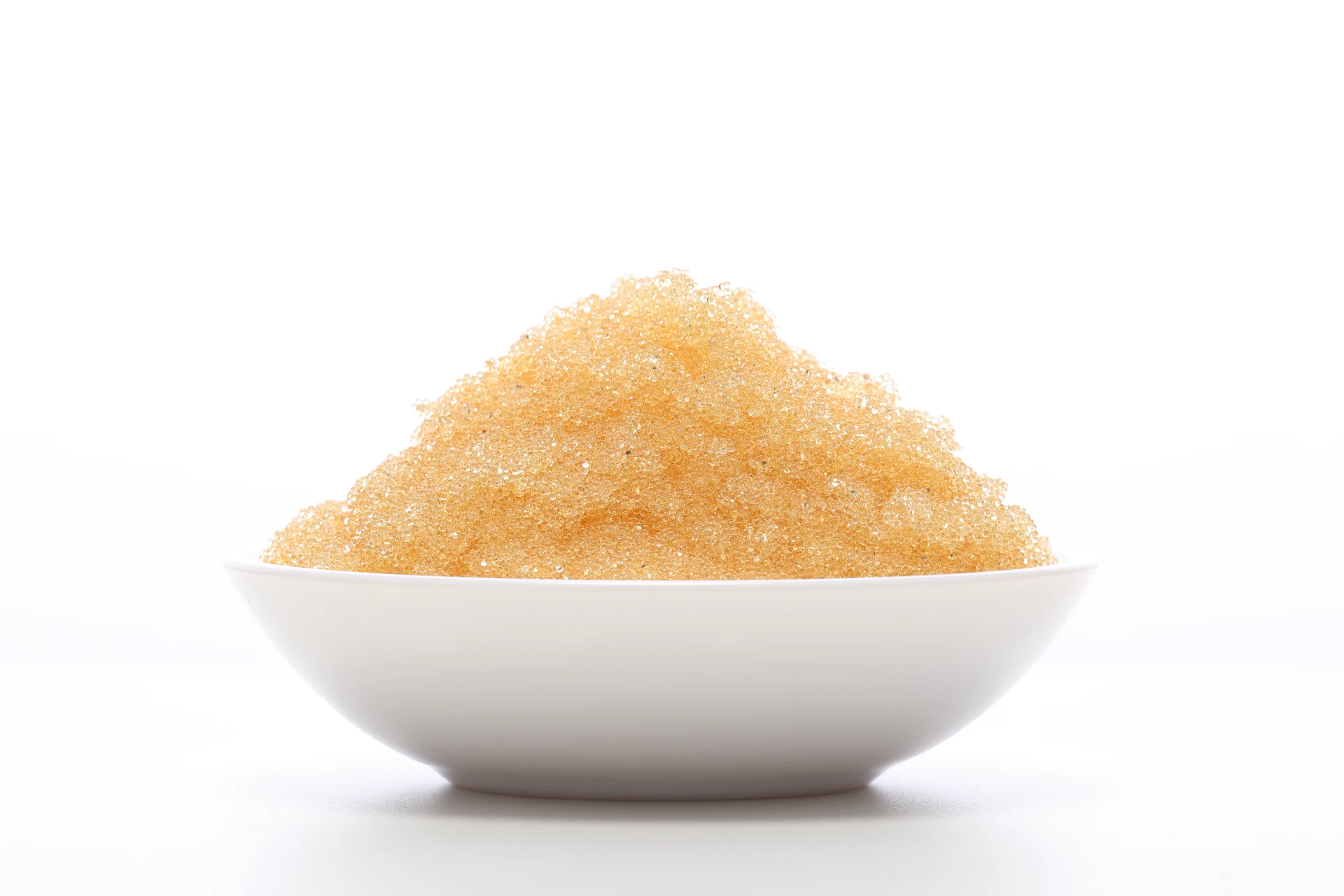
Put simply, a weak acid cation exchange resin is a polymer-based material with acidic functional groups that have a lower ionization strength than strong acid resins. These weak acid groups typically consist of carboxylic or phenolic sites, which only partially dissociate in water, thus allowing for selective ion exchange — especially targeting metal ions such as calcium, magnesium, and iron.
Unlike strong acid cation resins, weak acid varieties excel in treating water with low mineral content or where mild softness is required. They often act as a first-line purifier in multistep filtration setups or as a specific heavy-metal scavenger in industrial effluents.
Modern industries tap into these resins because they offer more gentle treatment options with less aggressive regeneration requirements, saving costs and extending equipment lifespan. Plus, they come with this appealing bonus: they can help reclaim valuable metals during wastewater treatment, tying into sustainable resource management — which feels increasingly urgent.
One of the defining traits of weak acid cation exchange resin is its selective affinity for divalent and trivalent metal ions. This selectivity allows it to target calcium and magnesium (hardness-causing ions) without stripping essential monovalent ions as aggressively, which can be ideal in certain water softening applications. The exchange capacity may be lower than strong acid resins but is often tailored to specific industrial needs.
Thanks to their weak acid nature, these resins regenerate with milder chemicals and lower acid concentrations — this means extended resin lifetime and less chemical waste. For companies conscious about operational costs and environmental impact, this is a big deal.
While durable, these resins can be more sensitive to pH extremes than their strong acid counterparts. Managing operating conditions carefully boosts performance, with many formulations optimized for temperatures ranging 10–60°C.
Interestingly, many weak acid cation exchange resins are biodegradable or recyclable — another small but meaningful nudge towards circular economy practices, especially important in large industrial effluent treatment plants.
While the upfront price might be slightly higher than some generic resin options, long-term savings through reduced chemical regenerant use and extended resin replacement intervals often tip the balance in their favor.
Its uses span across various sectors and geographies. Here are a few eye-opening examples:
Oddly enough, even some breweries in Europe prefer these resins to fine-tune mineral balances in their brewing water, showcasing the material’s subtle versatility.
It comes down to efficiency, sustainability, and reliability. The resin’s ability to selectively remove problematic ions enhances water quality, which extends equipment life and reduces energy consumption. Users report lower downtime and better predictability in their treatment cycles.
From a sustainability angle, the reduced chemical use and often recyclable nature of these resins align with corporate responsibility goals, an increasingly hot topic among industrial buyers. On a more human level — whether it’s a factory or a village receiving purified water — these resins contribute to safety and health, which is priceless.
| Specification | Typical Value | Unit |
|---|---|---|
| Functional Group | Carboxylic Acid | - |
| Capacity (Dry) | 1.0 - 1.5 | meq/mL |
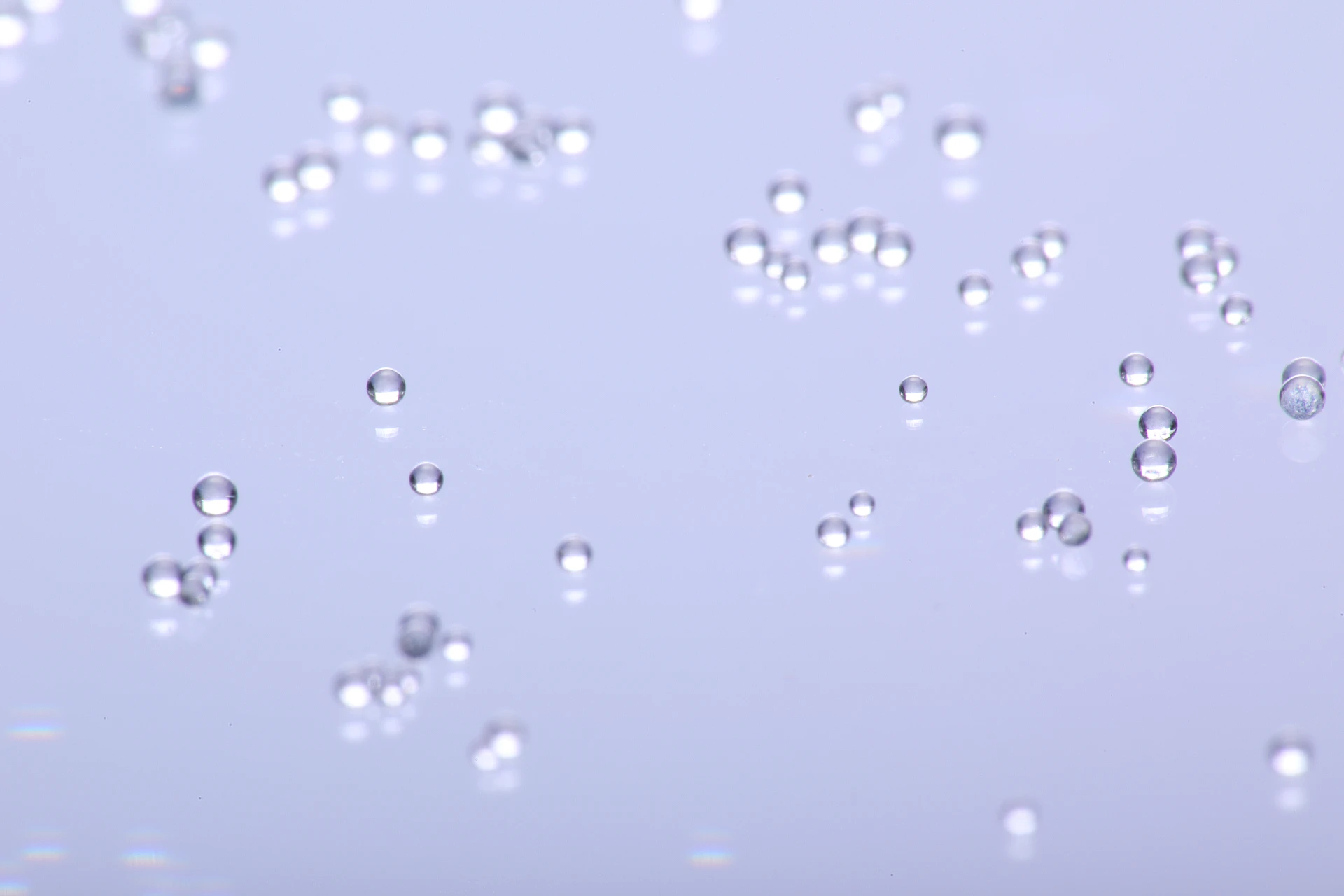
| Particle Size | 0.3 - 1.2 | mm |
| Operating pH Range | 3 - 9 | - |
| Max Operating Temperature | 60 | °C |
| Vendor | Resin Variety | Typical Use Case | Price Range ($/kg) | Lead Time |
|---|---|---|---|---|
| Liji Resin | Carboxylic weak acid cation | Industrial & municipal water treatment | 15 - 25 | 2-3 weeks |
| Dow Chemical | Phenolic based weak acid cation | Power plant water treatment | 20 - 30 | 4-6 weeks |
| Purolite | Macroporous weak acid cation | Pharmaceutical water softening | 18 - 28 | 3-5 weeks |
Interestingly, a lot is brewing on this front. Manufacturers are experimenting with bio-based polymers to reduce fossil fuel dependency. Automation and digital monitoring integrated with resin beds allow for real-time ion-exchange performance data — which means less guesswork and more predictive maintenance on-site.
Sustainability drives innovation: we’re seeing hybrid resins that combine weak and strong acid functionalities, optimizing energy use during regeneration. Plus, advances in nanotechnology could make resins even more selective, reducing chemical consumption drastically. It’s a fascinating time for a product that many might consider “just a resin.”
Still, not everything is perfect. Weak acid cation exchange resins can suffer fouling in high-organic-load waters, and sensitivity to pH variations can limit universal application. But innovative pre-treatment filters, better resin formulations with enhanced cross-linking, and adaptive operational protocols are helping users stretch resin life and performance.
I’ve seen suppliers customize resins per client water profiles with some remarkable success — saving on regeneration chemicals by nearly 30%. The key takeaway: recognizing your specific water chemistry and pairing it with tailored resin is critical.
In real terms, weak acid cation exchange resin is more than just a niche chemical product. It represents a bridge to more sustainable water management, smarter industrial treatment, and even humanitarian aid. The long-term benefits of cost savings, reduced chemical use, and improved environmental outcomes can’t be overstated.
Curious to explore resin options that fit your needs? Visit Liji Resin’s website for detailed specs, application advice, and expert support. Taking materials science a little further — to where it really makes a difference.