Phone:
+86 0319 2296164


Email:
info@lijiresin.cn
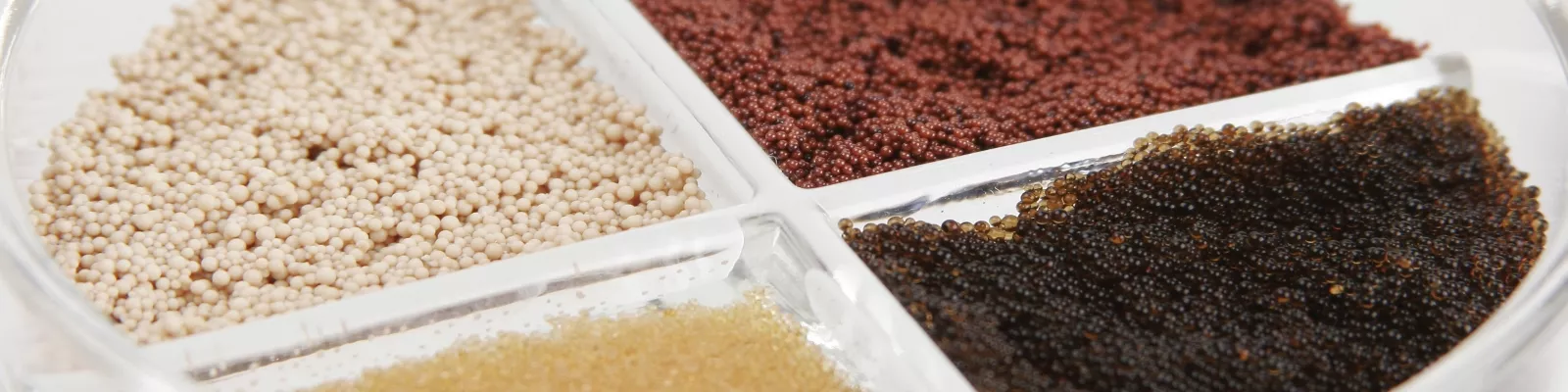
Among the many overlooked yet critical players in water treatment and chemical processes sits weak acid cation exchange technology. While the term may sound a bit technical, its global significance can't be overstated. As industries, municipalities, and even humanitarian agencies strive to deliver cleaner water and purer chemicals, understanding weak acid cation resins opens doors to smarter, more sustainable solutions. It’s this unique capability to selectively soften and purify water, often at lower energy and chemical costs, that’s helping tackle pressing global issues like water scarcity and pollution.
So why should we care? Because when you boil it down, weak acid cation exchange is quietly reshaping the way we approach everything from manufacturing to disaster relief — with benefits like reduced environmental impact, cost savings, and performance reliability that really stand the test of time.
Water is central to life, and according to the United Nations, about 2.2 billion people lack safely managed drinking water services worldwide (UNICEF, 2023). Industries are also under increasing pressure to reduce harmful discharge and improve resource efficiency. Enter weak acid cation (WAC) resins — a key enabler for efficient water softening and demineralization steps everywhere.
Data from the International Water Association suggests that softening water before industrial use can extend equipment life by up to 30%, which in turn cuts waste and maintenance costs significantly. On a broader scale, WAC technologies help refine processes in food, pharmaceuticals, and even power generation — sectors where water quality demands are sky-high.
But here’s the rub: traditional water treatment methods often involve high chemical use or complex infrastructure. Weak acid cations offer a nimble and often greener alternative, precisely because they operate efficiently over a range of water conditions, making them especially suitable for regions with variable water quality.
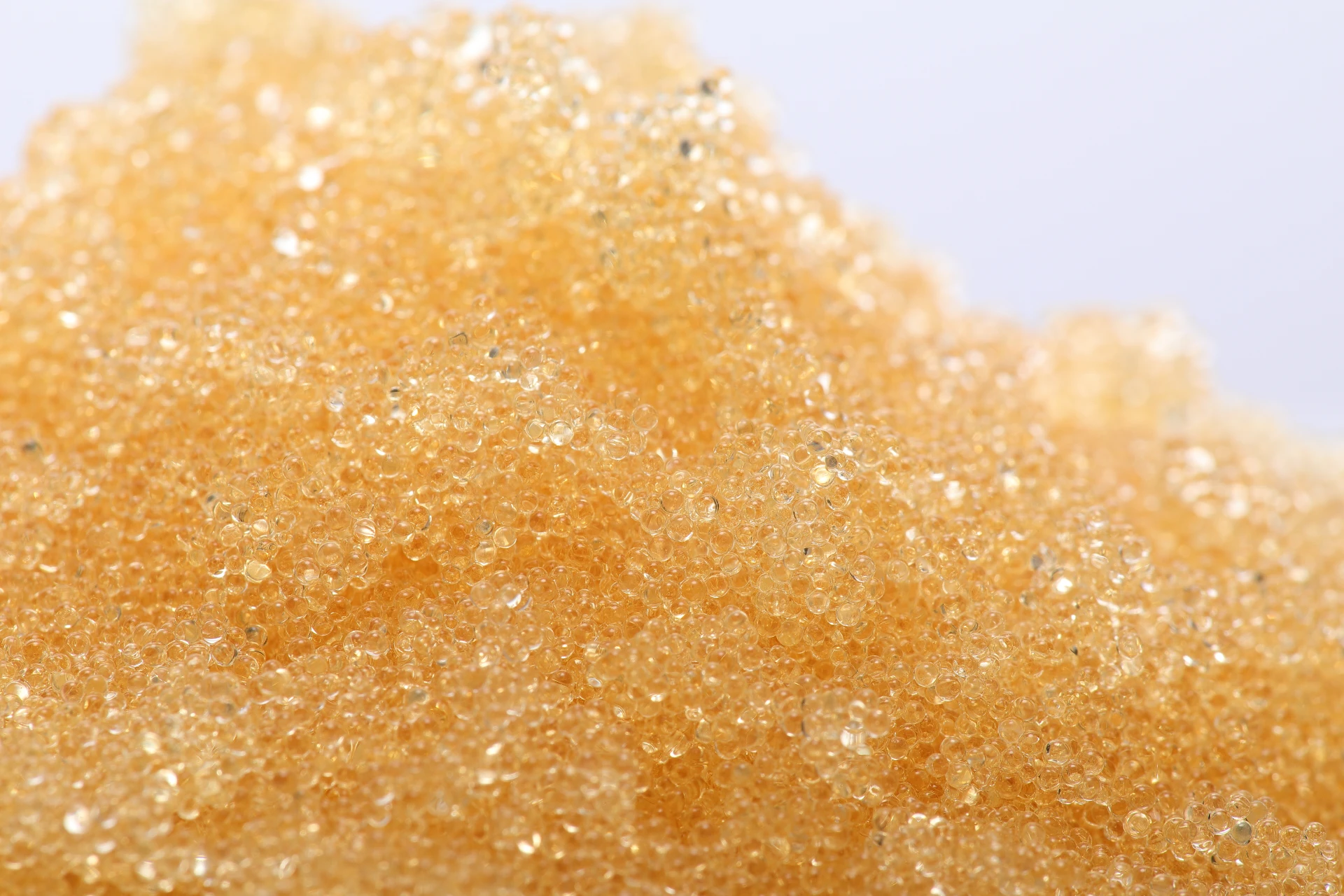
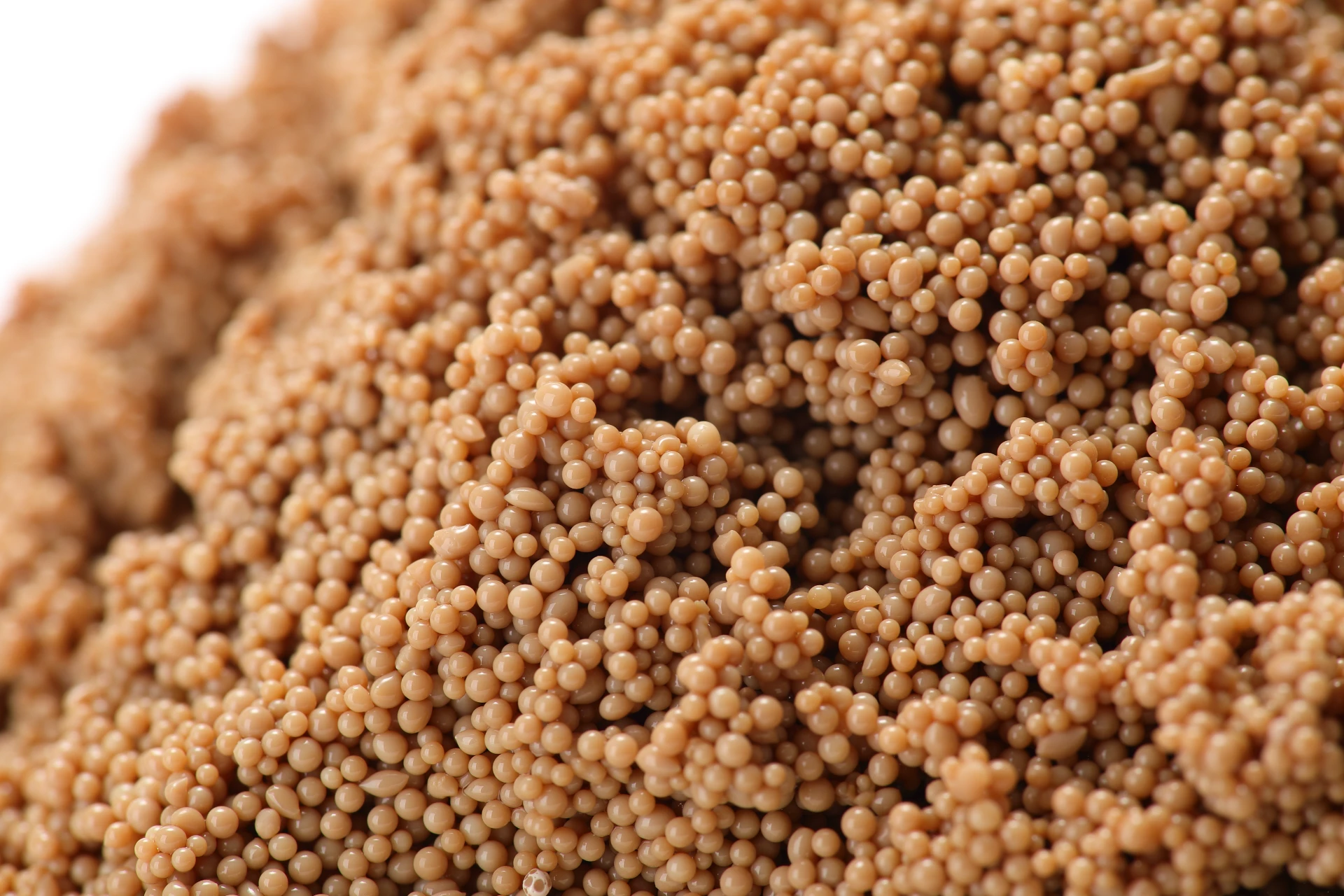
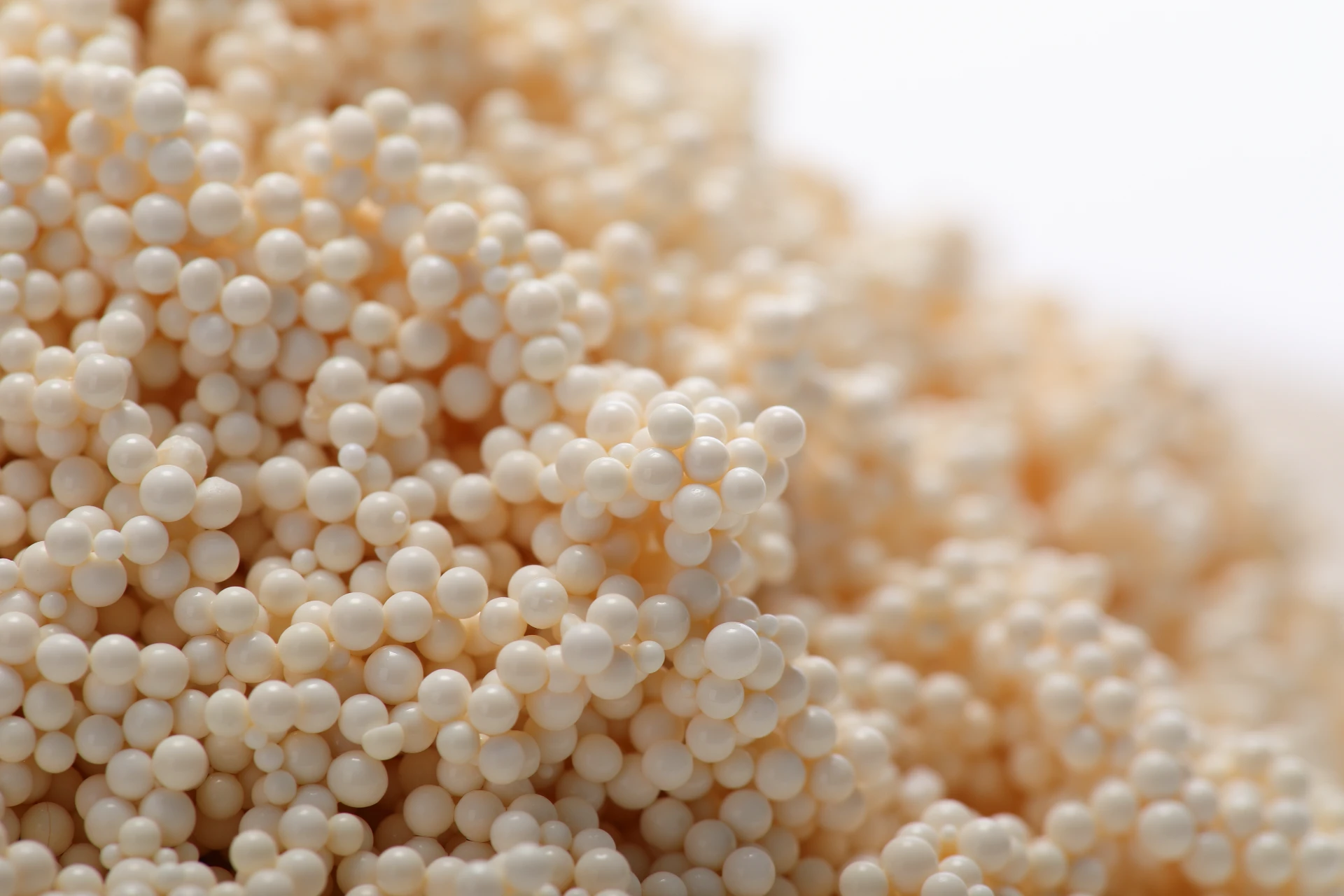
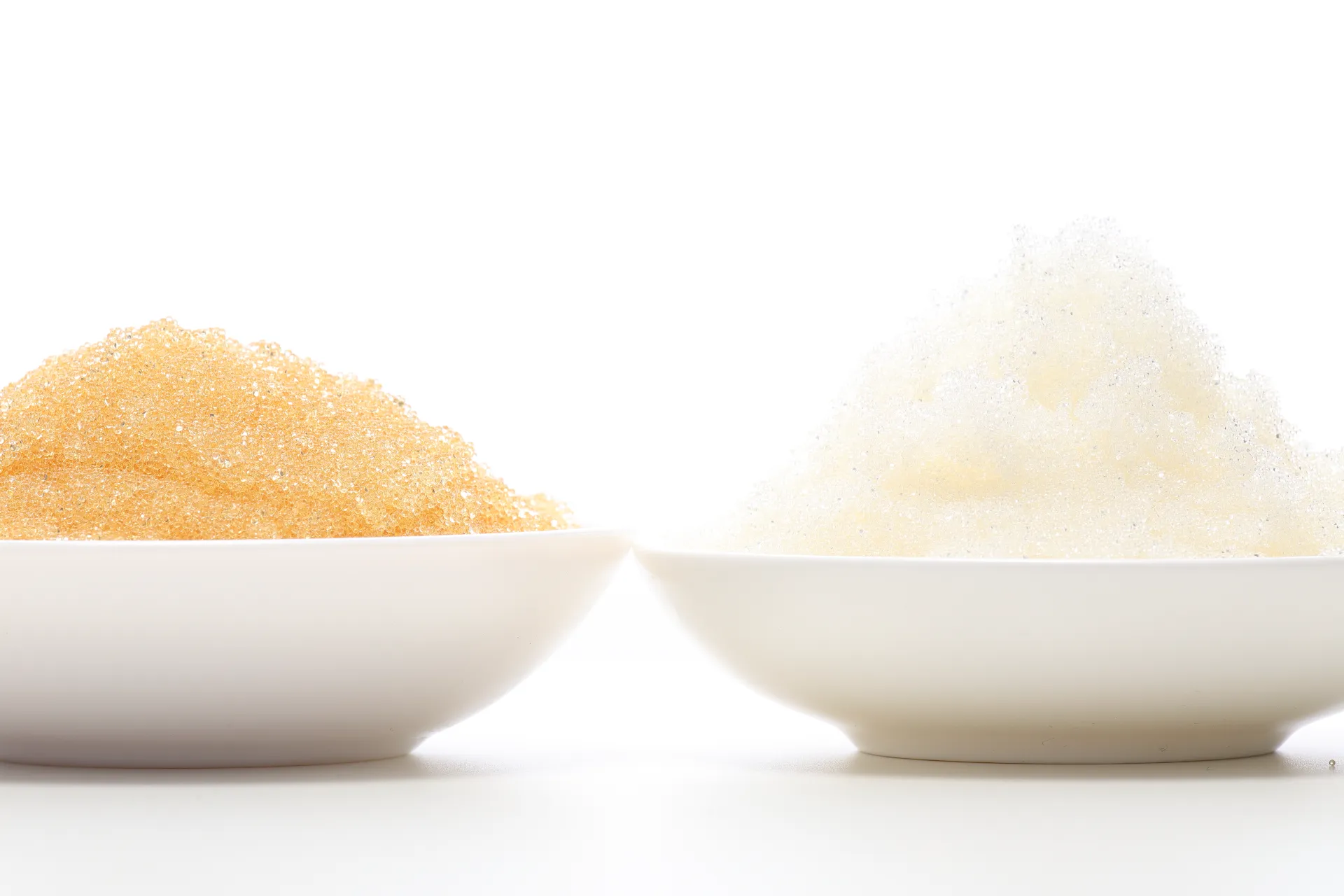
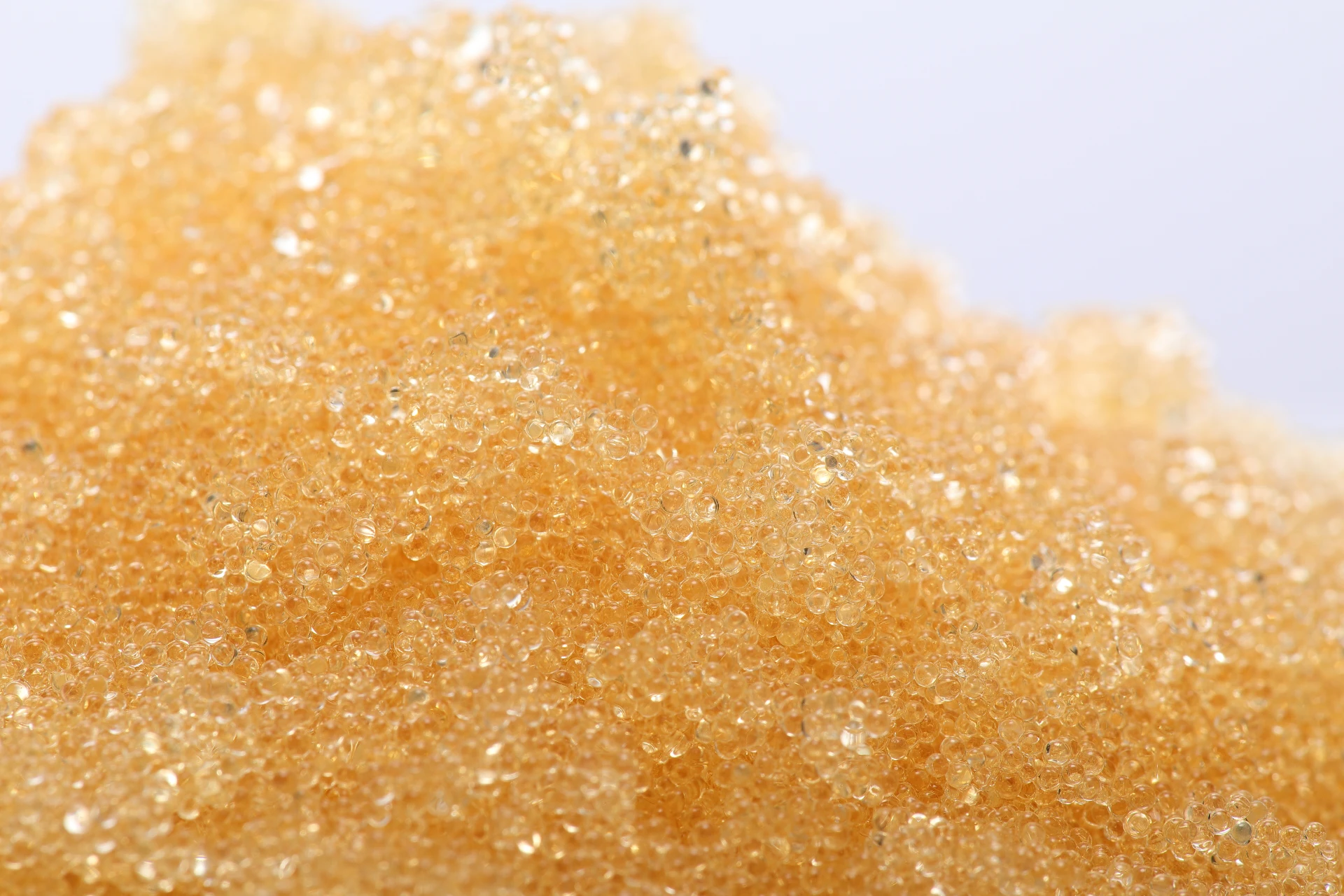
The term weak acid cation refers to a type of ion-exchange resin crafted from organic polymers that possess functional acidic groups. These groups hold onto positively charged ions (cations) like calcium or magnesium — the usual villains behind “hard” water. Unlike strong acid cation resins that hold ions tightly, weak acid cations are more selective and gentle, exchanging ions mostly when the water pH is neutral or higher.
In practical terms, it means these resins can soften water with less chemical regrowth and offer easier regeneration. They’re often used in the pre-treatment stage before high-purity demineralizers or reverse osmosis systems.
This balance makes weak acid cation resins a perfect fit for industries sensitive to water chemistry — think semiconductor manufacturing, beverage production, or even providing clean water in disaster zones where chemical logistics are tricky.
The subtlety of weak acid cation technology lies in its selectivity. It preferentially exchanges divalent ions like calcium and magnesium without stripping out beneficial monovalent ions such as sodium. This selectivity benefits processes needing partial softening rather than complete ion removal.
Since weak acid cation resins regenerate with milder acids, they often consume fewer chemicals and produce less wastewater. This means a longer operational life and lower operating expenses — a big deal in large-scale or remote deployments.
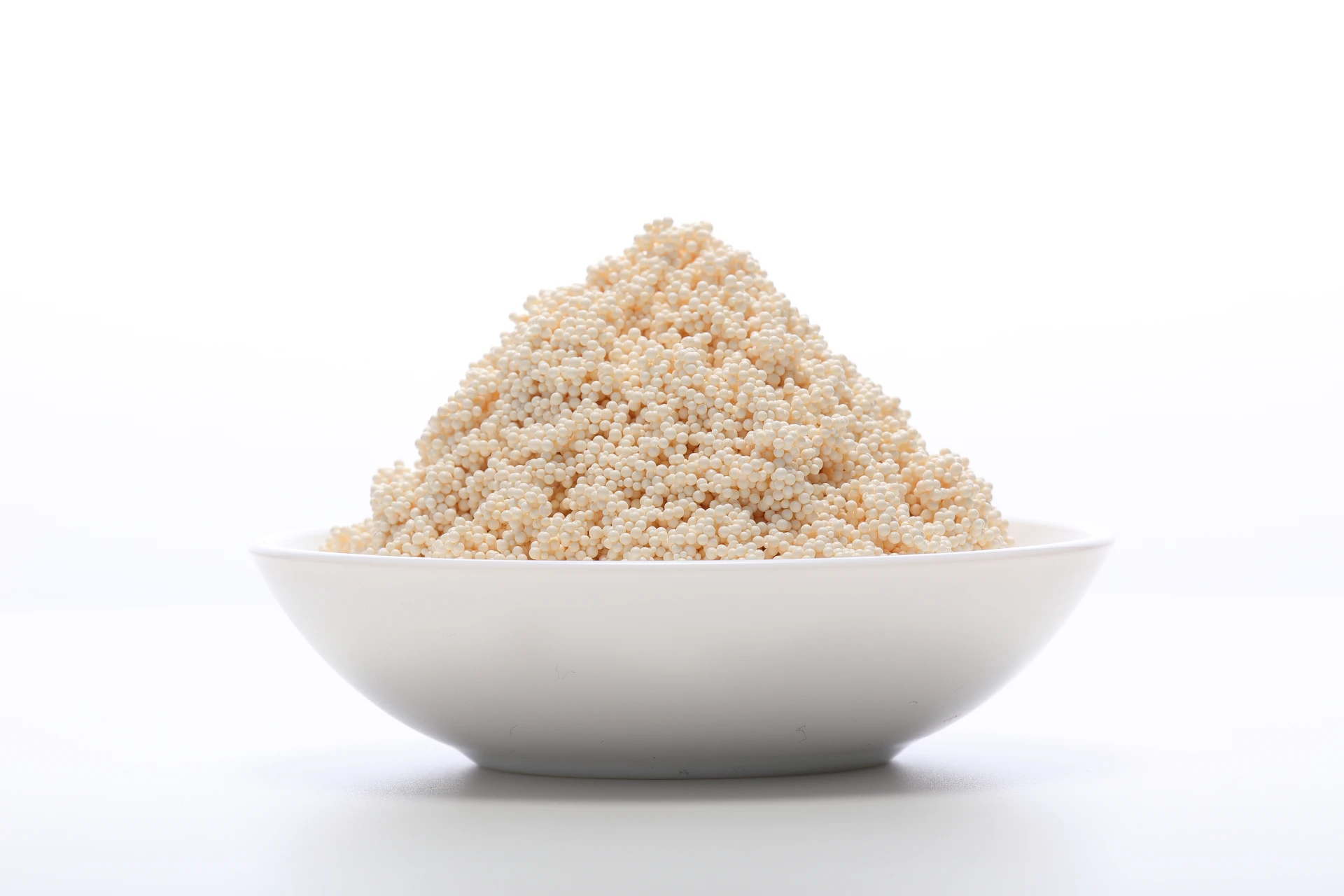
These resins demonstrate good moisture retention, ensuring consistent performance across various water temperatures and volumes. Plus, their robust polymer matrix resists breakage — an important factor in continuous industrial use.
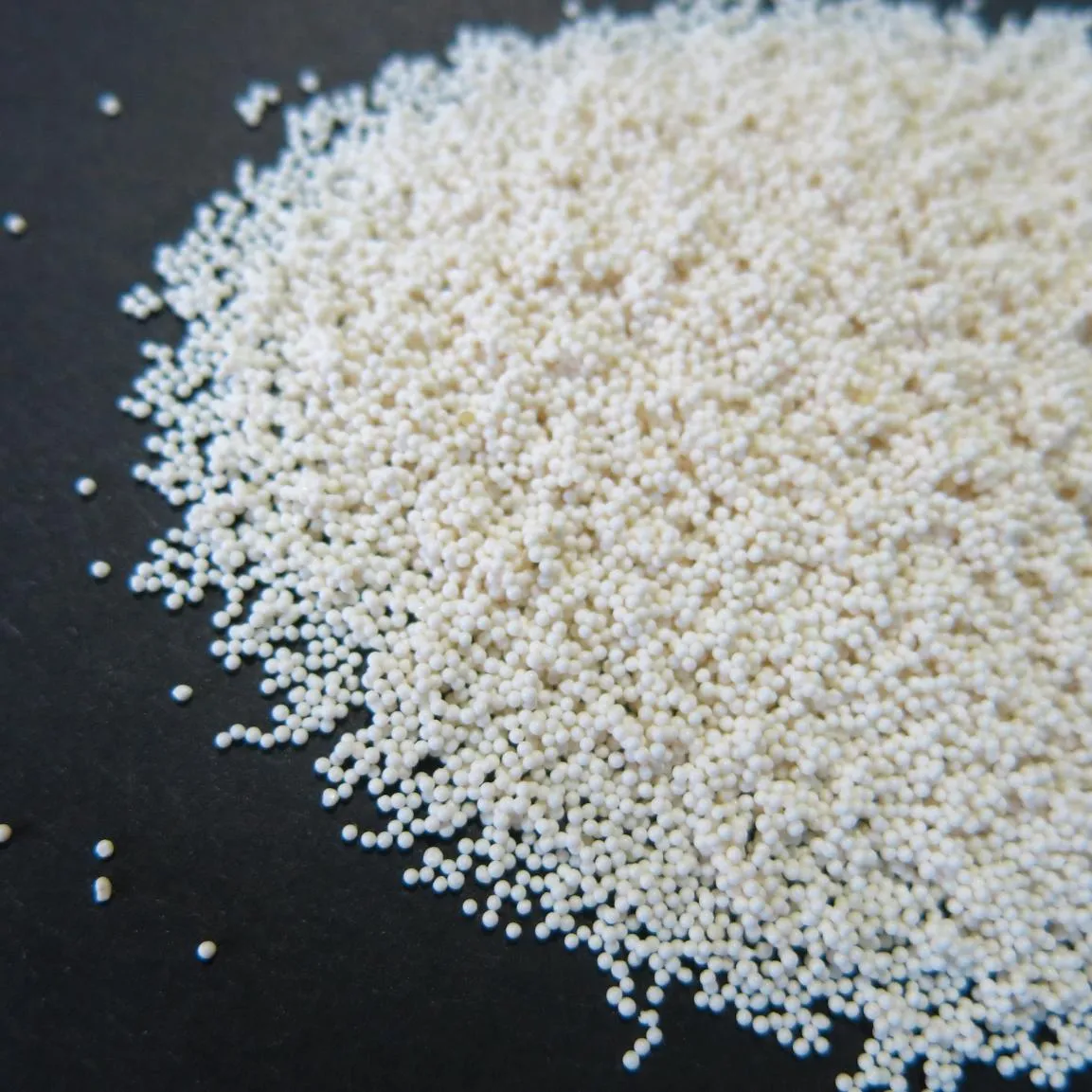
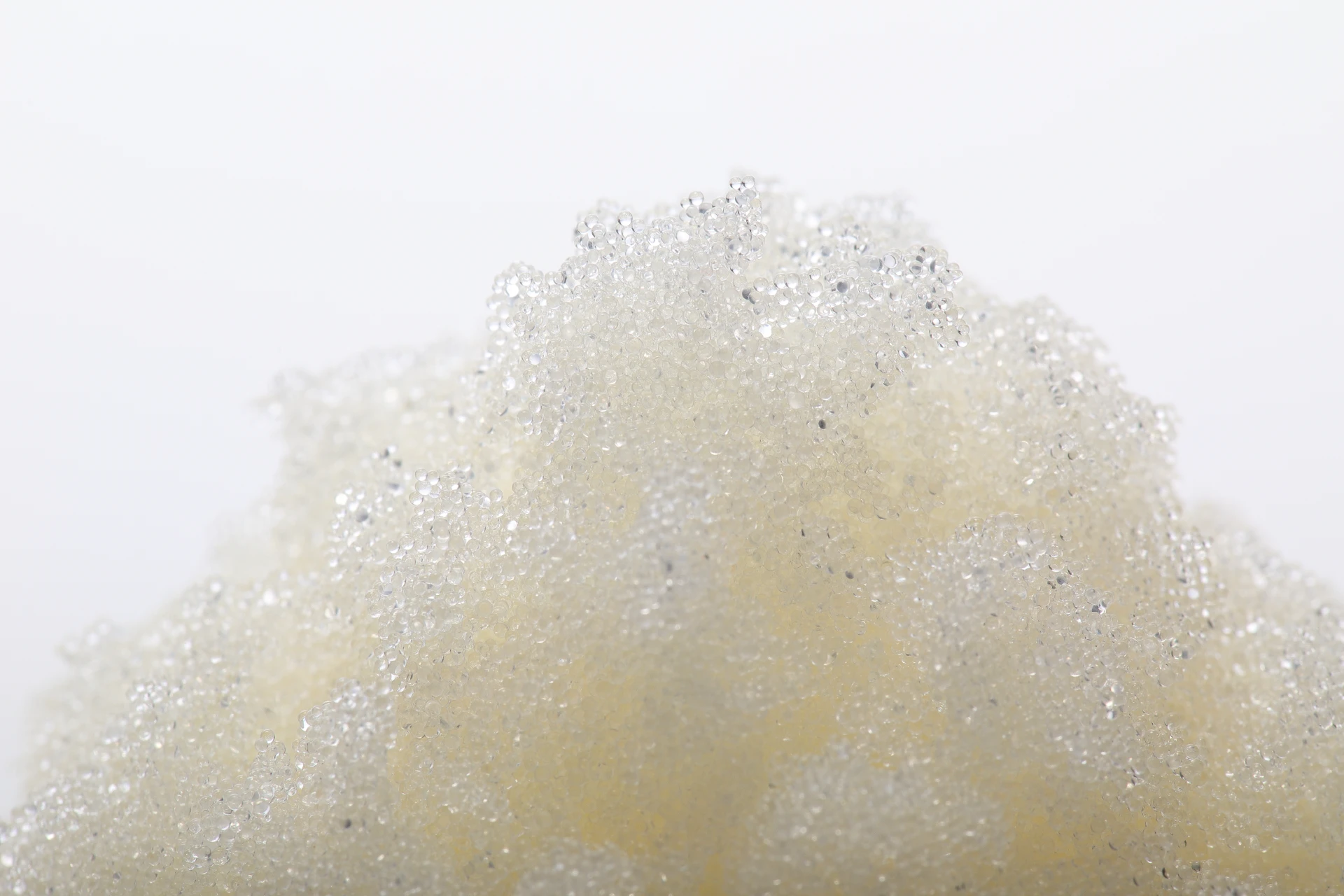
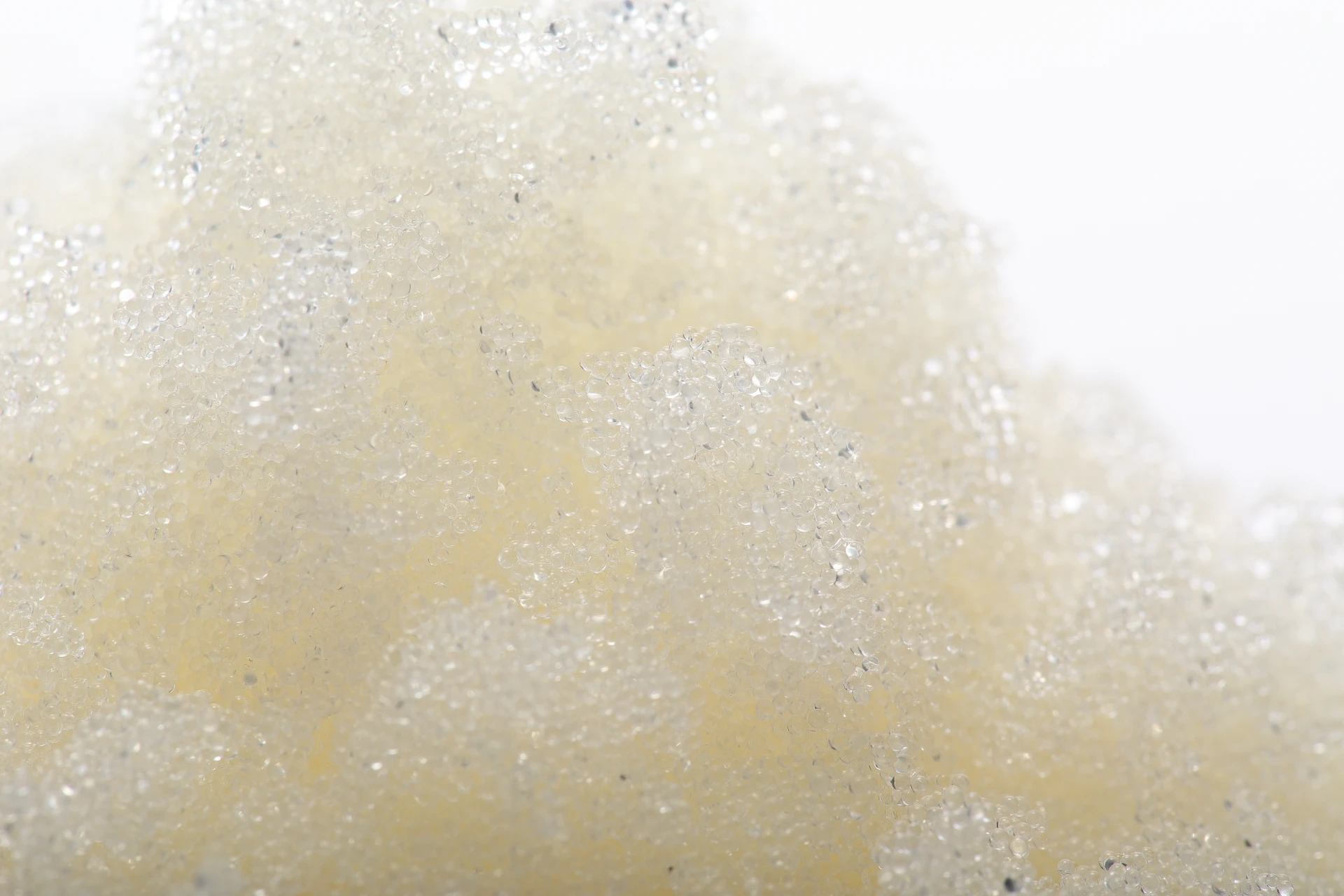
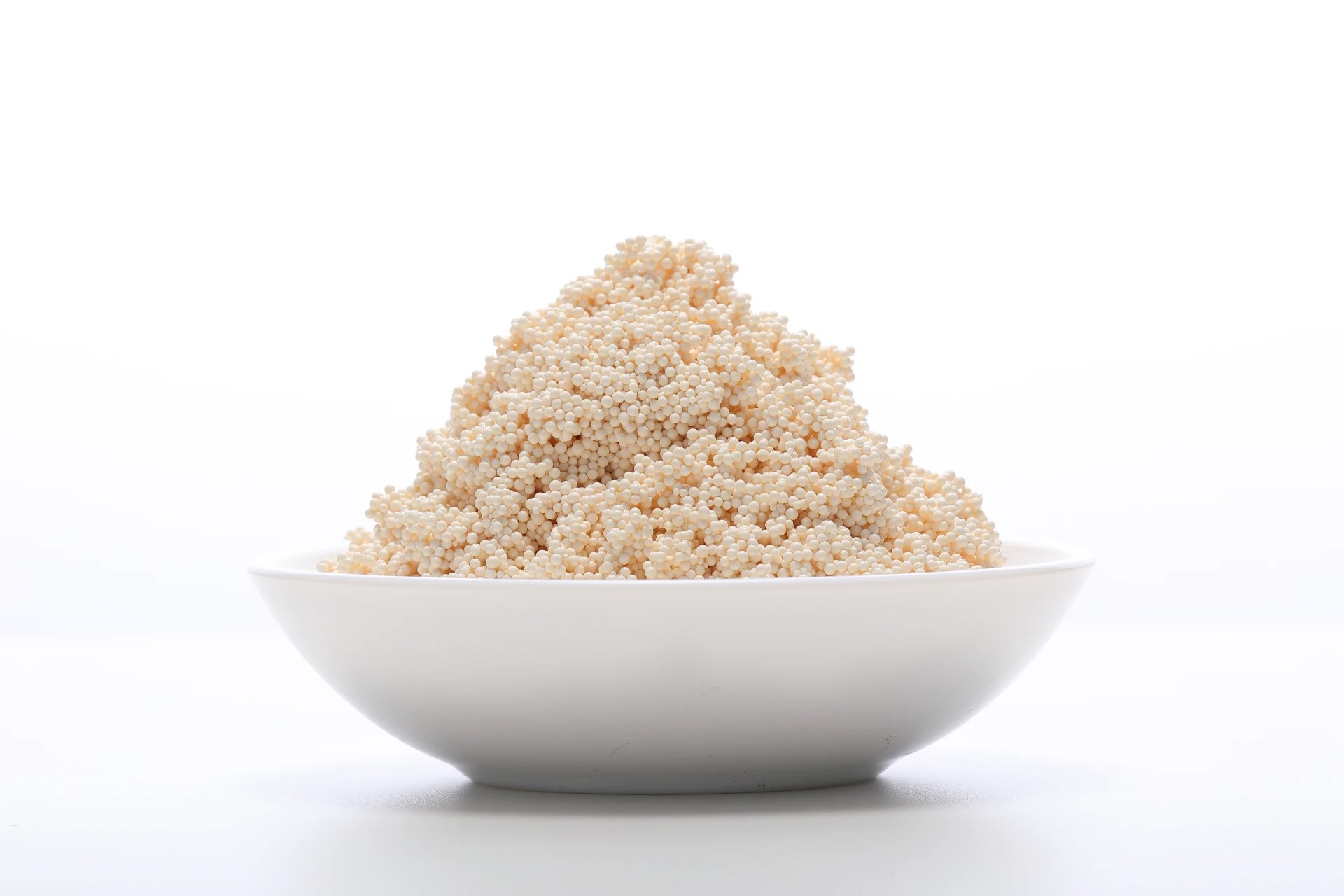
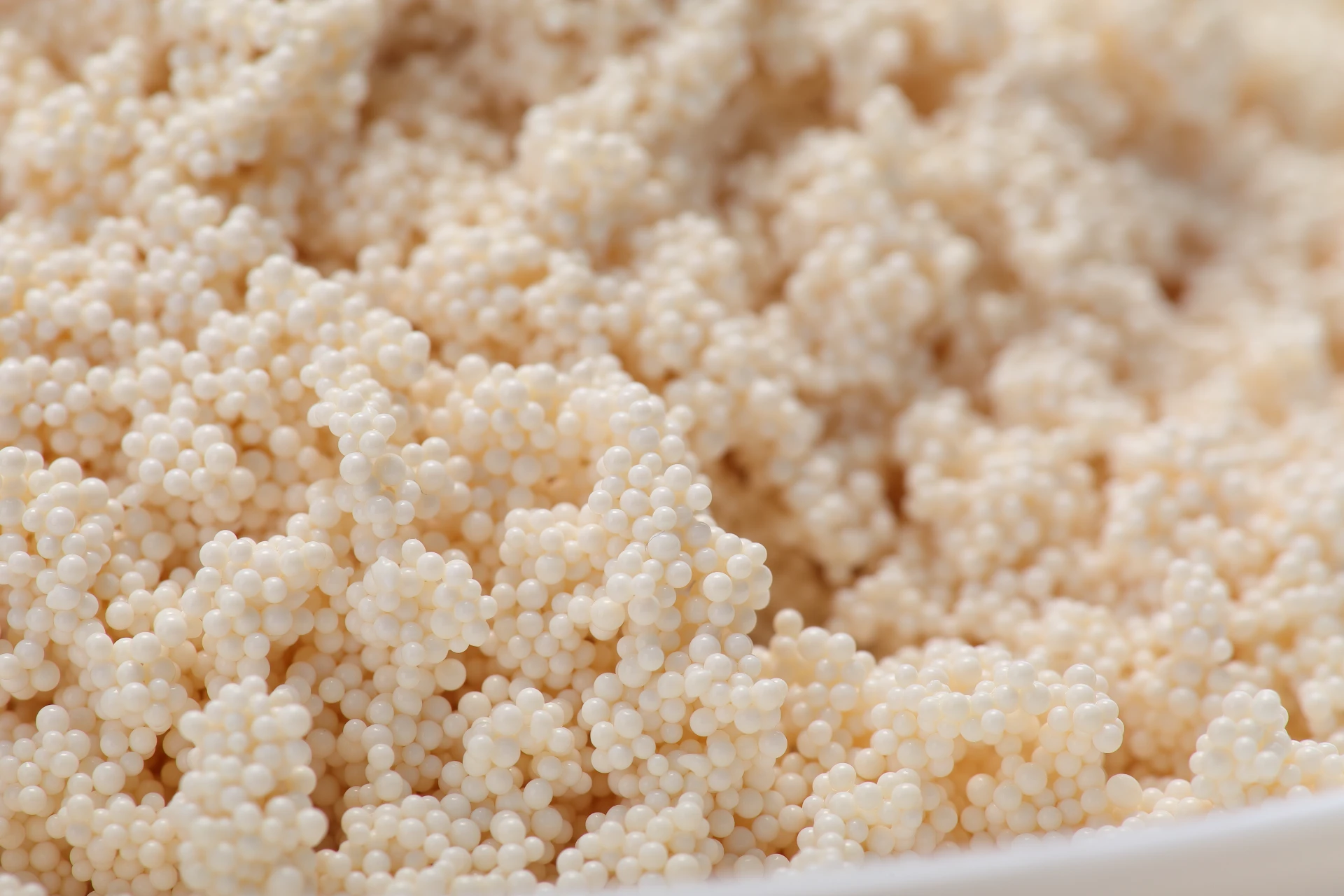
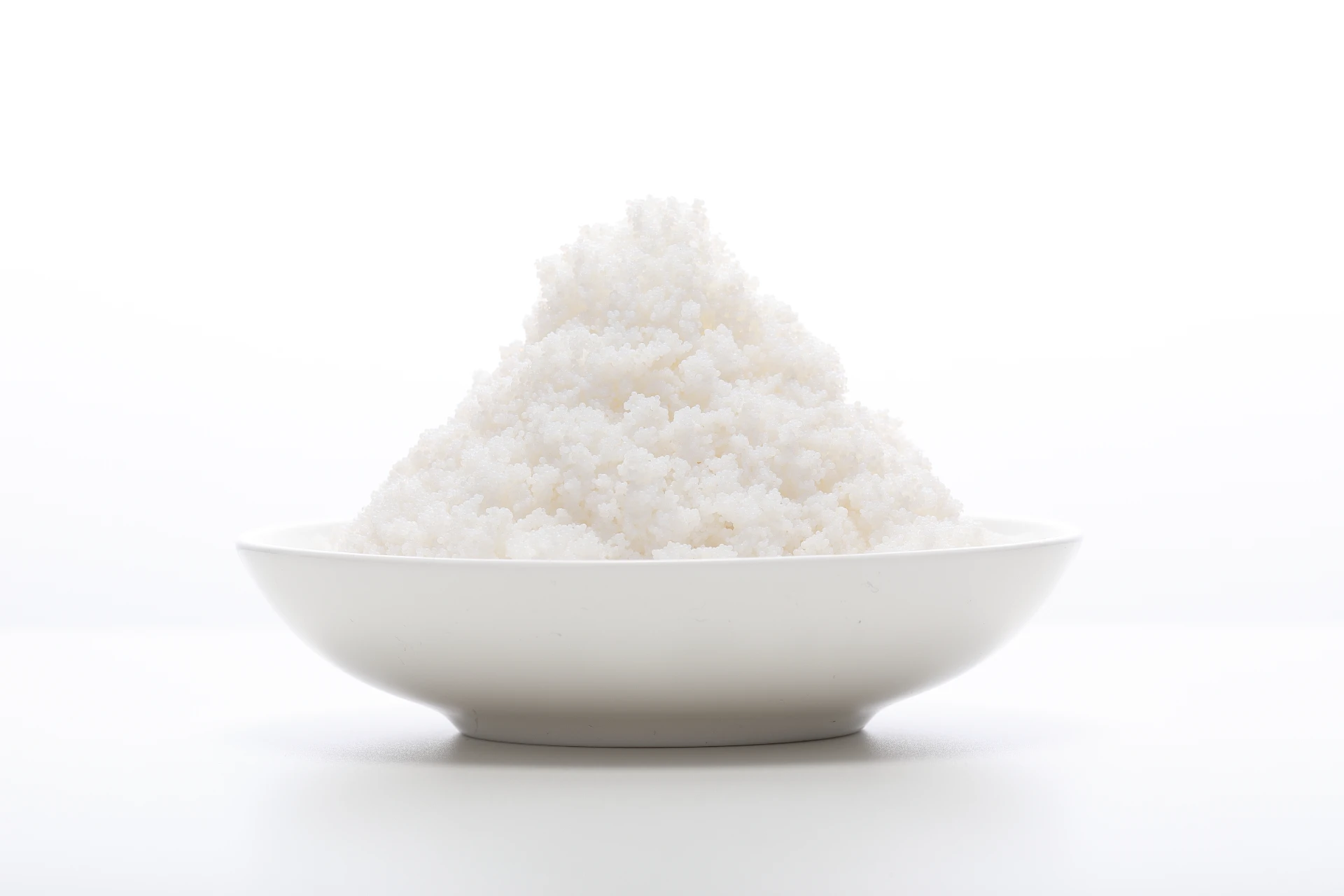
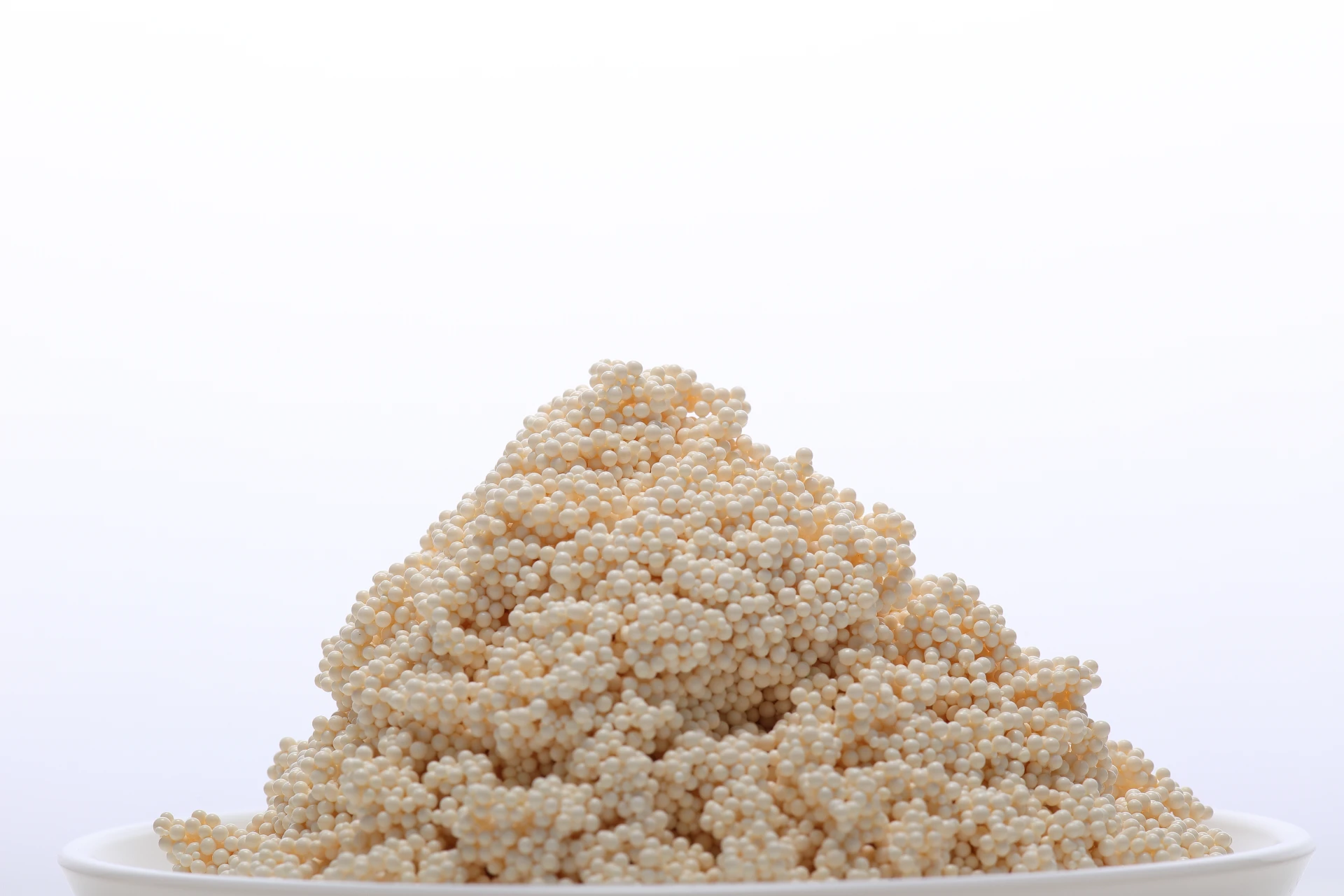
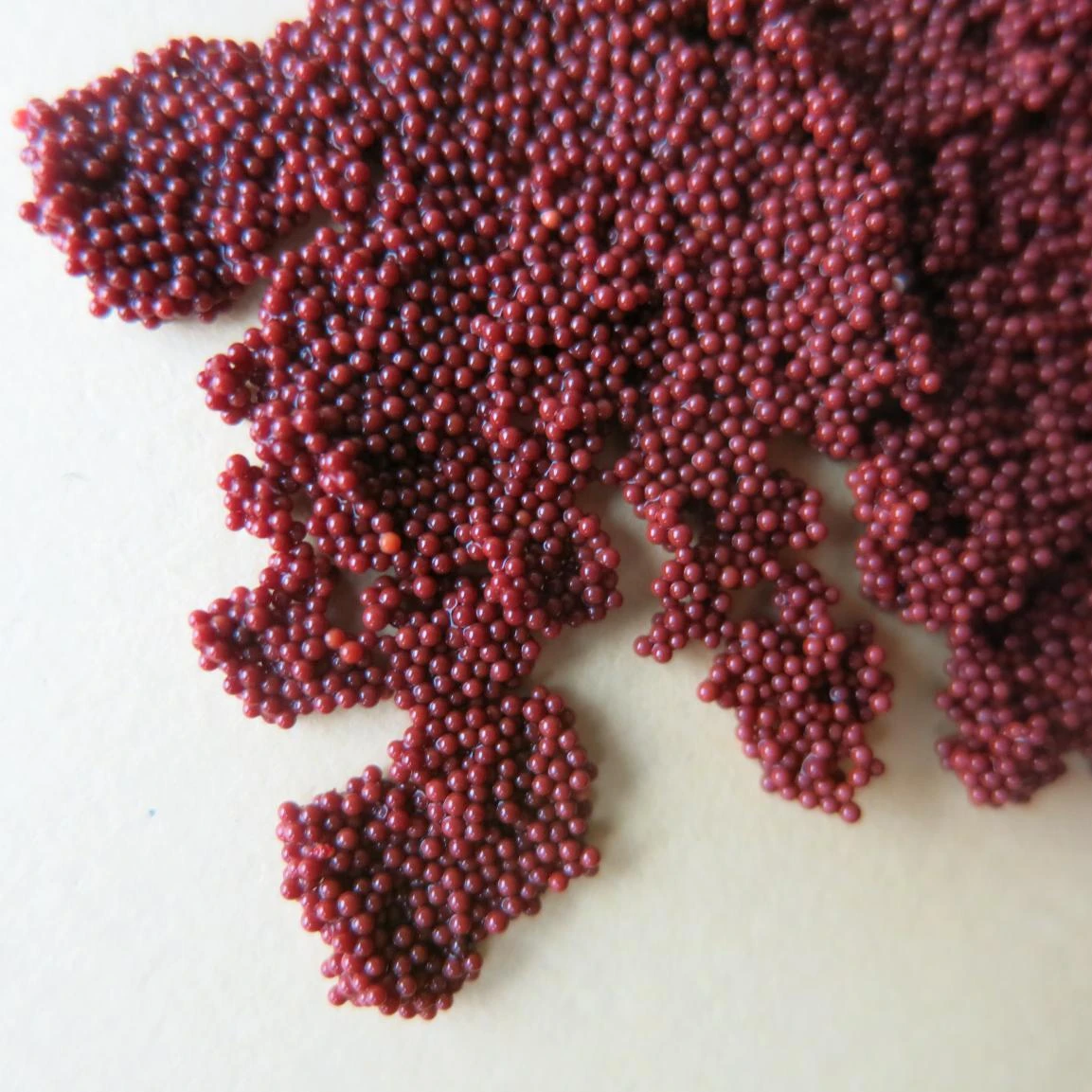
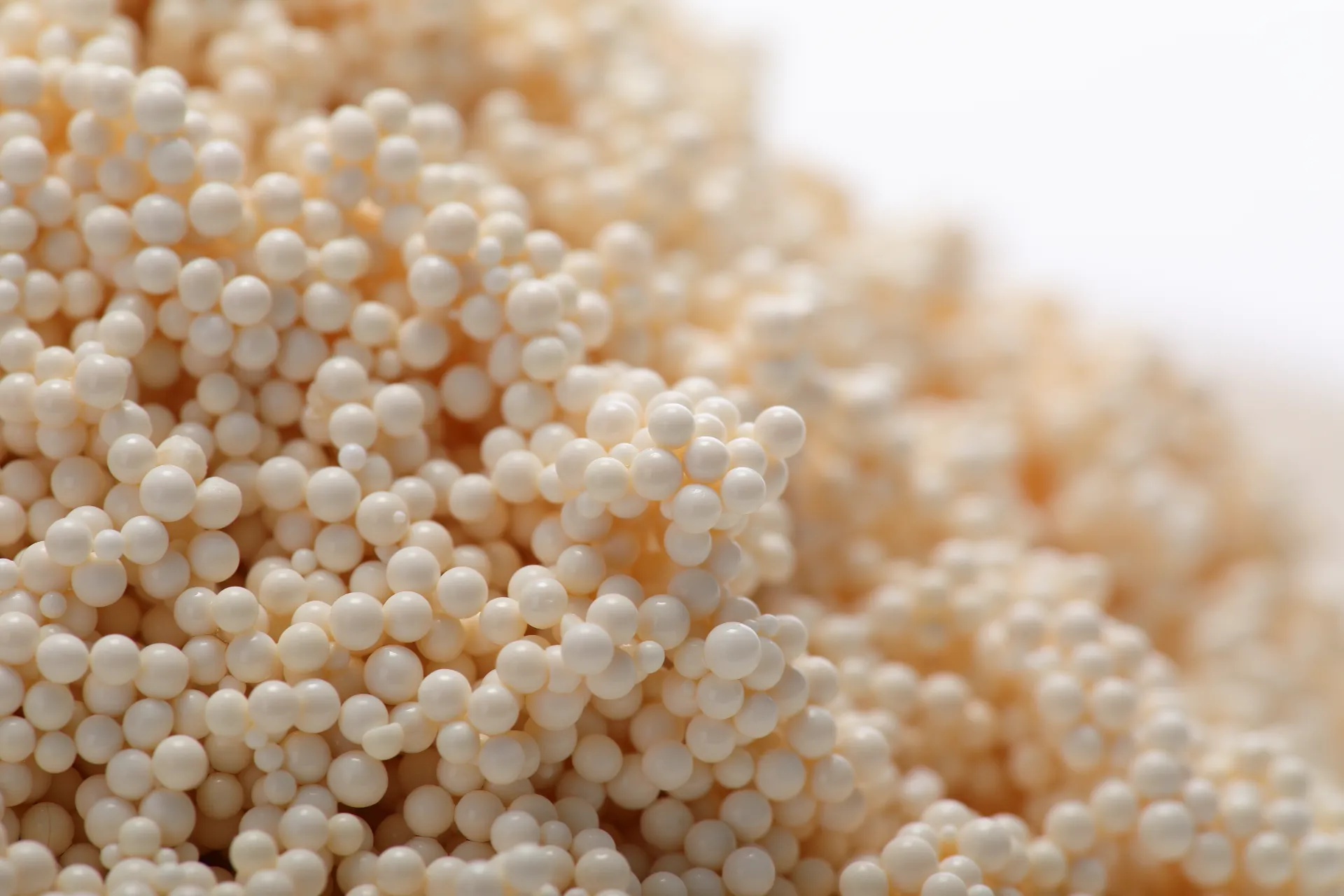
WAC resins come in various bead sizes and cross-link densities, making them adaptable for different flow rates and treatment goals. Whether a small lab or a mega-factory, the resin specs can be tuned precisely.
From sprawling industrial plants in Germany to community water systems in rural India, weak acid cation exchangers find their way into myriad contexts:
One notable example was a recent NGO initiative post-flood in Southeast Asia, where WAC resin-based water units provided safe drinking water to over 10,000 displaced people, demonstrating not only technical reliability but also social resilience.
It’s easy to get caught up in specs, but there’s a story beneath. For industrial users, the cost savings from reduced chemical consumption and longer equipment life directly affect bottom lines. Many engineers say the reliability WAC resins bring reduces unexpected downtime, a financial lifesaver when margins are tight.
From a sustainability standpoint, less acid and salt usage means a smaller environmental footprint. A subtle but growing factor as regulators and consumers call for greener practices.
On a human level, clean water access fostered by WAC resins supports dignity and health — crucial in disaster areas or developing countries.
Looking ahead, innovations like bio-based polymer composites promise to further reduce environmental impact. Advances in digital monitoring and automation mean WAC resin systems can optimize regeneration cycles, saving even more resources.
Moreover, as governments push for stricter water quality standards, integration with renewable energy sources like solar-powered softening units is already underway in some pilot programs.
Also worth noting is the emerging interest in hybrid resins combining weak and strong acid properties to offer multifunctional solutions adapted to complex water profiles.
Of course, the technology isn’t perfect. Weak acid resins generally don’t perform well under very acidic conditions or when heavy foulants are present, so pre-treatment steps may be required.
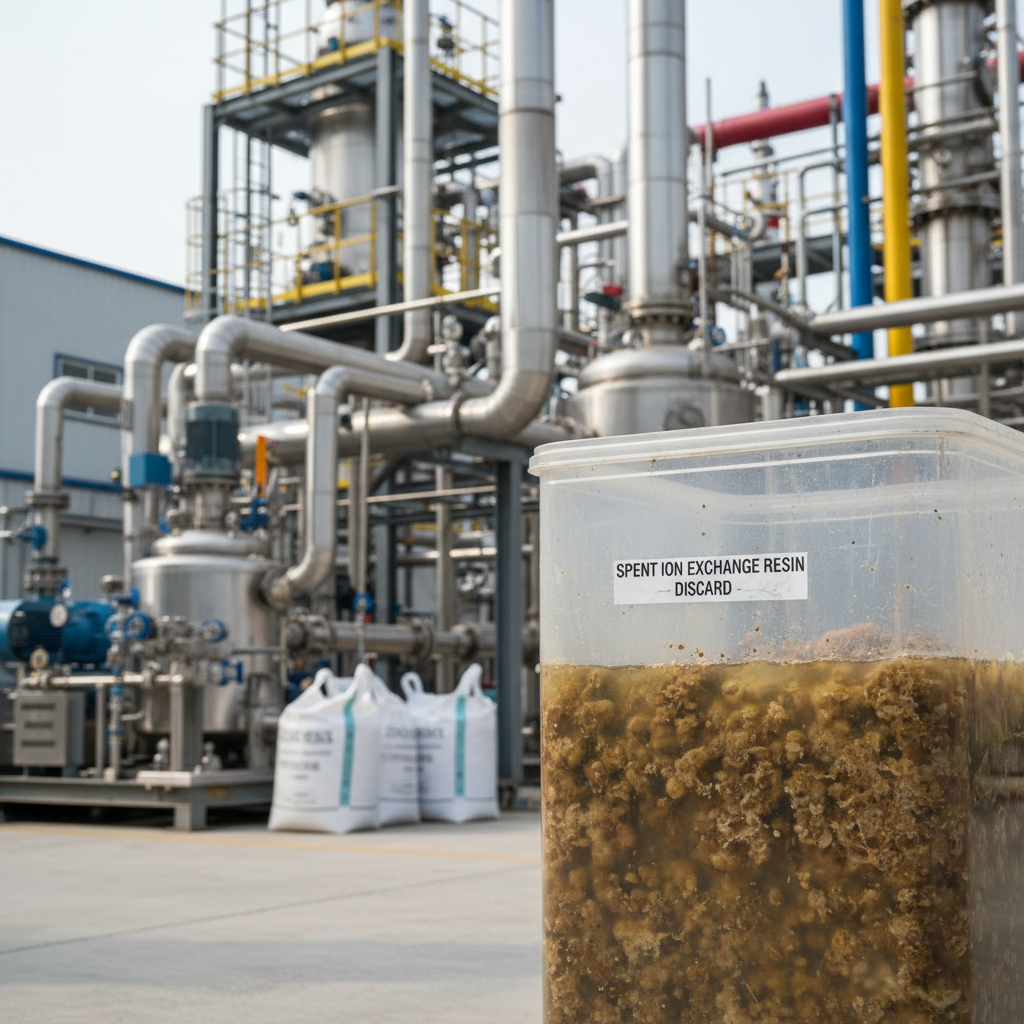
Regeneration water quality and disposal can also be tricky in certain environmental contexts. Engineers recommend integrated water management systems to recycle spent regenerant wherever feasible.
Lastly, selecting the right resin grade and system design requires understanding local water chemistry nuances — something many vendors are now addressing through better consulting and customization services.
| Property | Typical Value | Unit |
|---|---|---|
| Functional Group | Carboxylic Acid | - |
| Physical Form | Spherical Beads | - |
| Mesh Size | 16-50 | US Mesh |
| Moisture Content | 45-55 | % |
| Operating pH Range | 5 - 14 | pH |
| Crosslink Density | 4% | Divinylbenzene (DVB) |
| Vendor | Resin Type | Typical Application | Regeneration Efficiency | Price Range (per m³) |
|---|---|---|---|---|
| Aquatech Solutions | Carboxylic Acid Resin | Industrial water softening | High (90%) | $350 - $420 |
| PureResin Corp. | Weak Acid Cation Gel Resin | Pharmaceutical & Food Industries | Moderate (85%) | $400 - $460 |
| Liji Resin | Crosslinked Carboxylic Resin | Portable and remote water treatment | Very High (92%) | $380 - $430 |
A: Weak acid cation resins regenerate with milder acids, use fewer chemicals, and tend to last longer. They’re also more selective with ions, which means less disruption of beneficial minerals. This makes them more sustainable and often cheaper to operate.
A: They are best suited for moderately hard or neutral to slightly basic water. Highly acidic or very hard water may require pre-treatment or a strong acid cation system for optimal results.
A: Absolutely. Their ease of regeneration and chemical-efficient operation make them ideal for mobile or disaster-relief water units, where supply lines for chemicals may be limited.
A: With proper use and regular regeneration, these resins can function effectively for 5-7 years, sometimes longer, depending on water quality and operational conditions.
A: Leading suppliers like Liji Resin specialize in weak acid cation products with custom options. Their consultative approach helps match resin properties to your water challenges precisely.
Weak acid cation resins are a subtle yet powerful tool in the global quest for cleaner water and efficient industrial processes. They offer a thoughtful balance of performance, cost, and environmental responsibility that resonates in today’s sustainability-driven markets. Whether you’re running a large plant, managing remote installations, or supplying humanitarian aid, understanding and leveraging this technology can save money, lower waste, and improve lives.
If you’re curious to explore how weak acid cation resins can integrate seamlessly into your operations, feel free to visit our website for detailed product info and expert guidance.