Phone:
+86 0319 2296164


Email:
info@lijiresin.cn

Hydrometallurgy is a fascinating field that’s quietly powering much of the global metals industry. You see, in our increasingly tech-driven world, metals like copper, gold, and rare earths are essential. Hydrometallurgy is used for extracting these metals from ores through aqueous chemistry rather than high-temperature smelting. This method has huge benefits, especially in reducing environmental footprints and improving resource efficiency.
Metals are the backbone of everything from smartphones to sustainable energy technologies like electric vehicles and solar panels. The World Bank reports that demand for critical metals will continue soaring through 2050. However, traditional smelting methods pose environmental and energy challenges. Hydrometallurgy is a key solution here — it uses water-based chemical processes to extract and purify metals without the massive carbon emissions associated with pyrometallurgy.
Globally, hydrometallurgy is used for addressing declining ore grades and tailings reprocessing, giving new life to waste materials. Countries with rich mineral deposits, like Chile, Australia, and South Africa, benefit especially by adopting hydrometallurgical techniques.
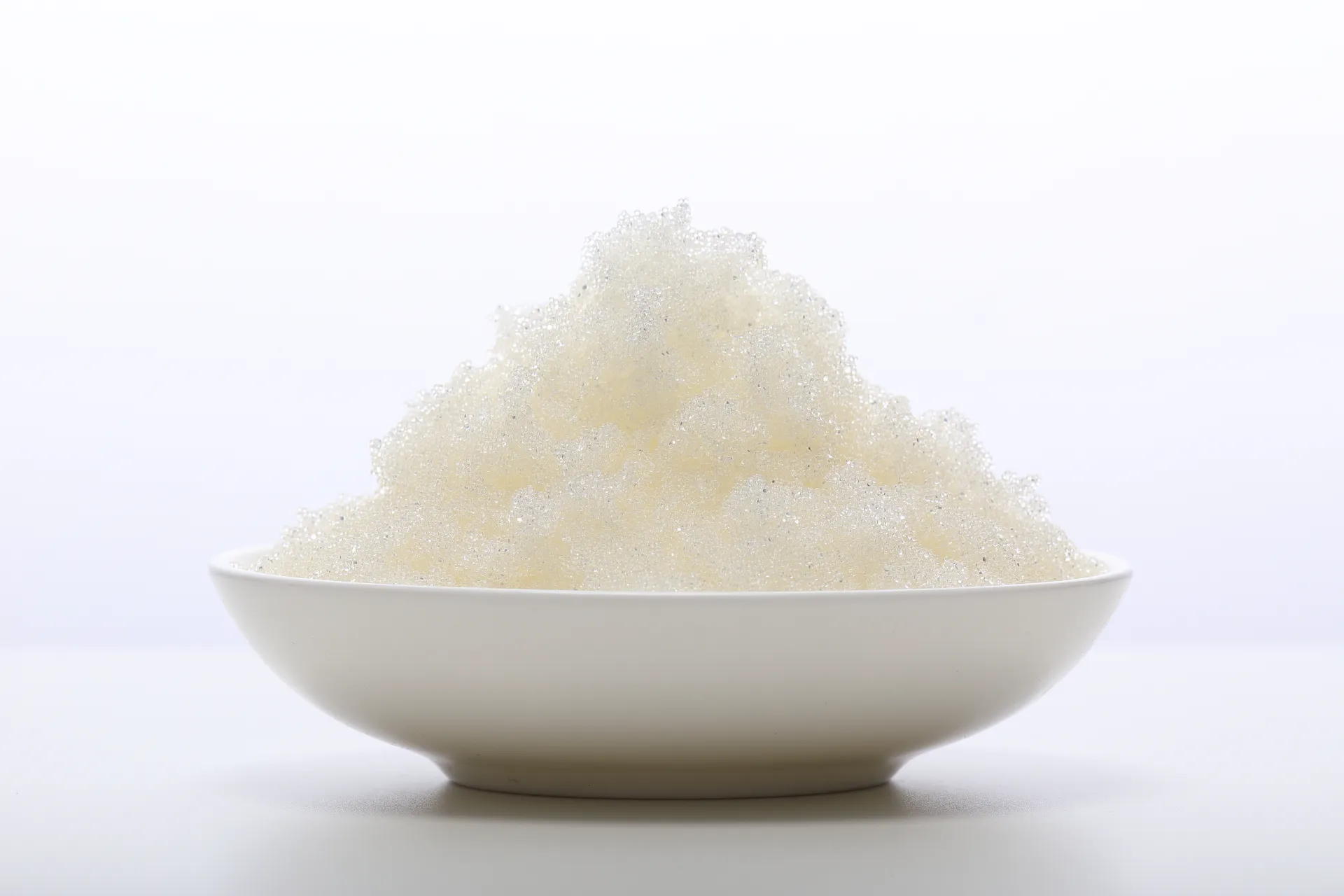
Simply put, hydrometallurgy is a method of extracting metals from ores using aqueous solutions, often at ambient temperatures and pressures. Instead of melting or roasting ores, hydrometallurgy uses leaching agents like sulfuric acid or cyanide solutions to dissolve valuable metals selectively. The metals are then recovered from these liquids through processes like solvent extraction, ion exchange, or precipitation.
Its connection to modern industry lies in its versatility and gentleness—perfect for complex, low-grade ores or environmentally sensitive zones. For humanitarian and sustainability goals, hydrometallurgy often means lower energy consumption, reduced toxic emissions, and safer working conditions.
Leaching is the first step, where reactive liquids extract metals from the ore's solid matrix. The type and concentration of the leaching agent vary depending on the metal and ore type.
After leaching, the pregnant leach solution (PLS) contains metals plus impurities. Purification via solvent extraction or ion exchange removes unwanted elements, ensuring the metal recovered is high purity.
Methods like electrowinning or precipitation retrieve pure metals from the PLS. This step is critical to producing market-grade metals suitable for industrial use.
Managing leftover solutions and solids is essential to preventing environmental contamination. Advanced neutralization and filtration systems help contain hazardous components.
Hydrometallurgy’s modular approach allows easy scaling from pilot projects to full industrial plants, adapting to various ore bodies and production targets.
Often hydrometallurgy can lower both capital and operational costs due to simpler equipment and lower energy needs — a big plus in volatile commodity markets.
Mini takeaway: These core factors work in harmony to make hydrometallurgy a flexible yet powerful solution for modern metal extraction challenges.
Across continents, hydrometallurgy is used to tap into both primary ores and secondary resources. For instance:
Oddly enough, hydrometallurgy also finds niche applications in recycling electronic waste, supporting circular economy efforts worldwide.
| Parameter | Value/Range | Unit |
|---|---|---|
| Leaching Temperature | 20–90 | °C |
| Leaching Time | 2–72 | hours |
| pH Range | 1.5–5.5 | – |
| Typical Metal Recovery | 85–95 | % |
| Energy Consumption | 0.3–0.7 | kWh/kg metal |
What I find compelling—and many engineers would agree—is how hydrometallurgy balances technical performance with environmental responsibility. Compared to smelting, it requires less energy and significantly reduces harmful emissions like sulfur dioxide and particulates. This translates not just to cost savings, but also to social license to operate in communities concerned about pollution impacts.
Also, hydrometallurgy can handle low-grade or complex ores, helping extend mine life and reduce waste volumes. That’s a big deal in an era where resource depletion is a real concern. Plus, workers often face safer conditions since extreme heat and toxic fumes are minimized. It feels like a step forward in making mining more humane and sustainable.
| Technology | Strengths | Limitations | Best Use Case |
|---|---|---|---|
| Heap Leaching | Low cost, scalable, minimal equipment | Slow, porous ore needed | Copper, gold ores in open pits |
| Pressure Acid Leaching (PAL) | Faster, can treat complex ores | High capital, energy intensive | Nickel laterites, cobalt |
| Solvent Extraction (SX) | High purity metal recovery | Complex chemistry, waste handling | Copper, uranium |
| Bioleaching | Eco-friendly, low energy | Slow, sensitive to conditions | Low-grade gold and copper ores |
In recent years, I’ve noticed a clear shift towards greener, digitally integrated hydrometallurgical plants. Automation and real-time sensors enable operators to adjust leaching parameters precisely, improving yields and reducing reagent usage. Also, there’s growing interest in bioleaching using microbes — a natural, less toxic alternative especially suited for marginal deposits.
Additionally, with the rise of “urban mining” and recycling, hydrometallurgy is increasingly used to recover metals from e-waste and spent catalysts in cleaner ways. Policies tied to responsible sourcing and circular economy principles are pushing companies to innovate or risk losing market access.
Frankly, hydrometallurgy isn't perfect. Leaching kinetics can be slow, some reagents remain environmentally hazardous, and waste disposal is a tough nut to crack. Acid consumption and reagent regeneration require careful management. There’s also the difficulty in dealing with complex ores containing multiple metals or harmful impurities.
However, ongoing R&D focusing on reagent recycling, alternative green solvents, and advanced membrane technologies shows promise. More companies are collaborating with universities to pilot bioleaching with genetically optimized bacteria that speed up metals release. These innovations offer a hopeful future for sustainable metal extraction.
To wrap up, hydrometallurgy is more than just a technical process—it’s a pillar of sustainable mining and resource recovery in our evolving global economy. Its advantages in environmental impact, adaptability, and cost-efficiency make it essential for meeting the increasing demand for metals while preserving nature.
If you want to explore more about how hydrometallurgy is used for practical industry applications and innovations, I encourage you to visit our website. There’s a whole world beneath the surface to discover.
Final thought: Hydrometallurgy feels like a quiet revolution, a smarter, gentler way to get the metals that fuel modern life.