Phone:
+86 0319 2296164


Email:
info@lijiresin.cn
Water softening is crucial for both residential and industrial applications, protecting pipes, appliances, and enhancing the effectiveness of soaps and detergents. At the heart of this process lies the softener media, the material responsible for removing hardness-causing minerals like calcium and magnesium. This article provides an in-depth exploration of softener media, covering its types, applications, benefits, and key considerations for selecting the right solution. Choosing the correct softener media is vital for efficient and cost-effective water treatment.
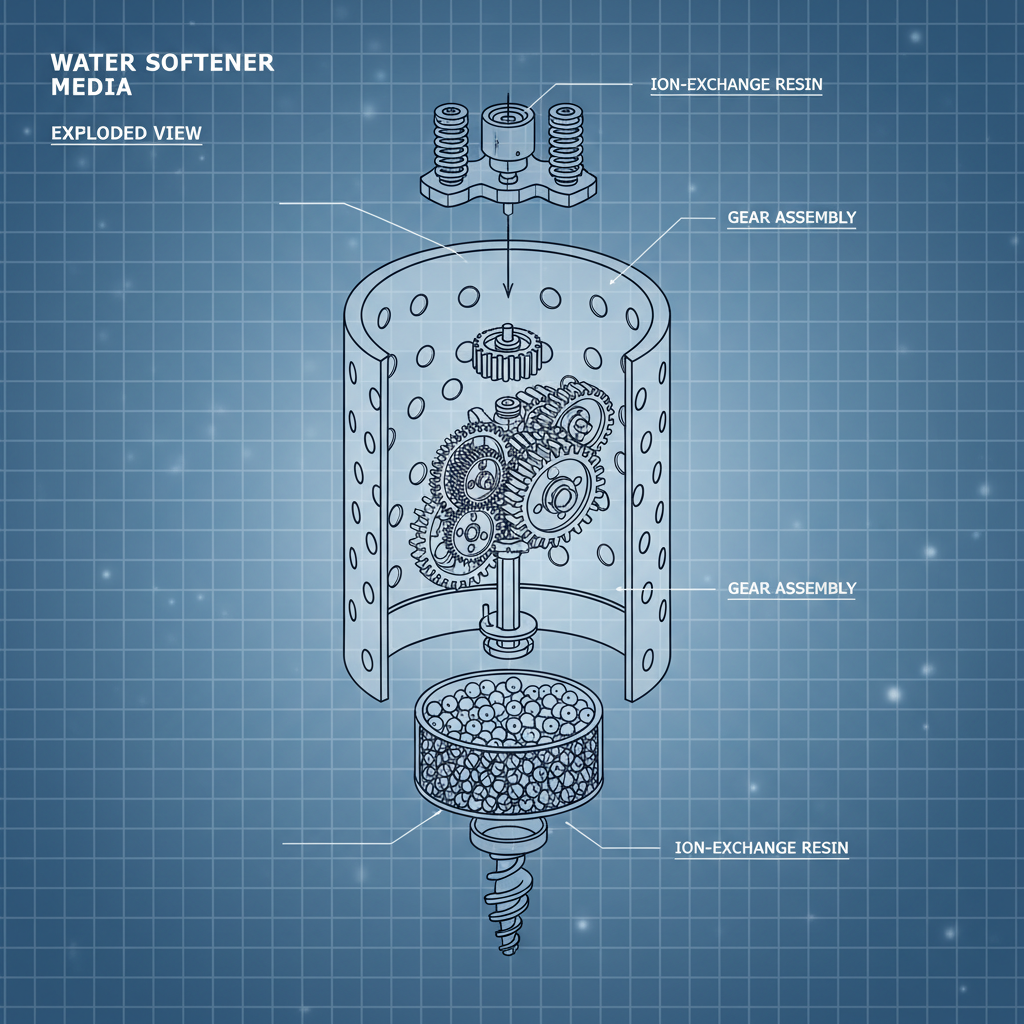
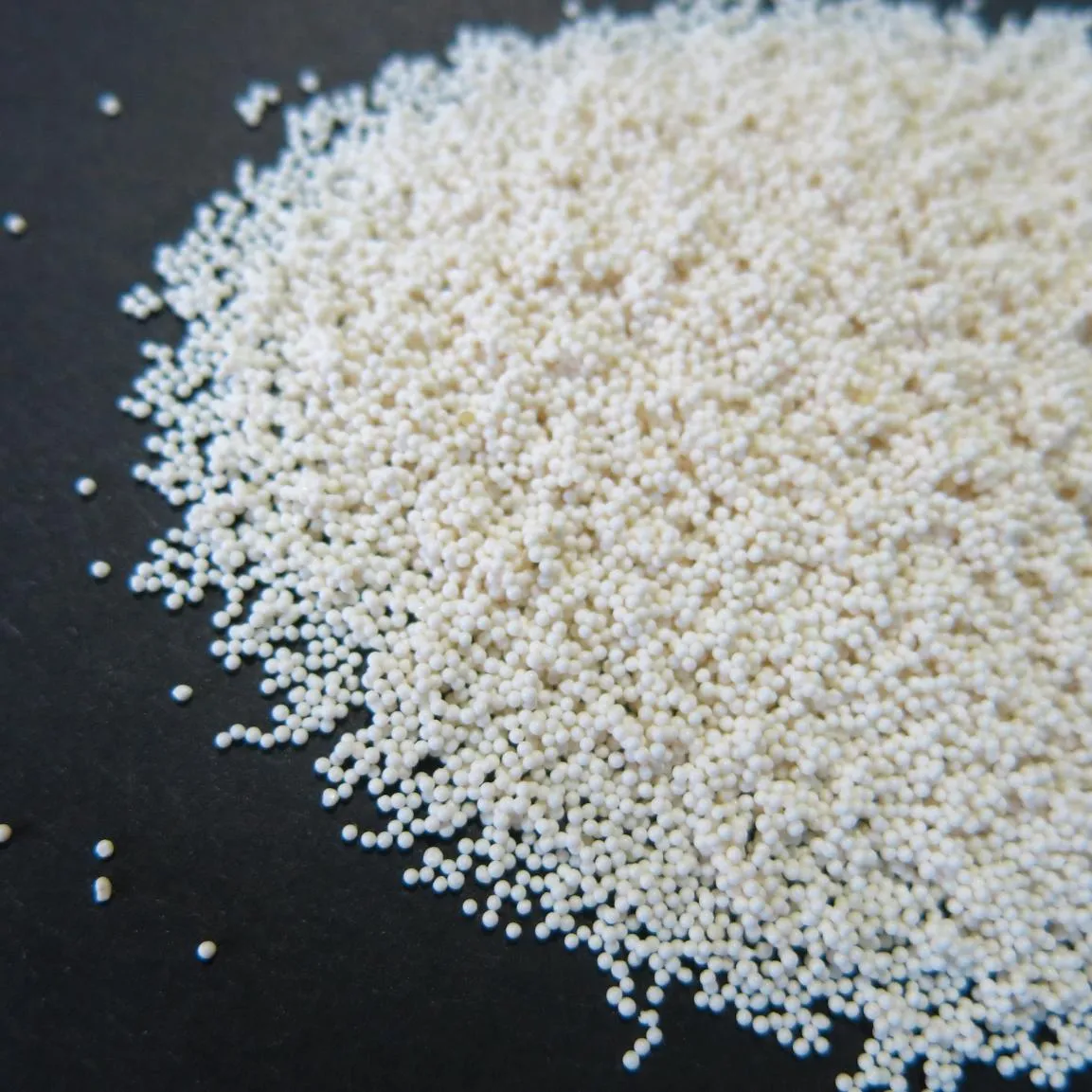
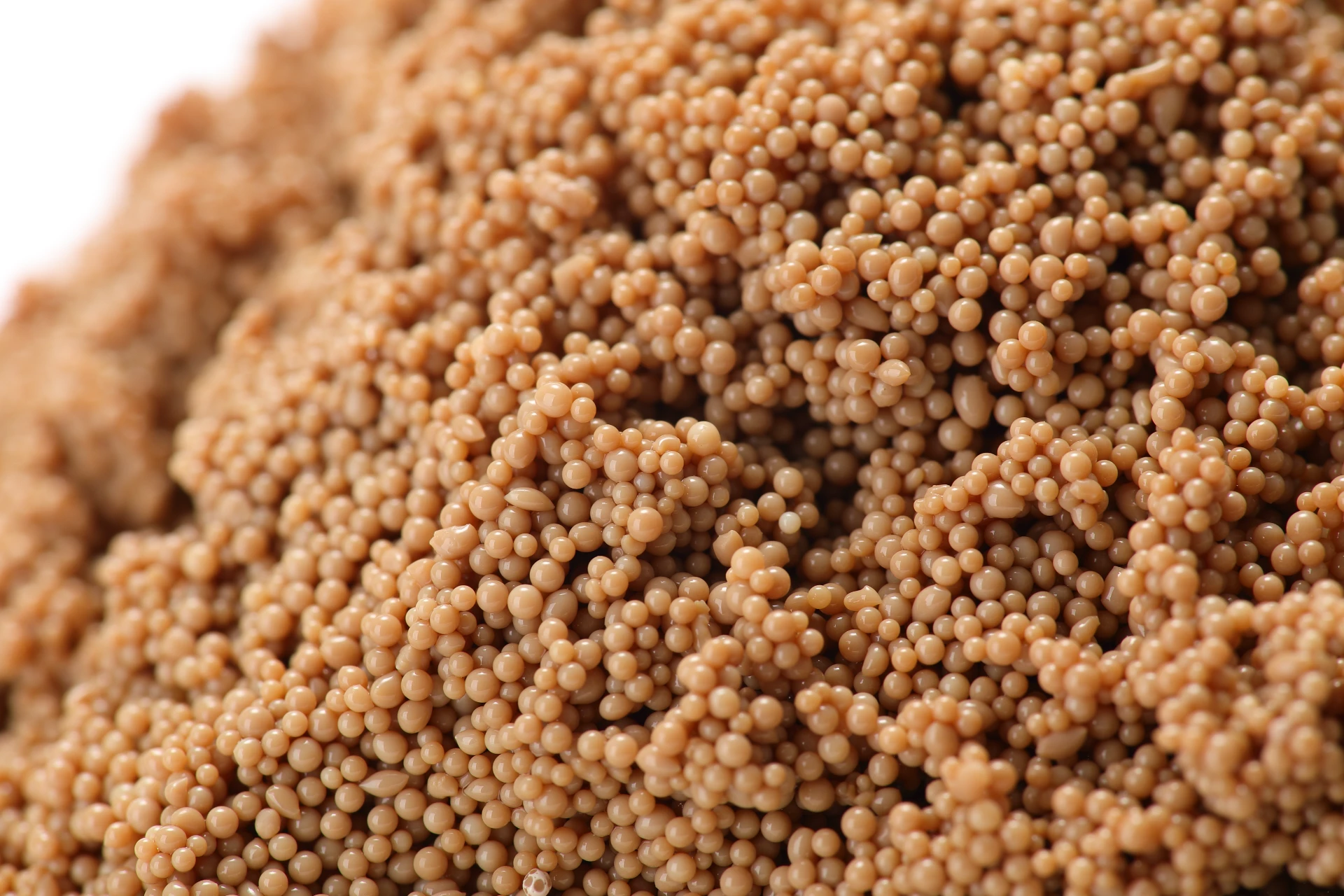
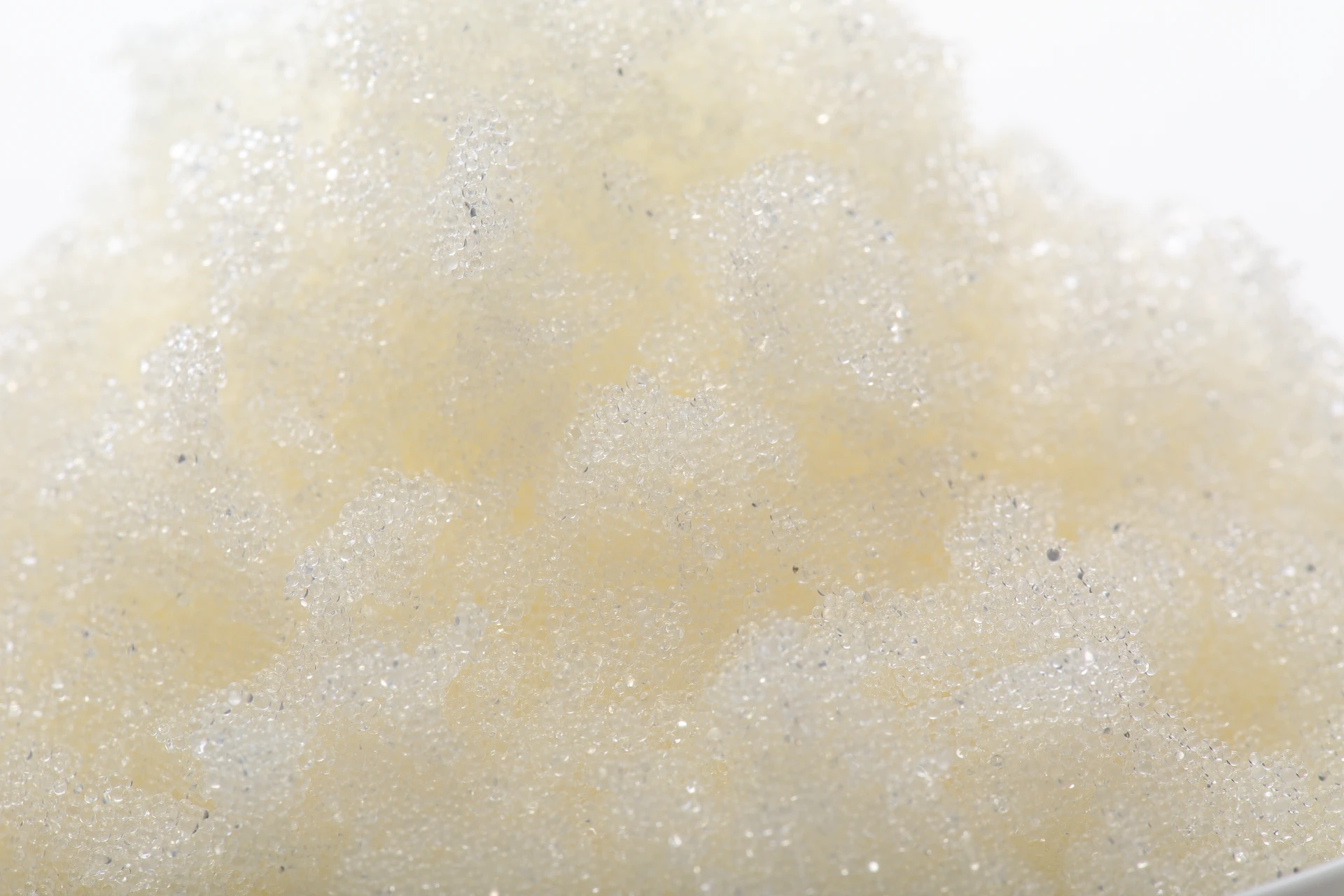
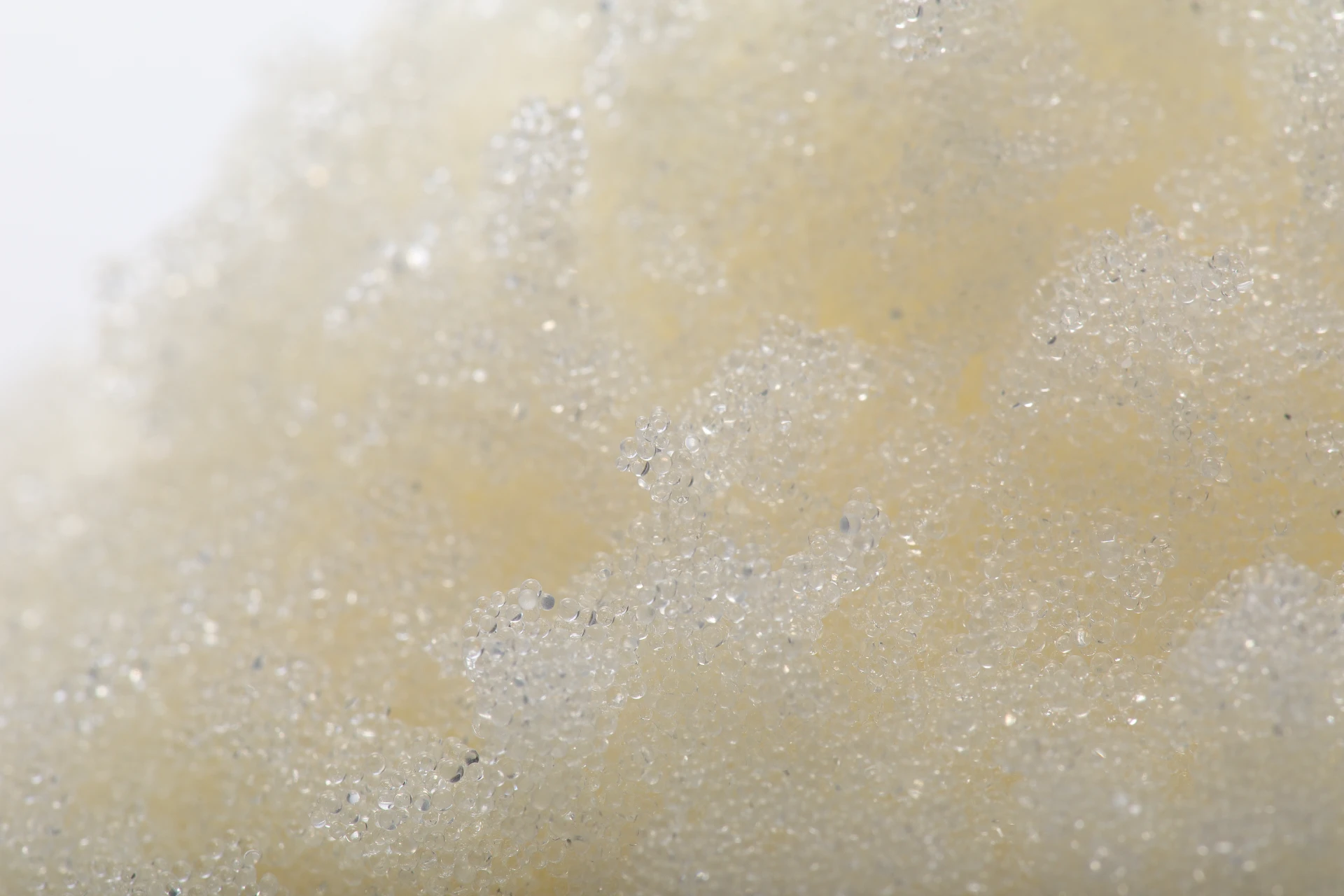
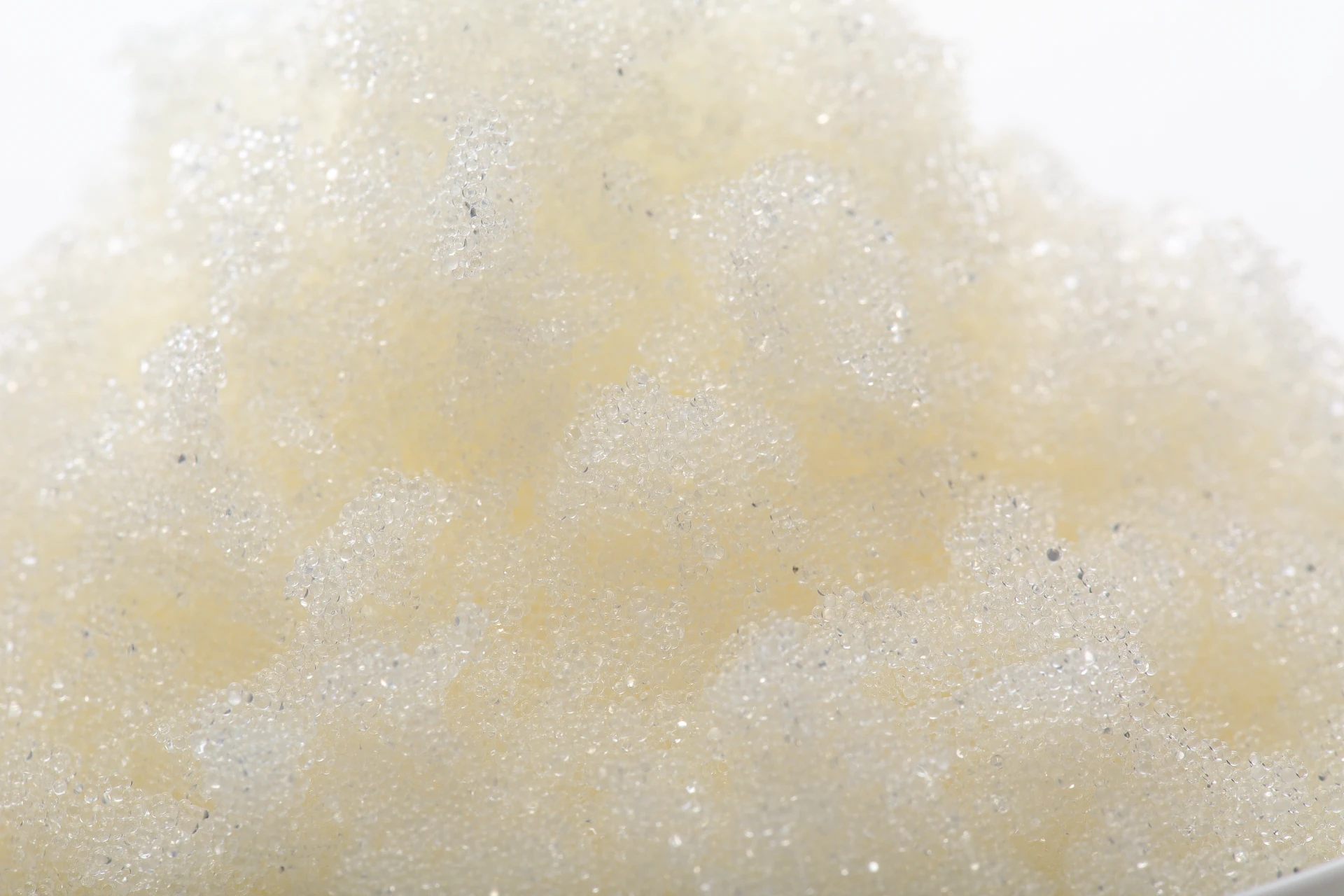
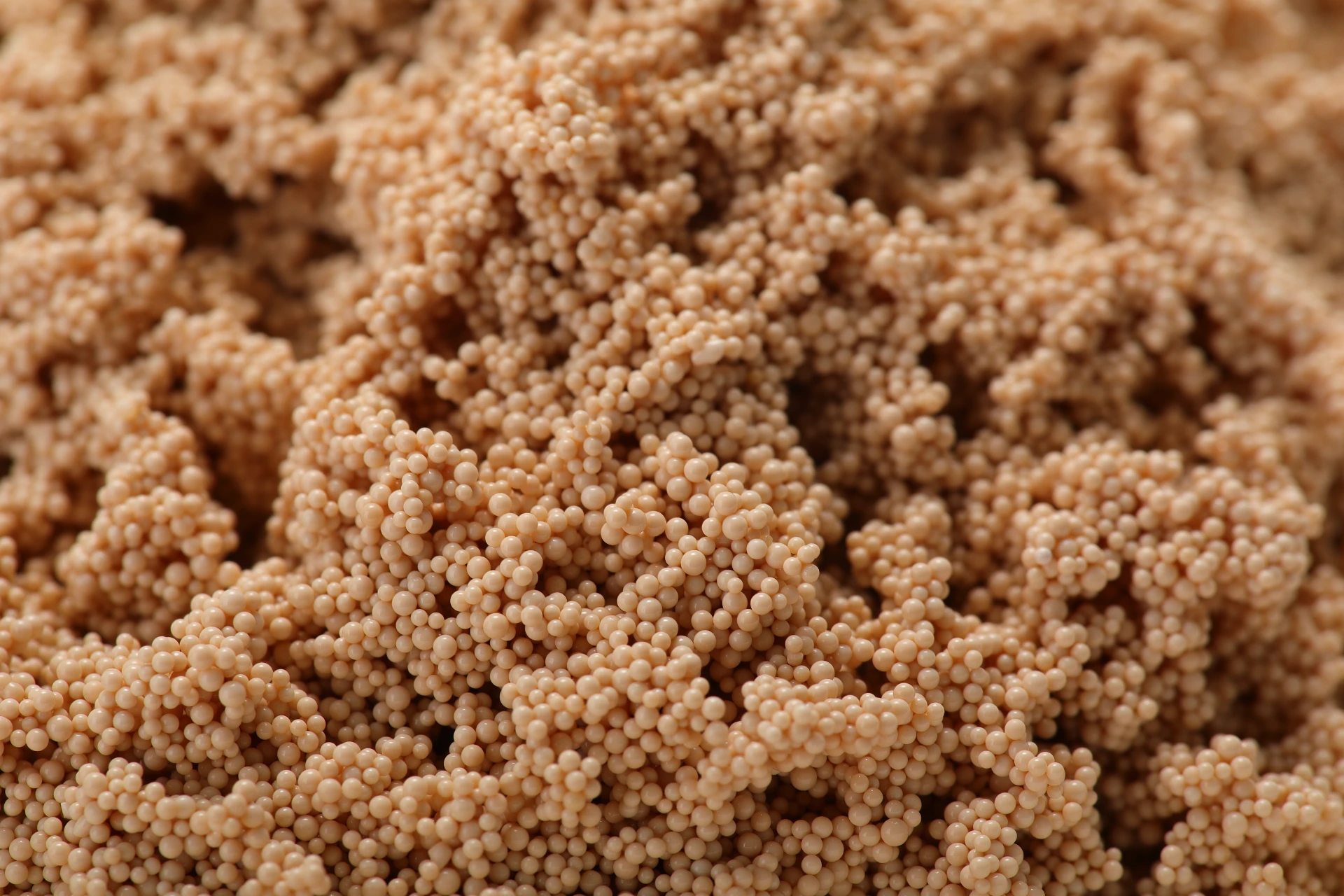
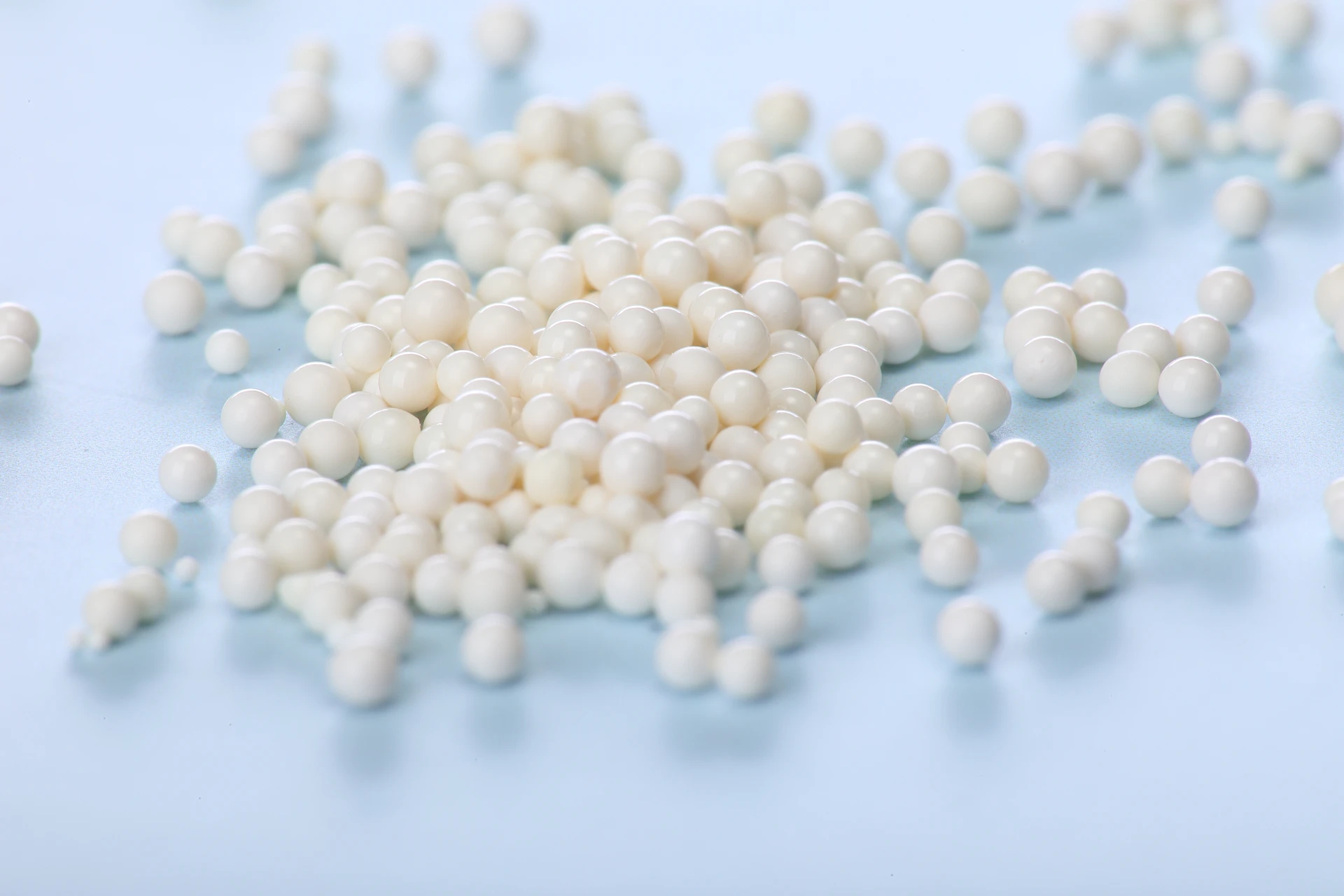
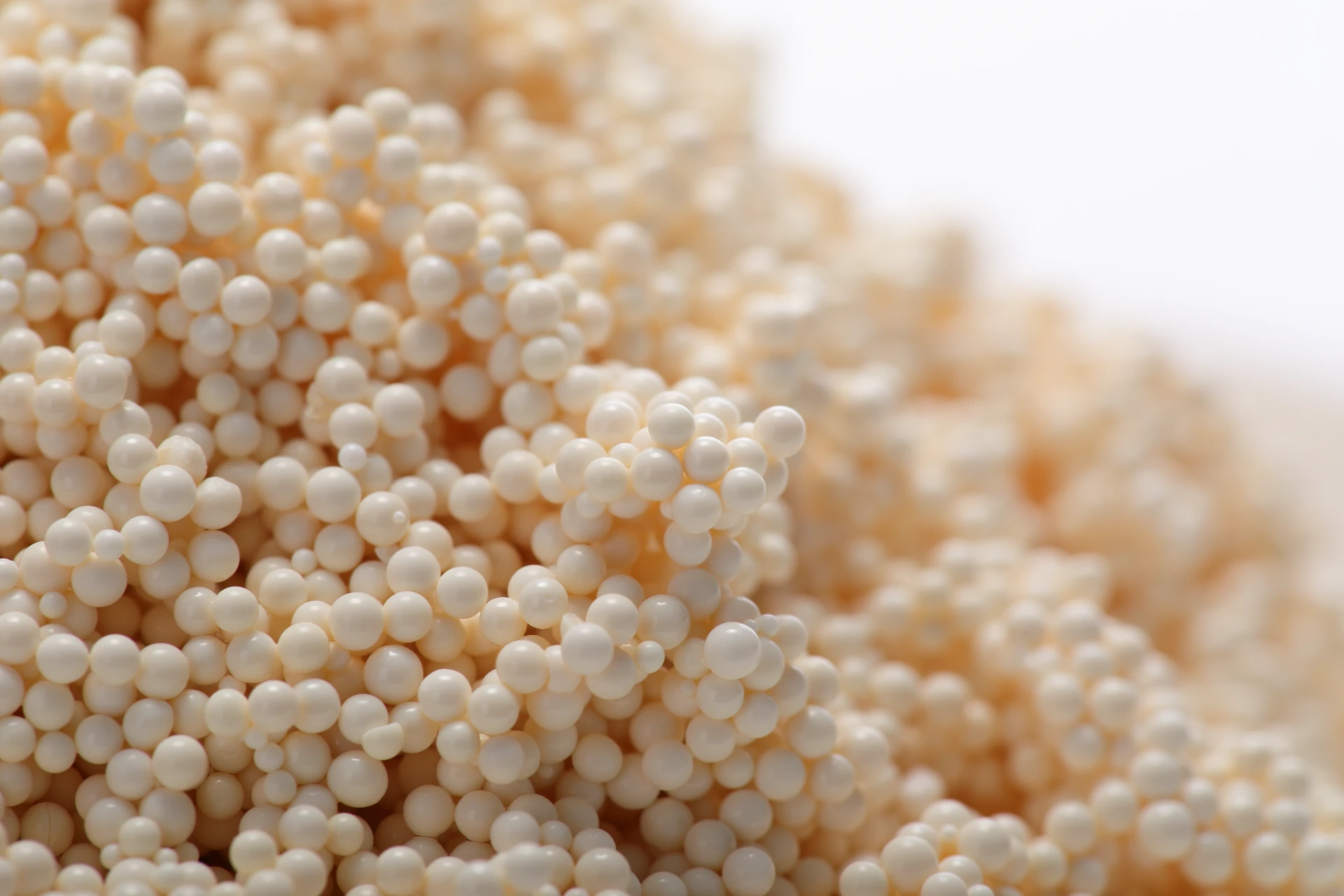
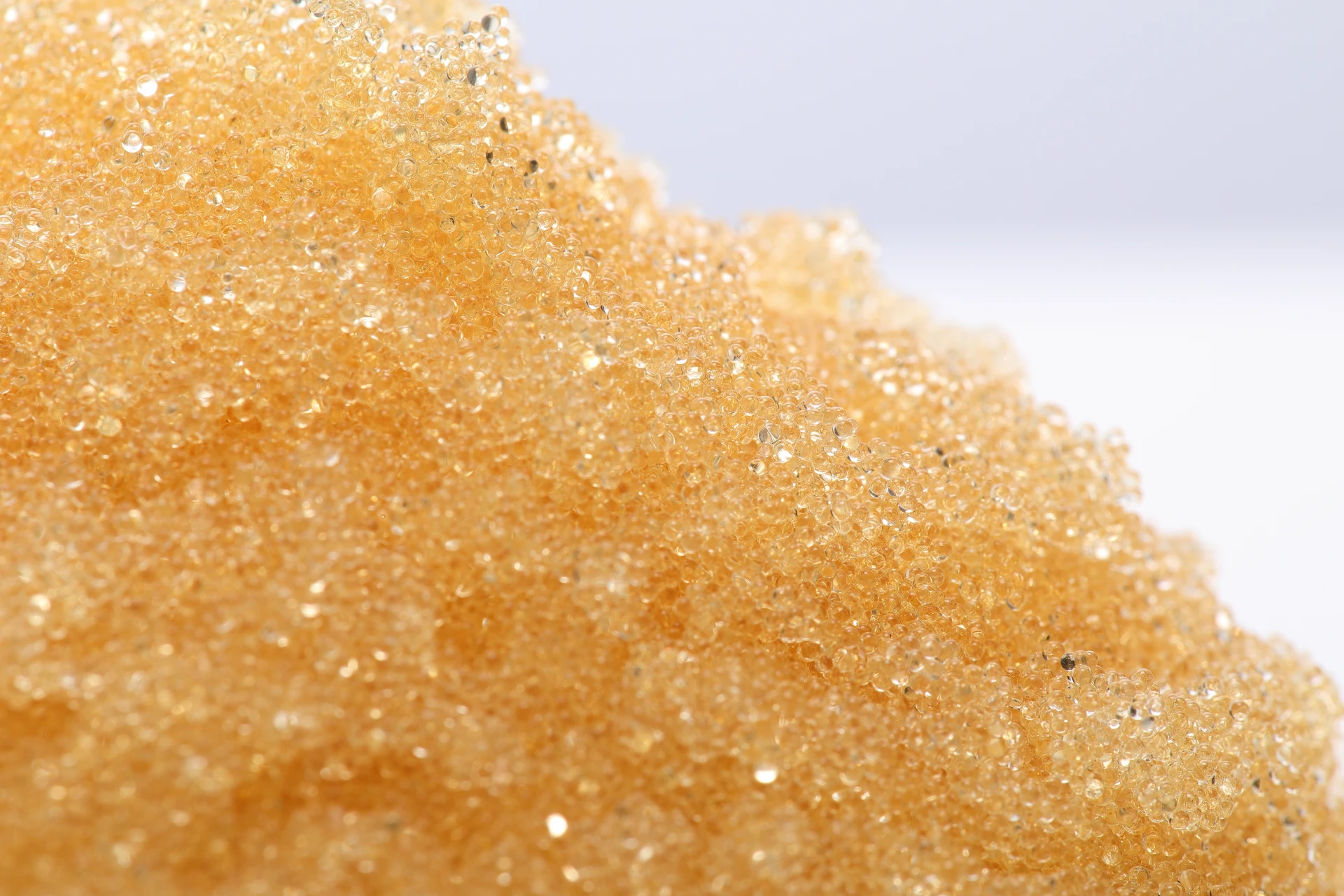
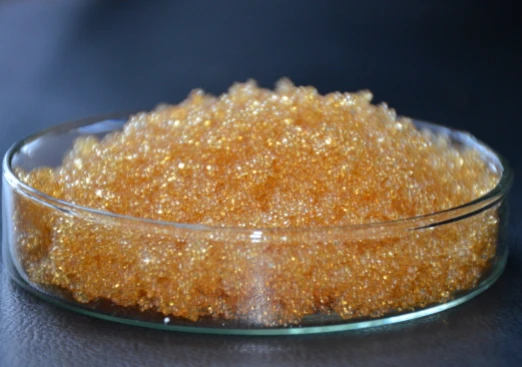
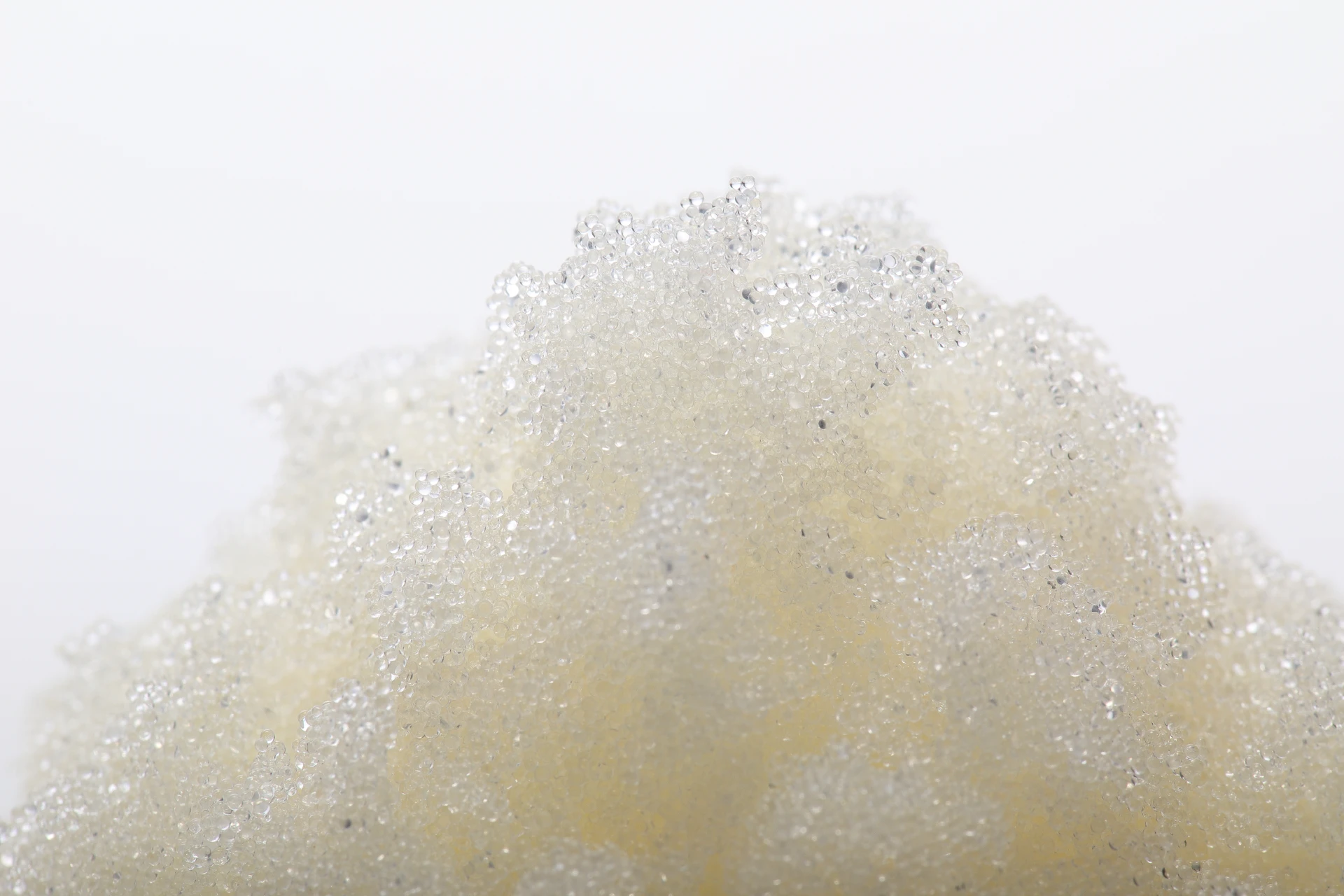
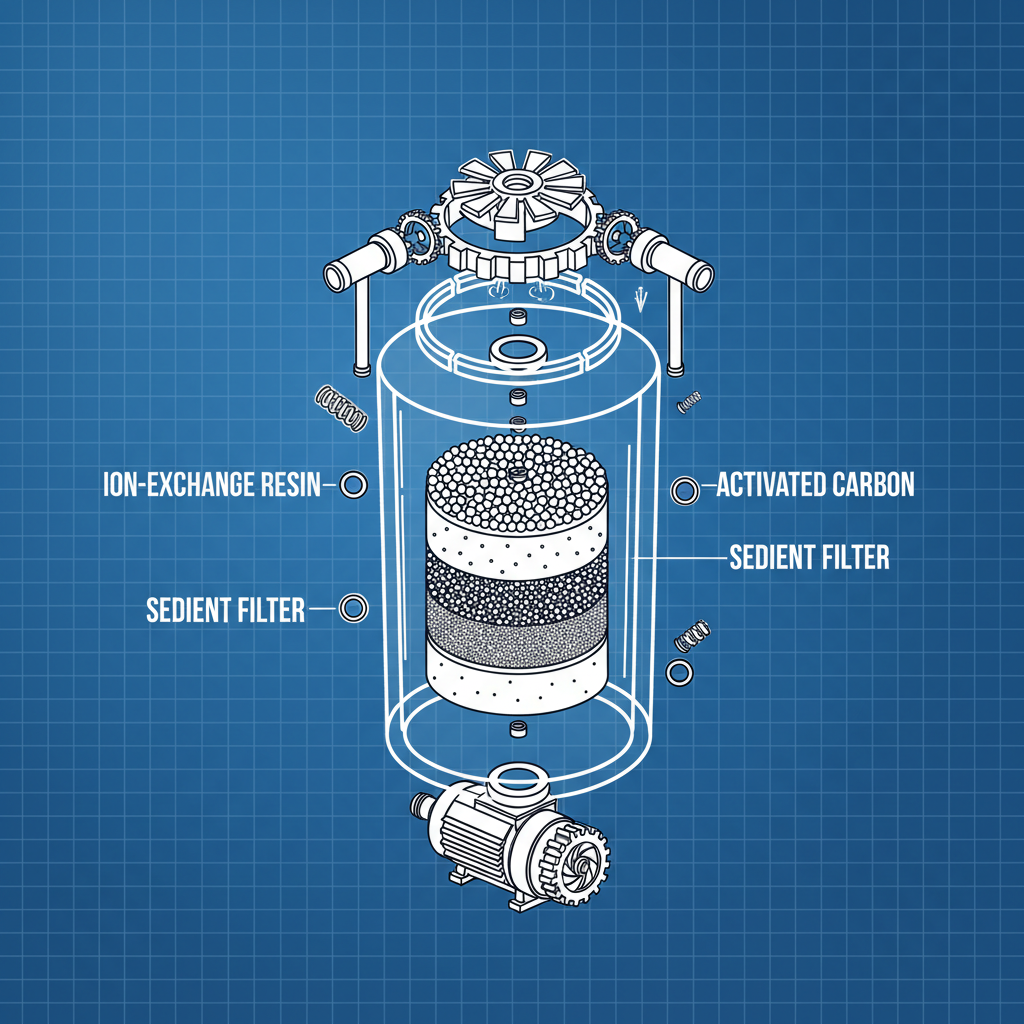
Softener media, typically resin beads, functions through a process called ion exchange. These beads are negatively charged and attract positively charged ions – in this case, calcium and magnesium. As hard water flows through the media tank, the resin beads bind to the calcium and magnesium ions, replacing them with sodium or potassium ions. This results in “softened” water with a reduced mineral content. Over time, the resin beads become saturated with calcium and magnesium, requiring regeneration. Regeneration involves flushing the tank with a brine solution (saltwater) to reverse the process, replenishing the sodium or potassium ions and flushing away the collected hardness minerals.
Key Takeaway: Ion exchange is the core principle behind water softening, utilizing resin beads to replace hardness minerals with sodium or potassium.
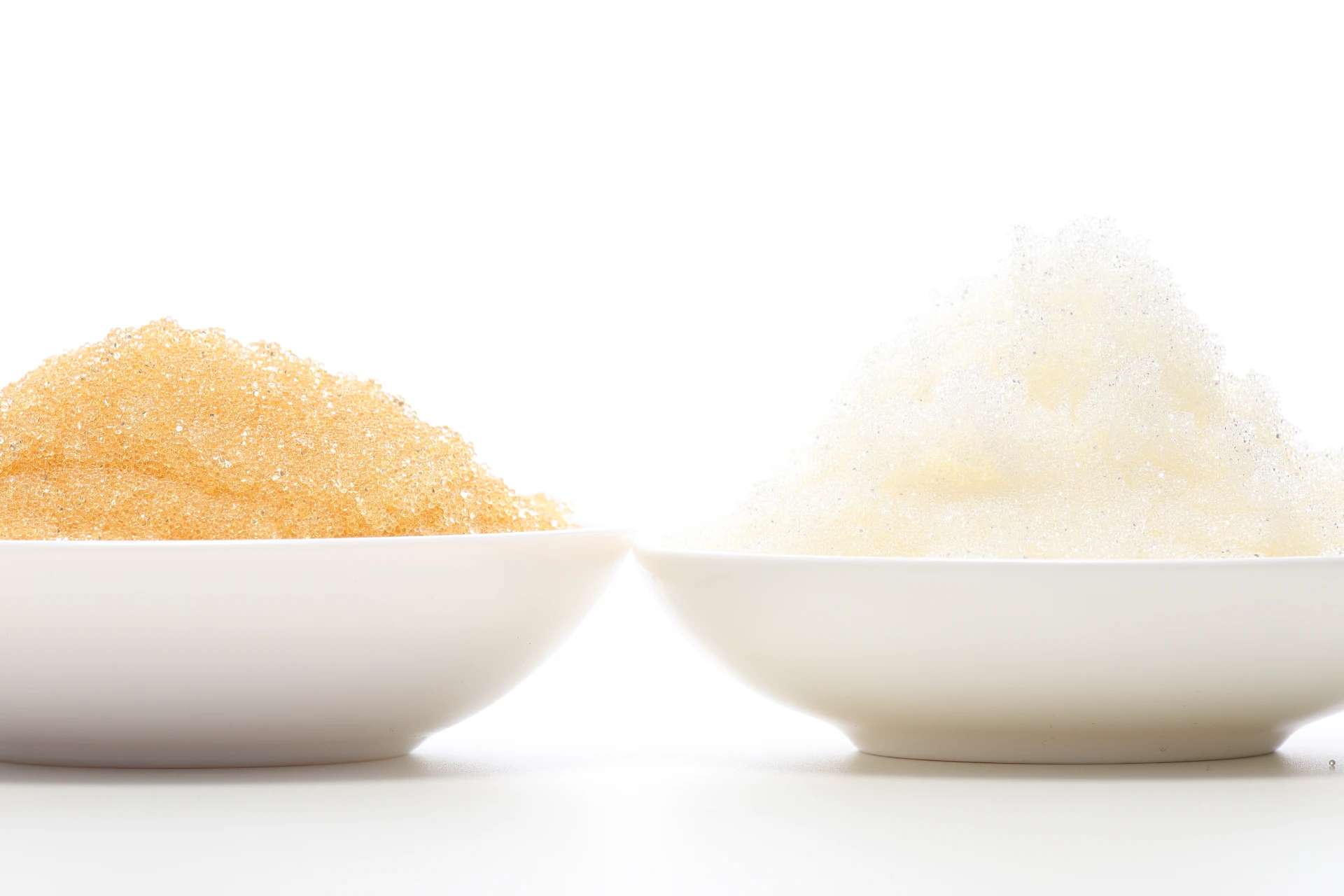
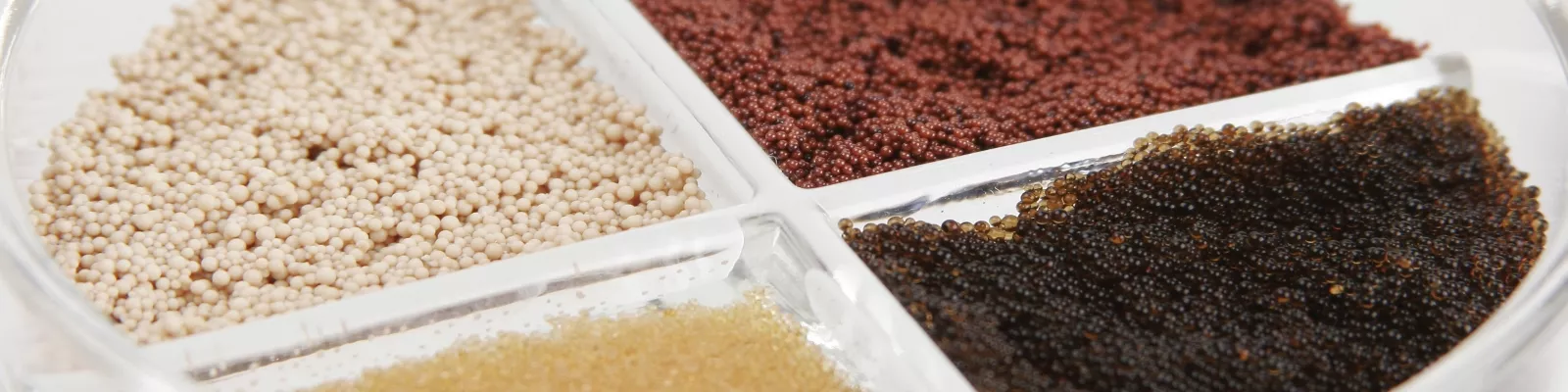
Several types of softener media are available, each with its own characteristics and applications. The most common types include:
Selecting the right softener media depends on several factors, including water hardness, water usage, and budget. Here’s a comparison of some popular options:
Softener media plays a vital role in diverse applications:
At Liji Resin, we offer a wide range of high-quality softener media solutions tailored to meet your specific needs. Our expert team can help you select the optimal media type and size for your application, ensuring efficient and cost-effective water softening. We pride ourselves on delivering superior products and exceptional customer service.
Choosing the right softener media is a critical step in achieving efficient and reliable water softening. By understanding the different types of media, their applications, and the importance of quality, you can make an informed decision that benefits your home or business. Liji Resin is committed to providing innovative and effective water treatment solutions.
The lifespan of softener media varies depending on water quality, usage, and the type of resin. Generally, it’s recommended to replace the media every 8-10 years for standard sodium resin, and potentially longer for premium-grade resins. Signs that your media needs replacing include reduced softening capacity, increased salt usage, and consistently hard water despite proper regeneration. Regular water testing can help determine when replacement is necessary.
Softener media can become fouled by iron, manganese, organic matter, and other contaminants present in the water supply. These contaminants can coat the resin beads, reducing their capacity and effectiveness. Pre-treatment solutions, such as iron filters or carbon filters, can help remove these contaminants and protect the softener media. Regular cleaning with resin cleaner can also help remove mild fouling.
While softener media can be regenerated many times, it's not indefinite. Each regeneration cycle causes some degradation of the resin beads. Over time, the beads become brittle and lose their ion exchange capacity. Factors like chlorine exposure and extreme temperatures can accelerate this degradation. Eventually, the media will need to be replaced to maintain optimal performance.
The primary environmental concern associated with water softeners is the discharge of brine (saltwater) during regeneration. This brine can contribute to increased salinity in wastewater and groundwater. However, advancements in water softener technology, such as demand-initiated regeneration and potassium chloride use, can help minimize the environmental impact. Properly disposing of spent softener media is also important.