Phone:
+86 0319 2296164


Email:
info@lijiresin.cn
hydrometallurgy,hydrometallurgy and pyrometallurgy,copper hydrometallurgy is a key solution in the Mining and Metals industry, specifically within extractive metallurgy and Wet metallurgical process chemicals. This article explores how Hebei Lijiang Biotechnology Co.,Ltd. supports professionals with durable, high-performance products, and explains why this product is an ideal choice for businesses in these sectors.
In modern extractive metallurgy, hydrometallurgy complements pyrometallurgy to unlock value from complex ores, low-grade resources, and refinery bleed streams. Copper hydrometallurgy—encompassing leaching, impurity control, solvent extraction, and electrowinning—depends on robust wet metallurgical process chemicals to keep circuits stable and on-spec. One proven tool is the macroporous anion exchange resin, engineered to selectively capture and elute target anions and metal-complex species from acidic or chloride/sulfate-bearing liquors.
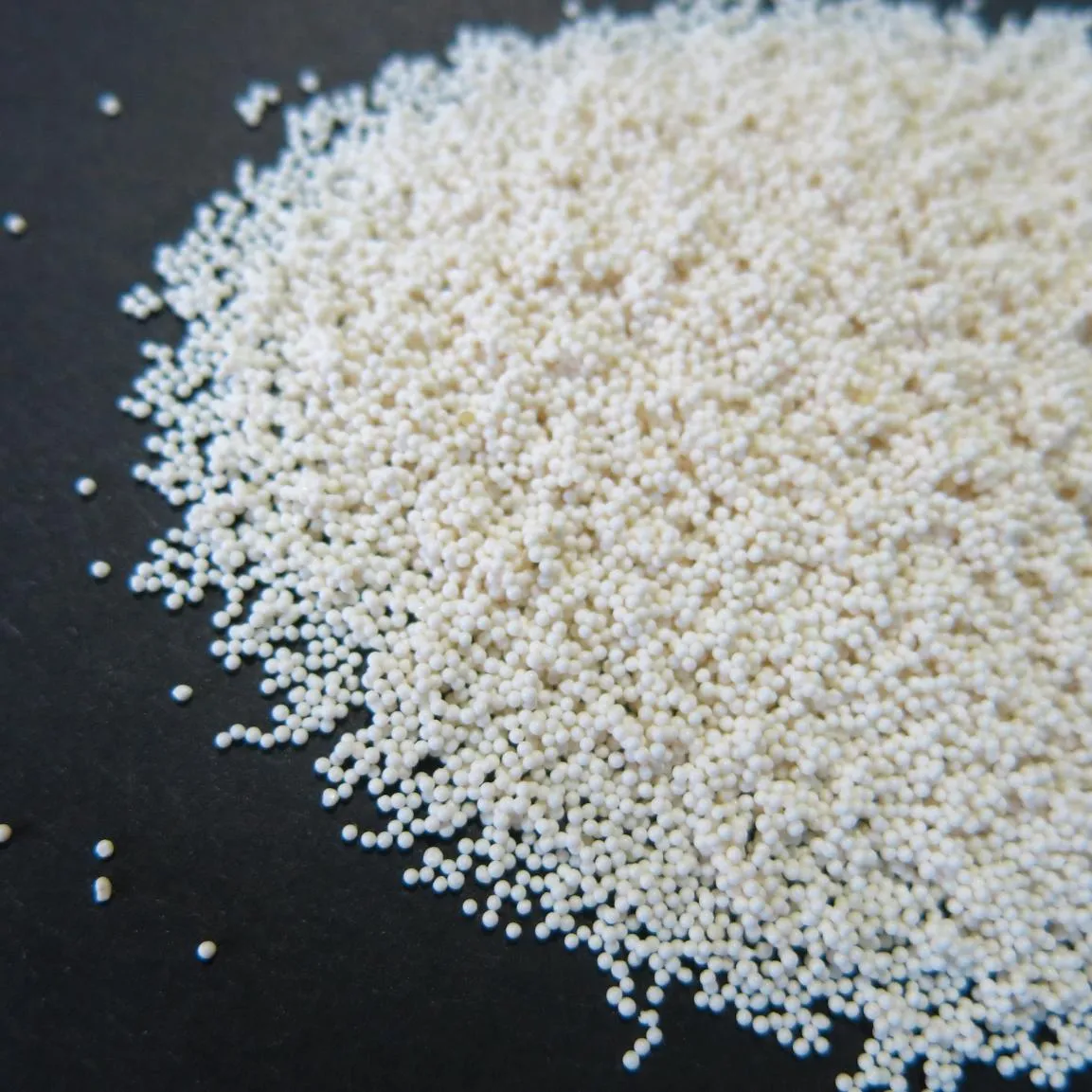
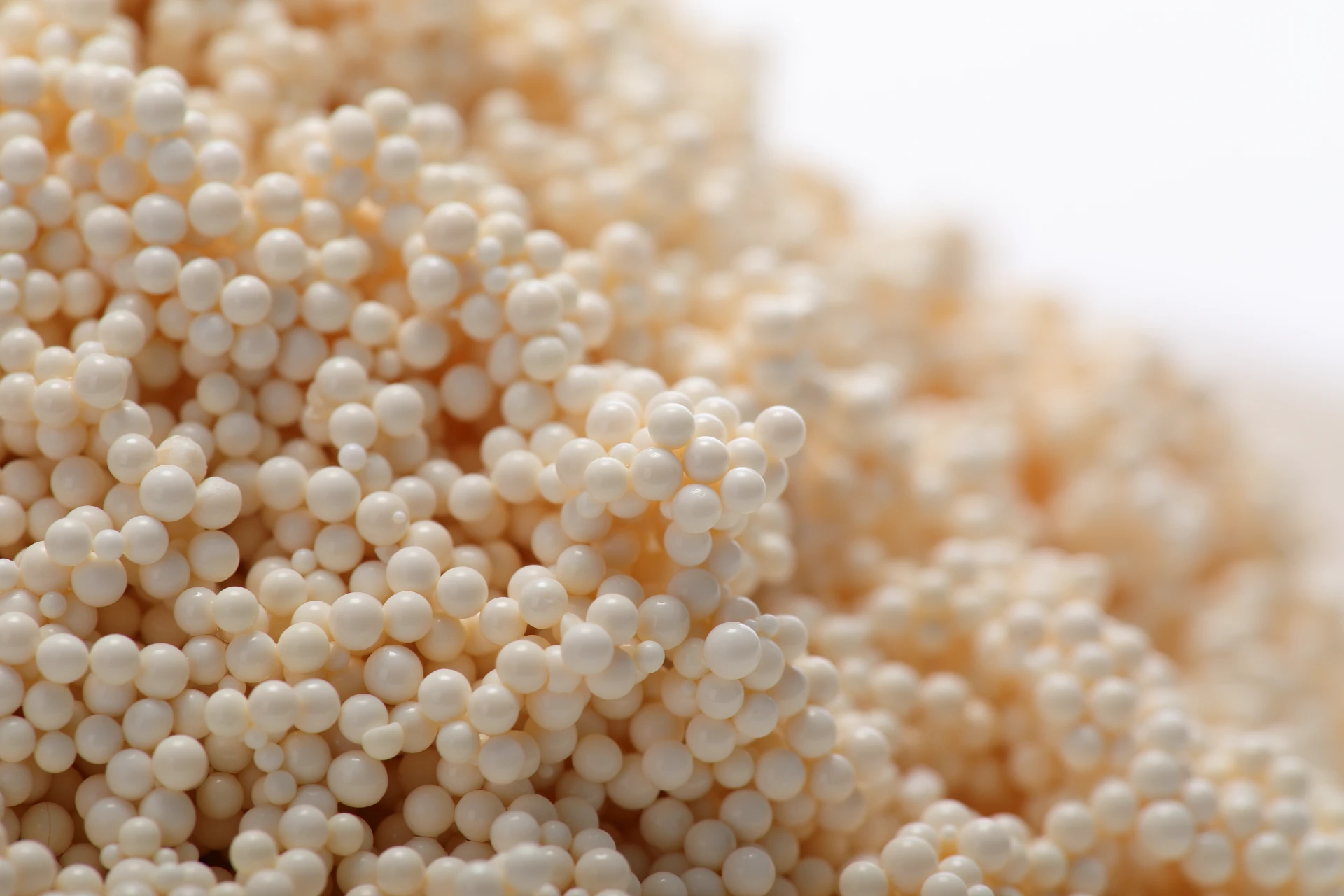
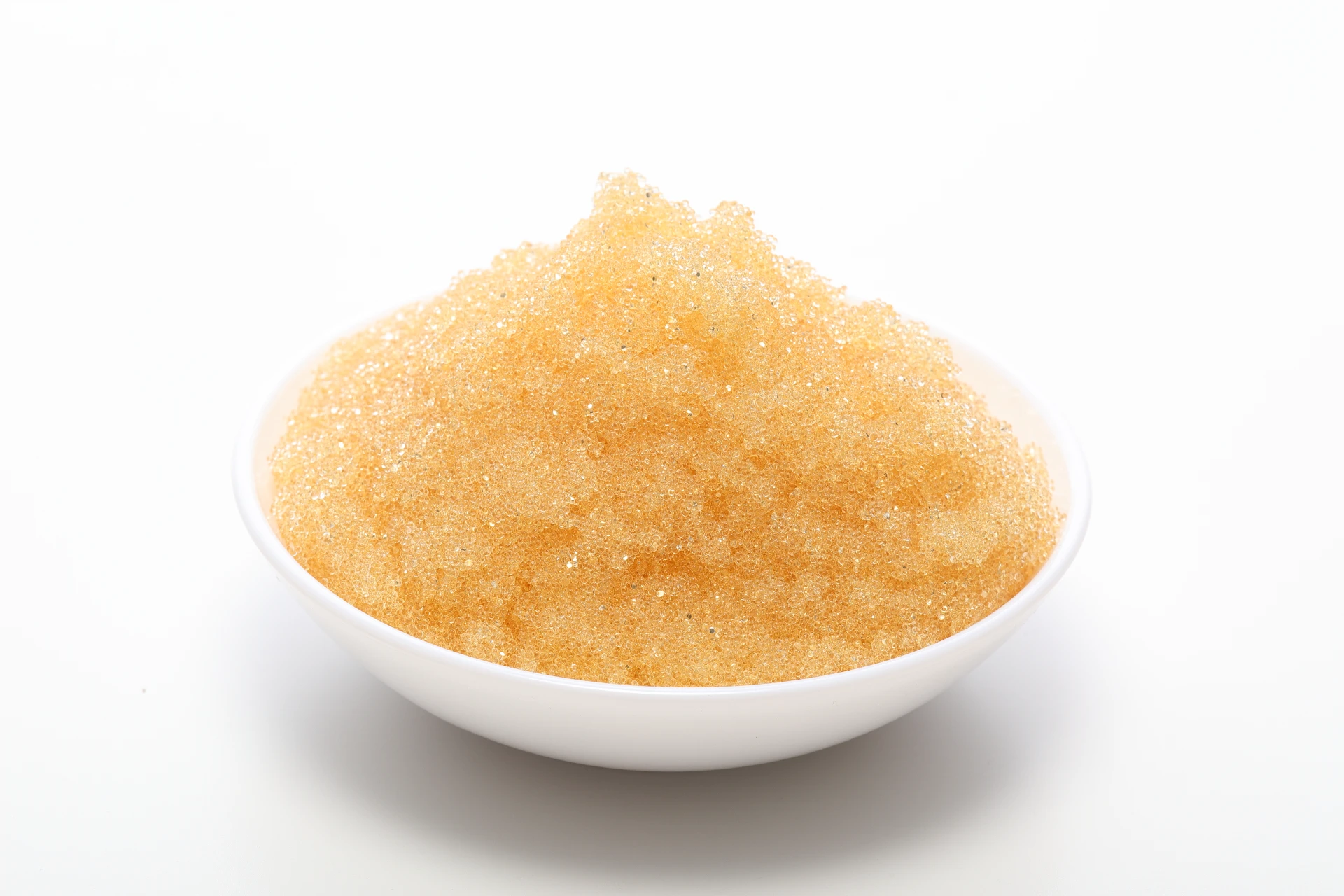
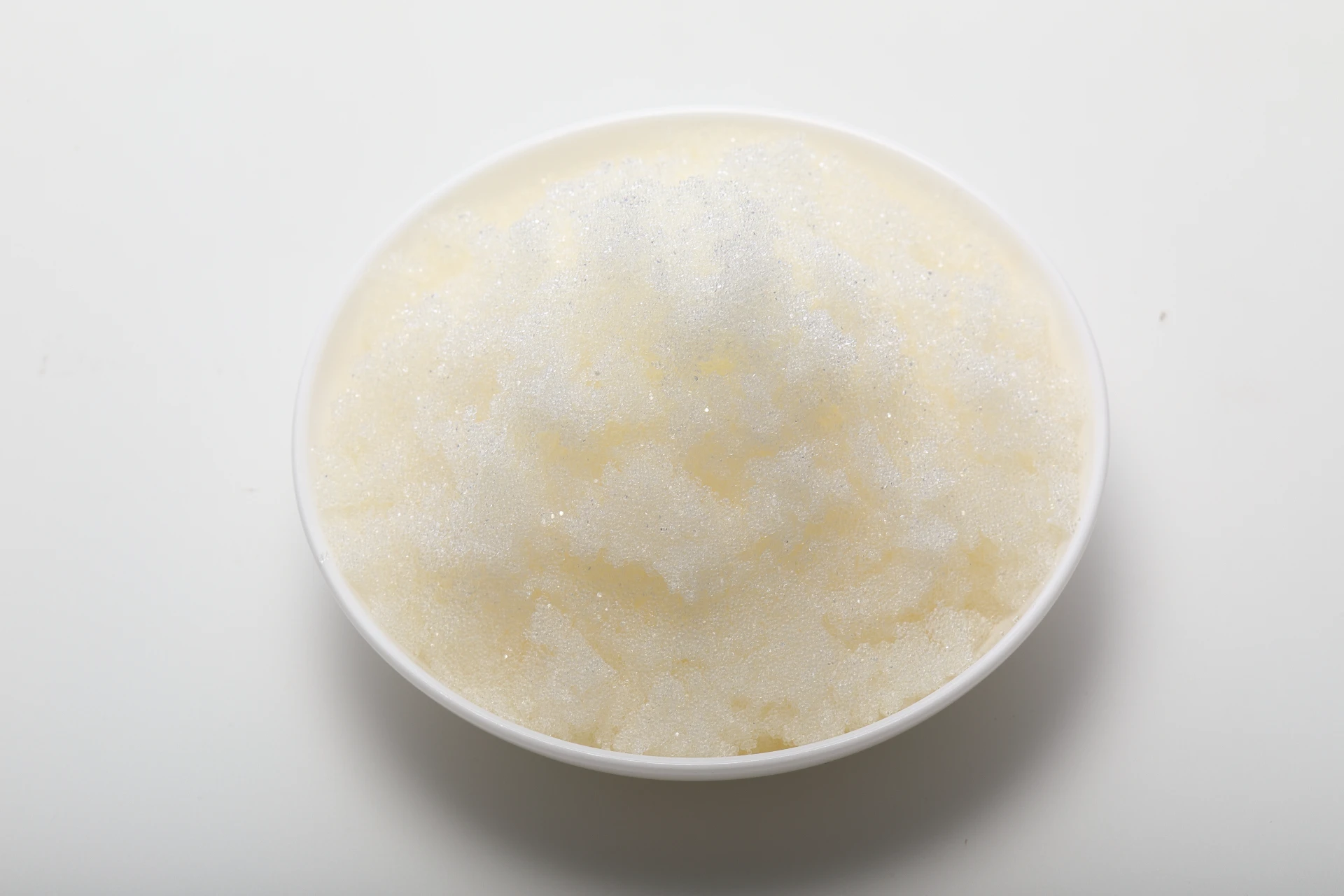
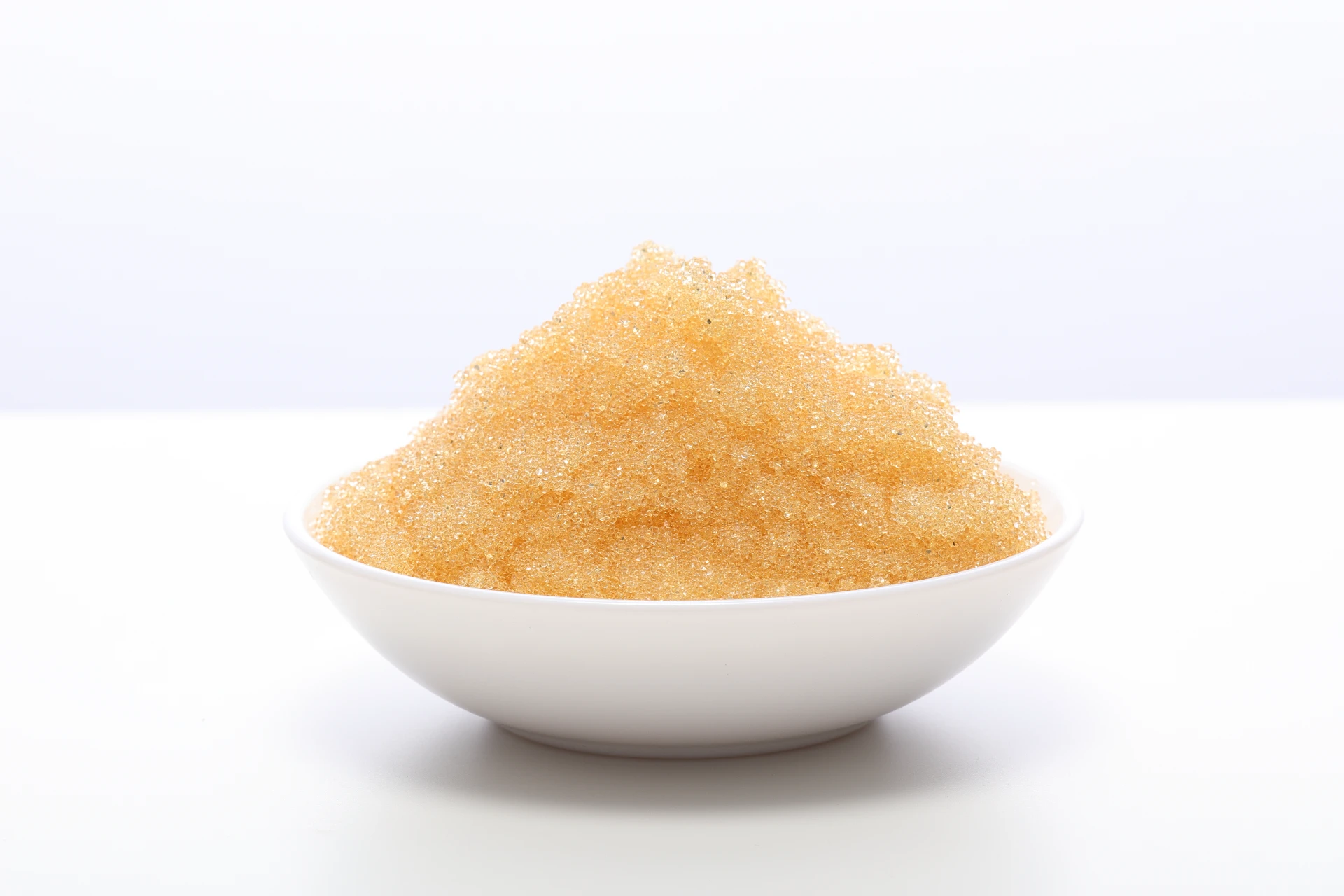
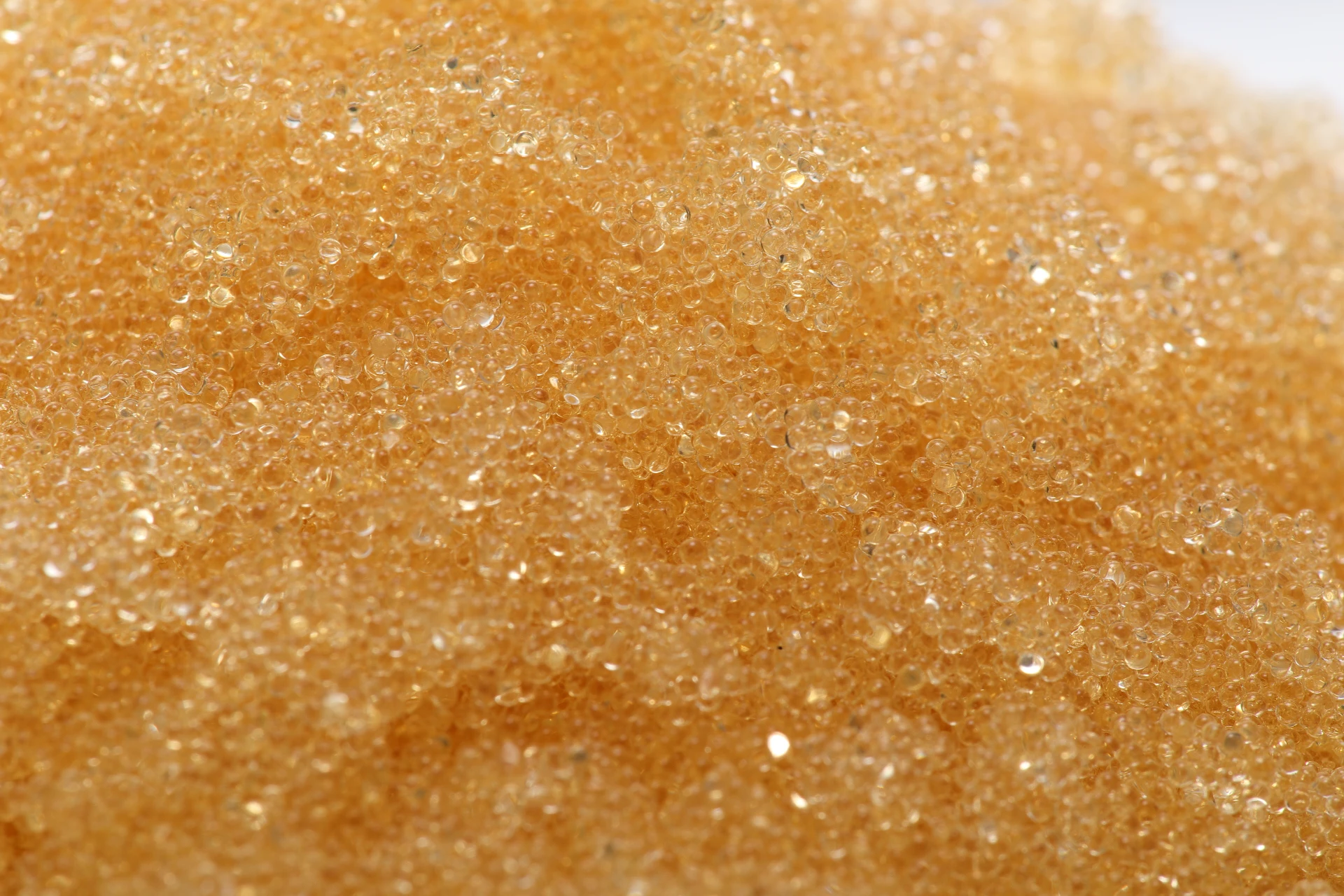
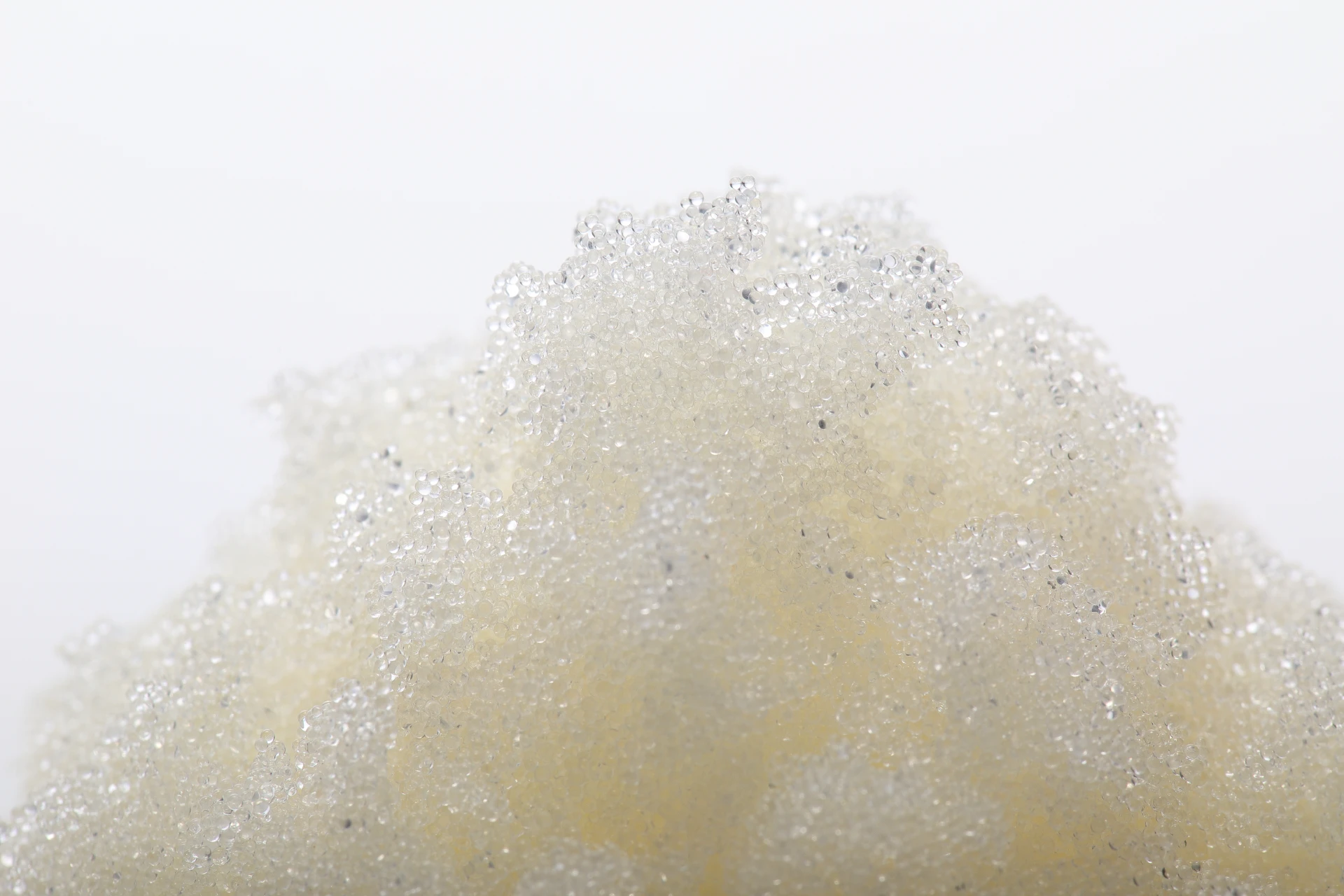
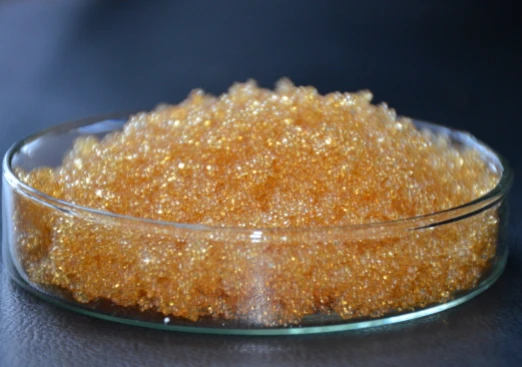
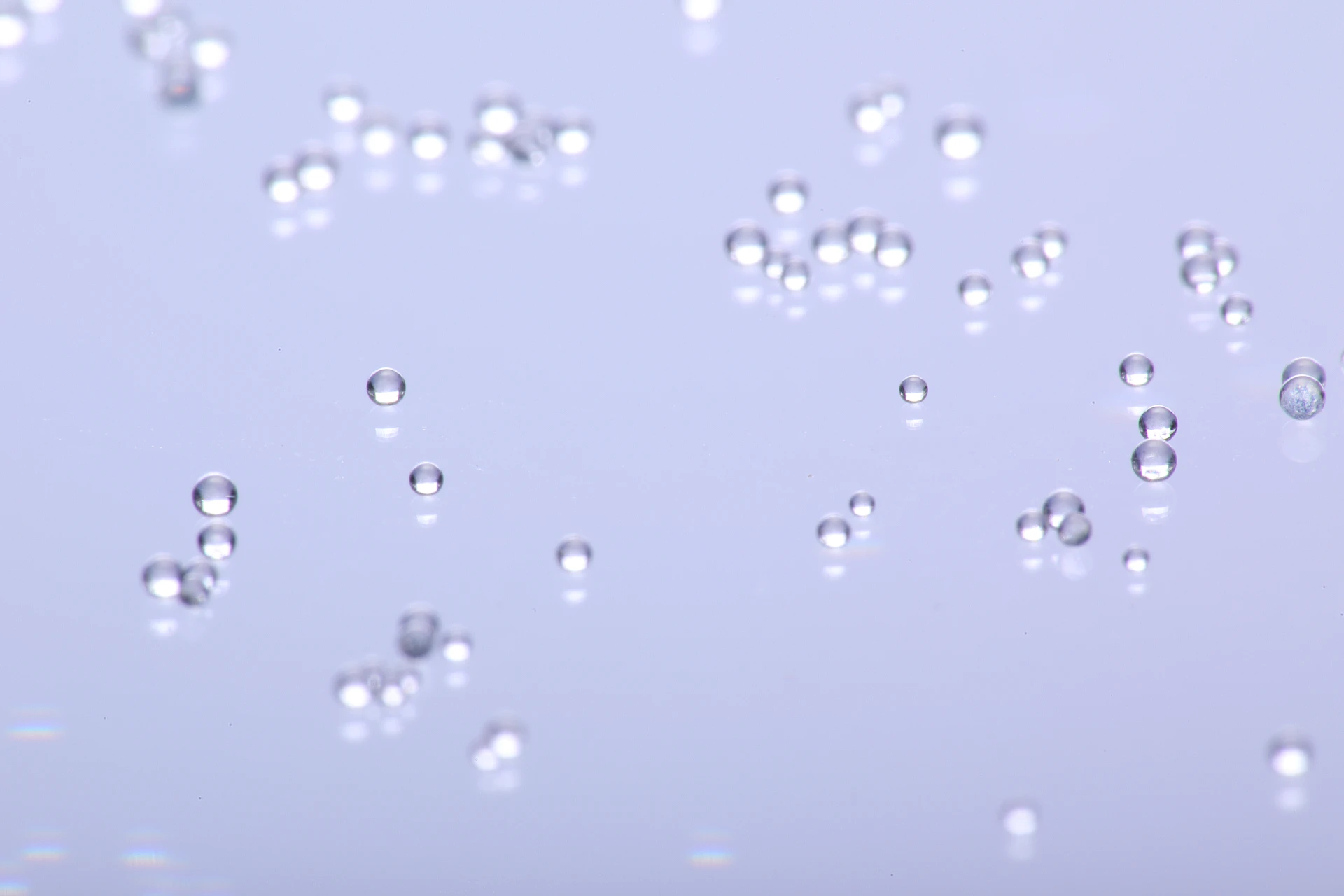
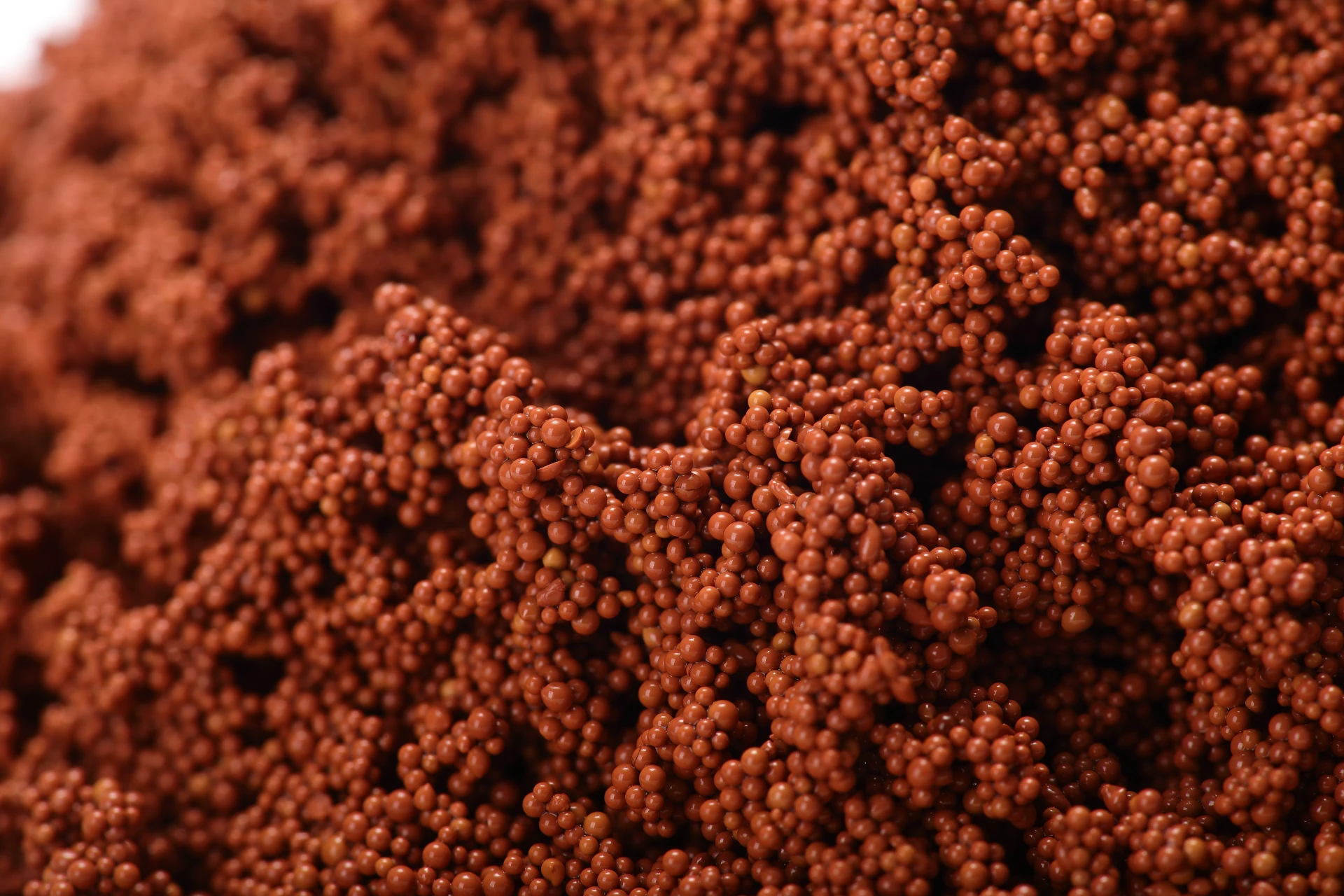
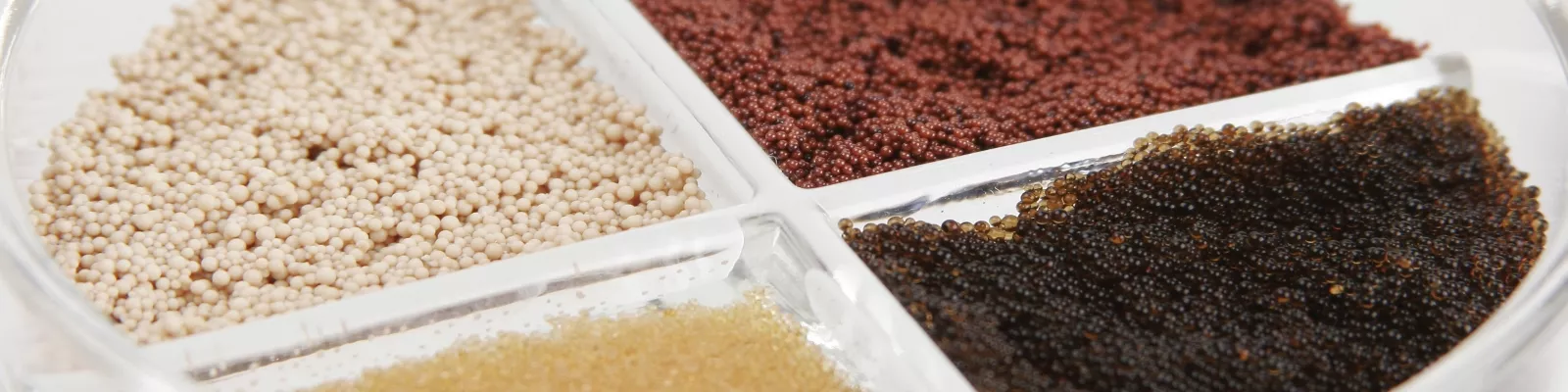
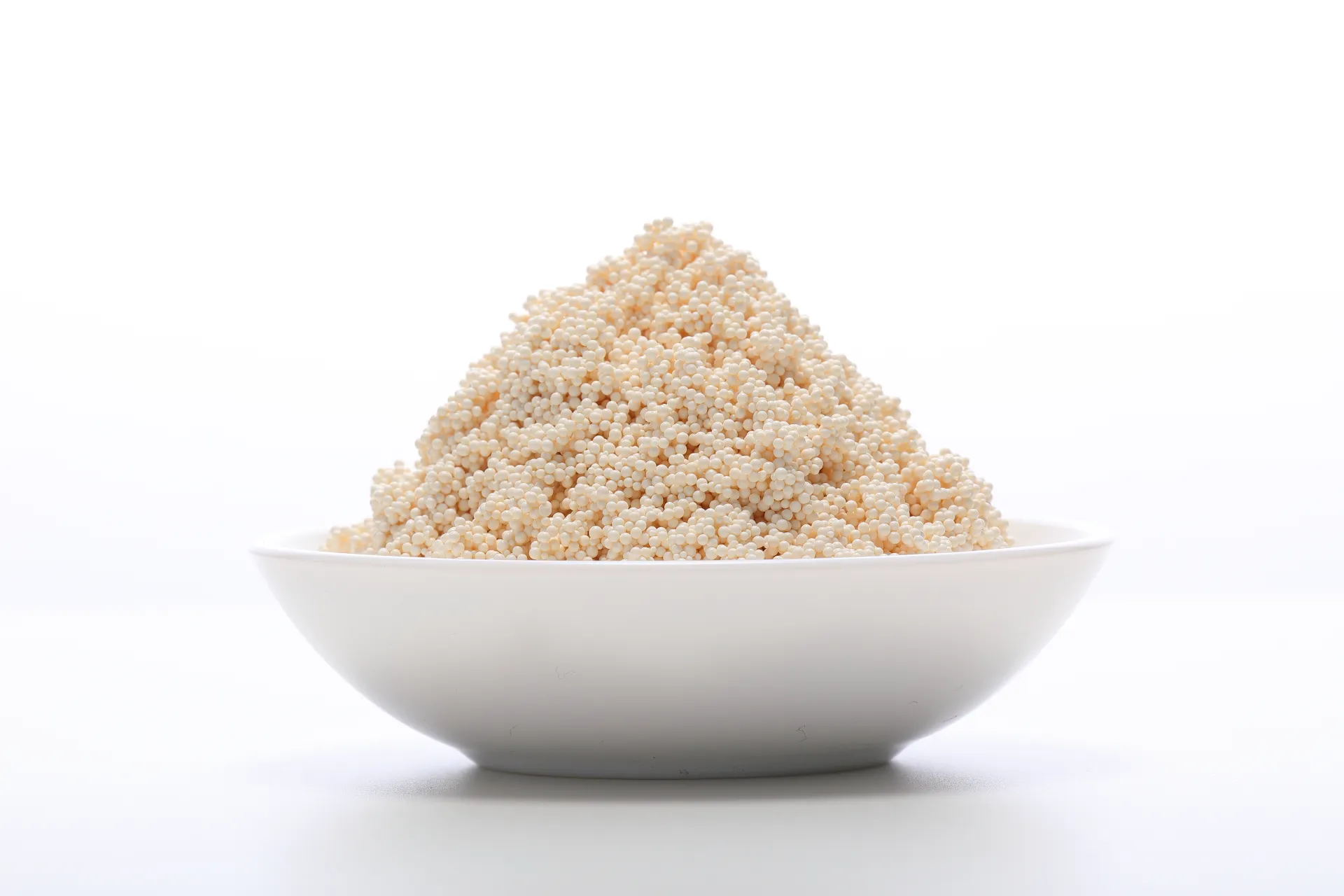
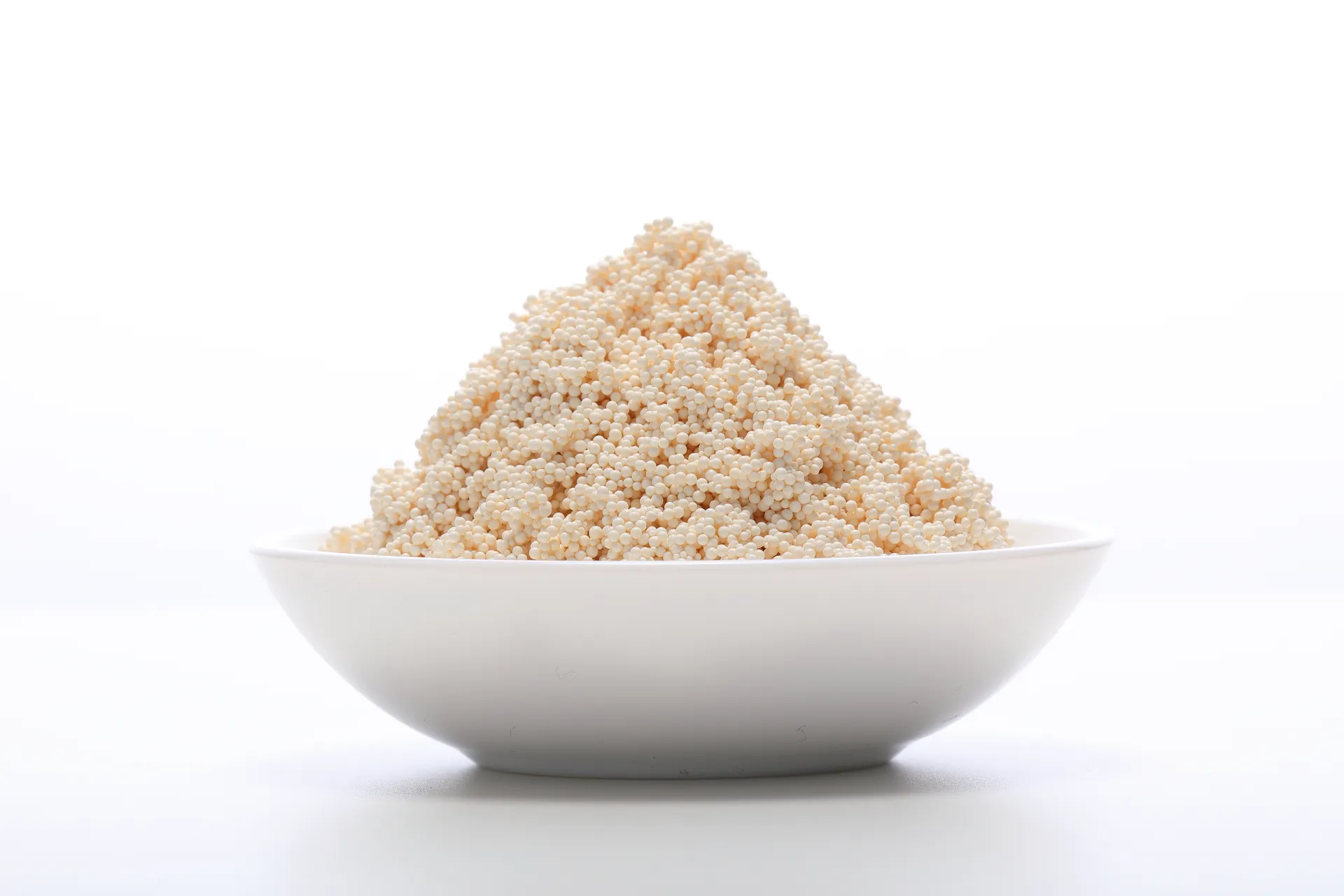
Hebei Lijiang Biotechnology Co.,Ltd. supplies a macroporous anion exchange resin (D301G) designed for demanding conditions typical of copper PLS/raffinate polishing, electrolyte purification, and effluent treatment. The resin’s macroporous structure provides high surface area and rapid mass transfer, while its functional groups enable strong selectivity for problematic oxyanions (e.g., As, Sb, Se, Mo, V, W) and metal complex ions frequently encountered in hydrometallurgical flowsheets. In practice, plants deploy the resin in fixed-bed columns or packed vessels to stabilize impurity profiles ahead of SX-EW, protect downstream electrowinning quality, and reduce reagent consumption in neutralization or precipitation steps.
Backed by application support and manufacturing consistency, Hebei Lijiang Biotechnology Co.,Ltd. helps operators configure resin systems that integrate with existing unit operations, whether in brownfield retrofits or greenfield hydrometallurgy designs.
In copper hydrometallurgy, controlling impurities is essential to sustaining current efficiency, cathode quality, and equipment life. Macroporous anion exchange resin D301G is applied for:
Competitive advantages include strong mechanical strength for low attrition, fast kinetics for compact column design, and reliable regeneration behavior for stable performance across cycles. Because hydrometallurgy and pyrometallurgy are often combined in integrated sites, the resin’s selectivity helps bridge front-end leaching and back-end refining by keeping impurity breakthroughs under control. Hebei Lijiang Biotechnology Co.,Ltd. supports B2B customers with resin selection, pilot protocols, and commissioning guidance to accelerate time-to-benefit and reduce process risk.
Total cost of ownership in wet metallurgical process chemicals hinges on capacity utilization, regeneration efficiency, and service life. D301G’s macroporous matrix and robust bead integrity help extend lifetime and minimize resin loss, while predictable elution enables efficient use of common regenerants. For most copper hydrometallurgy circuits, this translates into smaller resin inventories, lower reagent spend, and fewer unplanned changeouts—key levers for ROI.
Maintenance is straightforward: protect columns from suspended solids with appropriate prefiltration, monitor pressure drop and bed expansion, and follow standard regeneration and backwash procedures to prevent fouling. Periodic cleaning-in-place restores capacity when organic carryover or scale forms. Users in extractive metallurgy report stable impurity control, smoother SX operation, and improved electrolyte cleanliness after resin integration, with operational teams valuing the predictability across seasons and ore blends.
Hebei Lijiang Biotechnology Co.,Ltd. offers technical support to optimize cycle times, regenerant strengths, and column layout—helping sites achieve consistent performance while controlling OPEX and extending the resin’s service interval.
The mining industry is pivoting toward low-carbon growth, water stewardship, and responsible tailings management. Hydrometallurgy enables lower-temperature processing, better metal selectivity, and modular scale-up—particularly relevant for low-grade copper ores and complex concentrates. As regulations tighten around arsenic, antimony, selenium, and CN-bearing effluents, selective ion exchange provides a targeted way to meet discharge permits and enable water reuse.
Market trends include broader adoption of ion exchange alongside solvent extraction, closed-loop process water circuits, and digital process monitoring to keep impurity profiles in control. In combined hydrometallurgy and pyrometallurgy operations, resin-based polishing steps help de-bottleneck smelter interfaces and maintain cathode quality. Hebei Lijiang Biotechnology Co.,Ltd. aligns with these priorities by engineering durable, regenerable resins that reduce waste generation and chemical consumption—supporting customers’ ESG goals without compromising throughput or product quality.
For B2B decision makers, hydrometallurgy thrives on precision impurity control, and macroporous anion exchange resins are a proven lever. In copper hydrometallurgy, they safeguard SX-EW performance, improve electrolyte quality, and reduce effluent costs—delivering tangible operational resilience. Hebei Lijiang Biotechnology Co.,Ltd. combines product reliability with application expertise to help sites design, implement, and sustain high-uptime resin systems.
Contact us: email: info@lijiresin.cn
Visit our website: https://www.lijiresin.com