Phone:
+86 0319 2296164


Email:
info@lijiresin.cn
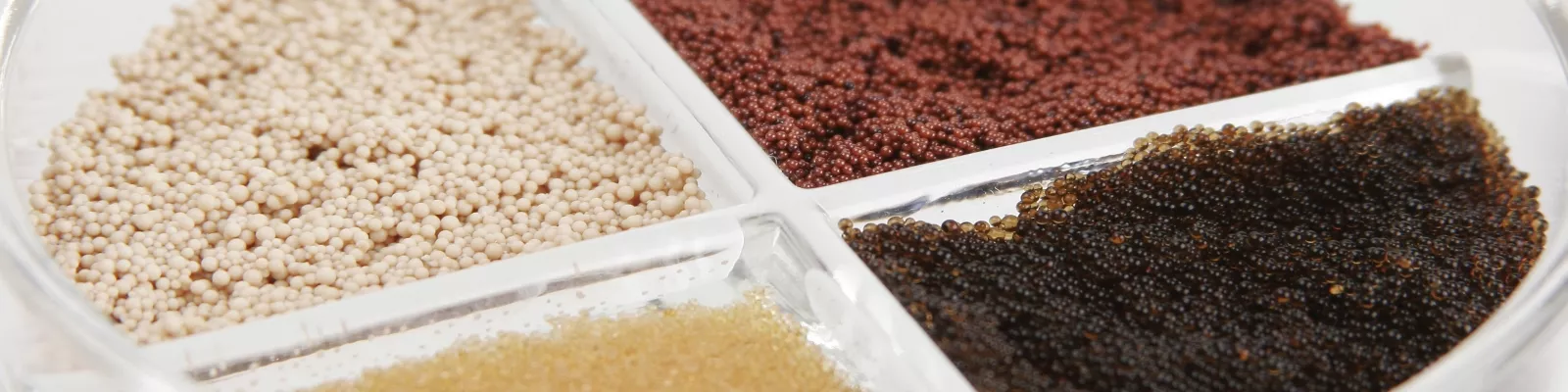
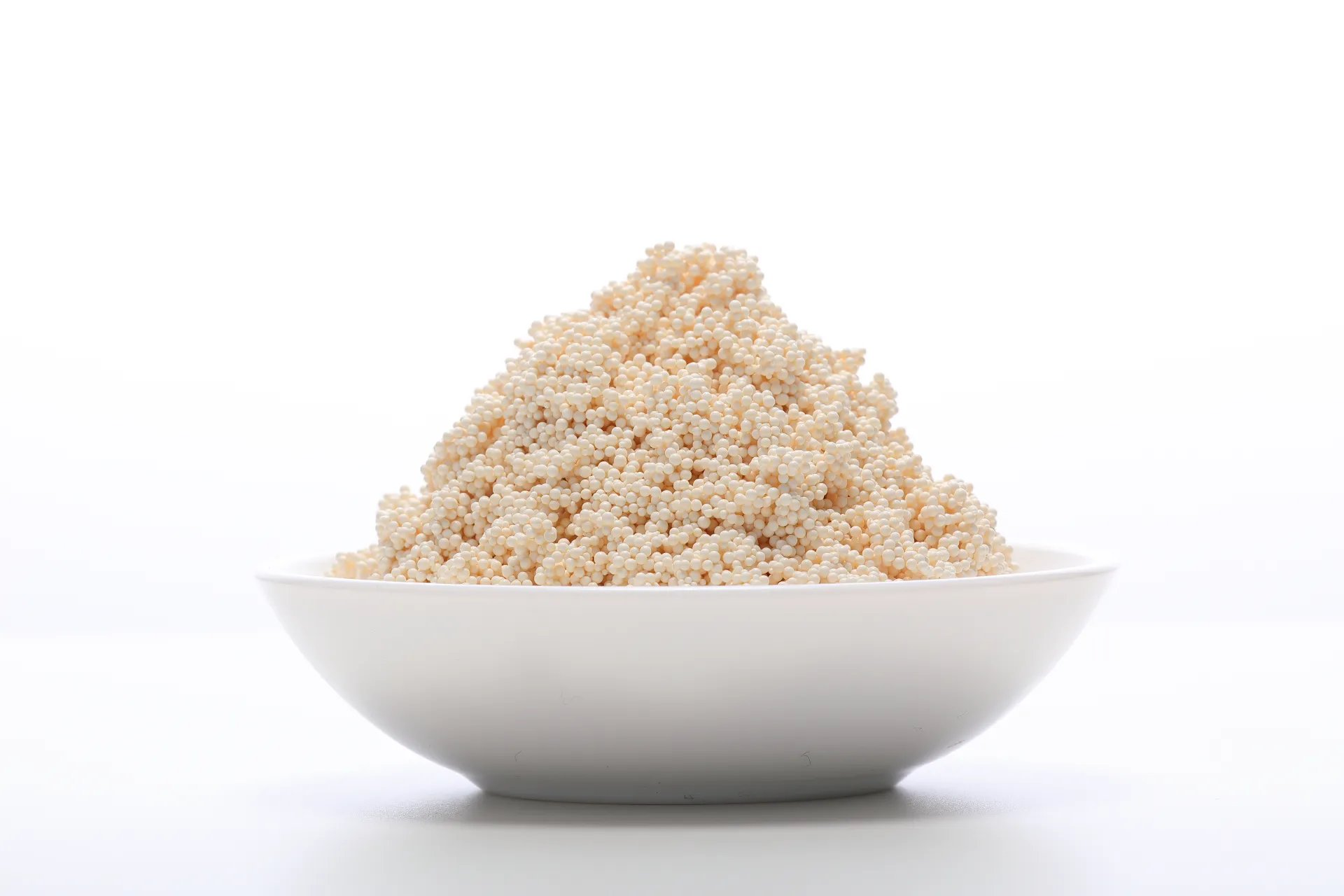
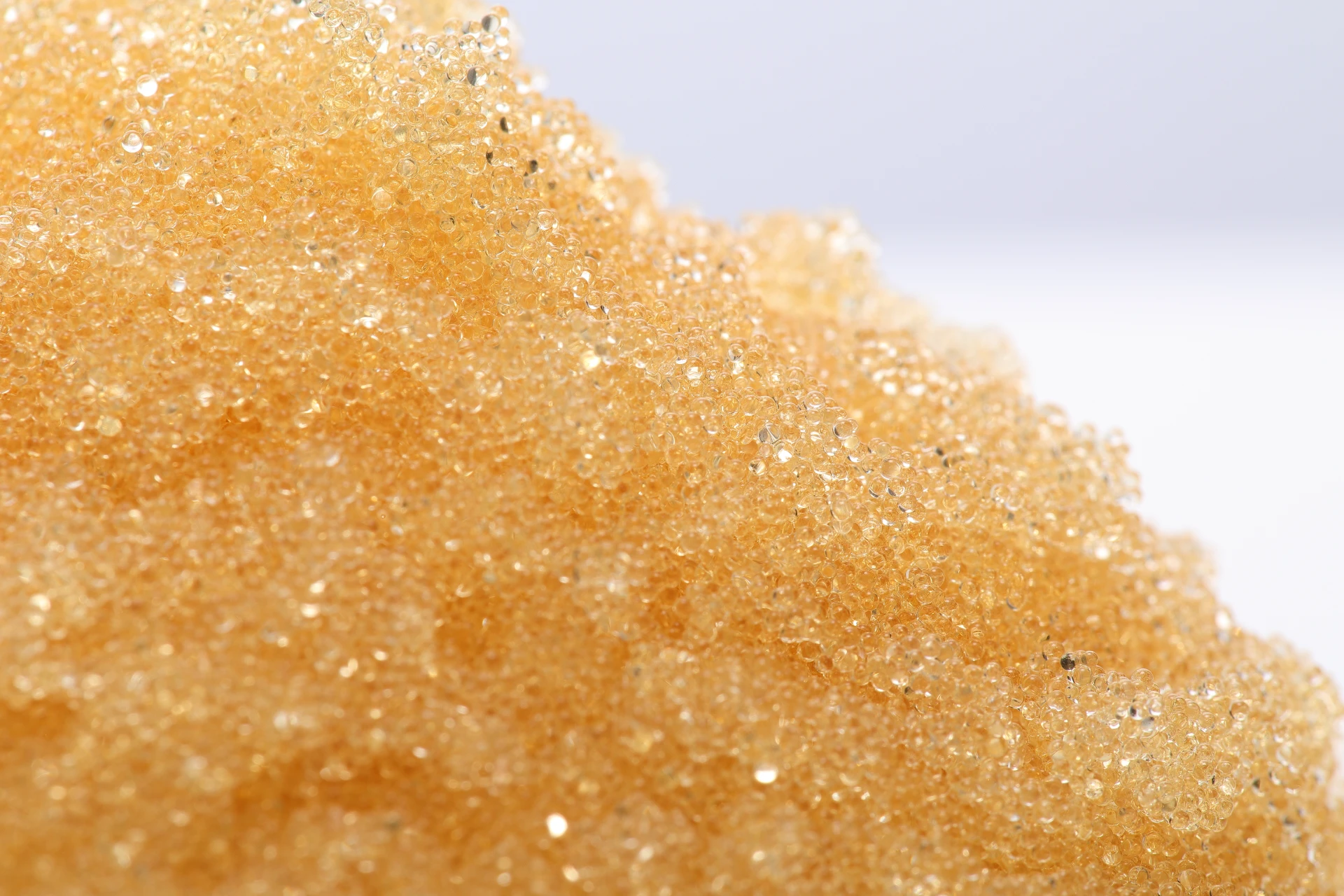
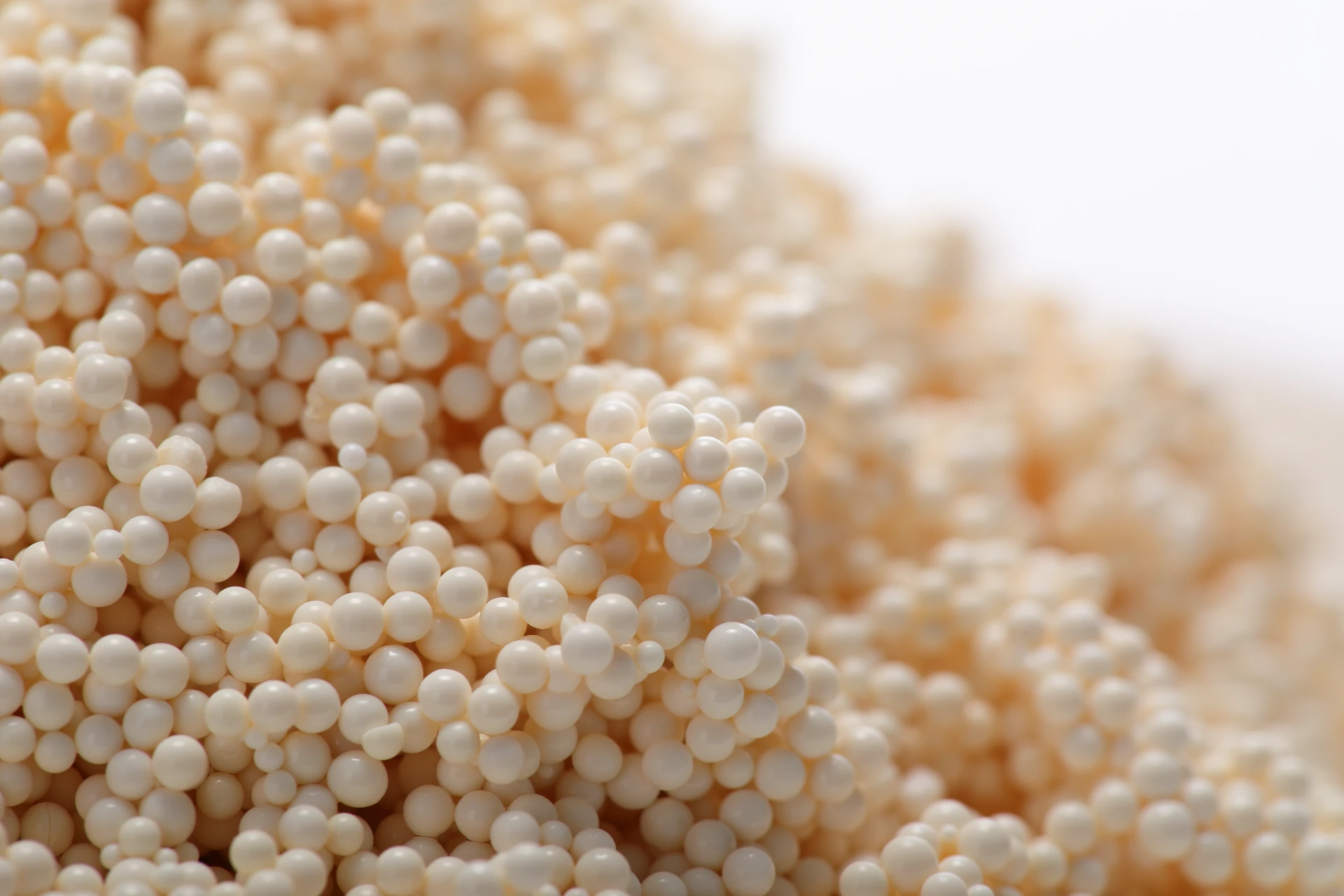
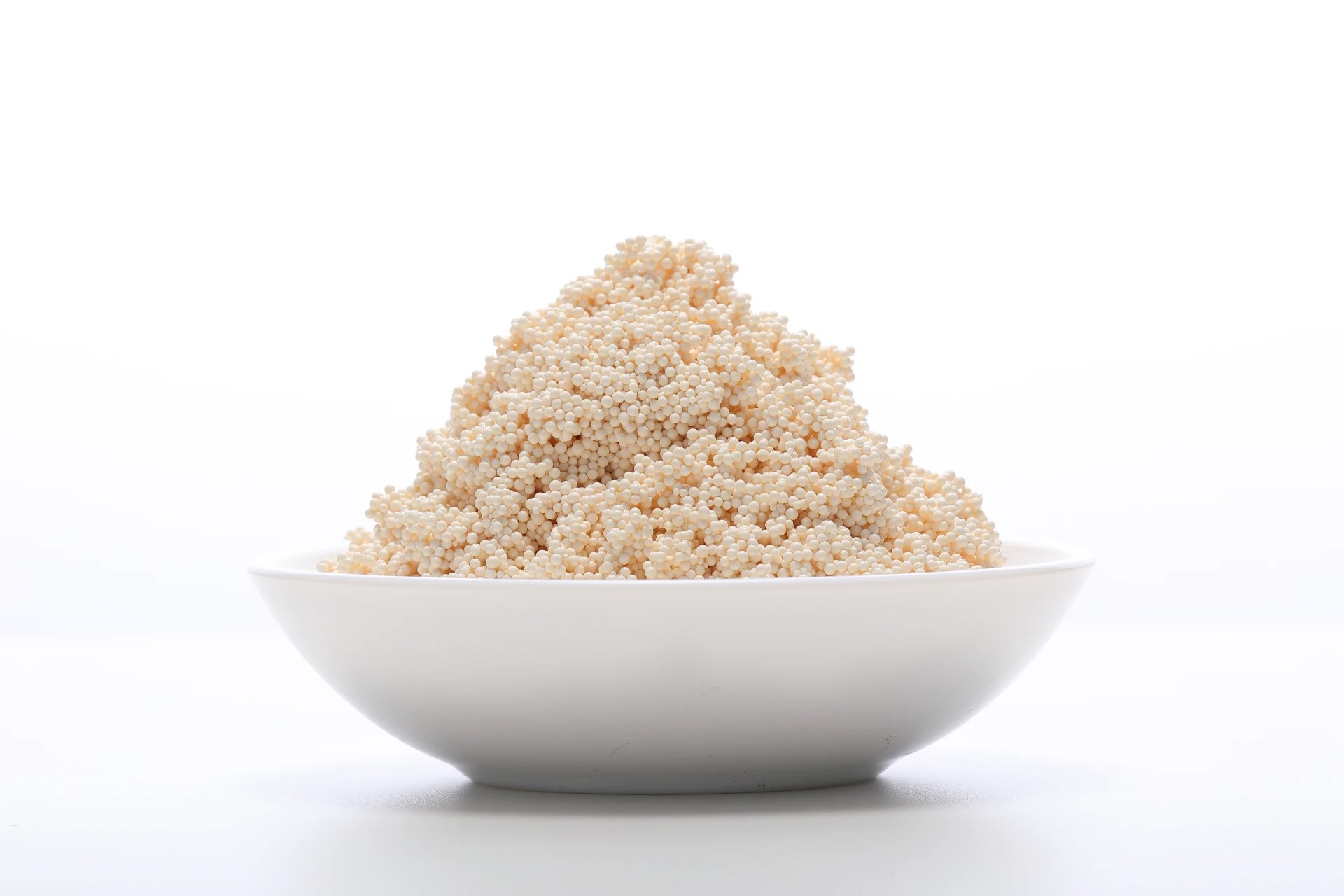
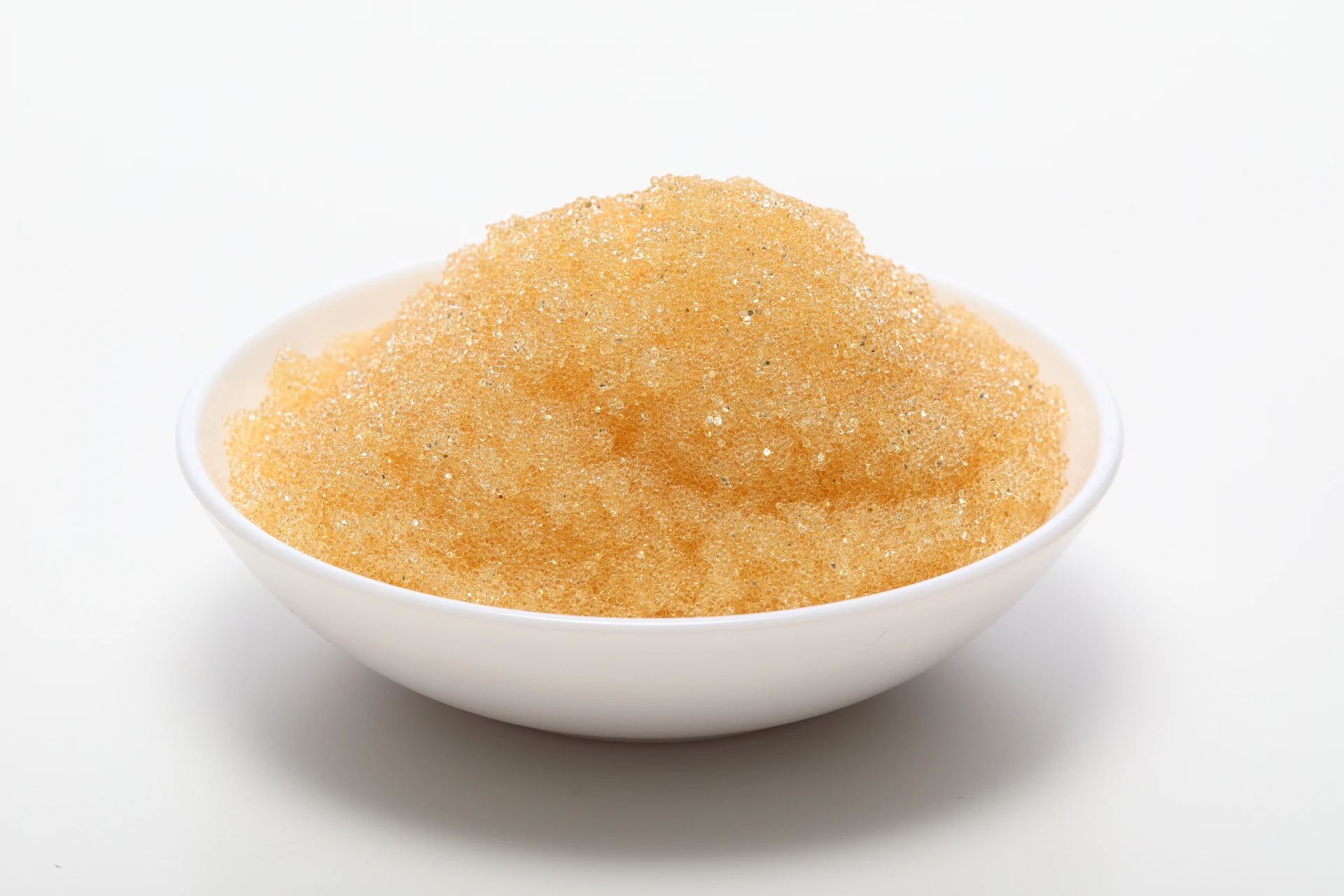
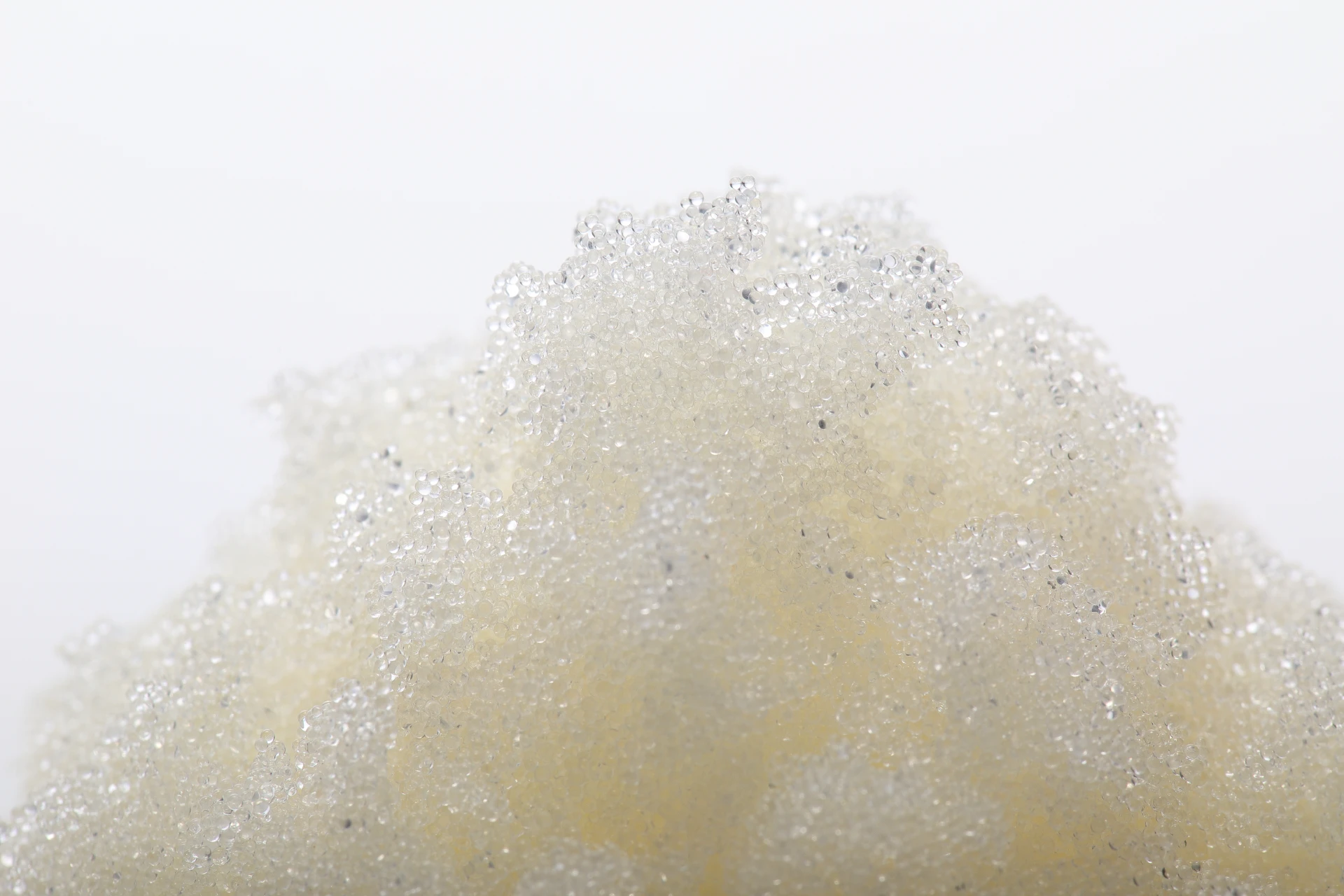
In power plants and high-purity water rooms, the quiet hero is often an macroporous resin. To be honest, I didn’t expect the D201 SC to spark so many hallway conversations this year—but it did, especially among engineers chasing lower silica leakage and longer run lengths.
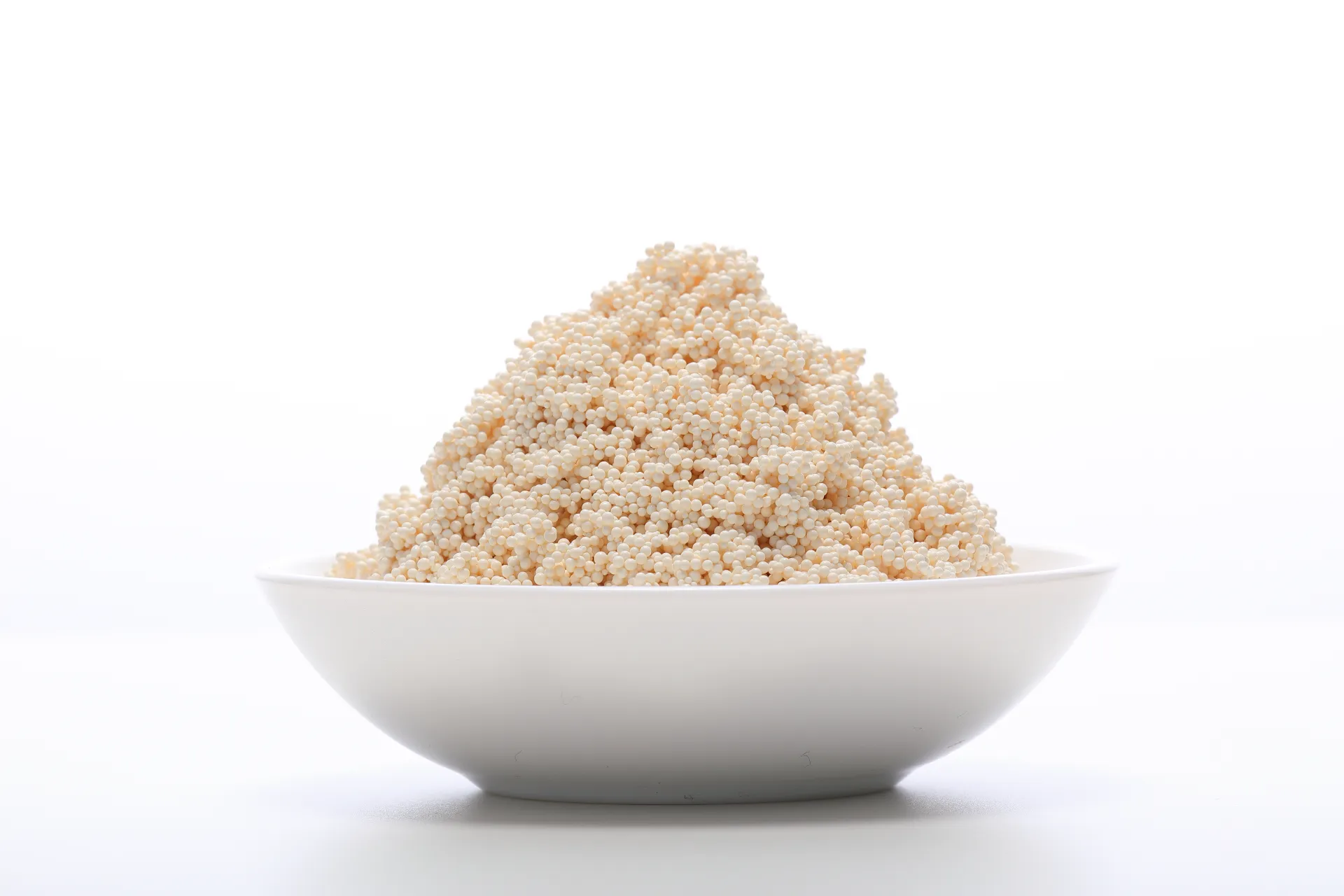
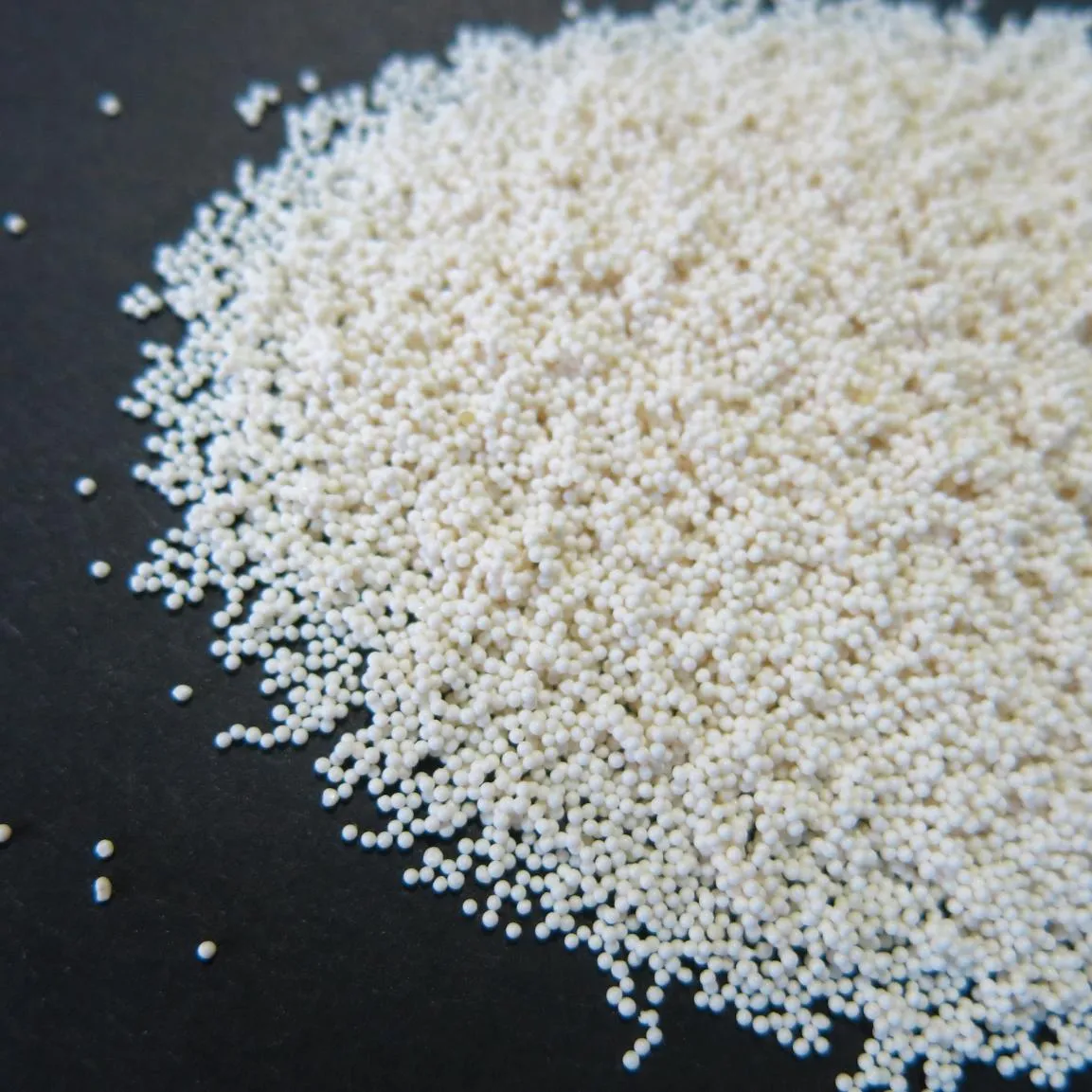
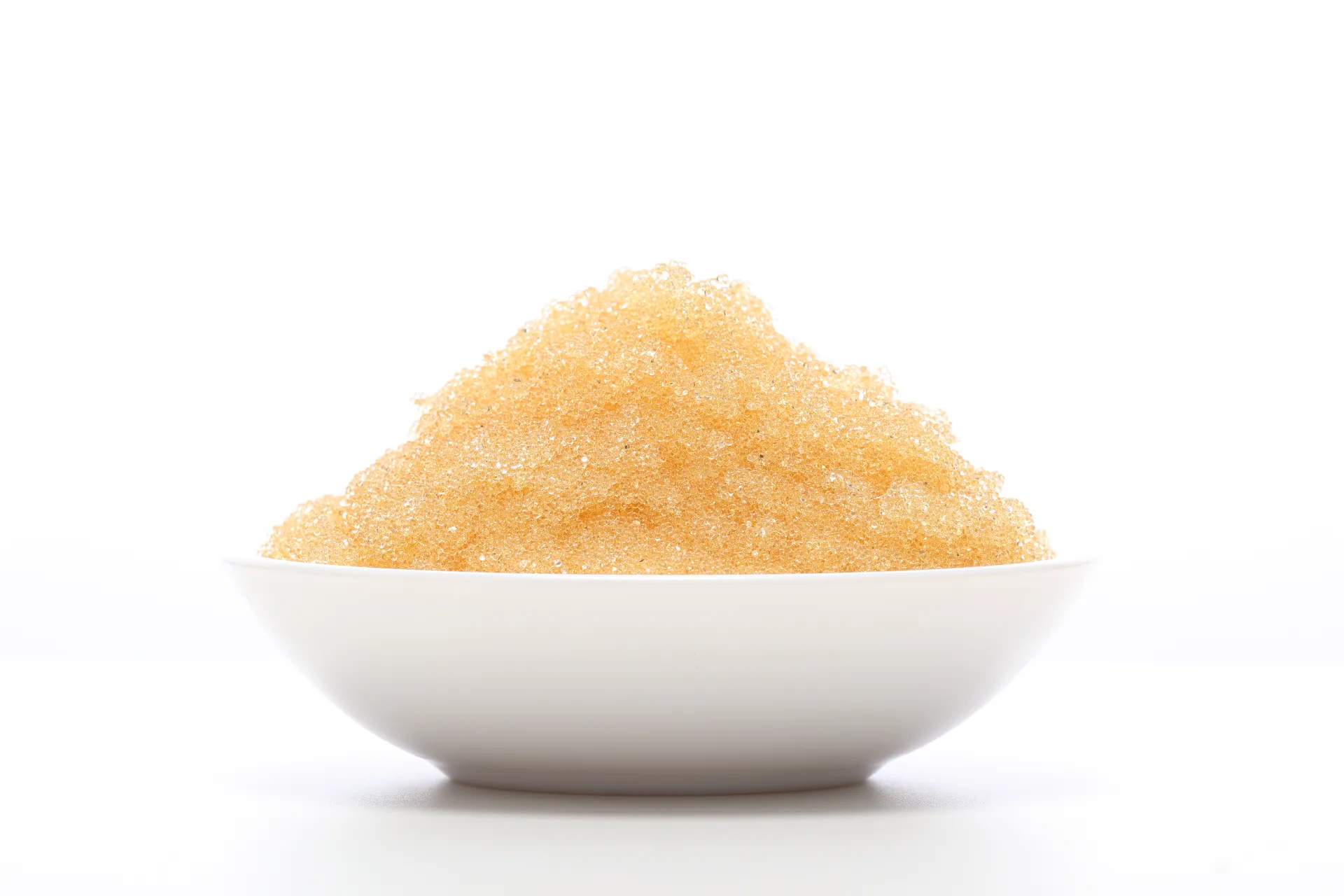
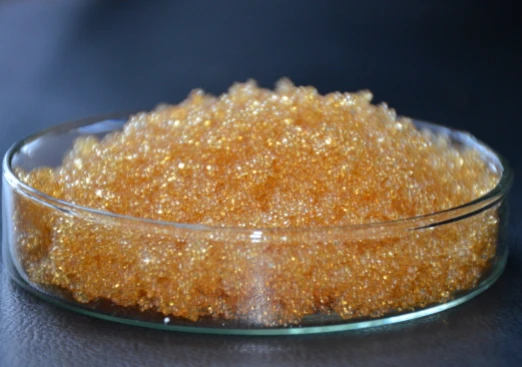
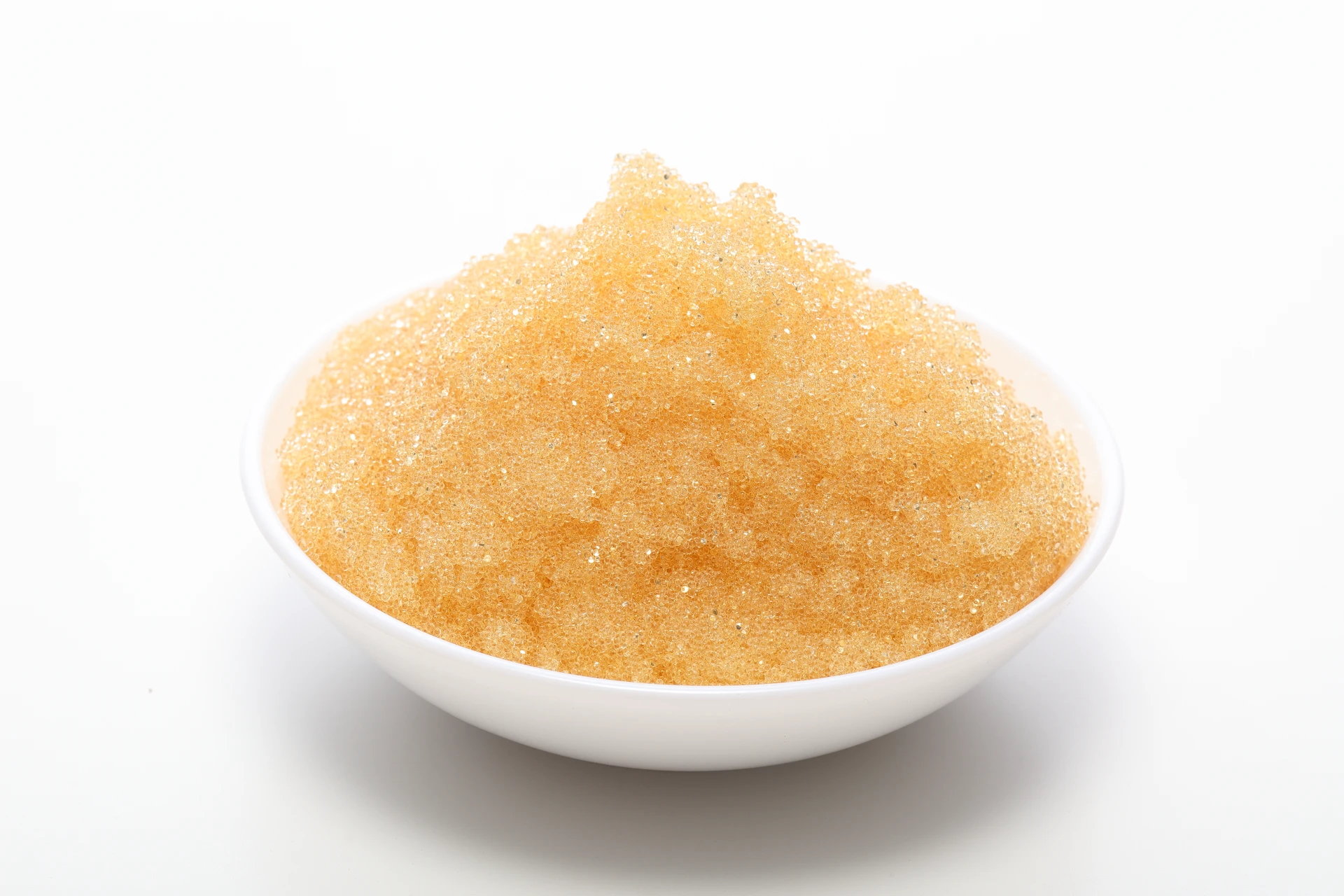
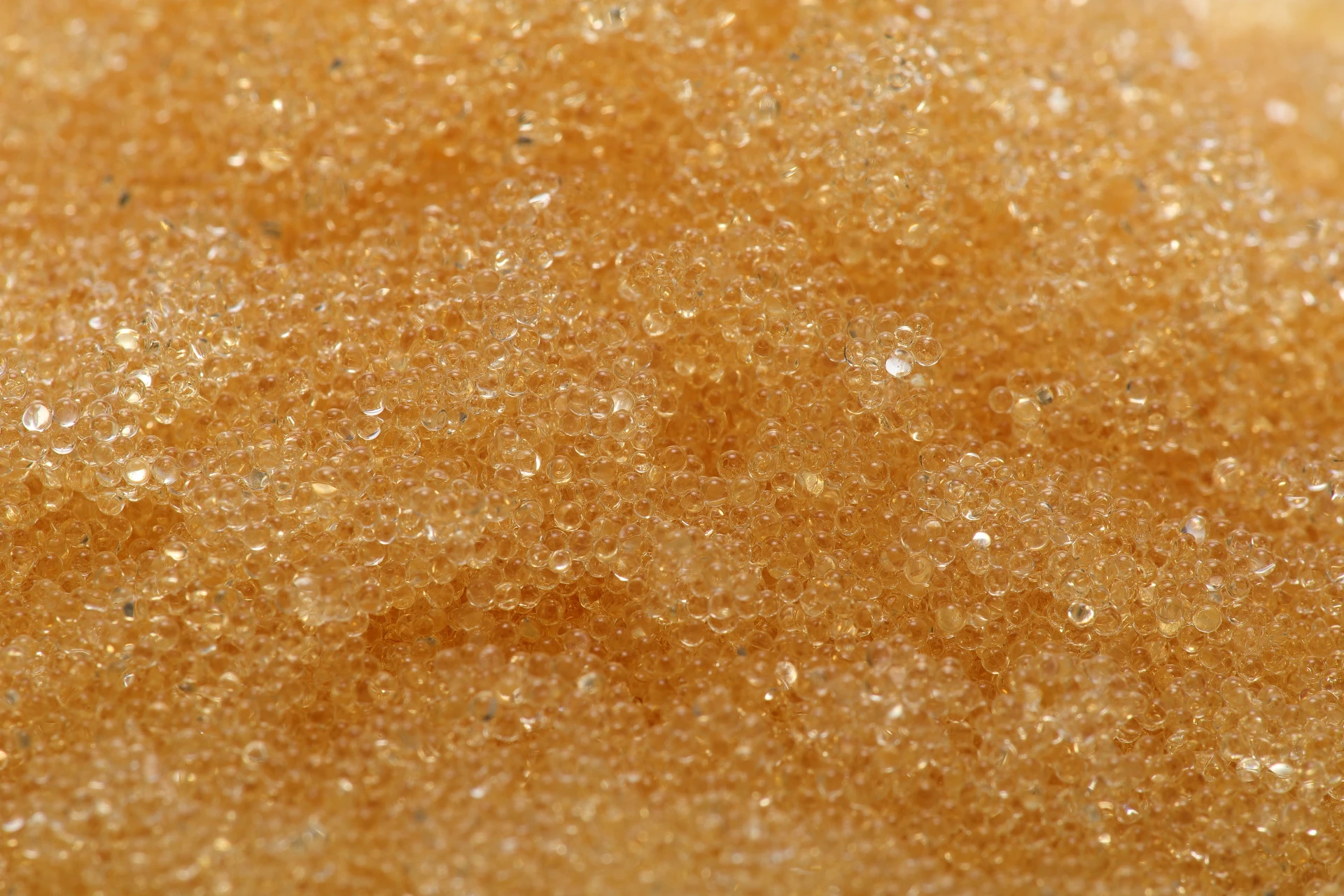
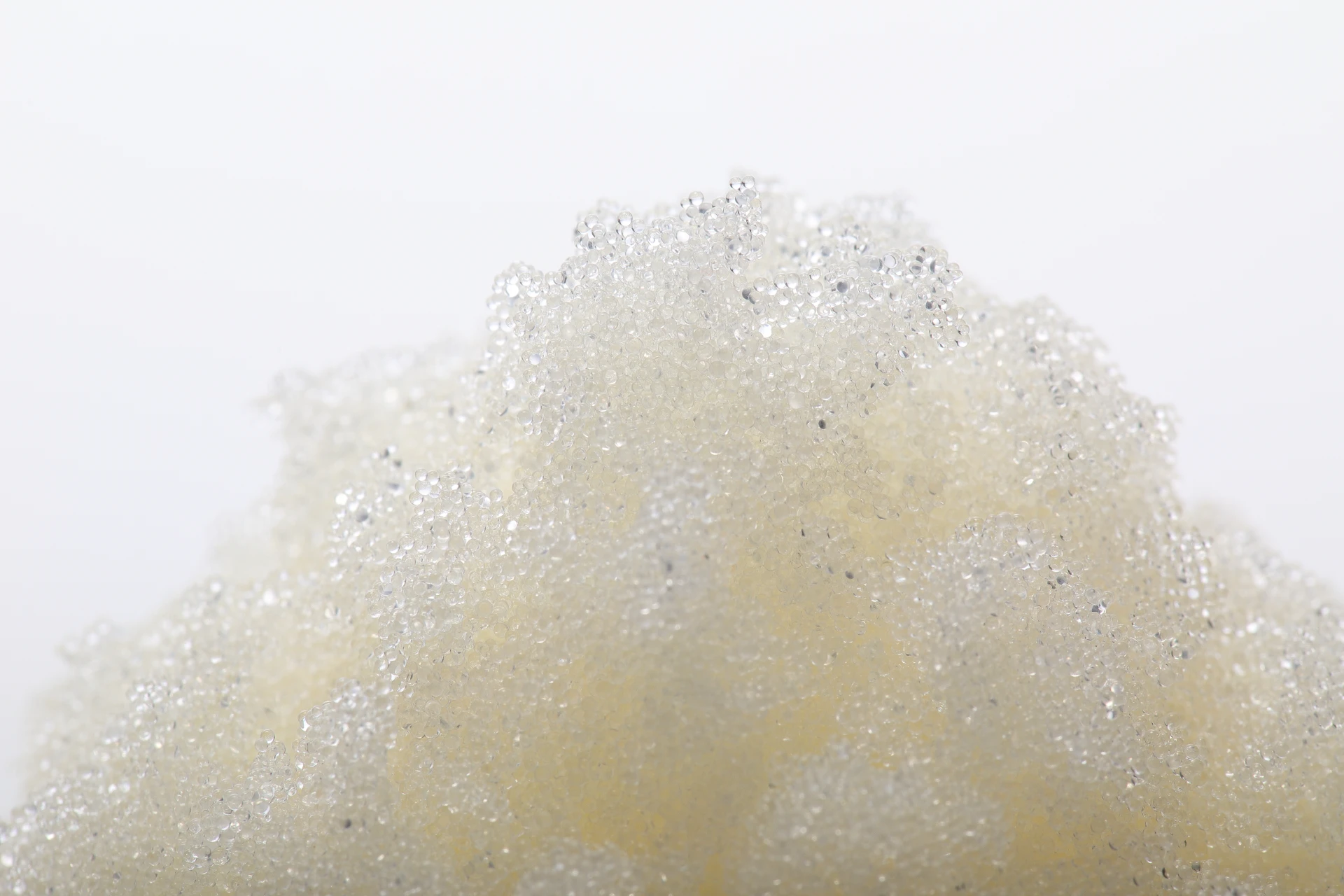
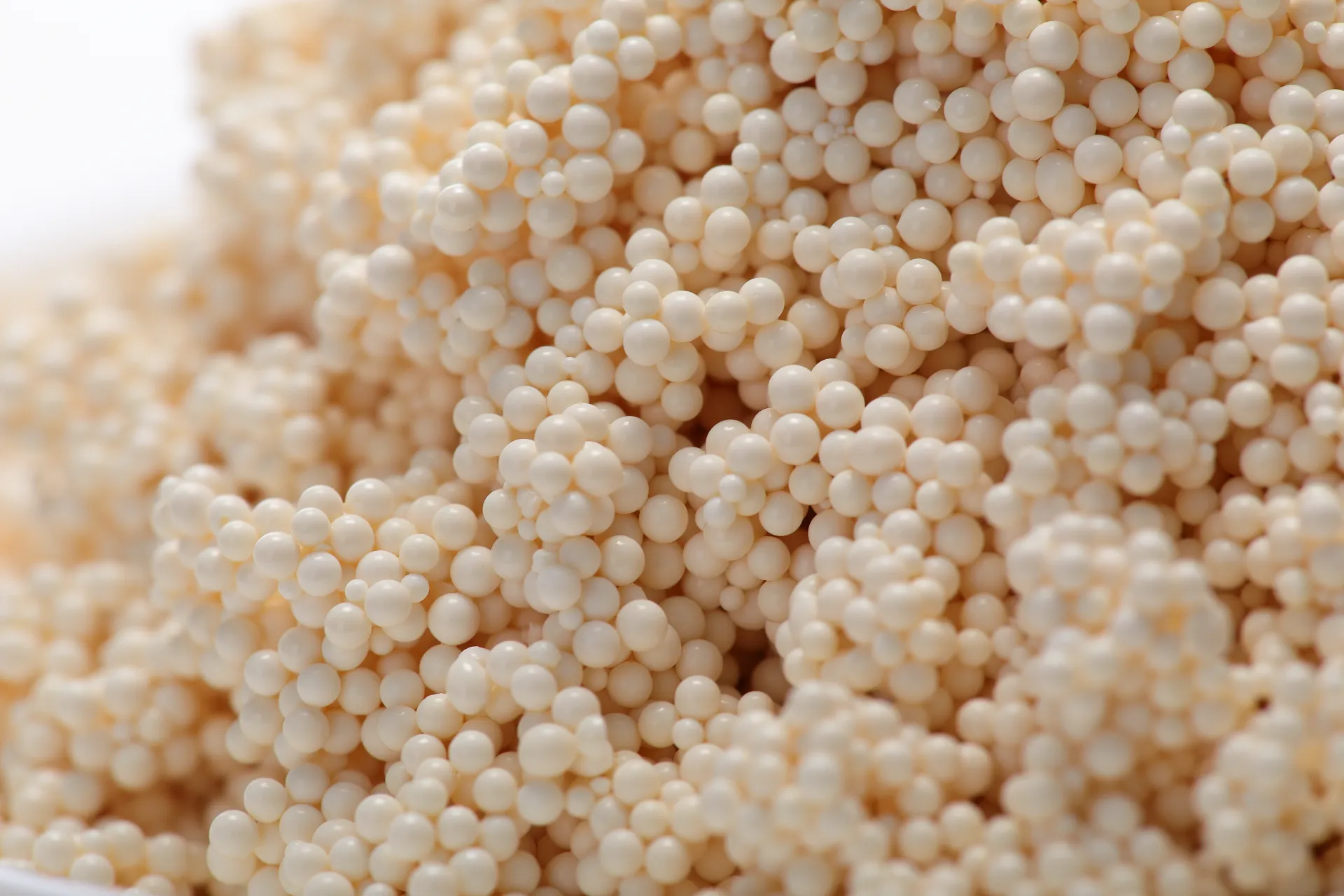
Product name: Macroporous Strong Basic Anion Exchange Resin D201 SC. Built on a polystyrene–DVB macroreticular matrix and functionalized with quaternary ammonium groups (–N(CH3)3), it behaves like a “solid alkali.” In fact, users tell me it’s tough—excellent abrasion resistance—and surprisingly forgiving in high-alkalinity regenerations. The piece everyone watches: its very good silicon removal performance in mixed-bed or demin lines.
Origin: NO.2 East Jianshe Road, High-Tech Industrial Development South Zone, Wei County, Xingtai, Hebei Province, China. I visited that cluster a while back; the supply chain is tight, which helps lead times.
Utilities and microelectronics are pushing for lower silica (macroporous resin matrices is up because they resist osmotic shock and keep their bead integrity during aggressive cycling. Also, more buyers now ask for NSF/ANSI 61 and ISO 9001 documentation upfront.
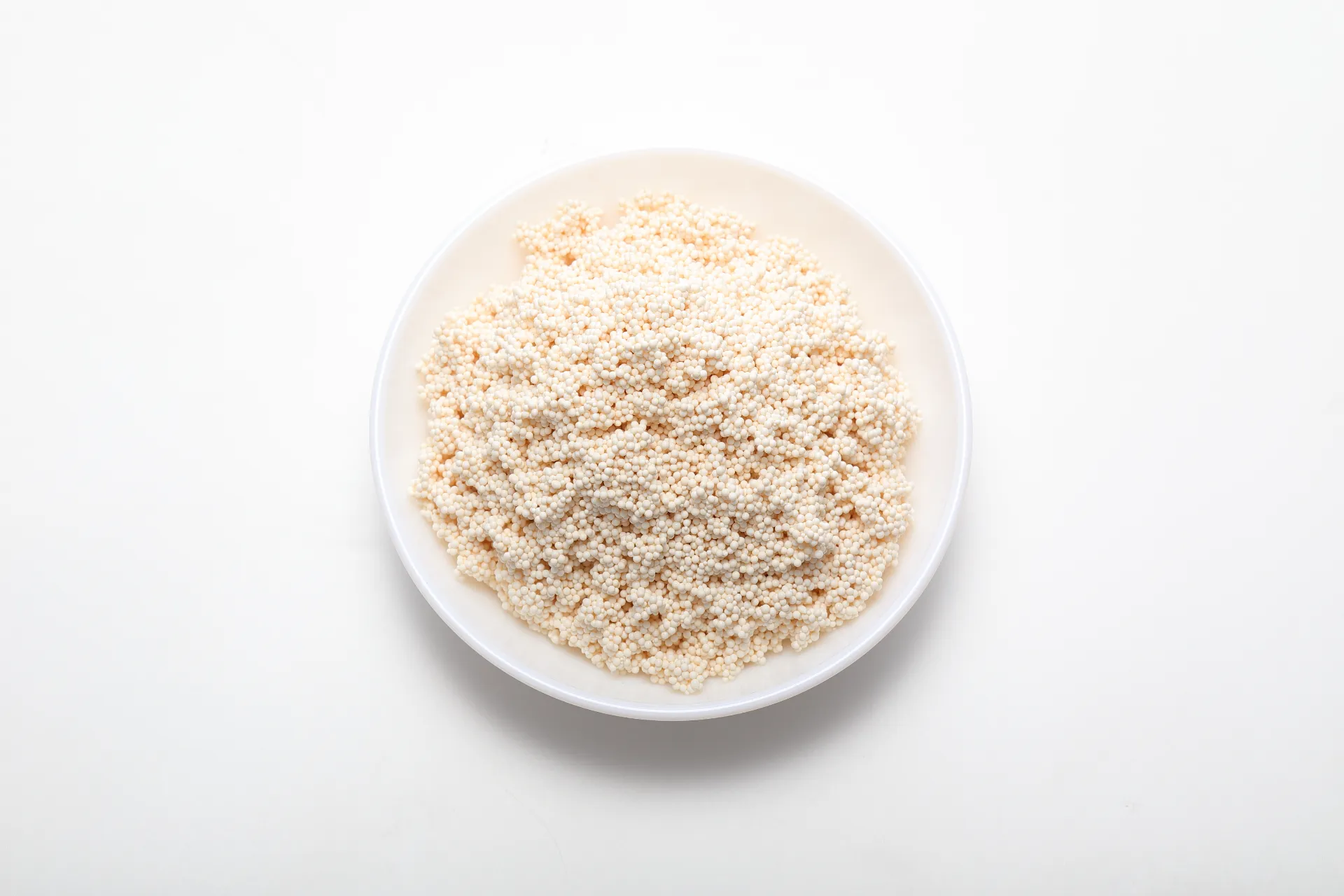
Materials and methods: suspension polymerization (PS–DVB), controlled phase inversion to a macroreticular network, chloromethylation, then trimethylamine quaternization. Post-process: bead sizing, Cl– form conditioning, QC.
Typical tests: capacity and moisture (ASTM D2187), bead integrity/crush strength (ASTM D2187), particle size distribution (laser sieve per manufacturer SOP), pressure drop (per application curve), and drinking-water contact compliance checks (NSF/ANSI 61, when applicable). Service life: around 3–5 years in well-run demin plants; more in gentler polishing duty. Real-world use may vary with oxidants and fines control.
| Matrix / Type | Polystyrene-DVB, macroreticular; Strong base (Type I) |
| Functional group | –N(CH3)3+ |
| Total exchange capacity | ≈ 1.2–1.4 eq/L (Cl– form)† |
| Moisture content | ≈ 45–55% |
| Particle size | 0.315–1.25 mm; UC ≤ 1.6 |
| Operating pH | 0–14 (avoid free chlorine) |
| Silica control | Low leakage in OH– form; polishing duty ready |
† Tested per ASTM D2187; typical values, not specifications.
Advantages people report: strong crush strength, steady ΔP, and forgiving regeneration with NaOH. Several customers say “less babysitting” during start-up. I guess that’s code for fewer silica spikes.
| Vendor/Resin | Capacity | Silica Leakage | Crush Strength | Lead Time |
|---|---|---|---|---|
| D201 SC (Liji) | ≈1.2–1.4 eq/L | Low in OH– service | High | 2–4 weeks |
| Purolite A500 | ≈1.2–1.3 eq/L | Low | High | 4–6 weeks |
| Amberlite IRA900 | ≈1.2–1.3 eq/L | Low | High | 4–8 weeks |
Indicative, based on public data and field feedback; verify with current TDS.
Liji offers custom bead cuts, moisture windows, preconditioning (Cl– or OH– form), and packaging for fast wet-out. Regeneration guidance (NaOH 4–8%, 2–4 BV, slow–fast rinse) is shared with commissioning notes. Certifications: ISO 9001; NSF/ANSI 61 available on request depending on lot and market.
If you need resilient macroporous resin performance with solid silica control, D201 SC is very competitive—and, frankly, easier to source right now than some legacy brands.