Phone:
+86 0319 2296164


Email:
info@lijiresin.cn

When we talk about ion exchange resin drug delivery system slideshare, it might sound like a mouthful, but it really boils down to a smart method of delivering medications using ion exchange resins — usually presented in handy educational slideshares. This topic matters a lot globally because efficient and controlled drug delivery can hugely impact patient outcomes worldwide, especially in regions where medication stability and dosing accuracy are critical. The key benefit of decoding this subject is grasping how drug formulations can be fine-tuned to improve absorption, reduce side effects, and even lower costs.
Globally, billions rely on medicines that need to be released in precise ways — sometimes instant, sometimes gradual. The World Health Organization estimates that over 50% of medicines are not taken as prescribed, often due to side effects or dosing challenges. Enter ion exchange resin drug delivery systems, a technology that has been quietly revolutionizing controlled release of drugs in both developed and emerging markets.
By embedding this technology into drug formulations, pharmaceutical developers gain better control; this reduces waste, enhances patient compliance, and even optimizes manufacturing processes. Certainly, slideshares focusing on this topic help scientists, healthcare workers, and regulatory bodies stay up-to-date with evolving practices. Oddly enough, the topic also intersects with crucial humanitarian needs — from disaster zones to remote healthcare centers — where dependable medication release can literally save lives.
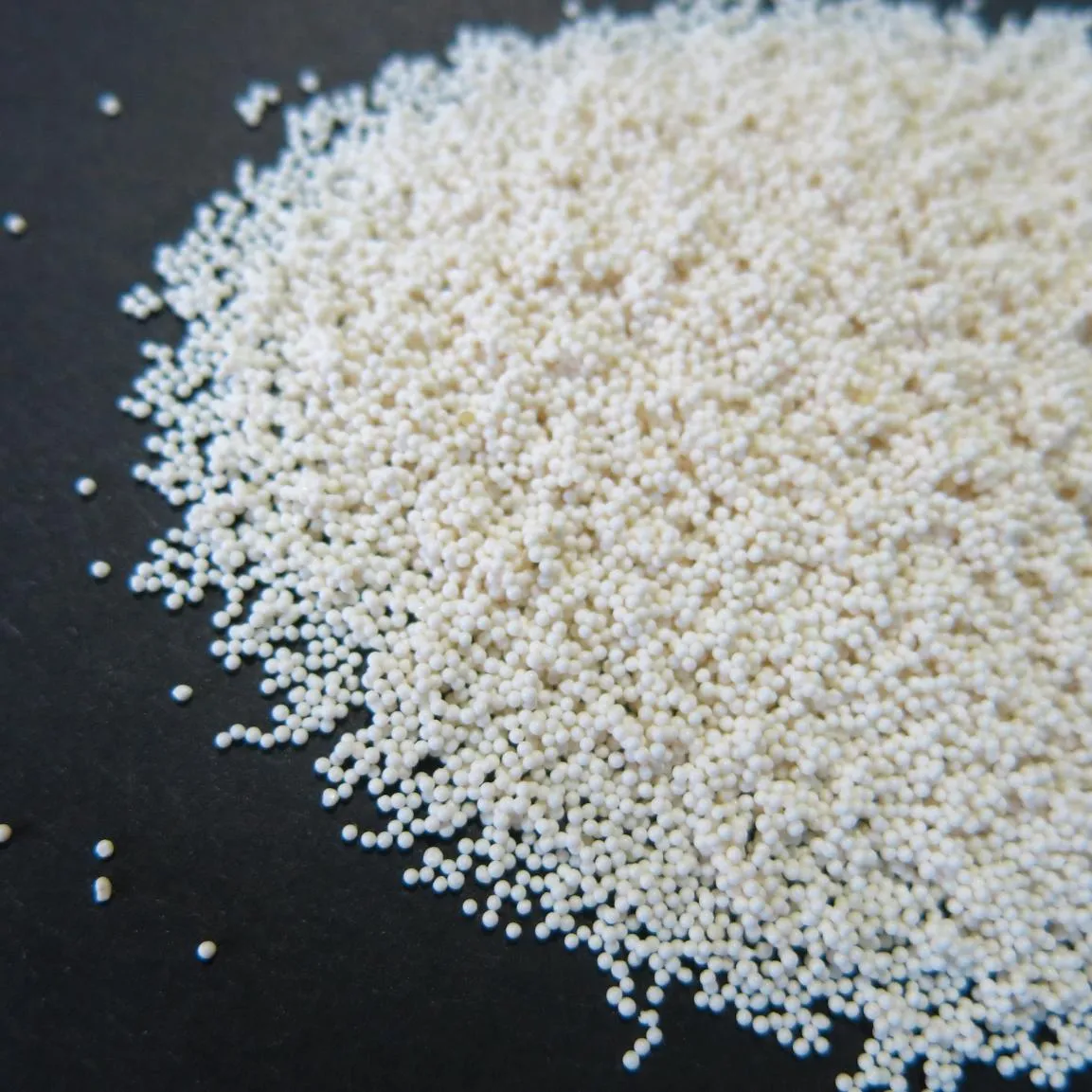
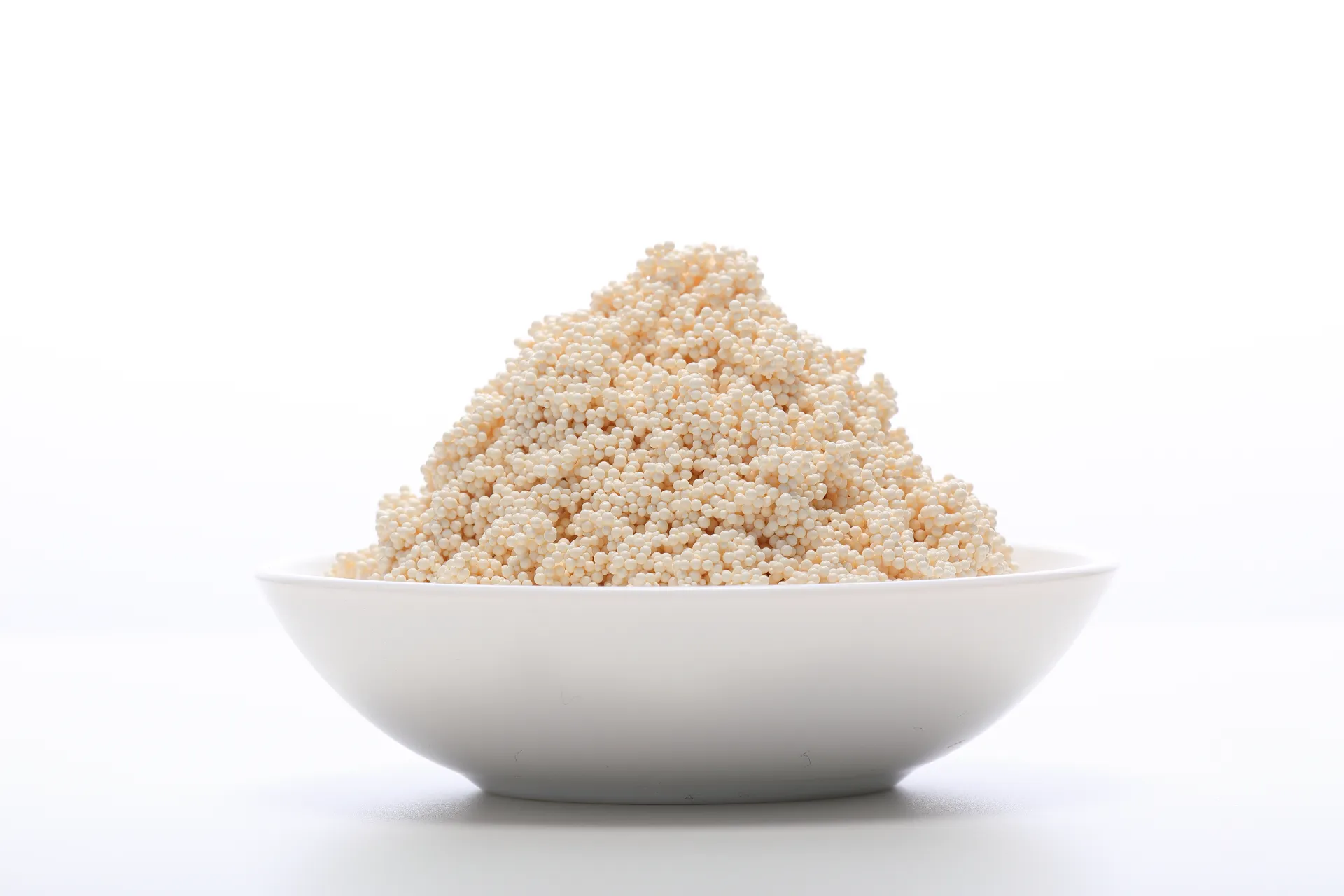
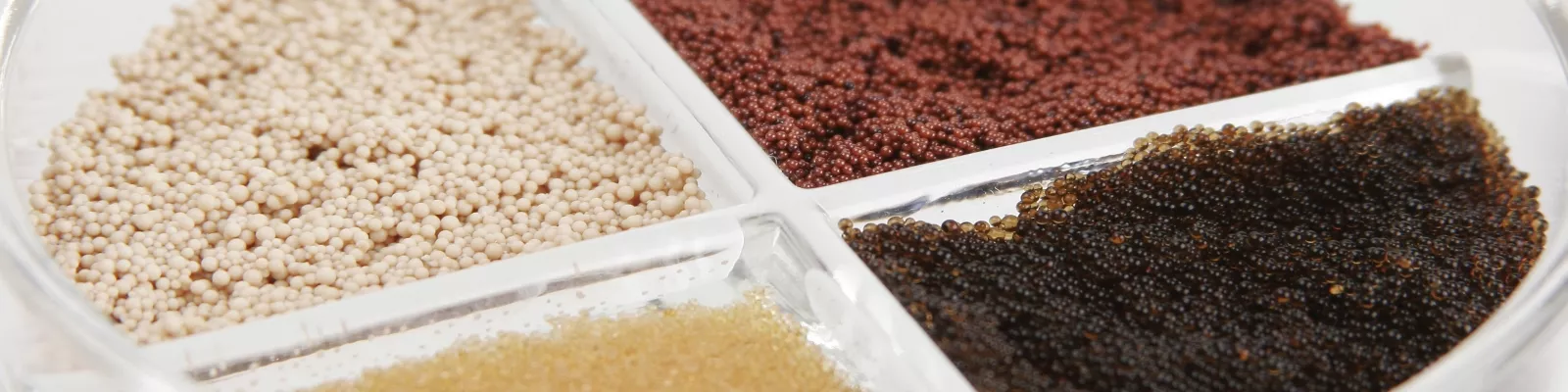
Simply put, an ion exchange resin drug delivery system involves tiny polymer beads (resins) that trap charged drug molecules and release them gradually. This mechanism controls how medication is delivered in the body, often improving effectiveness and minimizing side effects. A slideshare on this subject would typically break down concepts, mechanisms, and applications into digestible visuals and diagrams, making complex science more accessible to everyone from students to industrial experts.
This form of delivery is increasingly essential in modern pharmaceuticals for its precision and adaptability, addressing a range of conditions from cardiovascular diseases to diabetes, which need tightly controlled drug levels.
The type of ion exchange resin used — whether cationic or anionic — directly affects how the drug binds and releases. Different drugs require specific resin compatibilities for optimal loading and targeted release.
This measures how much drug a particular quantity of resin can hold. Higher capacity often means fewer tablets or doses, improving patient experience and manufacturing efficiency.
Controlling how fast or slow a drug releases ensures steady therapeutic levels. This depends on the resin’s properties and the environmental pH where they release the drug.
The resin’s chemical stability prevents degradation over time, which is especially important in tropical or variable climate conditions.
Since these resins interact inside the body, they must be non-toxic and safe long-term, with minimal risk of irritation or allergic response.
Essentially, ion exchange resin drug delivery systems are a blend of chemistry, engineering, and pharmacology designed to make drugs work better — quieter heroes behind everyday medications.
In real terms, these systems find use across numerous industries and geographies. Pharmaceutical companies in the US, Europe, India, and China are pioneering resin-based controlled release products. For instance:
On an organizational level, many hospitals and pharmacies incorporate resin-based products to streamline dosing schedules and improve adherence. Where supply chains are spotty, controlled release minimizes the need for constant resupply — a real boon.
The benefits go beyond mere convenience. Let me share some:
In essence, these delivery systems foster a safer and more dignified approach to medicine — very much in line with modern healthcare goals worldwide.
Looking forward, ion exchange resin drug delivery systems are evolving in exciting ways. Advanced materials like biodegradable polymers and nanostructured resins promise improved bioavailability and reduced environmental footprint.
Frankly, integration with digital health platforms (think “smart pills”) is also on the horizon, allowing real-time monitoring of drug release and adherence. Automation in manufacturing increases scalability and quality control. Sustainability remains a key driver — new policies push for greener materials and production methods.
Not everything is perfect, though. Some current challenges include:
Fortunately, pharmaceutical scientists are using AI modeling and enhanced testing protocols to refine formulations. Collaborative approaches between industry and regulators help smooth approval pathways.
| Feature | Details |
|---|---|
| Resin Type | Strong Cationic Exchange Resin |
| Drug Loading Capacity | 150 mg/g |
| Release Profile | Sustained Release over 12 Hours |
| Operating pH Range | 3.0 - 7.5 |
| Max Stability Temperature | 60°C |
| Vendor | Resin Quality | Pricing | Support & Services | Global Reach |
|---|---|---|---|---|
| Liji Resin Co. | High Purity & Stability | Competitive | Comprehensive Technical Support | Strong Asia, Europe |
| PharmaResins Inc. | Moderate Quality | Mid-Range | Basic Support | North America |
| BioPolymer Ltd. | Premium-Grade | High | Full-Service Solutions | Global |
Ion exchange resin drug delivery system slideshare is far more than just a fancy phrase; it represents a vital, innovative cornerstone in modern pharmacology. From improving drug effectiveness to expanding access in underserved areas, its long-term benefits are clear. For anyone curious to dive deeper or explore practical applications, I’d encourage a visit to our website — seriously, the resources there shed light on the latest in resin technologies and their real-world impact.
Ultimately, these systems personify progress: combining chemistry, technology, and human need to make medicines smarter and lives better.
Oddly enough, it feels like the unseen science silently shaping health futures worldwide.
References: