Phone:
+86 0319 2296164


Email:
info@lijiresin.cn

Ion exchange resin pharmaceutical applications might not headline the evening news, but in the global pharmaceutical industry, their impact is significant and growing. These specialized polymers are the unsung heroes in processes like drug purification, controlled release, and water treatment, ultimately shaping the quality and safety of medicines millions rely on worldwide.
Understanding these applications offers insights into how advanced chemistry can drive sustainability, efficiency, and innovation across healthcare. At its core, it’s about harnessing selective chemical interactions to refine medicines and streamline production — simple in concept, but with profound global consequences.
Globally, the pharmaceutical sector is a behemoth, valued at over $1.4 trillion as of 2023 (World Bank). Yet, accessibility, purity, and cost remain top challenges, especially in emerging markets. Ion exchange resin pharmaceutical applications provide elegant solutions to these issues — improving drug purity and enabling controlled-release formulations in a cost-effective way.
Consider that according to the International Pharmaceutical Federation (FIP), quality assurance in medicine manufacturing is indispensable for patient safety worldwide. As pharmaceutical companies strive to meet strict regulations (think ISO 9001 and GMP standards), ion exchange resins have become pivotal in meeting these quality thresholds, particularly in removing impurities from active pharmaceutical ingredients (APIs).
Frankly, without resin technologies, many modern medications might never achieve their required efficacy and safety levels, especially in regions where water and raw material quality vary widely.
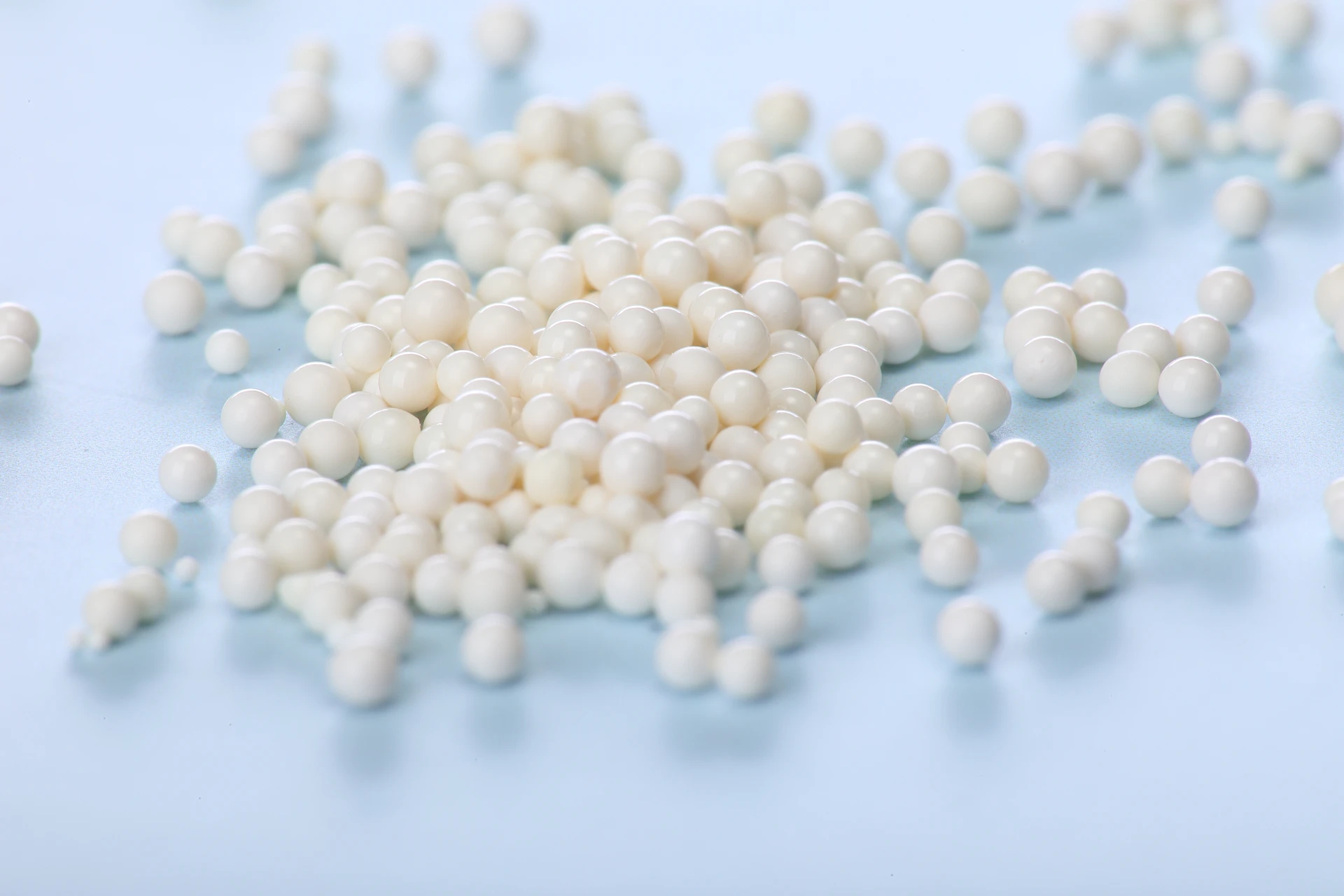
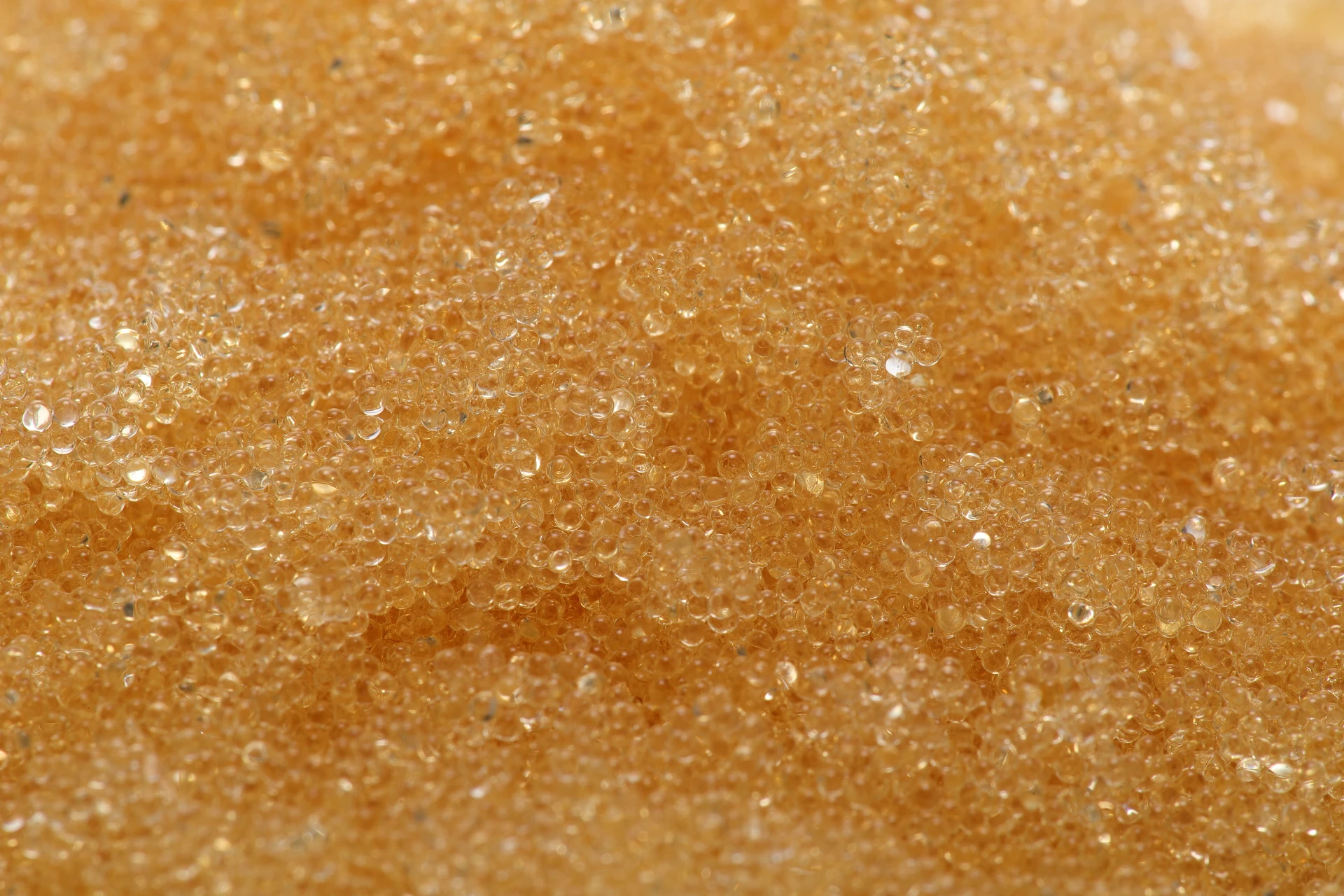
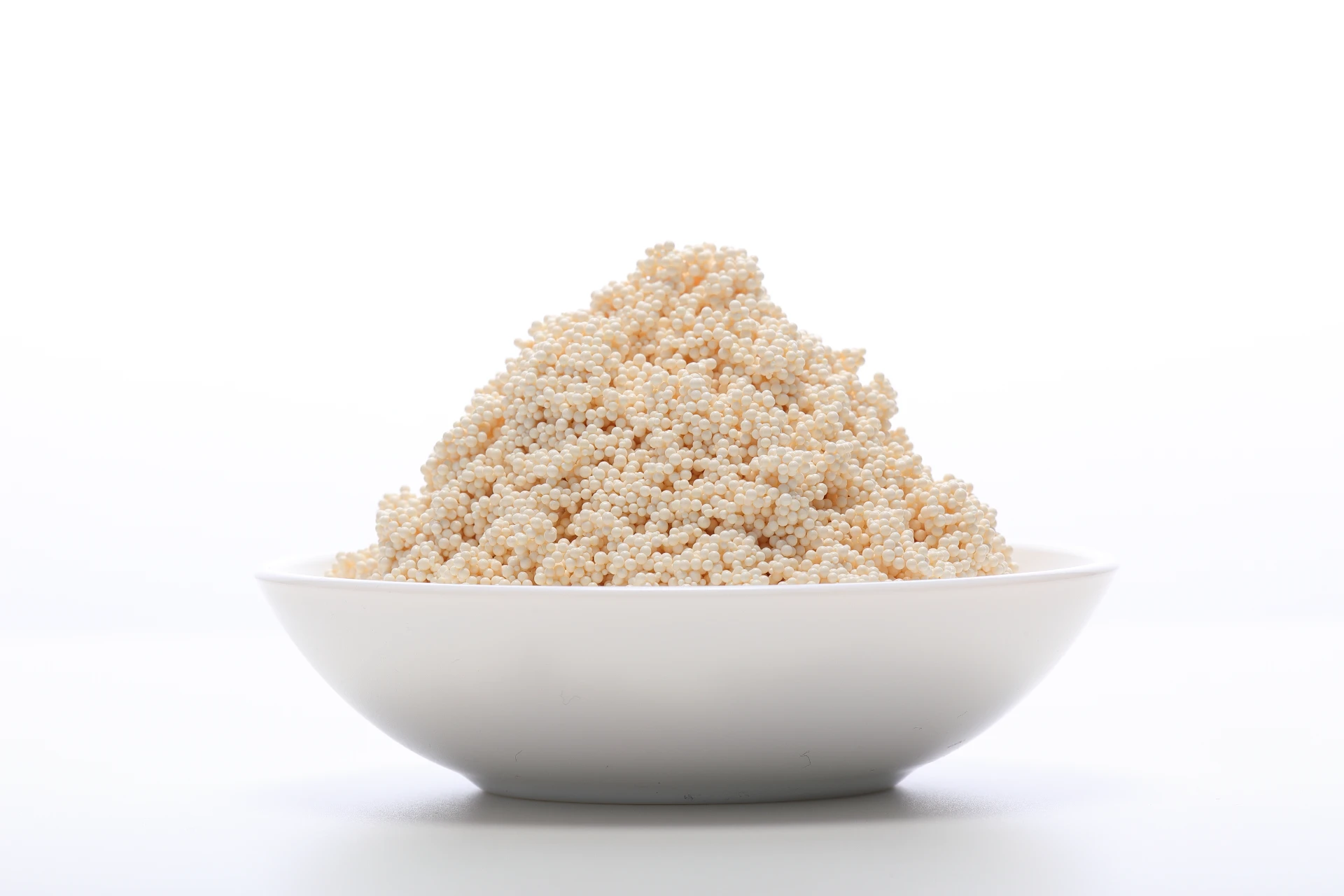
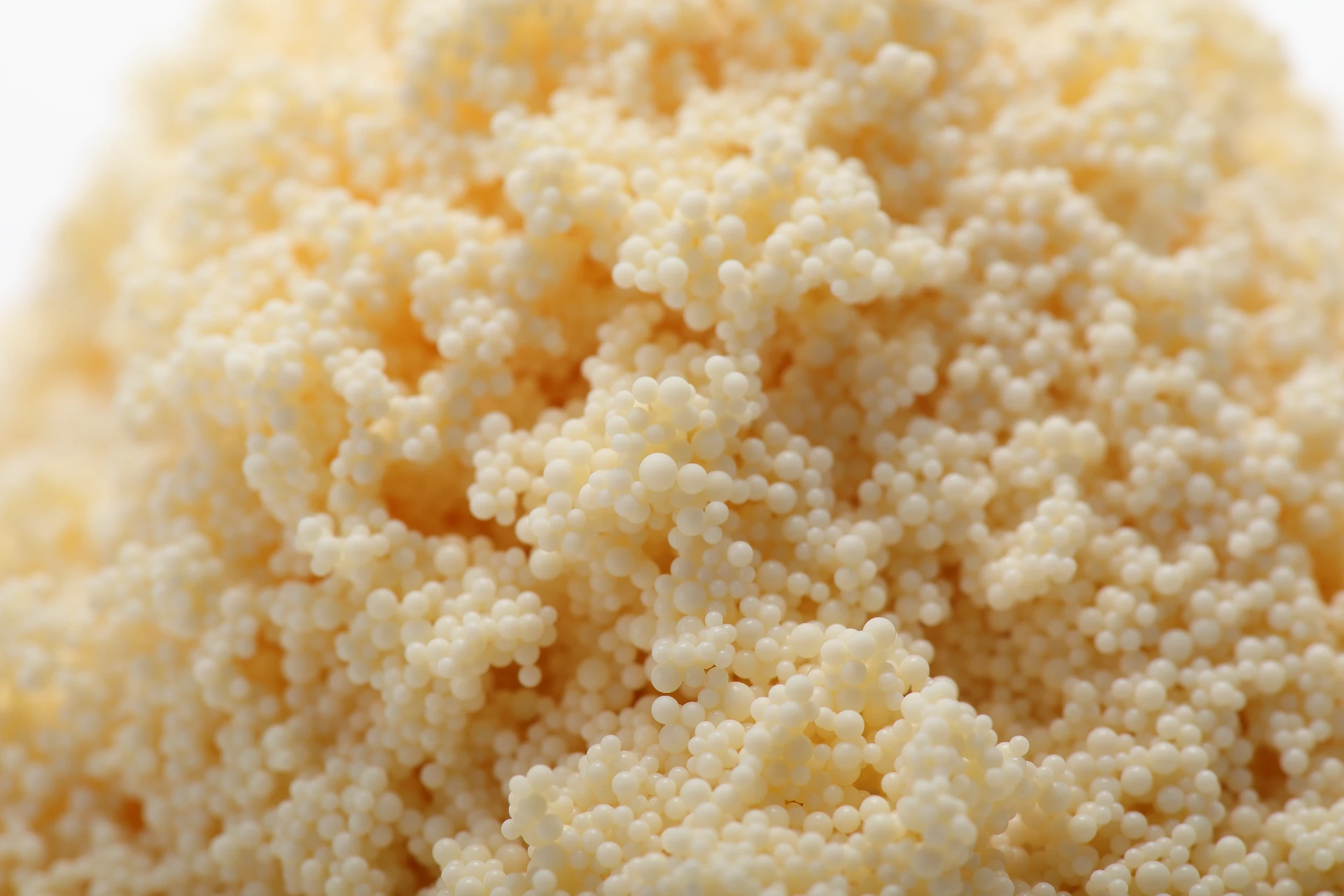
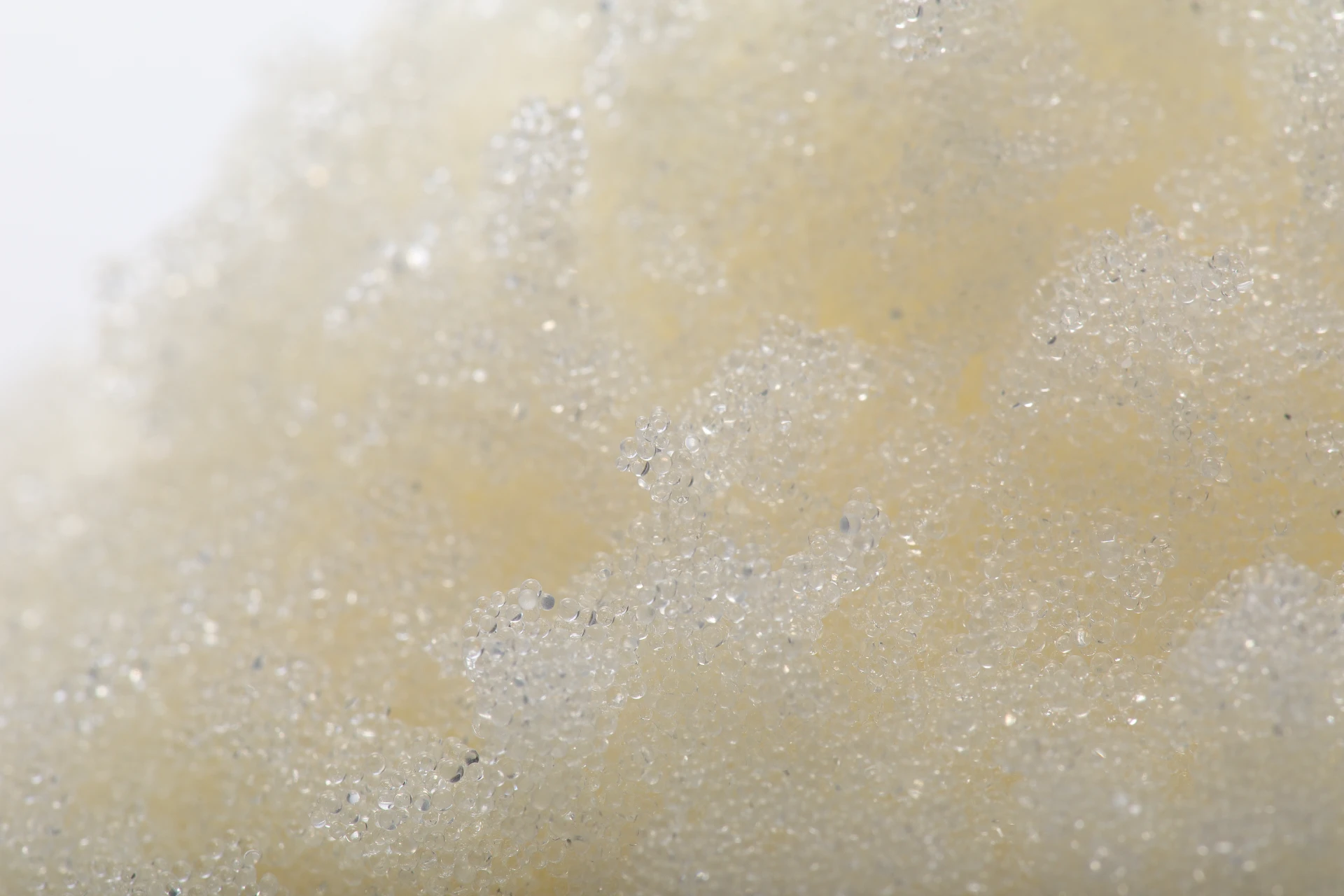
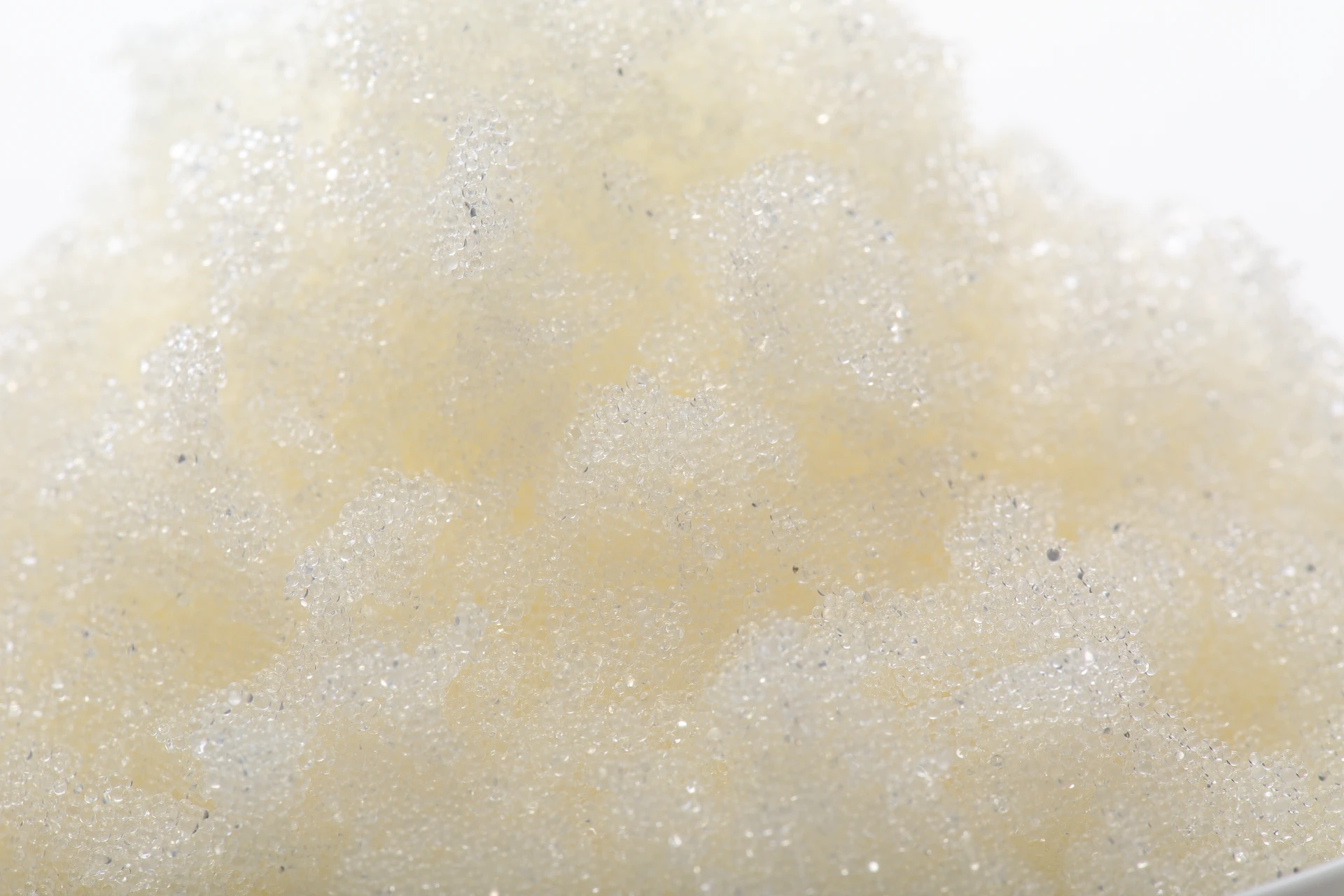
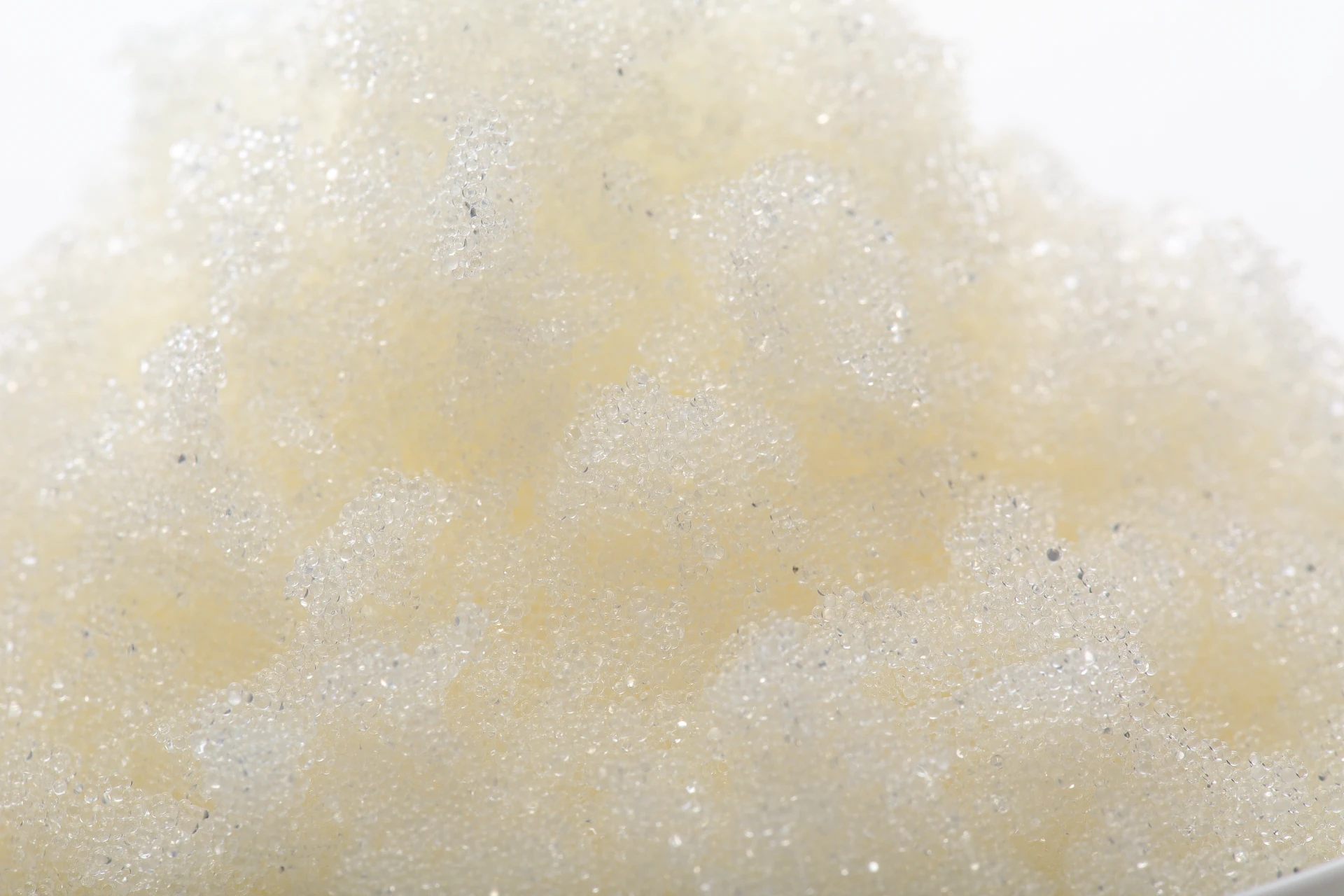
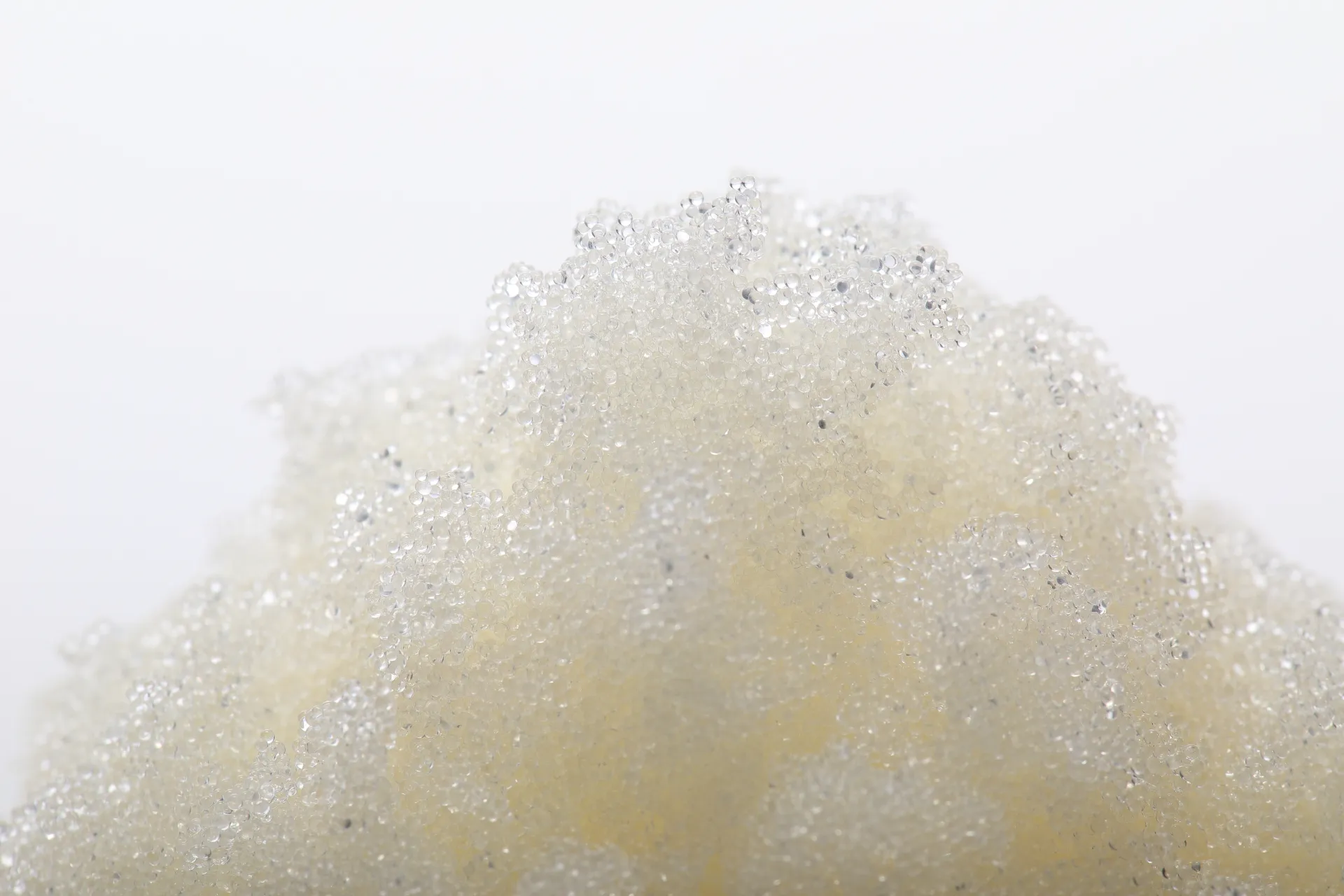
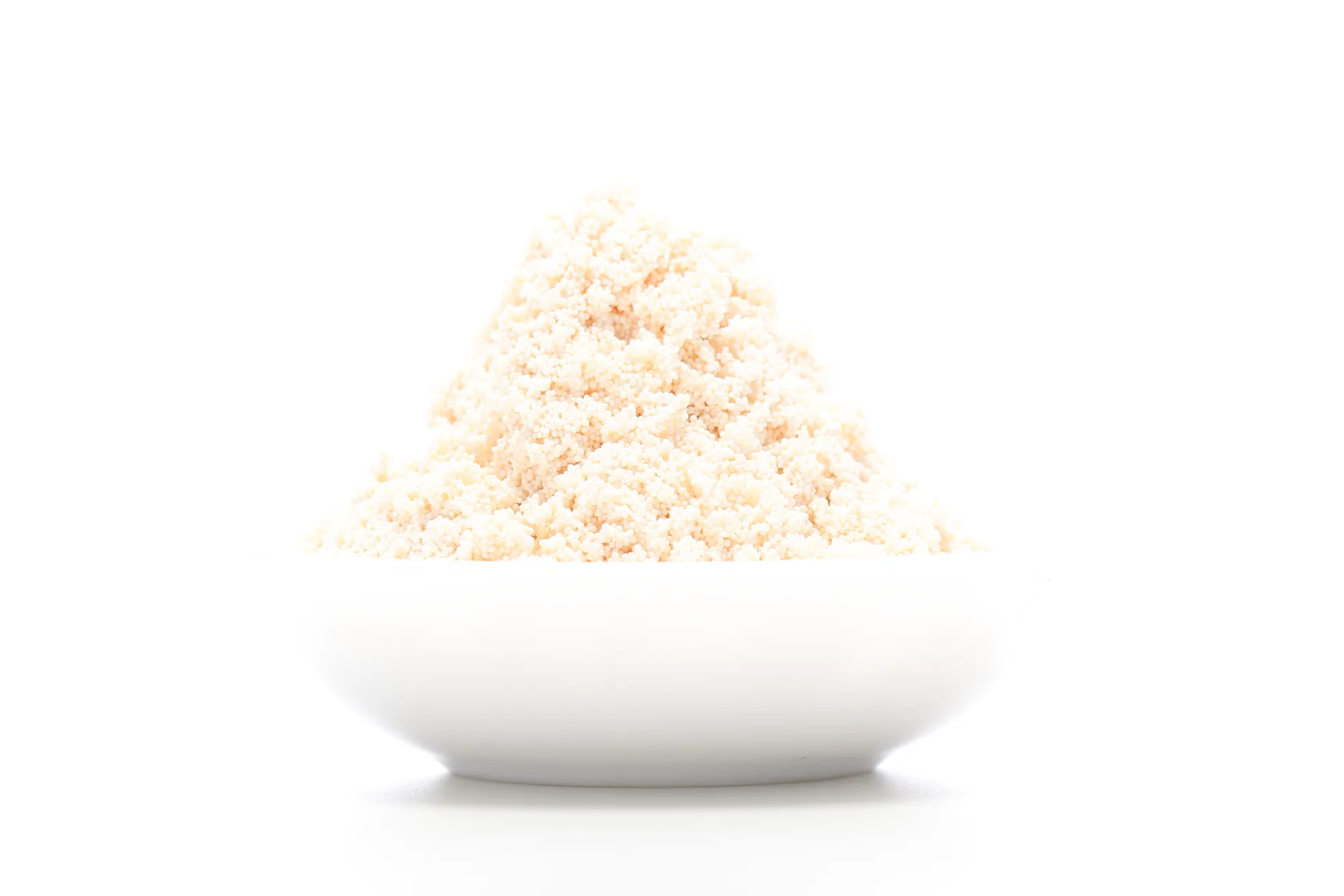
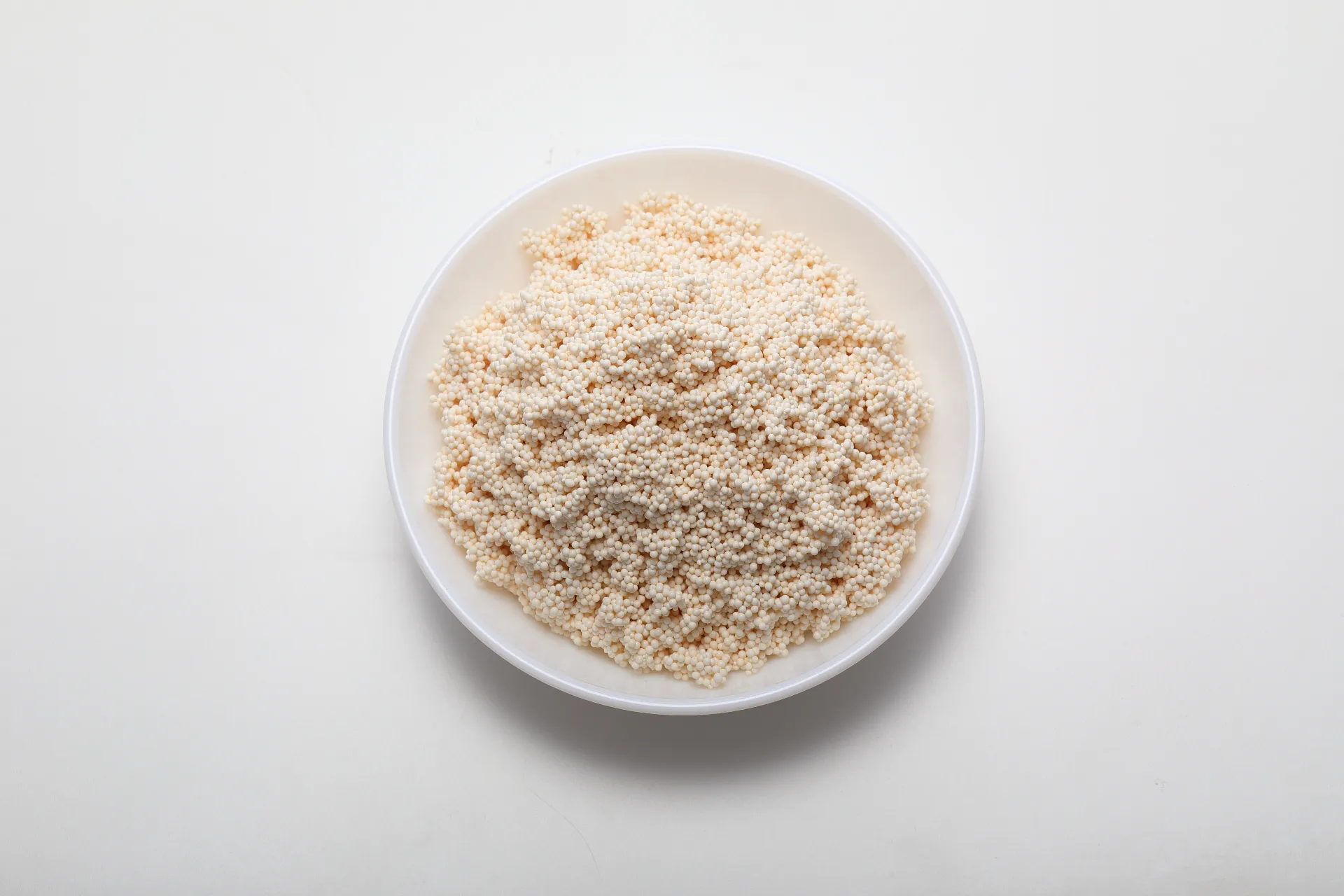
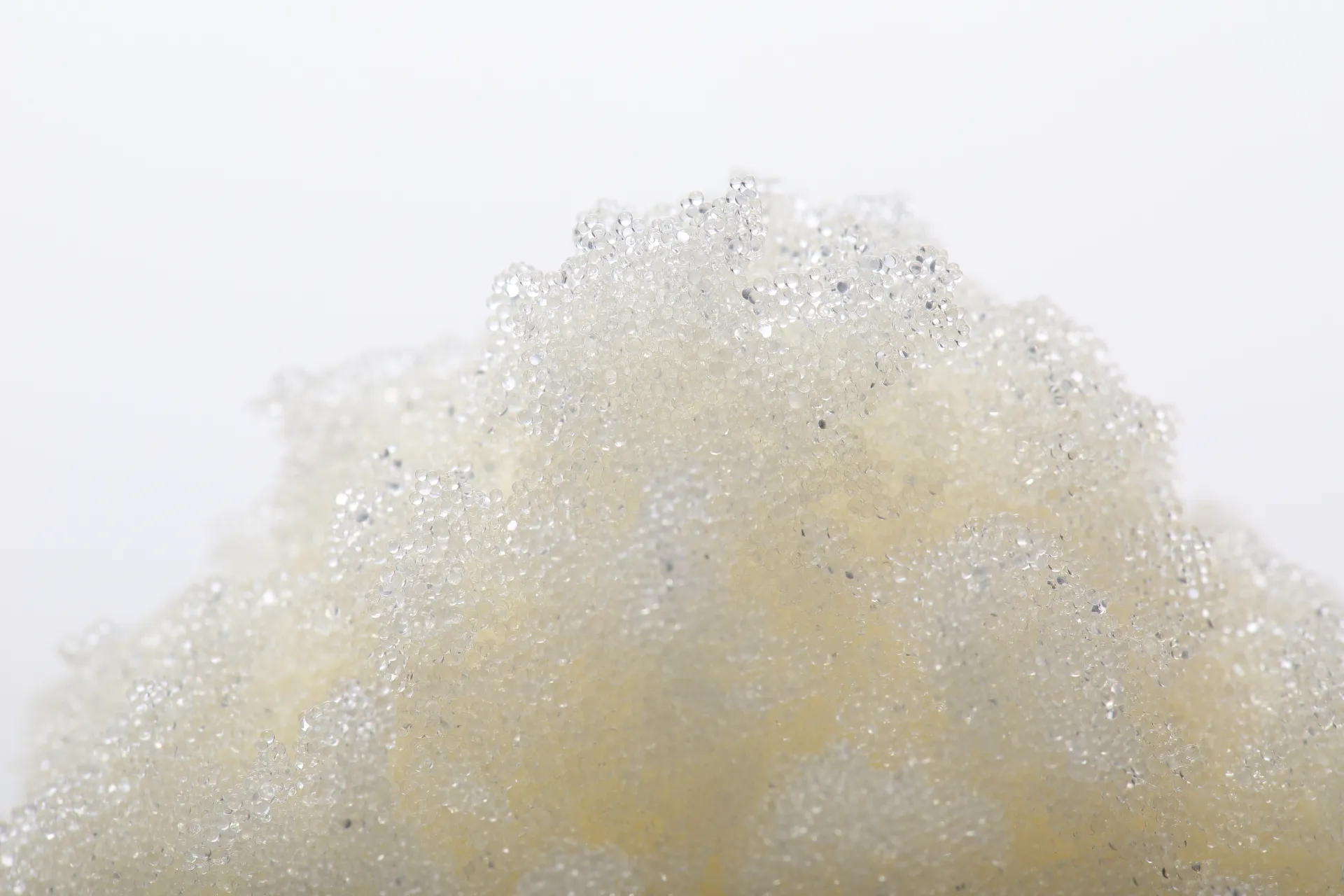
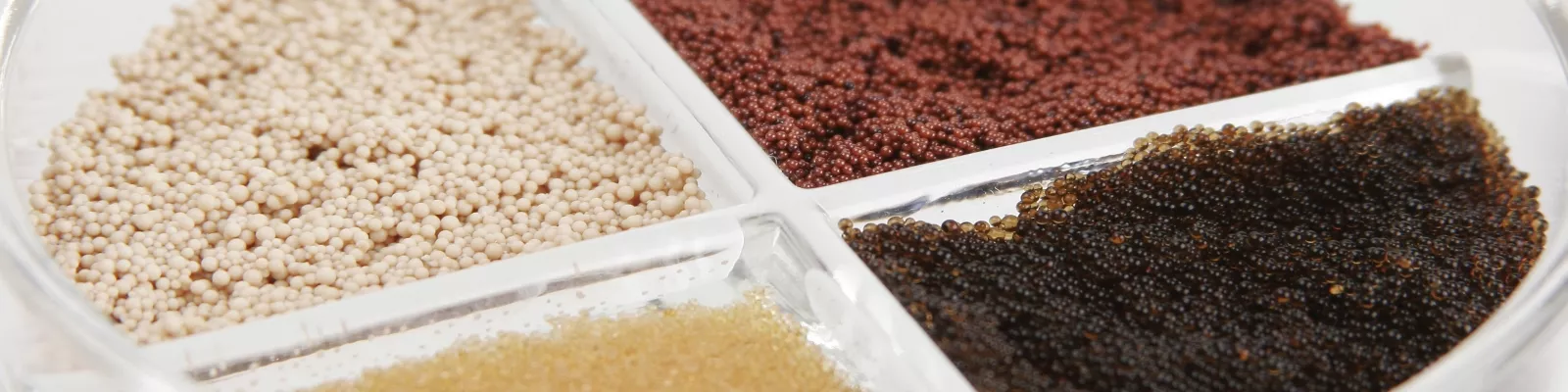
In simple terms, ion exchange resins are tiny, porous polymer beads capable of swapping ions with a solution flowing through them — think of it as highly selective chemical “filters” working at the molecular level. In pharmaceutical applications, this property is leveraged to:
This technology bridges chemistry and medicine — advancing both innovation in formulations and the rigor of manufacturing processes. As medicine grows ever more complex, ion exchange resin applications allow precise manipulation of chemical properties at scale.
Selectivity defines which ions a resin preferentially exchanges, crucial for targeting impurities or controlling drug release. Ion capacity reflects how much of those ions it can hold before saturation.
Resins endure exposure to varied pH, solvents, and temperatures — pharmaceutical-grade resins must be robust to maintain performance and not degrade into contaminants themselves.
Finer beads yield faster kinetics but risk pressure drops in columns; balancing particle size with operational needs is key.
Materials must meet USP standards and be certified non-toxic, a non-negotiable in pharma settings.
Large-scale plants need resins that can survive cycles of regeneration without performance loss, ensuring process economics.
| Property | Typical Value | Notes |
|---|---|---|
| Bead Size | 0.3 – 1.2 mm | Balances flow rate and surface area |
| Functional Groups | Sulfonic acid / Quaternary ammonium | Determines cation or anion exchange |
| Ion Exchange Capacity | 1.8 – 2.2 meq/ml | Higher is better for efficiency |
| pH Stability Range | 1 – 14 (depends on resin) | Wide range supports various processes |
| Regeneration Chemicals | NaCl, HCl, NaOH | Cost-effective and practical for reuse |
Mini takeaway: The nuances of resin design critically affect pharmaceutical manufacturing performance, making the choice of resin a strategic decision.
From North America’s biotech hubs to Asia’s growing pharma hubs, ion exchange resin applications underpin countless processes:
Oddly enough, even in remote industrial zones in Africa and South America, resins have made sophisticated pharmaceutical production more feasible, bridging infrastructure gaps.
| Supplier | Specialty | Compliance Certifications | Regeneration Efficiency | Global Reach |
|---|---|---|---|---|
| LJ Resin Co. | Pharma-grade cation/anion resins | USP, ISO 9001, GMP | >95% | Asia, North America, Europe |
| Dow Chemical | Wide pharma resin portfolio | USP, FDA | 90–95% | Worldwide |
| Purolite | High-capacity resins for API polishing | GMP, USP | ~92% | Europe, North America |
Mini takeaway: Choosing a resin supplier depends on your manufacturing scale, geographical needs, and compliance requirements — no one-size-fits-all.
Why do pharmaceutical manufacturers keep leaning on ion exchange resins? Simply put:
Looking ahead, developments are humming along in:
Despite their promise, ion exchange resin pharmaceutical applications face hurdles:
Experts suggest frequent monitoring, tailored regeneration protocols, and collaboration with resin suppliers to create customized solutions that minimize downtime and waste.
Ion exchange resin pharmaceutical applications represent a subtle but powerful facet of modern drug manufacturing. From improving medicine safety and efficacy to enabling innovative delivery systems, these resins enable the pharma industry to push boundaries while meeting stringent regulatory and sustainability goals.
For pharmaceutical professionals aiming to deepen their understanding or explore tailored solutions, visit our website: ion exchange resin pharmaceutical applications.
It feels like this technology quietly holds the chemistry of tomorrow in its beads — both promising and essential.