Phone:
+86 0319 2296164


Email:
info@lijiresin.cn
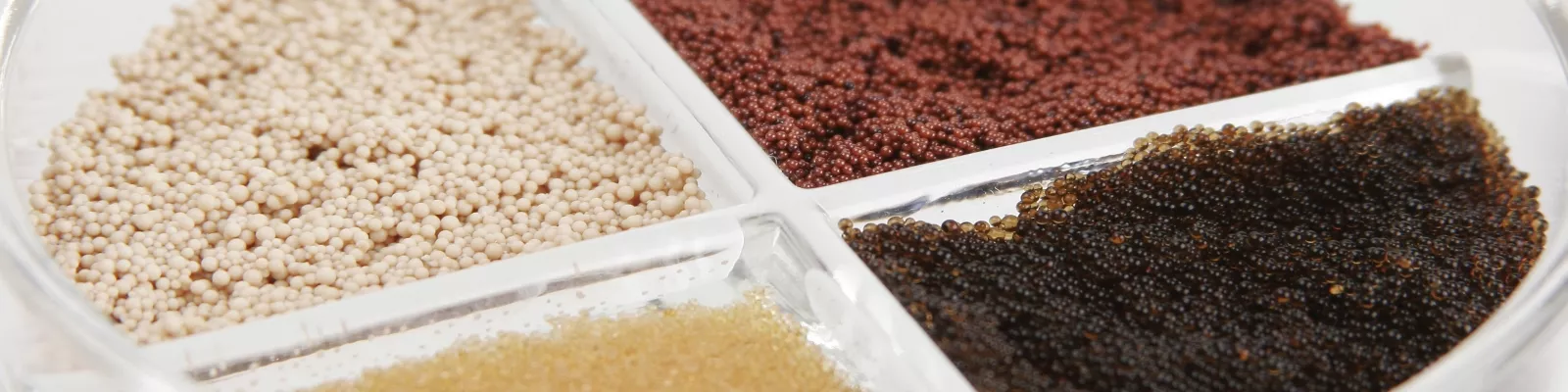
If you work around water plants or boilers long enough, you learn that the quiet hero in the pipe rack is ion exchange resin. To be honest, most days it just hums along, no drama. Then a hardness spike hits and—boom—you remember why resin choice matters.
Three threads keep coming up in my calls with plant managers: tighter discharge limits, energy targets, and fewer operators per shift. That mix favors high-capacity ion exchange resin that regenerates cleanly with less acid, holds up against oxidants, and plays nicely with automation. Anion resins are in the headlines for PFAS, sure, but strong acid cation (SAC) still carries the load for softening and demin in power, food, and electronics.
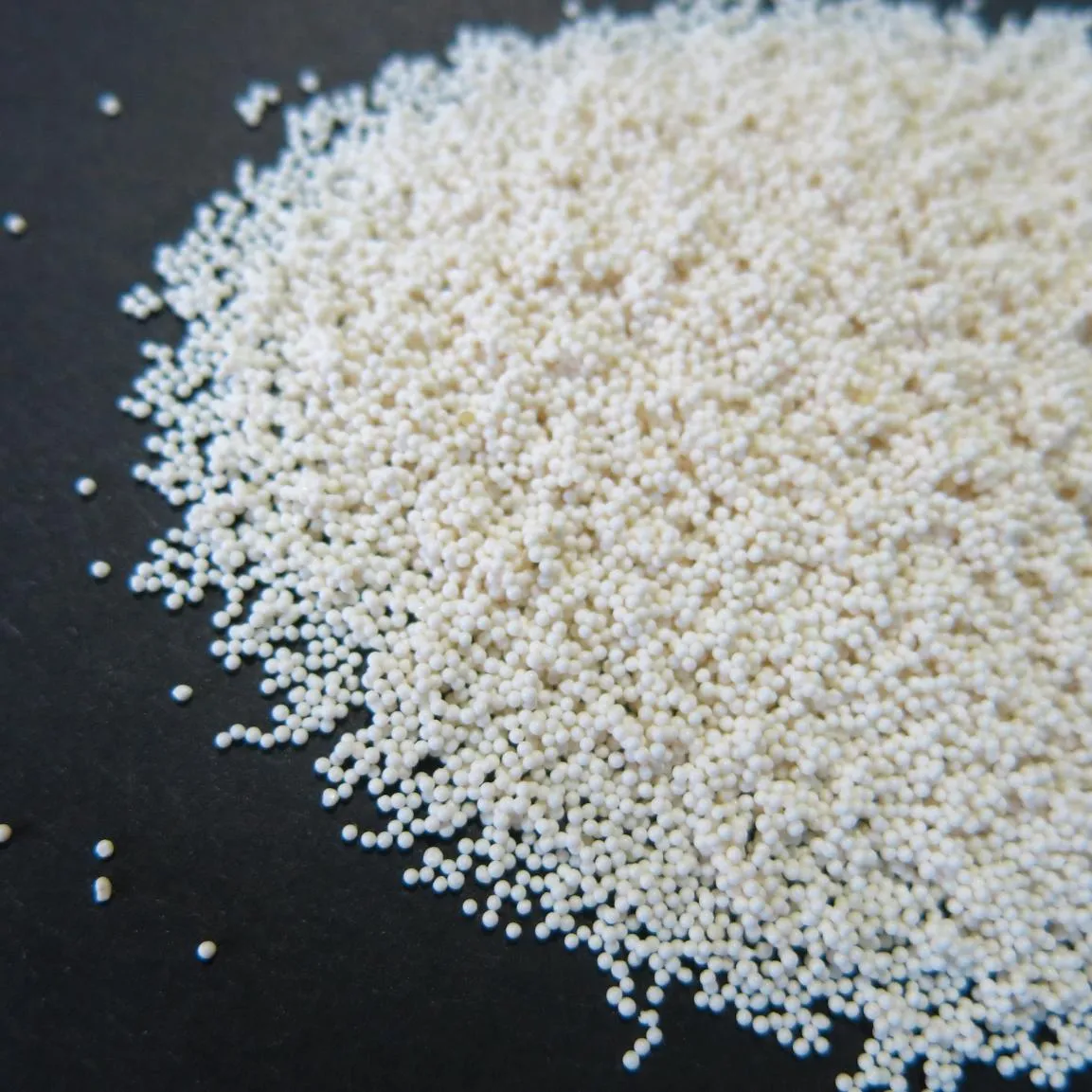
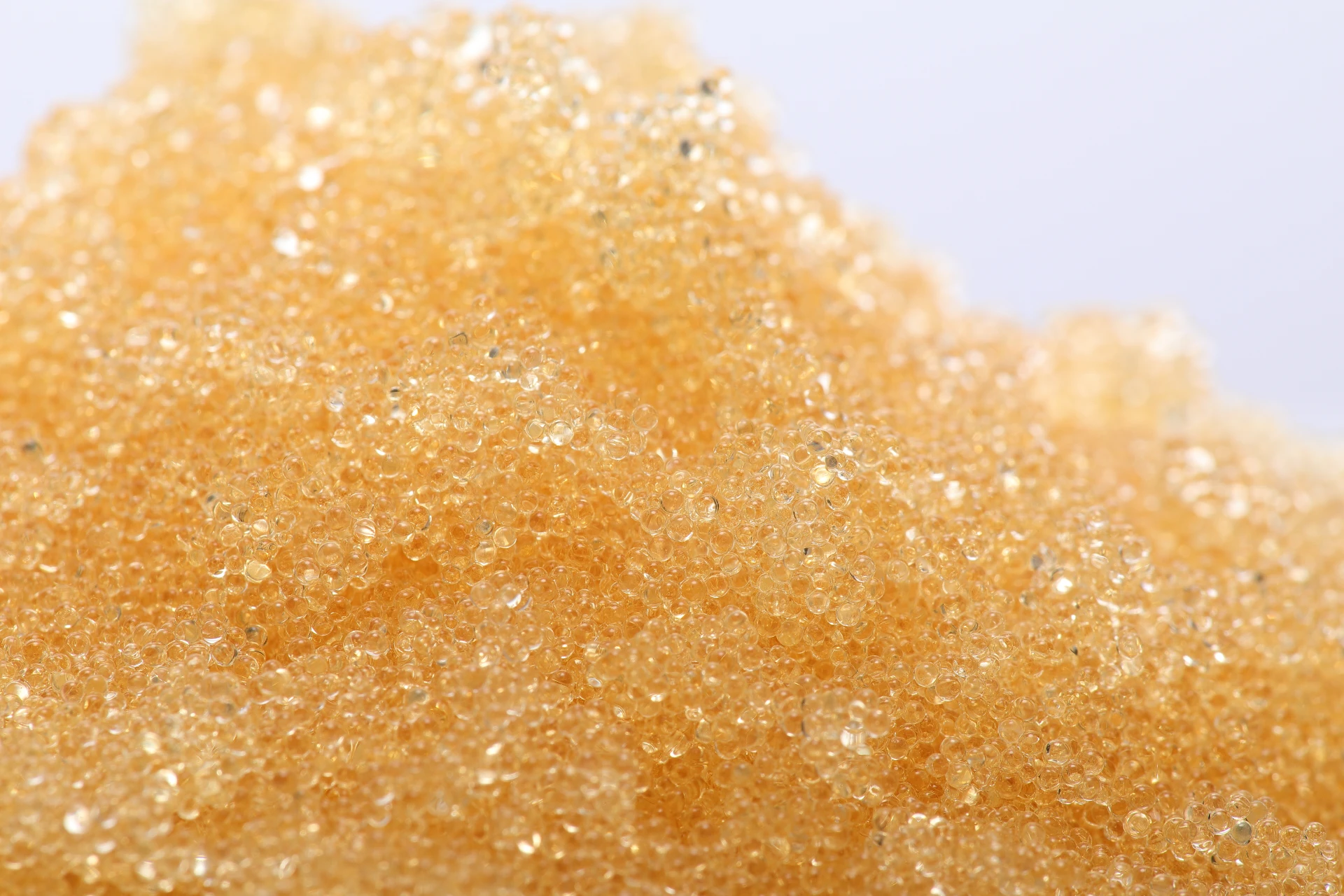
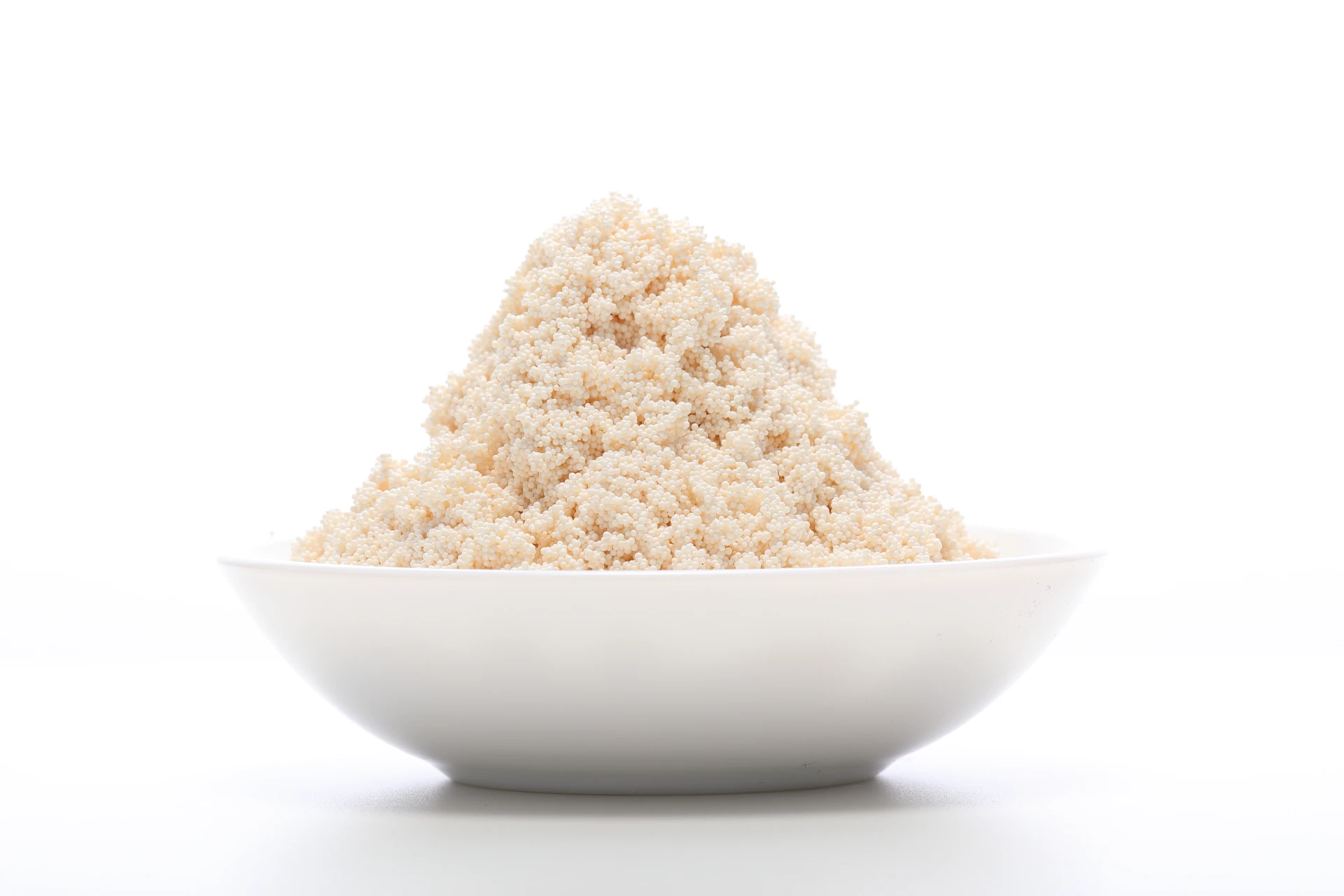
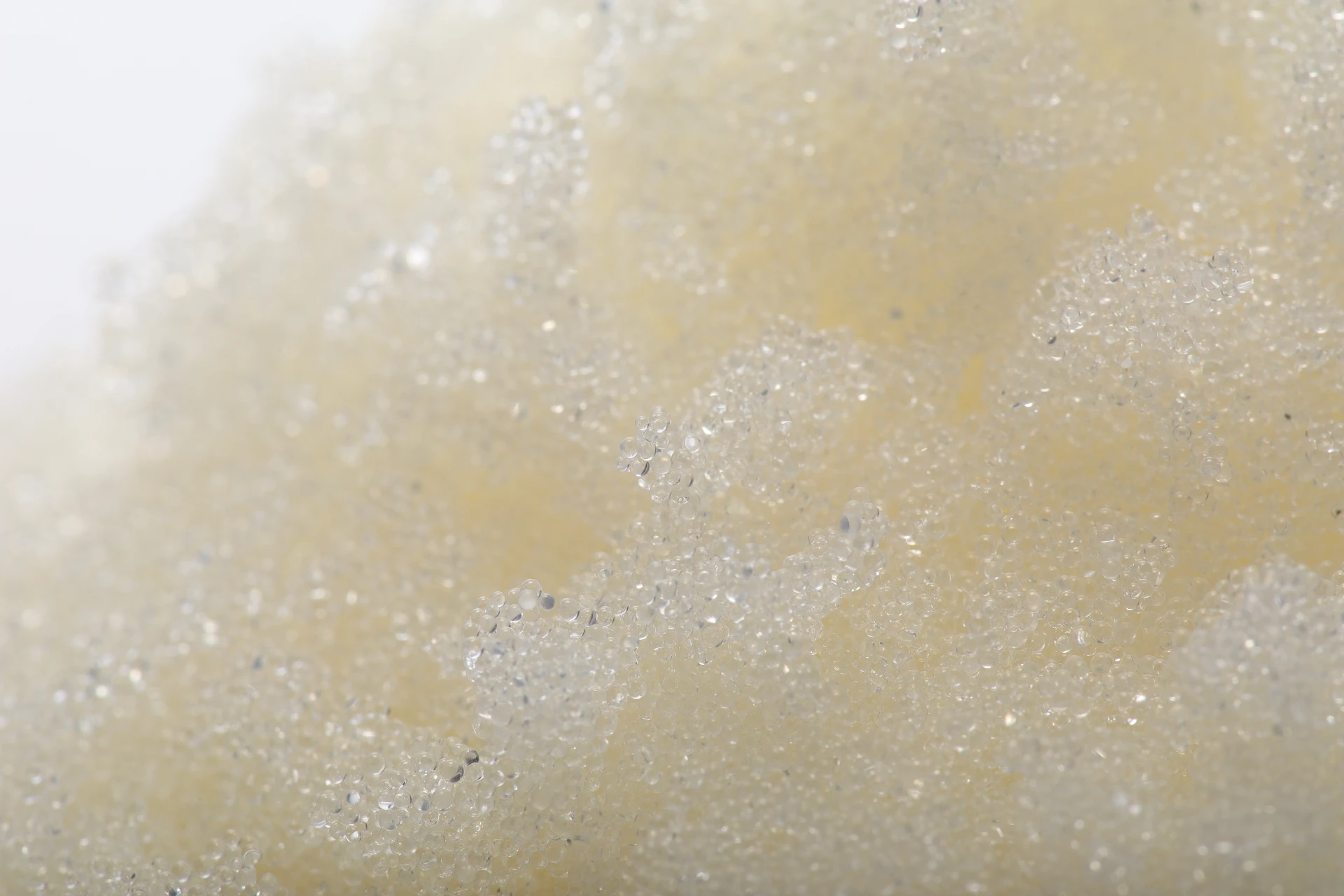
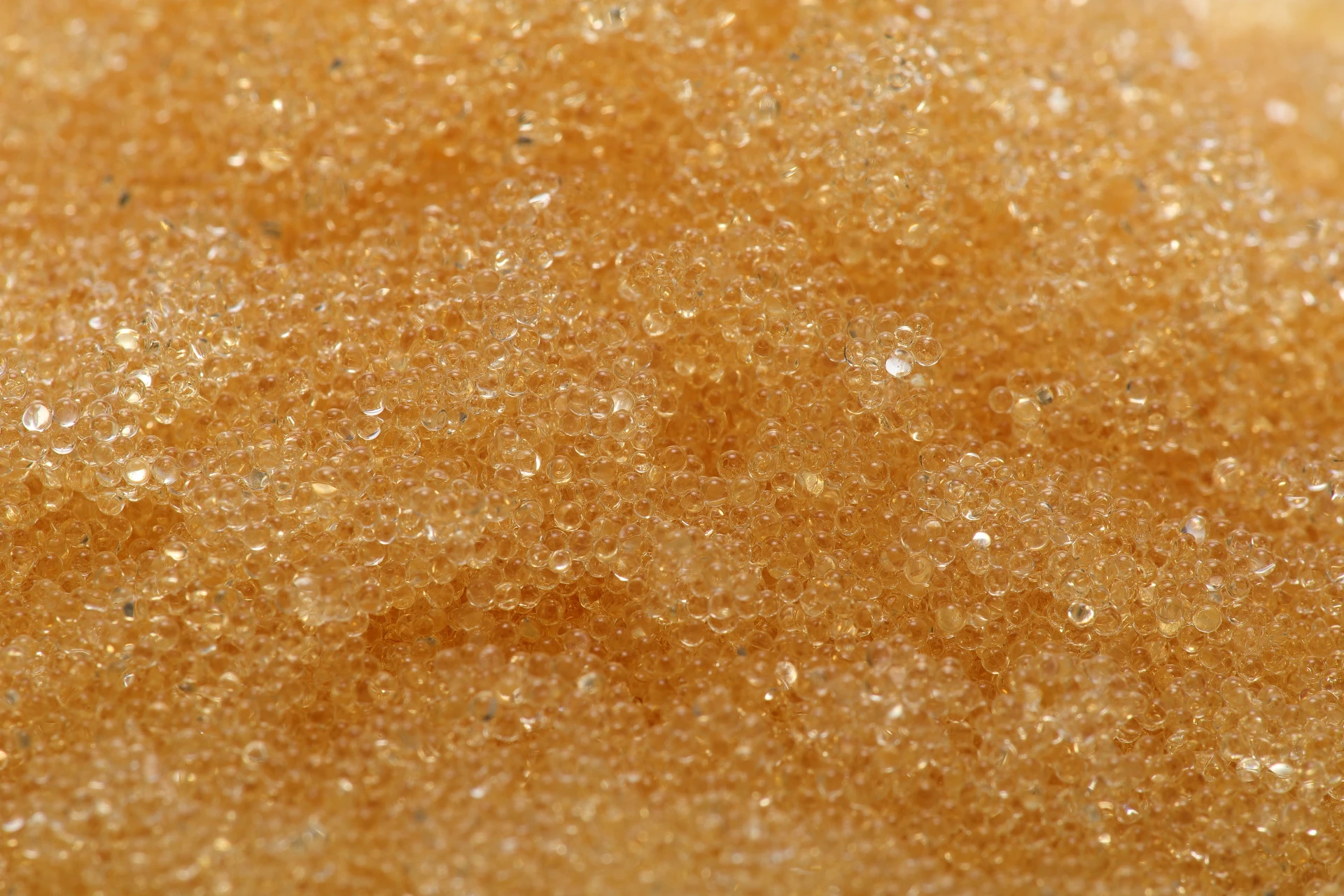
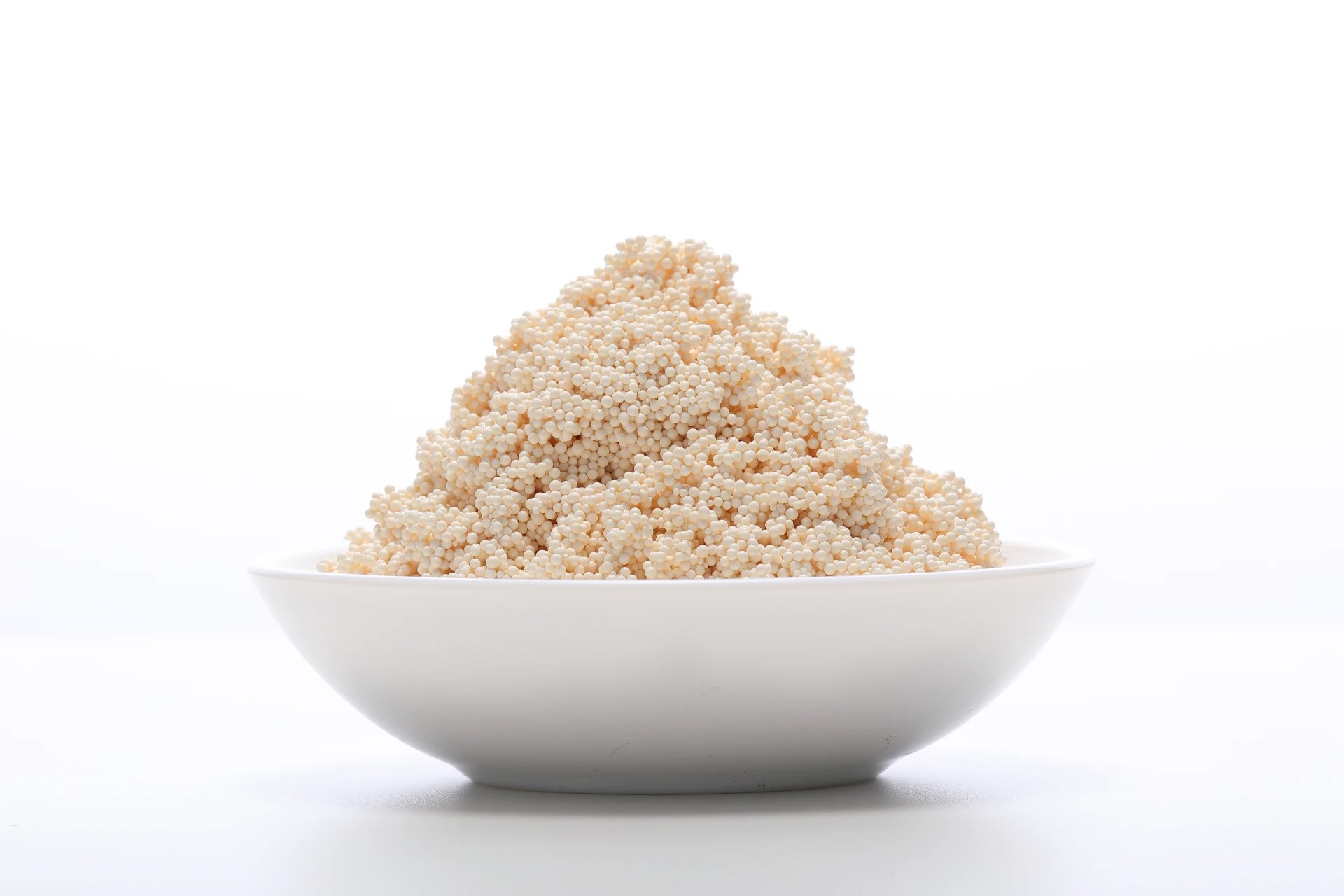
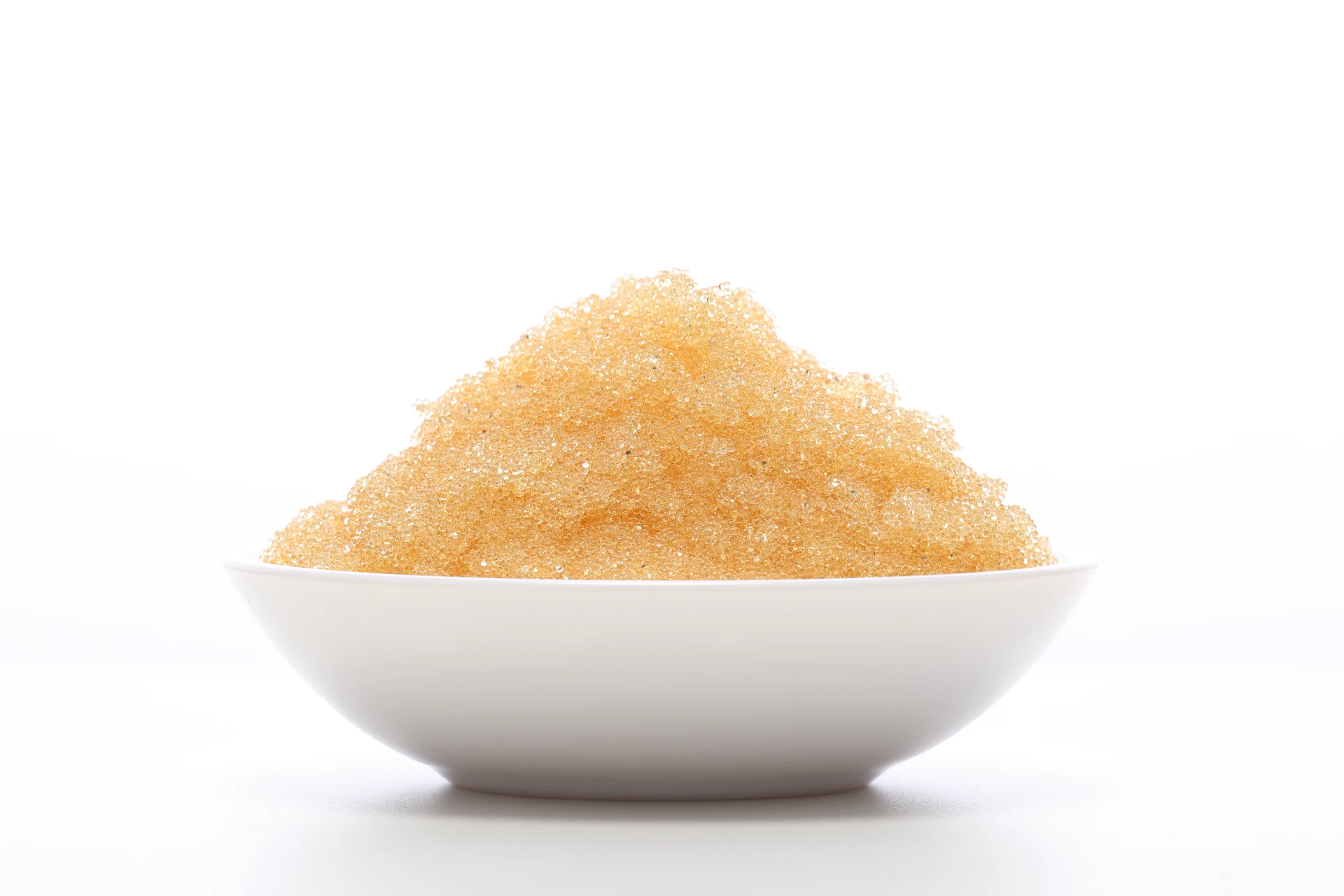
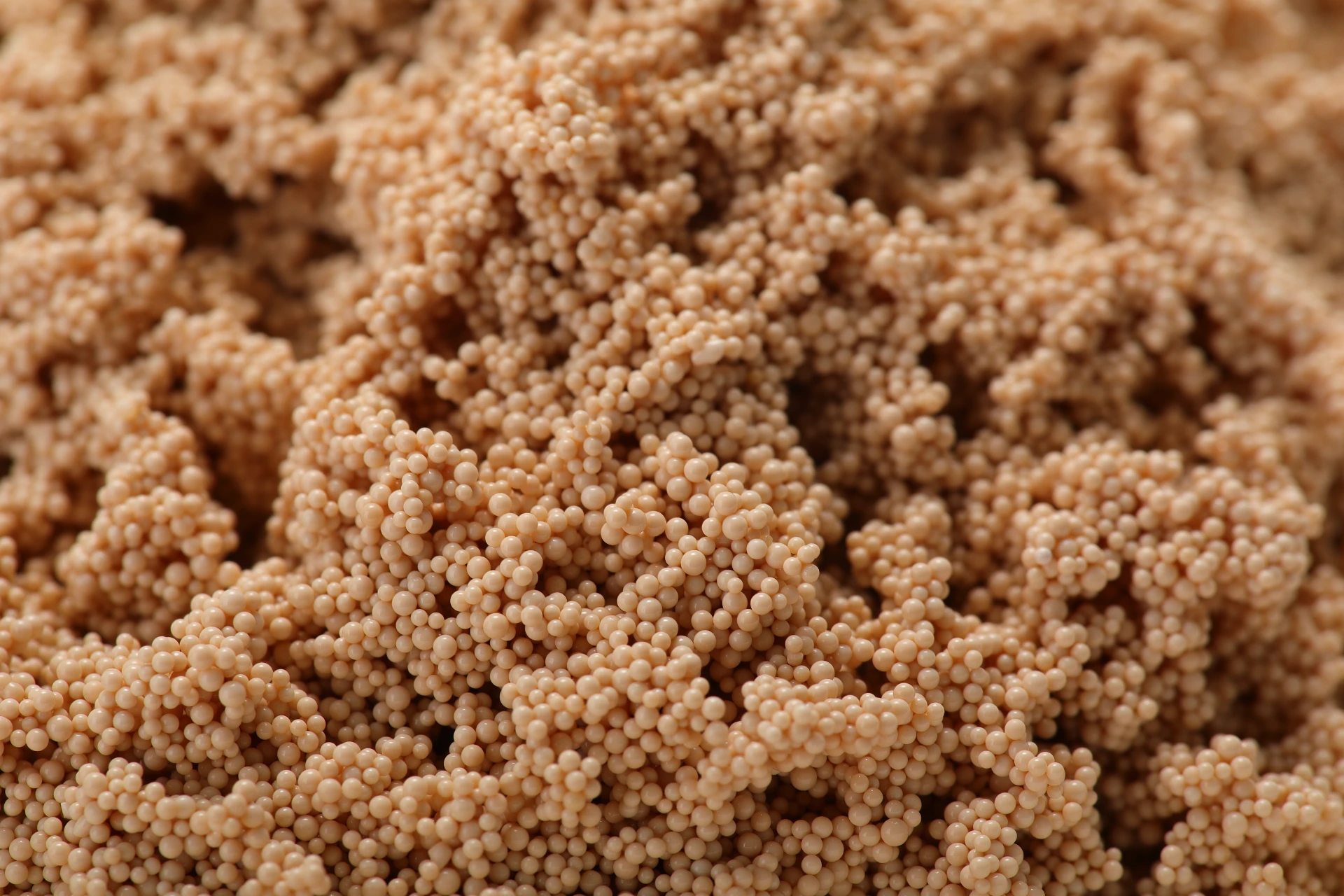
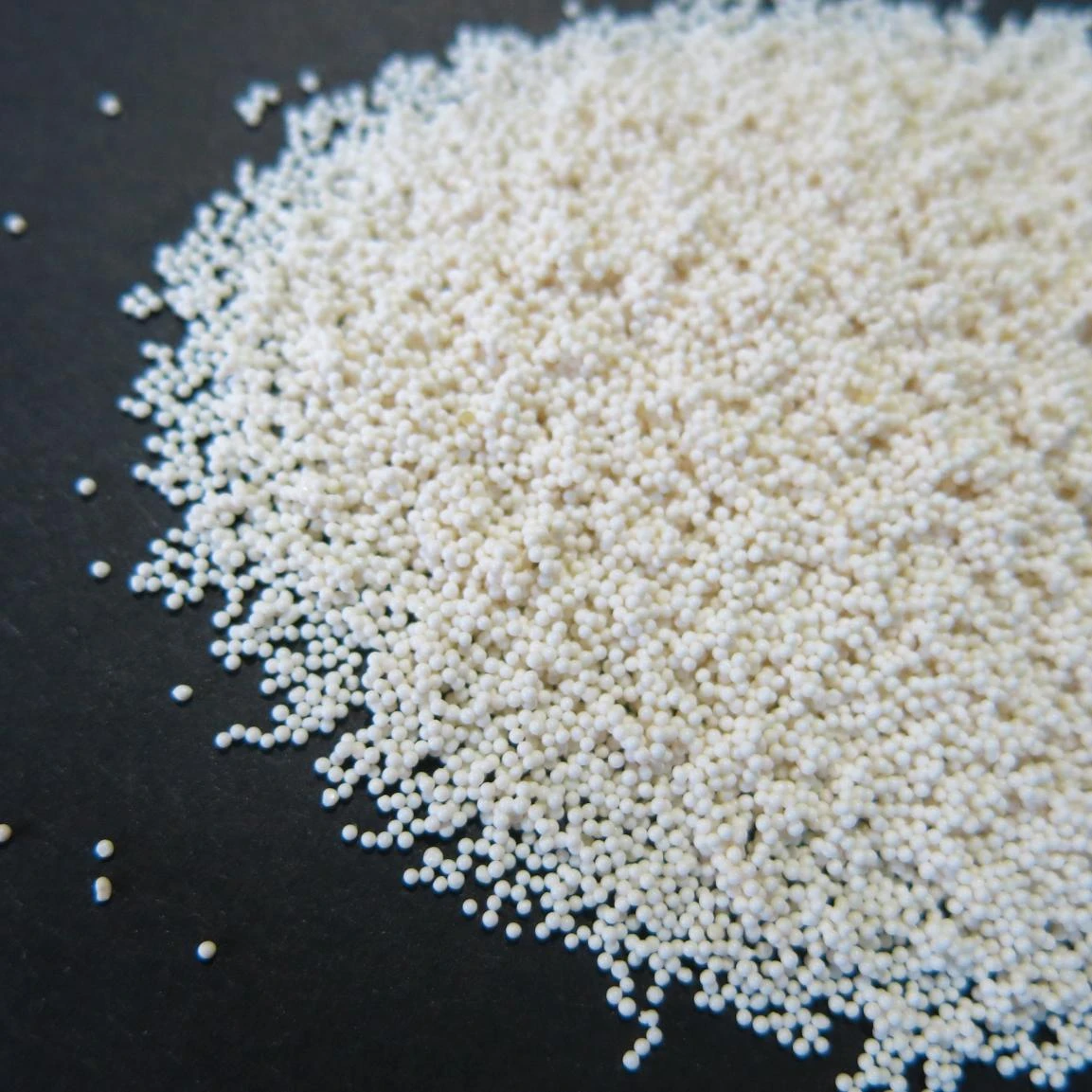
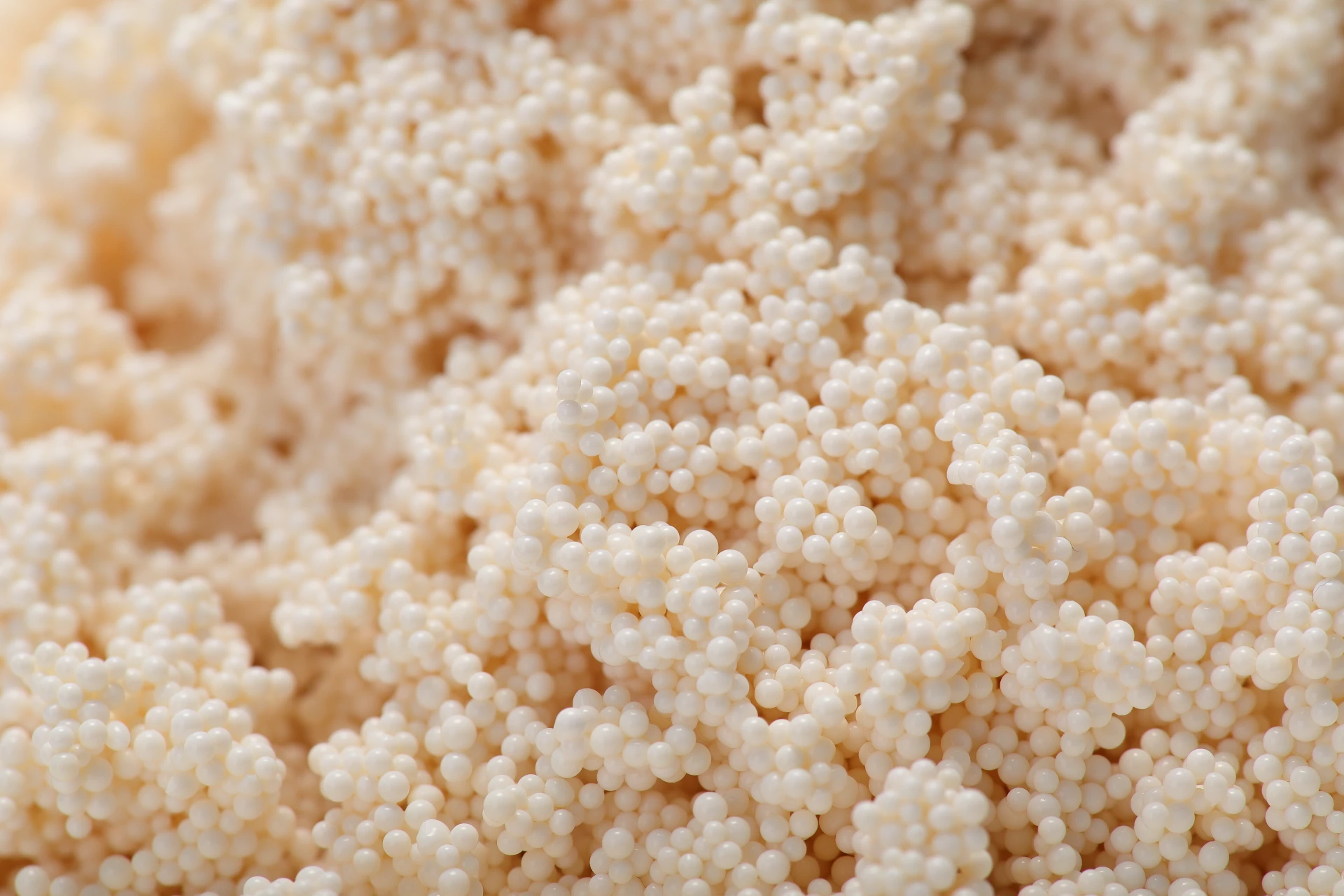
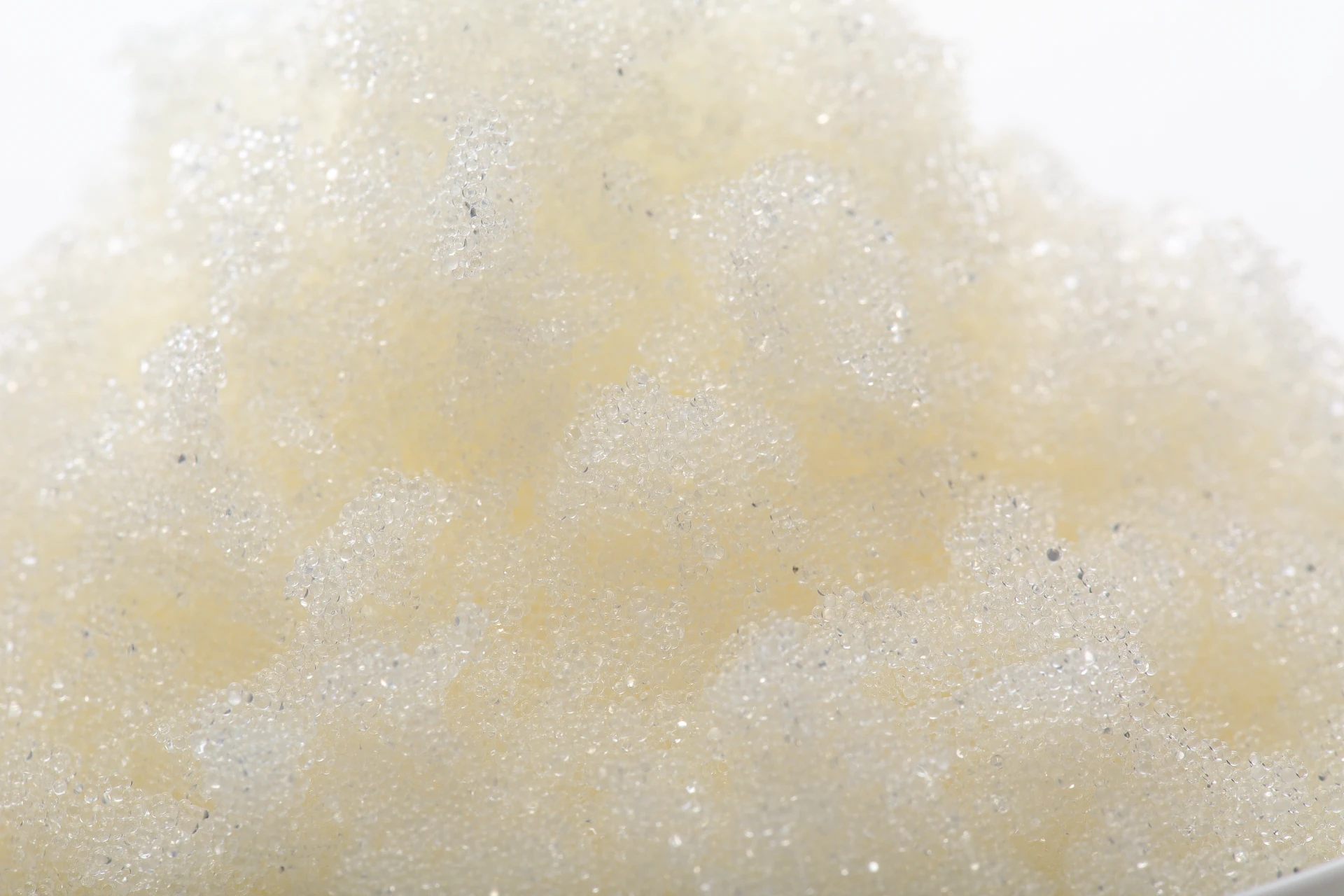
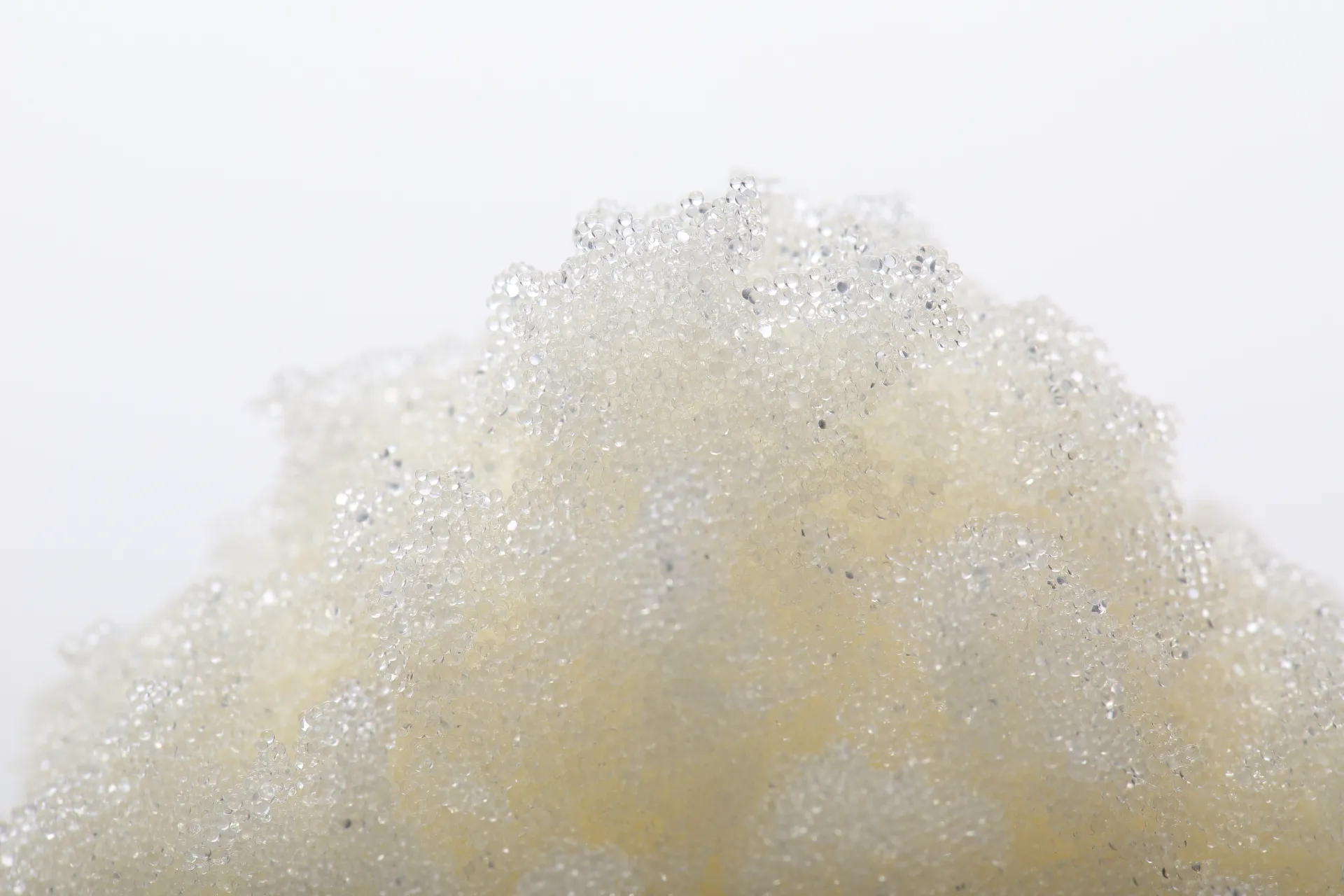
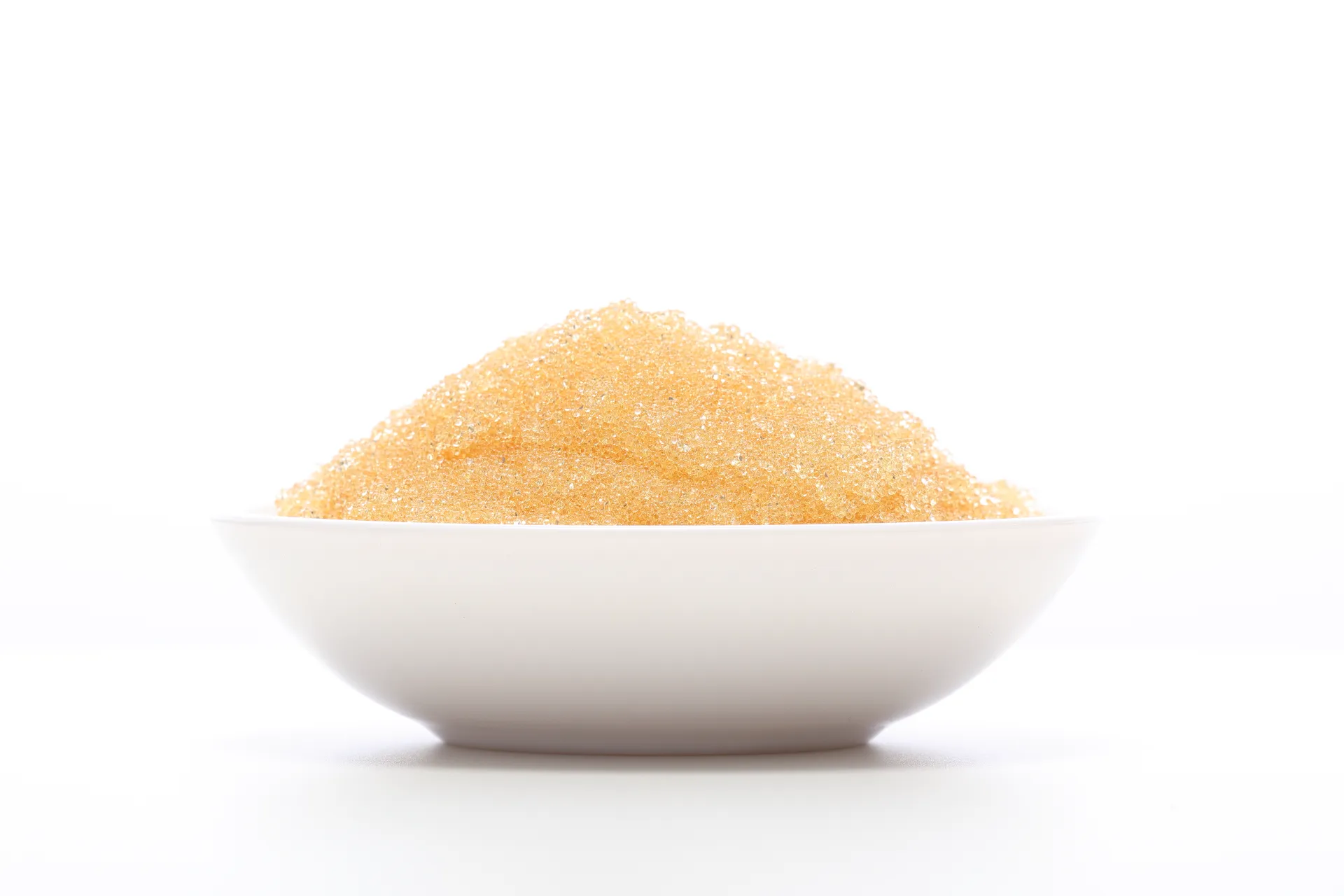
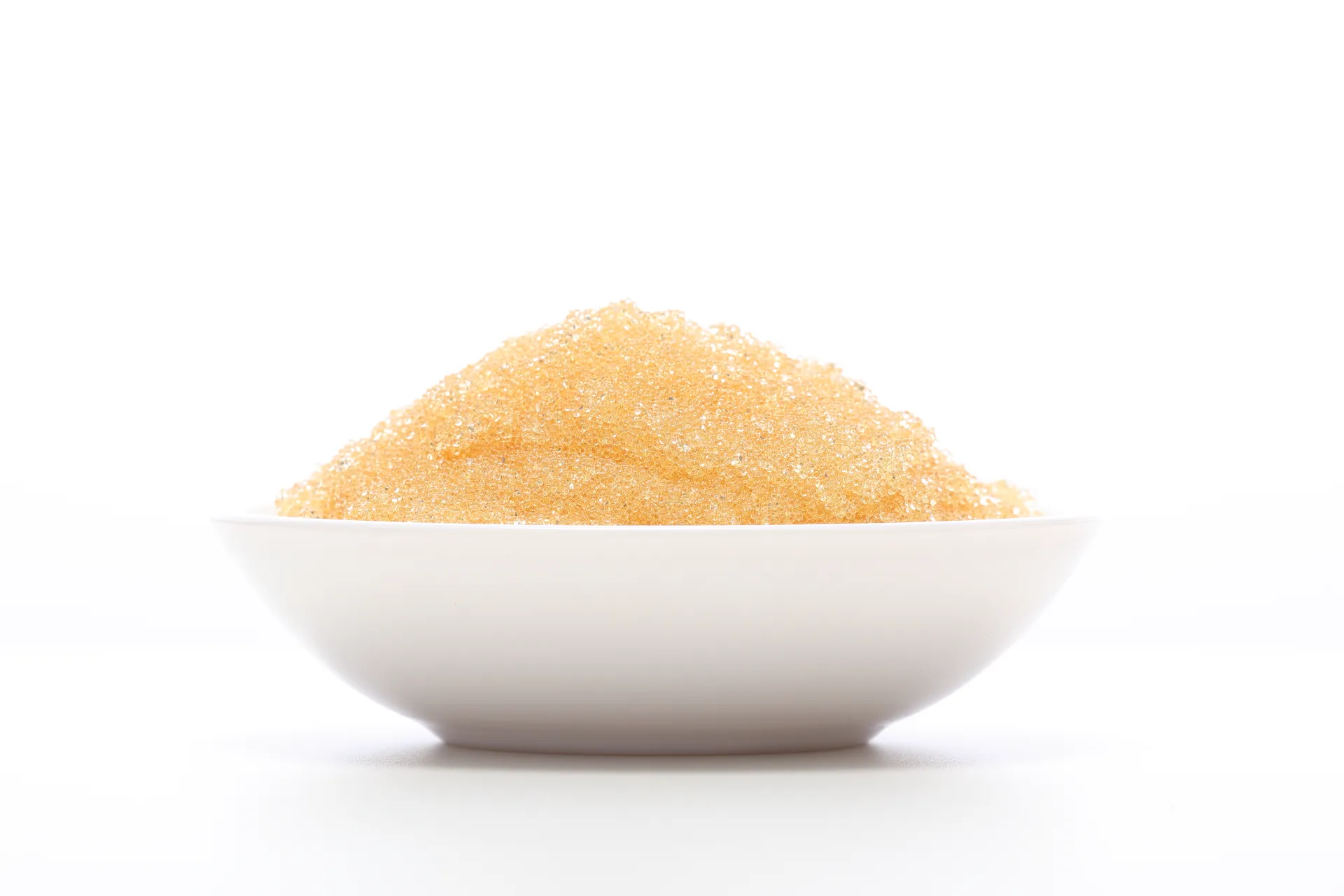
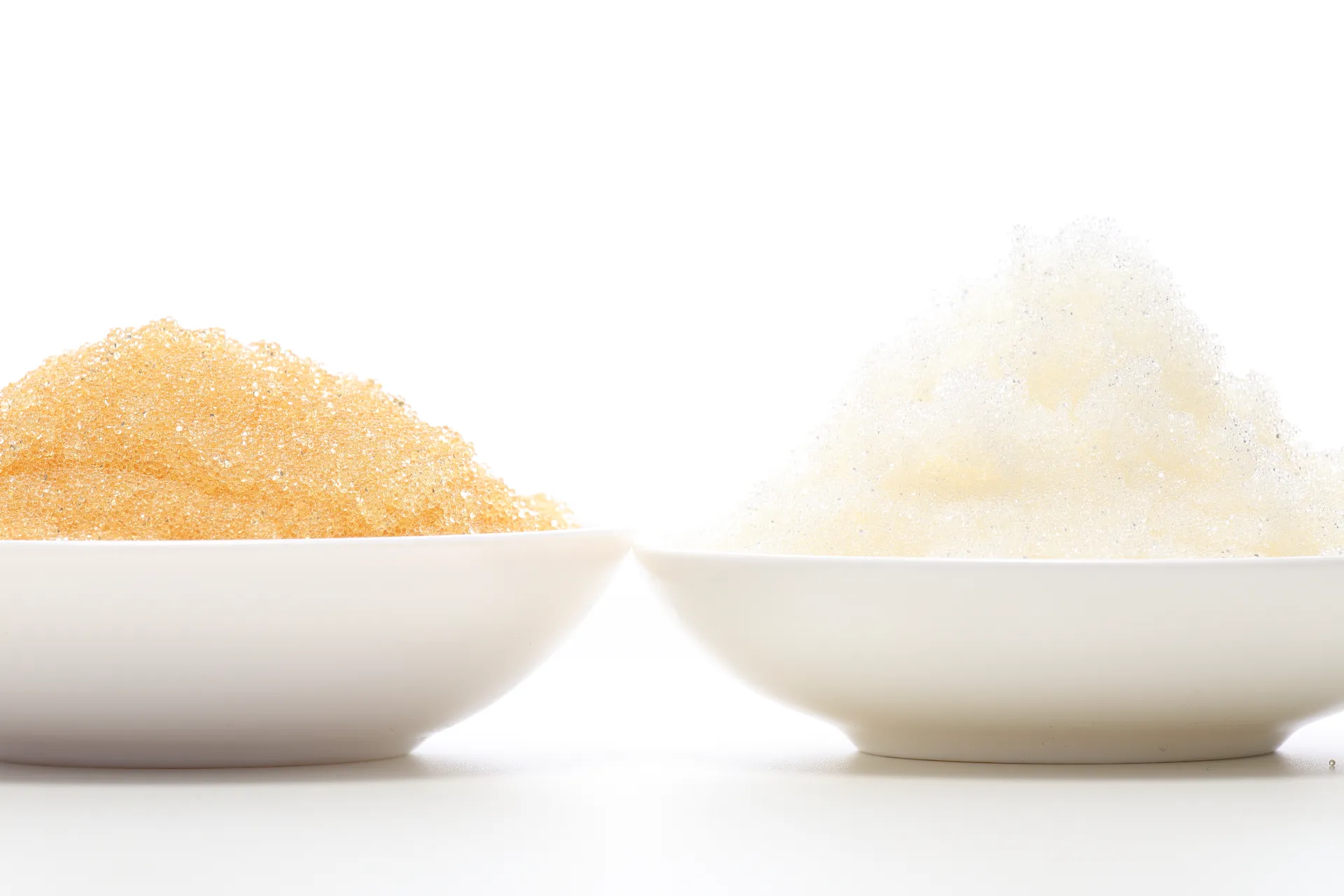
From Wei County, Xingtai, Hebei (NO.2 East Jianshe Road, High-Tech Industrial Development South Zone), the 001×7 FC is a gel-type polystyrene–divinylbenzene resin sulfonated to behave—practically speaking—like “solid sulfuric.” It’s purpose-built for water treatment: softening, primary H-cycle demin, and make-up water polishing. Many customers say it’s forgiving on start-up, which matches my field notes.
Materials: styrene + ≈7% DVB; sulfonation with sulfuric acid; bead polymerization; classification and rinsing. Methods: controlled gel porosity, H+ conditioning, and QC per ASTM D2187 for moisture, capacity, and bead integrity. Service life: typically 3–7 years depending on oxidants (free chlorine is the usual culprit), fouling (iron, organics), and regeneration hygiene.
| Matrix / Type | Polystyrene-DVB, gel SAC (H+ form) |
| Total exchange capacity | ≈ 1.9–2.2 eq/L (Na+ basis) |
| Moisture content | ≈ 45–50% |
| Bead size (effective) | ≈ 0.6–0.8 mm; UC ≈ 1.6 |
| Shipping weight | ≈ 800 g/L |
| Operating temp | Up to 120°C (Na+); up to 100°C (H+) |
| pH range (service) | 0–14 |
| Regen (typical) | 4–8% HCl or 1–2% H2SO4, 1.5–3 BV, slow/fast rinse |
Stable capacity, easy classification, and decent osmotic shock tolerance. Surprisingly low fines generation after a rough first backwash—good sign. Pair with dechlorination upstream; SAC and free chlorine don’t get along.
| Resin | Capacity (eq/L) | Bead size | Certs (typical) | Notes |
| 001X7 FC (Hebei, China) | ≈ 1.9–2.2 | 0.6–0.8 mm | ISO 9001 (factory); NSF/ANSI 61 by request | Cost-efficient, solid for softening/demin |
| AmberLite IR120 H (global) | ≈ 1.8–2.0 | 0.6–0.85 mm | NSF/ANSI 61, ISO 9001 | Benchmark SAC for demin |
| Purolite C100E (global) | ≈ 1.9–2.1 | 0.6–0.85 mm | NSF/ANSI 61, ISO 9001 | Widely used in softeners |
Always verify current datasheets and certifications before procurement.
You can usually spec crosslink (7% is the 001X7 baseline), bead size bands, and preconditioning (H+ vs Na+). Testing per ASTM D2187 (moisture, capacity, attrition), plus pressure drop checks and rinse-to-conductivity targets. For potable use, ask for NSF/ANSI 61 compliance. Food plants often request migration tests and TOC rinse data.
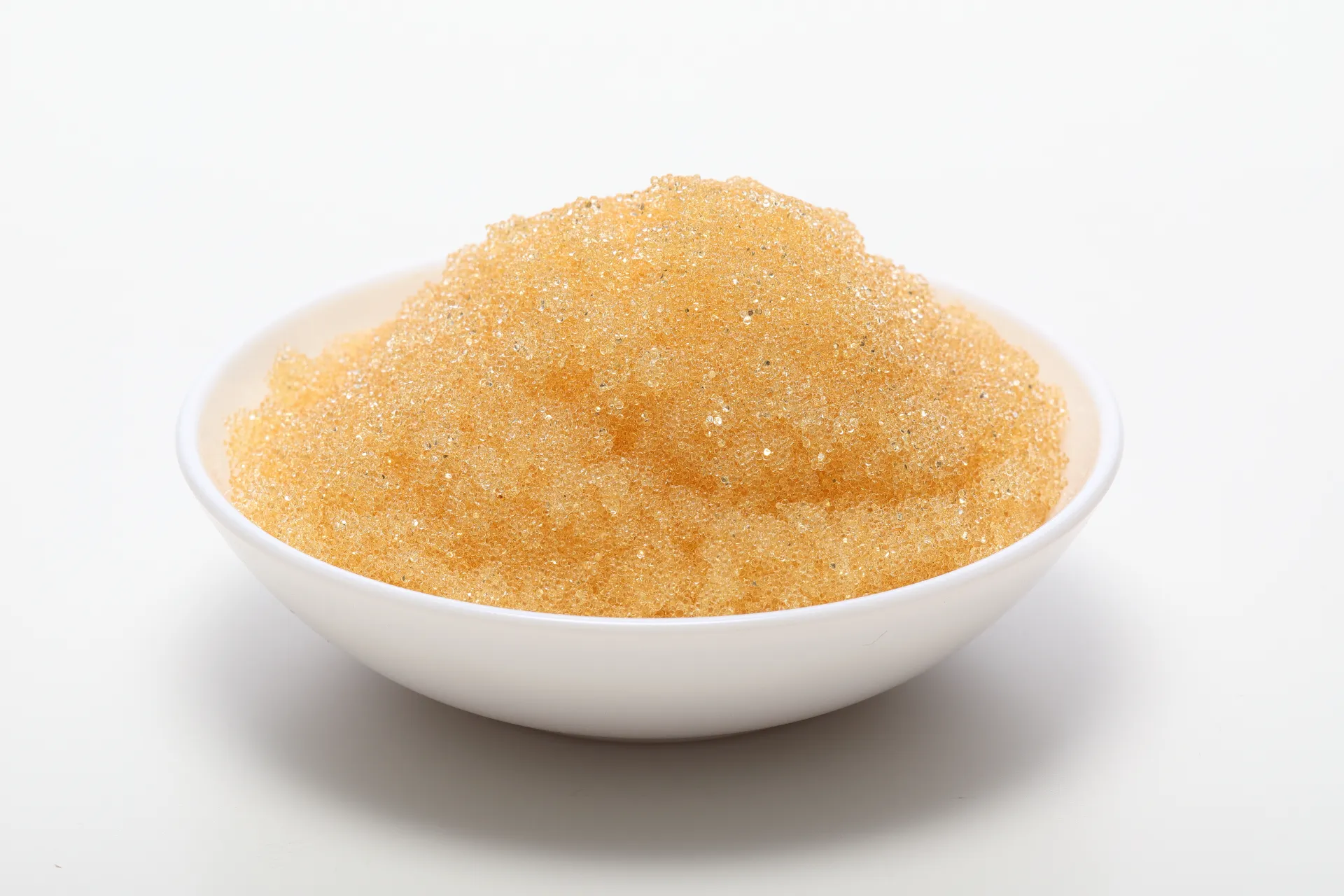
Feedback has been consistent: predictable rinse-up, minimal fines after first backwash, and stable pressure drop when backwash rates follow temperature-corrected curves.
Origin: NO.2 East Jianshe Road, High-Tech Industrial Development South Zone, Wei County, Xingtai, Hebei Province, China.