Phone:
+86 0319 2296164


Email:
info@lijiresin.cn
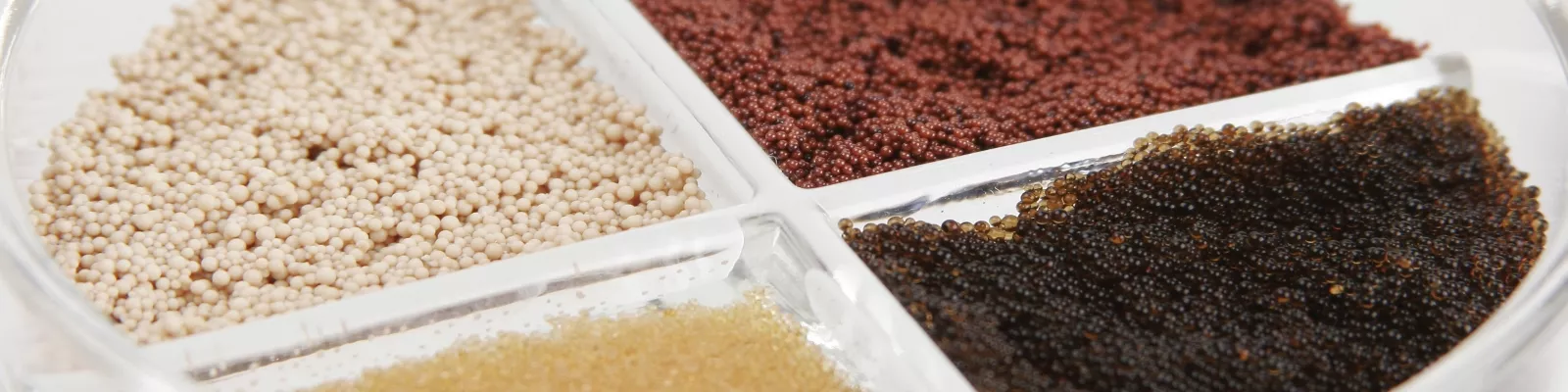
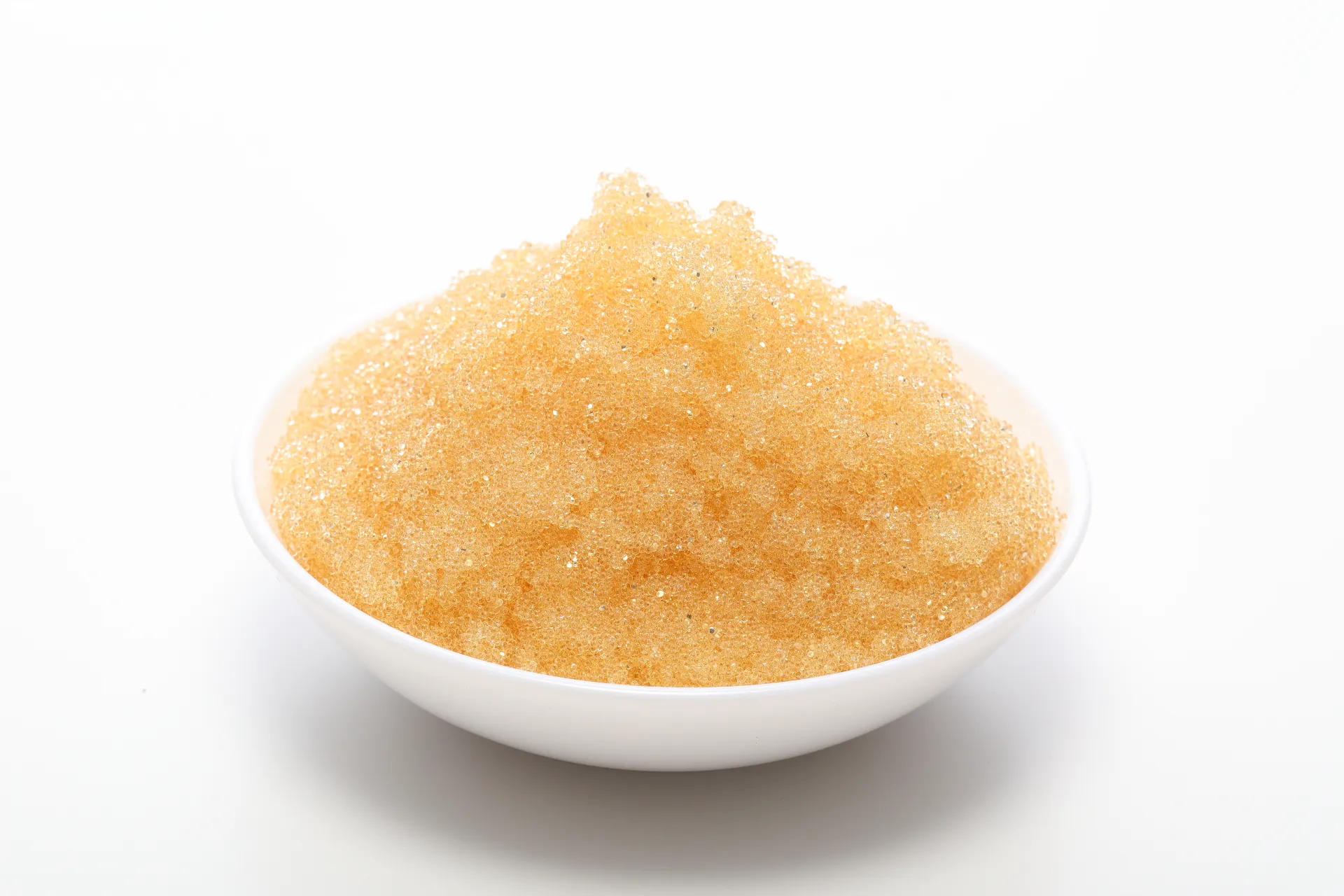
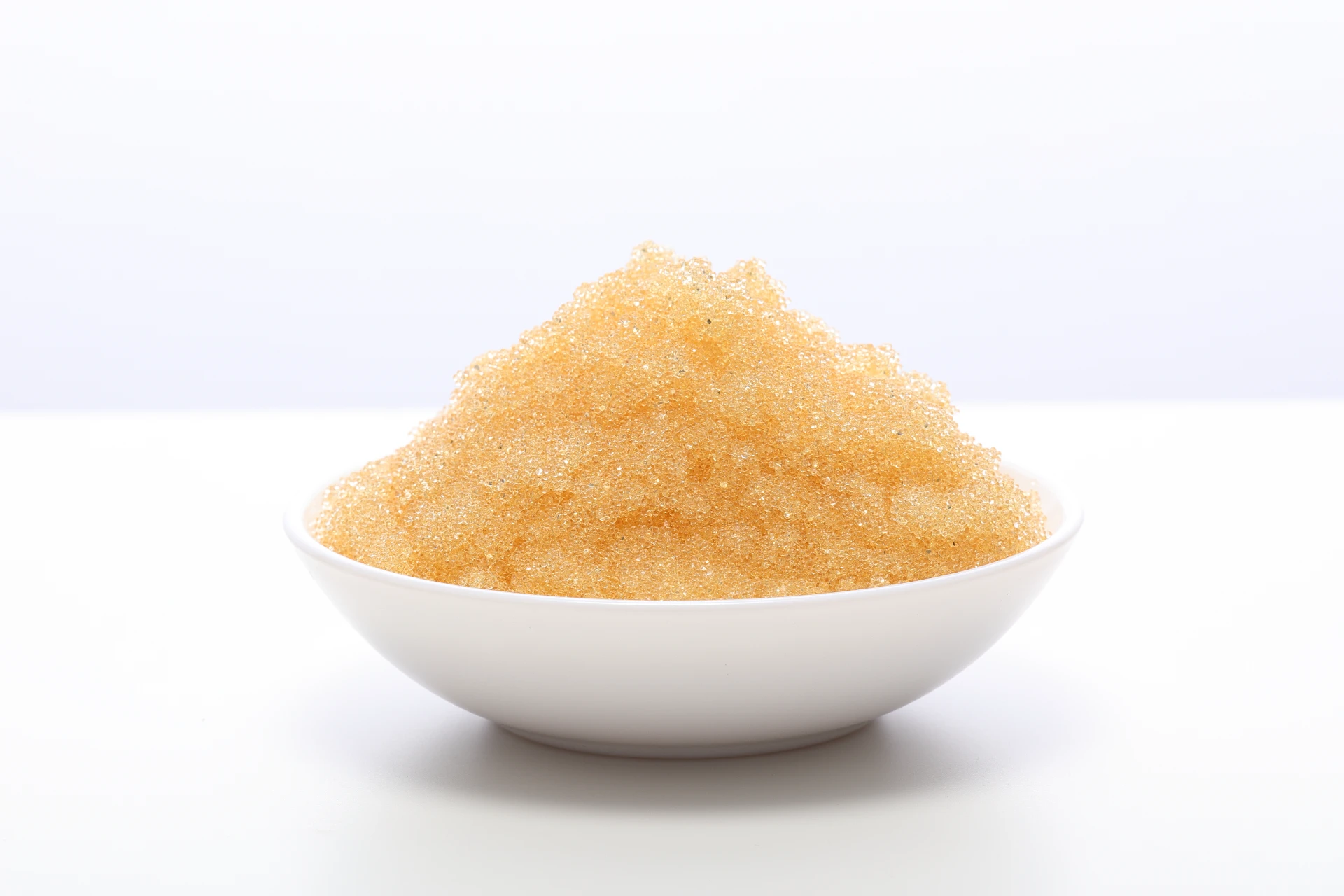
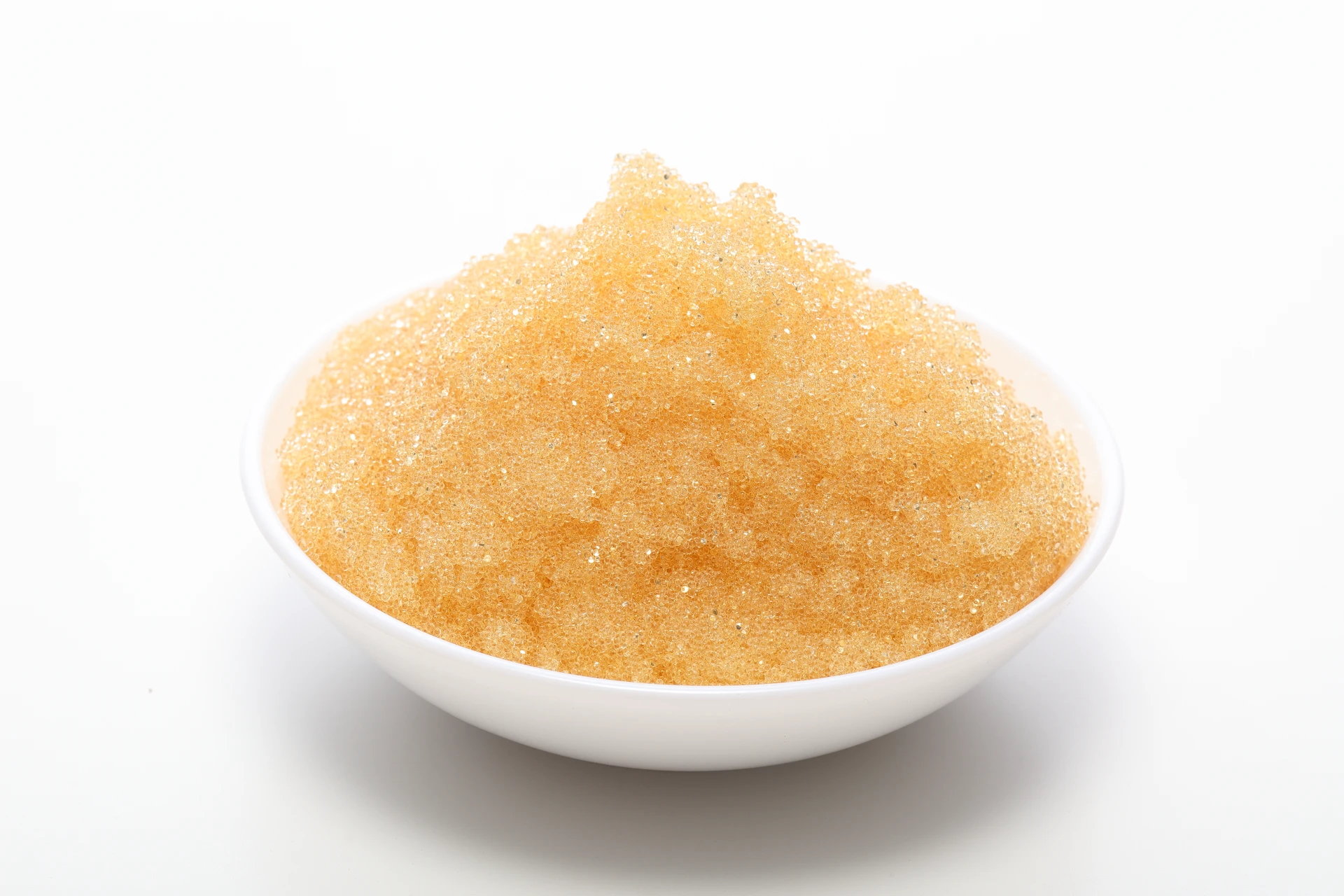
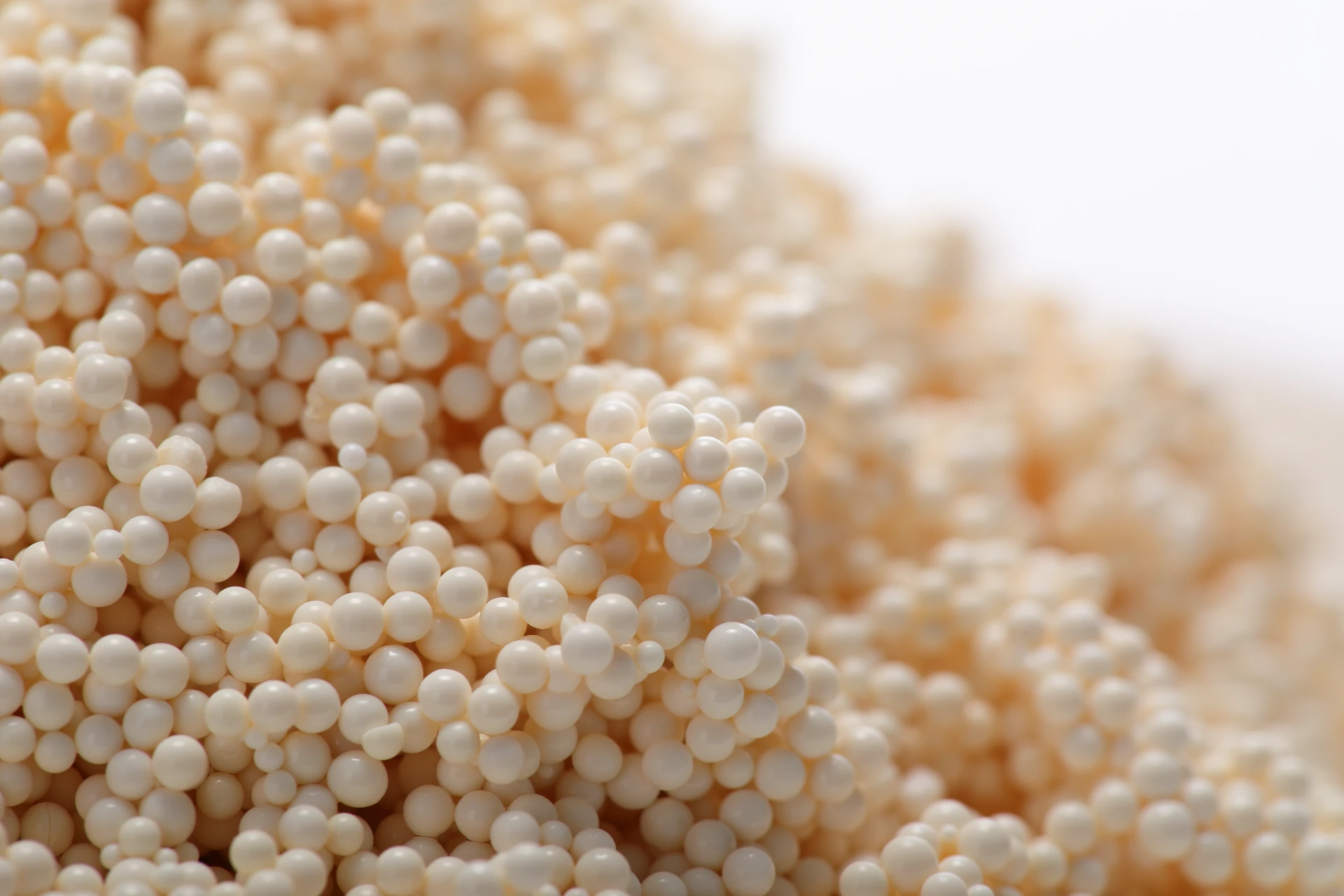
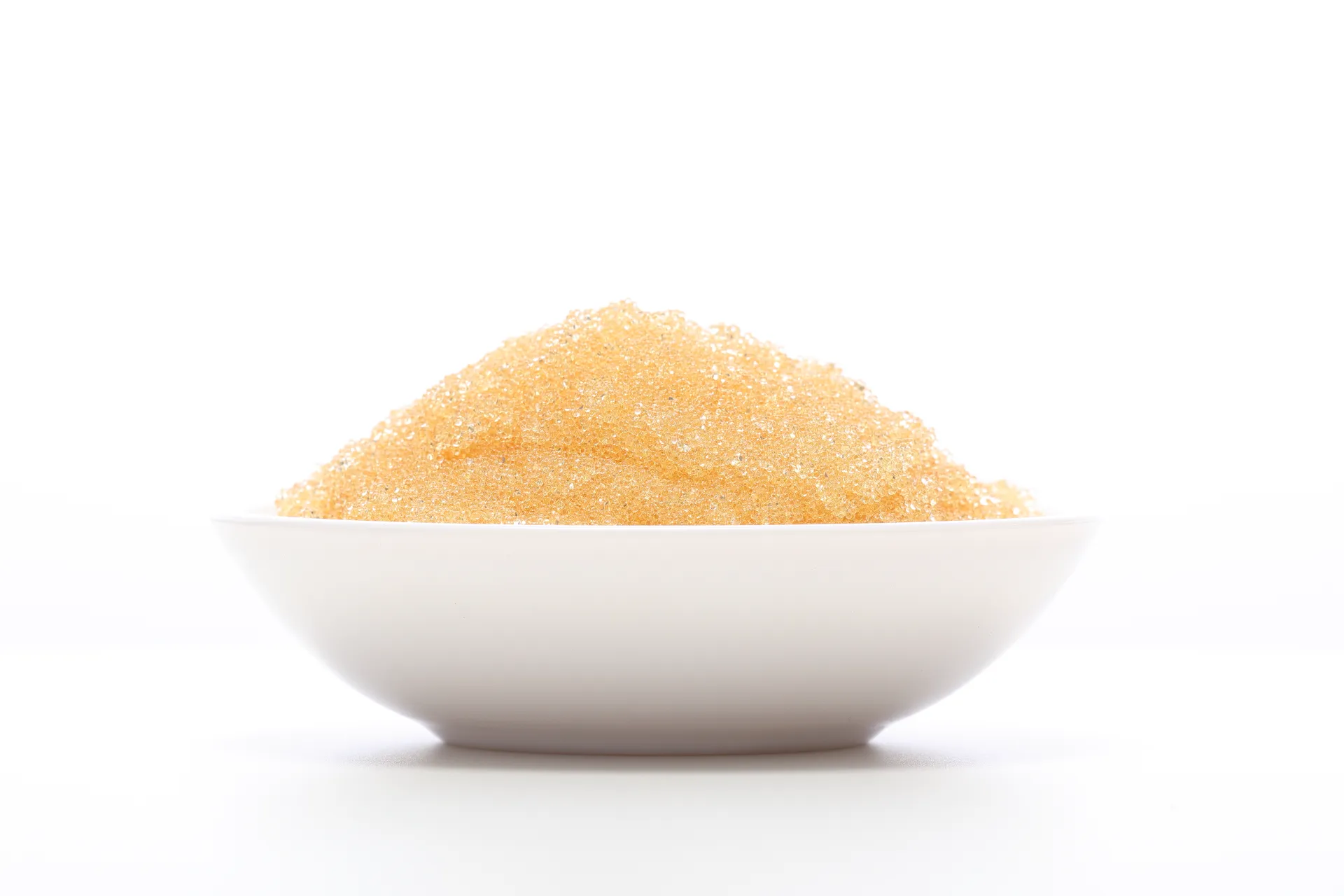
Working in industrial equipment for well over a decade, I’ve come across a slew of materials and technologies — some that barely last a season, and others that quietly become staples. The C100E resin belongs, frankly, in that latter group. Oddly enough, despite the rapid evolution in composite materials, this resin still holds a trusted spot for a variety of manufacturing needs, especially where durability and chemical resistance matter.
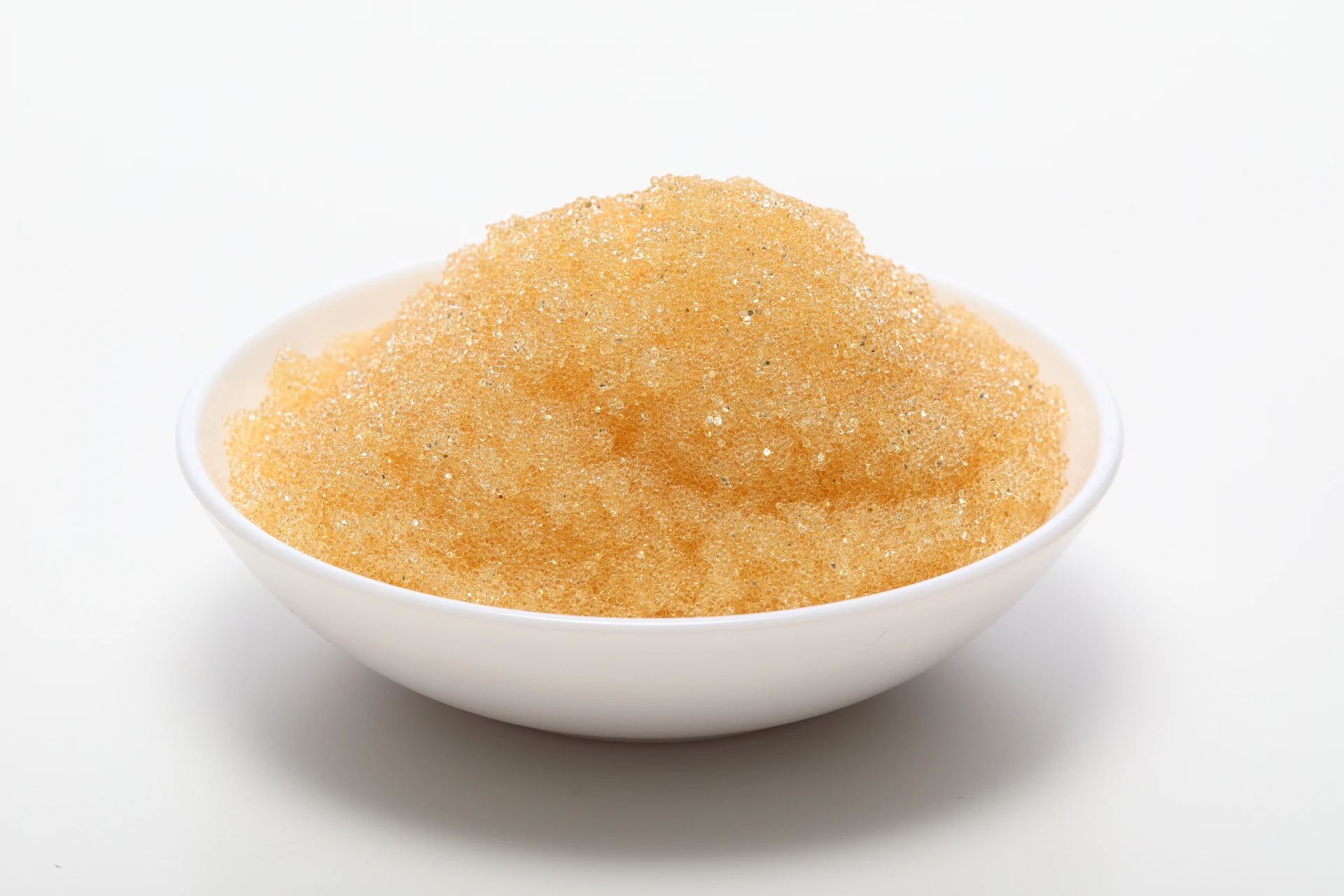
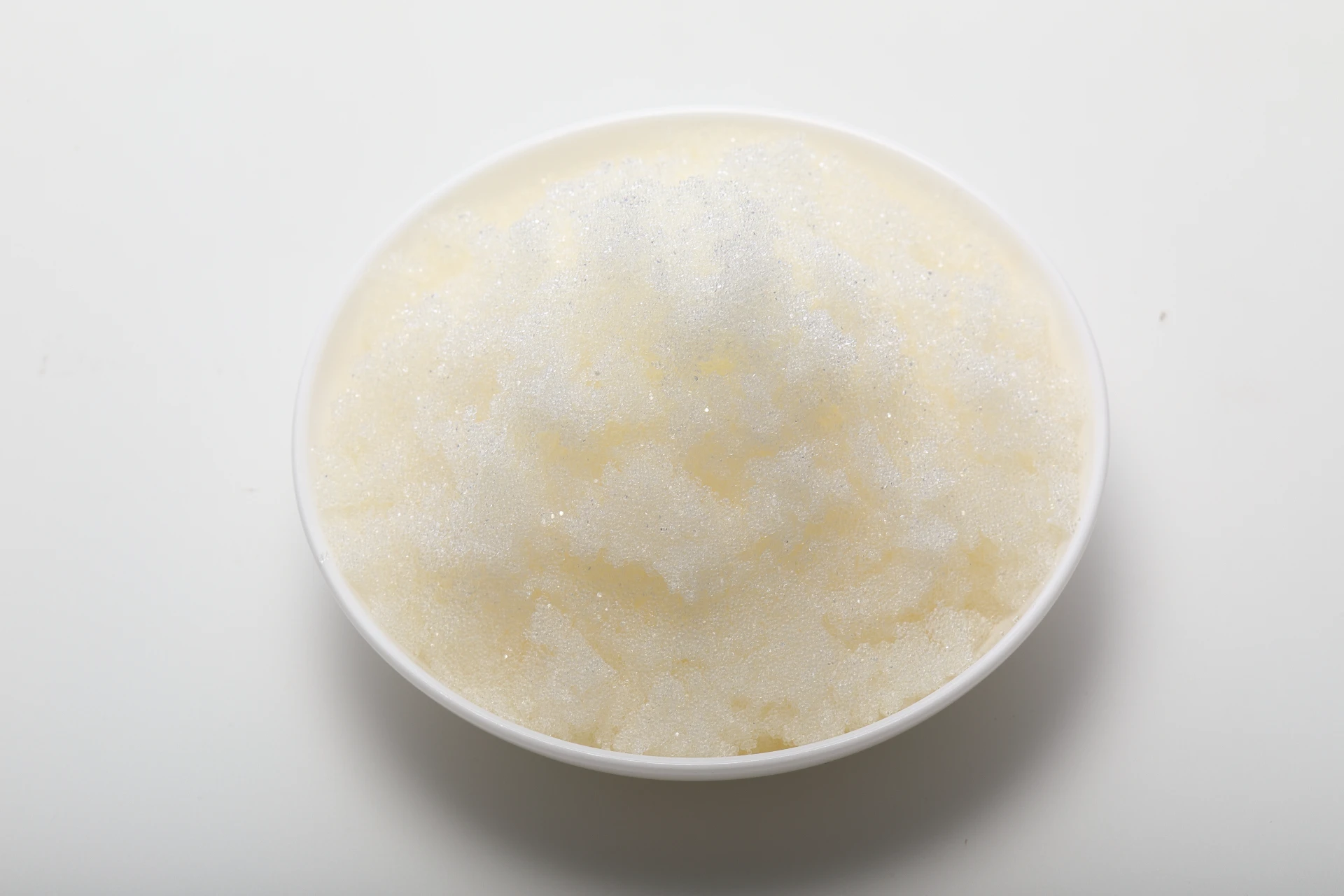
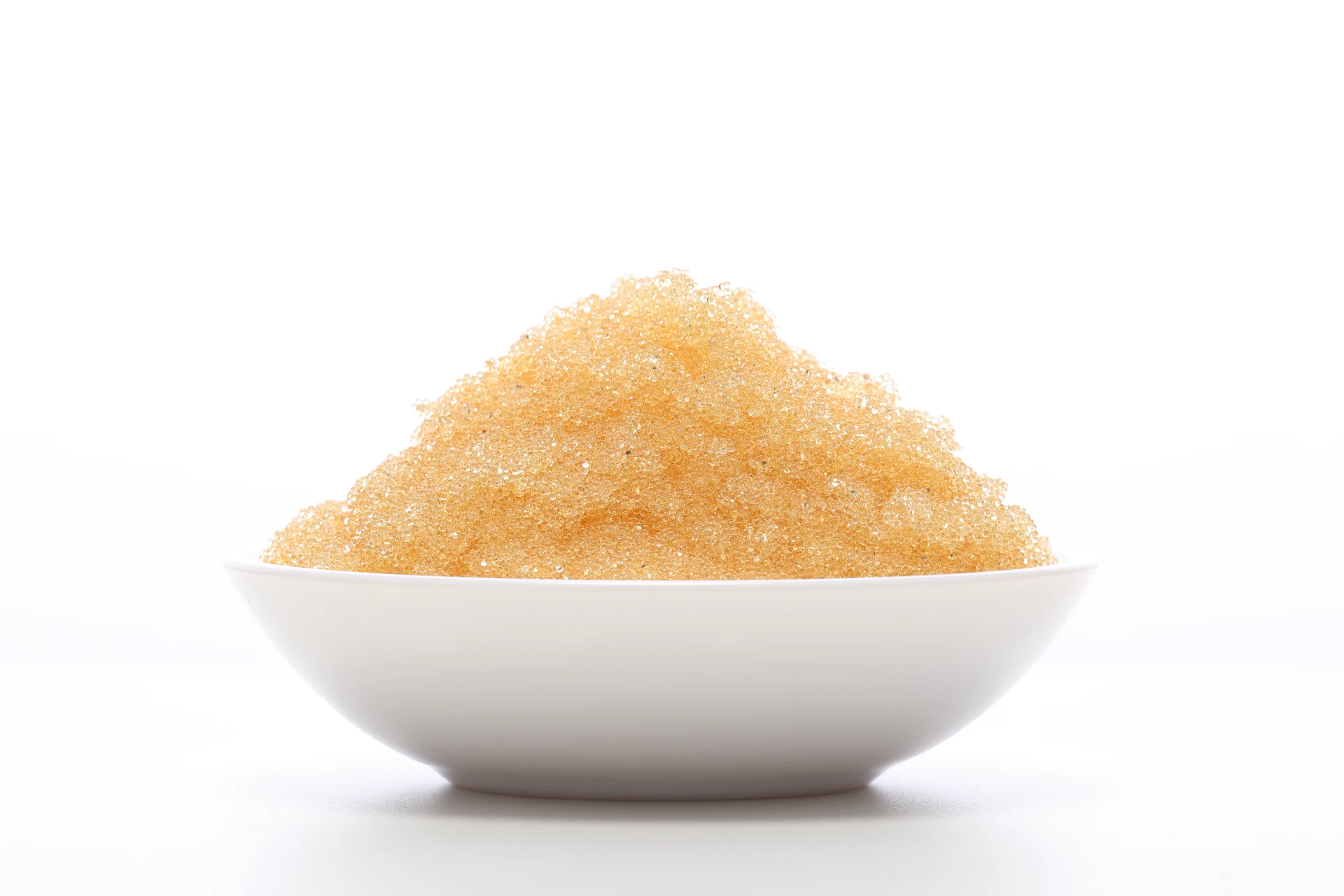
Now, if you’re not intimately familiar with resins, I get that it can be a bit like alphabet soup initially. But the C100E product is a carefully formulated epoxy resin designed to deliver consistent strength and flexibility. The folks behind it emphasize its balanced properties — not too brittle, not overly soft — which makes it a go-to for parts that require longevity without sacrificing moldability.
In real terms, many engineers I’ve talked with appreciate the tight viscosity control of C100E, which means the curing process is more predictable. This matters because you can avoid nasty surprises in the production line. And given how costly downtime can be, especially in heavy machinery sectors, that reliability pays dividends.
| Property | Value | Unit |
|---|---|---|
| Viscosity (at 25°C) | 1200 - 1400 | cP |
| Gel Time (100g at 25°C) | 45 - 55 | Minutes |
| Tensile Strength | 70 - 75 | MPa |
| Shore D Hardness | 80 - 85 | units |
| Operating Temp. Range | -40 to 120 | °C |
One thing I noticed while working alongside production teams is how customizable the C100E formulation can be. Depending on the end-use, small tweaks let manufacturers hit different hardness or cure times without having to source entirely new materials. That flexibility somehow makes every batch feel a bit bespoke — yet maintains the reassuring consistency industry demands.
Of course, the market offers alternatives. It’s a crowded space, and sometimes vendors try to oversell their “new” epoxy resins as game-changers. But I've run a few side-by-side tests comparing C100E with peers from other reputable vendors:
| Feature | Liji Resin (C100E) | Vendor A | Vendor B |
|---|---|---|---|
| Consistency batch-to-batch | Excellent | Good | Fair |
| Cure Time Control | Precise | Variable | Inconsistent |
| Chemical Resistance | High | Moderate | Moderate |
| Availability & Delivery | Reliable | Occasional delays | Frequent delays |
| Cost Efficiency | Competitive | Higher | Lower quality |
Not to sound like a sales pitch, but companies switching to C100E from other resins often comment on less scrap and fewer production headaches. Just last year, a manufacturer I collaborated with reduced rejects by nearly 12% after integrating C100E into their parts line – that’s not trivial when you run tens of thousands of units a month.
Wrapping up, I’d say the real charm of C100E resin lies in its blend of reliability, adaptability, and cost-effectiveness. It kind of feels like the workhorse of epoxy resins — not flashy, but you don't forget it when it performs consistently under tough conditions. For anyone deeply entrenched in industrial equipment manufacturing, having a material you can trust is priceless.
And if you’re curious about the nuances, I suggest testing small batches yourself. There’s nothing quite like hands-on experience to judge if a resin fits your application. You might find, like I did, that it’s exactly the missing piece in your material puzzle.
References: