Phone:
+86 0319 2296164


Email:
info@lijiresin.cn
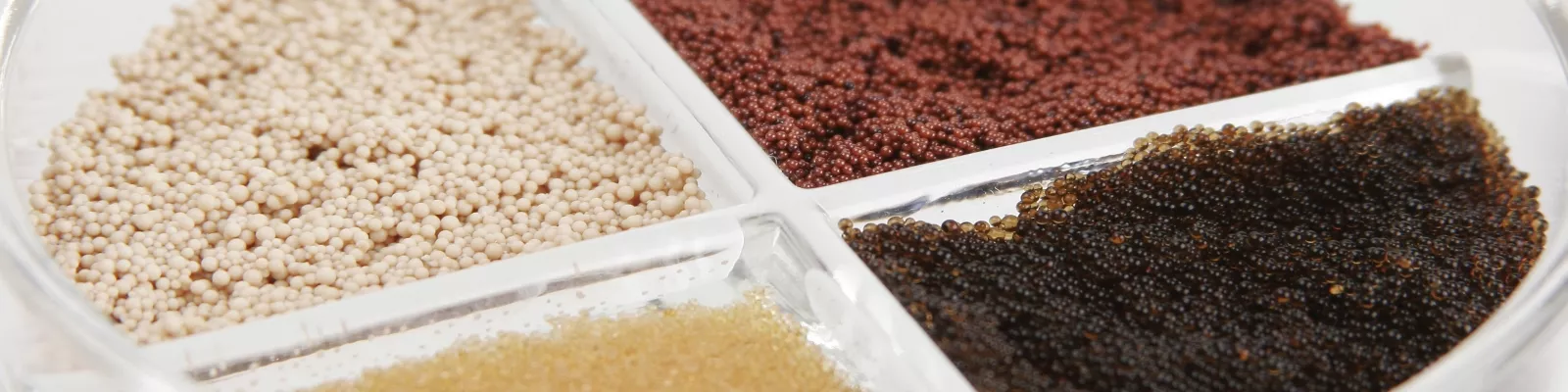
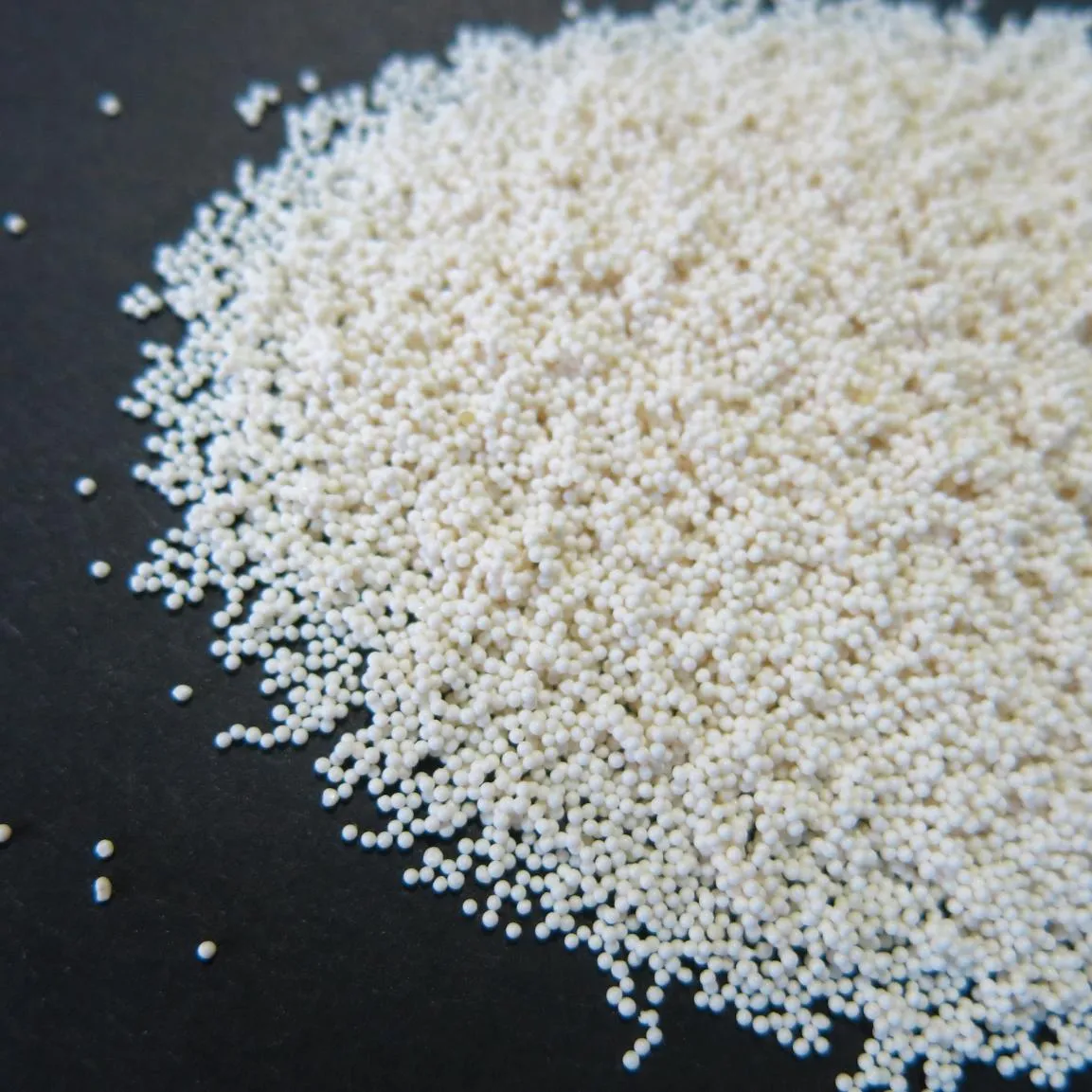
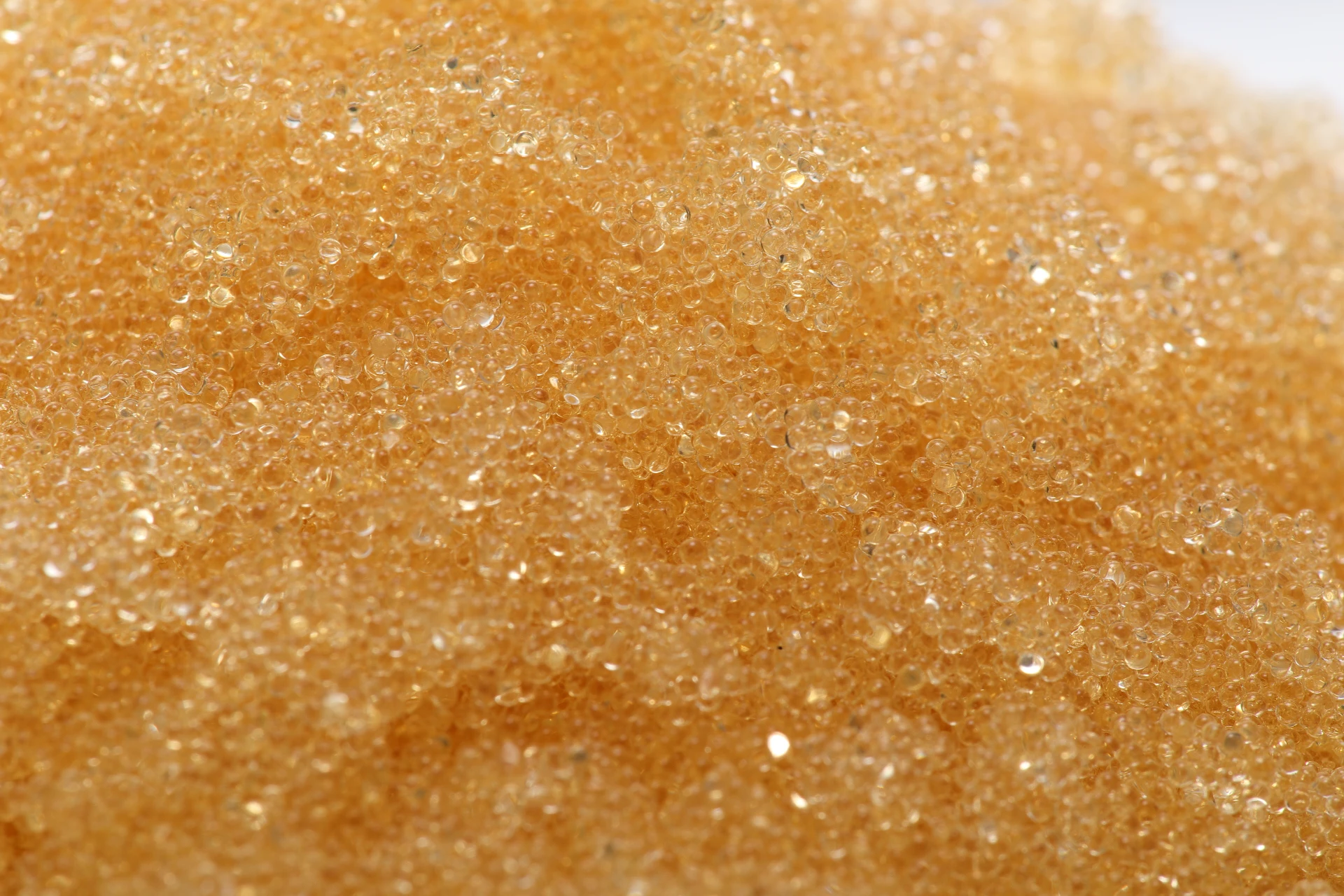
The Macroporous Adsorption Resin AB-8 is a specialized material designed for the extraction, separation, and purification of water-soluble and weakly polar substances. Developed by Hebei Lijiang Biotechnology Co., Ltd., this resin is a styrene-type weak polar copolymer (crosslinked with divinylbenzene, monomer methyl acrylate, and porogen toluene). Its unique properties make it a versatile tool in various industrial and scientific applications, including pharmaceuticals, food processing, and environmental remediation. This article provides an in-depth analysis of the product's features, technical specifications, applications, and the company's background, supported by authoritative references and practical insights.
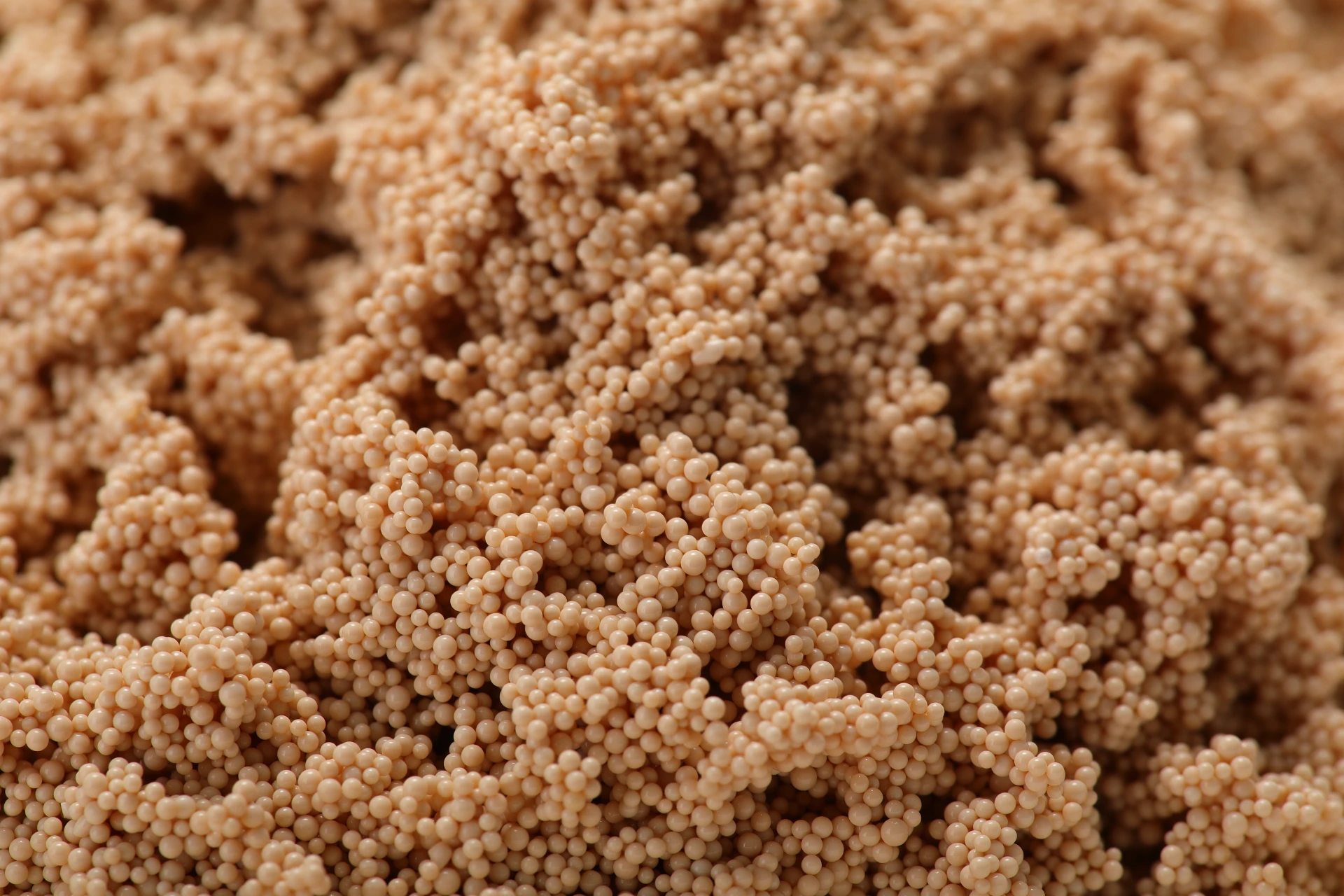
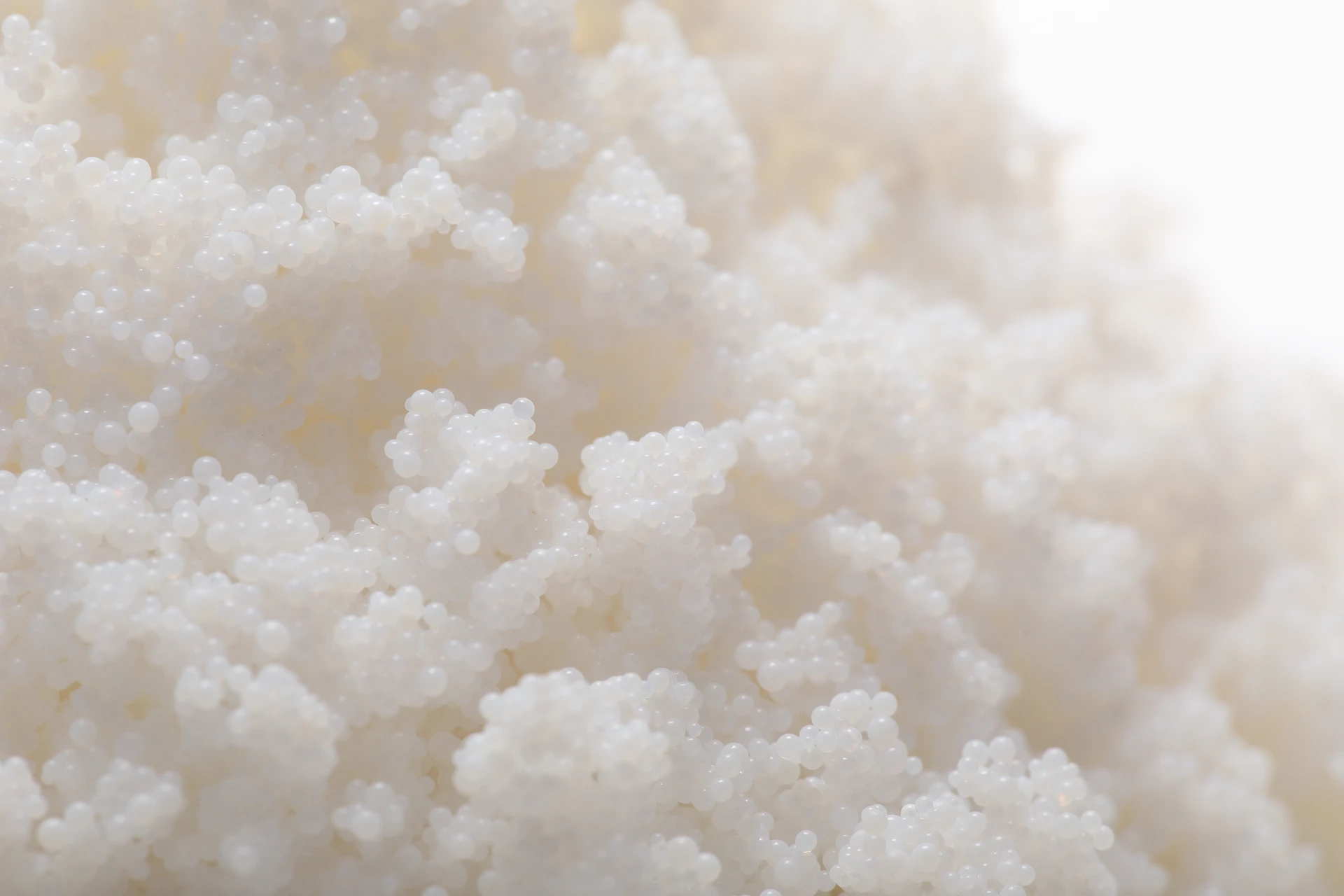
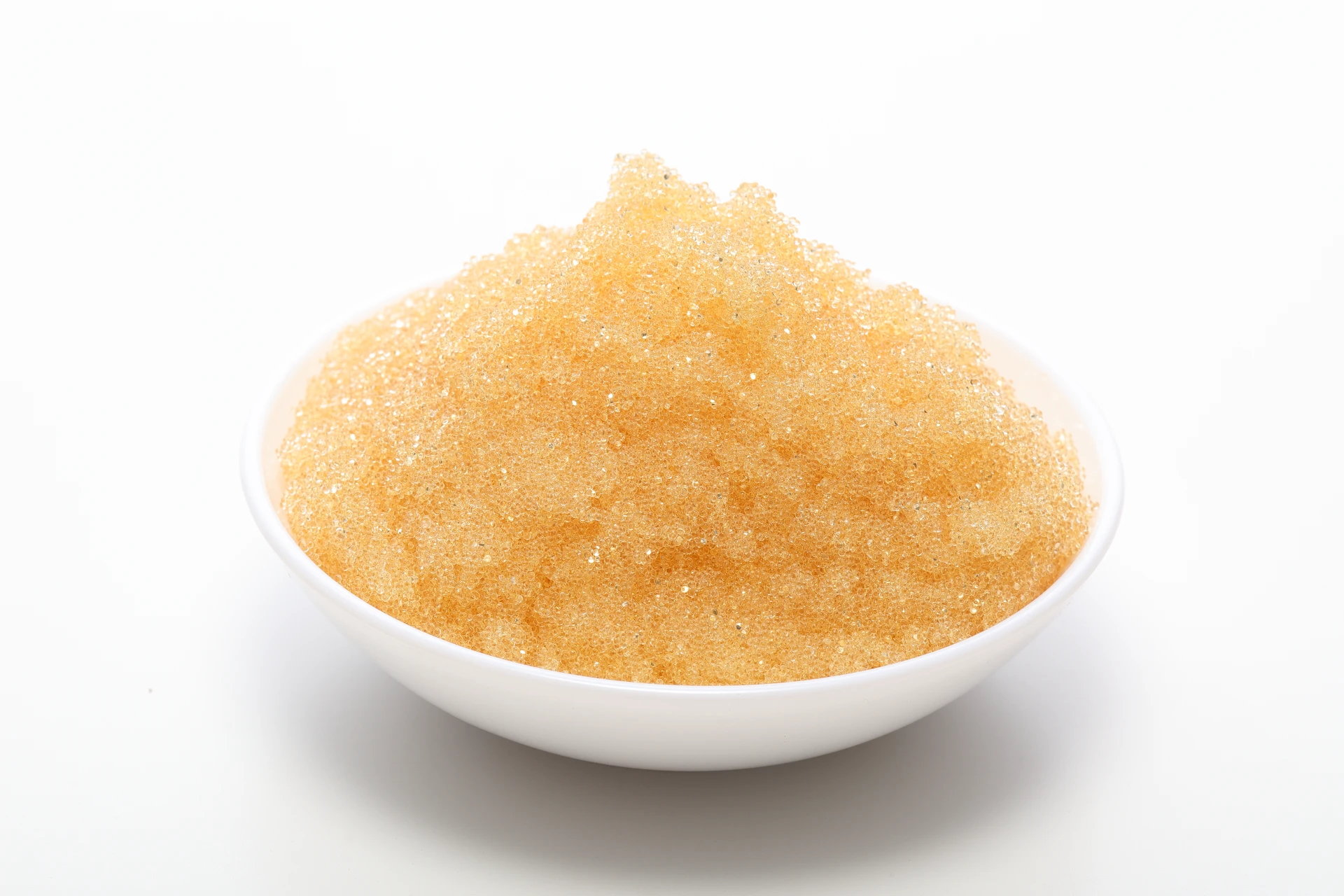
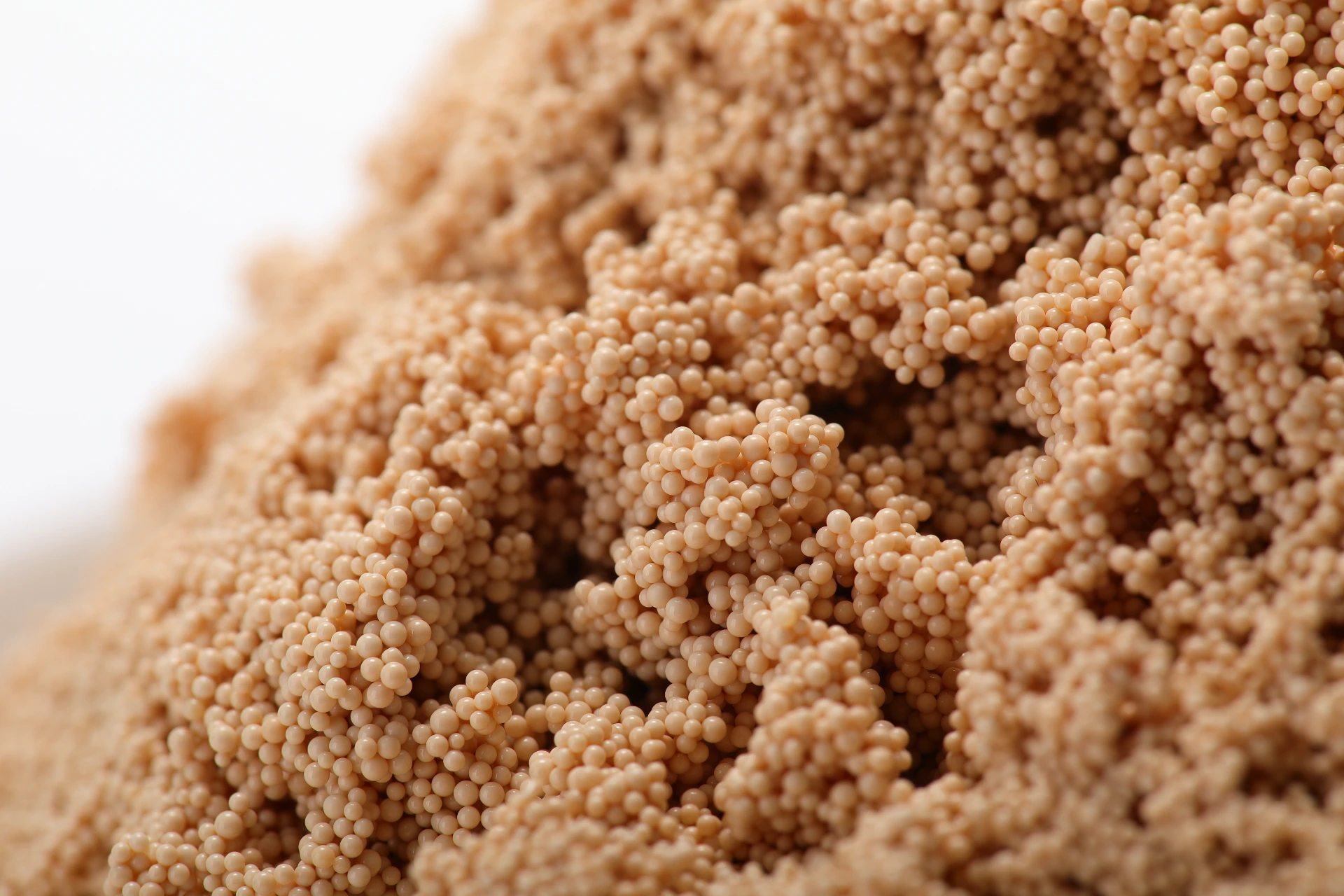
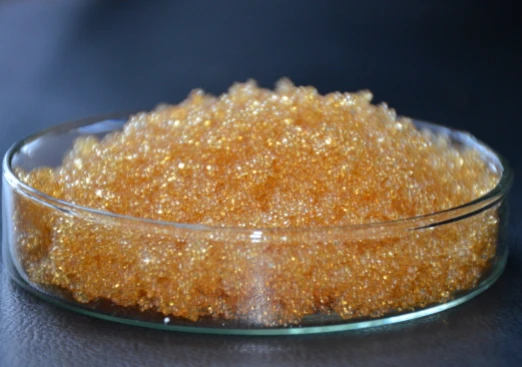
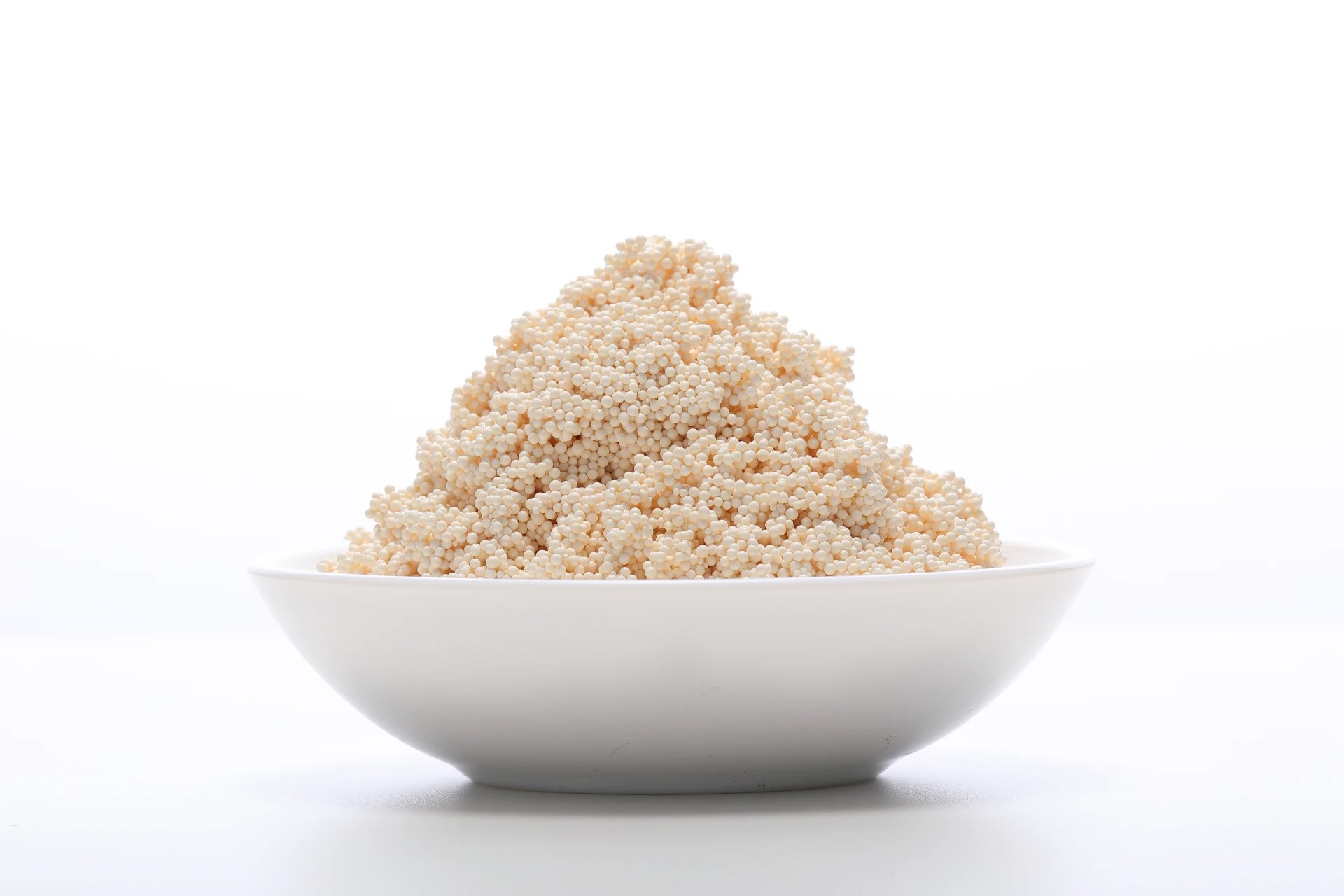
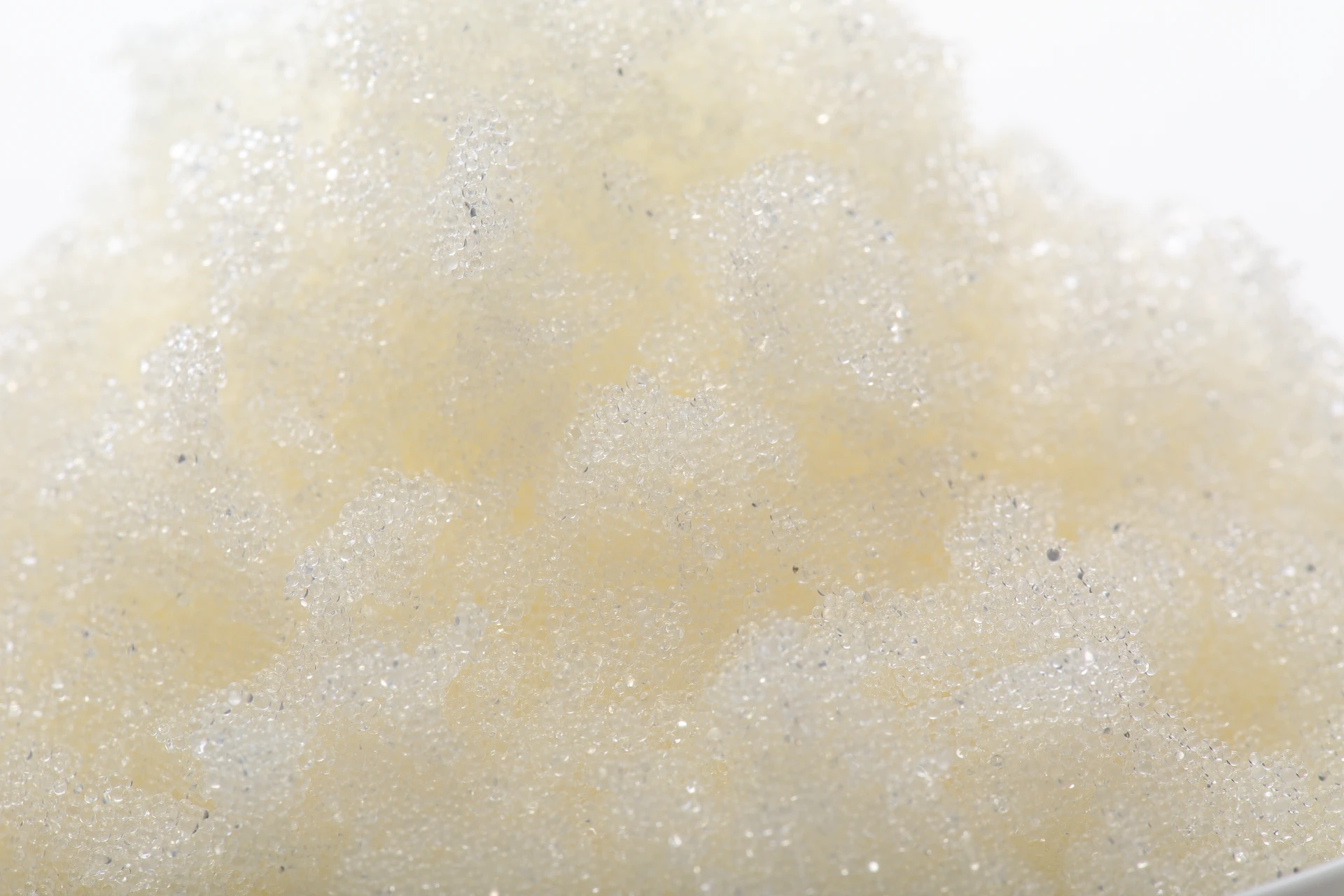
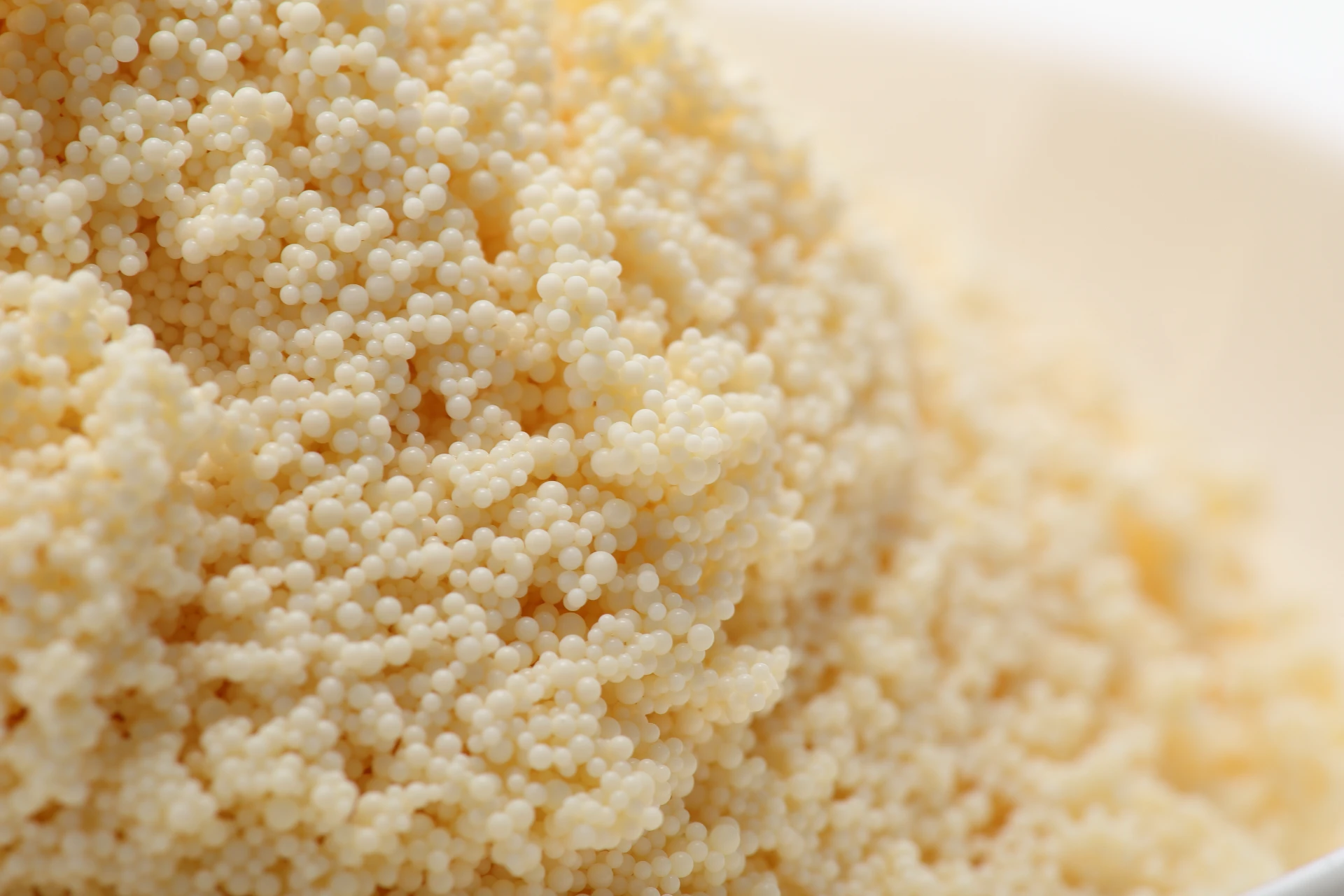
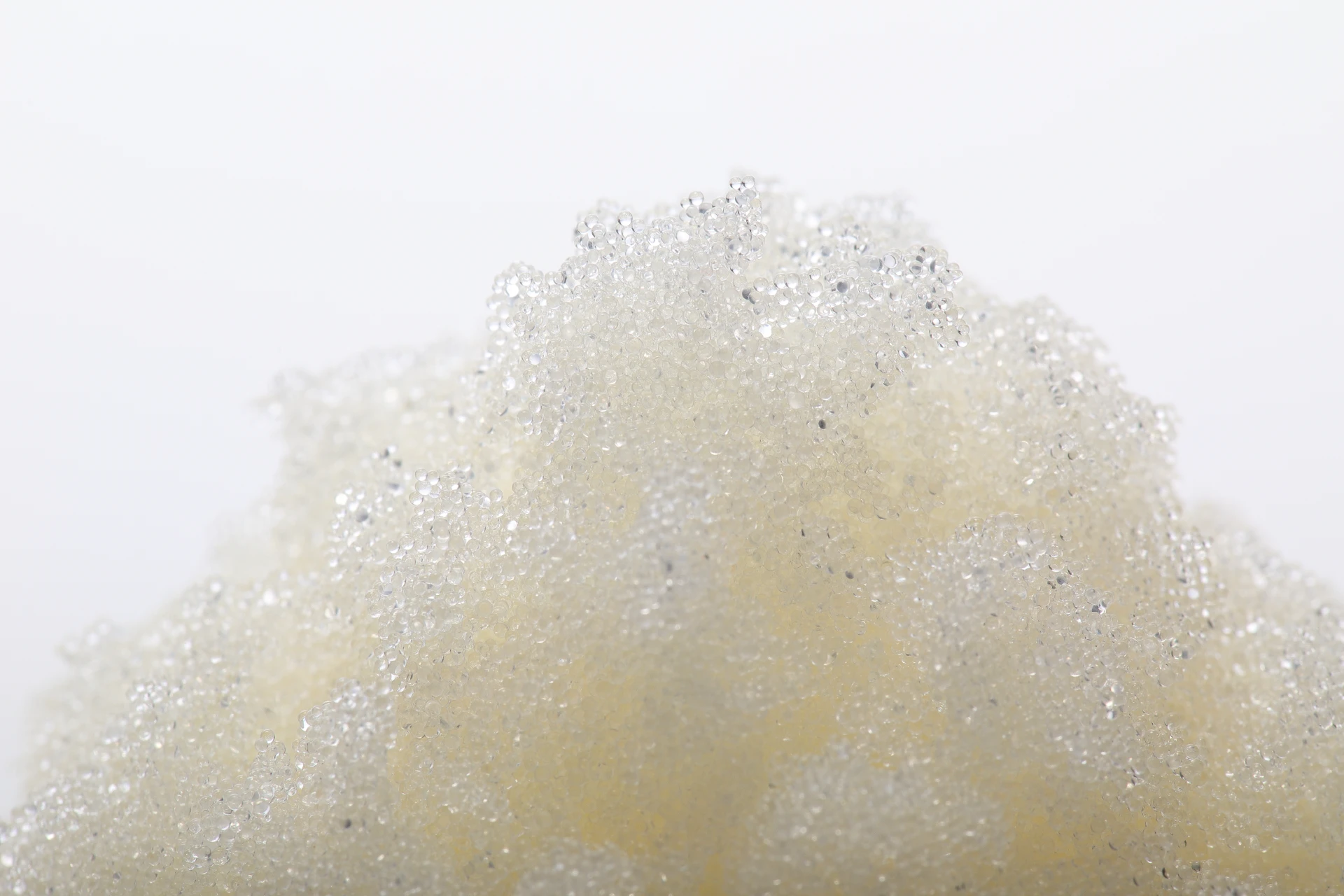
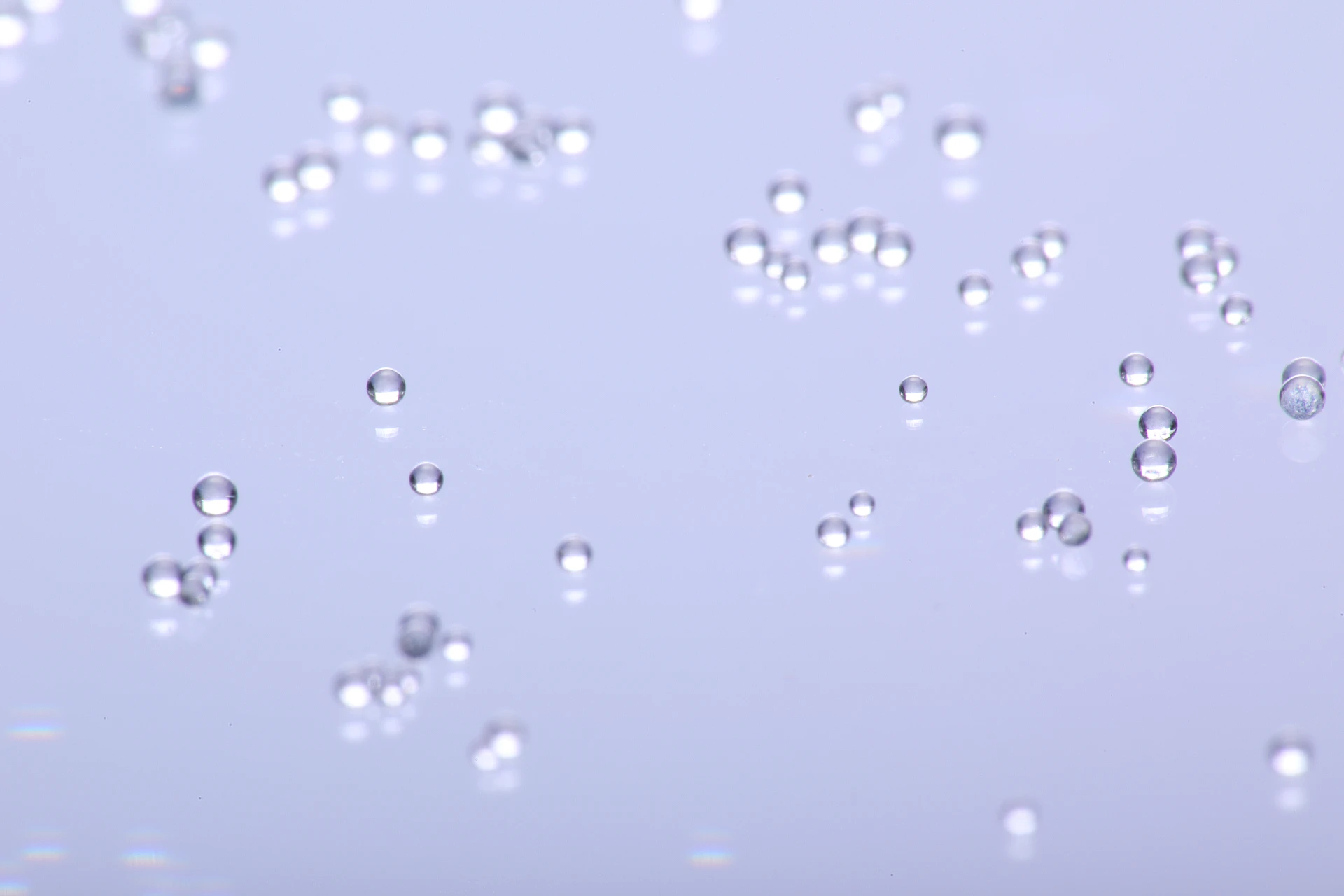
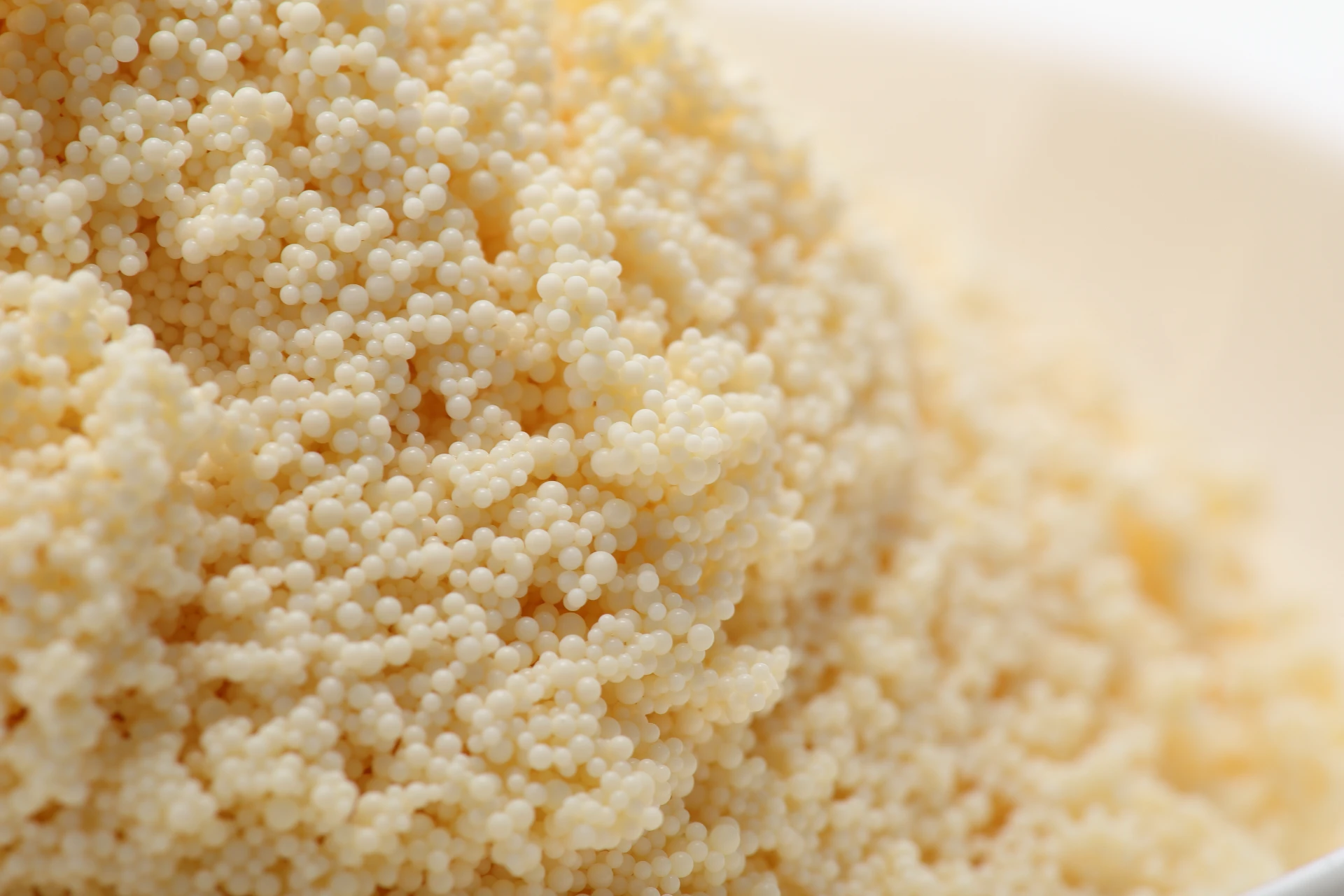
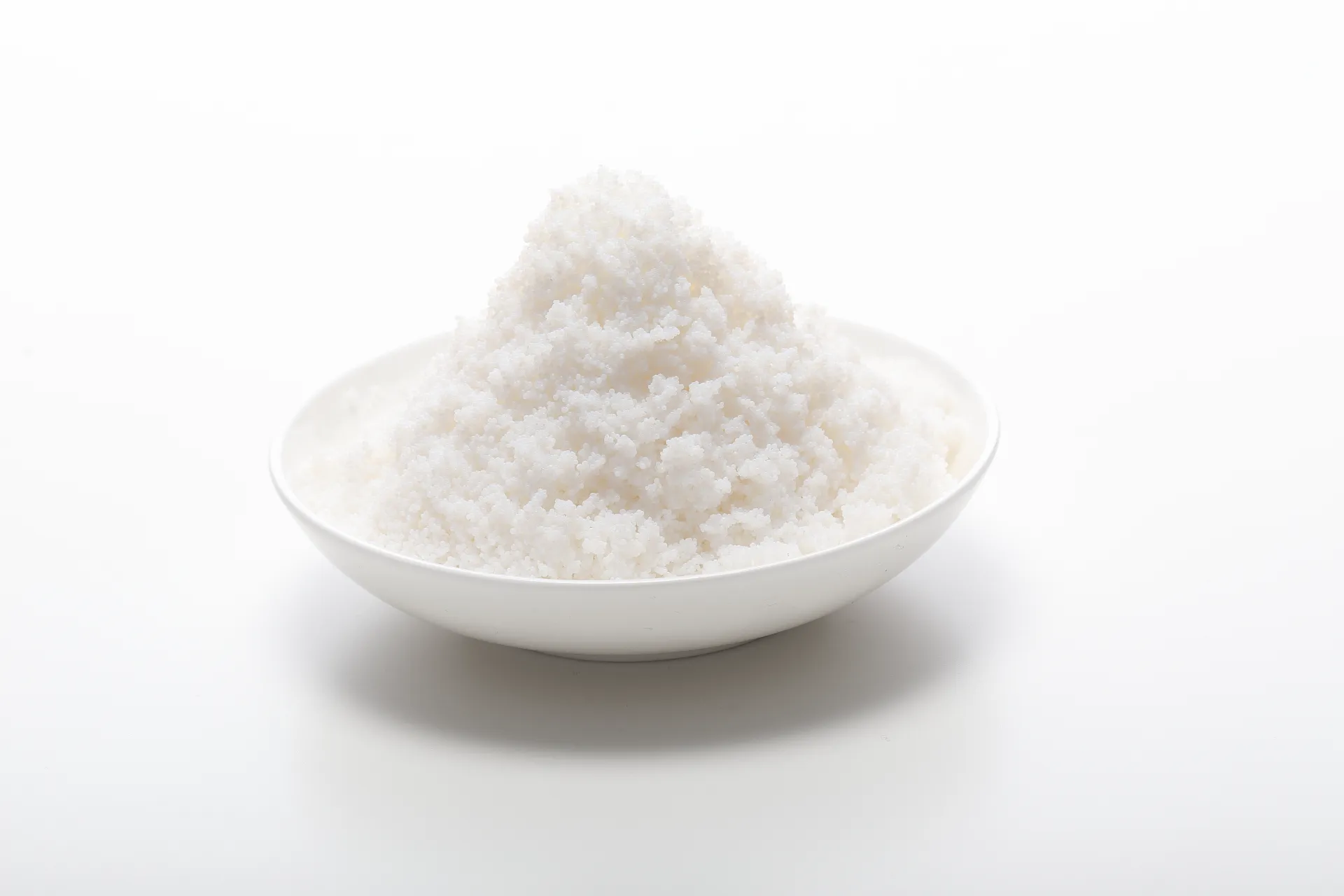
The Macroporous Adsorption Resin AB-8 is a weakly polar macroporous adsorbent that excels in the selective adsorption of organic compounds. Its milky white or light yellow appearance ensures ease of observation during processing, particularly in the separation of colored organic compounds. The resin's physical and chemical stability allows it to remain insoluble in acids, alkalis, and organic solvents, making it highly adaptable for diverse applications. This stability, combined with its high mechanical strength and long service life, positions it as a reliable choice for industrial and laboratory settings.
The following table summarizes the technical specifications of the Macroporous Adsorption Resin AB-8:
| Specification | Value |
|---|---|
| Appearance | Milky white opaque spherical beads |
| Resin Structure | PSD (Polystyrene-divinylbenzene) |
| Polarity | Weak polar |
| Moisture Content | 65%–75% |
| Particle Size Range | (60–16 mesh) 0.3–1.25 mm ≥90% |
| Average Pore Size | 13–14 nm |
| Pore Volume | 0.73–0.77 ml/g |
| Porosity | 42%–46% |
| Real Density | 1.05–1.09 g/ml |
| Bulk Density | 0.65–0.70 g/ml |
| Specific Surface Area | ≥480 m²/g |
| Adsorption Capacity | ≥45 mg/g |
The Macroporous Adsorption Resin AB-8 is widely used in the following industries and processes:
AB-8 is employed to isolate and purify active pharmaceutical ingredients (APIs) such as alkaloids and stevioside. Its high selectivity ensures the removal of impurities, improving the purity and efficacy of final products. For example, it is used in the extraction of berberine from plant sources, a compound with antimicrobial properties.
The resin is utilized to remove unwanted pigments, flavor compounds, and contaminants from food products. It is particularly effective in water purification and the removal of heavy metals and organic pollutants from drinking water. Its ability to adsorb colorants and tannins makes it valuable in the production of beverages like tea and wine.
AB-8 is used in wastewater treatment to adsorb organic pollutants and toxic substances. Its high surface area and pore volume enable it to capture a wide range of contaminants, including pesticides and dyes, contributing to environmental sustainability.
In laboratory settings, the resin is used for protein purification, nucleic acid isolation, and drug discovery. Its stability and reusability make it a cost-effective solution for large-scale experiments.
Proper preparation and regeneration are critical to maintaining the resin's performance:
Before use, the resin must be pretreated to remove inert solvents. This involves soaking it in ethanol (10–20 cm above the resin layer) for 3–4 hours, followed by draining and washing with water until the effluent is clear. This process ensures the resin is ready for adsorption tasks.
When the resin's adsorption capacity declines, it can be regenerated using a multi-step process:
This regeneration method restores the resin's adsorption efficiency, ensuring long-term usability.
Founded in China, Hebei Lijiang Biotechnology Co., Ltd. is a leading manufacturer of adsorption resins and chromatography materials. The company specializes in developing high-performance resins for industrial and research applications. With a commitment to innovation and quality, Hebei Lijiang has established itself as a trusted supplier in the global market. Their products, including the Macroporous Adsorption Resin AB-8, are used in diverse sectors, from pharmaceuticals to environmental protection.
The development and application of adsorption resins like AB-8 align with industry standards for material performance and safety. While the resin itself is not directly referenced in NIST publications, the principles of adsorption and material characterization are well-documented by the National Institute of Standards and Technology (NIST). For instance, NIST's work on nanomaterials and porous structures provides foundational knowledge for understanding the behavior of resins like AB-8. As noted by NIST, "Measurements and research fuel innovation and improve the quality of life for all Americans" (NIST Website). This underscores the importance of precise specifications and testing in material science, which Hebei Lijiang adheres to in its product development.
The Macroporous Adsorption Resin AB-8 is a robust, versatile material with a wide range of applications. Its high selectivity, stability, and easy regeneration make it an indispensable tool in industries such as pharmaceuticals, food processing, and environmental remediation. By adhering to rigorous technical specifications and industry standards, Hebei Lijiang Biotechnology Co., Ltd. continues to deliver innovative solutions that meet the demands of modern science and technology. For more information, visit the product page or explore the company's official website.
1. National Institute of Standards and Technology (NIST). "Driving Innovation." Retrieved from https://www.nist.gov.
2. Hebei Lijiang Biotechnology Co., Ltd. (2025). Macroporous Adsorption Resin AB-8 Product Specifications. Retrieved from https://www.lijiresin.com/macroporous-adsorption-resin-ab-8.html.