Phone:
+86 0319 2296164


Email:
info@lijiresin.cn
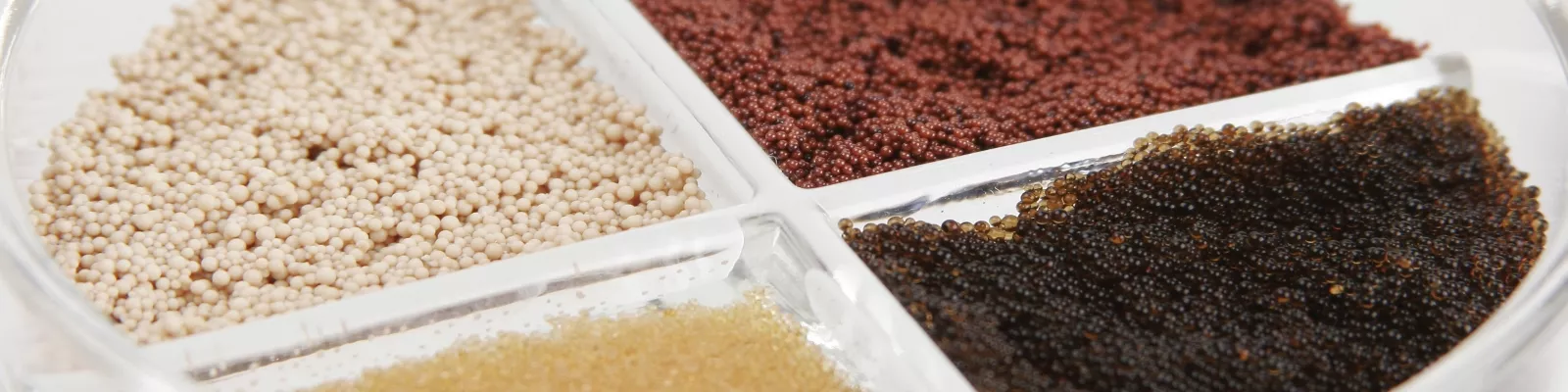
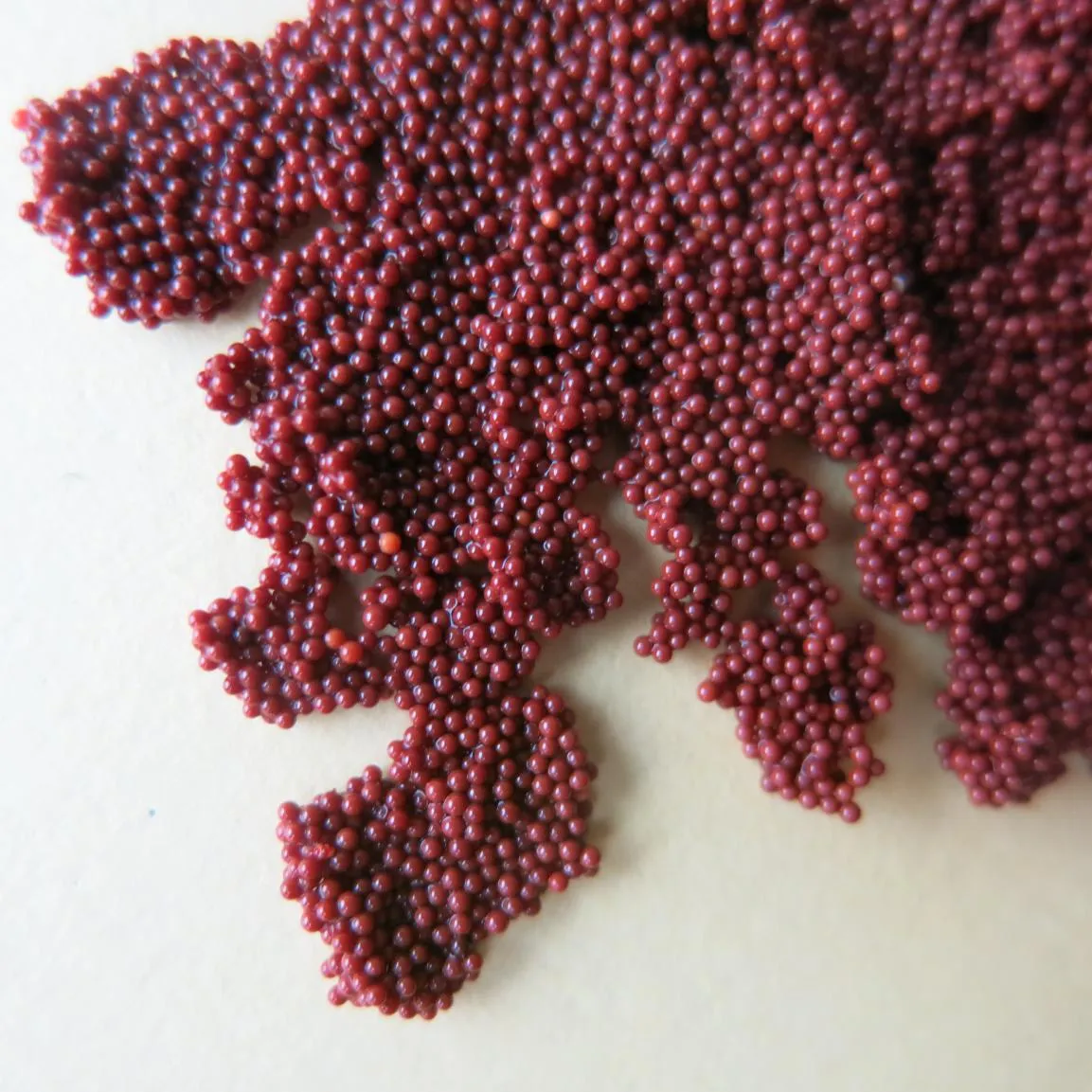
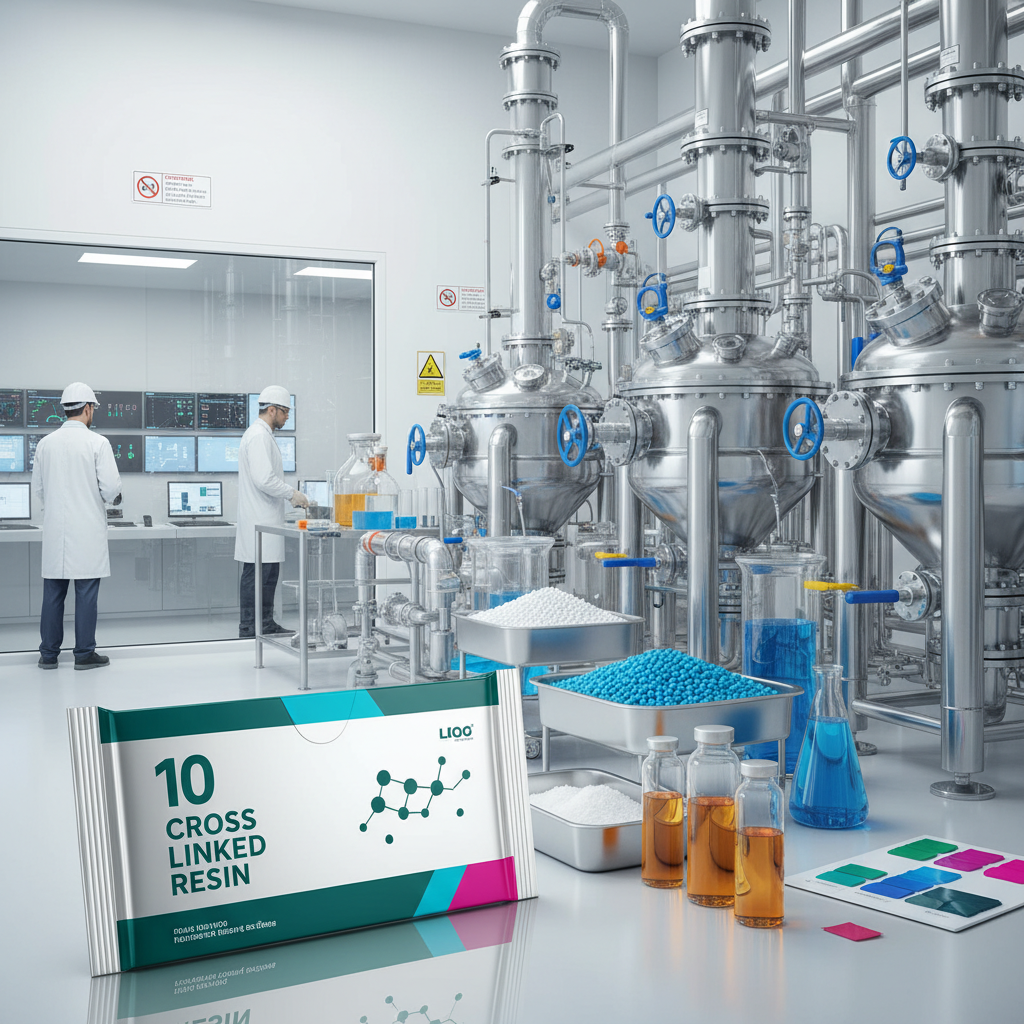
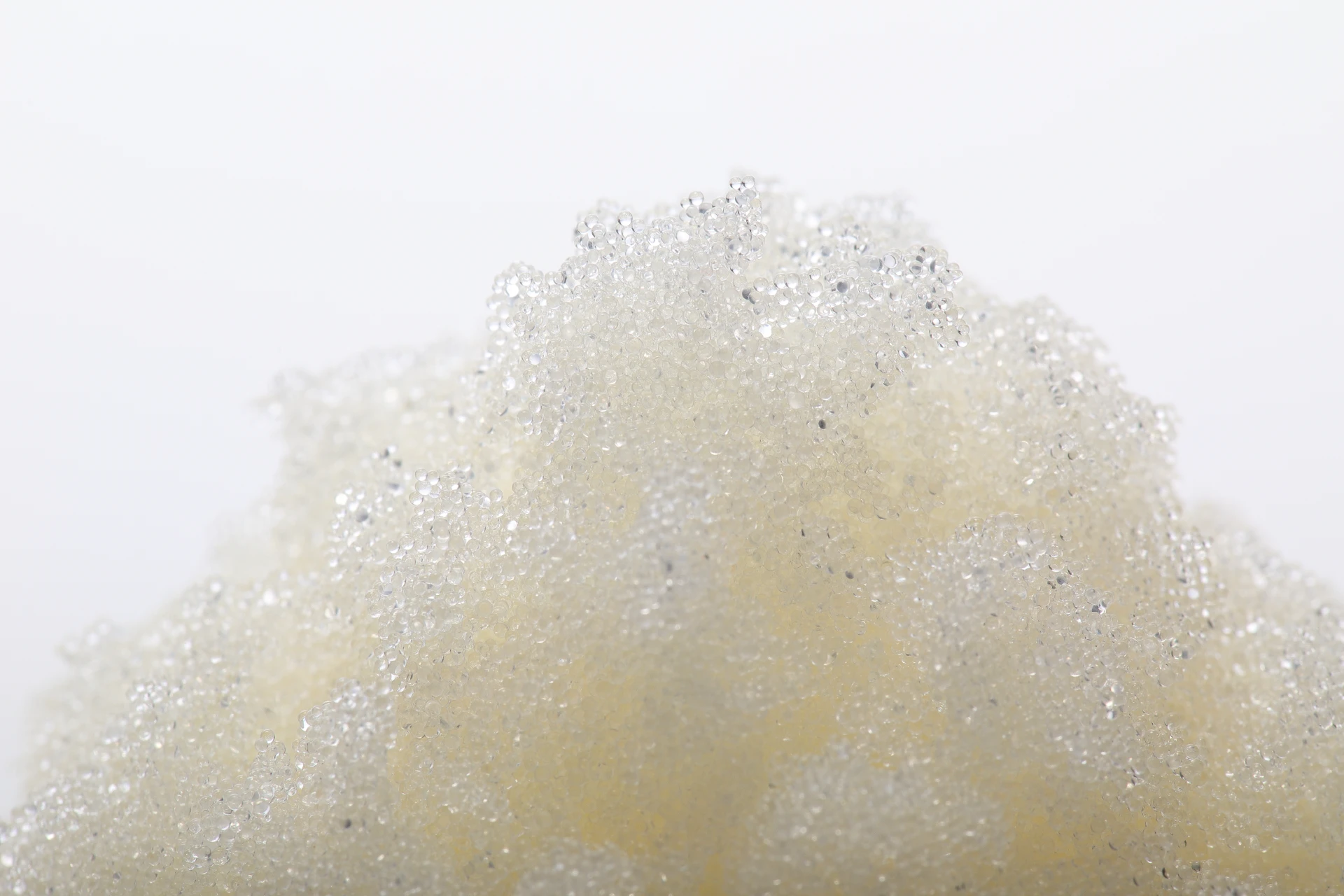
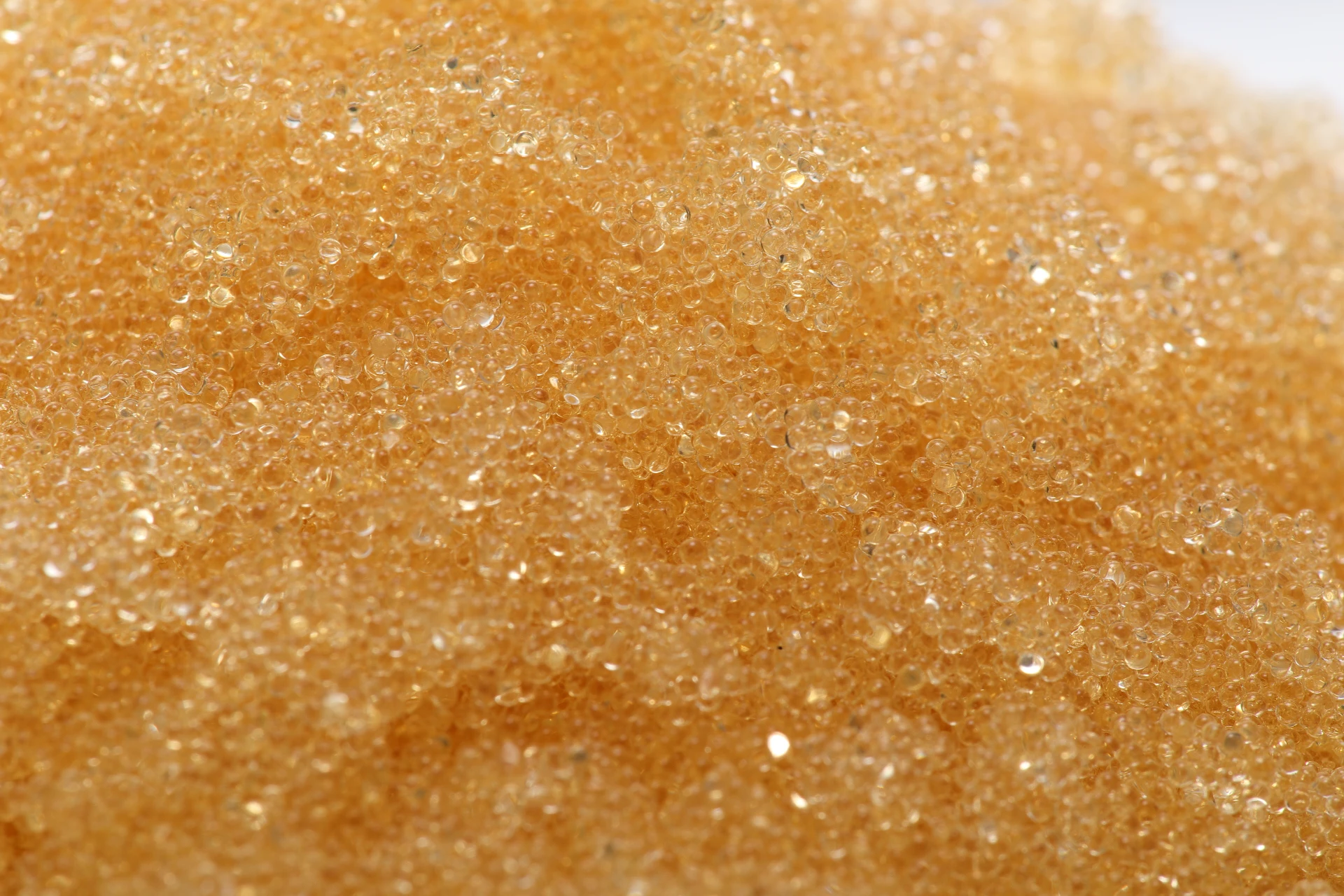
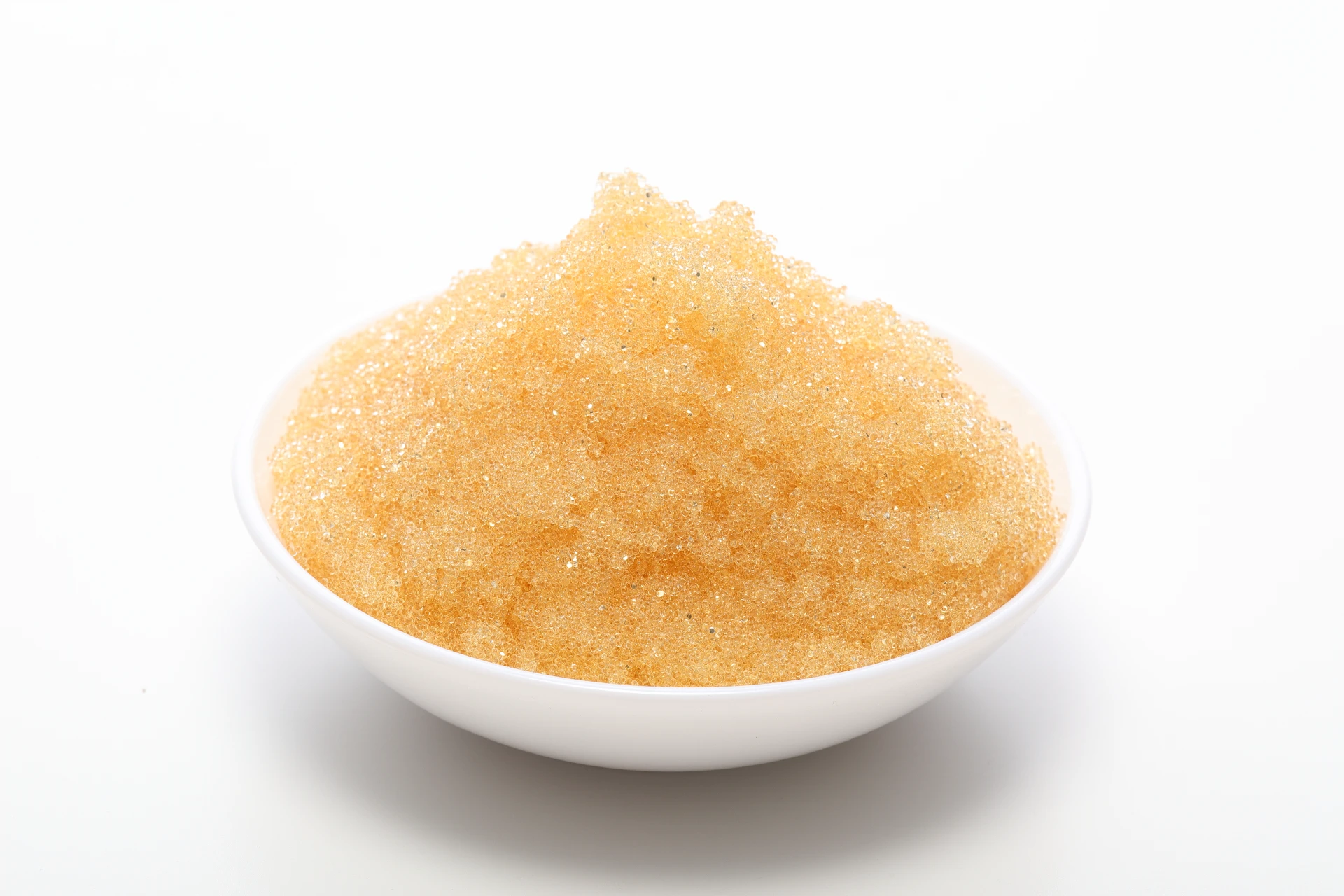
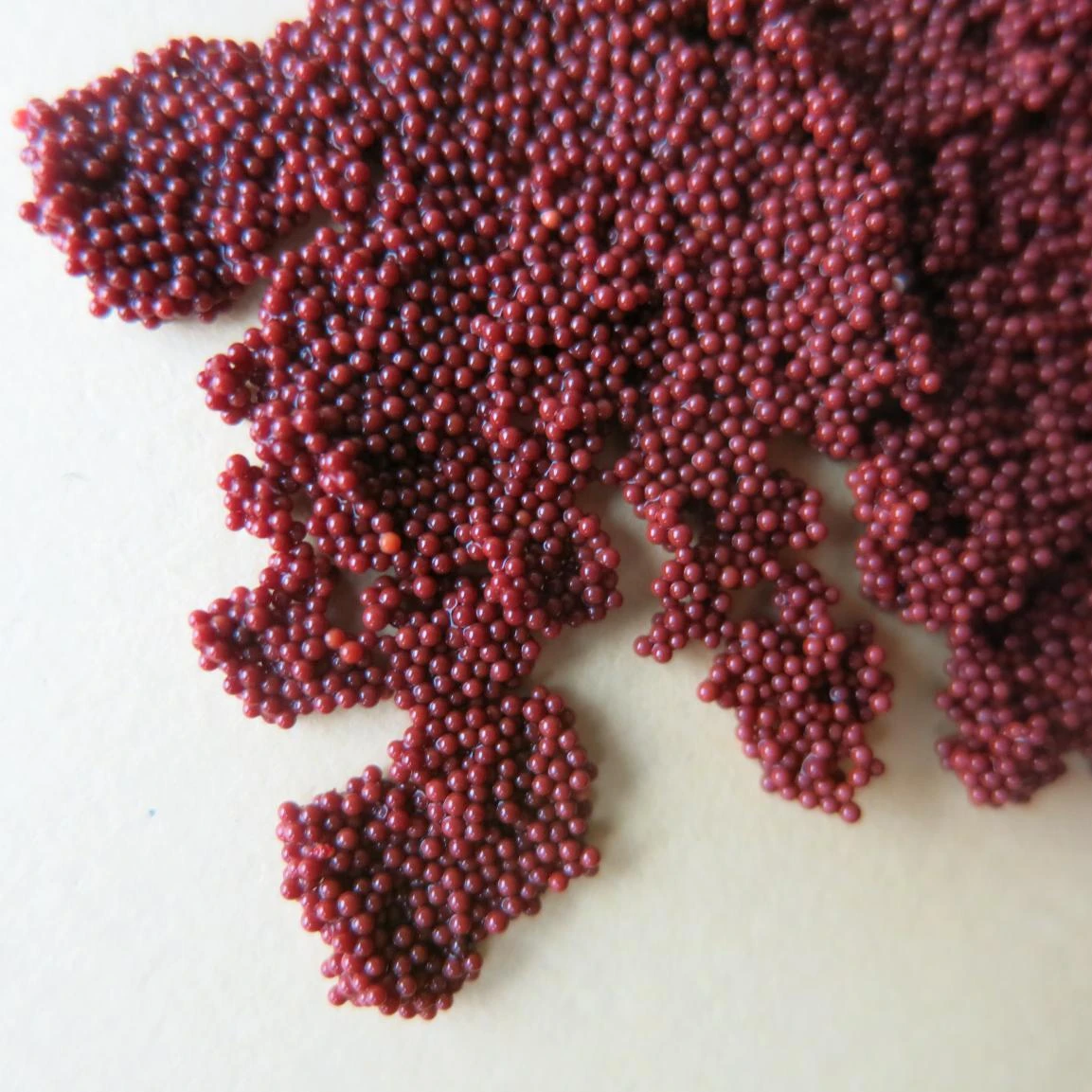
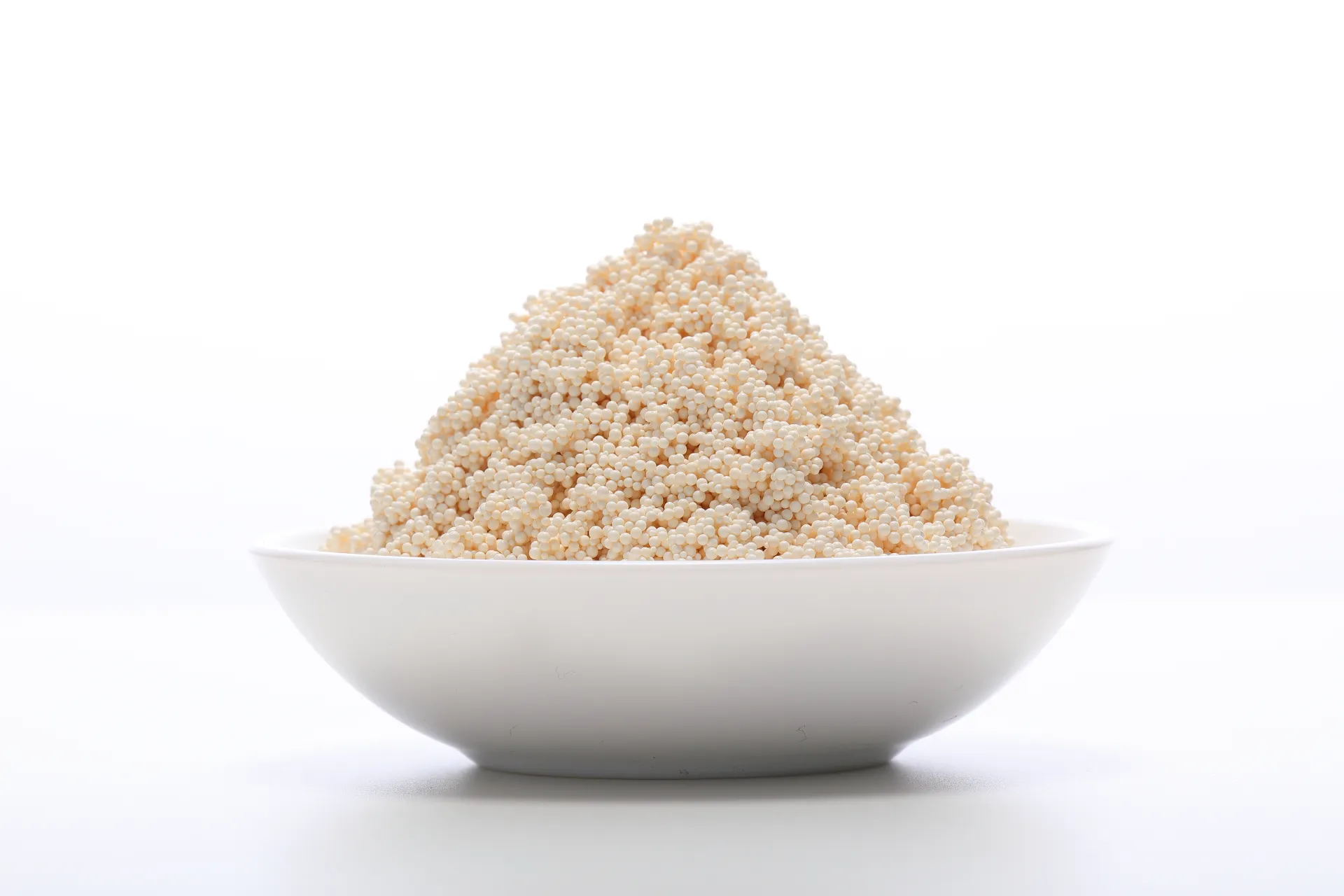
Macroporous Adsorption Resin is a key solution in the Advanced materials industry, specifically within Separate and purify materials and Adsorption resin and chromatography medium. This article explores how Hebei Lijiang Biotechnology Co.,Ltd. supports professionals with durable, high-performance products, and explains why this product is an ideal choice for businesses in these sectors.
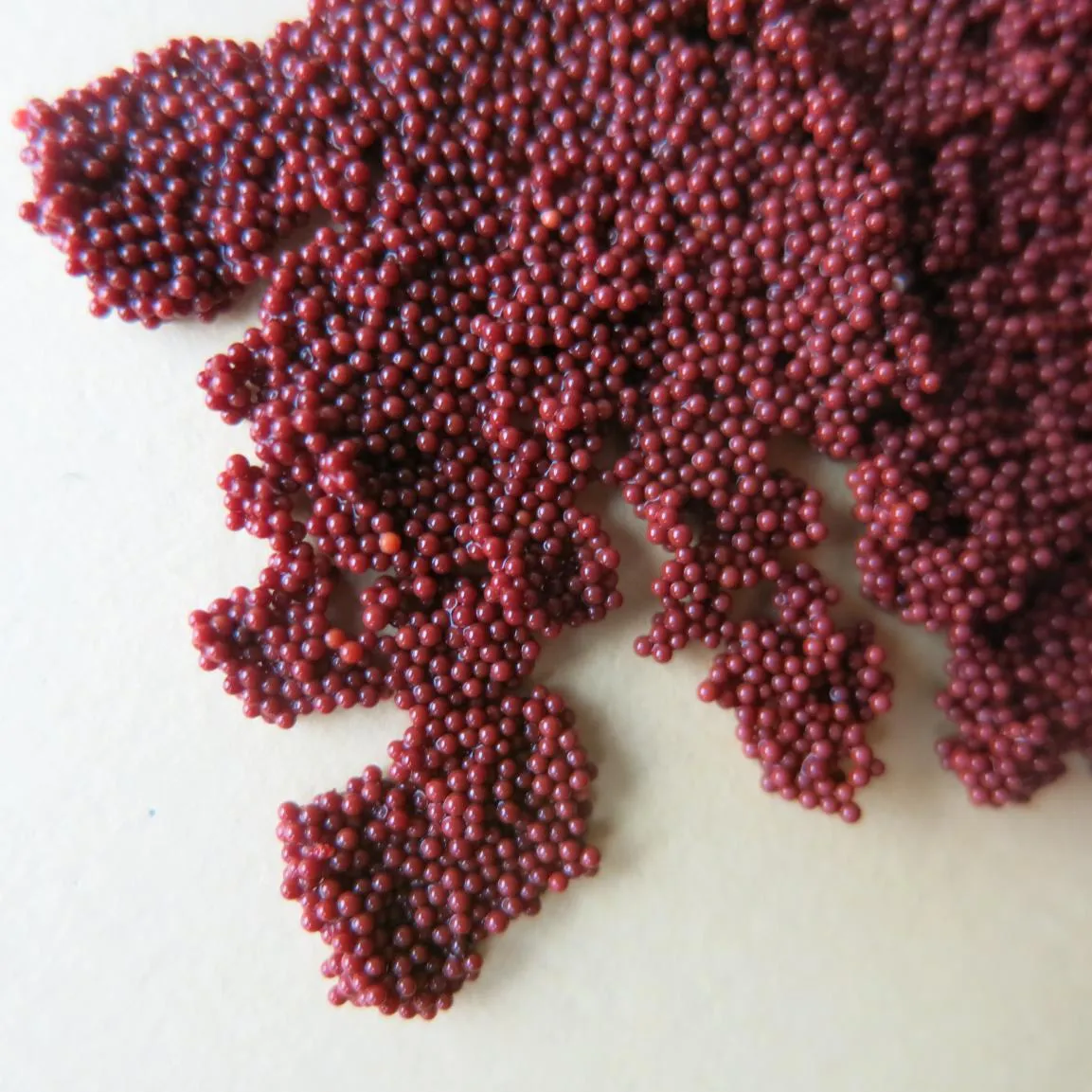
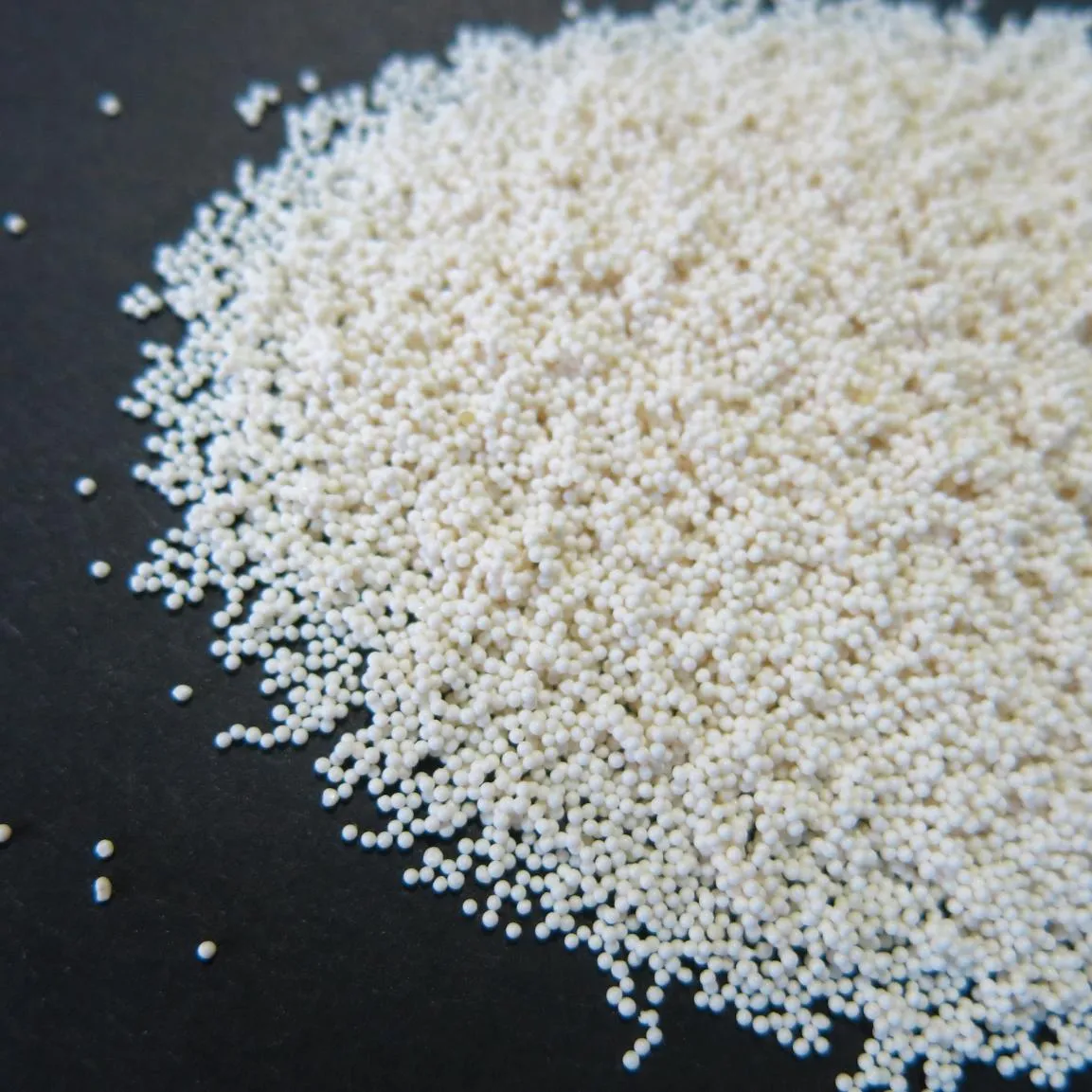
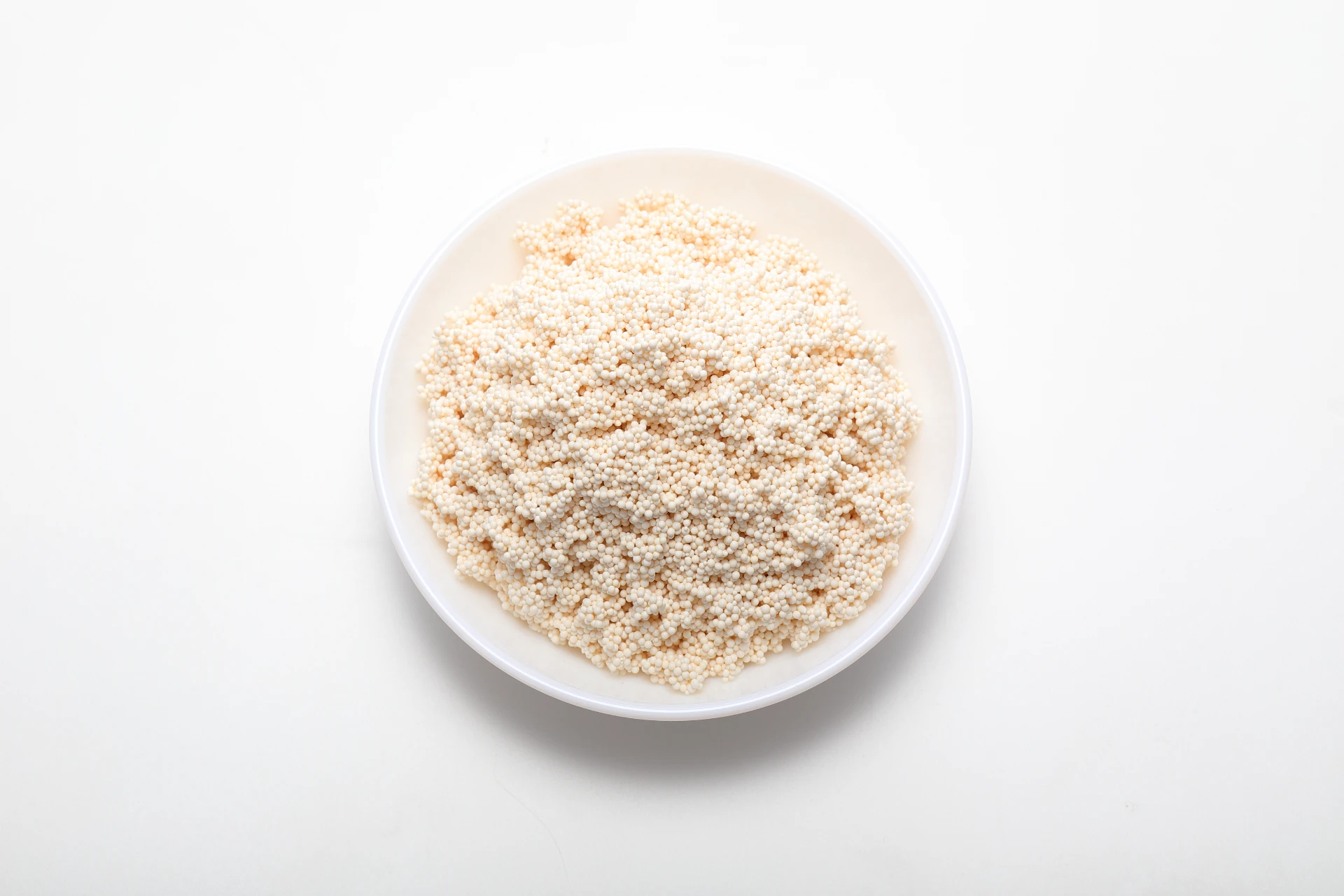
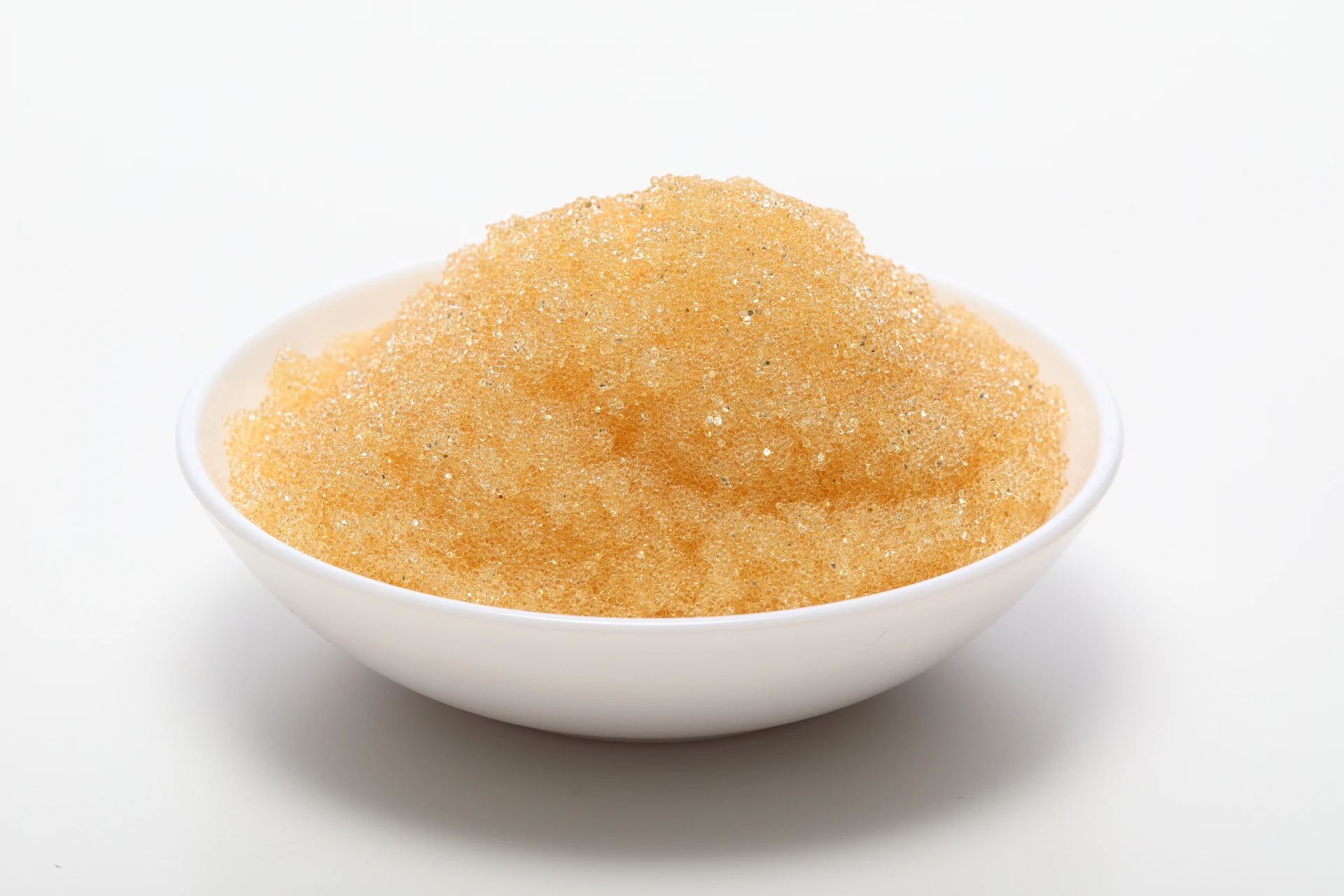
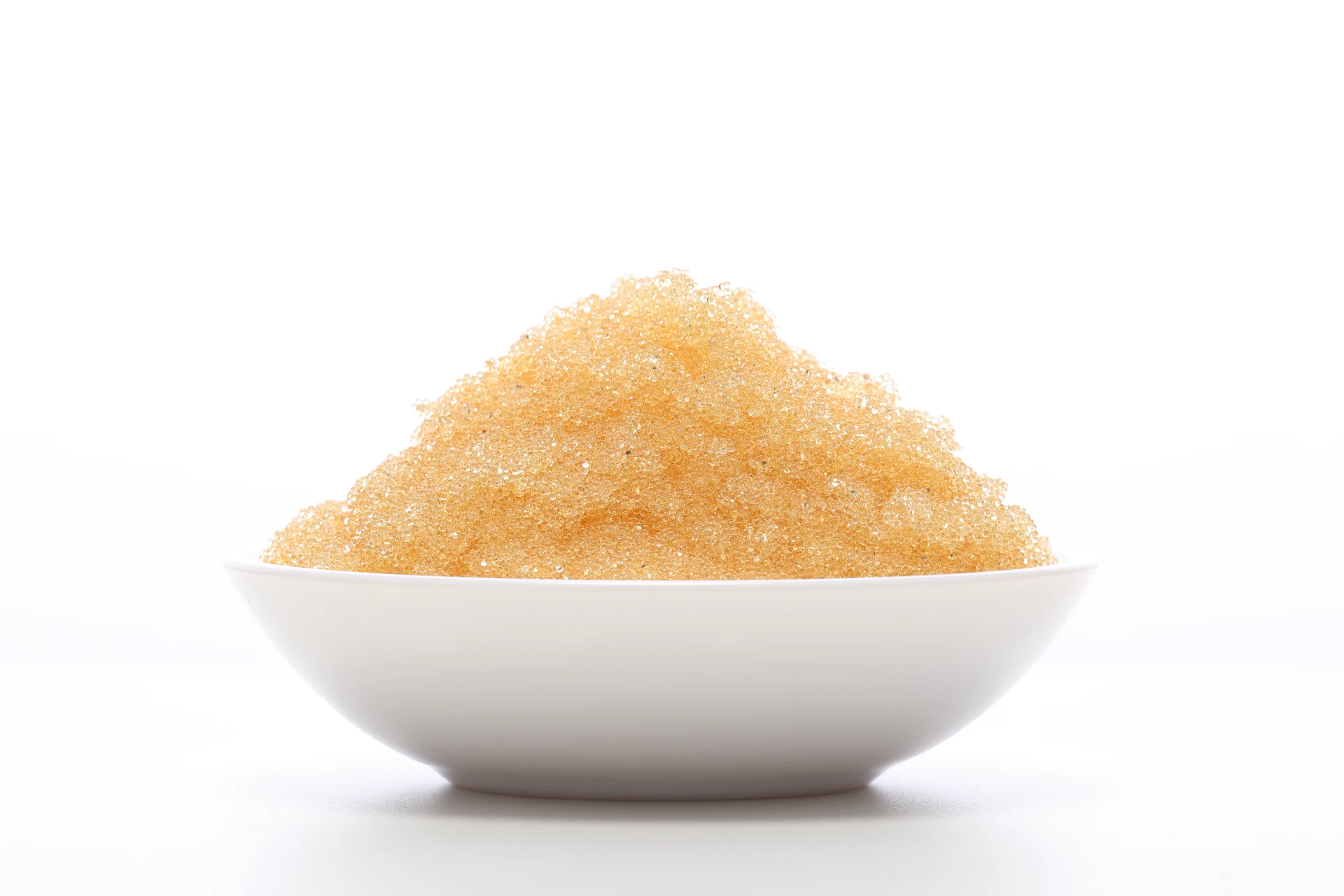
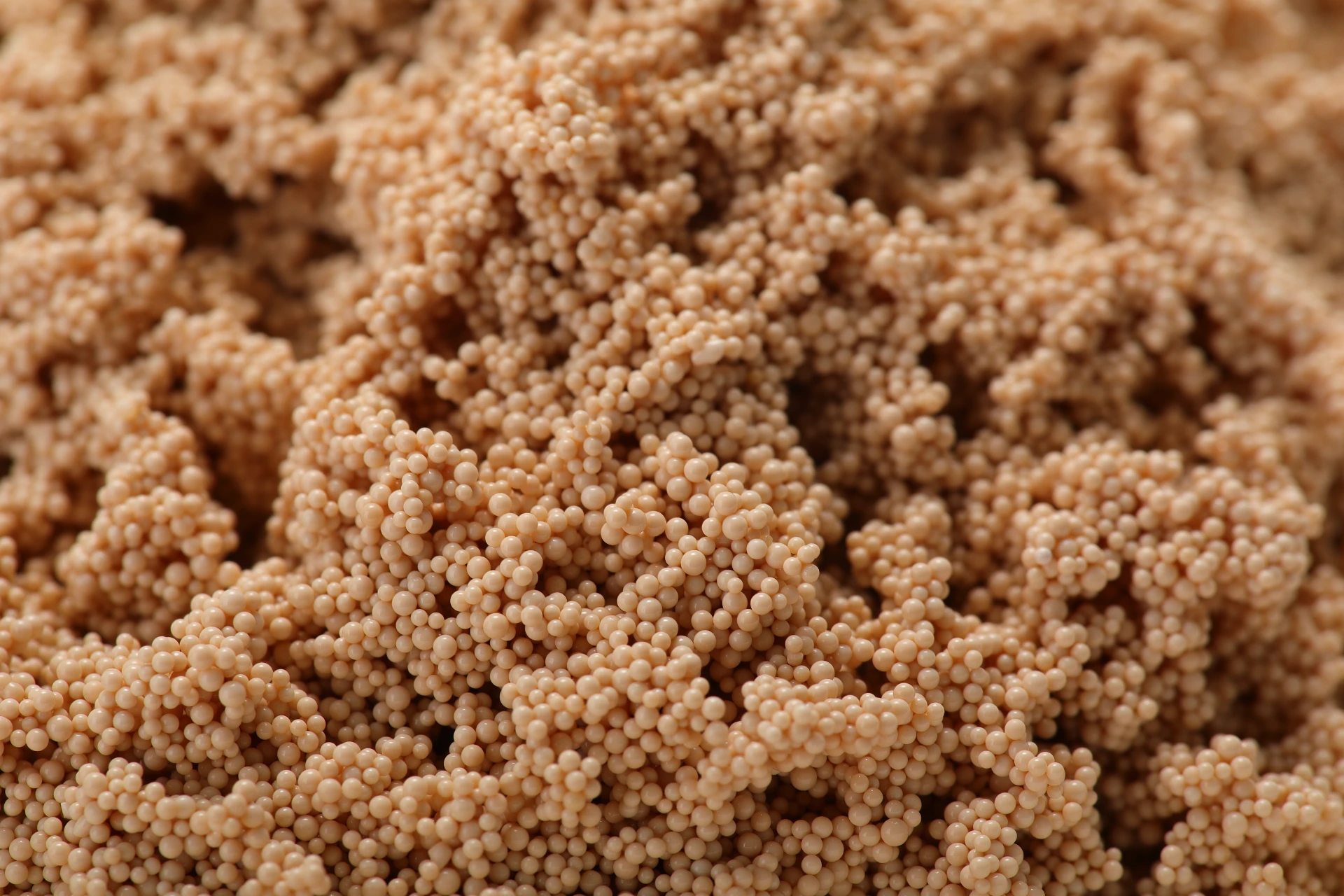
In process industries that separate and purify complex mixtures, macroporous adsorption resin is a workhorse technology. Built on a crosslinked polymer matrix with a continuous network of macro‑pores, these spherical beads deliver high surface area, tunable pore size distributions, and tailored polarity—enabling selective capture of phenolics, glycosides, alkaloids, antibiotics intermediates, natural pigments, and many other mid‑ to non‑polar molecules. For B2B decision makers, this translates into reliable concentration, purification, and decolorization steps that are scalable from pilot to multi‑column production lines.
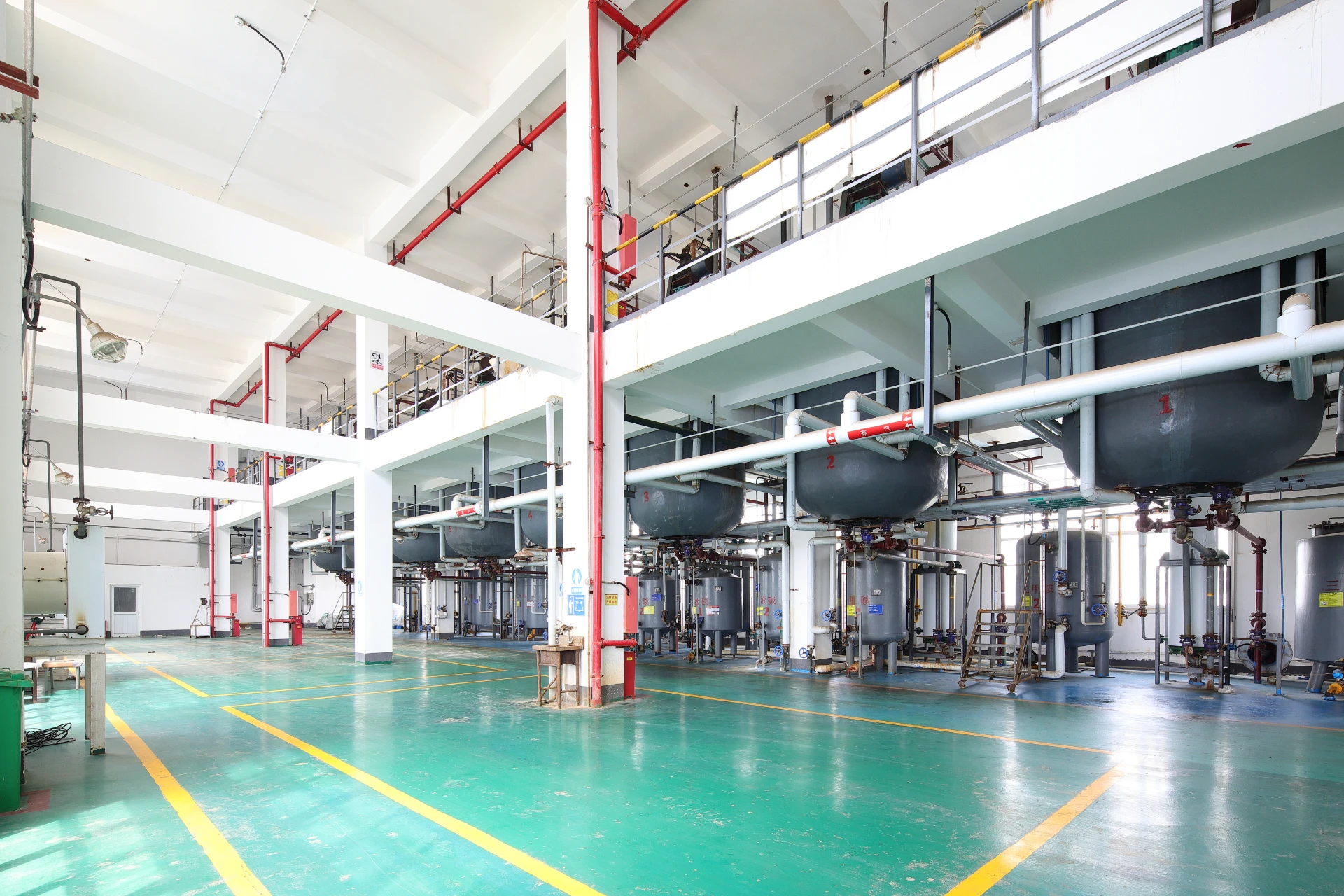
Typical evaluation criteria include BET surface area, pore volume, mean pore diameter, particle size distribution, osmotic/mechanical strength, pH and temperature stability, and regeneration compatibility (e.g., ethanol, IPA, water, dilute NaOH/acid where appropriate). In integrated downstream trains, macroporous adsorption resin can precede or follow unit ops such as mixed mode chromatography resins or a cation exchange chromatography resin to remove ions, color bodies, and trace organics in a cost‑effective sequence. Hebei Lijiang Biotechnology Co.,Ltd. supplies robust solutions backed by application support, process design input, and batch traceability. Their AD‑series portfolio, including the AD300 macroporous adsorption resin, is engineered for consistent performance and dependable scale‑up across food, pharma intermediates, and specialty chemical applications.
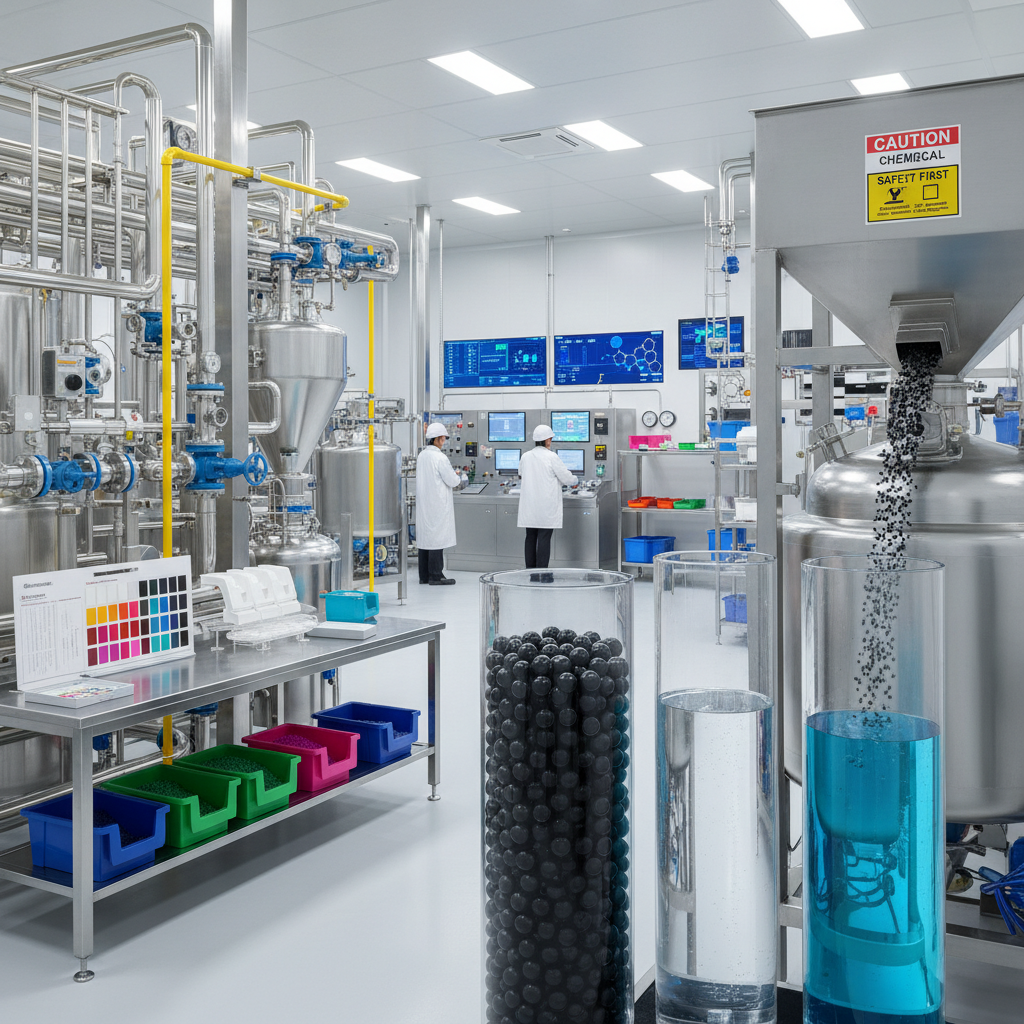
Production teams deploy macroporous adsorption resin for solvent‑efficient purification of herbal extracts, botanical sweeteners, natural colorants, organic acids, flavors and fragrances, and for polishing fermentation broths. In water and wastewater minimization projects, the resin helps reduce COD/TOC by capturing recalcitrant organics. In chromatography trains, it complements mixed mode chromatography resins as a pre‑concentration or decolorization step and can be paired with a cation exchange chromatography resin to remove ionic contaminants before final polishing.
Hebei Lijiang Biotechnology Co.,Ltd. brings formulation know‑how, resin screening, and pilot‑to‑plant support to shorten time‑to‑value. By matching resin polarity and pore architecture to the target molecules, Lijiang helps customers increase yield, reduce solvent consumption, and streamline downstream unit operations while meeting stringent quality specifications.
Total cost of ownership goes beyond resin price. The economics are driven by adsorption capacity, cycle time, solvent use per kilogram of product, regeneration frequency, and resin lifetime (total bed volumes processed). With durable macroporous adsorption resin, plants typically target long service life with stable pressure drop and predictable performance, maximizing ROI through higher uptime and lower consumables usage. Column hardware compatibility and simple cleaning—often with water/ethanol or dilute caustic/acid where applicable—reduce maintenance and training overhead.
Feedback from users in the separate and purify materials sector highlights improved batch consistency and reduced solvent intensity when resins are properly matched to the feed matrix. Hebei Lijiang Biotechnology Co.,Ltd. supports lifecycle value with application guidance, on‑site or remote troubleshooting, and lot‑to‑lot documentation—helping operations teams achieve payback windows aligned with throughput goals and compliance requirements.
Across advanced materials, sustainability pressures and regulations are reshaping downstream processing. Companies are targeting lower solvent footprints, reduced effluent COD/TOC, and better energy efficiency while meeting global standards in food, nutraceutical, and specialty chemical markets. Macroporous adsorption resin supports these goals by minimizing solvent demand for concentration and decolorization, enabling closed‑loop solvent recovery, and improving effluent quality before discharge or recycling.
Hebei Lijiang Biotechnology Co.,Ltd. adopts a forward‑looking posture with continuous R&D on resin architectures, technical documentation for greener operating windows, and guidance on solvent‑recovery and water‑reuse strategies. By integrating macroporous adsorption resin with unit operations such as mixed mode chromatography resins and a cation exchange chromatography resin, Lijiang helps customers design resilient, future‑proof processes that balance regulatory compliance with cost and performance. As demand for bio‑based ingredients and high‑purity intermediates accelerates, these capabilities position stakeholders to scale efficiently and responsibly.
For B2B teams seeking reliable separation performance, macroporous adsorption resin offers scalable capacity, solvent efficiency, and robust operation across the Advanced materials value chain. Hebei Lijiang Biotechnology Co.,Ltd. combines quality manufacturing with application expertise to deliver consistent results in adsorption resin and chromatography medium workflows. Partner with Lijiang to evaluate, pilot, and scale the right resin for your feed streams and compliance targets. Contact us: info@lijiresin.cn — Visit our website: https://www.lijiresin.com