Phone:
+86 0319 2296164


Email:
info@lijiresin.cn
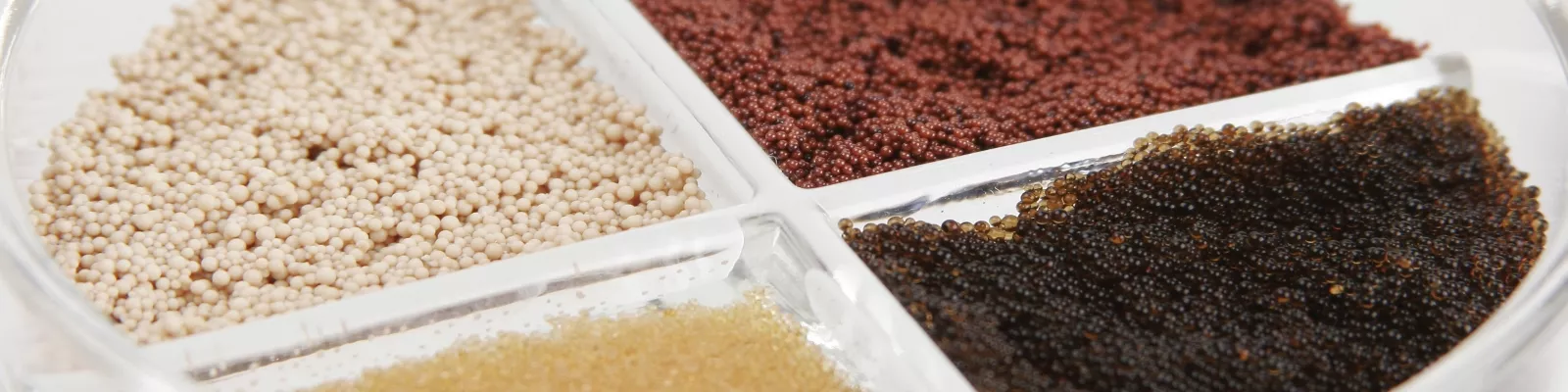
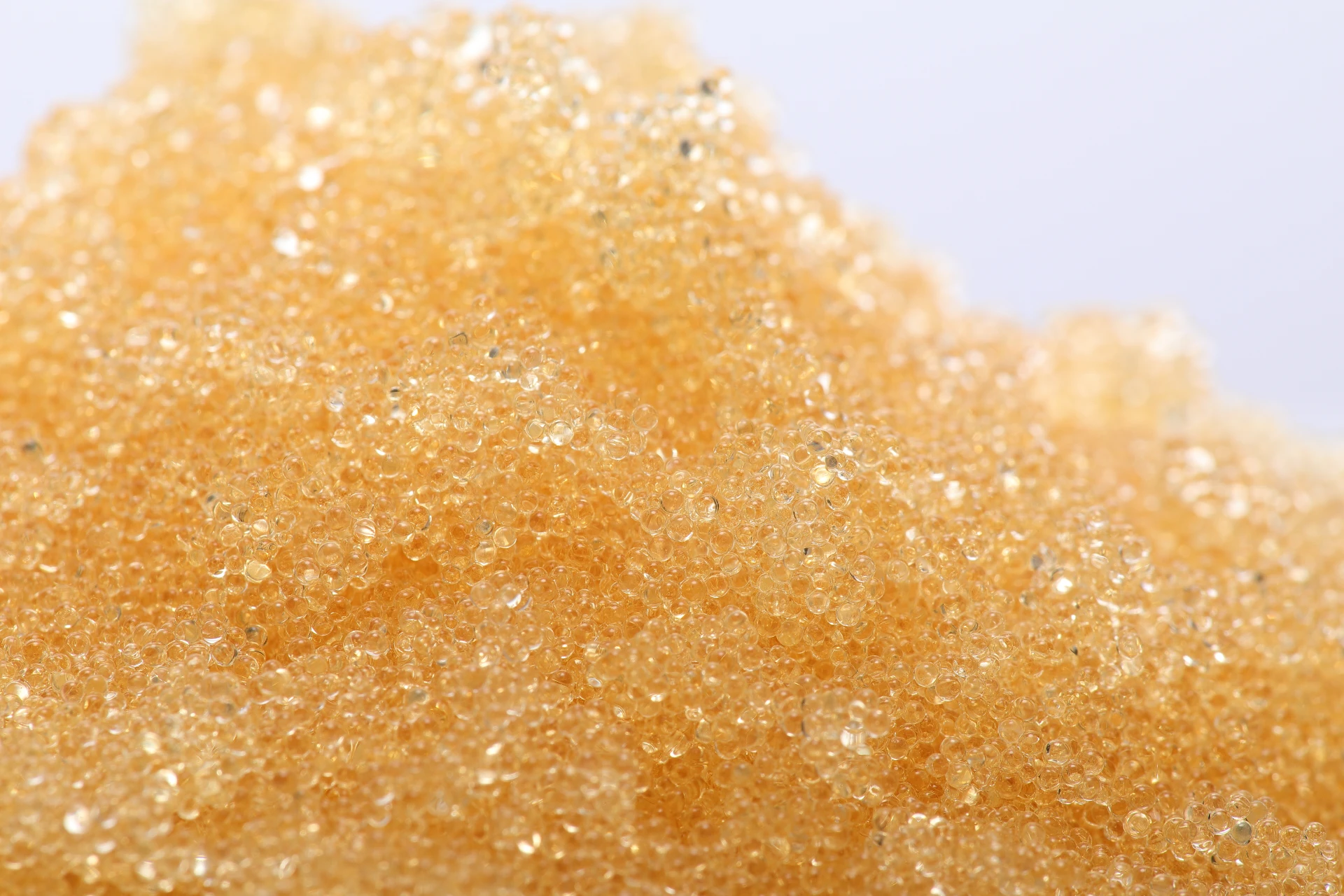
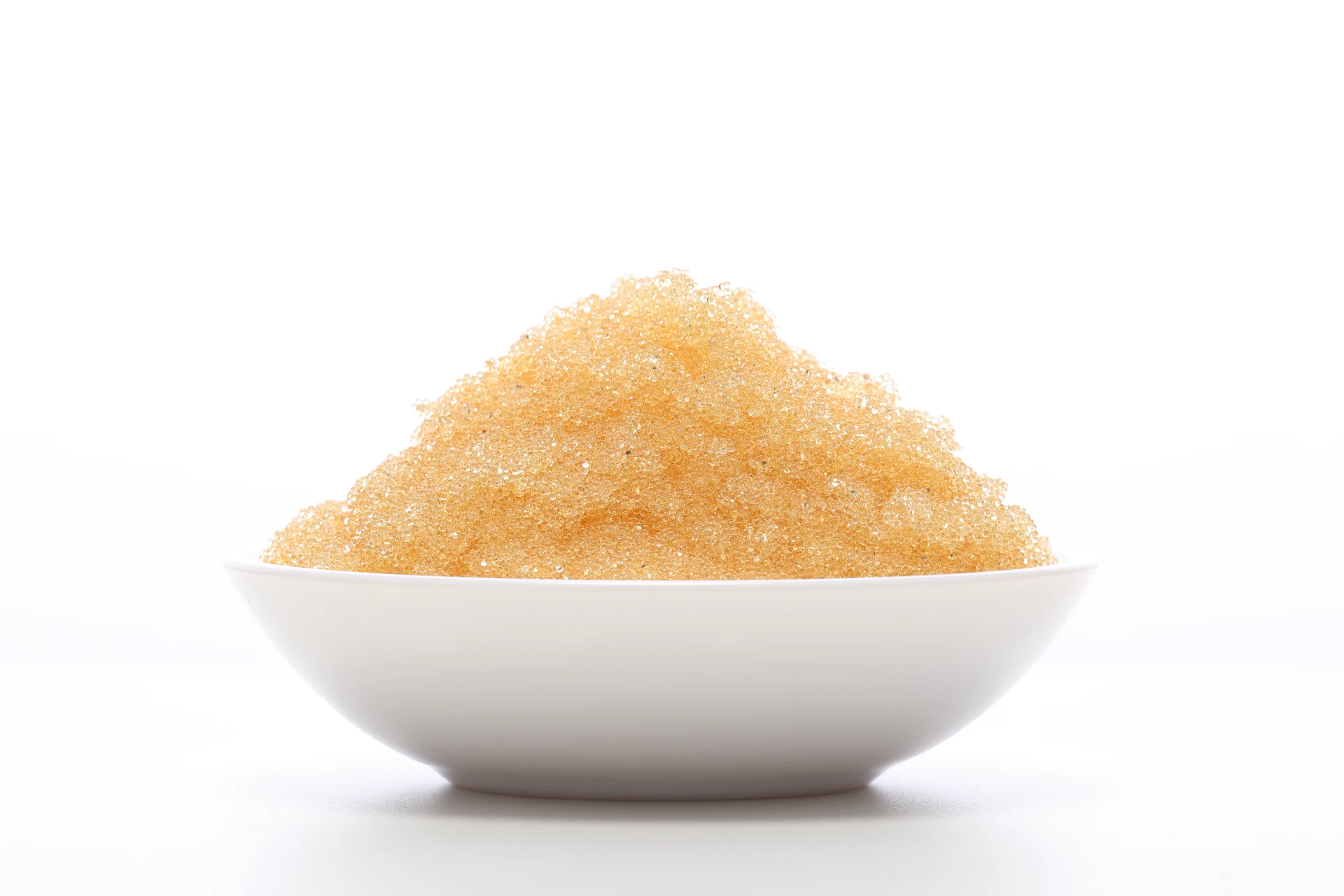
Having spent more than a decade working hands-on in the industrial equipment and water treatment sector, I’ve crossed paths with countless ion exchange resins. Among those, Purolite A847 stands out—not just because of its name, but for its consistent performance in challenging chemical environments. For those unfamiliar, Purolite is a renowned brand specializing in ion exchange resins widely used in water purification, chemical processing, and related fields.
You know, what always intrigued me about Purolite A847 is its specificity in removing anionic contaminants, especially in wastewater and industrial effluent treatment. It’s a chelating resin—a bit different from the usual cation or anion exchangers. In plain terms, it latches onto metal ions selectively, which can be a game-changer when purity is non-negotiable.
Oddly enough, some engineers I’ve worked with tend to underestimate how much the resin’s physical properties influence real-life applications. For example, the bead size and swelling capacity might seem like minor specs on paper, but in actual column operations, they affect flow dynamics and backwash efficiency dramatically.
| Feature | Specification |
|---|---|
| Bead Form | Spherical, gel type |
| Ionic Form | Cl⁻ (Chloride) |
| Particle Size Range | 300 - 1200 µm |
| Moisture Content | 45 - 55% |
| Maximum Operating Temperature | 100°C (212°F) |
| pH Range | 2 - 14 (stable pH range) |
| Capacity (min) | 1.2 eq/L |
Testing Purolite A847 in harsh industrial setups, I noticed its resilience — retaining capacity even after repeated regeneration cycles with acid or alkali. You hear a lot about resin lifetime, and frankly, this one doesn’t disappoint.
Now, from a customization standpoint, Purolite offers the resin in various bead sizes and ionic forms, tailoring them to customer needs—from heavy metals removal to selective recovery processes. It’s an aspect that many suppliers gloss over but makes a big difference in the field.
| Vendor | Product Highlights | Typical Applications | Price Range |
|---|---|---|---|
| Purolite | High capacity, chemical & thermal resistant, versatile customization | Water treatment, metal recovery | $$$ |
| Dow (Amberlite) | Wide product range, strong specialty resins | Industrial & food grade | $$$ |
| Lanxess (Lewatit) | Good mechanical stability, competitive pricing | Wastewater, boiler feed water | $$ |
| Mitsubishi | Varied resin forms, strong customer support | Power plants, plating industries | $$$ |
Let me share a quick story—once, a regional plant struggled with elevated heavy metal contamination affecting their cooling tower systems. Switching to a tailored blend of Purolite A847 and other resins brought immediate improvement, extending equipment life and reducing maintenance downtime. That kind of real-world validation beats most marketing brochures out there, honestly.
In real terms, if you choose an industrial resin without considering factors like operating temperature, loading capacity, and physical resilience, you’re setting yourself up for headaches downstream. I’ve seen it too often. Purolite A847 checks these boxes, making it a reliable choice in many tough industrial scenarios.
Frankly, what I appreciate most is the transparency Purolite offers on its resin’s characteristics and testing data. It’s a vital part of trustworthiness in an industry where substitution or misinformation can cost millions. Oddly enough, not all suppliers share this level of detail.
To sum up: Purolite A847 isn’t just another resin product; it’s a dependable partner for industries demanding consistent ion exchange performance under challenging conditions.