Phone:
+86 0319 2296164


Email:
info@lijiresin.cn
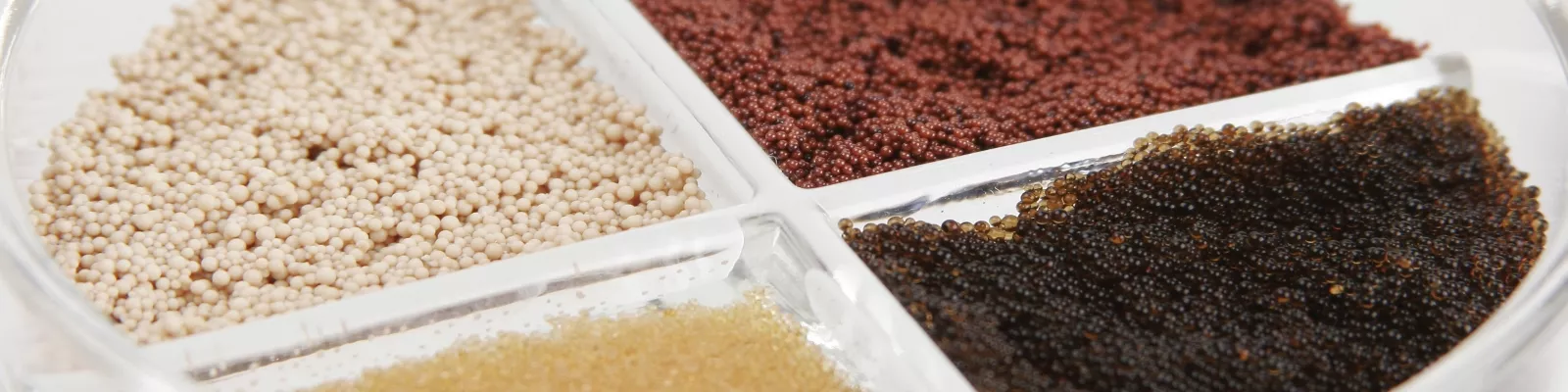
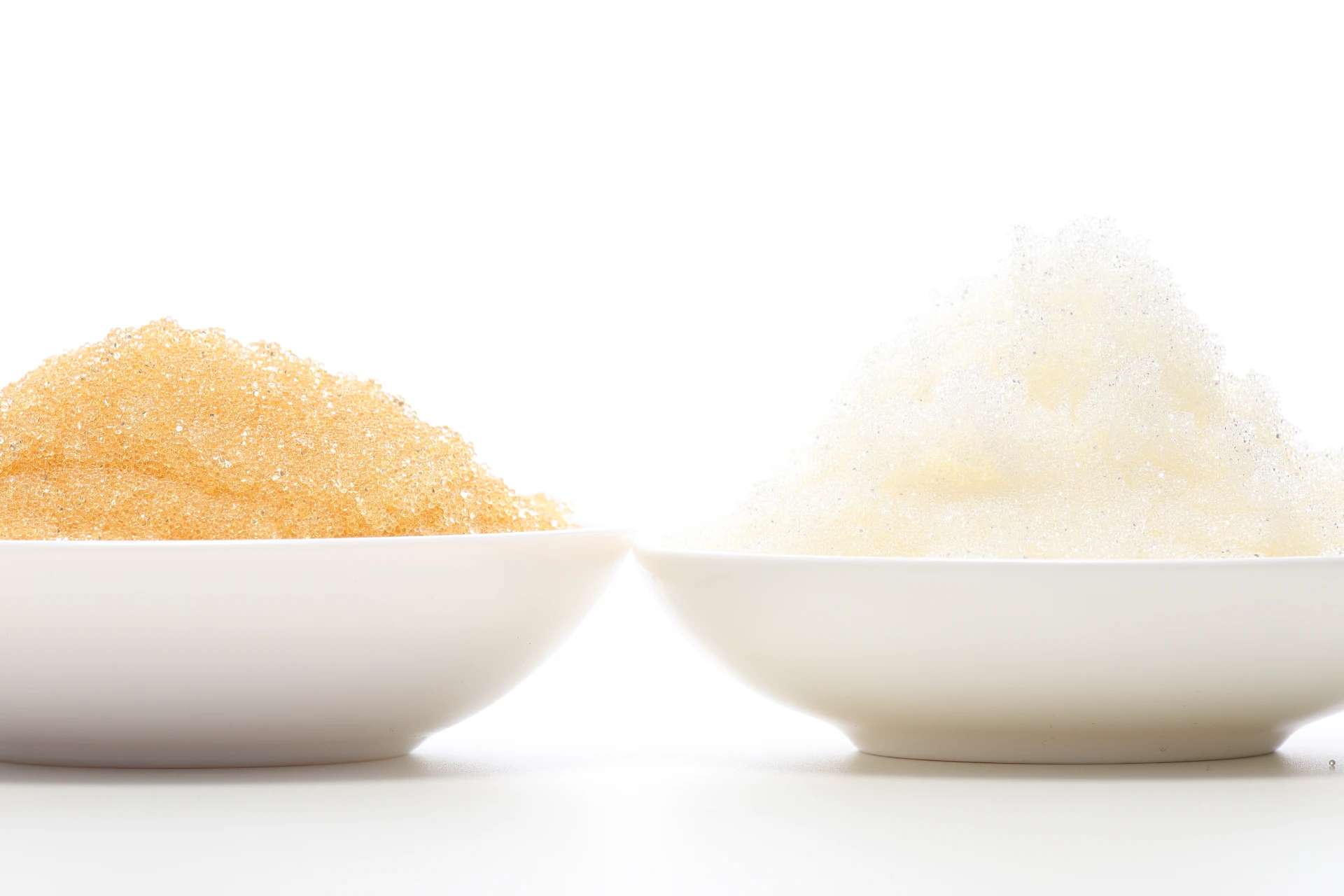
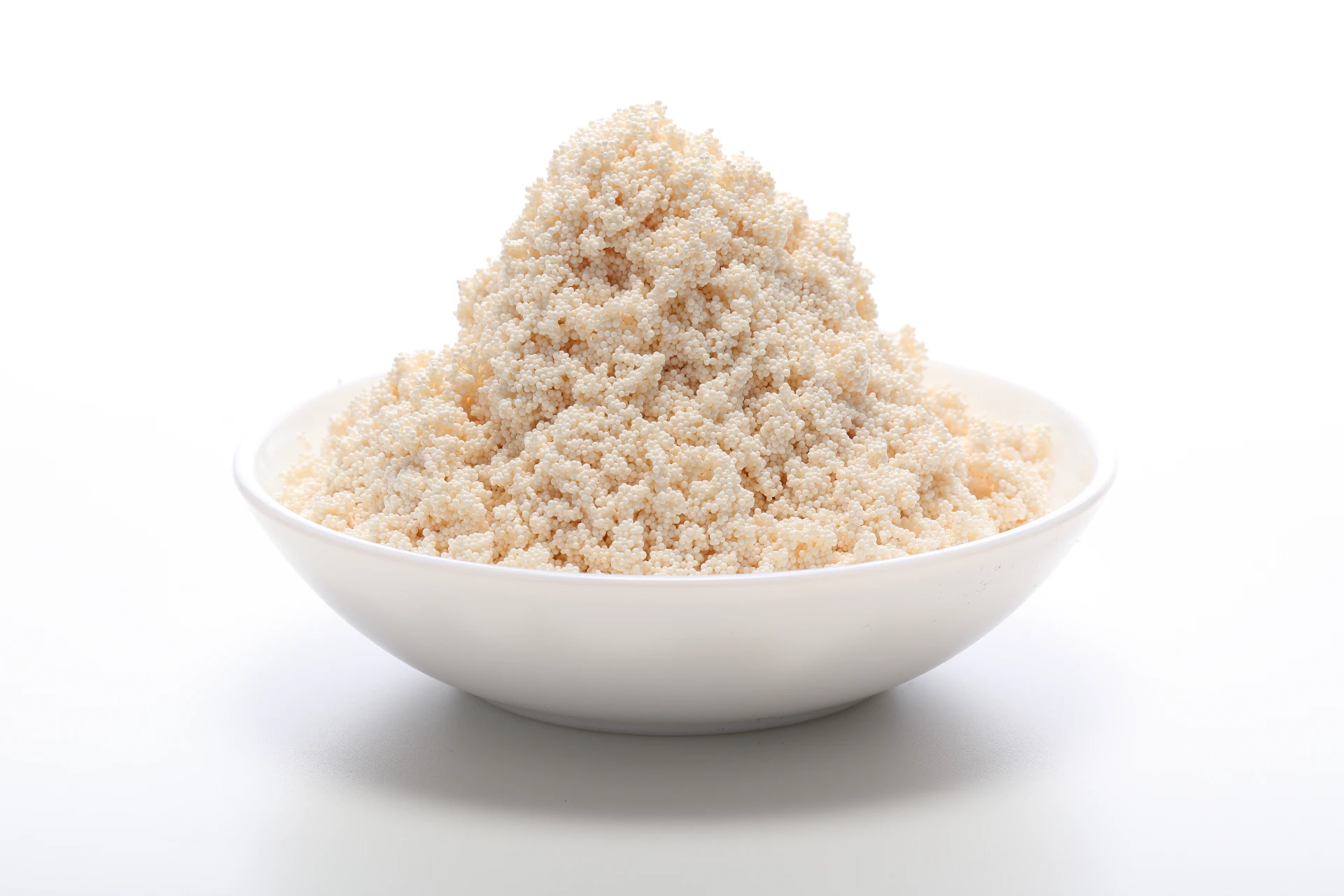
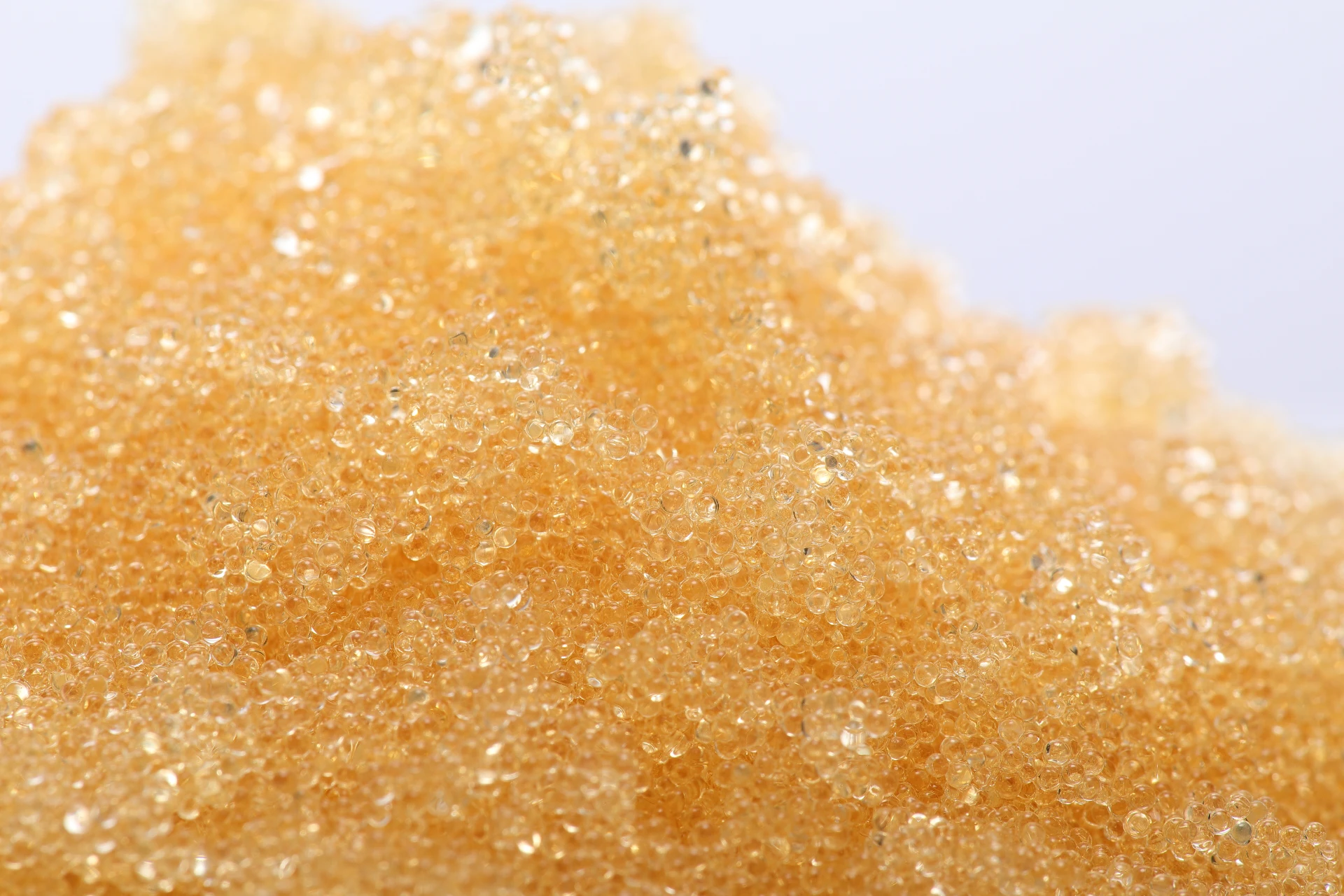
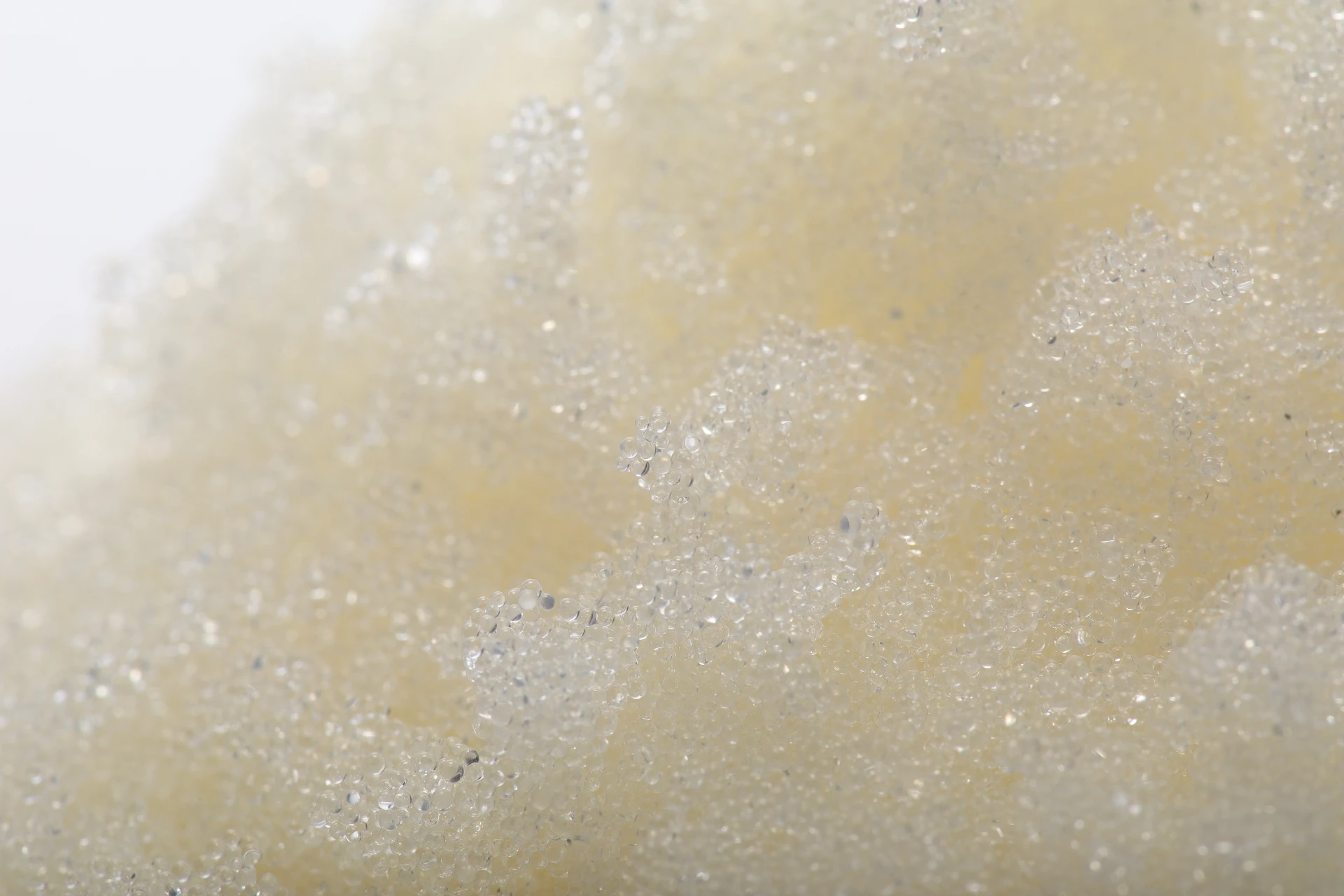
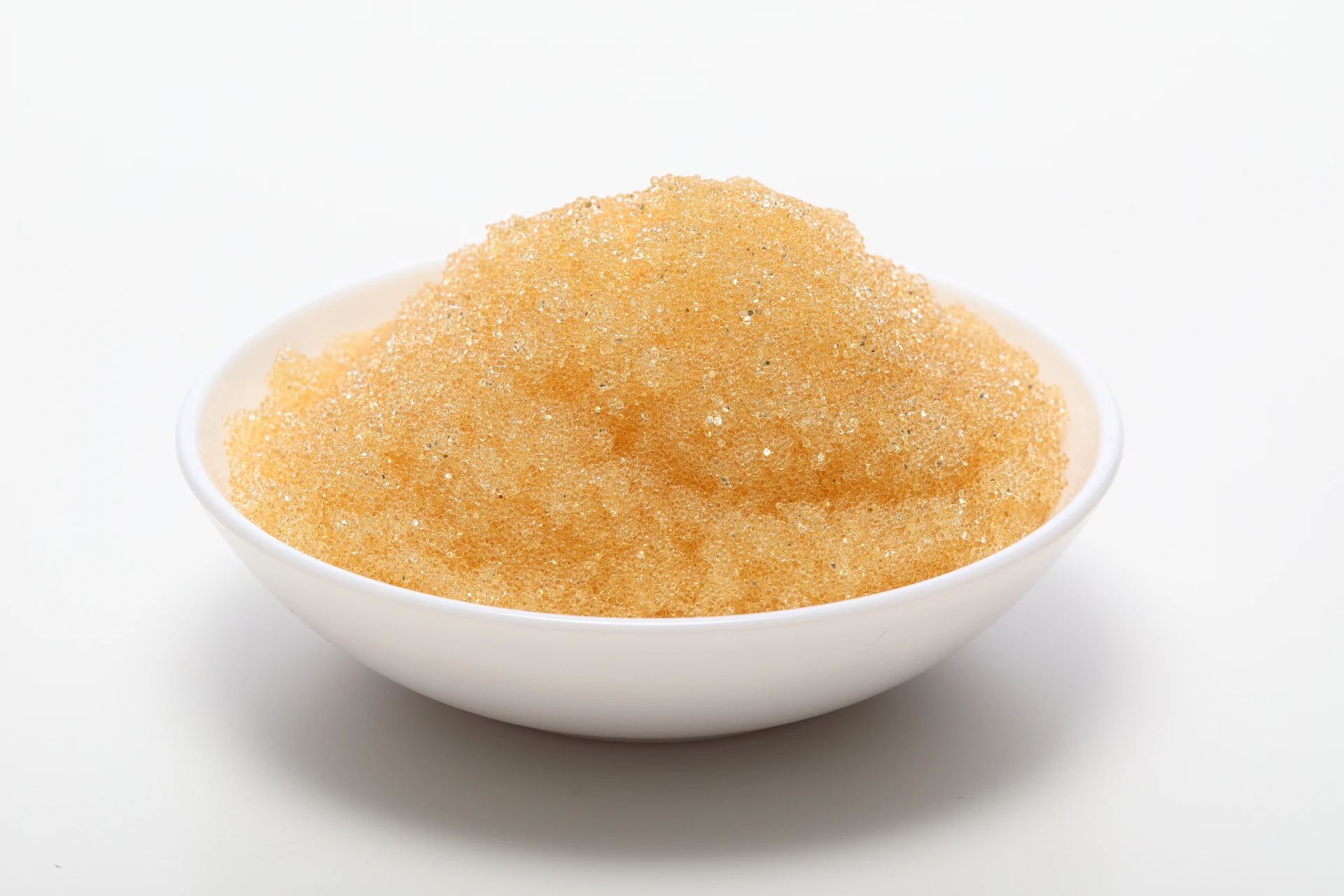
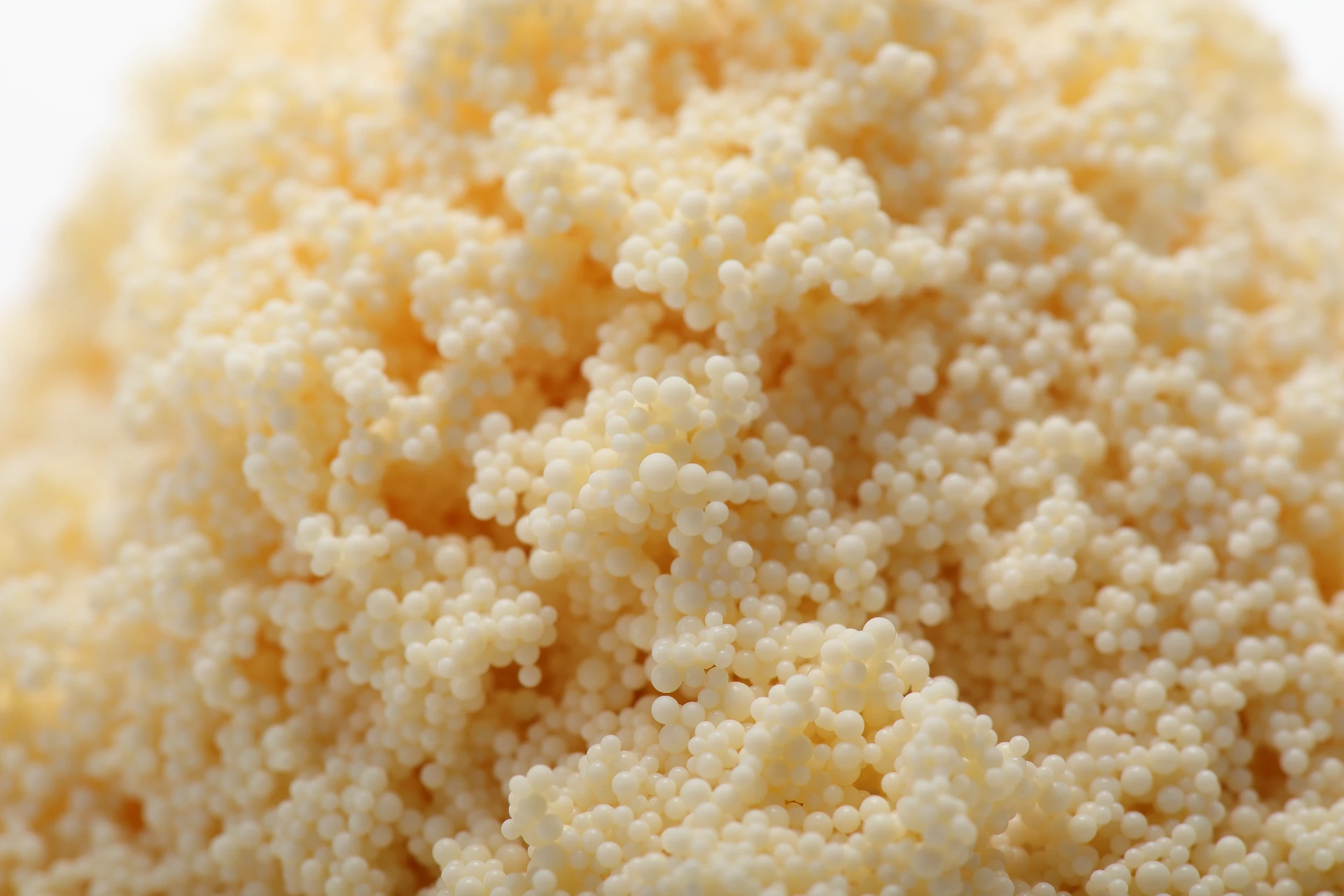
Having spent well over a decade in the industrial equipment sector, particularly with water treatment systems, I’ve come across a broad range of ion exchange resins. Frankly, Jacob Brodie Purolite stands out as one of those names you keep hearing about. It’s a bit like that reliable tool in your kit — you might not think about it all the time, but when you need consistency and performance, it’s your go-to.
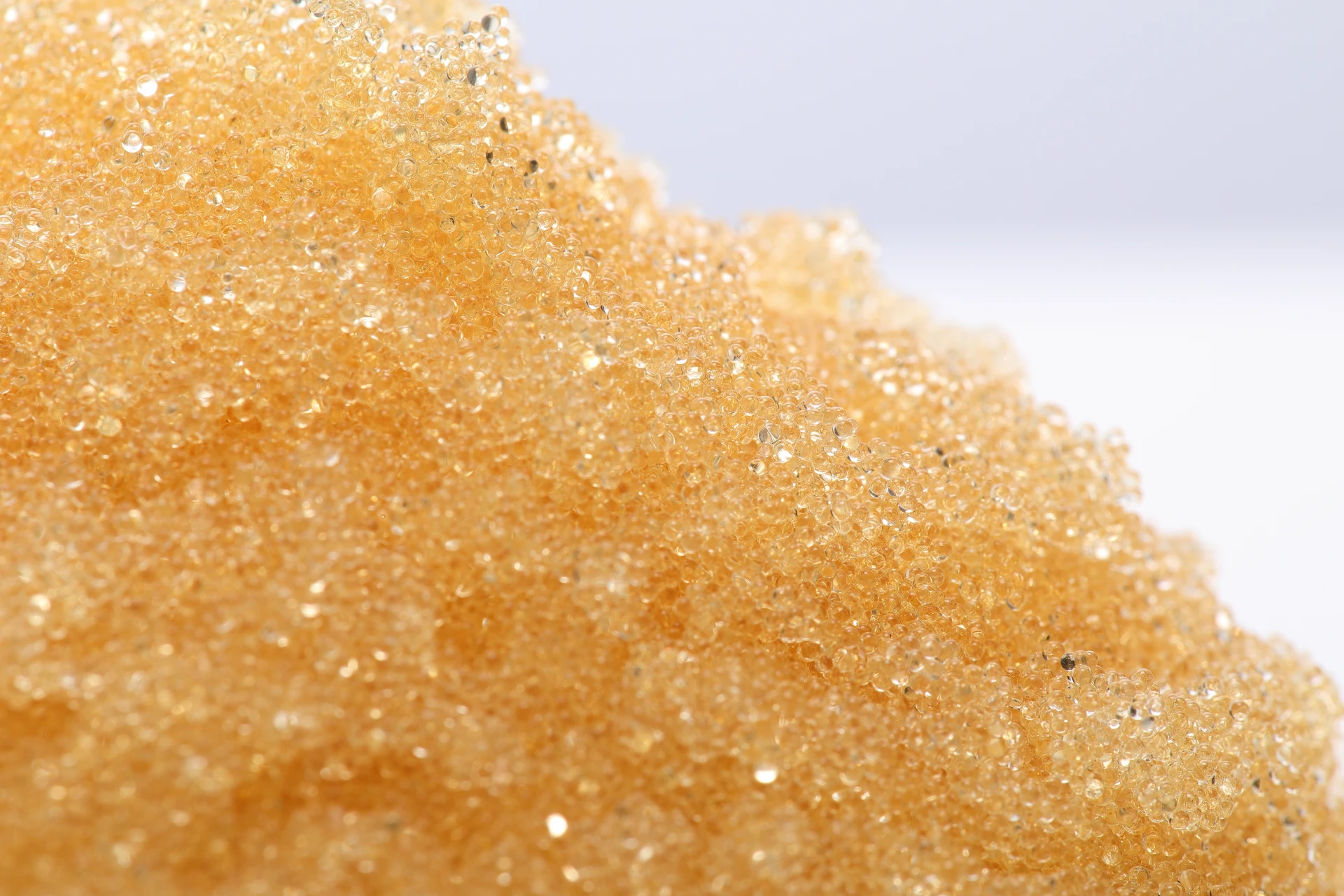
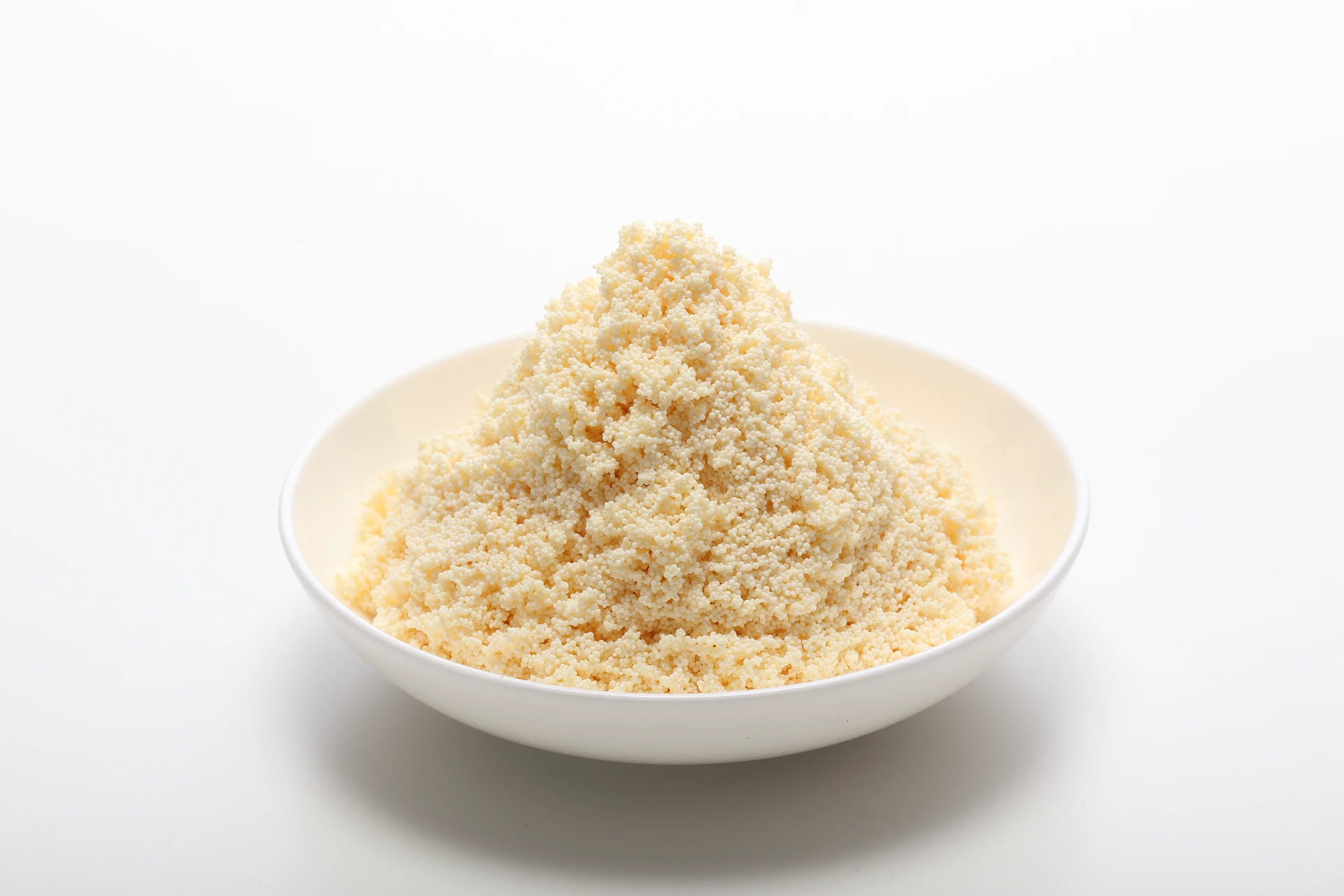
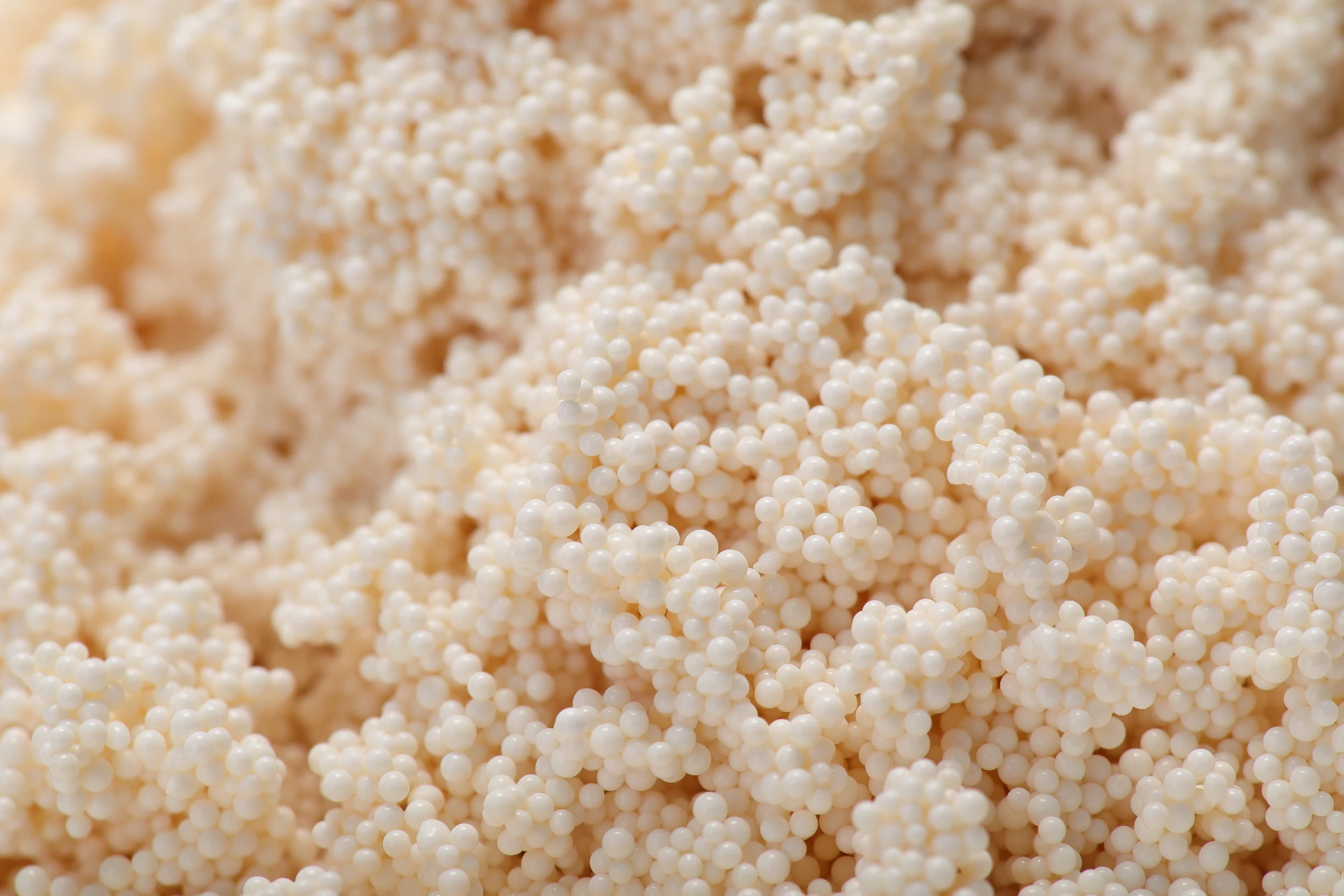
What makes Jacob Brodie Purolite naturally interesting is the company's serious commitment to resin quality and customization. Their ion exchange resins are engineered specifically to tackle a variety of water treatment challenges — from hardness removal and demineralization, all the way through to pharmaceuticals and food-grade applications. That level of versatility is something I’ve noticed folks really value on the plant floor.
Oddly enough, the resin’s durability and regeneration efficiency sometimes get overlooked in favor of price, but after seeing how they behave under real industrial stresses, it’s clear they offer strong long-term value. I recall a client whose system was plagued by inconsistent softness. After switching to a Jacob Brodie Purolite resin blend tailored for their system design, downtime dropped noticeably, and operational stability improved within months. You don’t always get to verify such clear outcomes, so moments like that stick with me.
| Feature | Details |
|---|---|
| Type | Strong Acid Cation/Strong Base Anion Mixed Bed |
| Particle Size | 300 – 1200 µm |
| Cross-linkage | 8% for durability and capacity balance |
| Capacity | 2.0 – 2.4 eq/L (Cation), 1.0 – 1.2 eq/L (Anion) |
| Max Operating Temp | 120 °C |
| Applications | Industrial water treatment, pharmaceutical grade, food & beverage processing |
Customization is another aspect where Jacob Brodie Purolite shines. Unlike more generic resins, they’re often willing to work with clients to tweak different resin properties — swelling rate, bead hardness, or particle size distribution — optimizing the resin for the unique fluid conditions or regulatory requirements at hand. It’s these details that convert technically good resin into robust long-term solutions, frankly.
| Evaluation Criteria | Jacob Brodie Purolite | Competitor A | Competitor B |
|---|---|---|---|
| Customization Options | High – Tailored Resin Blends | Moderate – Standard Grades | Low – Limited Variations |
| Operational Stability | Excellent under varying conditions | Good in controlled conditions | Average, frequent replacement needed |
| Price-Level | Mid to Premium | Budget | Mid |
| Regulatory Compliance | Meets pharmaceutical & food-grade certifications | Limited certifications | Basic industrial usage only |
| Customer Support | Dedicated technical consultation | Generic support | Minimal support |
I suppose the bottom line is that choosing a resin can be a bit like choosing a partner — you want reliability, flexibility, and someone who understands your unique needs. Jacob Brodie Purolite has earned a solid reputation for all those reasons.
If you’re evaluating ion exchange resins for your system — maybe upgrading or expanding — I’d definitely suggest looking deeper into what they offer. Better yet, reach out for some sample trials and talk through your process requirements. It’s surprisingly rewarding to see the performance difference in real operating environments.
At the end of the day, resins can be technical, sure, but what really matters is practical performance. And on that front, time after time, Jacob Brodie Purolite proves to be a trusted name.
– Written by an industry insider with years of hands-on experience in industrial water treatment
References:
1. Purolite official technical datasheets
2. Case studies and field reports, multiple industrial plants
3. Industry water treatment forums and user testimonials