Phone:
+86 0319 2296164


Email:
info@lijiresin.cn
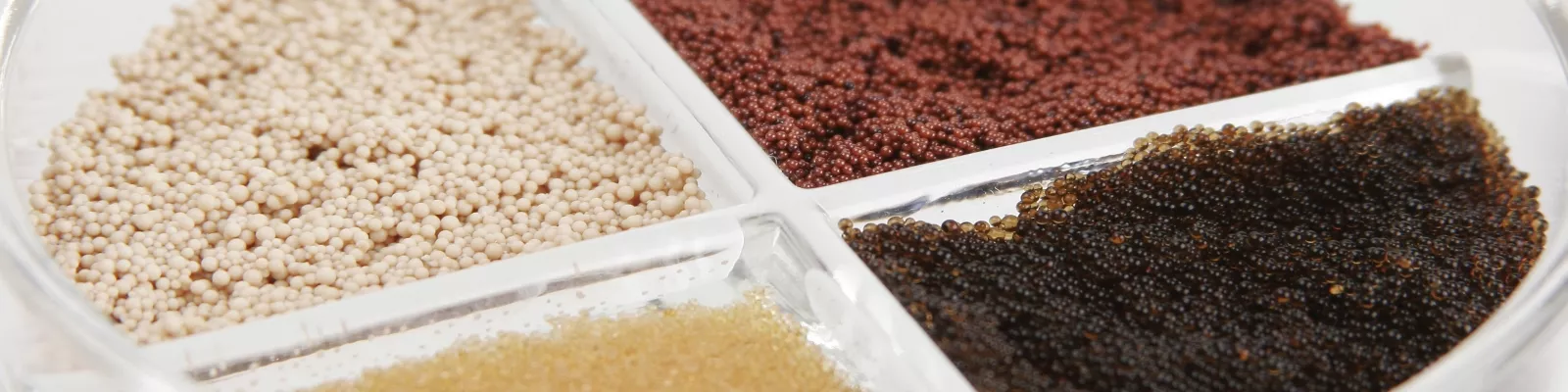
Having worked on countless industrial water treatment projects over the years, I can say Purolite C120E is one resin that’s earned its stripes. If you’ve ever dealt with heavy metal removal or water softening in a plant setting, you probably know the importance of steadily consistent performance – and this product delivers just that. Frankly, it feels like the kind of resin you don’t have to second-guess once it’s in the system.
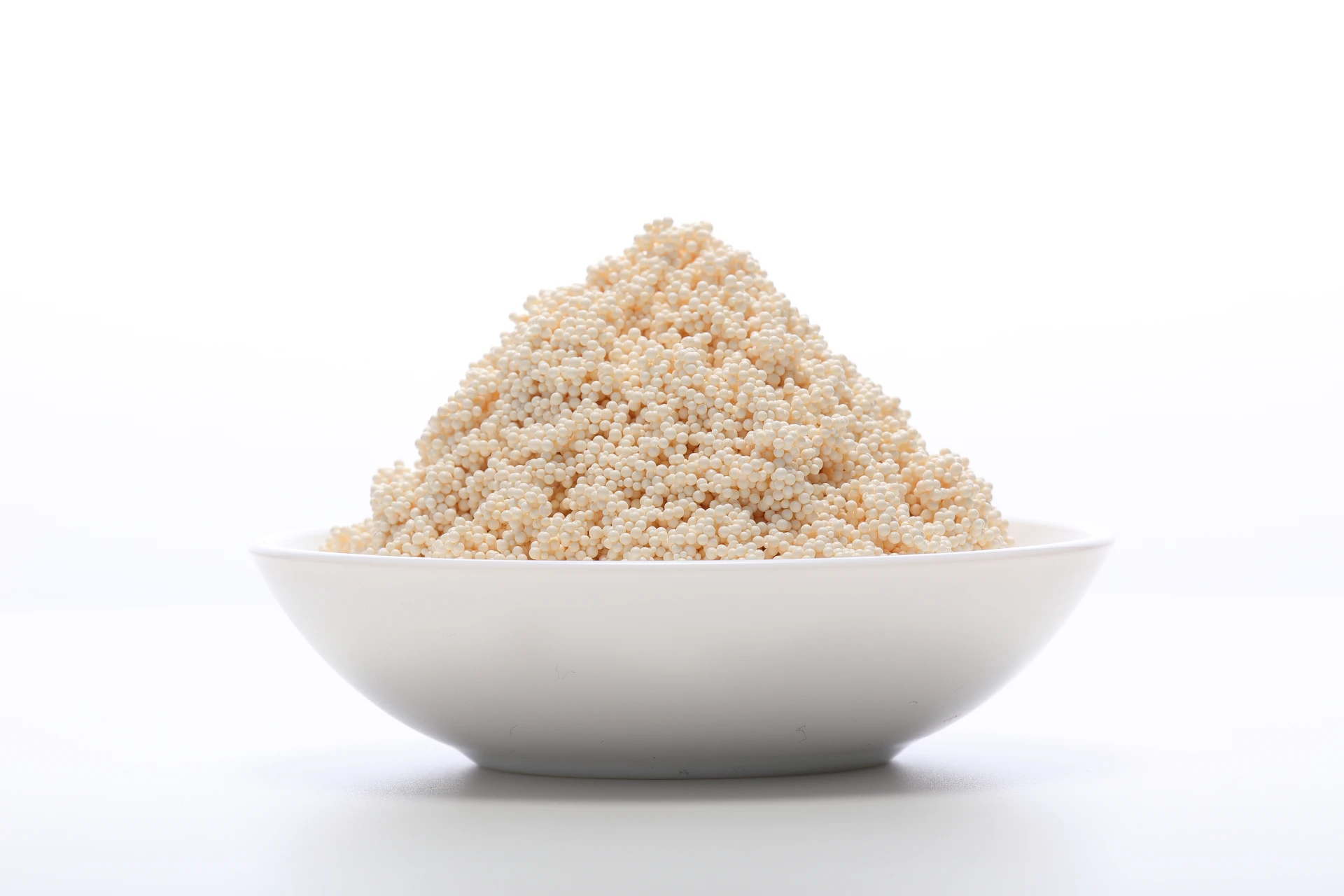
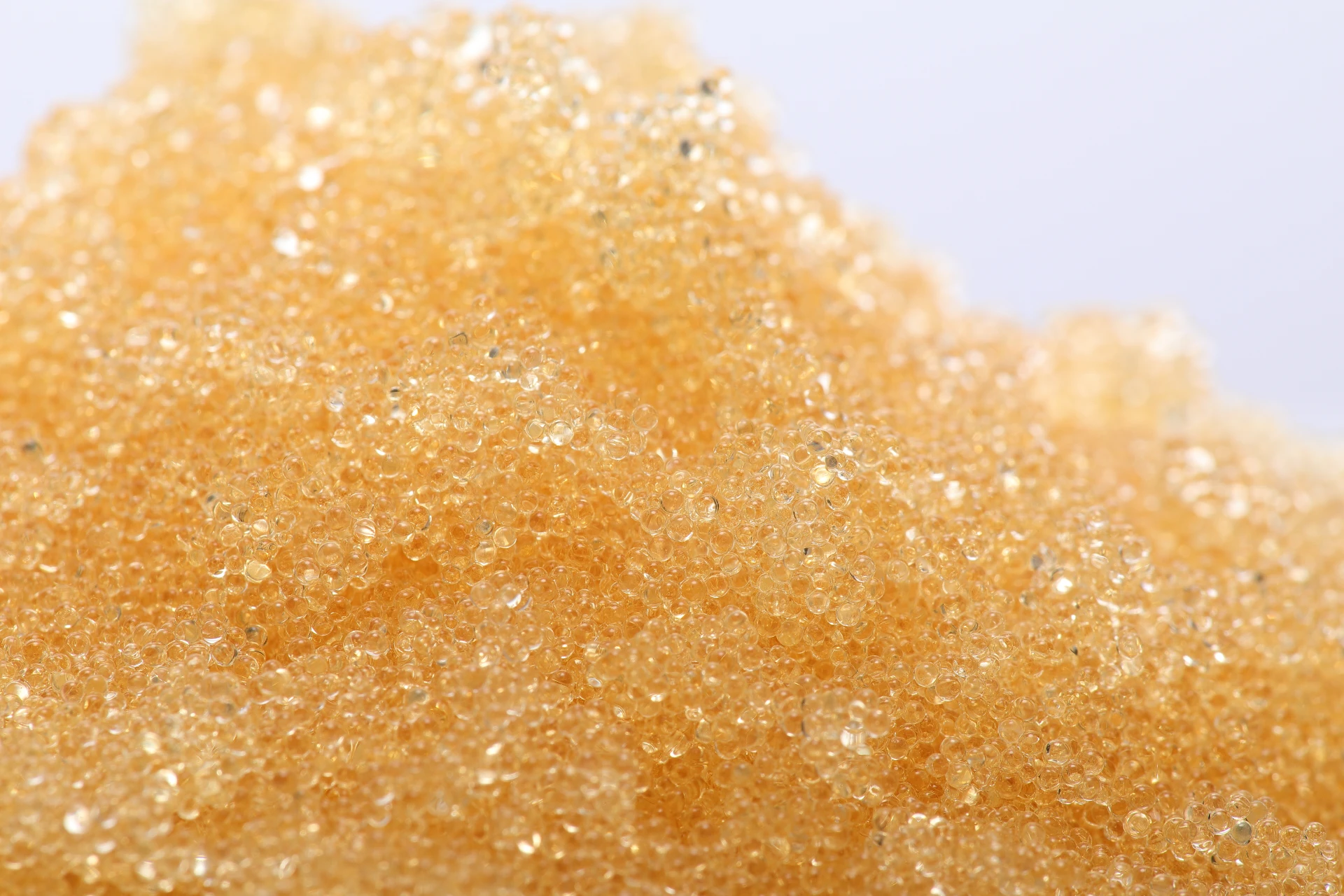
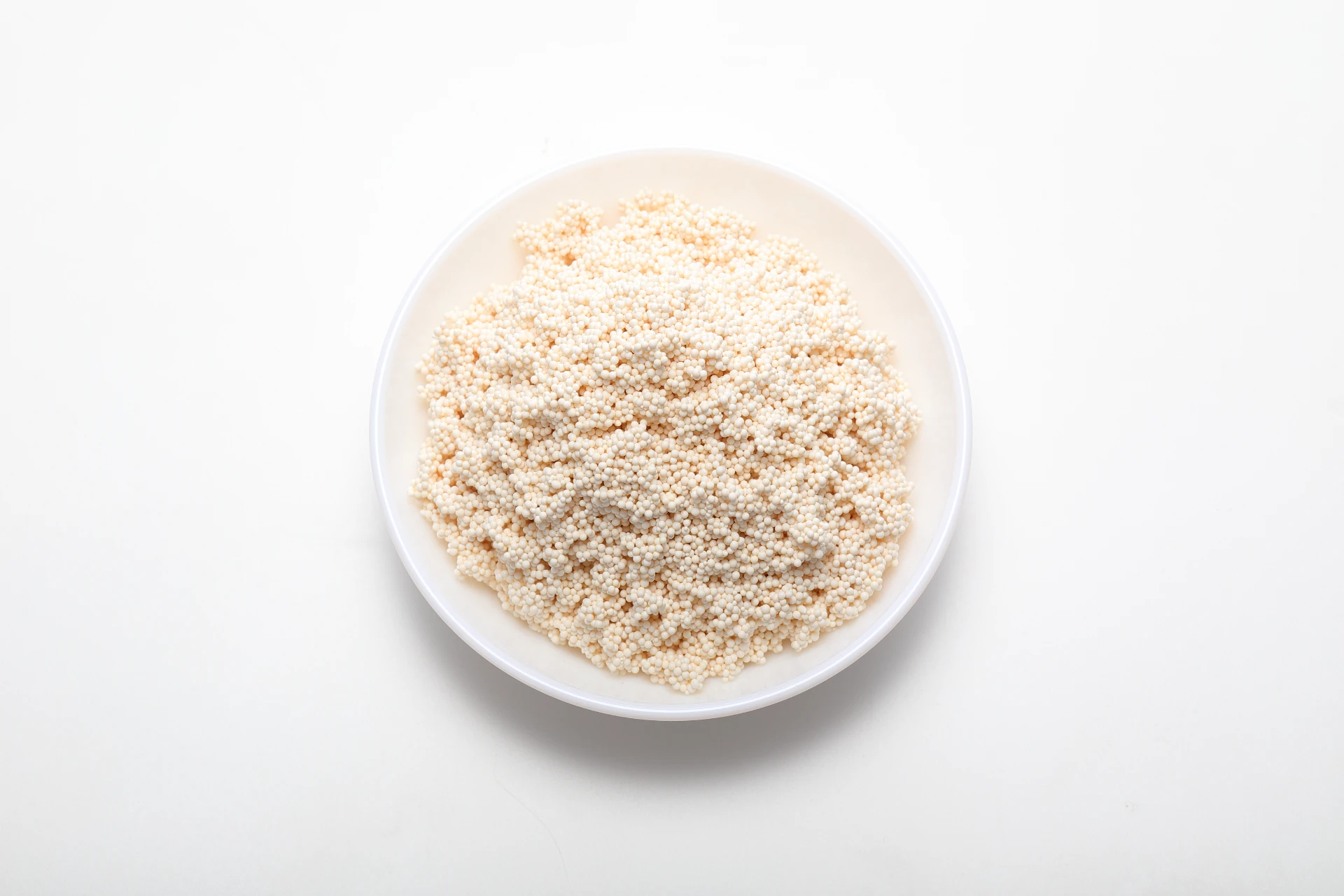
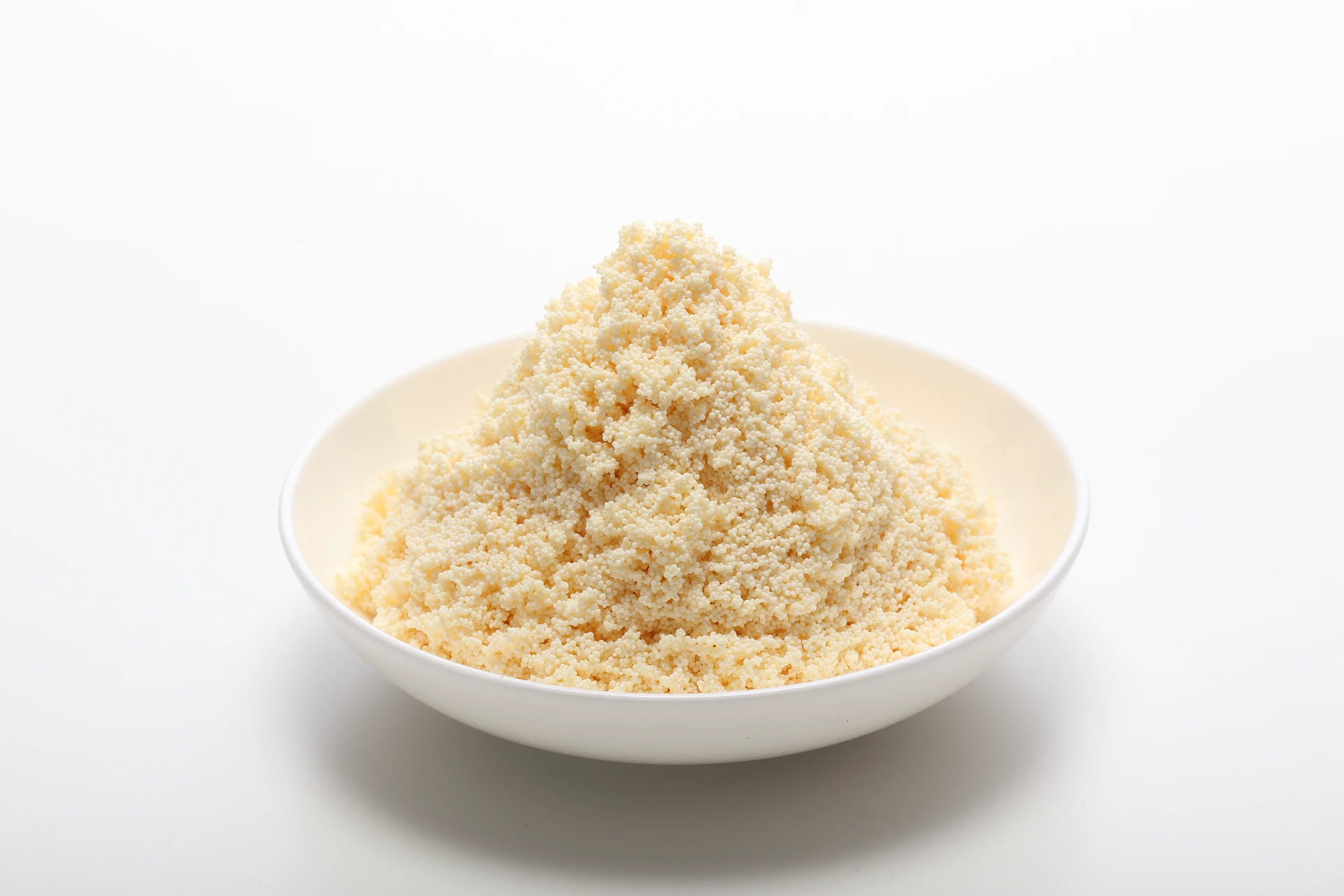
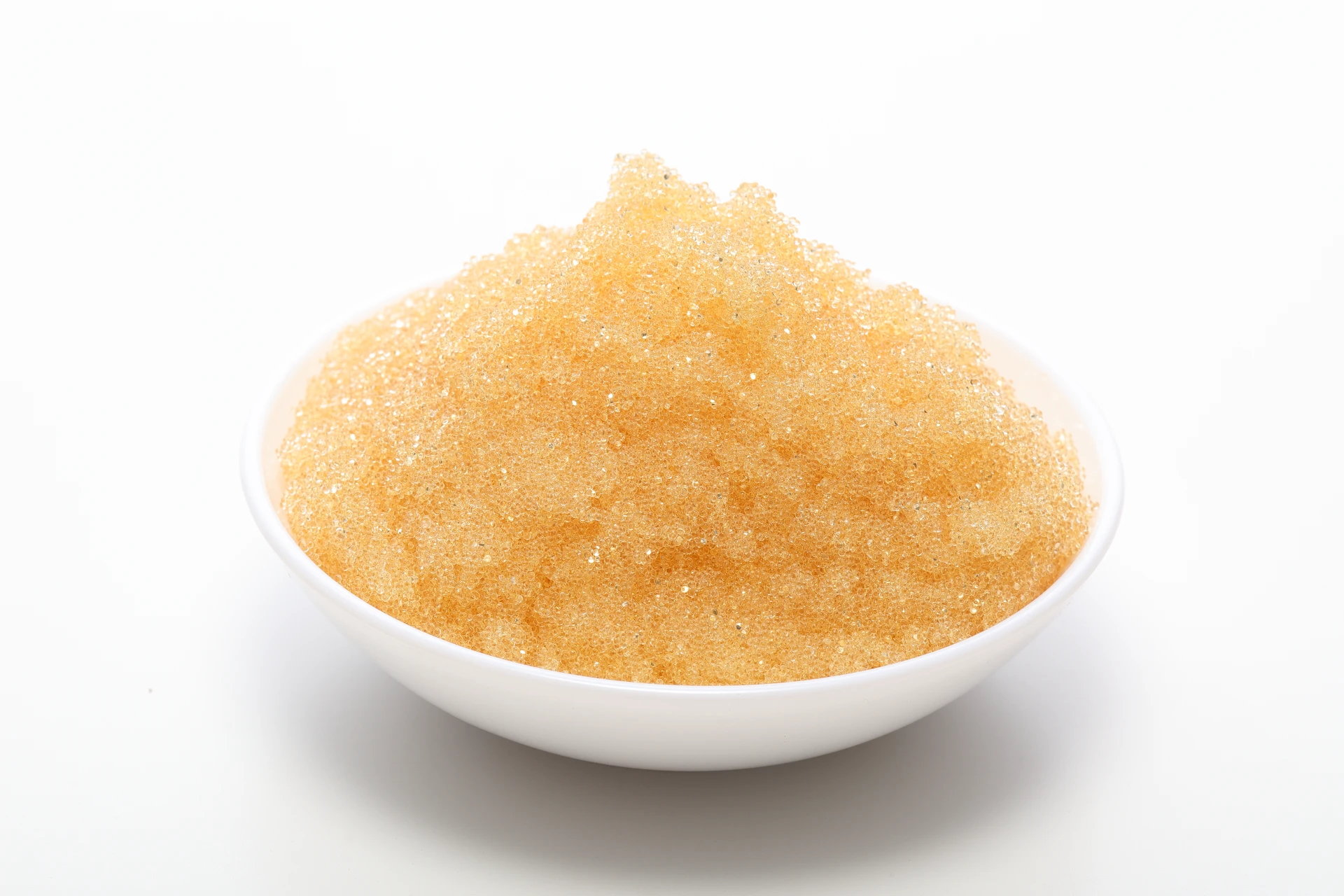
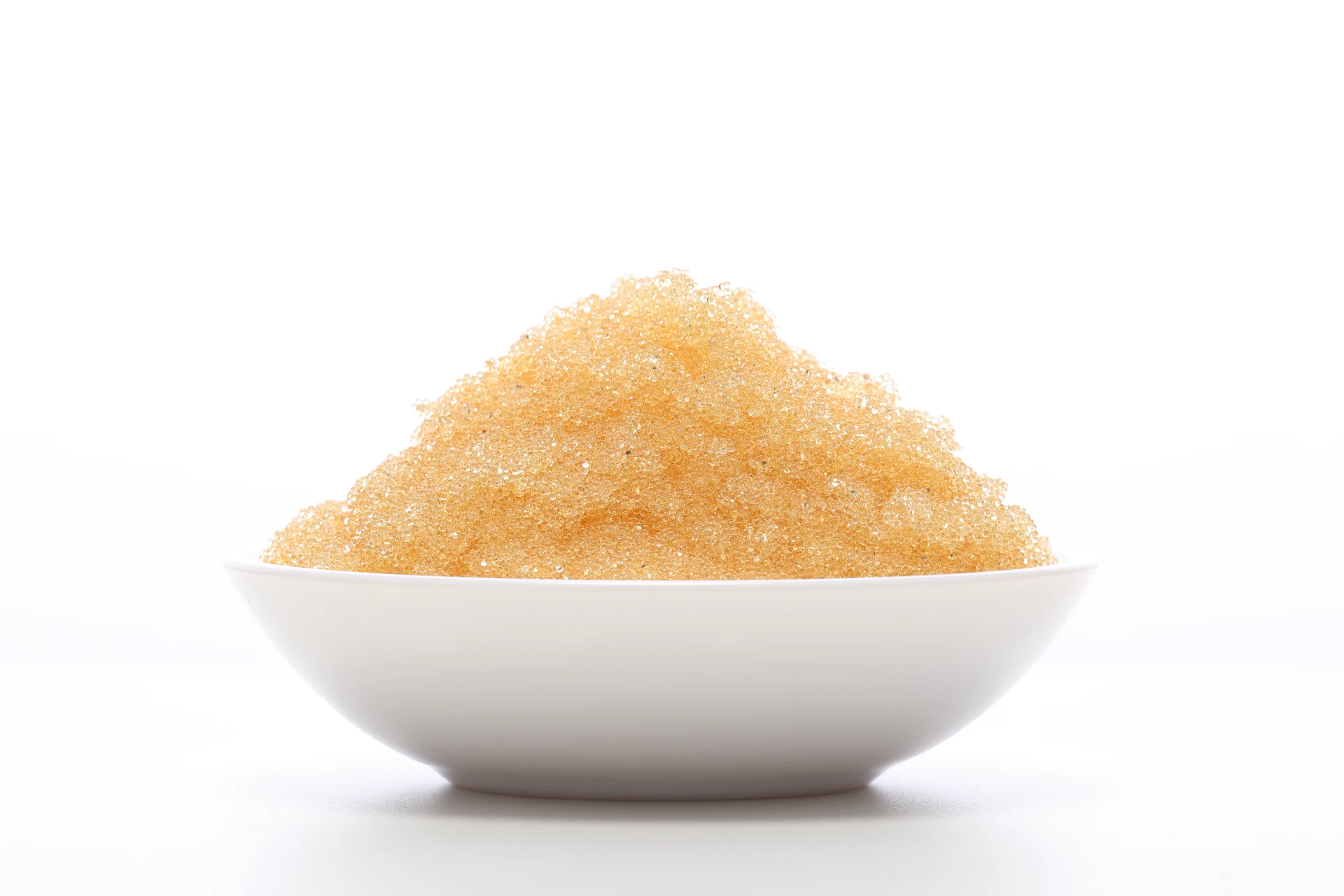
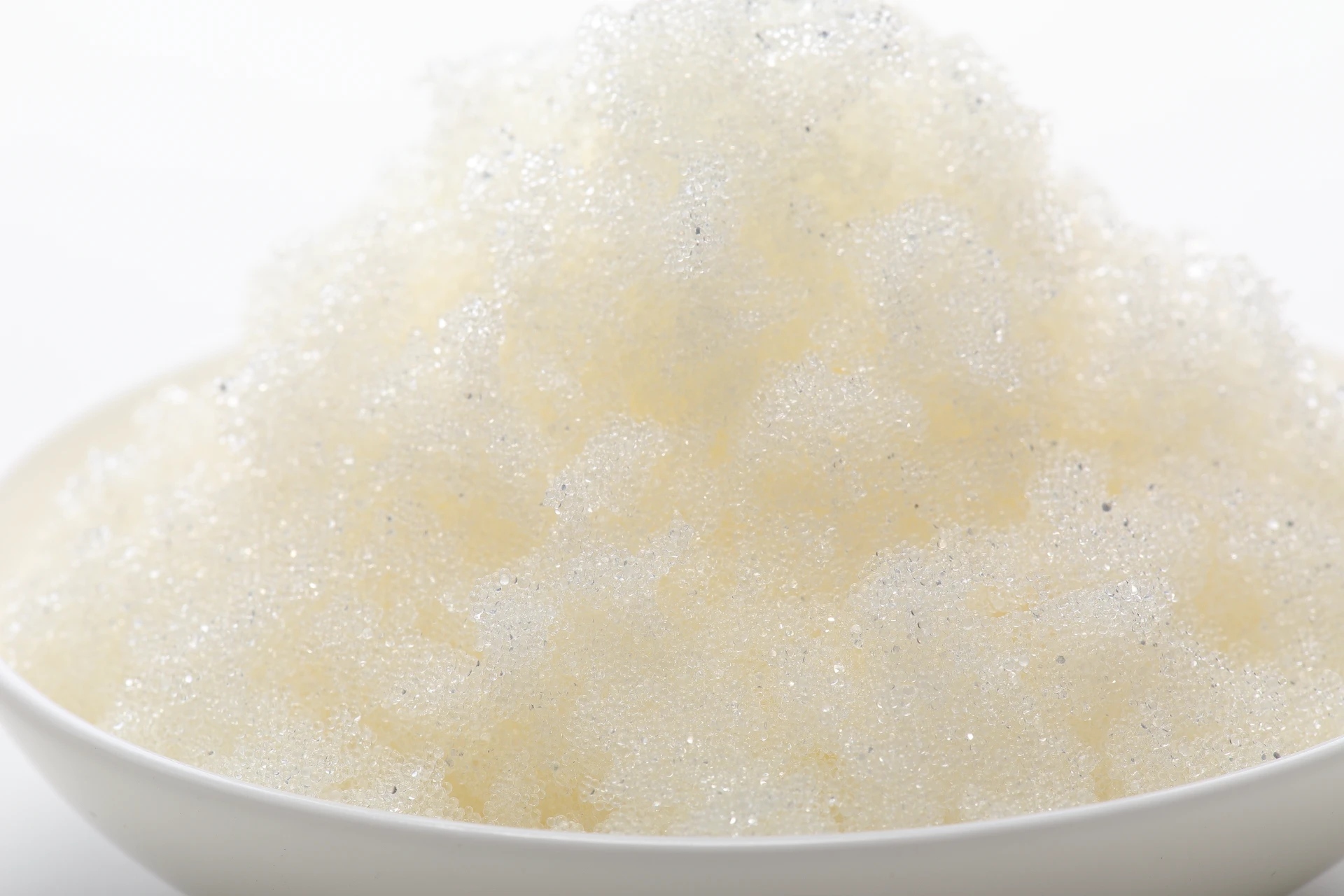
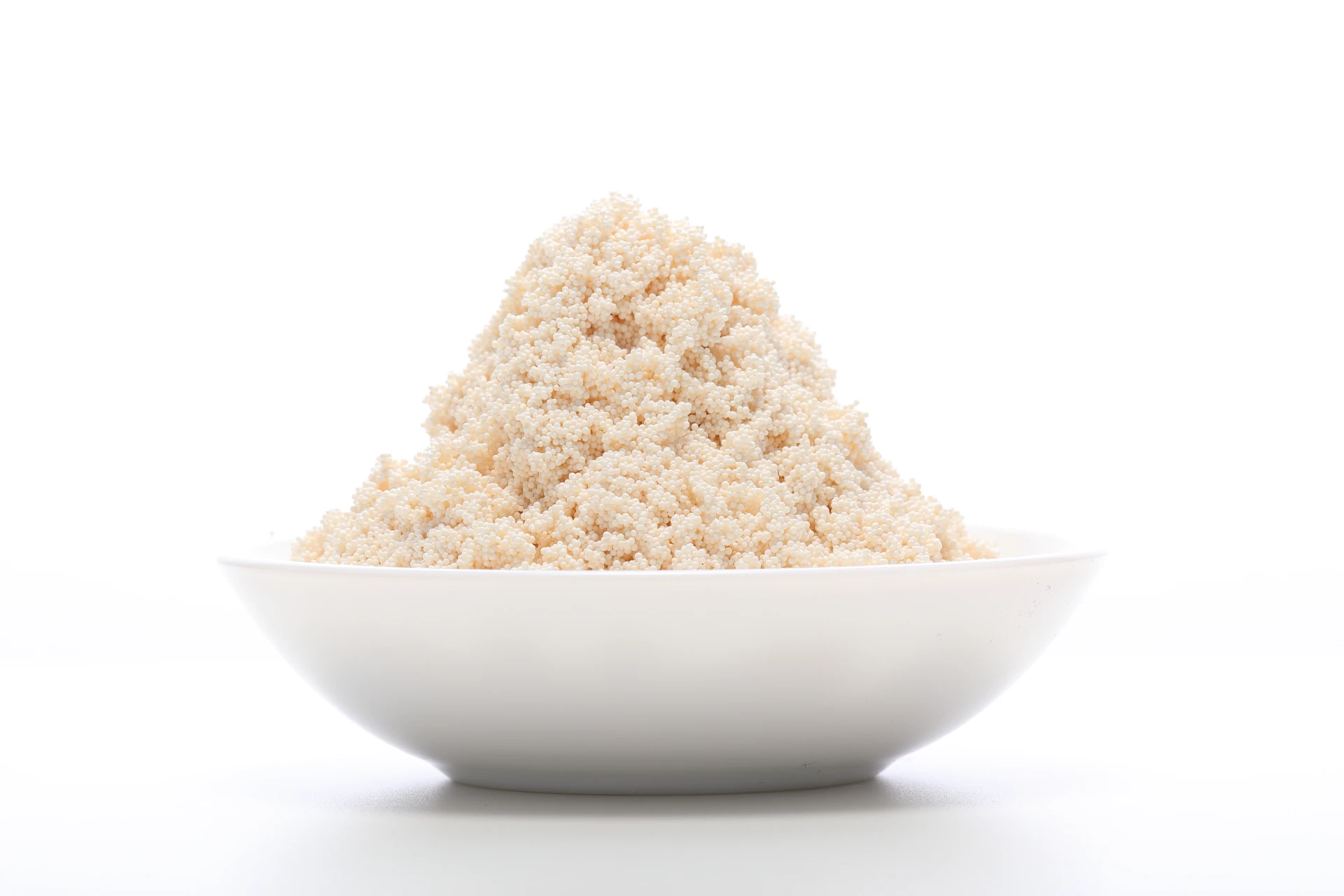
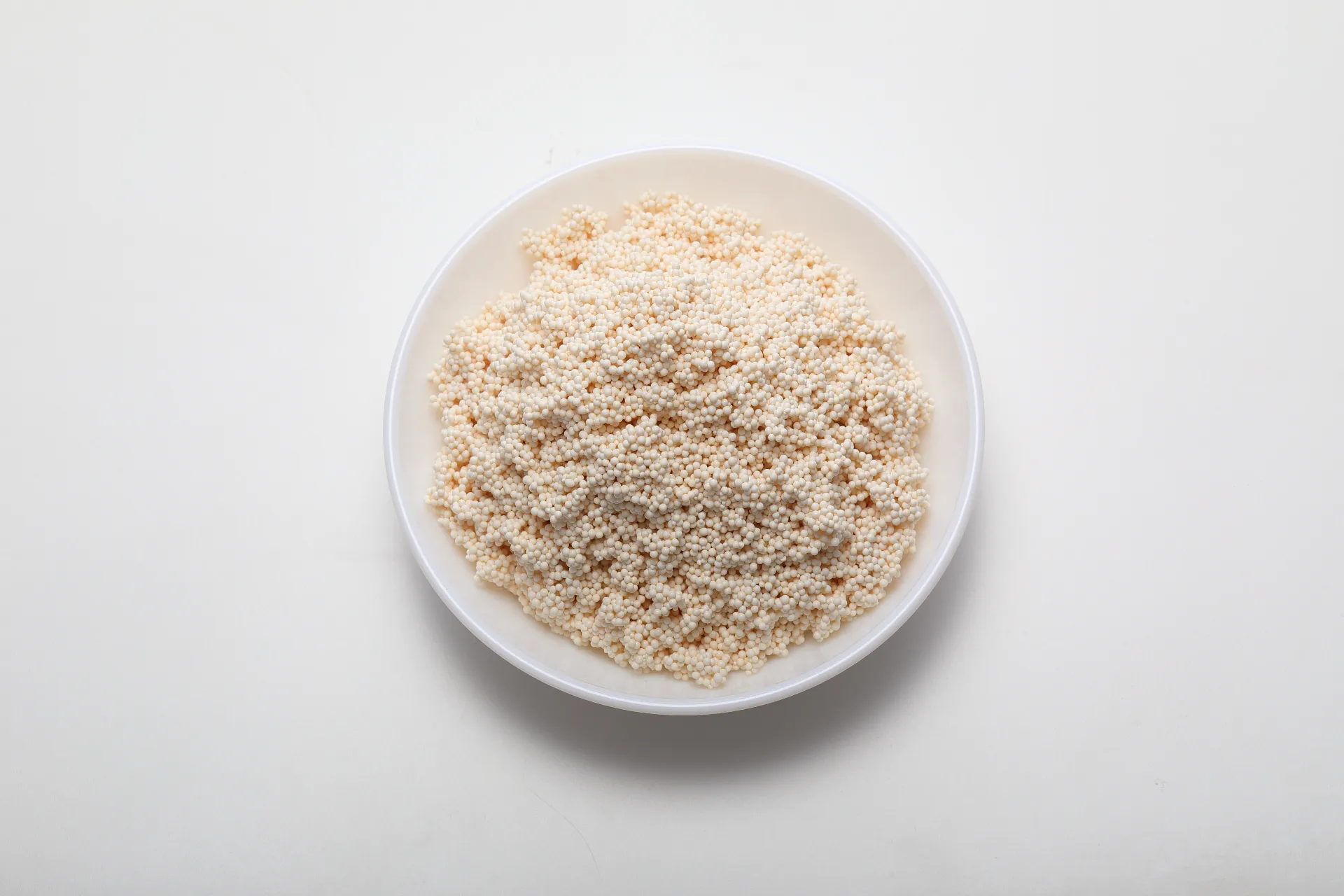
Purolite C120E is a strong acid cation exchange resin widely used in water softening and demineralization applications. It’s based on a styrene-divinylbenzene matrix, making it chemically robust under a broad range of operating conditions. You could say its design roots go deep, since Purolite has been a key player in ion exchange for decades, and this resin variant combines durability with efficiency.
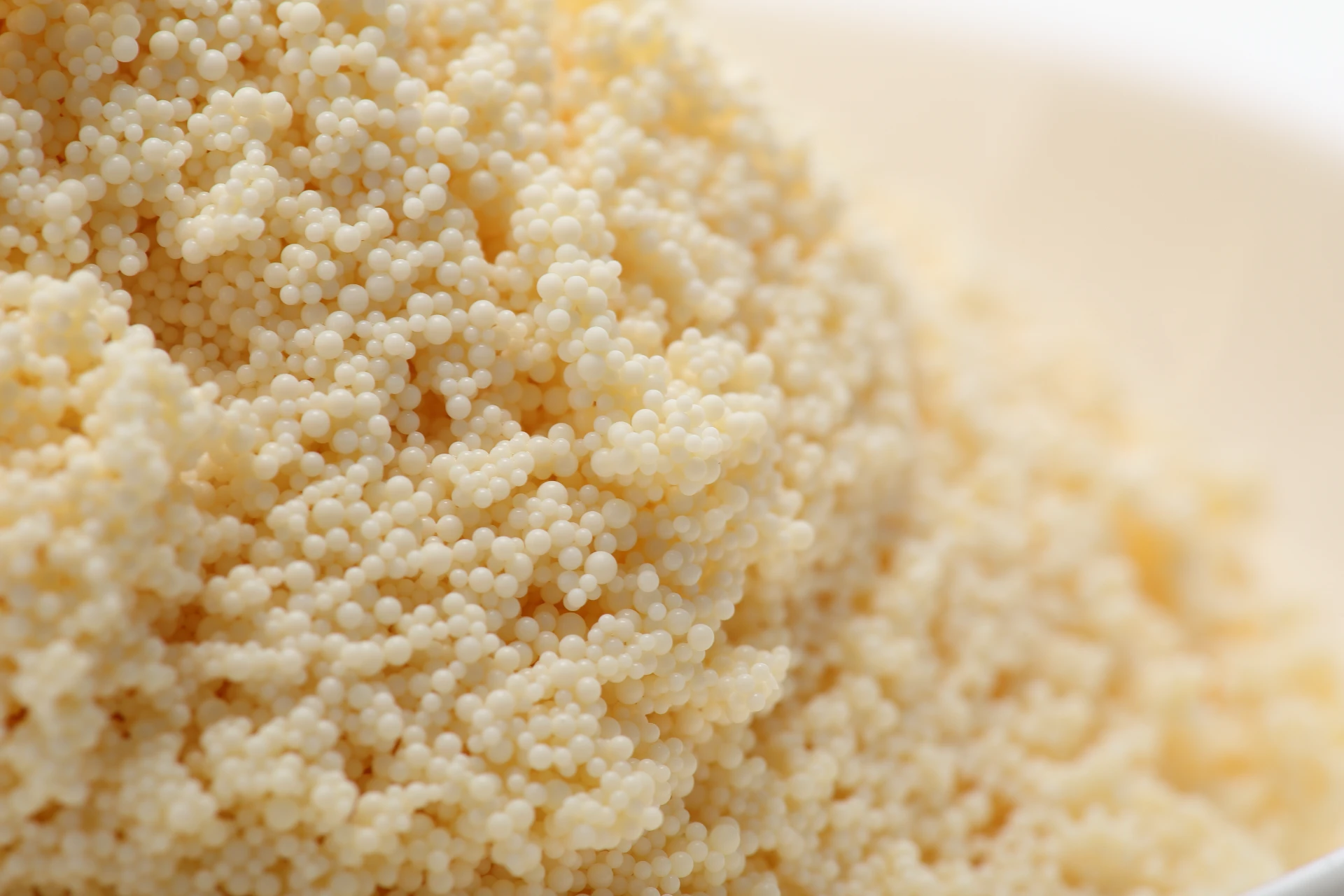
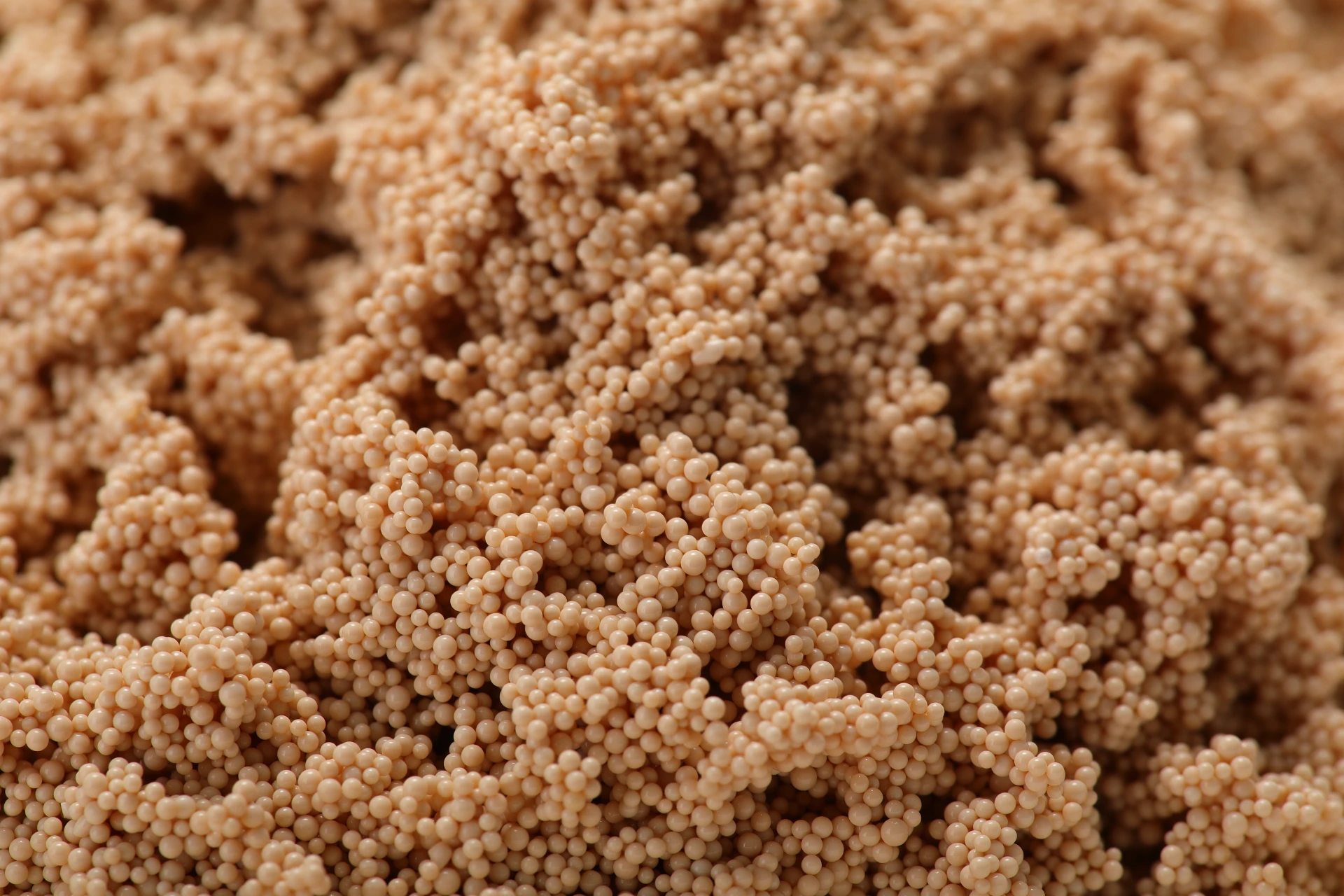
What impresses me first-hand is how it maintains high exchange capacity and mechanical strength. In industrial settings—where temperature fluctuations, pressure variations, and chemical exposure are all par for the course—Purolite C120E often outperforms more generic resins. Its bead size distribution promotes easy backwashing, which in practice means less downtime and more effective regeneration cycles.
Now, many engineers will tell you that the devil’s in the details when it comes to cation resins. For example, the uniformity coefficient affects how efficiently the resin bed regenerates. With Purolite C120E’s established specifications, you can generally count on predictable kinetics, which keeps system controls more straightforward. Oddly enough, I’ve encountered older resins that looked similar but required frequent rebalancing of chemical dosing—something this product helps you avoid.
Let me share a small story: A midsize chemical plant I consulted for was struggling with hardness spikes in feed water. Switching to Purolite C120E as part of their water softening unit improved ion exchange capacity by around 15%. They noticed less resin attrition over six months and, most importantly, fewer process interruptions. This kind of outcome is why I often recommend checking out Purolite C120E if you want proven performance.
| Property | Value / Range | Units |
|---|---|---|
| Matrix | Styrene-DVB, gel | |
| Ionic form | H⁺ (hydrogen form) | |
| Total exchange capacity | 1.9 ± 0.2 | meq/mL (wet) |
| Moisture content | 48–52 | % |
| Bead size (diameter) | 0.3 – 1.2 (typical 0.7) | mm |
| Uniformity coefficient | ≤ 1.7 | |
| Max operating temperature | 120 | °C |
| Feature | Purolite C120E | Competitor A | Competitor B |
|---|---|---|---|
| Chemical stability | High | Medium | Medium-High |
| Physical durability | Excellent | Good | Good |
| Exchange capacity (meq/mL) | 1.9 ± 0.2 | 1.7 ± 0.3 | 1.8 ± 0.2 |
| Operating temp. (°C) | 120 | 100 | 110 |
| Typical applications | Water softening, heavy metals | Water softening | Demineralization |
In real terms, what I appreciate about Purolite C120E is that it bridges reliability with cost-effectiveness. Some resins boast high capacity but lack durability, while others are tough but compromise on ion exchange efficiency. Purolite C120E strikes a balance, making it a sensible choice for varied industrial contexts.
Of course, no product is perfect. You do want to confirm compatibility if you’re dealing with unusual feed waters—say, strongly oxidizing agents or extreme pH levels. But generally speaking, it’s a resilient workhorse that’s become a standard recommendation of mine.
If you’re thinking of upgrading or sourcing cation exchange resins soon, I’d suggest giving Purolite C120E a serious look. It’s been my go-to for projects where predictable performance counts, and I bet you’ll find it serves your plant well, too.
Sources: Purolite technical literature, personal consulting experience in industrial water treatment, and direct client feedback.
Takeaway: Purolite C120E offers a harmonious blend of capacity, durability, and ease of use, making it a trusted choice for varied industrial ion exchange needs.