Phone:
+86 0319 2296164


Email:
info@lijiresin.cn
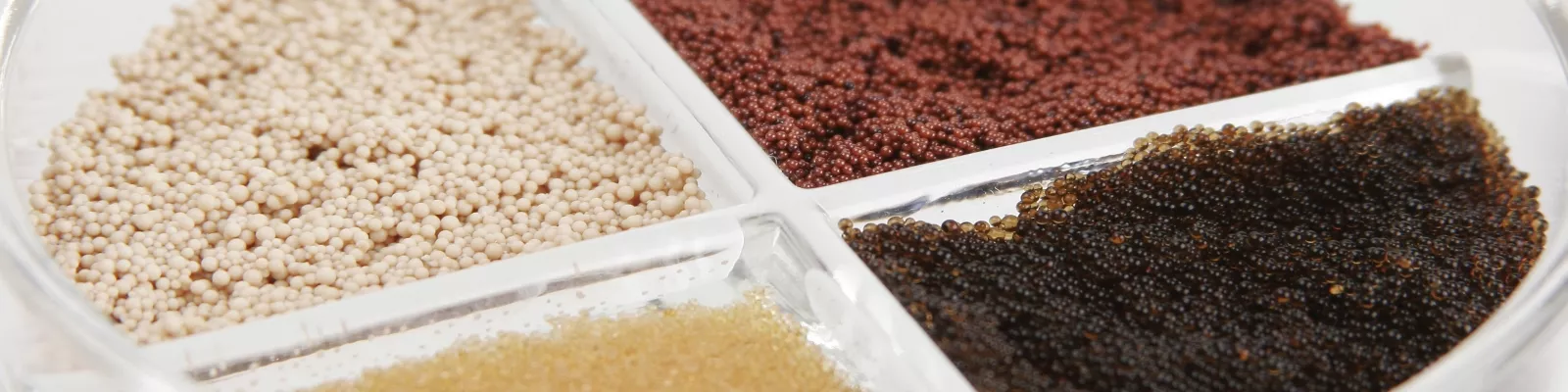
Having spent quite a few years in the industrial equipment space, I’ve seen a fair share of ion exchange resins come and go. Yet, Purolite C150 still holds a certain steady reputation. It’s one of those products that when you encounter it in process plants, you get a sense of reliability without fuss. Frankly, its consistency in performance is why it sticks around, especially when treating water or in chemical processing applications.
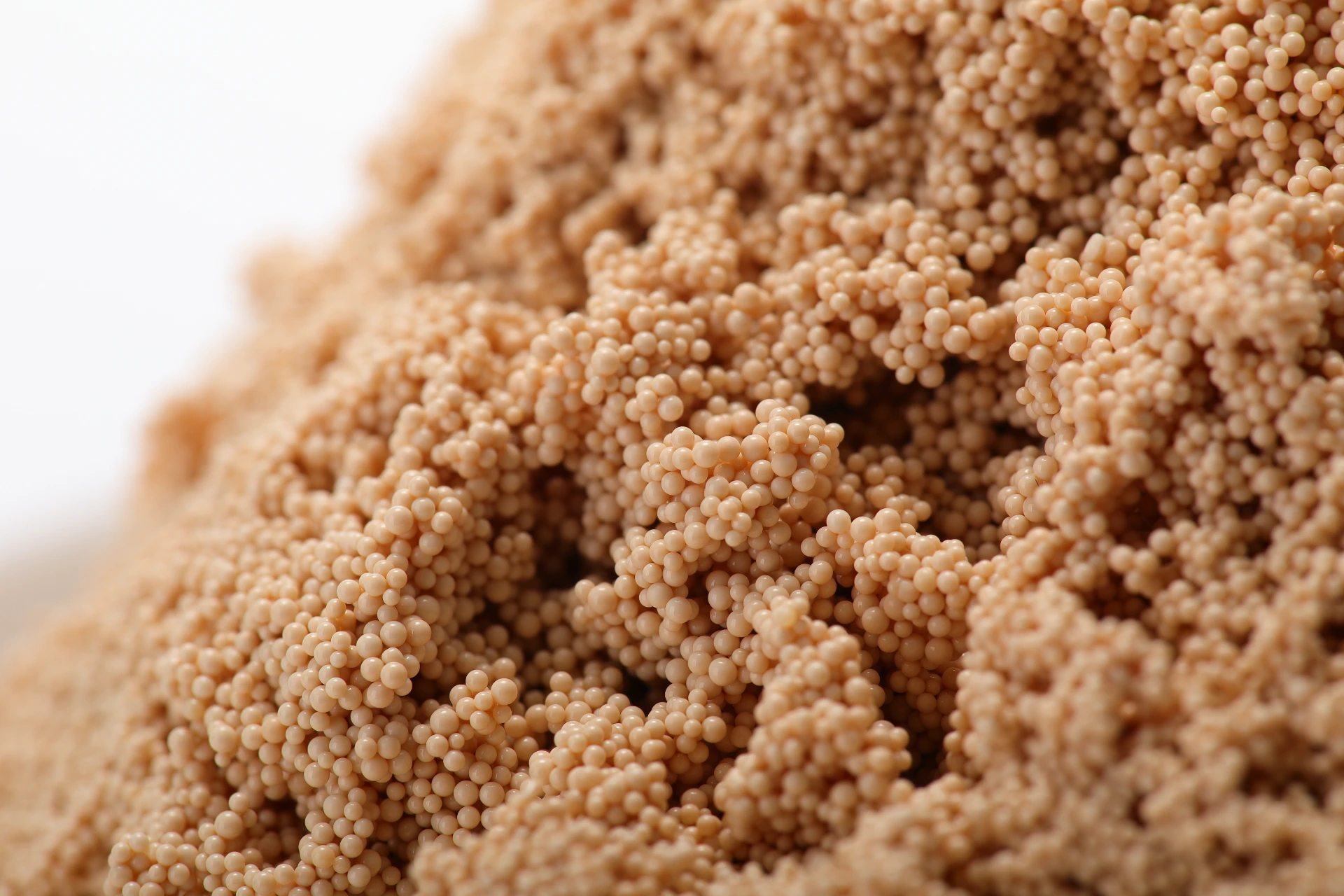
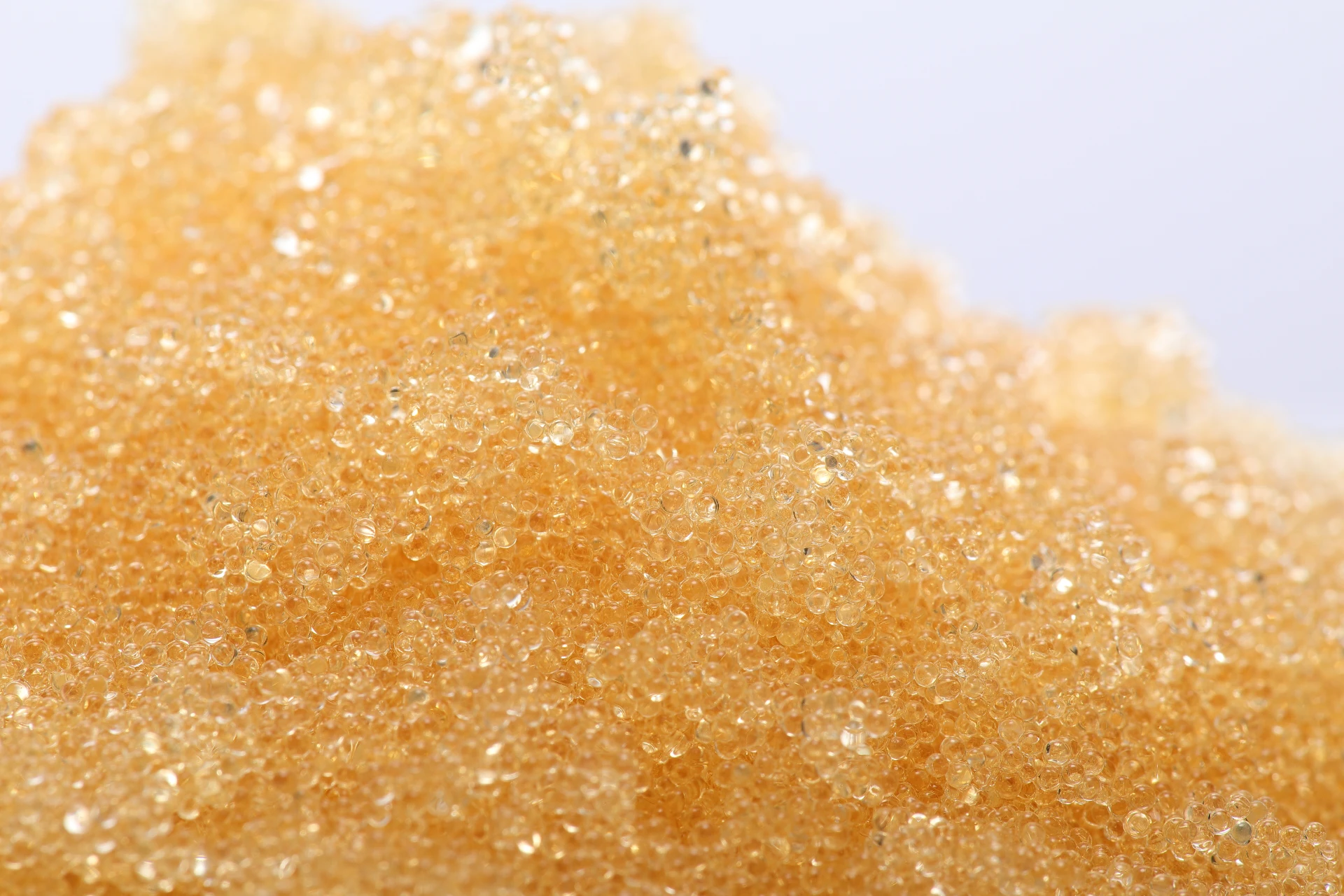
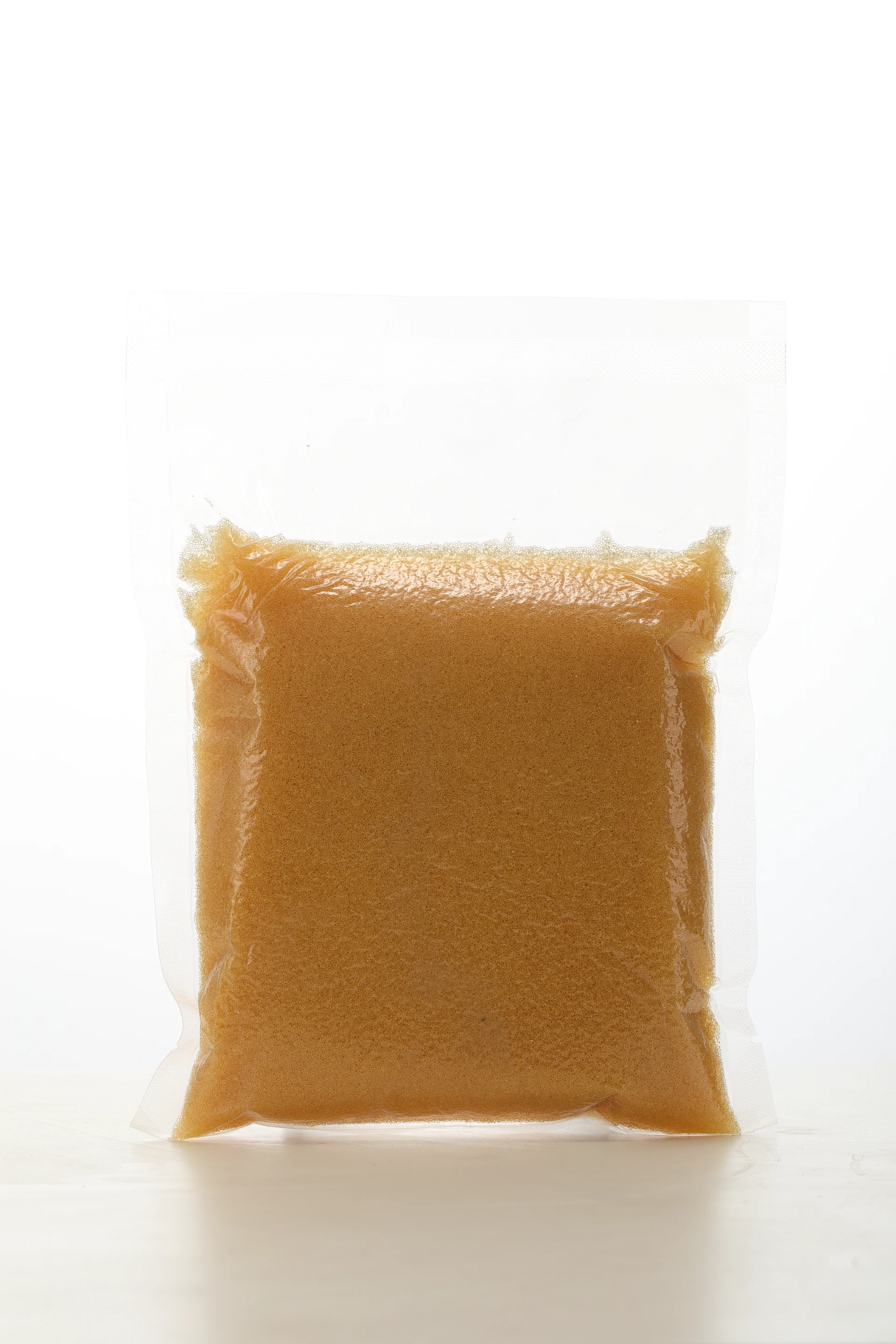
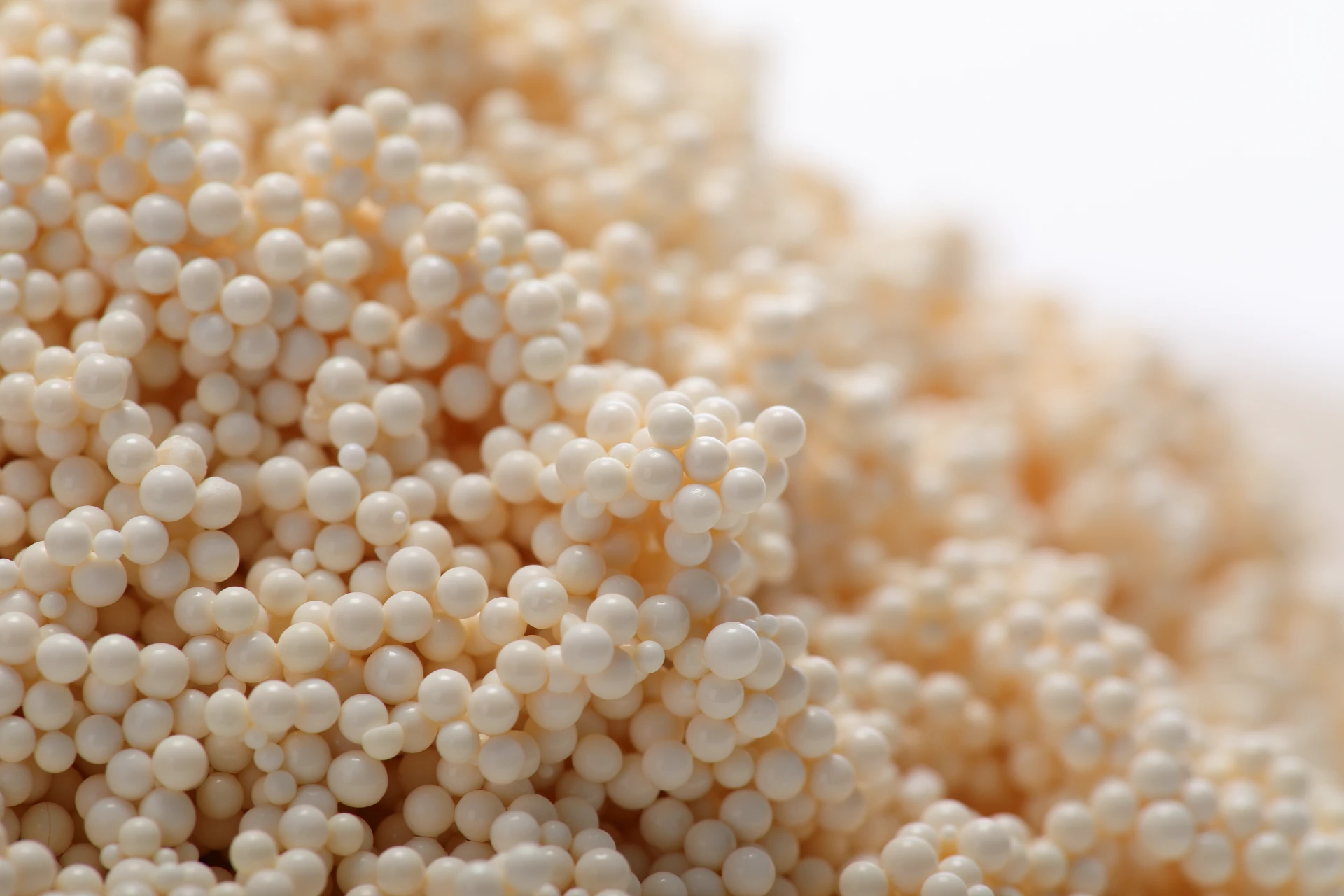
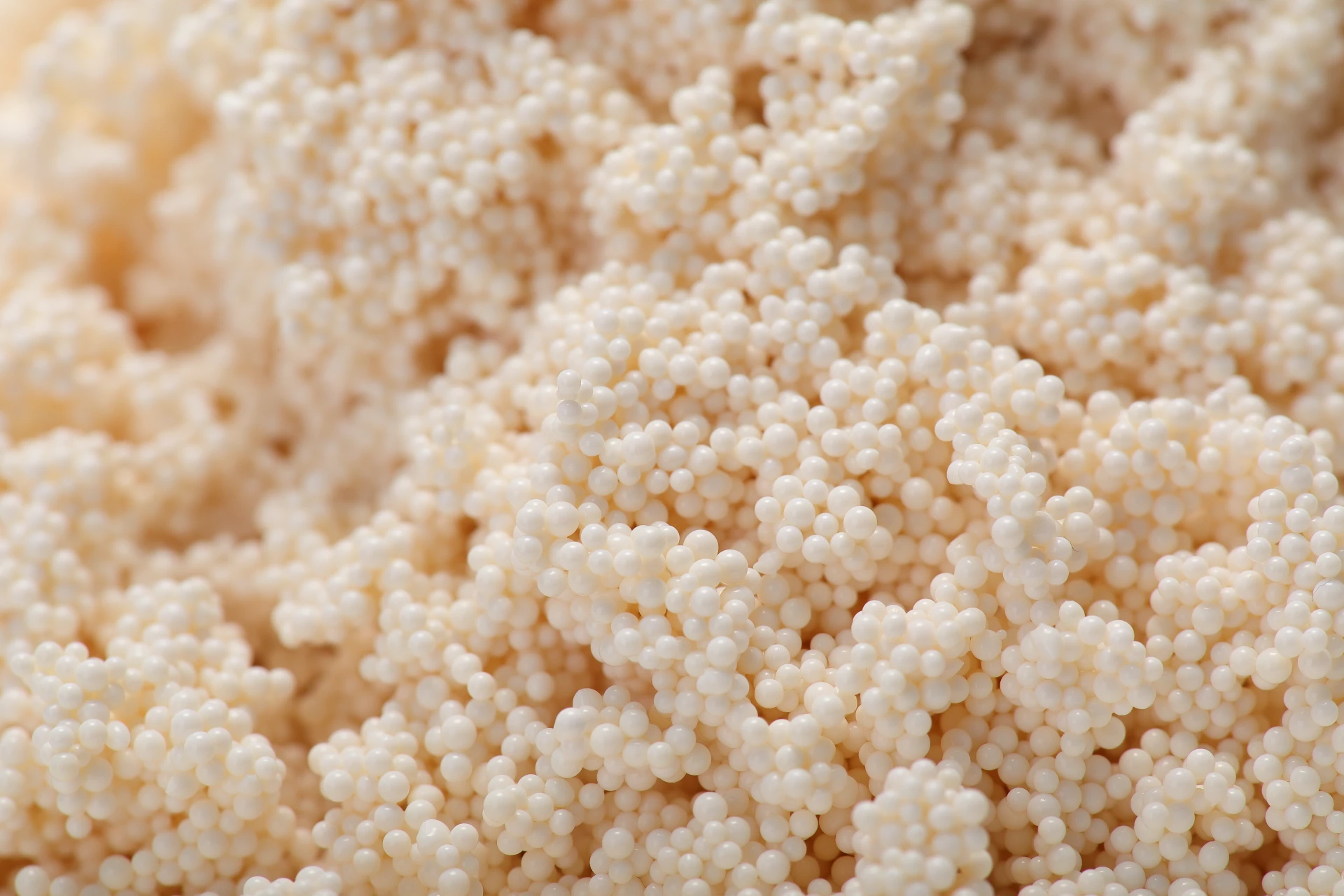
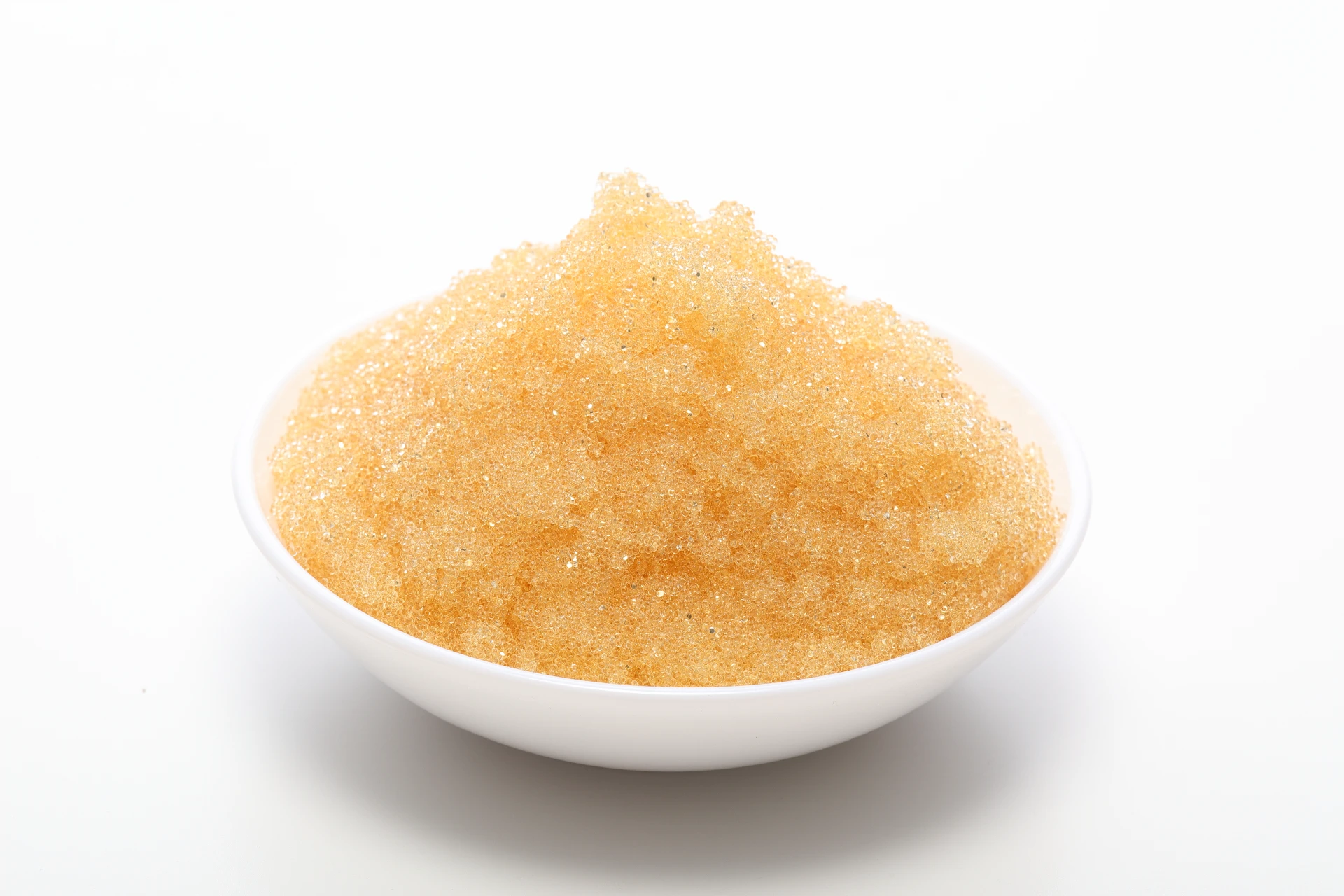
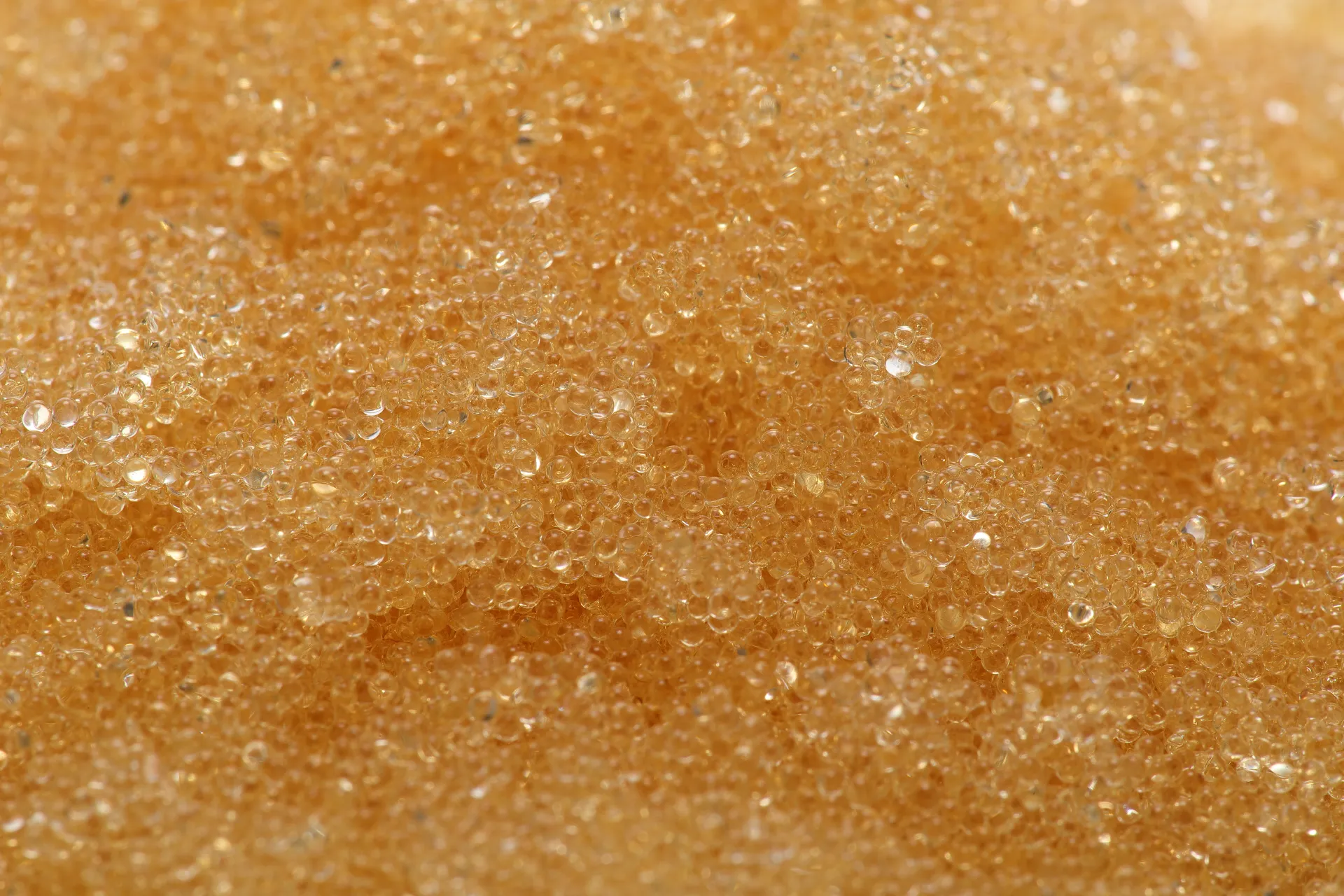
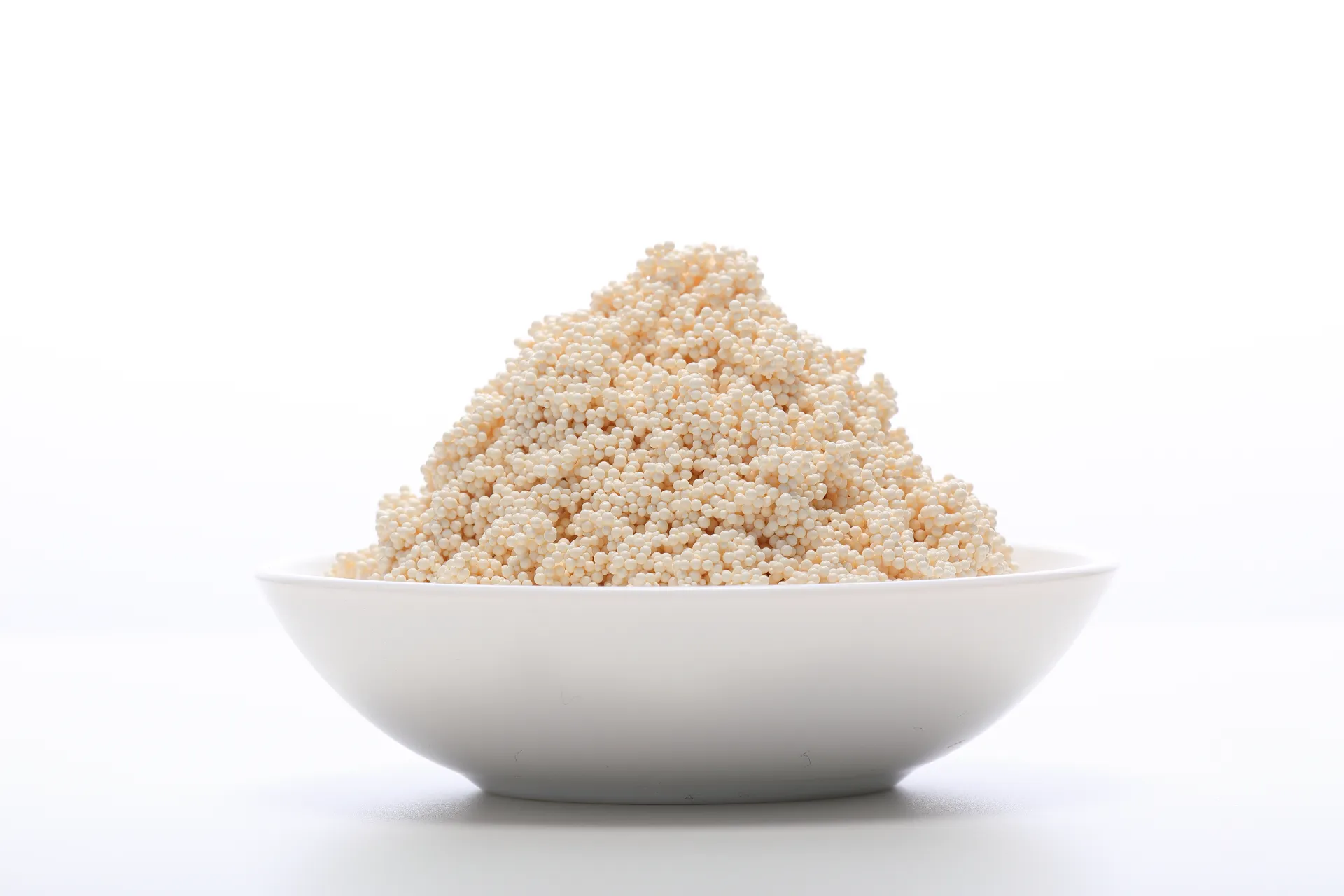
If you ask engineers in the know, a lot of them will mention Purolite C150 as their go-to strong acid cation resin. Oddly enough, it’s not always the flashiest product, but that’s part of the charm. The design and materials behind it make it tough and efficient —which, when you’re handling large volumes or tricky water chemistry, can be a godsend. It’s a sulfonated polystyrene-divinylbenzene based resin that’s been fine-tuned for consistent ion exchange capacity and durability.
Now, you might be curious about specifics, and I get that. In real terms, Purolite C150 offers a good balance between capacity and physical strength. It resists attrition better than some competitors, which translates to less resin loss and downtime. Plus, it regenerates fairly predictably: a factor my maintenance teams have always appreciated.
| Specification | Details |
|---|---|
| Type | Strong Acid Cation Exchange Resin |
| Matrix | Polystyrene-divinylbenzene (crosslinked) |
| Functional Group | Sulfonic acid |
| Particle Size | 0.4 - 1.2 mm |
| Moisture Content | 45 – 52% |
| Total Capacity (eq/L) | 1.9 - 2.0 |
| Operating pH | 0 – 14 (stable 0 – 14) |
It's worth mentioning that, from my experience, the physical integrity of C150 resins translates into fewer resin replacements. This alone can save operations a significant amount of money in the long run. I recall one facility struggling with rapid resin degradation due to high suspended solids. Switching to Purolite C150 helped them maintain process uptime, thanks to the resin’s resistance to attrition.
But what about the vendors? Finding the right supplier who understands the subtle demands of industrial ion exchange is just as crucial. To help, I laid out a quick comparison of Purolite C150 from some prominent vendors I've dealt with:
| Vendor | Availability | Pricing | Technical Support | Customization |
|---|---|---|---|---|
| Liji Resin | Excellent stock levels | Competitive | Highly responsive | Tailored grades available |
| Global Ion Exchange Co. | Good | Mid-range | Moderate | Standard grades |
| ResinTech Solutions | Limited | Premium | Excellent but slow | Mostly off-the-shelf |
I’ve always recommended choosing a vendor who not only stocks Purolite C150 but also understands your process nuances. Straight product specs can only get you so far. For example, working with the folks at Liji Resin (yes, them again) has felt like a partnership rather than a simple transaction, which is refreshing.
To wrap it up, it feels like Purolite C150 isn’t just another resin to toss into your system. There’s a quiet robustness to it—a kind of industrial workhorse that just keeps delivering. If your processes demand steadiness and low fuss, it’s worth a go. And hey, the support you get from the right vendor can make all the difference, as I’ve learned over my years in the trenches.
References: