Phone:
+86 0319 2296164


Email:
info@lijiresin.cn
Whether you’re working in water treatment, chemical refining, or environmental remediation, the name purolite mb400 will likely come up more than you expect. But why does this product actually matter on a global scale — and what makes it a vital component for industries that are shaping our ecological and economic future?
Simply put, Purolite MB400 is an advanced chelating resin designed for metal ion removal and recovery. This might sound a bit niche, but the global water crisis, the push for sustainable industrial processes, and demands for cleaner production methods all highlight the growing necessity of such solutions. The efficient removal of metal contaminants not only safeguards communities but also facilitates resource conservation in aging industries. Understanding how purolite mb400 works and where it fits into the bigger picture equips operators and strategists with an important tool to tackle these challenges.
In 2023, the United Nations emphasized water quality improvement as a key Sustainable Development Goal — and industrial wastewater is a persistent hurdle. Over 80% of worldwide wastewater flows back into the environment without adequate treatment (UN-Water, 2022). Compounds like heavy metals accumulate and poison ecosystems.
Enter purolite mb400, a product designed explicitly to trap and recover valuable metals like copper, nickel, cobalt, and zinc from complex liquid streams. This not only prevents environmental contamination but also allows companies to recycle precious materials, cutting both waste and cost. Oddly enough, while it’s a sophisticated chemical product, its impact trickles down to river habitats, drinking water quality, and even human health. The stakes couldn’t be higher.
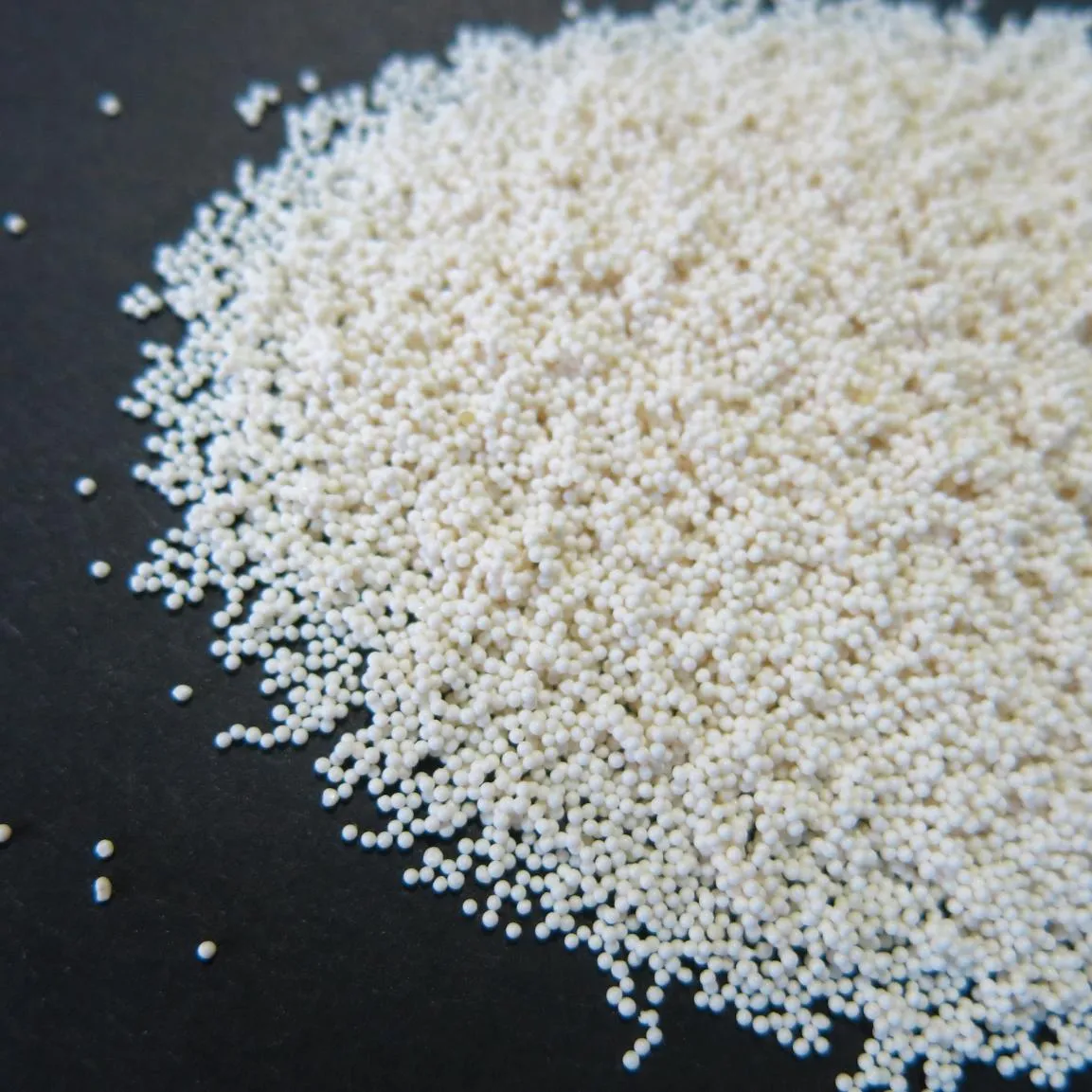
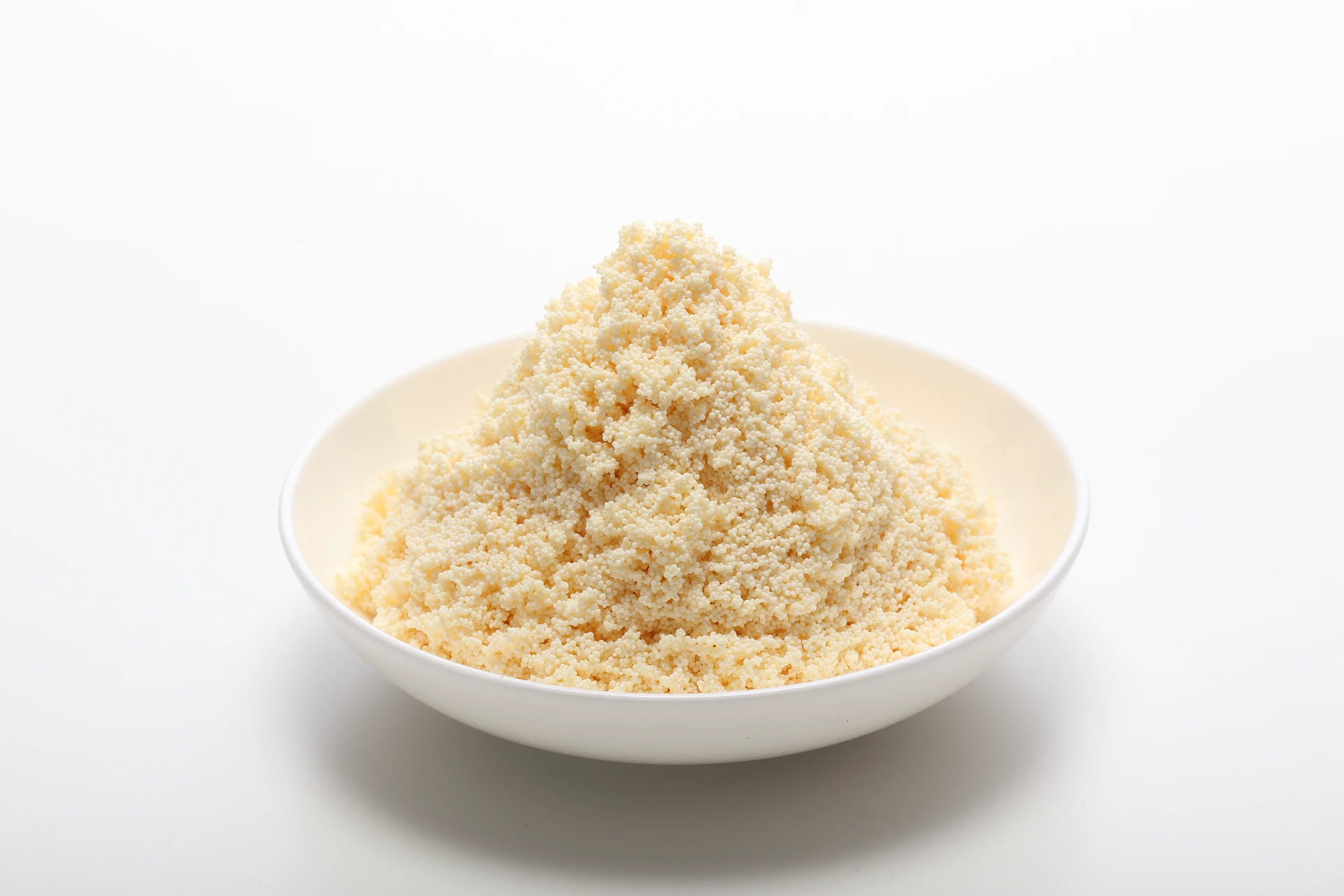
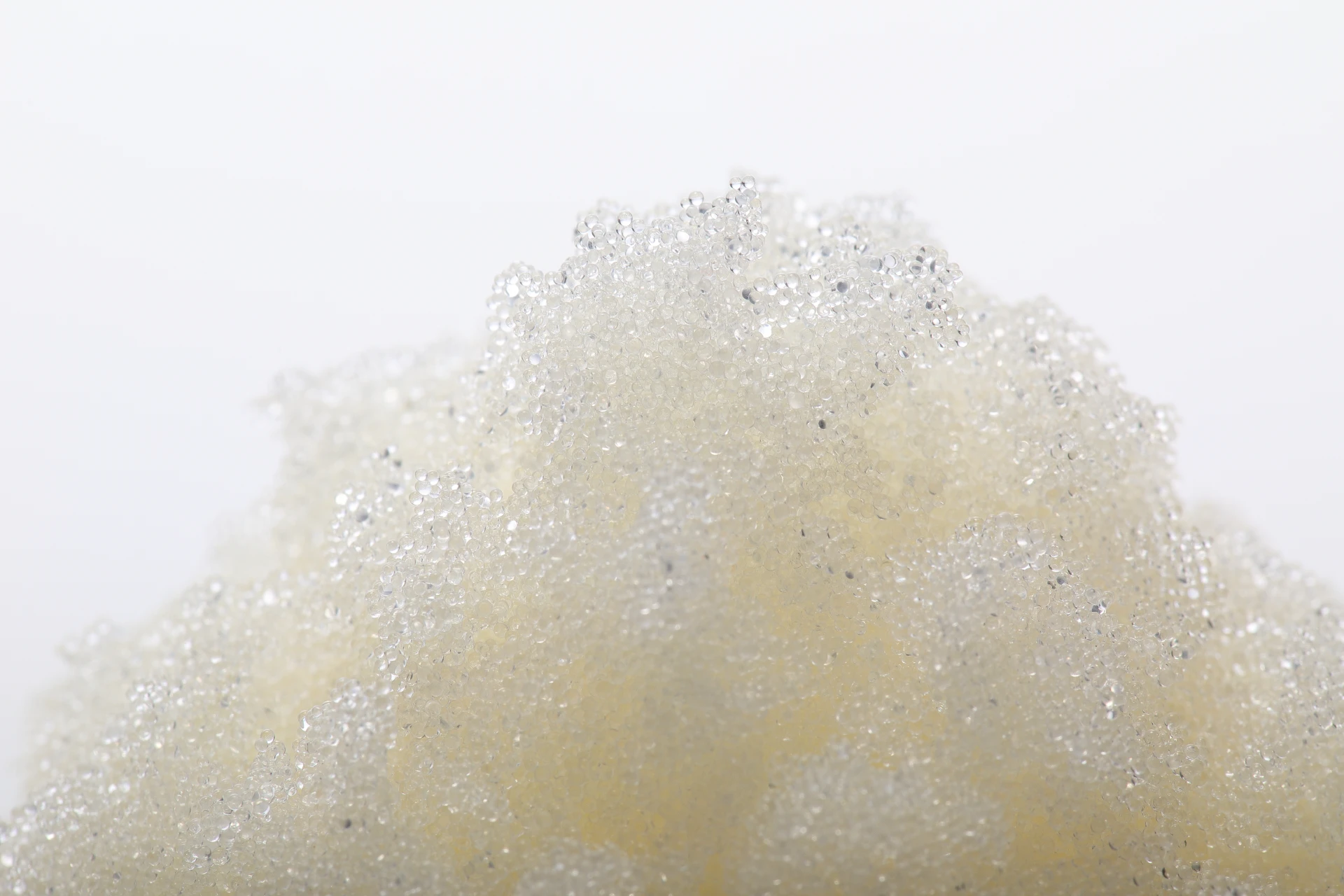
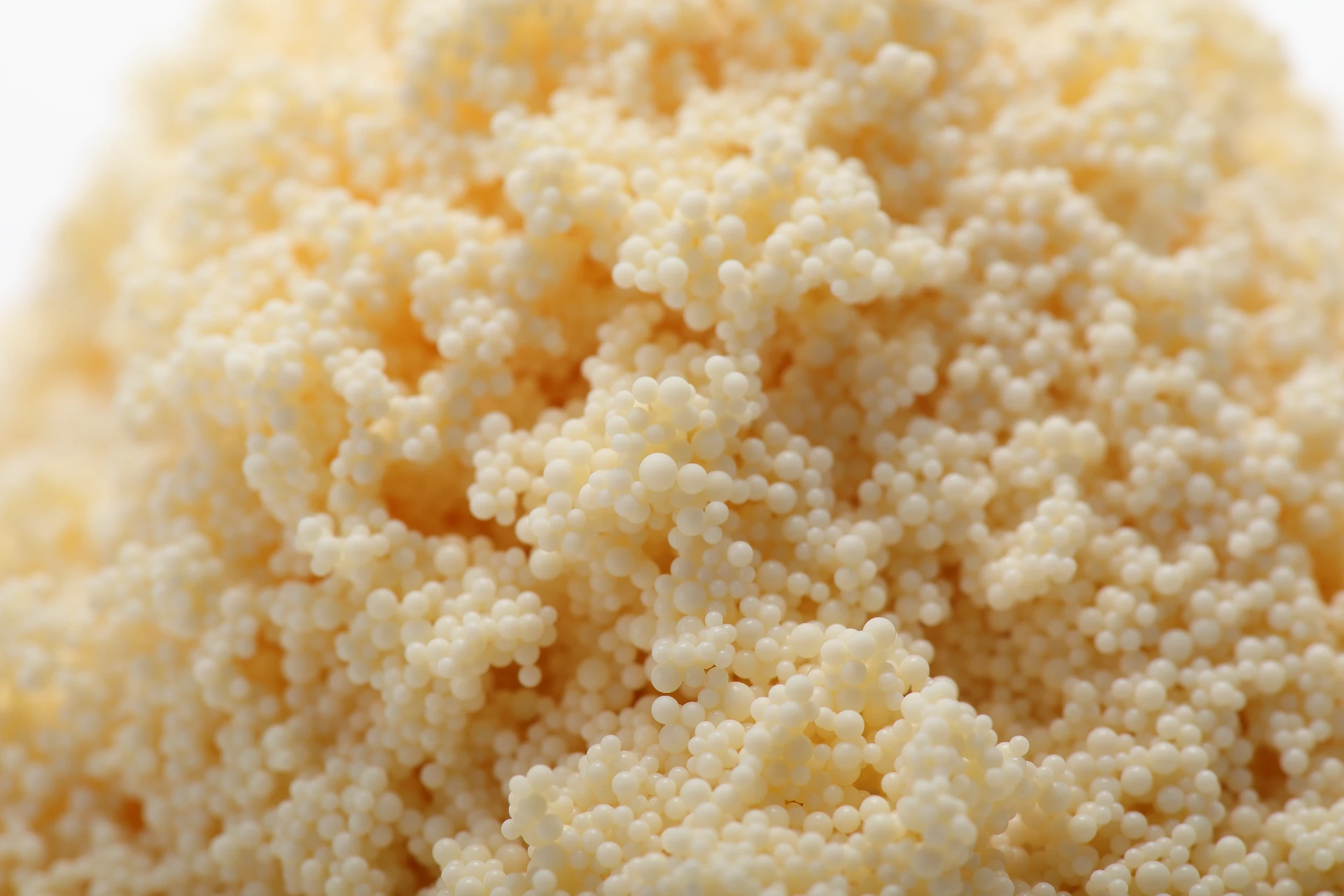
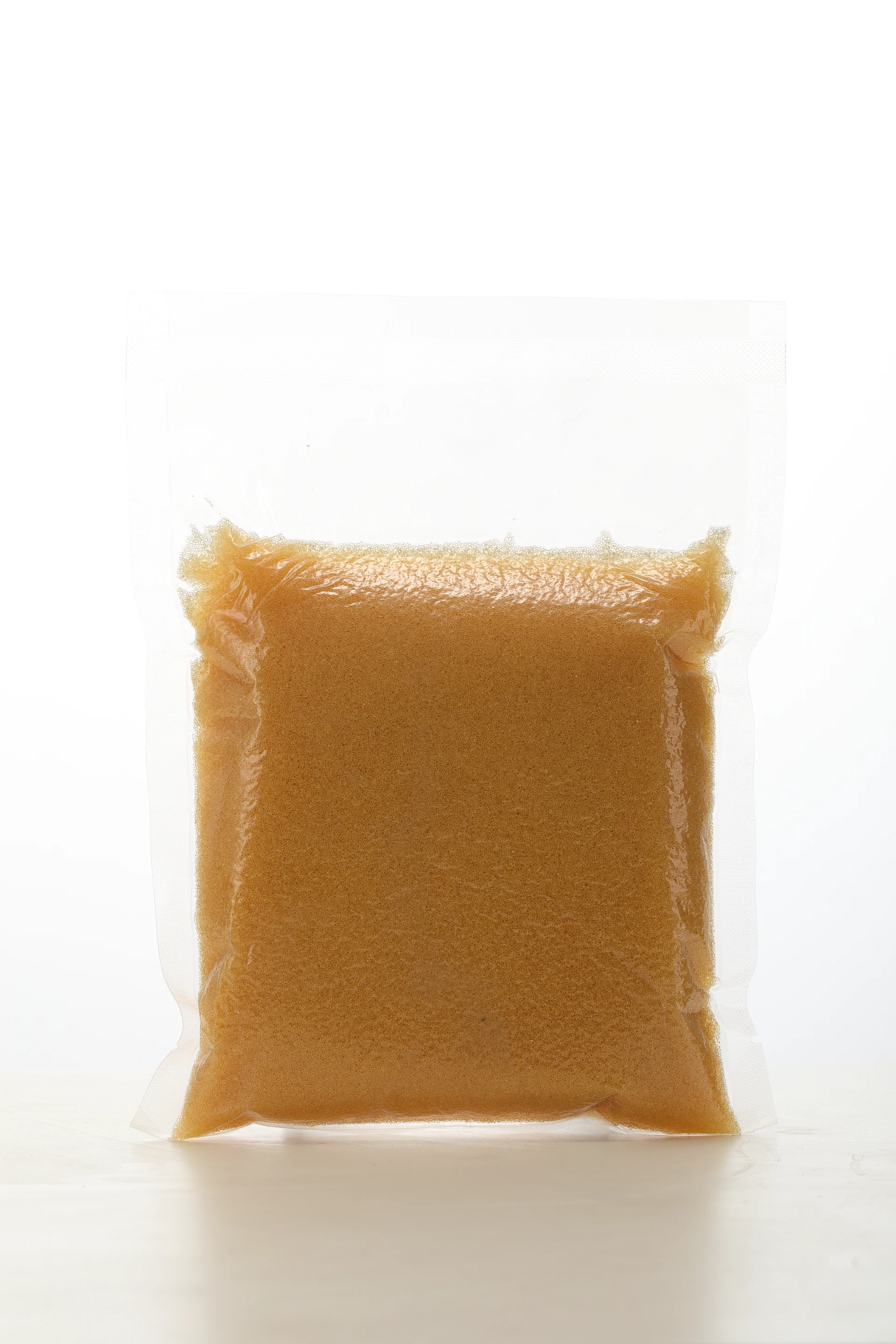
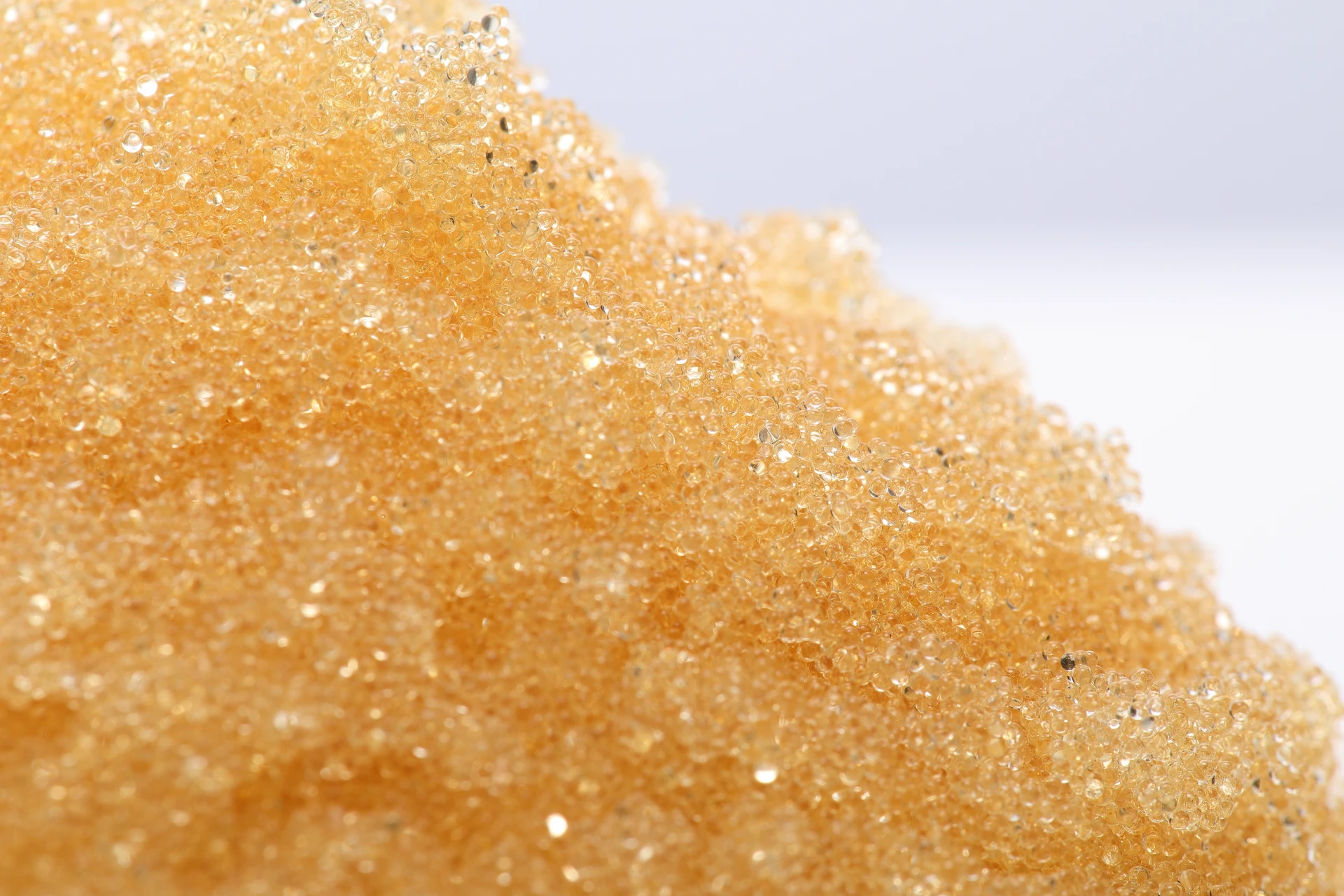
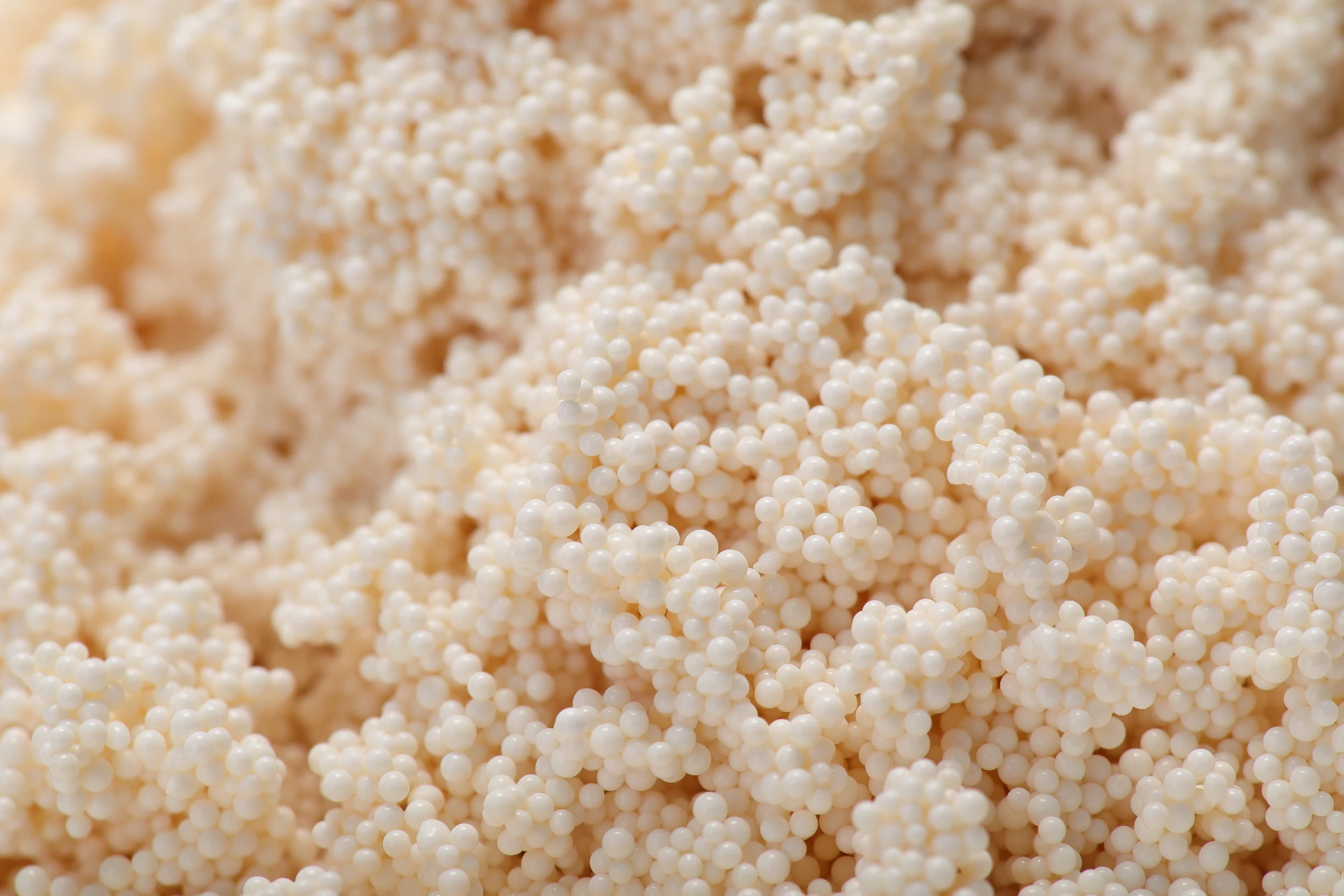
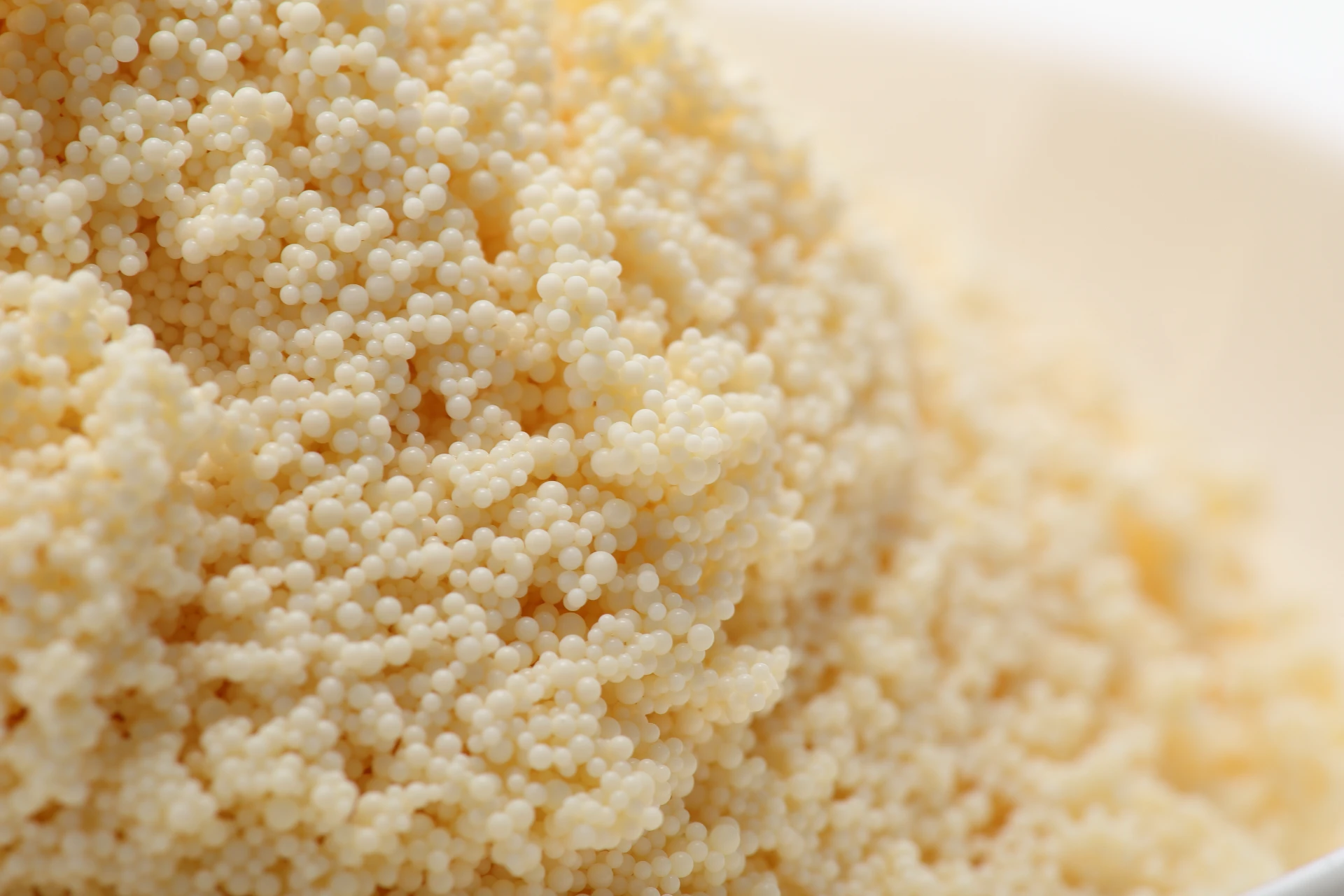
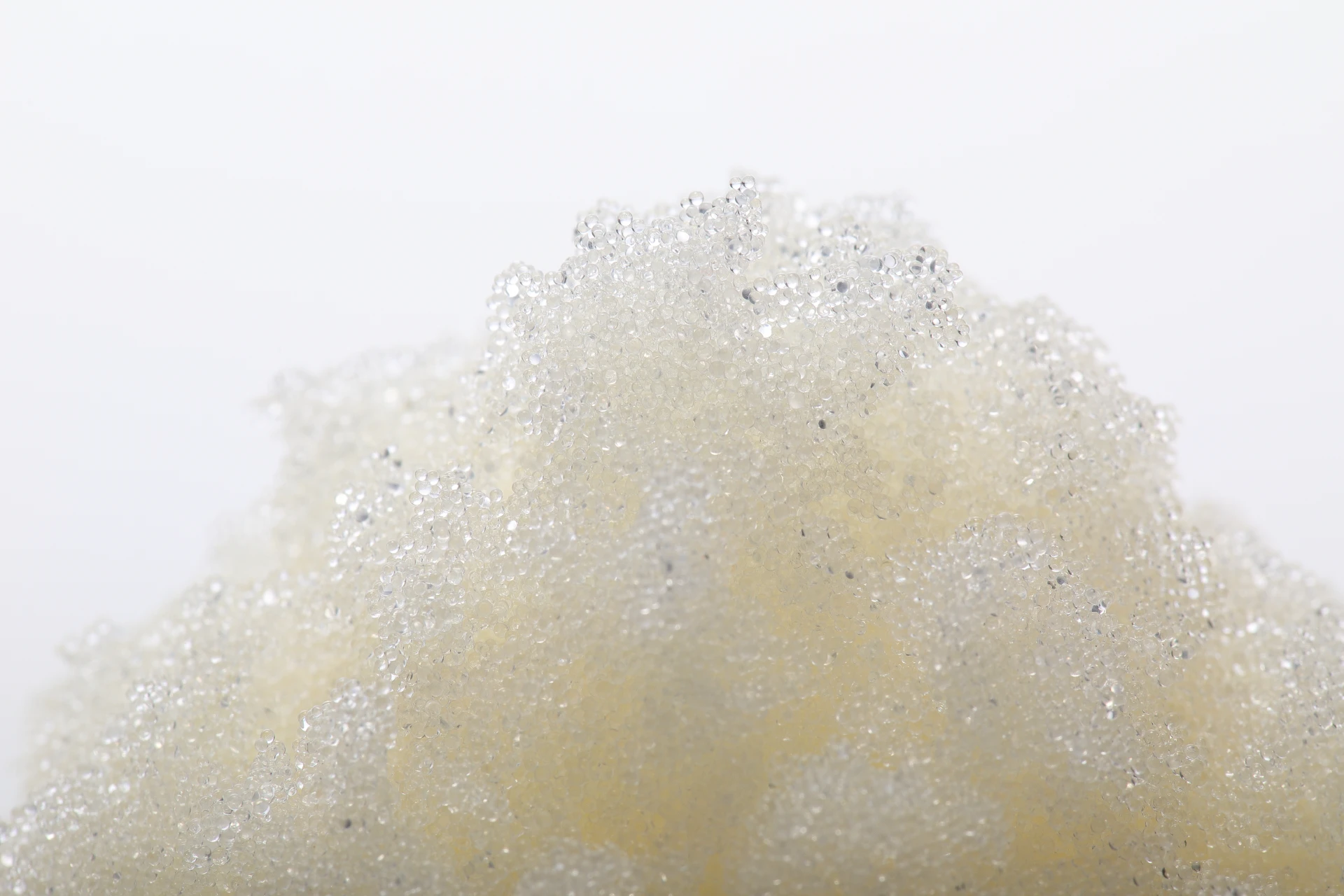
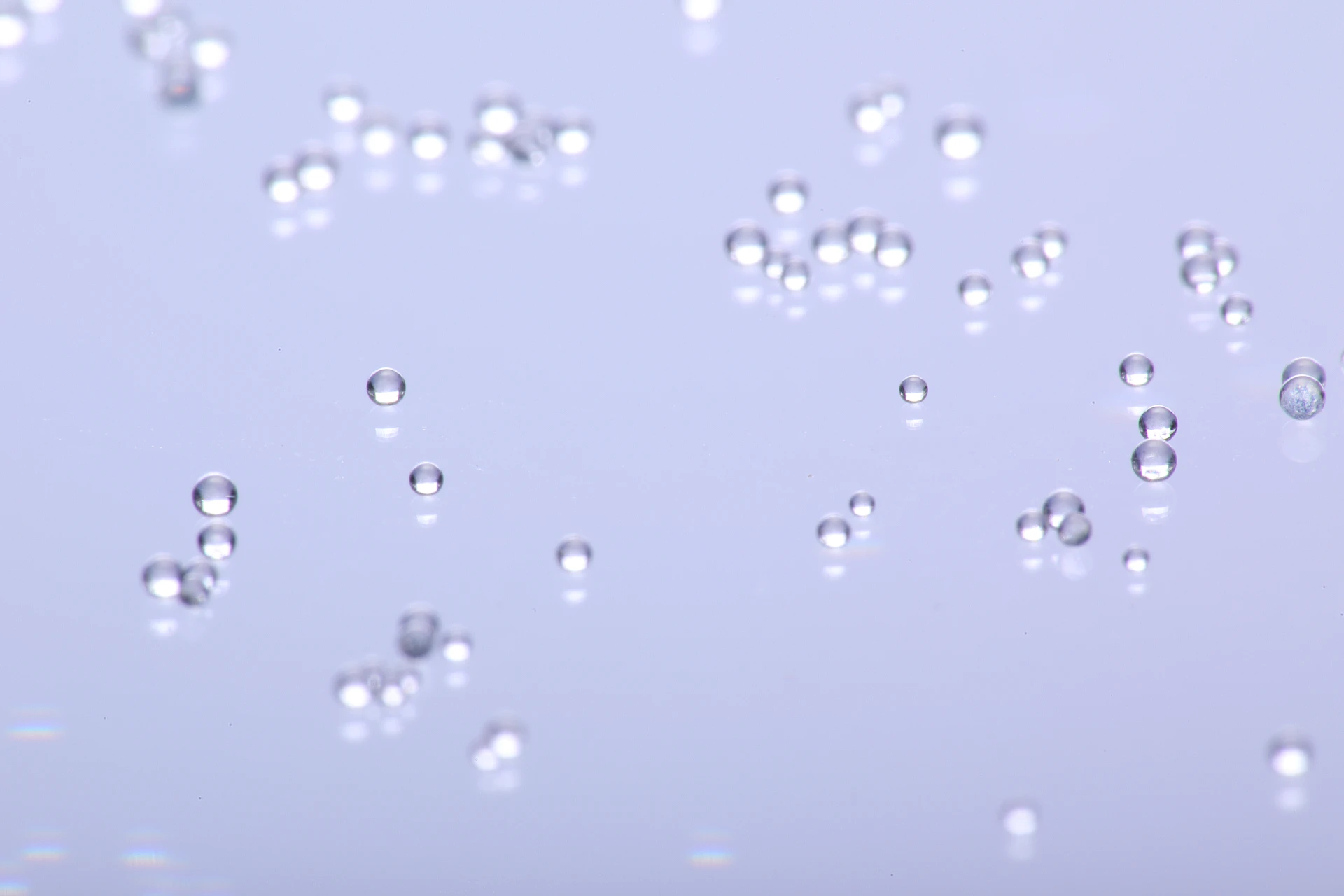
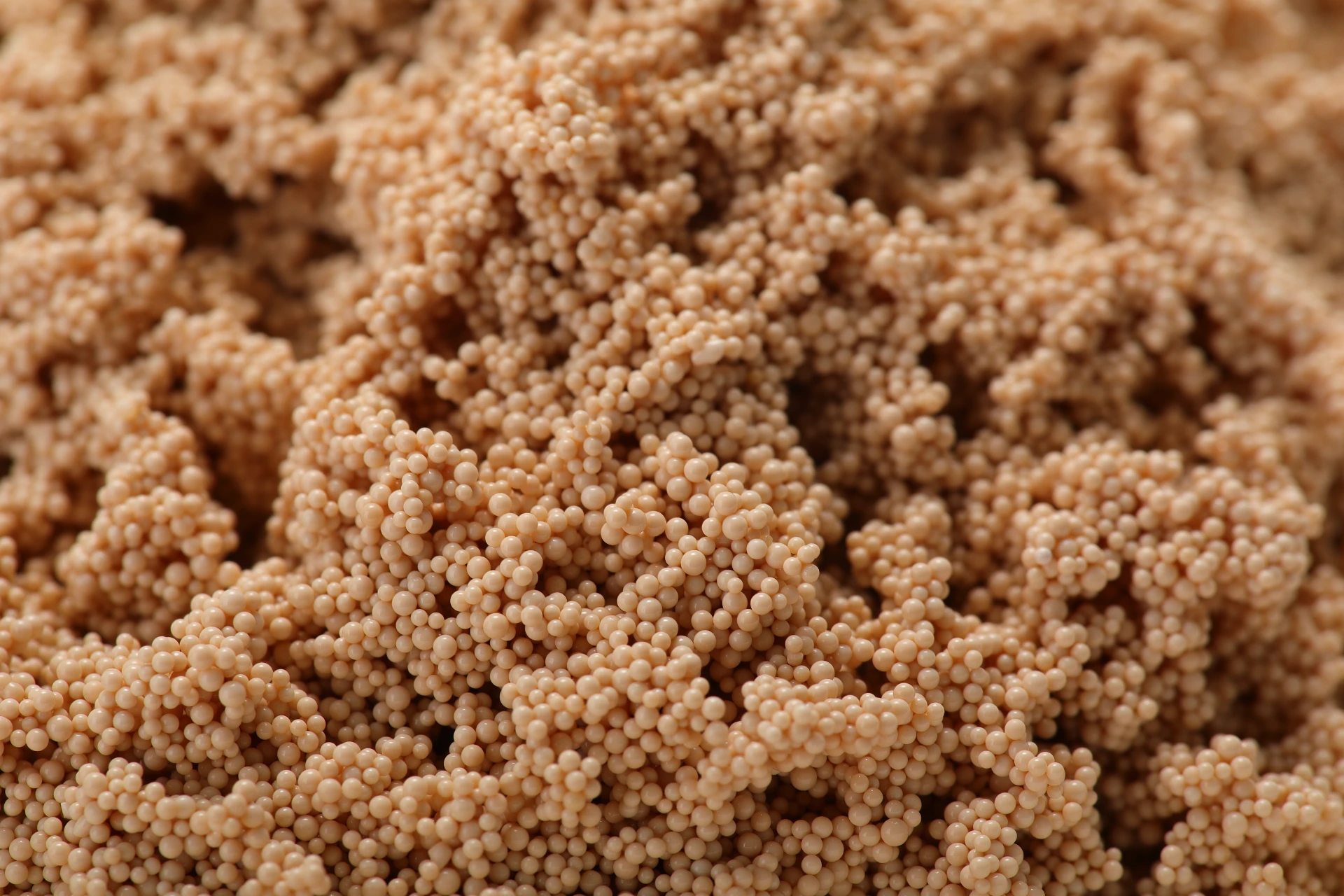
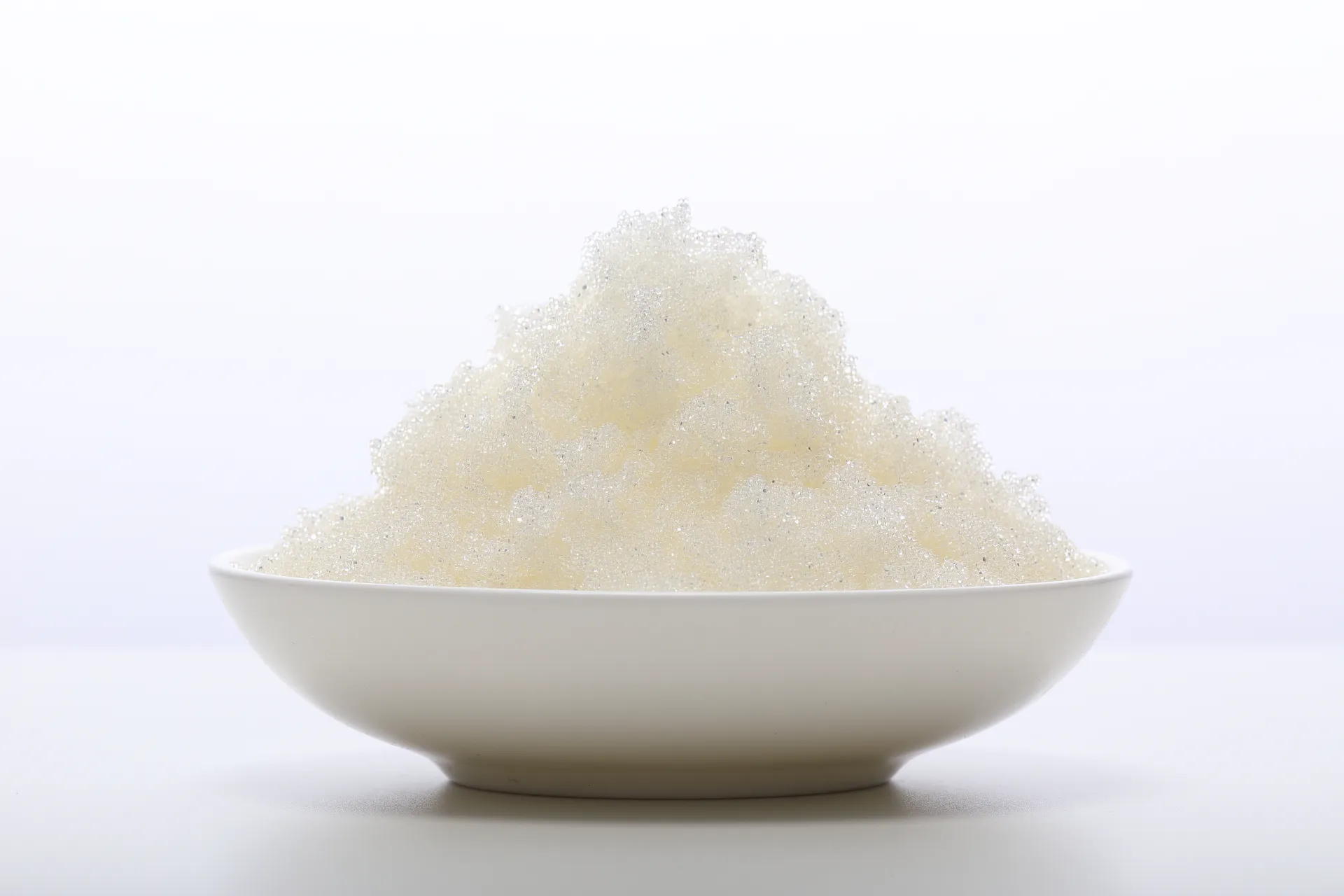
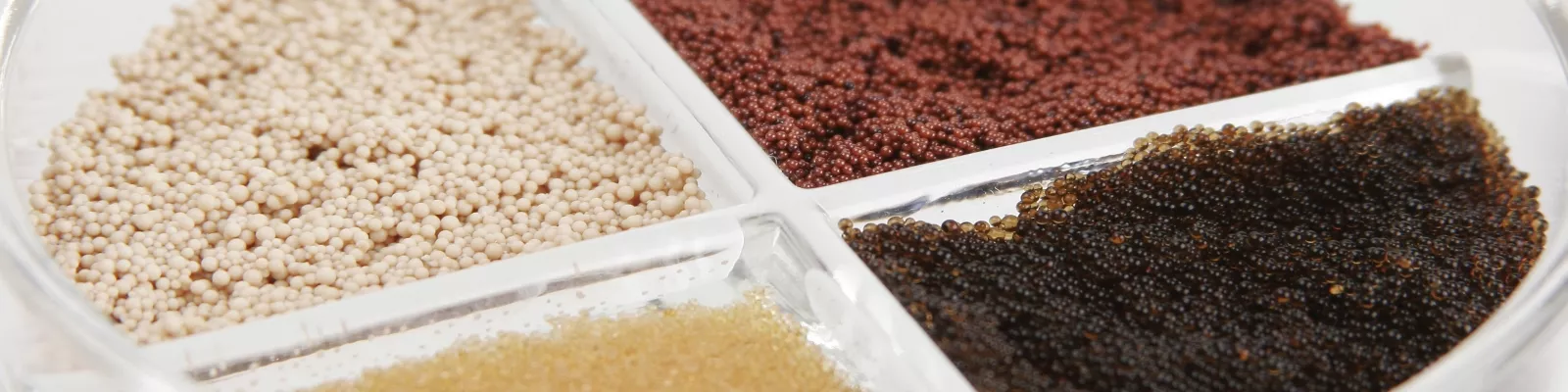
In simple terms, purolite mb400 is a chelating resin — a polymeric bead embedded with functional groups that selectively bind metal ions. What sets it apart is its high capacity and selectivity for metals even in the presence of competing ions. This makes it ideal for applications where precision and reliability are paramount.
Industries ranging from mining to electronics manufacturing rely on such resins to purify their water streams or reclaim metals from waste, meeting both regulatory pressures and sustainability goals. In humanitarian contexts, cleaner water treatment processes help communities avoid exposure to toxic metals — a subtle but critical humanitarian linkage.
Purolite MB400 exhibits strong chelation with divalent and trivalent metal ions. This selectivity minimizes cross-contamination and maximizes recovery. You know, this is often what operators highlight as a game-changer — fewer replacement cycles and a more predictable performance.
Its polymer matrix is engineered to sustain acidic and alkaline environments. This means purolite mb400 works consistently over many cycles without significant degradation, translating into lower lifecycle costs for users.
It can be used in fixed-bed columns or fluidized beds, and tailored to different flow rates and feed waters. This flexibility makes it adaptable to small-scale operations or large industrial plants.
Purolite MB400 can be regenerated using conventional eluents, making metal recovery viable and lowering waste generation. This is crucial in circular economy contexts.
| Property | Specification |
|---|---|
| Physical Form | Spherical bead resin |
| Particle Size | 0.3 – 1.2 mm |
| Functional Group | Chelating aminophosphonic acid |
| Operating pH Range | 1 – 6 |
| Moisture Content | 45 – 55% |
| Regeneration Method | Acid or chelant eluents |
Manufacturers of electronics components in East Asia rely on purolite mb400 to remove and recover copper from circuit board rinse waters — reducing costs and environmental impact. Meanwhile, mining operations in South America deploy it to selectively capture cobalt and nickel ions, metals critical for battery production. This plays into the renewable energy transition in a very direct way.
Oddly enough, humanitarian agencies working in post-disaster regions with contaminated groundwater see benefits too. Removing heavy metals quickly helps avoid poisoning vulnerable populations. Industrial zones in Europe implement it as part of zero-liquid discharge plants — an ambitious circular economy milestone.
| Feature | Purolite MB400 | Competitor A | Competitor B |
|---|---|---|---|
| Metal Selectivity | High | Medium | Medium |
| Chemical Durability | Excellent | Good | Fair |
| Regeneration Cycles | 50+ | 30-40 | 20-30 |
| Price per kg | $$$ | $$ | $ |
First off, there’s the obvious financial logic: reducing raw metal purchase and waste disposal costs significantly offsets investment in purolite mb400. Then there's the sustainability dimension — enabling compliance with tightening international environmental norms (like those outlined by ISO 14001) and supporting corporate social responsibility mandates.
It evokes trust with regulators and communities alike when you use a reliable, proven technology rather than ad-hoc or untested solutions. Importantly, it fosters innovation too — reclaimed metals fuel manufacturing ‘green loops’, and cleaner water supports health.
Future developments point toward integrating digital monitoring with resin performance — think real-time sensors to optimize resin usage and regeneration cycles. Moreover, innovations in green synthesis for resins aim to reduce environmental footprint of production itself. The digital transformation of water treatment is, frankly, just beginning.
Despite its strengths, purolite mb400 isn't a magic bullet. Highly complex wastewater matrices with organic fouling or extreme pH can challenge resin longevity and efficiency. But experts suggest pre-treatment and hybrid systems combining membrane filtration or oxidation steps as robust solutions.
In sum, purolite mb400 stands out as a solid, proven product helping industries worldwide meet increasingly stringent environmental and economic demands. Its efficiency, durability, and flexibility make it a worthy investment for those aiming not only to comply with regulations but also to foster sustainable growth.
If you’re ready to explore how this chelating resin can optimize your operations, visit our website for detailed specifications, pricing, and expert consultation. The future of clean technology is, I suppose, a lot less daunting thanks to innovations like these.
Mini takeaway: Purolite MB400 isn’t just a chemical product — it’s a practical enabler of cleaner water, resource recovery, and sustainable industry on a global scale.